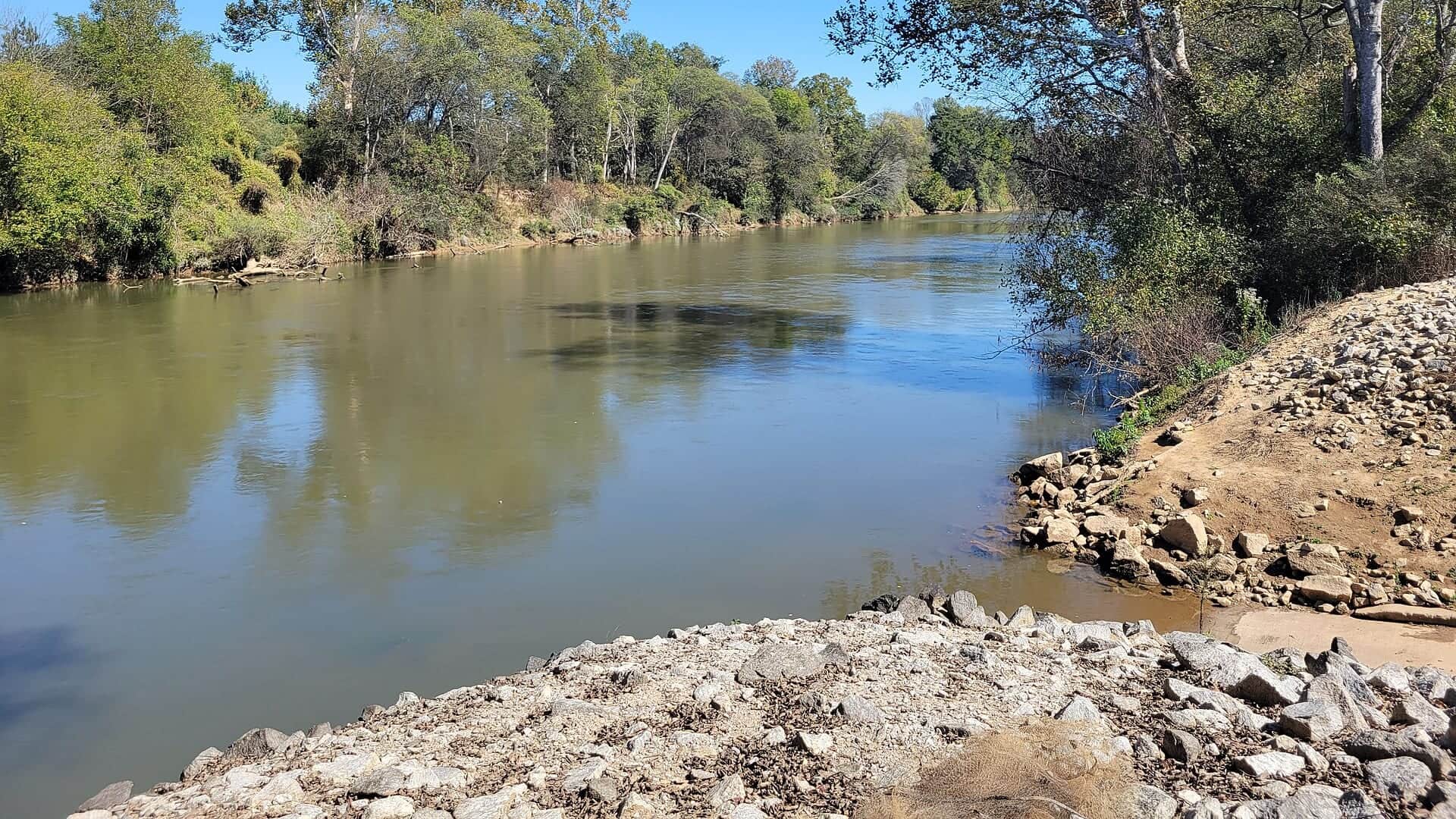
RiverReports preview · current series loading
Recent flow
RiverReports gauge
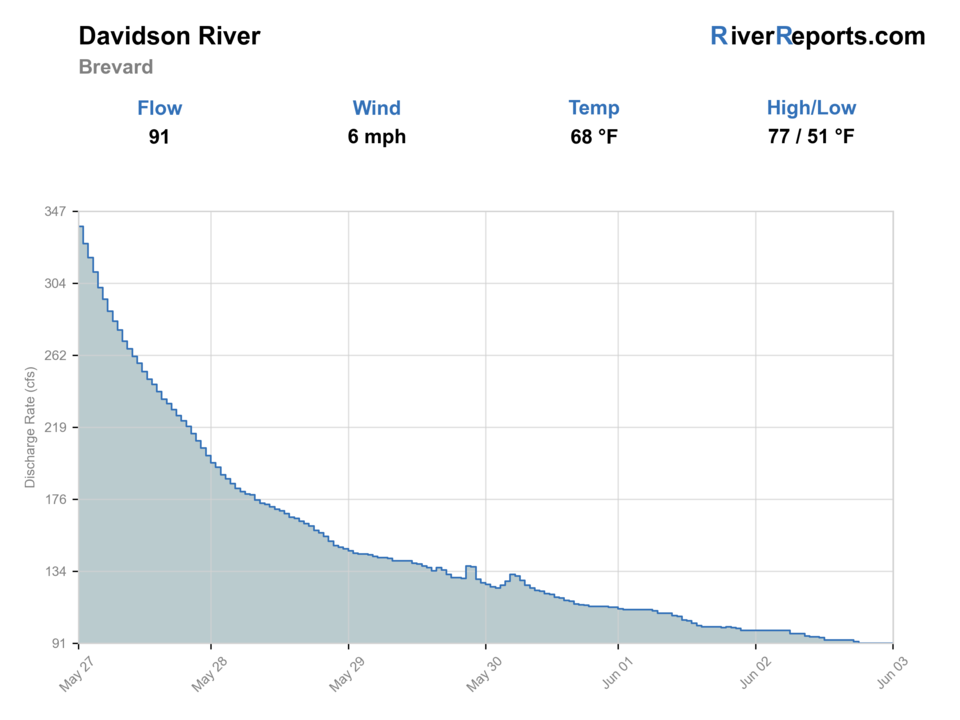
Showing the available RiverReports chart while the current structured flow series loads. Check the chart on RiverReports Opens in a new tab.
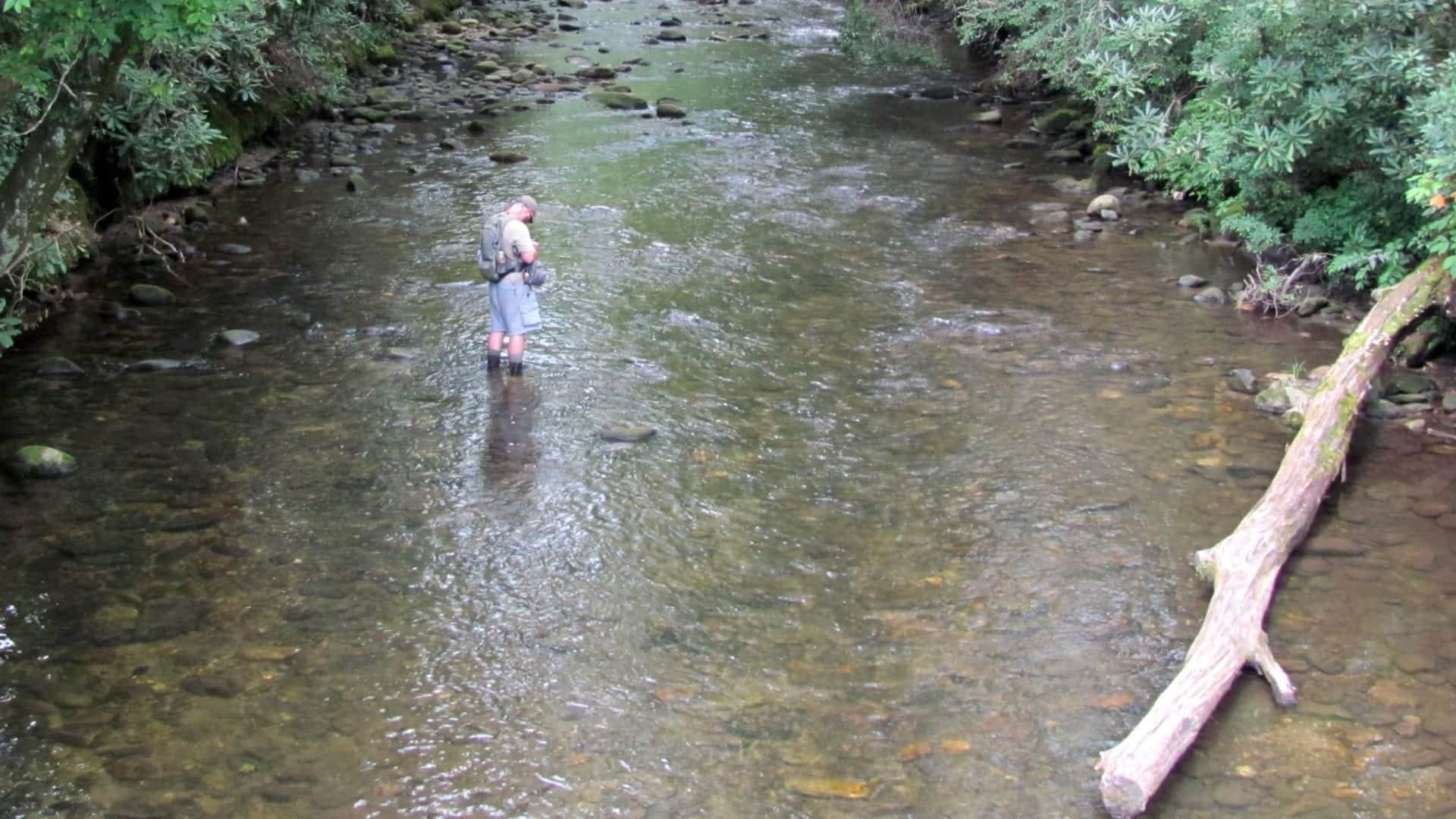
No single best way to fish. Wading and Floating have the same top score. Use current access, footing, weather, and local rules to choose.
Rating updatedRiver local time:
USGS shows 53 cfs. The flow has been stable over about 6 hours. USGS marks this reading provisional and may revise it. USGS records for this date (1921-2026, 103 readings) show a typical middle range of 39 cfs to 96 cfs. Flow is within the typical range for this date, so weather, temperature, and access become the next checks.
NWS air forecast near
RiverReports gauge
Showing the available RiverReports chart while the current structured flow series loads. Check the chart on RiverReports Opens in a new tab.
Sunny
The National Weather Service forecast is temporarily unavailable.
RiverReports gauge: Davidson River near Brevard
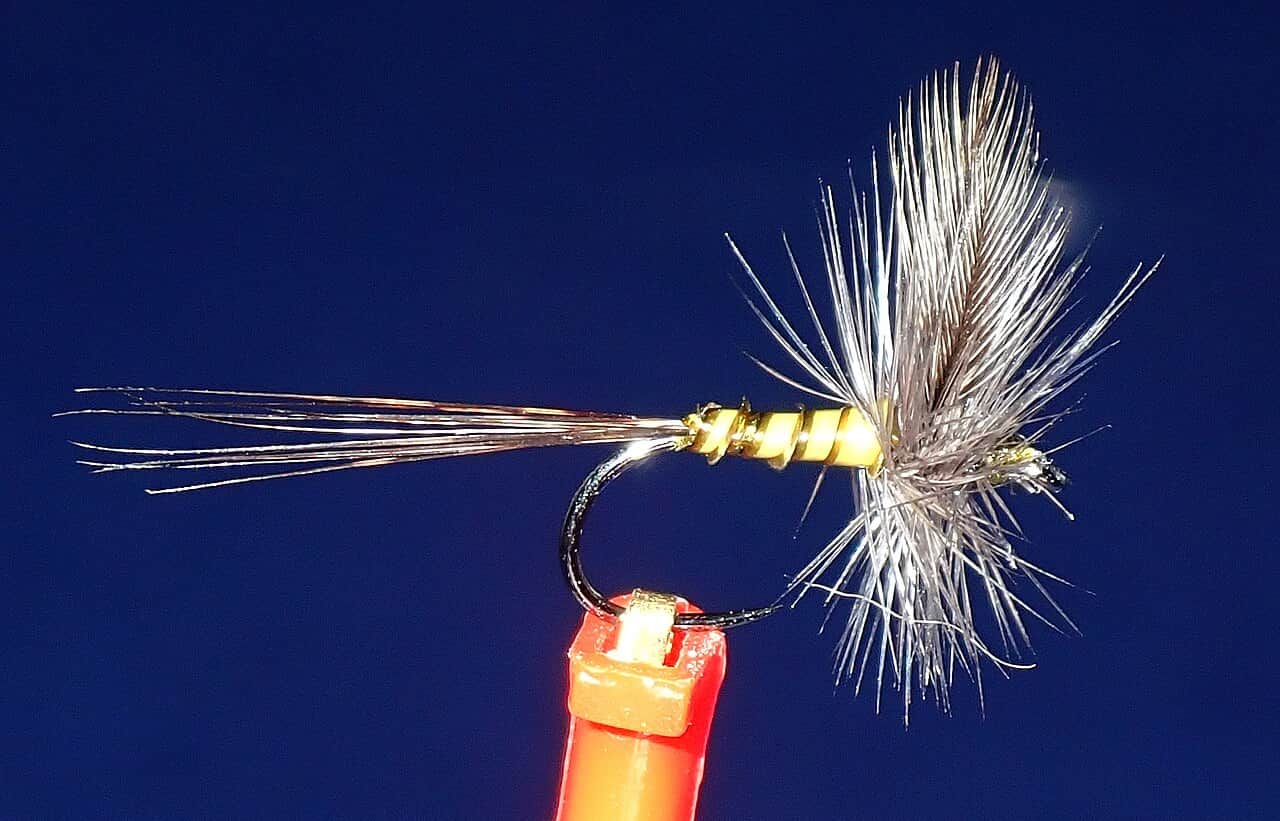
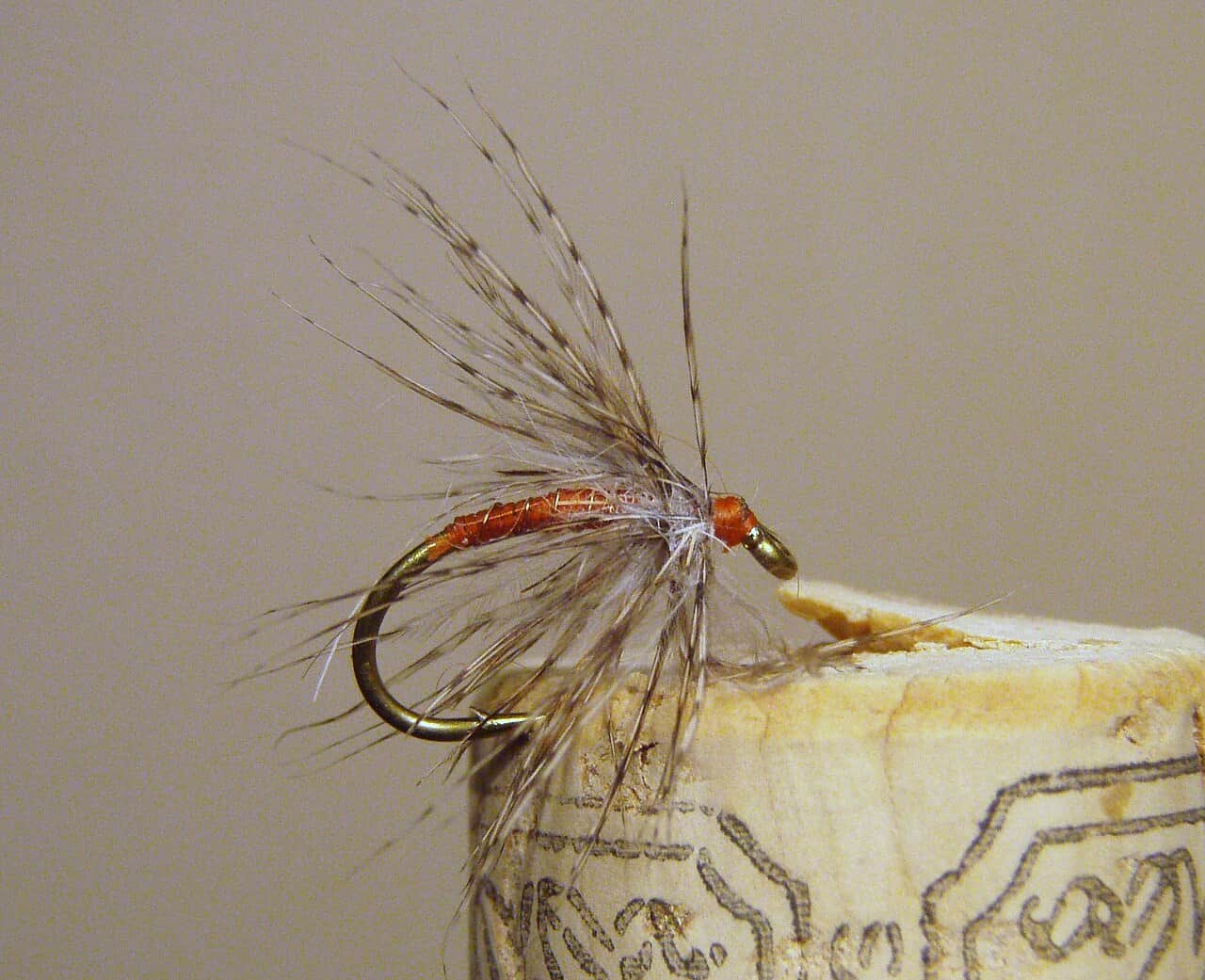
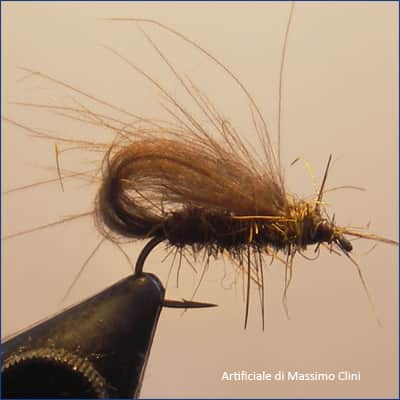
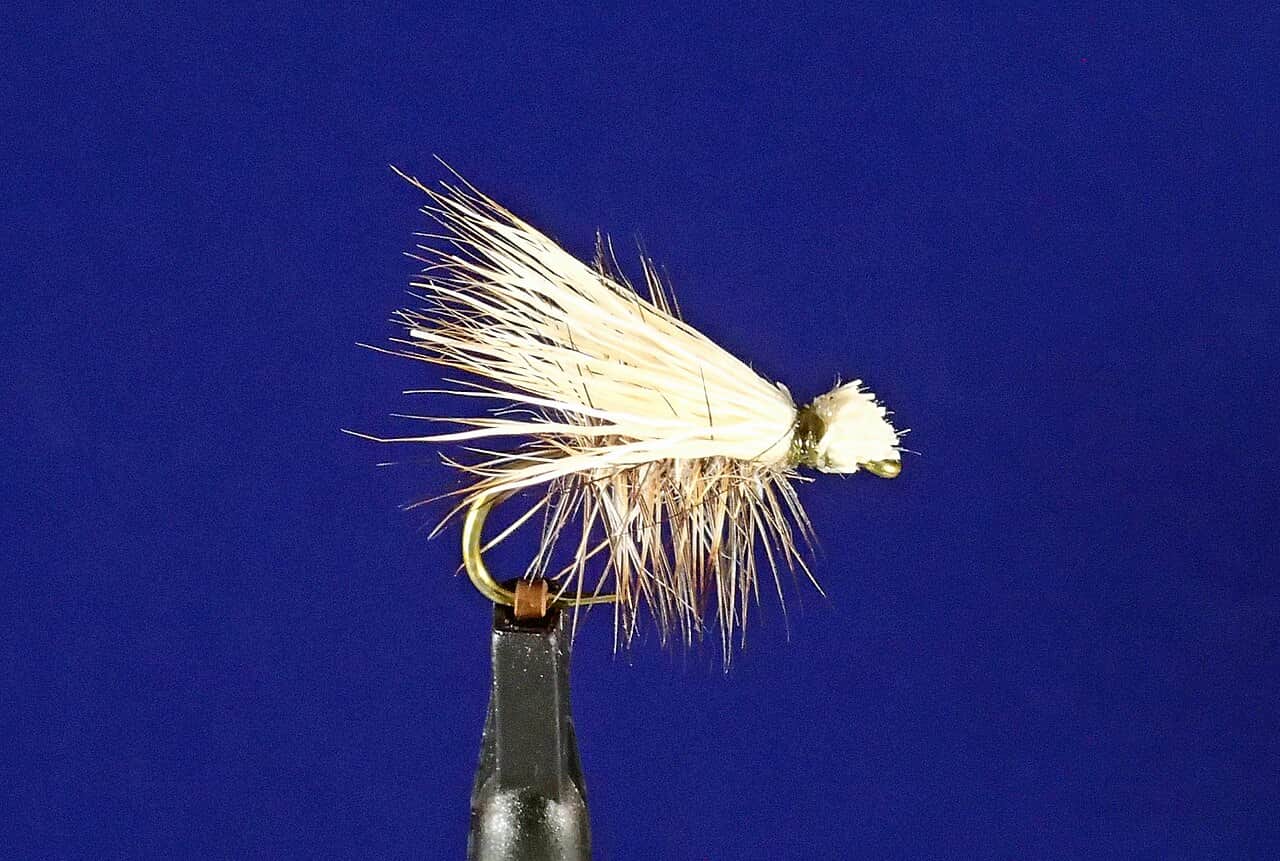
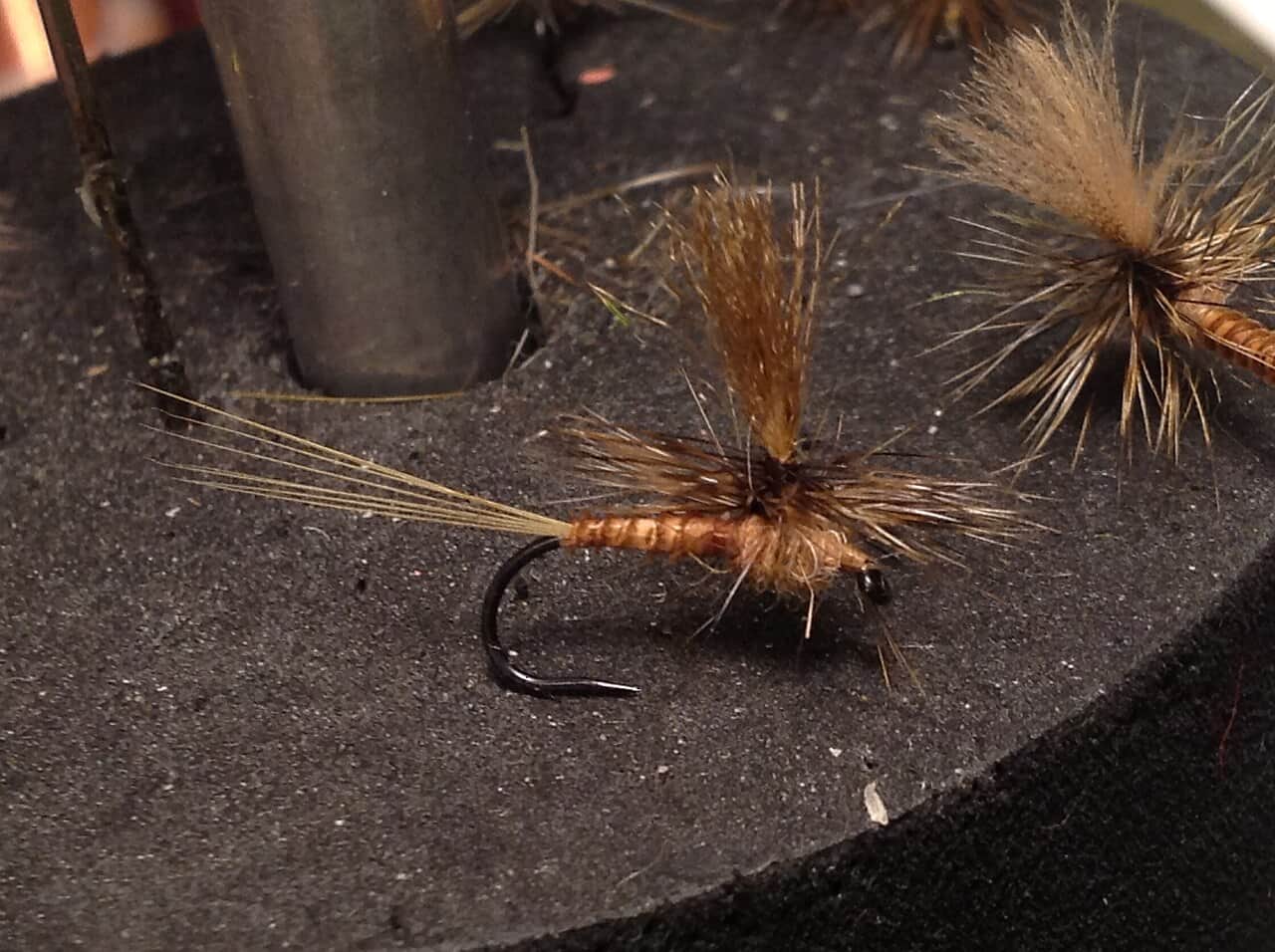
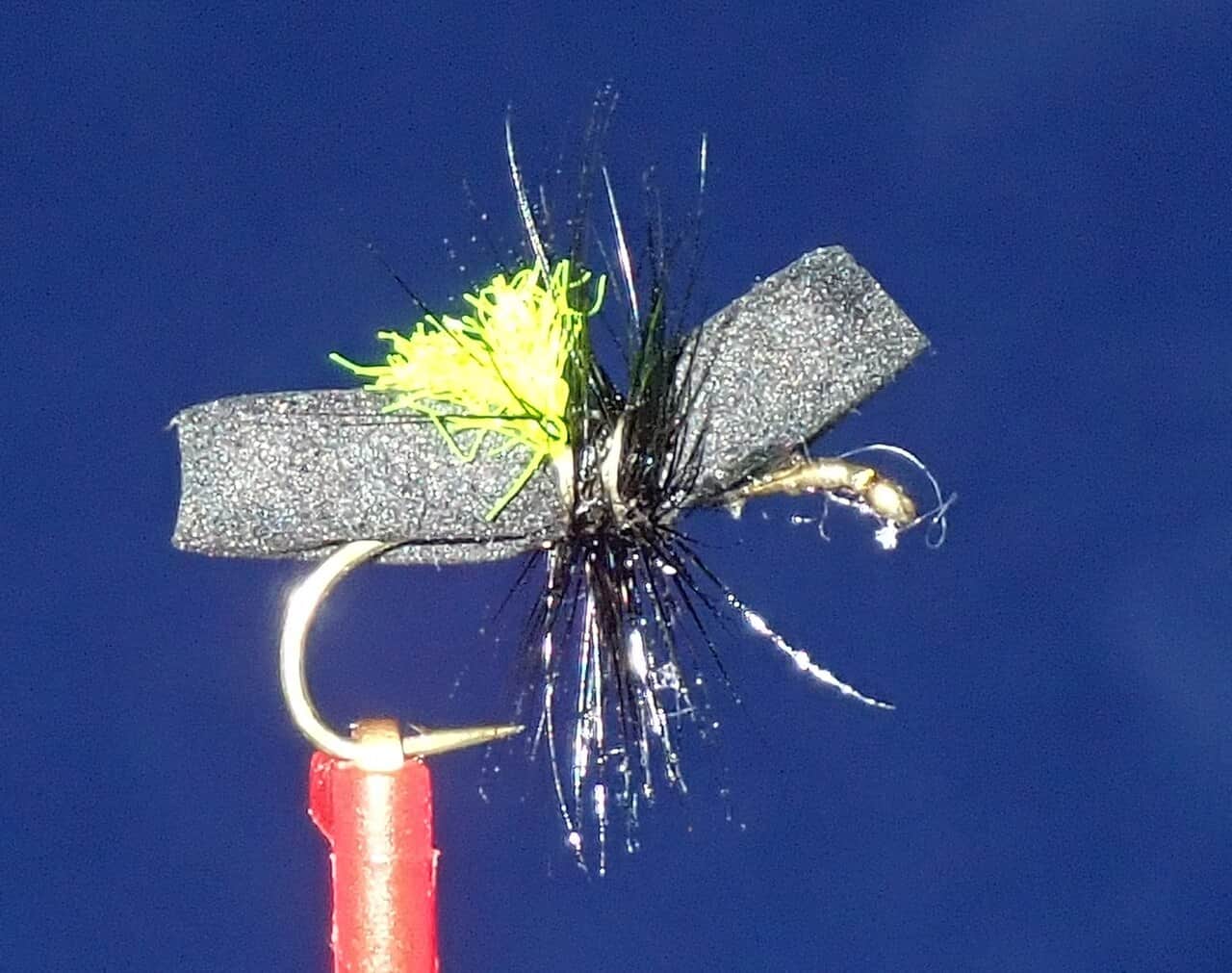
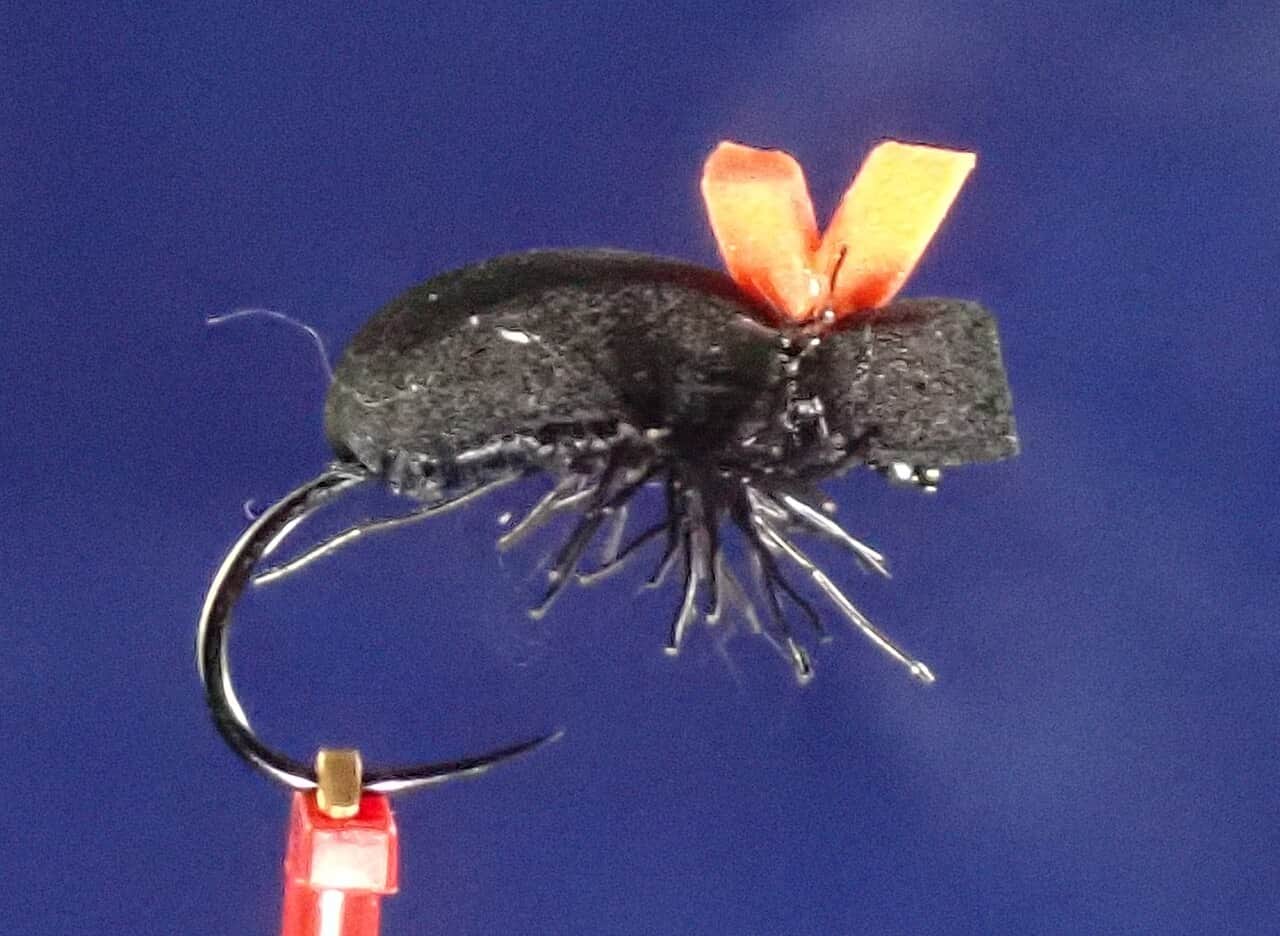
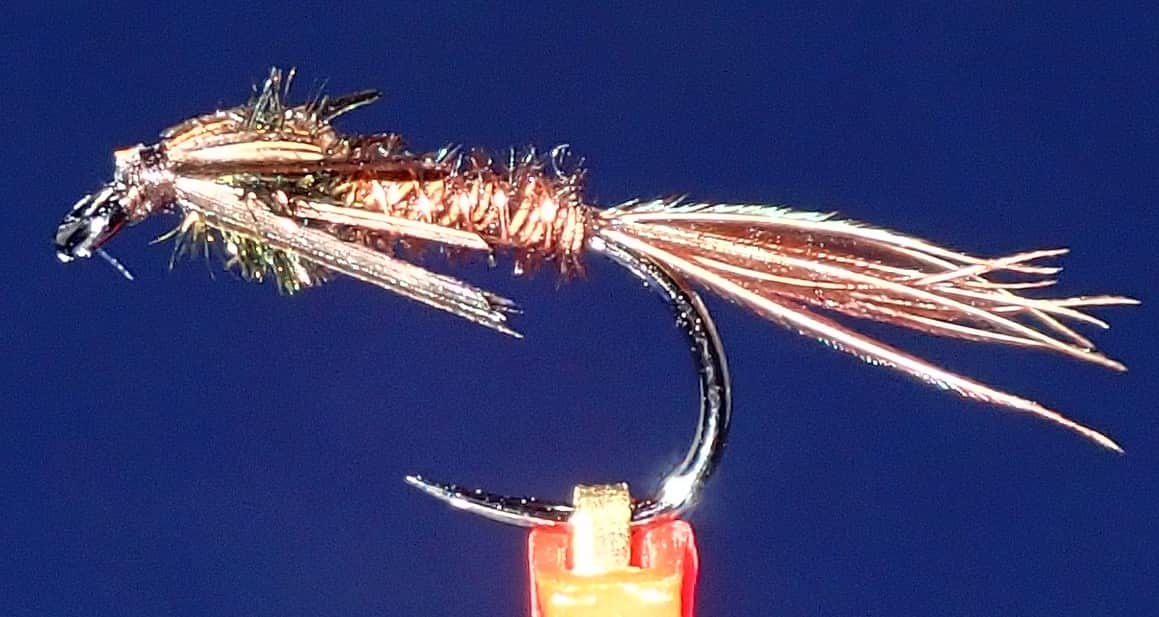
Seasonal starting points, not a live hatch report. Match what you see on the water.
Each fly name opens its matching Fly Box guide.
The Davidson fishes best when flows are stable, water is cool, and you can approach fish without crowding them. After storms, let the river clear and pick safer footing.
Use 6X, longer leaders, and careful kneeling or side casting.
Dry-dropper rigs and small nymphs are practical through riffles and seams.
Fish edges only where safe or wait for clarity.
Check temperature and avoid stressing trout during hot afternoons.
Wading and Floating have the same top score. Use current access, footing, weather, and local rules to choose.
Wading is in play only where your chosen access has clear footing, legal entry, and no forced crossings.
This report does not recommend bank fishing on this reach.
A float is in play where this report supports boat access and wind, releases, and shuttle logistics are manageable.
Is Davidson River worth the trip today? Check flow, weather, hatches, access, and rules for North Carolina before you go.
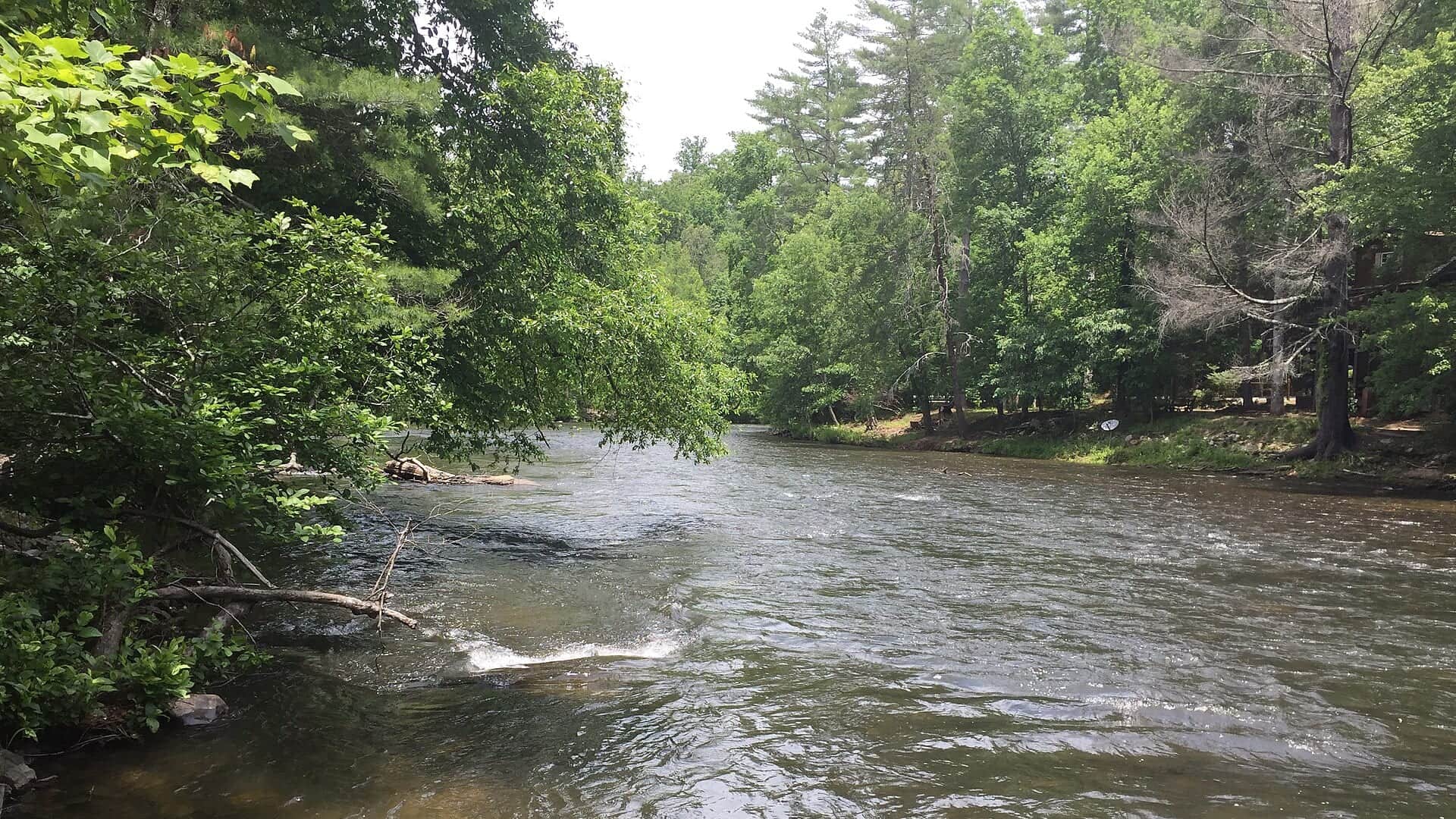
The Davidson is a famous Brevard-area trout stream with clear water, educated fish, and special fishing rule reaches. Flow, stealth, and access rules matter every trip.
USGS shows 53 cfs. The flow has been stable over about 6 hours. USGS marks this reading provisional and may revise it. USGS records for this date (1921-2026, 103 readings) show a typical middle range of 39 cfs to 96 cfs. Flow is within the typical range for this date, so weather, temperature, and access become the next checks.
Fall: Cooler flows, BWOs, and small streamers return.
USGS water temperature is about 49.3F, and the rolling 24-hour high did not trigger a heat caution. USGS marks the temperature data provisional and may revise it.
No active NWS alert was returned for this forecast point.
Skip or choose another river when storms have spiked the gauge, summer water is too warm, access areas are overloaded, or the public mountain trout classification is unclear.
Use RiverReports Brevard and USGS 03441000 as the reach trend, then compare recent rain, clarity, and water temperature before deciding whether to fish small dries, nymphs, or streamers.
Skip or choose another river when storms have spiked the gauge, summer water is too warm, access areas are overloaded, or the public mountain trout classification is unclear.
Check the Brevard gauge, NC Wildlife trout classification, and USFS access status first. Pick one legal area, start with small flies, and keep a backup reach ready.
If the Davidson is warm, crowded, or blown out, compare the Nantahala, Toccoa, or Chattahoochee reports before forcing the same plan.
Use these places as starting points. Open the access link below and check posted signs before you park or enter.
NC Wildlife public mountain trout water classifications apply and vary by reach. Confirm the exact Davidson section before fishing.
Popular USFS planning anchor near Brevard.
Useful upper-area access context.
Public land access still requires signs, closures, and parking checks.
Official agencies and primary river operators come first. Secondary tools are labeled so you know what carries the most weight.
Check what is allowed, where the rule applies, and whether the river is open.
Check the latest river reading and forecast before you leave.
Check public entry points, land rules, and seasonal access changes.
Check what is allowed, where the rule applies, and whether the river is open.
Open the current rules and check the river section, season, and special limits.
Open the current rules and check the river section, season, and special limits.
Check the latest river reading and forecast before you leave.
Open this page and check the latest safety advice before your trip.
Open this river reading to check the latest level, flow, and update time.
Open this river reading to check the latest level, flow, and update time.
Check public entry points, land rules, and seasonal access changes.
Open the land or access page, then check signs before you park or enter.
Open the land or access page, then check signs before you park or enter.
What was checked: This report is maintained from current regulation, access, flow, weather, and public planning sources so anglers can make better trip decisions than a raw gauge or generic overview would allow.
Live measurements and forecasts keep their provider timestamps. Rules, access, and trip guidance use the source-review date shown here. BlueStreamFly planning advice is editorial interpretation, not an agency notice.
First-hand experience: BlueStreamFly does not claim a first-hand visit or local field test for this report unless a real contributor is explicitly named and linked.
Check Brevard flow, NC trout water classification, USFS access status, water temperature, and crowding.
Yes. NC public mountain trout water classifications change by reach.
Yes in many spots, but slick rock, crowds, and storm spikes require care.
Bring the seasonal hatch box, a nymph box, a few streamers, and a backup plan for clear, high, warm, or crowded water.