New Mexico / Southwest
Cimarron River
A Cimarron Canyon report for the small tailwater below Eagle Nest Dam, with flow checks, Red Chile regulation notes, access, and fly choices.
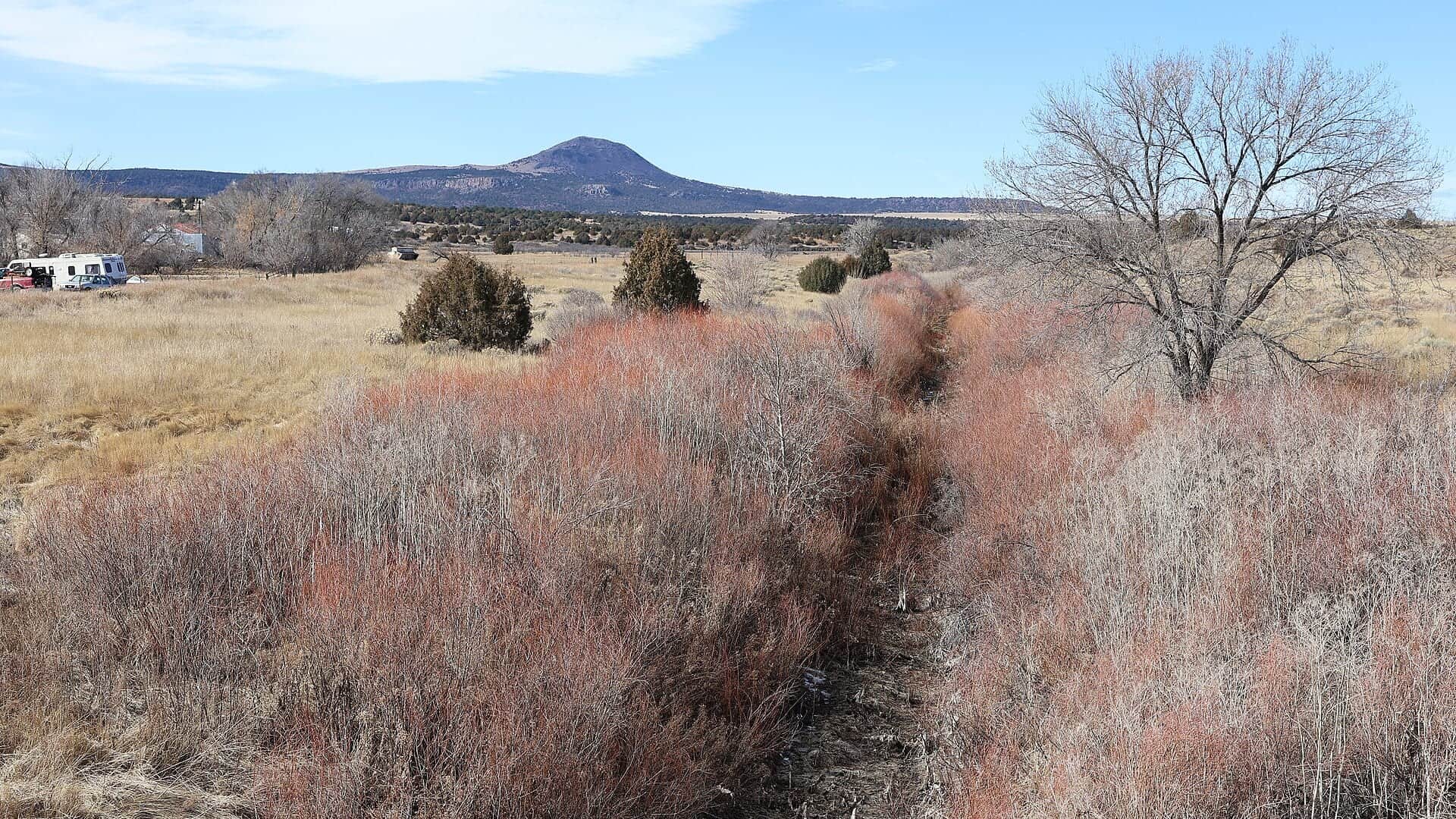
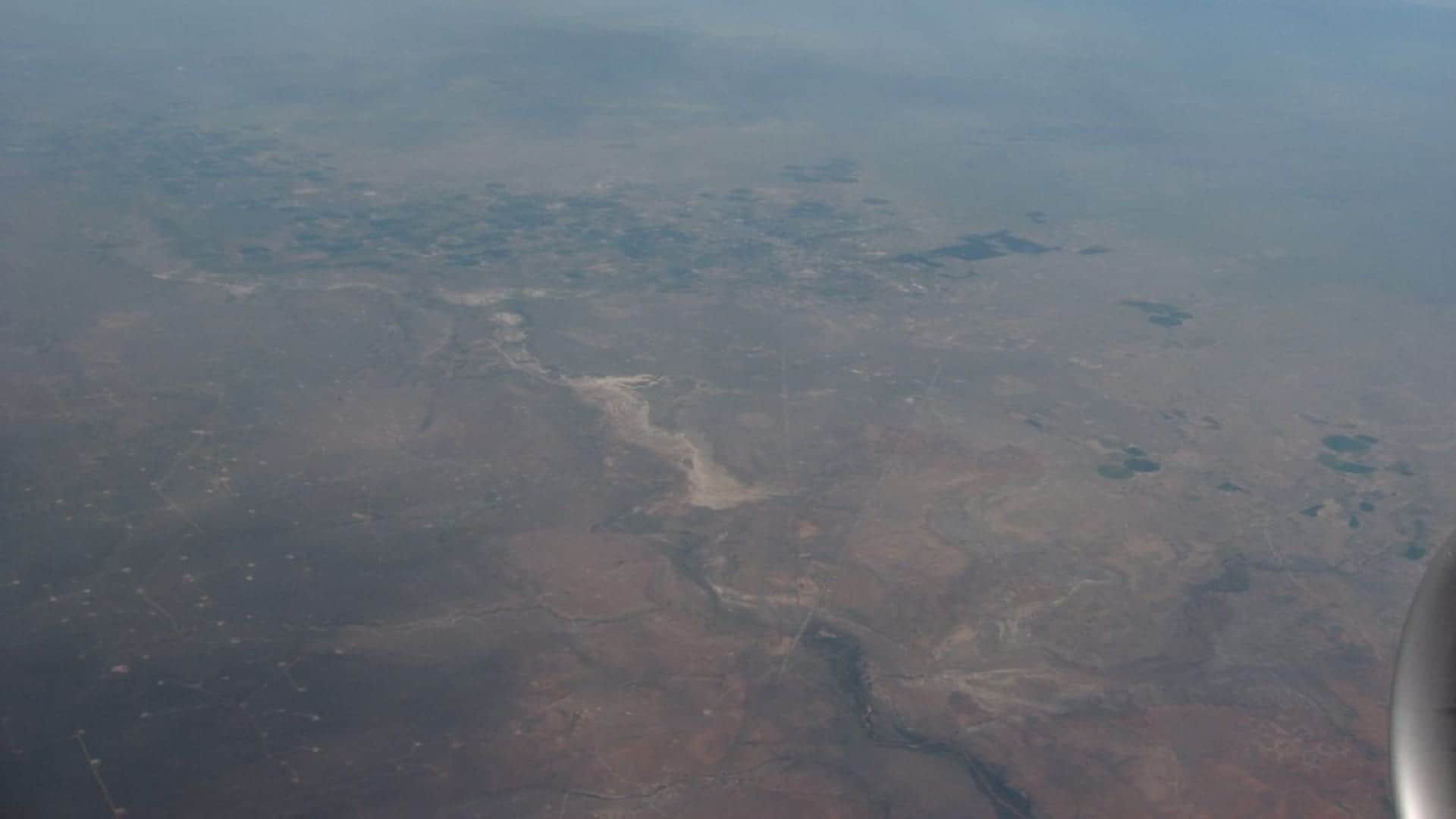
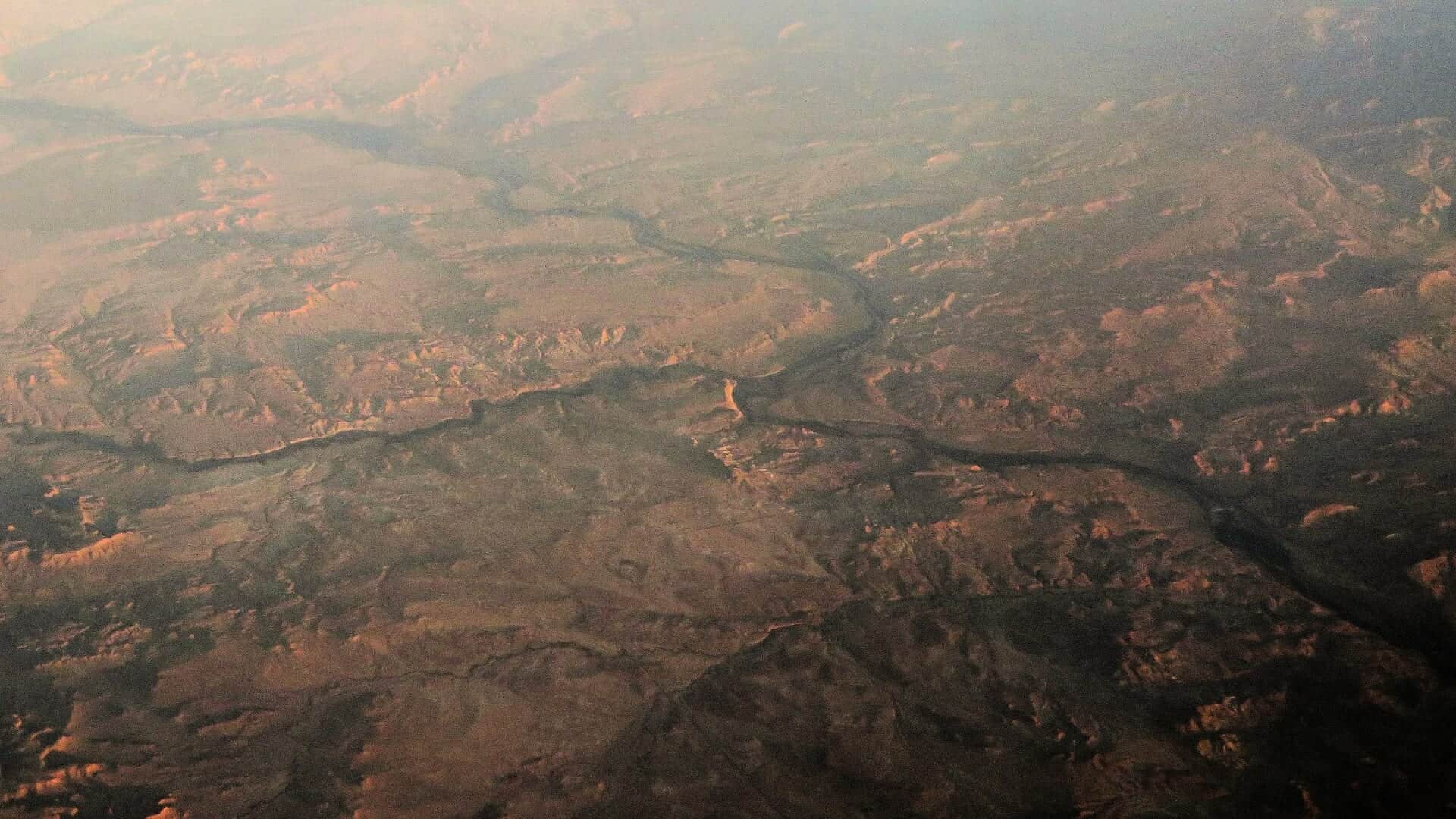
Image: Dry Cimarron River at Folsom, New Mexico looking west / CC BY 4.0 / Jeffrey BeallFishability now: Cimarron River fishability today
GoodData confidence: High78/100
Fishable now because the live gauge is rising, weather is mild, and no public alert is active.
Flow observed
5:15 PM UTC
Weather observed
5:00 PM UTC
Score calculated
6:12 PM UTC
Why this rating
Flow
Weather
Public alerts
Next 6-12 hours
Watch
Recheck within the next few hours; rising water or active weather can change clarity and wading quickly.
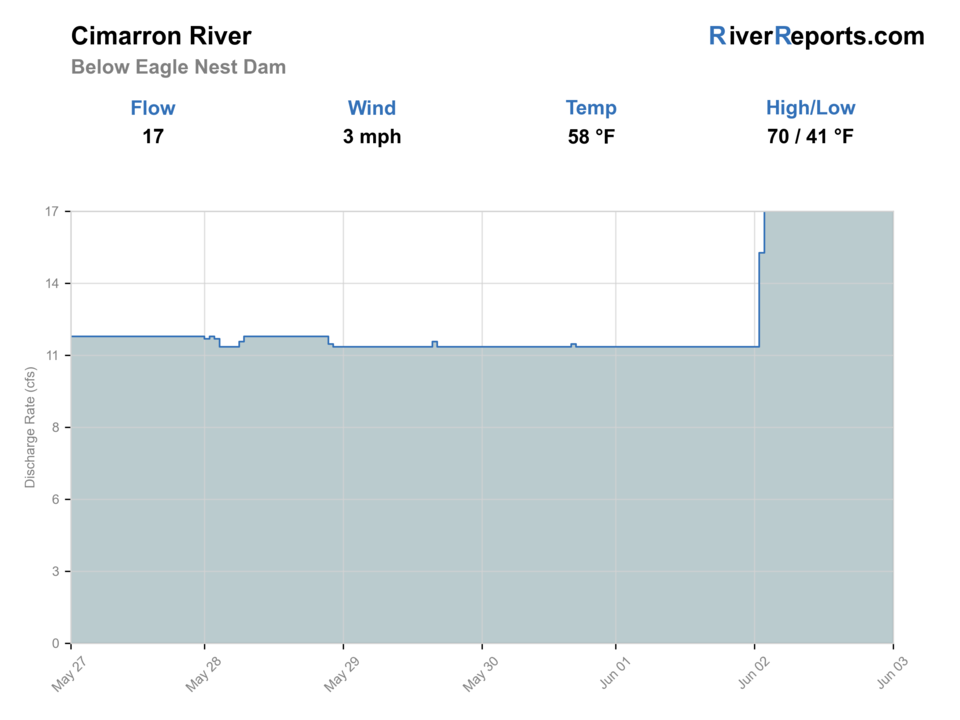
USGS flow
17 cfs
Current trend: flow rising, rating can drop quickly if clarity or wading safety deteriorates.
More planning details: flies, flow bands, and live source checks
Fish it today
Start here
Check the below-dam gauge, New Mexico rules, state-park status, and canyon weather first. Pick one short reach, fish it carefully, and keep the Chama, Pecos, or San Juan ready as the backup.
Best flow clue
Use RiverReports and USGS 07206000 below Eagle Nest Dam together for trend context. Stable or gently improving release is the cleanest setup; very low water, sudden release changes, or muddy storm pulses should move you to another river.
Skip trigger
Skip the Cimarron when the Red Chile rule window is unclear, release levels leave the river too thin or too pushy, warm weather shrinks the trout margin, or the only open pullouts are already crowded enough to flatten the day.
Flow decision bands
Low and technical
Low clear Cimarron water can still fish, but tiny drifts, careful wading, and cool-hour trout handling matter more than forcing a full-day plan.
Best Eagle Nest release
A steady below-dam release with clear water is the cleanest signal for dry-droppers, small nymphs, caddis, and short technical trout sessions.
Pushy or stained
Release jumps or muddy canyon water should move the day off the river instead of forcing slick pocket wades.
Warm or crowded
A fishable graph still becomes a poor trout call when summer warmth builds or the small public corridor already feels crowded.
USGS flow
17 cfs
Current trend: flow rising, rating can drop quickly if clarity or wading safety deteriorates.
Live USGS flow
17 cfs / rising about 46%
Live NWS forecast
64F / Cloudy
Water temperature not verified
Heat guidance uses weather and river type unless an official water-temperature value is available.
No NWS alert flag
No active NWS alert was returned for this forecast point.
Use the below-dam gauge to avoid fishing during unsafe or unproductive low-flow windows.
Expect the most useful fishing in pocket water, small seams, plunge pools, and shaded runs.
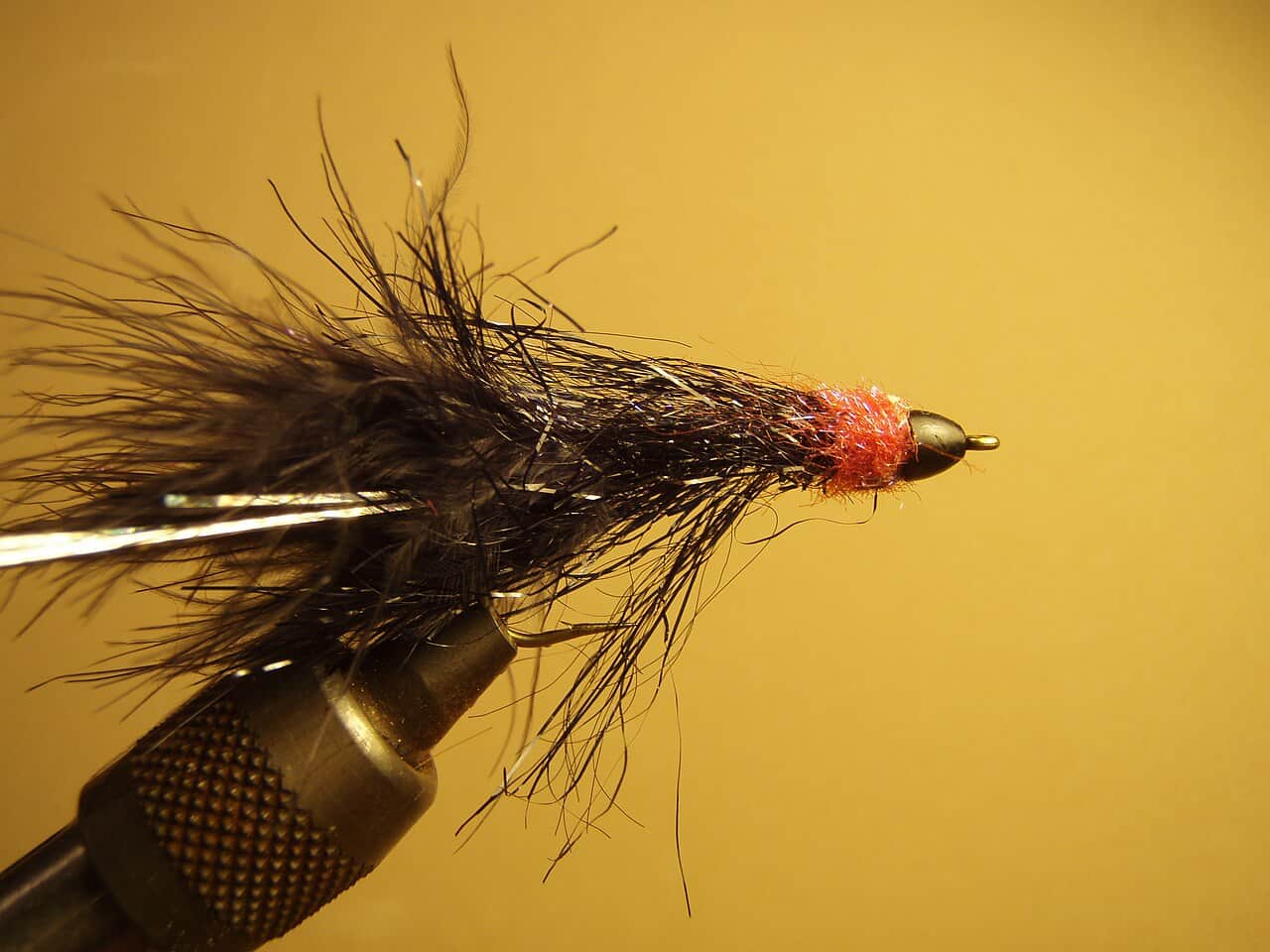
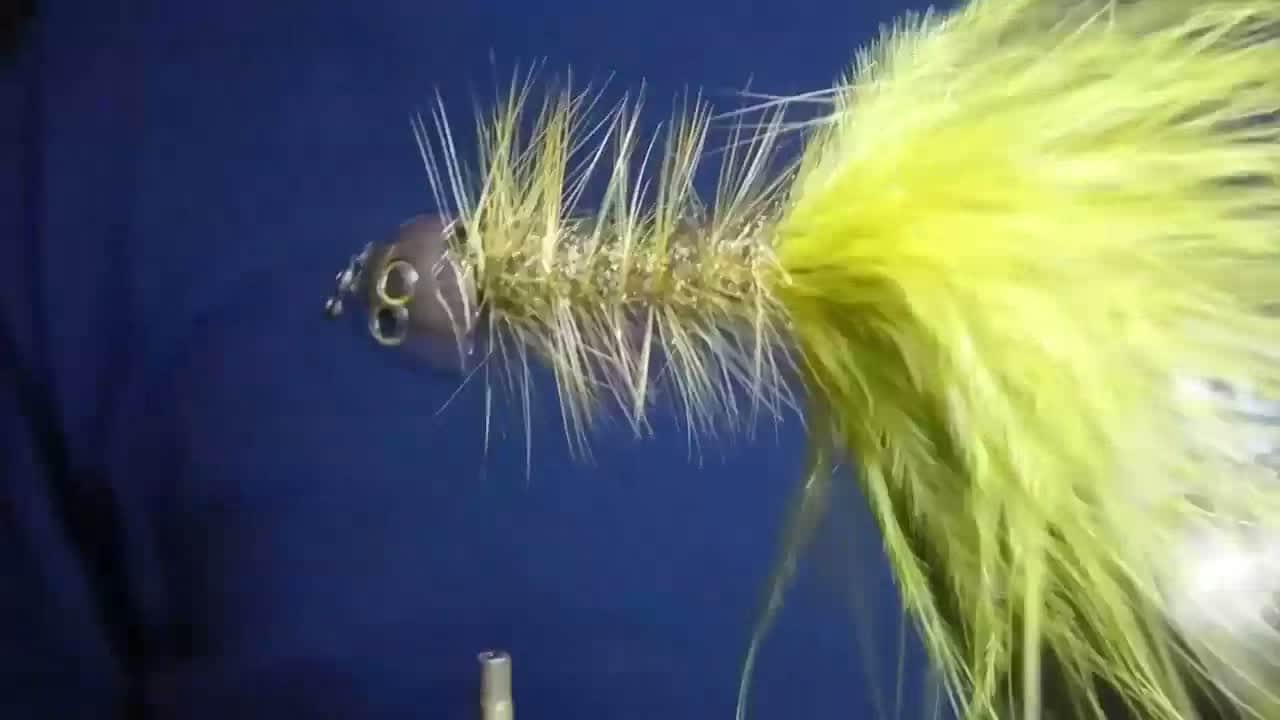
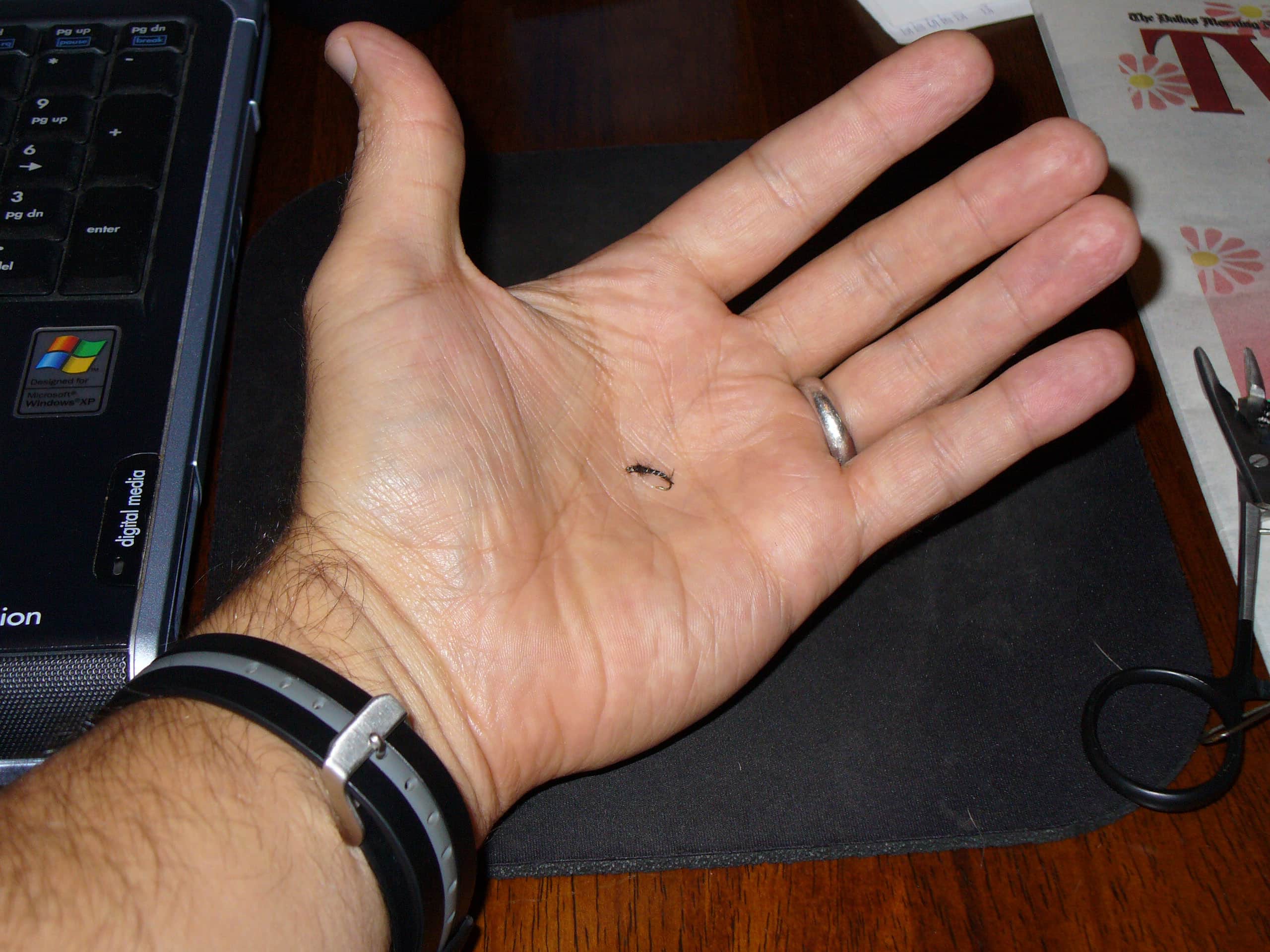
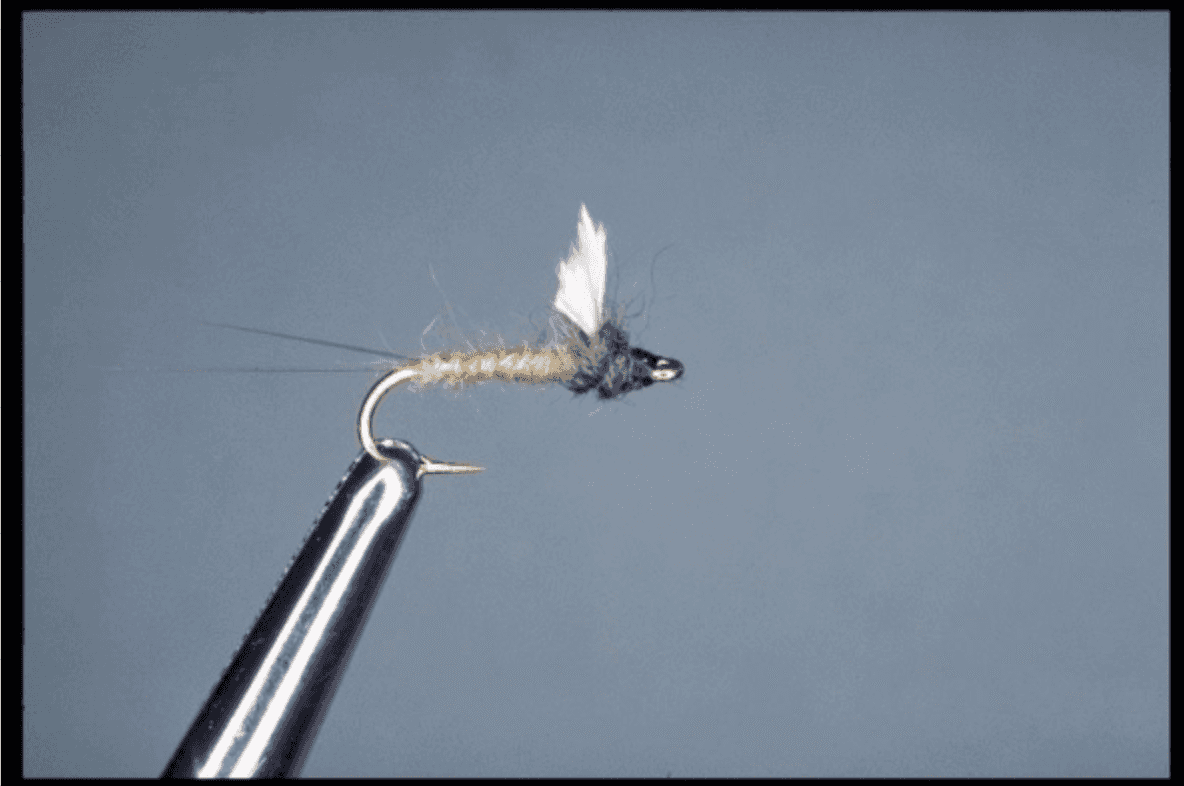
Carry small nymphs, caddis, PMDs, midges, terrestrials, and a light streamer or two.
Check the Red Chile Special Trout Water reach before keeping fish or choosing tackle.
Editorial review
How this report is maintained
This report is maintained from current regulation, access, flow, weather, and public planning sources so anglers can make better trip decisions than a raw gauge or generic overview would allow.
Byline
BlueStreamFly editorial team
Reviewed by
BlueStreamFly source review
Maintained by
Mountain Brook Run LLC
Last material review
2026-05-31
Report confidence
Good confidence
88/100
Good confidence: RiverReports, USGS flow, New Mexico regulations, Cimarron Canyon State Park information, NMDGF updates, and weather support the page. Confidence is moderated by release sensitivity, small-river crowding, and exact special-rule boundaries.
Regulations
New Mexico rule and general regulation sources support the Red Chile Special Trout Water checks for the selected reach.
Access
Cimarron Canyon State Park information supports public-access planning, with parking, pullout, and reach-boundary checks still required.
Flow and weather
RiverReports Cimarron below Eagle Nest Dam, USGS 07206000, and the National Weather Service point provide a solid live planning set.
Fishing usefulness
The page now separates release timing, small-tailwater pressure, special-rule reach choice, canyon access, and backup-water decisions.
Fishability dashboard and source review
2026-05-31 / material content or source review
RiverReports Cimarron below Eagle Nest Dam, USGS 07206000, New Mexico rules, Cimarron Canyon State Park information, NMDGF weekly updates, and the National Weather Service point were checked before updating the current-fishability decision layer.
2026-05-31
Updated Cimarron River to the current fishability-page standard with release-aware flow bands, access cards, backup cues, stable fishability SEO, and confidence signals.
2026-05-29
Added Cimarron River trip-fit guidance, below-Eagle-Nest gauge framing, Red Chile reach reminders, canyon access and pressure nuance, warm-water skip cues, backup-water suggestions, editorial review signals, and a route-specific report-confidence meter after source review.
2026-05-24
Initial source-reviewed report published with flows, weather, hatches, flies, tactics, access, regulations, and FAQs.
Angler planning edge
Local details that change the plan
Best for
Northern New Mexico trout anglers who want a compact tailwater plan below Eagle Nest Dam instead of a bigger freestone or Navajo tailwater day, Short technical wade sessions where release trend, Red Chile rules, and canyon crowding matter before fly choice, Midge, PMD, caddis, terrestrial, and light-streamer fishing when the river has enough cold flow to keep trout active, Travelers who will treat state-park access, roadside pullouts, and summer temperature as part of the fishability call
Wade or float
Treat the Cimarron as a short wade-first tailwater report. The useful decision is whether the below-dam release, special-rule reach, and one legal canyon access point support a careful trout session.
Best flows
Use RiverReports and USGS 07206000 below Eagle Nest Dam together for trend context. Stable or gently improving release is the cleanest setup; very low water, sudden release changes, or muddy storm pulses should move you to another river.
When to skip
Skip the Cimarron when the Red Chile rule window is unclear, release levels leave the river too thin or too pushy, warm weather shrinks the trout margin, or the only open pullouts are already crowded enough to flatten the day.
Local plan
Check the below-dam gauge, New Mexico rules, state-park status, and canyon weather first. Pick one short reach, fish it carefully, and keep the Chama, Pecos, or San Juan ready as the backup.
Pressure
Pressure stacks quickly because the river is small and access is obvious. Early starts, short sessions, and moving before the first run turns into a lineup usually beat chasing more water.
Access nuance
Cimarron Canyon State Park and named pullouts help with logistics, but parking, posted banks, and the exact Red Chile corridor still need current confirmation before stepping in.
Backup water
If the Cimarron is too low, warm, muddy, crowded, or access-limited, compare the Pecos for freestone pocket water, the Chama for a broader canyon release plan, or the San Juan for steadier tailwater conditions.
About the river
Setting, character, and why it fishes the way it does.
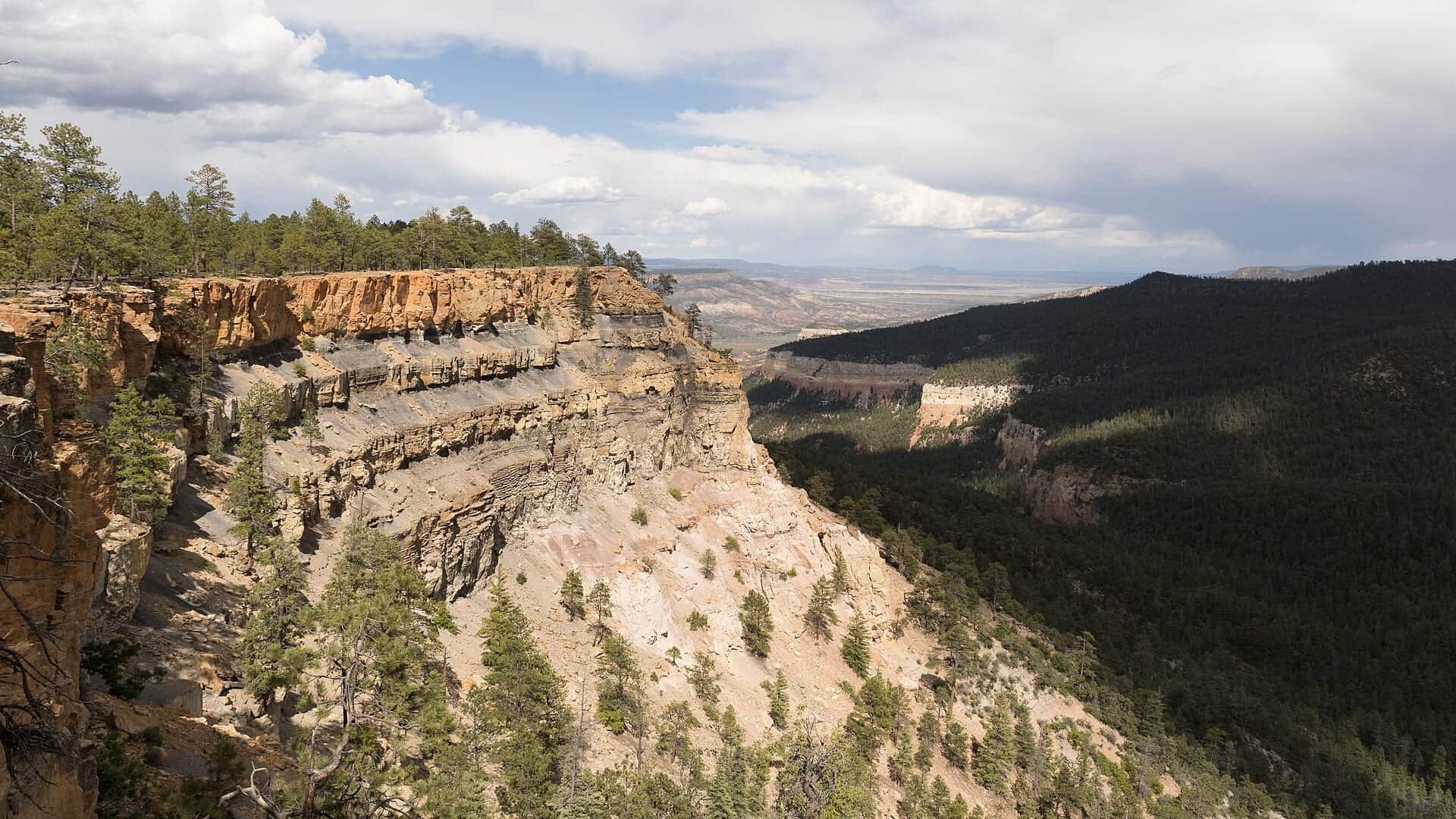
The Cimarron River leaves Eagle Nest Lake and runs through Cimarron Canyon, a narrow high-country corridor with cliffs, campgrounds, pullouts, and coldwater trout habitat.
It fishes more like a small technical tailwater than a big western river. Trout can sit close to cover, under fast tongues, and in small buckets that are easy to spook with heavy steps or sloppy casts.
Because the river is release-sensitive, the flow check matters before the fly choice. A useful plan pairs the gauge with state park access, current New Mexico rules, and a willingness to move if water is too low or warm.
Target species
Brown trout
A common target in the canyon, especially around cover and deeper pockets.
Rainbow trout
Present in the managed trout water and responsive to nymphs and small dries.
Rio Grande cutthroat trout
Native trout context is important in the region; identify and release carefully where required.
Brook trout
More relevant in smaller cold tributaries than every main-stem pocket.
Reading the water
Good release
Fish dry-droppers and short nymph rigs through seams, buckets, and undercut edges.
Very low
Downsize, use stealth, and avoid stressing fish in shallow warm water.
Storm stain
Use a small dark streamer or larger nymph tight to protected edges.
Cold weather
Slow down with midges and small nymphs in deeper soft water.
Best seasons
Spring
Midges, BWOs, and small nymphs are useful as releases and weather settle.
Summer
Caddis, PMDs, terrestrials, and morning windows can be strong with trout-safe temperatures.
Fall
Cooler water, BWOs, and light streamer work improve the odds.
Winter
Fish slowly and only when access, flow, and weather make the canyon safe.
Preferred flow source
Cimarron River below Eagle Nest Dam
RiverReports is the preferred chart source when coverage exists. When a matching USGS gauge exists, keep it open as the official backstop for station data and current hydrograph context.

USGS data chart
Official USGS trend
Streamflow over the latest USGS reporting window.
Latest
17 cfs
Jun 3, 5 PM UTC
Weather
River weather report
Weather can change wading safety, road access, water temperature, hatches, and the best time of day to fish.
Live forecast loads as you reach this section
This keeps the report fast while still using the official National Weather Service forecast point.
Hatches and flies
Hatch chart and fly picks
March to April
Midges, BWOs, early caddis, and small stoneflies
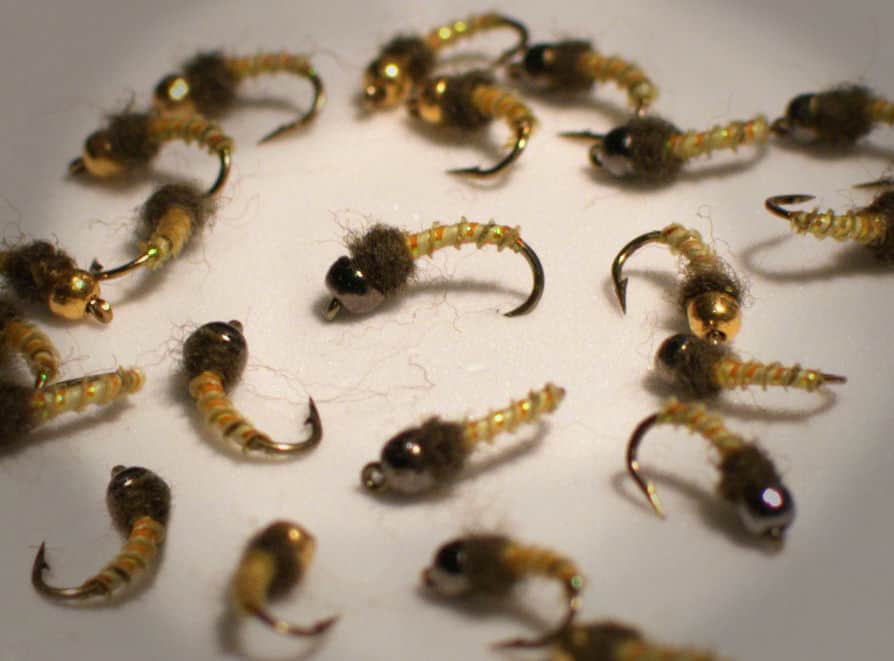
Zebra midge, RS2, BWO emerger, caddis pupa, small black stonefly
May to June
Caddis, PMDs, yellow sallies, golden stones, and runoff-edge bugs
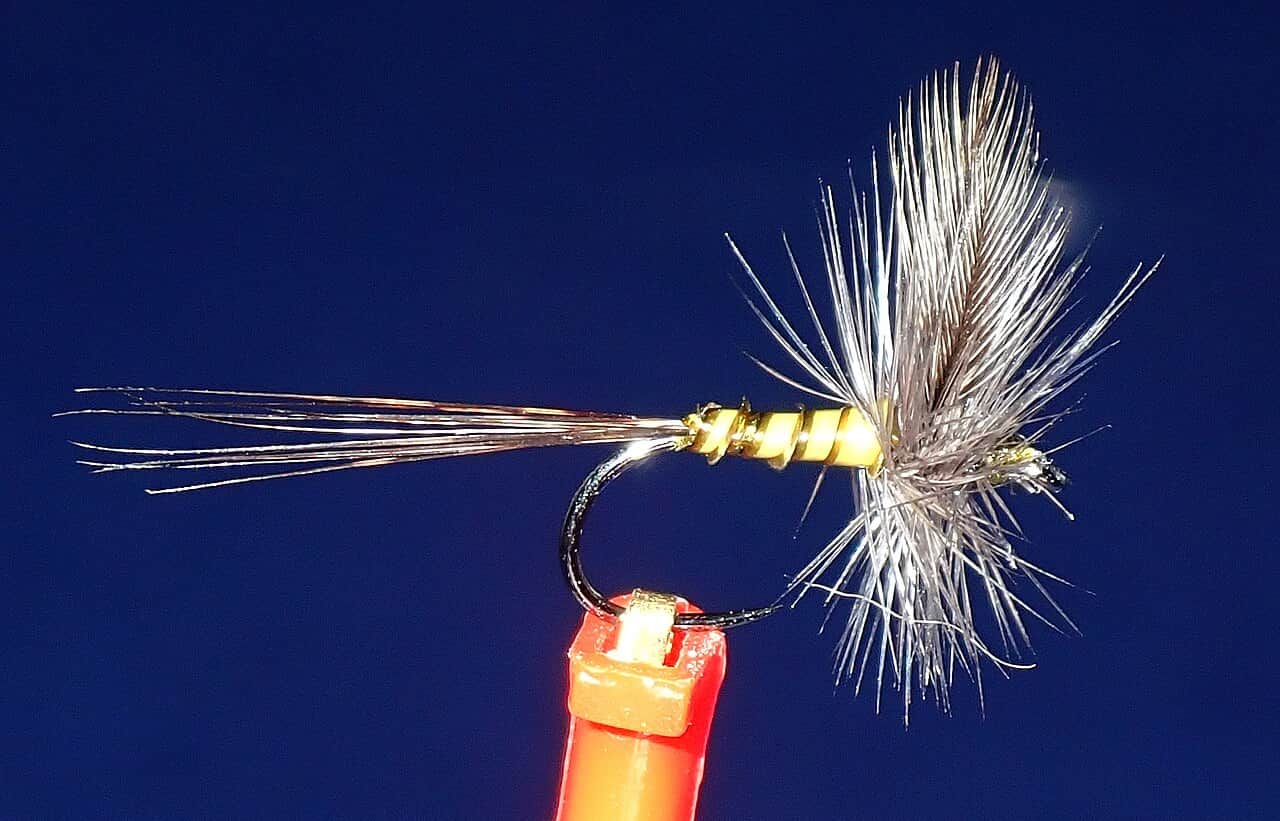
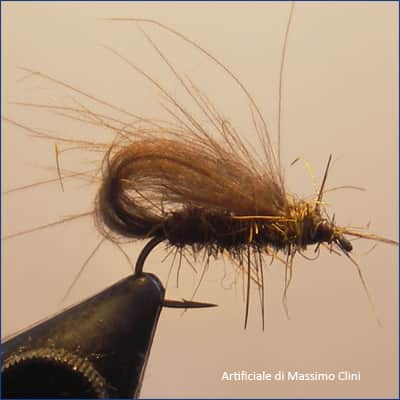
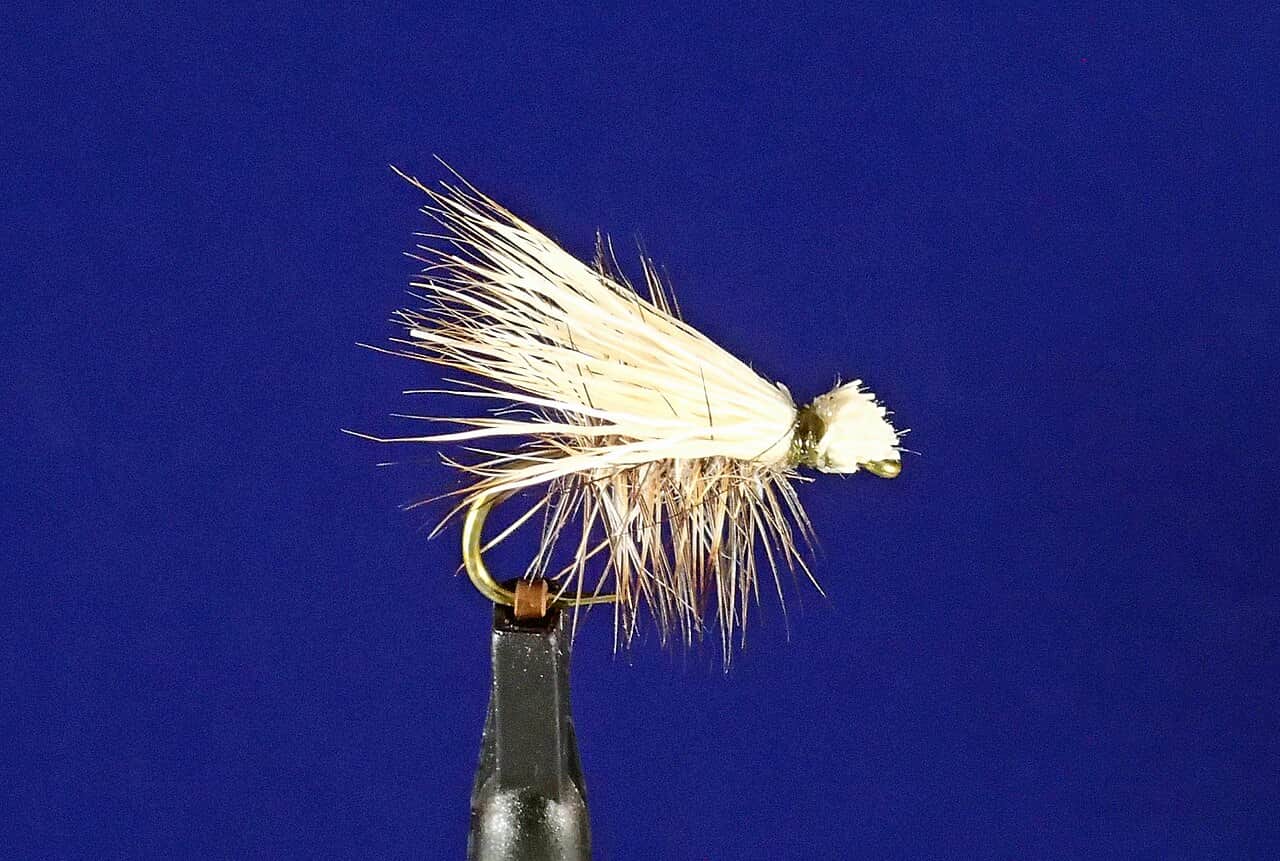
Elk hair caddis, PMD emerger, yellow sally, Pat's rubber legs, hare's ear
July to September
Terrestrials, caddis, tricos, midges, and small mayflies
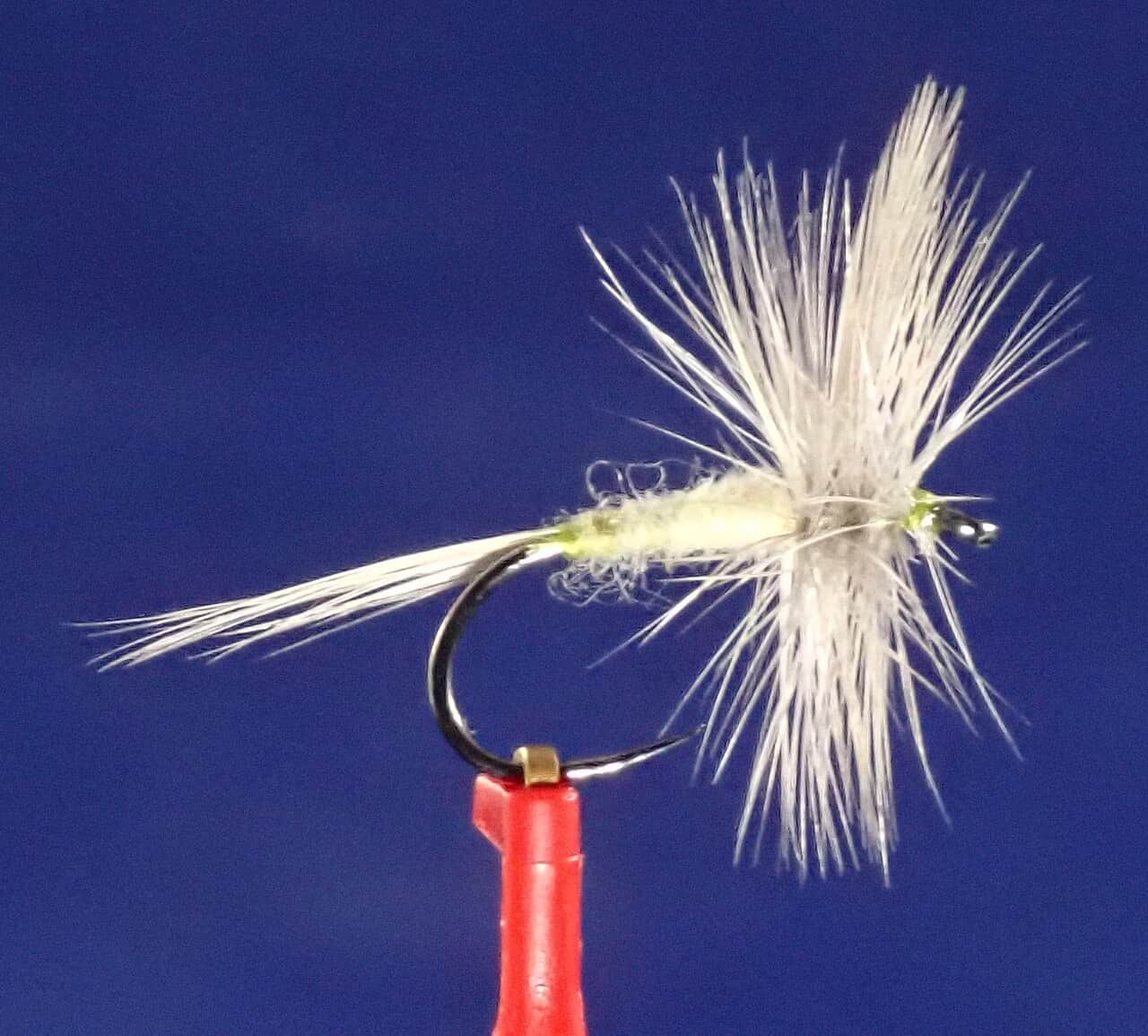
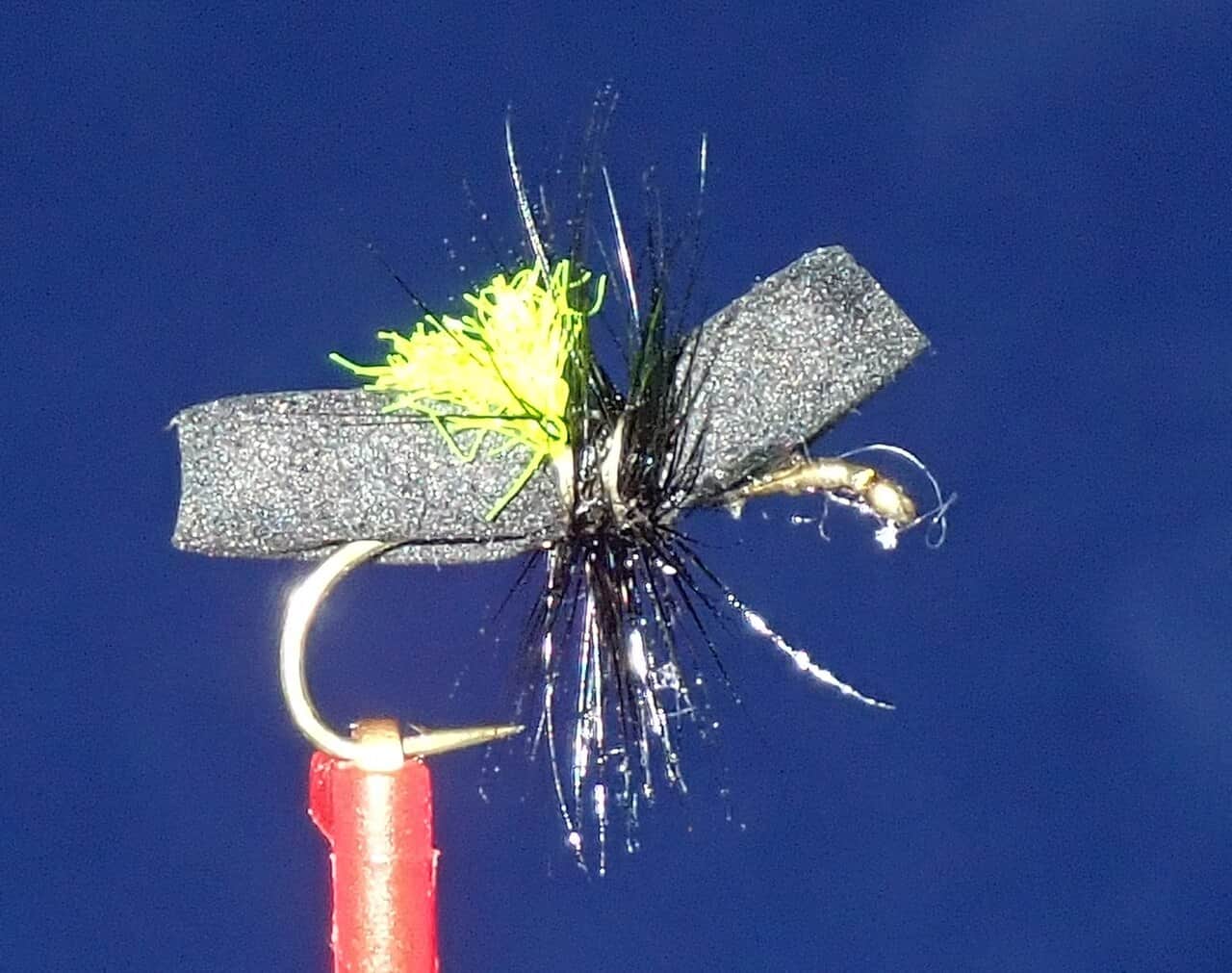
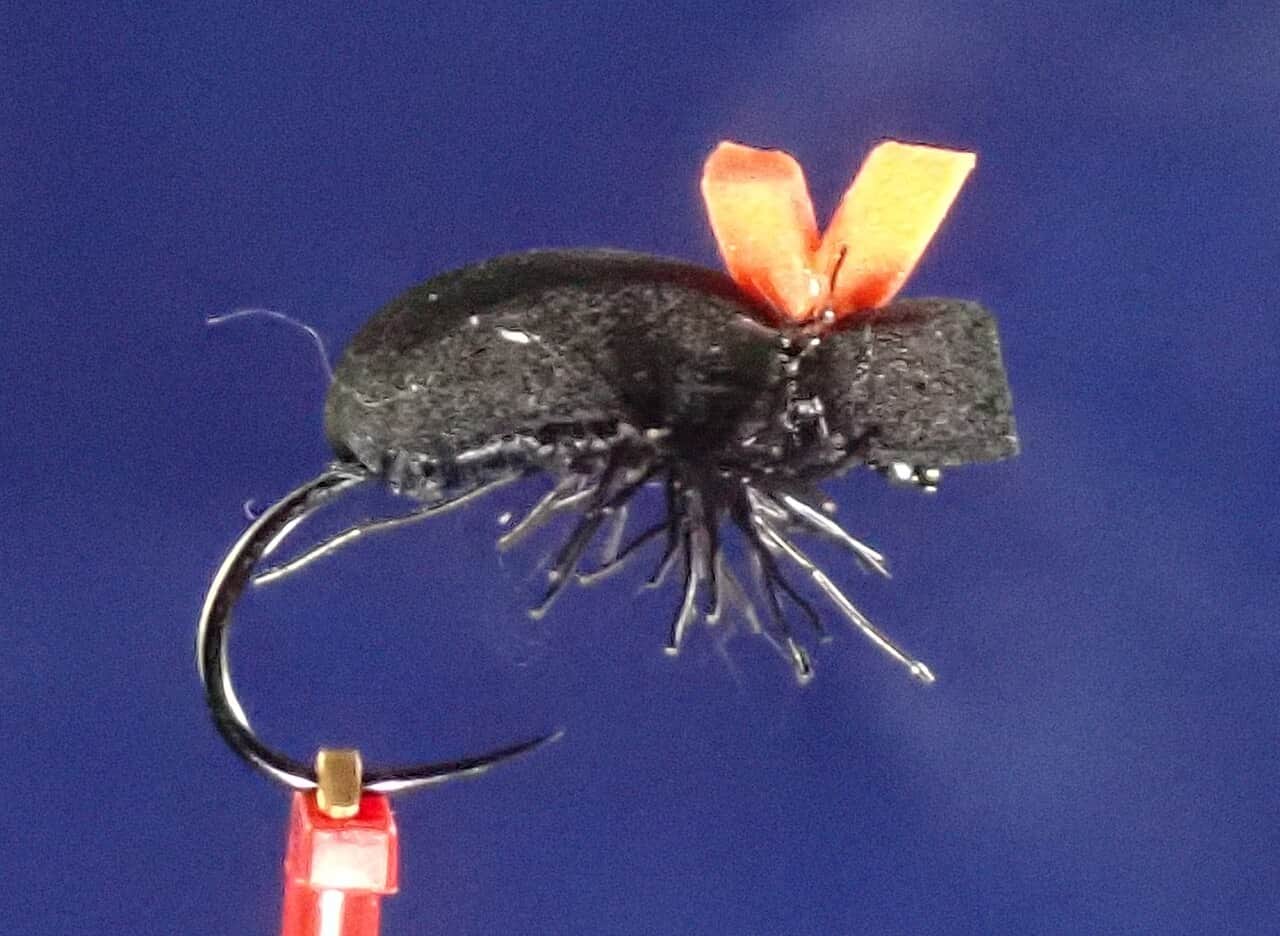
Foam ant, beetle, hopper-dropper, trico spinner, parachute Adams
October to winter
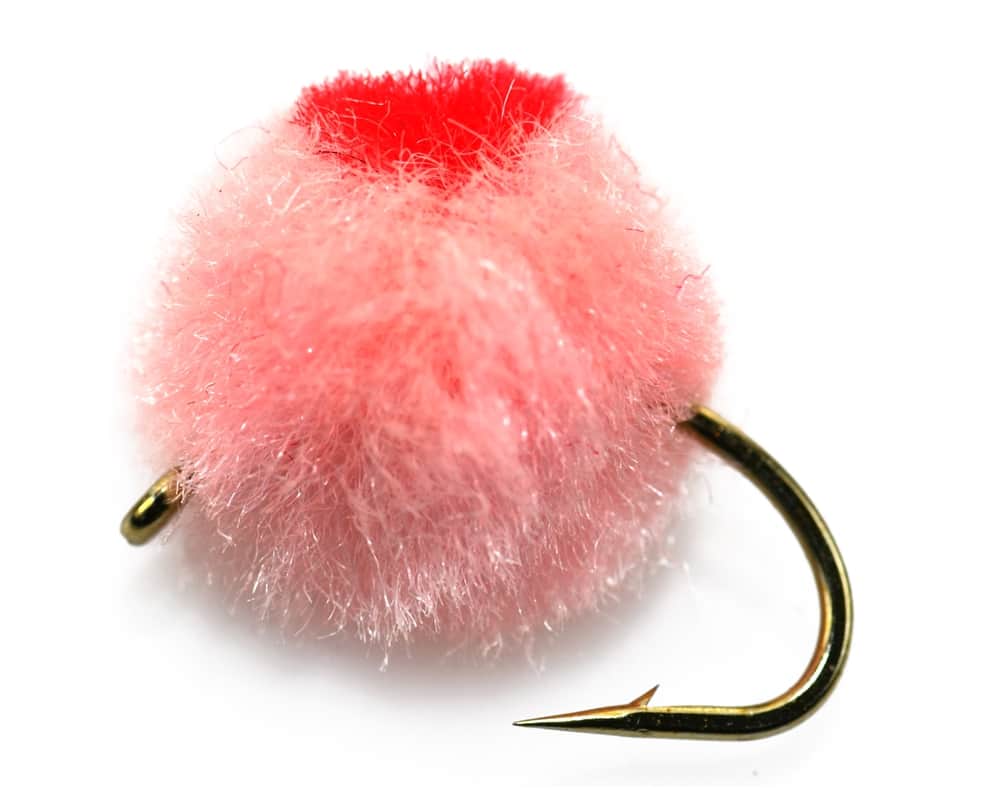
Midges, BWOs, eggs where legal, leeches, and low-light streamer windows
Midge pupa, BWO, egg pattern where legal, leech, small sculpin
Nymphs
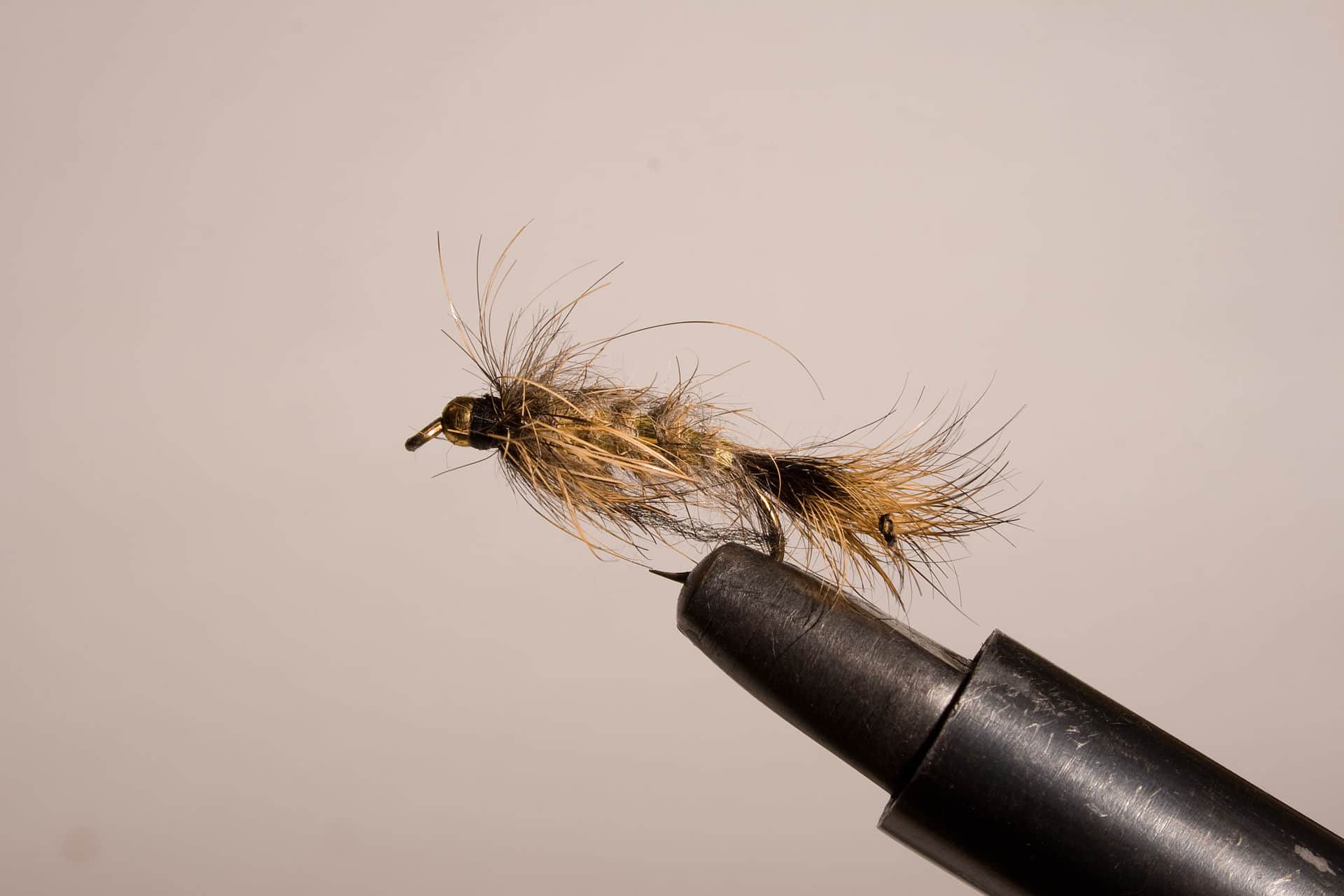
Pheasant tail, hare's ear, caddis pupa, zebra midge, perdigon
Use when fish are low, current is broken, or the hatch has not started yet.
Dry flies
BWO, caddis, parachute Adams, sulphur, terrestrial
Use when fish rise, bugs collect in soft seams, or summer banks have shade.
Streamers
Sculpin, leech, woolly bugger, small baitfish
Use in stain, cloud cover, higher water, or deeper edge water.
Soft hackles
Partridge and orange, pheasant tail soft hackle, caddis soft hackle
Swing riffles, tailouts, and current tongues when insects are moving.
Tactics
How to fish it
Approach from downstream and fish short before walking through the best pocket water.
Use a dry-dropper with a caddis, foam ant, or small attractor when trout look up.
High-stick a compact nymph rig in plunge pools and current slots.
Fish smaller flies and longer tippet when the water is low and clear.
Move often, but keep each move quiet; this river does not reward heavy wading.
Rigging
Rod, leader, and setup notes
A 3-weight to 5-weight rod works; choose the lighter rod for short dry-fly work.
Use 4X to 6X tippet depending on clarity and fly size.
Keep indicator rigs short because many pockets are close and shallow.
Carry barbless single-hook options for special-regulation water.
Use a small net and quick releases for trout in low summer flows.
Access
Access and planning notes
Below Eagle Nest Dam
Primary release checkWade / float / trail
Gauge / short wade
When to pick it
Start here when the release trend decides whether the Cimarron should stay the main trout plan.
Caution
A small release change can change the whole day on a compact tailwater.
Red Chile and Tolby corridor
Rule-focused trout sessionWade / float / trail
Walk-and-wade
When to pick it
Pick it when the exact Red Chile rule window is confirmed and you want the clearest special-reach trout plan.
Caution
Do not assume the special-regulation reach extends beyond the posted corridor.
US 64 canyon pullouts
Short mobile backupWade / float / trail
Scout / walk-and-wade
When to pick it
Use them when the river is fishable but you only need one short legal stop with manageable crowding.
Caution
Roadside convenience does not erase parking limits, posted banks, or state-park rules.
Cimarron Canyon access is convenient, but the road corridor is narrow and busy in season.
State park rules, parking, fire restrictions, and campground conditions can affect the day.
The stream is small enough that crowding can change your plan quickly; have a second reach in mind.
Regulations
Check before fishing
New Mexico lists a Red Chile Special Trout Water reach on the Cimarron below Eagle Nest. Check the current NMDGF rule book for the exact reach, tackle, harvest, and seasonal rules before fishing.
Primary base
Eagle Nest, Cimarron, Angel Fire, or Taos
Best day style
Roadside canyon pullouts, state park water, and short technical wades
Check first
Dam release, state park alerts, Red Chile reach rules, and canyon weather
Safety
Very low or changing flows, roadside parking, narrow canyon travel, and summer warmth
Gear
Helpful gear for this water
4-weight or 5-weight rod
Covers most dry-fly, nymph, and light streamer work.
Long leaders
Clear water and pressured fish reward 9 to 12 foot leaders.
Wading staff
Freestone ledges, tailwater shelves, and slick rocks can be risky.
Thermometer
Use it before trout handling during warm spells.
Polarized glasses
Help read depth, boulders, weed beds, and safe crossing lines.
Nearby water
Other water to research
Backup logic
High or shifting release
Move to the San Juan or Chama rather than forcing unstable pocket water below the dam.
Warm water
Keep trout handling to cool hours only and stop early when the small canyon water loses its margin.
Crowding
Use another legal pullout or another river before the compact corridor turns into a parade of anglers.
Access issue
Treat state-park or rule confusion as a full fishability limit and simplify the day elsewhere.
Pecos River
A larger mountain freestone option near Santa Fe.
Chama River
A release-driven canyon river with different access and float logistics.
San Juan River
A technical tailwater when you want a year-round trout plan.
FAQ
Fast answers
Is Cimarron River fishable today?
Cimarron River looks fishable right now. The live score is 78/100, based on current flow, weather, public alerts, and the report's planning context. Recheck the linked gauge and forecast before leaving because conditions can change quickly after rain, heat, access changes, or flow swings.
What flow is best for Cimarron River?
Use RiverReports and USGS 07206000 below Eagle Nest Dam together for trend context. Stable or gently improving release is the cleanest setup; very low water, sudden release changes, or muddy storm pulses should move you to another river.
When should I skip Cimarron River?
Skip the Cimarron when the Red Chile rule window is unclear, release levels leave the river too thin or too pushy, warm weather shrinks the trout margin, or the only open pullouts are already crowded enough to flatten the day.
Is Cimarron River safe to wade right now?
The fishability score is not a wading guarantee. Wade only where your chosen access has safe edges, clear footing, legal entry, and no forced crossings; high, rising, stained, or storm-affected water should be treated conservatively.
What should I check first before fishing the Cimarron River?
Check the Eagle Nest release gauge, state park status, canyon weather, and the exact Red Chile Special Trout Water rules.
Are there special regulations on the Cimarron River?
Yes. The Red Chile reach has special restrictions, and other reaches may differ under current New Mexico rules.
What flies should I bring for the Cimarron River?
Bring the hatch-chart flies, a small nymph box, and a few streamers. Then adjust for water temperature, clarity, pressure, and the insects or baitfish you actually see.
Can I wade the Cimarron River?
Often yes, but it is small, slick, and release-sensitive. Wade lightly and avoid low warm water.
When should I skip the Cimarron River?
Skip it when flows are unsafe, water is too warm for trout, emergency closures are active, or legal access for the reach is not clear.
Sources
Source set for this report
Reviewed 2026-05-31