RiverReports preview · current series loading
Recent flow
RiverReports gauge
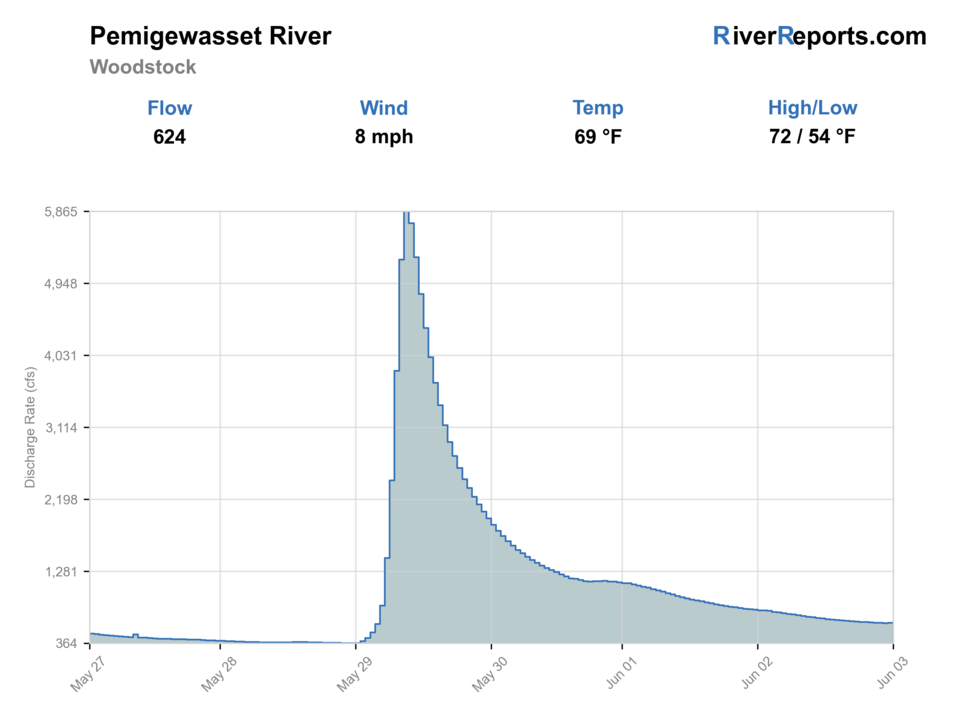
Showing the available RiverReports chart while the current structured flow series loads. Check the chart on RiverReports Opens in a new tab.
Best option: Wading. Wading is in play only where your chosen access has clear footing, legal entry, and no forced crossings.
Rating updatedRiver local time:
USGS shows 164 cfs. The flow has been stable over about 6 hours. USGS marks this reading provisional and may revise it. USGS records for this date (1940-2026, 63 readings) show a median near 251 cfs and the lower quartile near 171 cfs; today's flow is below normal for the date. This is below normal, so edge depth, temperature, and pressure matter.
NWS air forecast near
This is an air forecast, not a river-temperature reading. Check the water with a stream thermometer before fishing in hot weather.
RiverReports gauge
Showing the available RiverReports chart while the current structured flow series loads. Check the chart on RiverReports Opens in a new tab.
Partly Cloudy
The National Weather Service forecast is temporarily unavailable.
RiverReports gauge: Pemigewasset River at Woodstock
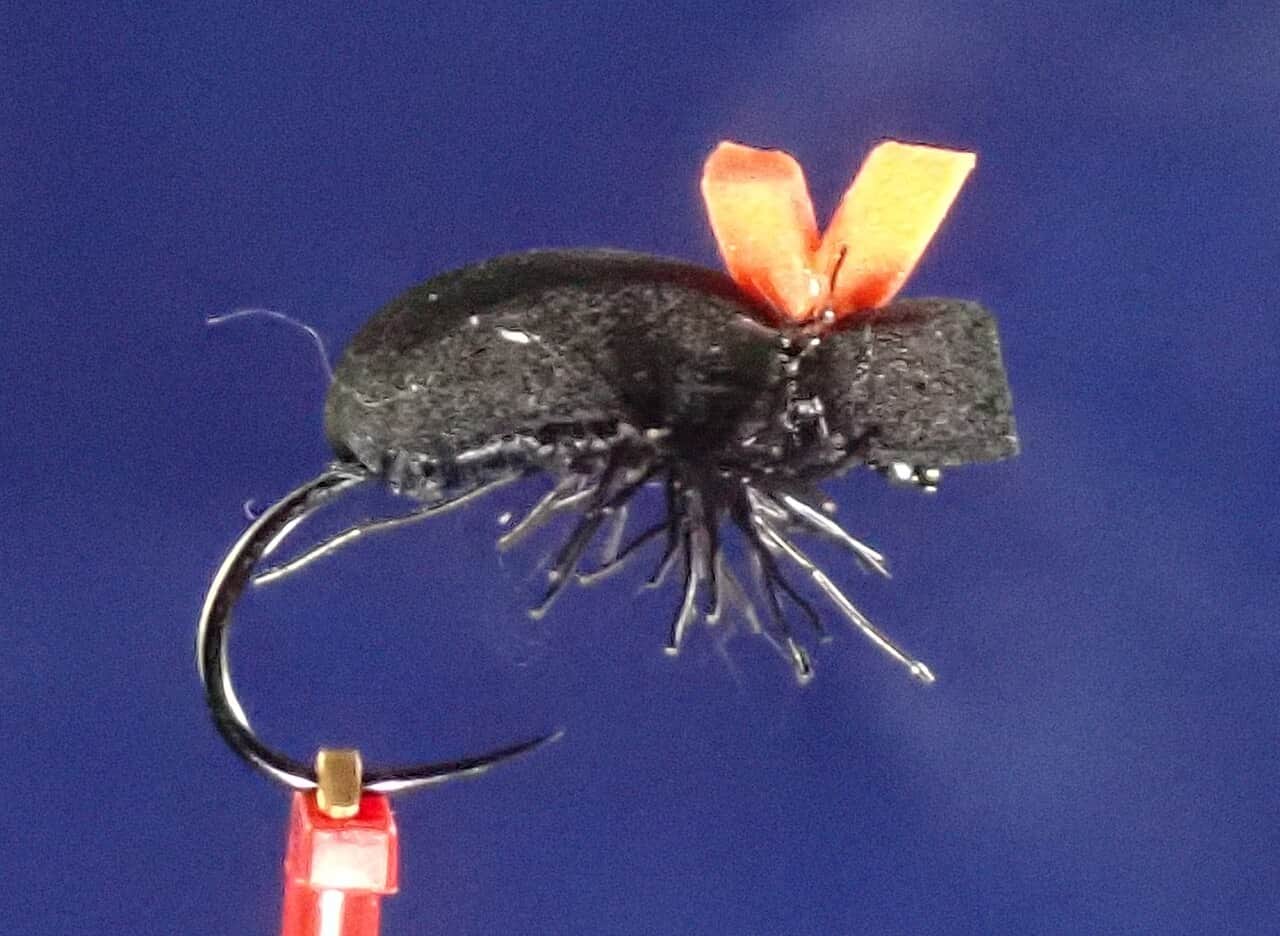
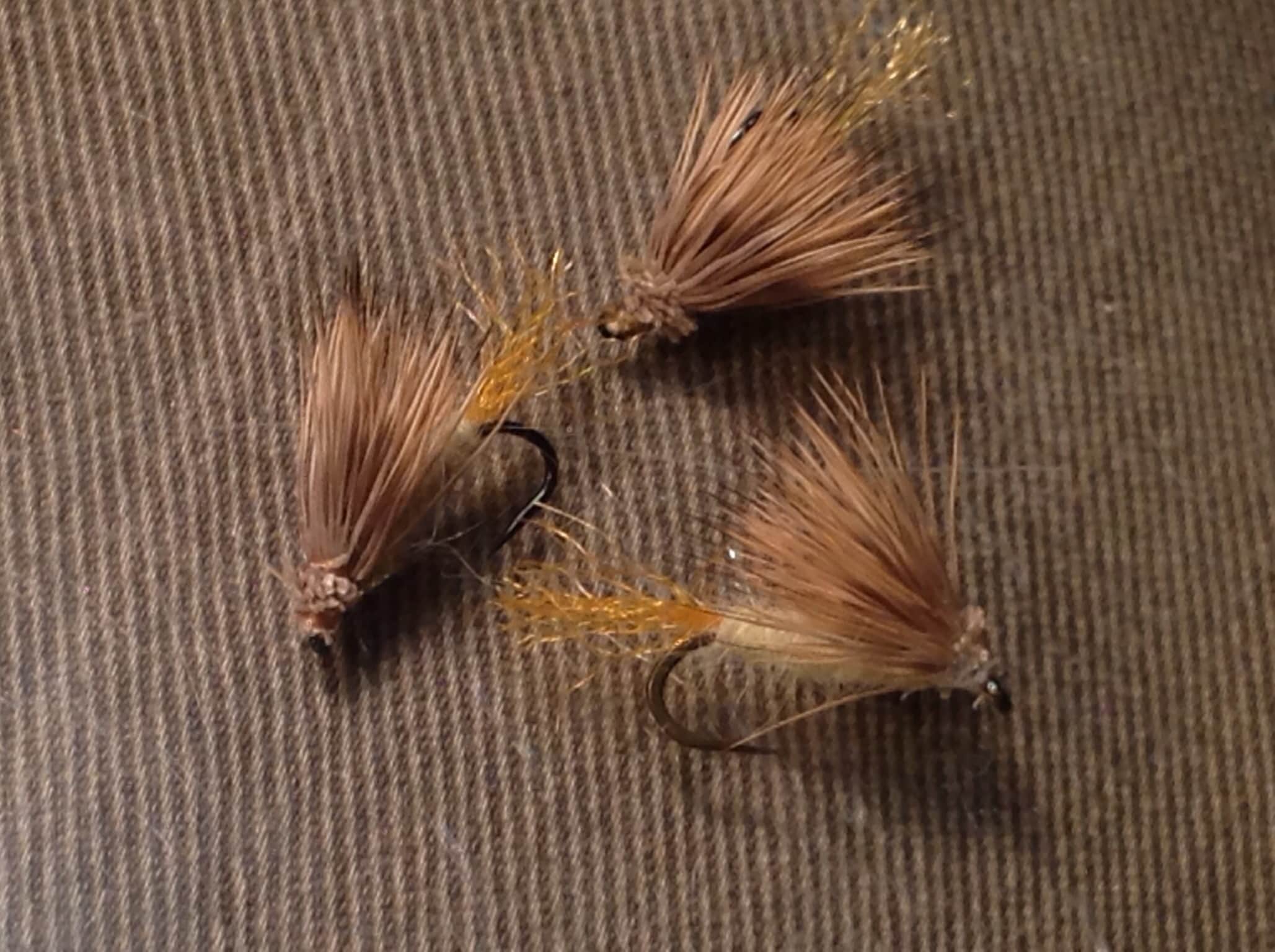
Seasonal starting points, not a live hatch report. Match what you see on the water.
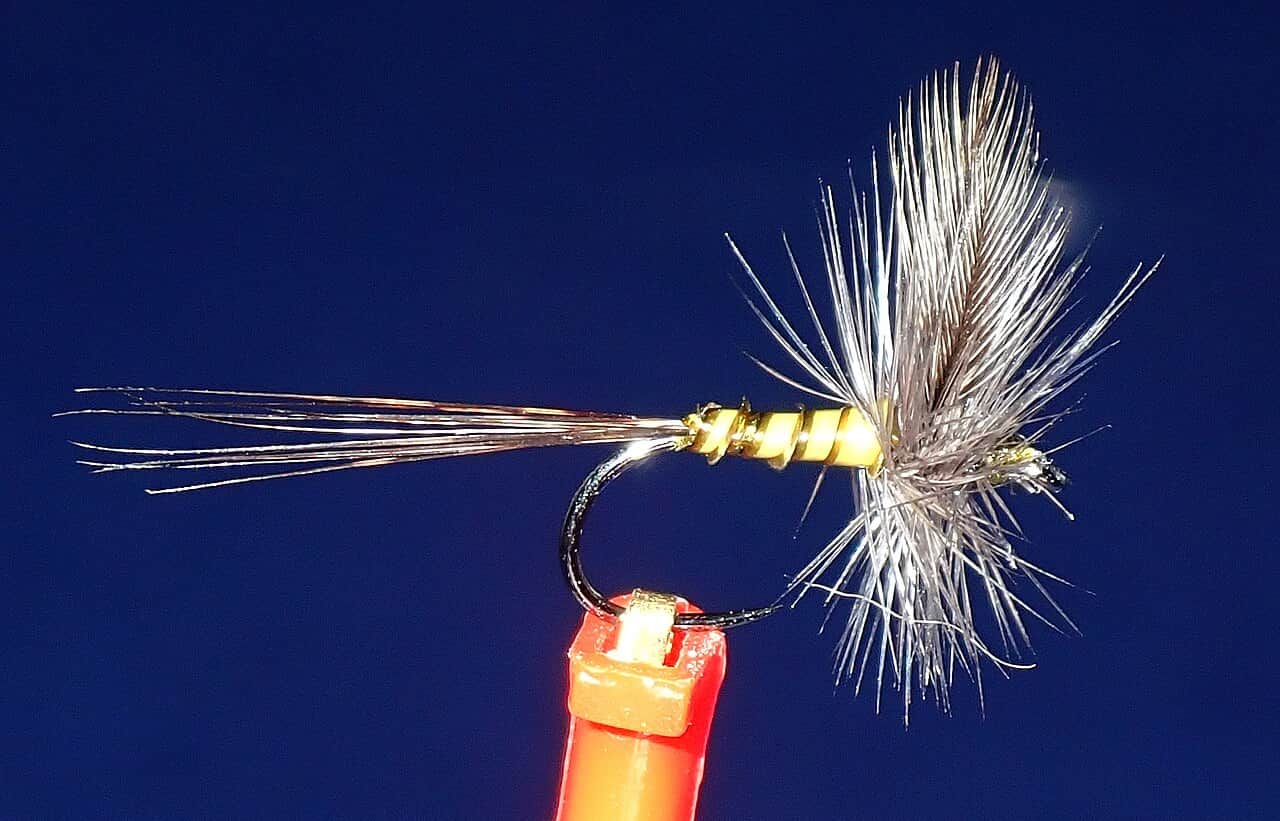
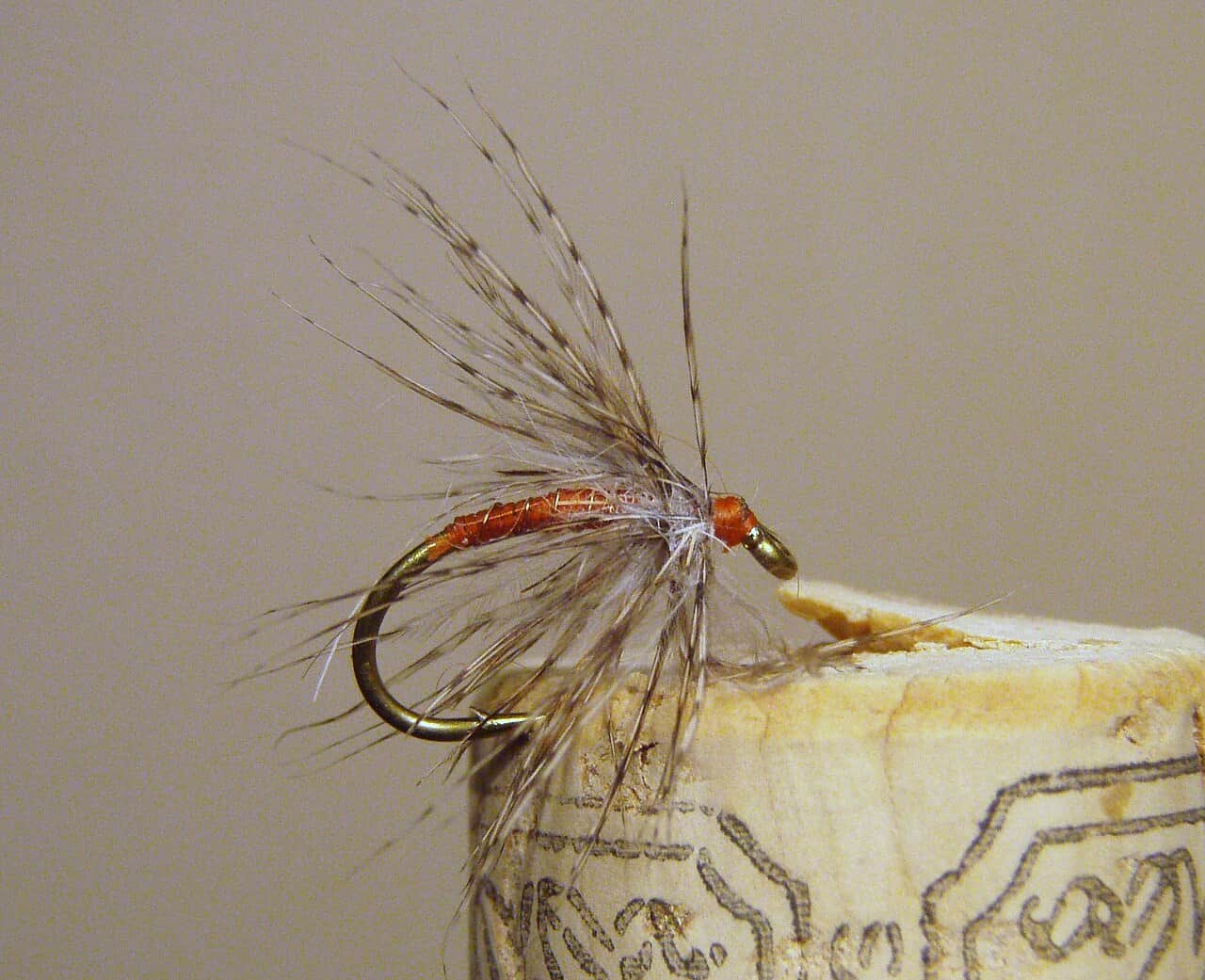
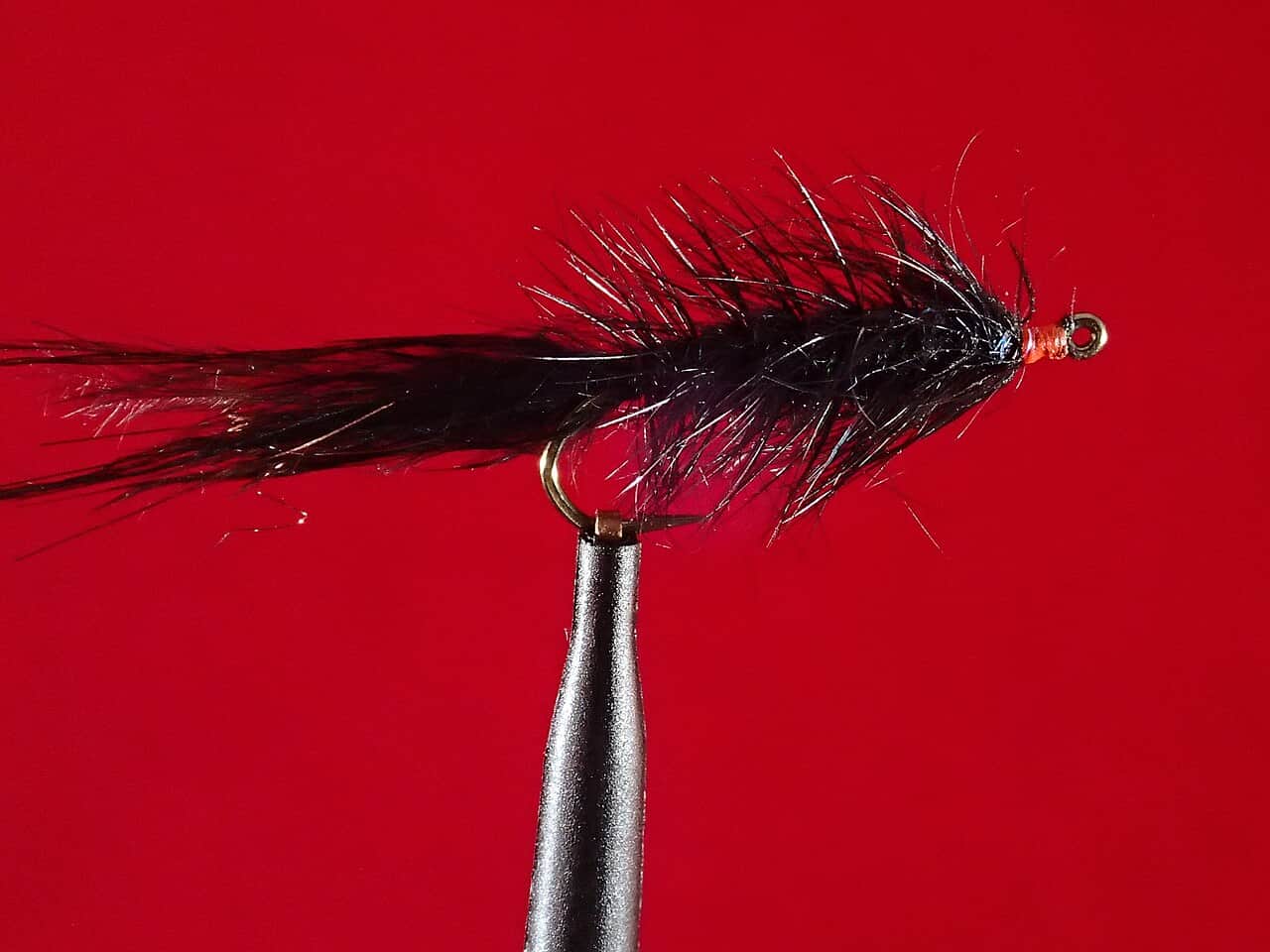
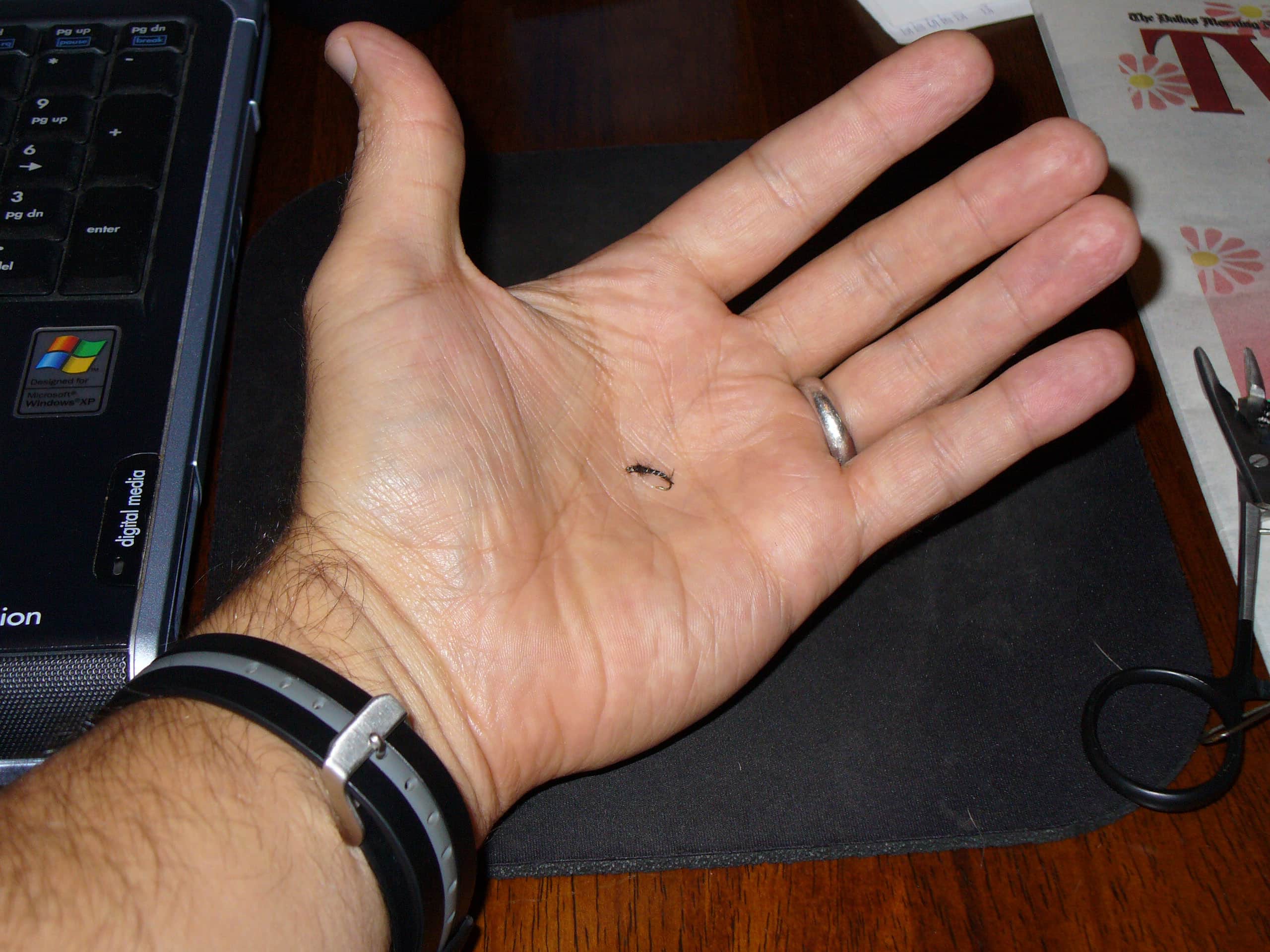
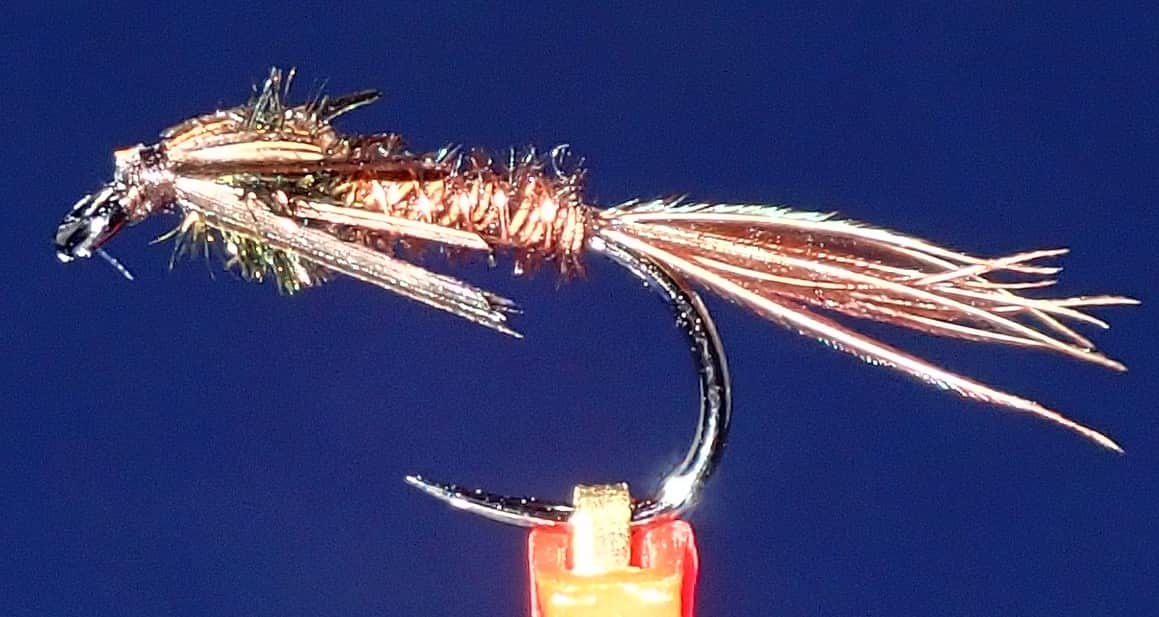
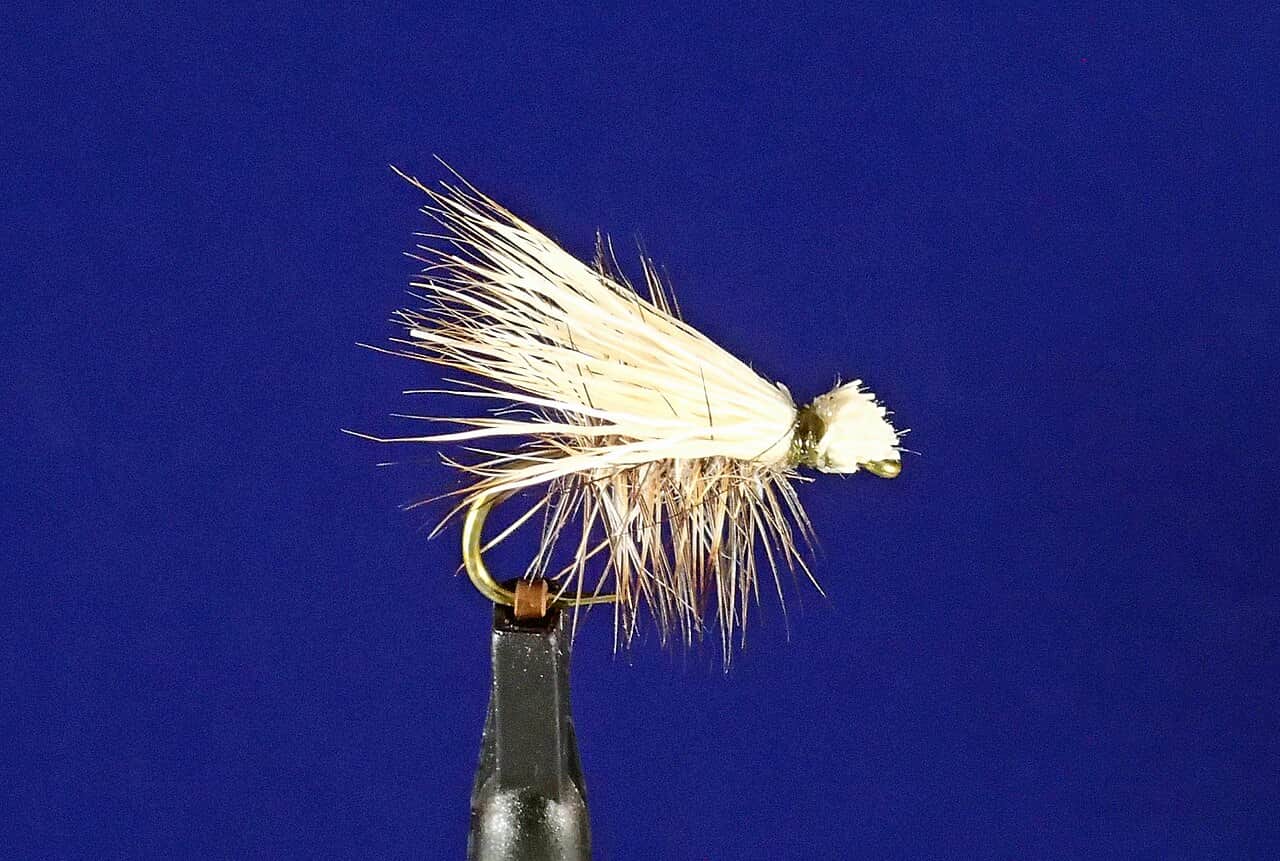
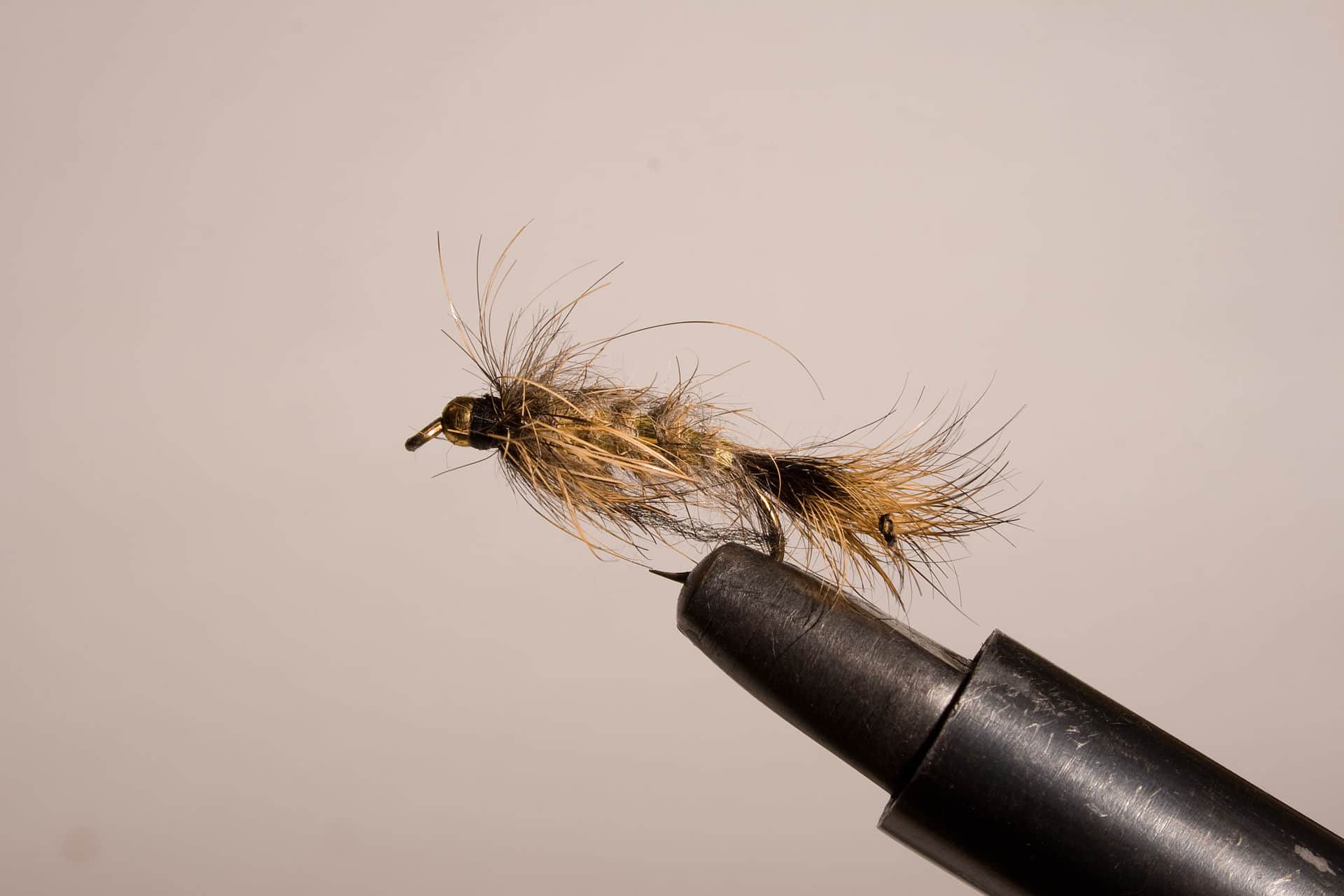
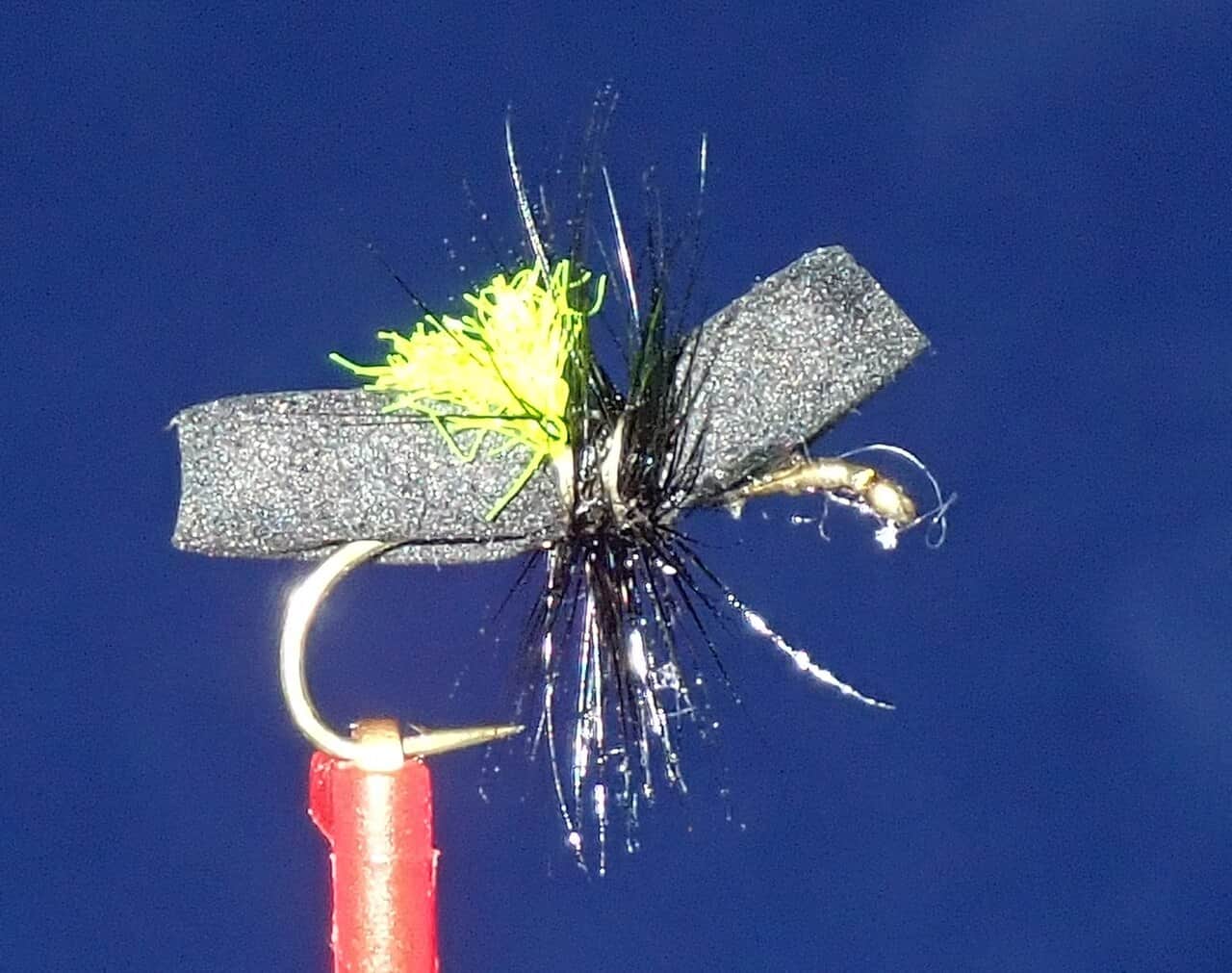
Also try light dropper nymph
Each fly name opens its matching Fly Box guide.
Best conditions are usually stable to gently falling flows, clear enough water to see the first shelf, and cool weather that keeps trout handling reasonable. After heavy rain, snowmelt, or thunderstorms, wait for the gauge and clarity to settle before wading.
Best for dry-dropper fishing, light nymphing, and careful pocket-water work.
Skip wading and wait. The river can gain speed faster than it looks from the road.
Fish early, carry a thermometer, and move away from stressed trout.
Use larger nymphs or small streamers tight to softer banks and seams.
These scores compare the risks of wading, bank fishing, and floating.
Wading is in play only where your chosen access has clear footing, legal entry, and no forced crossings.
This report does not recommend bank fishing on this reach.
This report does not recommend floating this reach.
Is Pemigewasset River worth the trip today? Check flow, weather, hatches, access, and rules for New Hampshire before you go.
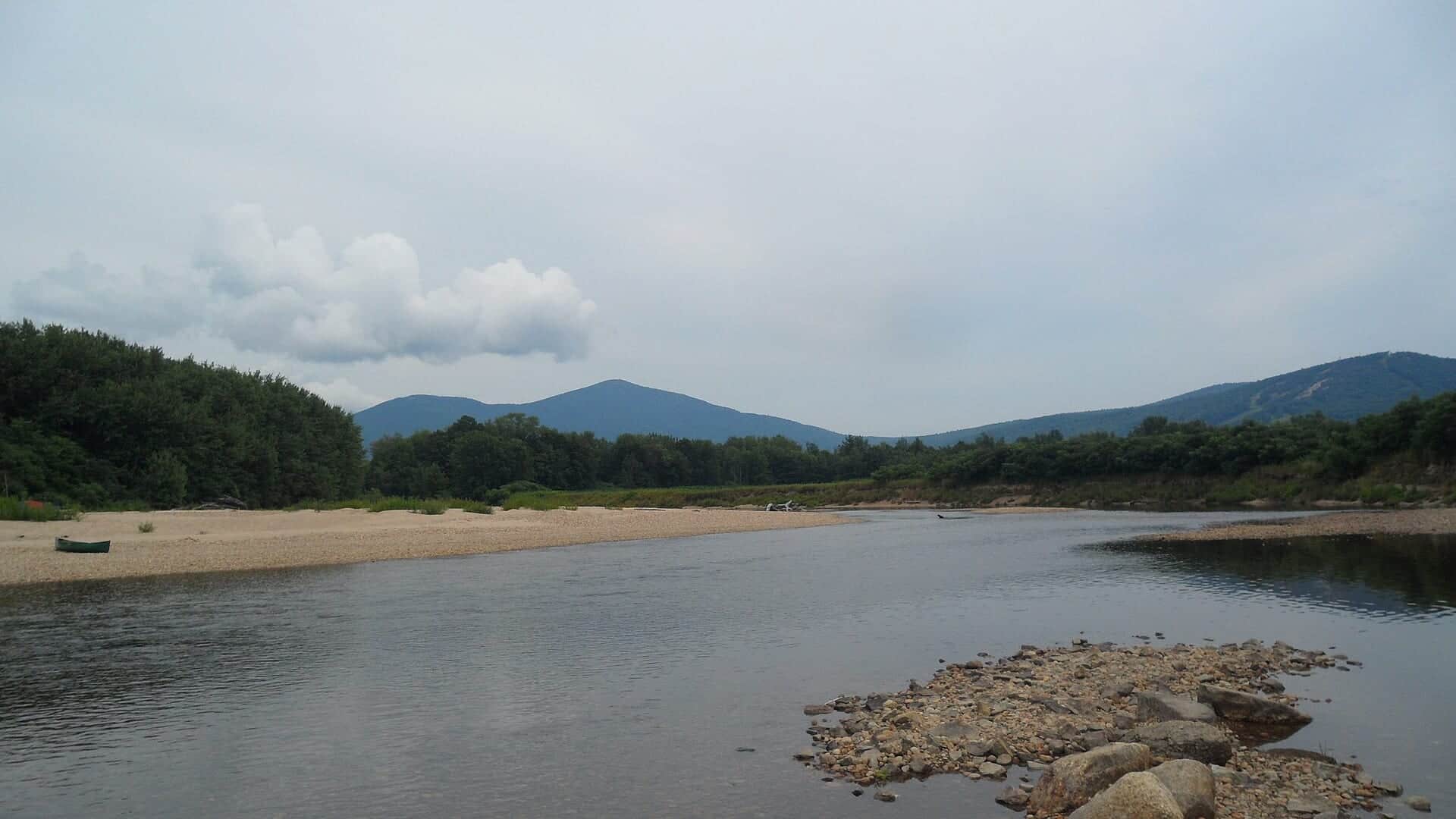
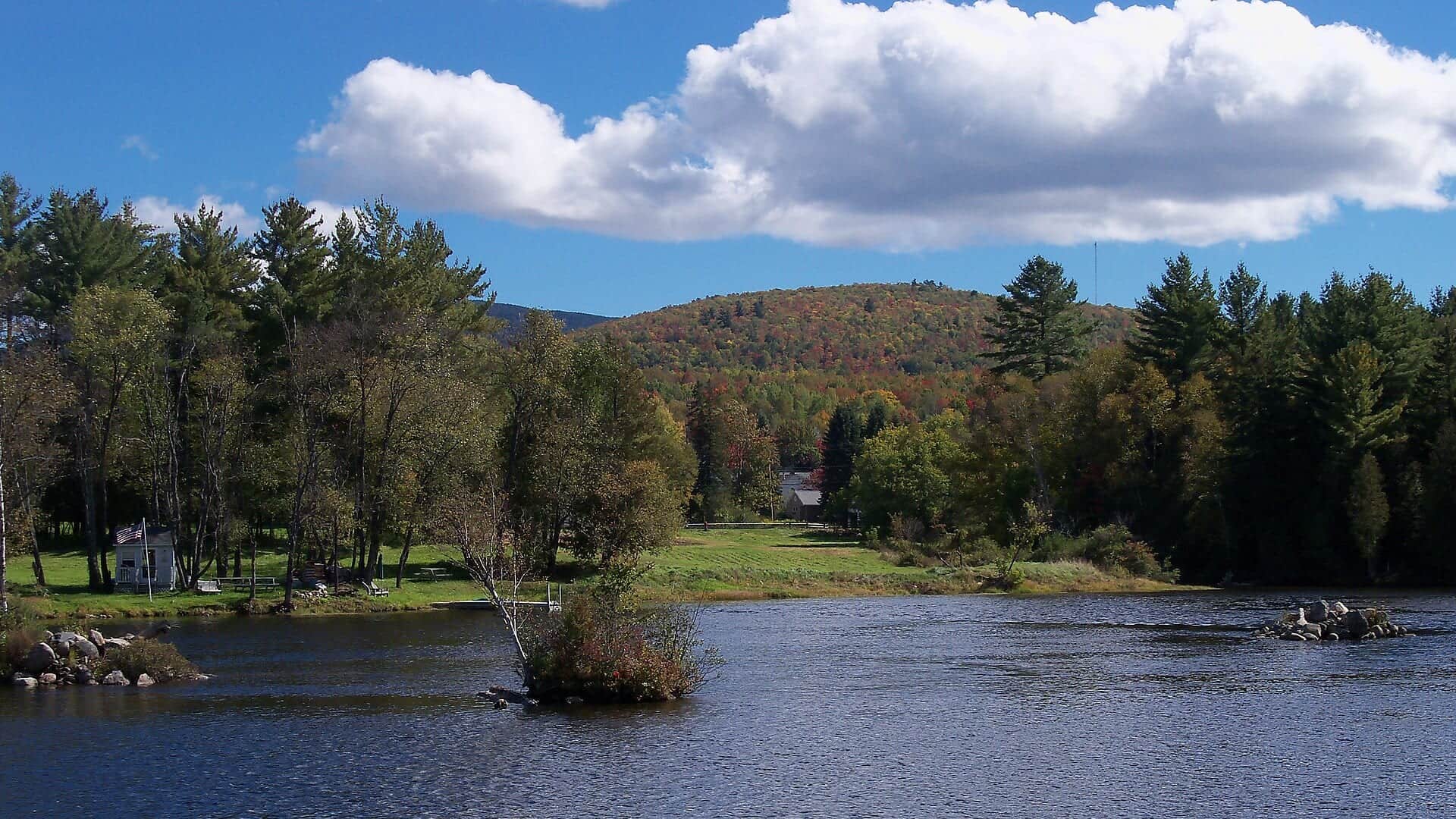
The Pemigewasset can look friendly from the road, but the best fly-fishing plan starts with the Woodstock gauge, the weather, and the specific access you intend to use. Cold pockets, shaded smaller stream influence, and morning windows matter more than a generic statewide trout plan.
USGS shows 164 cfs. The flow has been stable over about 6 hours. USGS marks this reading provisional and may revise it. USGS records for this date (1940-2026, 63 readings) show a median near 251 cfs and the lower quartile near 171 cfs; today's flow is below normal for the date. This is below normal, so edge depth, temperature, and pressure matter.
Fall: Good low-light streamer and nymph windows when flows are stable and rules allow.
The current NWS air forecast is about 34F, and the next 24-hour high reaches about 58F. Partly Cloudy.
No active NWS alert was returned for this forecast point.
Skip trout fishing during rising runoff, hot low-water afternoons, thunderstorms, poor clarity, or uncertain access.
Stable or gently falling flows that leave visible edges, readable pocket water, and safe entries at public access.
Skip trout fishing during rising runoff, hot low-water afternoons, thunderstorms, poor clarity, or uncertain access.
Base in Lincoln, Woodstock, Plymouth, or Campton. Check the gauge first, then choose upper cold-water access or lower mixed-water access.
Saco River, Merrimack River, and Androscoggin River pages give nearby alternatives when the Pemi is high, warm, or crowded.
Use these places as starting points. Open the access link below and check posted signs before you park or enter.
Confirm current New Hampshire Fish and Game freshwater rules before fishing. This page is a planning aid, not a substitute for the current rule digest, posted access rules, or emergency updates.
Use town access, road pullouts, and posted rules. The river changes quickly around bridges and ledge.
Check recreation-site hours, fees, parking, and facilities before relying on a specific access.
A lower-valley planning zone with day-use and roadside options. Confirm posted access before fishing.
Official agencies and primary river operators come first. Secondary tools are labeled so you know what carries the most weight.
Check what is allowed, where the rule applies, and whether the river is open.
Check the latest river reading and forecast before you leave.
Check public entry points, land rules, and seasonal access changes.
Check what is allowed, where the rule applies, and whether the river is open.
Open the current rules and check the river section, season, and special limits.
Check the latest river reading and forecast before you leave.
Open this page and check the latest safety advice before your trip.
Open this river reading to check the latest level, flow, and update time.
Open this river reading to check the latest level, flow, and update time.
Check public entry points, land rules, and seasonal access changes.
Open the land or access page, then check signs before you park or enter.
Open the land or access page, then check signs before you park or enter.
What was checked: This report starts with official regulation, access, flow, weather, and public-land sources, then adds practical planning guidance for fly anglers.
Live measurements and forecasts keep their provider timestamps. Rules, access, and trip guidance use the source-review date shown here. BlueStreamFly planning advice is editorial interpretation, not an agency notice.
First-hand experience: BlueStreamFly does not claim a first-hand visit or local field test for this report unless a real contributor is explicitly named and linked.
Use RiverReports for the quick chart and USGS 01075000 at Woodstock for the official gauge reference.
Most visiting fly anglers plan around wading and roadside access, but high flows can make wading unsafe. Match your plan to the gauge and the exact reach.
Skip when flows are rising, water is too warm, clarity is poor, or access is unclear. A nearby smaller stream or a scouting day is often smarter.