Live flow is not available
No active public live discharge gauge was verified for the Mascoma fishing reach. Use recent rainfall, National Weather Service data, local clarity, water temperature, and nearby river conditions before fishing.
We could not confirm a live gauge for this river. Check the weather, recent rain, local reports, and the water before you fish.
Check first: Live information is incomplete. Treat this score as a planning estimate.
Rating updatedRiver local time:
No verified live public gauge is attached, so the page cannot make a strong real-time call.
NWS air forecast near
This is an air forecast, not a river-temperature reading. Check the water with a stream thermometer before fishing in hot weather.
No active public live discharge gauge was verified for the Mascoma fishing reach. Use recent rainfall, National Weather Service data, local clarity, water temperature, and nearby river conditions before fishing.
Sunny
The National Weather Service forecast is temporarily unavailable.
Official flow source: Mascoma River reach conditions
No active public live discharge gauge was verified for the Mascoma fishing reach. Use recent rainfall, National Weather Service data, local clarity, water temperature, and nearby river conditions before fishing.
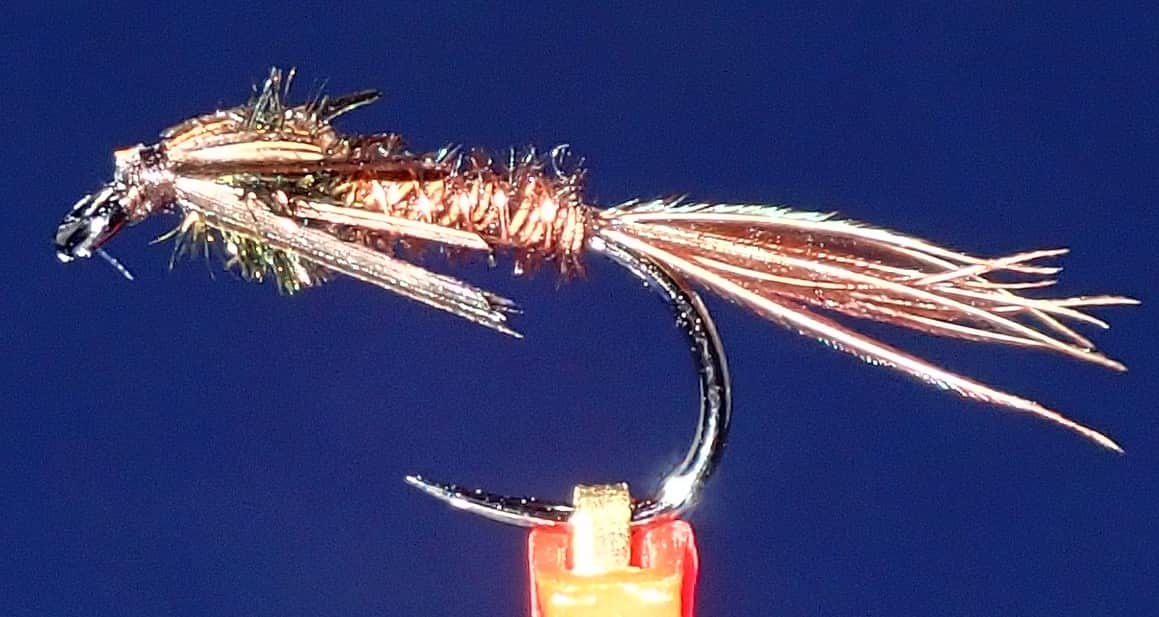
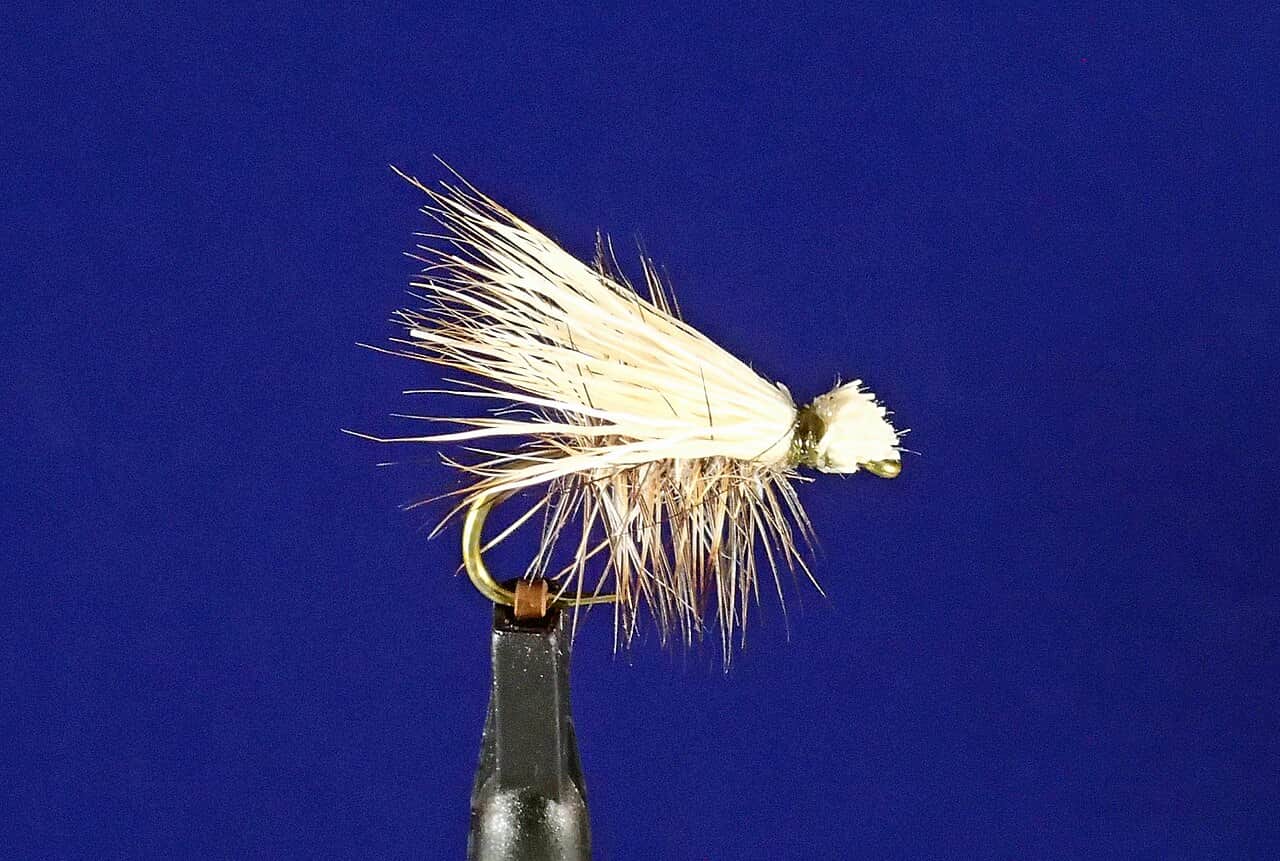
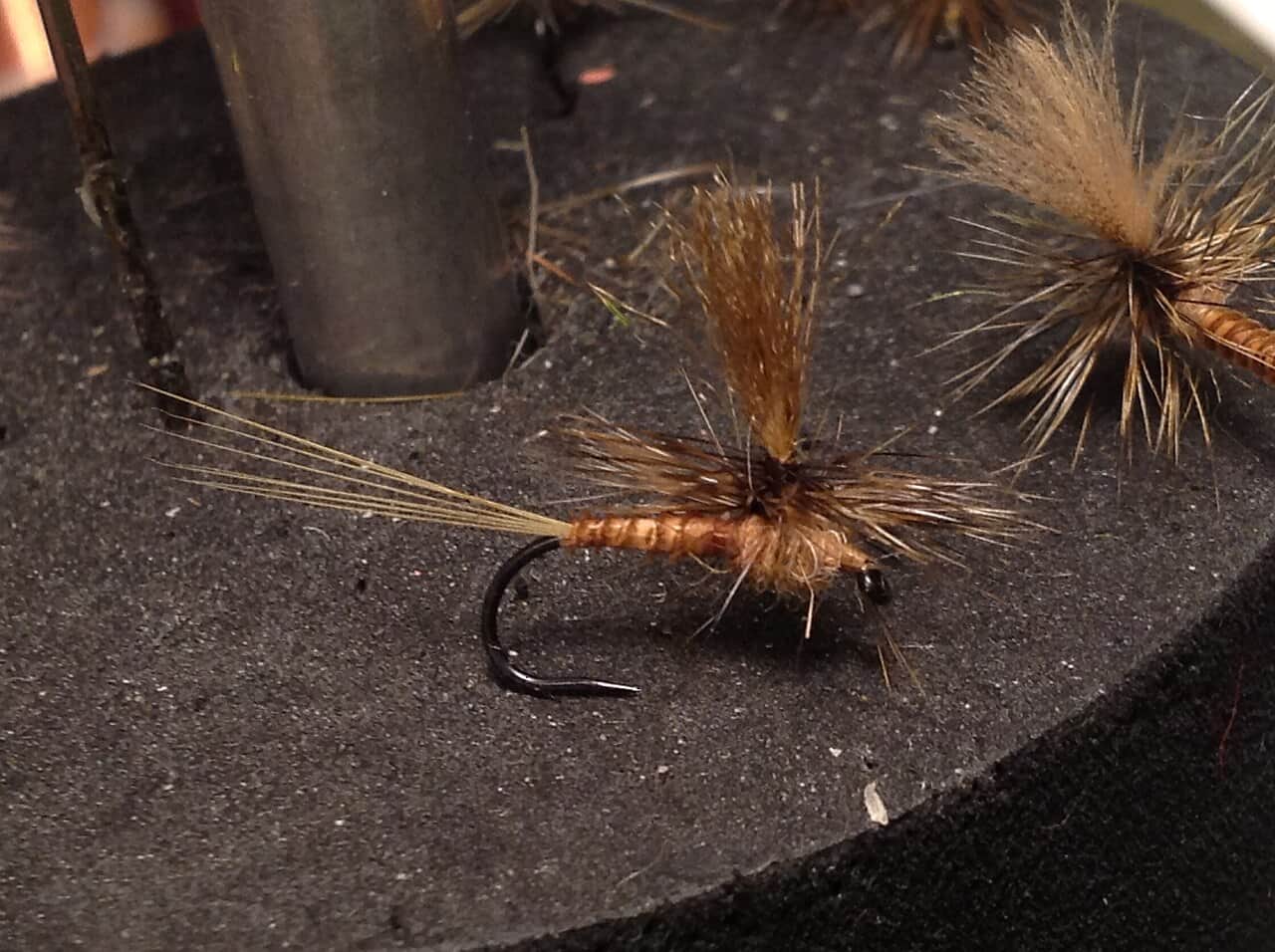
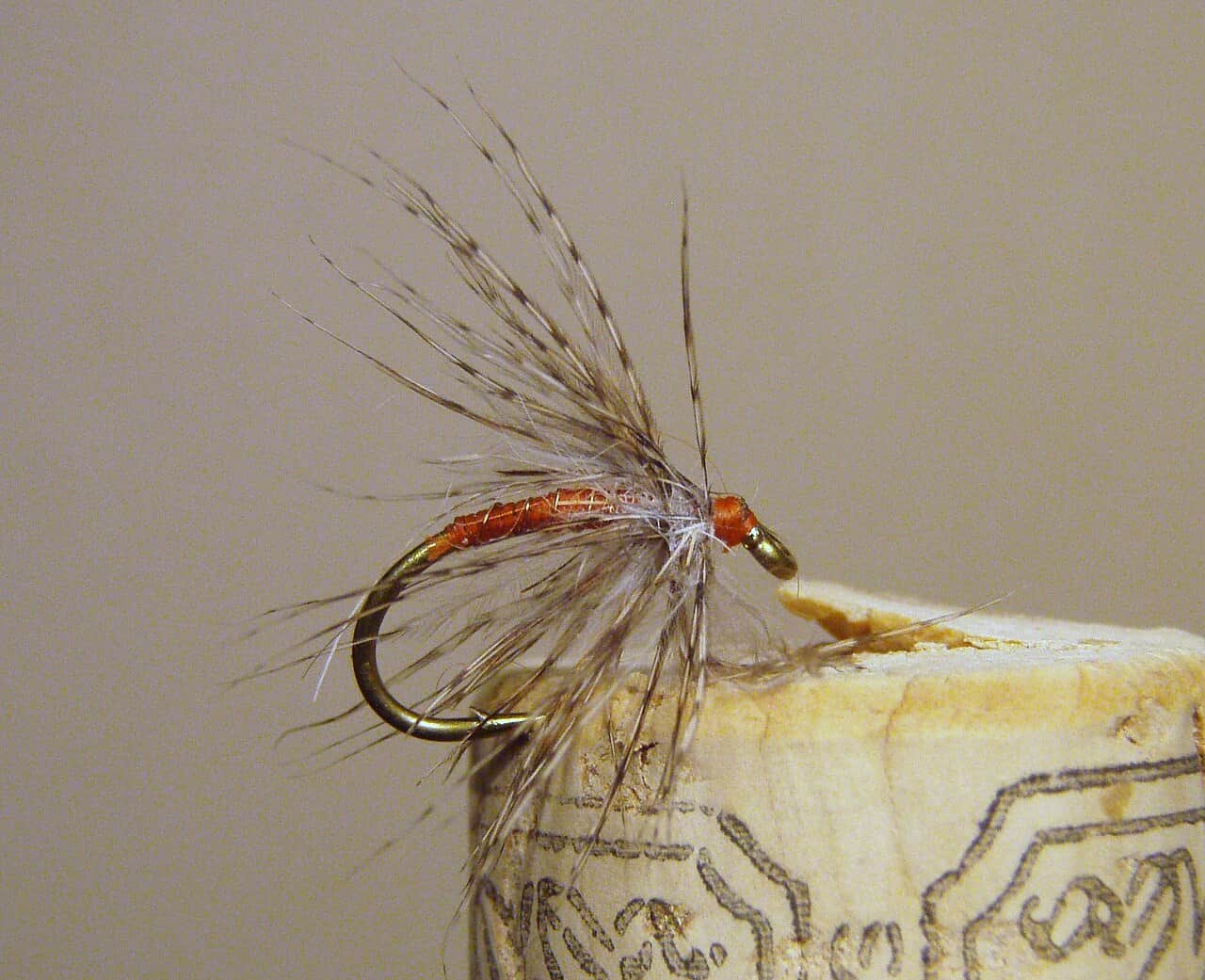
Seasonal starting points, not a live hatch report. Match what you see on the water.
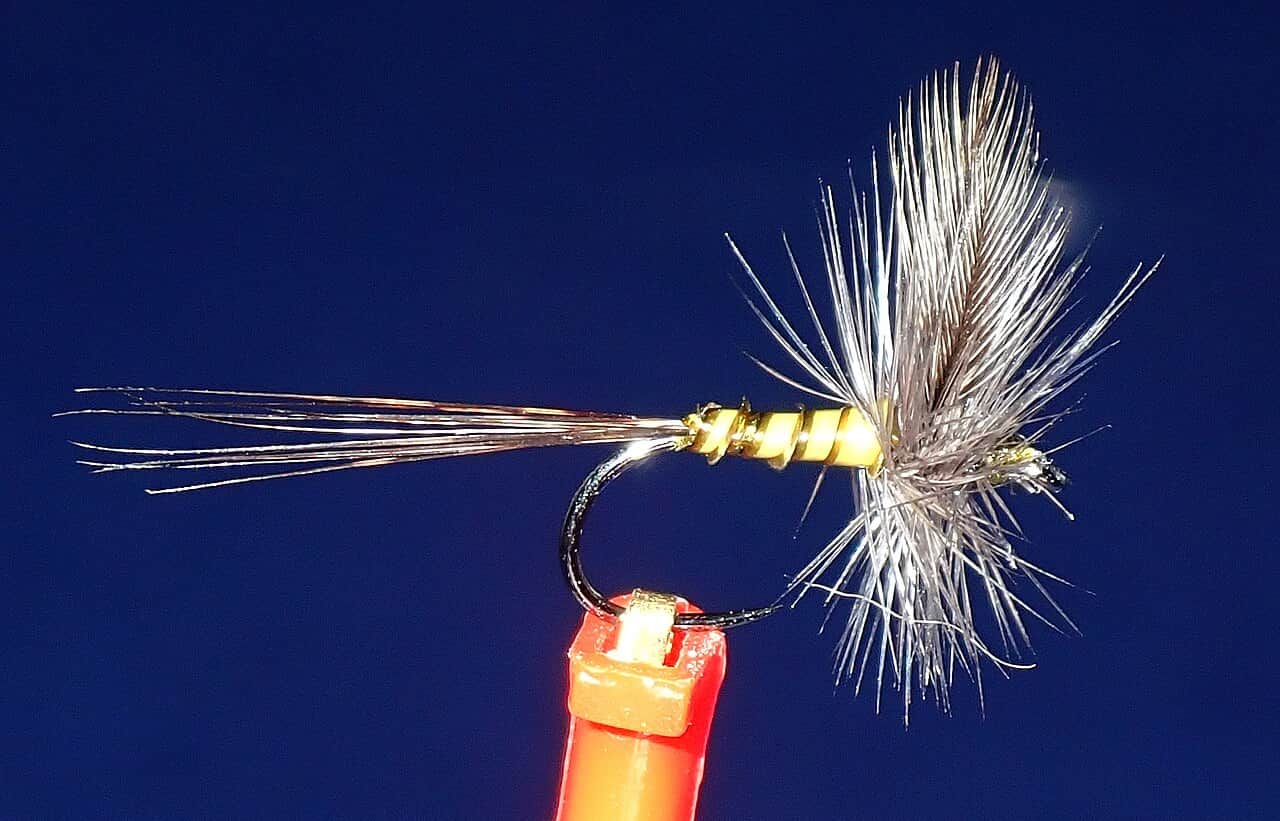
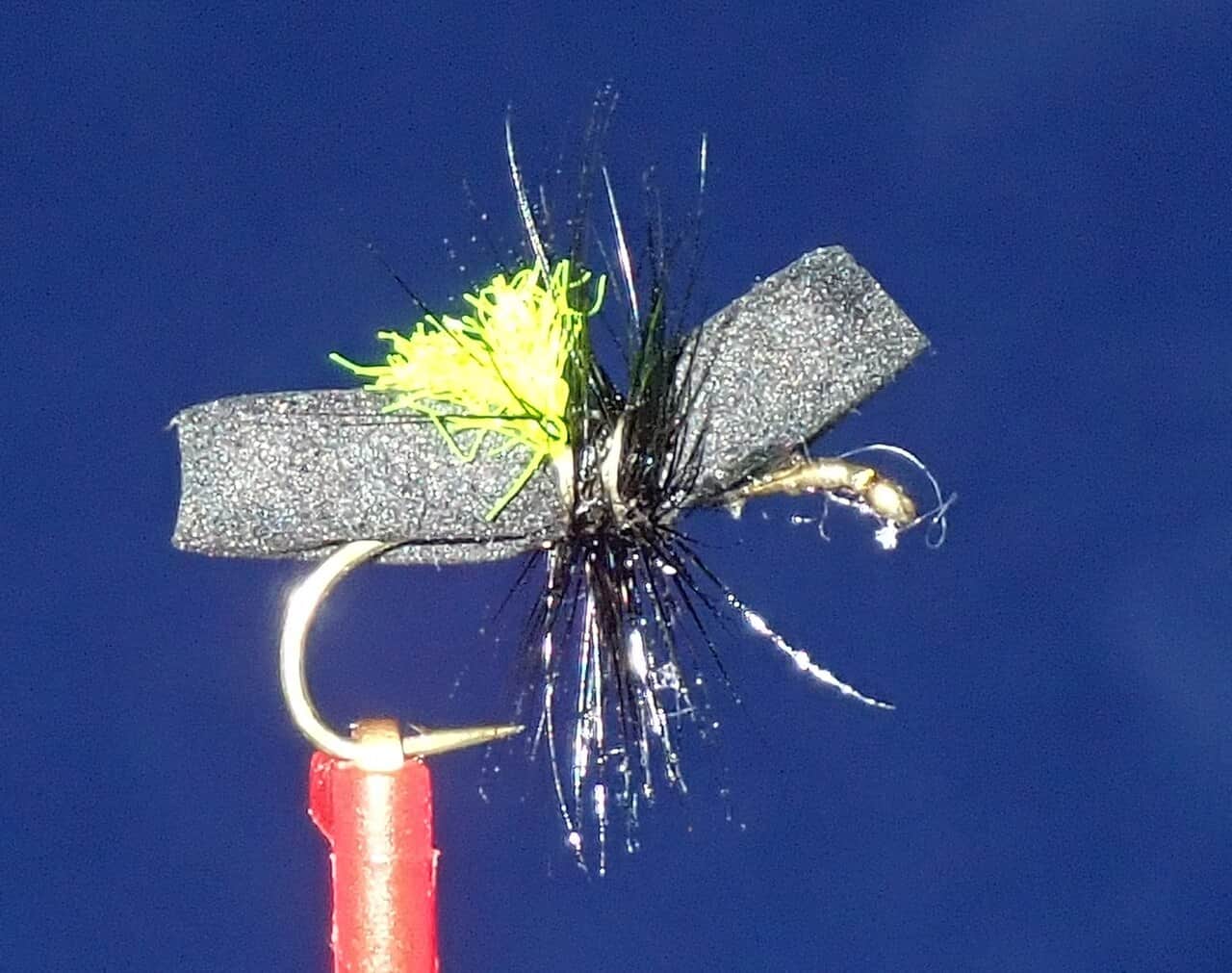
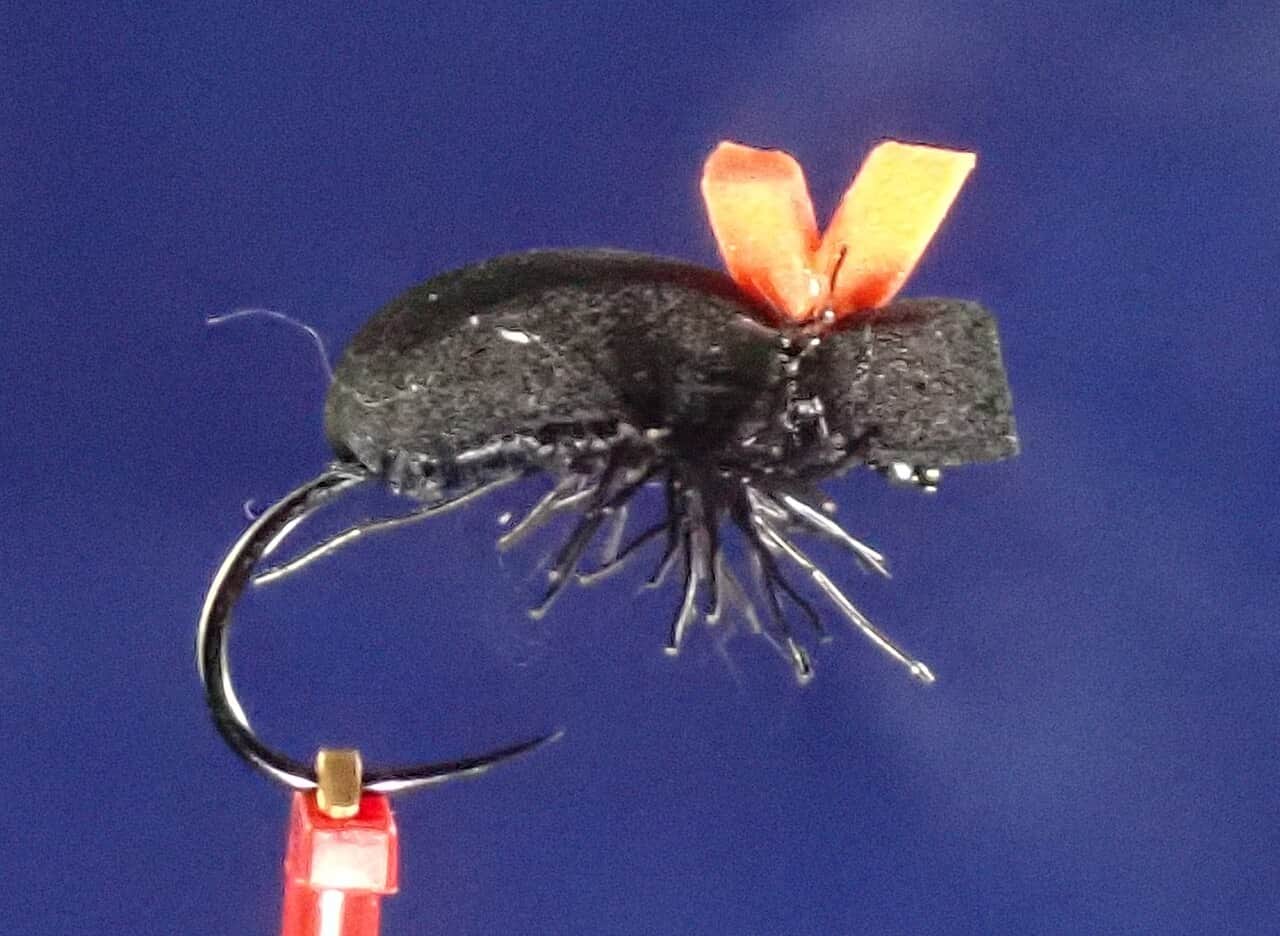
Each fly name opens its matching Fly Box guide.
The most useful window is a cool, stable day after rain has settled but before summer heat builds. If the river is muddy, low and warm, or access is unclear, pick a better-documented nearby river.
Fish dry-droppers, small nymphs, caddis, and soft hackles.
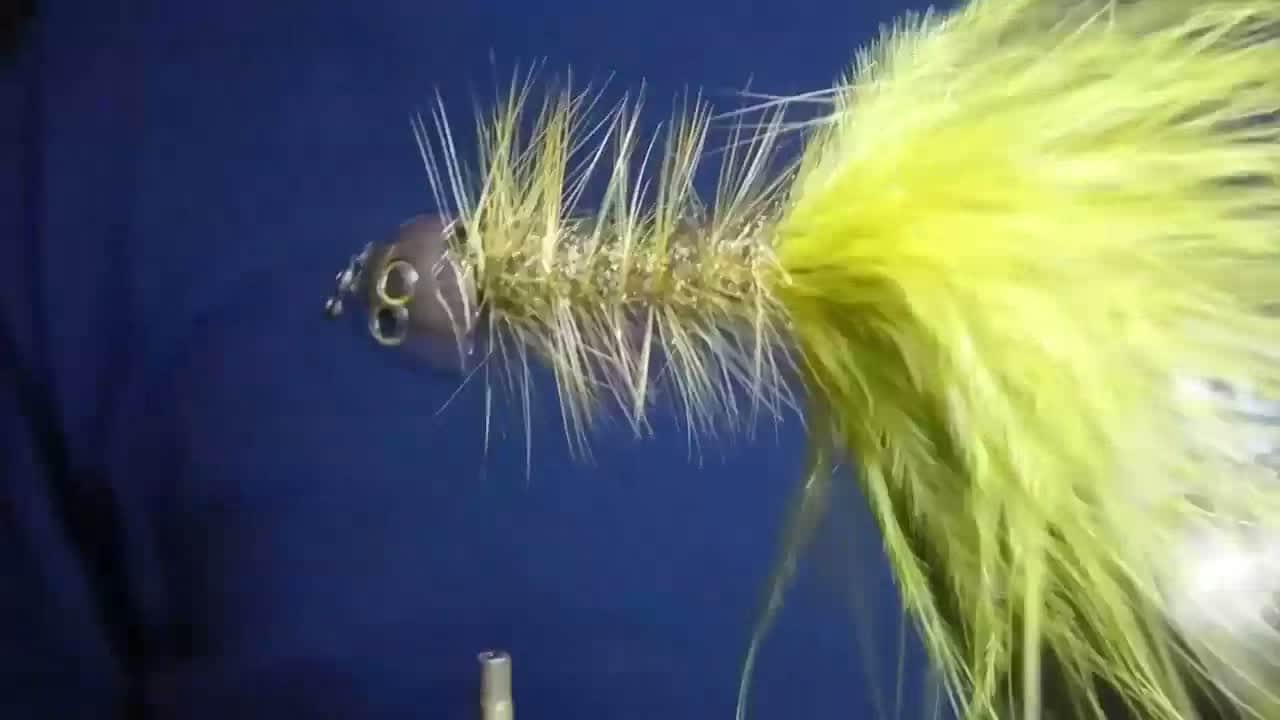
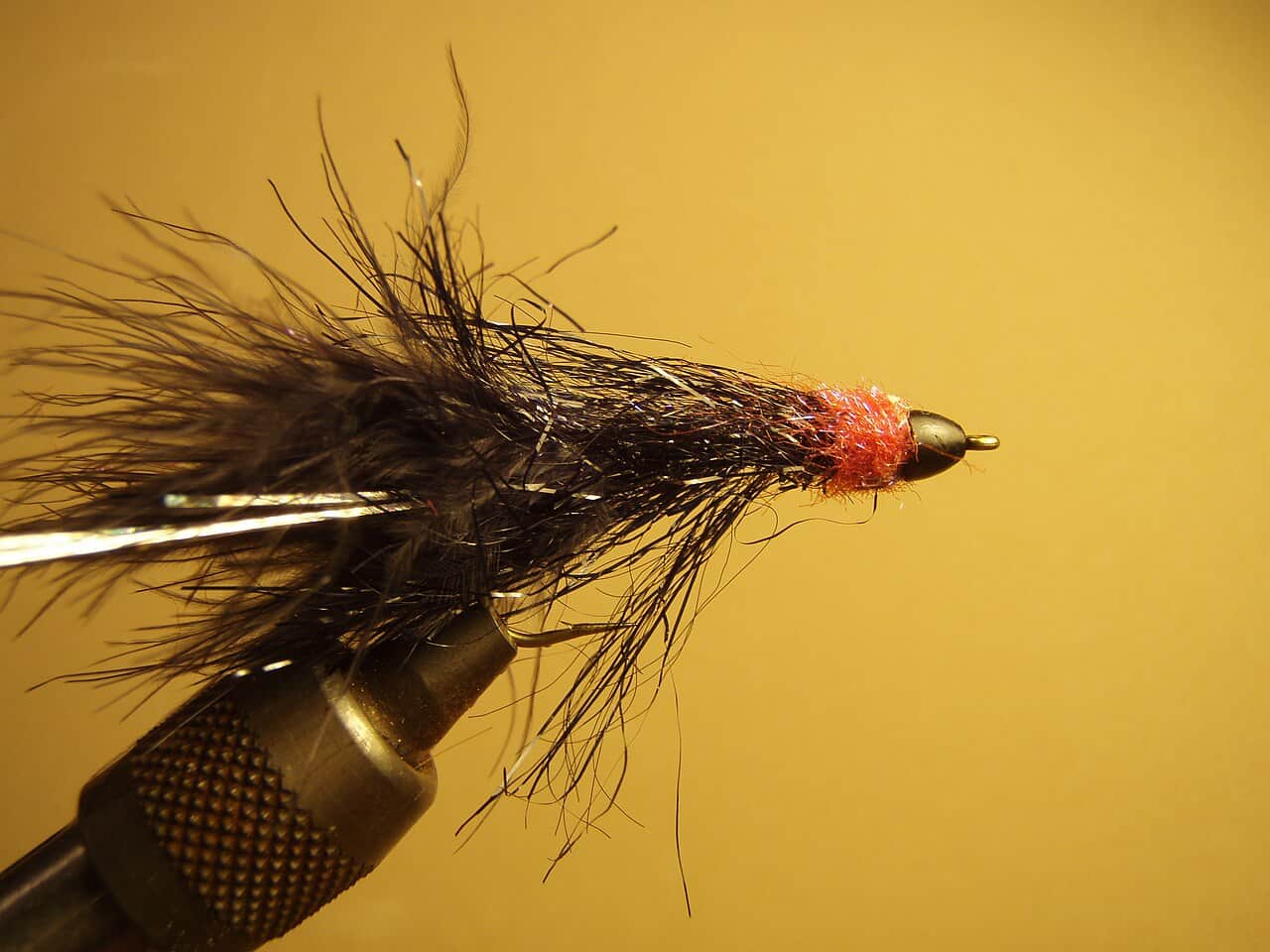
Try small streamers or larger nymphs near banks and tailouts.
Skip it because small rivers can become unsafe and unproductive quickly.
Fish early or move to colder water. Avoid stressing trout.
We could not confirm all current conditions. Check locally before choosing how to fish.
Current conditions at the exact access are not verified. No access method is recommended until they are checked.
Current conditions at the exact access are not verified. No access method is recommended until they are checked.
Current conditions at the exact access are not verified. No access method is recommended until they are checked.
Is Mascoma River worth the trip today? Check flow, weather, hatches, access, and rules for New Hampshire before you go.
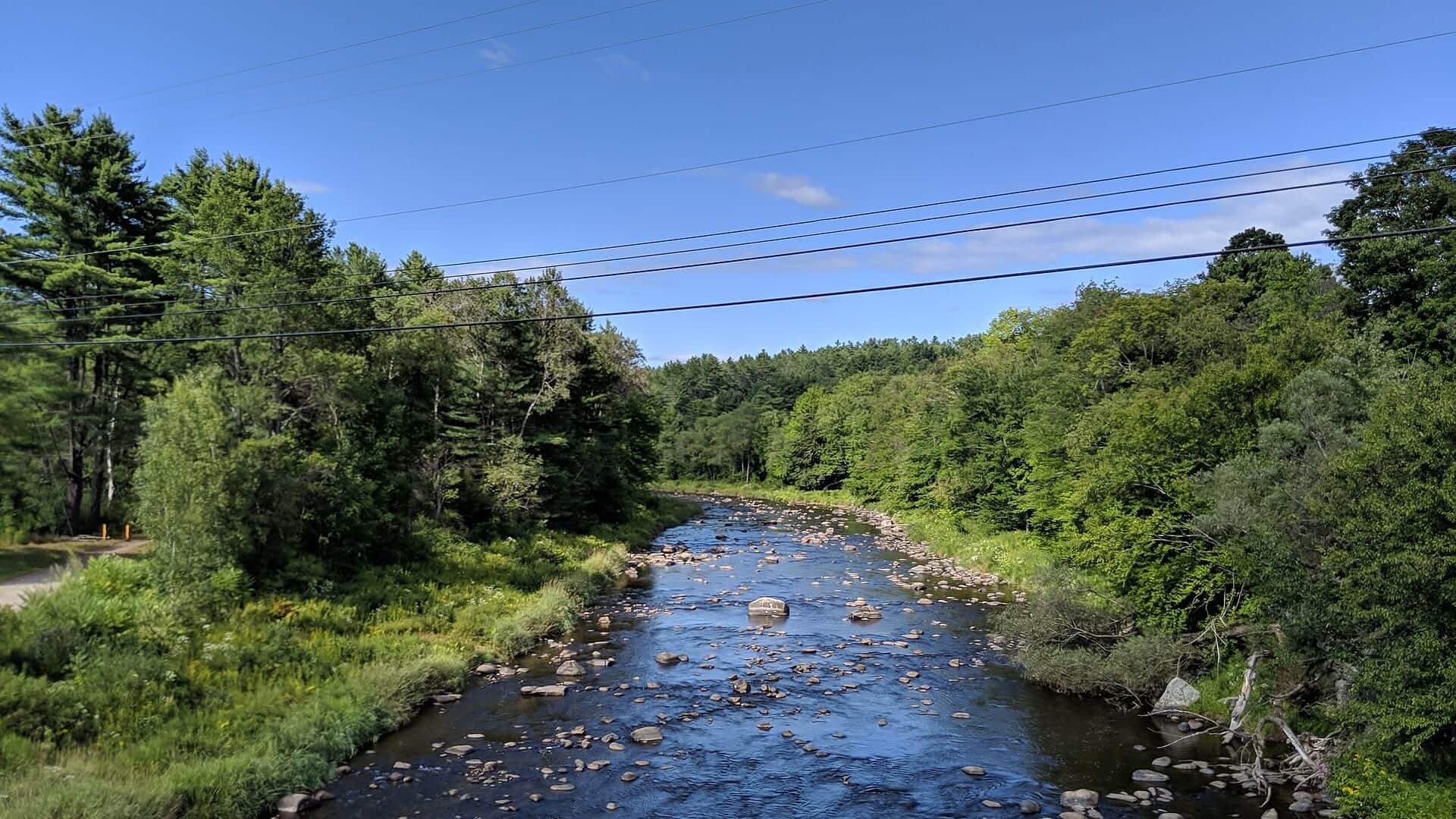
The Mascoma is a smaller Upper Valley river where a live graph can be less useful than actual clarity, temperature, and legal access. Fish it when water is cool, clear enough, and not rising after rain.
No verified live public gauge is attached, so the page cannot make a strong real-time call.
Fall: Cooler water, BWOs, small streamers, and less pressure.
The current NWS air forecast is about 36F, and the next 24-hour high reaches about 61F. Sunny.
No active NWS alert was returned for this forecast point.
Skip it when recent rain has the river rising or muddy, summer heat has warmed the water, parking or legal access is uncertain, or a bridge crossing is the only plan.
Use rainfall, NWS weather, local clarity, and nearby river context instead of a single live cfs number. The USGS station is official context, not a verified current fishing-reach gauge.
Skip it when recent rain has the river rising or muddy, summer heat has warmed the water, parking or legal access is uncertain, or a bridge crossing is the only plan.
Check weather and NH trout information, inspect clarity at a legal access, then fish compact dry-dropper or small-streamer rigs through shaded pockets and bends.
If the Mascoma is warm, muddy, or access-limited, compare the Sugar River, Upper Connecticut, or Merrimack before forcing a marginal small-stream day.
Use these places as starting points. Open the access link below and check posted signs before you park or enter.
Use the current New Hampshire freshwater digest, trout rules, seasons, and stocking information before fishing the exact Mascoma reach.
Useful upper/middle river planning area with road checks.
Lower-river access requires careful public/private boundary awareness.
Important for understanding warmwater and flow influence.
Official agencies and primary river operators come first. Secondary tools are labeled so you know what carries the most weight.
Check what is allowed, where the rule applies, and whether the river is open.
Check the latest river reading and forecast before you leave.
Check public entry points, land rules, and seasonal access changes.
Use these links for stocking, safety, and other local details.
Check what is allowed, where the rule applies, and whether the river is open.
Open the current rules and check the river section, season, and special limits.
Open the current rules and check the river section, season, and special limits.
Open the current rules and check the river section, season, and special limits.
Check the latest river reading and forecast before you leave.
Open this page and check the latest safety advice before your trip.
Open this river reading to check the latest level, flow, and update time.
Check public entry points, land rules, and seasonal access changes.
Open the land or access page, then check signs before you park or enter.
Use these links for stocking, safety, and other local details.
Open this page for stocking or fish population information.
What was checked: This report is maintained from current regulation, access, flow, weather, and public planning sources so anglers can make better trip decisions than a raw gauge or generic overview would allow.
Live measurements and forecasts keep their provider timestamps. Rules, access, and trip guidance use the source-review date shown here. BlueStreamFly planning advice is editorial interpretation, not an agency notice.
First-hand experience: BlueStreamFly does not claim a first-hand visit or local field test for this report unless a real contributor is explicitly named and linked.
Check recent rain, local clarity, NH rules, stocking information, weather, and water temperature. No active public live discharge gauge was verified for this reach.
Use current NH freshwater and trout rules because seasons, methods, and stocked-trout details can change.
Bring the hatch-chart flies, a few confidence nymphs, and a streamer or warmwater box that matches the river's species. Then adjust for water temperature, clarity, and the insects or baitfish you actually see.
Some reaches can be waded at normal flows, but legal access is patchy and small rivers rise quickly after rain.
Skip it when flows are unsafe, water is too warm for trout, emergency closures are active, or legal access for the reach is not clear.