Montana / West
Flint Creek
A Flint Creek report for anglers checking Maxville flow, limited public access, small-stream trout tactics, weather, and Montana rules.
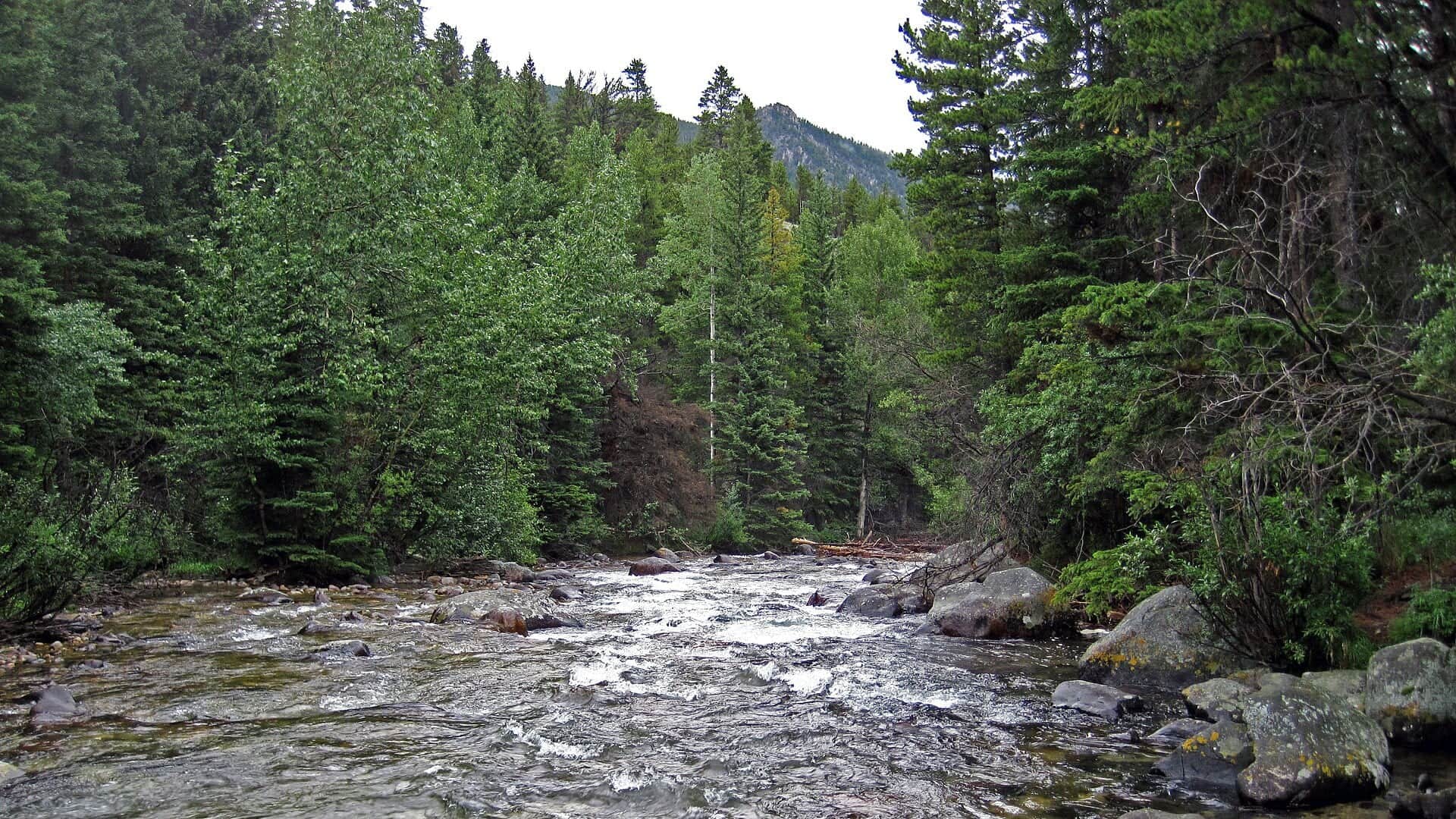
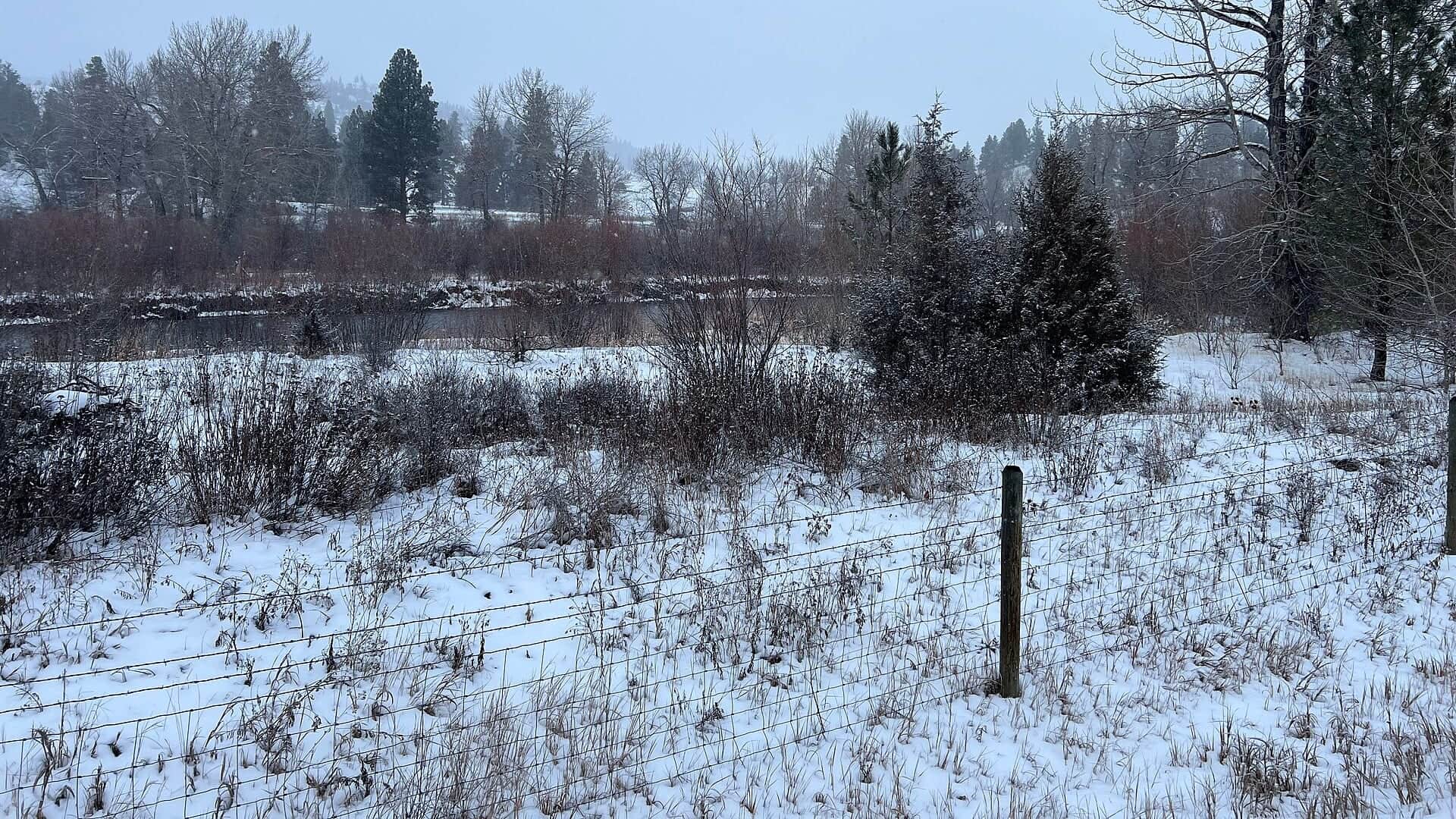
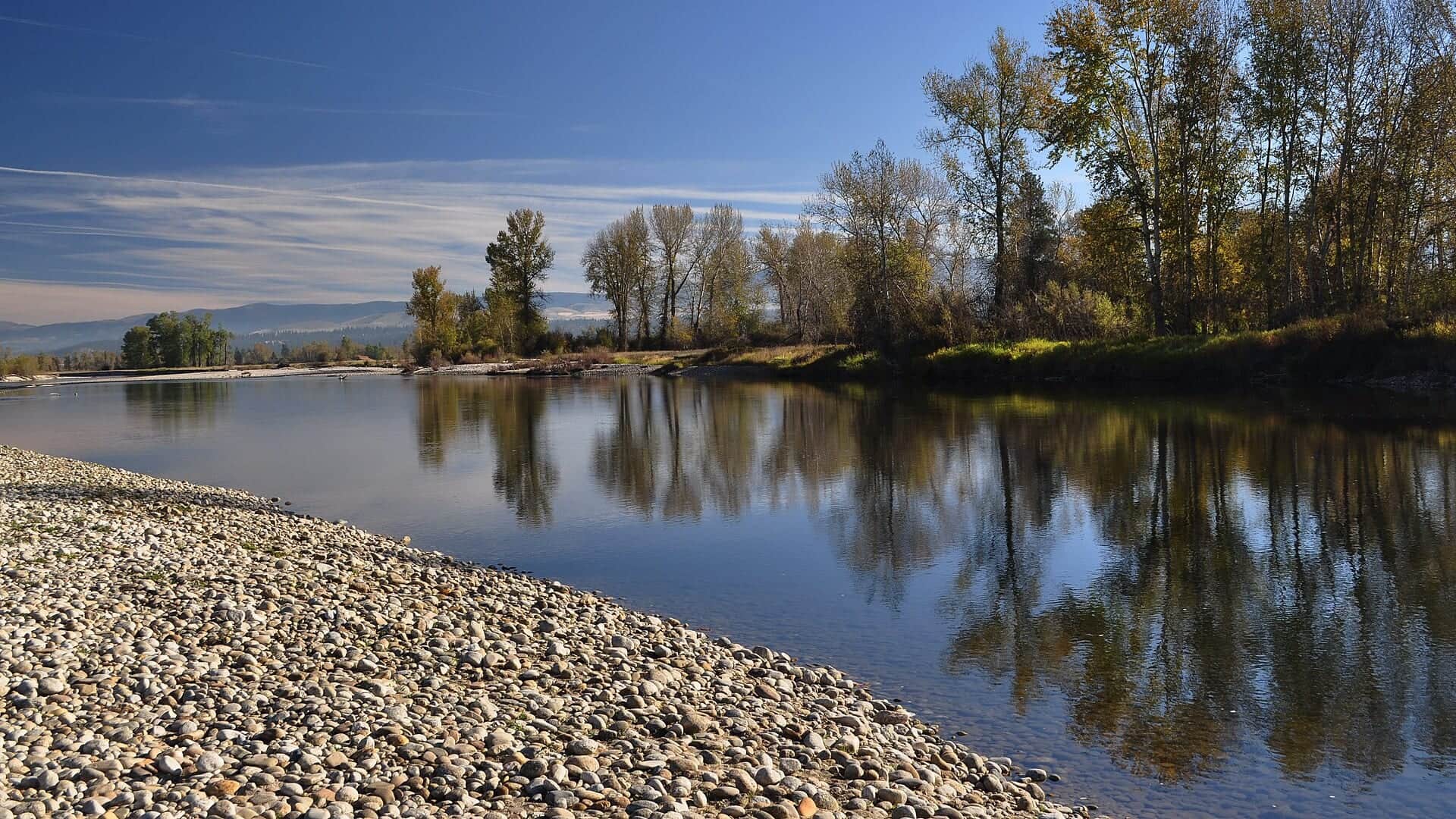
Image: Generated regional planning image for Flint Creek / BlueStreamFly generated; not exact location / BlueStreamFlyFishability now: Flint Creek fishability today
GreatData confidence: High96/100
Fishable now because Maxville gauge is falling, weather is mild, and no public alert is active.
Flow observed
4:45 PM UTC
Weather observed
5:00 PM UTC
Score calculated
5:25 PM UTC
Why this rating
Flow
Weather
Public alerts
Next 6-12 hours
Improving / hold
A falling gauge and usable weather should keep the next 6-12 hours in play unless tributaries stain or heat builds.
USGS flow
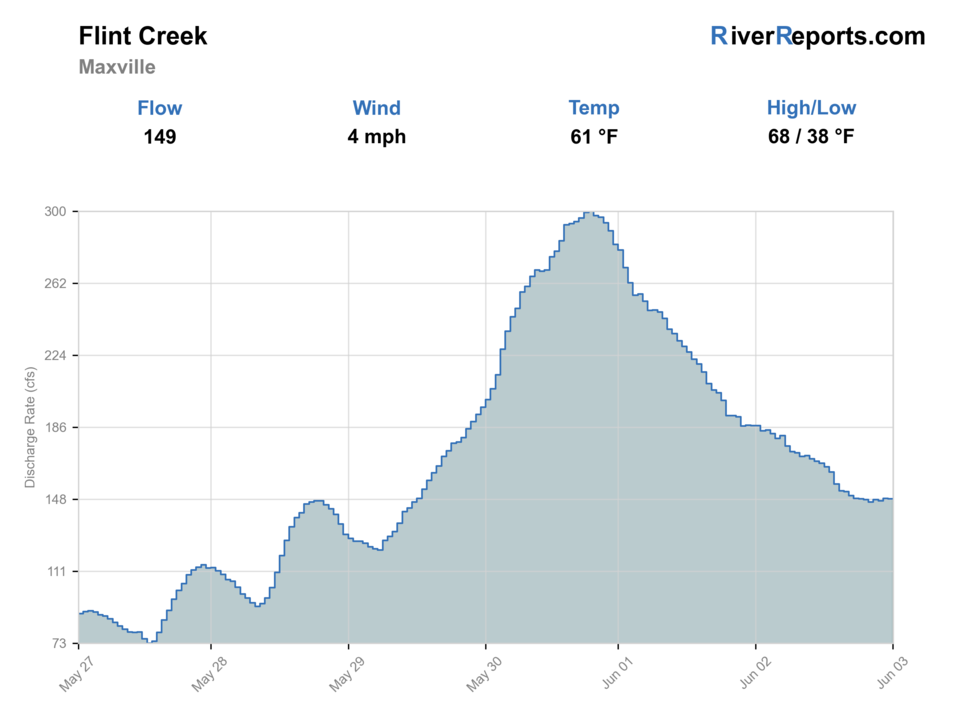
148 cfs
Current trend: flow falling, rating likely holding strong unless weather or clarity changes.
More planning details: flies, flow bands, and live source checks
Fish it today
Start here
Start with the Maxville flow and one legal access option. Fish upstream with compact gear, rest spooked pools, and keep the session short if temperature or access uncertainty builds.
Best flow clue
Use RiverReports and USGS 12329500 at Maxville together. Stable cool water supports small-stream tactics; low warm water, sudden mud, or unclear access should push the day to a larger and better-supported river.
Skip trigger
Skip or pivot when public access is not clear, the creek is low and warm, recent storms have muddied the water, or fences and private fields would control the route more than the fishing.
Flow decision bands
Low but still possible
Low clear Flint Creek can still fish, but warm afternoons, spooky fish, and limited legal access should keep the session short and careful.
Best cool stable window
Stable Maxville flow with cool mornings and clear water is the best signal for dry-dropper, terrestrial, nymph, and short-streamer fishing.
Pushy or muddy
Sudden rain color, soft banks, or a flow jump that makes every crossing uncertain should move the day to a bigger and safer river.
Access and temperature caution
A fishable-looking graph does not override warm water, private-land limits, or a reach where legal parking and entry are not obvious.
USGS flow
148 cfs
Current trend: flow falling, rating likely holding strong unless weather or clarity changes.
Live USGS flow
148 cfs / falling about 40%
Live NWS forecast
64F / Sunny
Water temperature not verified
Heat guidance uses weather and river type unless an official water-temperature value is available.
No NWS alert flag
No active NWS alert was returned for this forecast point.
Use the Maxville gauge for trend, then verify the exact bridge, campground, or public-land access.
Low summer water can get warm and spooky, so fish early and keep trout wet.
Brown trout tactics, small nymphs, terrestrials, and short streamers are more useful than big-river rigs.
Do not cross private fields or assume a road view means legal access.
Editorial review
How this report is maintained
This Flint Creek report is maintained from RiverReports and USGS Maxville flow data, Montana FWP fishing regulations, current closure and restriction sources, stream-access law, Forest Service campground access context, weather, generated-image disclosure, and small-stream trout planning sources.
Byline
BlueStreamFly editorial team
Reviewed by
BlueStreamFly source review
Maintained by
Mountain Brook Run LLC
Last material review
2026-05-31
Report confidence
Good confidence
87/100
Good confidence: RiverReports, USGS Maxville flow, Montana FWP regulations, current restrictions, stream-access law, Forest Service access context, weather, and generated-image disclosure are present. Confidence is moderated by limited public access, private-land sensitivity, small-water temperature swings, and the use of a regional generated planning image.
Regulations
Montana FWP regulations and current restriction pages are linked for current small-stream rule checks.
Flow support
RiverReports Flint Creek at Maxville is backed by USGS 12329500.
Access support
Stream-access law and Forest Service campground context support planning, but exact legal entry remains limited and site-specific.
Weather and safety
The National Weather Service point resolved and the page calls out warm water, private land, soft banks, storms, and fences.
Angler usefulness
The page separates legal access, small-stream flow, temperature, private-land caution, and backup-water decisions.
Editorial review
A public correction path, source standards page, generated-image disclosure, and public review history are included.
Fishability source review
2026-05-31 / material content or source review
RiverReports Maxville flow support, USGS 12329500, Montana FWP fishing regulations, stream-access law, current closure and restriction pages, Forest Service Flint Creek Campground information, the National Weather Service point, and image disclosure were rechecked before adding the Pine Creek-standard current-fishability layer.
2026-05-31
Upgraded the page to the Pine Creek fishability standard with small-stream decision bands, access cards, backup logic, and a reviewed route profile.
2026-05-28
Added limited-access trip fit, small-stream wade framing, warm-water and private-land skip cues, campground access nuance, backup-water suggestions, editorial review signals, and a page-specific report-confidence meter after source review.
2026-05-25
Initial source-reviewed report published with flows, weather, hatches, flies, tactics, access, regulations, and FAQs.
Angler planning edge
Local details that change the plan
Best for
Anglers planning a careful small-stream brown trout day around Maxville, Philipsburg, Drummond, and limited public access, Trips where Maxville flow, legal entry, FWP restrictions, recent rain, and water temperature all need to be checked first, Short dry-dropper, terrestrial, nymph, and small-streamer sessions when the creek is cool, clear, and not crowded by access limits, Anglers deciding whether Flint Creek is worth the access homework or whether Rock Creek, the Clark Fork, or the Bitterroot is a better fit
Wade or float
Treat Flint Creek as a wade-first small-stream page with limited public access. The right plan is a legal short reach fished lightly, not a long exploratory push through private valley water.
Best flows
Use RiverReports and USGS 12329500 at Maxville together. Stable cool water supports small-stream tactics; low warm water, sudden mud, or unclear access should push the day to a larger and better-supported river.
When to skip
Skip or pivot when public access is not clear, the creek is low and warm, recent storms have muddied the water, or fences and private fields would control the route more than the fishing.
Local plan
Start with the Maxville flow and one legal access option. Fish upstream with compact gear, rest spooked pools, and keep the session short if temperature or access uncertainty builds.
Pressure
Pressure is less destination-style than on famous Montana rivers, but limited public entry concentrates anglers at obvious sites. Quiet movement matters more than covering lots of banks.
Access nuance
FWP stream-access law and Forest Service campground context help, but Flint Creek still requires posted-land awareness, legal parking, and respect for fences and ranch boundaries.
Backup water
If Flint Creek is low, warm, muddy, or access-limited, compare Rock Creek for a stronger public-access creek plan, the Clark Fork for larger valley water, or the Bitterroot for more established access.
About the river
Setting, character, and why it fishes the way it does.
Flint Creek runs through the Philipsburg and Drummond area before joining the Clark Fork drainage. It is smaller, more private, and more access-sensitive than Montana's headline rivers.
The fishing character is intimate: undercut banks, bends, meadow runs, willows, small riffles, and brown trout that can spook in clear low water.
This page is built to prevent bad assumptions. Flint Creek can be useful, but the best plan starts with source-checked access and water temperature, not a list of informal pullouts.
Target species
Brown trout
The main fly target, especially near undercuts, deeper bends, and low-light cover.
Rainbow trout
Possible by reach; use current FWP rules before harvest.
Cutthroat trout
Native-trout handling matters where present; release carefully.
Brook trout
More likely in colder tributary or upper-system context than every main-stem reach.
Reading the water
Clear and stable
Use small nymphs, caddis, terrestrials, and careful bank approaches.
Low summer water
Fish early, downsize, stay back from banks, and check temperature.
Light stain
Try a small dark streamer or larger nymph close to cover.
Muddy or hot
Wait it out or choose a larger colder river.
Best seasons
Spring
Nymphs and small streamers can work when flows are not too high.
Early summer
Caddis, PMDs, and terrestrials start to matter as clarity improves.
Late summer
Only fish cool mornings or shaded reaches when temperatures allow.
Fall
Cooling water can improve brown-trout streamer and BWO windows.
Preferred flow source
Flint Creek at Maxville
RiverReports is the preferred chart source when coverage exists. When a matching USGS gauge exists, keep it open as the official backstop for station data and current hydrograph context.

USGS data chart
Official USGS trend
Streamflow over the latest USGS reporting window.
Latest
148 cfs
Jun 3, 4 PM UTC
Weather
River weather report
Weather can change wading safety, road access, water temperature, hatches, and the best time of day to fish.
Live forecast loads as you reach this section
This keeps the report fast while still using the official National Weather Service forecast point.
Hatches and flies
Hatch chart and fly picks
April to May
Midges, BWOs, March Browns, early caddis, small stoneflies
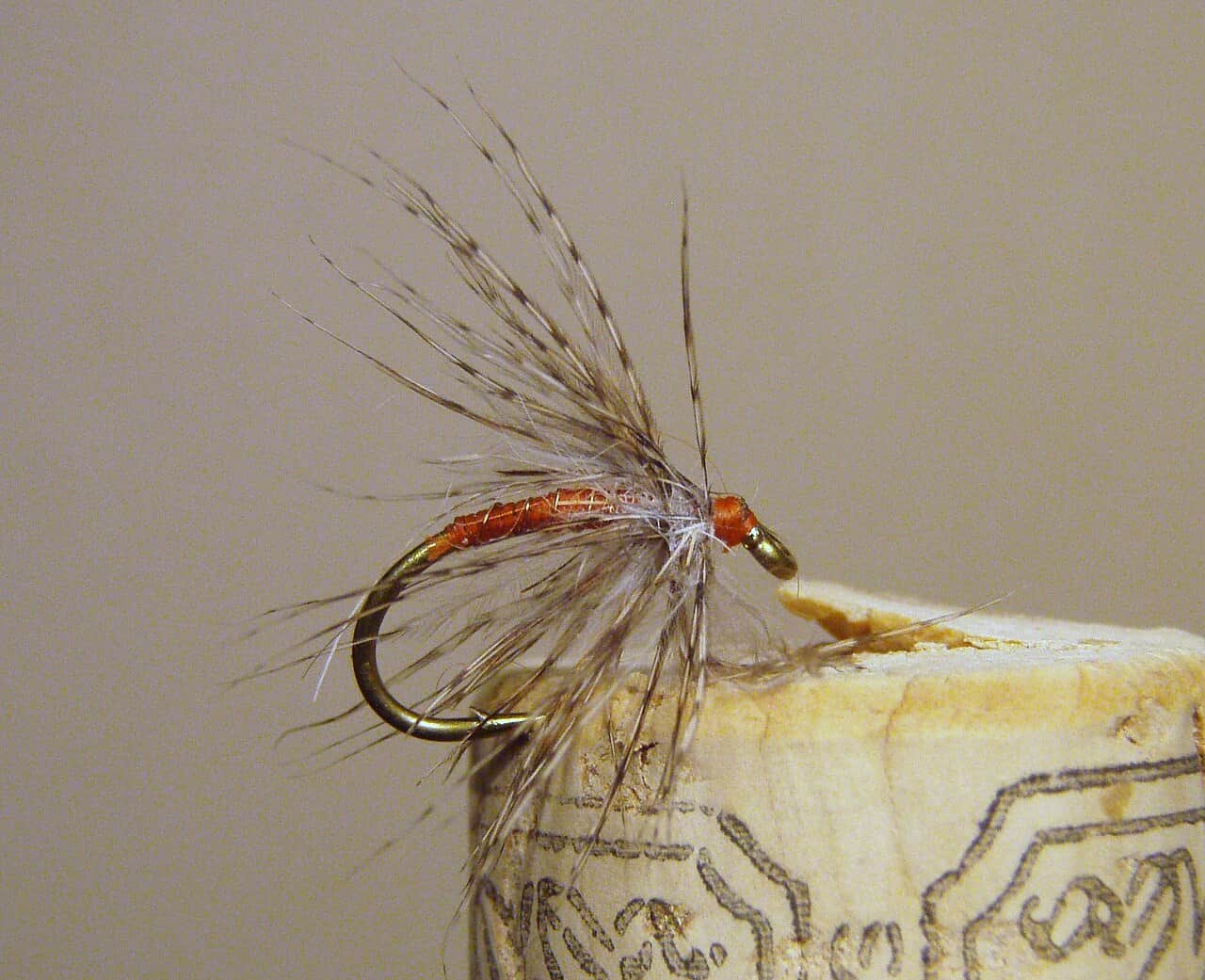
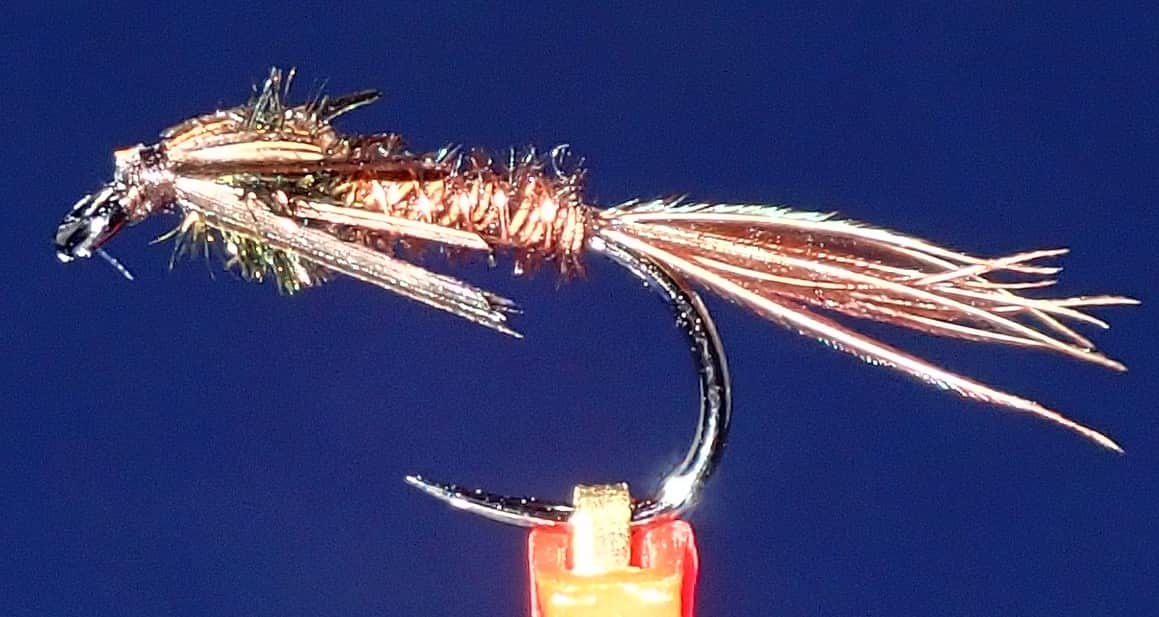
BWO emerger, March Brown, soft hackle, small rubberleg, zebra midge
June
Caddis, PMDs, yellow sallies, small golden stones
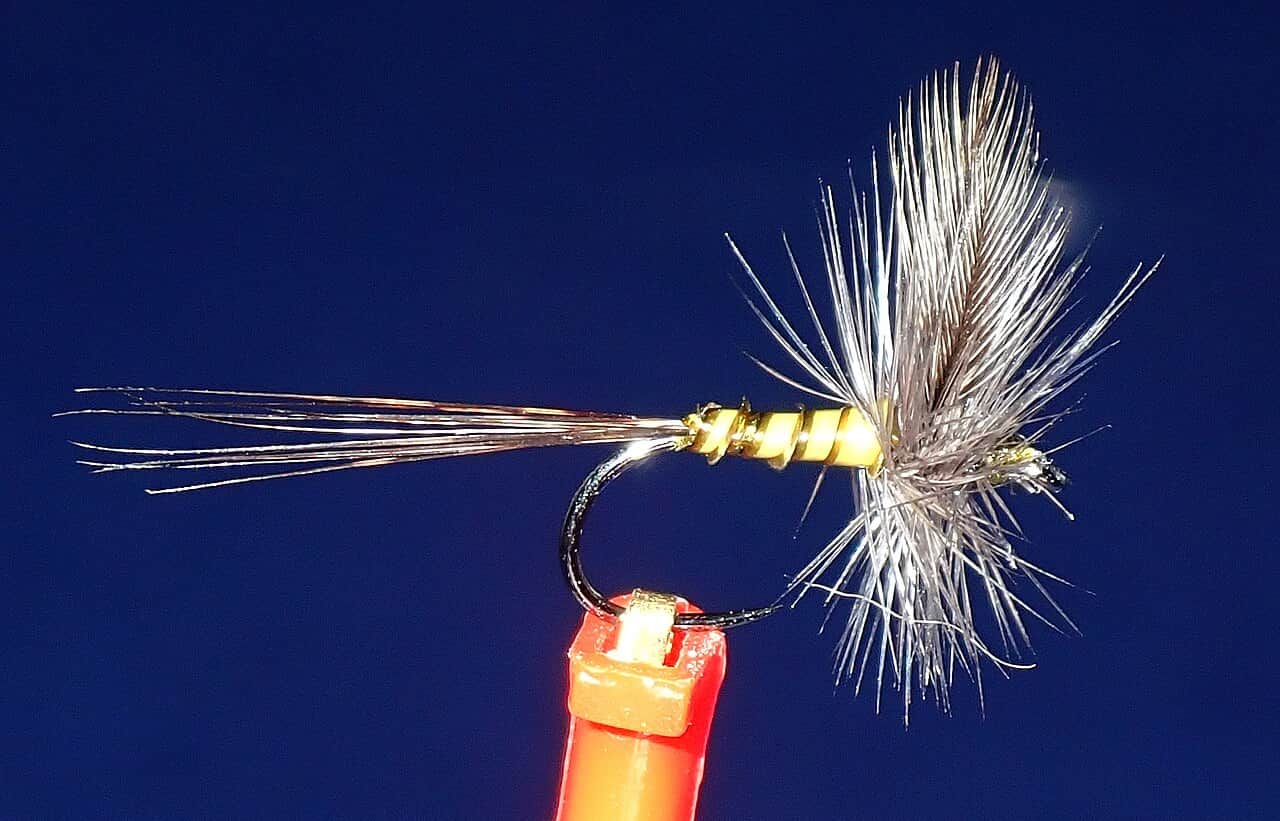
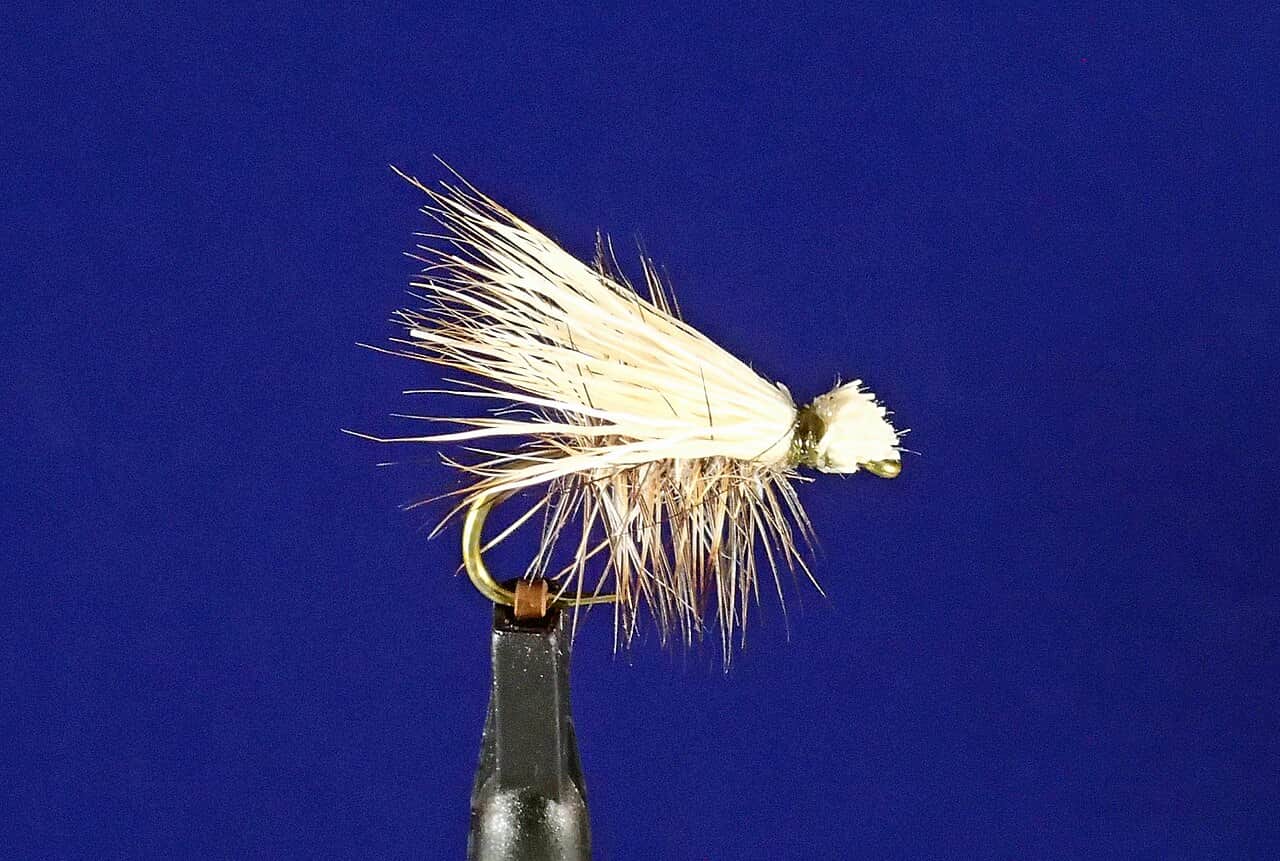
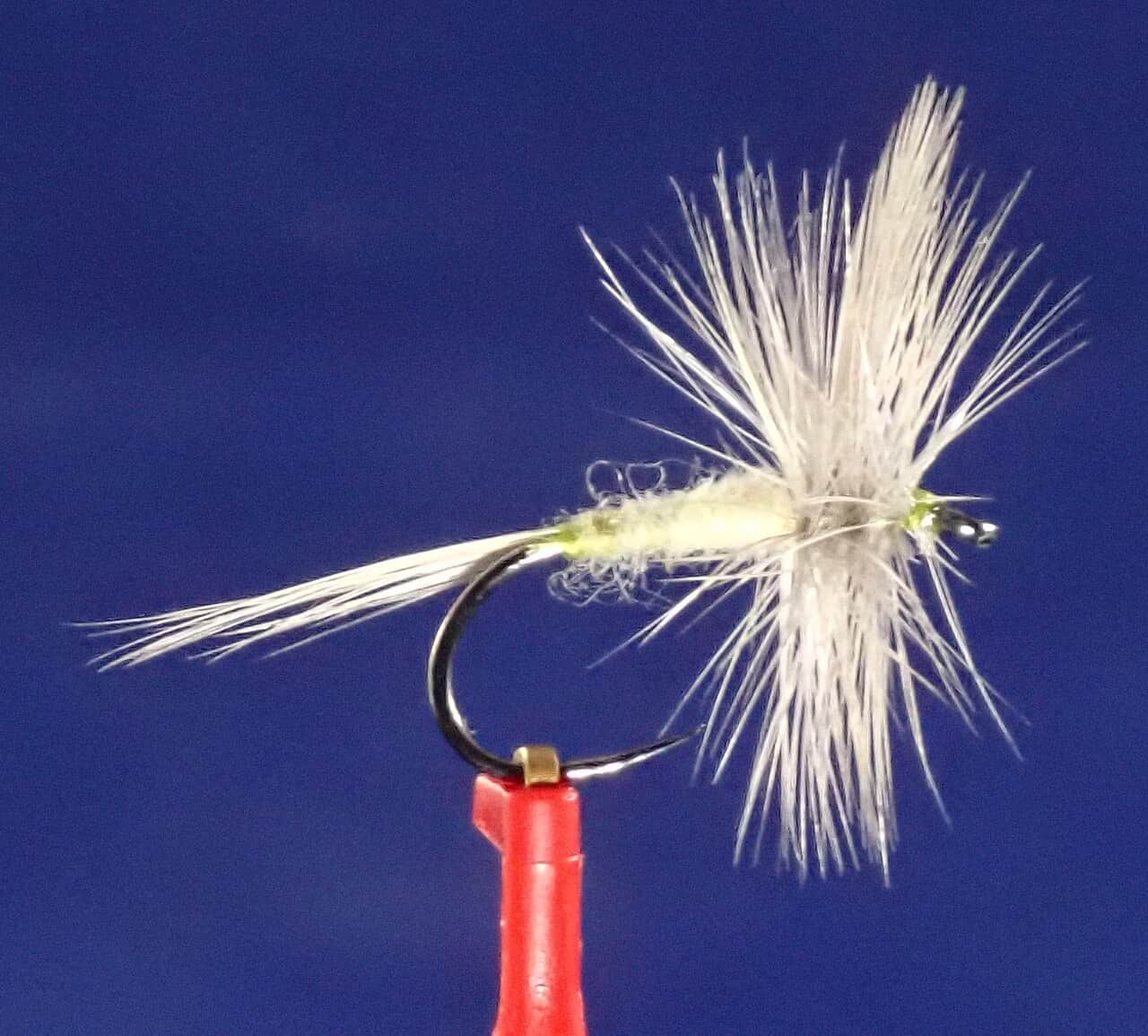
Elk hair caddis, PMD, yellow sally, pheasant tail, dry-dropper
July to August
Hoppers, ants, beetles, evening caddis, sparse mayflies
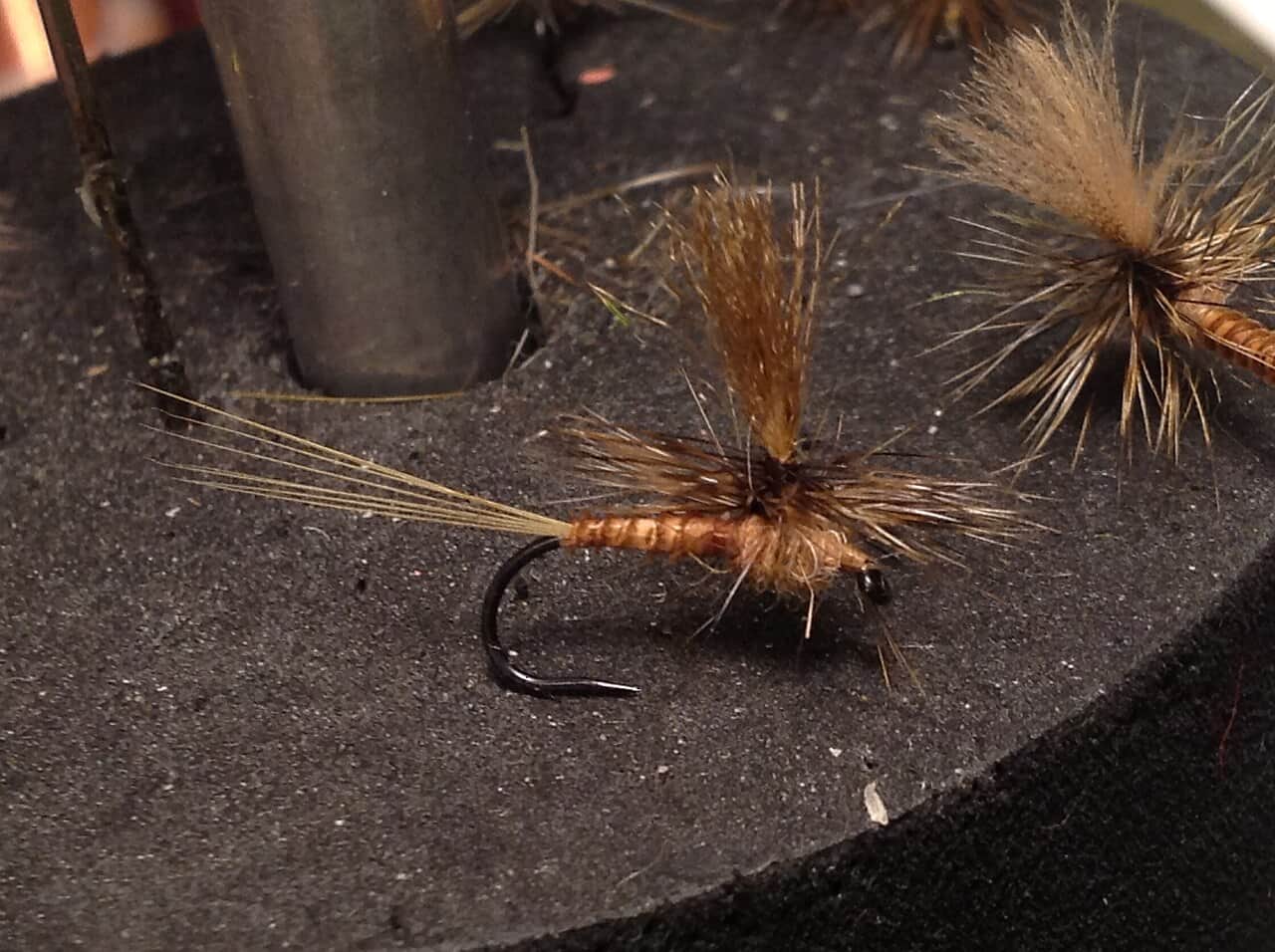
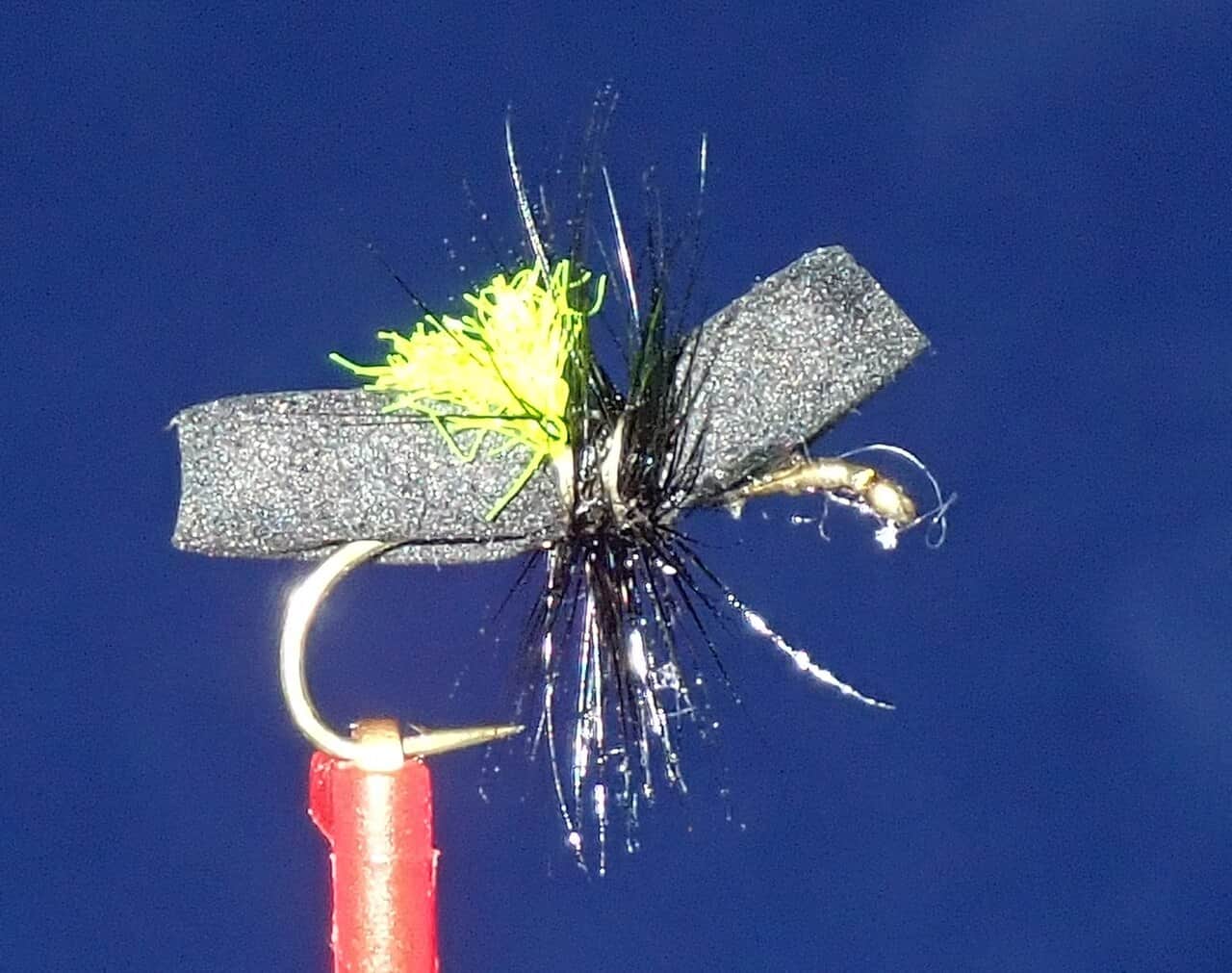
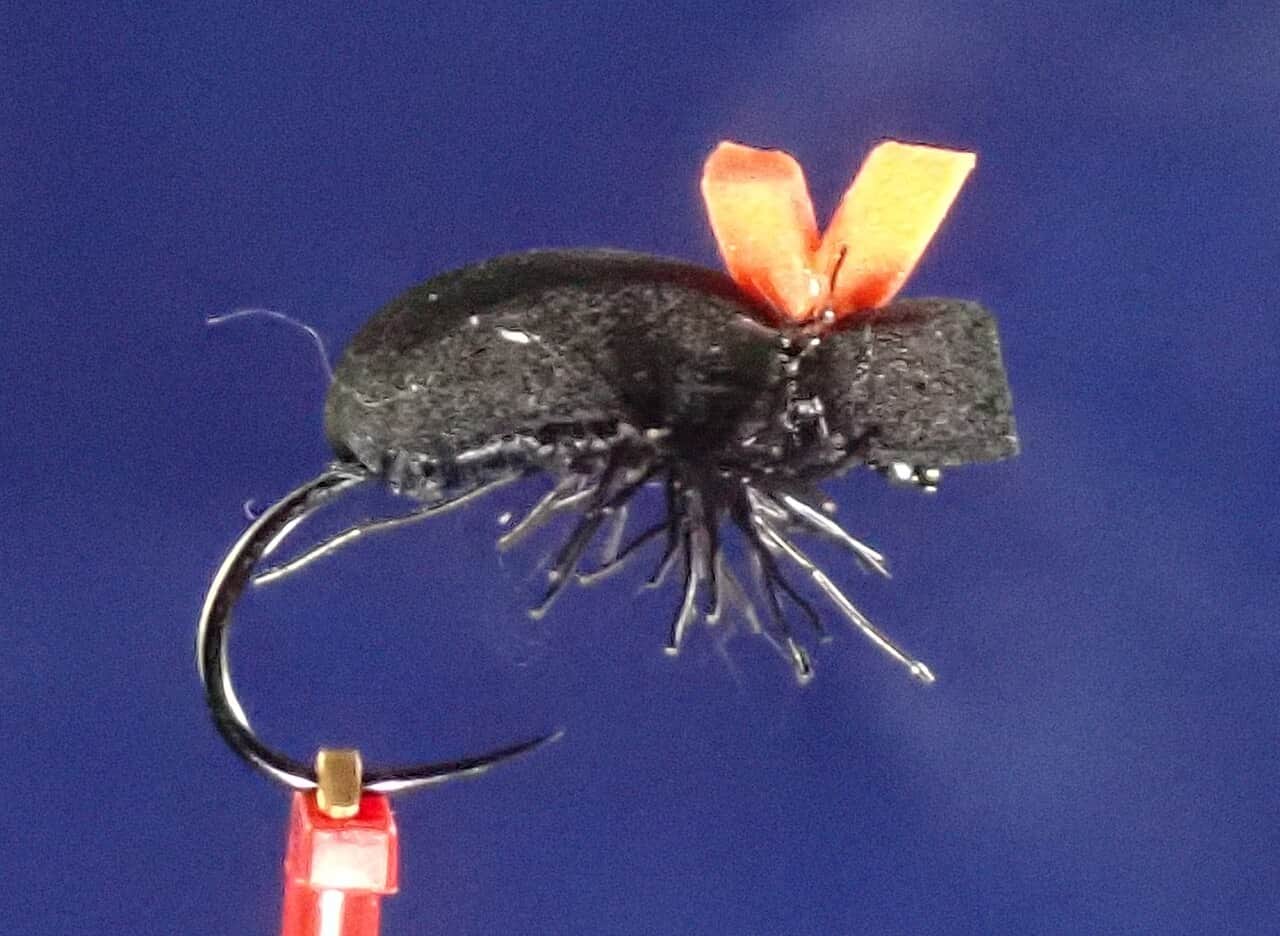
Foam hopper, ant, beetle, caddis, small parachute Adams
Fall
BWOs, midges, small streamers, cooling-water brown trout movement
BWO, zebra midge, soft hackle, mini leech, small sculpin
Stoneflies
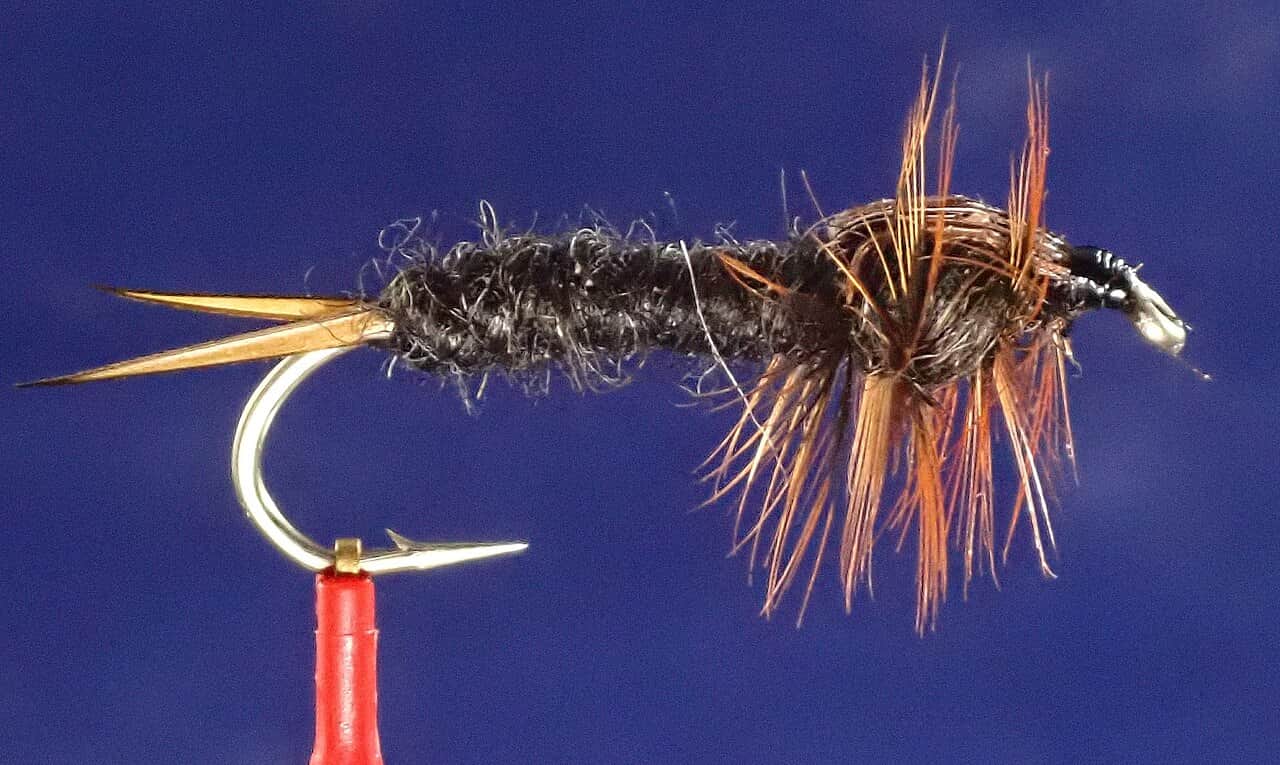
Pat's rubber legs, Chubby Chernobyl, skwala, golden stone
Use before, during, and after stonefly movement or when trout sit tight to banks.
Mayflies and caddis
BWO, March Brown, PMD, caddis pupa, X-caddis
Use during spring and fall hatches or summer evening riffle feeding.
Terrestrials
Hoppers, ants, beetles, hopper-dropper rigs
Use during summer near grass, shade, undercuts, and slower bank seams.
Streamers
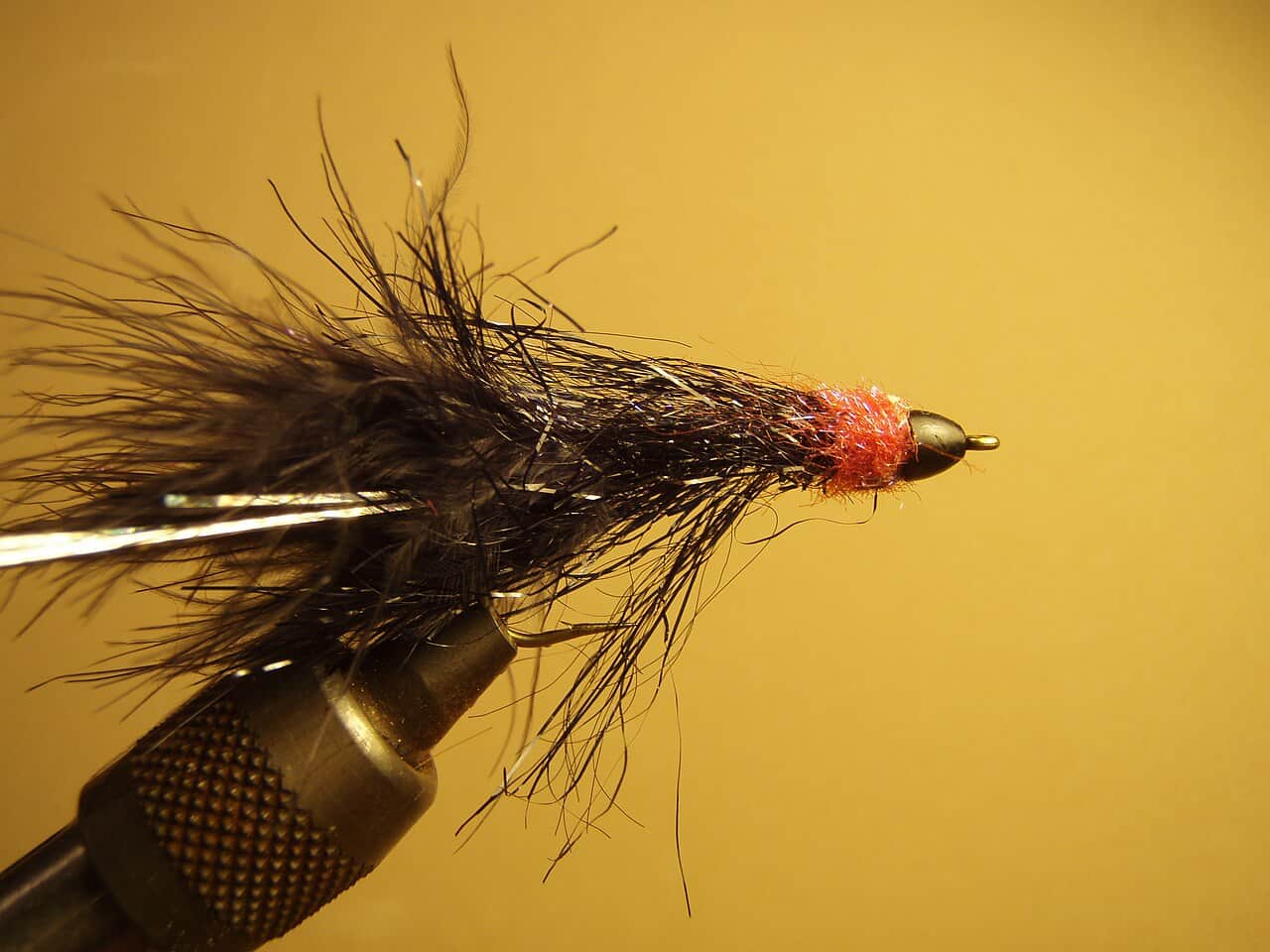
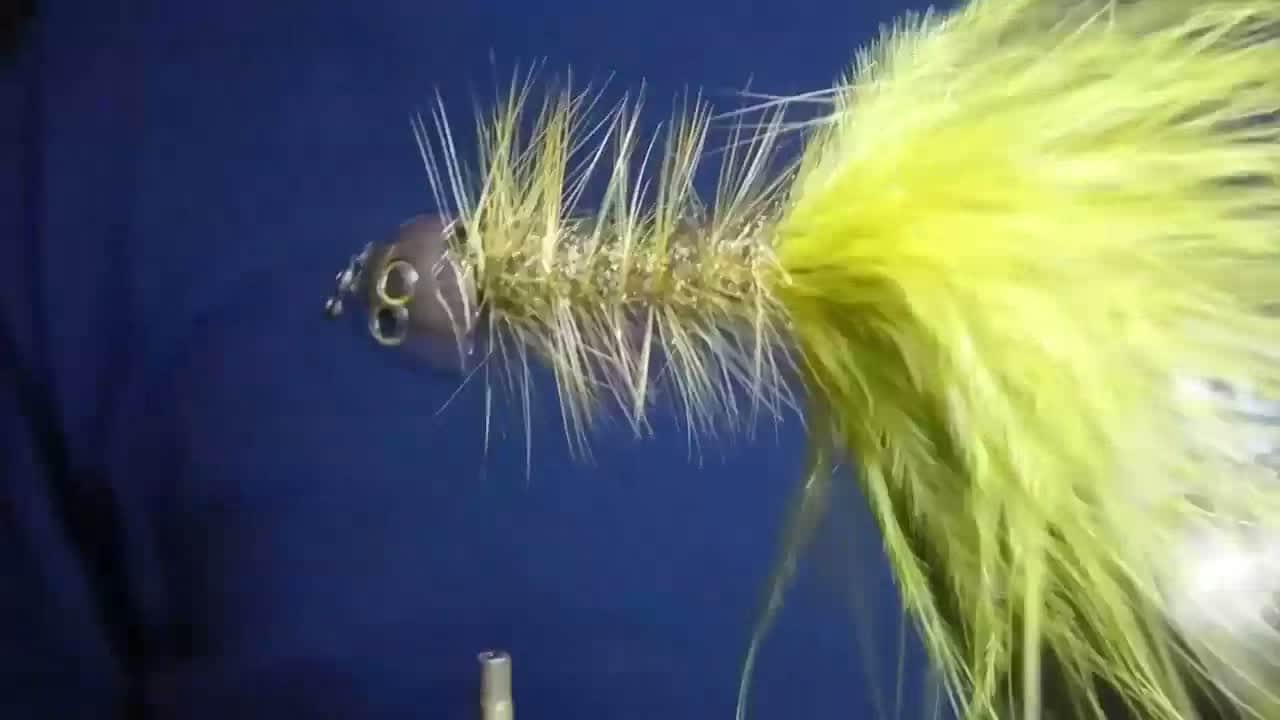
Sculpin, leech, sparkle minnow, small articulated streamer
Use in stained water, cloud cover, fall, or when larger trout hunt edges.
Tactics
How to fish it
Scout legal access before rigging; do not rely on informal trails across private land.
Fish upstream with short casts and avoid lining fish in narrow clear runs.
Use a small dry-dropper through riffles and seams, then switch to a terrestrial near grass banks.
Fish small streamers under cloud cover or after slight stain.
Rest pools after spooking fish instead of grinding through the same water.
Rigging
Rod, leader, and setup notes
A 3-weight or 4-weight is enough for most creek work.
Use 4X to 6X tippet and small indicators or dry-droppers.
Carry a few size 10 to 14 streamers for stained water and undercut banks.
Bring a thermometer and stop if trout handling becomes unsafe.
Keep gear compact so you can move without trampling banks or fences.
Access
Access and planning notes
Maxville gauge check
Primary small-stream decisionWade / float / trail
Gauge / short wade
When to pick it
Start here when you need one reviewed flow trend before deciding whether Flint Creek is worth the access homework.
Caution
The gauge does not settle temperature, clarity, or legal entry farther up and down the valley.
Flint Creek Campground anchor
Known public starting pointWade / float / trail
Campground access / short wade
When to pick it
Use it when one confirmed public anchor is better than gambling on private valley banks.
Caution
Campground access still does not make every nearby fence line, pullout, or field edge public.
One short legal reach
Low-impact planWade / float / trail
Road scout / upstream wade
When to pick it
Pick this when temperature, access, and fish pressure all point toward a short careful session instead of roaming.
Caution
Do not force extra mileage through unclear ownership just because the creek looks fishable.
Flint Creek has limited public access compared with Montana's larger publicized fisheries.
Use official public land, bridges where legal, and posted access. Do not cross private fields or fences without permission.
Small water warms fast. If the creek is low and hot, choose a different trout plan.
Regulations
Check before fishing
Montana FWP regulations apply, and nearby tributaries may have their own exceptions. Check current rules and restrictions before fishing.
Primary base
Philipsburg, Maxville, Drummond, or Anaconda
Best day style
Small-stream wading, limited public access, campgrounds, bridges, and private-land caution
Check first
Maxville flow, FWP rules, legal access, recent rain, and water temperature
Safety
Private land, low warm water, soft banks, cattle fences, and sudden storms
Gear
Helpful gear for this water
5-weight rod
Covers dries, light nymphs, and most trout presentations.
6-weight rod
Better for wind, stonefly rigs, streamers, and hopper-dropper banks.
Wading staff
Useful in pushy freestone water, tailouts, slick ledges, and roadside access.
Thermometer
Check summer temperatures and stop trout fishing when handling becomes unsafe.
Nearby water
Other water to research
Backup logic
High or muddy water
Leave Flint Creek alone after storms and compare Rock Creek or a larger river when soft banks and visibility are still poor.
Heat or low water
Fish only cool early windows and pivot quickly if warm water or weak depth makes trout handling questionable.
Crowding or spooky fish
Rest pressured pools, shorten the session, or move to a different river instead of forcing repeated passes through one obvious public run.
Access issue
Use only confirmed legal parking and public entry and pivot if fences, posted land, or ranch traffic make the route uncertain.
Rock Creek
A more established public-access creek option near Missoula.
Clark Fork River
A larger valley river if Flint Creek is too low, warm, or access-limited.
Bitterroot River
A bigger freestone trout option with stronger access infrastructure.
FAQ
Fast answers
Is Flint Creek fishable today?
Flint Creek looks very fishable right now. The live score is 96/100, based on current flow, weather, public alerts, and the report's planning context. Recheck the linked gauge and forecast before leaving because conditions can change quickly after rain, heat, access changes, or flow swings.
What flow is best for Flint Creek?
Use RiverReports and USGS 12329500 at Maxville together. Stable cool water supports small-stream tactics; low warm water, sudden mud, or unclear access should push the day to a larger and better-supported river.
When should I skip Flint Creek?
Skip or pivot when public access is not clear, the creek is low and warm, recent storms have muddied the water, or fences and private fields would control the route more than the fishing.
Is Flint Creek safe to wade right now?
The fishability score is not a wading guarantee. Wade only where your chosen access has safe edges, clear footing, legal entry, and no forced crossings; high, rising, stained, or storm-affected water should be treated conservatively.
What should I check first before fishing Flint Creek?
Check Maxville flow, legal access, FWP rules, recent rain, and water temperature before choosing a reach.
Are there special regulations on Flint Creek?
Default Montana rules apply unless a current FWP exception or closure says otherwise, so check the latest regulations.
What flies should I bring for Flint Creek?
Bring the hatch-chart flies, a few confidence nymphs, and a streamer box. Then adjust for water temperature, clarity, and the insects you actually see.
Can I wade Flint Creek?
Yes only where legal public access exists. Treat private land as off-limits unless you have permission.
Sources
Source set for this report
Reviewed 2026-05-31