Generated Ozark river bluff and shoal scene representing Missouri's Current River at Van Buren, not an exact location photo

Missouri / Midwest

Current River

A lower-middle Current River planning page for anglers deciding whether the Van Buren gauge, float access, and Ozark Riverways corridor still justify a day on the water.

Image: Generated regional planning image for Current River at Van Buren / BlueStreamFly generated; not exact location / BlueStreamFly

Fishability now: Current River fishability today

GreatData confidence: High

96/100

Fishable now because Van Buren gauge is falling, weather is usable, and no public alert is active.

Flow observed

5:30 PM UTC

Weather observed

5:00 PM UTC

Score calculated

6:14 PM UTC

Why this rating

Flow

Weather

Public alerts

Next 6-12 hours

Improving / hold

A falling gauge and usable weather should keep the next 6-12 hours in play unless tributaries stain or heat builds.

More planning details: flies, flow bands, and live source checks

Fish it today

Start here

Use Van Buren as the anchor, choose one launch or access family, and let the gauge decide whether you float a full stretch or keep the day compact.

Best flow clue

Stable moderate flows that preserve shoal definition, bank edges, and a realistic float pace through the Van Buren corridor.

Skip trigger

Skip when the river is muddy enough to erase clean drifts, when the gauge pushes access past comfort, or when you actually want upper-river trout water instead.

Flow decision bands

Stable floatable level

Stable or slowly falling Van Buren flow is the best sign that shoals, banks, and float pace can line up for a useful smallmouth day.

Storm-stained lower river

Rising or muddy water should shorten the day to protected banks or push the plan to a clearer Ozark option.

Low clear summer flow

Low water can fish with stealth, small bugs, and careful boat positioning, but float drag and traffic matter.

Hot recreation window

Heat and launch traffic can make a fishable chart less useful for a quiet fly-fishing plan.

USGS flow

1,300 cfs

Open

Current trend: flow falling, rating likely holding strong unless weather or clarity changes.

Live USGS flow

1,300 cfs / falling about 31%

Live NWS forecast

77F / Sunny

Water temperature not verified

Heat guidance uses weather and river type unless an official water-temperature value is available.

No NWS alert flag

No active NWS alert was returned for this forecast point.

Primary waterThe Current River around Van Buren, Watercress, Big Spring, and the lower middle-river float corridor
GaugeRiverReports plus USGS 07067000 at Van Buren
Access styleFloat-first access with campground, riverway, and named launch planning around Van Buren
ReviewedJune 2, 2026

RiverReports is the working chart, backed by USGS 07067000 at Van Buren for official flow context.

Missouri's Current River middle and lower prospect pages treat the Van Buren corridor as part of a distinct float-and-smallmouth planning band rather than a one-size-fits-all river.

Watercress, Big Spring, and the lower Ozark National Scenic Riverways access map create the clearest public access stack near Van Buren.

This page is built as a Van Buren reach page specifically to avoid blending it with upper Current or Montauk-style trout planning.

Editorial review

How this report is maintained

This report uses official regulation, flow, weather, access, and public-land sources first, then adds practical planning guidance for fly anglers.

Byline

BlueStreamFly editorial desk

Reviewed by

BlueStreamFly source review

Maintained by

BlueStreamFly

Last material review

2026-06-02

Report confidence

Good confidence

89/100

Good confidence: RiverReports, USGS 07067000 at Van Buren, Missouri regulations, Missouri Current River prospect reports, Ozark National Scenic Riverways fishing, access, brochure, and level sources, weather coverage, generated media disclosure, and route-specific Van Buren guidance support the page. Confidence is moderated by storm color, float mileage, launch traffic, heat, and the trout-versus-smallmouth reach distinction.

Regulations

Missouri regulations and Ozark National Scenic Riverways fishing sources support current legal checks.

Access

Watercress, Big Spring, and Ozark Riverways access sources support Van Buren launch and lower-middle river planning.

Flow and weather

RiverReports, USGS 07067000 at Van Buren, and the National Weather Service point support live flow and weather decisions.

Fishing usefulness

The page now separates Van Buren gauge logic, smallmouth float timing, Watercress and Big Spring access, storm-color skips, heat and traffic, and Ozark backup water.

Fishability dashboard and source review

2026-06-02 / material content or source review

RiverReports and USGS 07067000 Van Buren flow, Missouri regulations, Missouri Current River prospect reports, Ozark National Scenic Riverways fishing, access, brochure, and level sources, National Weather Service data, and route-specific lower-middle Current guidance were checked before updating the current-fishability decision layer.

2026-06-02

Updated the Current River at Van Buren with lower-middle reach flow bands, launch access cards, backup cues, and confidence signals.

2026-05-26

Published a new Current River at Van Buren report with reach-specific gauge context, launch planning, and lower-middle corridor guidance.

Angler planning edge

Local details that change the plan

Best for

Float-first Ozark river days, Lower-middle Current planning, Anglers who want a named-access reach page instead of a watershed-wide summary

Wade or float

Mostly float-first, with selective wading only where the gauge, shoal shape, and access say it is worth stopping.

Best flows

Stable moderate flows that preserve shoal definition, bank edges, and a realistic float pace through the Van Buren corridor.

When to skip

Skip when the river is muddy enough to erase clean drifts, when the gauge pushes access past comfort, or when you actually want upper-river trout water instead.

Local plan

Use Van Buren as the anchor, choose one launch or access family, and let the gauge decide whether you float a full stretch or keep the day compact.

Pressure

Pressure spreads out over float mileage, but the named launches still collect users fast on good weather weekends.

Access nuance

This page is about sequencing the right launches and stop points, not about inventing access on the bank once the float is already moving.

Backup water

If the Van Buren reach turns muddy or crowded, switch to another Ozark river day rather than forcing the wrong Current corridor.

About the river

Setting, character, and why it fishes the way it does.

By the time the Current reaches Van Buren, it is a broader Ozark river with real float mileage, named access clusters, and a different day style than the upper-river trout sections near Montauk.

Official Missouri and National Park Service guidance both frame this corridor around floats, access sequencing, and river-level checks, which makes Van Buren a natural route-specific planning page.

That is also why the generic Current River slug should stay separate: Van Buren works best when the page stays loyal to this lower-middle reach instead of trying to summarize the whole watershed.

Target species

Smallmouth bass

The most consistent identity species for this Van Buren corridor and the reason many floats are built around longer structure coverage.

Rock bass and goggle-eye

Common Ozark river companions in mixed-bag days around cover and slower seams.

Trout

More relevant upstream; this Van Buren page should not be mistaken for a Montauk-style trout-reach plan.

Reading the water

Stable moderate flow

Best for float planning, shoal transitions, and covering woody banks and current seams cleanly.

Rising or stained water

Fish bank cover and slower edges only if the access and visibility still make the float worthwhile.

Low clear water

Good for careful smallmouth and mixed-bag planning, but fish will punish noisy approaches and lazy drifts.

Stormy summer water

A sign to watch safety and gauge trend closely because this reach can become a scouting day fast.

Best seasons

Spring

Strong when flows settle and current still has enough shape to move fish onto classic Ozark structure.

Early summer

Often a sweet spot for float trips before heat and crowds change the tone.

Summer

Still viable for early and late sessions, but clarity, traffic, and heat deserve honest attention.

Fall

A solid reset for structure fishing when water cools and the river regains some breathing room.

Preferred flow source

Current River at Van Buren

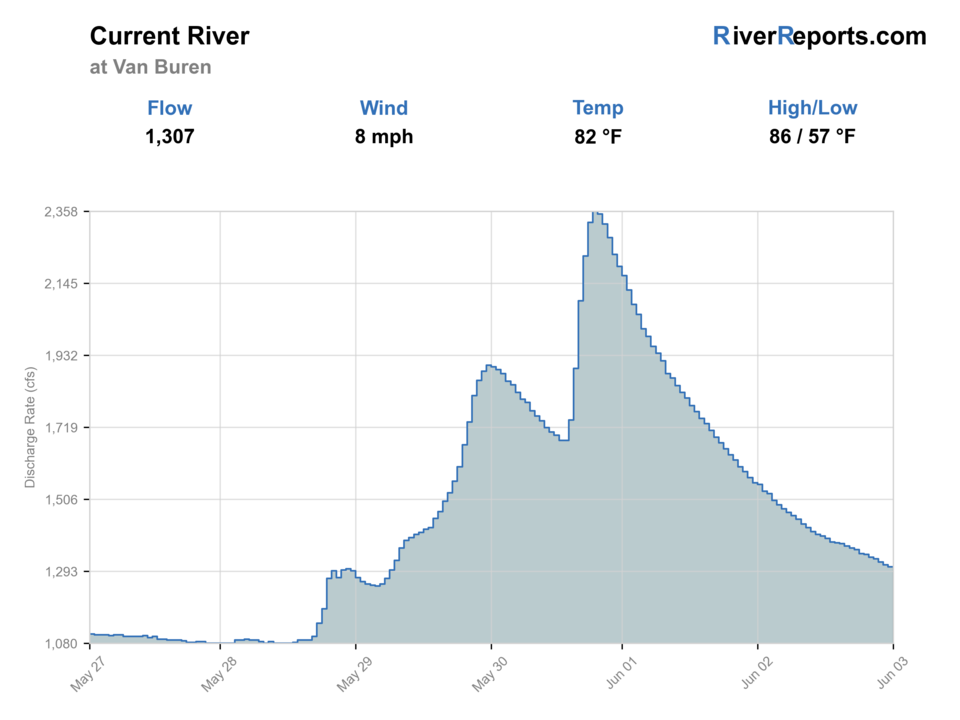
RiverReports is the preferred chart source when coverage exists. When a matching USGS gauge exists, keep it open as the official backstop for station data and current hydrograph context.

Current River at Van Buren RiverReports flow chart

USGS data chart

Official USGS trend

Streamflow over the latest USGS reporting window.

Latest

1,300 cfs

Jun 3, 5 PM UTC

Site

07067000

Low / high

1,080 / 2,370 cfs

Source

Open USGS

Weather

River weather report

Weather can change wading safety, road access, water temperature, hatches, and the best time of day to fish.

Live forecast loads as you reach this section

This keeps the report fast while still using the official National Weather Service forecast point.

Hatches and flies

Hatch chart and fly picks

Spring

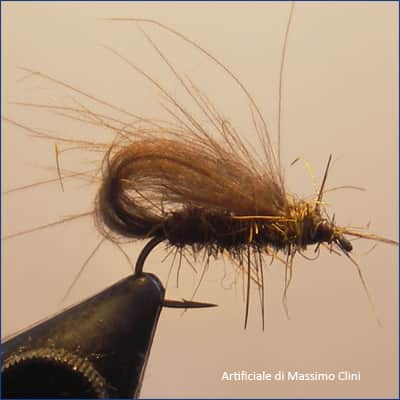
Caddis, mayflies, and mixed drift food

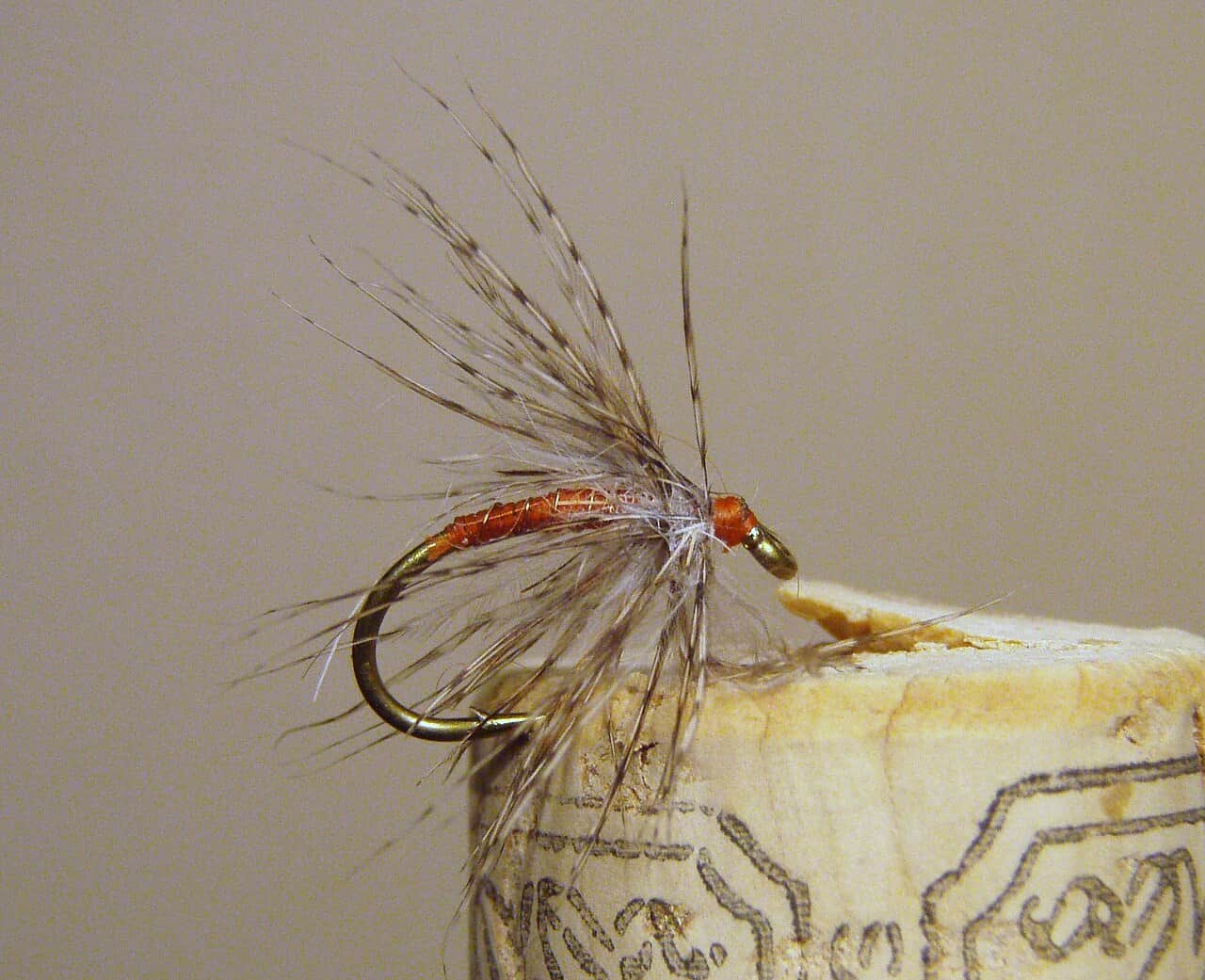
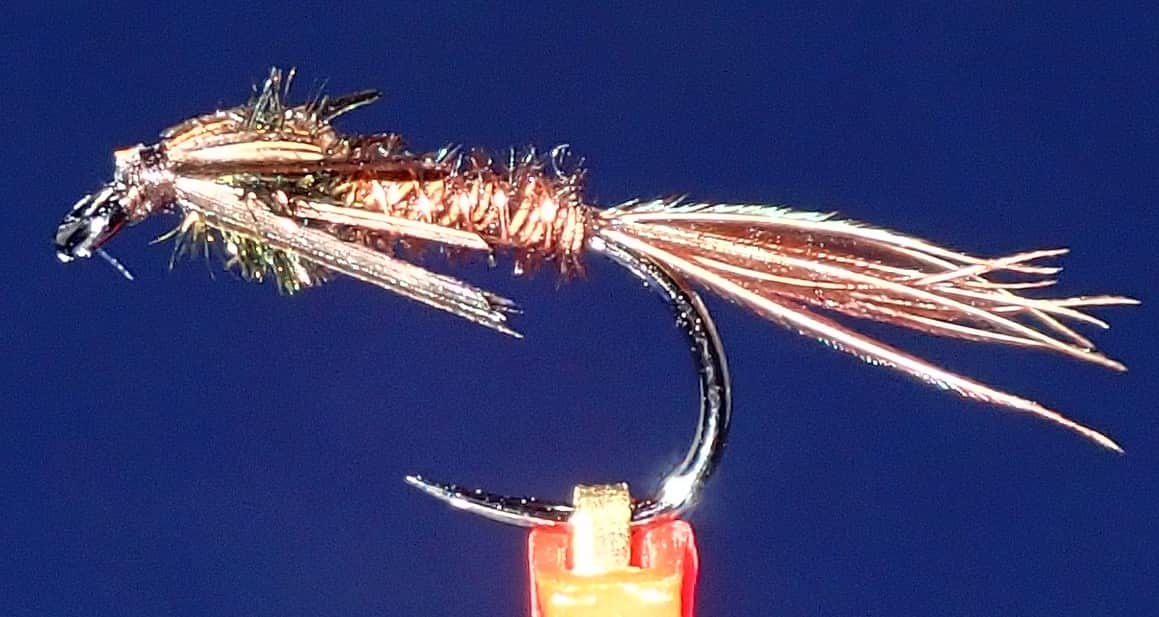
Soft hackle, pheasant tail, caddis pupa, small popper

Early summer

Mayflies, caddis, and baitfish activity

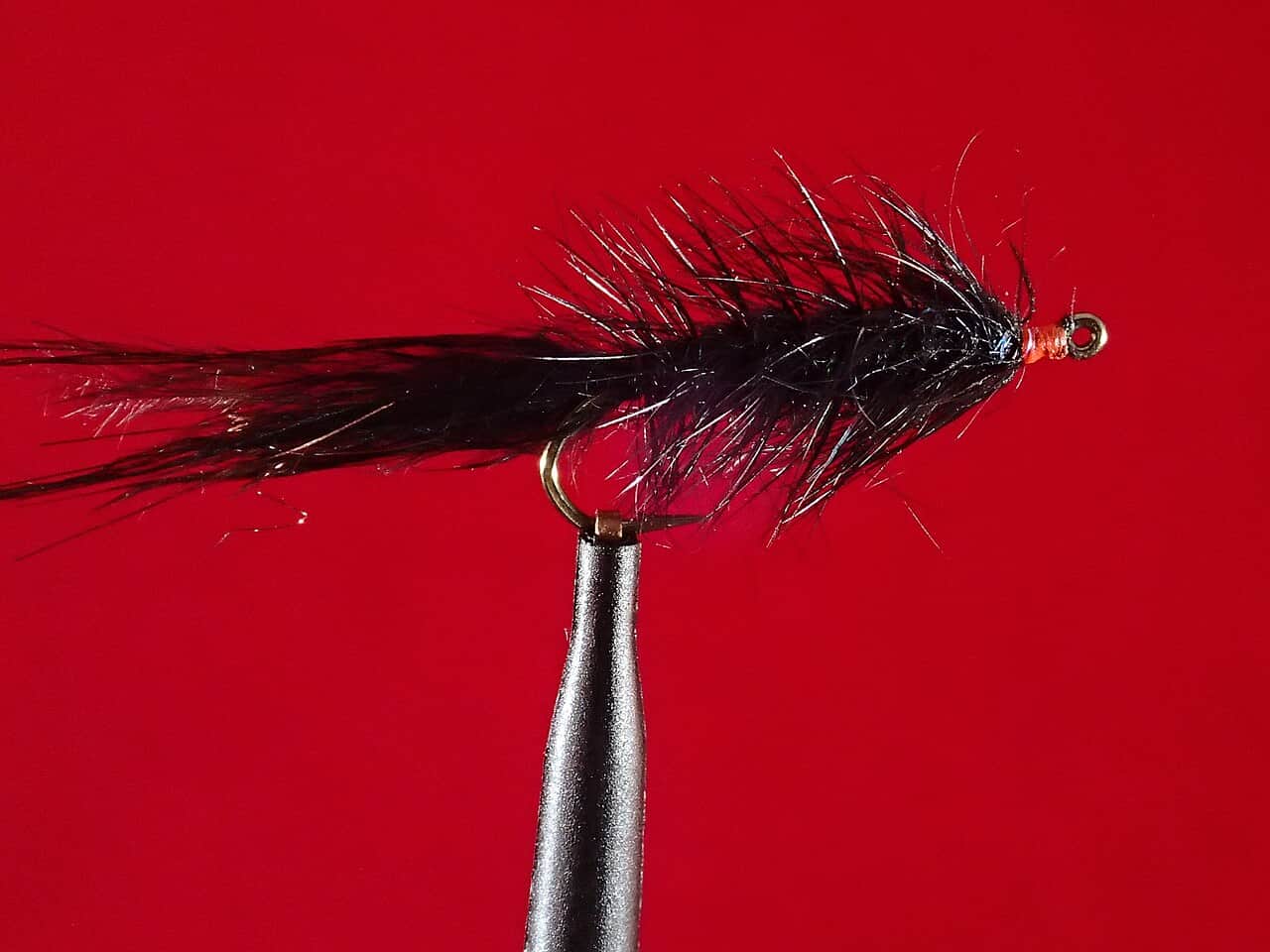
Bugger, crawfish pattern, popper, caddis dry

Summer

Terrestrials and warm-season forage windows

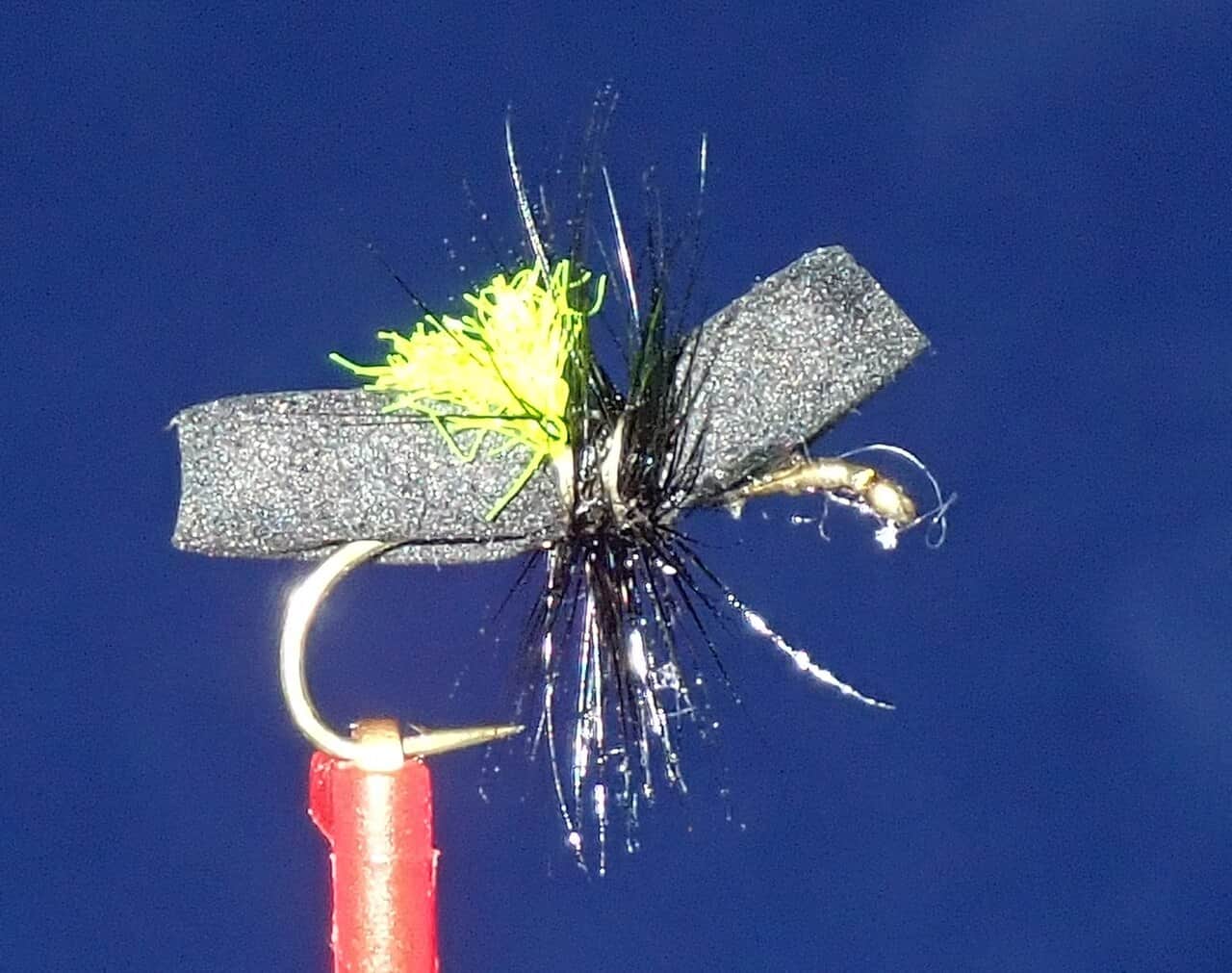
Foam bug, ant, small baitfish streamer, crawfish pattern

Fall

Light mayflies and streamer windows

Parachute Adams, soft hackle, olive bugger

Smallmouth bugs

Poppers, sliders, foam bugs

Fish are active around bank shade, wood, and calmer edges.

Ozark nymphs and wets

Pheasant tail, hare's ear, caddis pupa, soft hackle

You want a quieter follow-up drift through shoal transitions and ledges.

Streamers

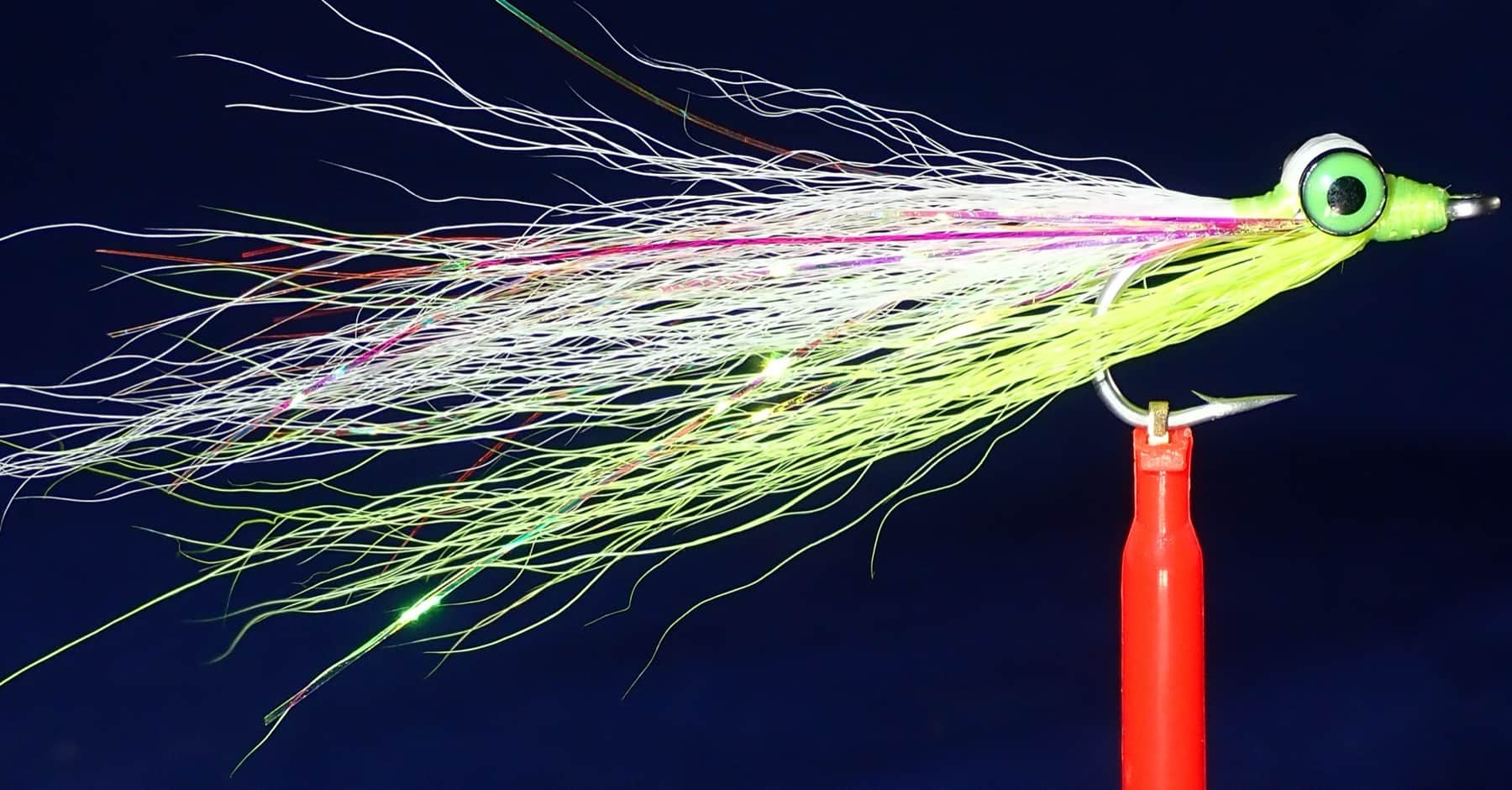
Clouser, olive bugger, crawfish pattern

Cloud cover, stained water, or deeper bank structure favors a broader profile.

Tactics

How to fish it

Start with the Van Buren gauge and decide whether the day is really a float, a short access-stop session, or a full skip.

Treat Watercress and Big Spring as reach anchors, not as invitations to fish every mile between them without a plan.

Fish woody banks, shoal drop-offs, and current seams before overcovering open flat water.

If the river's color or pace takes clean drifts off the table, shorten the day instead of forcing distance.

Rigging

Rod, leader, and setup notes

A 5- or 6-weight floating-line setup covers most Current-at-Van-Buren fly jobs.

Carry both 0X to 3X and lighter leader options because the day can switch between bass bugs, streamers, and subtle follow-up drifts.

One floating line and compact streamer box go farther here than overbuilding specialty rigs.

A sun shirt and simple dry bag matter more than extra gear when the float corridor gets hot and spread out.

Access

Access and planning notes

Watercress Recreation Area

Primary Van Buren launch

Wade / float / trail

Forest Service launch / bank

When to pick it

Start here when the gauge supports a realistic float or short access-session plan.

Caution

Good access can crowd quickly during warm-weather float periods.

Big Spring area

Lower-middle checkpoint

Wade / float / trail

National Park Service access

When to pick it

Use it when you need a defined public anchor below town and a broader riverway context.

Caution

The reach still needs current level and launch checks before committing to a longer day.

Lower Riverways access network

Longer float planning

Wade / float / trail

Mapped riverway accesses

When to pick it

Pick it when you already know the day is float-first and the river level supports the mileage.

Caution

Do not choose long mileage when storms, heat, or low-water drag are the limiting factor.

The Van Buren reach is best fished as an access-sequenced float corridor, not as a random patchwork of unplanned stops.

Public access is strong by Ozark standards, but the quality of the day still depends on matching the gauge to the section you can actually float or wade safely.

Around Van Buren, riverway and local-boating context matter, so read the access map before launch time rather than after.

Regulations

Check before fishing

Use Missouri's current fishing regulations and the Ozark National Scenic Riverways fishing guidance before you go. This Van Buren page is a lower-middle Current reach, not a substitute for upper-river trout rules or every riverway-specific boating restriction.

Primary base

Van Buren

Best day style

Float-first access with campground, riverway, and named launch planning around Van Buren

Check first

RiverReports trend, USGS 07067000, Missouri regulations, Ozark Riverways river levels and access map, and local weather

Safety

Fast current after rain, long float spacing, summer heat, boat traffic, and muddy launch or shoal exits

Gear

Helpful gear for this water

5- or 6-weight rod

Enough rod for bass bugs, streamers, and mixed-bag river work.

Sun and hydration kit

The lower-middle corridor can feel bigger and hotter than a quick glance at the map suggests.

Dry bag

Useful for float-first access days where weather or splash can stay with you for hours.

Wading shoes with grip

Helpful if you stop on shoals or use slick launch edges around Van Buren.

Nearby water

Other water to research

Backup logic

Muddy lower-middle river

Wait for clarity or move to Eleven Point or North Fork White if they fit the day's conditions better.

Too low for the float

Shorten to one launch area, fish bank structure, or pick a colder trout-centered river.

Heat and crowding

Fish first light, choose a weekday window, or skip the busiest launch period.

Trout-water expectation

Use a different Current reach or a trout-specific Ozark water instead of forcing Van Buren into that role.

Eleven Point River

A cooler-feeling Ozark backup when you want a different access and current profile.

North Fork of the White River

A more trout-centered contrast when you want a stricter coldwater plan.

Current River

Use the generic watershed view later when the route taxonomy expands beyond this Van Buren reach.

FAQ

Fast answers

Is Current River fishable today?

Current River looks very fishable right now. The live score is 96/100, based on current flow, weather, public alerts, and the report's planning context. Recheck the linked gauge and forecast before leaving because conditions can change quickly after rain, heat, access changes, or flow swings.

What flow is best for Current River?

Stable moderate flows that preserve shoal definition, bank edges, and a realistic float pace through the Van Buren corridor.

When should I skip Current River?

Skip when the river is muddy enough to erase clean drifts, when the gauge pushes access past comfort, or when you actually want upper-river trout water instead.

Is Current River safe to wade right now?

The fishability score is not a wading guarantee. Wade only where your chosen access has safe edges, clear footing, legal entry, and no forced crossings; high, rising, stained, or storm-affected water should be treated conservatively.

What should I check first at Van Buren?

Start with RiverReports and USGS 07067000, then compare the day's access and float plan against current Ozark National Scenic Riverways and Missouri guidance.

Is this a trout-first Current River page?

No. This page is intentionally scoped to the Van Buren lower-middle corridor, where float and warm-season mixed-fish planning matter more than upper-river trout expectations.

Where is the cleanest public starting point?

Watercress is the clearest named launch at Van Buren, with Big Spring and the mapped lower-river access network helping you shape longer days.