We could not confirm a live gauge for this river. Check the weather, recent rain, local reports, and the water before you fish.
Check first: Live information is incomplete. Treat this score as a planning estimate.
Fishing rating44/100
Rating updatedRiver local time:
Why this recommendation?
No verified live public gauge is attached, so the page cannot make a strong real-time call.
Available live dataMediumHow much of the live flow, weather, and alert data came back.
Confidence in this recommendationLowCurrent conditions are incomplete enough that the score is only a planning fallback.
Sources checked often
If you go
Check first
The DNR weir can block fish passage during spring steelhead and fall salmon operations.
Try
Read the DNR weir page before planning around spring or fall migratory fish.
Leave when
Skip or switch water when the weir or rule status is unclear, when fish are concentrated near restricted areas, when water is high and narrow, when redds are unavoidable, or when legal parking and access are not obvious.
Flow and weather
Showing server-checked river conditions while current readings refresh.
Flow
—
Live flow is not available here.
Air forecast
43°F
Next 24h high
69.0°F
NWS air forecast near
Rain chance
0%
This is an air forecast, not a river-temperature reading. Check the water with a stream thermometer before fishing in hot weather.
Live flow is not available
No verified public live discharge gauge was confirmed for this Little Manistee River page. The nearby Manistee River Wellston gauge is not a correct substitute, so use DNR weir updates, recent rain, clarity, and field checks.
Latest stored weather check
Patchy Fog
Wind
0 mph
Weather checked
More forecast and source details +
Patchy Fog
National Weather Service
Little Manistee River near Brethren
The National Weather Service forecast is temporarily unavailable.
Live data
Where these readings come from
Report reach: Little Manistee River current conditions
No verified public live discharge gauge was confirmed for this Little Manistee River page. The nearby Manistee River Wellston gauge is not a correct substitute, so use DNR weir updates, recent rain, clarity, and field checks.
The Little Manistee can be excellent during the right migratory windows, but it is not a casual no-planning river. If the weir is operating, water is high, or rules are unclear, choose another water until conditions are safe and legal.
Recent rain
Expect movement and stain, but do not wade narrow high water blindly.
Low clear water
Use small natural flies, longer leaders, and stay away from visible fish lanes.
Weir in place
Check DNR details and stay clear of restricted areas and crowded staged fish.
Warm weather
Resident trout should be protected when temperatures are unsafe.
Wading, bank fishing or floating?
Check before you goVerify locally
We could not confirm all current conditions. Check locally before choosing how to fish.
WadingCheck
Current conditions at the exact access are not verified. No access method is recommended until they are checked.
Bank fishingCheck
Current conditions at the exact access are not verified. No access method is recommended until they are checked.
FloatingCheck
Current conditions at the exact access are not verified. No access method is recommended until they are checked.
Full river report
Is Little Manistee River worth the trip today? Check flow, weather, hatches, access, and rules for Michigan before you go.
The Little Manistee is closely tied to Michigan's steelhead and salmon broodstock program. A useful fly-fishing plan starts with DNR weir timing, current rules, recent rain, and legal access, not a misleading Manistee River gauge.
Fishing words used on this page
Nymph
A nymph is a young water insect. Anglers also use the word for a fly that copies it.
Blue-winged olive (BWO)
Blue-winged olives, or BWOs, are small mayflies that often hatch in cool or cloudy weather.
Caddis
Caddis are small water insects. The adults look a little like tiny moths.
Dry-dropper
A dry-dropper rig has a floating fly with an underwater fly tied below it.
Emerger
An emerger copies an insect as it rises from below the water toward the surface.
Midge
Midges are tiny flies and a common trout food, especially in cold water.
Stained water
Stained water is darker or cloudier after rain, runoff, or a change in flow.
Streamer
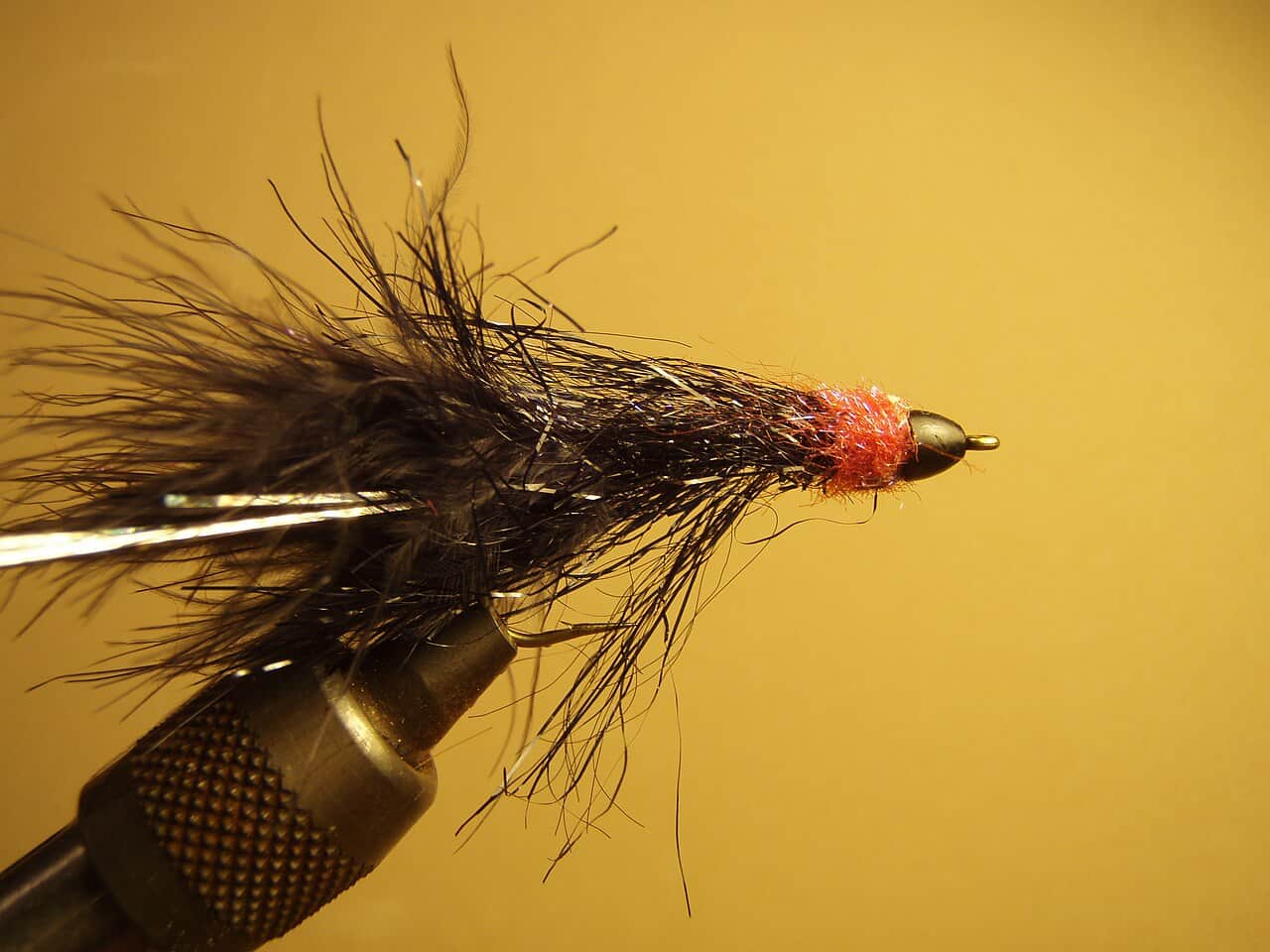
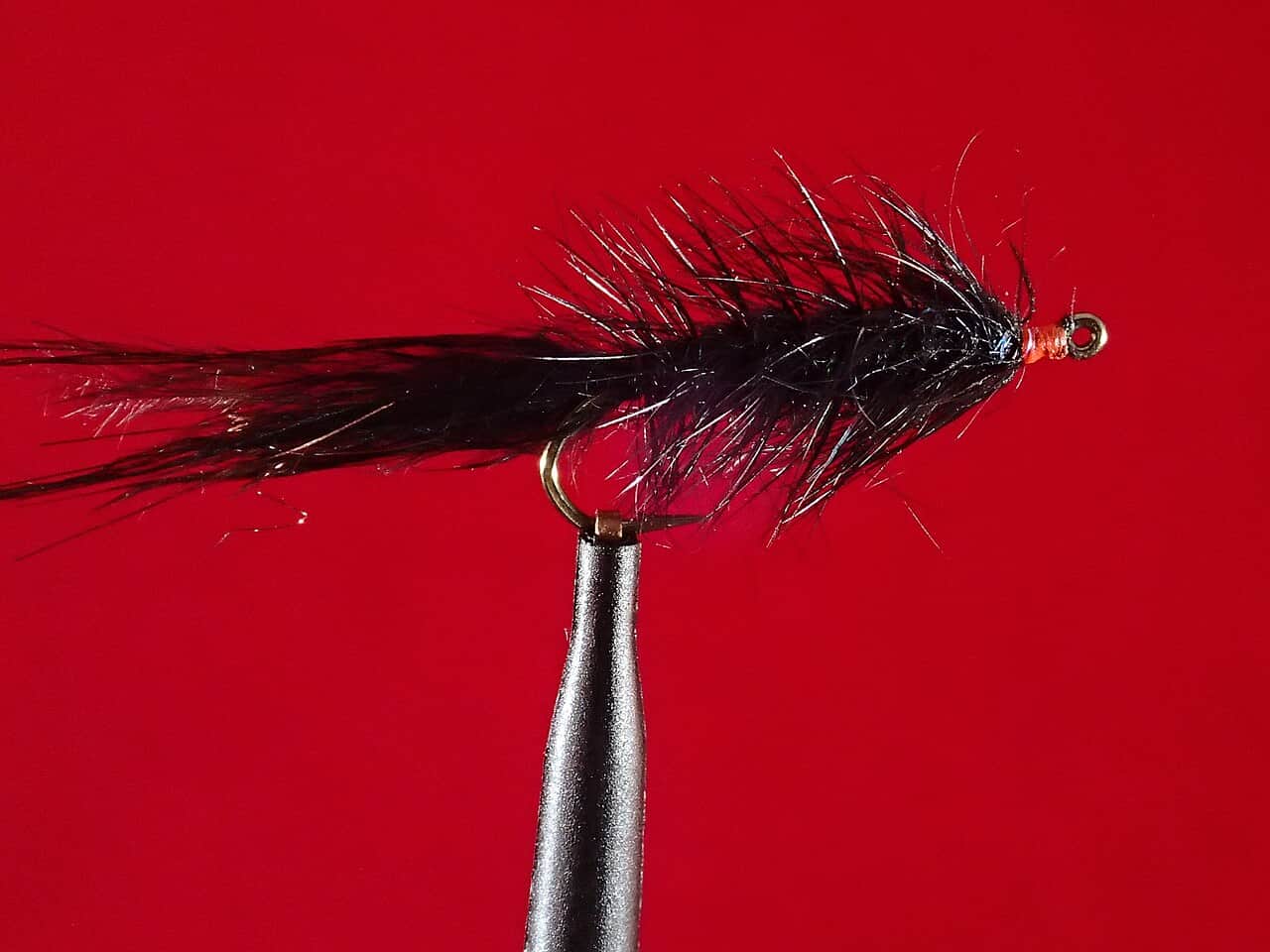
A streamer is a fly that looks like a small fish, leech, or other swimming food.
Terrestrial
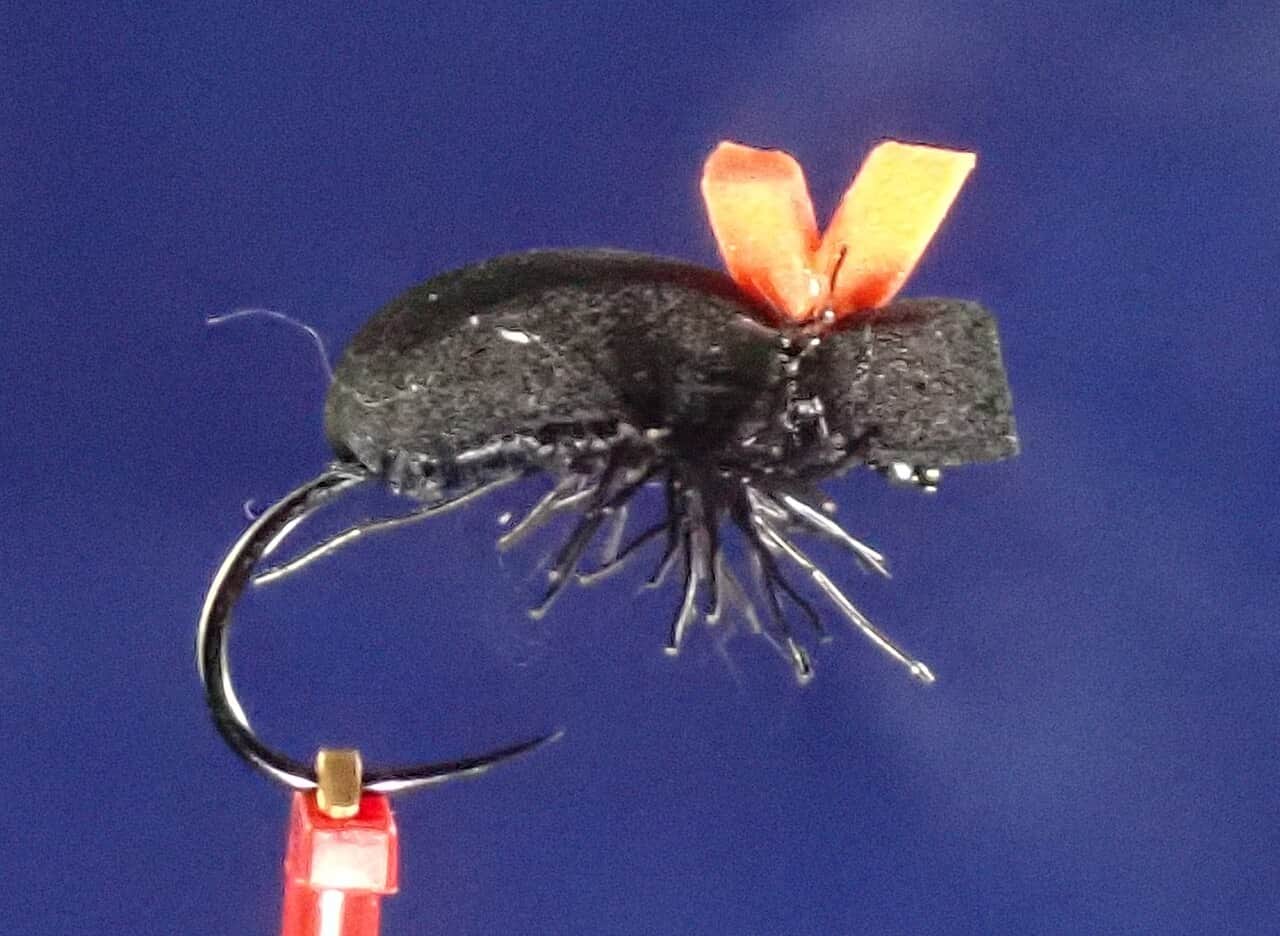
Terrestrials are land insects, such as ants, beetles, and grasshoppers.
Why this call
Why this score
FlowCheck
No verified live public gauge is attached, so the page cannot make a strong real-time call.
SeasonHelps
Fall: Salmon and steelhead movement can draw heavy pressure; rules matter.
WeatherHelps
The current NWS air forecast is about 43F, and the next 24-hour high reaches about 69F. Patchy Fog.
Public alertsHelps
No active NWS alert was returned for this forecast point.
Fishing usefulnessHelps
Skip or switch water when the weir or rule status is unclear, when fish are concentrated near restricted areas, when water is high and narrow, when redds are unavoidable, or when legal parking and access are not obvious.
Trip notes
Check these before you choose a reach.
Best flows
No verified public live discharge gauge is used for this page. Do not substitute the nearby Manistee River gauge. Use DNR weir updates, recent rain, clarity, safe bank scouting, and current Michigan rules before fishing.
When to leave
Skip or switch water when the weir or rule status is unclear, when fish are concentrated near restricted areas, when water is high and narrow, when redds are unavoidable, or when legal parking and access are not obvious.
Local plan
Start with the DNR weir page, then decide whether the day is a lower migratory-fish check, an upper small-river trout plan, or a full pivot to nearby water with clearer access and flow context.
Backup water
If the Little Manistee is crowded, restricted, high, or hard to read, compare the Betsie for another no-gauge smaller stream, the Pere Marquette for a more established fly-water plan, or the Muskegon for a larger river with stronger flow context.
Little Manistee River access and rules.
Use these places as starting points. Open the access link below and check posted signs before you park or enter.
Before you go
Michigan DNR fishing rules and weir-specific lower-river rules control seasons, methods, and harvest. Verify the current guide before fishing.
Where to access the river
Little Manistee River Weir
A DNR management site and key planning source, not just a fishing spot.
Irons and upper river context
Small-river trout and steelhead planning with careful public-access checks.
Lower river toward Manistee Lake
Migratory-fish context with rules and private-land awareness.
Weir timing can change fish movement and access expectations. Check DNR before driving.
Do not use the nearby Manistee River Wellston gauge as if it were a Little Manistee gauge.
Private land and narrow roads make legal parking and respectful access important.
Nearby river reports
If this water does not fit the day, check another report before you start the drive.
What was checked: This Little Manistee River report is maintained from Michigan weir, regulation, Trout Trails, Natural Rivers, fish-consumption, weather, generated-media disclosure, and practical no-gauge migratory-fish planning sources.
Live measurements and forecasts keep their provider timestamps. Rules, access, and trip guidance use the source-review date shown here. BlueStreamFly planning advice is editorial interpretation, not an agency notice.
First-hand experience: BlueStreamFly does not claim a first-hand visit or local field test for this report unless a real contributor is explicitly named and linked.
Quick questions
What should I check first before fishing the Little Manistee River?+
Check DNR weir status, current Michigan rules, recent rain, clarity, and access before fishing.
Are there special fishing rules on the Little Manistee River?+
Yes. The lower river and weir area have specific rules that must be checked directly.
Is the Little Manistee River a good fly-fishing river?+
Yes, but only if you match the reach, season, water temperature, and target species. This page separates trout, migratory, and warmwater plans where that matters.
What flies should I bring for the Little Manistee River?+
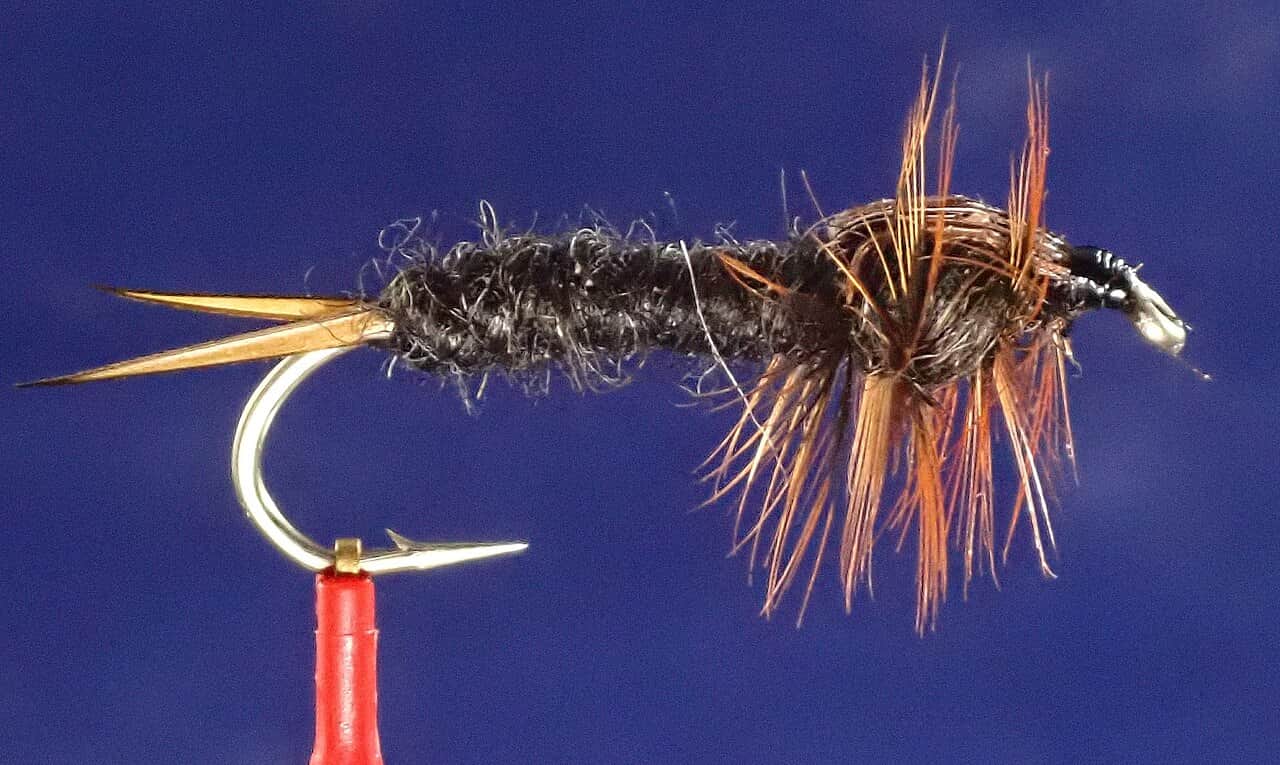
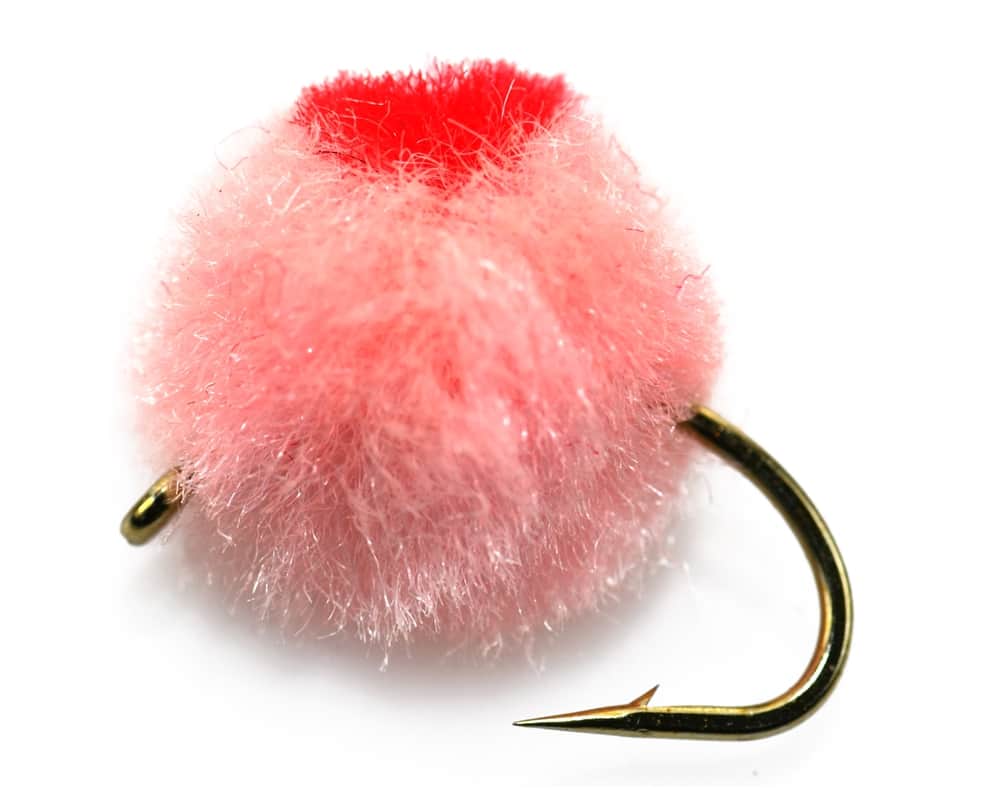
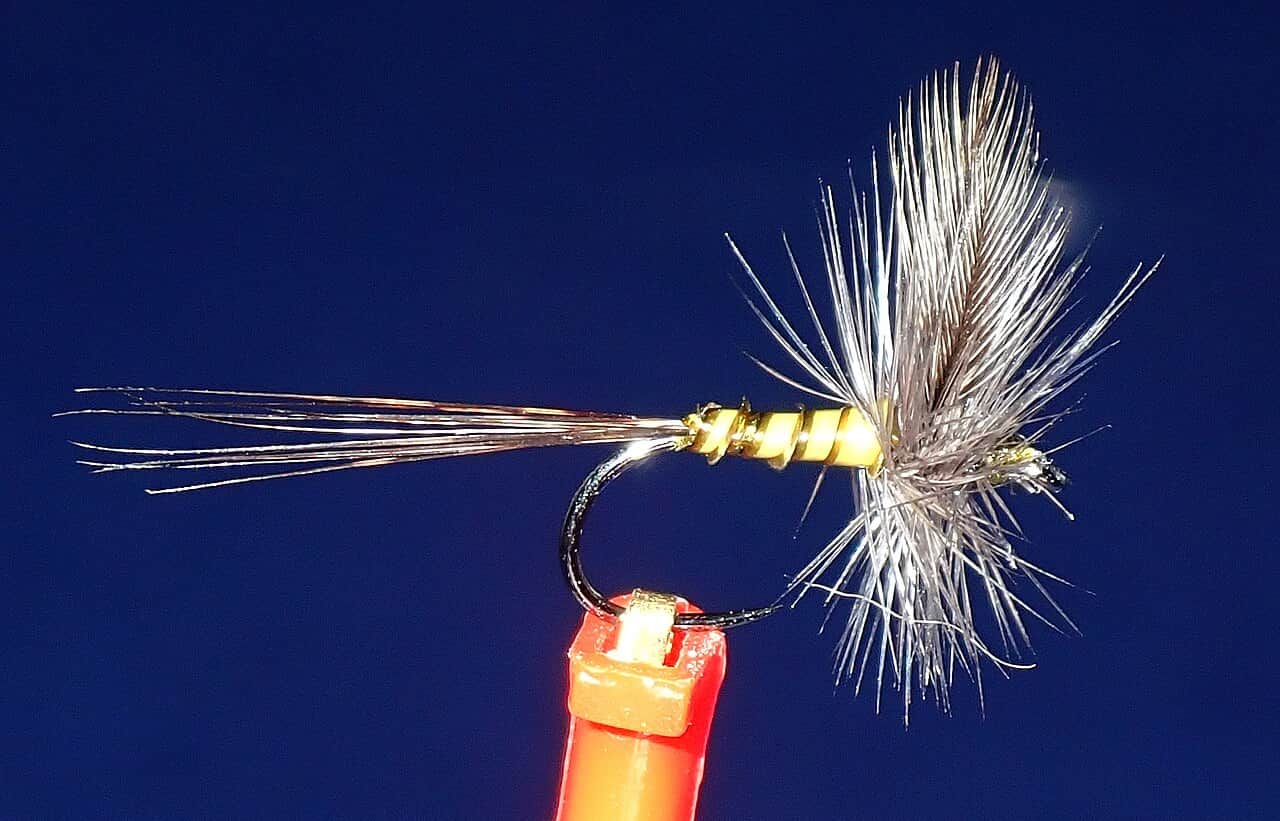
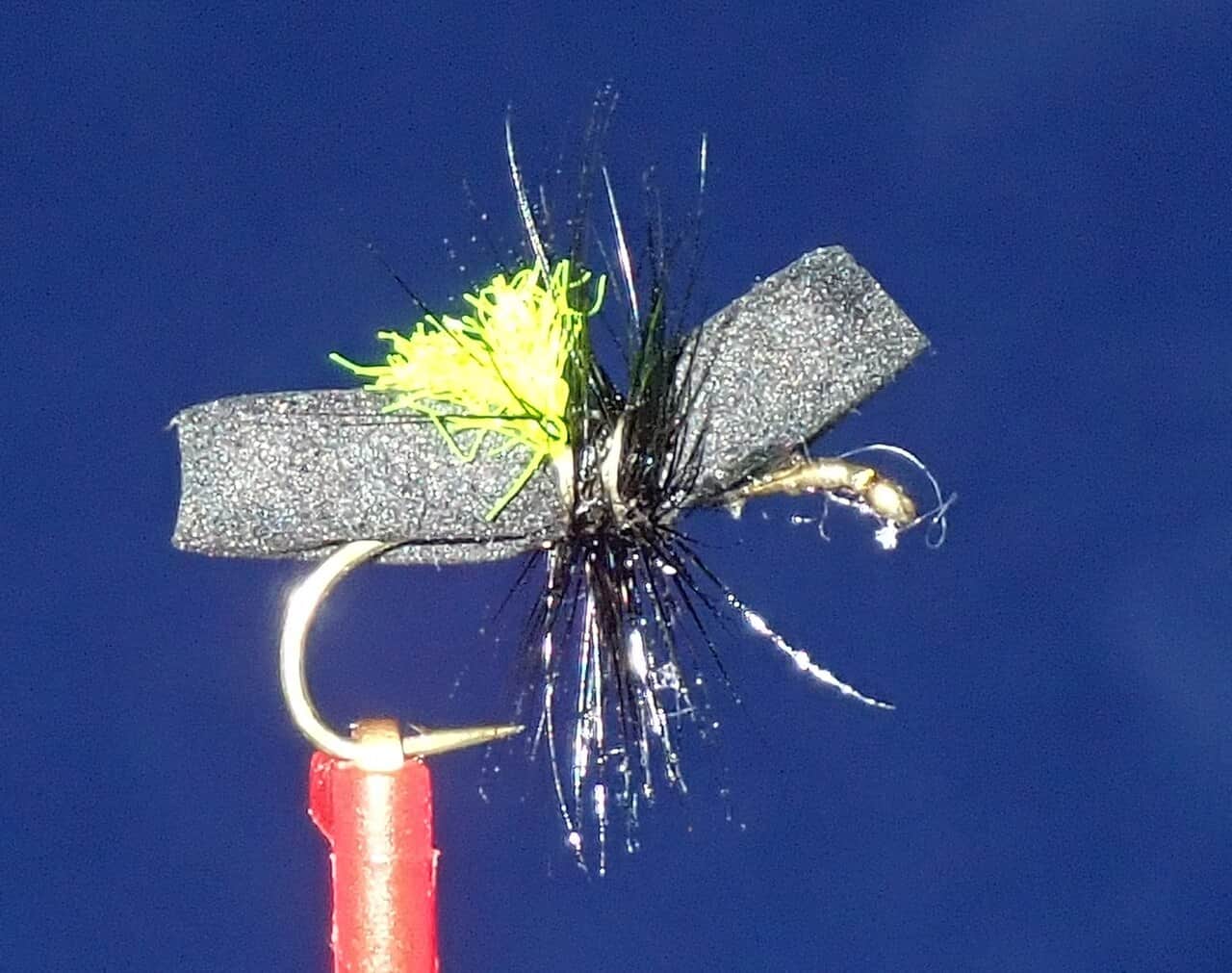
Bring the hatch-chart flies, a few confidence nymphs, and a backup streamer or warmwater box so you can adjust to flow, clarity, and temperature.
How should I plan access for the Little Manistee River?+
Access is possible but not casual. Plan around weir operations, private land, parking, and seasonal crowding.