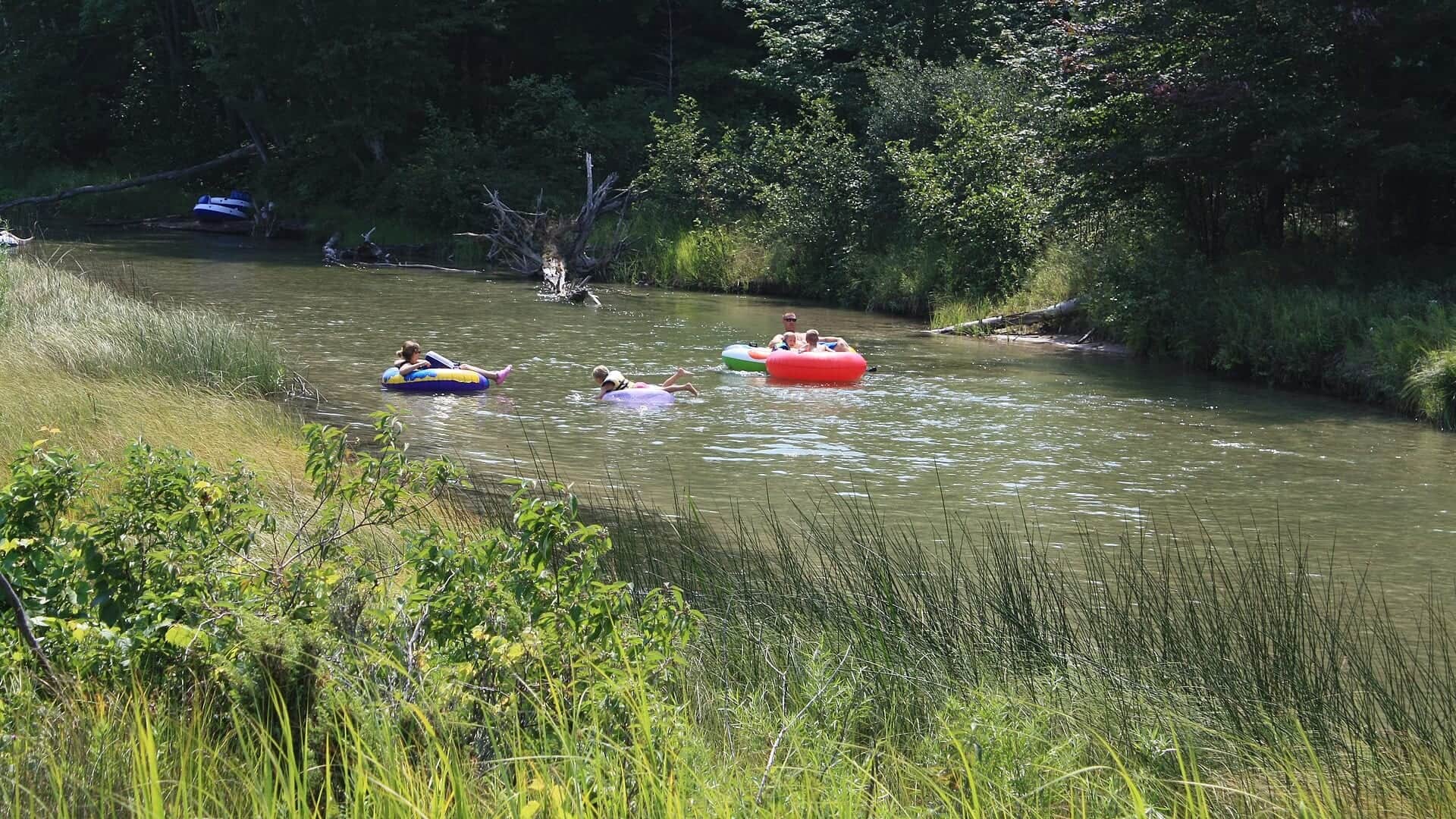
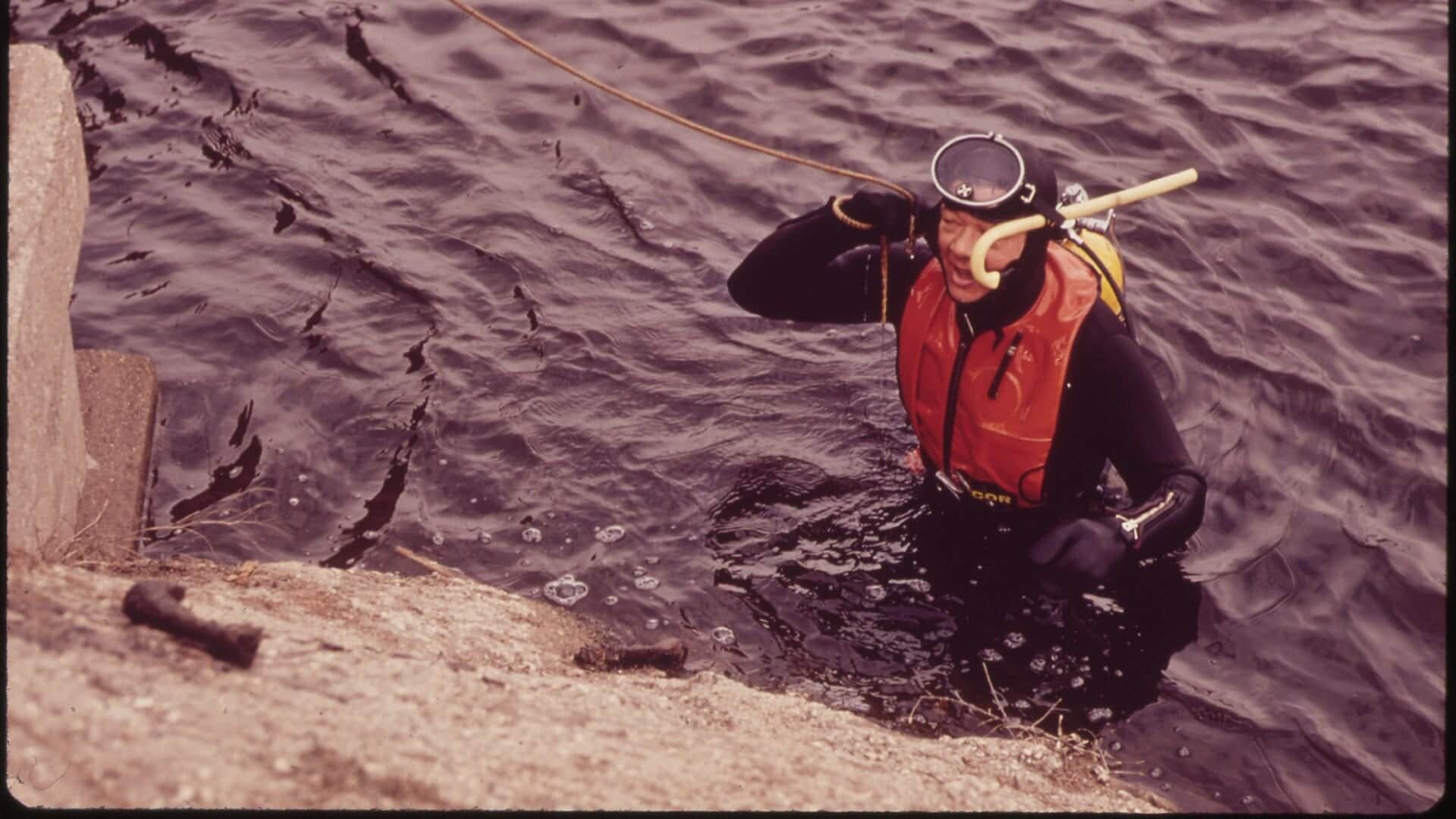
Betsie River water or watershed scenery in Michigan

Michigan / Midwest

Betsie River

A Betsie River report for steelhead, salmon, trout, special-rule checks, no-gauge planning, access, hatches, flies, and safe wading.

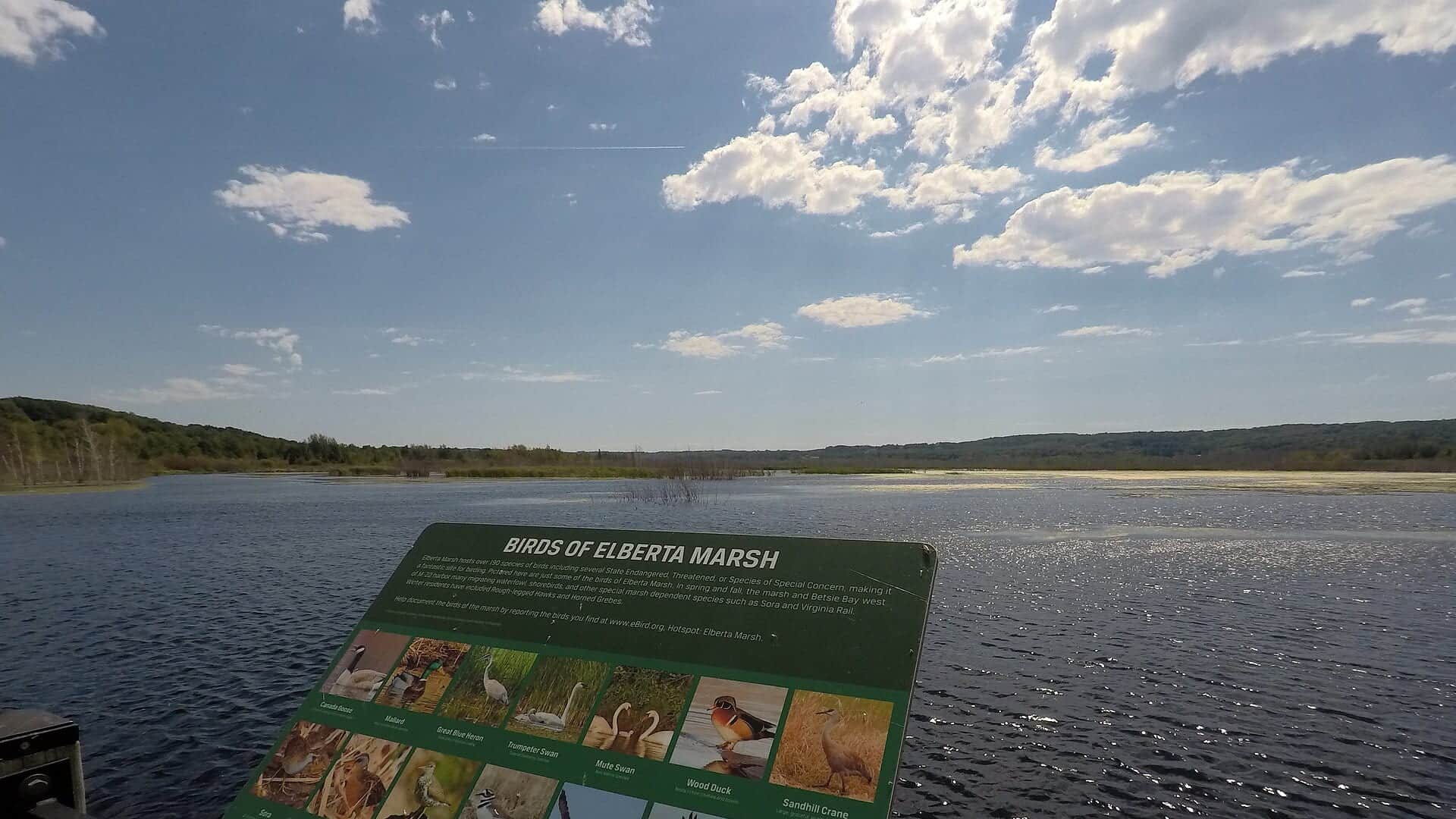
Image: Betsie River wetland overlook / CC BY-SA 3.0 / Gpwitteveen

Fishability now: Betsie River fishability today

UnknownData confidence: Medium

37/100

Check live sources first because flow has been checked, weather is usable, and a public alert may affect the plan.

Flow observed

Not returned

Weather observed

6:00 PM UTC

Score calculated

6:12 PM UTC

Why this rating

Flow

Weather

Public alert

Next 6-12 hours

Hold

Wait for a better live check before committing the drive or choosing a wading plan.

More planning details: flies, flow bands, and live source checks

Fish it today

Start here

Start around the Thompsonville, Benzonia, Homestead, or lower-river context only after deciding whether the goal is resident trout, salmon-season scouting, or steelhead movement. Match the fly box to that goal instead of trying to cover every bridge stop.

Best flow clue

No verified public live discharge gauge is used for this report. Use the USGS inventory record as background only, then check recent rain, clarity, safe bank access, and current Michigan rules before choosing a reach.

Skip trigger

Skip or switch water when the river is blown out, crowded around visible migratory fish, too warm for trout handling, unclear on legal access, or when you cannot confirm current rules for the exact reach.

Flow decision bands

Recent rain and clarity look right

With no verified live gauge, fishability starts with rain timing, visible clarity, safe banks, and current Michigan rules.

Best tributary window

Clearing water after rain, cool temperatures, legal access, and manageable pressure make the Betsie most useful.

Blown out or crowded

High dirty water, crowded bridge pools, or visible migratory-fish pressure should move the plan elsewhere.

Warm or access-unclear

Warm trout conditions, posted banks, or unclear reach rules can turn the day into a scout only.

Flow check

No live chart

No live flow chart is embedded here. Use the listed release, weather, and access sources before leaving.

Current trend: previous-score comparison will become more useful after repeated live checks.

No structured live flow

Use the linked flow and access sources before deciding.

Live NWS forecast

74F / Mostly Sunny

Water temperature not verified

Heat guidance uses weather and river type unless an official water-temperature value is available.

Active public alerts

Special Weather Statement issued June 3 at 4:48AM EDT by NWS Gaylord MI

Primary waterThompsonville, Benzonia, Homestead, and lower Betsie context
Flow checkNo verified public live gauge for the scoped Betsie page
Access styleBridge, pathway, state land, low-gradient banks, and seasonal crowding
ReviewedJune 2, 2026

Check Michigan's current fishing regulations before planning around salmon or steelhead.

Treat heavy rain as a major variable; the river can stain, rise, and crowd quickly.

Use official Natural River and public-access context, not informal trespass paths.

In summer, resident trout should be handled only when water temperatures are safe.

Editorial review

How this report is maintained

This Betsie River report is maintained from Michigan regulation, Natural Rivers, Trout Trails, USGS inventory, fish-consumption, weather, media-credit, and practical no-gauge planning sources. Review dates change only after material source review or content improvements.

Byline

BlueStreamFly editorial team

Reviewed by

BlueStreamFly source review

Maintained by

Mountain Brook Run LLC

Last material review

2026-06-02

Report confidence

Good confidence

84/100

Good confidence: Michigan 2026 regulations, trout and salmon maps, Natural Rivers and Trout Trails context, USGS inventory background, weather data, consumption guidance, and no-gauge planning support the page. Confidence is moderated by no verified live discharge gauge, private-bank gaps, crowding, migratory-fish timing, and fast rain-driven clarity changes.

Regulations

Michigan 2026 fishing regulations and trout/salmon maps support current reach and season checks.

Access

Trout Trails and Natural Rivers sources support planning, but exact legal parking, posted banks, and private land remain trip-specific.

Flow and weather

No verified public live discharge gauge is used; USGS inventory background is not treated as a current chart.

Fishing usefulness

The page now separates no-gauge rain and clarity checks, migratory-fish pressure, trout temperature, legal access, crowding, and west Michigan backup waters.

Fishability dashboard and source review

2026-06-02 / material content or source review

Michigan 2026 fishing regulations, Michigan trout and salmon regulation maps, Natural Rivers and Trout Trails context, USGS Betsie inventory background, Eat Safe Fish guidance, National Weather Service point data, and source-reviewed no-gauge planning were checked before updating the current-fishability decision layer.

2026-06-02

Updated Betsie River to the current fishability-page standard with no-live-gauge decision bands, tributary access cards, migratory-fish backup cues, stable fishability SEO, and confidence signals.

2026-05-28

Added clearer no-gauge planning guidance, migratory-fish trip fit, wade and crowding cautions, access nuance, backup-water suggestions, editorial review signals, and a page-specific report-confidence meter after source review.

2026-05-25

Initial source-reviewed report published with conditions, weather, hatches, flies, tactics, access, regulations, and FAQs.

Angler planning edge

Local details that change the plan

Best for

Anglers planning a Lake Michigan tributary trip for steelhead, salmon, and cooler-water trout windows, Trips where recent rain, clarity, legal access, and crowding matter more than a live flow number, Careful fall and spring migratory-fish planning with direct Michigan rule checks before fishing, Anglers comparing the Betsie against the Platte, Pere Marquette, and Little Manistee before committing to one valley

Wade or float

Treat the Betsie as a wade-and-bank-planning river first. Do not push a wade plan after rain just because the water looks small; clay banks, crowding, private land, and no verified live discharge gauge make field judgment important.

Best flows

No verified public live discharge gauge is used for this report. Use the USGS inventory record as background only, then check recent rain, clarity, safe bank access, and current Michigan rules before choosing a reach.

When to skip

Skip or switch water when the river is blown out, crowded around visible migratory fish, too warm for trout handling, unclear on legal access, or when you cannot confirm current rules for the exact reach.

Local plan

Start around the Thompsonville, Benzonia, Homestead, or lower-river context only after deciding whether the goal is resident trout, salmon-season scouting, or steelhead movement. Match the fly box to that goal instead of trying to cover every bridge stop.

Pressure

Pressure can spike hard during salmon and steelhead windows. Early starts, legal parking, and moving away from the most visible bridge water usually matter more than changing flies repeatedly.

Access nuance

Natural Rivers and Trout Trails sources support general public planning, but they do not make every worn path or bridge bank public. Use posted access, state land, and local signs before leaving the road.

Backup water

If the Betsie is high, crowded, warm, or hard to read, compare the Platte River for another northwest Michigan migratory-fish plan, the Pere Marquette for more defined fly-water identity, or the Little Manistee only after checking weir operations.

About the river

Setting, character, and why it fishes the way it does.

The Betsie River begins near Green Lake and flows west toward Betsie Lake and Lake Michigan near Frankfort and Elberta. It is part of Michigan's Natural Rivers program, which protects the character of designated river corridors.

For fly anglers, the river changes by season. Spring and fall bring steelhead and salmon attention, while summer can include resident trout and smallmouth-style tactics in suitable reaches.

A useful Betsie page needs to be honest: no verified live gauge means anglers should check rain, clarity, local access, and regulations before driving hours to a single spot.

Target species

Steelhead

A key migratory target during spring and fall movement when rules and conditions line up.

Chinook salmon

A seasonal fall presence; check Michigan rules and avoid snagging or illegal methods.

Brown trout

Resident and migratory browns are possible, especially in cooler conditions.

Smallmouth bass

A lower or warmer-reach backup when trout handling is not appropriate.

Reading the water

After rain

Expect stained water, moving fish, and harder wading. Fish edges and avoid unsafe banks.

Clear low water

Use smaller flies, longer leaders, and quiet approaches.

Migration push

Fish travel lanes and resting water without crowding redds or other anglers.

Warm summer water

Protect trout and shift plans if the water is too warm for safe release.

Best seasons

Spring

Steelhead and coldwater trout windows depend on rain, clarity, and rules.

Summer

Terrestrials, small streamers, and careful temperature checks shape resident trout plans.

Fall

Salmon and steelhead draw pressure; legal methods and crowd etiquette are central.

Winter

Cold, low-pressure windows can exist, but access and safety checks are important.

Flow

Betsie River current conditions

No verified public live discharge gauge or RiverReports match was confirmed for this Betsie River page. Use recent rain, clarity, local access checks, and official regulations before committing to a wade plan.
Weather

River weather report

Weather can change wading safety, road access, water temperature, hatches, and the best time of day to fish.

Live forecast loads as you reach this section

This keeps the report fast while still using the official National Weather Service forecast point.

Hatches and flies

Hatch chart and fly picks

March to April

Steelhead movement, midges, black stones, early olives

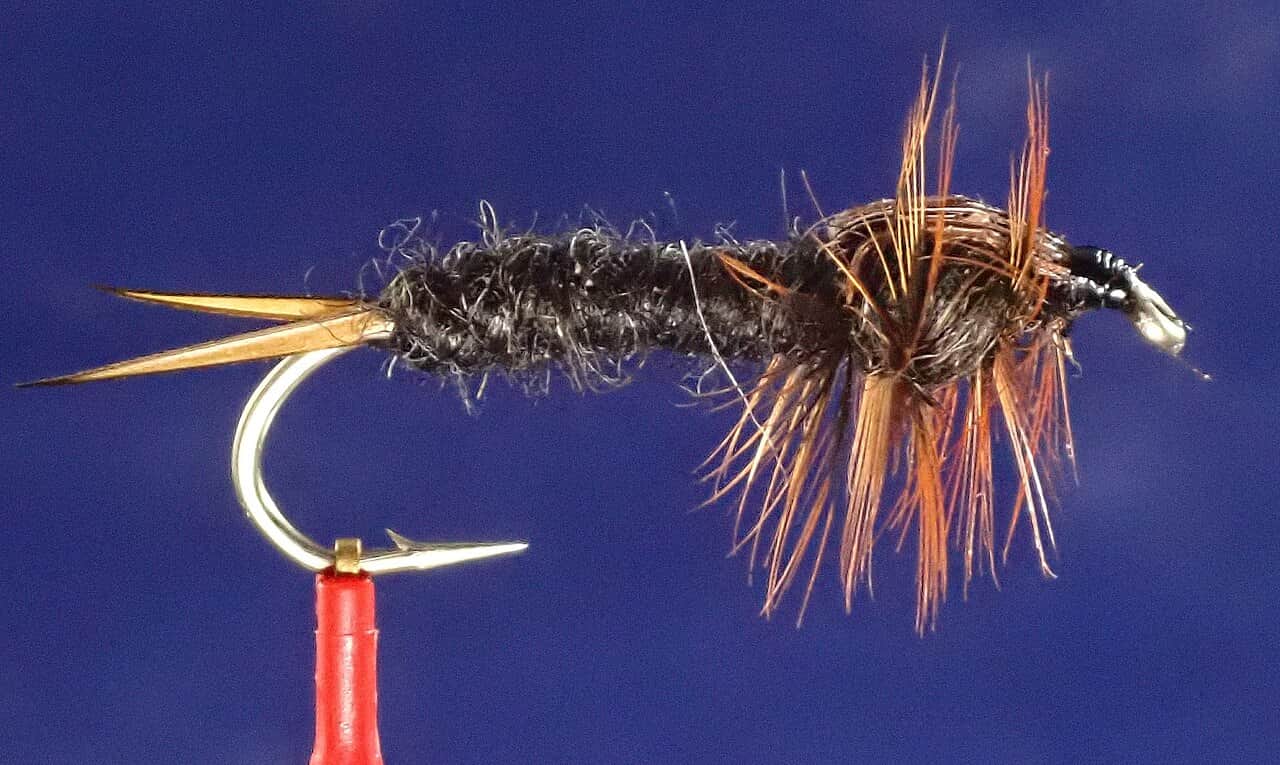
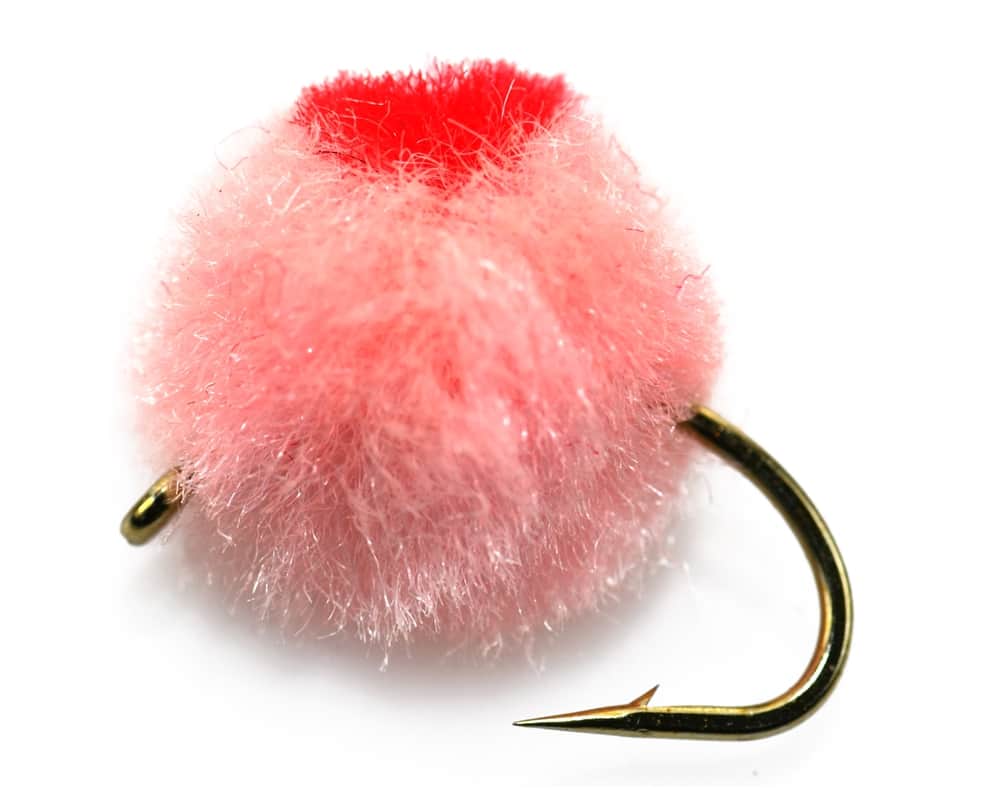
Stonefly nymph, egg pattern where legal, alevin, BWO nymph, leech

May to June

Caddis, sulphurs, brown drakes, baitfish

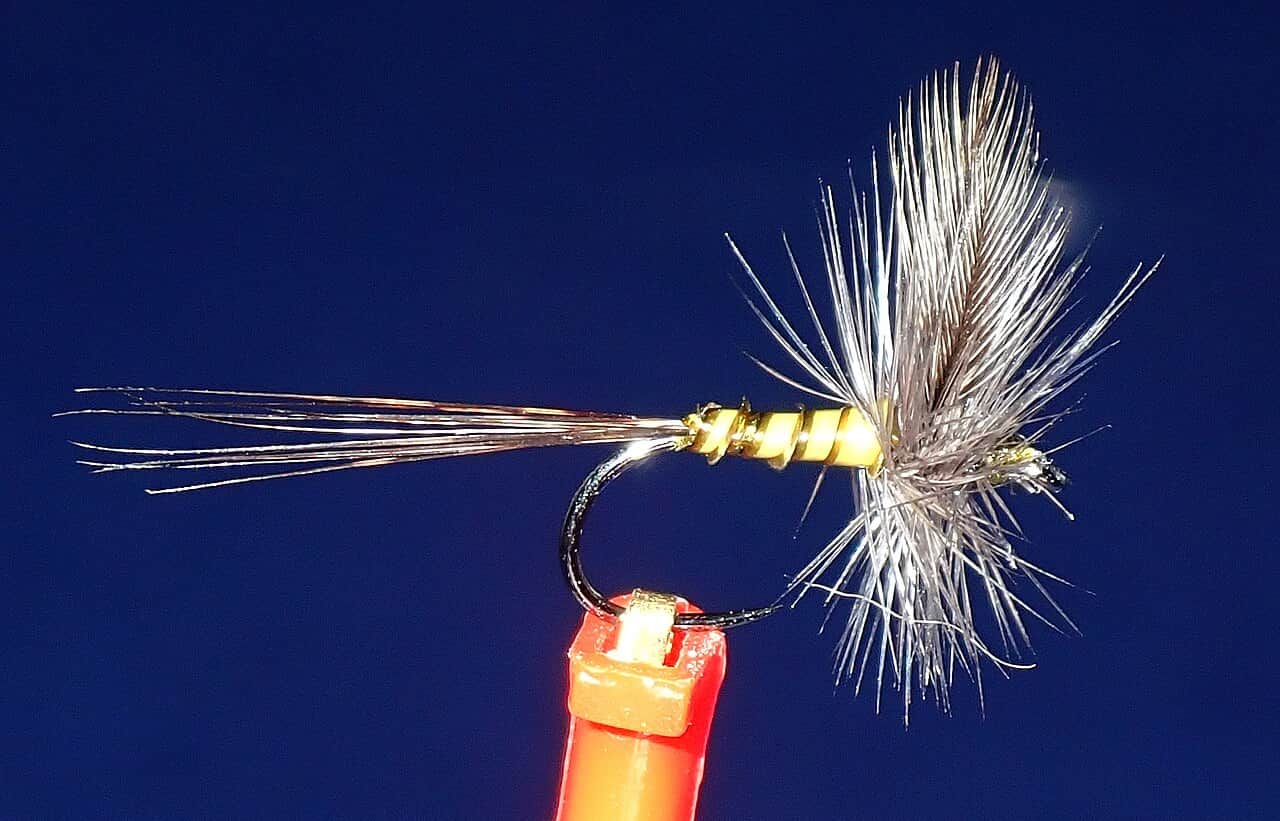
Caddis dry, sulphur emerger, Brown Drake spinner, small sculpin

July to August

Terrestrials, caddis, small mayflies, warmwater baitfish

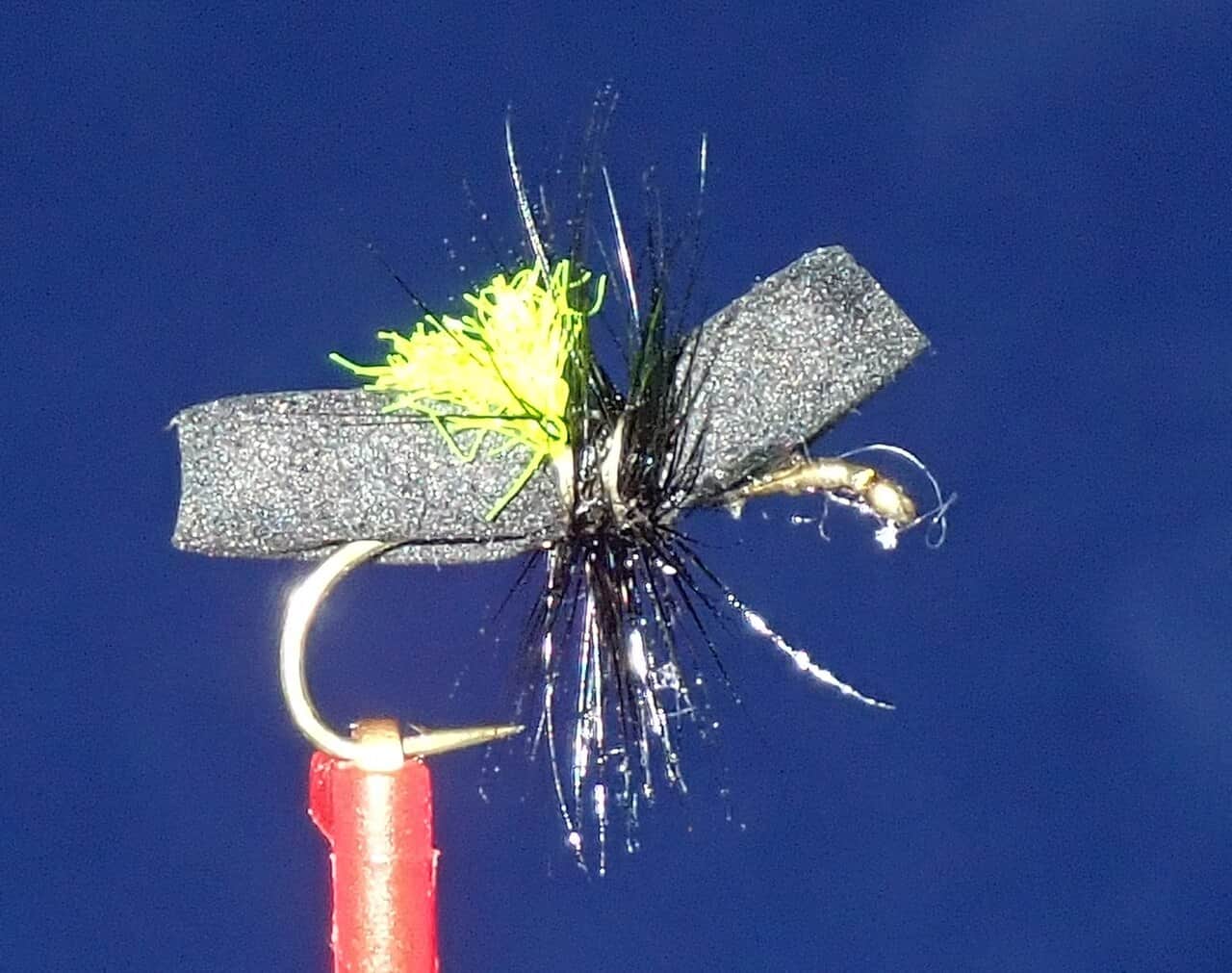
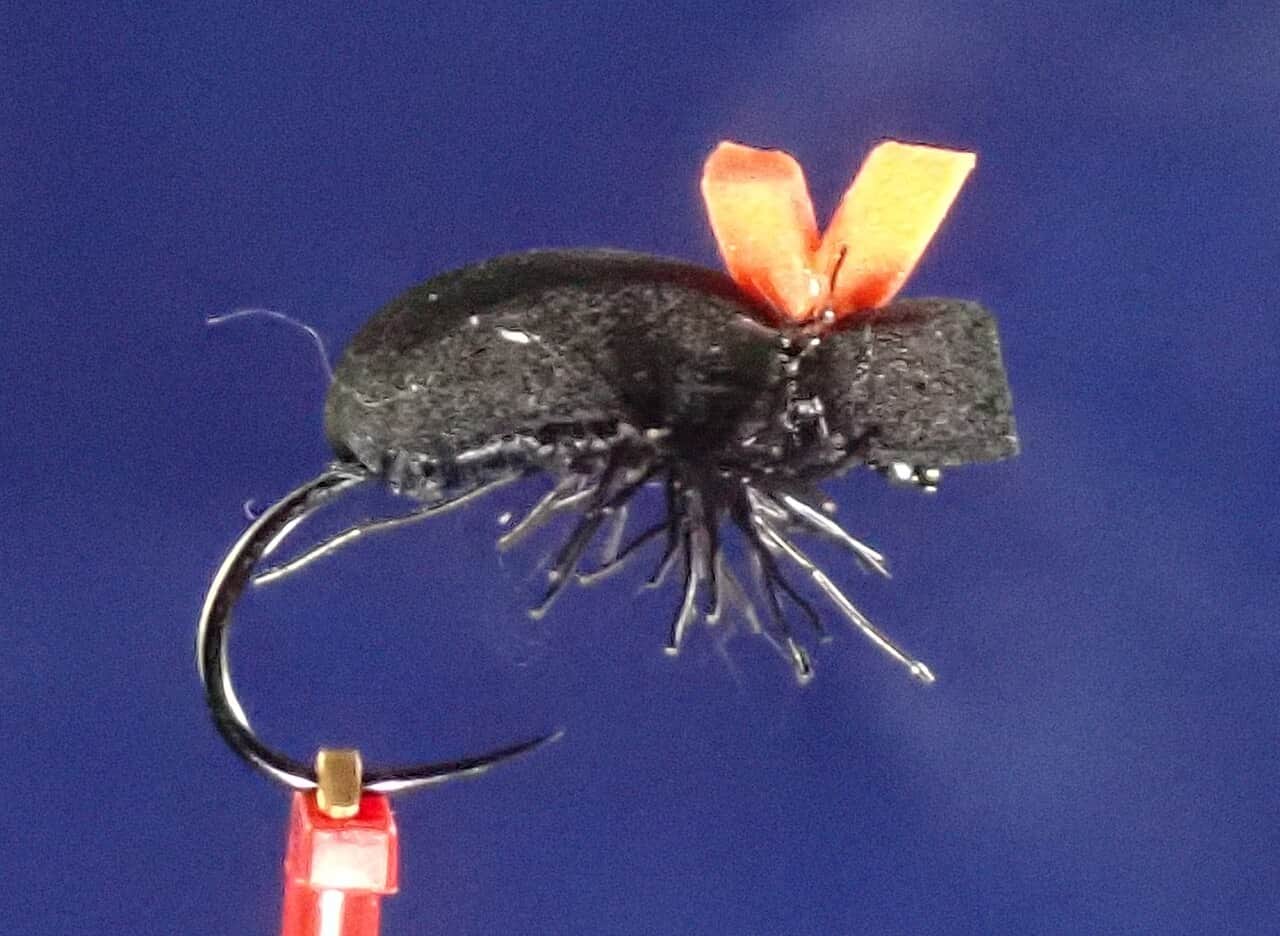
Foam ant, beetle, hopper-dropper, small streamer, crayfish

September to November

Salmon and steelhead movement, BWOs, October caddis

Stonefly nymph, egg where legal, leech, sculpin, October caddis

Steelhead nymphs

Stonefly, hex nymph, caddis larva, egg pattern where legal

Use in cold water, travel lanes, and holding slots during spring or fall movement.

Trout dries

Caddis, Sulphur, Brown Drake, Isonychia, terrestrial

Use on resident trout when hatches or low-light surface feeding set up.

Streamers

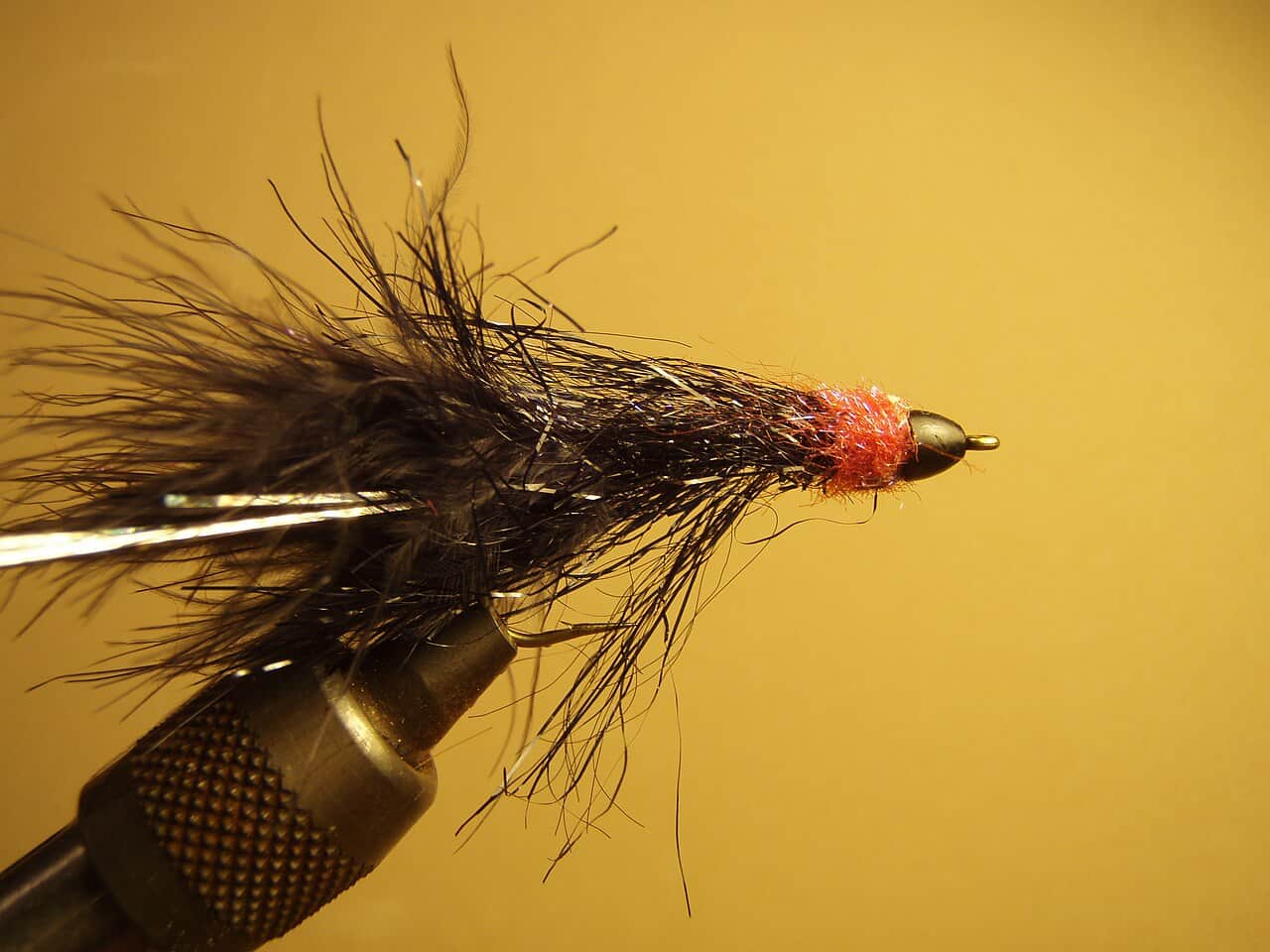
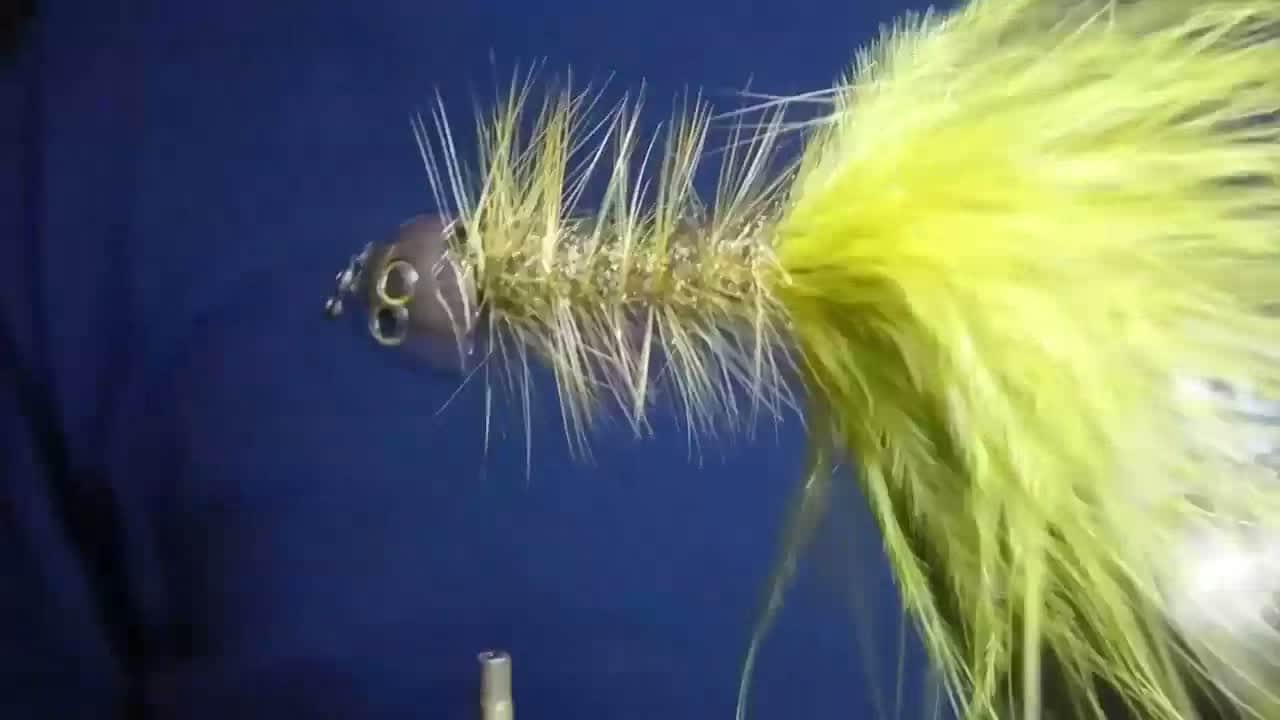
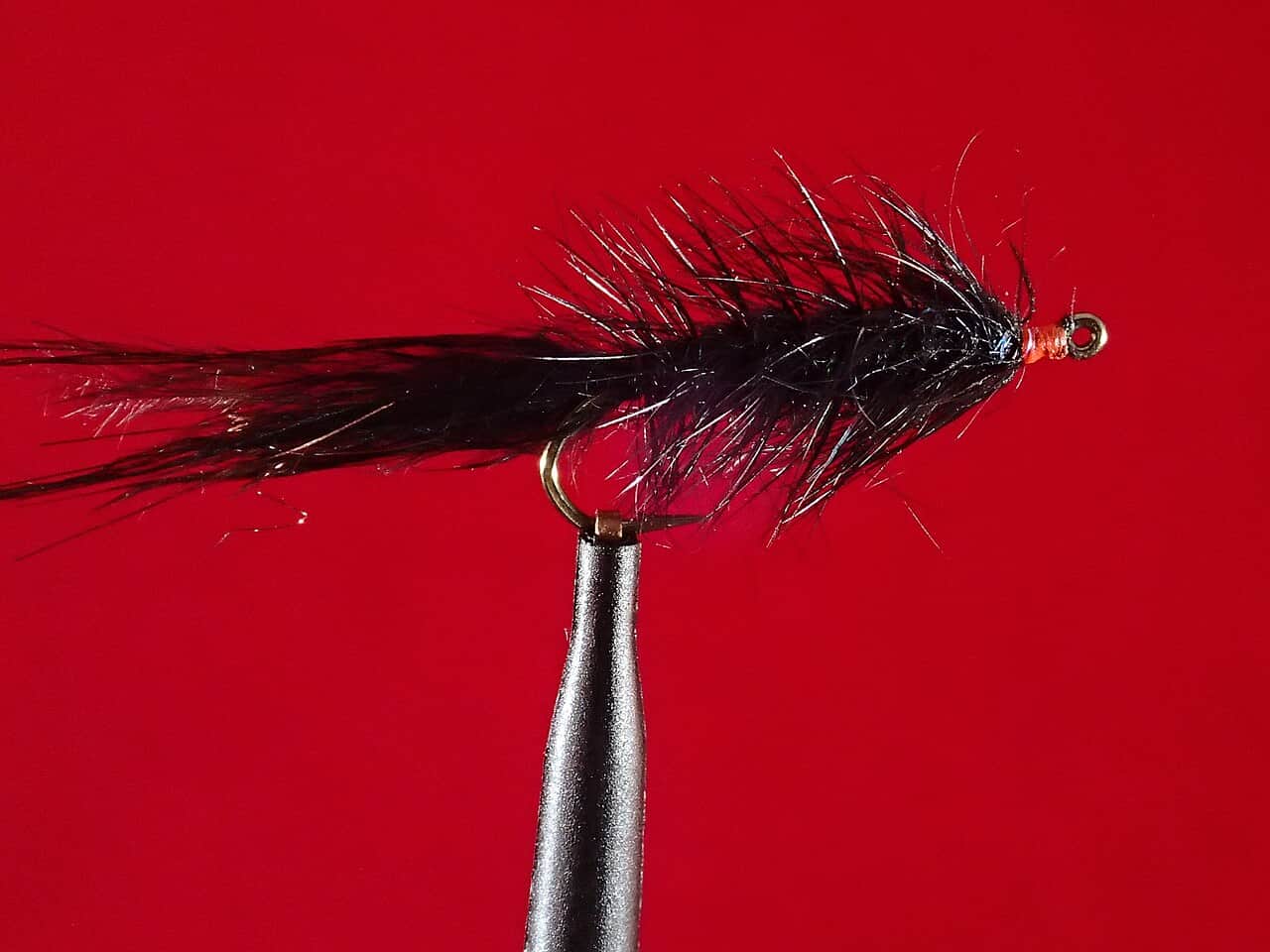
Sculpin, leech, baitfish, small intruder, black bugger

Use during stained water, salmon/steelhead windows, or when browns hunt structure.

Warmwater backup

Crayfish, popper, Clouser, slider

Use on warmer lower reaches when bass are the better target than trout.

Tactics

How to fish it

Scout bridge water and public parcels before stepping onto a bank.

During steelhead windows, cover travel lanes methodically rather than standing over one pod.

Use streamers in stained edges and nymphs in softer slots when water is cold.

Avoid redds, illegal snagging behavior, and crowded combat-water setups.

When there is no live gauge, rely on recent rain, clarity, local reports, and safe visual checks.

Rigging

Rod, leader, and setup notes

A 7-weight or 8-weight is the safer choice for steelhead and salmon-season flies.

A 5-weight or 6-weight can cover resident trout and smaller streamers in low water.

Carry split shot, indicators, and sink tips, but rig only as heavy as the water requires.

Use strong tippet for migratory fish and lighter tippet for clear resident-trout water.

Bring polarized glasses so you can avoid redds and see bank structure.

Access

Access and planning notes

Thompsonville and upper Betsie context

Trout and early movement check

Wade / float / trail

Road scout / wade / bank

When to pick it

Start here when cooler water, legal access, and clarity line up.

Caution

No live gauge confirms every bend; field clarity and posted access matter.

Benzonia and Homestead corridor

Migratory-fish planning

Wade / float / trail

Bridge / bank / wade

When to pick it

Use it when rain timing and Michigan rules support a steelhead or salmon plan.

Caution

Crowding, private banks, and visible fish demand conservative choices.

Michigan Trout Trails and regulation maps

Legal reach check

Wade / float / trail

Access / regulation / map

When to pick it

Check these before treating a worn path or bridge bank as fishable.

Caution

Map context does not override posted signs, private land, or current season rules.

Do not assume every trail from a bridge is public. Use state land, official access, and posted parking.

Crowding is part of fall fishing here. Give space and avoid stepping into another angler's drift.

Because no verified live discharge graph is used here, do not push marginal wading after storms.

Regulations

Check before fishing

Michigan fishing regulations and the Inland Trout and Salmon map control seasons, methods, size limits, and harvest. Check the current rule for the exact Betsie reach before fishing.

Primary base

Benzonia, Frankfort, or Thompsonville

Best day style

Bridge, pathway, state land, low-gradient banks, and seasonal crowding

Check first

Michigan rules, recent rain, local access, and fish-passage/crowding conditions

Safety

Crowded salmon water, slick clay banks, private land, and no reliable live gauge

Gear

Helpful gear for this water

6-weight or 7-weight rod

Covers resident trout, larger streamers, and light steelhead work.

8-weight rod

Better for heavy sink tips, wind, salmon, and fresh steelhead.

Wading staff

Michigan sand, logs, clay banks, and high spring water deserve caution.

Regulation copy

Carry the current Michigan rules because methods and reach boundaries can change by section.

Nearby water

Other water to research

Backup logic

Blown out after rain

Compare Platte River, Pere Marquette, or Little Manistee only after checking each route's current rules and clarity.

Crowded migratory fish

Move away from obvious bridge pressure or switch to resident-trout scouting.

Warm trout water

Avoid trout handling and choose a better-timed coldwater route.

Legal access unclear

Use confirmed public access only; do not rely on worn paths.

Platte River

Another northwest Michigan salmon and trout river with weir logistics.

Pere Marquette River

A famous trout, steelhead, and salmon system with clearer fly-water identity.

Little Manistee River

A smaller, rule-heavy river tied closely to steelhead and salmon broodstock operations.

FAQ

Fast answers

Is Betsie River fishable today?

Betsie River needs a live-condition check before you commit. The live score is 37/100, based on current flow, weather, public alerts, and the report's planning context. Recheck the linked gauge and forecast before leaving because conditions can change quickly after rain, heat, access changes, or flow swings.

What flow is best for Betsie River?

No verified public live discharge gauge is used for this report. Use the USGS inventory record as background only, then check recent rain, clarity, safe bank access, and current Michigan rules before choosing a reach.

When should I skip Betsie River?

Skip or switch water when the river is blown out, crowded around visible migratory fish, too warm for trout handling, unclear on legal access, or when you cannot confirm current rules for the exact reach.

Is Betsie River safe to wade right now?

The fishability score is not a wading guarantee. Wade only where your chosen access has safe edges, clear footing, legal entry, and no forced crossings; high, rising, stained, or storm-affected water should be treated conservatively.

What should I check first before fishing the Betsie River?

Check Michigan regulations, rain history, clarity, weather, and public access because no verified live discharge gauge is used on this page.

Are there special regulations on the Betsie River?

Yes. Salmon, steelhead, and trout rules can vary by reach and season, so check Michigan DNR directly.

Is the Betsie River a good fly-fishing river?

Yes, but only if you match the reach, season, water temperature, and target species. This page separates trout, migratory, and warmwater plans where that matters.

What flies should I bring for the Betsie River?

Bring the hatch-chart flies, a few confidence nymphs, and a backup streamer or warmwater box so you can adjust to flow, clarity, and temperature.

How should I plan access for the Betsie River?

Access exists, but not every bank is public and popular runs can be crowded during fall.