Live flow is not available
No machine-readable live streamflow feed is attached for this reach. Use the linked flow source manually with weather, clarity, access, and recent rain before committing.
We could not confirm a live gauge for this river. Check the weather, recent rain, local reports, and the water before you fish.
Check first: Live information is incomplete. Treat this score as a planning estimate.
Rating updatedRiver local time:
No verified live public gauge is attached, so the page cannot make a strong real-time call.
NWS air forecast near
This is an air forecast, not a river-temperature reading. Check the water with a stream thermometer before fishing in hot weather.
No machine-readable live streamflow feed is attached for this reach. Use the linked flow source manually with weather, clarity, access, and recent rain before committing.
Slight Chance Light Rain
The National Weather Service forecast is temporarily unavailable.
Official flow source: Warm Springs Creek near Ketchum
No machine-readable live streamflow feed is attached for this reach. Use the linked flow source manually with weather, clarity, access, and recent rain before committing.
Seasonal starting points, not a live hatch report. Match what you see on the water.
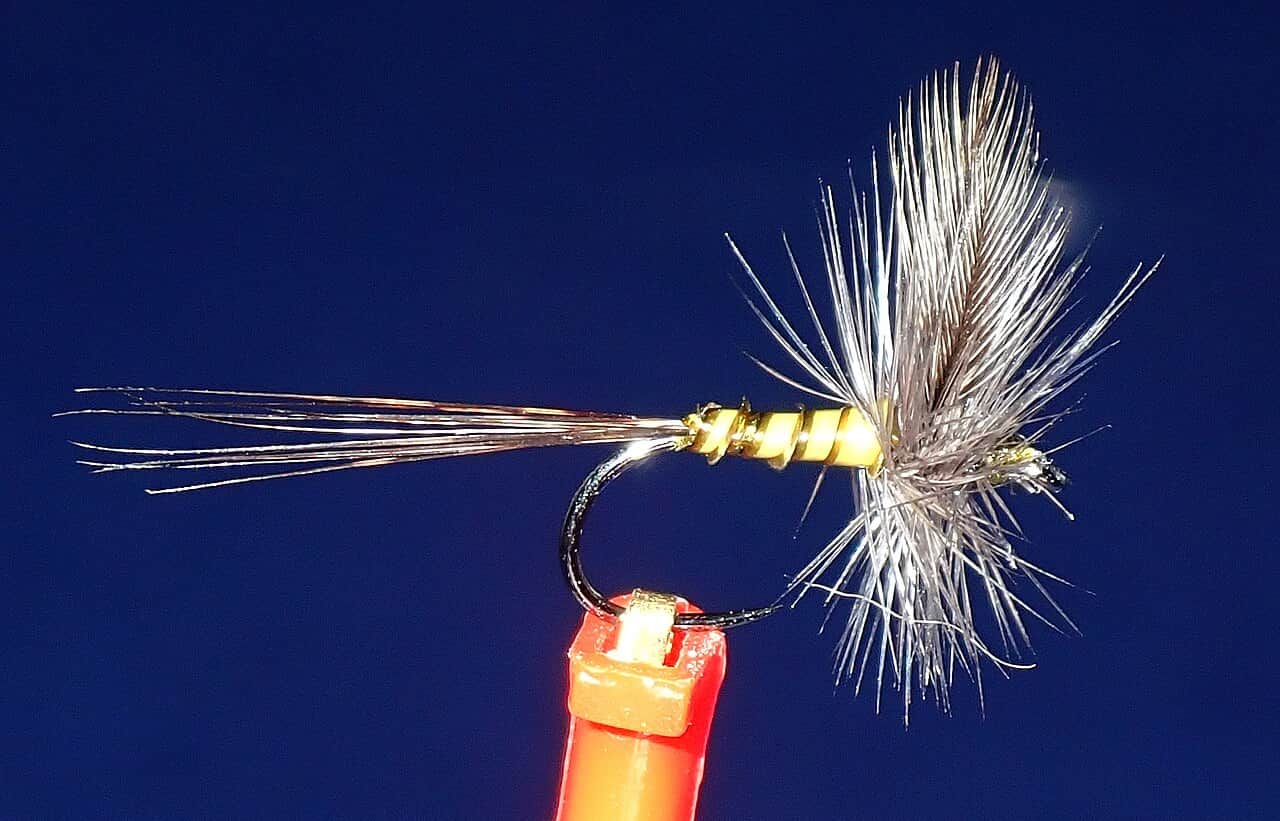
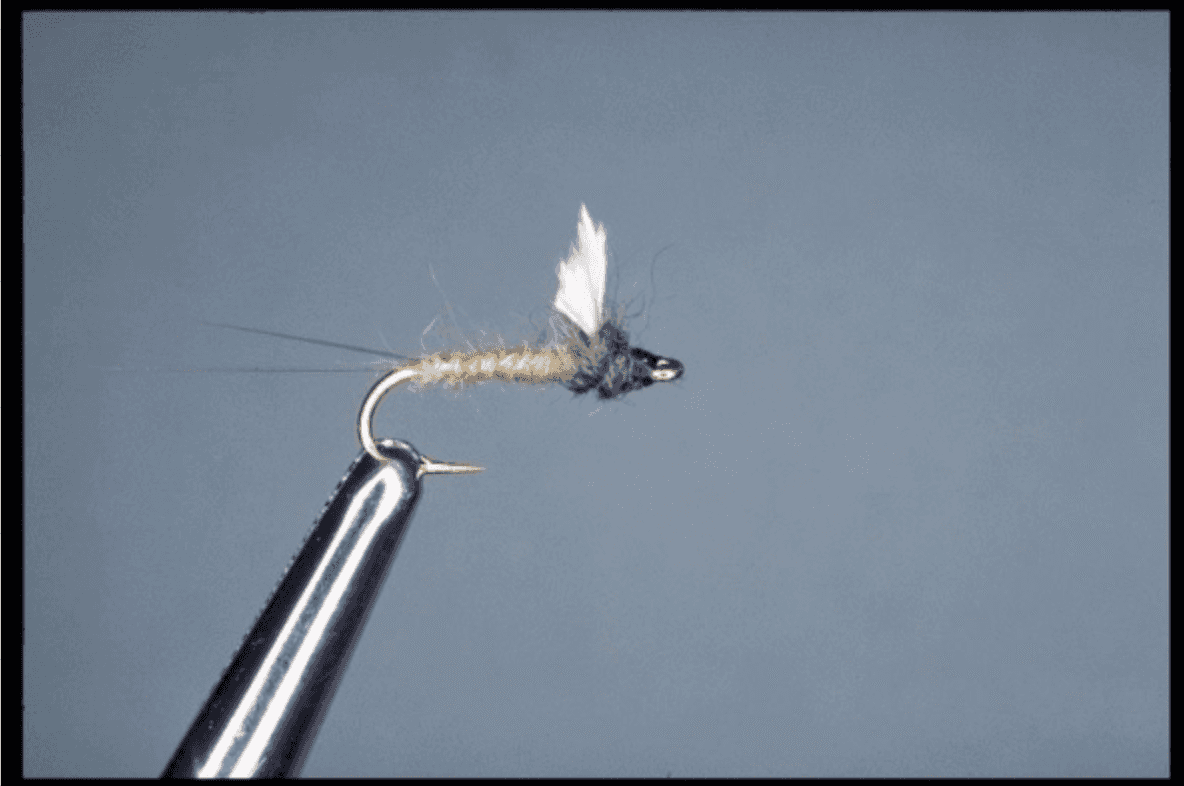
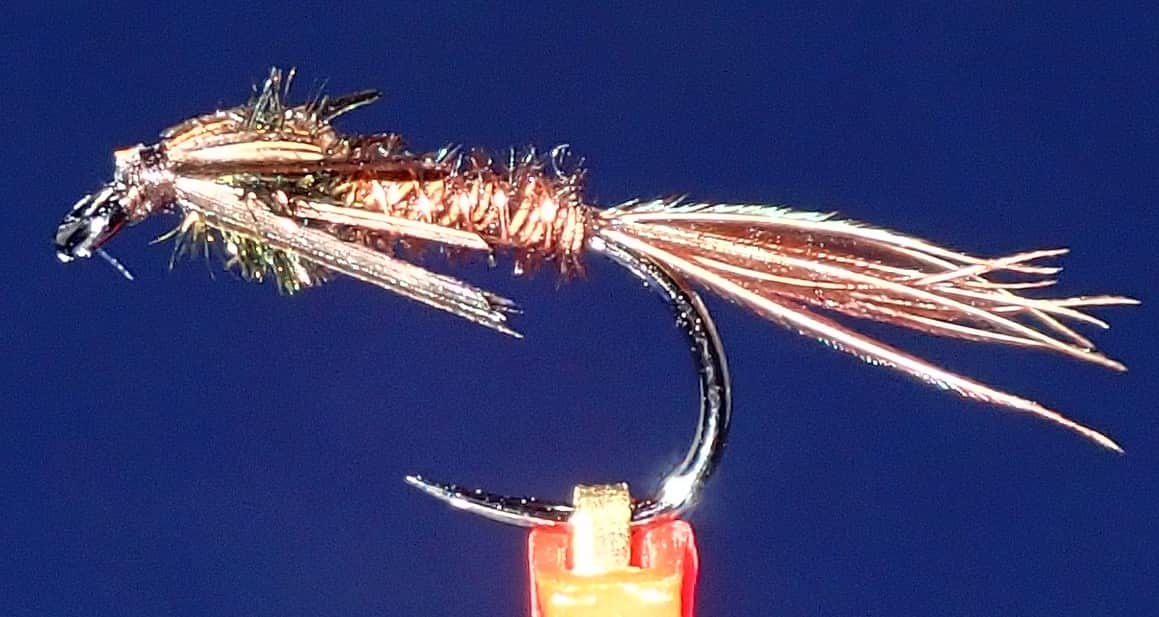
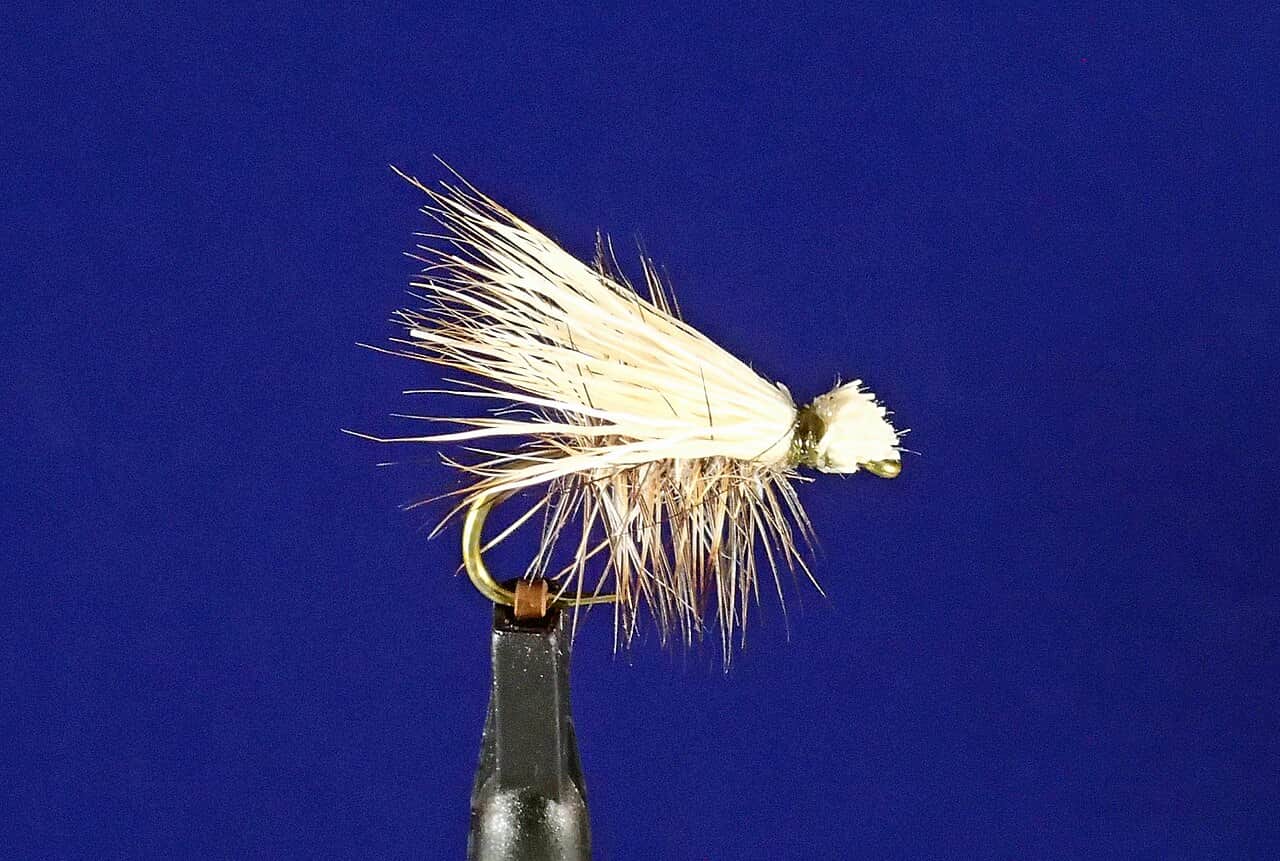
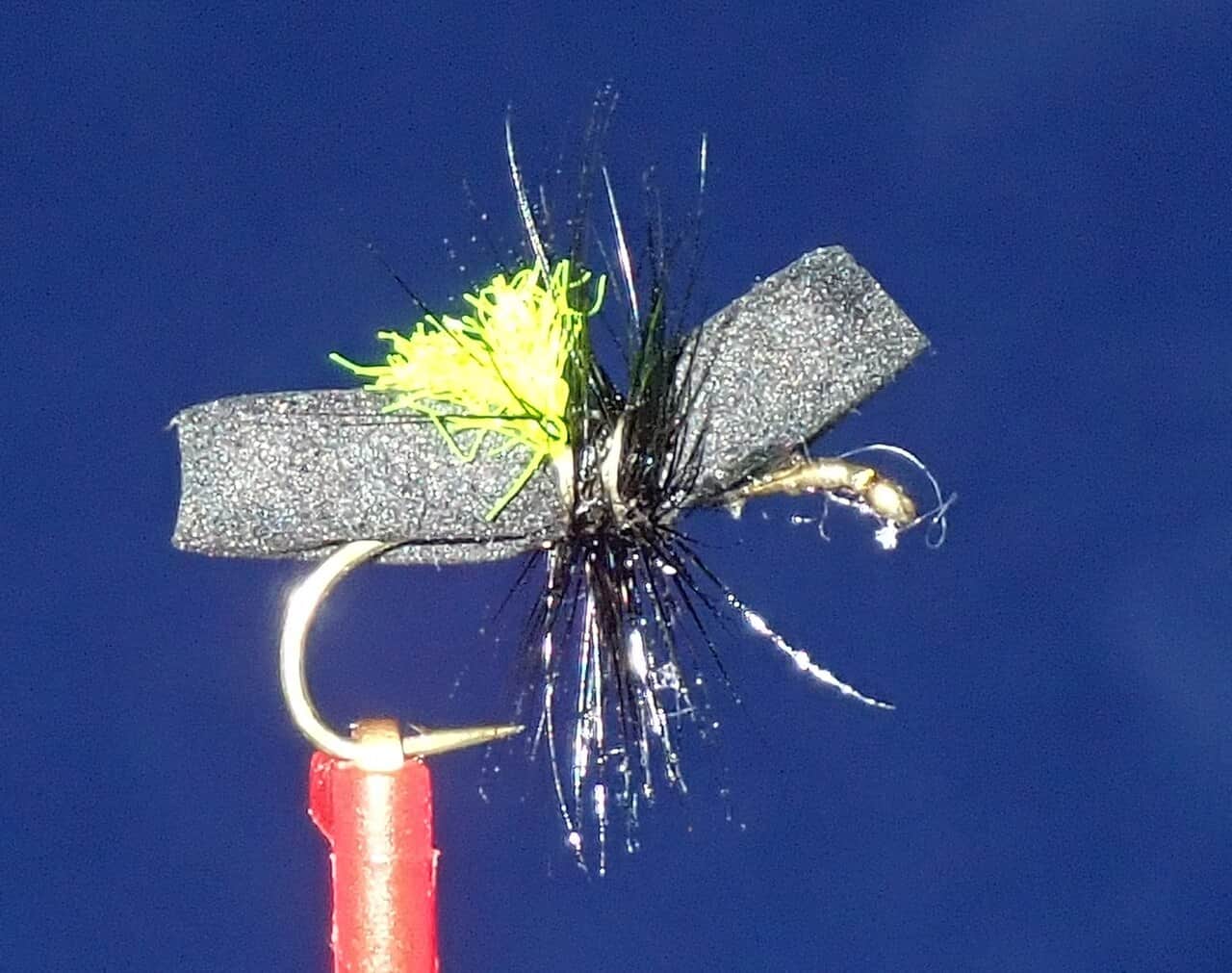
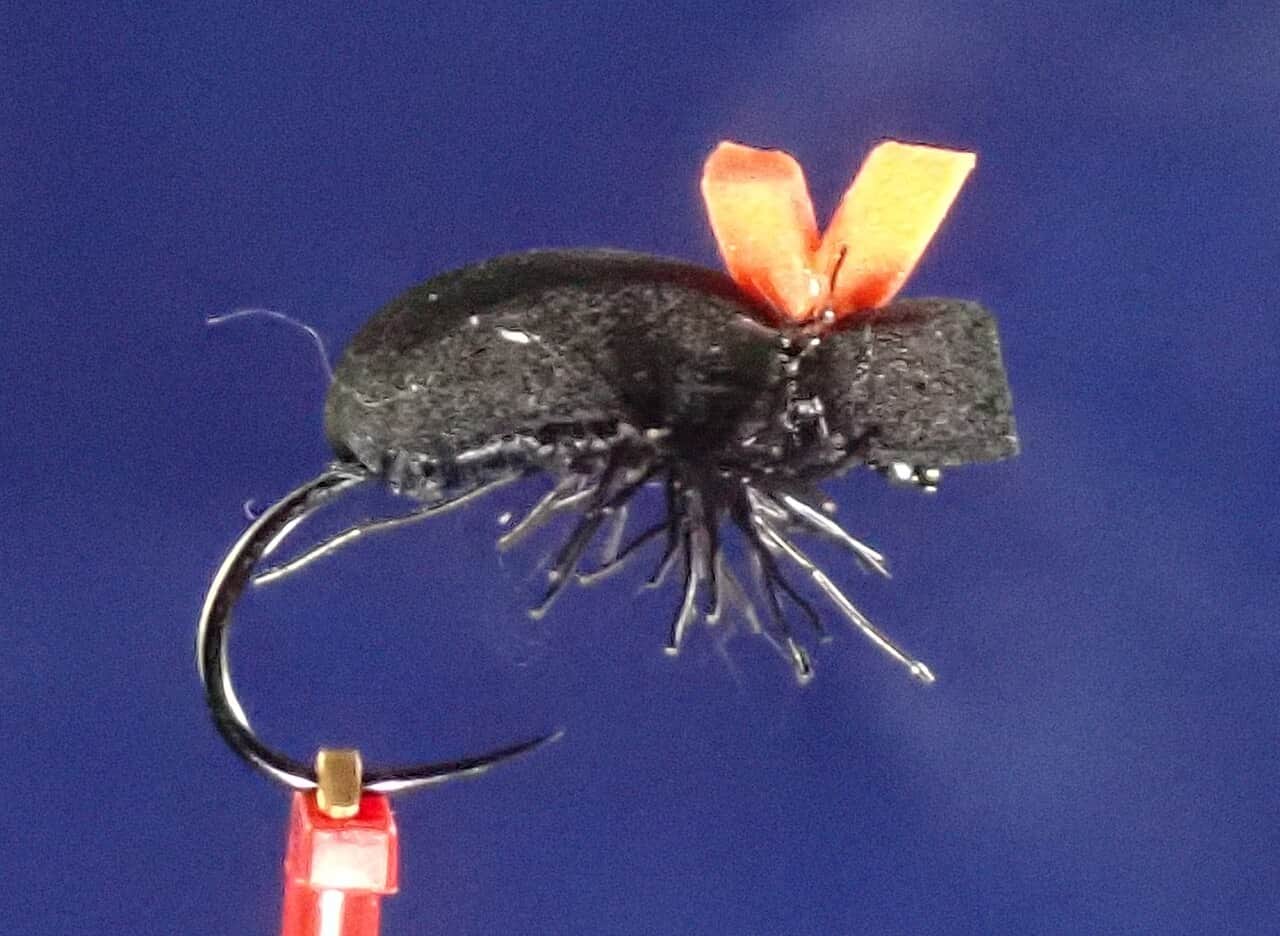
Each fly name opens its matching Fly Box guide.
This page is strongest from late spring into early summer, then again during cooler fall mornings. Mid-summer can still produce quick stocked-fish sessions, but only if the creek remains cool enough and the water still has cover.
The best window for nymphs, attractor dries, and short dry-dropper drifts around depth changes and undercuts.
Fish early, cover likely holding water efficiently, and avoid stretching the session into warm afternoon hours.
Usually a sign to skip or limit the stop to a quick visual check before moving elsewhere.
A good reset when overnight temperatures restore some oxygen and the creek fishes smaller but cleaner.
We could not confirm all current conditions. Check locally before choosing how to fish.
Current conditions at the exact access are not verified. No access method is recommended until they are checked.
Current conditions at the exact access are not verified. No access method is recommended until they are checked.
Current conditions at the exact access are not verified. No access method is recommended until they are checked.
Is Warm Springs Creek worth the trip today? Check flow, weather, hatches, access, and rules for Idaho before you go.
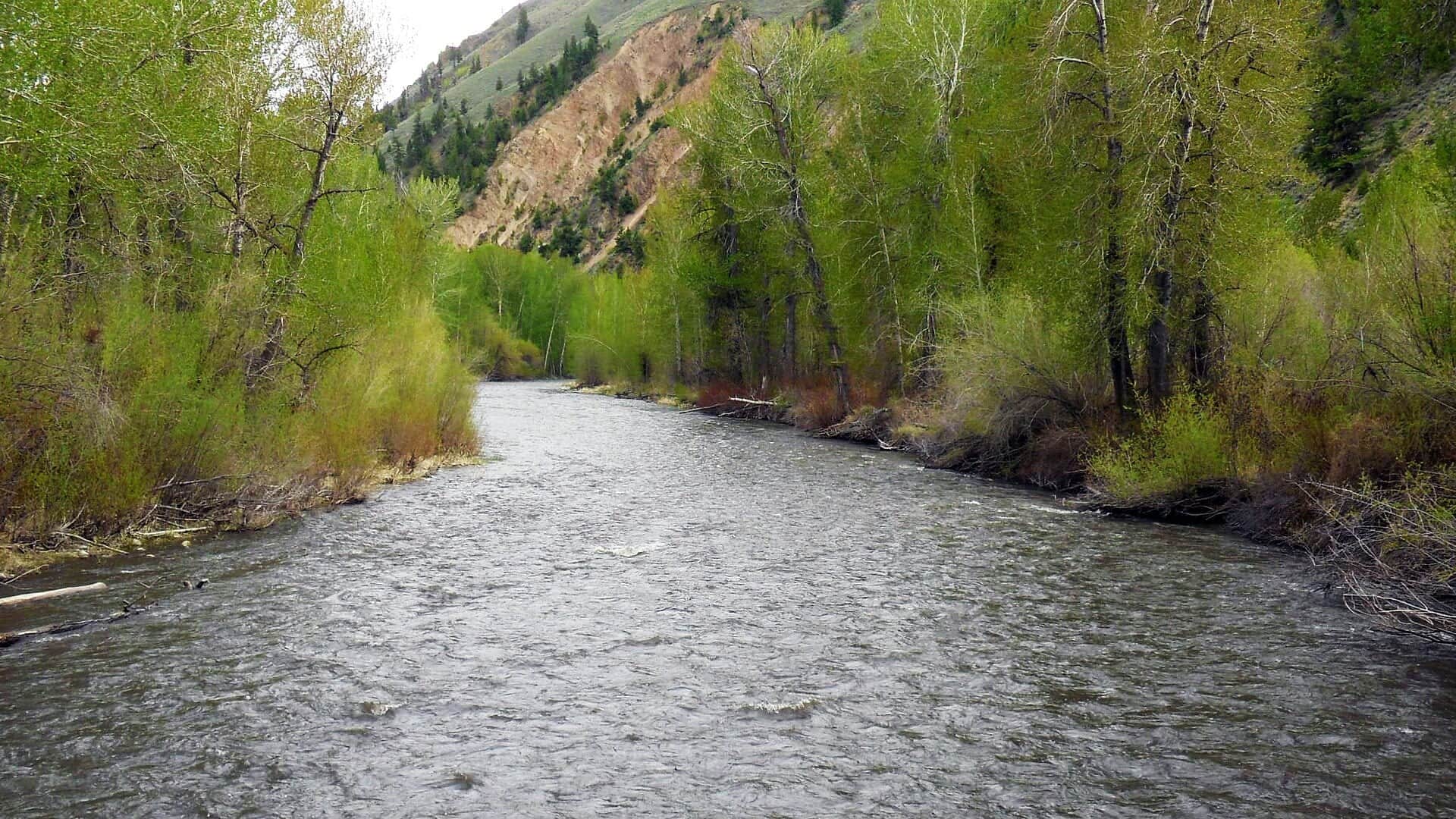
Warm Springs Creek can offer a fun small-water option when spring runoff settles or when stocked summer fish still have enough cool moving water to hold. It loses value quickly once low clear flow, heavy visibility, and afternoon heat flatten the channel.
No verified live public gauge is attached, so the page cannot make a strong real-time call.
Fall: Short but worthwhile when nights cool down and the creek regains enough temperature margin to fish responsibly.
The current NWS air forecast is about 43F, and the next 24-hour high reaches about 61F. Slight Chance Light Rain.
No active NWS alert was returned for this forecast point.
Skip when the creek turns hot, shallow, and highly visible or when the best-looking water is too limited to handle fish responsibly.
Moderate post-runoff or cooler-season levels that keep enough push over undercuts and pocket structure to hide fish and hold oxygen.
Skip when the creek turns hot, shallow, and highly visible or when the best-looking water is too limited to handle fish responsibly.
Check the Ketchum gauge, start at the preserve for a fast legal read, fish one short upper or middle reach if conditions still look good, and leave yourself time to pivot.
If Warm Springs is too warm or thin, move to Big Wood for more current or Silver Creek for a steadier coldwater plan.
Use these places as starting points. Open the access link below and check posted signs before you park or enter.
Warm Springs Creek follows Idaho Fish and Game's Big Wood River smaller stream rules upstream of Magic Reservoir: winter catch-and-release, a spring closure through the Friday before Memorial Day weekend, and a six-trout limit once the summer season opens.
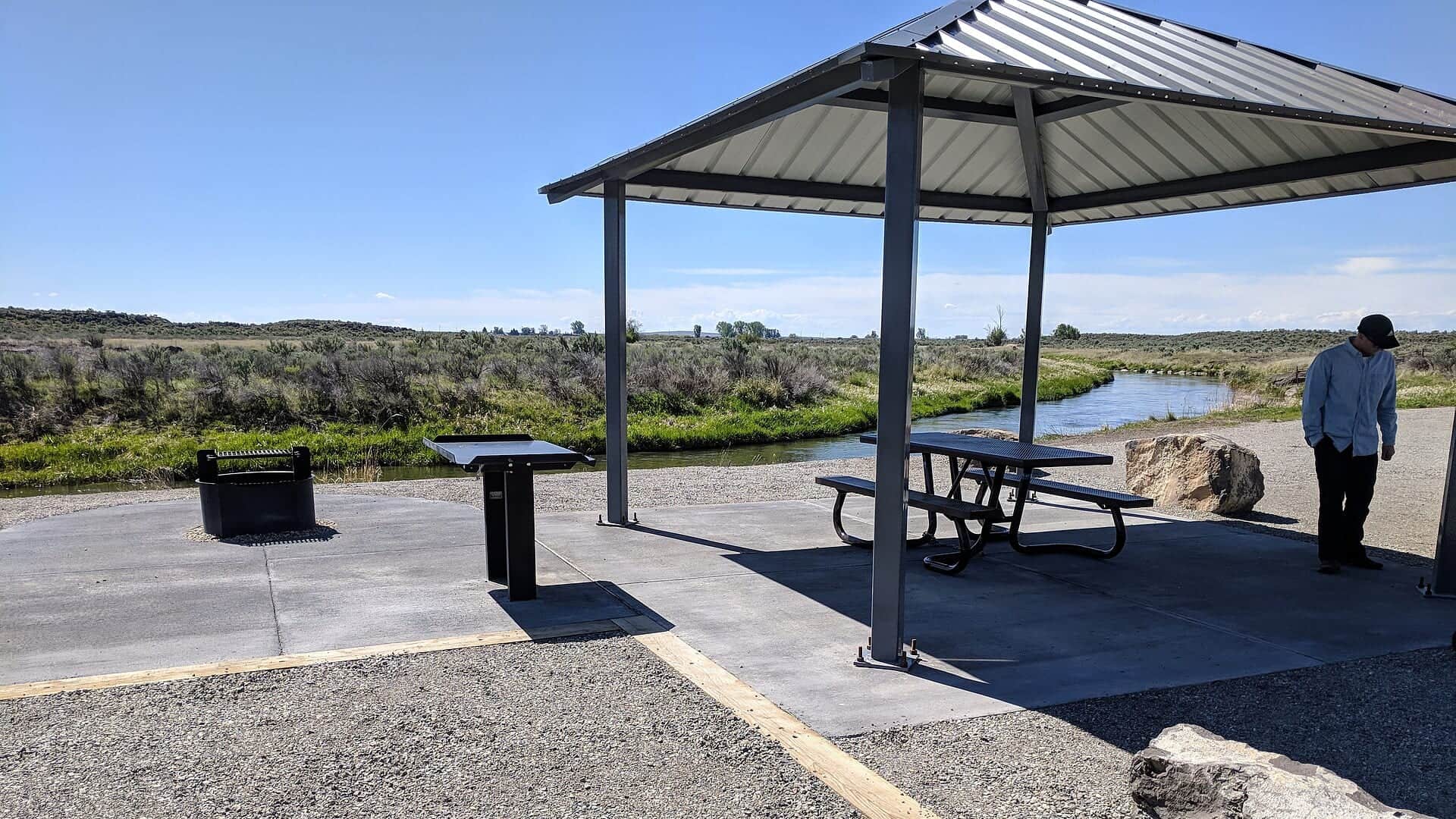
The City of Ketchum's 65-acre open-space preserve provides the clearest town-side public frontage and walking access context on the creek.
Public road access through the drainage can be useful when the creek still has enough flow, but quality water is selective rather than continuous.
The Sawtooth National Forest's Ketchum Ranger District covers the upstream drainage where cooler water and a more natural channel can matter most.
Official agencies and primary river operators come first. Secondary tools are labeled so you know what carries the most weight.
Check what is allowed, where the rule applies, and whether the river is open.
Check the latest river reading and forecast before you leave.
Check public entry points, land rules, and seasonal access changes.
Use these links for stocking, safety, and other local details.
Check what is allowed, where the rule applies, and whether the river is open.
Open the current rules and check the river section, season, and special limits.
Check the latest river reading and forecast before you leave.
Open this page and check the latest safety advice before your trip.
Open this river reading to check the latest level, flow, and update time.
Open this river reading to check the latest level, flow, and update time.
Check public entry points, land rules, and seasonal access changes.
Open the land or access page, then check signs before you park or enter.
Use these links for stocking, safety, and other local details.
Open this page for more river information and check when it was last updated.
What was checked: This report uses official regulation, flow, weather, access, and public-land sources first, then adds practical planning guidance for fly anglers.
Live measurements and forecasts keep their provider timestamps. Rules, access, and trip guidance use the source-review date shown here. BlueStreamFly planning advice is editorial interpretation, not an agency notice.
First-hand experience: BlueStreamFly does not claim a first-hand visit or local field test for this report unless a real contributor is explicitly named and linked.
Check RiverReports and USGS 13137000 near Ketchum first, then decide whether water temperature and visible cover still justify a trout session.
Not for an automated live score. This page links the best available flow source where one exists, but the fishability answer stays conservative until a current readable gauge is available for the exact reach. Check the linked source, weather, clarity, access, and recent rain before going.
Start with the Warm Springs Preserve for the fastest legal check, then move up the drainage only if the creek still shows enough current and cover.