RiverReports preview · current series loading
Recent flow
RiverReports gauge
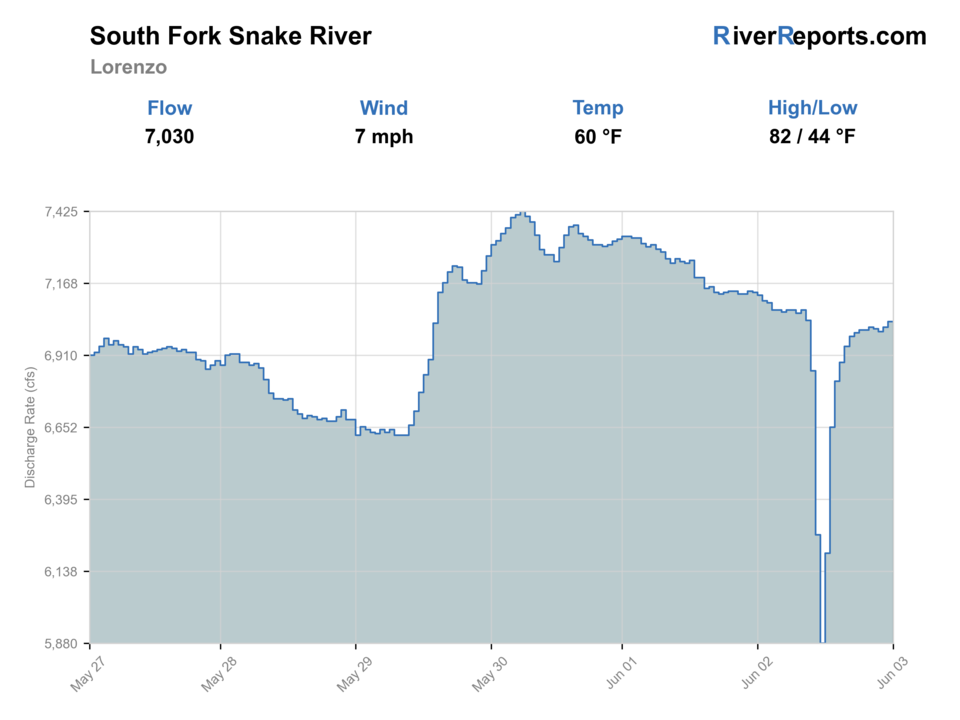
Showing the available RiverReports chart while the current structured flow series loads. Check the chart on RiverReports Opens in a new tab.
No single best way to fish. Wading, Bank fishing, and Floating have the same top score. Use current access, footing, weather, and local rules to choose.
Rating updatedRiver local time:
USGS shows 694 cfs. The flow has been stable over about 6 hours. USGS marks this reading provisional and may revise it. USGS records for this date (1979-2026, 48 readings) show a typical middle range of 577 cfs to 1,250 cfs. Flow is within the typical range for this date, so weather, temperature, and access become the next checks.
NWS air forecast near
This is an air forecast, not a river-temperature reading. Check the water with a stream thermometer before fishing in hot weather.
RiverReports gauge
Showing the available RiverReports chart while the current structured flow series loads. Check the chart on RiverReports Opens in a new tab.
Cloudy
The National Weather Service forecast is temporarily unavailable.
RiverReports gauge: Snake River near Lorenzo
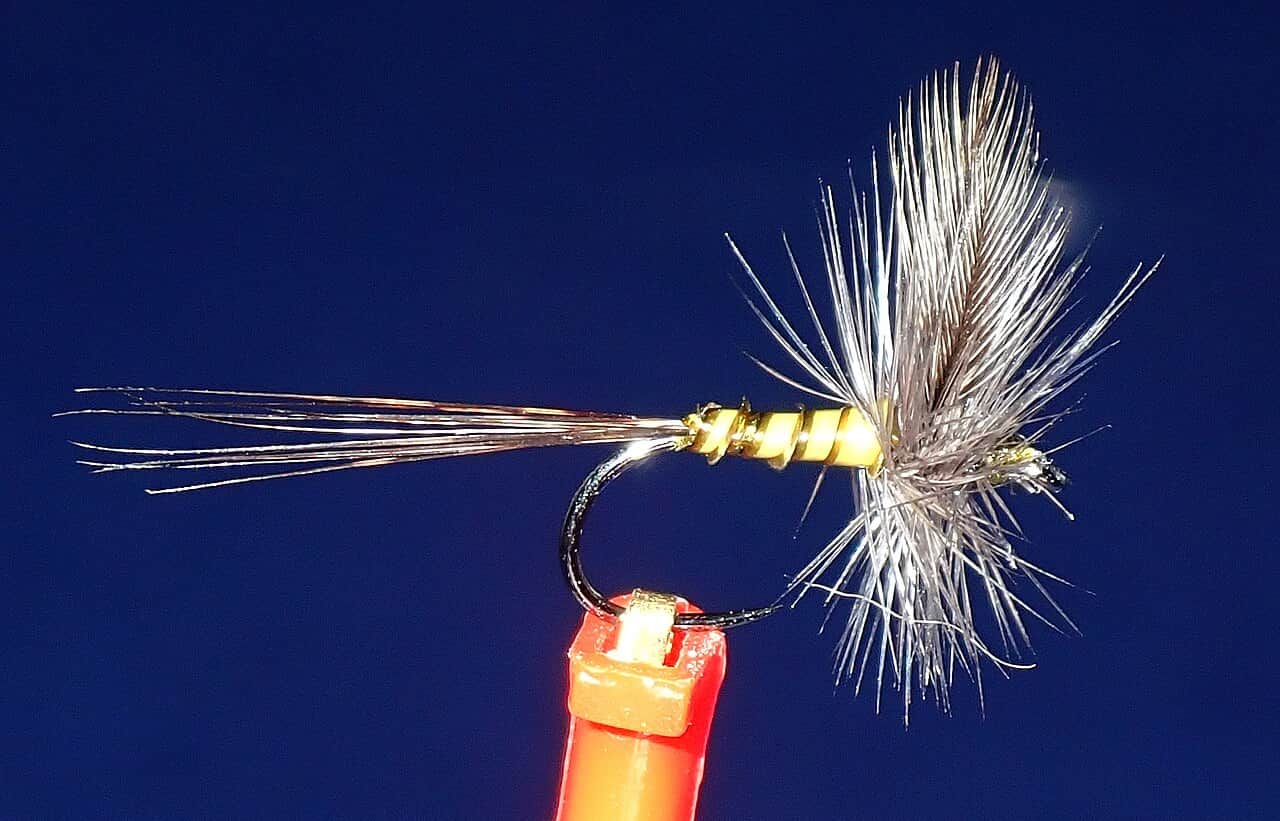
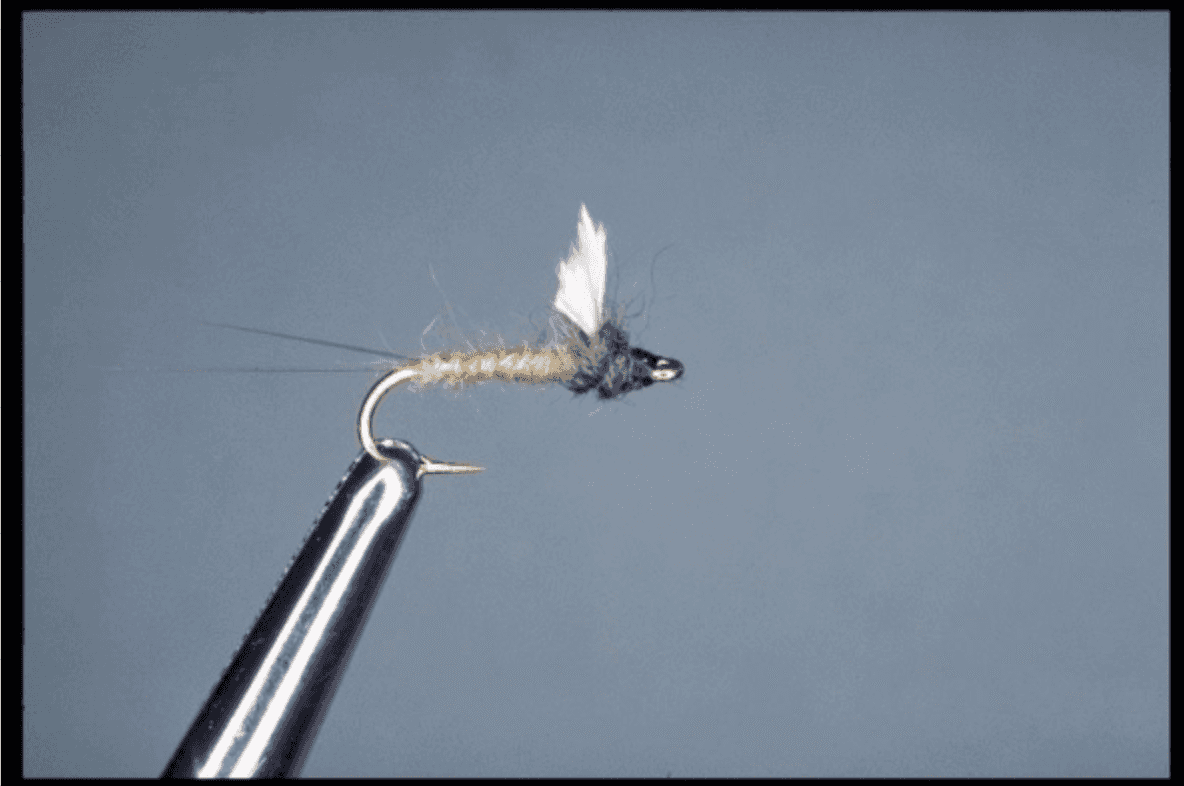
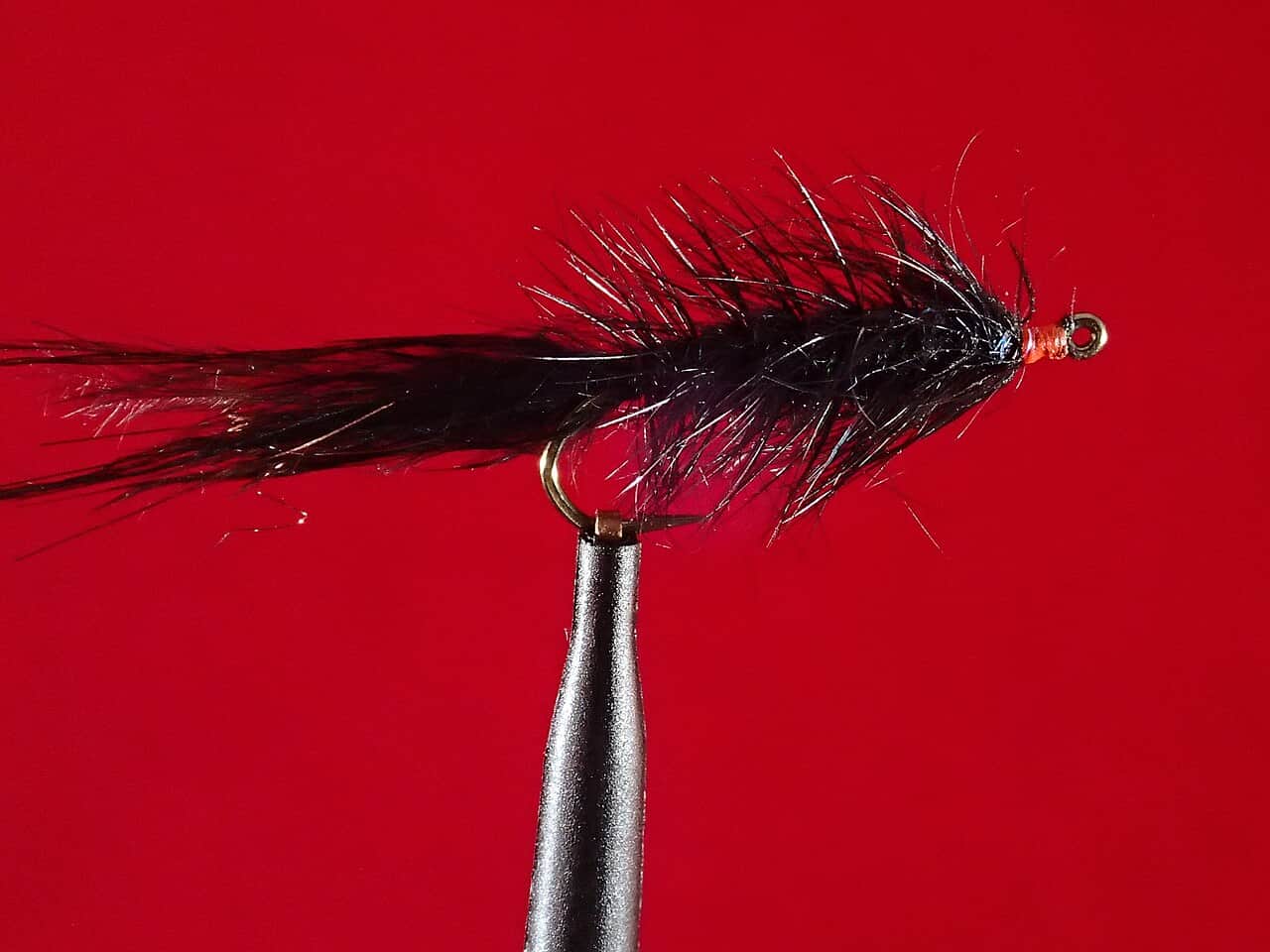
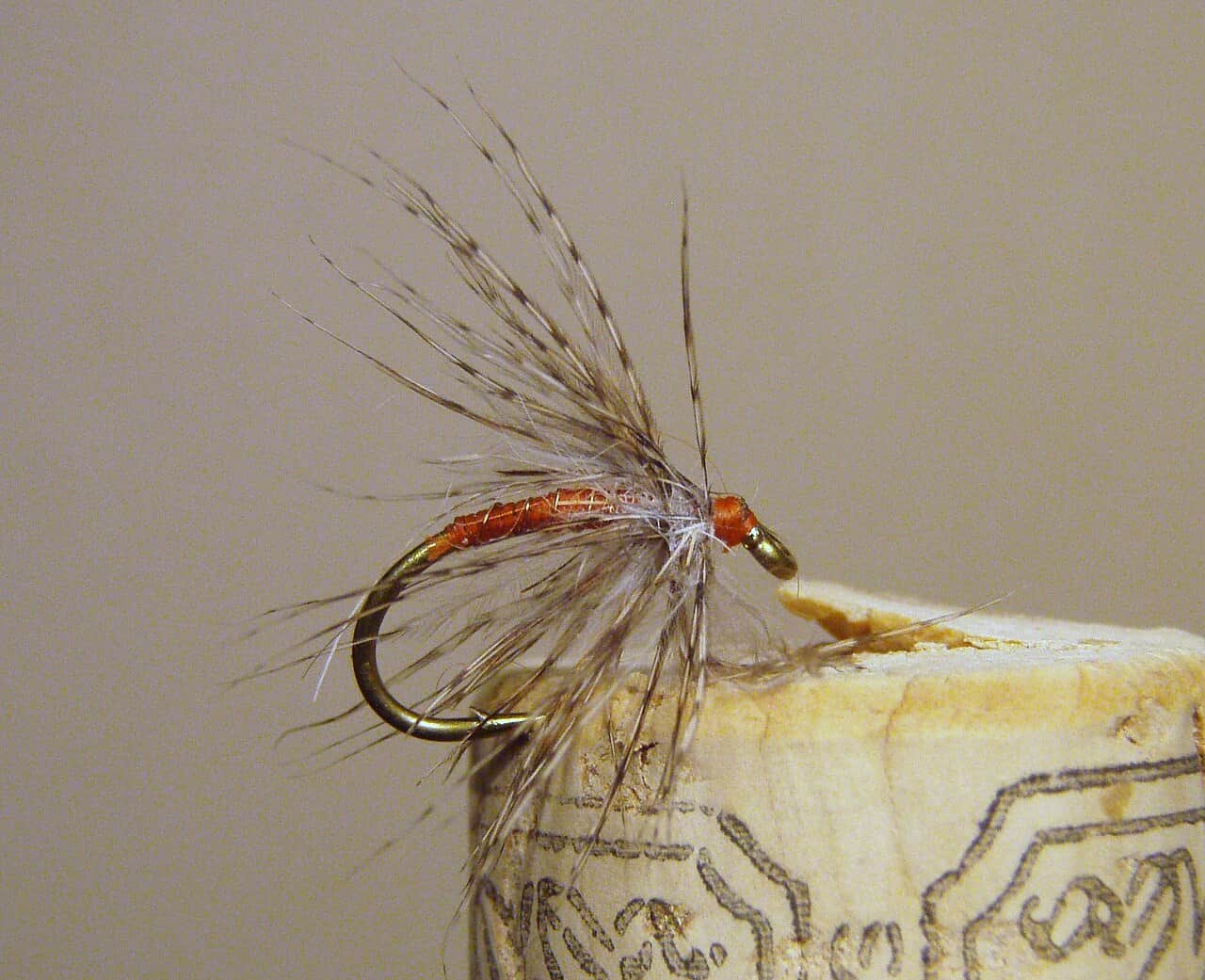
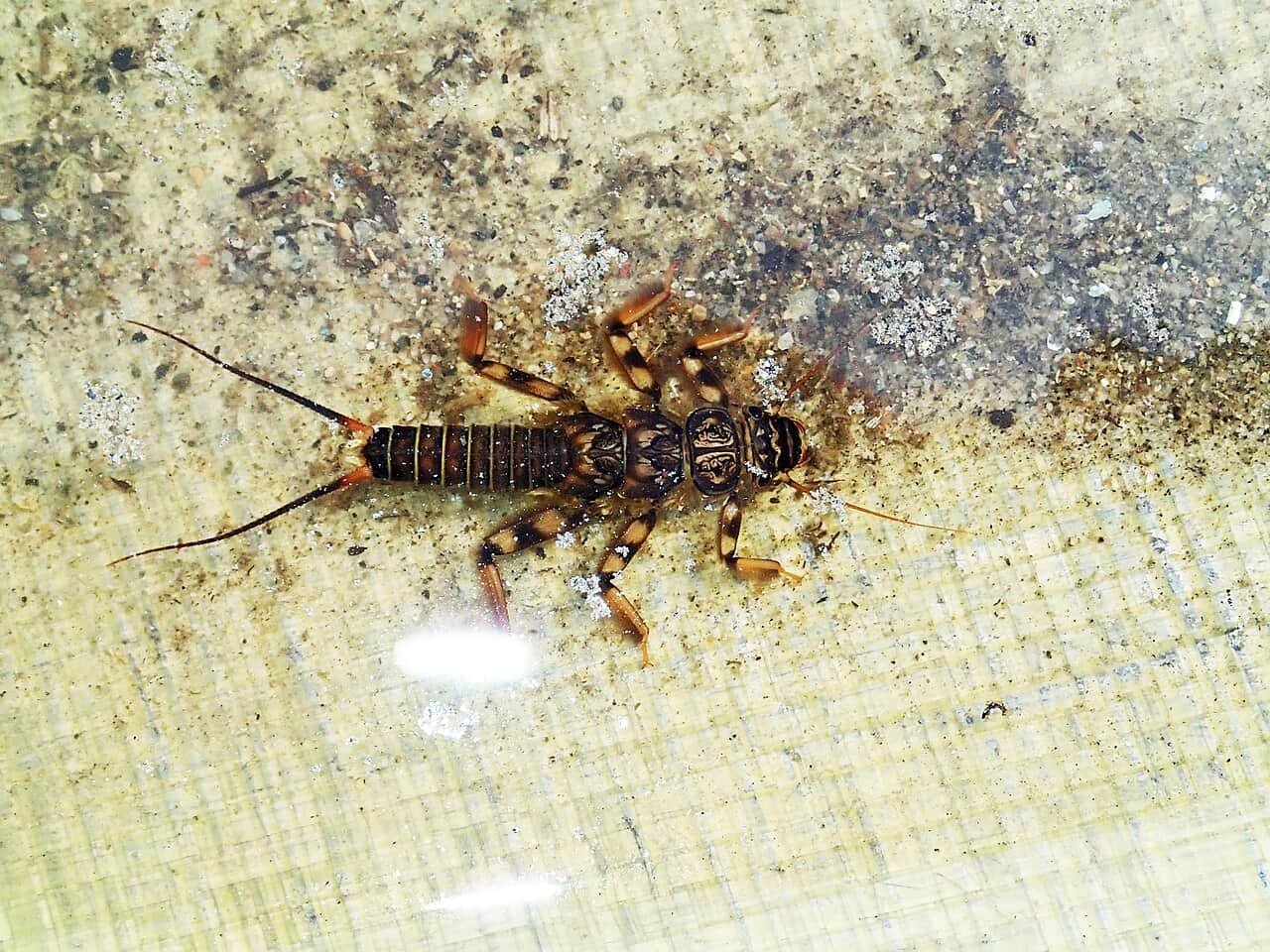
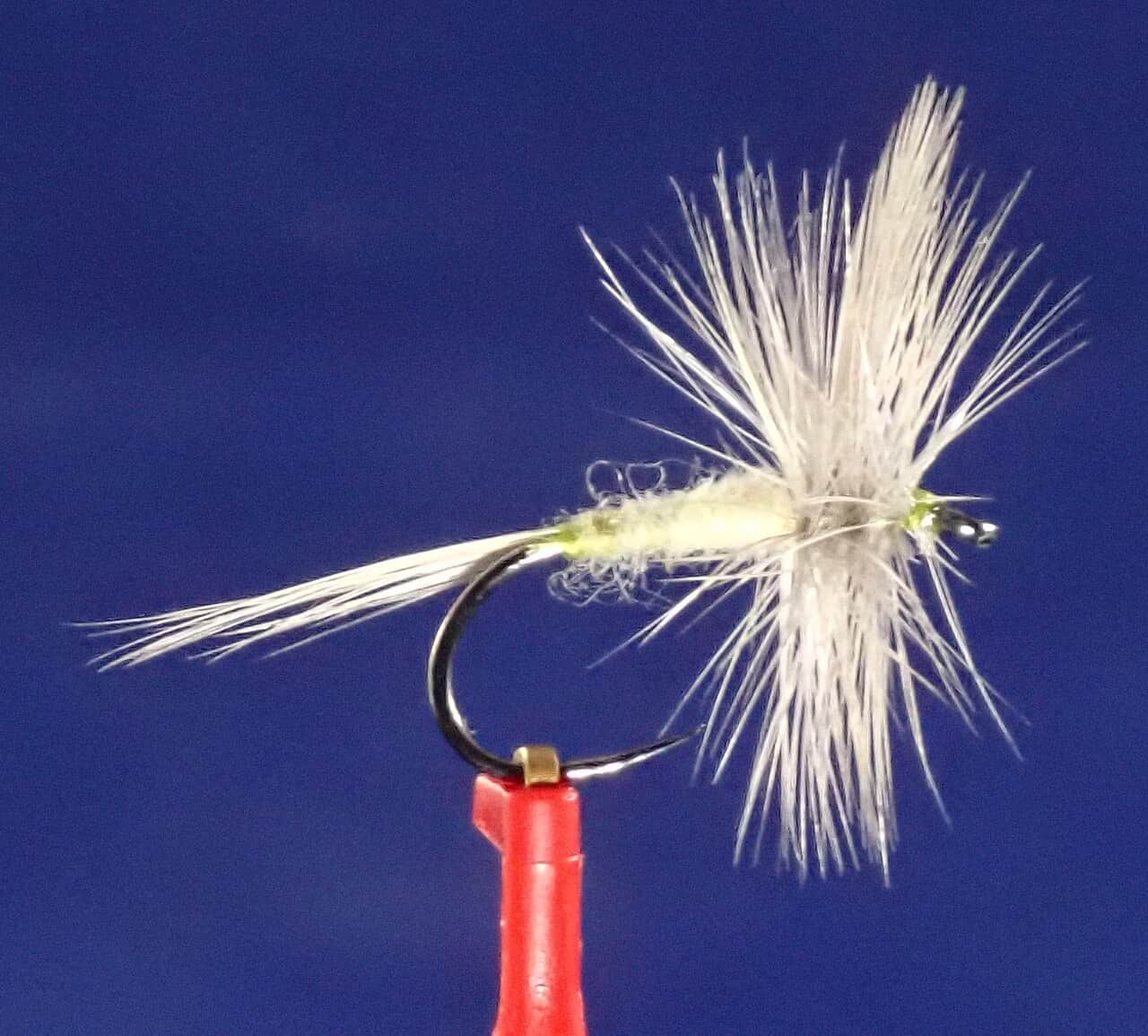
Seasonal starting points, not a live hatch report. Match what you see on the water.
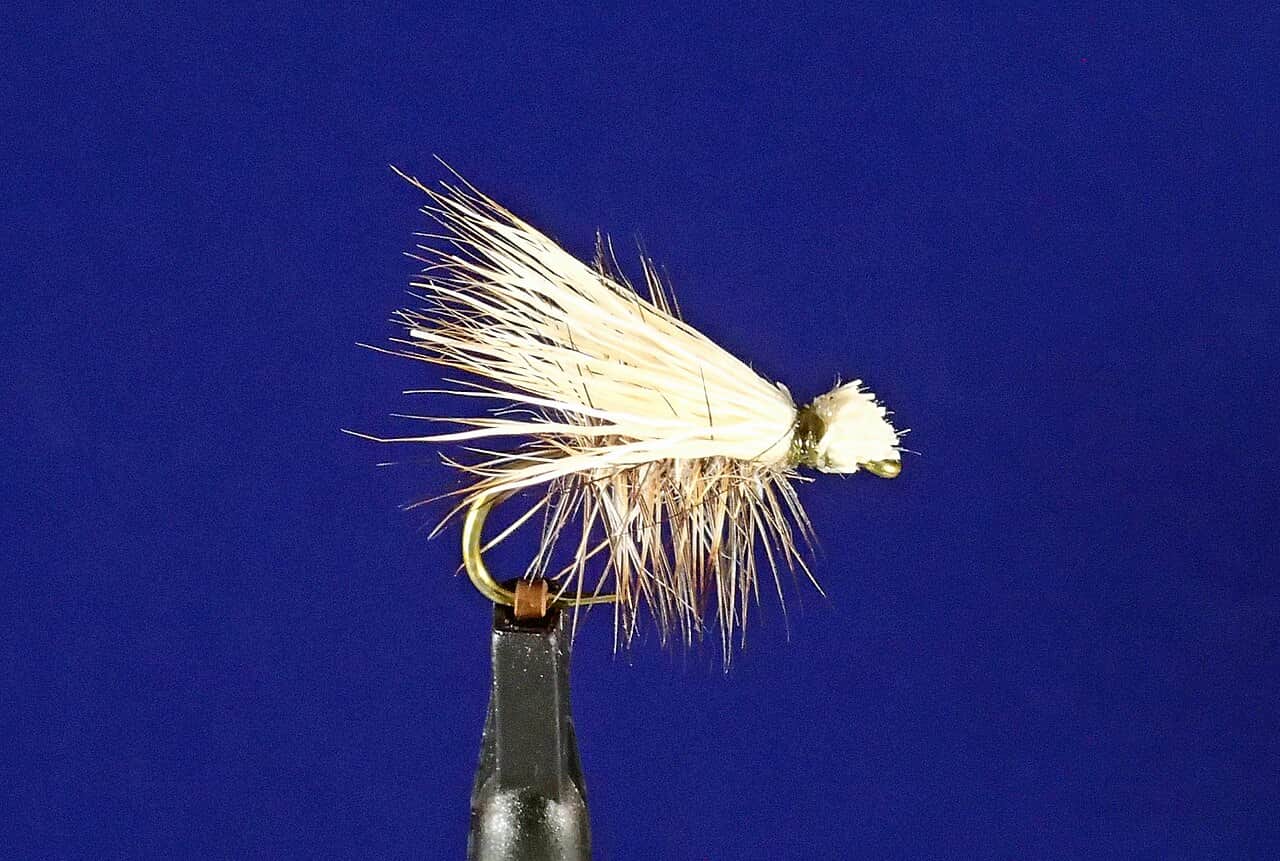
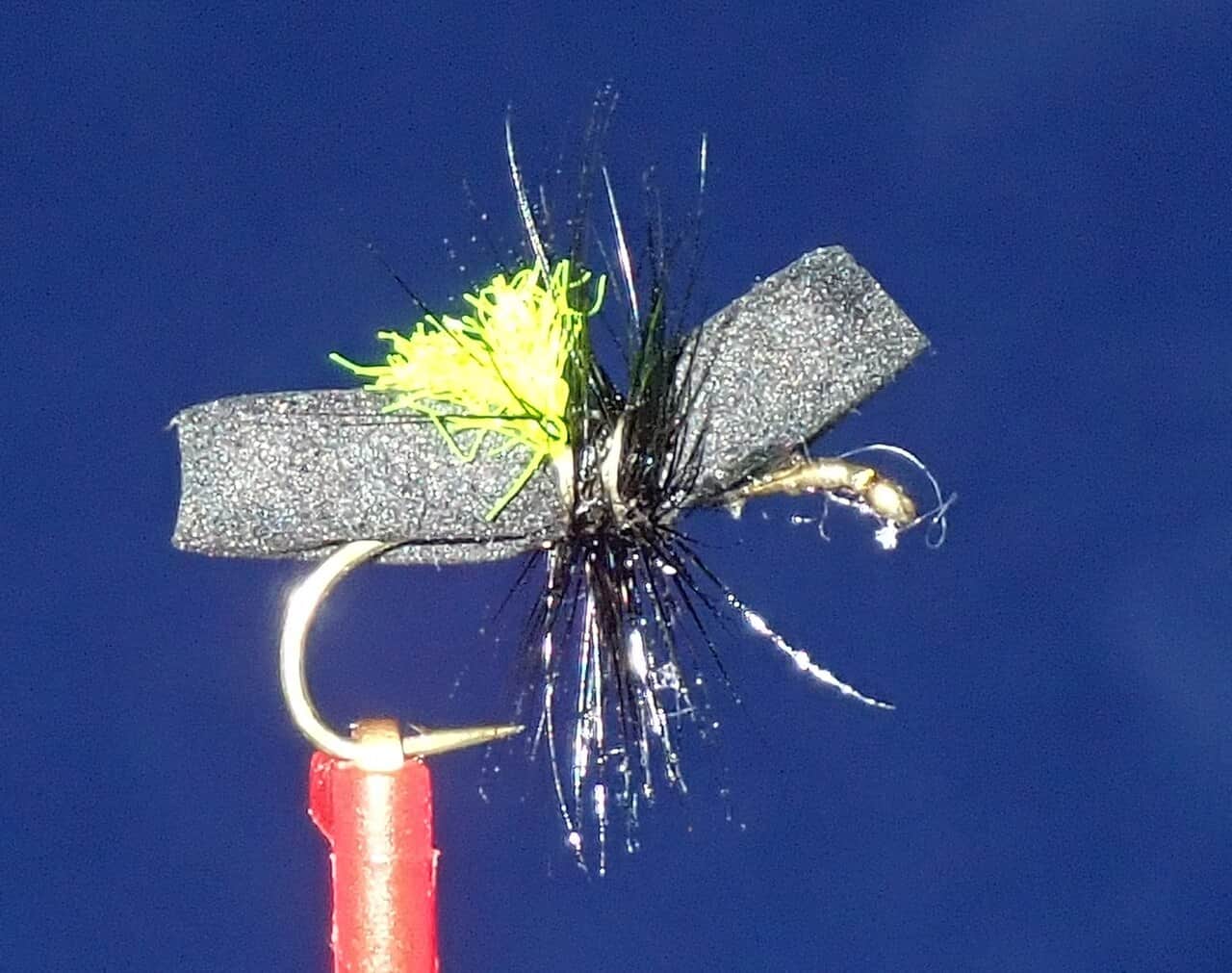
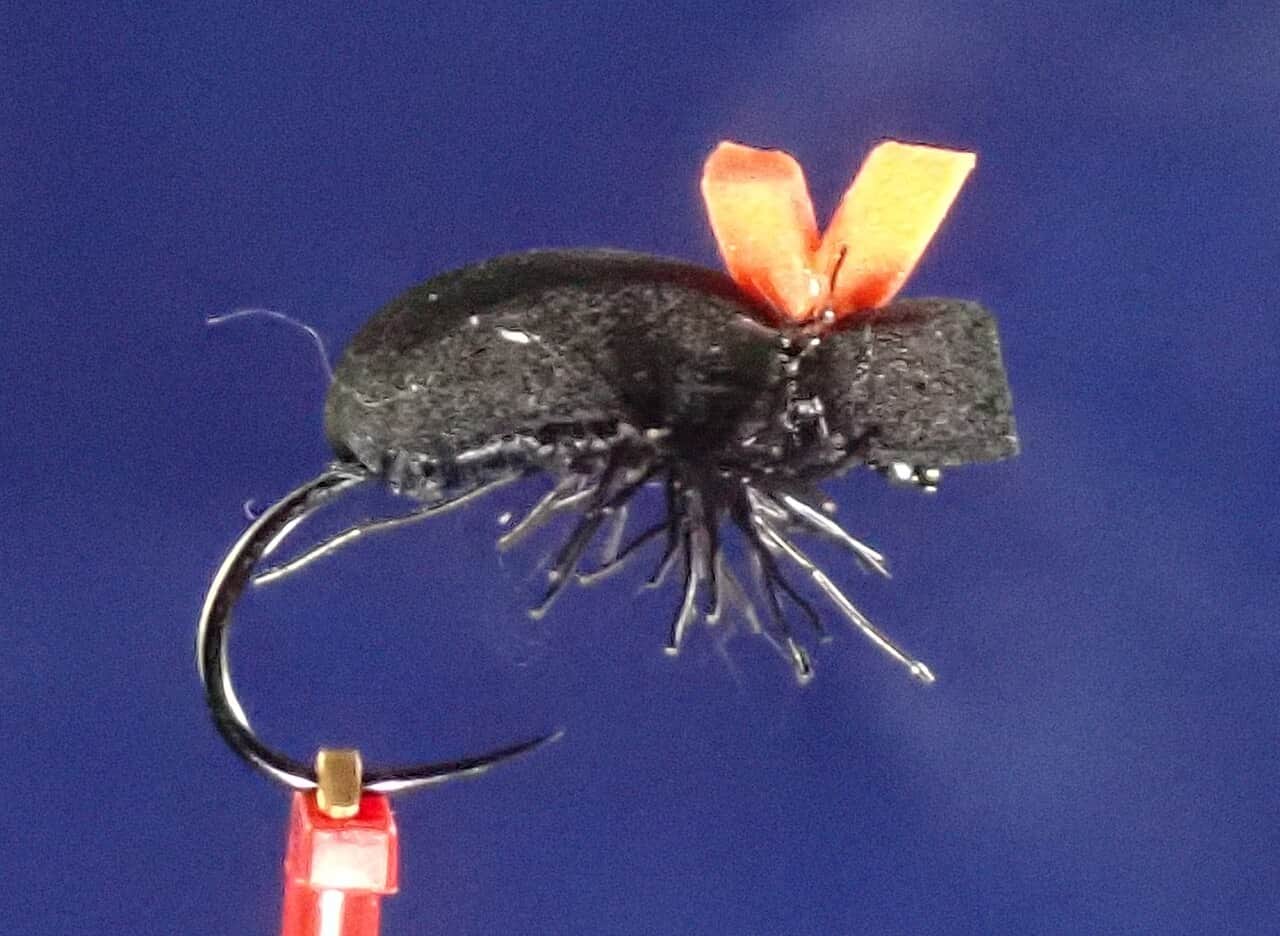
Each fly name opens its matching Fly Box guide.
This page is strongest when you want a lower South Fork option that still benefits from the tailwater fishery but does not require an upper-canyon launch. The best days come from matching the Lorenzo gauge to a realistic shuttle and weather window.
Best for practical floats, softer side seams, and selective bank fishing near access sites.
Treat the day as boat-first and avoid pretending wide lower-river shelves are easy wades.
Fish longer leaders and lean on banks, side channels, and lower-light windows.
Shorten the float plan, simplify rigs, and expect open-water casting angles to get worse fast.
Wading, Bank fishing, and Floating have the same top score. Use current access, footing, weather, and local rules to choose.
Wading is in play only where your chosen access has clear footing, legal entry, and no forced crossings.
Bank and edge fishing remains a practical low-commitment option if access is legal and footing is safe.
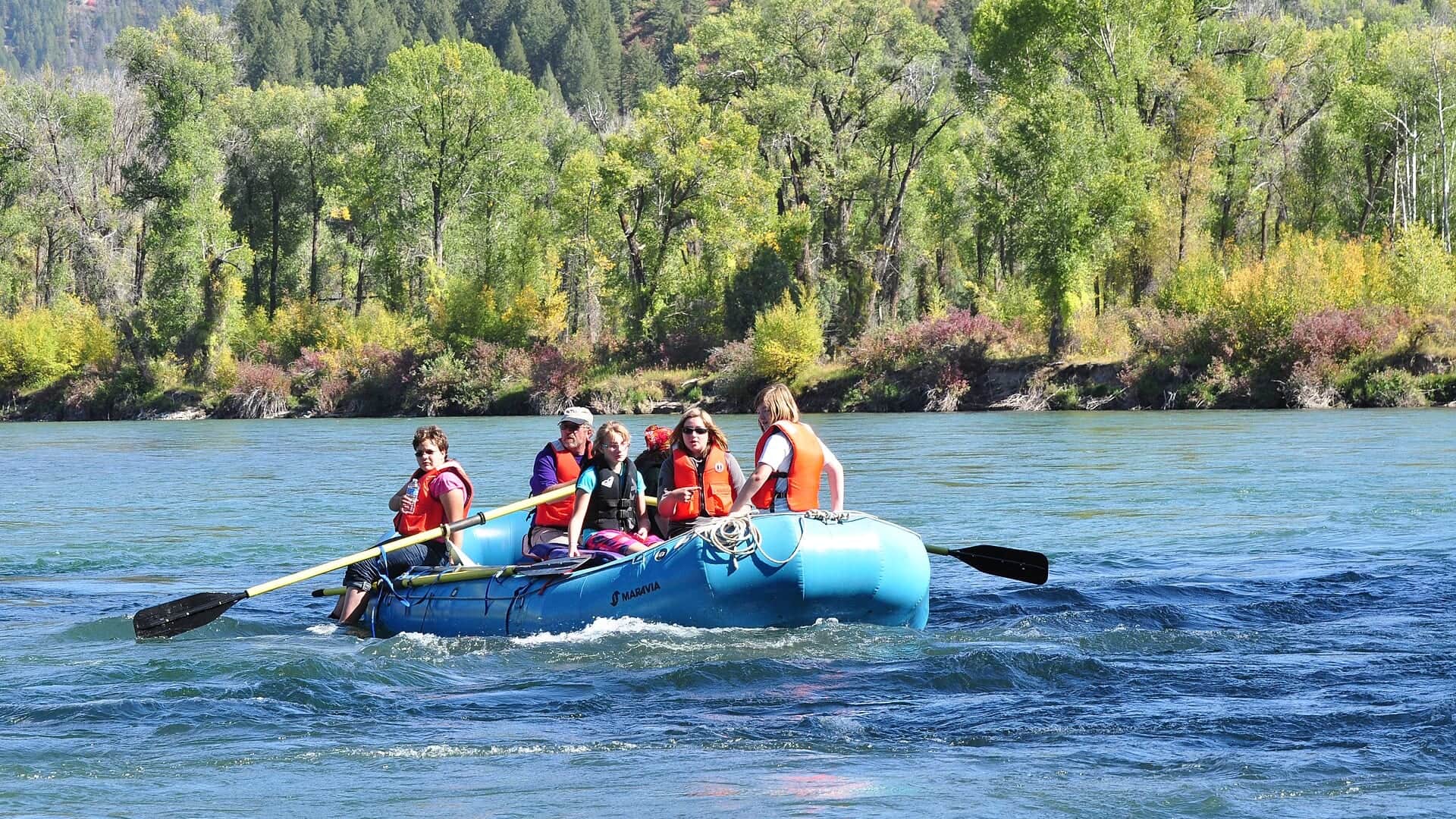
A float is in play where this report supports boat access and wind, releases, and shuttle logistics are manageable.
Is South Fork Snake River at Lorenzo worth the trip today? Check flow, weather, hatches, access, and rules for Idaho before you go.
The Lorenzo reach becomes useful when the lower-river gauge, boat access, and weather all line up for a realistic float or edge-wade day. It loses value when you bring upper-canyon expectations to wider, wind-prone water or ignore how much the takeout plan shapes the fishing day.
USGS shows 694 cfs. The flow has been stable over about 6 hours. USGS marks this reading provisional and may revise it. USGS records for this date (1979-2026, 48 readings) show a typical middle range of 577 cfs to 1,250 cfs. Flow is within the typical range for this date, so weather, temperature, and access become the next checks.
Fall: Often the cleanest mix of cooler weather, better brown-trout intent, and less broad-river crowd noise.
The current NWS air forecast is about 43F, and the next 24-hour high reaches about 46F. Cloudy.
No active NWS alert was returned for this forecast point.
Skip when afternoon wind dominates the row, when higher releases erase safe edge fishing, or when your shuttle window is too short for a calm lower-river float.
Steady moderate lower-river flows that still leave side seams, bank lanes, and manageable drift speed instead of turning the whole reach into transport water.
Skip when afternoon wind dominates the row, when higher releases erase safe edge fishing, or when your shuttle window is too short for a calm lower-river float.
Check the Lorenzo gauge early, pick Byington-to-Lorenzo or Lorenzo-to-Menan based on wind and time, and keep the fishing plan tied to the takeout instead of to wishful mileage.
If the lower South Fork is too windy or too pushy, shorten the day to one access point, move upstream to a different South Fork section, or switch to Henry's Fork or Portneuf after checking current conditions.
Use these places as starting points. Open the access link below and check posted signs before you park or enter.
Idaho Fish and Game lists the South Fork Snake with a 6-trout limit but no harvest of Yellowstone cutthroat trout or kokanee. Smaller stream closure language can differ from the main river, so check the current planner before you add side-stream water to the day.
A key upstream launch or mid-river planning anchor when you want to avoid overextending the float.
The clearest named lower-river BLM access reference for this page and its gauge context.
A practical downstream public endpoint when you want a fuller lower-area plan.
Official agencies and primary river operators come first. Secondary tools are labeled so you know what carries the most weight.
Check what is allowed, where the rule applies, and whether the river is open.
Check the latest river reading and forecast before you leave.
Check public entry points, land rules, and seasonal access changes.
Check what is allowed, where the rule applies, and whether the river is open.
Open the current rules and check the river section, season, and special limits.
Check the latest river reading and forecast before you leave.
Open this page and check the latest safety advice before your trip.
Open this river reading to check the latest level, flow, and update time.
Open this river reading to check the latest level, flow, and update time.
Check public entry points, land rules, and seasonal access changes.
Open the land or access page, then check signs before you park or enter.
Open the land or access page, then check signs before you park or enter.
Open the land or access page, then check signs before you park or enter.
Open the land or access page, then check signs before you park or enter.
What was checked: This report uses official regulation, flow, weather, access, and public-land sources first, then adds practical planning guidance for fly anglers.
Live measurements and forecasts keep their provider timestamps. Rules, access, and trip guidance use the source-review date shown here. BlueStreamFly planning advice is editorial interpretation, not an agency notice.
First-hand experience: BlueStreamFly does not claim a first-hand visit or local field test for this report unless a real contributor is explicitly named and linked.
Start with RiverReports and USGS 13038500 near Lorenzo, then decide whether the lower-river flow and wind still support the float length you want.
It is still float-first for most anglers. Wading exists around ramps and soft banks, but the best day usually comes from a controlled lower-river drift.
No. Idaho Fish and Game lists Yellowstone cutthroat trout as no-harvest on the South Fork Snake, so careful identification and quick release matter.