Wading is the most sensitive plan today. Use protected edges only, avoid crossings, and downgrade quickly if clarity or current feels wrong.

Menu
Fly fishing report · West
Lochsa River
A Highway 12 corridor Lochsa River planning page built around a fast freestone canyon, roadside access discipline, and spring-through-fall cutthroat timing.
Check flow & weatherBest option: Float.
A float can fit better than wading only if launches, shuttle, boat skill, wind, and local rules all check out.
Mode scores adjust the river-wide score for the risks of wading, bank fishing, or floating.
Bank and edge fishing is the safer default when water is high, pushy, or not fully verified.
A float can fit better than wading only if launches, shuttle, boat skill, wind, and local rules all check out.
Confirm before you leave
Flow and weather right now.
Use the flow trend to confirm the score before you leave. Weather can change the safest and most productive fishing window.
River strategy
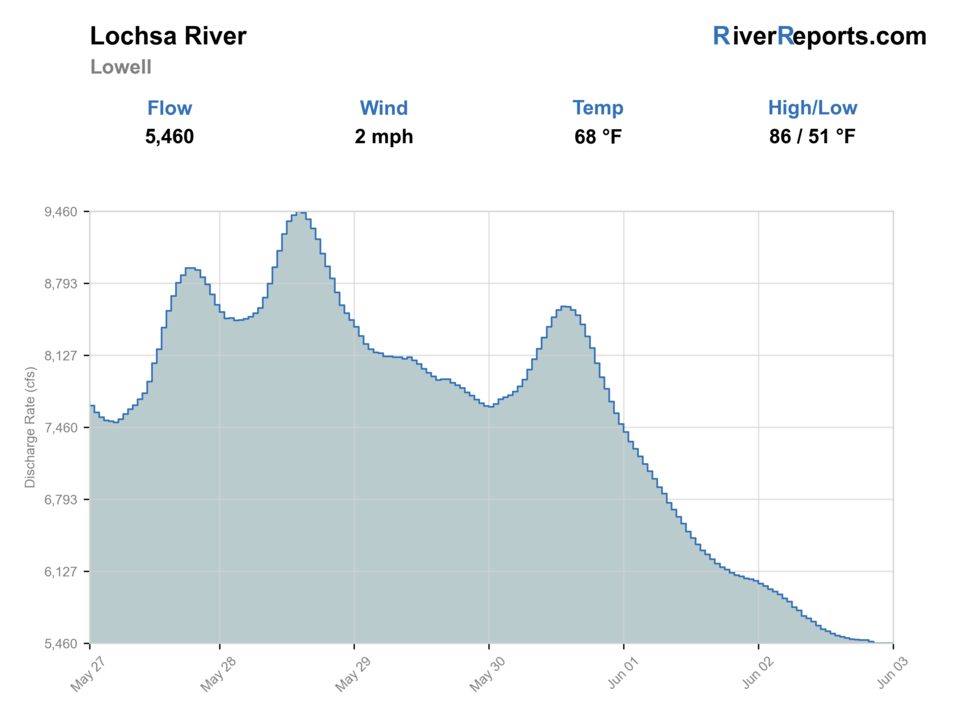
Use the Lowell gauge to decide whether the Lochsa is inviting or simply loud.
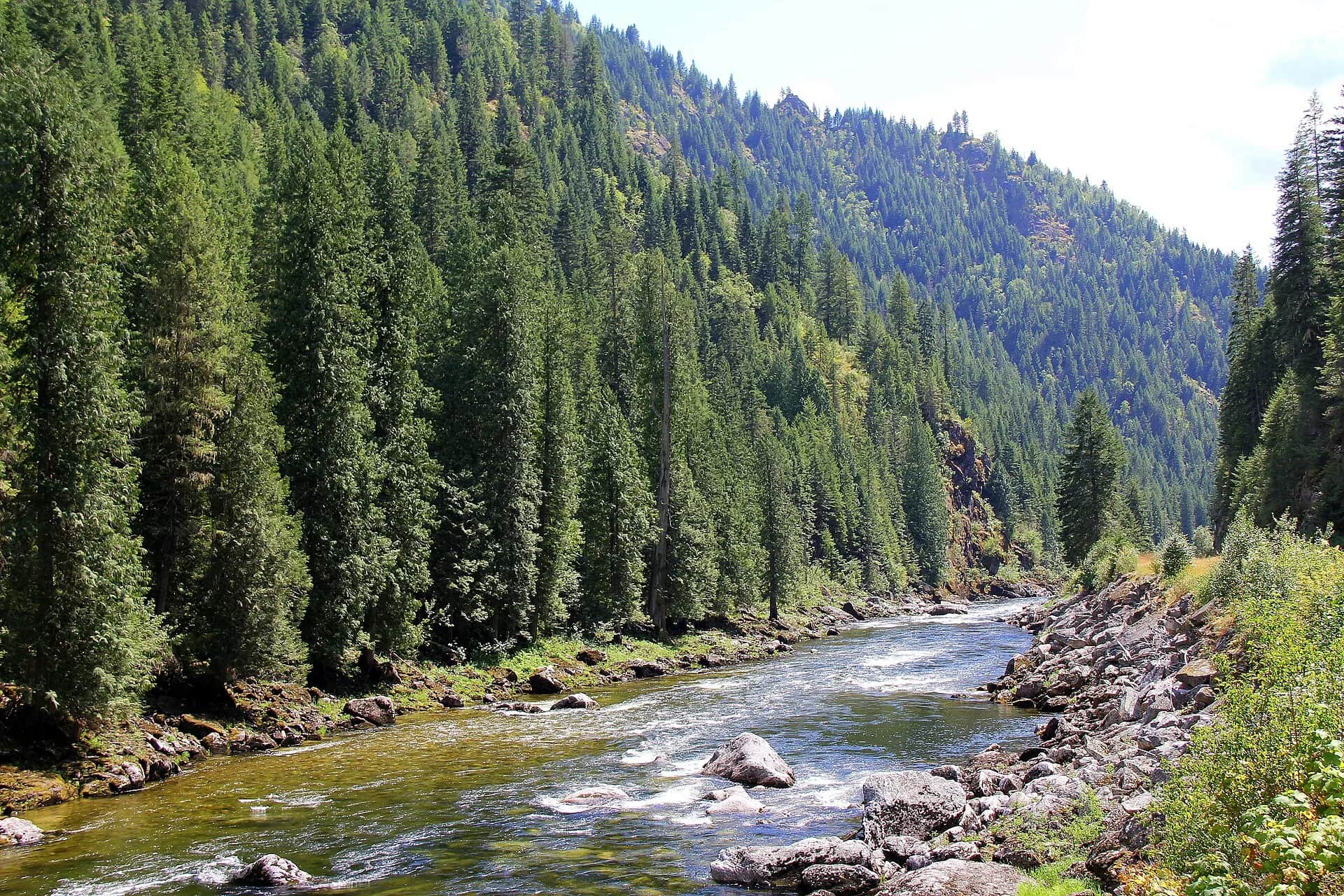
The Lochsa gives you visible roadside water all day, but it still fishes best when flows are low enough to expose clean seams and when your access plan respects the speed and power of the canyon current. Think in terms of short high-quality stops, not endless blind coverage.
- Use RiverReports first for the public graph, then confirm the main corridor trend with USGS 13337000 near Lowell.
- IDFG requires barbless hooks on the lower Highway 12 corridor and changes trout rules around the Memorial Day window.
- Forest Service corridor access makes the river easy to reach, but the fast canyon current can make simple-looking banks a bad wading choice.
- If the Lochsa is too high, too cold, or too pushy, the best move is often to wait or scout rather than force a dangerous freestone day.
The NWS forecast is near 96F. Without live water temperature, heat risk needs a conservative check.
Float: A float can fit better than wading only if launches, shuttle, boat skill, wind, and local rules all check out.
USGS shows 1,500 cfs with a stable over about 6 hours trend. same-date USGS history (1911-2025, 98 readings) puts the normal middle range around 1,260 cfs-2,640 cfs. Flow is inside the same-date normal range, so weather, temperature, and access become the next checks.
Summer: Prime season for cutthroat dry-fly fishing, attractor patterns, and easy campground-based travel.
No active NWS alert was returned for this forecast point.
Read the water
What changes the plan.
The Lochsa is best after spring runoff settles enough to show defined pocket water and before fall weather shortens the easy windows too much. It can fish beautifully, but it punishes people who confuse roadside visibility with safe, casual wading.
Low clear flow
Best for dry flies, dry-droppers, and careful pocket-water wading close to shore.
Stable medium flow
A strong searching-water window if you stay disciplined about bank entries and short drifts.
High push
Treat the river as a scouting stop only. Fast canyon water erases wading errors quickly.
Cold post-runoff water
Fish slower inside edges, sun-exposed slots, and softer pocket structure.
Field plan
Fish it with intention.
Stable summer and early-fall levels that leave obvious pockets, edge seams, and safe exit lines from the bank.
Skip when runoff, cold push, or storm color turns every visible seam into a forceful crossing problem.
Start near Lowell, fish one or two proven corridor stops well, then move only if the next access site offers a better angle or cleaner pocket structure.
If the Lochsa is too high or too fast, switch to a calmer Idaho option rather than forcing canyon current. This is a river where waiting is often the smartest tactic.
Hatches & flies
Bring a flexible box.
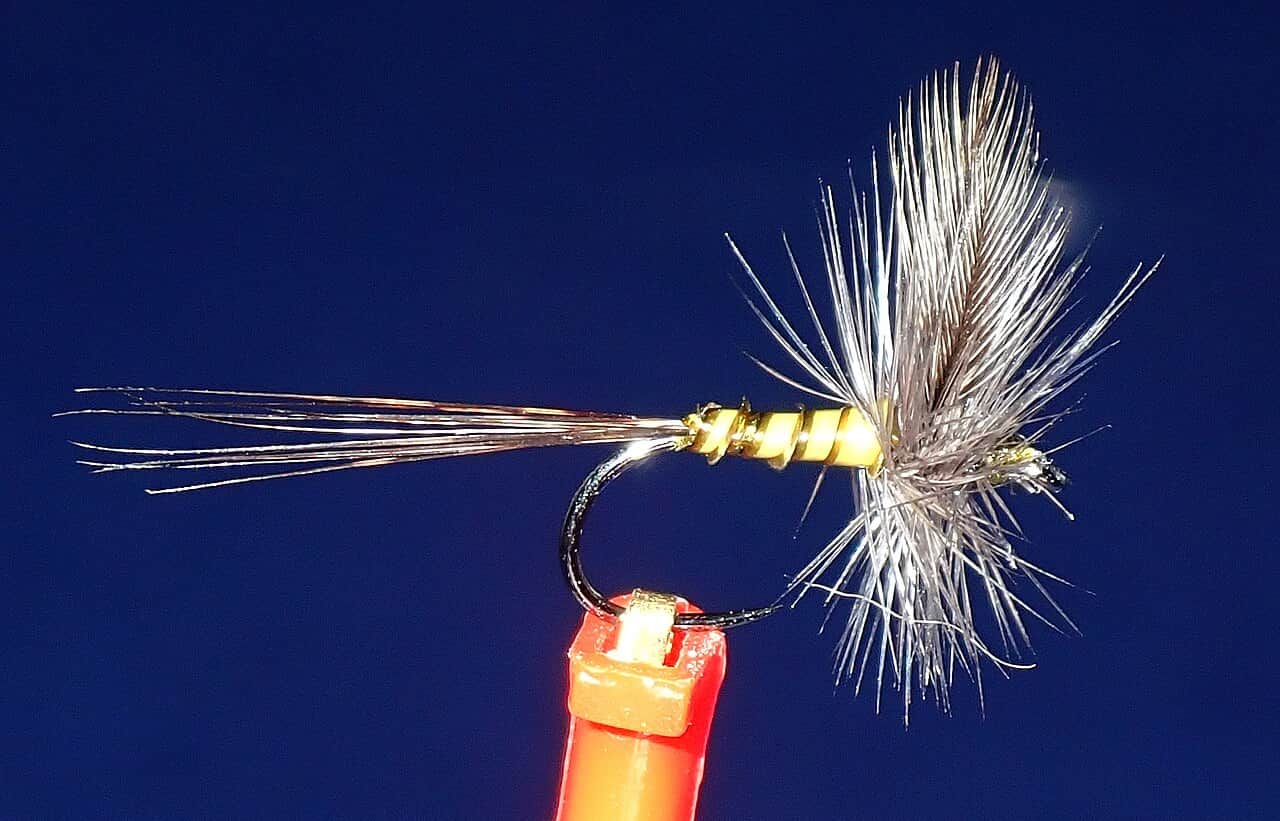
Reviewed pattern · report says “Parachute Adams”Parachute AdamsThe upright light post and horizontal parachute hackle are the defining visual cues. The classic pilot example uses a gray-brown body and divided tail, but color and size variations should be labeled instead of treated as identical.See photos & how to fish it ↗
Reviewed family · report says “BWO emerger”Blue-Winged Olive PatternsBWO describes a hatch group, not one fly. Nymph, emerger, dry, cripple, and spinner profiles must stay separate because they occupy different parts of the water column.See family guide ↗+ 2 more reviewed guides in the Fly Box
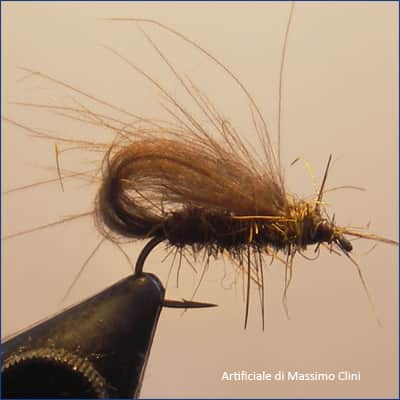
Reviewed pattern · report says “Stimulator”StimulatorLook for a hair tail, dubbed abdomen with palmered hackle, tented hair wing, contrasting front hackle, and bright thorax or head. Colors and sizes vary widely and must remain labeled.See photos & how to fish it ↗
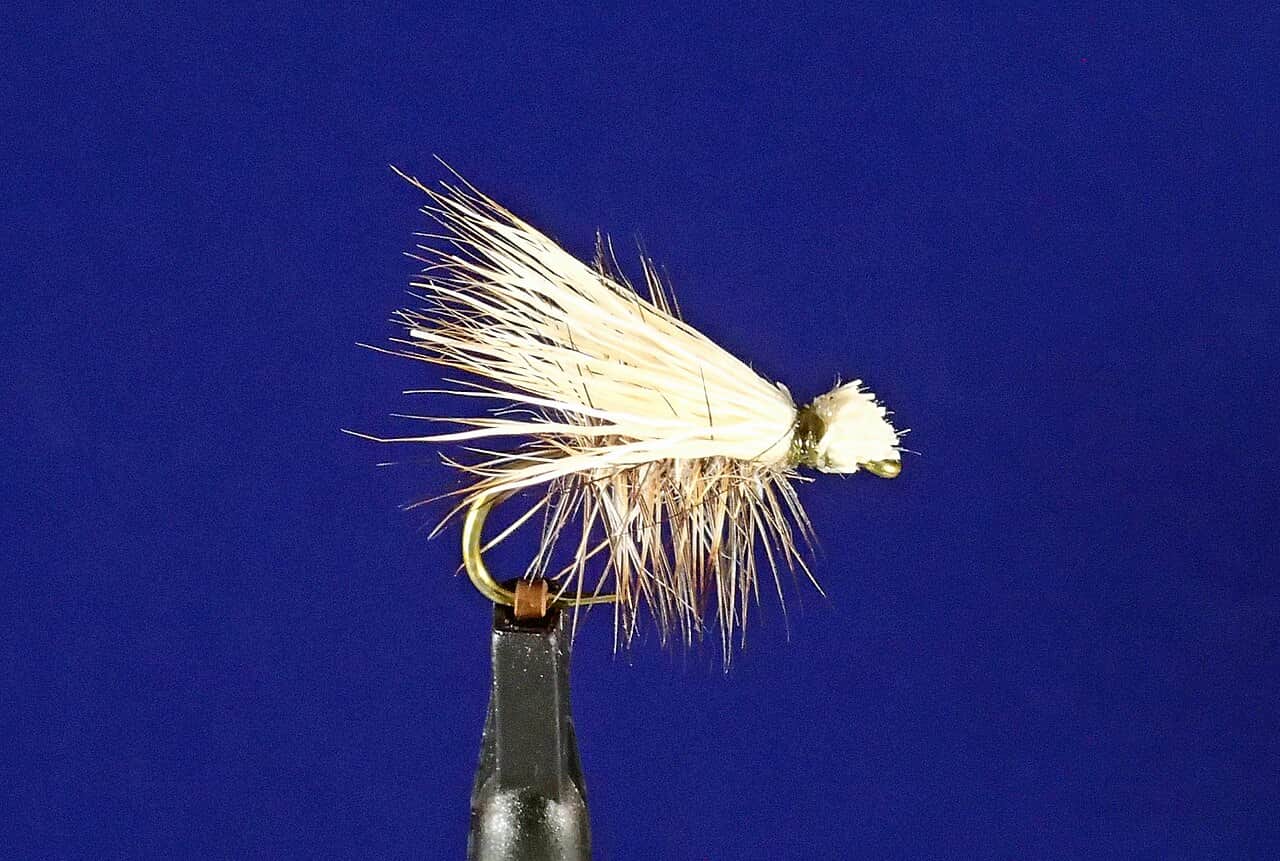
Reviewed pattern · report says “elk hair caddis”Elk Hair CaddisLook for a tented elk- or deer-hair wing, clipped hair head, dubbed body, rib, and hackle palmered along the body. The body color should be labeled because tiers often match different natural caddis colors.See photos & how to fish it ↗+ 2 more reviewed guides in the Fly Box
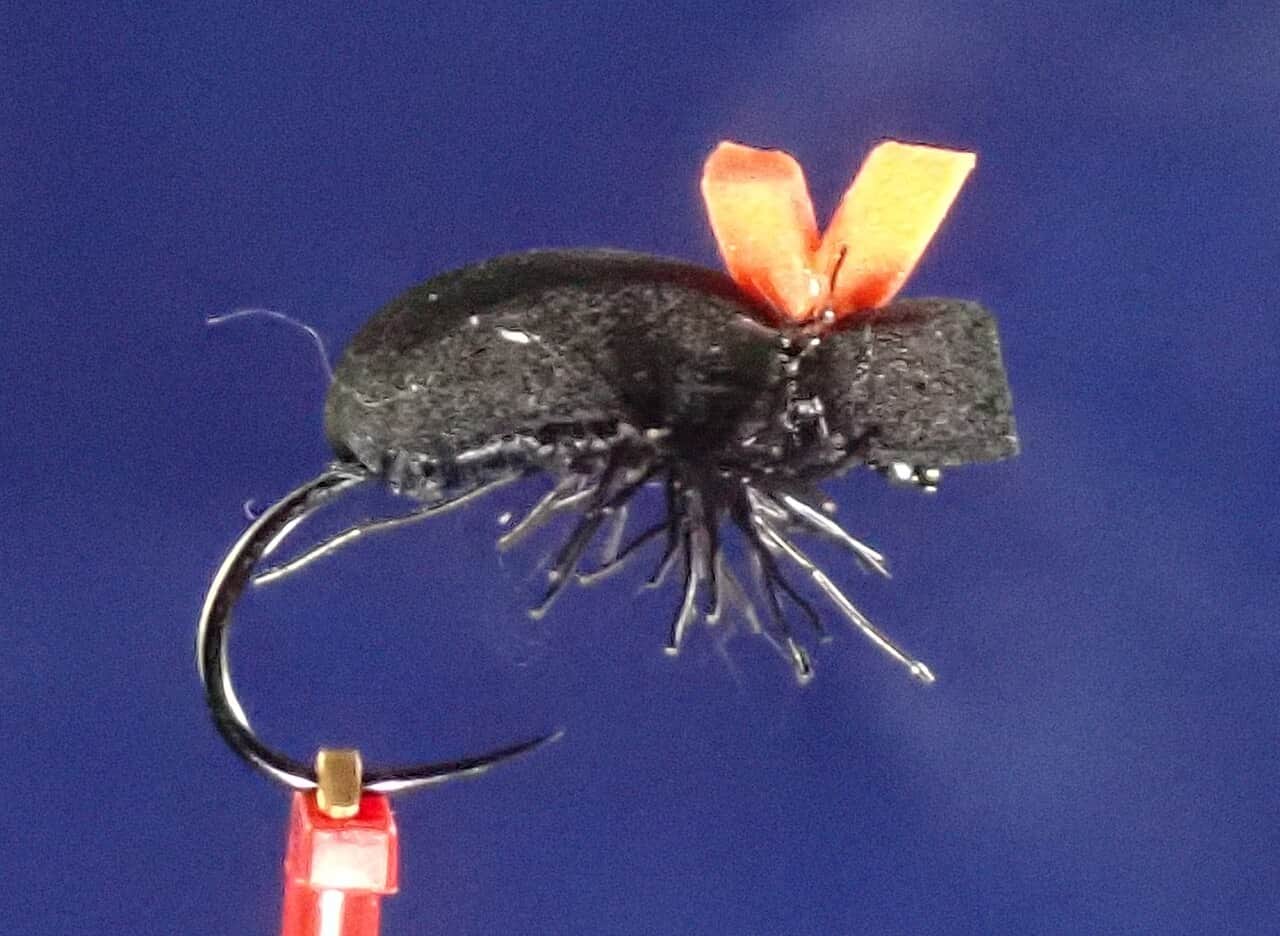
Reviewed family · report says “beetle”Beetle PatternsBeetle flies range from simple foam shells to hair-bodied and sunken forms. A rounded back and compact profile distinguish the family from ants and hoppers.See family guide ↗
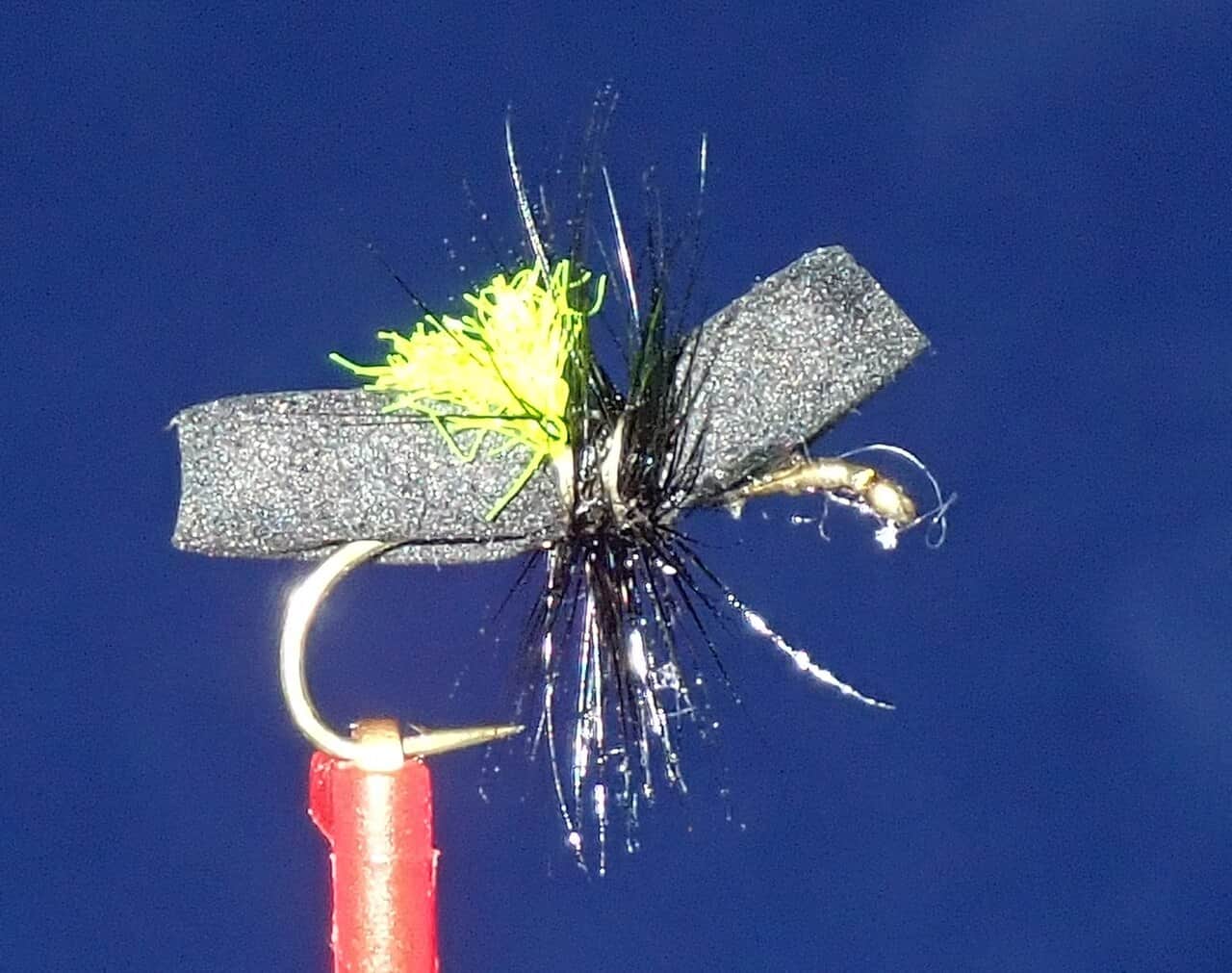
Reviewed family · report says “ant”Ant PatternsAnt patterns can be foam, fur-bodied, winged, or sunken. The narrow waist and paired body lobes matter more than one material recipe.See family guide ↗+ 1 more reviewed guide in the Fly Box
Reviewed family · report says “Parachute BWO”Blue-Winged Olive PatternsBWO describes a hatch group, not one fly. Nymph, emerger, dry, cripple, and spinner profiles must stay separate because they occupy different parts of the water column.See family guide ↗
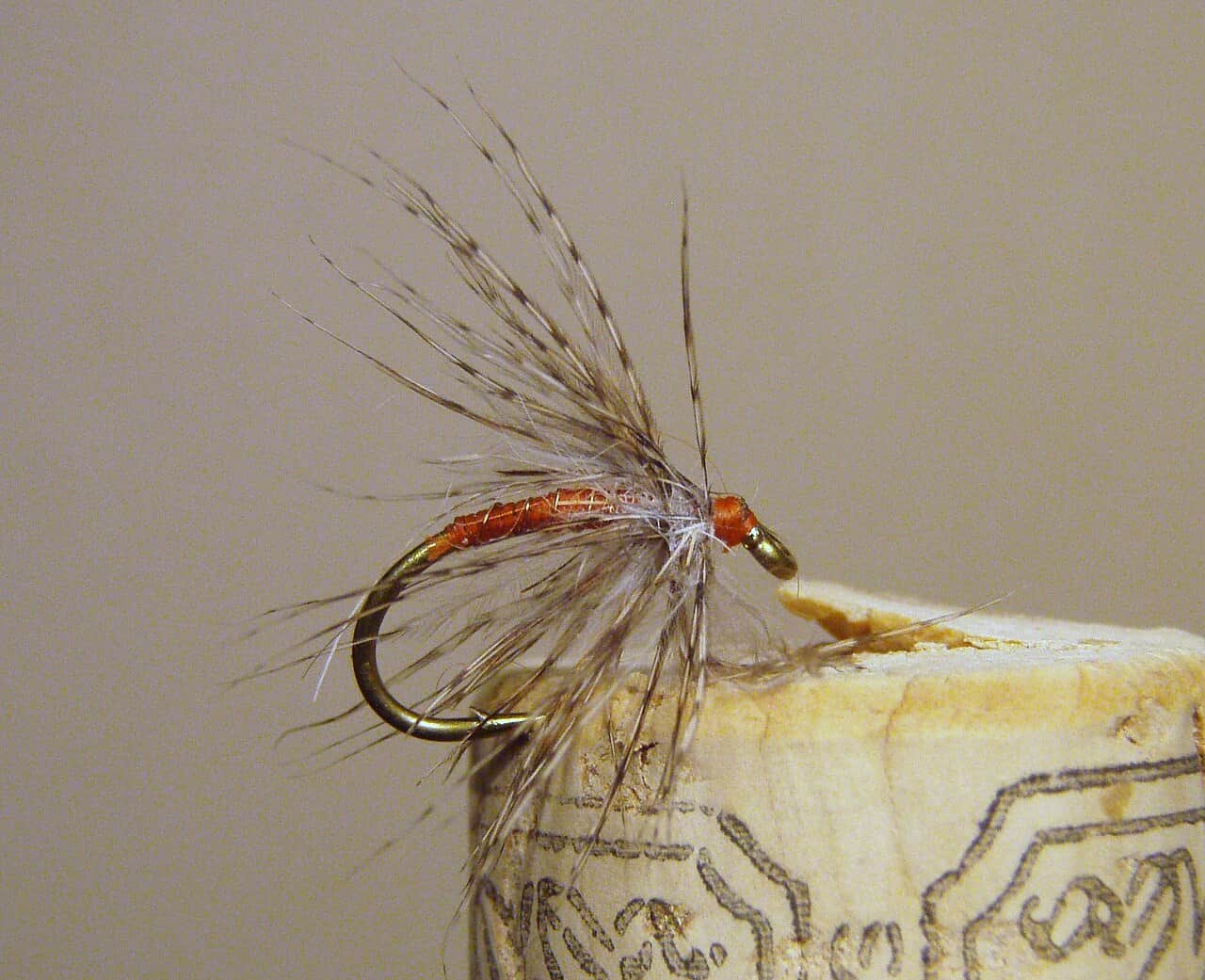
Reviewed family · report says “soft hackle”Soft-Hackle Wet FliesA slim body and sparse webby feather collar define the family. Body material, tail, bead, and insect-specific color create different named patterns.See family guide ↗+ 1 more reviewed guide in the Fly Box Fish only the water you can enter and exit cleanly from a legal pullout or access site.
Keep drifts short because the river's speed makes long-line mending mostly performative.
Use bigger dries to cover pocket water quickly, then add a dropper only when the river allows a clean drift.
If the river feels too pushy to wade, believe that feeling and step back to bank scouting.
Access & responsibility
Know the entry. Know the exit.
IDFG lists the lower Lochsa reach from the mouth upstream to the Wilderness Gateway Campground motor bridge with barbless-hook rules and changing trout restrictions before and after Memorial Day weekend. Check the current 2025-2027 rules before fishing.
Wilderness Gateway bridge area
Important rule-line context for the lower corridor and a practical day-start reference.
Knife Edge Campground and River Access
Official Forest Service Highway 12 access for anglers and floaters.
White Pine River Access
A farther-up corridor stop that helps break long scouting into smaller legal access plans.
Transparent sources
Check the facts behind the plan.
Last material review: 2026-06-02
Common questions
Before you leave.
Is the Lochsa easy because it runs beside the road?+
No. It is easy to scout, but the current is still powerful and often wades much harder than it looks from Highway 12.
What gauge should I use?+
Start with RiverReports and USGS 13337000 near Lowell for the main corridor trend.
When should I skip the Lochsa?+
Skip it when runoff, cold push, or storm color make safe entries and short controlled drifts unrealistic.