Idaho / West
Deadwood River
A Lowman-focused Deadwood River planning page built around dam-influenced flows, Boise National Forest access, and remote-canyon trout water that rewards realistic logistics.
Image: Generated regional planning image for Deadwood River / BlueStreamFly generated; not exact location / BlueStreamFlyFishability now: Deadwood River fishability today
GoodData confidence: High74/100
Fishable now because flow has been checked, weather is mild, and no public alert is active.
Flow observed
Not returned
Weather observed
5:00 PM UTC
Score calculated
5:25 PM UTC
Why this rating
Flow
Weather
Public alerts
Next 6-12 hours
Hold
Stable live data supports staying with the plan, but recheck the gauge and forecast before leaving.
USGS flow
Check gauge
Current trend: previous-score comparison will become more useful after repeated live checks.
More planning details: flies, flow bands, and live source checks
Fish it today
Start here
Start at an official access site near Lowman or the lower reservoir corridor, fish it thoroughly, then move only if the next named public site offers better water shape.
Best flow clue
Stable low to medium release windows that leave bank entries clean and pocket seams readable without turning the corridor into a pushy crossing problem.
Skip trigger
Skip when release shape, road access, or weather make the remote logistics heavier than the fishing upside.
Flow decision bands
Stable release
Stable or slowly falling 13236500 flow below Deadwood Reservoir is the best remote pocket-water signal.
Low to medium and clear
Low or moderate clear release windows support dry-droppers and nymphs near safe public access.
Cold high release
Cold pushy release should keep the day bank-focused or move it to another Idaho route.
Road and weather limit
Forest-road access, storms, services, and campground status can override the score.
USGS flow
Check gauge
Current trend: previous-score comparison will become more useful after repeated live checks.
No current flow value
The source loaded, but did not return streamflow or gauge height.
Live NWS forecast
67F / Mostly Sunny
Water temperature not verified
Heat guidance uses weather and river type unless an official water-temperature value is available.
No NWS alert flag
No active NWS alert was returned for this forecast point.
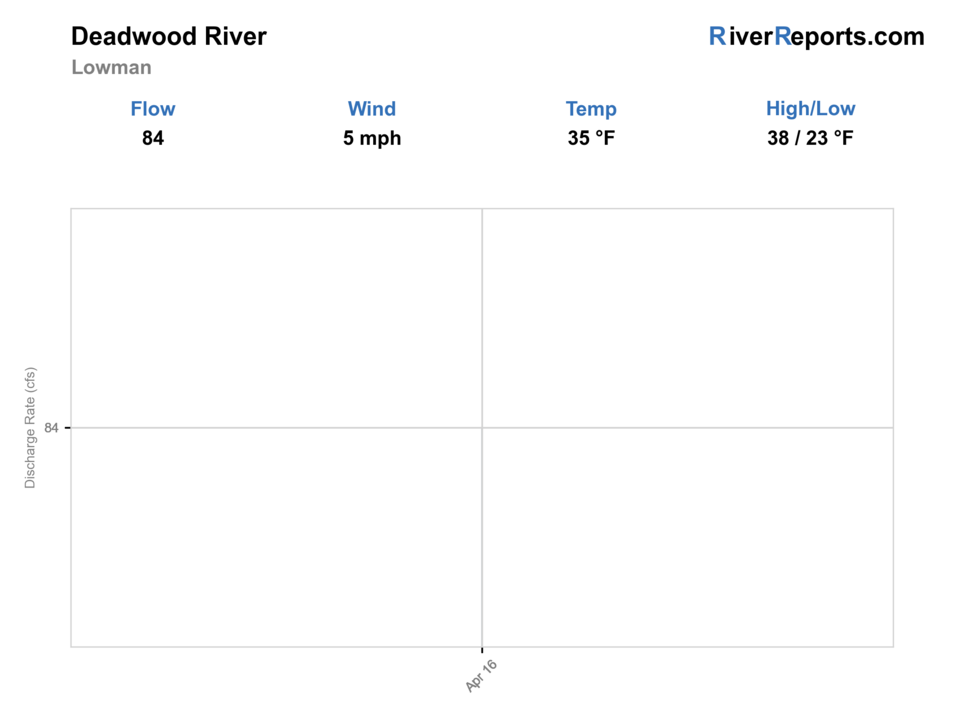
Use RiverReports first for the public chart, then confirm release behavior with USGS 13236500 below Deadwood Reservoir.
IDFG lists the river as open all year with South Fork Payette tributary trout limits, but rule checks still matter because this drainage also touches reservoir tributary language and migratory fish context.
Boise National Forest's named access and campground pages are the cleanest way to separate legal staging from improvised roadside guesses.
If releases are cold and pushy, plan a bank-focused scouting day or choose a smaller backup instead of forcing knee-deep wading in a remote corridor.
Editorial review
How this report is maintained
This report uses official regulation, flow, weather, access, and public-land sources first, then adds practical planning guidance for fly anglers.
Byline
BlueStreamFly editorial desk
Reviewed by
BlueStreamFly source review
Maintained by
BlueStreamFly
Last material review
2026-06-02
Report confidence
Good confidence
89/100
Good confidence: RiverReports, USGS 13236500 below Deadwood Reservoir flow, Idaho Fish and Game Deadwood River rules, Boise National Forest access sources, weather coverage, generated media disclosure, and route-specific remote-corridor guidance support the page. Confidence is moderated by release timing, road conditions, seasonal site operations, limited services, storms, and remote wading safety.
Regulations
Idaho Fish and Game Deadwood River sources support current trout and regional rule checks.
Access
Boise National Forest Deadwood River Access Site and Riverside Campground pages support the public access framework, with road and site status still needing checks.
Flow and weather
RiverReports, USGS 13236500 below Deadwood Reservoir, and the National Weather Service point support live flow and weather decisions.
Fishing usefulness
The page now separates below-reservoir release shape, named public access, remote logistics, weather exits, heat restraint, and backup Idaho water choices.
Fishability dashboard and source review
2026-06-02 / material content or source review
RiverReports and USGS 13236500 below Deadwood Reservoir flow, Idaho Fish and Game Deadwood River rules, Boise National Forest Deadwood River Access Site and Riverside Campground sources, National Weather Service data, and route-specific remote-corridor safety guidance were checked before updating the current-fishability decision layer.
2026-06-02
Updated Deadwood River to the current fishability standard with release-aware flow bands, Boise National Forest access cards, backup cues, stable fishability SEO, and confidence signals.
2026-05-26
Published a new Deadwood River report with release-aware trip planning, remote-access guidance, and official Boise National Forest staging notes.
Angler planning edge
Local details that change the plan
Best for
Remote Idaho trout days, Release-aware dry-dropper trips, Anglers who want lower-pressure public water
Wade or float
Treat the river as wade-first for fly-fishing planning. Developed access helps, but the current and remoteness make casual float assumptions less useful than careful bank-based decisions.
Best flows
Stable low to medium release windows that leave bank entries clean and pocket seams readable without turning the corridor into a pushy crossing problem.
When to skip
Skip when release shape, road access, or weather make the remote logistics heavier than the fishing upside.
Local plan
Start at an official access site near Lowman or the lower reservoir corridor, fish it thoroughly, then move only if the next named public site offers better water shape.
Pressure
Pressure is lower than on Idaho's famous destination rivers, but the easiest developed sites still concentrate the few anglers who come in prepared.
Access nuance
This is a place where a named Forest Service site matters because it tells you where parking, fees, and river entry are actually intended to work.
Backup water
If Deadwood is too cold, too remote, or too pushy, move to a less isolated Idaho river rather than doubling down on a marginal day.
About the river
Setting, character, and why it fishes the way it does.
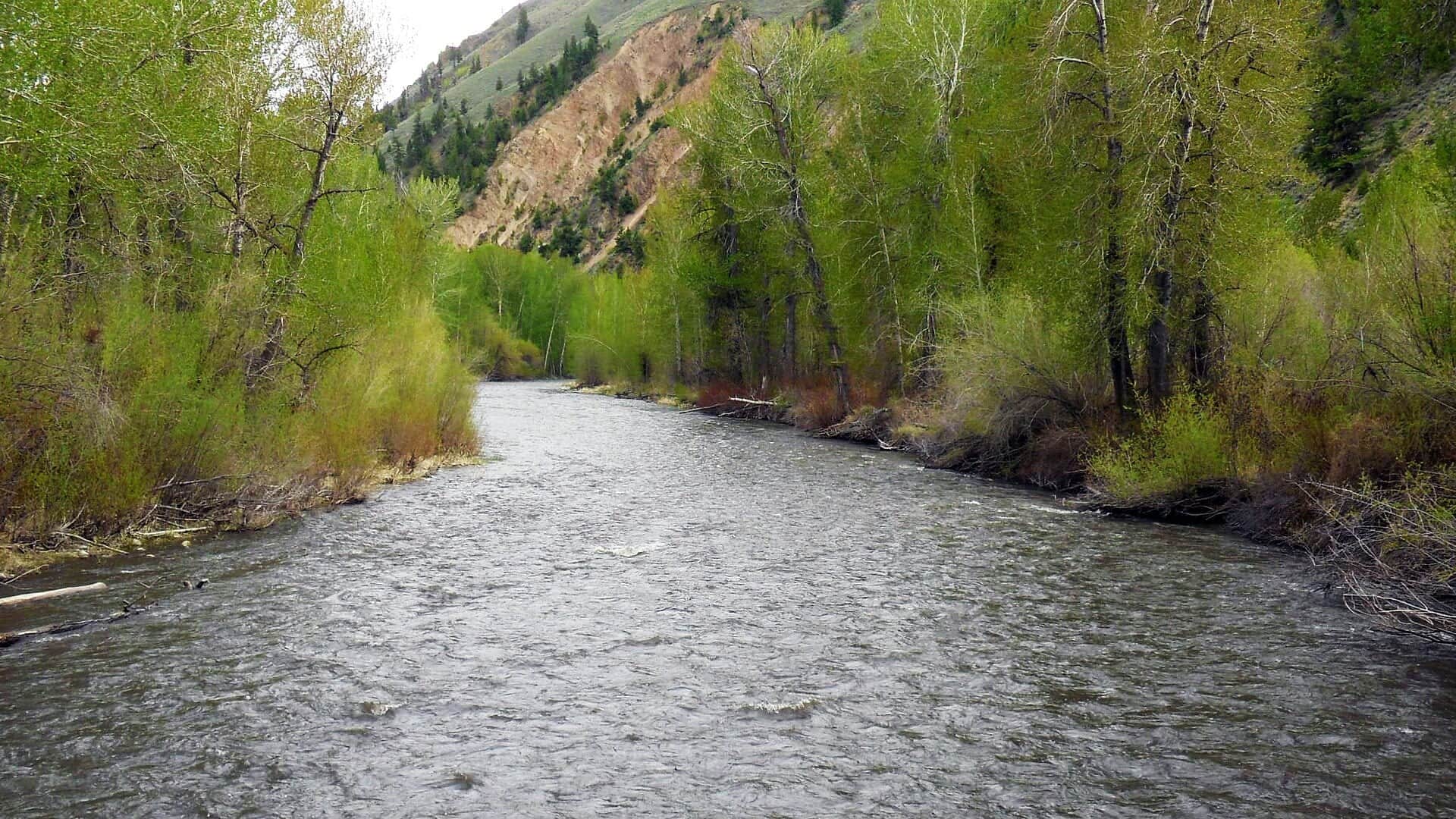
The Deadwood River flows out of Deadwood Reservoir through Boise National Forest before joining the South Fork Payette drainage near Lowman.
That below-reservoir setup gives anglers more flow predictability than a purely snowmelt creek, but it also means release shape and cold-water timing matter more than generic seasonal advice.
Because the corridor is remote and lightly developed, access, fuel, weather, and road conditions can matter as much as the hatch.
Target species
Rainbow trout
Part of the stocked-and-wild mixed trout picture in the lower reservoir-influenced system.
Cutthroat trout
A key native-trout target in the drainage and a reason to keep handling conservative.
Redband trout
Included by IDFG in the river's recommended game-fish list.
Bull trout context
IDFG notes bull trout catch-and-release rules in the region, so know your fish identification before handling assumptions.
Reading the water
Low steady release
Best for pocket-water nymphing, attractor dries, and conservative wading close to access points.
Medium stable release
A useful all-around level if you keep crossings short and fish bank-side structure first.
High release
Fish from obvious safe banks only or move on; remote canyon current is not where to test your balance.
Cold release
Slow down with nymphs and focus on softer edges, sun, and afternoon warming.
Best seasons
Late spring
Good once roads open cleanly and release shape settles enough for safe access.
Summer
Primary season for dry-dropper and attractor fishing, though reservoir release changes still matter.
Early fall
Strong when nights cool and flows remain stable enough to keep trout active through midday.
Winter
A niche option with short days, cold water, and higher logistics costs.
Preferred flow source
Deadwood River below Deadwood Reservoir near Lowman
RiverReports is the preferred chart source when coverage exists. When a matching USGS gauge exists, keep it open as the official backstop for station data and current hydrograph context.

USGS data chart
Official USGS trend
Streamflow over the latest USGS reporting window.
Weather
River weather report
Weather can change wading safety, road access, water temperature, hatches, and the best time of day to fish.
Live forecast loads as you reach this section
This keeps the report fast while still using the official National Weather Service forecast point.
Hatches and flies
Hatch chart and fly picks
Spring
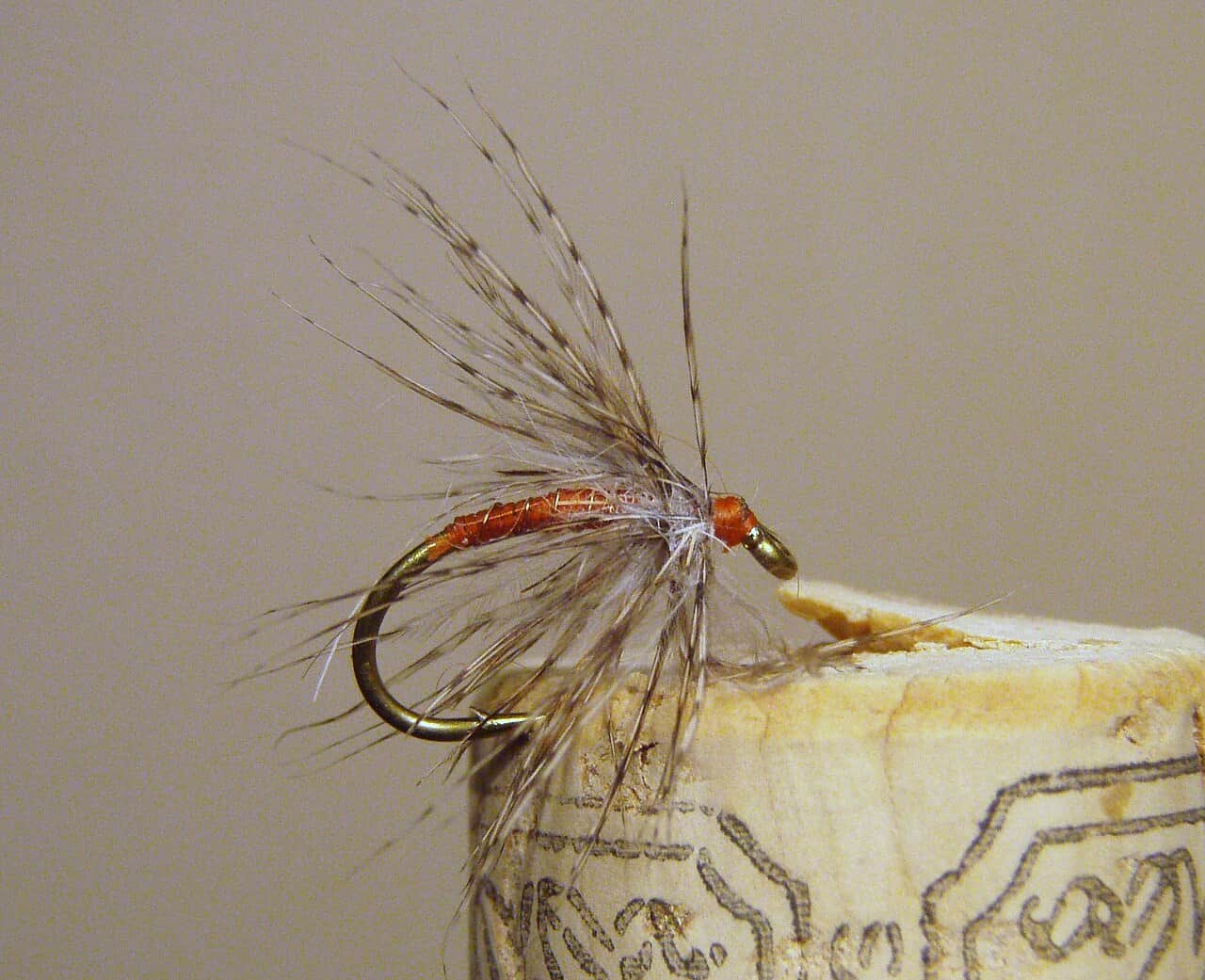
BWOs, March browns, midges
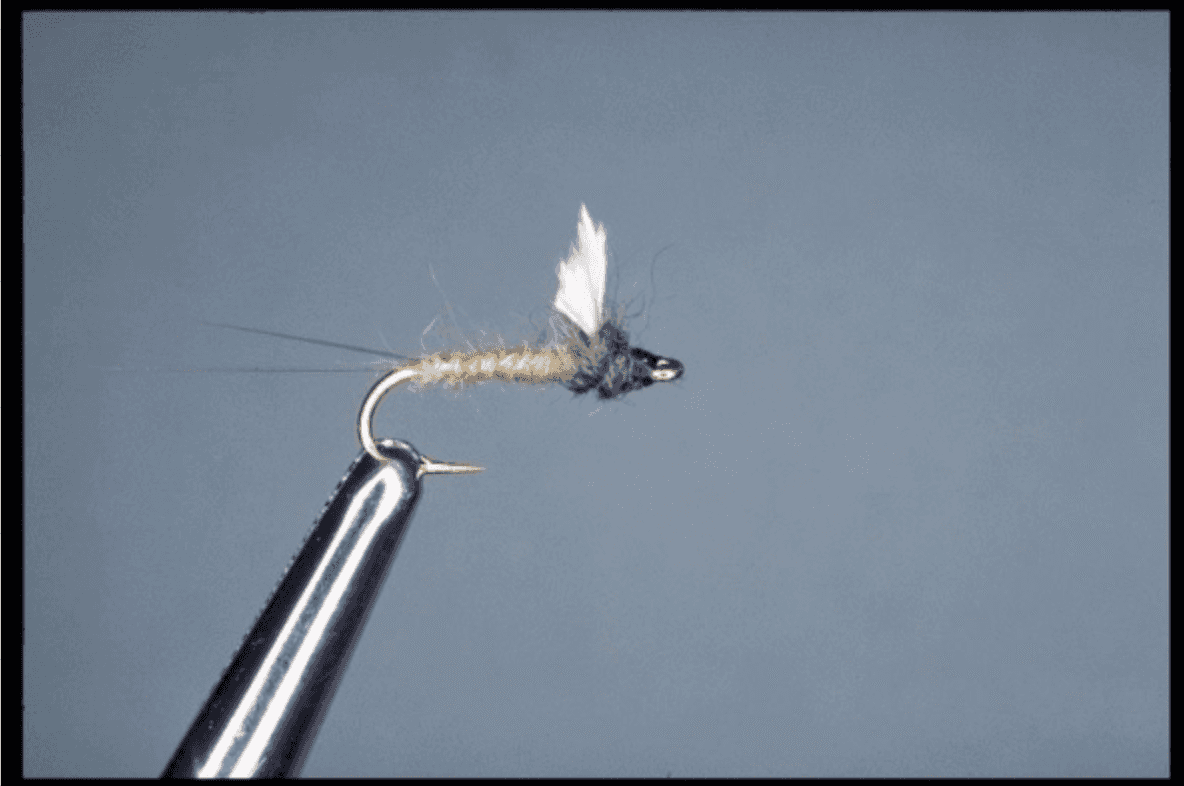
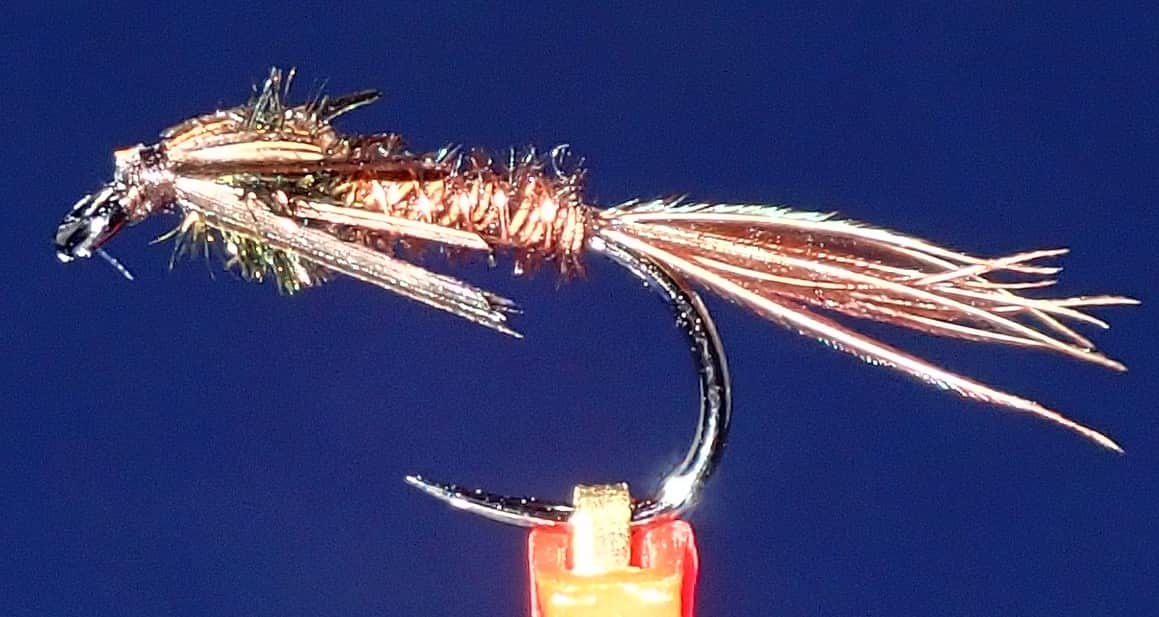
BWO emerger, soft hackle, zebra midge, pheasant tail
Summer
Caddis, PMDs, golden stones, terrestrials
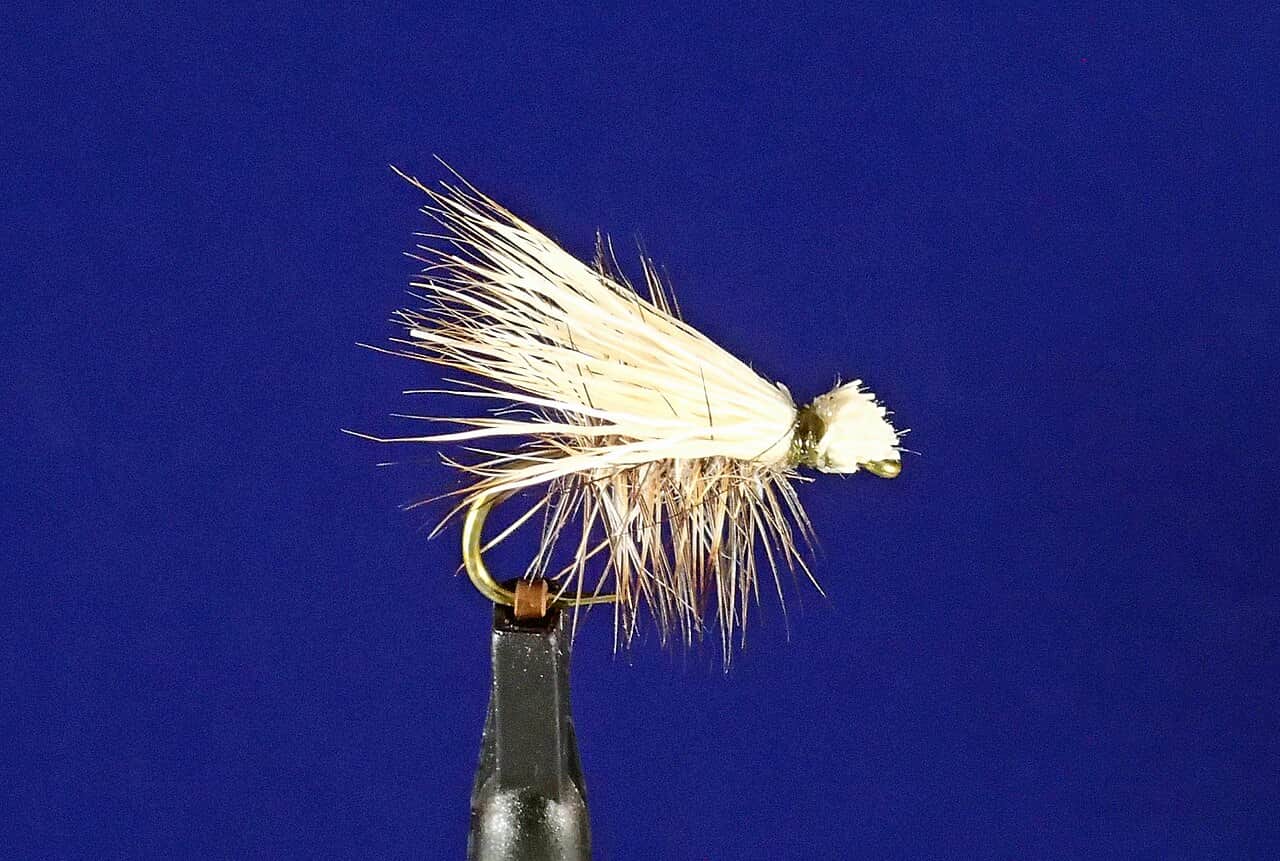
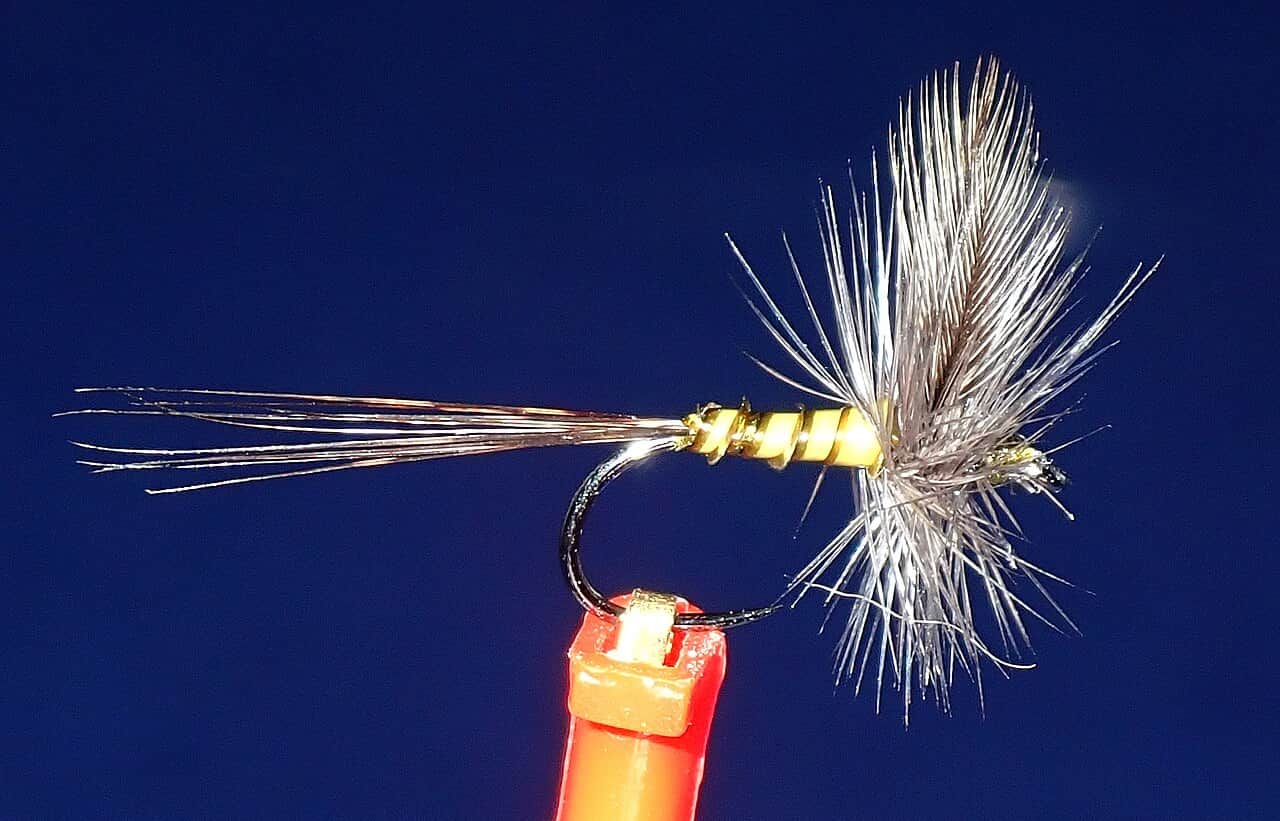
Elk hair caddis, PMD dry, stimulator, ant
Late summer
Terrestrials and evening caddis
Hopper-dropper, beetle, ant, caddis soft hackle
Fall
BWOs and midges
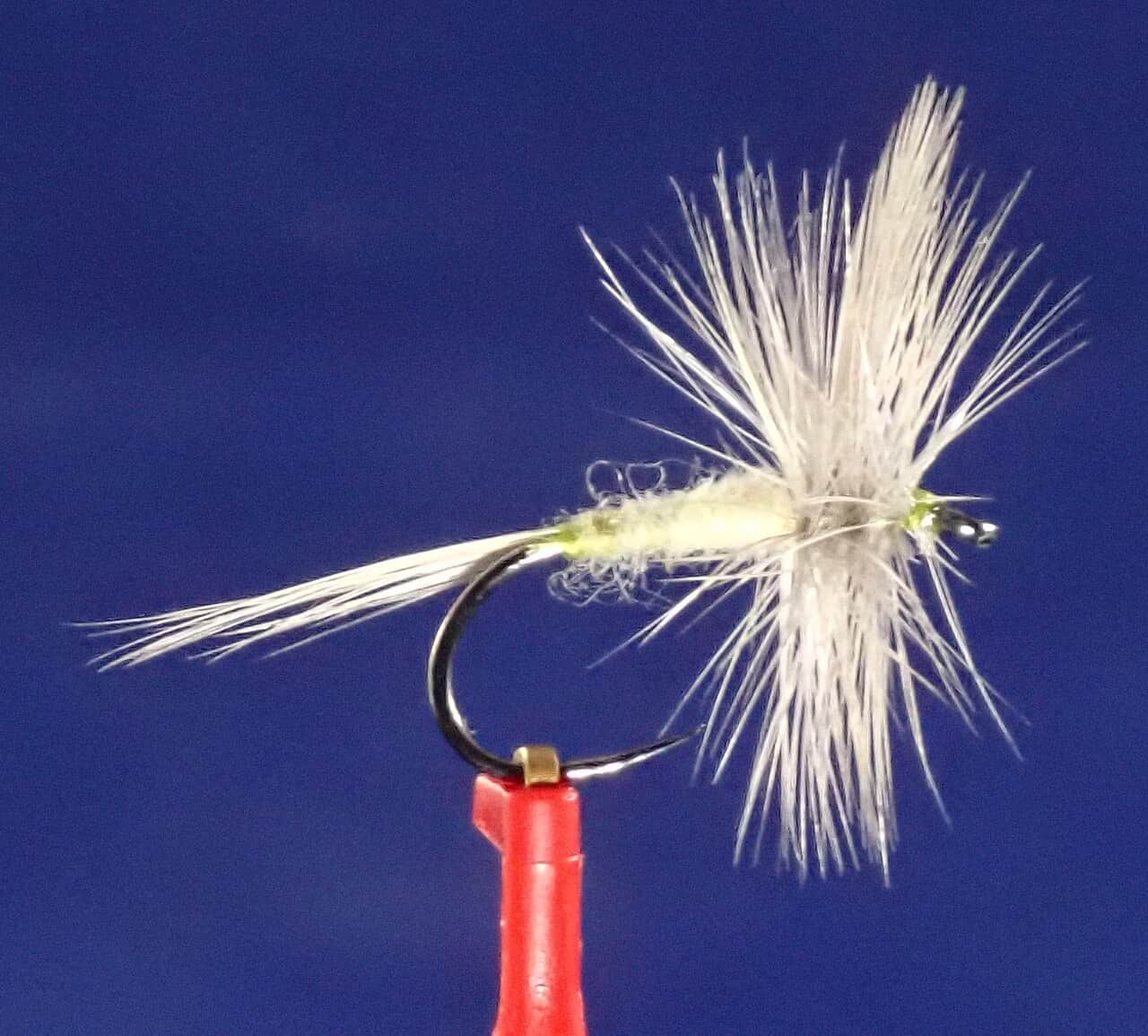
Parachute BWO, RS2, zebra midge, small bugger
Attractor dries
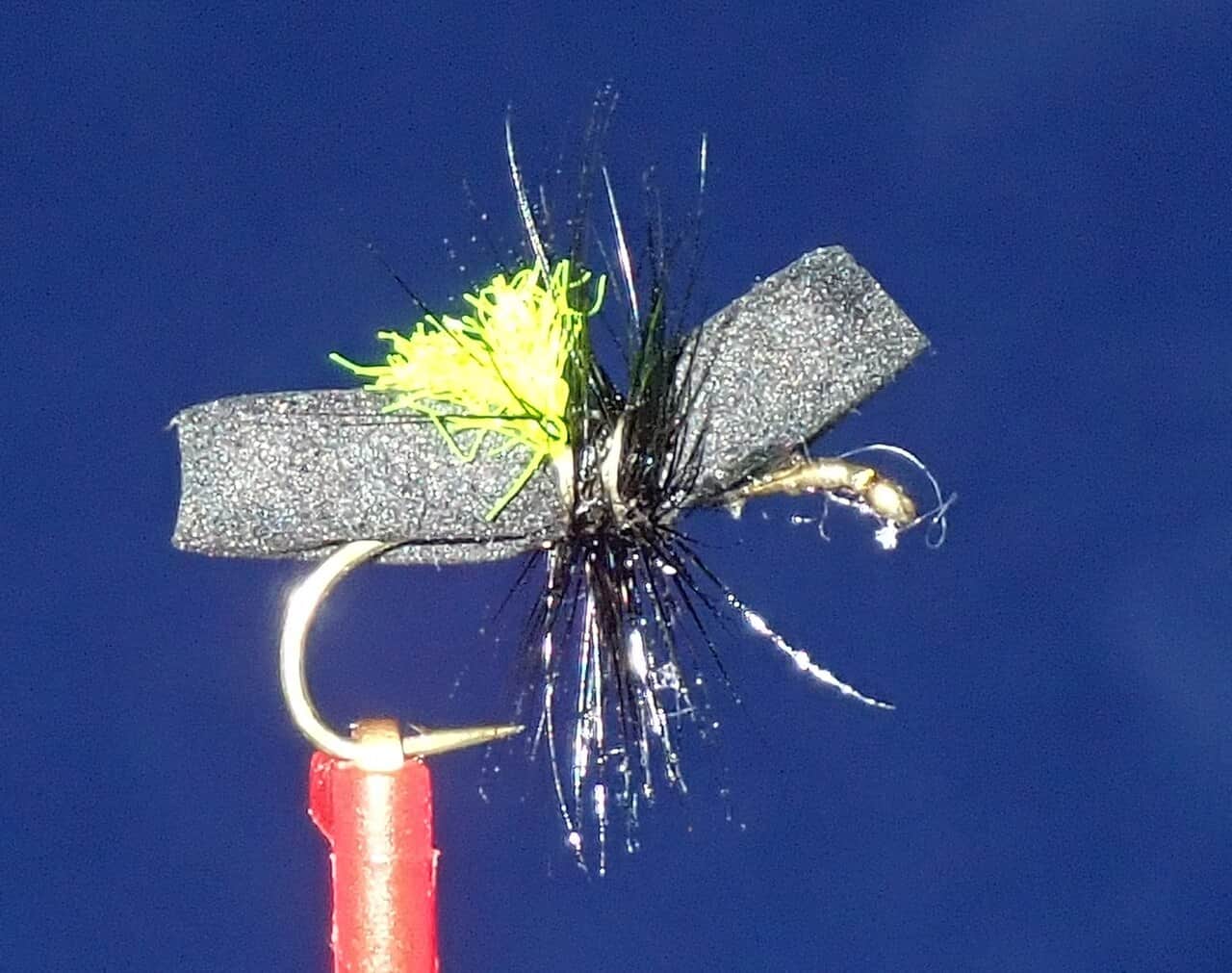
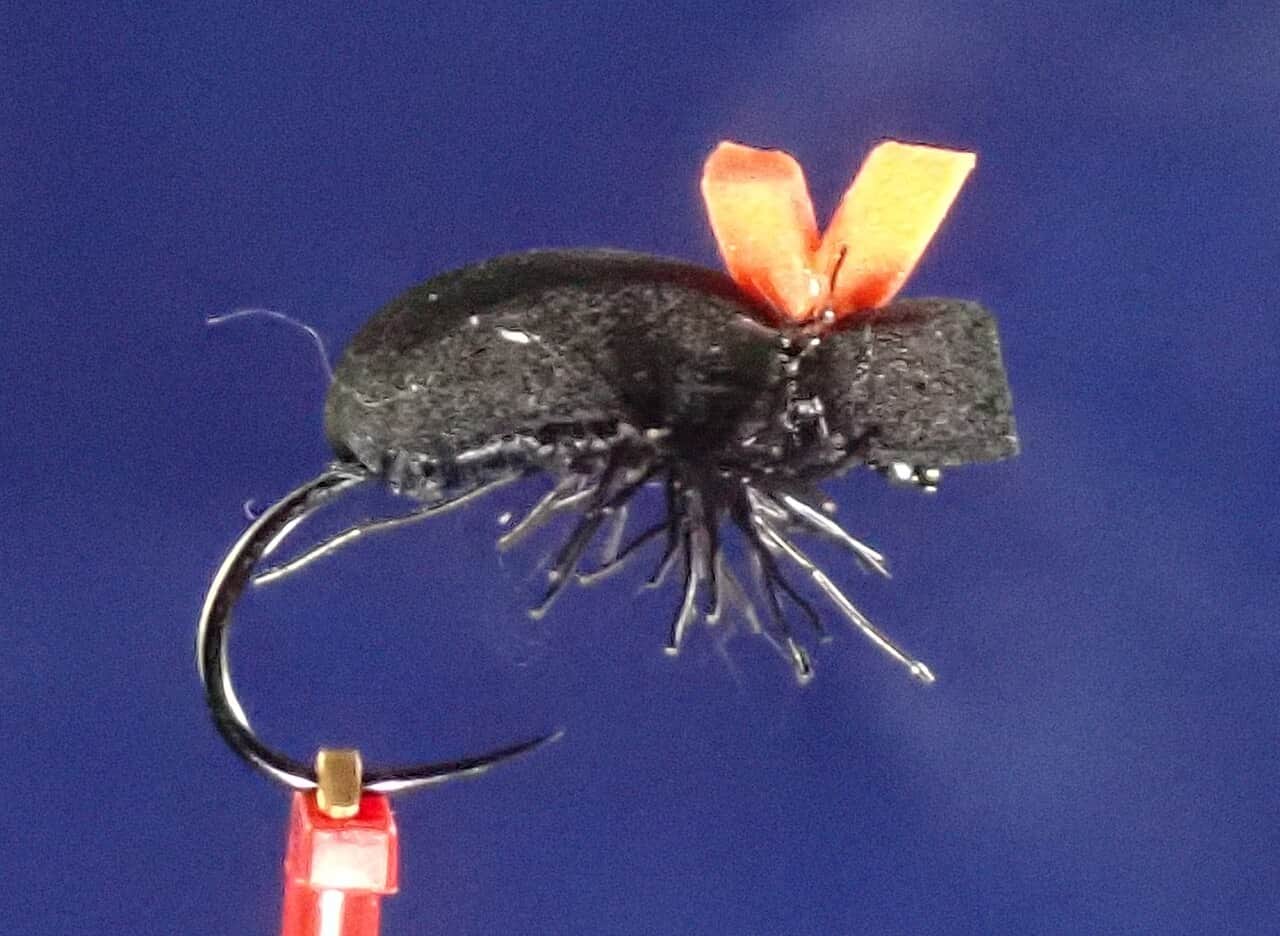
Stimulator, chubby, caddis, PMD
Useful in summer when trout are willing to move in pocket water and current edges.
Nymphs
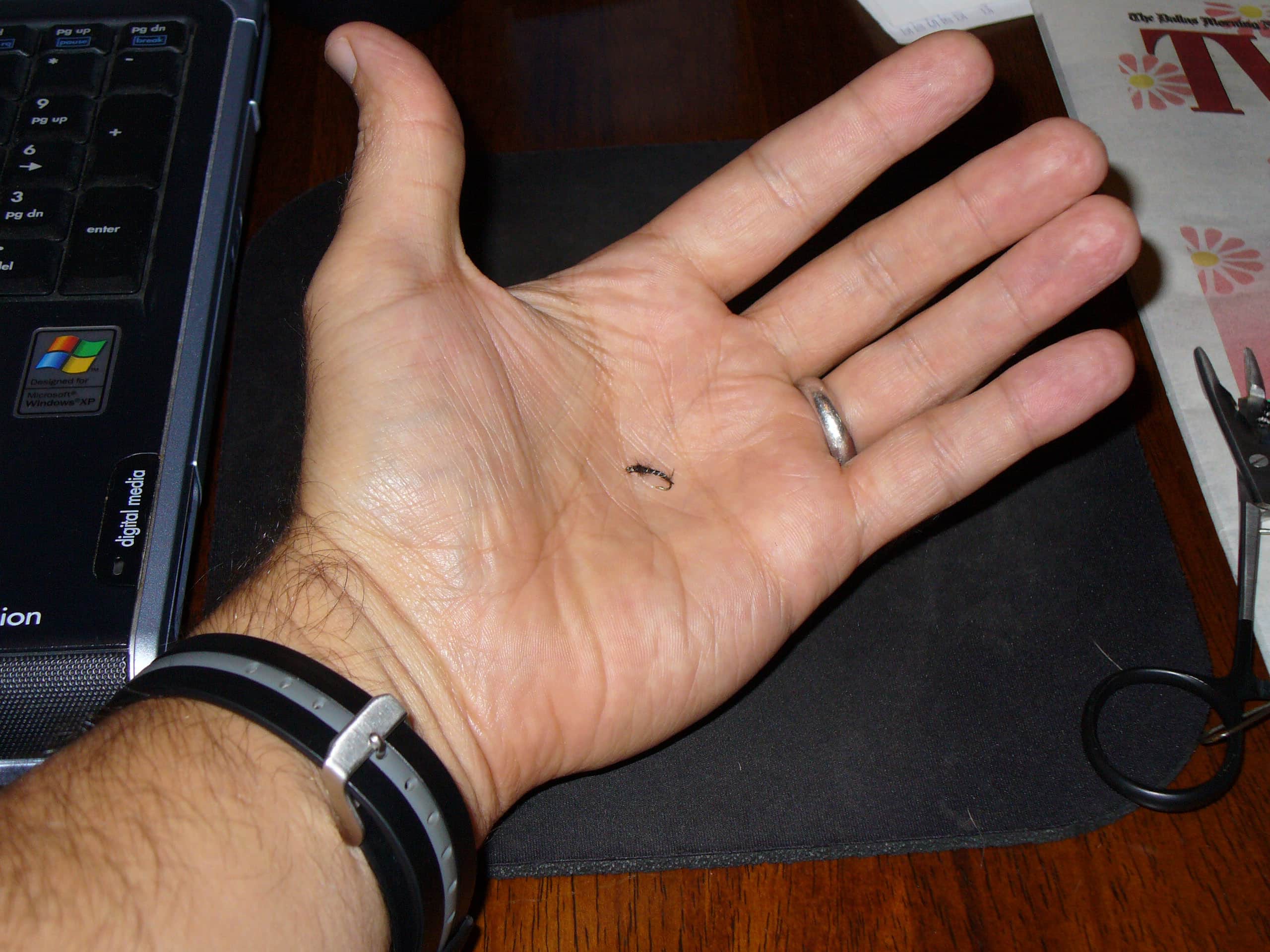
Prince, pheasant tail, hare's ear, zebra midge, perdigon
Best in cooler release conditions or when trout stay deeper near structure.
Dry-dropper
Foam attractor with a compact tungsten dropper
The most practical searching setup for stable summer flows.
Small streamers
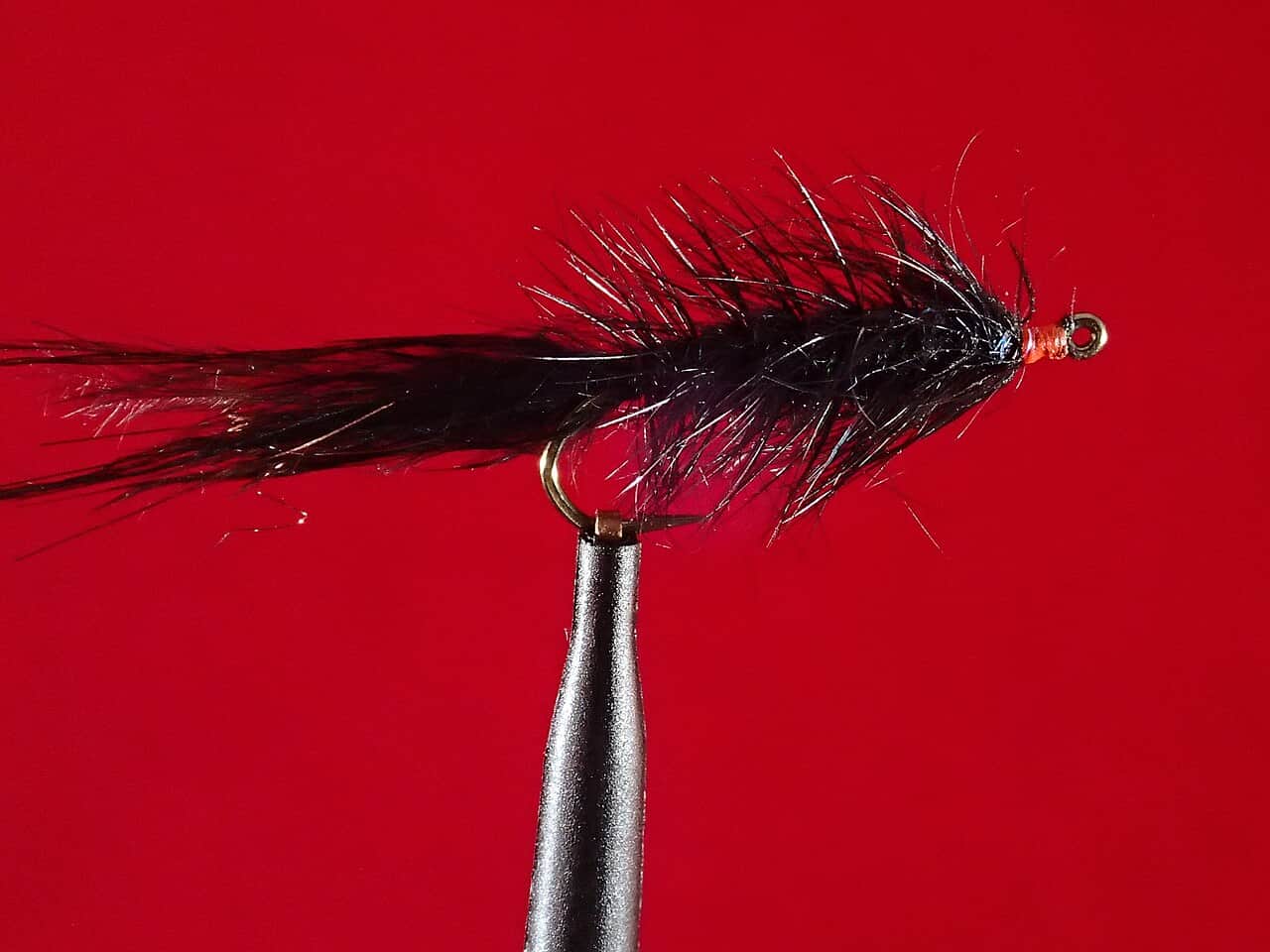
Bugger, sculpin, leech
Useful in shoulder seasons and overcast release windows.
Tactics
How to fish it
Start with the gauge, then choose one access point that gives you several fishable seams before driving farther.
Fish near current breaks, bends, and softer inside edges instead of trying to cover the fastest visible slots.
Use the access site or campground area for the first read on wading comfort; if that water feels pushy, the rest of the day probably will too.
Treat this as a remote planning day with backup options, not a river where help is always close by.
Rigging
Rod, leader, and setup notes
A 9-foot 4- or 5-weight covers most Deadwood trout work.
Carry 4X and 5X for dries and dry-droppers, plus stronger tippet for small streamers in woodier banks.
A wading staff matters more here than an extra box of specialty patterns.
Pack enough food, water, and layers to handle a longer remote day than the map suggests.
Access
Access and planning notes
Deadwood River Access Site
Best public anchorWade / float / trail
Forest Service / wade / bank
When to pick it
Start here when release flow, road access, and public staging support a focused session.
Caution
Remote access and cold current leave less margin than the map suggests.
Riverside Campground Lowman
Developed corridor baseWade / float / trail
Campground / wade / bank
When to pick it
Use it when campground status and river edge shape both match a short lower-corridor plan.
Caution
Seasonal operations, fees, and changing releases still need current checks.
Below-reservoir gauge
Primary release readWade / float / trail
RiverReports / USGS gauge
When to pick it
Check it before deciding whether the day is fish, scout, or skip.
Caution
A stable graph does not confirm road conditions, downed trees, or safe crossings.
Boise National Forest pages are the safest way to confirm which developed sites actually support day use, parking, or river access in this remote corridor.
Remote roads, fee sites, and seasonal campground operations can shape the day as much as the fishing itself.
Visible river does not always mean safe entry, especially during colder or higher release periods.
Regulations
Check before fishing
IDFG lists the Deadwood River under 2025-2027 rules with all waters open all year, a trout limit of 2 on the South Fork Payette and tributary language, and bull trout catch-and-release context in the region. Check the current Idaho rules before fishing.
Primary base
Lowman or a Deadwood corridor campground
Best day style
Forest road pull-ins, campground-adjacent access, and remote walk-and-wade sections
Check first
RiverReports, USGS 13236500, Idaho rules, access-site status, and weather
Safety
Remote roads, release-driven current, cold water, limited services, and changing forest conditions
Gear
Helpful gear for this water
Wading staff
A practical safety tool on a release-driven remote river.
Layered rain and insulation kit
Mountain weather and cold release water can flip the day fast.
Compact attractor-and-nymph box
Enough for most summer through fall planning without overcomplicating the day.
Remote-day essentials
Fuel, food, and water matter because services are limited once you commit to the drainage.
Nearby water
Other water to research
Backup logic
High release
Stay on safe banks or move to Boise River, Big Wood River, or Mores Creek.
Road or campground issue
Do not overcommit to the remote corridor; choose an easier public-access Idaho water.
Storms
Leave enough exit time and avoid remote canyon wading during active weather.
Heat or low water
Fish early, keep trout handling short, or pick a colder release window.
South Fork Boise drainage
A different remote Idaho trout option with its own reservoir-and-road access rhythm.
Boise River
An easier-access backup when Deadwood feels too remote or too release-sensitive.
Big Wood River
A valley freestone alternative when you want a less isolated trout day.
FAQ
Fast answers
Is Deadwood River fishable today?
Deadwood River looks fishable right now. The live score is 74/100, based on current flow, weather, public alerts, and the report's planning context. Recheck the linked gauge and forecast before leaving because conditions can change quickly after rain, heat, access changes, or flow swings.
What flow is best for Deadwood River?
Stable low to medium release windows that leave bank entries clean and pocket seams readable without turning the corridor into a pushy crossing problem.
When should I skip Deadwood River?
Skip when release shape, road access, or weather make the remote logistics heavier than the fishing upside.
Is Deadwood River safe to wade right now?
The fishability score is not a wading guarantee. Wade only where your chosen access has safe edges, clear footing, legal entry, and no forced crossings; high, rising, stained, or storm-affected water should be treated conservatively.
What part of the Deadwood River does this page cover?
It is centered on the below-reservoir river toward Lowman, where the public gauge and Boise National Forest access pages are most useful.
What gauge should I trust?
Start with RiverReports and USGS 13236500 below Deadwood Reservoir for the core release picture.
When should I skip Deadwood?
Skip when releases feel too pushy, access status is unclear, or you do not want a remote day with limited fallback services.
Sources
Source set for this report
Reviewed 2026-06-02