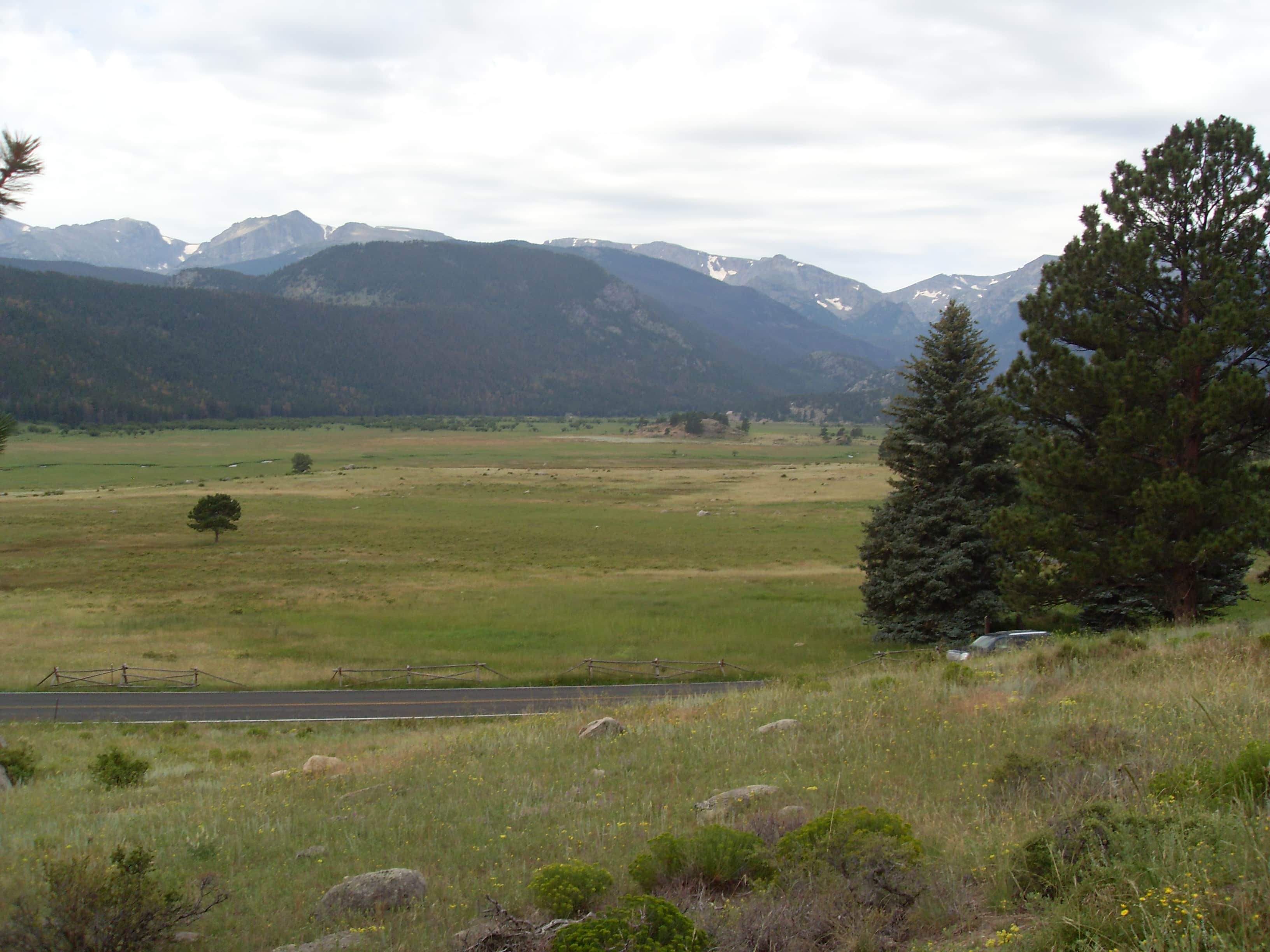
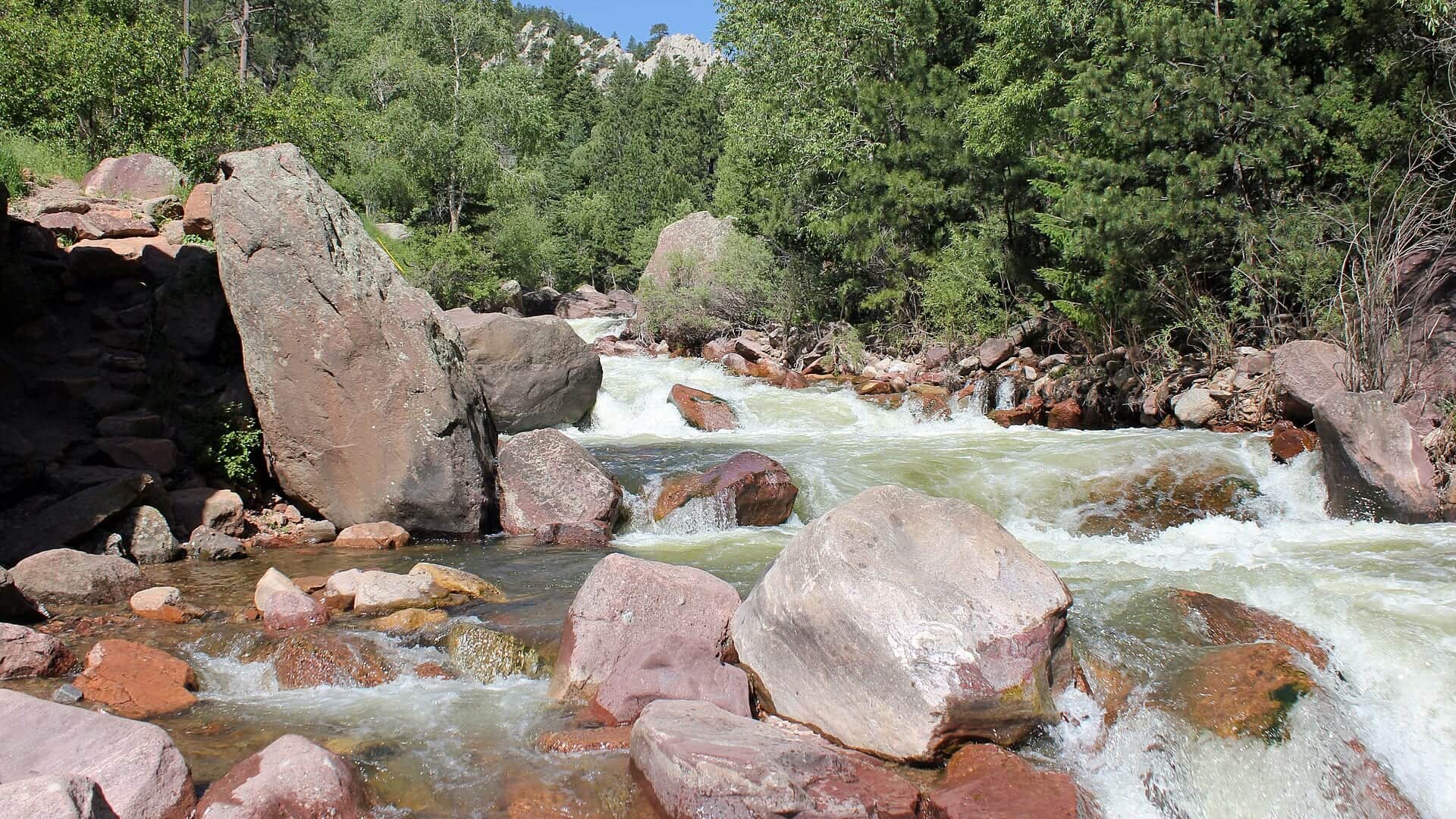
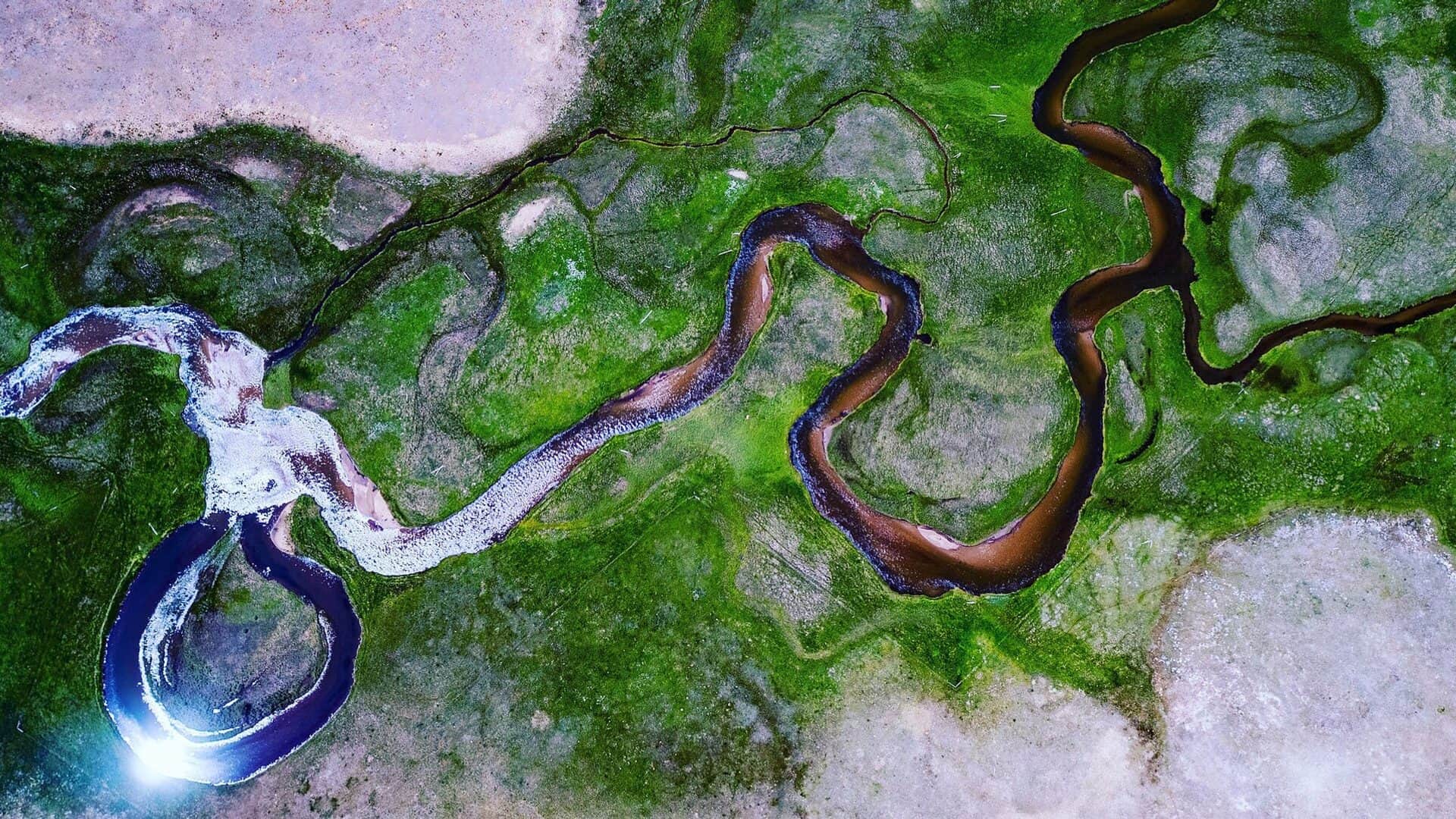
Big Thompson River in Moraine Park inside Rocky Mountain National Park

Colorado / West

Big Thompson

A practical Big Thompson plan built around Rocky Mountain National Park rules, Big Thompson Canyon access, RiverReports flow support, and trout-friendly seasonal timing.

Image: Big Thompson River Moraine Park / CC BY-SA 3.0 / Wusel007

Fishability now: Big Thompson fishability today

GreatData confidence: High

86/100

Fishable now because the live gauge is falling, weather is mild, and no public alert is active.

Flow observed

5:30 PM UTC

Weather observed

6:00 PM UTC

Score calculated

6:12 PM UTC

Why this rating

Flow

Weather

Short-term weather

Next 6-12 hours

Watch

Recheck within the next few hours; rising water or active weather can change clarity and wading quickly.

More planning details: flies, flow bands, and live source checks

Fish it today

Start here

Base in Estes Park, check park rules and the lower gauge, then choose one upper reach and one canyon backup instead of trying to cover the entire river.

Best flow clue

Stable or dropping freestone flows with enough visibility to fish pockets and banks safely.

Skip trigger

Skip during muddy runoff spikes, lightning-heavy afternoons, or when lower canyon water is warm enough to stress trout.

Flow decision bands

Low but fishable

Low clear water can fish technically in pockets and banks when temperatures and section rules are right.

Best pocket-water window

Stable or slowly falling Loveland flow after runoff, clear water, and mild weather create the best wade signal.

Runoff or canyon unsafe

Muddy spikes, fast canyon current, or thunderstorm pulses should stop crossings and long walks.

Warm lower-river caution

The lower canyon can become a poor trout-handling choice even when the graph looks legal.

USGS flow

90 cfs

Open

Current trend: flow falling, rating likely holding strong unless weather or clarity changes.

Live USGS flow

85 cfs / falling about 19%

Live NWS forecast

72F / Chance Showers And Thunderstorms

Water temperature not verified

Heat guidance uses weather and river type unless an official water-temperature value is available.

No NWS alert flag

No active NWS alert was returned for this forecast point.

Primary waterMountain freestone from Moraine Park through Big Thompson Canyon
GaugeRiverReports Big Thompson with USGS 06741510 at Loveland backing
Access stylePark water, canyon pullouts, and short wade sessions
ReviewedMay 31, 2026

Use RiverReports for quick flow shape, then use USGS 06741510 as the official downstream flow check before committing to the canyon.

Inside Rocky Mountain National Park, special rules apply and several upper reaches are catch-and-release or closed; check the park page before you rig.

From Lake Estes downstream to Waltonia, Colorado lists artificial flies and lures only with immediate trout release, so rig barbless and keep handling short.

Skip the day during muddy runoff pulses, thunderstorm spikes, or if canyon pullouts and crossings force rushed wading decisions.

Editorial review

How this report is maintained

This report uses official regulation, flow, weather, access, and public-land sources first, then adds practical planning guidance for fly anglers.

Byline

BlueStreamFly editorial desk

Reviewed by

BlueStreamFly source review

Maintained by

BlueStreamFly

Last material review

2026-05-31

Report confidence

Good confidence

88/100

Good confidence: RiverReports, USGS Loveland flow, Rocky Mountain National Park fishing and access sources, Colorado special-regulation information, CPW water-safety context, and weather data support the page. Confidence is moderated by runoff, canyon access safety, warm lower-river periods, and reach-specific rules.

Regulations

Rocky Mountain National Park fishing information and Colorado special-regulation sources support the legal-check path.

Access

RMNP access context and canyon planning sources support the route framework, with pullout safety and exact banks still needing day-of confirmation.

Flow and weather

RiverReports, USGS 06741510, and the National Weather Service point are attached to the route.

Fishing usefulness

The page now separates upper park context, canyon pocket water, lower gauge use, runoff risk, warm-water caution, and backup options.

Fishability dashboard and source review

2026-05-31 / material content or source review

RiverReports, USGS Big Thompson River at Loveland flow data, Rocky Mountain National Park fishing and access sources, Colorado special-regulation sources, CPW water-safety information, and the National Weather Service point were checked before updating the current fishability guidance.

2026-05-31

Updated Big Thompson with Loveland trend guidance, park and canyon access cards, runoff and warm-water cautions, backup cues, stable fishability SEO, and confidence signals.

2026-05-29

Added a page-specific report-confidence meter for Big Thompson flow, Rocky Mountain National Park rules, canyon access, Colorado special regulations, weather, and reach-selection guidance.

2026-05-25

Published a new Big Thompson report with official rule checks, flow support, canyon access guidance, and seasonal trout planning.

Angler planning edge

Local details that change the plan

Best for

Front Range day trips, Pocket-water dry-dropper fishing, Reach-by-reach summer and fall trout plans

Wade or float

Wade first. Use short public sections and avoid forcing long canyon walks or complicated shuttle plans.

Best flows

Stable or dropping freestone flows with enough visibility to fish pockets and banks safely.

When to skip

Skip during muddy runoff spikes, lightning-heavy afternoons, or when lower canyon water is warm enough to stress trout.

Local plan

Base in Estes Park, check park rules and the lower gauge, then choose one upper reach and one canyon backup instead of trying to cover the entire river.

Pressure

Pressure centers on easy roadside stops and well-known park meadows. Walk a bit farther from the first obvious pullout for calmer water.

Access nuance

Canyon access exists, but shoulder width and safe exits decide whether a pullout is actually fishable.

Backup water

Shift to Boulder Creek, Clear Creek, or a South Platte option if runoff or canyon safety does not line up.

About the river

Setting, character, and why it fishes the way it does.

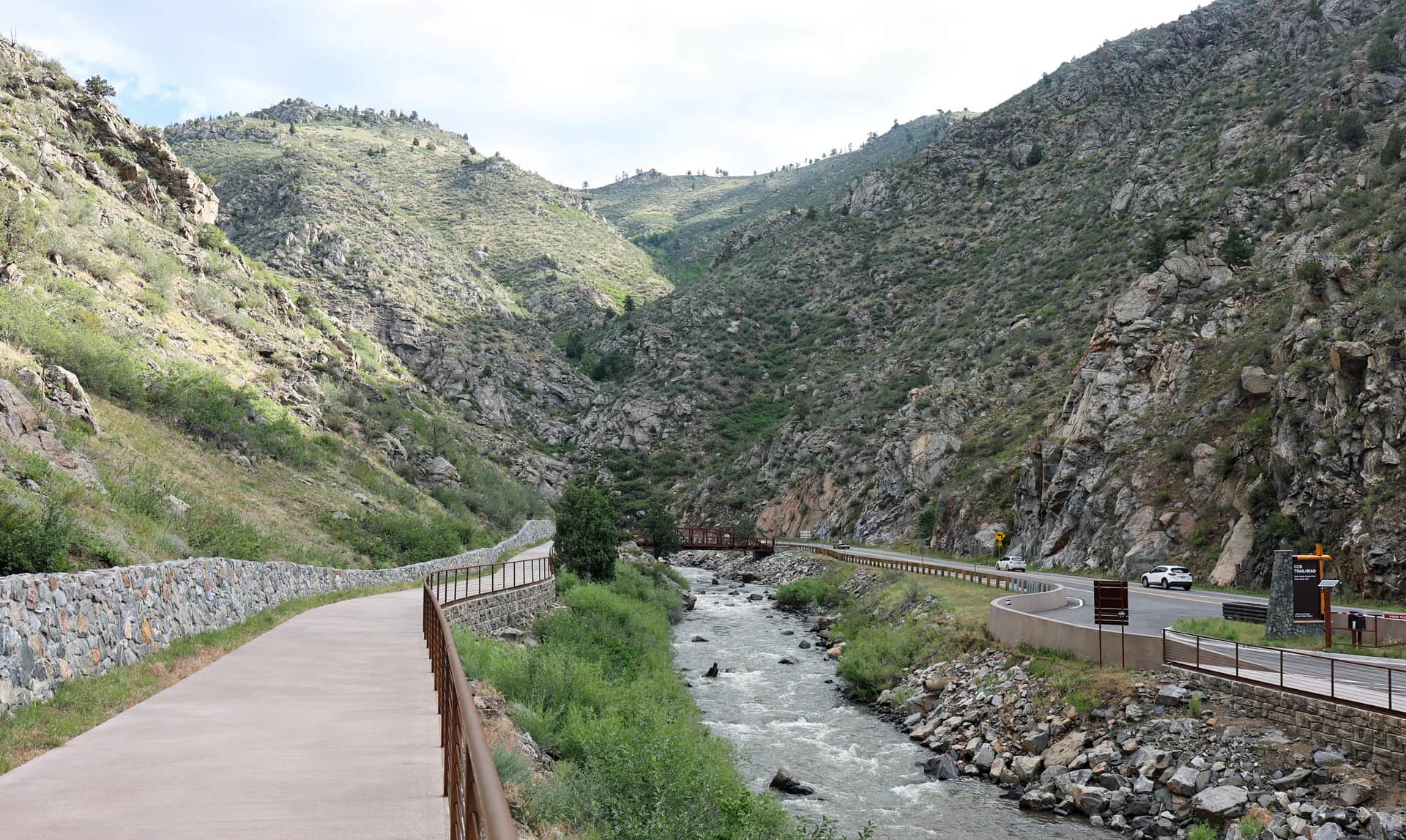
The Big Thompson drops east out of Rocky Mountain National Park, crosses Moraine Park, then narrows quickly through the canyon toward Loveland. That shape creates very different fishing from one section to the next.

Upper water inside the park rewards stealth, lighter rigs, and close attention to park-specific rules. Downstream canyon water is more about quick pocket-water reads, short casts, and safe pullout access.

This is not a river to fish on autopilot. Snowmelt, release shifts, summer storms, and canyon traffic can all change how much water is fishable in a single day.

Target species

Brown trout

Common target through the canyon and lower freestone sections.

Rainbow trout

Present in accessible pocket water and mixed public reaches.

Brook trout

More likely in colder upper tributary and park water.

Cutthroat trout

Handle carefully in protected upper reaches and follow park rules closely.

Reading the water

Low clear water

Fish early and late with smaller dries, light nymphs, and longer leaders.

Moderate stable flow

Best all-around pocket-water condition for dry-dropper coverage.

Runoff or storm color

Stay near soft banks and eddies, fish bigger nymphs or streamers, or wait for the drop.

Warm afternoons

Lower canyon water can warm quickly; carry a thermometer and end the trout plan if temperatures climb.

Best seasons

Late spring runoff edge

Good only when visibility returns and you can keep the day to safe edges and pockets.

Summer

Primary dry-dropper season, especially mornings in the canyon and park meadow water.

Early fall

Often the best combination of stable flow, cool nights, and manageable pressure.

Winter

Limited but possible in lower canyon sections when flows are moderate and ice is not a safety issue.

Preferred flow source

Big Thompson

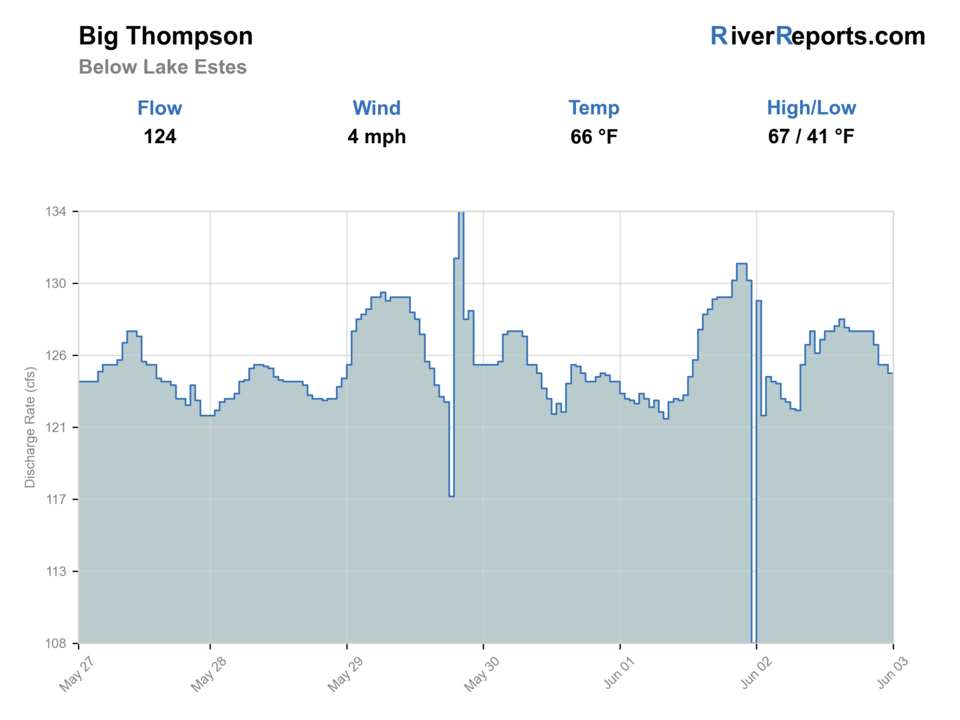
RiverReports is the preferred chart source when coverage exists. When a matching USGS gauge exists, keep it open as the official backstop for station data and current hydrograph context.

Big Thompson RiverReports flow chart

USGS data chart

Official USGS trend

Streamflow over the latest USGS reporting window.

Latest

90 cfs

Jun 3, 4 PM UTC

Site

06741510

Low / high

58 / 250 cfs

Source

Open USGS

Weather

River weather report

Weather can change wading safety, road access, water temperature, hatches, and the best time of day to fish.

Live forecast loads as you reach this section

This keeps the report fast while still using the official National Weather Service forecast point.

Hatches and flies

Hatch chart and fly picks

Spring

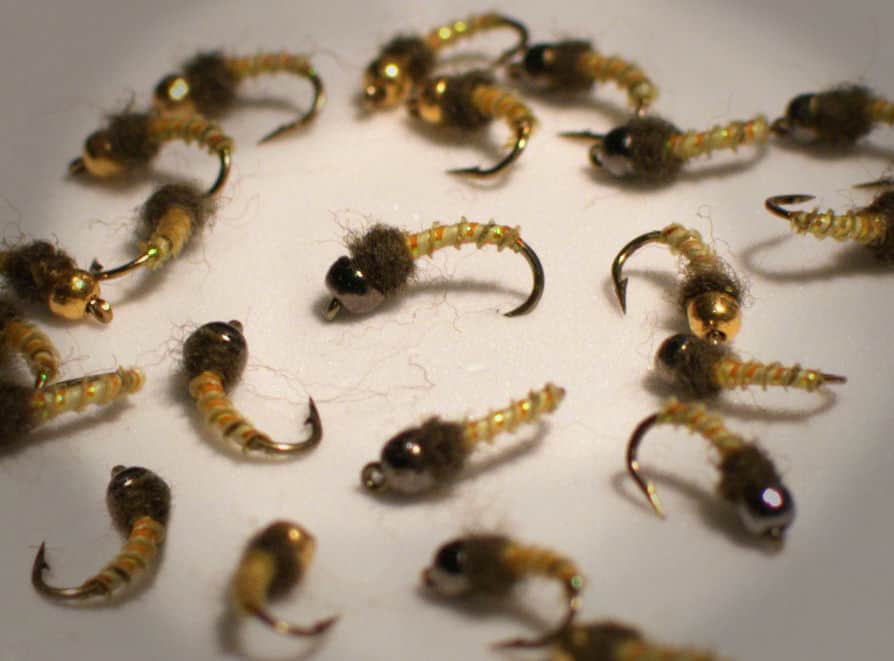
Midges, BWOs, small stones, and caddis

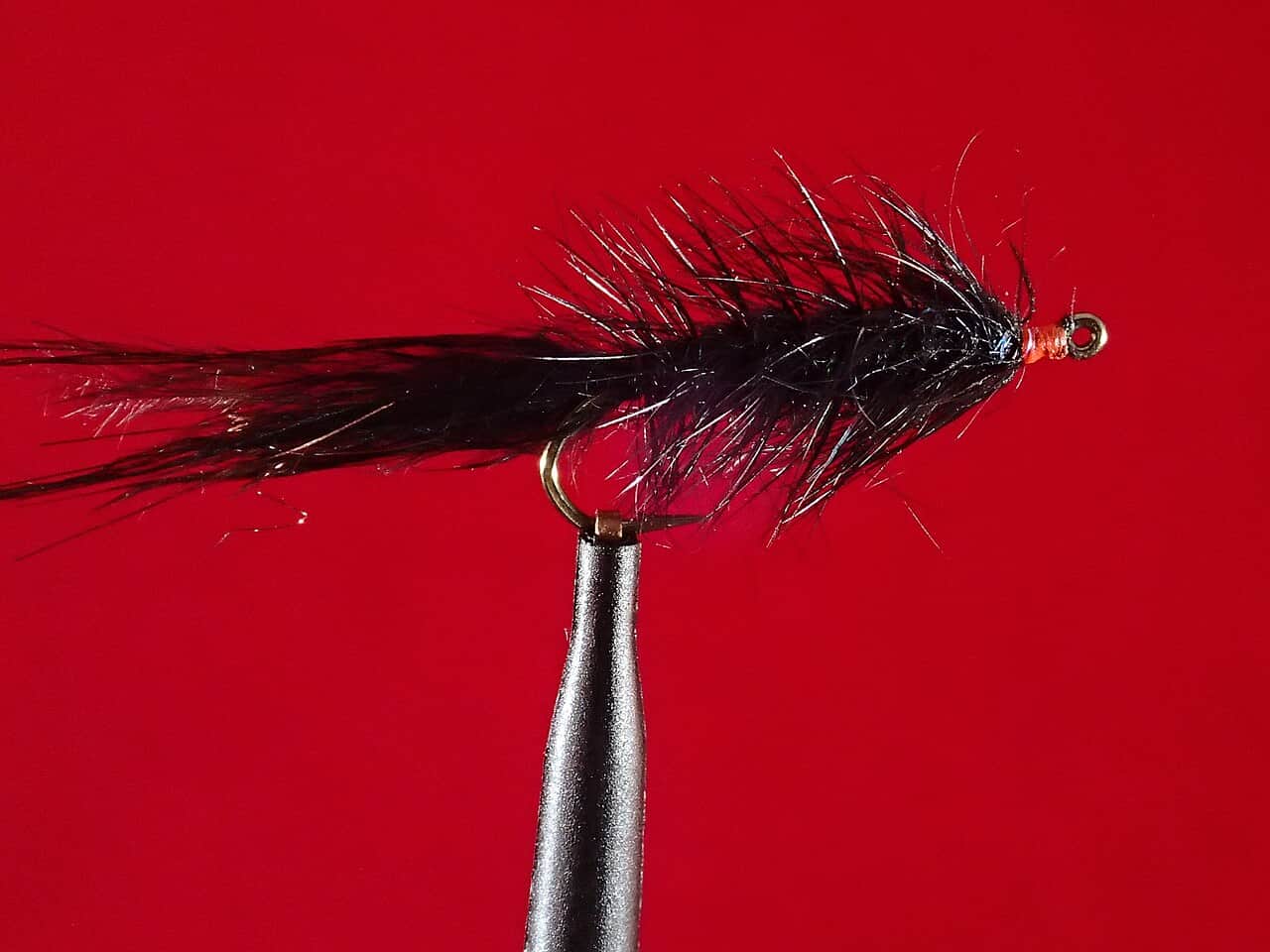
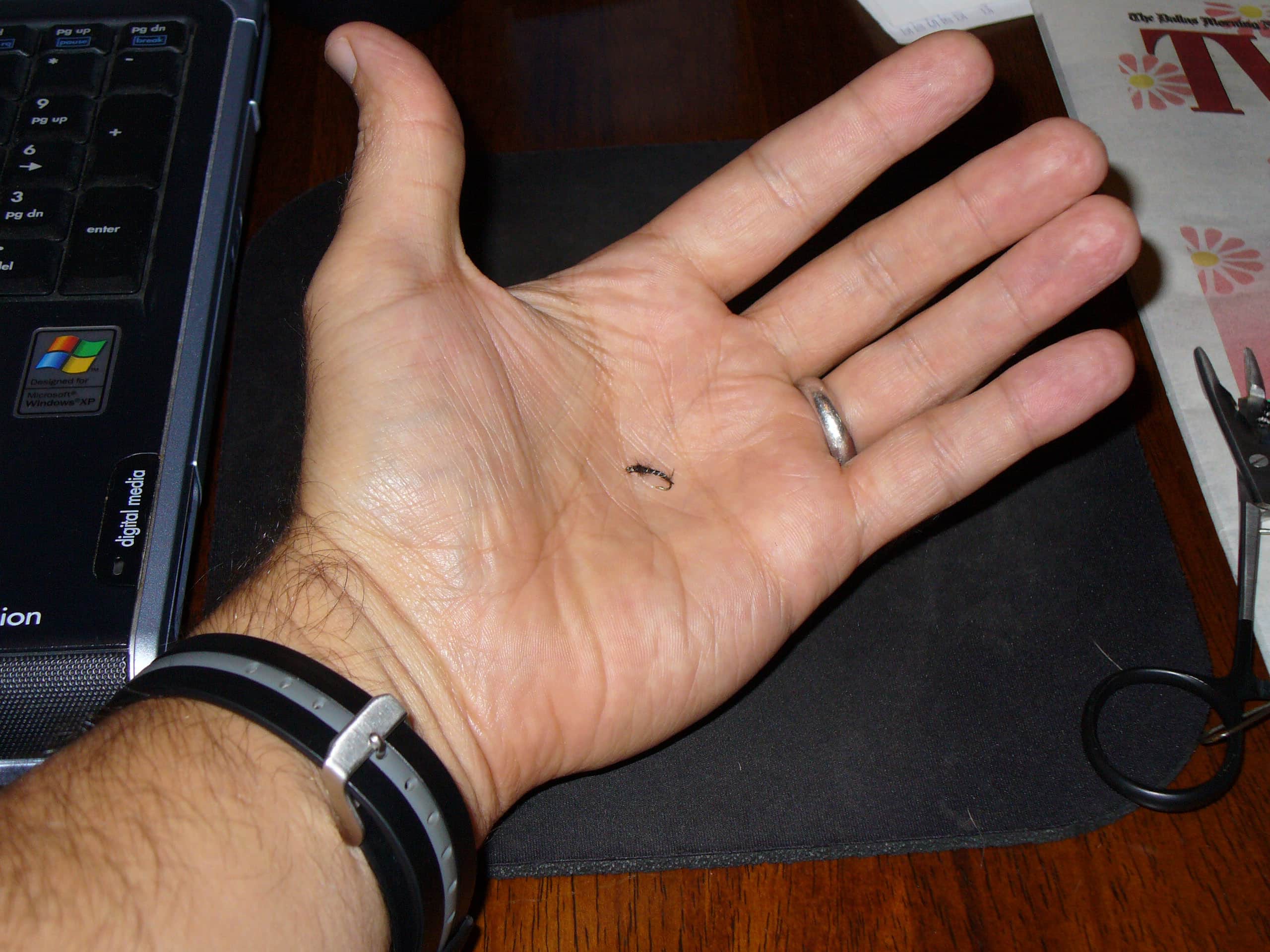
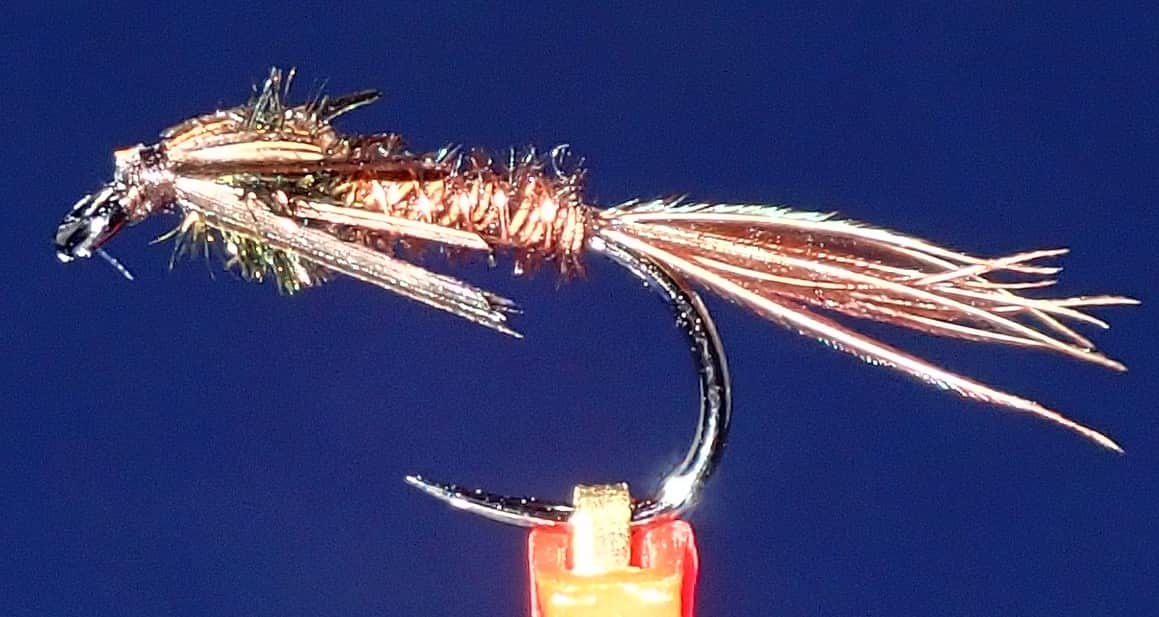
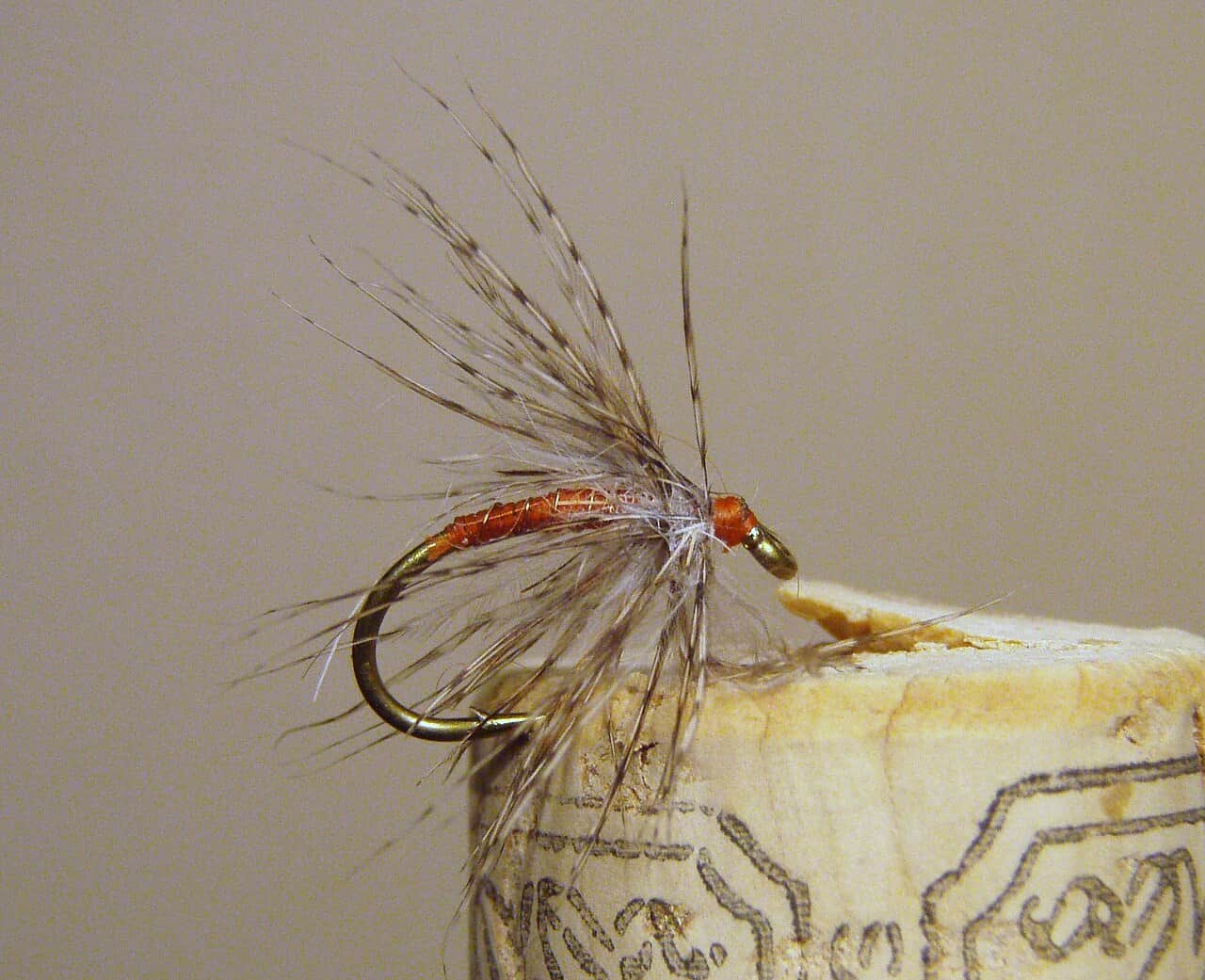
Zebra midge, pheasant tail, BWO emerger, black stone nymph

Summer

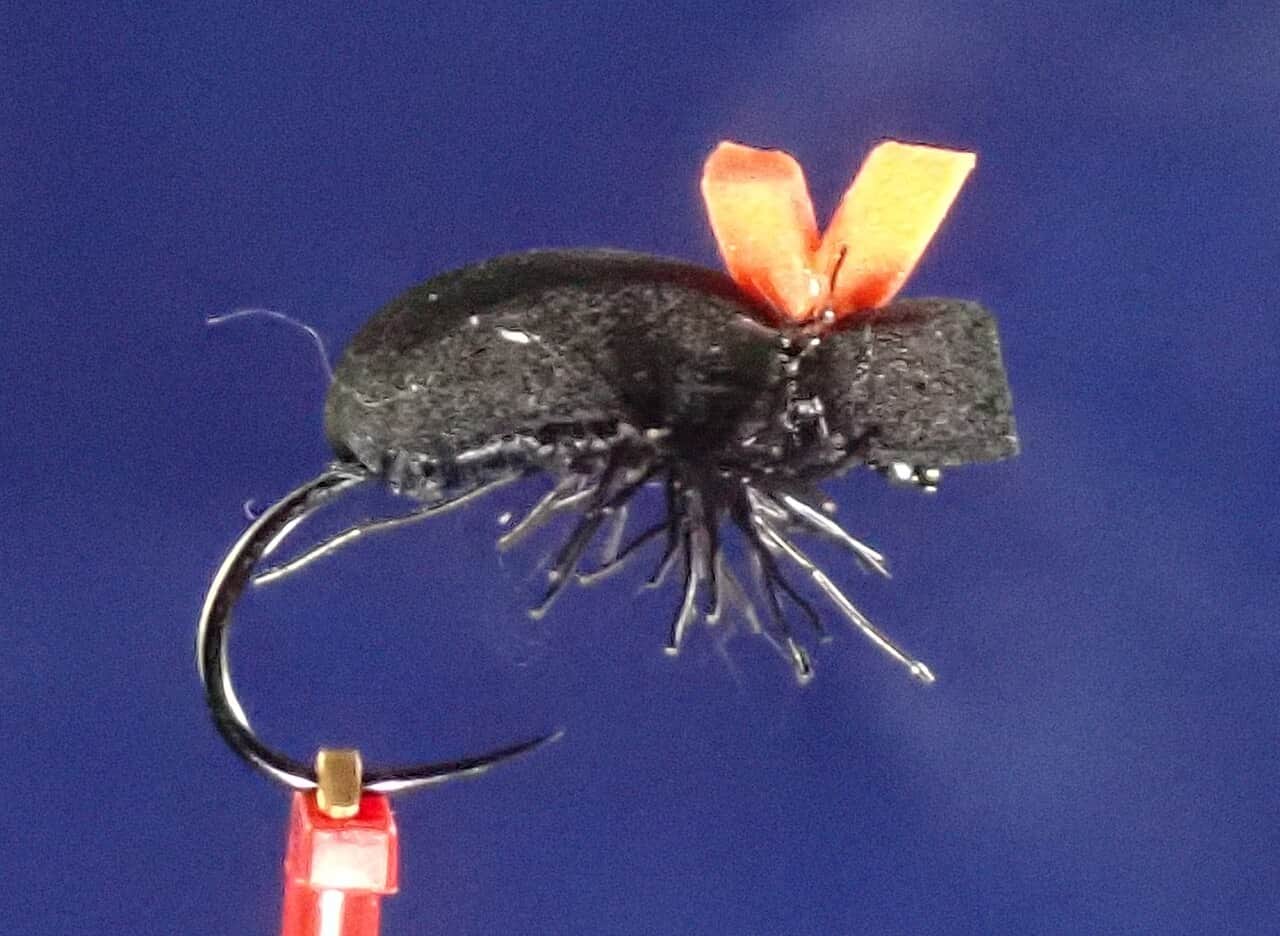
PMDs, yellow sallies, caddis, ants, and beetles

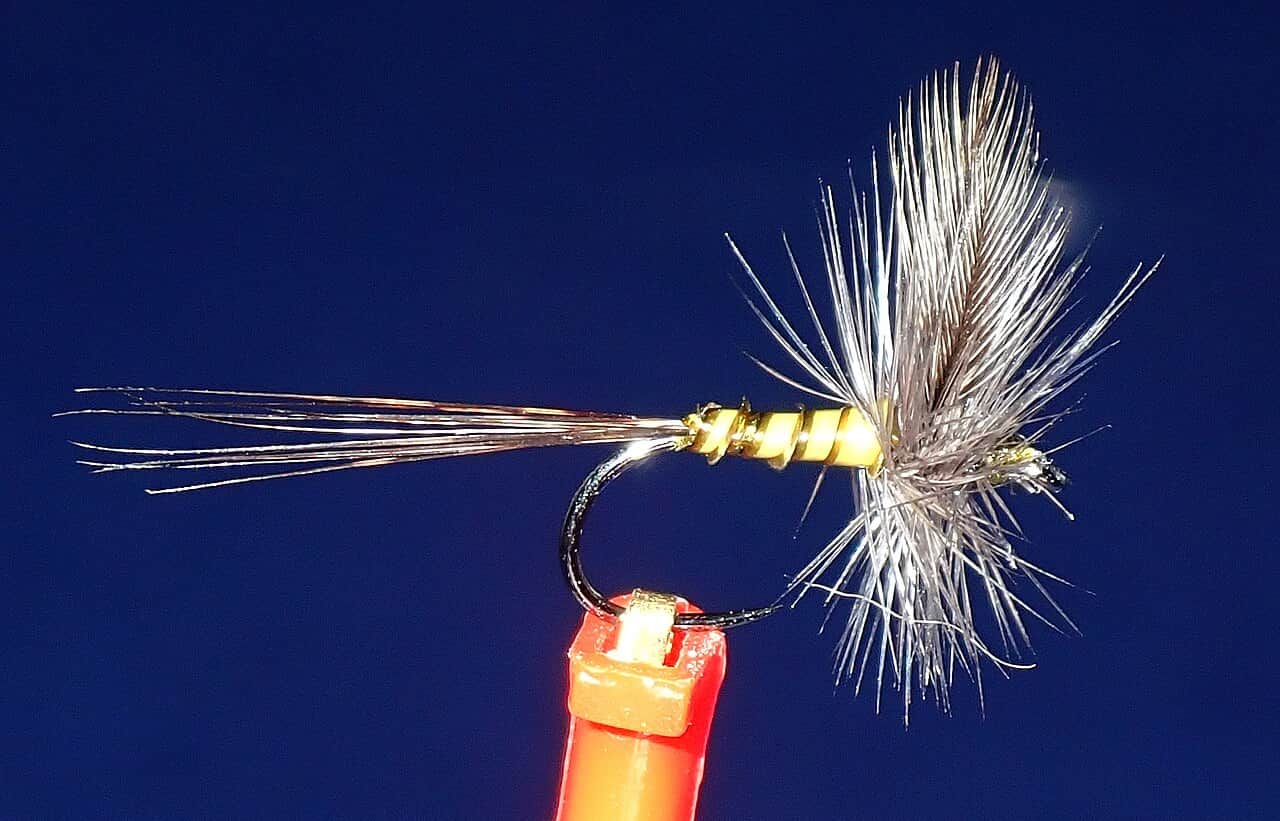
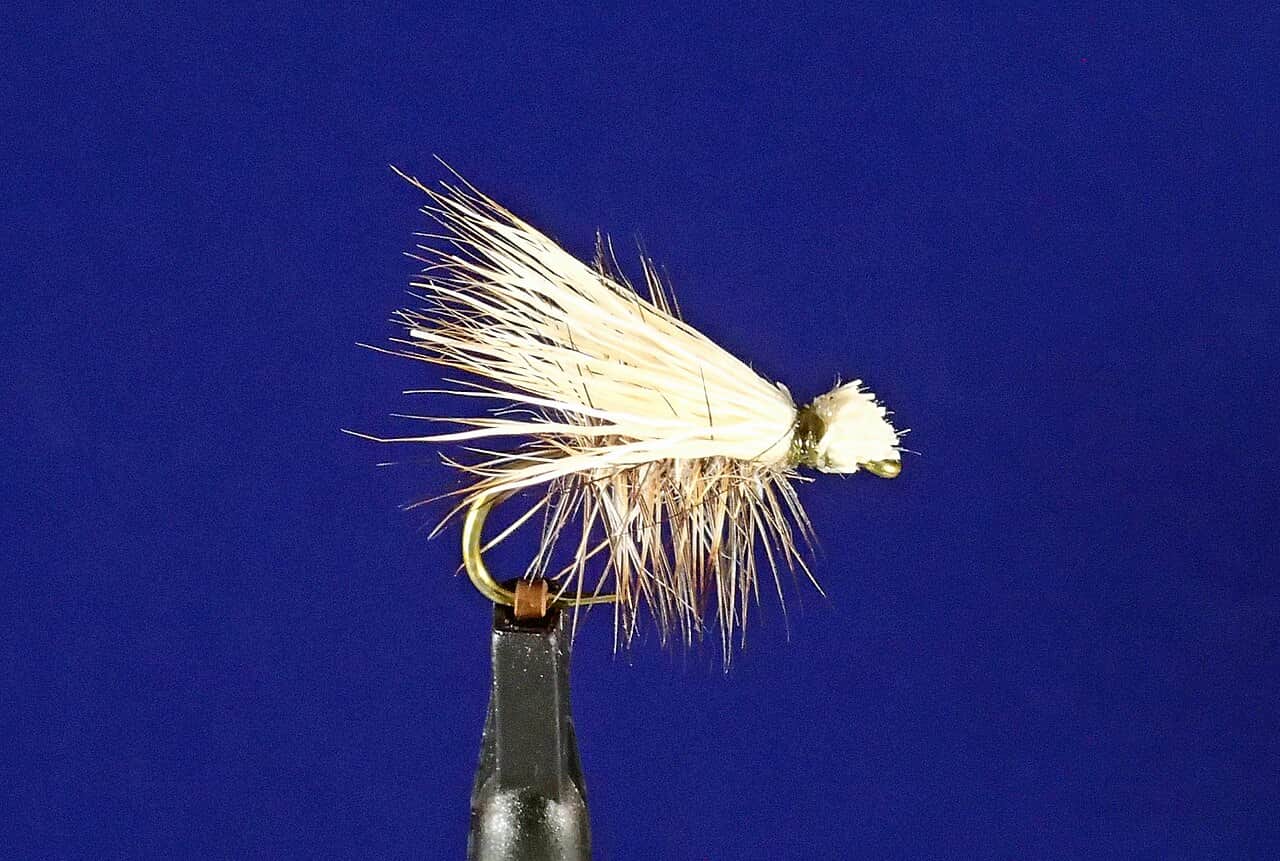
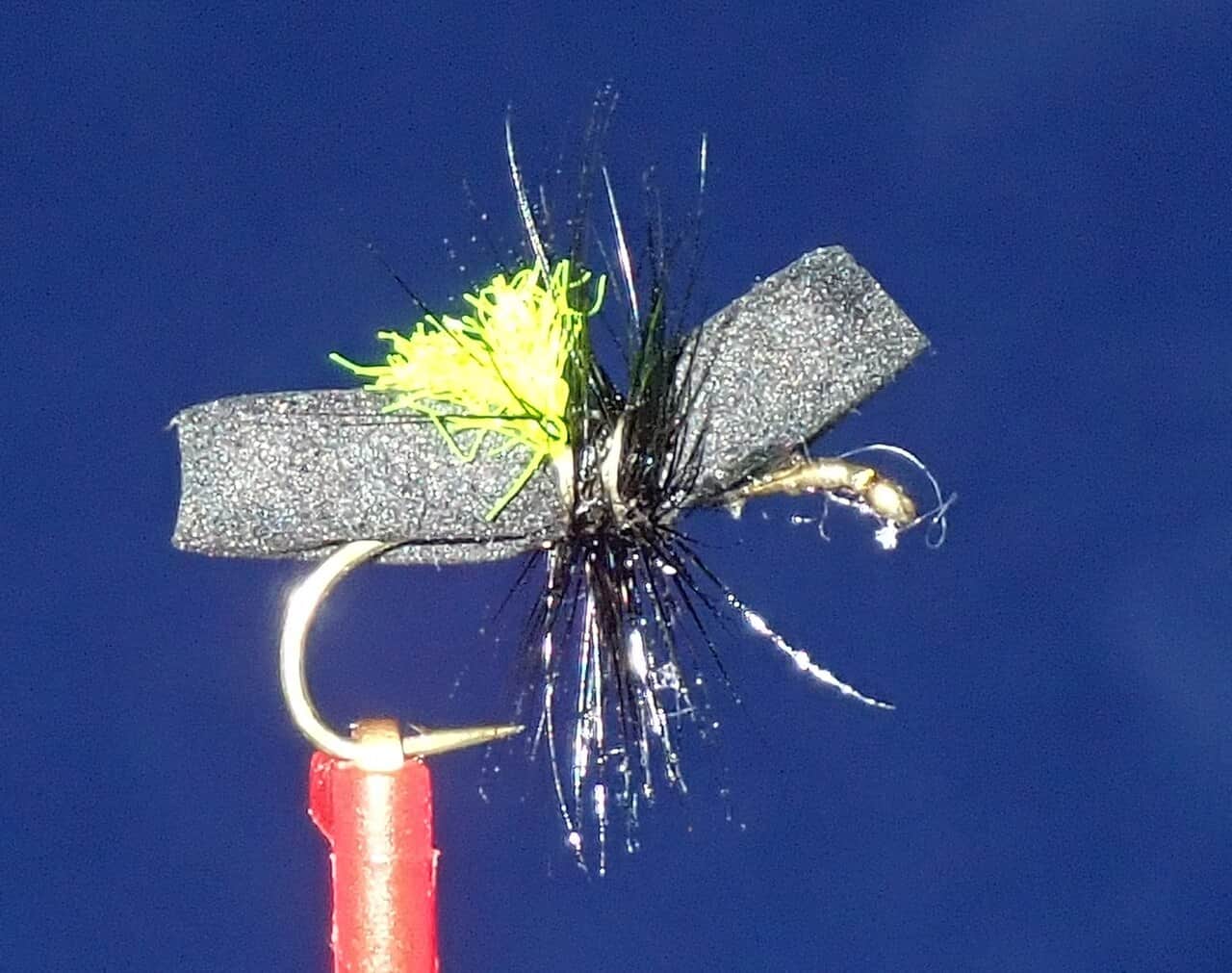
Elk hair caddis, PMD cripple, yellow stimulator, foam ant

Late summer

Terrestrials and evening caddis

Hopper-dropper, beetle, ant, soft hackle caddis

Fall

BWOs, midges, and streamer windows

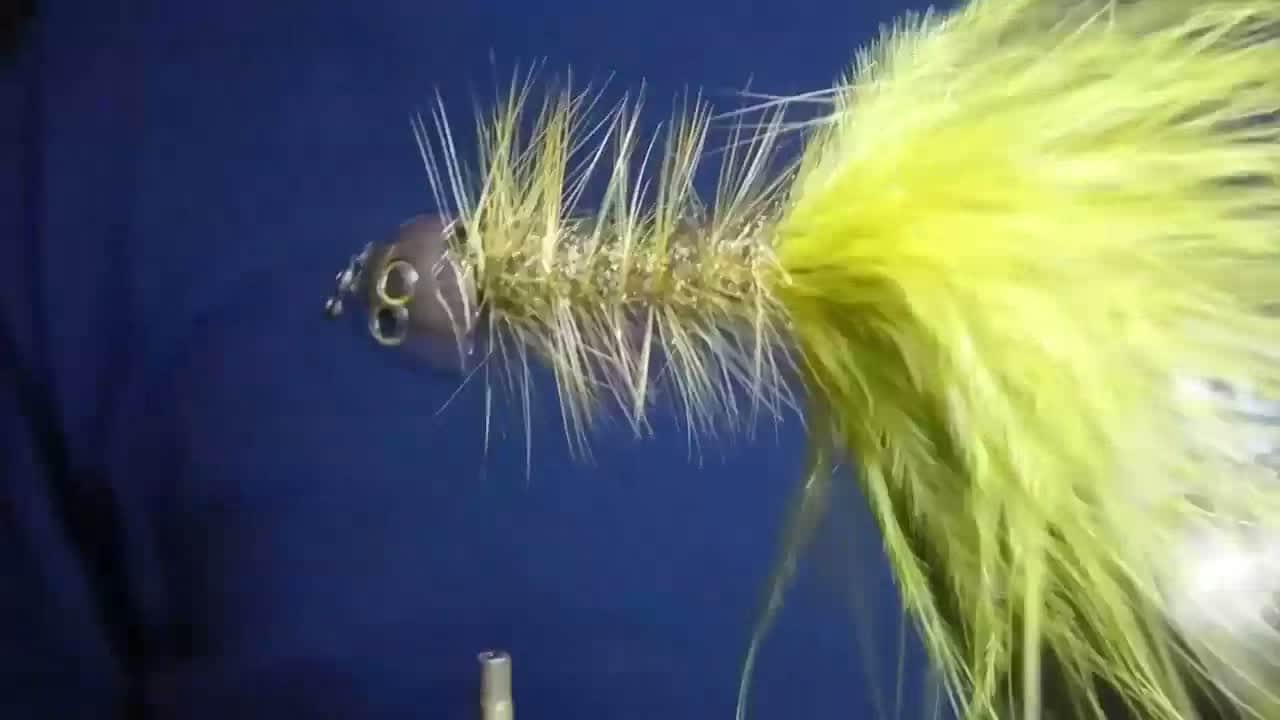
RS2, midge larva, olive bugger, small sculpin

Dry-dropper staples

Yellow stimulator, chubby, elk hair caddis, perdigon, pheasant tail

Primary setup for summer canyon water.

Technical upper-water flies

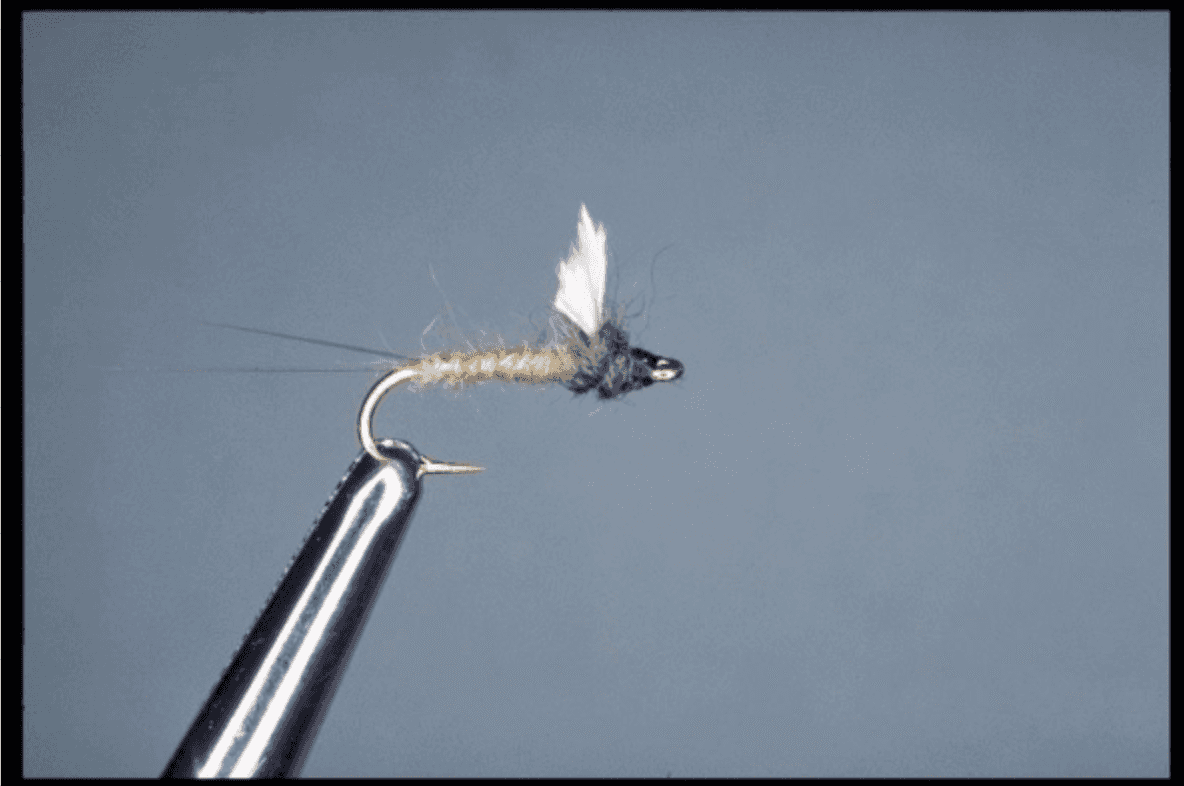
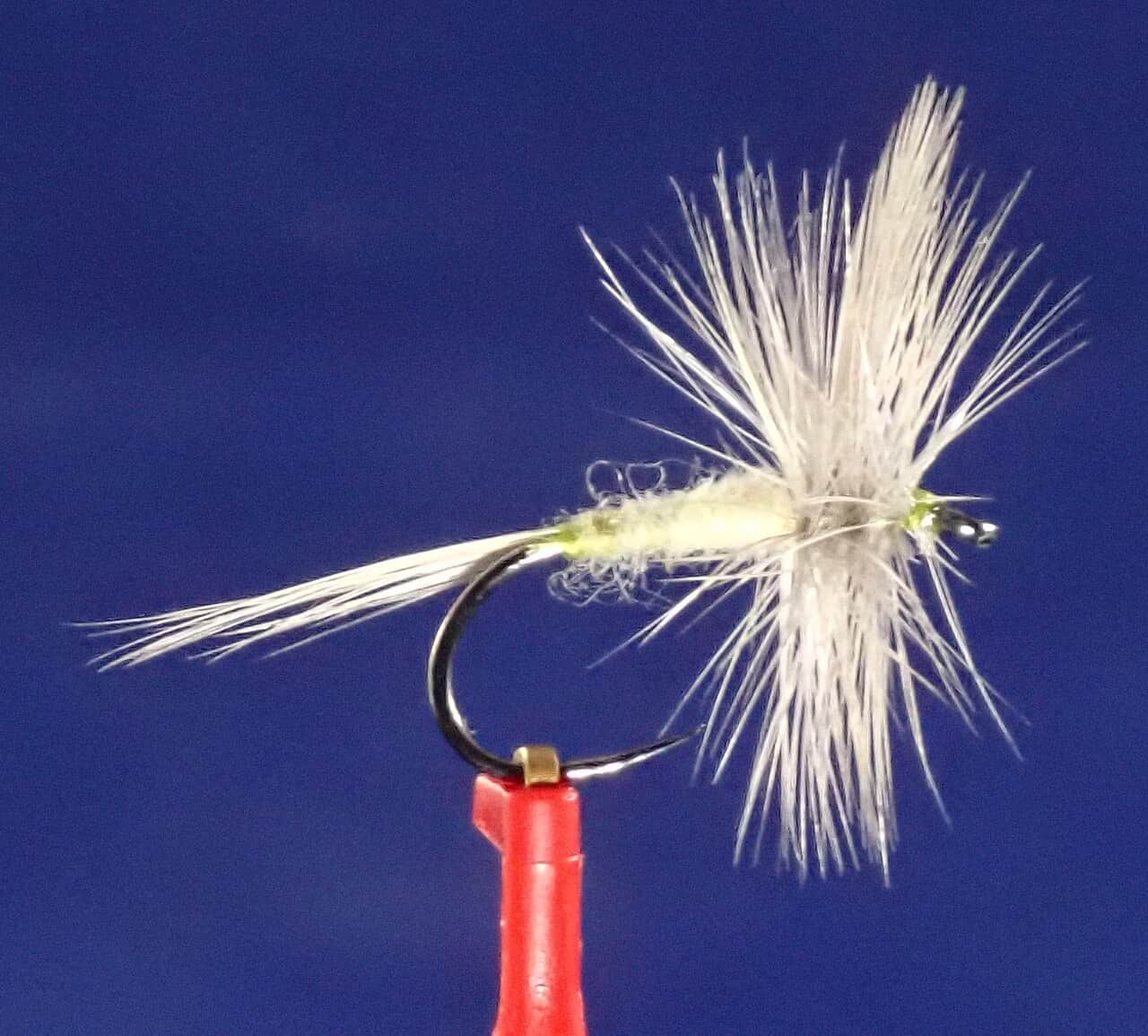
RS2, zebra midge, BWO emerger, small parachute Adams

Useful in park meadows and lower clear flows.

Runoff and color flies

Stonefly nymph, pats rubber legs, olive bugger, black bugger

Use during rising or slightly colored water.

Tactics

How to fish it

Start with short, high-percentage pockets before you cast to long obvious runs.

In Moraine Park and other flatter upper reaches, make the first cast count and avoid lining fish in clear water.

When the flow is pushy, fish softer banks, inside seams, and depth changes instead of trying to reach the heavy middle current.

Move often. The Big Thompson rewards a steady string of short productive stops more than one long stationary session.

Rigging

Rod, leader, and setup notes

A 4- or 5-weight with floating line covers nearly all trout situations on this page.

Carry 4X to 6X tippet so you can adjust between canyon pocket water and calmer meadow glides.

Use compact dry-dropper rigs in broken water and slim indicator or euro-style nymph rigs when the river is deep or cold.

Pack a wading staff for slick granite and cobble, especially after runoff or storms.

Access

Access and planning notes

Estes Park and RMNP context

Upper rule and road check

Wade / float / trail

Park / road / wade

When to pick it

Use it when park rules, access, and water temperature support the upper plan.

Caution

Park and upper-reach rules may differ from lower canyon assumptions.

Big Thompson Canyon

Pocket-water wading

Wade / float / trail

Roadside / wade / bank

When to pick it

Pick it when flows are stable and parking or pullout safety is clear.

Caution

Traffic, narrow shoulders, and high water make casual pullouts risky.

Loveland gauge context

Lower-river trend check

Wade / float / trail

Gauge / bank scout

When to pick it

Start here when lower-river flow and temperature match the intended session.

Caution

The gauge is useful context, not permission to fish every visible bank.

US 34 provides the basic canyon corridor, but do not assume every turnout is a comfortable or legal fishing stop.

Inside Rocky Mountain National Park, a Colorado fishing license is required for anglers 16 and older and park-specific gear restrictions still apply.

Treat canyon wading as a short-session plan with clear entry and exit points instead of forcing long walks beside traffic or steep banks.

Regulations

Check before fishing

Rocky Mountain National Park requires a Colorado fishing license for anglers 16 and older and lists specific catch-and-release and closed waters. Colorado's special-regulation page also lists the Big Thompson from the base of Olympus Dam at Lake Estes downstream to Waltonia as artificial flies and lures only with immediate trout release.

Primary base

Estes Park for upper river or Loveland for lower canyon

Best day style

Half-day reach hopping with a backup plan

Check first

RiverReports, USGS 06741510, RMNP fishing rules, and local weather

Safety

Runoff spikes, traffic pullouts, slick cobble, and fast afternoon storms

Gear

Helpful gear for this water

4- or 5-weight rod

Ideal for pocket water, dry-dropper rigs, and short nymph sessions.

Thermometer

Important for late summer canyon sessions.

Wading staff

Useful on uneven boulders and swift canyon crossings.

Rain shell

Storm cells build quickly on Front Range summer afternoons.

Nearby water

Other water to research

Backup logic

High water

Compare Boulder Creek, Clear Creek, or a South Platte option instead of forcing canyon crossings.

Heat

Move higher, fish early, or stop trout pressure when lower water warms.

Storms or stain

Wait for clarity and safer canyon edges before committing.

Access issue

Use signed public access or choose Big Thompson at Drake only after confirming that reach's chart and pullouts.

Boulder Creek

Another Front Range small-river option when you want shorter casts and lower elevation access.

Clear Creek

Useful backup when canyon flow or traffic makes the Big Thompson less appealing.

South Platte River

Better fallback for longer nymph-focused days when freestone runoff is still too pushy.

FAQ

Fast answers

Is Big Thompson fishable today?

Big Thompson looks very fishable right now. The live score is 86/100, based on current flow, weather, public alerts, and the report's planning context. Recheck the linked gauge and forecast before leaving because conditions can change quickly after rain, heat, access changes, or flow swings.

What flow is best for Big Thompson?

Stable or dropping freestone flows with enough visibility to fish pockets and banks safely.

When should I skip Big Thompson?

Skip during muddy runoff spikes, lightning-heavy afternoons, or when lower canyon water is warm enough to stress trout.

Is Big Thompson safe to wade right now?

The fishability score is not a wading guarantee. Wade only where your chosen access has safe edges, clear footing, legal entry, and no forced crossings; high, rising, stained, or storm-affected water should be treated conservatively.

Is the Big Thompson a wade river or a float river?

This page is primarily a wade plan. Most anglers do best by fishing short public sections rather than trying to float the canyon.

Which flow source should I trust first?

Use RiverReports for quick trend reading and USGS 06741510 for official context, then adjust for the specific reach because upper park water can look different from the lower canyon.

What is the most important regulation check?

Check both Rocky Mountain National Park fishing rules and Colorado's special-regulation page if your day crosses the park boundary or the Lake Estes to Waltonia stretch.