California / West
Pit River
A Pit River report focused on rugged canyon access, hydro-managed flow caution, pocket-water tactics, safety, current regulations, and practical trip planning.
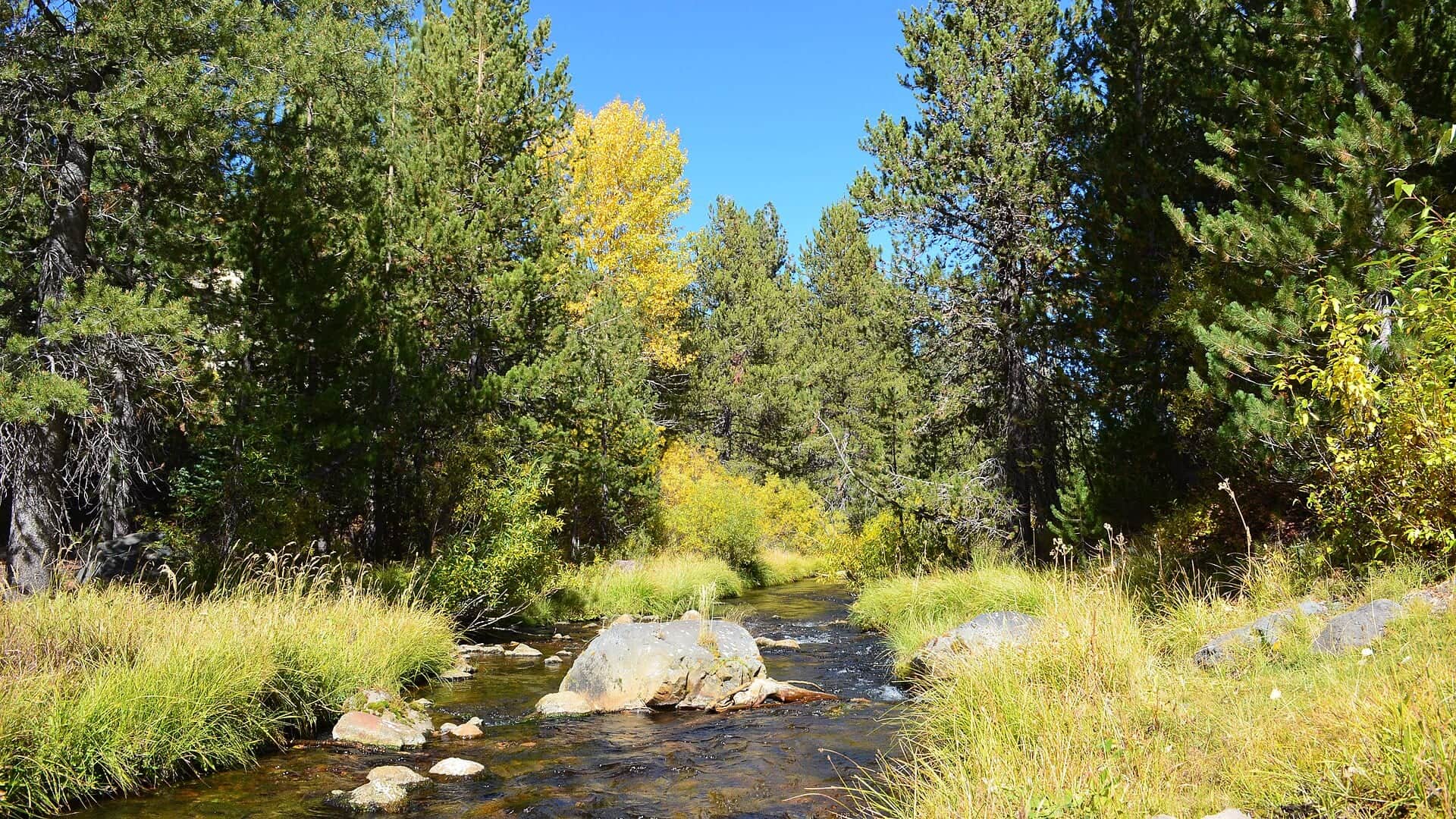
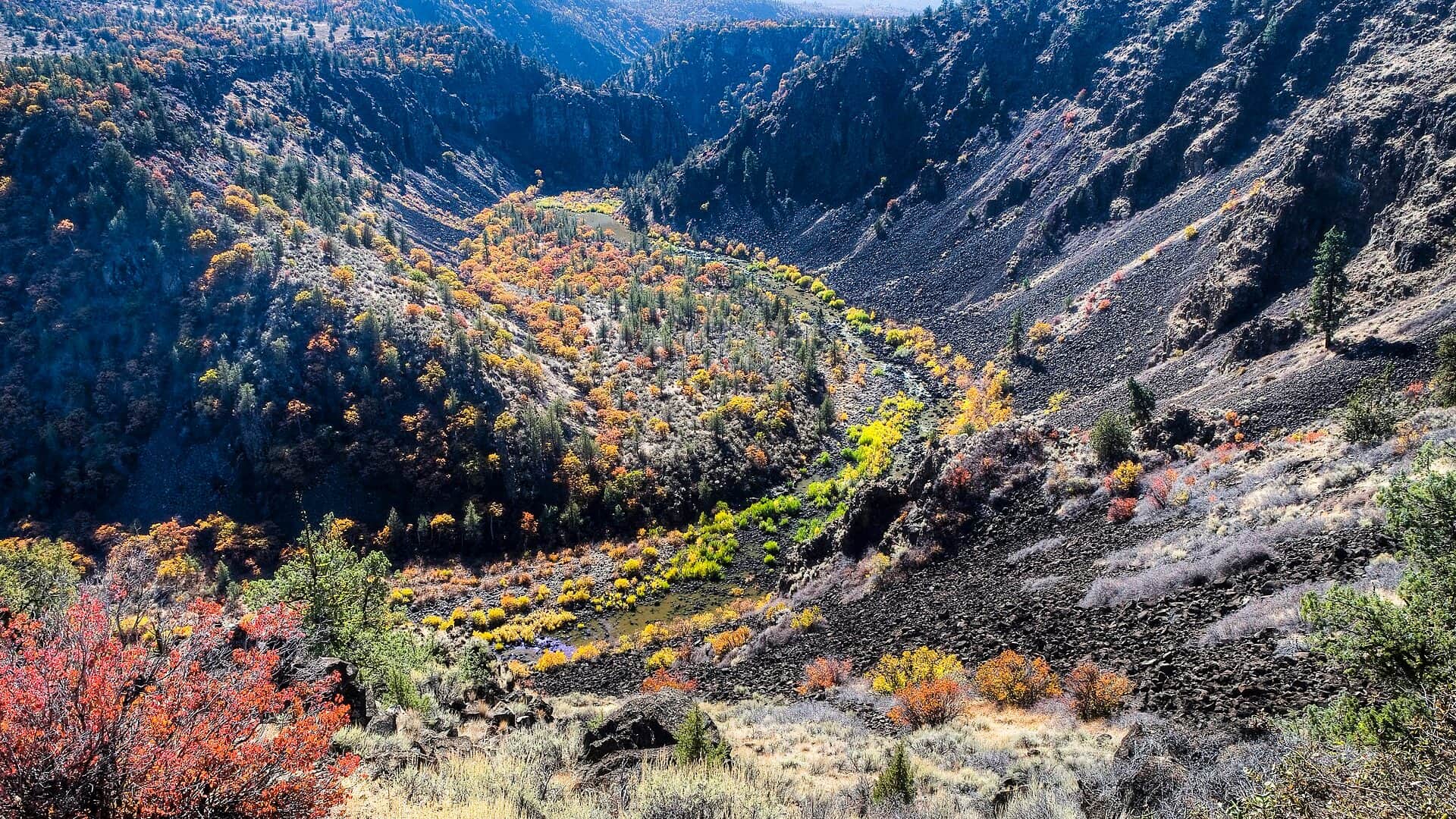
Image: Pit River Canyon WSA (9472751188) / Public domain / Bob Wick; Bureau of Land ManagementFishability now: Pit River fishability today
UnknownData confidence: Medium44/100
Check live sources first because flow has been checked, weather is mild, and no public alert is active.
Flow observed
Not returned
Weather observed
6:00 PM UTC
Score calculated
6:12 PM UTC
Why this rating
Flow
Weather
Public alerts
Next 6-12 hours
Hold
Wait for a better live check before committing the drive or choosing a wading plan.
Flow check
No live chart
Current trend: previous-score comparison will become more useful after repeated live checks.
More planning details: flies, flow bands, and live source checks
Fish it today
Start here
Start with one access reality such as the BLM campground corridor or another clearly legal public entry, then fish one reach methodically instead of chasing every named Pit section. The river rewards a smaller safer day more than an ambitious mileage plan.
Best flow clue
Use project and local flow context as a warning system more than a promise. The best windows are stable enough to let you plant your feet, fish short drifts, and climb out cleanly; if the river is pushy, changing, or simply looks harder than the trout are worth, that is the signal to move to another river.
Skip trigger
Skip the Pit when you are guessing about the exact reach flow, when the approach or exit looks worse than your comfort level, when heat or smoke turns the canyon into a grind, or when you would need to make risky crossings just to reach the first likely seam.
Flow decision bands
Low but fishable / manual review
Use current reach-specific flow, project context, access, water temperature, and wading safety together before calling the Pit fishable.
Best rugged trout window
Stable reach conditions, cool weather, clear access, and safe same-side pocket water create the best trout plan.
Pushy or unsafe
High or changing hydro-influenced water, slick boulders, or uncertain exits should stop wading.
No single-gauge certainty
USGS context helps, but one gauge cannot describe every Pit reach anglers may mean.
Flow check
No live chart
Current trend: previous-score comparison will become more useful after repeated live checks.
No structured live flow
Use the linked flow and access sources before deciding.
Live NWS forecast
69F / Sunny
Water temperature not verified
Heat guidance uses weather and river type unless an official water-temperature value is available.
No NWS alert flag
No active NWS alert was returned for this forecast point.
Check CDFW rules and project or agency flow information before going.
Expect slick rocks, pushy slots, and steep approaches in many Pit reaches.
Use pocket-water nymphs, heavy dry-droppers, and short controlled casts.
Choose a different river if you are not comfortable with rugged wading.
Editorial review
How this report is maintained
This Pit River report is maintained from current California regulation, BLM access, project, weather, and safety sources so anglers can plan the right rugged reach without glossing over the river's wading hazards.
Byline
BlueStreamFly editorial team
Reviewed by
BlueStreamFly source review
Maintained by
Mountain Brook Run LLC
Last material review
2026-05-31
Report confidence
Good confidence
83/100
Good confidence: USGS context, BLM access, State Water Board project context, CDFW regulation/closure sources, weather data, and public-domain media support the page. Confidence is moderated by hydro-reach complexity, difficult wading, limited access anchors, and no single verified live gauge that fits every Pit River fishing plan.
Regulations
CDFW freshwater regulation, Title 14, and closure sources support the rule and closure check path.
Access
BLM Pit River Campground supports one public anchor, but reach selection, project boundaries, roads, and exits require current checks.
Flow and weather
USGS 11365000 and the National Weather Service point are useful context, but hydro complexity keeps the live-flow call conservative.
Fishing usefulness
The page now separates hydro-flow uncertainty, wading risk, access anchors, heat/smoke caution, and backup water choices.
Fishability dashboard and source review
2026-05-31 / material content or source review
USGS Pit River near Montgomery Creek context, BLM Pit River Campground access, State Water Board Pit 3-4-5 project context, CDFW regulation/closure sources, and the National Weather Service point were checked before updating the conservative no-gauge current-fishability fallback.
2026-05-31
Updated Pit River to the current fishability-page standard with hydro-reach flow caution, rugged access cards, backup cues, stable fishability SEO, and confidence signals.
2026-05-29
Added a page-specific report-confidence meter for Pit River flow context, hydro-project complexity, public access, regulation, closure, weather, and wading-safety guidance.
2026-05-28
Added rugged-river trip-fit guidance, wade-only safety framing, hydro-sensitive skip cues, public-access nuance, pressure timing, backup-water suggestions, and stronger editorial review signals after source review.
Angler planning edge
Local details that change the plan
Best for
Experienced wade anglers who already know traction, exit routes, and conservative crossing decisions are the first part of the plan, Short pocket-water missions where one legal access point is enough and a small stretch of river can fill the day, People who want an official BLM access anchor instead of gambling on every roadside view into the canyon, Northern California trips with a backup river ready if hydro conditions, heat, or fatigue make the Pit a bad fit
Wade or float
Treat the Pit as a wade-only report with a safety-first bias. The practical trip is about walking into one rugged section, fishing a limited number of pockets well, and leaving before the exit feels harder than the fishing.
Best flows
Use project and local flow context as a warning system more than a promise. The best windows are stable enough to let you plant your feet, fish short drifts, and climb out cleanly; if the river is pushy, changing, or simply looks harder than the trout are worth, that is the signal to move to another river.
When to skip
Skip the Pit when you are guessing about the exact reach flow, when the approach or exit looks worse than your comfort level, when heat or smoke turns the canyon into a grind, or when you would need to make risky crossings just to reach the first likely seam.
Local plan
Start with one access reality such as the BLM campground corridor or another clearly legal public entry, then fish one reach methodically instead of chasing every named Pit section. The river rewards a smaller safer day more than an ambitious mileage plan.
Pressure
Pressure on the Pit is lighter than on easier Northern California trout water, but it compresses at the few obvious public pullouts and campground-based entries. Early starts and a short walk away from the first visible water usually do more than trying to out-rotate other anglers.
Access nuance
Public access is not the same thing as easy fishing. The BLM campground gives a clear legal anchor, while much of the broader Pit identity is still steep banks, project land, and hard exits that demand more planning than a standard roadside trout river.
Backup water
If the Pit is running too hard or feels too physical for the day, pivot to the Upper Sacramento for a more forgiving freestone option or to Hat Creek if you need a technical trout backup with simpler footing and clearer public structure.
About the river
Setting, character, and why it fishes the way it does.
The Pit River drains northeastern California and enters the Sacramento River system through a rugged, hydro-influenced corridor.
Fly anglers often talk about the Pit 3, 4, and 5 reaches because flow management, project operations, and canyon access shape fishability.
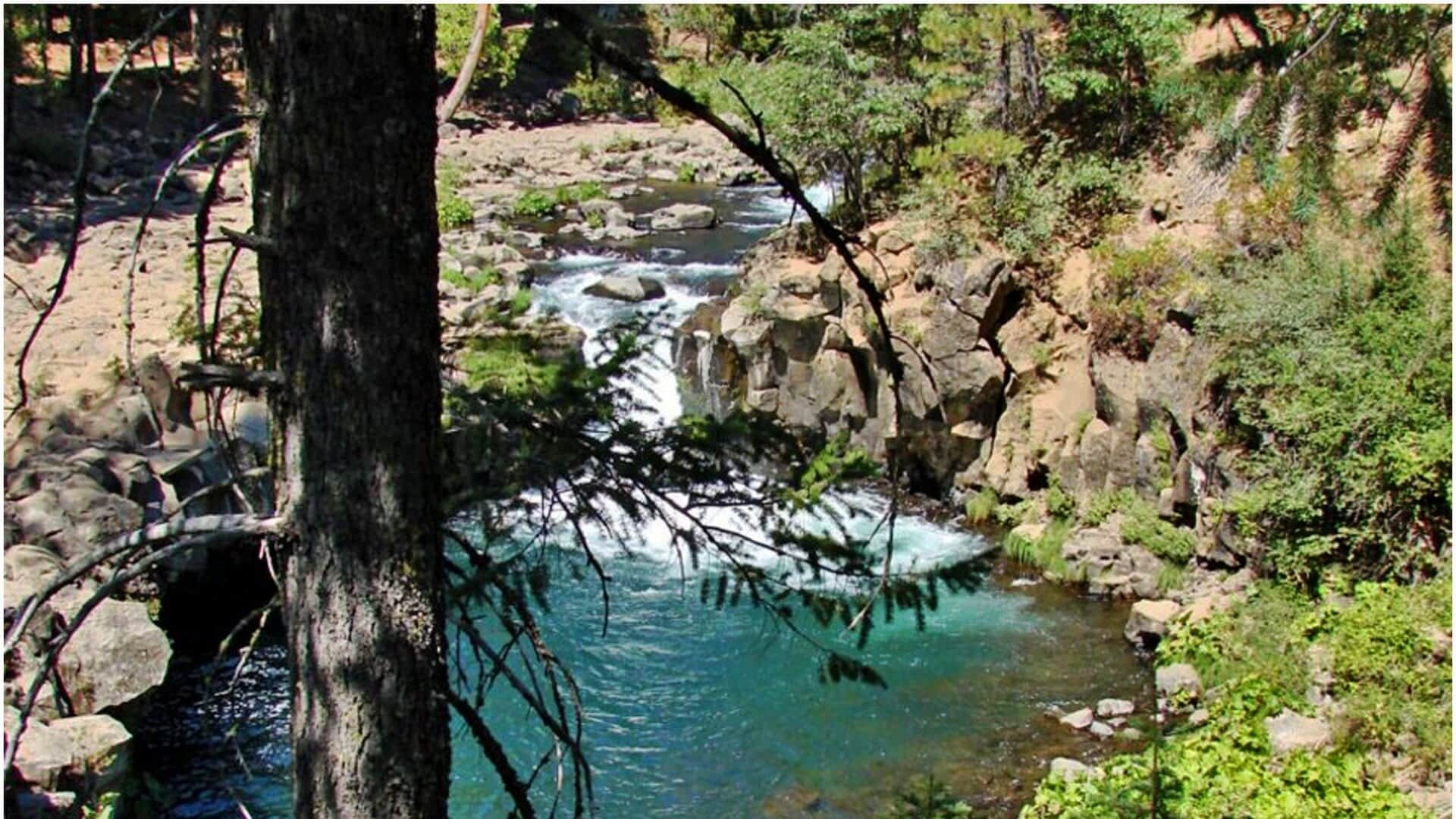
The river is not defined by manicured access. It is defined by boulders, slots, steep banks, poison oak, and pocket-water trout.
Official project and agency sources matter because flow changes can affect both fish behavior and personal safety.
Target species
Rainbow trout
The main fly target in pocket water, slots, riffles, and plunge-pool edges.
Brown trout
Possible in parts of the system, especially around deeper cover and low light.
Native fish and suckers
The Pit system has broader native-fish value, so identify fish and handle them carefully.
Aquatic insects
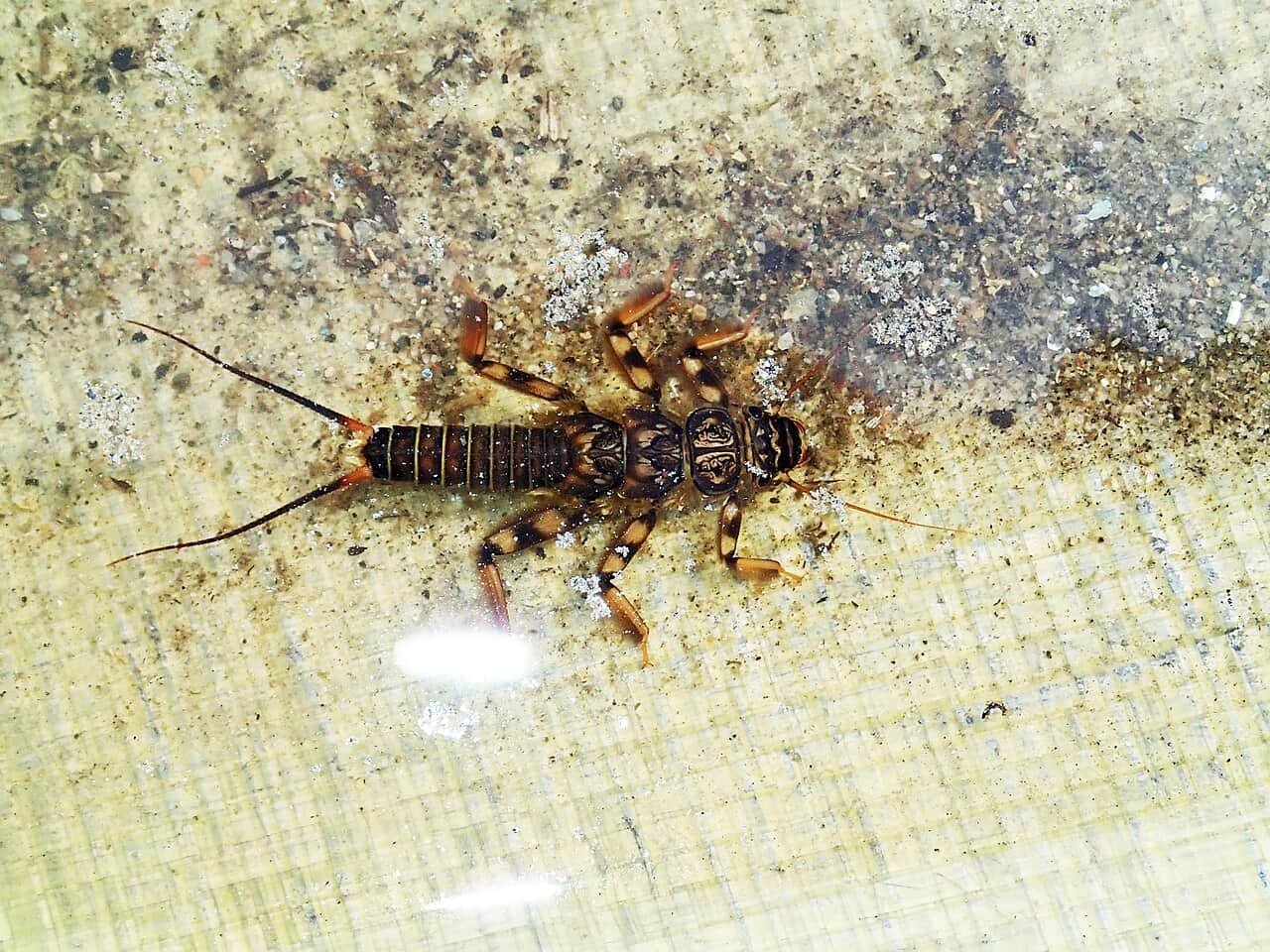
Stoneflies, caddis, mayflies, and midges are more useful planning categories than exact daily hatch promises.
Reading the water
Lower pocket-water flow
Fish upstream with short casts, dry-droppers, and nymphs through every soft slot.
Stable medium flow
Use heavier nymph rigs and stay conservative with crossings.
High or changing flow
Skip risky wading. Hydropower-influenced reaches can become dangerous quickly.
Hot weather
Start early, carry water, and be ready to stop if fish handling or personal safety suffers.
Best seasons
Spring
Can be productive if access roads, flows, and weather cooperate.
Early summer
Caddis, stones, and pocket-water nymphing can be useful before heat is severe.
Late summer
Fish early and watch water temperature, smoke, and heat stress.
Fall
Cooler weather can improve comfort and trout activity, with flow checks still required.
Flow
Pit River
Check USGS and Pit 3/4/5 project sources for the specific reach. No verified public live gauge was confirmed for this report.
Weather
River weather report
Weather can change wading safety, road access, water temperature, hatches, and the best time of day to fish.
Live forecast loads as you reach this section
This keeps the report fast while still using the official National Weather Service forecast point.
Hatches and flies
Hatch chart and fly picks
Spring
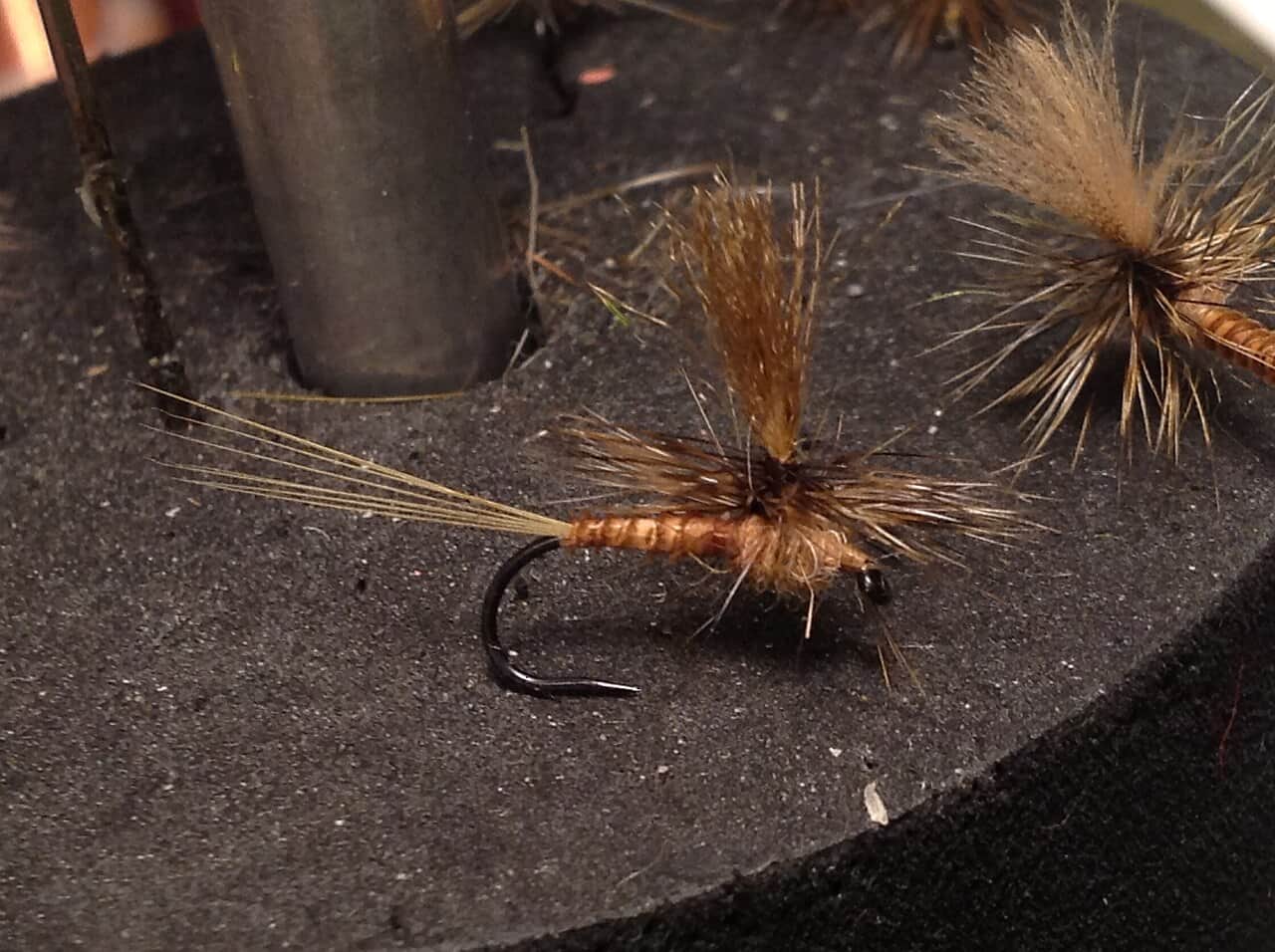
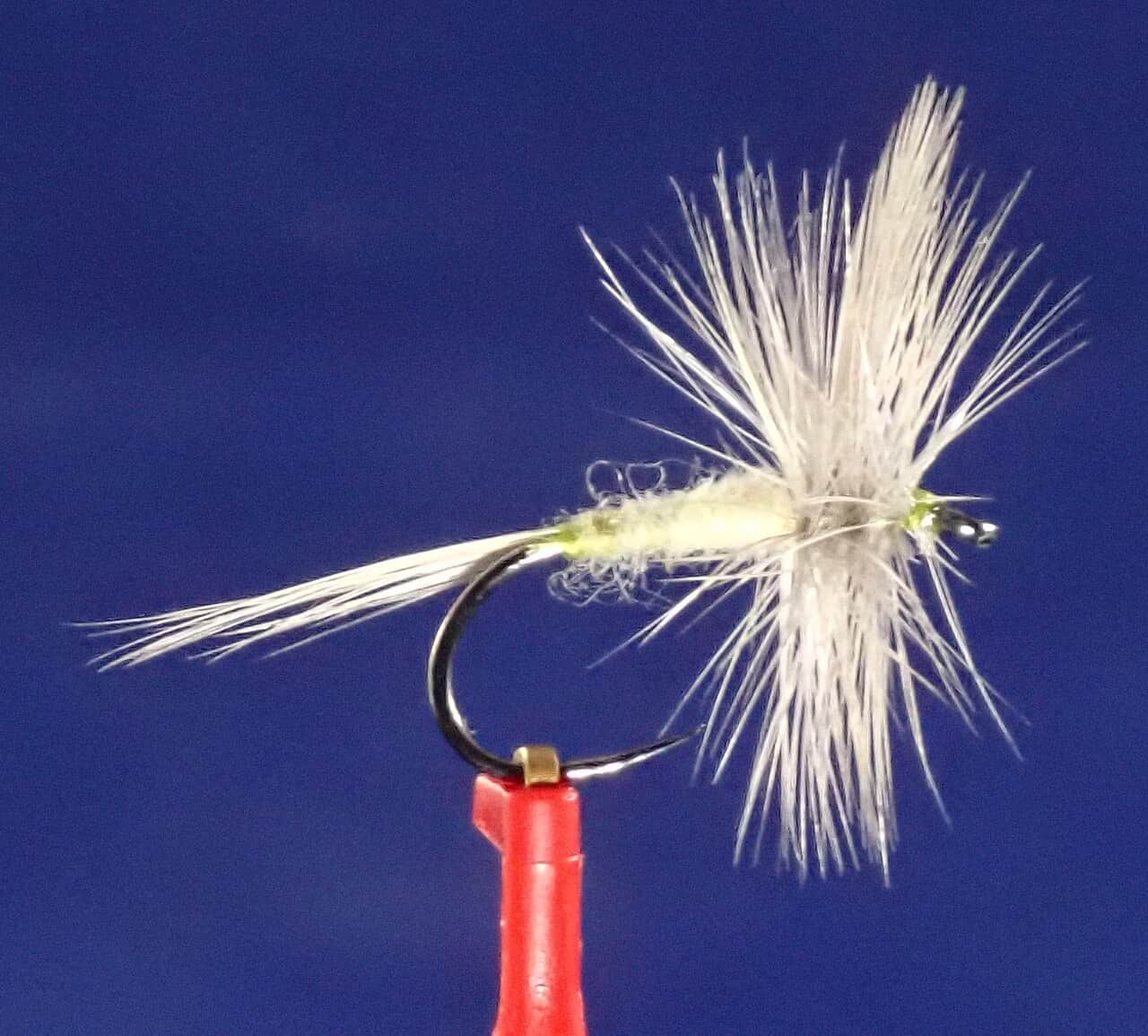
Stoneflies, caddis, BWOs, March browns
Stonefly nymph, caddis pupa, BWO emerger, March brown
Early summer
Golden stones, caddis, PMDs, yellow sallies
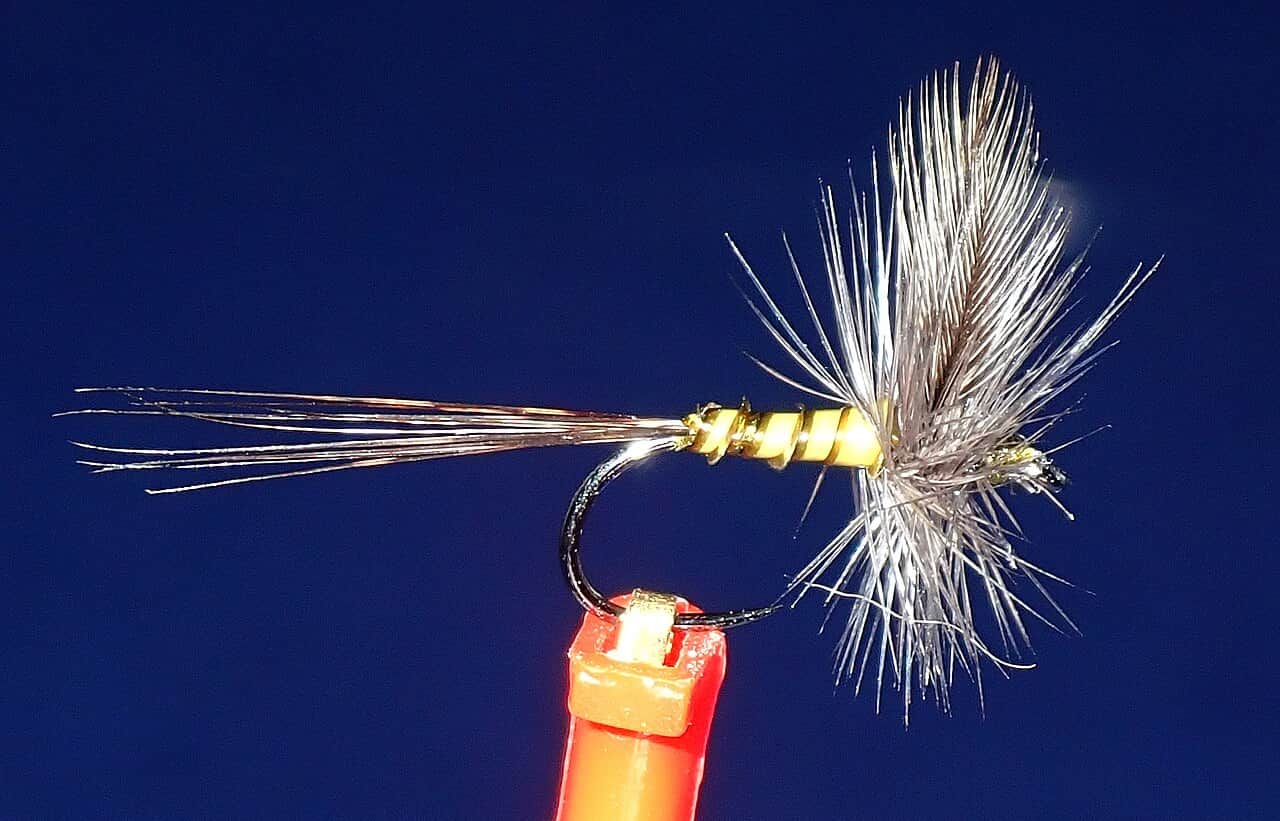
Stimulator, golden stone nymph, PMD nymph, caddis dry
Summer
Caddis, terrestrials, small mayflies
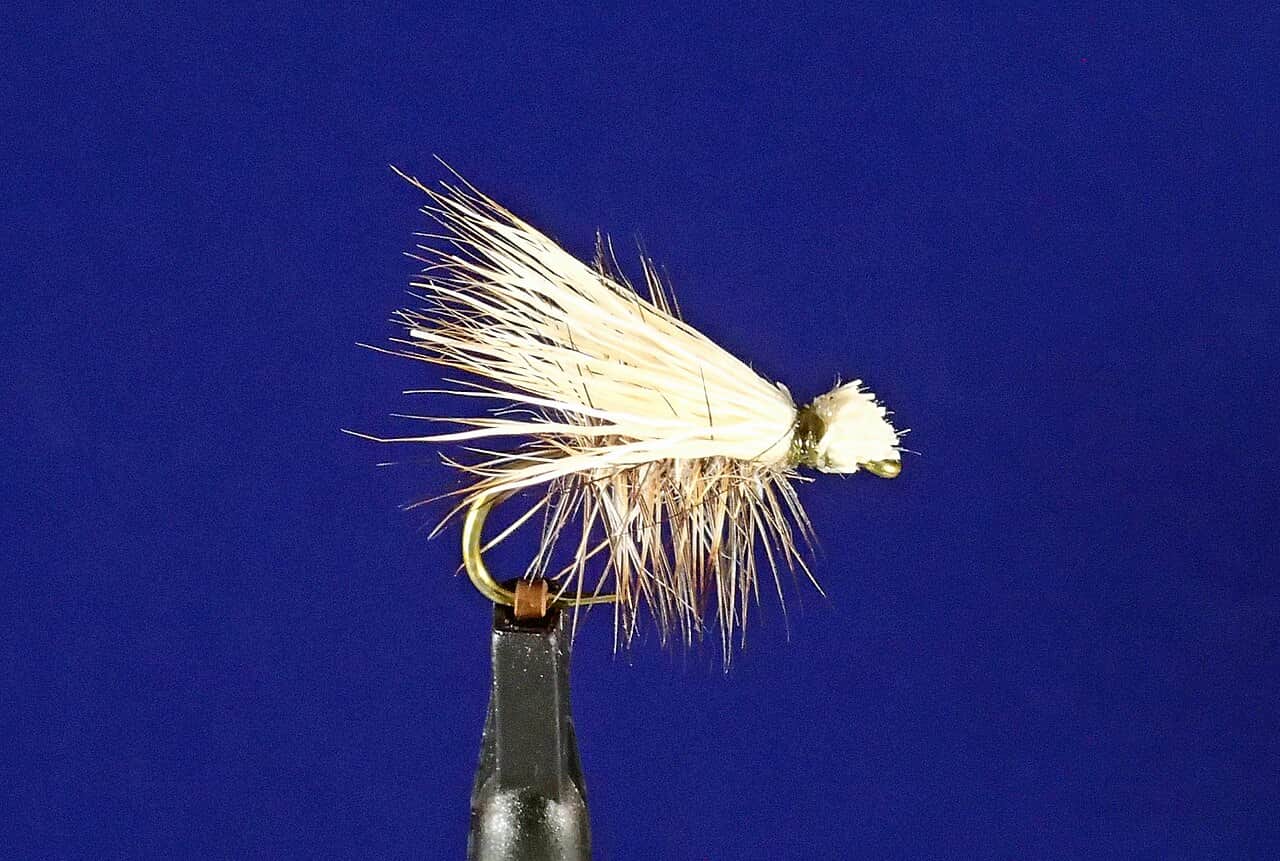
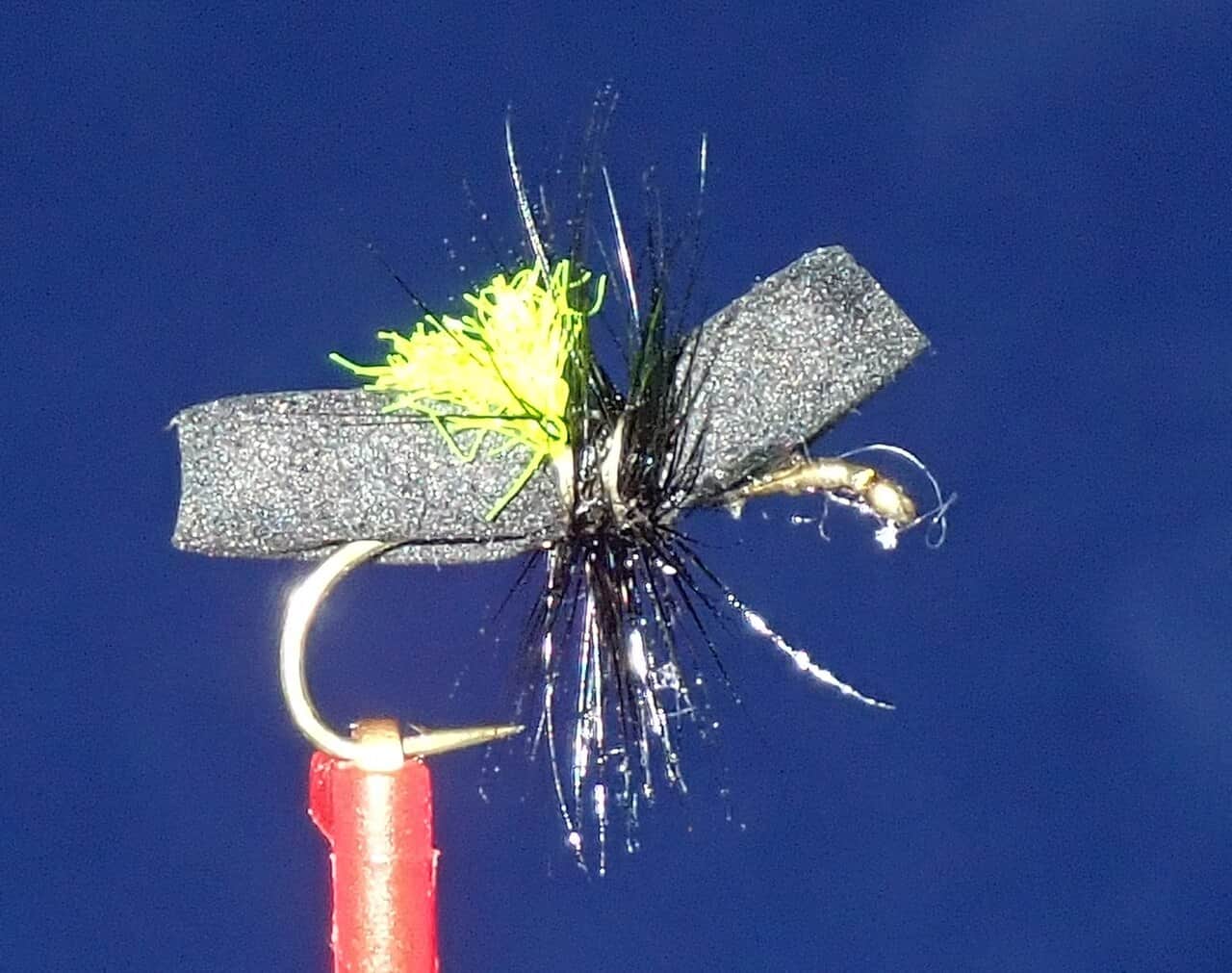
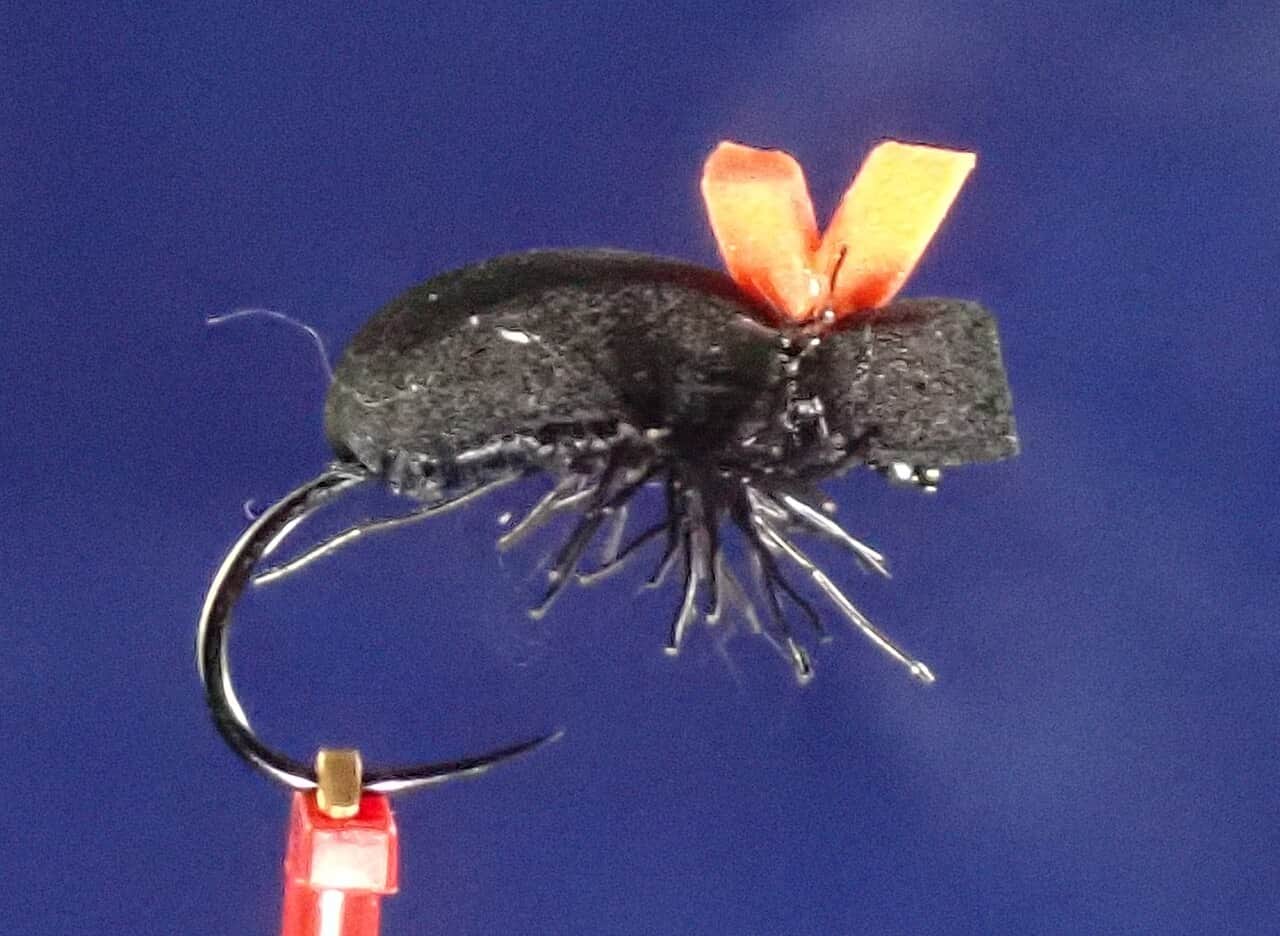
Elk hair caddis, ant, beetle, perdigon, small soft hackle
Fall
BWOs, October caddis, midges
BWO, October caddis, zebra midge, leech
Heavy nymphs
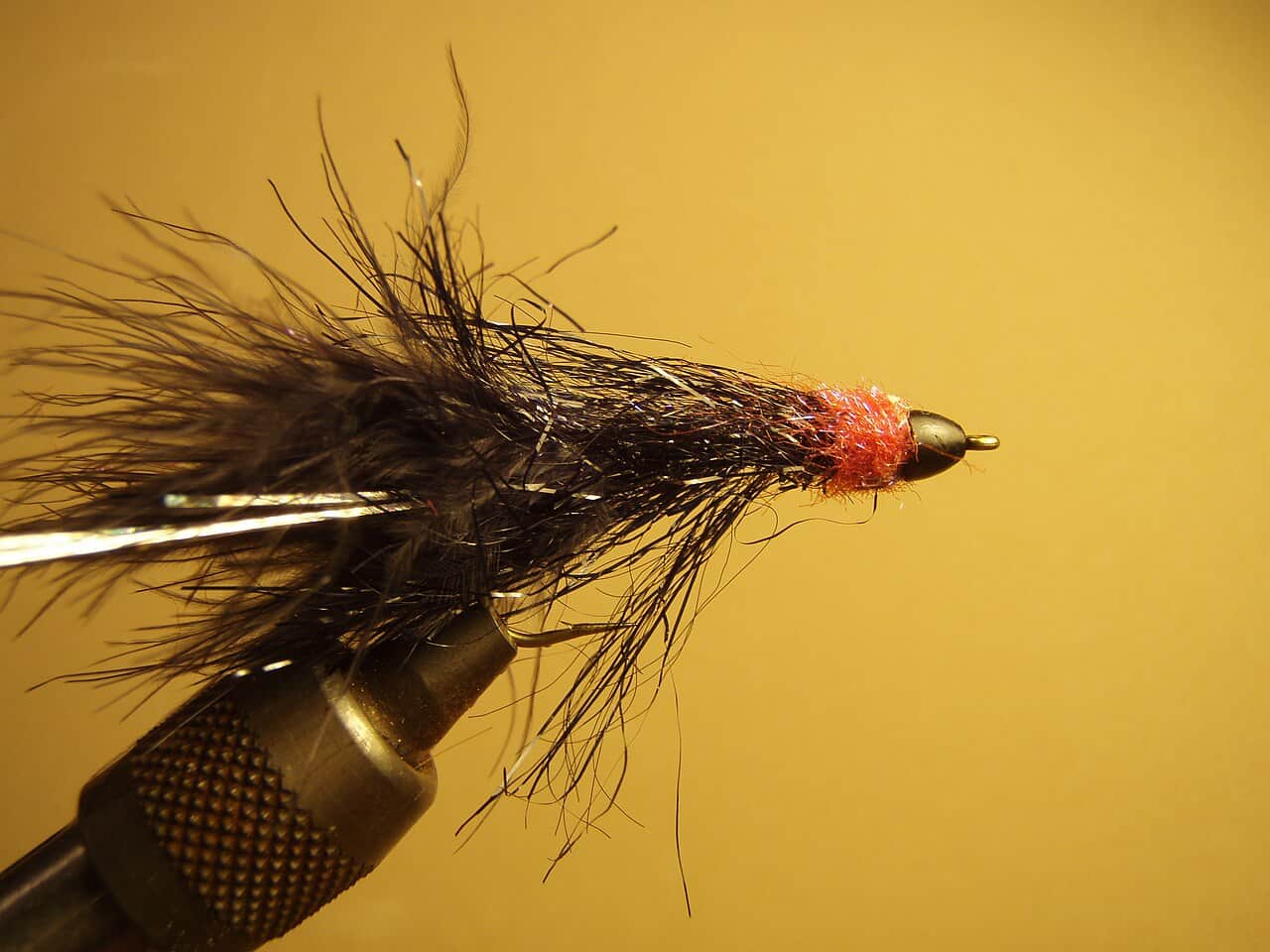
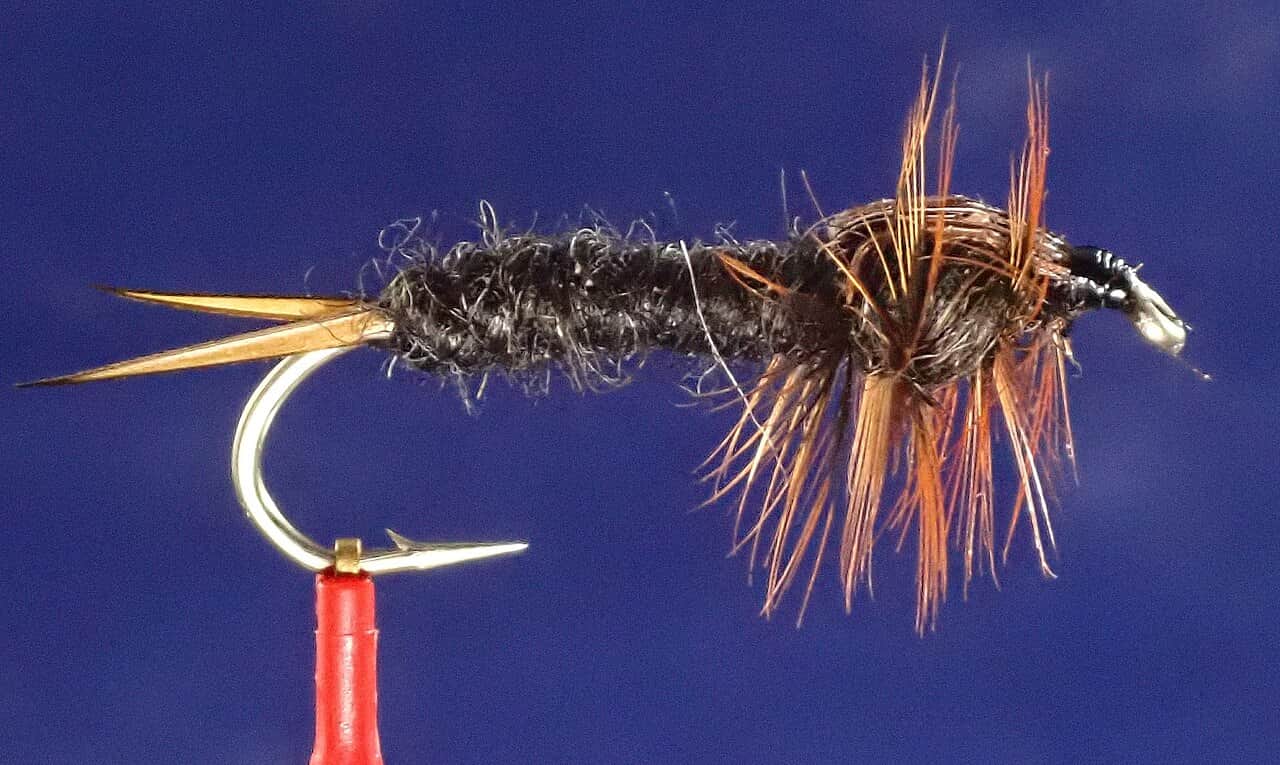
Stonefly, jig perdigon, pheasant tail, hare's ear, caddis pupa
Use for short pocket-water drifts where flies need to drop quickly.
Dry-droppers
Stimulator, chubby, elk hair caddis, tungsten dropper
Use to cover plunge pools, edges, and fast pockets efficiently.
Streamers
Sculpin, leech, olive bugger, small baitfish
Use around deeper slots and low-light banks when flows allow safe positioning.
Soft hackles
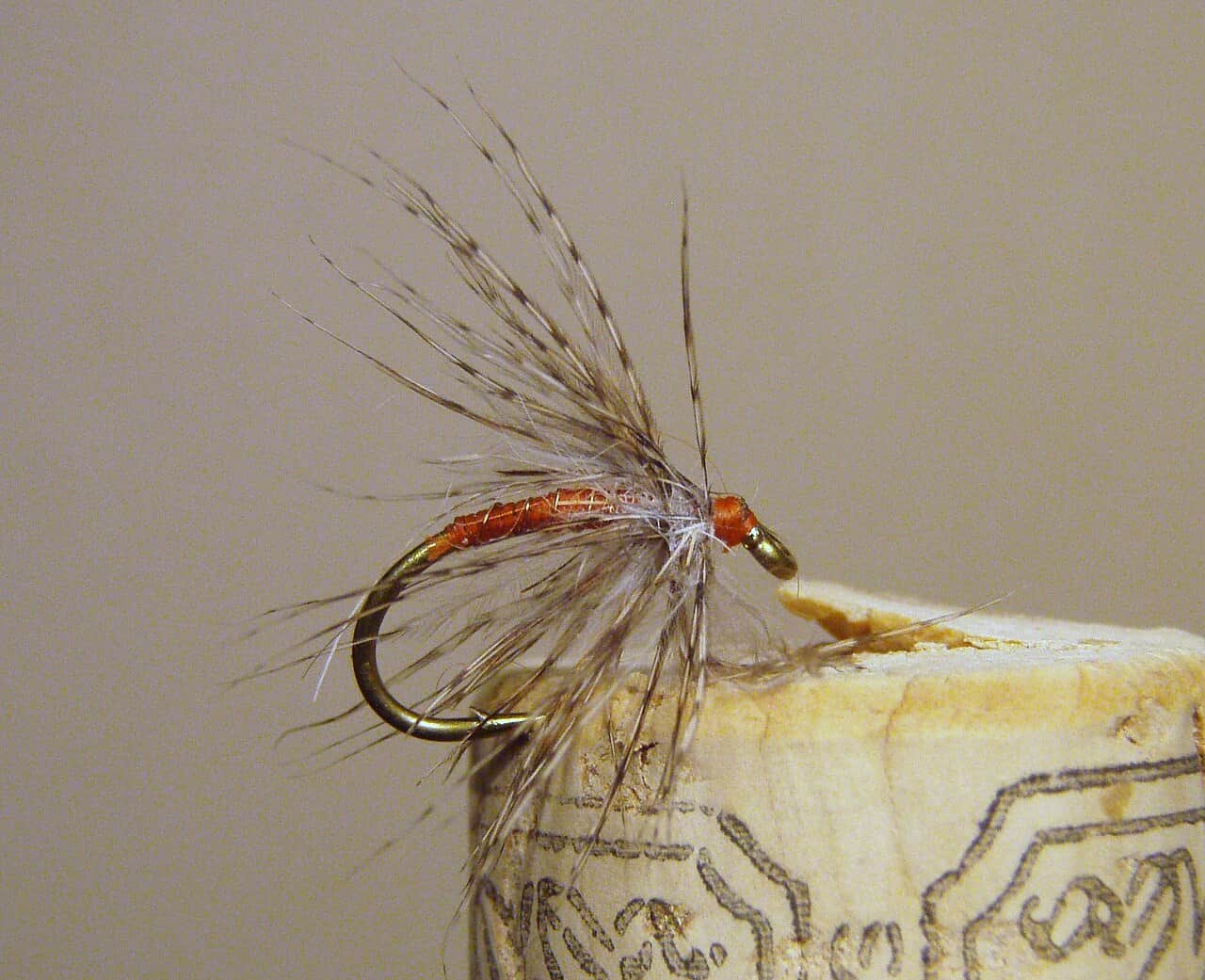
Caddis soft hackle, partridge and orange, BWO soft hackle
Swing through tailouts after nymphing a pocket or riffle.
Tactics
How to fish it
Make short upstream casts and fish one pocket at a time.
Keep your feet planted before casting; the wading is often harder than the drift.
Use a dry-dropper to find active fish, then switch to heavier nymphs for deeper slots.
Avoid long crossings and never assume you can climb out downstream.
Watch for snakes, poison oak, heat, and steep loose banks.
Leave the river before fatigue makes the return unsafe.
Rigging
Rod, leader, and setup notes
A 9-foot 5-weight is a good base rod for pocket-water nymphing.
Use a 6-weight if throwing big dry-droppers, streamers, or heavier rigs.
Carry tungsten nymphs, split shot, and indicator or tight-line options.
Wear studs or strong traction and use a wading staff.
Bring more water than you think you need in warm months.
Access
Access and planning notes
Pit River Campground context
Public anchorWade / float / trail
Campground / bank / scout
When to pick it
Use it when BLM access and current reach conditions are confirmed.
Caution
A public campground does not make the whole river beginner-friendly.
Pit 3, 4, and 5 reaches
Hydro-reach cautionWade / float / trail
Project / road / rugged wade
When to pick it
Pick only when project flow context and exit routes are clear.
Caution
Hydro changes, slick slots, and hard exits can override the score.
Burney / Fall River Mills base
Logistics and backupWade / float / trail
Road / services / alternate water
When to pick it
Use it when heat, road, or access checks may send you to nearby water.
Caution
Cell service and heat can be limiting around rugged reaches.
The Pit rewards fit, careful anglers and punishes casual wading.
Hydro-influenced flow changes can make a reach unsafe or unfishable.
Public, utility, forest, and private boundaries can be confusing. Respect posted signs.
Some access roads are rough, hot, or remote, with limited cell service.
This is not a beginner-friendly wading recommendation.
Regulations
Check before fishing
Verify CDFW's current Pit River regulations and any project or land-manager notices before fishing. Rules and safe access can vary by reach.
Primary base
Burney, Fall River Mills, or Redding, California
Best day style
BLM, utility, forest, and rugged canyon access
Check first
CDFW rules, project flow notices, access roads, weather, wading safety
Safety
Slick boulders, steep banks, hydro releases, remote exits, hot weather
Gear
Helpful gear for this water
Studded boots and staff
These are core safety gear, not optional extras, on many Pit reaches.
Tungsten nymphs
Fast pockets often need quick-sinking flies and short drifts.
Water and heat kit
Canyon heat and hard walking can wear anglers down fast.
Offline route plan
Know how to leave the canyon before you start fishing downstream.
Nearby water
Other water to research
Backup logic
High water
Skip difficult wading and compare Fall River, Hat Creek, or the McCloud.
Heat
Fish early, carry water, and stop trout pressure when canyon heat or water temperature is stressful.
Hydro or closure uncertainty
Wait for reach-specific clarity rather than guessing from a broad river name.
Access issue
Use BLM or clearly public access; do not improvise through private or utility lands.
Fall River
A spring-creek alternative with limited access but easier wading than the Pit.
Hat Creek
A famous northeastern California trout option with technical spring-creek style water.
McCloud River
Another rugged northern California river with canyon access and strict boundaries.
FAQ
Fast answers
Is Pit River fishable today?
Pit River needs a live-condition check before you commit. The live score is 44/100, based on current flow, weather, public alerts, and the report's planning context. Recheck the linked gauge and forecast before leaving because conditions can change quickly after rain, heat, access changes, or flow swings.
What flow is best for Pit River?
Use project and local flow context as a warning system more than a promise. The best windows are stable enough to let you plant your feet, fish short drifts, and climb out cleanly; if the river is pushy, changing, or simply looks harder than the trout are worth, that is the signal to move to another river.
When should I skip Pit River?
Skip the Pit when you are guessing about the exact reach flow, when the approach or exit looks worse than your comfort level, when heat or smoke turns the canyon into a grind, or when you would need to make risky crossings just to reach the first likely seam.
Is Pit River safe to wade right now?
The fishability score is not a wading guarantee. Wade only where your chosen access has safe edges, clear footing, legal entry, and no forced crossings; high, rising, stained, or storm-affected water should be treated conservatively.
Is the Pit River good for beginners?
Usually no. The river is rugged, slippery, and physically demanding even when the fishing is good.
What flow source should I use?
Check USGS and project/land-manager information for the reach you plan to fish. A single verified live graph was not used for this broad Pit report.
What flies work best?
Stonefly nymphs, caddis pupa, tungsten mayfly nymphs, heavy dry-droppers, and small streamers are practical starting points.
What is the biggest safety issue?
Wading. Slick boulders, pushy slots, steep banks, and flow changes are the main reasons to be conservative.
Sources
Source set for this report
Reviewed 2026-05-31