California / West
North Fork American River
A Sierra foothill freestone report built around the Auburn-to-Colfax canyon, RiverReports and USGS flow checks, wild-trout context, and steep-canyon access planning.
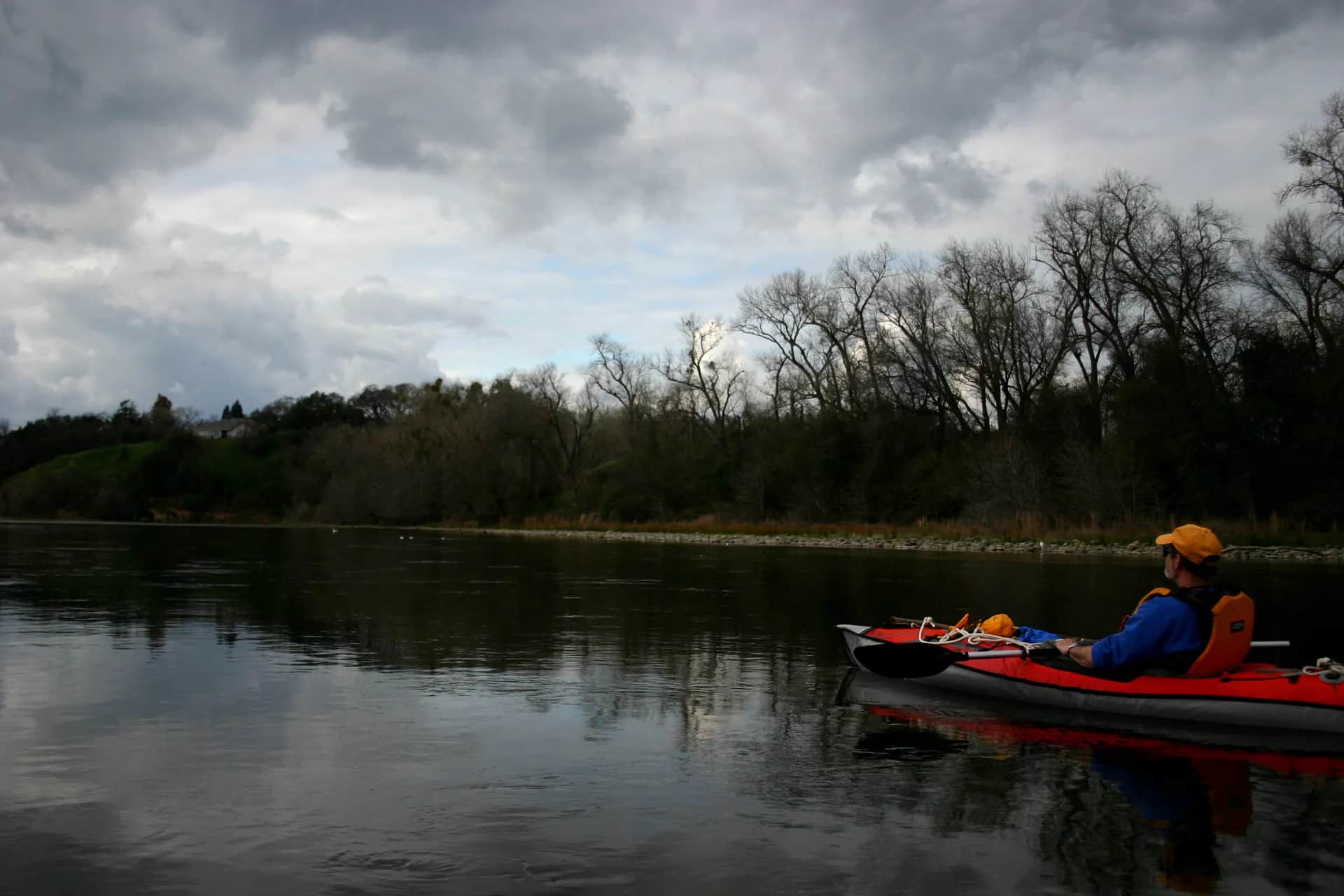
Image: Generated regional planning image for North Fork American River / BlueStreamFly generated; not exact location / BlueStreamFlyFishability now: North Fork American River fishability today
GreatData confidence: High96/100
Fishable now because North Fork Dam gauge is falling, weather is usable, and no public alert is active.
Flow observed
5:15 PM UTC
Weather observed
6:00 PM UTC
Score calculated
6:15 PM UTC
Why this rating
Flow
Weather
Public alerts
Next 6-12 hours
Improving / hold
A falling gauge and usable weather should keep the next 6-12 hours in play unless tributaries stain or heat builds.
USGS flow
306 cfs
Current trend: flow falling, rating likely holding strong unless weather or clarity changes.
More planning details: flies, flow bands, and live source checks
Fish it today
Start here
Start with the gauge, then choose either an Auburn SRA lower-canyon access day or an upstream Tahoe trail day. Keep the plan narrow and fish what you can reach safely.
Best flow clue
Use the trend more than one magic number. Stable or gently falling flows are far more useful than a fresh rise, and safe edge access matters more than squeezing out one more cfs window.
Skip trigger
Skip the trip during runoff spikes, severe heat, smoky canyon conditions, or any day when the only good-looking water requires a risky crossing.
Flow decision bands
Low but fishable
Low clear summer water can fish early with stealth, small flies, and temperature checks.
Best canyon window
Stable or falling flow with good clarity and a same-side access plan creates the best trout signal.
Pushy or unsafe
High spring runoff, whitewater character, or unclear exits should end wading and crossing plans.
Heat or smoke caution
Hot exposed canyon conditions, smoke, or warm lower-river water should shorten or stop trout fishing.
USGS flow
306 cfs
Current trend: flow falling, rating likely holding strong unless weather or clarity changes.
Live USGS flow
306 cfs / falling about 12%
Live NWS forecast
81F / Sunny
Water temperature not verified
Heat guidance uses weather and river type unless an official water-temperature value is available.
No NWS alert flag
No active NWS alert was returned for this forecast point.
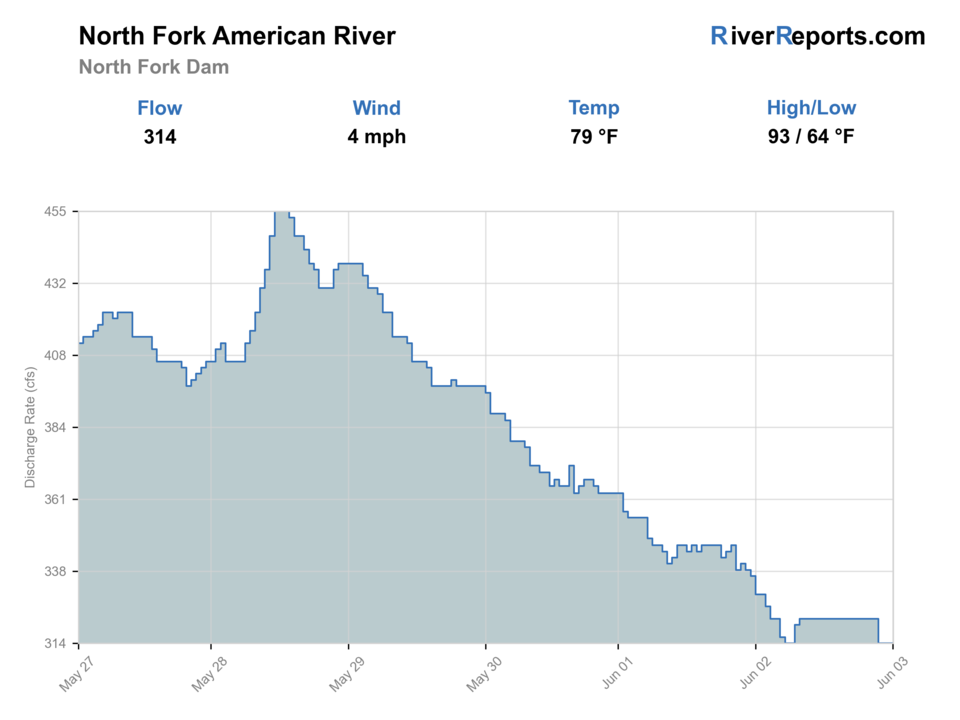
Use RiverReports for the quick chart and USGS 11427000 for the official flow read near North Fork Dam.
Expect the easiest public planning around Auburn State Recreation Area, China Bar, Clementine, and trail-access canyon reaches.
Summer can bring warm lower-river afternoons, while spring runoff can make even modest crossings unsafe.
Fish it like pressured California freestone trout water: cover pocket water, seams, and shaded structure before stepping in.
Editorial review
How this report is maintained
This report uses official regulation, flow, weather, access, and public-source material first, then adds practical angler planning guidance without replacing current rules.
Byline
BlueStreamFly editorial desk
Reviewed by
BlueStreamFly source review
Maintained by
BlueStreamFly
Last material review
2026-05-31
Report confidence
Good confidence
88/100
Good confidence: RiverReports, USGS flow, CDFW trout/regulation sources, Auburn State Recreation Area, Tahoe National Forest access context, and weather data support the page. Confidence is moderated by steep canyon safety, fast runoff changes, heat, fire/smoke risk, and generated regional imagery.
Regulations
CDFW freshwater and trout-water sources support the legal-check path.
Access
Auburn State Recreation Area and Tahoe National Forest sources support public access anchors, with exits, roads, and property edges still needing day-of checks.
Flow and weather
RiverReports, USGS 11427000, and the National Weather Service point are attached to the route.
Fishing usefulness
The page now separates runoff safety, canyon access, heat, fire/smoke checks, and backup river choices.
Fishability dashboard and source review
2026-05-31 / material content or source review
RiverReports, USGS North Fork American flow, CDFW trout and regulation sources, Auburn State Recreation Area access, Tahoe National Forest access context, and the National Weather Service point were checked before updating the current-fishability decision layer.
2026-05-31
Updated North Fork American River to the current fishability-page standard with canyon flow guidance, access cards, backup cues, stable fishability SEO, and confidence signals.
2026-05-29
Added a page-specific report-confidence meter for North Fork American flow, regulation, canyon-access, weather, safety, and trip-planning guidance.
2026-05-25
Published a new North Fork American River report with flow, weather, hatch, fly, tactics, access, regulation, editorial, image-credit, and angler-planning sections.
Angler planning edge
Local details that change the plan
Best for
Walk-and-wade anglers who like Sierra foothill pocket water and do not need easy roadside fishing., Dry-dropper and short-line nymph days on stable flows., Early starts that beat canyon heat and heavy recreation traffic.
Wade or float
Treat this as a wade-first trout report. Whitewater character, canyon walls, and steep banks make many reaches a poor choice for casual floating or forced crossings.
Best flows
Use the trend more than one magic number. Stable or gently falling flows are far more useful than a fresh rise, and safe edge access matters more than squeezing out one more cfs window.
When to skip
Skip the trip during runoff spikes, severe heat, smoky canyon conditions, or any day when the only good-looking water requires a risky crossing.
Local plan
Start with the gauge, then choose either an Auburn SRA lower-canyon access day or an upstream Tahoe trail day. Keep the plan narrow and fish what you can reach safely.
Pressure
Easiest access points see the most traffic. Hike a little farther or fish secondary seams instead of crowding the obvious summer pools.
Access nuance
Public access exists, but the canyon decides how usable it is. Long downhill approaches can turn into slow hot exits, and some boating corridors are poor wading water.
Backup water
If the canyon is too hot or too high, the Lower Yuba gives a better-structured trout backup with clearer access expectations.
About the river
Setting, character, and why it fishes the way it does.
The North Fork American River drains high Sierra country into a steep foothill canyon before reaching Auburn. That combination gives anglers cold-season flow swings, summer heat, clear water, and a lot of granite pocket water.
CDFW lists the North Fork American in its Designated Wild and Heritage Trout Waters program, which is a useful signal that wild-trout handling and honest conditions judgment belong in the plan.
Access is split between Auburn State Recreation Area in the lower canyon and Tahoe National Forest farther upstream. Both provide public entry points, but many banks are steep, rocky, hot, and slow to exit.
Target species
Rainbow trout
The core fly target in pocket water, riffles, boulder seams, and cooler canyon runs.
Brown trout
Possible in deeper or lower-river structure, especially where flows stay stable and shade holds temperature down.
Smallmouth bass
More relevant in warmer lower-river sections and calmer summer pockets than in the classic upper-canyon trout plan.
Seasonal warmwater bycatch
A reminder that lower-canyon summer fishing can shift away from a pure cold-water trout day.
Reading the water
Stable medium flow
Best all-around window for dry-dropper rigs, short-line nymphing, and fishing boulder seams without forcing dangerous crossings.
High spring flow
Treat as bank-fishing or wait-it-out water. Whitewater character and slick granite can make the canyon dangerous quickly.
Low clear summer flow
Use longer leaders, smaller dries or nymphs, and fish early before sun and recreation pressure push trout into cover.
Warm lower-river afternoons
Carry a thermometer and shift higher or stop trout fishing when lower-canyon water gets stressful.
Best seasons
Late spring
Good after runoff settles, with enough current for pocket-water trout and caddis or mayfly activity.
Early summer
One of the most reliable windows for stable flows, dry-dropper fishing, and longer daylight access plans.
Fall
Useful when nights cool down and canyon temperatures back off, especially on calm stable flows.
Winter
Possible in lower or sheltered reaches, but cold water, short daylight, and slick access make this a careful planning season.
Preferred flow source
North Fork American River at North Fork Dam
RiverReports is the preferred chart source when coverage exists. When a matching USGS gauge exists, keep it open as the official backstop for station data and current hydrograph context.

USGS data chart
Official USGS trend
Streamflow over the latest USGS reporting window.
Latest
306 cfs
Jun 3, 5 PM UTC
Weather
River weather report
Weather can change wading safety, road access, water temperature, hatches, and the best time of day to fish.
Live forecast loads as you reach this section
This keeps the report fast while still using the official National Weather Service forecast point.
Hatches and flies
Hatch chart and fly picks
Spring
BWOs, caddis, little stones, March Brown-style mayflies
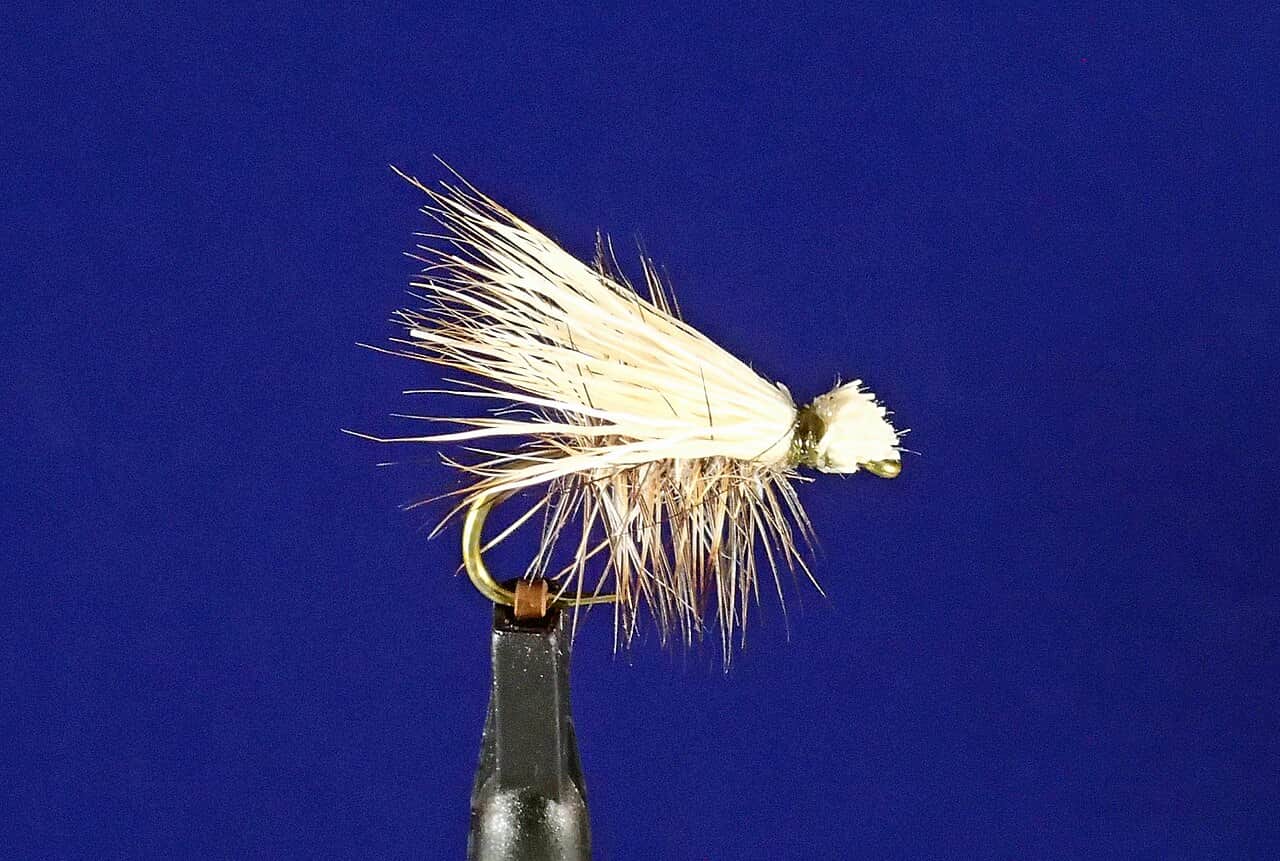
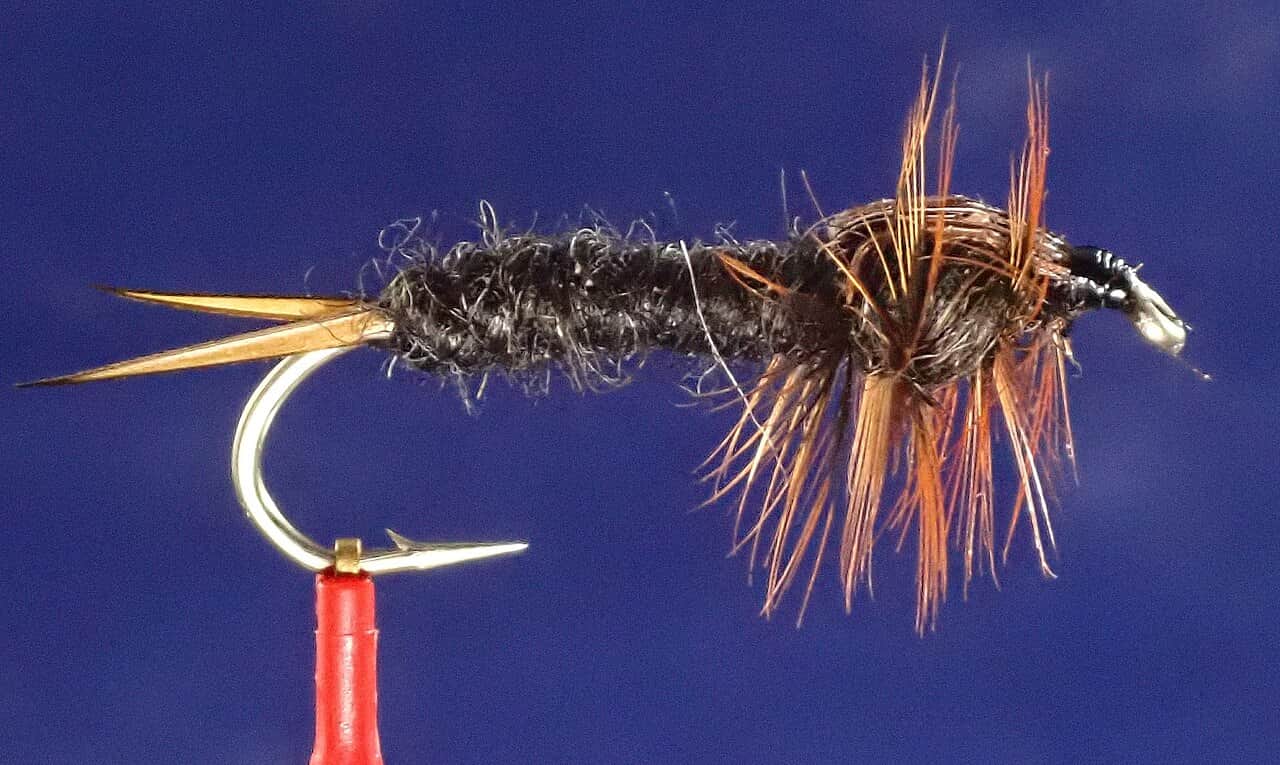
BWO dry or emerger, elk hair caddis, stonefly nymph, hare's ear
Early summer
Caddis, PMD-style mayflies, yellow sallies, terrestrials beginning
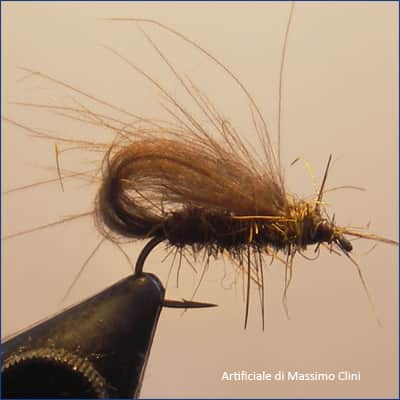
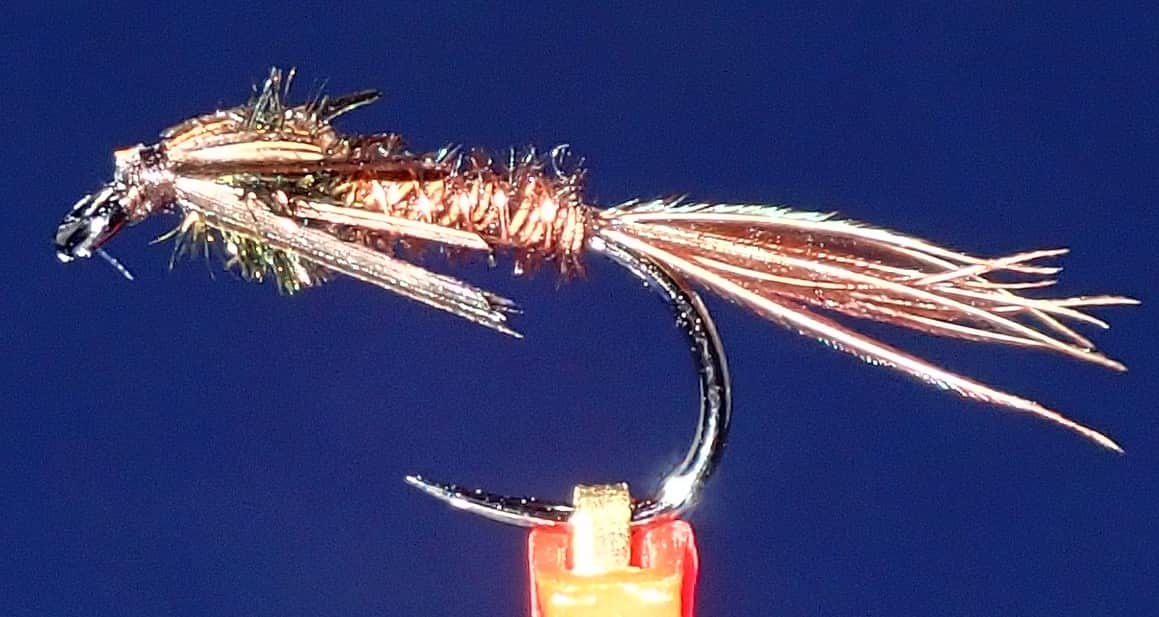
Caddis pupa, PMD dry, yellow stimulator, pheasant tail, ant
Mid to late summer
Caddis, terrestrials, small attractor windows
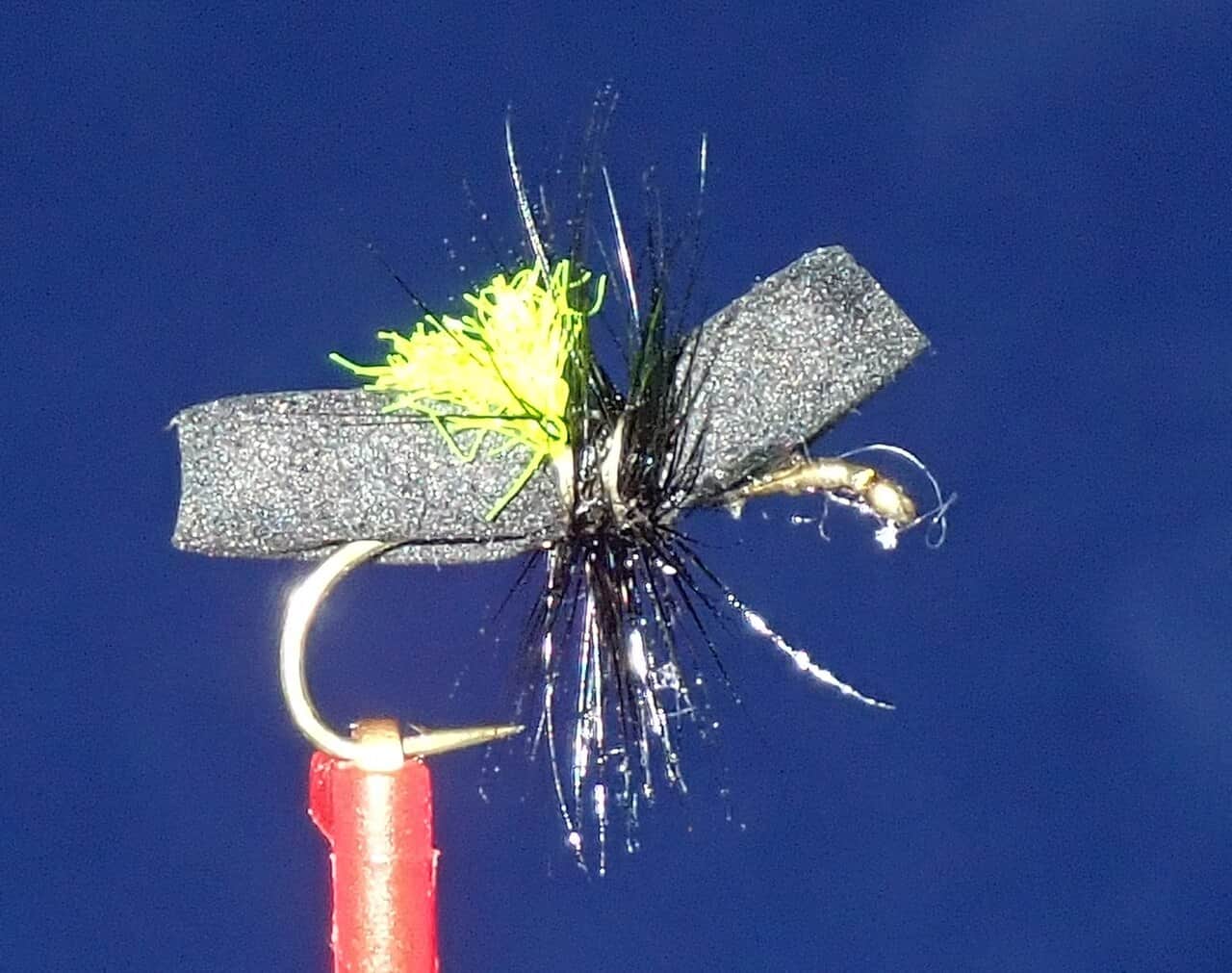
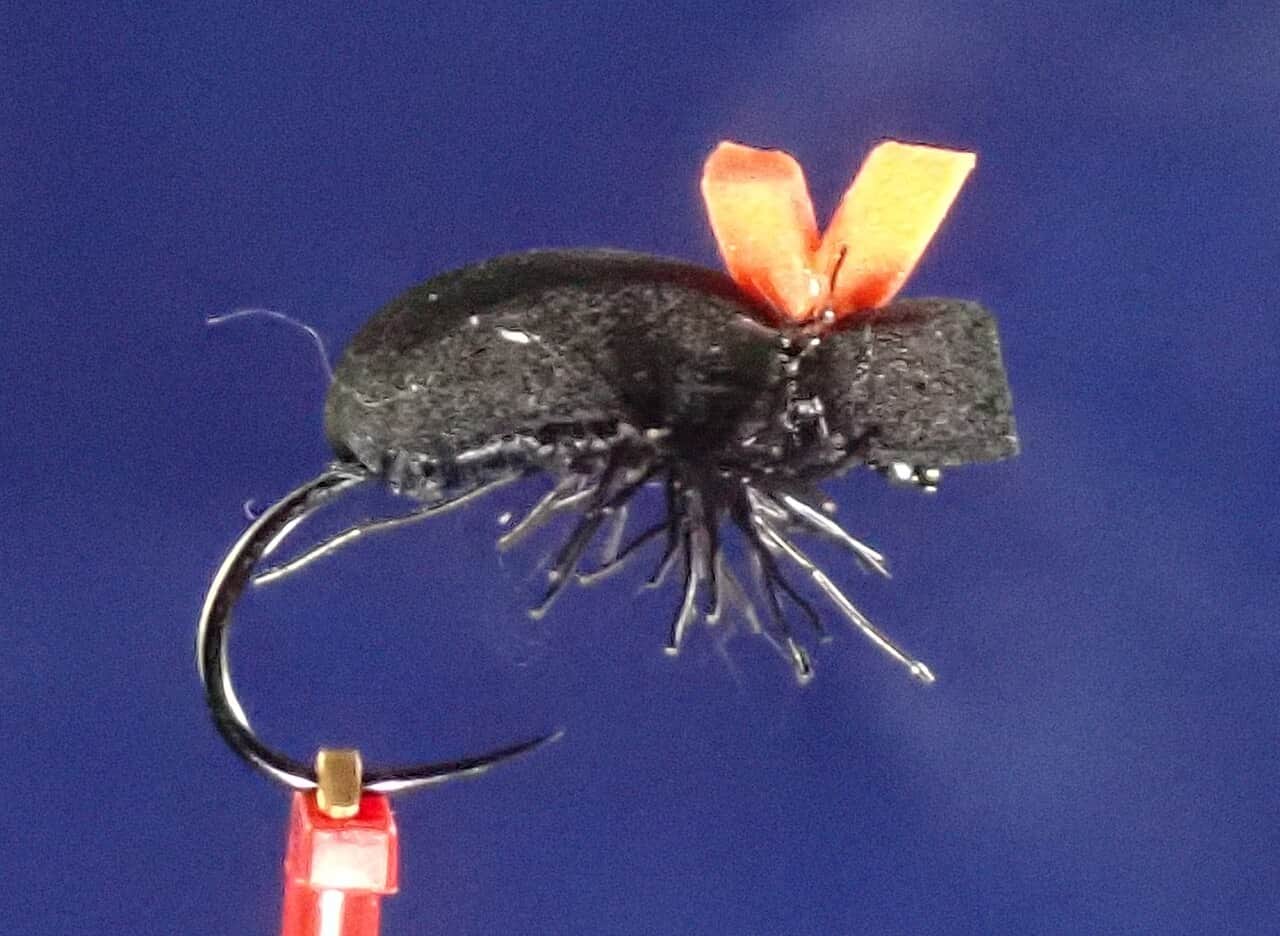
Foam ant, beetle, stimulator, small hopper, perdigon
Fall
BWOs, caddis, smaller mayflies, light streamer windows
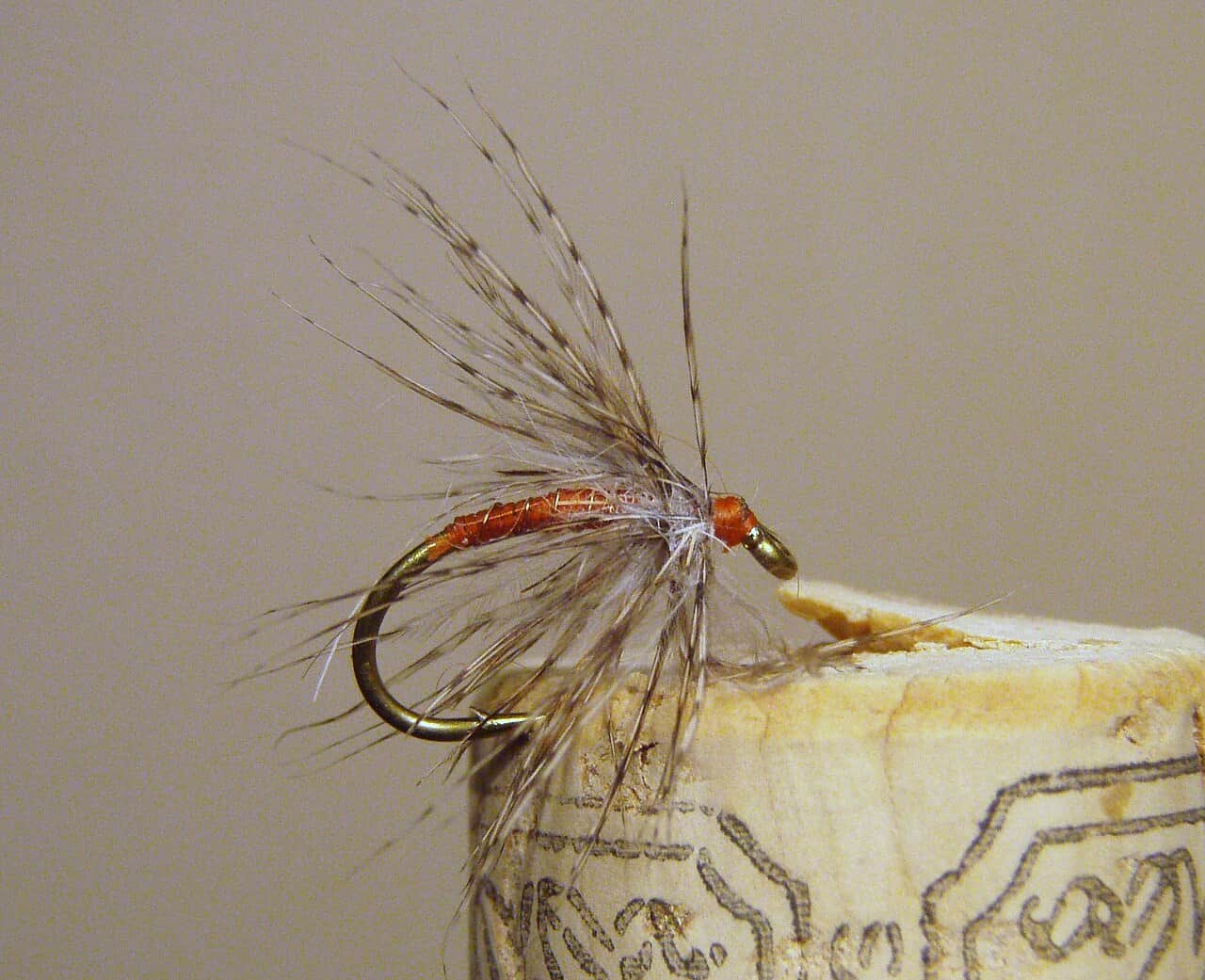
BWO emerger, soft hackle, caddis pupa, olive bugger
Dry-dropper flies
Stimulator, chubby, elk hair caddis, ant, bead-head pheasant tail, perdigon
Best for covering broken water and short canyon drifts without overcomplicating the rig.
Pocket-water nymphs
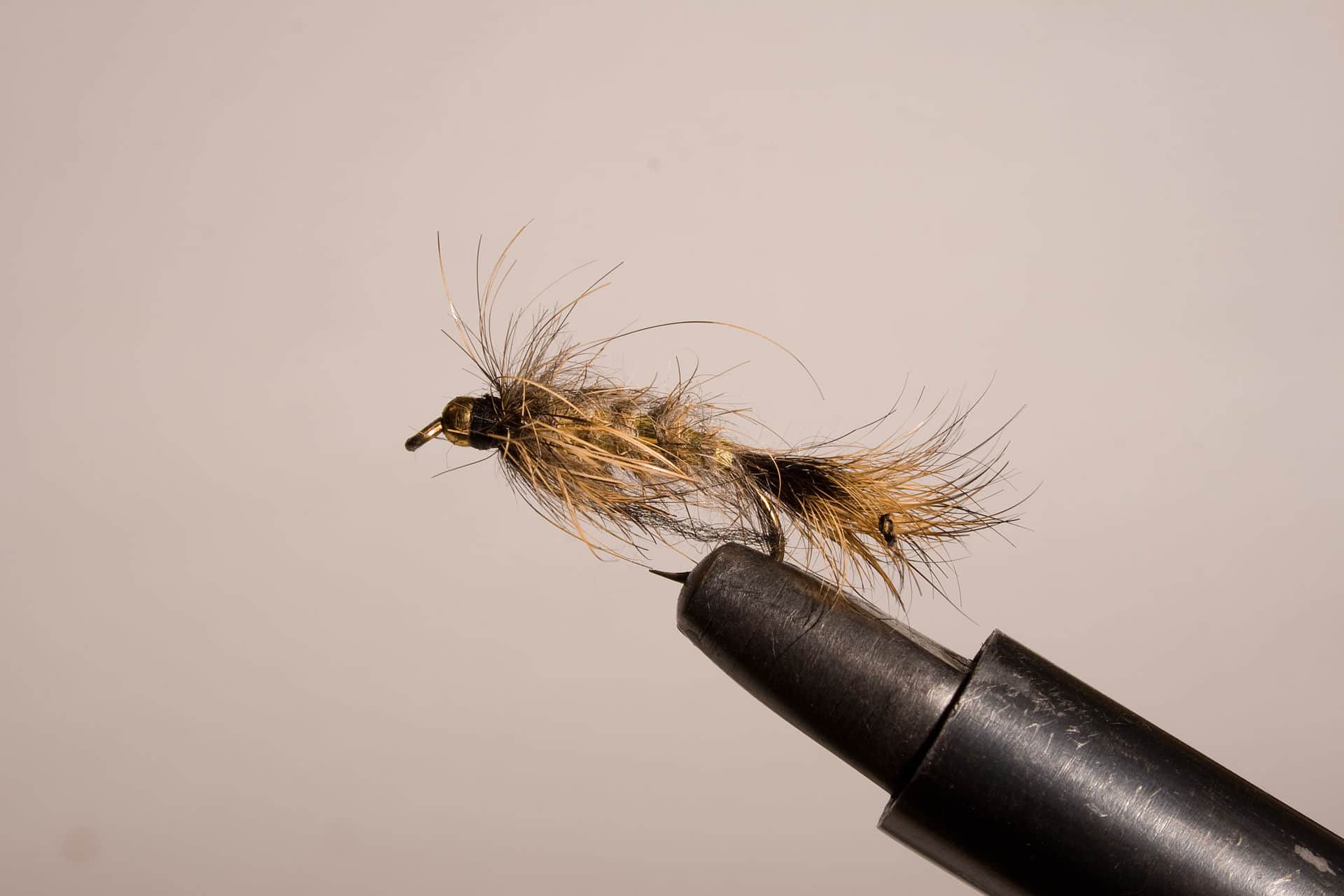
Hare's ear, stonefly nymph, caddis pupa, jig nymph, zebra midge
Use when fish stay subsurface or when faster seams need a little more depth.
Dry flies
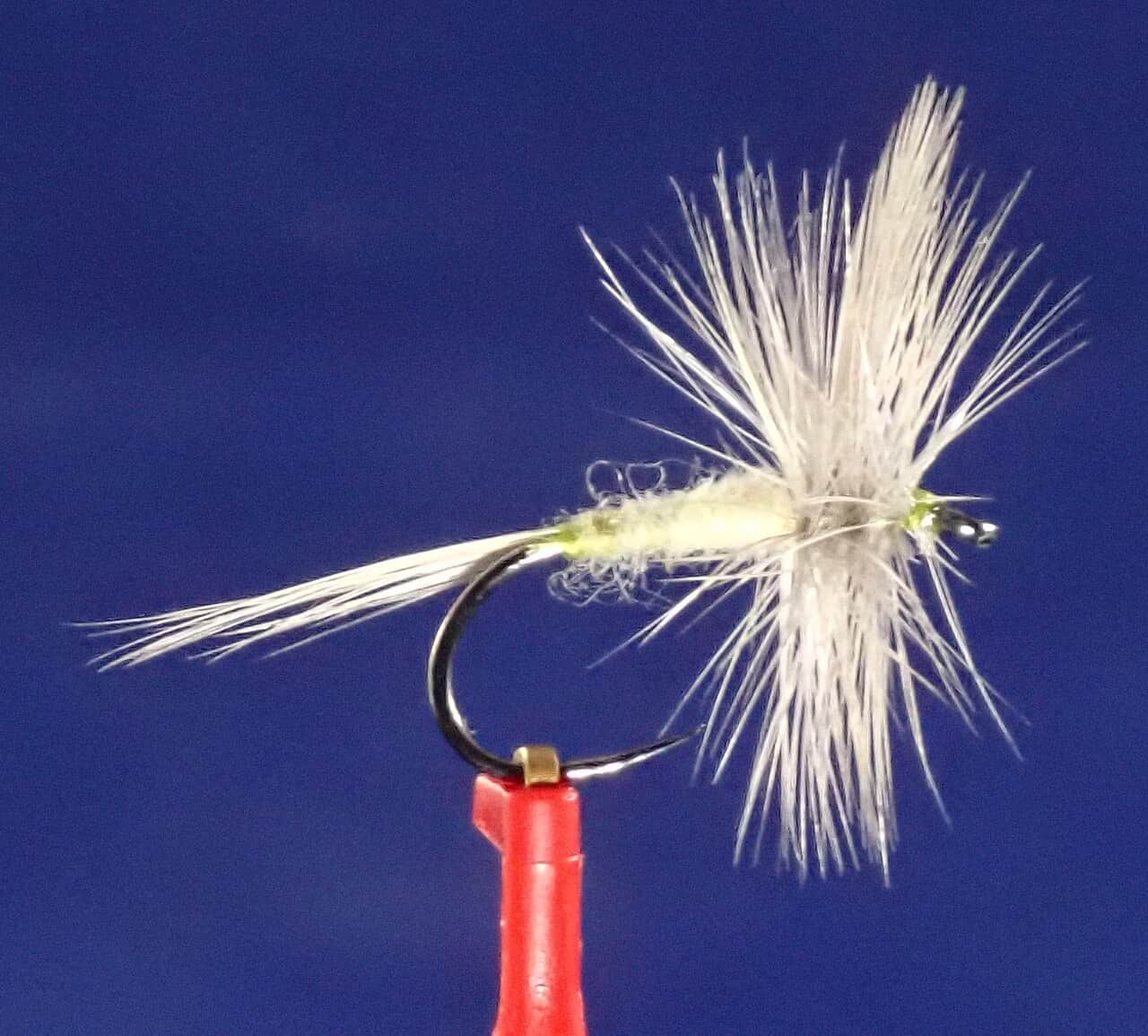
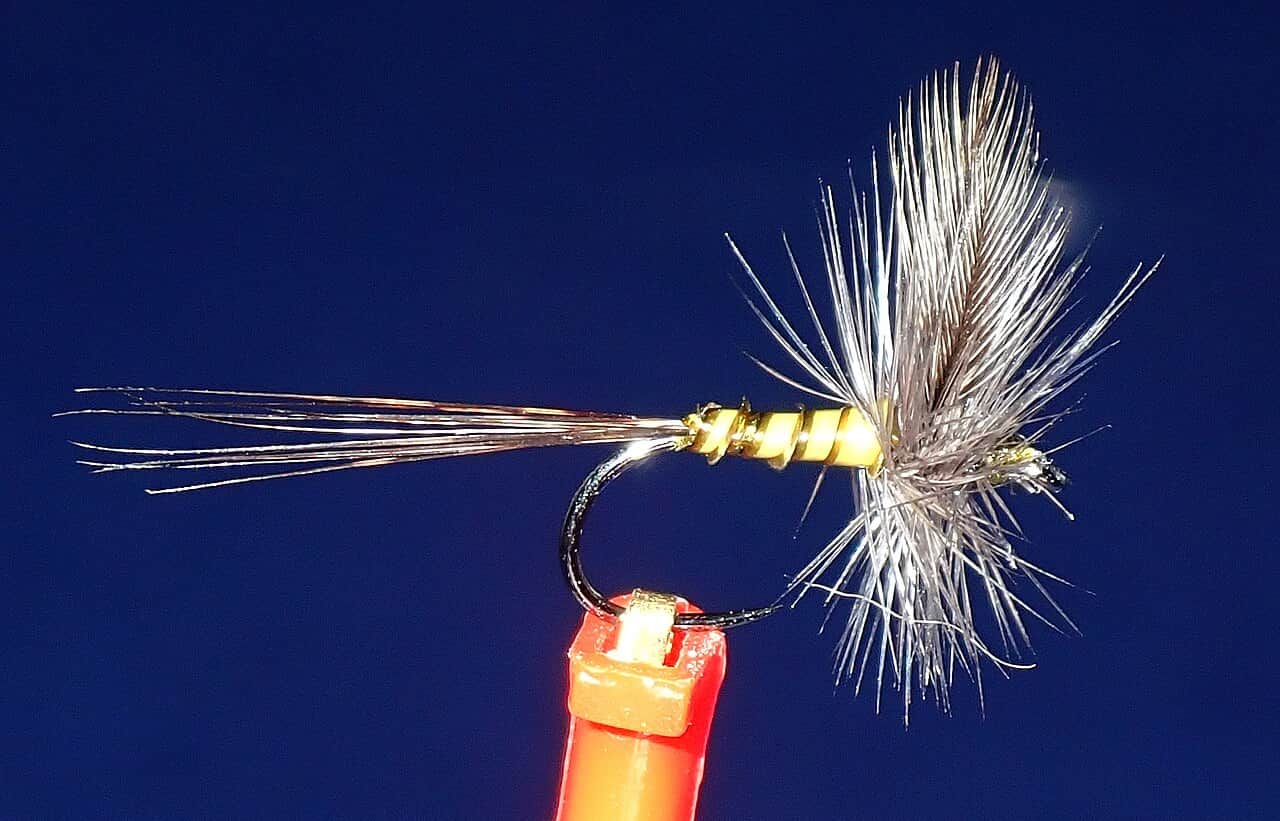
Parachute Adams, BWO, caddis, yellow stimulator, beetle
Use in softer glides, evening rises, and summer terrestrial windows.
Streamers
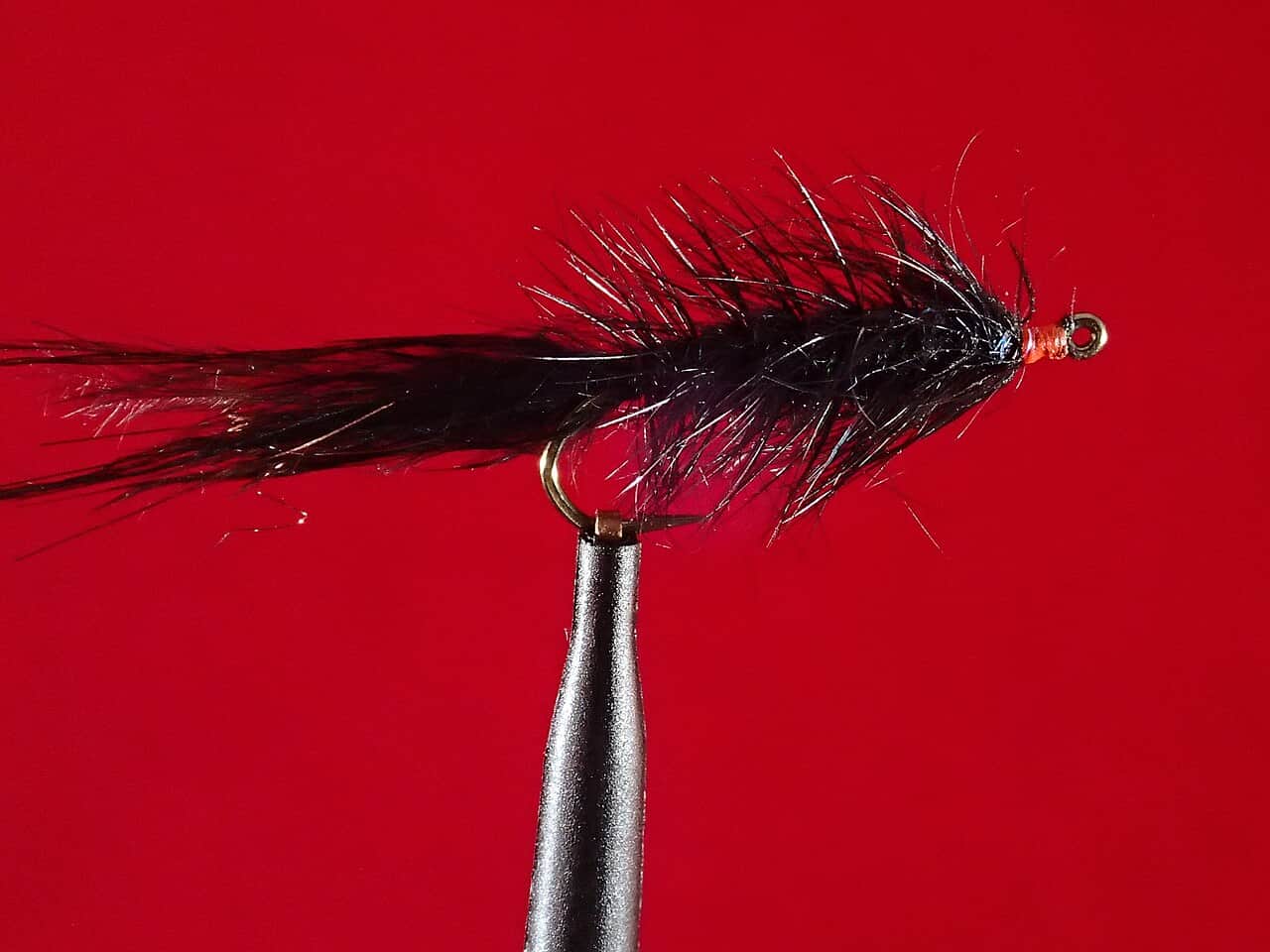
Olive bugger, small sculpin, black bugger, leech
Useful in deeper pockets, lower-river shade, or slightly colored water.
Tactics
How to fish it
Pick the reach before you rig because access effort and safe exits vary more than the hatch.
Fish first casts from the bank. Canyon trout in clear water often sit tight to pocket edges and boulders.
Use short accurate presentations instead of long hero drifts. This river rewards control more than distance.
If the gauge is rising, fish only obvious safe edges and do not commit to mid-river moves that could trap you.
During summer, start early, rest fish quickly, and keep a warmwater backup plan for the lower canyon.
Rigging
Rod, leader, and setup notes
A 9-foot 4-weight or 5-weight covers most trout days, with a 6-weight useful for wind or streamers in lower sections.
A 9-foot 4X or 5X leader works for most dry and dry-dropper fishing; shorten only when turning over bigger canyon dries.
Keep nymph rigs light enough to bounce through short pockets without snagging every granite slot.
Carry a small chest pack, more water than you think you need, and enough layers to handle cool mornings and hot exits.
Access
Access and planning notes
Auburn State Recreation Area
Lower canyon public accessWade / float / trail
Trail / bank / wade edges
When to pick it
Use it when park access, flow, and weather support a short safe session.
Caution
Steep exits, heat, and recreation pressure can outlast the fishing window.
China Bar / Clementine orbit
Gauge-area planningWade / float / trail
Road / trail / bank
When to pick it
Pick this when flow and access are straightforward enough to stay on one side.
Caution
Do not treat a known access name as proof that every nearby bank is public.
Tahoe National Forest upper context
Upper reach comparisonWade / float / trail
Forest road / trail
When to pick it
Compare it when lower canyon heat or pressure is too high.
Caution
Road, fire, and trail conditions need current checks.
Auburn State Recreation Area lists active closures and park hours; check them before committing to a lower-canyon day.
Tahoe National Forest access can mean long trail miles, heat, and limited cell service, so download maps in advance.
Do not treat whitewater boating access as automatic easy wading access.
Rattlesnakes, poison oak, and dehydration are normal canyon issues by late spring and summer.
Regulations
Check before fishing
Check current California freshwater sport fishing regulations, the CDFW trout-water program information, and any emergency notices before fishing. The report is planning guidance, not a replacement for current rules.
Primary base
Auburn, Colfax, or Foresthill, California
Best day style
Steep trail and canyon access through Auburn SRA and Tahoe National Forest
Check first
Flow trend, Auburn SRA access notices, weather, and current CDFW rules
Safety
Cold spring flows, slick granite, steep banks, heat exposure, rattlesnakes, and long exits
Gear
Helpful gear for this water
Wading staff
Useful whenever flows are pushy or when granite ledges are slick.
Thermometer
Important for lower-canyon summer afternoons when trout stress becomes the real decision point.
Sticky rubber or studs where legal
Granite and polished foothill rock can be more dangerous than the flow number suggests.
Extra water and sun layer
Long canyon exits and exposed foothill slopes punish underpacked anglers.
Nearby water
Other water to research
Backup logic
High water
Wait for runoff to drop or compare the Lower Yuba, Truckee, or a safer Sierra tailwater.
Heat
Fish early, shift higher, or move to a colder trout water.
Storms, smoke, or fire
Use park and forest alerts before committing to the canyon.
Access issue
Choose a signed public access or another river instead of forcing steep private edges.
Lower Yuba River
A more structured tailwater plan when you want a bigger trout river with clearer gauge and access cues.
American River
A lower-elevation urban-tailwater alternative with different steelhead and access context.
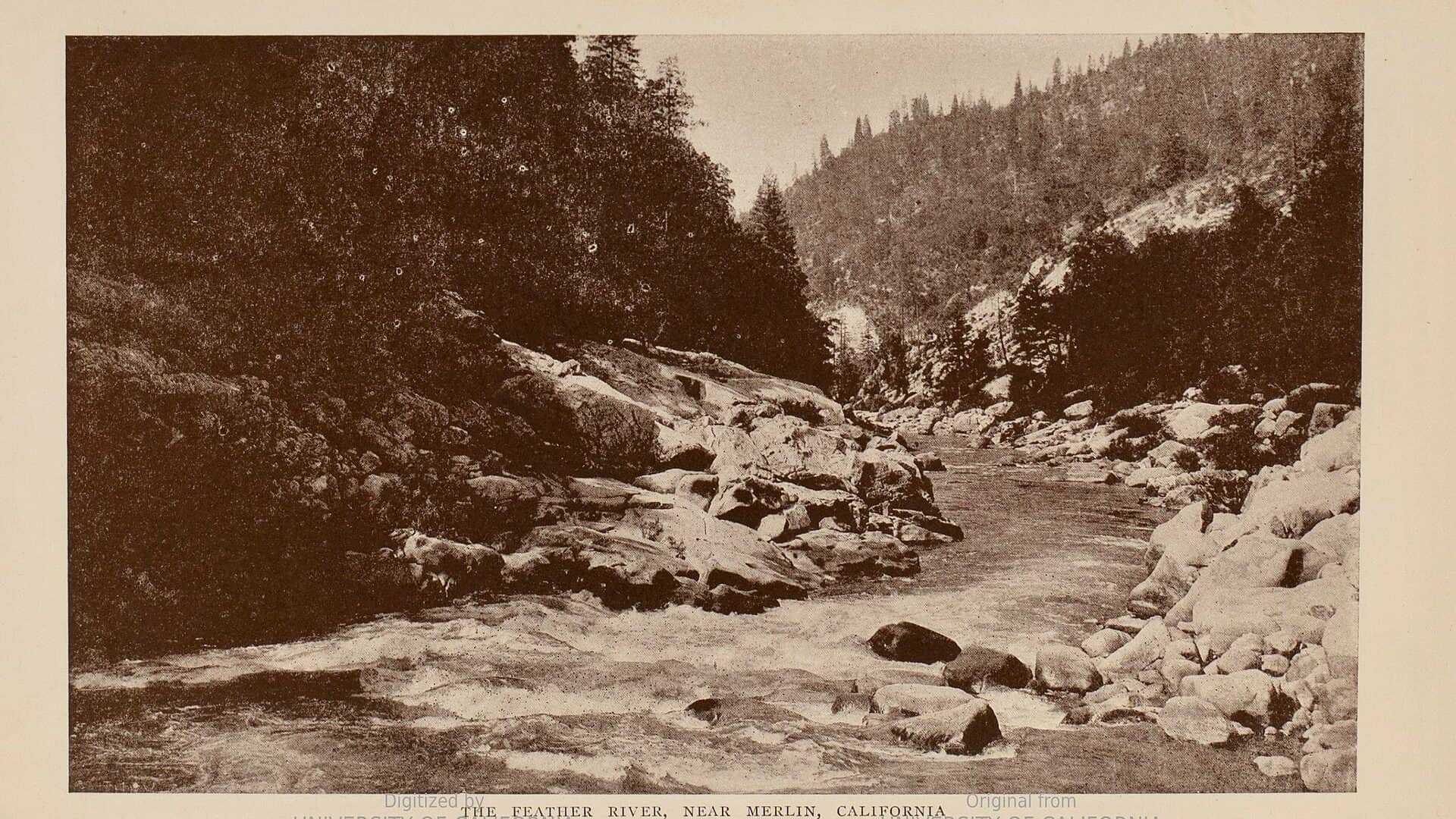
Feather River
A larger valley anadromous option when the foothill canyon is too hot, too high, or too crowded.
FAQ
Fast answers
Is North Fork American River fishable today?
North Fork American River looks very fishable right now. The live score is 96/100, based on current flow, weather, public alerts, and the report's planning context. Recheck the linked gauge and forecast before leaving because conditions can change quickly after rain, heat, access changes, or flow swings.
What flow is best for North Fork American River?
Use the trend more than one magic number. Stable or gently falling flows are far more useful than a fresh rise, and safe edge access matters more than squeezing out one more cfs window.
When should I skip North Fork American River?
Skip the trip during runoff spikes, severe heat, smoky canyon conditions, or any day when the only good-looking water requires a risky crossing.
Is North Fork American River safe to wade right now?
The fishability score is not a wading guarantee. Wade only where your chosen access has safe edges, clear footing, legal entry, and no forced crossings; high, rising, stained, or storm-affected water should be treated conservatively.
Is the North Fork American River wade-friendly?
Only in selected pockets and only at appropriate flows. Much of the canyon is steep, rocky, and unforgiving when the river is up.
What gauge should I use?
Use RiverReports with USGS 11427000 near North Fork Dam for the official flow context, then match it to the exact reach you plan to fish.
What flies should I carry?
A compact box with caddis, BWOs, yellow attractors, ants, small nymphs, and a few olive or black streamers covers most useful windows.
When should I skip the trip?
Skip it during sharp flow increases, dangerous heat, uncertain access closures, or any day when crossing the river feels necessary to salvage the plan.
Sources
Source set for this report
Reviewed 2026-05-31