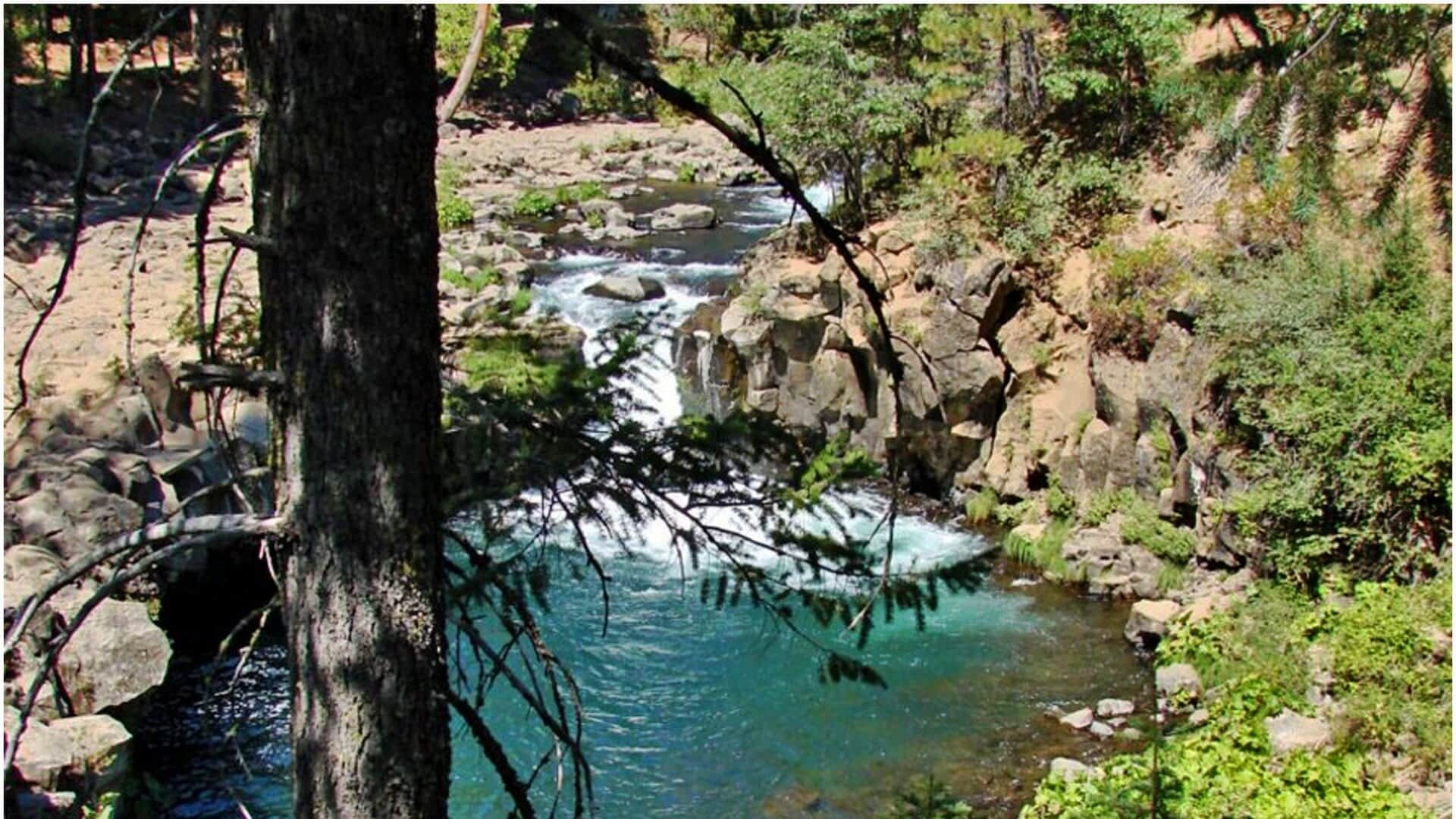
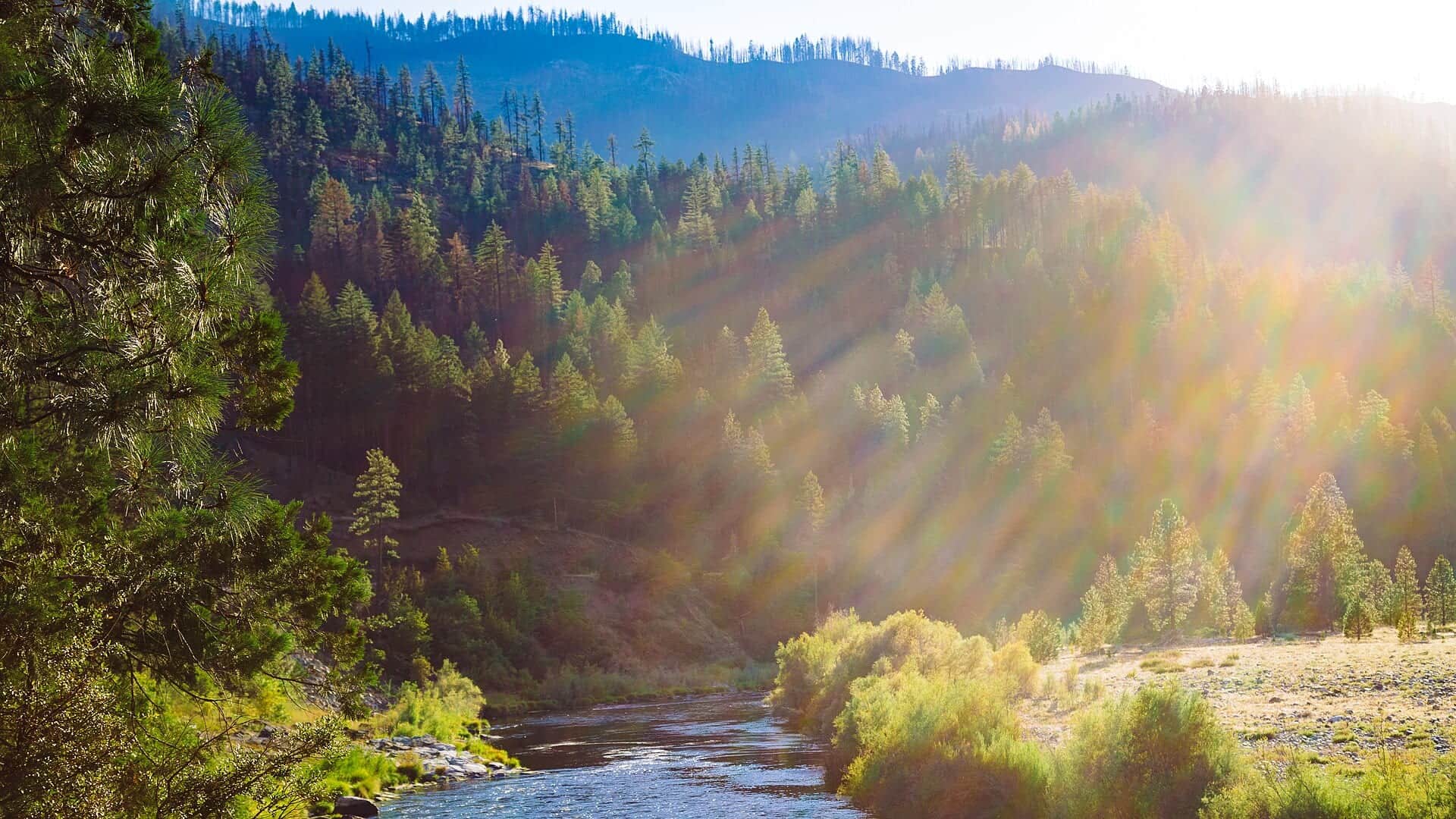
McCloud River water in northern California

California / West

McCloud River

A lower McCloud report for Ah-Di-Na and preserve planning, canyon access, flow changes below McCloud Dam, barbless tactics, hatches, and source checks.

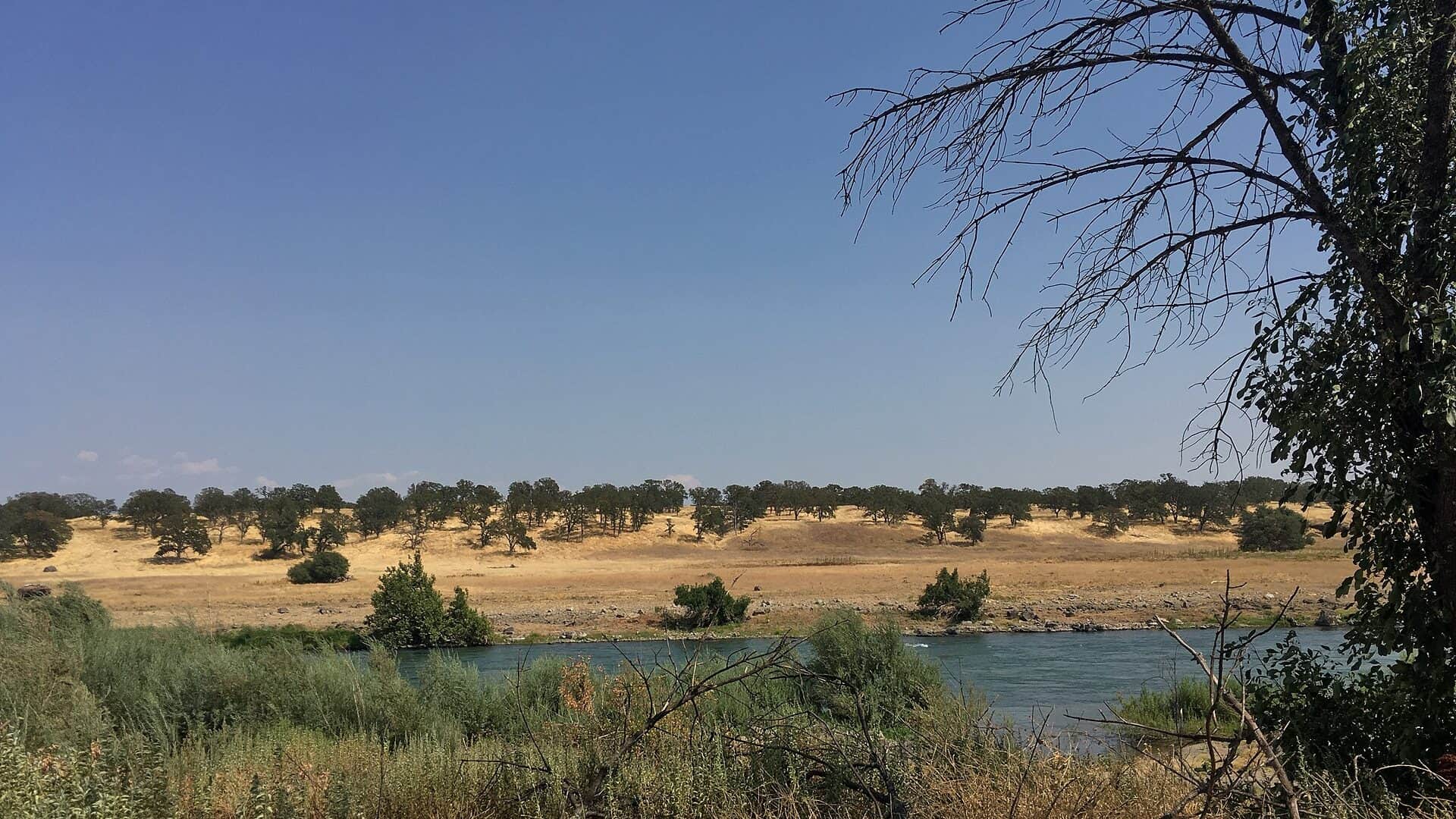
Image: McCloud River, CA (14645496285) / CC BY-SA 2.0 / inkknife_2000 (7.5 million views +)

Fishability now: McCloud River fishability today

UnknownData confidence: High

44/100

Check live sources first because flow has been checked, weather is mild, and no public alert is active.

Flow observed

Not returned

Weather observed

5:00 PM UTC

Score calculated

5:24 PM UTC

Why this rating

Flow

Weather

Public alerts

Next 6-12 hours

Hold

Wait for a better live check before committing the drive or choosing a wading plan.

More planning details: flies, flow bands, and live source checks

Fish it today

Start here

Choose the access before the hatch: confirm the Forest Service lower-river status, decide whether Ah-Di-Na or the preserve is your walk-in base, then fish a shorter stretch thoroughly instead of spending half the day driving rough roads and second-guessing property lines.

Best flow clue

Use the McCloud gauge as general context, then verify whether the Forest Service or local notices mention spill or release changes below the dam. Normal clear canyon flows are the best fit; if spill-driven levels are rising toward the heavy-flow range, the smart move is usually to stay out of crossings and either fish only obvious edges or wait it out.

Skip trigger

Skip the trip when road access is closed, when spill or release notices make the lower canyon pushy, when the preserve is outside its open season, when hot weather turns the hike into the hardest part of the day, or when your plan depends on water below the legal public access corridor.

Flow decision bands

Low but fishable

Lower stable water can still fish with careful approaches, but rough access and private/preserve boundaries decide whether it is worth the drive.

Best lower McCloud window

Stable or gently falling flow, cool weather, open roads, and a known legal access plan create the strongest trout signal.

Pushy or unsafe

High or rising dam-influenced flow should keep anglers out of crossings and away from remote canyon commitments.

Access hard stop

Preserve rules, Forest Service closures, private water, and road conditions can override a good flow.

USGS flow

Check gauge

Open
No current chart values returned by USGS.

Current trend: previous-score comparison will become more useful after repeated live checks.

No current flow value

The source loaded, but did not return streamflow or gauge height.

Live NWS forecast

65F / Sunny

Water temperature not verified

Heat guidance uses weather and river type unless an official water-temperature value is available.

No NWS alert flag

No active NWS alert was returned for this forecast point.

Primary waterLower McCloud canyon trout water
GaugeUSGS 11367500 near McCloud
Access styleUSFS access, rough roads, private water, and managed preserve use
ReviewedMay 31, 2026

Use USGS 11367500 for public flow context near McCloud.

Expect artificial-lure and barbless-hook rules in key lower-river sections.

Below Ah-Di-Na, private water and managed preserve access become major constraints.

Carry a road and weather backup plan because the canyon can be remote and slow.

Editorial review

How this report is maintained

This McCloud River report is maintained from current Forest Service, access, regulation, flow, and weather sources so anglers can plan the legal lower-river trip rather than relying on canyon folklore.

Byline

BlueStreamFly editorial team

Reviewed by

BlueStreamFly source review

Maintained by

Mountain Brook Run LLC

Last material review

2026-05-31

Report confidence

Good confidence

89/100

Good confidence: USGS McCloud flow, Ah-Di-Na station context, Forest Service access and closure pages, preserve information, CDFW regulation and redband-trout sources, and weather data support the page. Confidence is moderated by rough roads, managed preserve access, private-water boundaries, closures, and dam-related flow changes.

Regulations

CDFW regulation, Title 14, and redband-trout sources support the legal-check path.

Access

Forest Service lower McCloud/Ah-Di-Na sources and preserve information support strong access planning, with exact boundaries and closures still requiring current confirmation.

Flow and weather

USGS 11367500, Ah-Di-Na station context, and the National Weather Service point are attached to the route.

Fishing usefulness

The page now separates canyon flow, public access, preserve rules, closure checks, rough roads, and backup trout-water choices.

Fishability dashboard and source review

2026-05-31 / material content or source review

USGS McCloud flow, USGS Ah-Di-Na station context, Forest Service lower McCloud and Ah-Di-Na access/closure pages, The Nature Conservancy preserve information, CDFW regulation and redband-trout sources, and the National Weather Service point were checked before updating the current-fishability decision layer.

2026-05-31

Updated McCloud River to the current fishability-page standard with lower-canyon flow guidance, preserve and public-access cards, backup cues, stable fishability SEO, and confidence signals.

2026-05-29

Added a page-specific report-confidence meter for lower McCloud access, regulation, flow, weather, preserve, and private-boundary planning.

2026-05-28

Added canyon-specific trip-fit guidance, wade-only framing, spill-sensitive flow planning, preserve and private-water nuance, pressure timing, backup-water suggestions, and a clearer correction path after source review.

Angler planning edge

Local details that change the plan

Best for

Anglers who want a walk-in canyon trout day and are willing to solve access first, Technical dry-dropper, nymph, and pocket-water fishing instead of easy roadside coverage, Spring through fall trips when the legal lower-river season, roads, and preserve access all line up, Smaller groups willing to fish carefully and move slowly through a limited number of public reaches

Wade or float

Treat the lower McCloud as a wade-only report. The useful public plan is to pick a legal access point such as Ah-Di-Na or the preserve and fish on foot rather than expecting a practical float option through the lower canyon.

Best flows

Use the McCloud gauge as general context, then verify whether the Forest Service or local notices mention spill or release changes below the dam. Normal clear canyon flows are the best fit; if spill-driven levels are rising toward the heavy-flow range, the smart move is usually to stay out of crossings and either fish only obvious edges or wait it out.

When to skip

Skip the trip when road access is closed, when spill or release notices make the lower canyon pushy, when the preserve is outside its open season, when hot weather turns the hike into the hardest part of the day, or when your plan depends on water below the legal public access corridor.

Local plan

Choose the access before the hatch: confirm the Forest Service lower-river status, decide whether Ah-Di-Na or the preserve is your walk-in base, then fish a shorter stretch thoroughly instead of spending half the day driving rough roads and second-guessing property lines.

Pressure

McCloud pressure is concentrated rather than constant. The best-known lower-river access points stack anglers quickly on pleasant weekends, so early starts and weekday trips usually fish better than trying to force a famous beat at midday.

Access nuance

The lower McCloud is defined by boundaries. The Forest Service notes that water below Ah-Di-Na is private property, preserve access is managed and seasonal, and road conditions can matter as much as the hatch chart on any given day.

Backup water

If the lower McCloud is closed, crowded, or running too hard, pivot to Hat Creek for another technical northern California trout day or to the upper Sacramento if you need a road-access trout plan with more public pullouts.

About the river

Setting, character, and why it fishes the way it does.

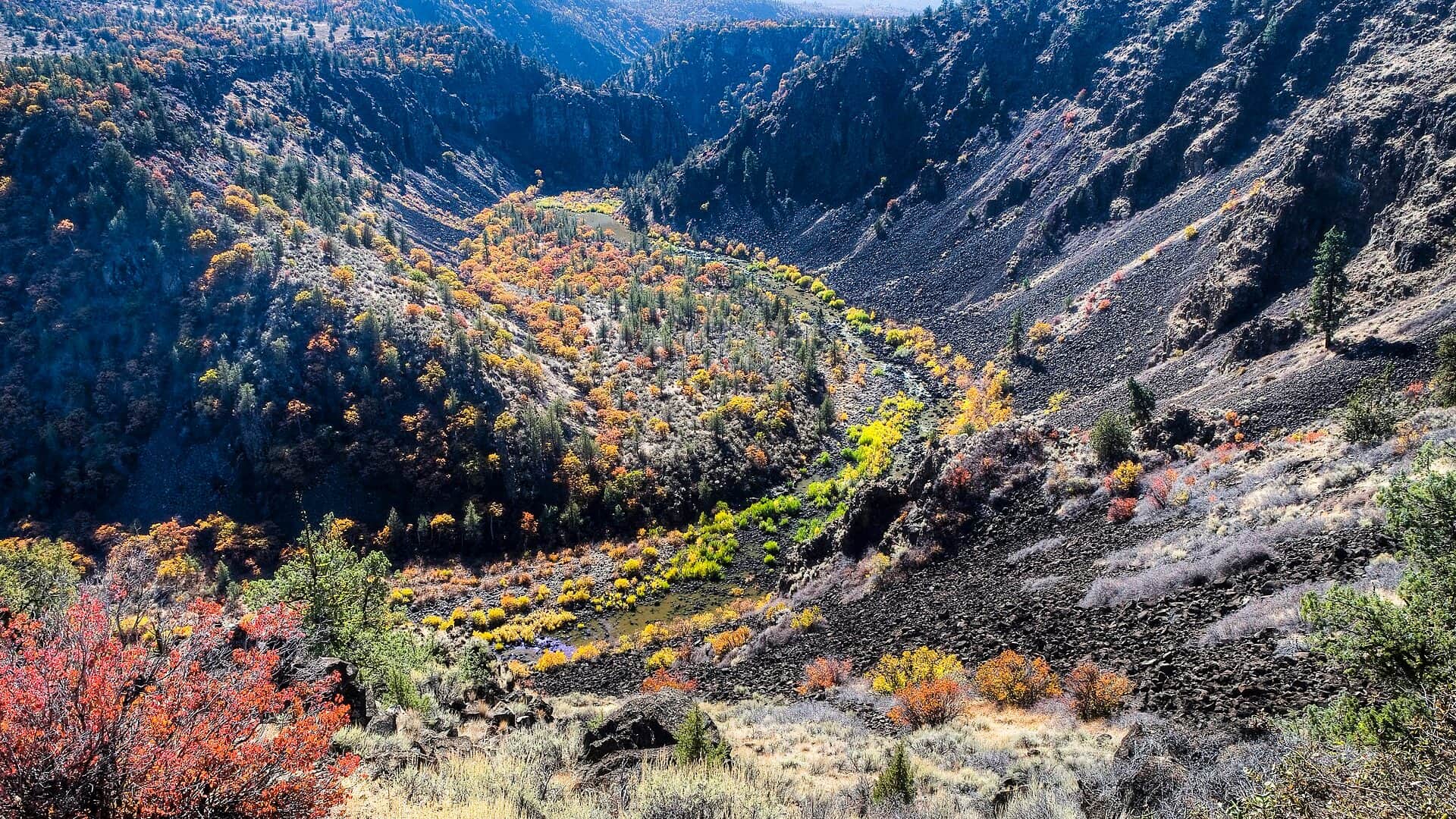
The McCloud River flows from the Mount Shasta region through volcanic and forested canyon country toward Shasta Lake.

The lower river below McCloud Dam is known for clear, cold trout water, deep pools, pocket water, and strict access boundaries.

The Nature Conservancy's McCloud River Preserve adds important conservation and managed-use context, while USFS pages describe public access and private-water cautions near Ah-Di-Na.

The watershed also matters because McCloud River redband trout are a sensitive native-trout topic in the broader basin, especially in upper and isolated habitats.

Target species

Rainbow trout

The main fly target in lower-river riffles, runs, and pocket water.

Brown trout

Present in the system and often tied to deeper pools, banks, and low-light streamer windows.

McCloud River redband trout

A conservation-sensitive native trout topic. Avoid implying that every lower-river rainbow is pure redband.

Aquatic insects and native fish

Cold, clean habitat makes careful wading and quick releases part of the plan.

Reading the water

Low clear flow

Use stealth, long leaders, small nymphs, and careful dry-fly drifts in shaded water.

Stable medium flow

Nymph pocket water, swing soft hackles, and watch for caddis or mayfly activity.

High or spill-influenced flow

Stay out of unsafe crossings and focus on edges only if conditions are clearly manageable.

Hot weather

The canyon can stay cooler than valley water, but still check temperature and fish handling.

Best seasons

Spring

Classic hatch and nymphing window when the season, road, and flow cooperate.

Early summer

Caddis, golden stones, PMDs, and pocket-water nymphing can be strong before heat and crowds build.

Late summer

Fish shade and mornings, and be conservative around warm afternoons or low water.

Fall

Cooler weather and streamer windows can be useful before seasonal access and rule changes.

USGS flow

McCloud River near McCloud

This is the fallback for rivers that are not covered by RiverReports. Use the official USGS monitoring page for the live hydrograph, station metadata, and current water trend.

Open USGS gauge

USGS data chart

McCloud River near McCloud

Streamflow over the latest USGS reporting window.

No current chart values returned by USGS.

Site

11367500

Low / high

Unavailable

Source

Open USGS

Weather

River weather report

Weather can change wading safety, road access, water temperature, hatches, and the best time of day to fish.

Live forecast loads as you reach this section

This keeps the report fast while still using the official National Weather Service forecast point.

Hatches and flies

Hatch chart and fly picks

Spring

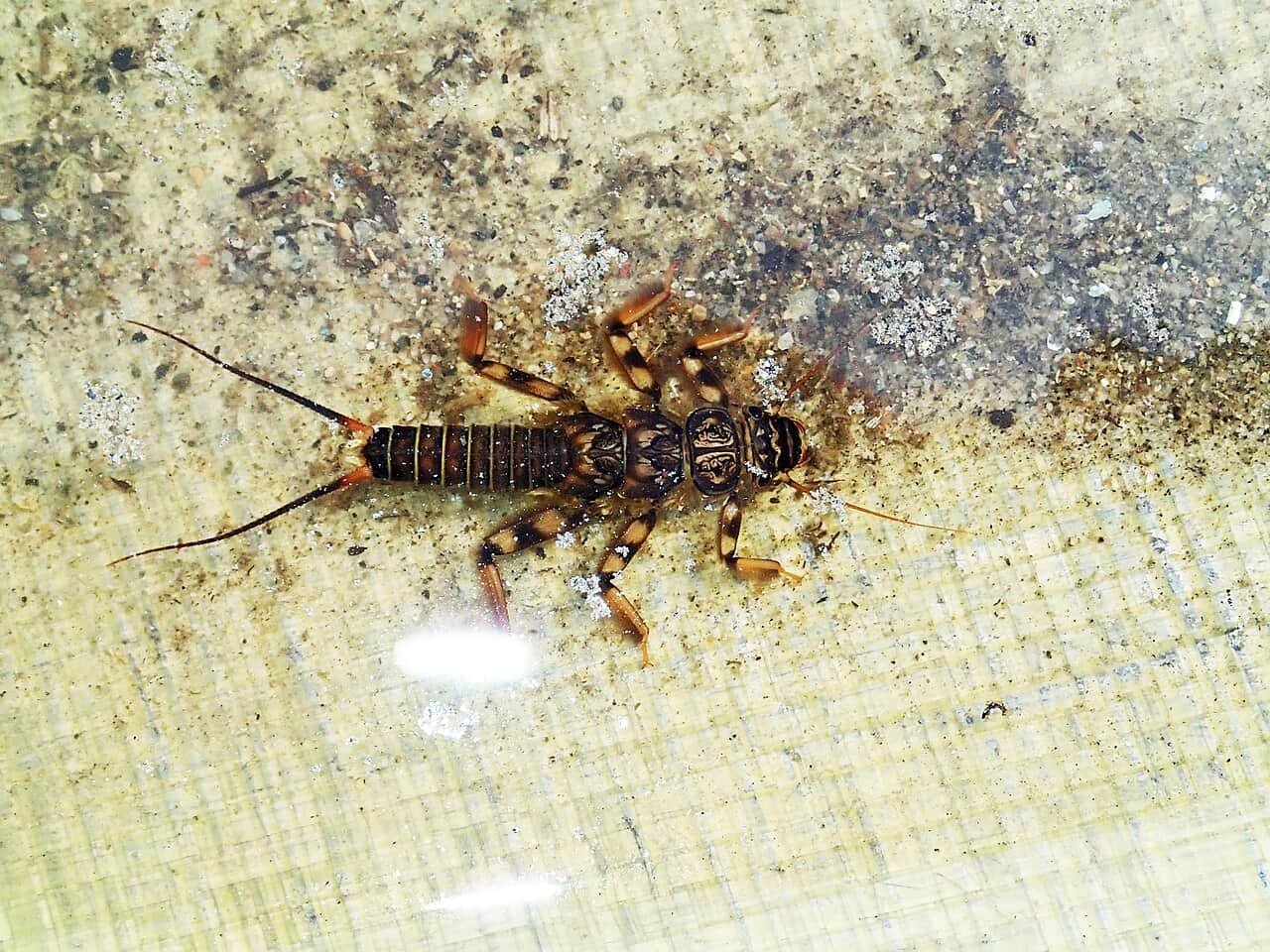
March browns, BWOs, caddis, stoneflies

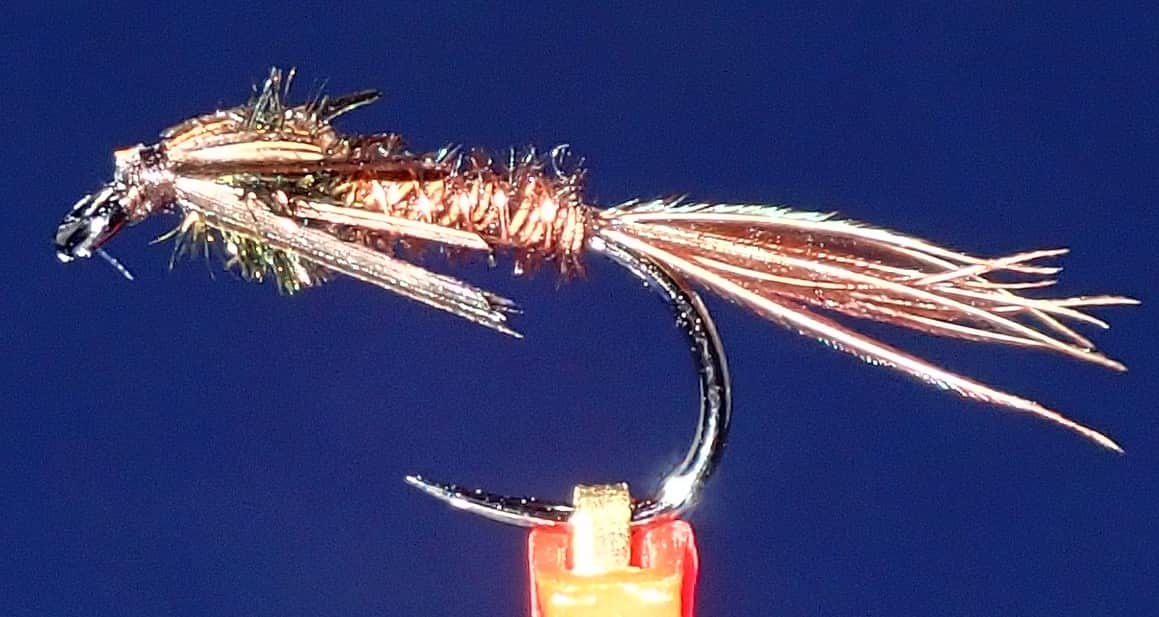
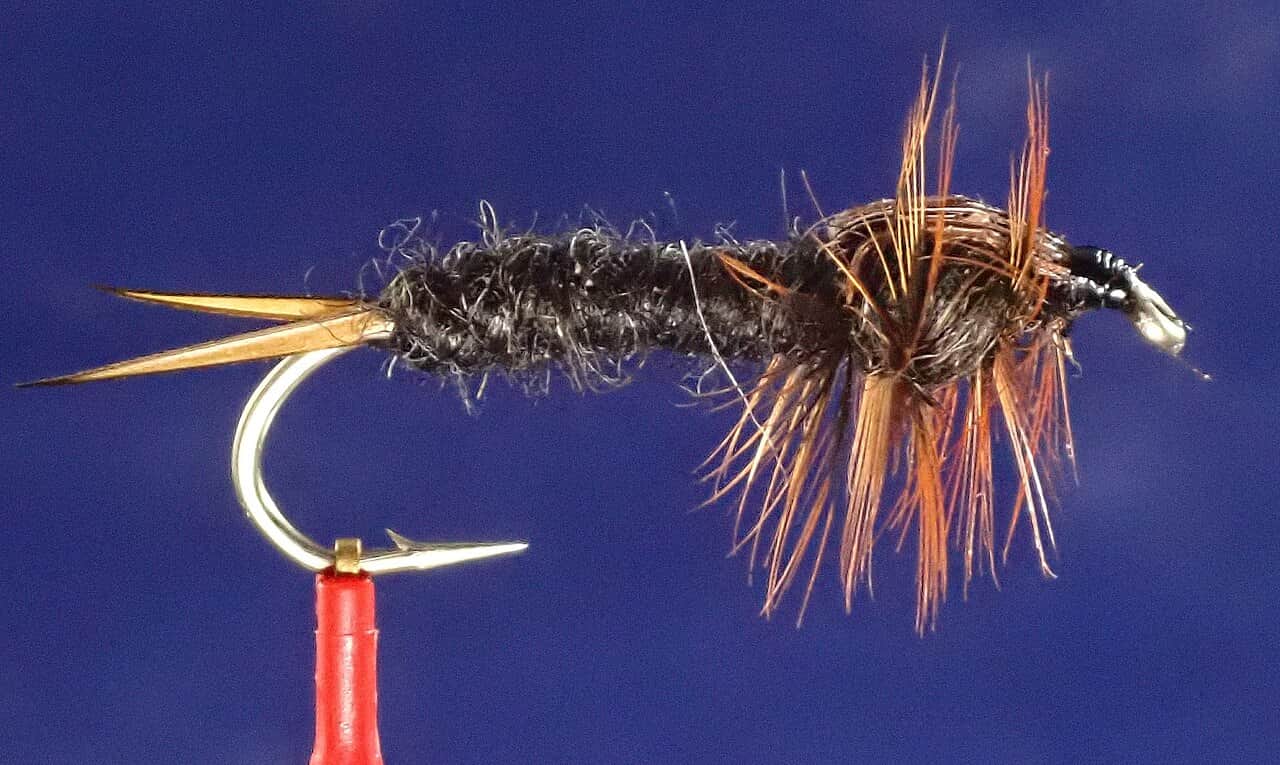
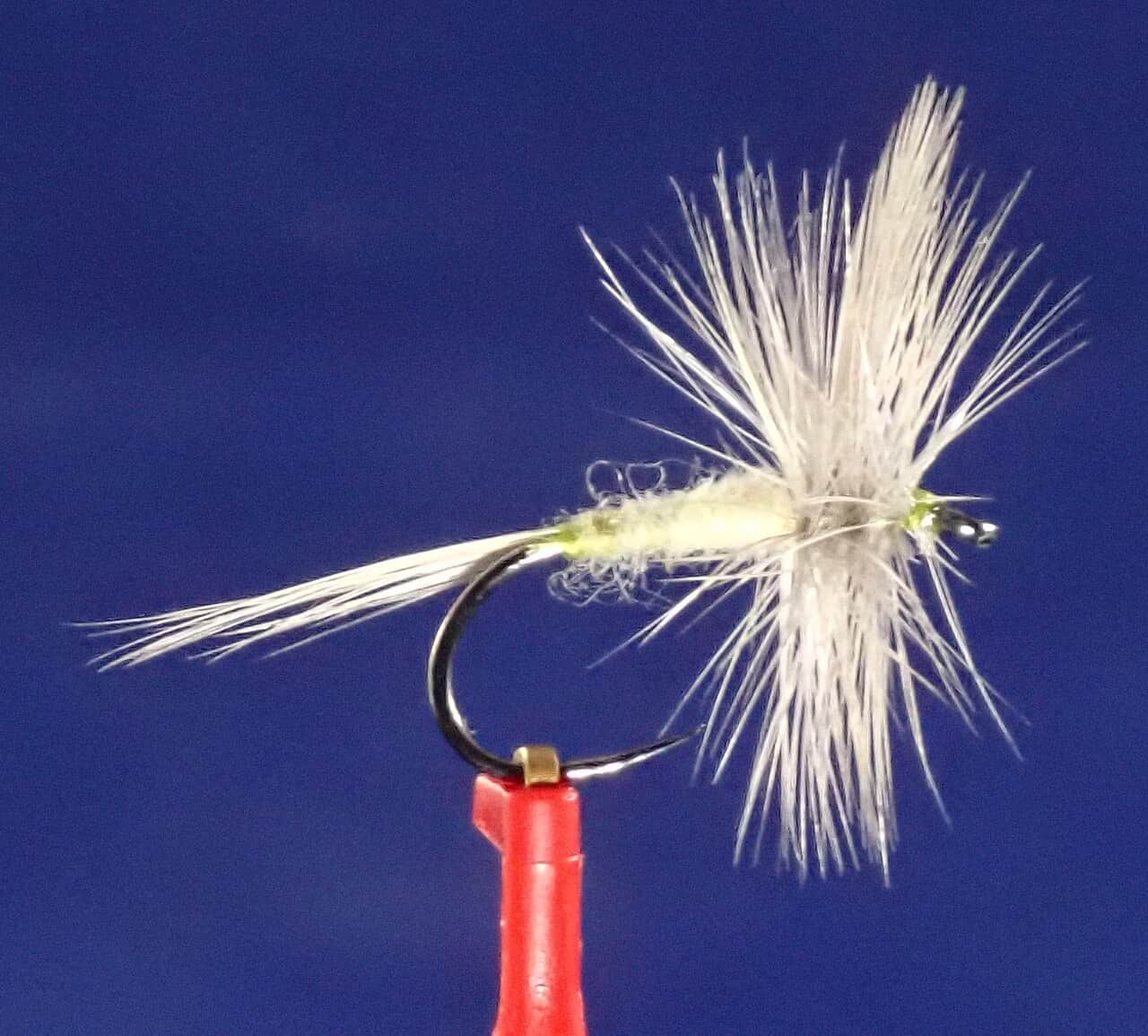
Pheasant tail, BWO, March brown, caddis pupa, stonefly nymph

Early summer

Golden stones, PMDs, caddis, yellow sallies

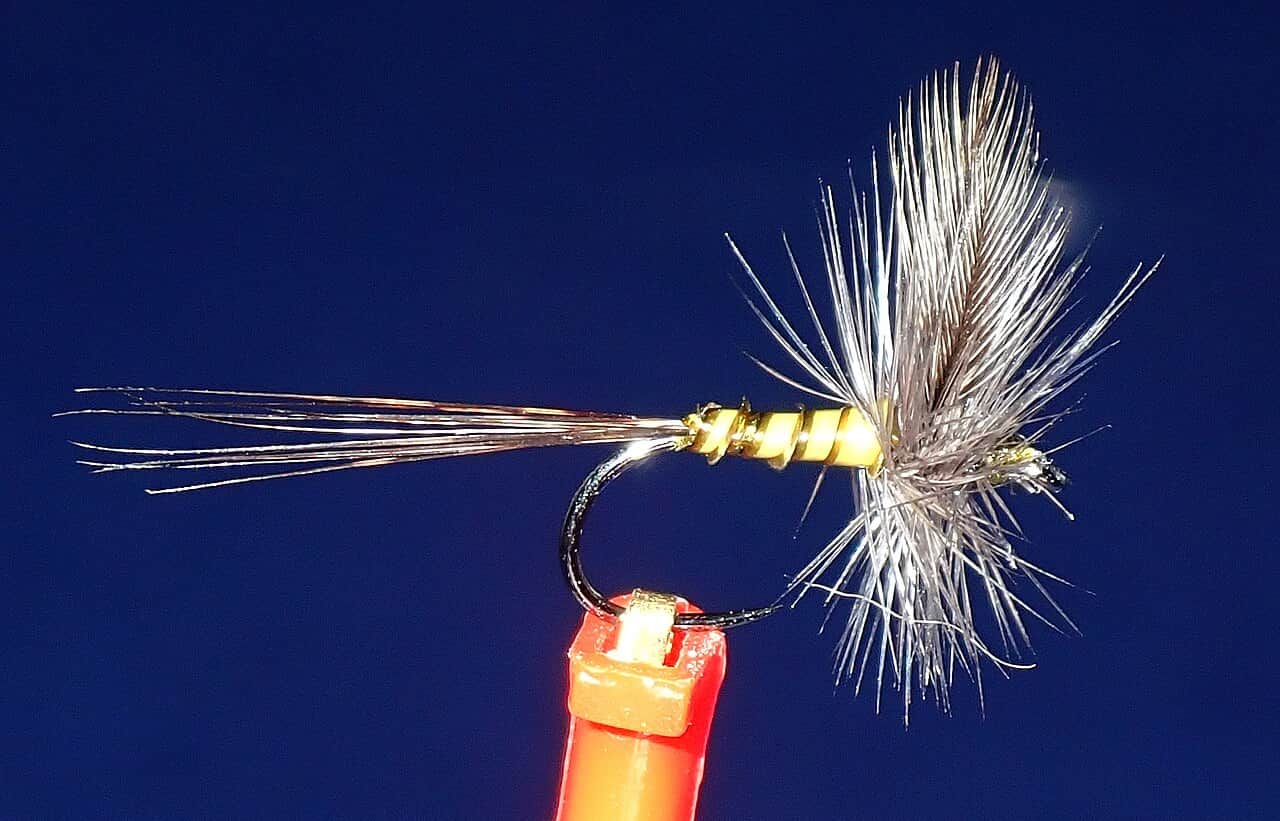
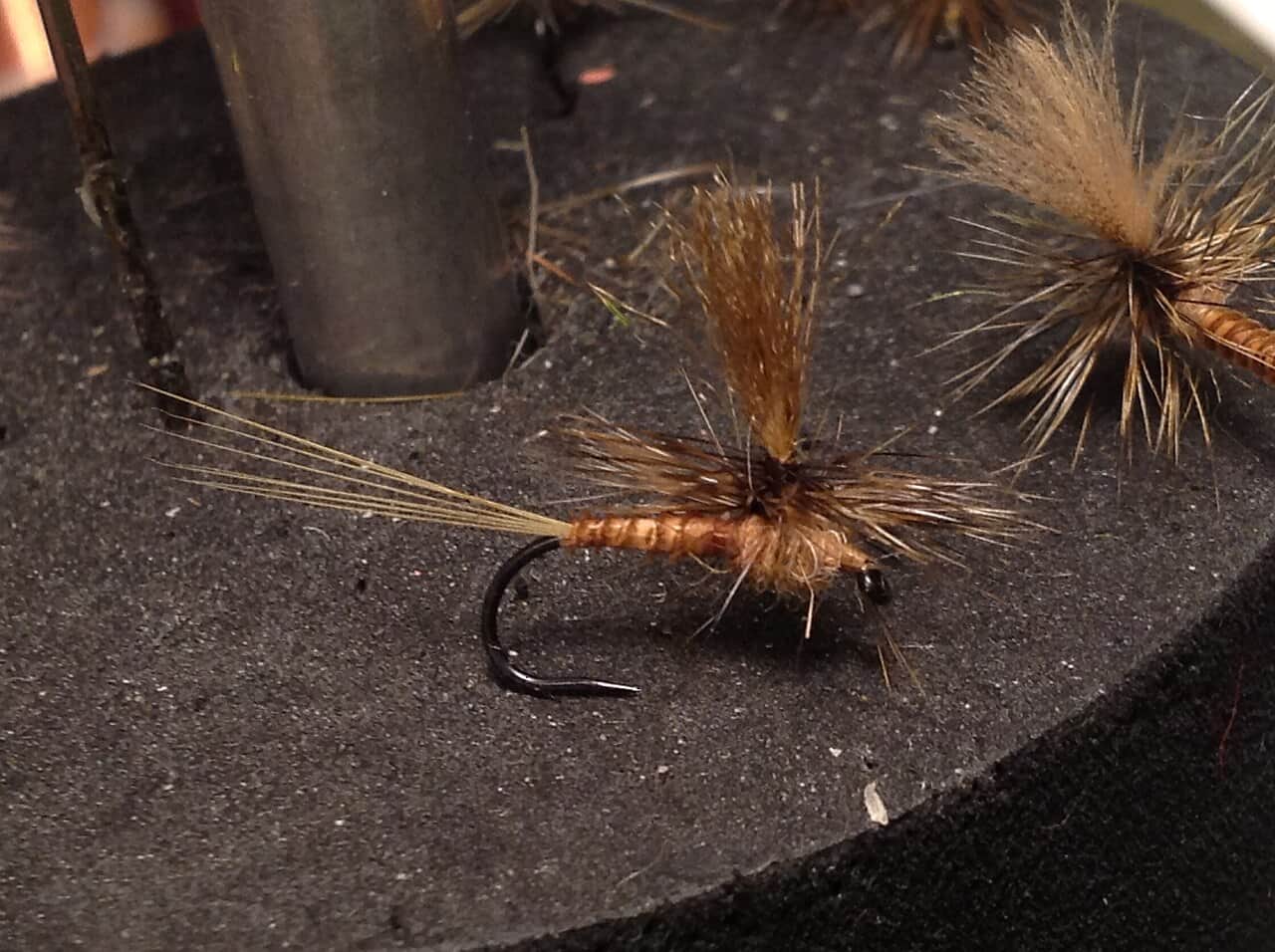
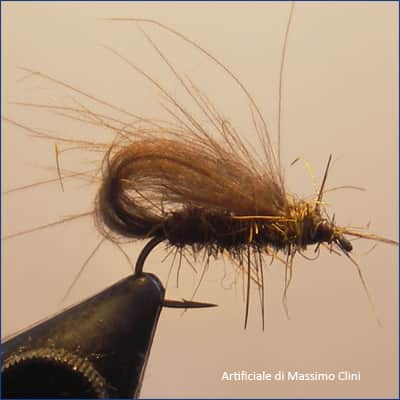
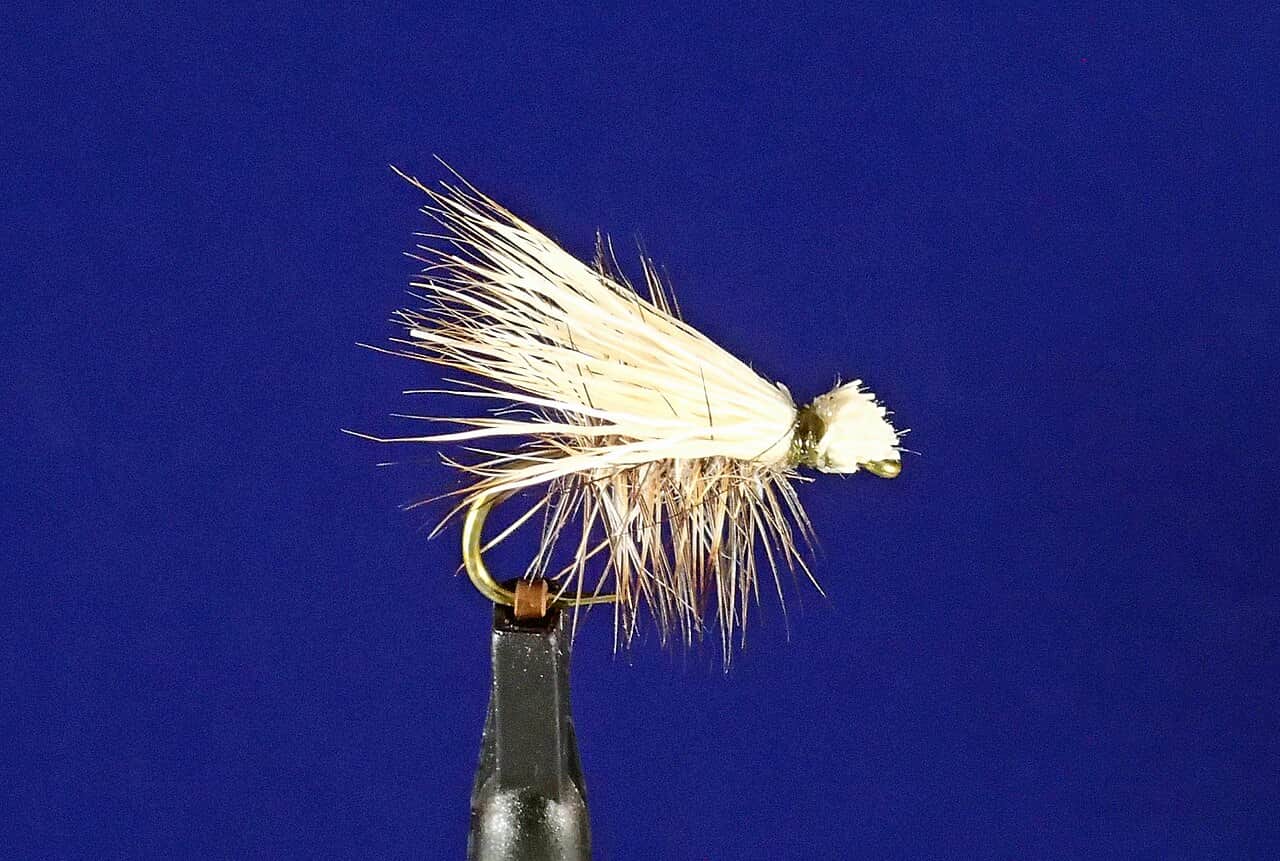
Golden stone, PMD dry, elk hair caddis, yellow sally nymph

Summer

Caddis, terrestrials, small mayflies

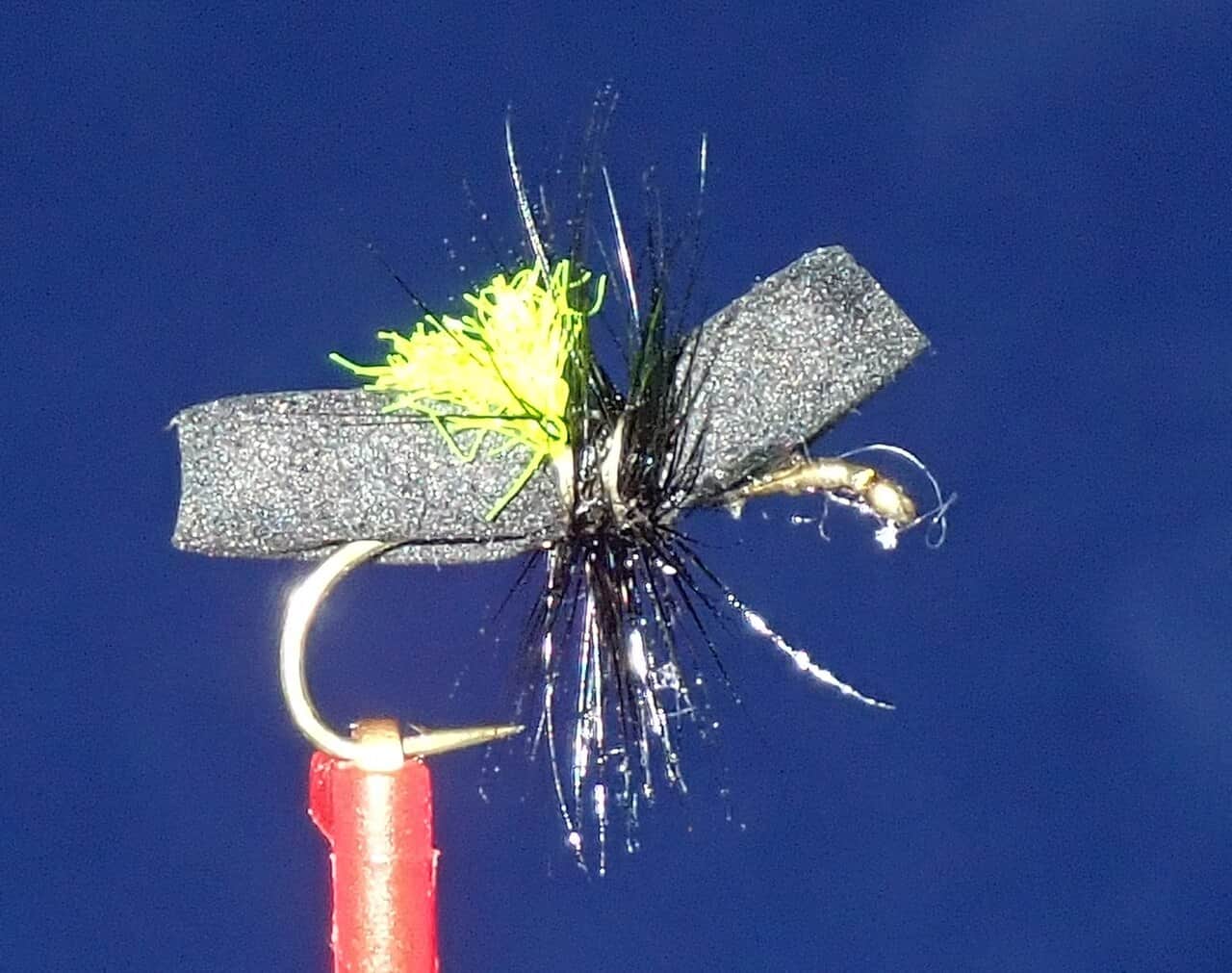
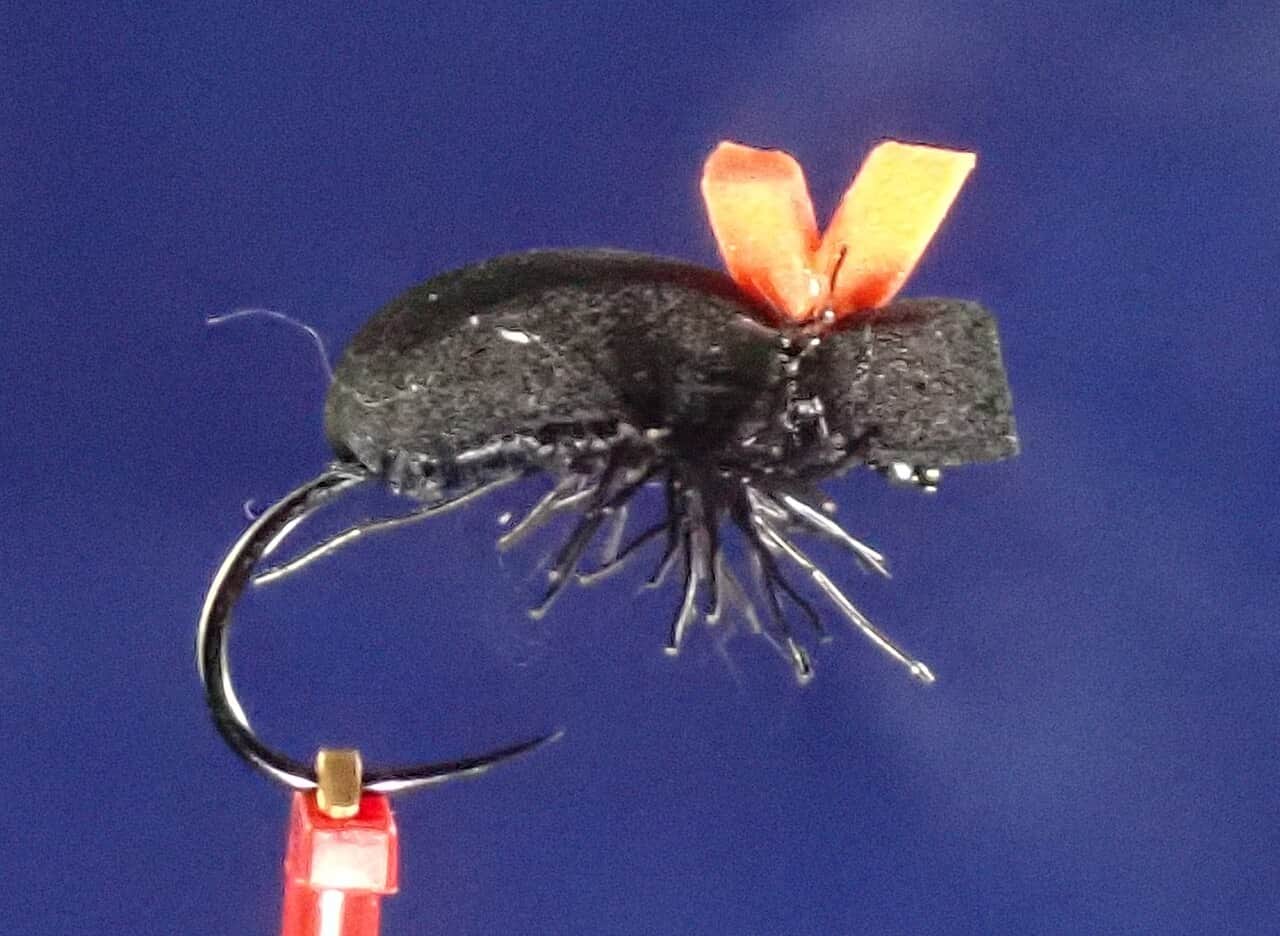
Caddis dry, ant, beetle, perdigon, soft hackle

Fall

BWOs, October caddis, streamer windows

BWO emerger, October caddis, sculpin, leech

Pocket-water nymphs

Stonefly, pheasant tail, hare's ear, perdigon, caddis pupa

Use through fast pockets, slots, and plunge-pool edges.

Dry flies

PMD, BWO, elk hair caddis, stimulator, ant

Use when fish rise in shade lines, tailouts, and softer edges.

Streamers

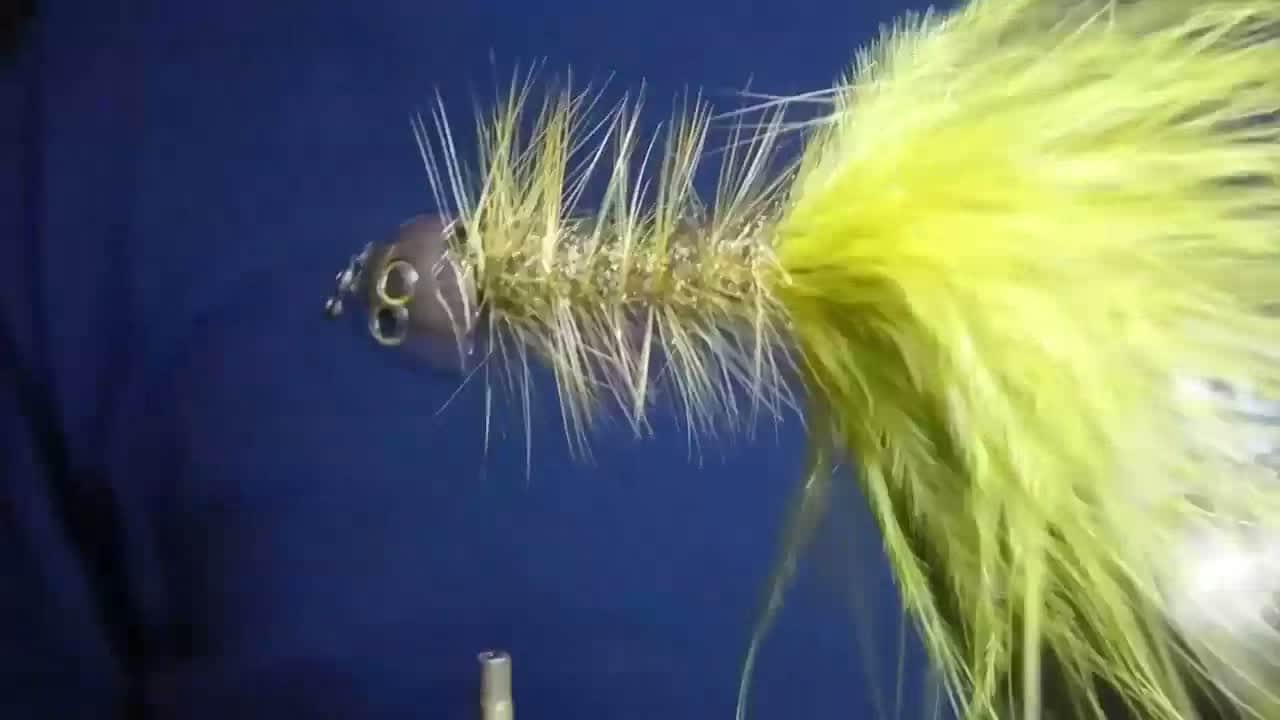
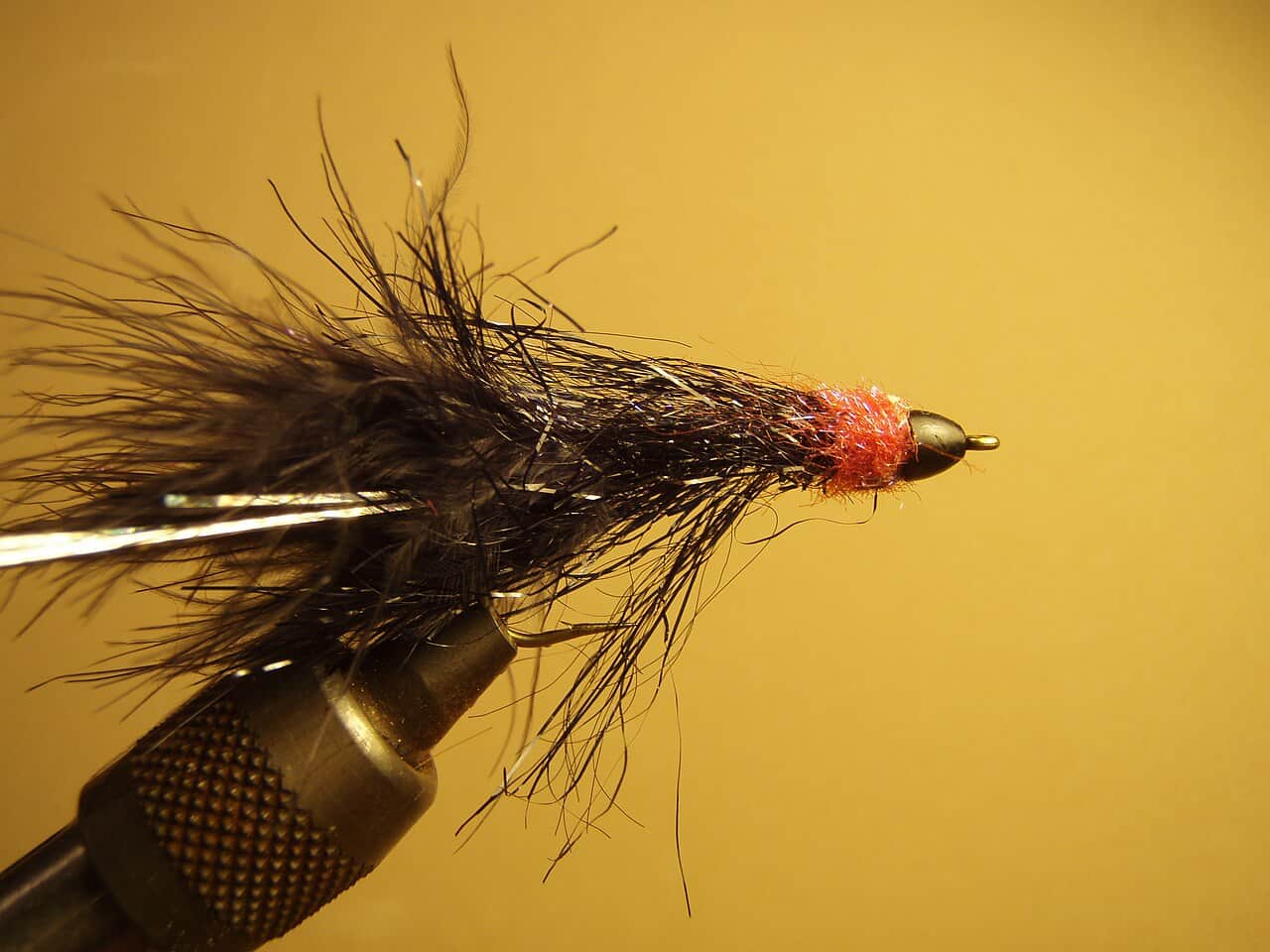
Sculpin, leech, olive bugger, small baitfish

Use around deeper pools, banks, and higher-flow windows.

Soft hackles

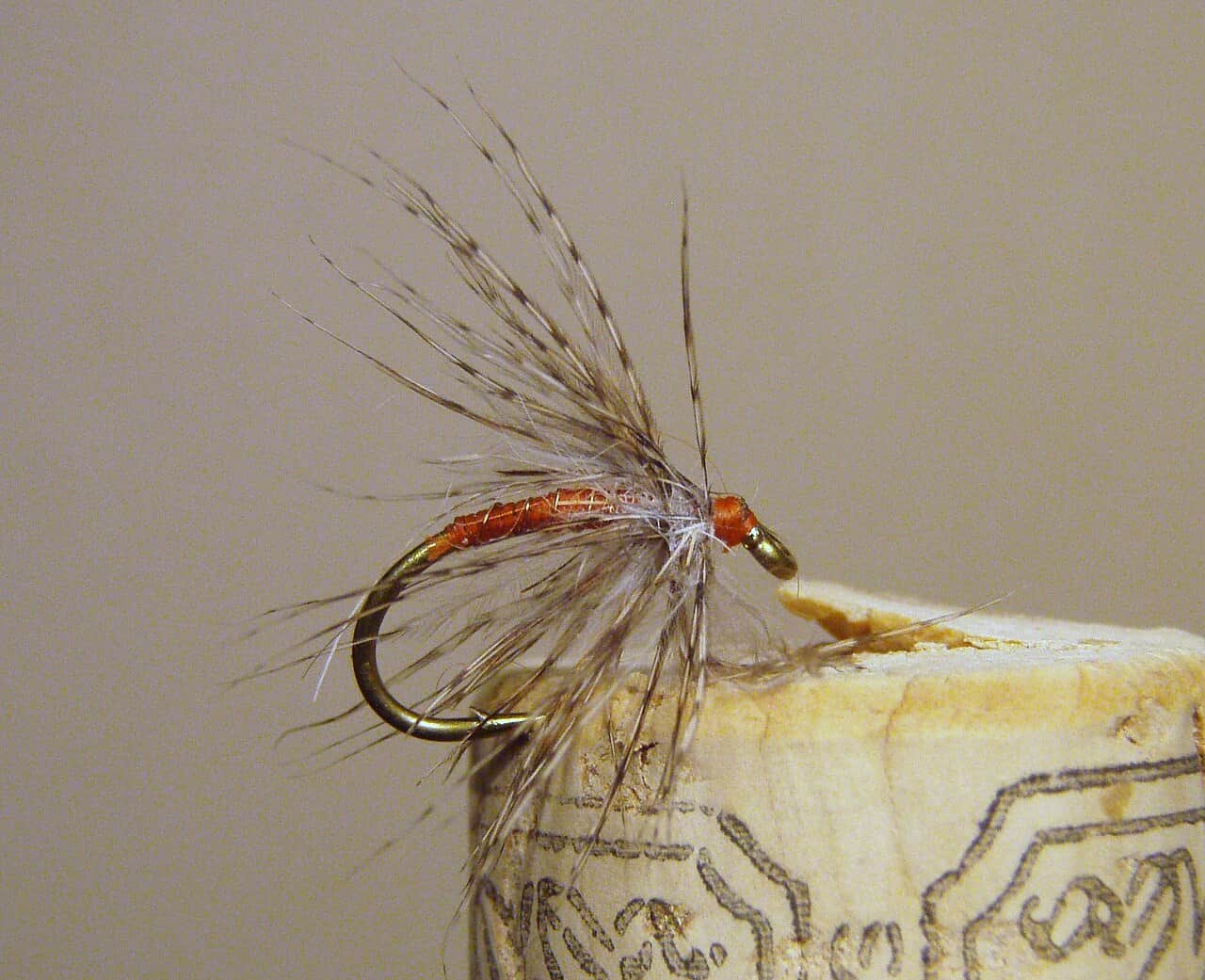
Partridge and green, caddis soft hackle, PMD soft hackle

Swing through riffle tails during caddis or mayfly emergence.

Tactics

How to fish it

Read the USFS page before driving because flow and road notes can change.

Confirm whether the reach is public, private, or managed preserve water.

Fish pockets from downstream and keep false casting low in tight canyon cover.

Use enough weight to reach bottom quickly in fast slots, then shorten drifts.

Watch for evening caddis and low-light streamer chances.

Leave extra time for the canyon road and avoid pushing a late exit.

Rigging

Rod, leader, and setup notes

A 9-foot 5-weight is a strong all-around lower McCloud rod.

A shorter 4-weight can be useful in tight upper or small pocket water.

Carry barbless flies or pinch barbs before fishing regulated reaches.

Bring split shot, indicators, dry-dropper leaders, and a small streamer line or sink-tip.

Use a wading staff, traction, water, and layers for canyon conditions.

Access

Access and planning notes

Ah-Di-Na Campground area

Lower-river public anchor

Wade / float / trail

Campground / bank / wade scout

When to pick it

Start here when road, flow, closure, and public access conditions are confirmed.

Caution

Rough roads and downstream private water make exact boundaries important.

Lower Forest Service loop

Canyon access check

Wade / float / trail

Road / trail / bank

When to pick it

Use it when USFS access and closure information supports a realistic day.

Caution

Remote exits and changing road conditions can make a short session longer than planned.

McCloud River Preserve

Managed-access option

Wade / float / trail

Preserve / sign-in / limited use

When to pick it

Pick it only when preserve status, season, and angler-limit rules allow the trip.

Caution

Managed preserve water is not open-access public water.

USFS notes private water below Ah-Di-Na; do not continue downstream without knowing the boundary.

The preserve is not casual open access. Follow current TNC rules if visiting.

Road conditions can make the drive slow, muddy, snowy, or unsuitable for low-clearance vehicles.

Flows below McCloud Dam can change with operations and spill conditions.

This page gives planning context, not permission to enter private water.

Regulations

Check before fishing

Verify CDFW's current McCloud River regulations and USFS/TNC access rules before fishing. Key lower-river sections have artificial-lure and barbless-hook requirements and seasonal details.

Primary base

McCloud, Mount Shasta, or Dunsmuir, California

Best day style

USFS access, rough roads, private water, and managed preserve use

Check first

CDFW rules, USFS conditions, TNC preserve status, flow, road access

Safety

Rough roads, remote canyon exits, cold water, flow changes, private boundaries

Gear

Helpful gear for this water

Barbless trout box

The lower river's regulated reaches make barbless preparation practical and safer for fish.

Traction and staff

Canyon rocks, cold water, and uneven access make stable wading important.

Road kit

Bring water, food, spare tire confidence, and offline maps for the canyon road.

Headlamp

Evening caddis can run late, and the exit is not the place to improvise.

Nearby water

Other water to research

Backup logic

High water

Avoid canyon crossings and compare Hat Creek, Fall River, or the Klamath depending on target and rules.

Heat

Fish early, carry a thermometer, and stop trout pressure when handling conditions deteriorate.

Road or closure issue

Use USFS and preserve status first; if access is uncertain, choose another northern California trout water.

Access issue

Do not guess at private or preserve boundaries; switch to a signed public option.

Sacramento River

A nearby Upper Sacramento freestone option when McCloud access or flow is wrong.

Pit River

A rugged hydro-influenced canyon option with very different wading and safety demands.

Klamath River

A larger northern California river where salmon, steelhead, and regulation checks dominate planning.

FAQ

Fast answers

Is McCloud River fishable today?

McCloud River needs a live-condition check before you commit. The live score is 44/100, based on current flow, weather, public alerts, and the report's planning context. Recheck the linked gauge and forecast before leaving because conditions can change quickly after rain, heat, access changes, or flow swings.

What flow is best for McCloud River?

Use the McCloud gauge as general context, then verify whether the Forest Service or local notices mention spill or release changes below the dam. Normal clear canyon flows are the best fit; if spill-driven levels are rising toward the heavy-flow range, the smart move is usually to stay out of crossings and either fish only obvious edges or wait it out.

When should I skip McCloud River?

Skip the trip when road access is closed, when spill or release notices make the lower canyon pushy, when the preserve is outside its open season, when hot weather turns the hike into the hardest part of the day, or when your plan depends on water below the legal public access corridor.

Is McCloud River safe to wade right now?

The fishability score is not a wading guarantee. Wade only where your chosen access has safe edges, clear footing, legal entry, and no forced crossings; high, rising, stained, or storm-affected water should be treated conservatively.

What McCloud River section does this cover?

It focuses on the lower McCloud below McCloud Dam, especially the Ah-Di-Na and managed-preserve planning context.

Is the McCloud easy to access?

No. Roads, private water, managed preserve rules, and canyon conditions make access planning essential.

What gauge should I check?

Use USGS 11367500, McCloud River near McCloud, plus current USFS condition notes when available.

Can I fish below Ah-Di-Na?

Only where access is legal. USFS warns that water below Ah-Di-Na includes private property and managed access.