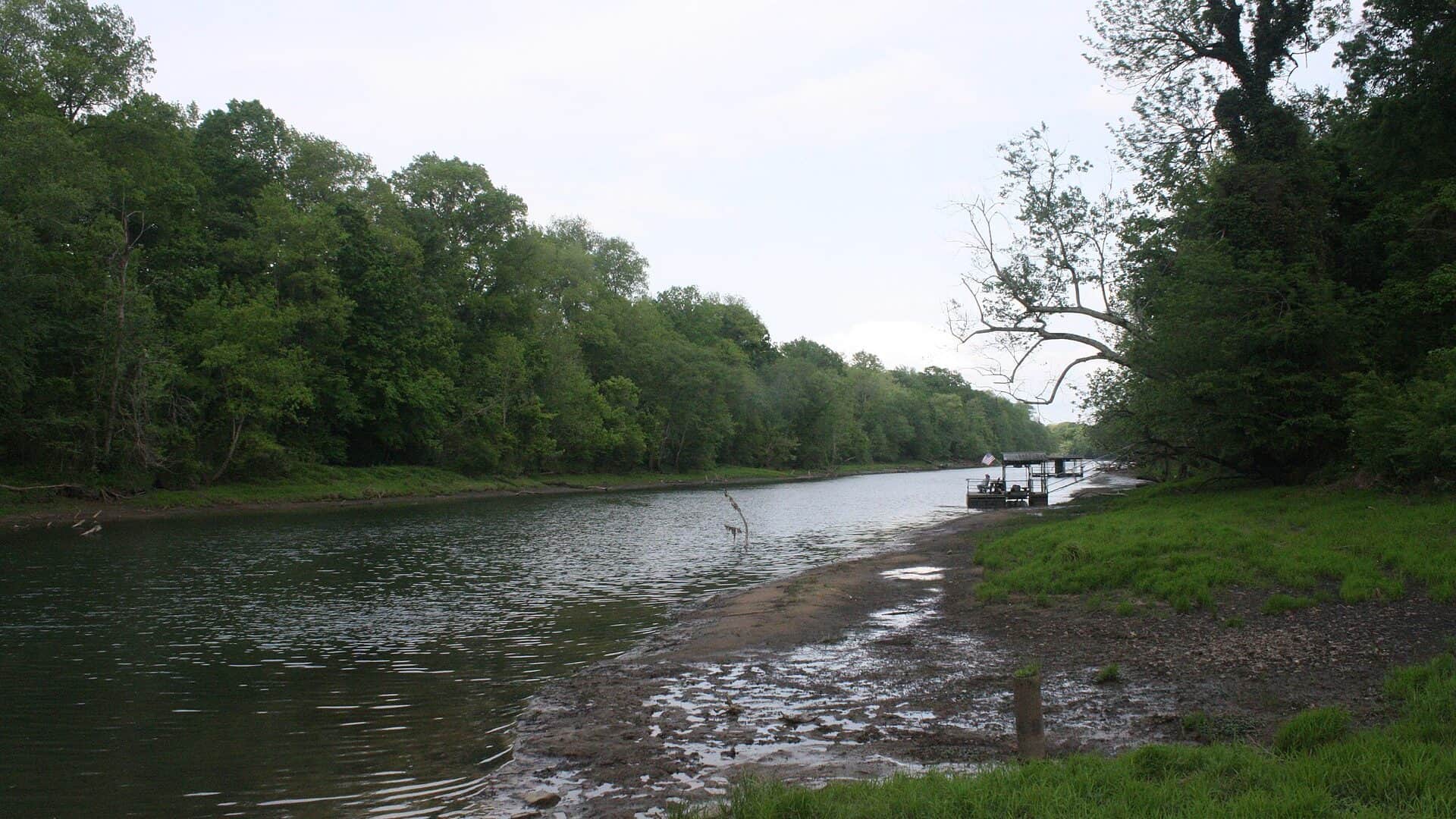
White River water at St. Charles Arkansas

Arkansas / Southeast

White River

A Bull Shoals and Norfork-area trout report for generation-aware fishing, boat and wade planning, fly selection, and current Arkansas rules.

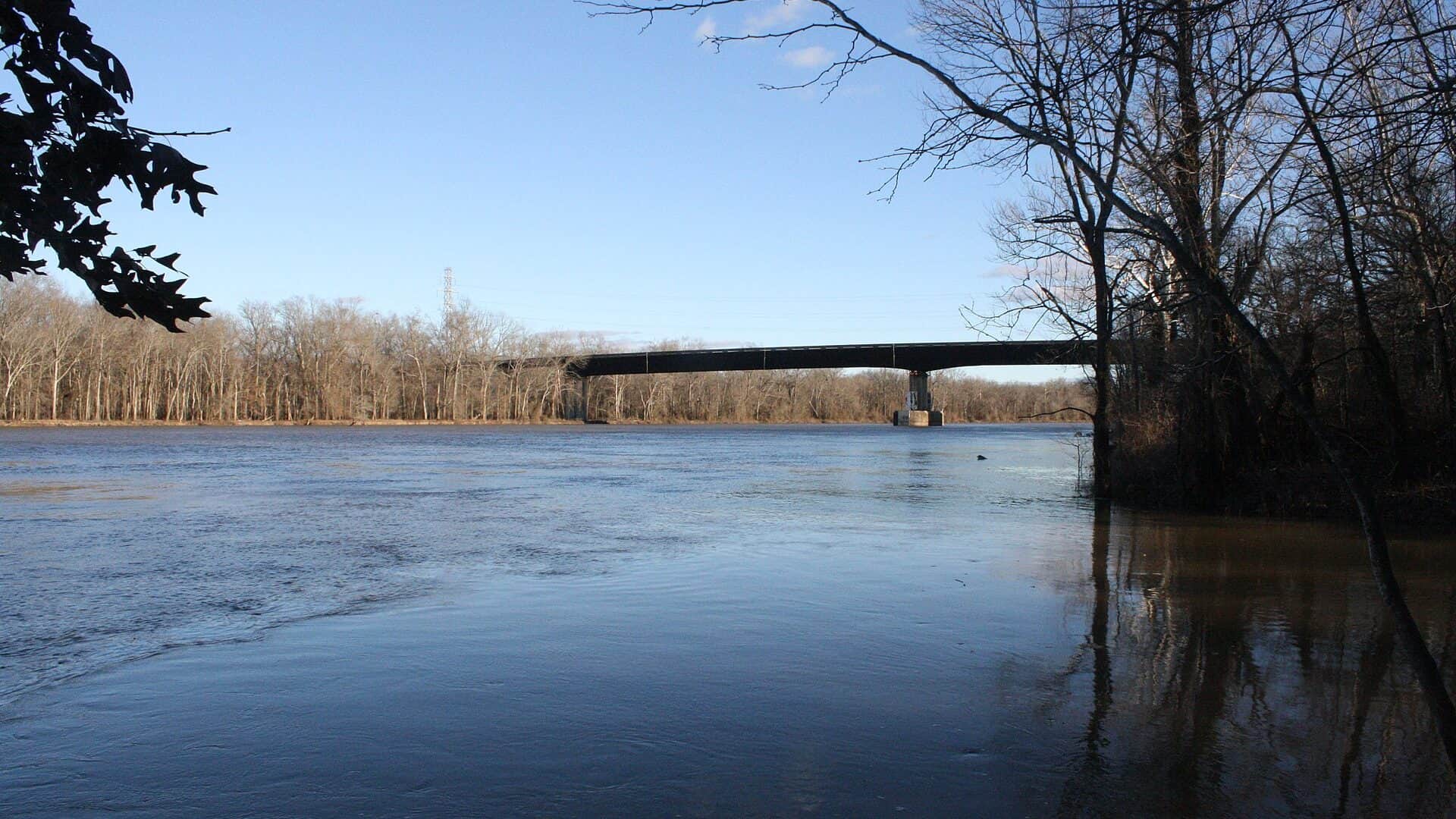
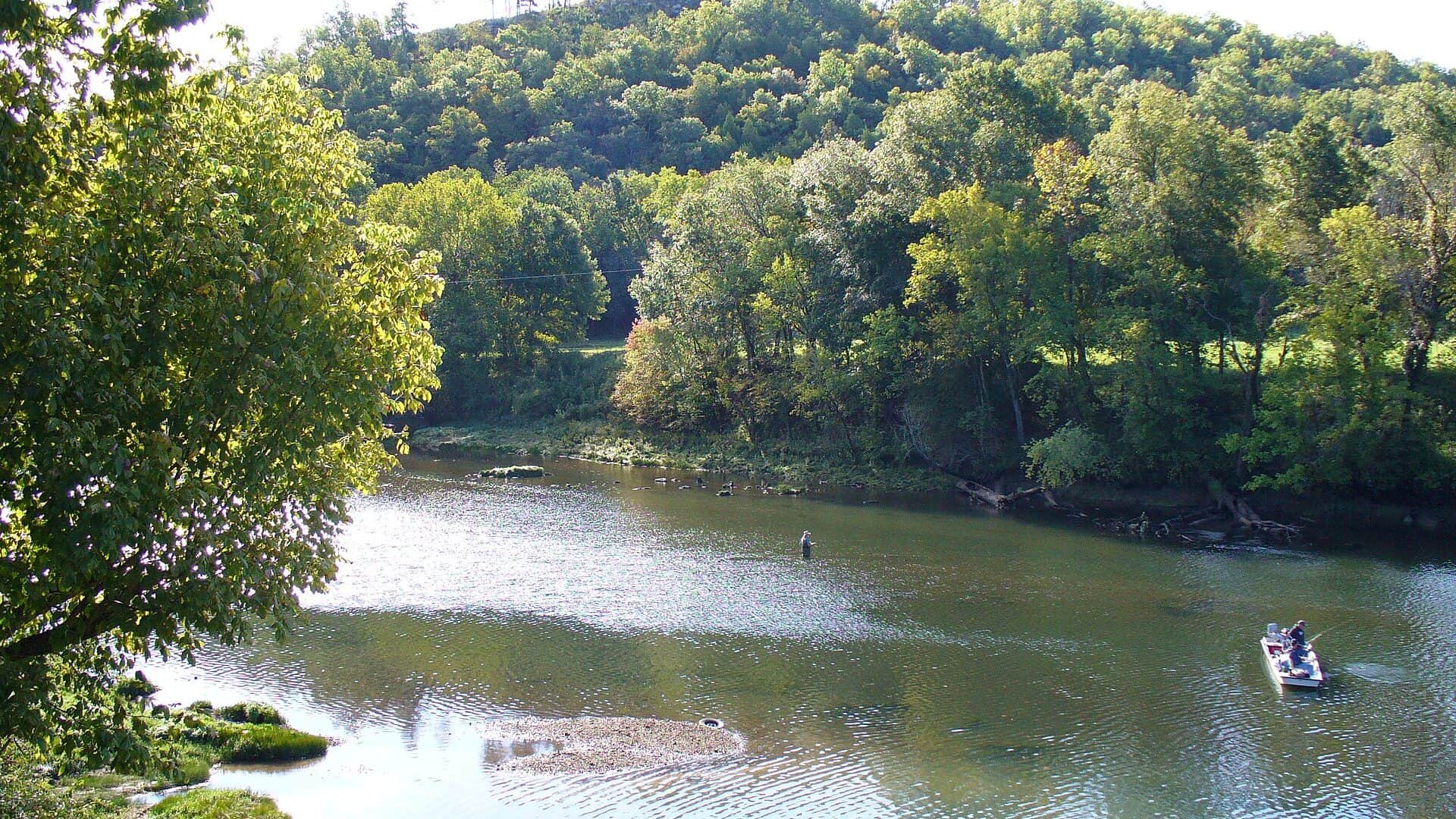
Image: White River at St. Charles, Arkansas / CC0 / Brandonrush

Fishability now: White River fishability today

GreatData confidence: High

96/100

Fishable now because the live gauge is falling, weather is usable, and no public alert is active.

Flow observed

4:30 PM UTC

Weather observed

5:00 PM UTC

Score calculated

5:24 PM UTC

Why this rating

Flow

Weather

Public alerts

Next 6-12 hours

Improving / hold

A falling gauge and usable weather should keep the next 6-12 hours in play unless tributaries stain or heat builds.

More planning details: flies, flow bands, and live source checks

Fish it today

Start here

Pick the corridor first: Bull Shoals for release source context, Cotter and public ramps for drift planning, and the Norfork confluence for linking White River and Norfork options. Match that corridor to wading, boat, or bank plans.

Best flow clue

Use RiverReports and USGS 07057370 near Norfork for stage context, then check Bull Shoals release information before choosing a method. Stable low water favors wading; higher generation favors boats, heavier rigs, and edge or streamer fishing.

Skip trigger

Skip or reset the White River plan when Bull Shoals generation is unclear, current AGFC rules are not confirmed, launch or takeout logistics are weak, or the day depends on accessing private banks without permission.

Flow decision bands

Low but fishable

Low-generation windows can open shoals, but the river is still large, cold, and release-sensitive.

Best tailwater window

Stable or predictable generation with clear water is the best signal for nymphs, soft hackles, streamers, and boat positioning.

Pushy or unsafe

High or rising generation should move wade plans to boats, banks, or another tailwater.

Boat-traffic pressure

A fishable gauge can still be a poor human day when drift lanes, guide traffic, or access crowding are heavy.

USGS flow

6 ft

Open

Current trend: flow falling, rating likely holding strong unless weather or clarity changes.

Live USGS flow

6,090 cfs / falling about 23%

Live NWS forecast

77F / Sunny

Water temperature not verified

Heat guidance uses weather and river type unless an official water-temperature value is available.

No NWS alert flag

No active NWS alert was returned for this forecast point.

Primary waterLarge coldwater trout tailwater
GaugeRiverReports with USGS 07057370 and USACE checks
Access styleBoat-first tailwater with limited wade windows
ReviewedMay 31, 2026

Check Bull Shoals release data before choosing a wade, drift, or streamer plan.

AGFC trout limits changed in 2026, so use the current AGFC trout page before harvesting fish.

Use RiverReports and USGS 07057370 for near-Norfork context, then verify dam-release information.

Small midges and scuds work on low water; streamers and heavier rigs become more useful during generation.

Editorial review

How this report is maintained

This report is maintained from current regulation, access, flow, weather, and public planning sources so anglers can make better trip decisions than a raw gauge or generic overview would allow.

Byline

BlueStreamFly editorial team

Reviewed by

BlueStreamFly source review

Maintained by

Mountain Brook Run LLC

Last material review

2026-05-31

Report confidence

Good confidence

89/100

Good confidence: RiverReports, USGS near-Norfork stage, AGFC Bull Shoals Tailwater material, trout-limit guidance, generation reminders, and weather data support the page. Confidence is moderated by broad reach scope, dam-release timing, boat traffic, and private-bank access.

Regulations

AGFC Bull Shoals Tailwater and trout-limit sources support the legal-check path.

Access

AGFC trout-water material supports the public tailwater frame, with ramps, resorts, banks, and boat traffic still needing day-of checks.

Flow and weather

RiverReports and USGS 07057370 stage support are attached, with Bull Shoals release data still needed for wade decisions.

Fishing usefulness

The page now separates low-generation shoals, boat days, drift-lane pressure, current trout limits, and backup tailwater choices.

Fishability dashboard and source review

2026-05-31 / material content or source review

RiverReports, USGS White River near Norfork stage, AGFC Bull Shoals Tailwater information, AGFC trout-limit guidance, generation reminders, and the National Weather Service point were checked before updating the current-fishability decision layer.

2026-05-31

Updated White River to the current fishability-page standard with Bull Shoals release framing, boat-versus-wade access cards, backup cues, stable fishability SEO, and confidence signals.

2026-05-28

Added White River trip-fit guidance, Bull Shoals release framing, near-Norfork stage context, boat-first access nuance, current AGFC rule reminders, pressure timing, backup-water suggestions, editorial review signals, and a page-specific report-confidence meter after source review.

2026-05-24

Initial source-reviewed report published with flows, weather, hatches, flies, tactics, access, regulations, and FAQs.

Angler planning edge

Local details that change the plan

Best for

Anglers planning the Arkansas White River as a major cold tailwater where Bull Shoals releases lead the day, Boat, guide, and drift trips where generation opens long trout water but changes rigging and safety decisions, Low-water wade windows with midges, scuds, and small nymphs when access and current rules are clear, Traveling anglers comparing White River, Norfork, and Little Red release schedules before choosing lodging or a guide

Wade or float

Treat the White as a boat-first tailwater with limited wade windows. Low generation can create walk-in opportunities, but the river is large and release changes quickly favor drift boats, guides, and protected bank edges.

Best flows

Use RiverReports and USGS 07057370 near Norfork for stage context, then check Bull Shoals release information before choosing a method. Stable low water favors wading; higher generation favors boats, heavier rigs, and edge or streamer fishing.

When to skip

Skip or reset the White River plan when Bull Shoals generation is unclear, current AGFC rules are not confirmed, launch or takeout logistics are weak, or the day depends on accessing private banks without permission.

Local plan

Pick the corridor first: Bull Shoals for release source context, Cotter and public ramps for drift planning, and the Norfork confluence for linking White River and Norfork options. Match that corridor to wading, boat, or bank plans.

Pressure

Pressure follows guide traffic, famous shoals, low-water windows, and popular ramp corridors. A boat plan, earlier start, or second tailwater option helps when the first window is crowded.

Access nuance

AGFC sources give the fishery and rule foundation, but the White includes private banks, resort-controlled access, boat traffic, and multiple rule reaches. Confirm the exact public access and current reach rule before fishing.

Backup water

If White River generation, boat logistics, or crowding is poor, compare Norfork Tailwater or the Little Red River for a separate Arkansas release schedule.

About the river

Setting, character, and why it fishes the way it does.

The Arkansas White River trout fishery is shaped by cold releases from Bull Shoals Dam and by its connection with the Norfork Tailwater.

It is a big river with long pools, gravel shoals, private banks, resorts, ramps, and guide traffic, so a useful plan starts with the reach and release schedule.

AGFC manages multiple trout species here, including rainbow trout and trophy-class brown trout, but recent hatchery issues triggered reduced limits in 2026.

This page focuses on the Arkansas trout tailwater corridor near Bull Shoals, Cotter, and Norfork rather than the entire White River basin.

Target species

Rainbow trout

The most common trout target and the species most often tied to current harvest-limit language.

Brown trout

The trophy draw of the system. Handle carefully and verify current special limits before any harvest assumption.

Cutthroat trout

Present in the tailwater mix, with rules that can differ from rainbow trout during emergency-limit periods.

Brook and tiger trout

Possible in management summaries and stocking context, but check current AGFC rules before keeping any trout.

Reading the water

Low generation

Look for wadeable shoals, slow seams, and small nymph or dry-fly windows. Keep an exit route close.

Moderate generation

Boat positioning, longer drifts, heavier nymph rigs, and protected bank seams become more important.

High generation

Treat it as boat water. Streamers, bank structure, and guide-style drift planning are more realistic than wading.

Clear pressured water

Downsize flies, lengthen leaders, and avoid bright indicator rigs in slow slicks.

Best seasons

Winter

Midges, eggs, scuds, and streamers can all matter. Watch for spawning fish and cold-water safety.

Spring

Variable releases and storms make generation checks critical. Soft hackles and nymphs are practical starters.

Summer

Cold dam water keeps trout fishing viable, but recreation pressure and boat traffic can shape the day.

Fall

Streamer interest rises for brown trout. Fish ethically around spawning behavior and current rules.

Preferred flow source

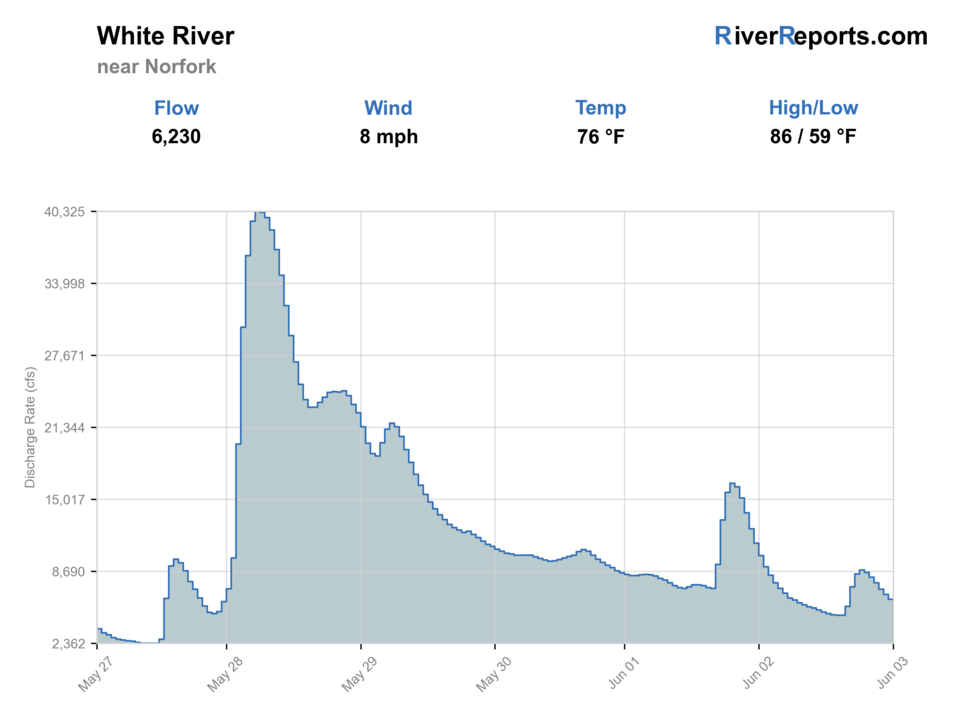
White River near Norfork

RiverReports is the preferred chart source when coverage exists. When a matching USGS gauge exists, keep it open as the official backstop for station data and current hydrograph context.

White River near Norfork RiverReports flow chart

USGS data chart

Official USGS trend

Gauge height over the latest USGS reporting window.

Latest

6 ft

Jun 3, 4 PM UTC

Site

07057370

Low / high

5 / 16 ft

Source

Open USGS

Weather

River weather report

Weather can change wading safety, road access, water temperature, hatches, and the best time of day to fish.

Live forecast loads as you reach this section

This keeps the report fast while still using the official National Weather Service forecast point.

Hatches and flies

Hatch chart and fly picks

Winter

Midges and limited surface activity

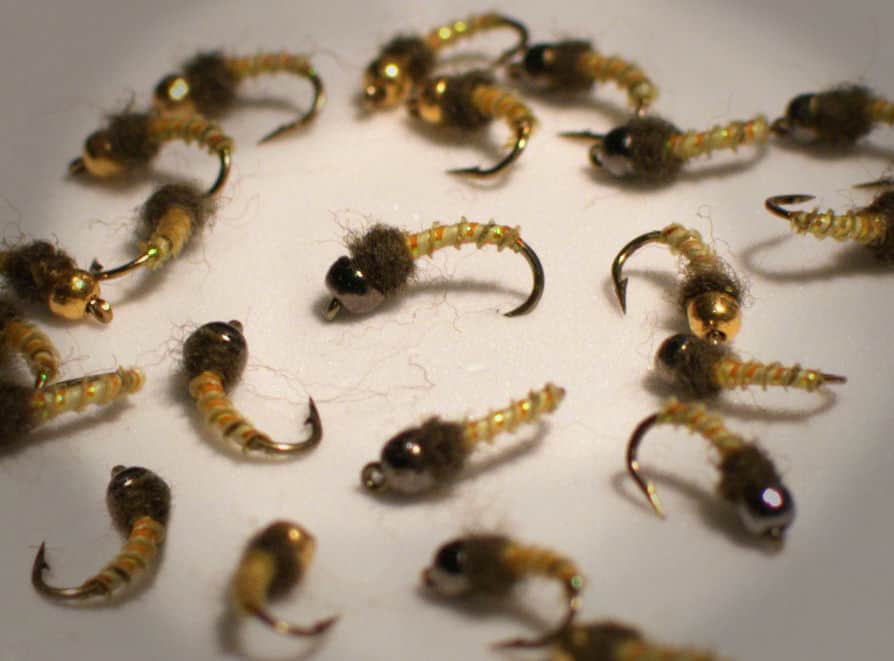
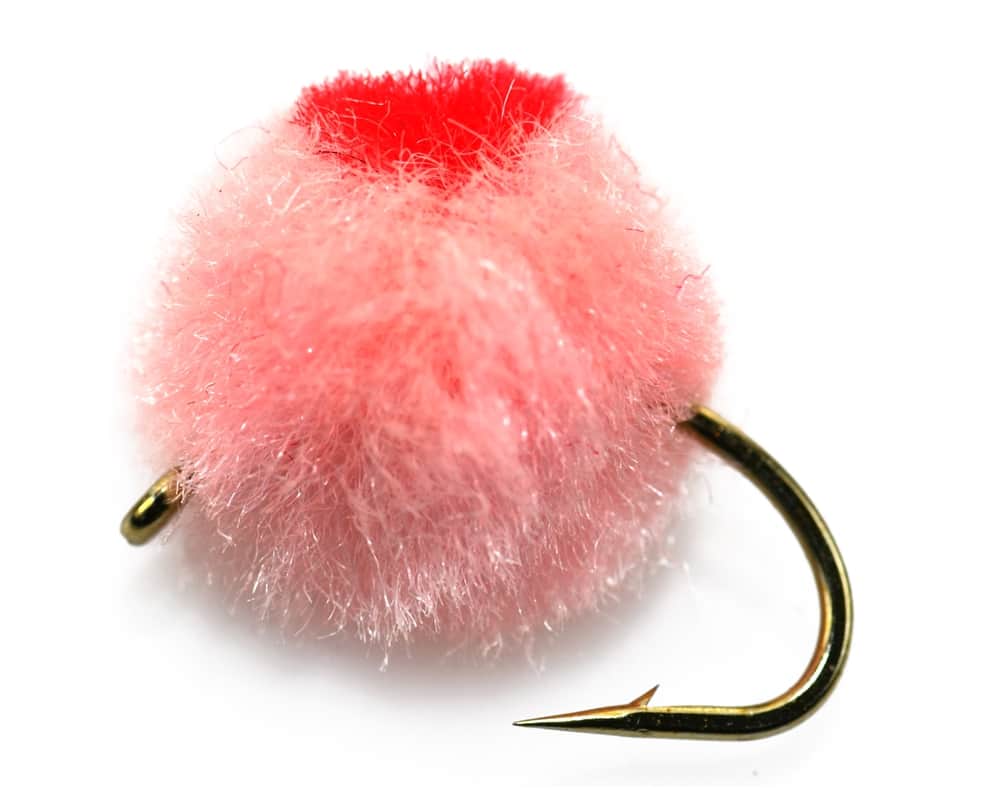
Zebra midge, ruby midge, egg, scud, sowbug, small leech

Spring

Midges, caddis, small mayflies

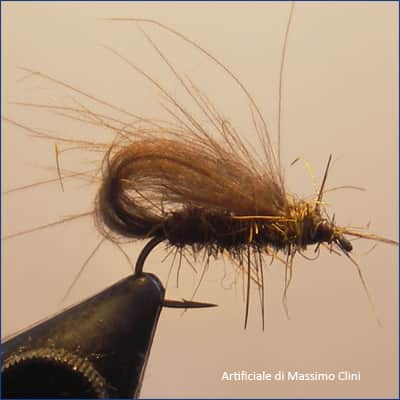
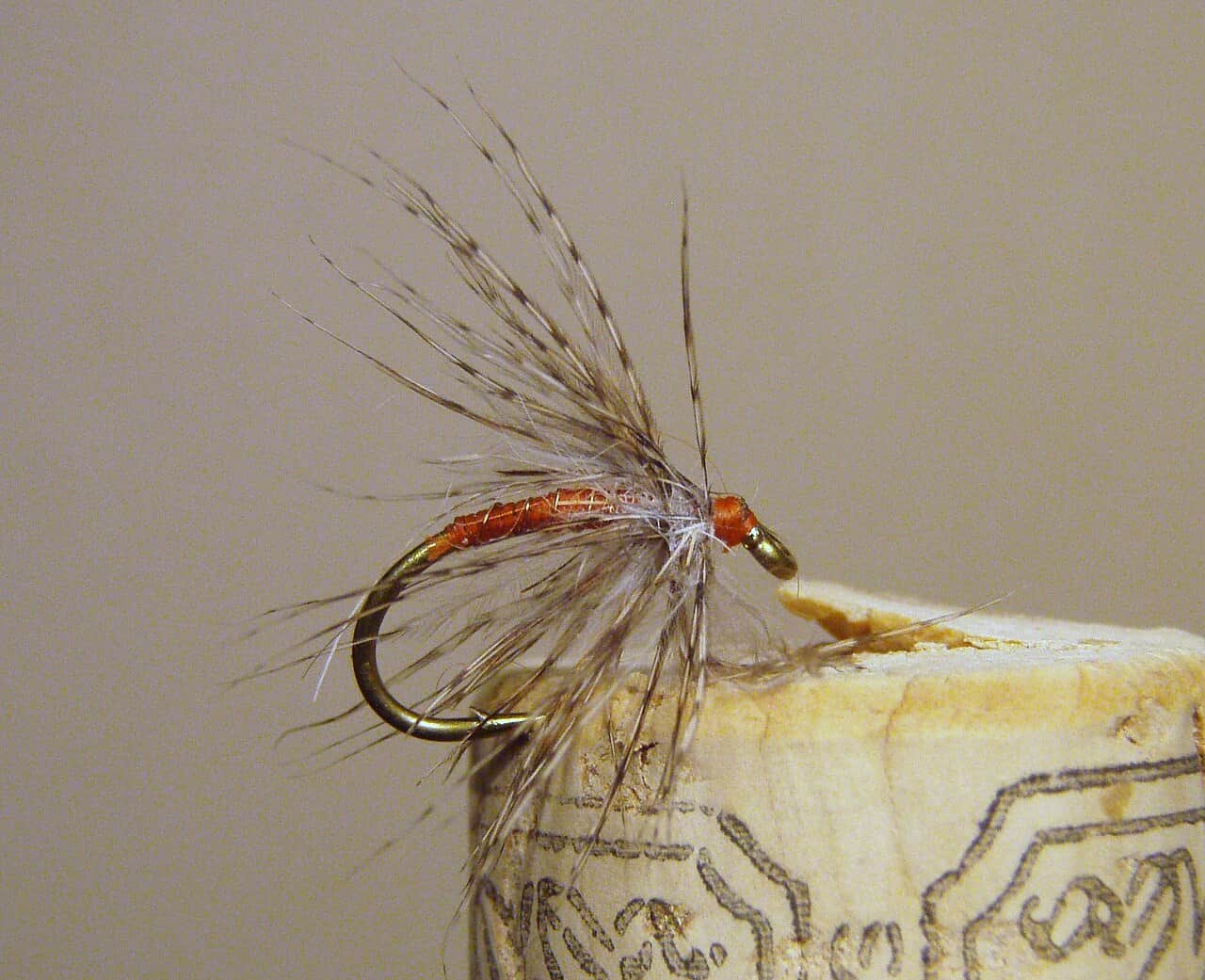
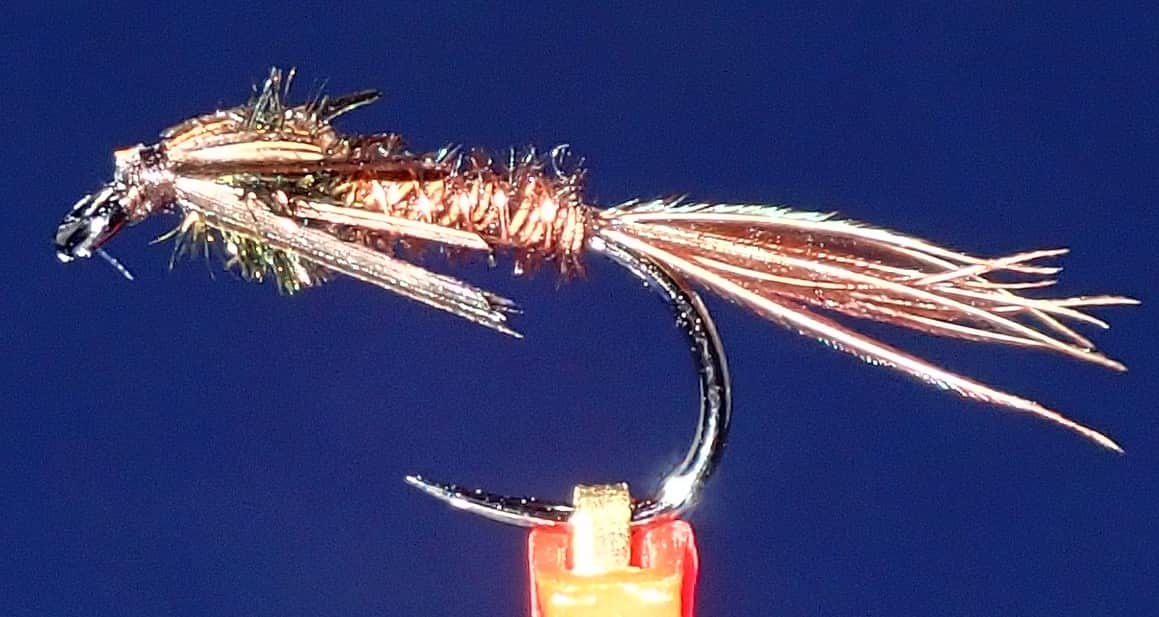
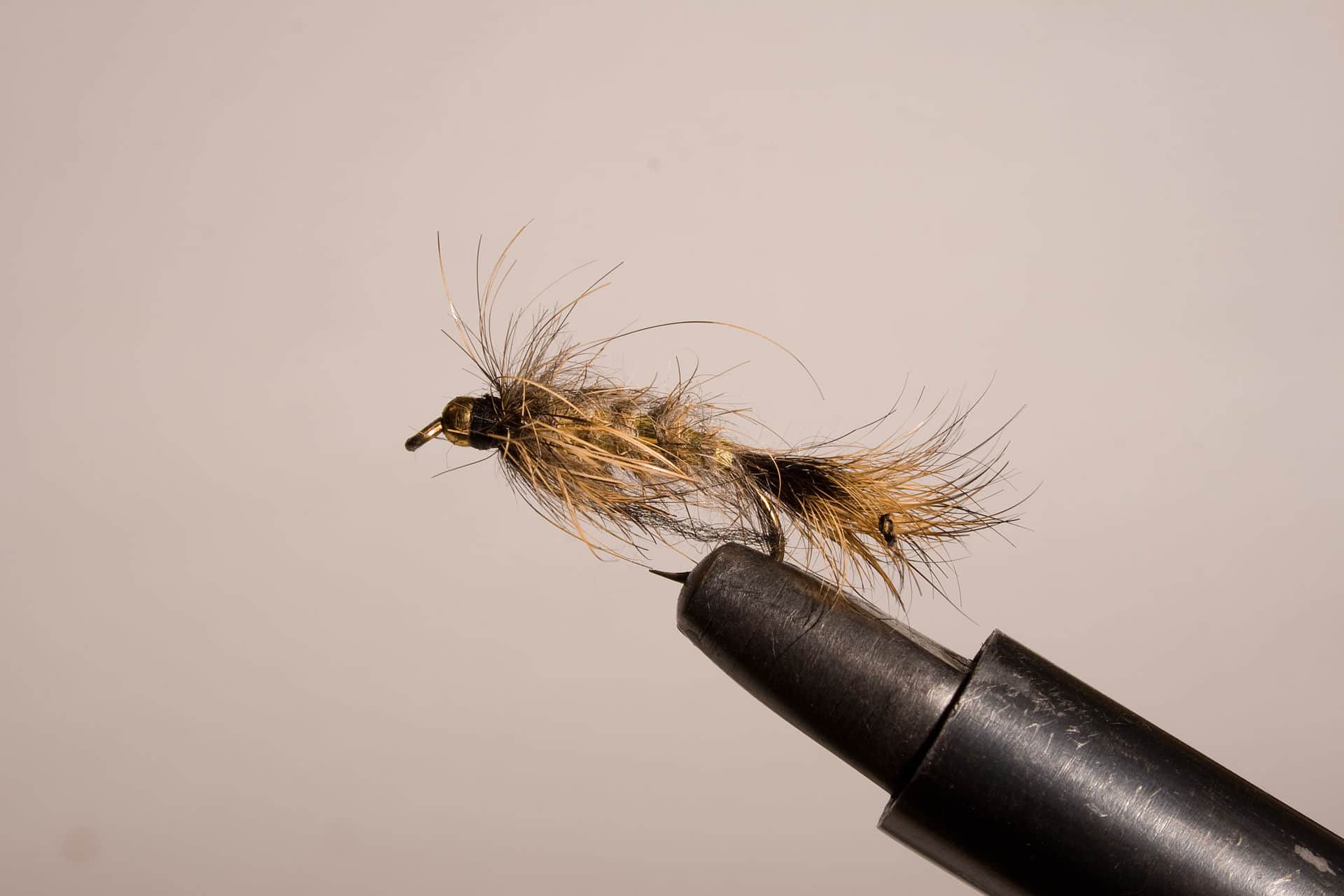
Caddis pupa, soft hackle, pheasant tail, hare's ear

Summer

Midges, caddis, terrestrials on banks

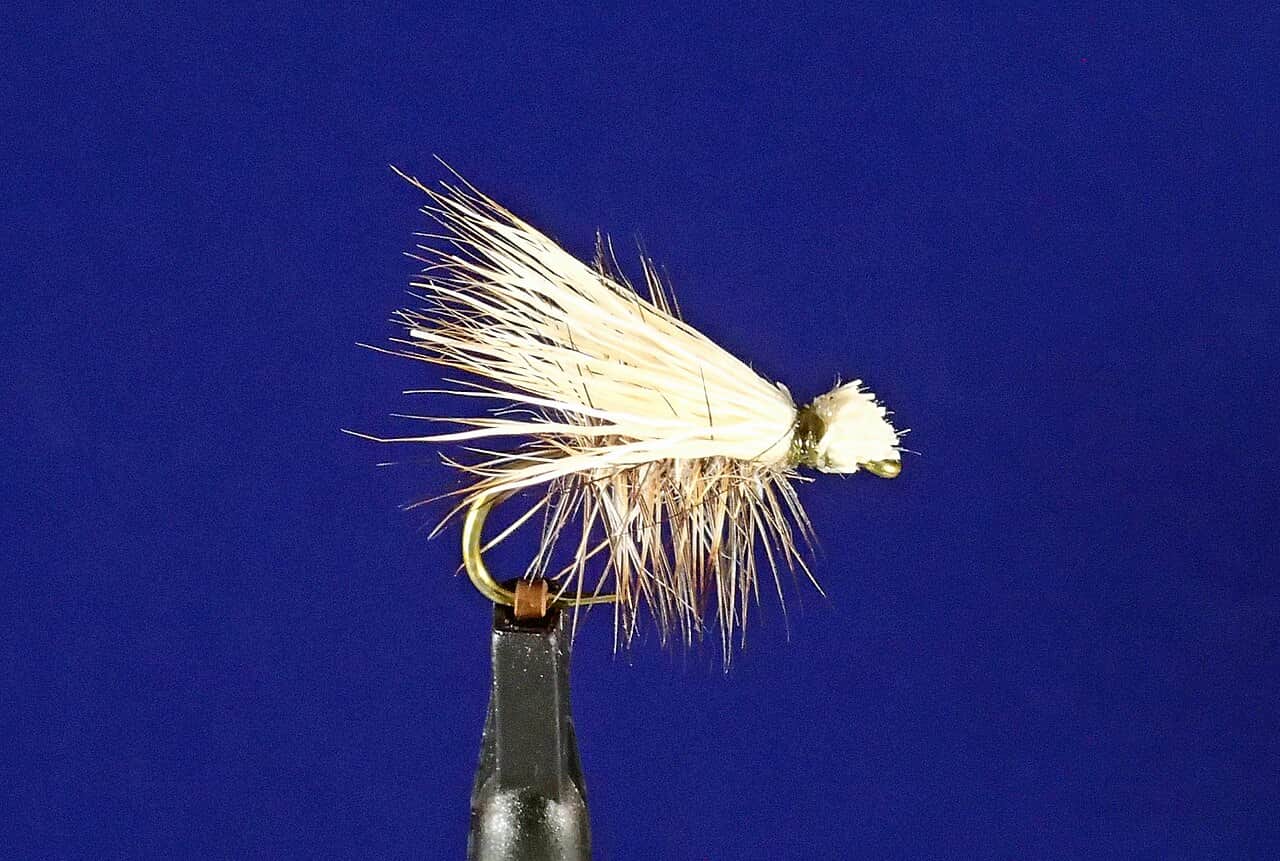
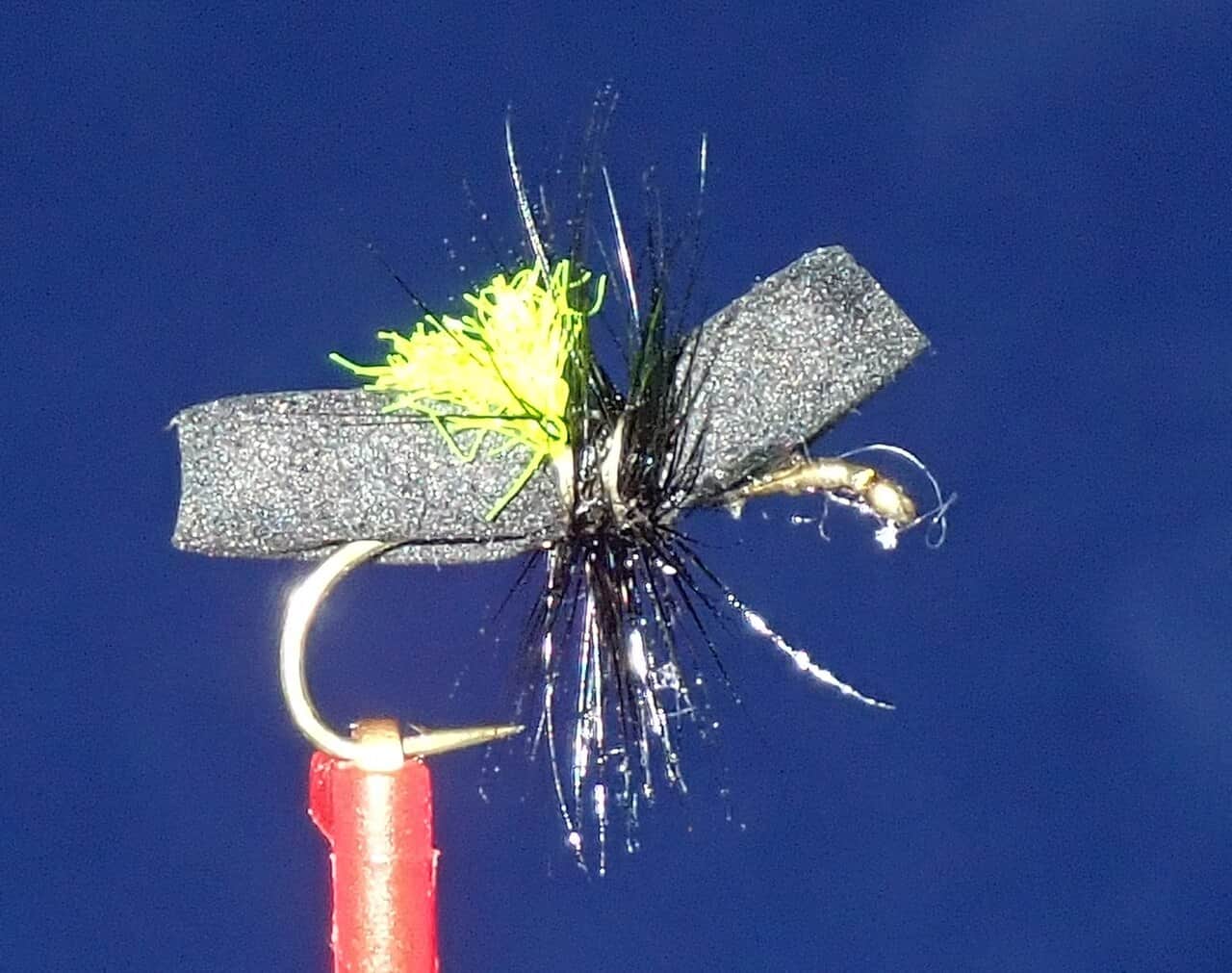
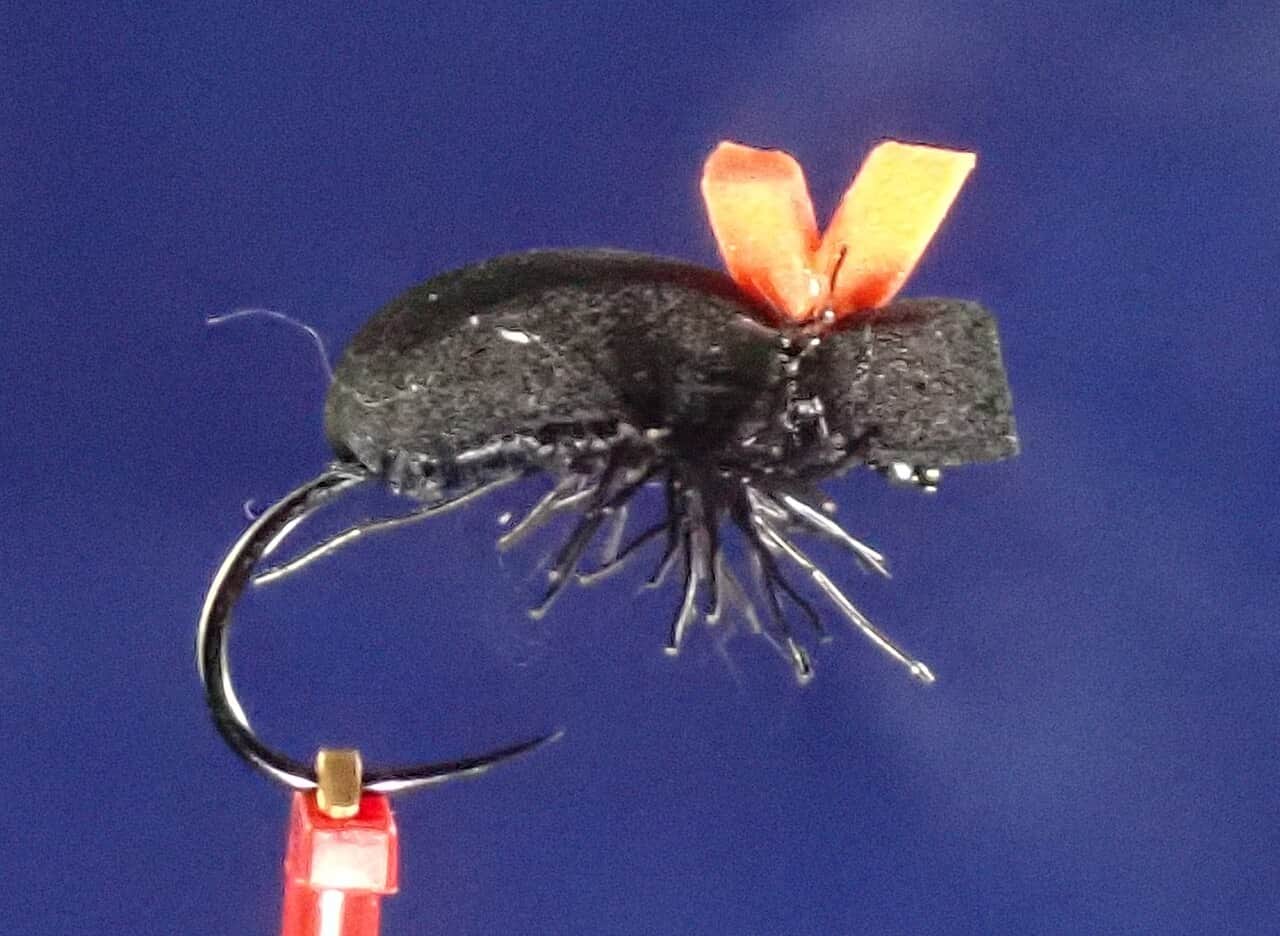
Midge emerger, elk hair caddis, ant, beetle, small hopper

Fall

Midges and baitfish movement

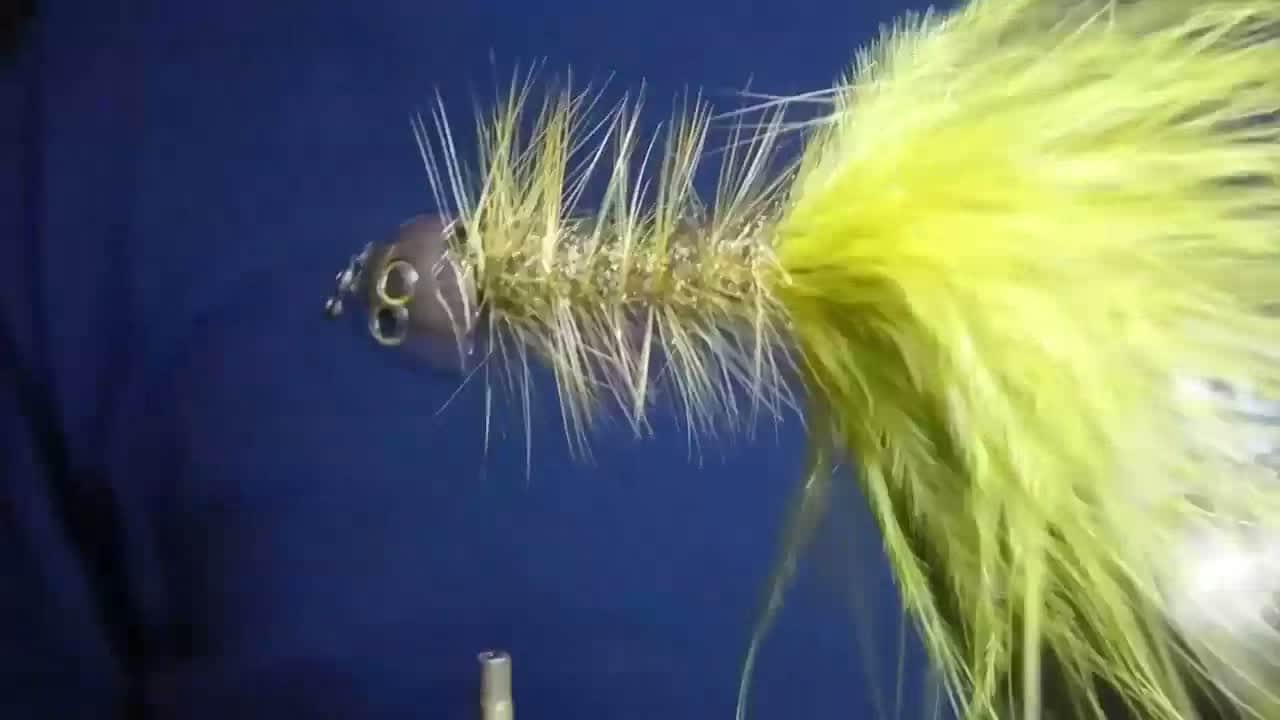
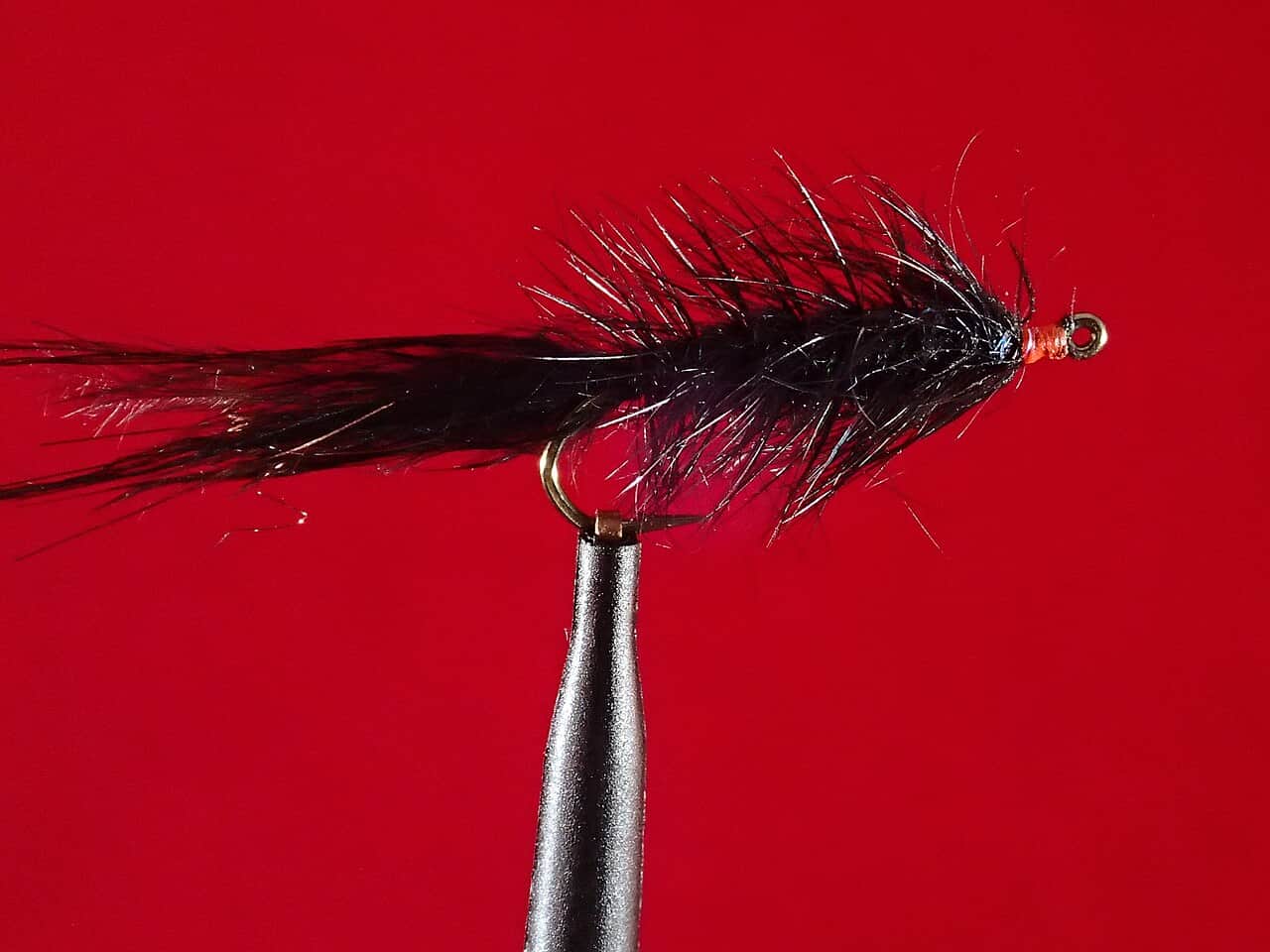
Sculpin, woolly bugger, articulated streamer, zebra midge

Nymphs

Zebra midge, scud, sowbug, pheasant tail, hare's ear

Use for low to moderate generation, especially around shoals and gravel troughs.

Streamers

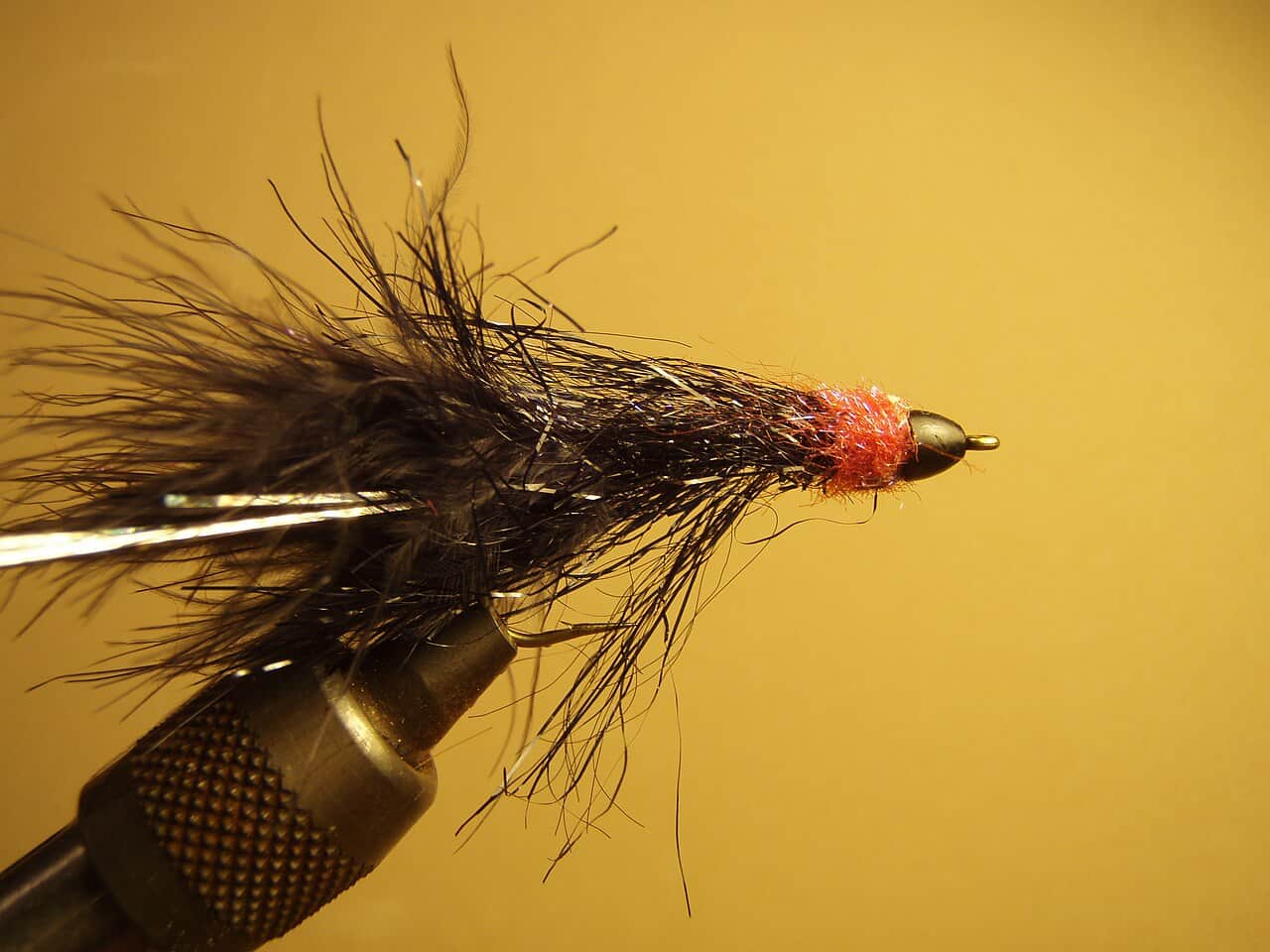
Sculpin, double deceiver, woolly bugger, leech, baitfish

Use during generation, stained water, low light, or when targeting larger brown trout.

Soft hackles

Partridge and orange, caddis soft hackle, peacock soft hackle

Swing through riffles and seam edges when fish are moving for emergers.

Small dries

Griffith's gnat, parachute Adams, elk hair caddis, tiny BWO

Use only around visible rise forms on low, slow water.

Tactics

How to fish it

Choose the reach after checking release data, not after picking a fly.

On low water, approach shoals from downstream and fish small rigs through troughs.

During generation, fish from a boat or protected banks and use heavier rigs that still drift cleanly.

Use streamers along banks, ledges, and structure when the river has push and depth.

Give guide boats and other anglers plenty of room on popular drifts.

Avoid redds and visibly spawning trout, especially during fall and winter brown trout windows.

Rigging

Rod, leader, and setup notes

A 9-foot 5-weight is the flexible low-water nymph and dry-fly rod.

Use a 6-weight or 7-weight with sink tips for streamer days during generation.

Carry 4X to 6X for small nymphs and 0X to 2X for bigger streamers.

Use a wading staff and PFD when conditions warrant it.

Bring enough split shot and leaders to adjust between shoal and boat-water depths.

Access

Access and planning notes

Bull Shoals tailwater

Primary release check

Wade / float / trail

Boat / wade window / bank

When to pick it

Start here when Bull Shoals generation and current AGFC rules match the intended method.

Caution

Do not treat low water as permanent; tailwater releases can change fast.

Cotter and public-ramp corridor

Boat and bank planning

Wade / float / trail

Ramp / drift / bank

When to pick it

Use this when boat traffic and releases make a drift more realistic than wading.

Caution

Private banks and boat lanes require current local judgment.

Norfork confluence area

Lower-corridor comparison

Wade / float / trail

Bank / boat / nearby tailwater

When to pick it

Pick it when White River and Norfork schedules need to be compared before choosing water.

Caution

Norfork has separate generation and rule context.

AGFC says new trout limits took effect Feb. 1, 2026 because of hatchery shortages.

The White River is large enough that boat traffic, drift lanes, and private banks affect trip quality.

USACE release pages and local ramp conditions should be checked before launching or wading.

The Norfork Tailwater has its own rule and release context even though it joins the White River.

Do not rely on outdated harvest summaries; use the current AGFC trout page before keeping fish.

Regulations

Check before fishing

Verify current AGFC regulations before fishing. AGFC's 2026 update includes different rules by reach: Bull Shoals Dam to Norfork Access, Norfork Access to Arkansas Highway 58, and the Norfork Tailwater each require careful current-rule checking.

Primary base

Mountain Home, Cotter, or Norfork, Arkansas

Best day style

Boat-first tailwater with limited wade windows

Check first

Bull Shoals generation, AGFC trout limits, weather, and access

Safety

Dam releases, boat traffic, cold water, private banks

Gear

Helpful gear for this water

Boat-day PFD

Important on generation days and for drift-boat or johnboat plans.

Streamer rod

A 6-weight or 7-weight helps cover banks during higher water.

Tailwater nymph kit

Midges, scuds, sowbugs, split shot, and indicators cover most low-water work.

Wading staff

Useful on shoals and for safely backing out when water begins to rise.

Nearby water

Other water to research

Backup logic

High water

Use a boat plan, compare Norfork or Little Red generation, or wait for a lower release.

Heat

Cold dam water helps, but fish early and handle trout quickly around heavy summer use.

Storms or stain

Check release, stage, weather, and visibility before committing to a long drift.

Access issue

Use signed ramps or permission-based access rather than assuming bank access is public.

Norfork Tailwater

A short technical tailwater that joins the White and can offer different water-level windows.

Little Red River

A Greers Ferry tailwater alternative when the White's generation schedule is not ideal.

Spring River

A different Arkansas trout option to research when dam schedules are difficult.

FAQ

Fast answers

Is White River fishable today?

White River looks very fishable right now. The live score is 96/100, based on current flow, weather, public alerts, and the report's planning context. Recheck the linked gauge and forecast before leaving because conditions can change quickly after rain, heat, access changes, or flow swings.

What flow is best for White River?

Use RiverReports and USGS 07057370 near Norfork for stage context, then check Bull Shoals release information before choosing a method. Stable low water favors wading; higher generation favors boats, heavier rigs, and edge or streamer fishing.

When should I skip White River?

Skip or reset the White River plan when Bull Shoals generation is unclear, current AGFC rules are not confirmed, launch or takeout logistics are weak, or the day depends on accessing private banks without permission.

Is White River safe to wade right now?

The fishability score is not a wading guarantee. Wade only where your chosen access has safe edges, clear footing, legal entry, and no forced crossings; high, rising, stained, or storm-affected water should be treated conservatively.

Can you wade the White River in Arkansas?

Sometimes, during low-generation windows at suitable shoals, but much of the river fishes better by boat and rising water can be dangerous.

What flow should I check?

Use Bull Shoals release data for the upper White and RiverReports or USGS near Norfork for local context, then confirm conditions at the access.

What flies should I bring?

Bring zebra midges, scuds, sowbugs, pheasant tails, soft hackles, small dries, eggs, and a real streamer box.

Are trout limits different in 2026?

Yes. AGFC changed trout limits in 2026. The rule depends on the exact reach, so confirm current AGFC guidance before harvesting trout.