Generated Virginia tailwater scene representing the Smith River, not an exact location photo

Virginia / Southeast

Smith River

A Smith River report for Philpott-tailwater trout planning with live flow checks, public access anchors, and release-schedule caution.

Image: Generated Virginia planning image for Smith River / BlueStreamFly generated; not exact location / BlueStreamFly

Fishability now: Smith River fishability today

GreatData confidence: High

96/100

Fishable now because Bassett gauge is stable, weather is usable, and no public alert is active.

Flow observed

5:55 PM UTC

Weather observed

5:00 PM UTC

Score calculated

6:11 PM UTC

Why this rating

Flow

Water temperature

Public alerts

Next 6-12 hours

Hold

Stable live data supports staying with the plan, but recheck the gauge and forecast before leaving.

More planning details: flies, flow bands, and live source checks

Fish it today

Start here

Check Philpott generation first, then pick a Bassett, Philpott, or lower public access before rigging.

Best flow clue

Use the Bassett gauge with the Philpott generation schedule. Stable low or manageable release behavior is the best trout signal.

Skip trigger

Skip wading when generation is rising, exits are not obvious, cold tailwater current is pushy, ledges are slick, or the regulation section is unclear.

Flow decision bands

Stable tailwater window

Stable Bassett flow and a known generation schedule are the strongest signal for safe trout fishing.

Best wade-and-bank window

Low stable release, current trout rules, clear access, and safe exits make the Smith most useful.

Rising generation

Rising water should move the plan to safe edges, delay the session, or cancel wading.

Cold, slick, or rule-unclear

Cold current, slick ledges, crowded access, or section-rule uncertainty can override a good gauge reading.

USGS flow

119 cfs

Open

Current trend: flow stable, so weather, temperature, and access checks drive the next change.

Live USGS flow

119 cfs / stable

Live NWS forecast

75F / Sunny

Live water temperature

51F from USGS

No NWS alert flag

No active NWS alert was returned for this forecast point.

Primary waterThe Smith River tailwater from Philpott Dam through Bassett and the better-known public-access chain below the dam
GaugeRiverReports with USGS 02072500 at Bassett as the official flow backstop
Access styleTailwater trout water with multiple public access points, special-regulation reaches, and daily generation risk
ReviewedJune 2, 2026

Virginia DWR describes the Smith as one of the state's most unique trout fisheries and notes that cold releases from Philpott Dam create miles of quality trout water.

DWR also warns that water levels fluctuate daily due to hydroelectric generation and tells anglers to check the dam schedule before fishing or paddling.

Public access is a strength here because Henry County and partners operate multiple access points, so the better plan is usually to fish one or two thoroughly instead of chasing the whole corridor.

Different trout-management sections on the Smith matter, including stocked stretches and special-regulation brown trout water, so current rules deserve a fresh read.

Editorial review

How this report is maintained

This report starts with official regulation, access, flow, weather, and public-water sources, then adds practical planning guidance for fly anglers.

Byline

BlueStreamFly editorial desk

Reviewed by

BlueStreamFly source review

Maintained by

BlueStreamFly

Last material review

2026-06-02

Report confidence

High confidence

90/100

High confidence: RiverReports, USGS Bassett flow, Virginia DWR Smith River and special trout sources, Henry County access context, weather coverage, image disclosure, and route-specific Philpott tailwater guidance support the page. Confidence is moderated by daily generation, release timing, cold-water safety, slick ledges, and section-specific trout rules.

Regulations

Virginia DWR freshwater and special-regulation trout sources support the current trout-section rule-check path.

Access

Virginia DWR Smith River and Henry County access context support public planning across the tailwater and Bassett access chain.

Flow and weather

RiverReports coverage is backed by USGS 02072500 at Bassett, while the page keeps generation schedule as a separate hard safety check.

Fishing usefulness

The page now separates Bassett flow, Philpott generation, public access choices, cold tailwater safety, special trout rules, and backup-water decisions.

Fishability dashboard and source review

2026-06-02 / material content or source review

RiverReports, USGS 02072500 at Bassett, Virginia DWR Smith River and special-regulation trout sources, Henry County access context, National Weather Service data, and image-disclosure sources were checked before updating the current-fishability decision layer.

2026-06-02

Updated Smith River to the current fishability-page standard with Bassett trend bands, Philpott-generation access cards, tailwater skip cues, backup logic, stable fishability SEO, and confidence signals.

2026-05-27

Published a new Smith River report with tailwater release cautions, trout guidance, and public-access planning.

Angler planning edge

Local details that change the plan

Best for

Philpott tailwater trout, brown trout and stocked trout water, public access chain planning

Wade or float

Wade and bank from selected public access points; generation schedule and safe exits matter before fly choice.

Best flows

Use the Bassett gauge with the Philpott generation schedule. Stable low or manageable release behavior is the best trout signal.

When to skip

Skip wading when generation is rising, exits are not obvious, cold tailwater current is pushy, ledges are slick, or the regulation section is unclear.

Local plan

Check Philpott generation first, then pick a Bassett, Philpott, or lower public access before rigging.

Pressure

The access chain spreads anglers out, but obvious tailwater starts still crowd during good release windows.

Access nuance

Public access is a strength here, but changing hydro releases make one safe entry and one fast exit more important than covering miles.

Backup water

Compare Smith River Philpott, South Fork Holston, or New River when generation, crowding, cold current, or access makes the Smith weak.

About the river

Setting, character, and why it fishes the way it does.

The Smith is a tailwater first. Everything good about it for fly anglers, including summer-cool water and consistent trout habitat, comes with the tradeoff of release-driven daily change.

That tailwater identity is exactly why this river can stay relevant through seasons when many Virginia freestones get too warm. It is also why a casual plan can go wrong quickly if you ignore schedule and access.

The useful Smith strategy is simple: confirm generation, pick one section with a clean public entry, fish nymphs and dries where the water allows, and keep a shorter conservative fallback if the level rises.

Target species

Brown trout

The flagship trout, especially through the special-regulation tailwater water below Philpott.

Rainbow trout

Common in stocked sections and a practical part of the put-and-take opportunity.

Smallmouth bass context

More relevant downstream once the river leaves the core trout-tailwater identity.

Rock bass and sunfish context

Secondary fish farther downriver, not the main reason to pick the tailwater.

Reading the water

Low stable release

The strongest wade-and-dry-dropper window and the easiest time to read seams and shelves.

Moderate moving tailwater

Nymph deeper, tighten your wading plan, and keep an exit route in mind.

Rising generation

Get out of committed crossings and fish only from safe edges or not at all.

Summer tailwater cold

One of the Smith's strengths, but cold water still demands careful fish handling and footing.

Best seasons

Spring

Strong bug activity and broad trout opportunity if releases line up with wadable windows.

Summer

One of Virginia's better trout options because the tailwater stays cool while freestones warm.

Fall

Excellent for nymphs, streamers, and steadier trout behavior when flows cooperate.

Winter

Still viable, with midges and subsurface work, as long as generation and footing stay manageable.

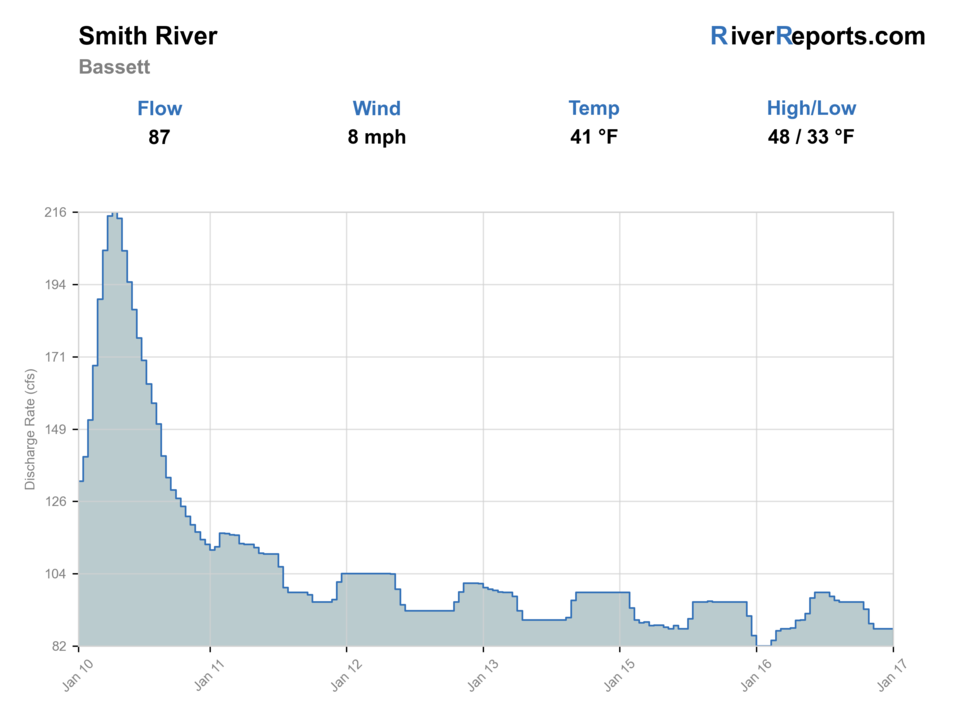
Preferred flow source

Smith River at Bassett

RiverReports is the preferred chart source when coverage exists. When a matching USGS gauge exists, keep it open as the official backstop for station data and current hydrograph context.

Smith River at Bassett RiverReports flow chart

USGS data chart

Official USGS trend

Streamflow over the latest USGS reporting window.

Latest

119 cfs

Jun 3, 5 PM UTC

Site

02072500

Low / high

119 / 168 cfs

Source

Open USGS

Weather

River weather report

Weather can change wading safety, road access, water temperature, hatches, and the best time of day to fish.

Live forecast loads as you reach this section

This keeps the report fast while still using the official National Weather Service forecast point.

Hatches and flies

Hatch chart and fly picks

March to May

Blue-winged olives, Quill Gordon windows, caddis, and high-water stonefly nymphing

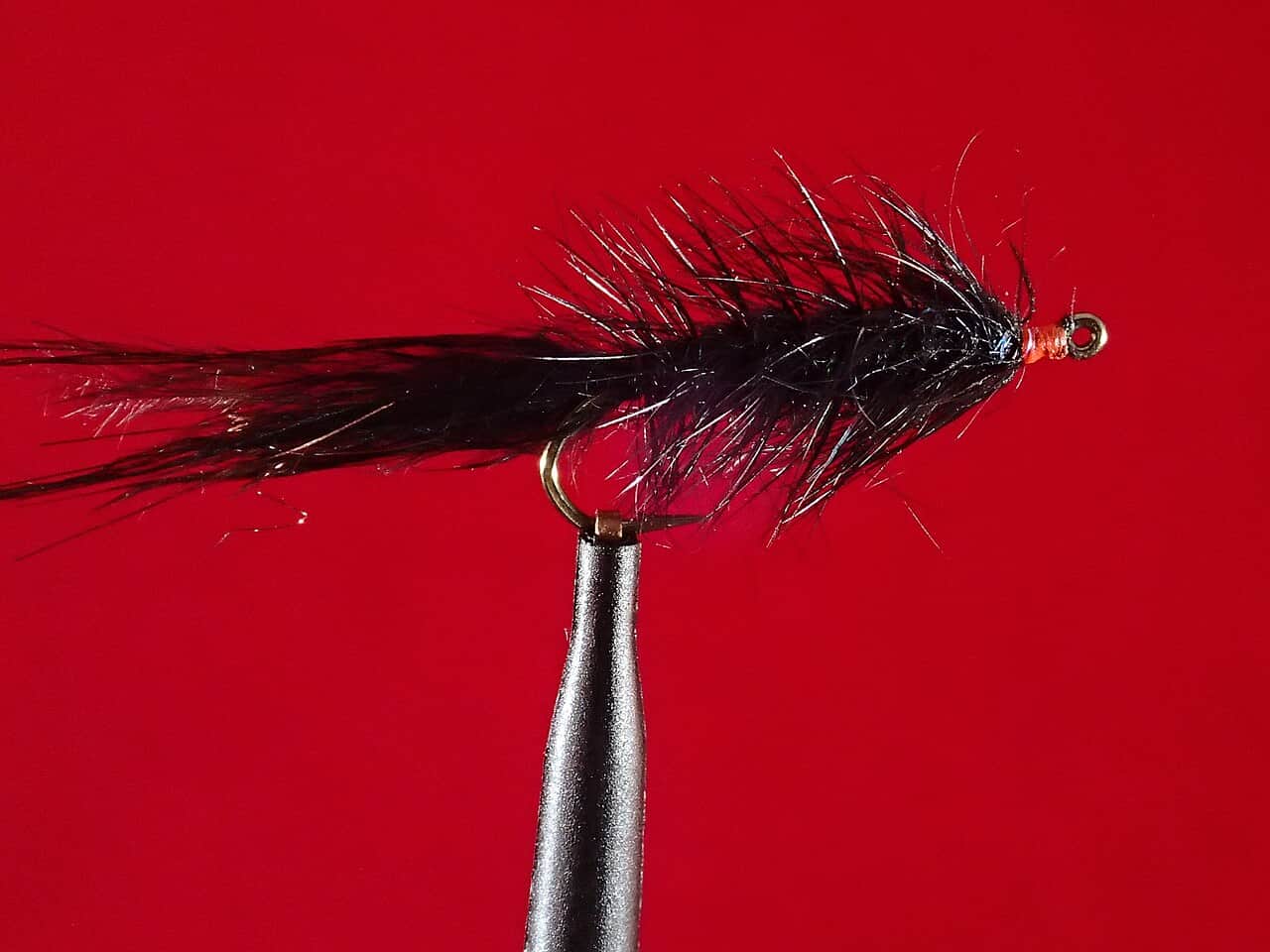
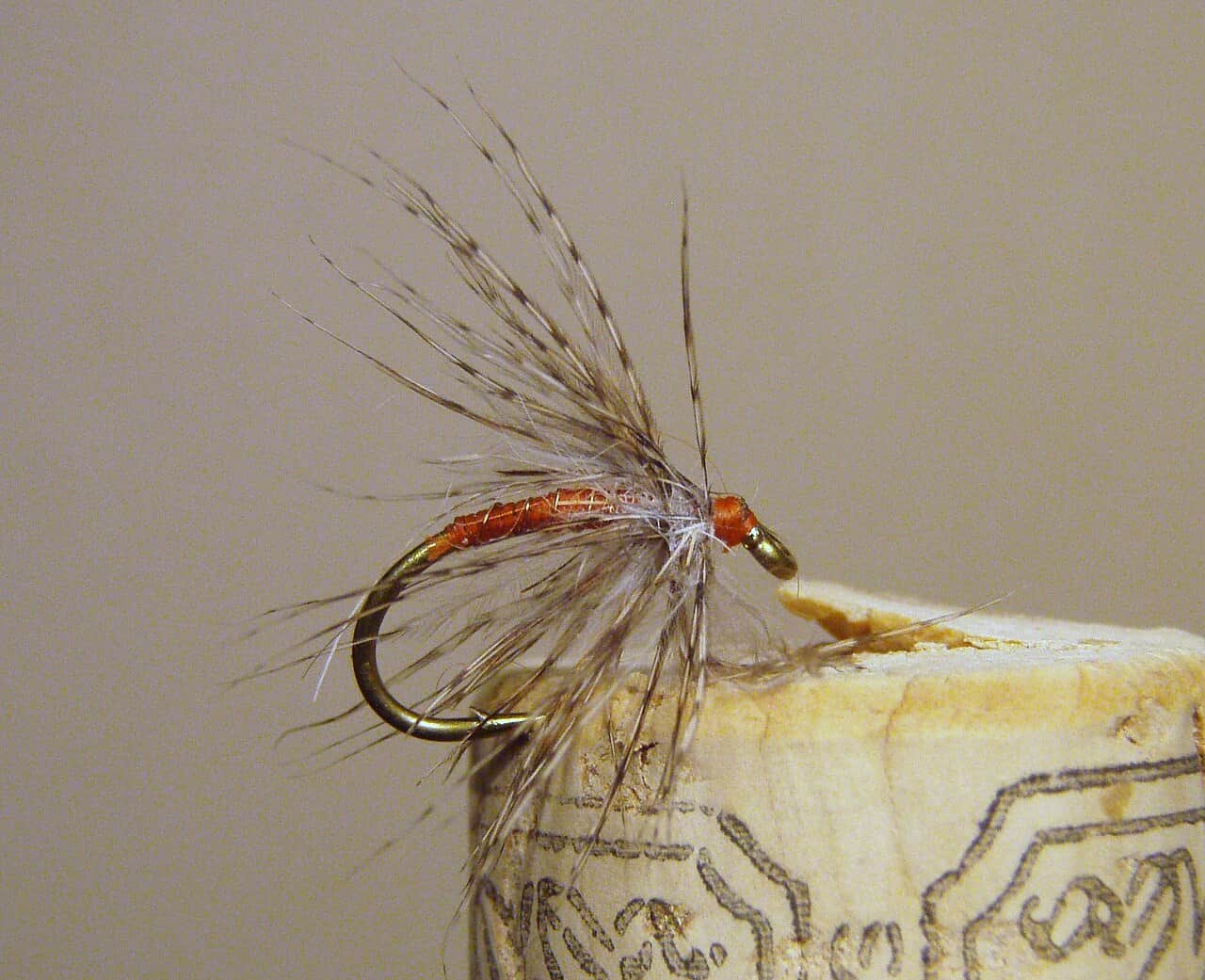
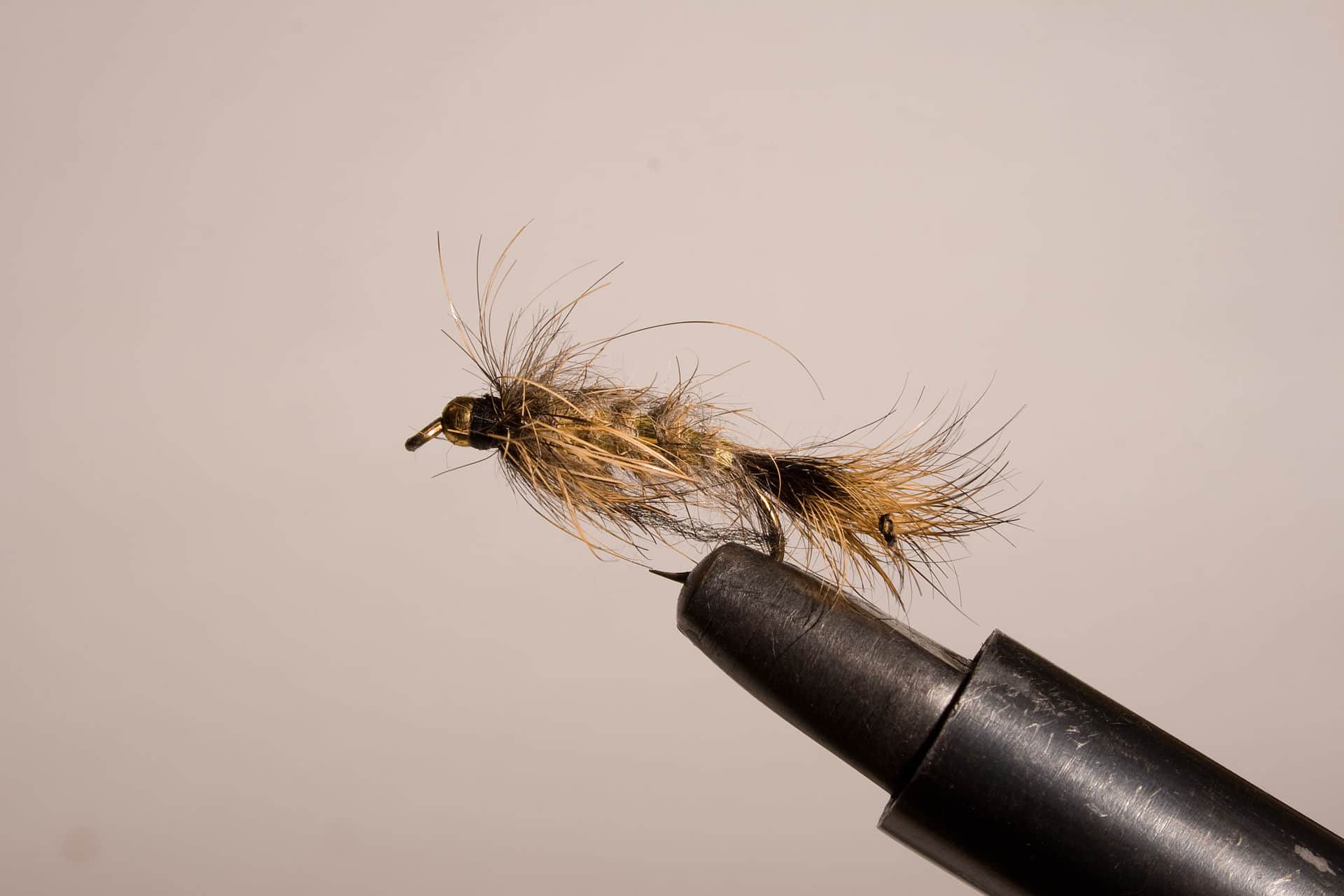
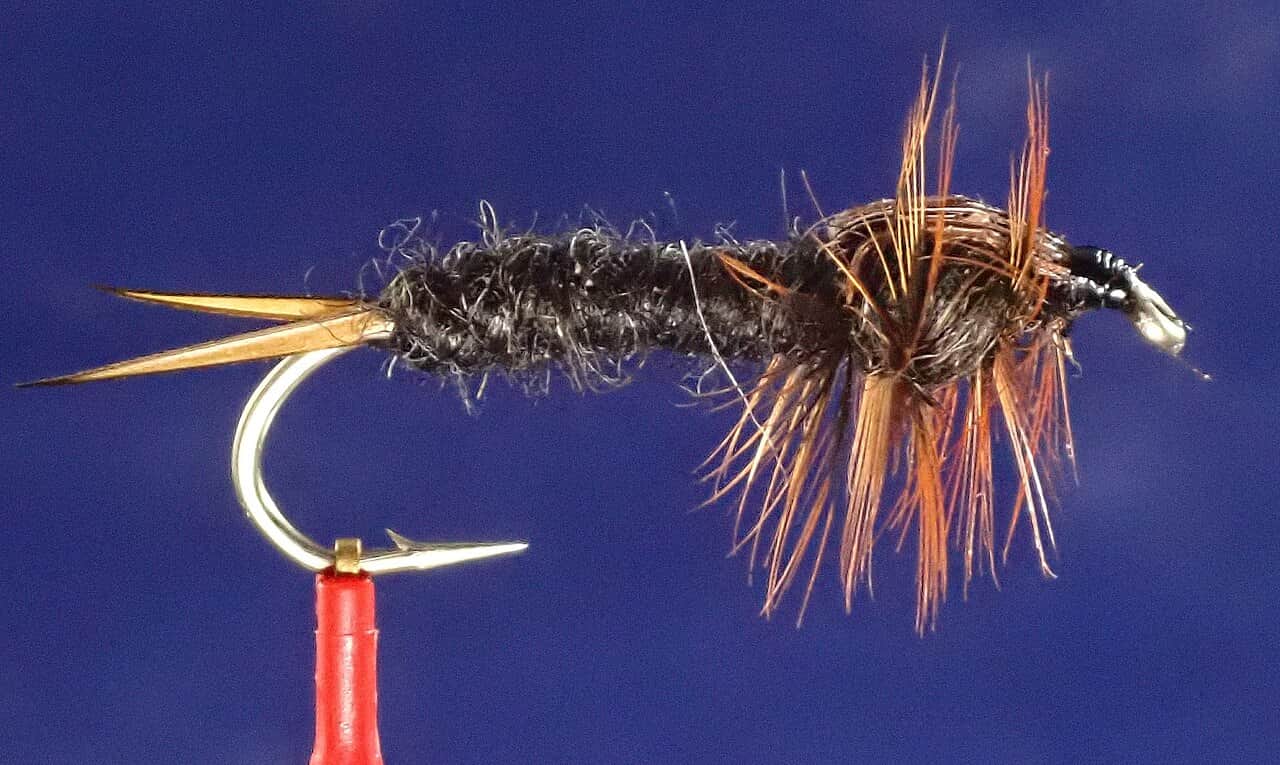
BWO emerger, Quill Gordon, caddis pupa, hare's ear, small stonefly nymph

June to July

Caddis, sulphurs, Light Cahills, and evening spinner windows

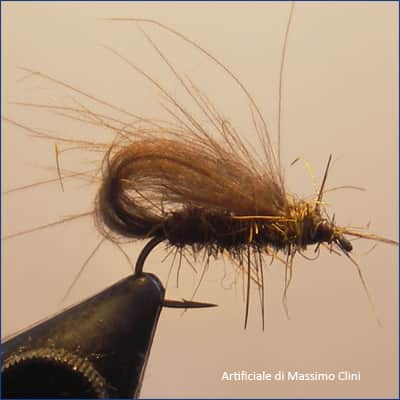
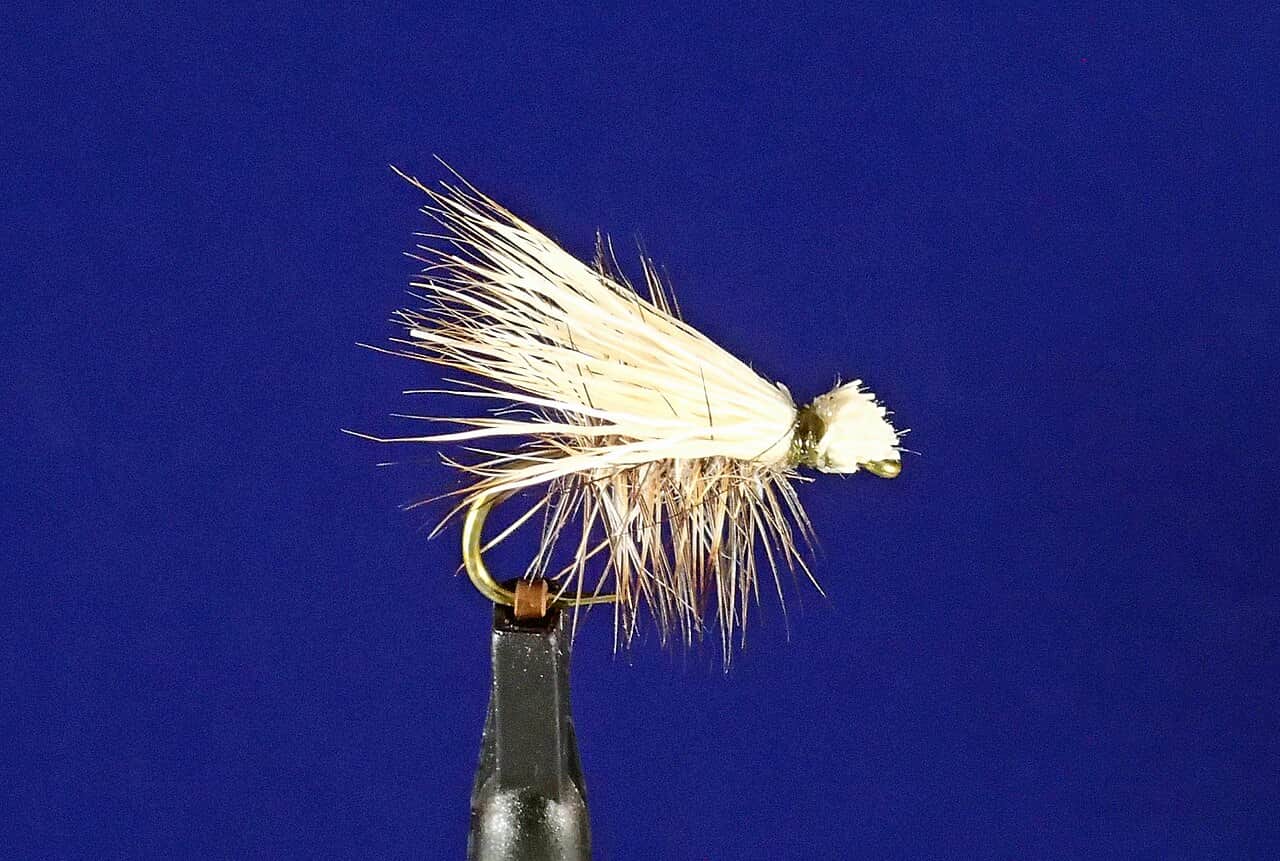
Elk hair caddis, sulphur emerger, Light Cahill, soft hackle, tan caddis

August to September

Terrestrials, small mayflies, and attractor-dry pocket-water fishing

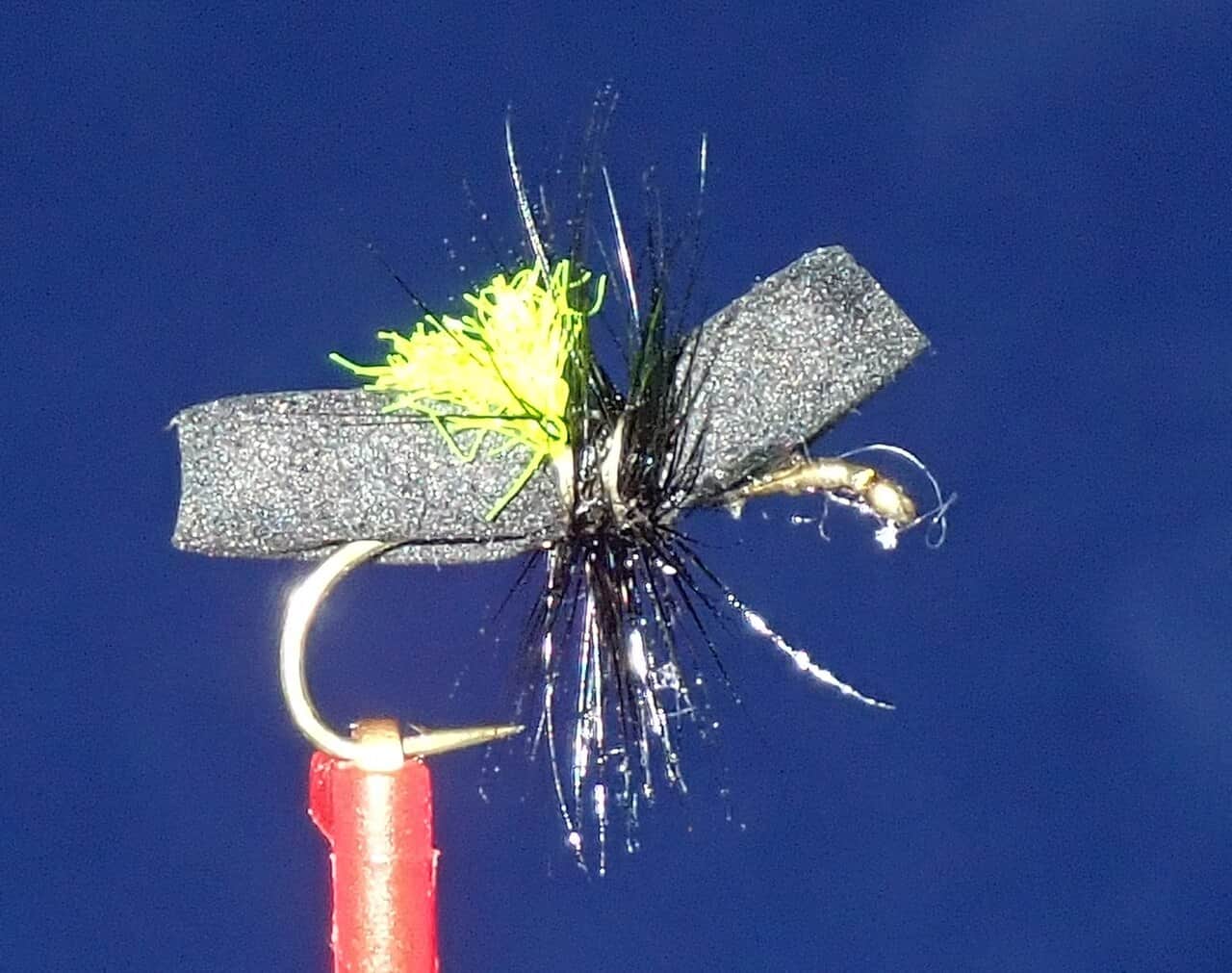
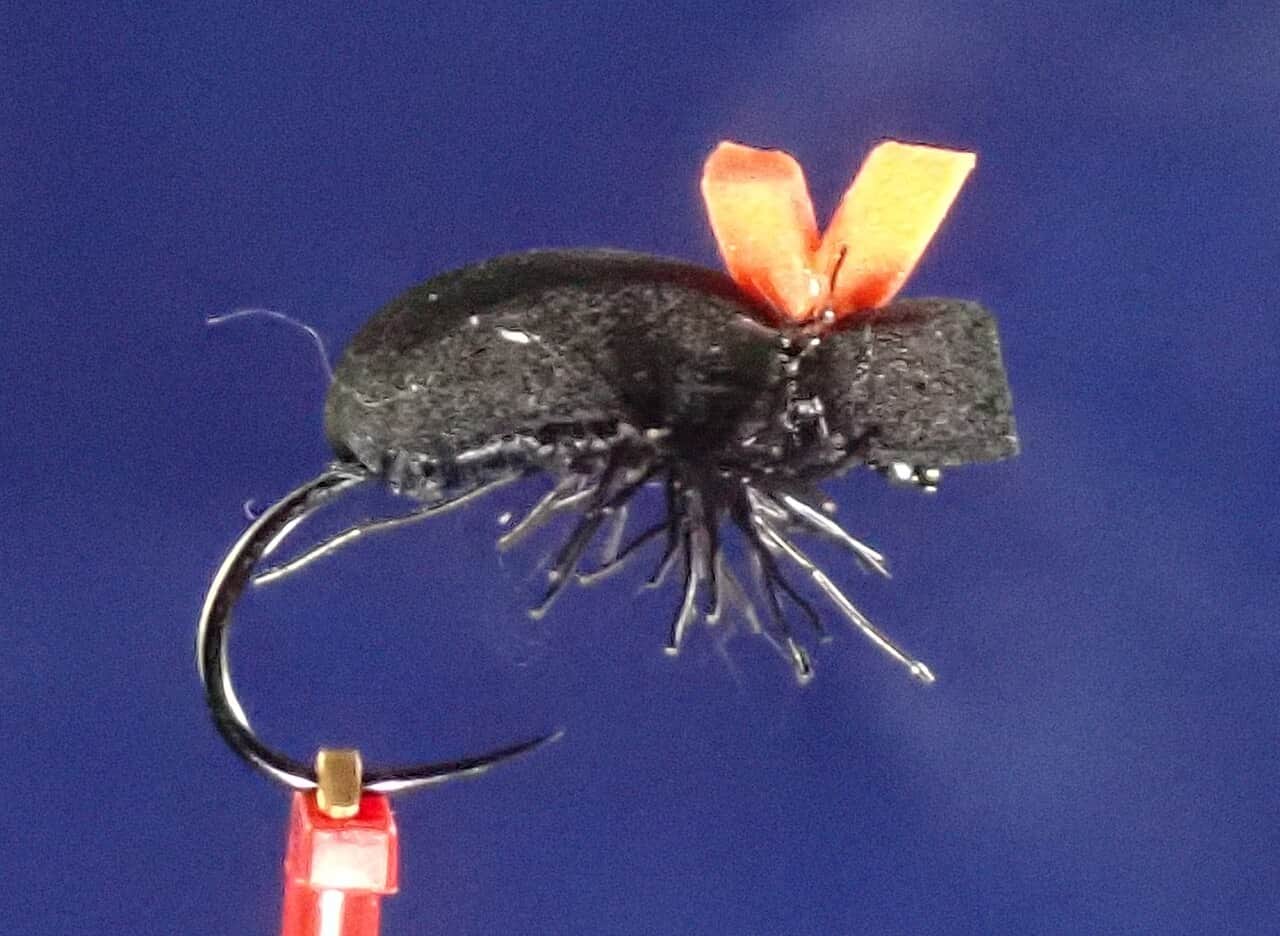
Foam ant, beetle, small stimulator, parachute Adams, perdigon

October to February

Midges, BWOs, and sparse winter nymph windows

Zebra midge, BWO nymph, pheasant tail, small bugger, soft hackle

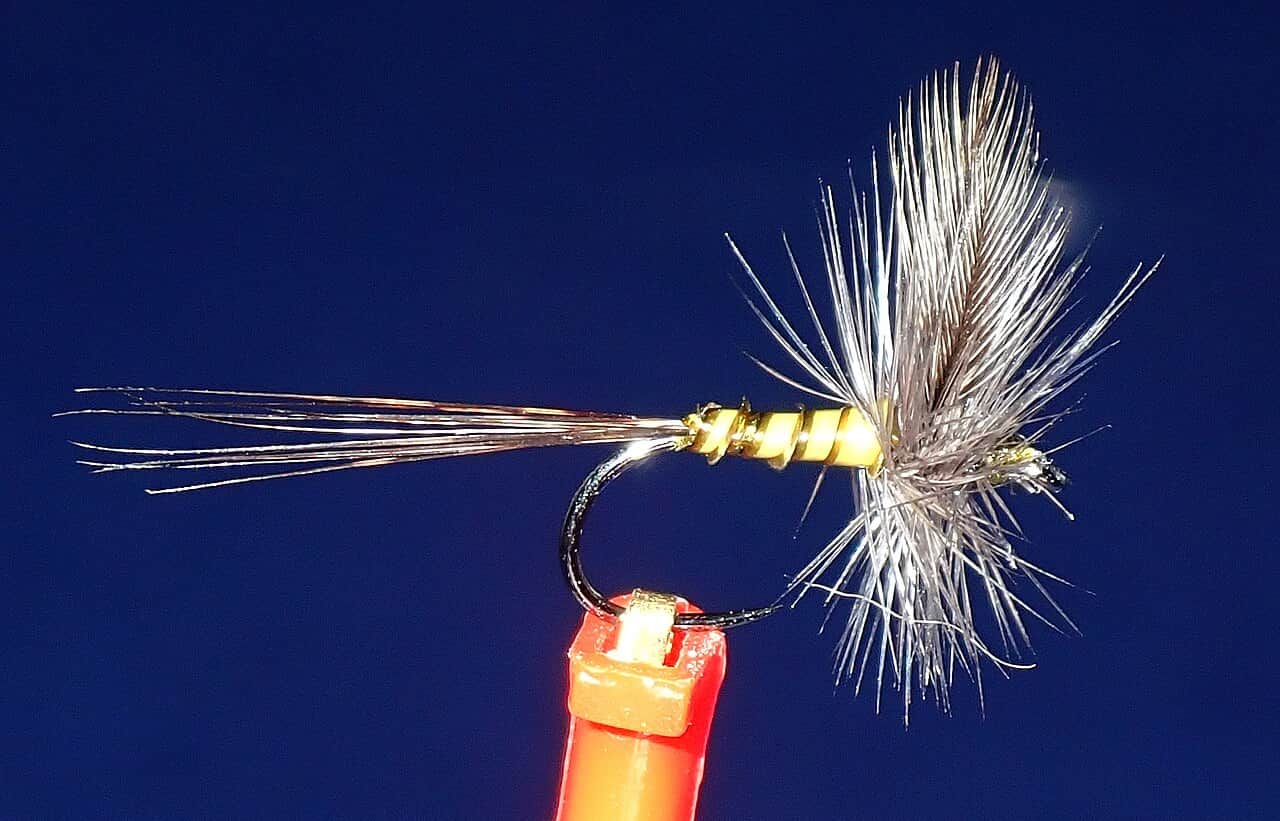
Dry flies

Parachute Adams, elk hair caddis, Light Cahill, small stimulator

Use on stable clear days when brook trout or stocked trout are willing to rise in pockets and slick seams.

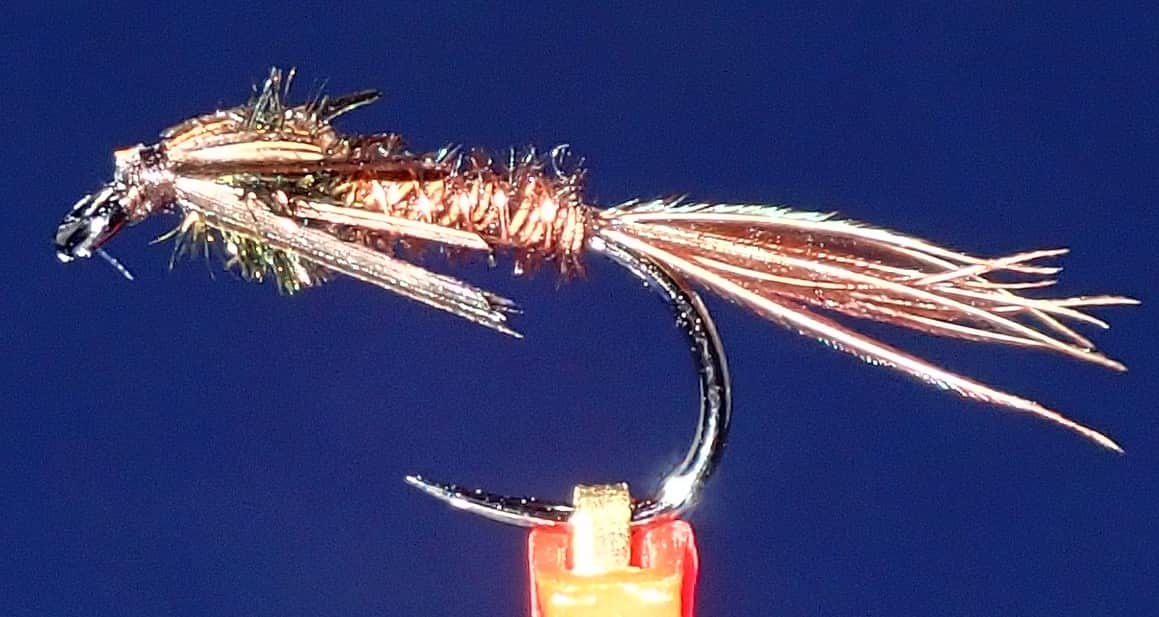
Nymphs

Pheasant tail, hare's ear, perdigon, zebra midge, small stonefly

The default choice whenever flows are cool, slightly pushy, or surface activity is brief.

Small streamers

Olive bugger, black bugger, sculpin, soft hackle

Best after safe rain bumps or when you need a larger profile around undercuts and plunge pools.

Tactics

How to fish it

Fish one access corridor carefully and watch the waterline while you do it. Tailwater days are won by awareness as much as by pattern choice.

Nymph through the obvious buckets and ledge seams first, then switch to dries only after you confirm fish are looking up.

When the release is low and steady, cover more water with a dry-dropper. When it rises, shrink the day and stay near safe exits.

Avoid the mistake of treating every public access point as equally wadable under every schedule.

Rigging

Rod, leader, and setup notes

A 4- or 5-weight with a floating line covers most Smith River trout work.

Carry extra split shot and smaller indicators because the better fish often sit in tailwater depth that looks slower than it is.

A thermometer is less about water temperature stress here than about understanding how cold releases affect trout activity and your hands.

Access

Access and planning notes

Bassett gauge

Primary tailwater trend

Wade / float / trail

RiverReports / USGS gauge / trout

When to pick it

Start here when flow direction and wading safety decide whether the river is fishable.

Caution

The gauge does not replace the Philpott generation schedule or safe-exit planning.

Philpott Dam tailwater

Cold-water trout anchor

Wade / float / trail

Tailwater / wade / bank

When to pick it

Use it when generation, flow, and rules all support a focused trout day.

Caution

Water can change while you are in the same run; keep an exit route.

Bassett and lower public accesses

Spread-out access chain

Wade / float / trail

Public access / bank / wade

When to pick it

Pick these when you want a more practical entry than crowding the most obvious tailwater water.

Caution

Confirm parking, signs, regulations, and flow before stepping into ledges.

Generation schedule first, then access point, then fly choice.

The Smith has more public access than many famous trout rivers, but that should make you more selective, not less disciplined.

If the day starts low and safe, remember that can change while you are still standing in the same run.

Regulations

Check before fishing

Check Virginia DWR freshwater and trout regulations, including stocked-trout and special-regulation sections, before fishing the Smith.

Primary base

Martinsville, Bassett, or Philpott Lake area, Virginia

Best day style

Tailwater trout water with multiple public access points, special-regulation reaches, and daily generation risk

Check first

Philpott generation schedule, Smith River flow trend, current trout regulations, weather, and the exact access point you plan to start from

Safety

Daily hydro releases, cold water year-round, slick ledges, and overconfidence in tailwater crossings when the river starts low

Gear

Helpful gear for this water

3- to 5-weight rod

A shorter 3- or 4-weight suits tight mountain trout water, while a 5-weight helps on larger pocket water and mixed-use reaches.

Wading staff and sticky rubber

Virginia freestones get slick fast after rain and can feel easier from the bank than they do in midstream.

Thermometer

Summer water temperature should decide whether you keep fishing, shorten the day, or move higher.

Compact rain shell

Mountain storms can raise and color these rivers quickly even when the valley forecast looks mild.

Nearby water

Other water to research

Backup logic

Generation rising

Get out of committed crossings and compare New River or another safe warmwater plan.

Crowded tailwater

Use a confirmed downstream access or shift timing.

Rule-section uncertainty

Recheck DWR Smith River and special-regulation pages before fishing.

Cold-flow safety issue

Stay bank-first or choose a river with less release consequence.

Smith River Philpott

A tighter upstream tailwater variant when you want the colder release influence.

South Fork Holston River

Another Virginia trout option with a different tailwater rhythm.

New River

A warmwater backup when generation or crowding makes the Smith less appealing.

FAQ

Fast answers

Is Smith River fishable today?

Smith River looks very fishable right now. The live score is 96/100, based on current flow, weather, public alerts, and the report's planning context. Recheck the linked gauge and forecast before leaving because conditions can change quickly after rain, heat, access changes, or flow swings.

What flow is best for Smith River?

Use the Bassett gauge with the Philpott generation schedule. Stable low or manageable release behavior is the best trout signal.

When should I skip Smith River?

Skip wading when generation is rising, exits are not obvious, cold tailwater current is pushy, ledges are slick, or the regulation section is unclear.

Is Smith River safe to wade right now?

The fishability score is not a wading guarantee. Wade only where your chosen access has safe edges, clear footing, legal entry, and no forced crossings; high, rising, stained, or storm-affected water should be treated conservatively.

What matters most on the Smith River?

The Philpott generation schedule matters most. Tailwater level changes drive safety, access, and whether your wade plan is realistic.

When is the Smith River best for fly fishing?

It can fish year-round because of the cold release, but the best days usually have stable low-to-moderate generation and a focused section plan.

What should I check before fishing the Smith River?

Check RiverReports, USGS 02072500, the Philpott release schedule, current Virginia trout rules, and the exact public access point you intend to use.