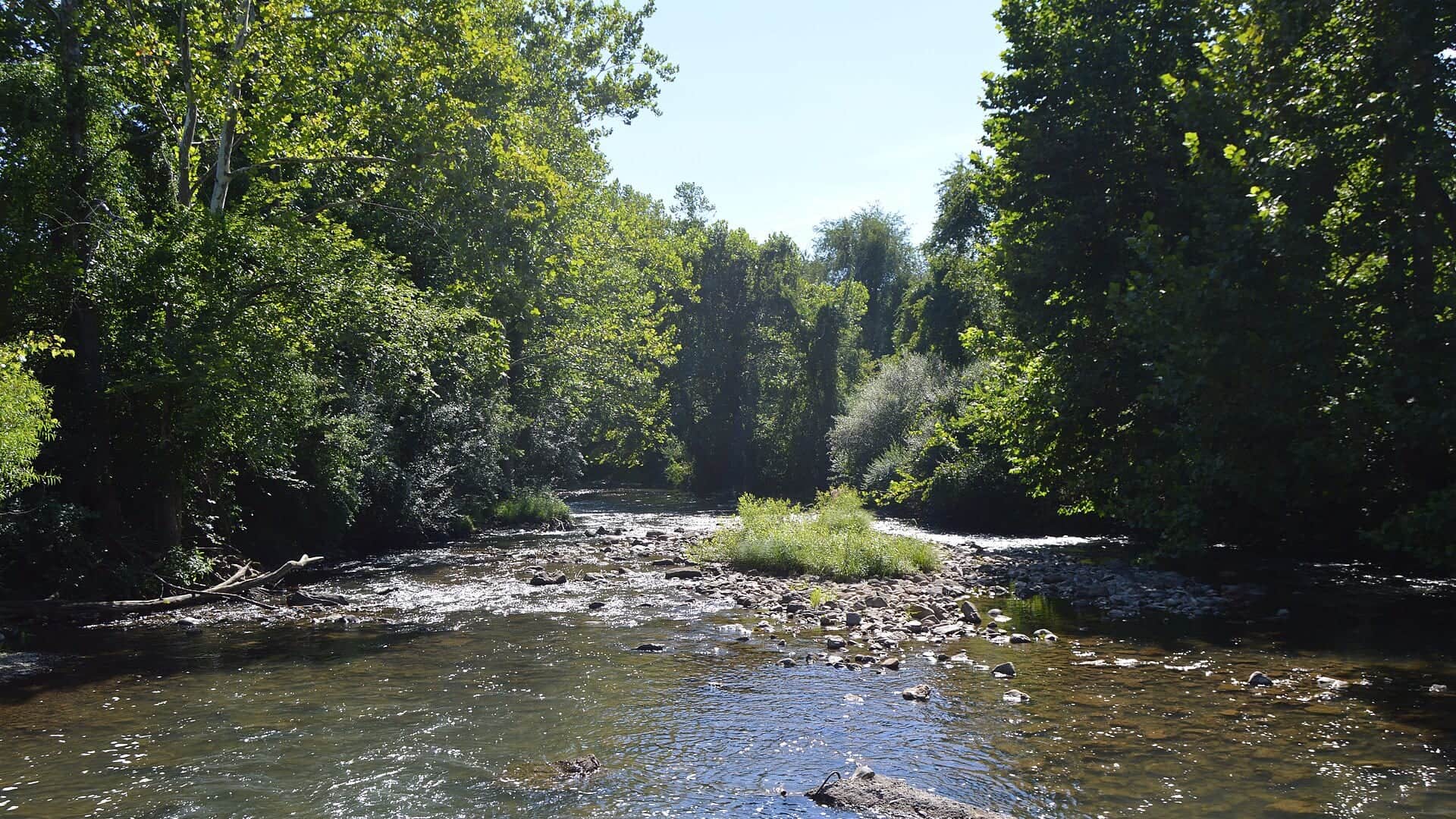
Generated Virginia Blue Ridge trout stream scene representing the Rapidan River, not an exact location photo

Virginia / Southeast

Rapidan River

A Rapidan River report for Shenandoah National Park and Rapidan WMA trout planning with live flow checks, fish-for-fun rules, and public-land access discipline.

Image: Generated Virginia planning image for Rapidan River / BlueStreamFly generated; not exact location / BlueStreamFly

Fishability now: Rapidan River fishability today

GreatData confidence: High

96/100

Fishable now because the live gauge is falling, weather is usable, and no public alert is active.

Flow observed

4:45 PM UTC

Weather observed

5:00 PM UTC

Score calculated

5:24 PM UTC

Why this rating

Flow

Weather

Public alerts

Next 6-12 hours

Improving / hold

A falling gauge and usable weather should keep the next 6-12 hours in play unless tributaries stain or heat builds.

More planning details: flies, flow bands, and live source checks

Fish it today

Start here

Start with Shenandoah and DWR rules, choose the lower Wolftown/WMA or park-hike style, then pick small brook-trout flies.

Best flow clue

Use the Culpeper gauge as a lower-river trend backstop, then judge the mountain reach by stability, clarity, rain, and brook-trout temperature.

Skip trigger

Skip when water is warm or very low, storms are still raising the stream, park or WMA rules are unclear, footing is unsafe, or the hike would overheat fish and angler.

Flow decision bands

Stable brook-trout water

Stable or slowly falling flow with cool temperatures and clear pocket water is the best Rapidan signal.

Best public-land window

Current park and DWR rules, mild weather, safe footing, and short controlled fishing make the stream most useful.

Flash rise or storm stain

Mountain rises, stain, or active storms should cancel the hike or move it to a safer backup.

Warm, low, or overpressured

Warm low water, crowded public starts, or poor fish-handling conditions should stop the trout plan.

USGS flow

228 cfs

Open

Current trend: flow falling, rating likely holding strong unless weather or clarity changes.

Live USGS flow

232 cfs / falling about 24%

Live NWS forecast

78F / Sunny

Water temperature not verified

Heat guidance uses weather and river type unless an official water-temperature value is available.

No NWS alert flag

No active NWS alert was returned for this forecast point.

Primary waterRapidan River trout water inside Shenandoah National Park and the Rapidan Wildlife Management Area
GaugeRiverReports with USGS 01667500 near Culpeper as the official flow backstop
Access styleFoot-access public land, park and WMA entry points, and brook-trout water that rewards short controlled days
ReviewedJune 2, 2026

Virginia DWR calls the Rapidan one of the Commonwealth's premier native trout resources and notes that trout habitat is centered in Shenandoah National Park and Rapidan WMA.

The park's fishing rules protect many streams through catch-and-release expectations and specific exceptions, so the legal details deserve a real pre-trip read.

DWR's Rapidan page points anglers toward lower-section access from the Wolftown side, while the headwaters are better approached as park-hike water than as easy roadside fishing.

This is a stream where low fish density on some lower reaches and post-flood recovery history argue for modest expectations and clean handling, not for grinding every pool.

Editorial review

How this report is maintained

This report starts with official regulation, access, flow, weather, and public-water sources, then adds practical planning guidance for fly anglers.

Byline

BlueStreamFly editorial desk

Reviewed by

BlueStreamFly source review

Maintained by

BlueStreamFly

Last material review

2026-06-02

Report confidence

High confidence

88/100

High confidence: RiverReports, USGS Culpeper flow, Virginia DWR Rapidan trout-section source, DWR regulations, Shenandoah National Park fishing rules, WMA context, weather coverage, image disclosure, and route-specific brook-trout guidance support the page. Confidence is moderated by lower-gauge limitations, small-stream temperature sensitivity, trail conditions, post-storm recovery, and public-land pressure.

Regulations

Virginia DWR special-regulation trout sources and Shenandoah National Park fishing rules support the legal-check path.

Access

Virginia DWR Rapidan and WMA sources plus Shenandoah park context support public-land planning.

Flow and weather

RiverReports coverage is backed by USGS 01667500 near Culpeper, with National Weather Service data supporting storm and heat decisions.

Fishing usefulness

The page now separates lower-gauge context, brook-trout temperature restraint, WMA versus park access, hike safety, public-land rules, and backup-water choices.

Fishability dashboard and source review

2026-06-02 / material content or source review

RiverReports, USGS 01667500 near Culpeper, Virginia DWR Rapidan River trout-section information, Virginia freshwater and special-regulation trout sources, Shenandoah National Park fishing rules, DWR WMA access context, National Weather Service data, and image-disclosure sources were checked before updating the current-fishability decision layer.

2026-06-02

Updated Rapidan River to the current fishability-page standard with Culpeper trend bands, Shenandoah and WMA access cards, brook-trout heat and hike skip cues, backup logic, stable fishability SEO, and confidence signals.

2026-05-27

Published a new Rapidan River trout report with Shenandoah and Rapidan WMA access context plus current trout-rule guidance.

Angler planning edge

Local details that change the plan

Best for

native brook trout, public-land walk-in fishing, short mountain trout sessions

Wade or float

Walk and wade from park, WMA, or lower public-land starts; this is not a float or coverage mission.

Best flows

Use the Culpeper gauge as a lower-river trend backstop, then judge the mountain reach by stability, clarity, rain, and brook-trout temperature.

When to skip

Skip when water is warm or very low, storms are still raising the stream, park or WMA rules are unclear, footing is unsafe, or the hike would overheat fish and angler.

Local plan

Start with Shenandoah and DWR rules, choose the lower Wolftown/WMA or park-hike style, then pick small brook-trout flies.

Pressure

Obvious public-land starts can concentrate anglers, especially when conditions line up after rain.

Access nuance

Public land helps, but park rules, WMA boundaries, and method or harvest restrictions still control the trip.

Backup water

Compare Mossy Creek, Rivanna River, or Jackson River when the Rapidan is too warm, high, low, crowded, or hike-heavy.

About the river

Setting, character, and why it fishes the way it does.

The Rapidan's appeal is not size. It is the combination of public mountain land, native brook trout identity, and enough structure that every good seam feels earned.

Because this river sits across Shenandoah National Park and Rapidan WMA context, the useful planning difference is not secret local knowledge. It is understanding which rules, trailheads, and handling expectations apply where you actually plan to fish.

The river has a long reputation in Virginia trout culture, but that reputation should make anglers more disciplined, not more casual. Keep the day small, read the water honestly, and leave warm low-flow fish alone when conditions say to back off.

Target species

Brook trout

The signature native target and the reason most fly anglers come here.

Rainbow and brown trout context

Less central than the brook-trout identity and more relevant in broader regional comparison than in the core Rapidan draw.

Wild trout mix

Expect variable density and size rather than a guaranteed numbers game in every lower reach.

Reading the water

Low clear flow

Fish short and carefully, keep casts tight, and avoid walking through the best water first.

Stable medium flow

The most forgiving condition for pocket-water dries, nymphs, and short dry-dropper rigs.

After safe rain

Use nymphs and slightly larger attractors, but skip the trip if the stream is still jumping.

Warm summer water

Protect brook trout and move higher, fish earlier, or do not fish at all.

Best seasons

Spring

Classic mountain trout season once access and weather settle enough for safe hiking and wading.

Early summer

Still good on cooler mornings if water temperatures stay trout-friendly.

Fall

Often the cleanest mix of cool water, easier hiking, and modest pressure.

Winter

A niche day for careful anglers who can read cold mountain water and handle slick terrain.

Preferred flow source

Rapidan River near Culpeper

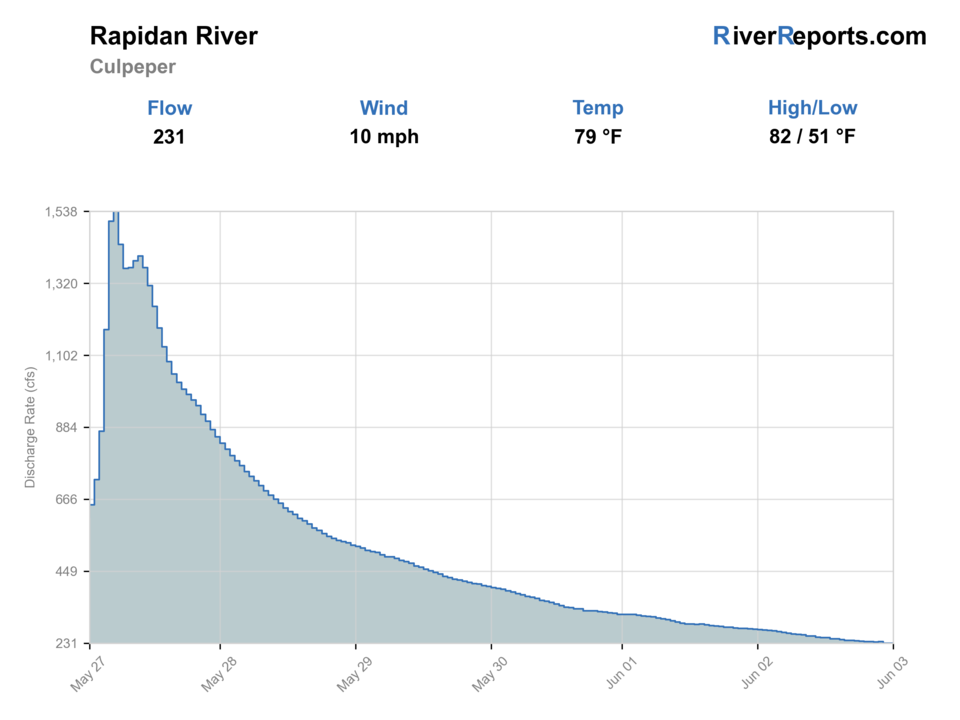
RiverReports is the preferred chart source when coverage exists. When a matching USGS gauge exists, keep it open as the official backstop for station data and current hydrograph context.

Rapidan River near Culpeper RiverReports flow chart

USGS data chart

Official USGS trend

Streamflow over the latest USGS reporting window.

Latest

228 cfs

Jun 3, 5 PM UTC

Site

01667500

Low / high

228 / 1,570 cfs

Source

Open USGS

Weather

River weather report

Weather can change wading safety, road access, water temperature, hatches, and the best time of day to fish.

Live forecast loads as you reach this section

This keeps the report fast while still using the official National Weather Service forecast point.

Hatches and flies

Hatch chart and fly picks

March to May

Blue-winged olives, Quill Gordon windows, caddis, and high-water stonefly nymphing

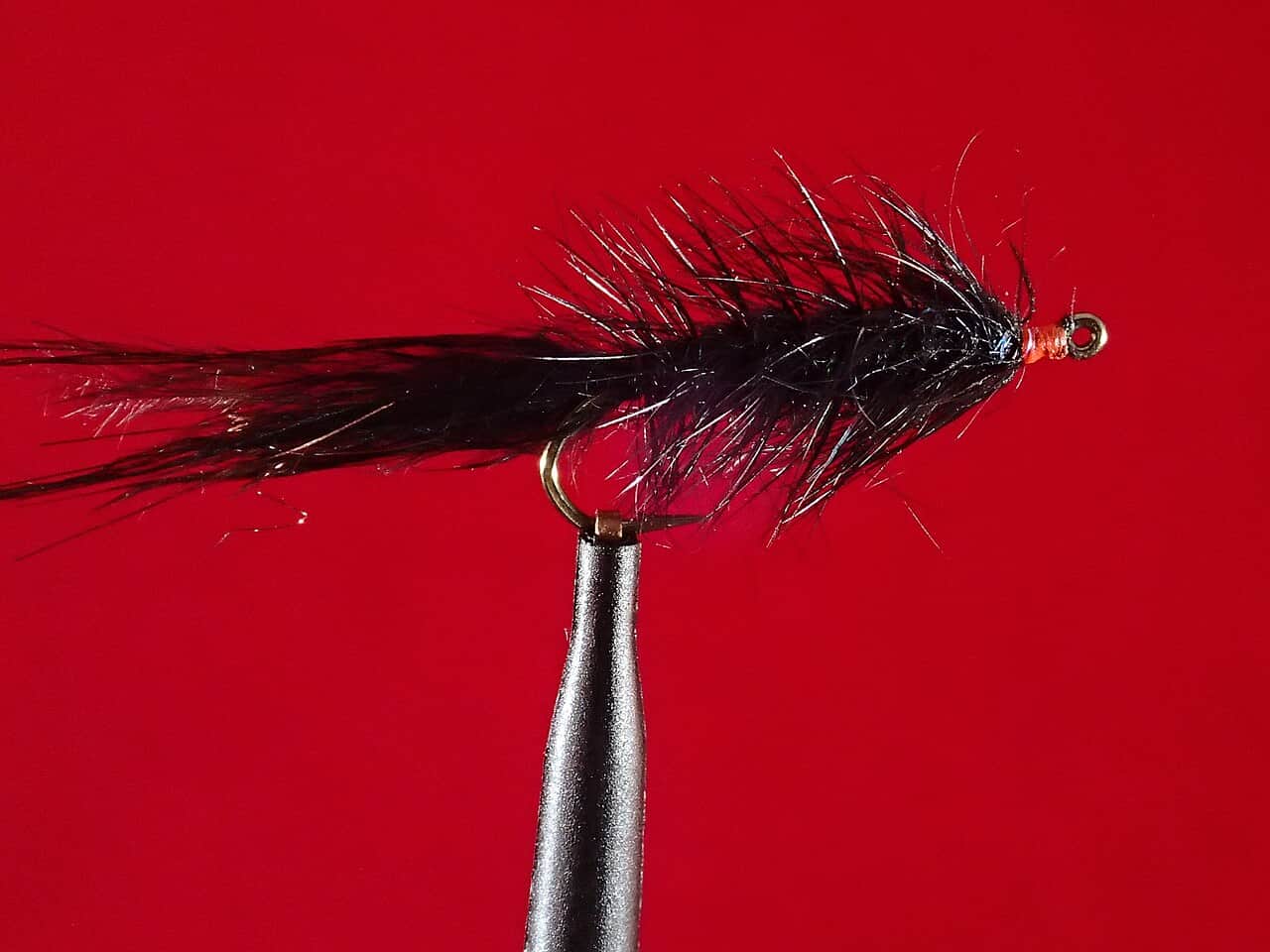
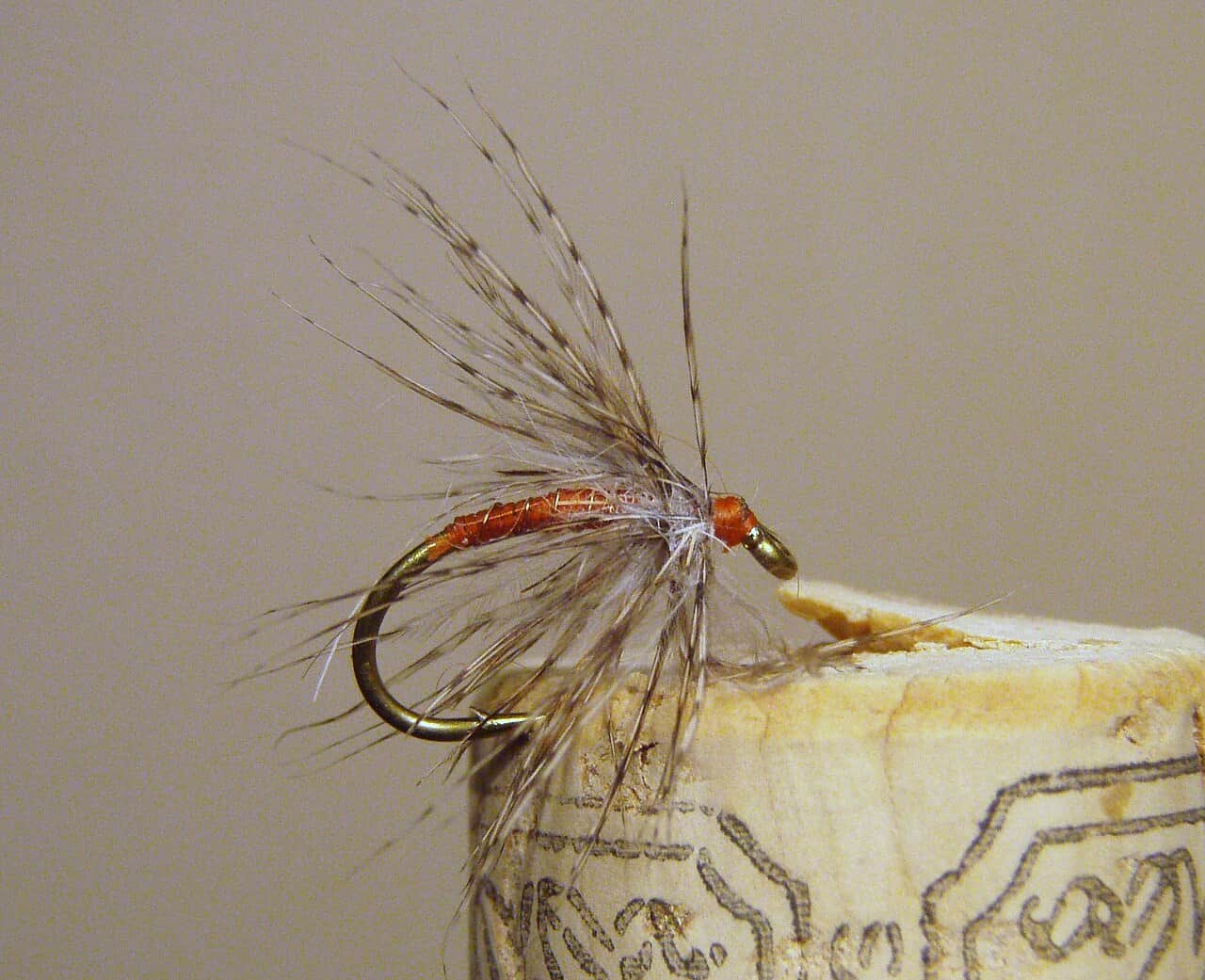
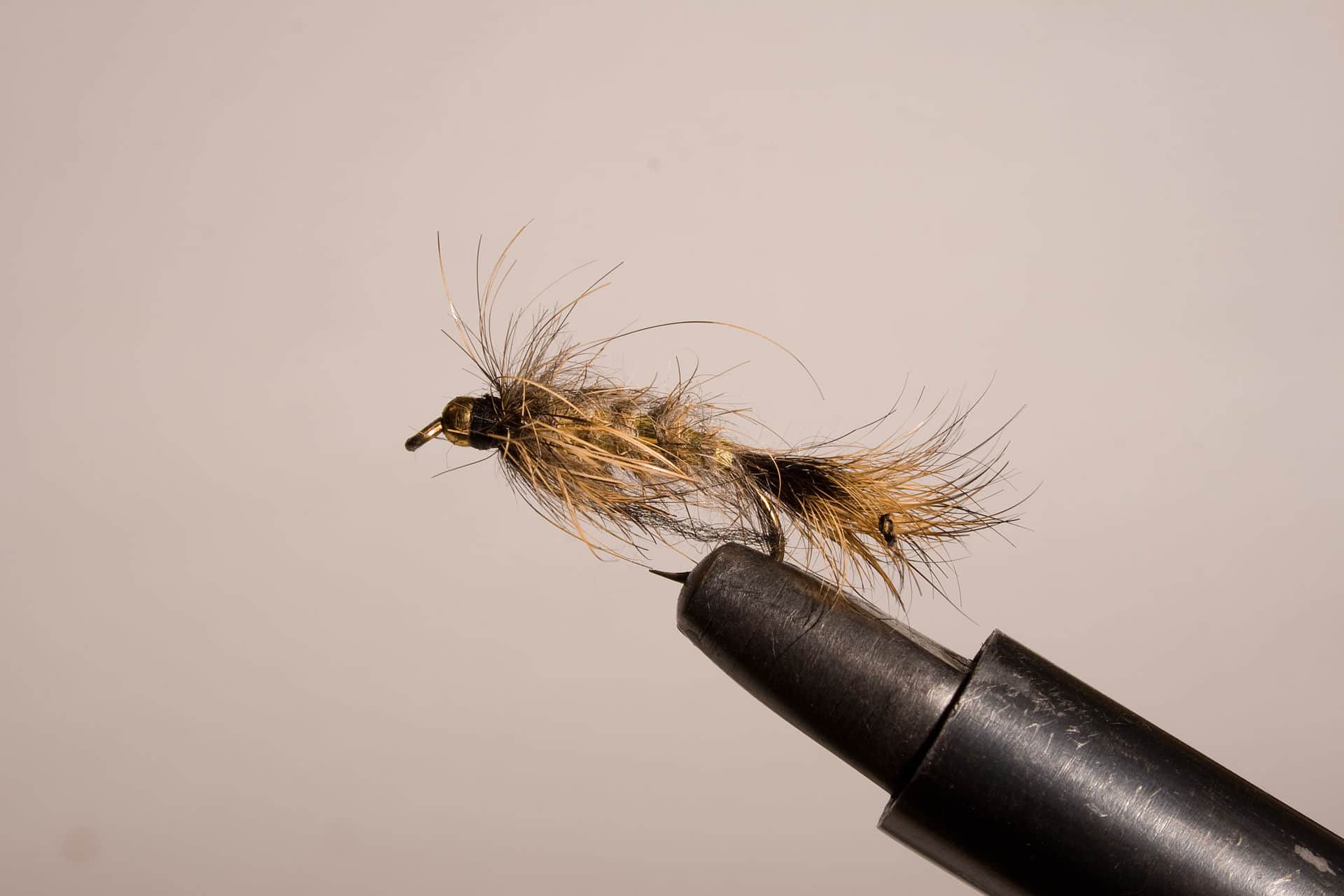
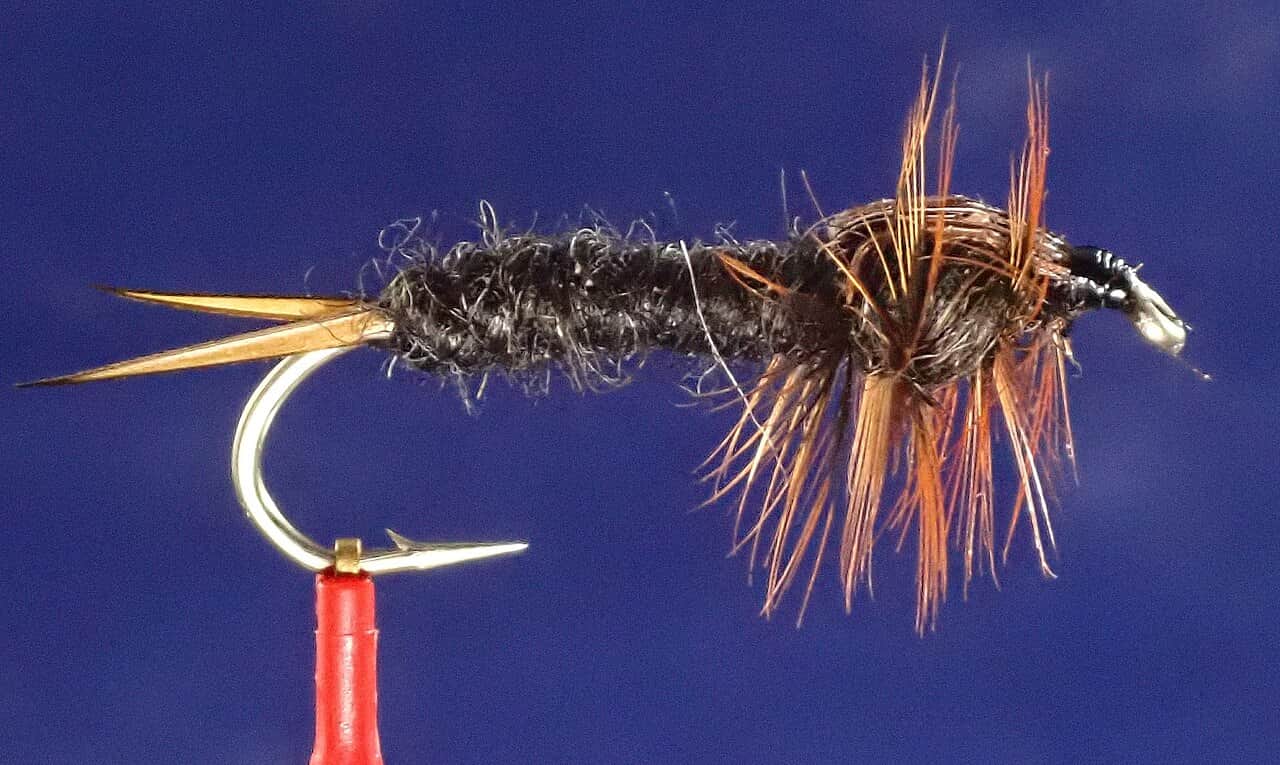
BWO emerger, Quill Gordon, caddis pupa, hare's ear, small stonefly nymph

June to July

Caddis, sulphurs, Light Cahills, and evening spinner windows

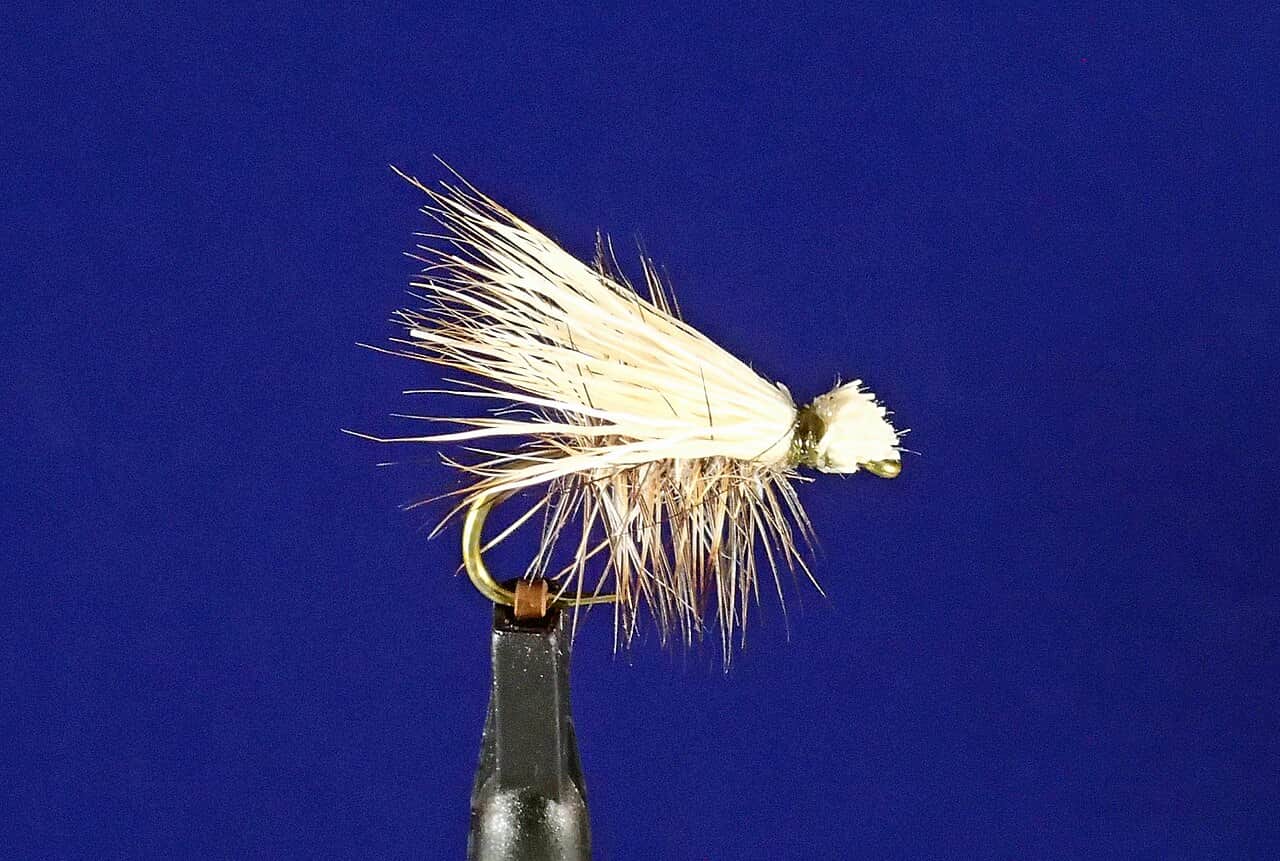
Elk hair caddis, sulphur emerger, Light Cahill, soft hackle, tan caddis

August to September

Terrestrials, small mayflies, and attractor-dry pocket-water fishing

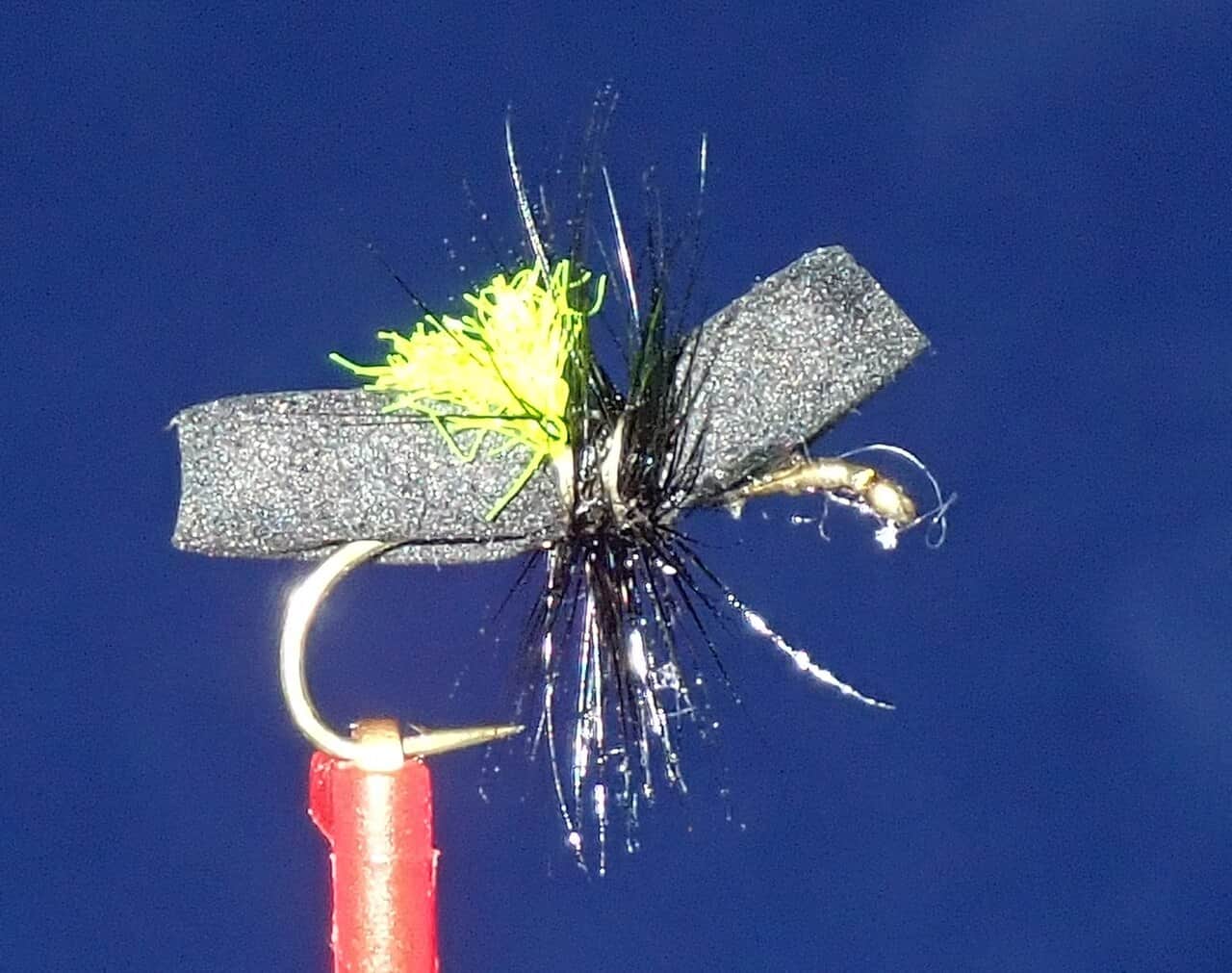
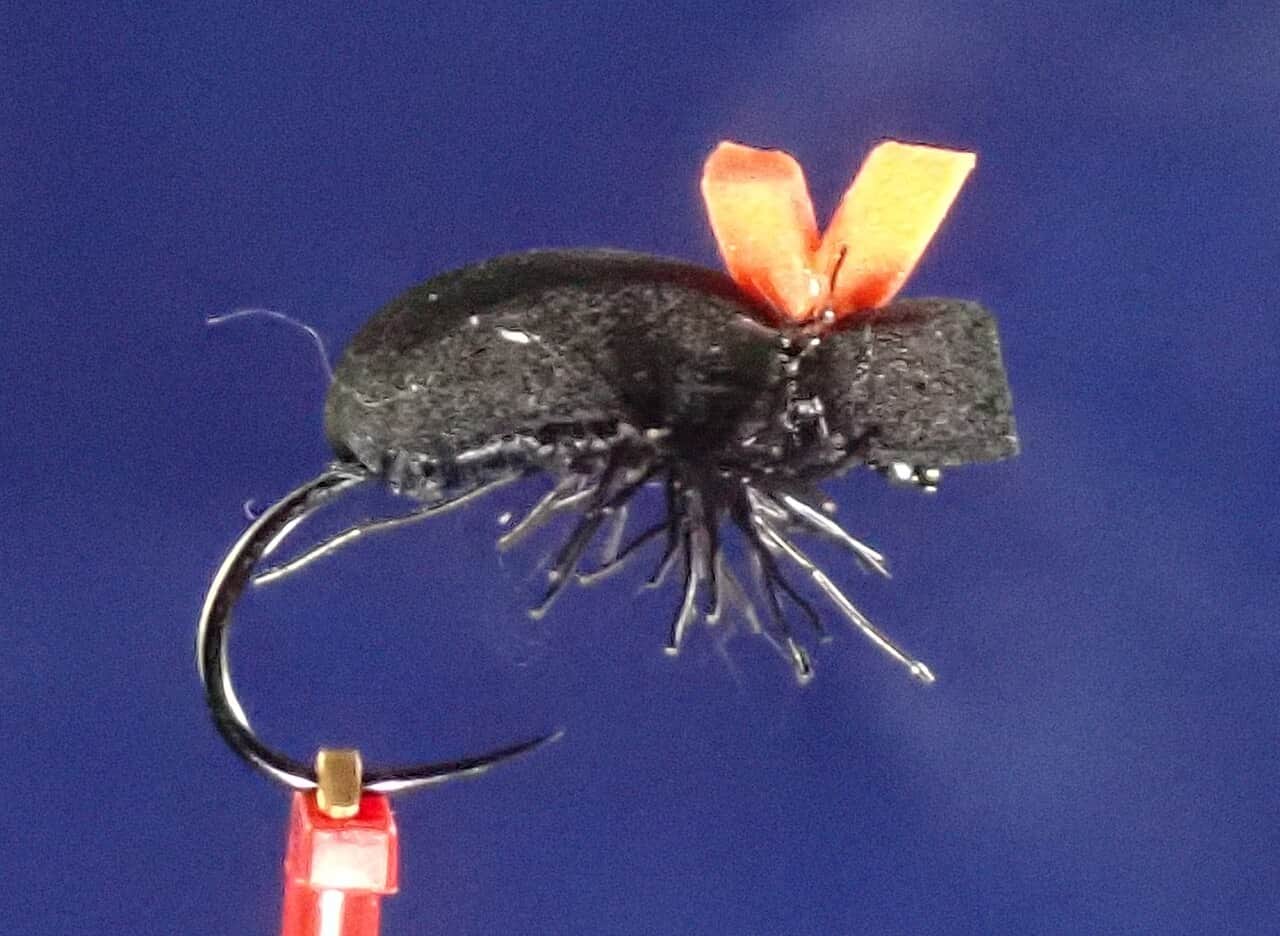
Foam ant, beetle, small stimulator, parachute Adams, perdigon

October to February

Midges, BWOs, and sparse winter nymph windows

Zebra midge, BWO nymph, pheasant tail, small bugger, soft hackle

Dry flies

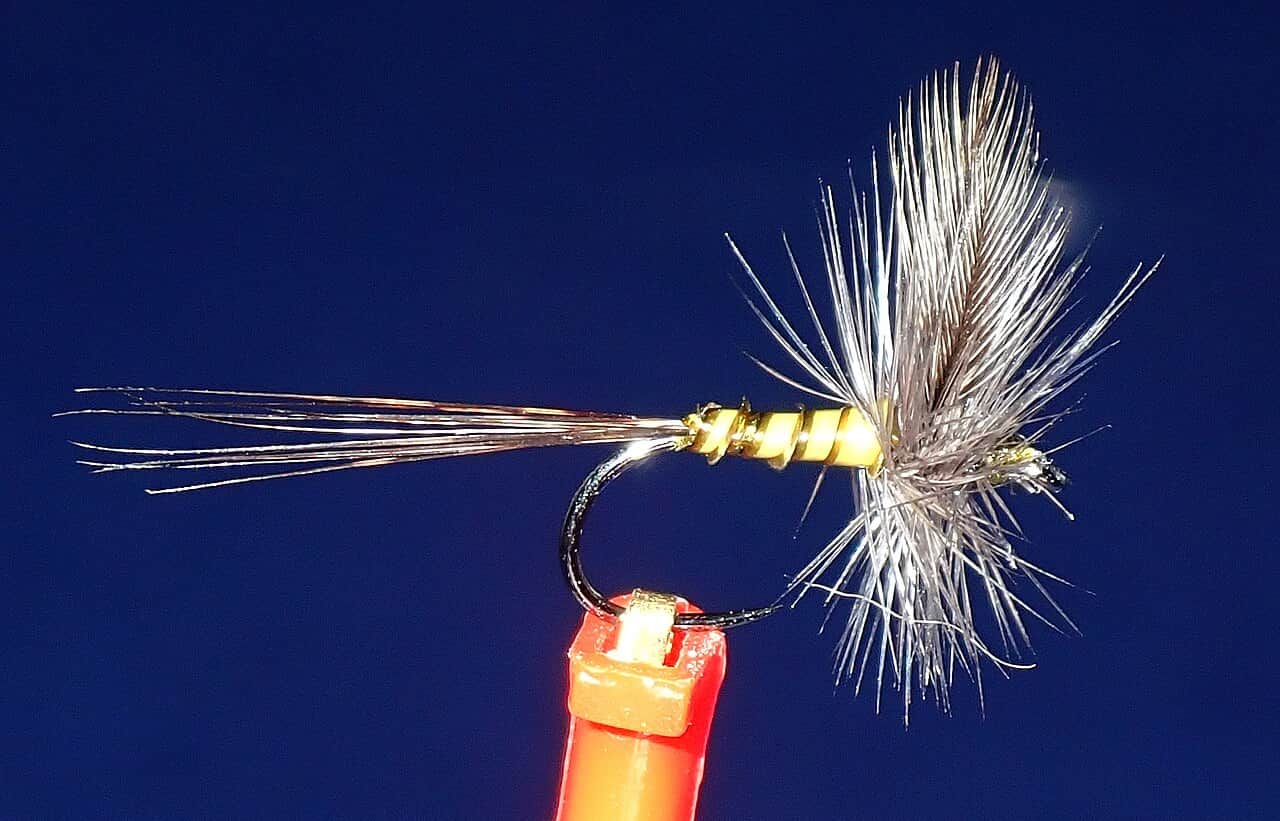
Parachute Adams, elk hair caddis, Light Cahill, small stimulator

Use on stable clear days when brook trout or stocked trout are willing to rise in pockets and slick seams.

Nymphs

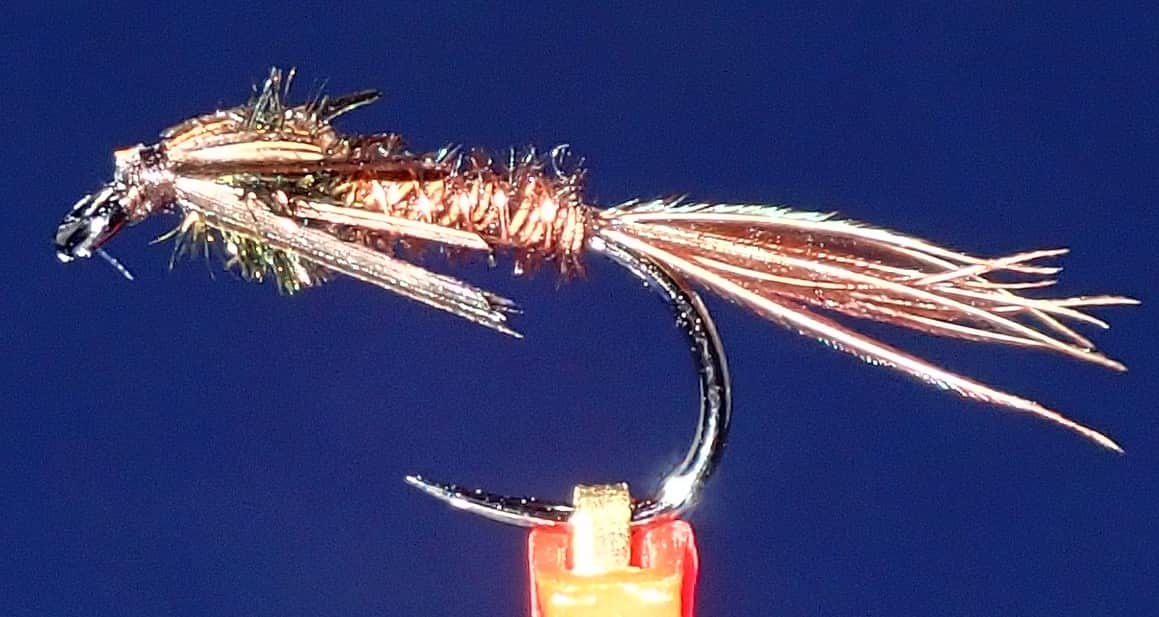
Pheasant tail, hare's ear, perdigon, zebra midge, small stonefly

The default choice whenever flows are cool, slightly pushy, or surface activity is brief.

Small streamers

Olive bugger, black bugger, sculpin, soft hackle

Best after safe rain bumps or when you need a larger profile around undercuts and plunge pools.

Tactics

How to fish it

Fish upstream, keep the casts short, and treat each plunge pool as if the first drift is the only clean chance you will get.

Use attractor dries or dry-droppers when the flow is stable, then downshift to small nymphs if fish show but will not rise.

Do not rush from pool to pool. The Rapidan rewards patience more than distance.

On warm days, give brook trout extra recovery margin by fishing early and ending early.

Rigging

Rod, leader, and setup notes

A short 3- or 4-weight is ideal for the Rapidan's tighter casting lanes.

Carry 5X to 6X, small dries, and slim nymphs rather than a big-box freestone kit.

Keep landing and release tools simple because most fish should be handled quickly and minimally.

Access

Access and planning notes

Culpeper gauge

Lower-river trend backstop

Wade / float / trail

RiverReports / USGS gauge / trout context

When to pick it

Start here for trend direction before committing to public-land brook-trout water.

Caution

The gauge is a broad backstop and does not replace on-reach temperature, park rules, or trail conditions.

Rapidan WMA and lower access

Shorter public-land start

Wade / float / trail

WMA / trail / wade

When to pick it

Use it when you want DWR-supported access without a full park-hike day.

Caution

Confirm current WMA rules, parking, and legal method before fishing.

Shenandoah trail access

Classic park brook-trout plan

Wade / float / trail

National park / hike / wade

When to pick it

Pick it when weather, water temperature, and hiking time support a deliberate native-trout session.

Caution

Park-specific rules, steep terrain, and heat exposure can override the fishing plan.

Read both the DWR trout-section page and Shenandoah fishing rules before assuming a method, harvest, or access detail.

Public land helps here, but the river still fishes better when you simplify the route and stop chasing every side path.

A hot summer afternoon is usually a sign to leave brook trout alone rather than to keep hunting one more shaded pool.

Regulations

Check before fishing

Check Shenandoah National Park fishing rules, Virginia DWR trout regulations, and any access requirement tied to Rapidan WMA before fishing.

Primary base

Madison, Graves Mill, or Shenandoah National Park access corridors in Virginia

Best day style

Foot-access public land, park and WMA entry points, and brook-trout water that rewards short controlled days

Check first

Park fishing rules, Rapidan WMA access details, weather, stream level, and whether your route depends on a long hike or a lower-access trailhead

Safety

Steep terrain, slick boulders, summer heat on long hikes, flashier mountain rises, and trout handling risk in warm low water

Gear

Helpful gear for this water

3- to 5-weight rod

A shorter 3- or 4-weight suits tight mountain trout water, while a 5-weight helps on larger pocket water and mixed-use reaches.

Wading staff and sticky rubber

Virginia freestones get slick fast after rain and can feel easier from the bank than they do in midstream.

Thermometer

Summer water temperature should decide whether you keep fishing, shorten the day, or move higher.

Compact rain shell

Mountain storms can raise and color these rivers quickly even when the valley forecast looks mild.

Nearby water

Other water to research

Backup logic

Warm brook-trout water

Do not keep fishing for trout; move higher only if it is cooler and legal, or choose another species.

Storms or rising flow

Compare Mossy Creek or Jackson River instead of forcing mountain water.

Rule or access uncertainty

Read the park and DWR pages again before choosing a reach.

Crowded trailhead

Shorten the day, pick another legal access, or move to a less fragile backup.

Mossy Creek

A lower-gradient technical trout alternative when you want easier road access.

Rivanna River

A warmer Charlottesville-area backup when mountain trout conditions are poor.

Jackson River

A different trout option with larger water and less hike-heavy access.

FAQ

Fast answers

Is Rapidan River fishable today?

Rapidan River looks very fishable right now. The live score is 96/100, based on current flow, weather, public alerts, and the report's planning context. Recheck the linked gauge and forecast before leaving because conditions can change quickly after rain, heat, access changes, or flow swings.

What flow is best for Rapidan River?

Use the Culpeper gauge as a lower-river trend backstop, then judge the mountain reach by stability, clarity, rain, and brook-trout temperature.

When should I skip Rapidan River?

Skip when water is warm or very low, storms are still raising the stream, park or WMA rules are unclear, footing is unsafe, or the hike would overheat fish and angler.

Is Rapidan River safe to wade right now?

The fishability score is not a wading guarantee. Wade only where your chosen access has safe edges, clear footing, legal entry, and no forced crossings; high, rising, stained, or storm-affected water should be treated conservatively.

What is the best way to fish the Rapidan River?

Keep the day small: choose one public entry, fish short pocket-water beats carefully, and stay within current park and Virginia trout rules.

What should I check before a Rapidan River trip?

Check RiverReports, USGS 01667500, Shenandoah National Park fishing rules, Rapidan WMA access details, and the forecast for heat or thunderstorms.

When should I skip the Rapidan River?

Skip when summer heat pushes brook-trout temperatures upward, when storms could spike the stream, or when the day would require more hiking than the conditions justify.