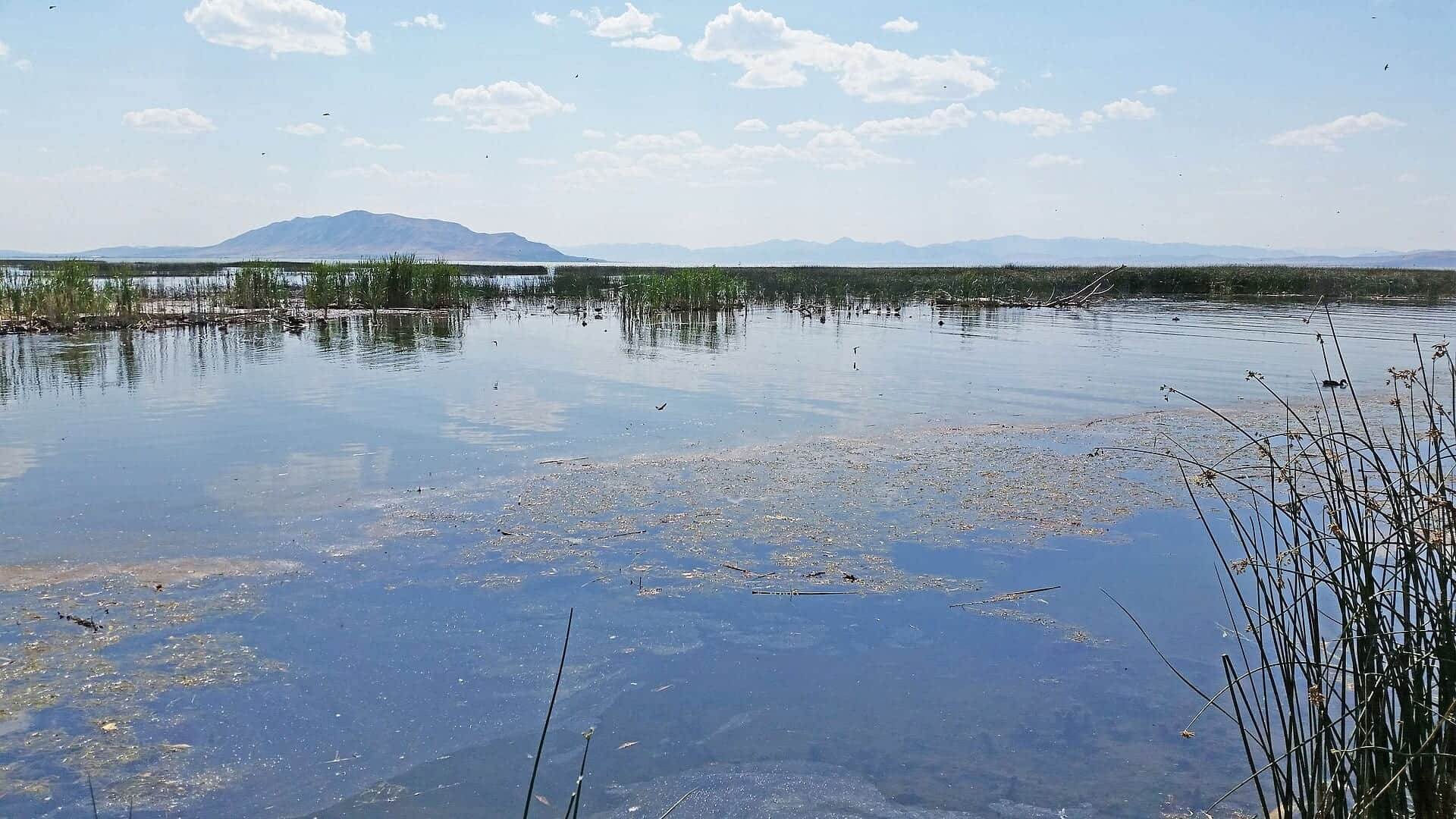
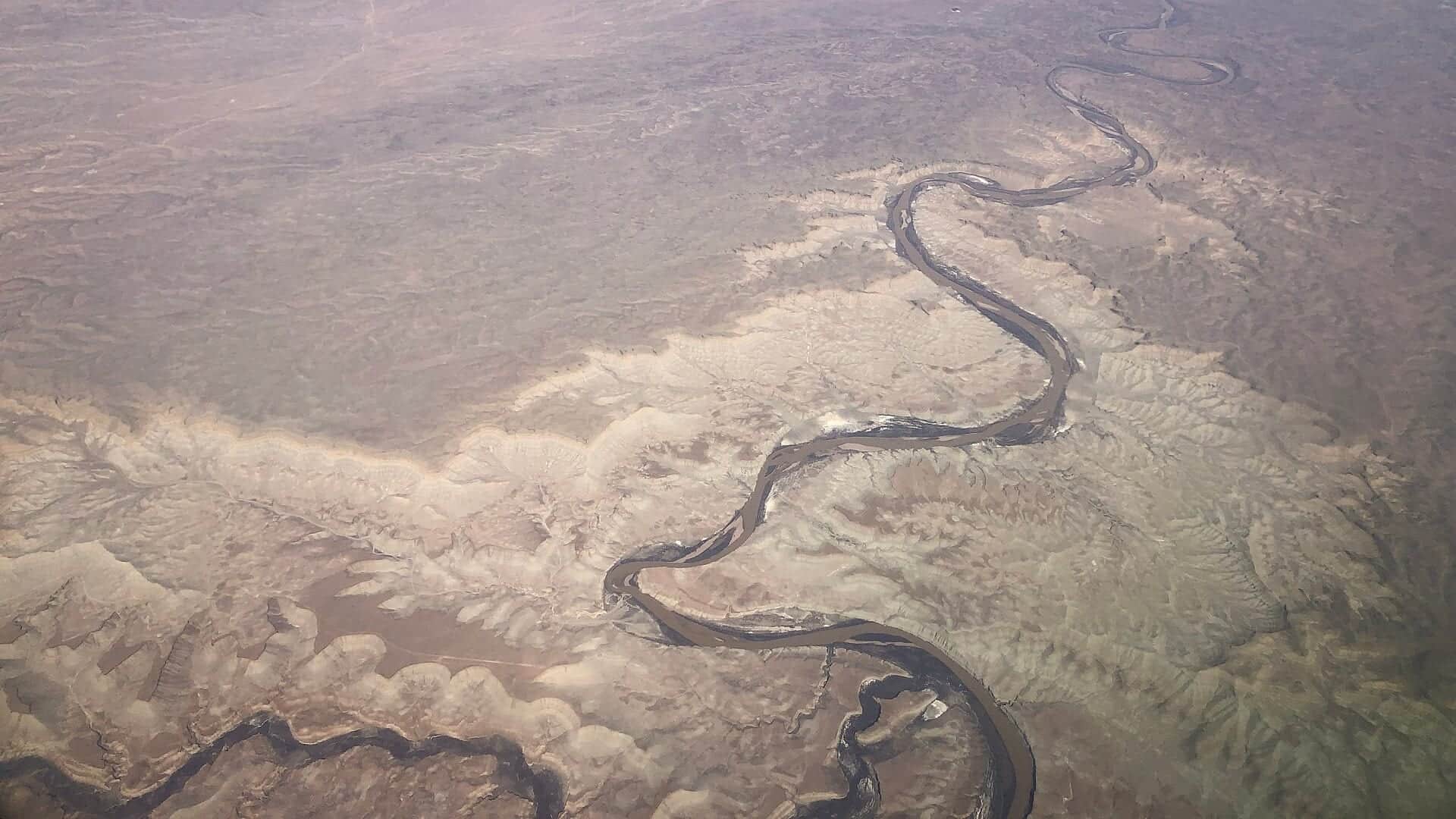
Mouth of the Provo River in Utah County Utah

Utah / West

Provo River

A Provo River report centered on the Middle Provo and Heber Valley flow context, with hatches, access, tactics, and Utah source checks.

Image: Mouth of Provo River, Utah county, Utah 02 / CC BY 2.0 / Andrey Zharkikh

Fishability now: Provo River fishability today

GreatData confidence: High

96/100

Fishable now because River Road near Heber City gauge is stable, weather is usable, and no public alert is active.

Flow observed

5:30 PM UTC

Weather observed

5:00 PM UTC

Score calculated

6:11 PM UTC

Why this rating

Flow

Weather

Public alerts

Next 6-12 hours

Hold

Stable live data supports staying with the plan, but recheck the gauge and forecast before leaving.

More planning details: flies, flow bands, and live source checks

Fish it today

Start here

Choose the section before choosing flies. Fish the Middle Provo when you want technical meadow and riffle work near Heber City; compare the Lower Provo separately if dam releases, traffic, or access point choice make that a better fit.

Best flow clue

Use RiverReports and USGS 10155200 as the Middle Provo trend check. Stable flows are the best fit for small-fly drifts; abrupt bumps, icy banks, or low warm water should push you to softer edges, a different section, or a backup river.

Skip trigger

Skip the Provo when you cannot confirm the exact public access, when crowds make every likely run combative, when winter ice changes footing, or when summer heat makes trout handling poor.

Flow decision bands

Stable technical flow

Stable Middle Provo flow is the best signal for small flies, light tippet, controlled drifts, and careful trout handling.

Best Wasatch window

Current Utah rules, confirmed legal access, manageable pressure, and mild weather make the river most fishable.

Abrupt bump, ice, or low warm water

Sudden flow changes, icy banks, or warm low water should move the plan to softer edges, another section, or a backup river.

Crowded or boundary-sensitive

Heavy pressure, private-boundary confusion, bridges, posted signs, or unclear stream-access context can weaken the day quickly.

USGS flow

162 cfs

Open

Current trend: flow stable, so weather, temperature, and access checks drive the next change.

Live USGS flow

162 cfs / stable

Live NWS forecast

75F / Sunny

Water temperature not verified

Heat guidance uses weather and river type unless an official water-temperature value is available.

No NWS alert flag

No active NWS alert was returned for this forecast point.

Primary waterMiddle Provo near Heber City, with lower-river context checked separately
Flow checkRiverReports and USGS 10155200 Provo River at River Road near Heber City
Access styleTechnical trout river, public access corridors, private-land awareness, and pressured water
ReviewedJune 1, 2026

Use RiverReports and USGS 10155200 before choosing nymph weight or wade lines.

Check Utah stream access guidance because private and public boundaries matter.

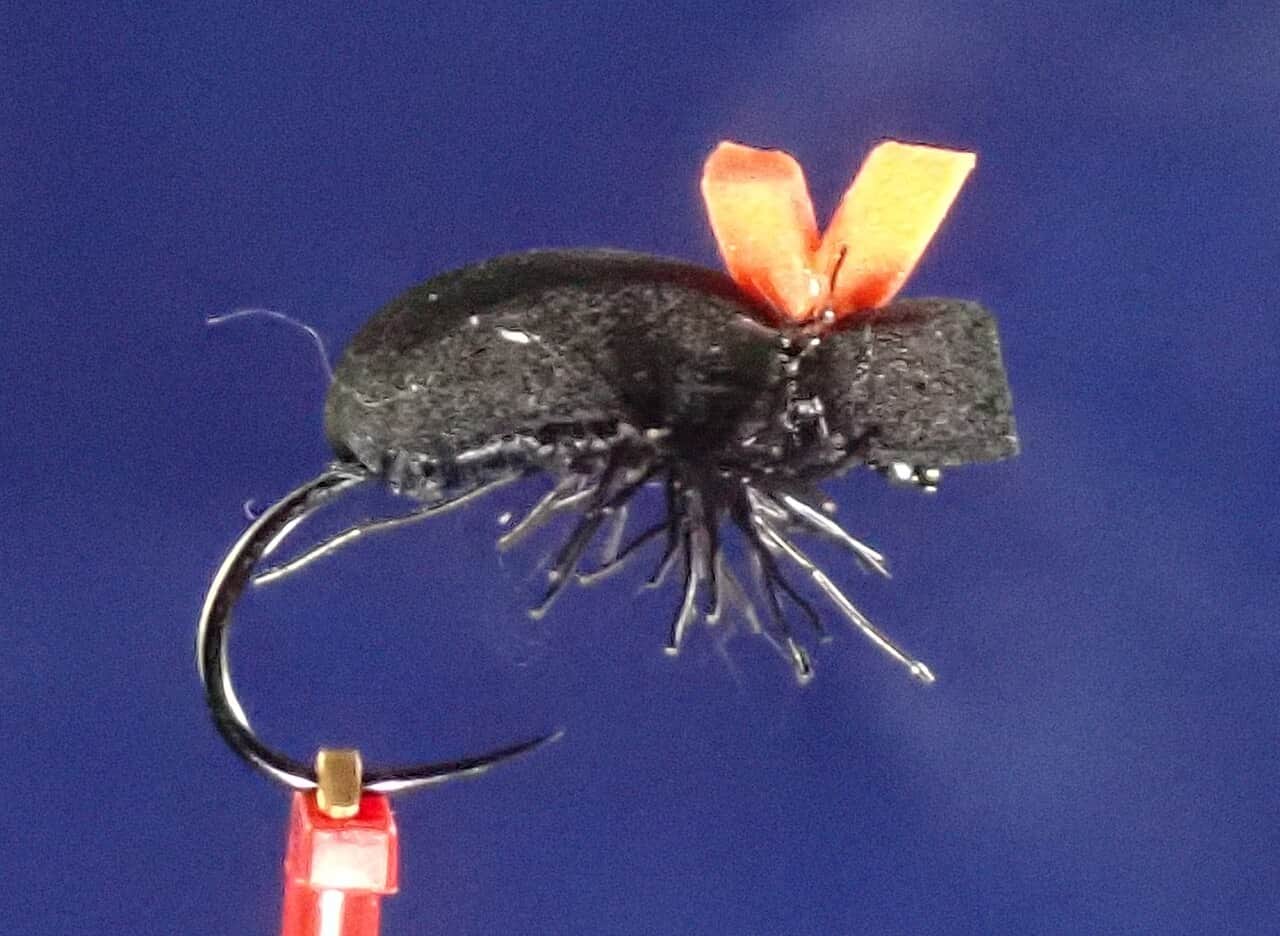
Small nymphs, midges, BWOs, PMDs, caddis, and terrestrials all have useful windows.

Stealth and drift quality usually matter more than changing flies every five minutes.

Editorial review

How this report is maintained

This report is maintained from current regulation, access, flow, weather, and public planning sources so anglers can make better trip decisions than a raw gauge or generic overview would allow.

Byline

BlueStreamFly editorial team

Reviewed by

BlueStreamFly source review

Maintained by

Mountain Brook Run LLC

Last material review

2026-06-01

Report confidence

High confidence

91/100

High confidence: Utah regulation, stream-access, Fish Utah, RiverReports plus USGS Middle Provo flow, weather coverage, image credit, and route-specific technical trout guidance support the page. Confidence is moderated by section differences, heavy pressure, private-boundary detail, winter footing, and the need to separate Middle Provo planning from other reaches.

Regulations

Utah DWR fishing and guidebook sources support the current rule-check path for Provo River trips.

Access

Stream-access and Fish Utah sources support the public framework, while exact Middle Provo entries, signs, and private-boundary details still need day-of confirmation.

Flow and weather

RiverReports coverage is backed by USGS 10155200 near Heber City, and the National Weather Service point supports live flow, weather, and safety decisions.

Fishing usefulness

The page now separates section choice, crowd management, technical presentation, flow stability, access-sensitive planning, and backup-water choices.

Fishability dashboard and source review

2026-06-01 / material content or source review

Utah DWR fishing, guidebook, stream-access, and Fish Utah sources, RiverReports and USGS Middle Provo flow support, National Weather Service data, and the Provo media credit were checked before updating the current-fishability decision layer.

2026-06-01

Updated Provo River to the current fishability-page standard with Middle Provo flow bands, access and section cards, backup cues, stable fishability SEO, and confidence signals.

2026-05-28

Added Middle Provo trip-fit guidance, wade-first planning, River Road flow framing, pressure timing, access nuance, backup-water suggestions, editorial review signals, and a page-specific report-confidence meter after source checks.

2026-05-25

Initial source-reviewed report published with flows, weather, hatches, flies, tactics, access, regulations, and FAQs.

Angler planning edge

Local details that change the plan

Best for

Technical trout anglers who are comfortable with small flies, light tippet, and exact drift control, Middle Provo plans where the Heber City and River Road flow context matches the chosen reach, Short or full-day Wasatch trips where access boundaries are checked before stepping into the river, Midge, BWO, PMD, caddis, and terrestrial windows when stable flow and moderate pressure line up

Wade or float

Treat this as a wade-first Middle Provo report. Floating and lower-river plans need their own flow and access checks; this page is most useful for choosing legal walk-in water and fishing it carefully.

Best flows

Use RiverReports and USGS 10155200 as the Middle Provo trend check. Stable flows are the best fit for small-fly drifts; abrupt bumps, icy banks, or low warm water should push you to softer edges, a different section, or a backup river.

When to skip

Skip the Provo when you cannot confirm the exact public access, when crowds make every likely run combative, when winter ice changes footing, or when summer heat makes trout handling poor.

Local plan

Choose the section before choosing flies. Fish the Middle Provo when you want technical meadow and riffle work near Heber City; compare the Lower Provo separately if dam releases, traffic, or access point choice make that a better fit.

Pressure

Pressure is part of the Provo plan, not an afterthought. Early starts, weekday windows, and a willingness to fish secondary water usually matter more than cycling through patterns every few casts.

Access nuance

The Provo can look publicly approachable from many roads and trails, but bank status, bridges, posted signs, and stream-access rules still determine where a legal day starts and ends.

Backup water

If the Provo is too crowded, too icy, or too warm, compare the Weber for another access-sensitive Wasatch plan, the Green for a clearer tailwater objective, or the Duchesne for a freestone alternative.

About the river

Setting, character, and why it fishes the way it does.

The Provo River drains the Wasatch and is usually discussed in upper, middle, and lower sections. This page is centered on the Middle Provo near Heber City because that is the cleanest match for the inventory route and live gauge.

The river can fish like a technical tailwater or a meadow trout stream depending on reach and release conditions. Long leaders, small bugs, and careful approaches are standard.

A useful Provo page should help anglers avoid two mistakes: treating every Provo section as the same, and assuming that visible water equals legal access.

Target species

Brown trout

The primary technical target in many Provo reaches.

Rainbow trout

Common in managed sections and responsive to small nymph and dry-fly work.

Mountain whitefish

Often present and useful as a nymphing indicator in colder months.

Cutthroat context

Possible in the broader watershed; verify reach specifics before treating them as a planning target.

Reading the water

Low clear flow

Use long leaders, small flies, and careful positioning.

Stable moderate flow

Nymph seams, riffle drops, and undercut banks with clean drifts.

Higher water

Fish edges and avoid unsafe crossings or aggressive midstream wading.

Crowded days

Walk farther, fish secondary water, and use etiquette around anglers already set up.

Best seasons

Winter

Midges and small nymphs can fish well on mild, stable days.

Spring

BWOs, midges, and changing flows require daily checks.

Summer

PMDs, caddis, terrestrials, and morning/evening windows are important.

Fall

BWOs, midges, terrestrials, and streamer opportunities improve with cooler weather.

Preferred flow source

Provo River at River Road near Heber City

RiverReports is the preferred chart source when coverage exists. When a matching USGS gauge exists, keep it open as the official backstop for station data and current hydrograph context.

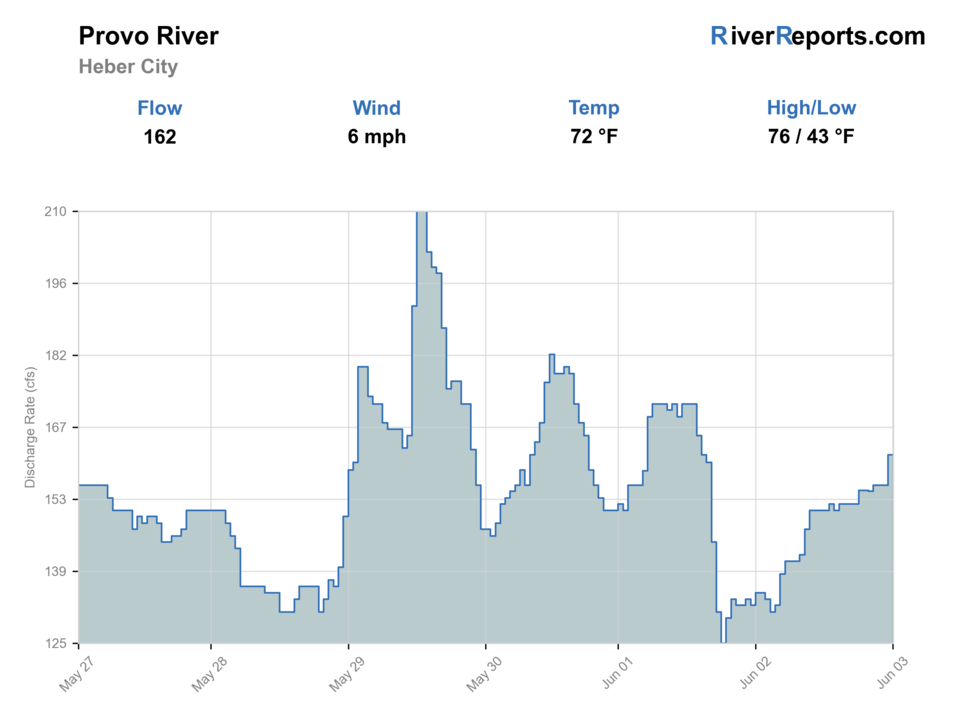
Provo River at River Road near Heber City RiverReports flow chart

USGS data chart

Official USGS trend

Streamflow over the latest USGS reporting window.

Latest

162 cfs

Jun 3, 5 PM UTC

Site

10155200

Low / high

121 / 210 cfs

Source

Open USGS

Weather

River weather report

Weather can change wading safety, road access, water temperature, hatches, and the best time of day to fish.

Live forecast loads as you reach this section

This keeps the report fast while still using the official National Weather Service forecast point.

Hatches and flies

Hatch chart and fly picks

Winter

Midges, scuds, sowbugs, tiny mayflies, and slow tailwater trout

Zebra midge, scud, sowbug, BWO nymph, small leech

March to May

BWOs, midges, caddis, worms after bumps, and early streamer windows

BWO emerger, midge cluster, caddis pupa, San Juan worm, sculpin

June to August

Cicadas where present, caddis, PMDs, terrestrials, and evening dry-fly windows

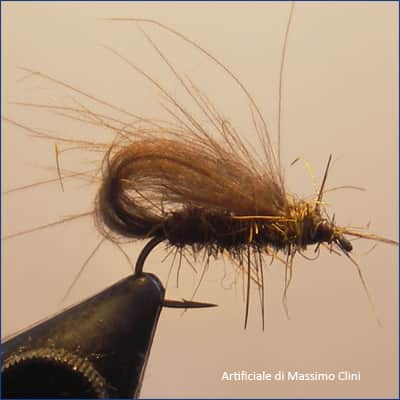
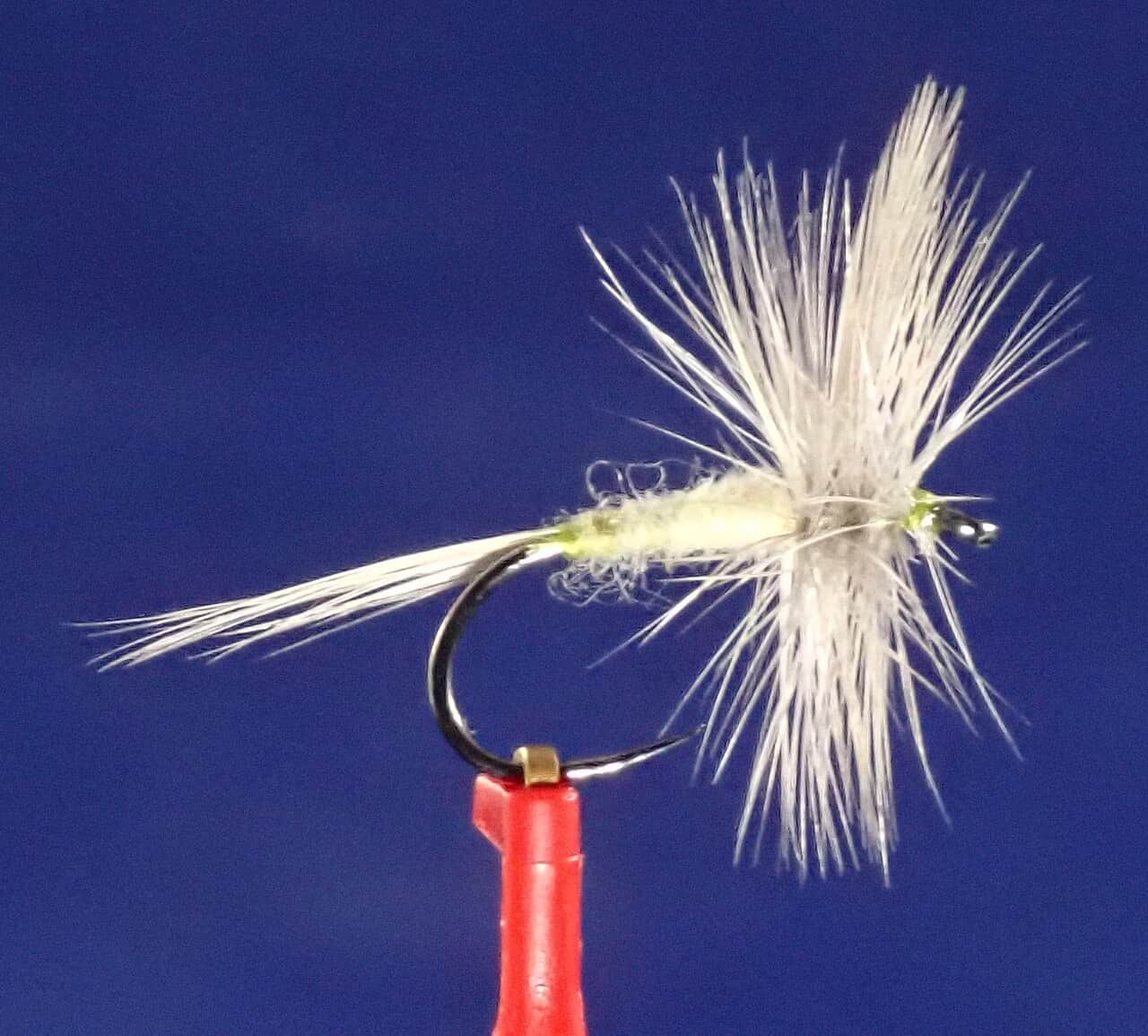
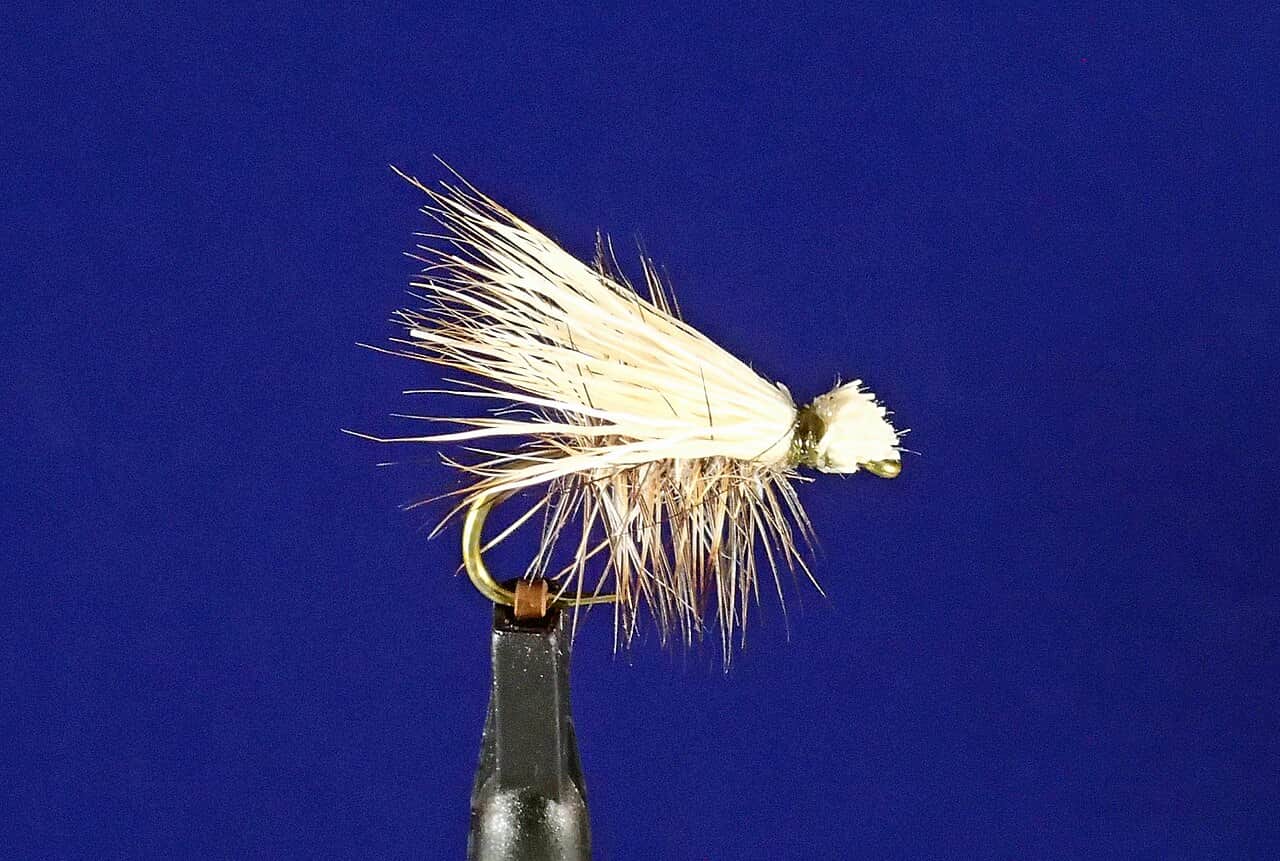
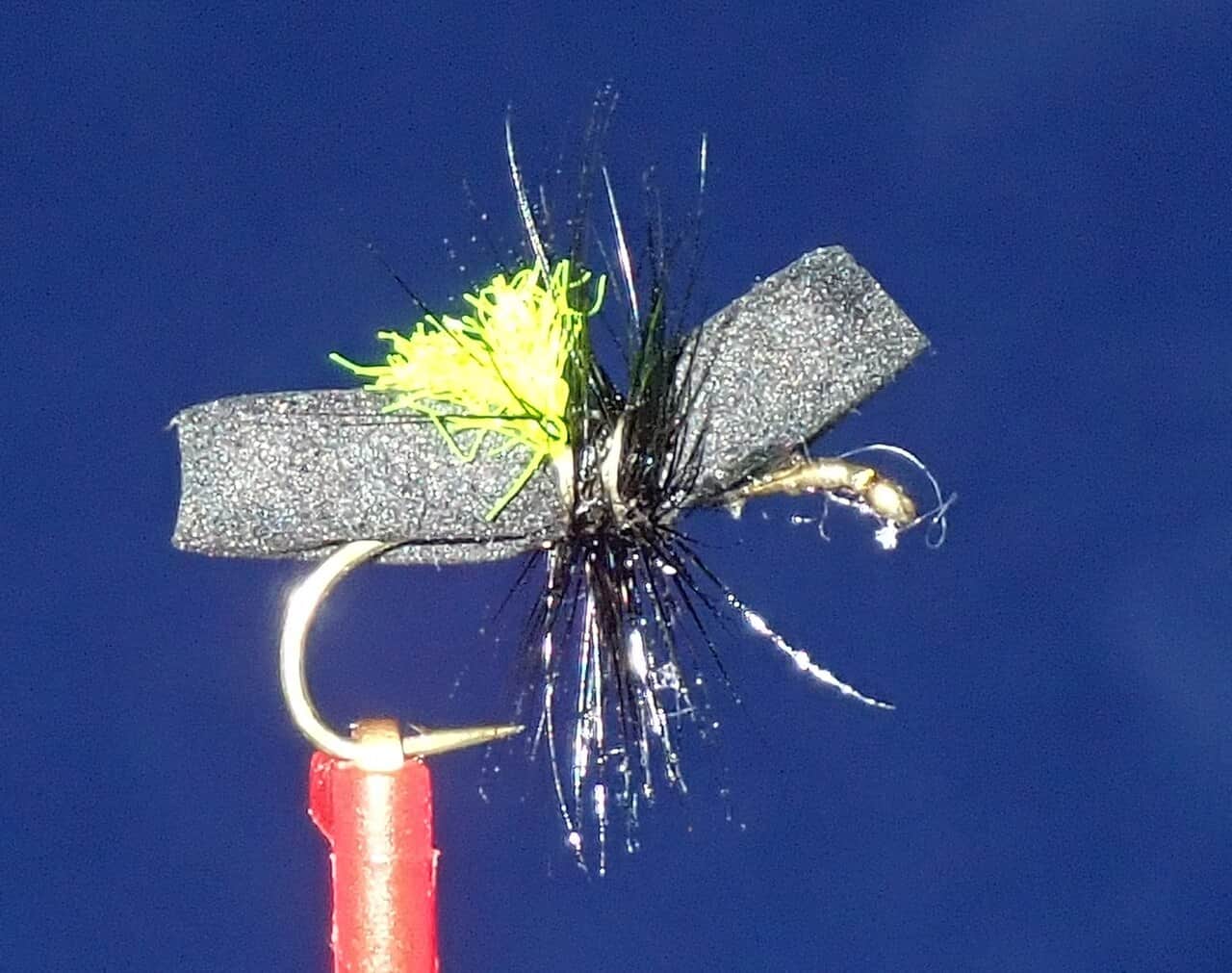
Cicada, PMD emerger, elk hair caddis, ant, hopper, small streamer

September to November

BWOs, midges, October caddis, terrestrials, and streamer days

BWO emerger, zebra midge, October caddis, beetle, sculpin

Small nymphs

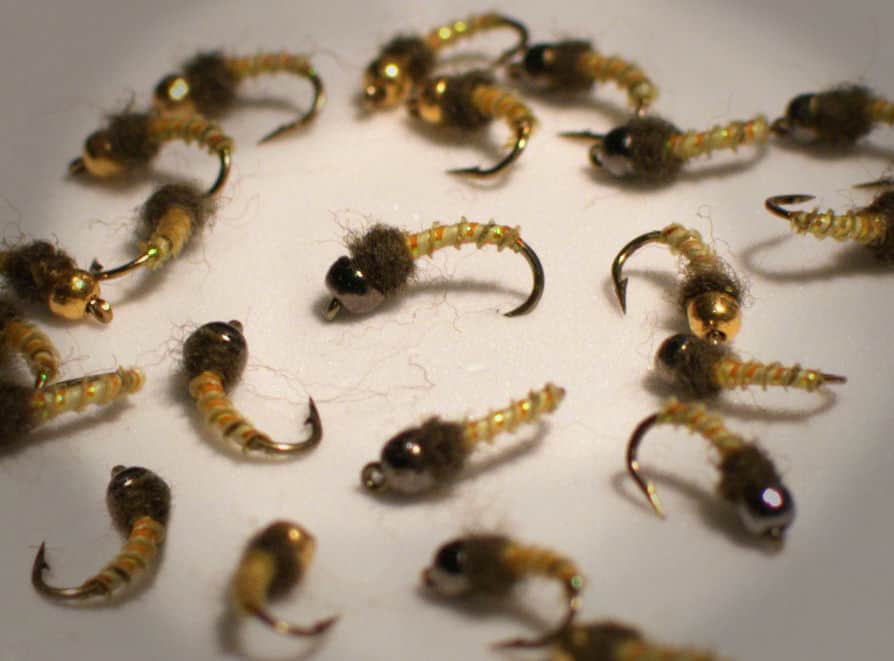
Zebra midge, scud, sowbug, BWO nymph, pheasant tail, caddis pupa

Use during low, clear tailwater windows when trout feed close to the bottom.

Dries and emergers

Sulphur emerger, BWO, midge cluster, caddis, soft hackle

Use for hatch windows, flat glides, and sipping fish that will not move far.

Streamers

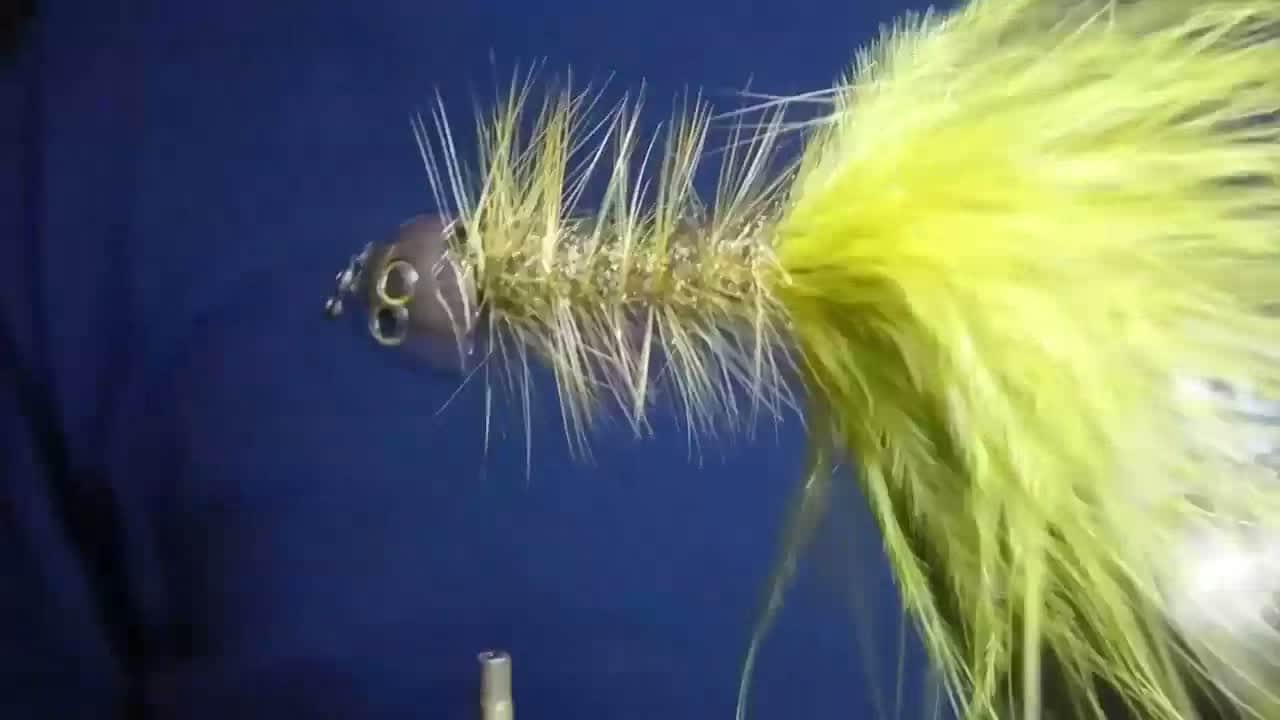
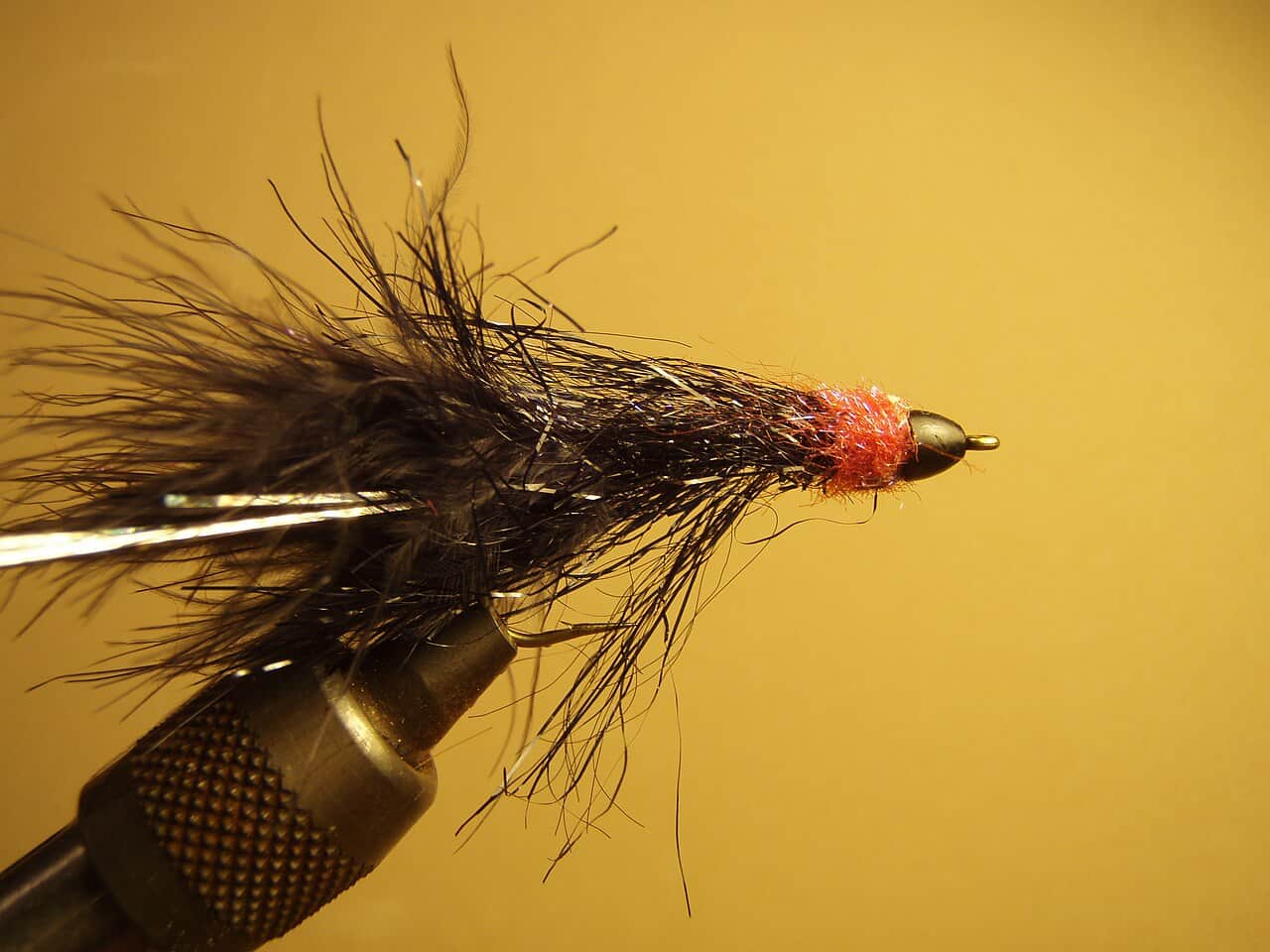
Sculpin, leech, olive bugger, white streamer, small baitfish

Use on generation, stained water, or cloudy days when bigger fish leave cover.

Tactics

How to fish it

Approach slowly and fish the near water before stepping into the river.

Use small midge, BWO, and PMD nymphs under light indicators in clear water.

Fish dry flies only after confirming rise forms and insect stage.

Try small streamers near banks and deeper bends during low light or higher flows.

Respect public access signs, private land, and anglers already working a run.

Rigging

Rod, leader, and setup notes

A 9-foot 4 or 5-weight is ideal for most Middle Provo fishing.

Carry 5X to 7X for small dries and nymphs.

Use lighter indicators, small split shot, and enough weight to tick bottom without dragging.

Bring winter traction if fishing icy banks.

Access

Access and planning notes

Middle Provo flow

Primary technical check

Wade / float / trail

RiverReports / USGS gauge / wade

When to pick it

Start here when flow stability, temperature, and drift control decide the day.

Caution

The gauge does not settle every bridge, bank, posted sign, or private-boundary question.

River Road and Middle Provo access

Main walk-in framework

Wade / float / trail

Wade / trail / access

When to pick it

Use this when you want the page's strongest fit: a wade-first Middle Provo plan.

Caution

Confirm legal entry, parking, signs, and stream-access context before stepping in.

Lower Provo comparison

Separate section decision

Wade / float / trail

Tailwater / wade / access

When to pick it

Pick this only after checking the lower-river release and access picture separately.

Caution

Do not let Middle Provo flow stand in for a different reach.

Do not assume every visible bank is public.

Pressure can be high; good etiquette matters.

Winter ice and summer heat can change safe fishing windows.

Regulations

Check before fishing

Check Utah DWR rules, Fish Utah, stream access guidance, and any Provo River section-specific rules before fishing.

Primary base

Heber City, Midway, Park City, or Provo

Best day style

Technical trout river, public access corridors, private-land awareness, and pressured water

Check first

Utah rules, stream access, RiverReports/USGS flow, weather, crowds, and temperature

Safety

Slick rocks, winter ice, private boundaries, irrigation changes, and pressured fish

Gear

Helpful gear for this water

Four or five-weight rod

Covers most dry-fly, nymph, and dry-dropper work.

Six-weight or streamer rod

Useful for wind, higher water, and larger flies.

Thermometer

Use it before catch-and-release trout fishing in warm weather.

Wading staff

Helpful on freestone rocks, tailwater ledges, and pushy runs.

Barbless-hook box

Speeds handling on wild trout and special-regulation water.

Nearby water

Other water to research

Backup logic

Crowding

Compare Weber River, Green River, or Duchesne River instead of forcing famous runs.

Warm or low water

Fish only the coolest responsible window or choose a colder option.

Ice or footing

Shorten the plan, avoid shelf ice, or pick a safer access point.

Access uncertainty

Use only a confirmed legal entry or move to a better-supported river.

Weber River

A nearby Wasatch trout river with access-rule complexity.

Green River

A famous clear tailwater below Flaming Gorge.

Duchesne River

A more freestone-style Uinta drainage option.

FAQ

Fast answers

Is Provo River fishable today?

Provo River looks very fishable right now. The live score is 96/100, based on current flow, weather, public alerts, and the report's planning context. Recheck the linked gauge and forecast before leaving because conditions can change quickly after rain, heat, access changes, or flow swings.

What flow is best for Provo River?

Use RiverReports and USGS 10155200 as the Middle Provo trend check. Stable flows are the best fit for small-fly drifts; abrupt bumps, icy banks, or low warm water should push you to softer edges, a different section, or a backup river.

When should I skip Provo River?

Skip the Provo when you cannot confirm the exact public access, when crowds make every likely run combative, when winter ice changes footing, or when summer heat makes trout handling poor.

Is Provo River safe to wade right now?

The fishability score is not a wading guarantee. Wade only where your chosen access has safe edges, clear footing, legal entry, and no forced crossings; high, rising, stained, or storm-affected water should be treated conservatively.

What should I check first before fishing Provo River?

Check Utah rules, stream access, RiverReports or USGS 10155200, weather, crowds, and temperature.

Where should a first-time visitor start on Provo River?

Start with the Middle Provo near Heber City if you want the page's gauge and access context to match.

Can I wade Provo River?

Yes in many public reaches at safe flows, but private boundaries and pressure make planning important.

What flies should I bring for Provo River?

Bring the seasonal fly box, then adjust size, weight, and color to the water level, clarity, temperature, and fishing pressure you find.