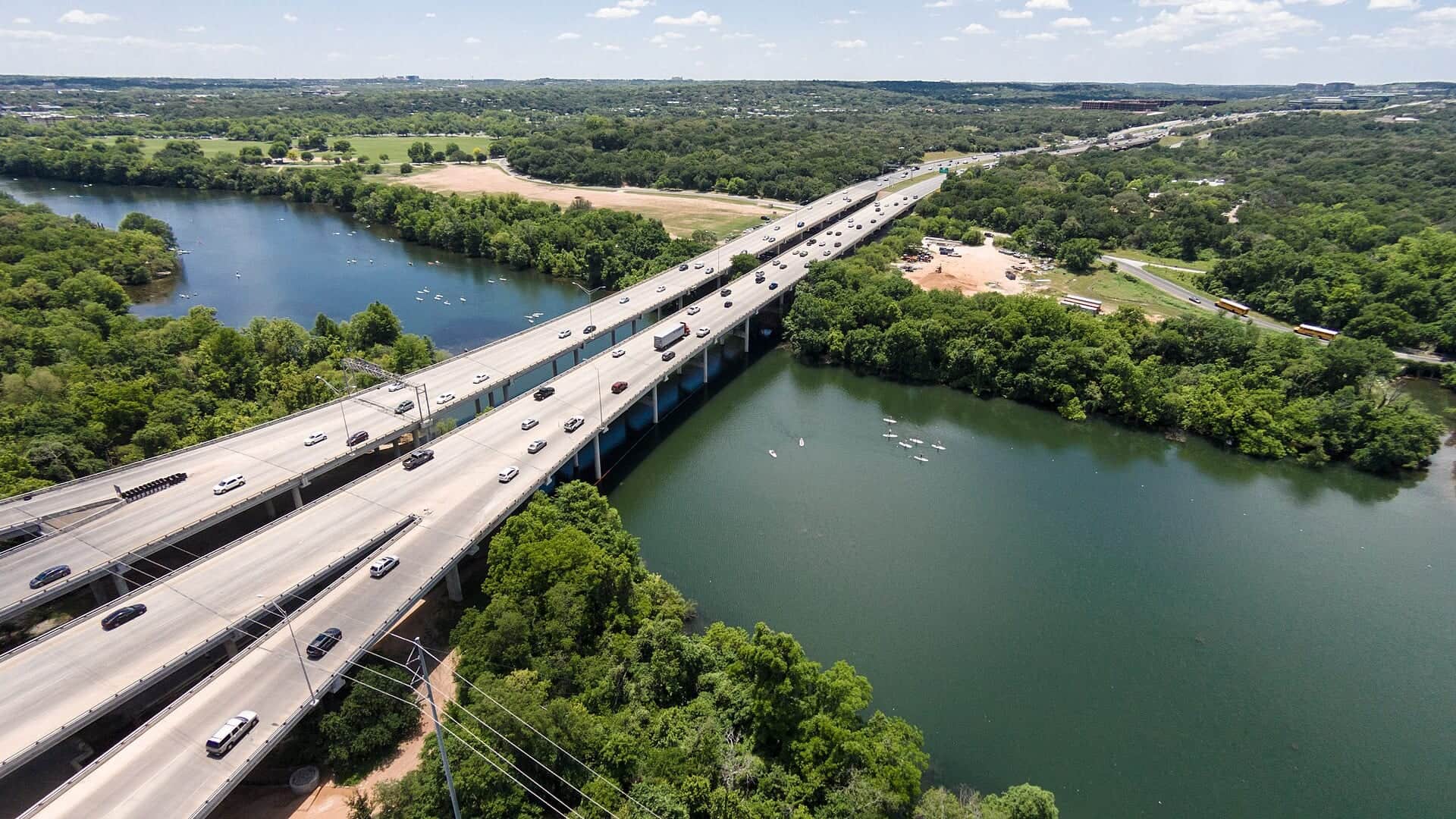
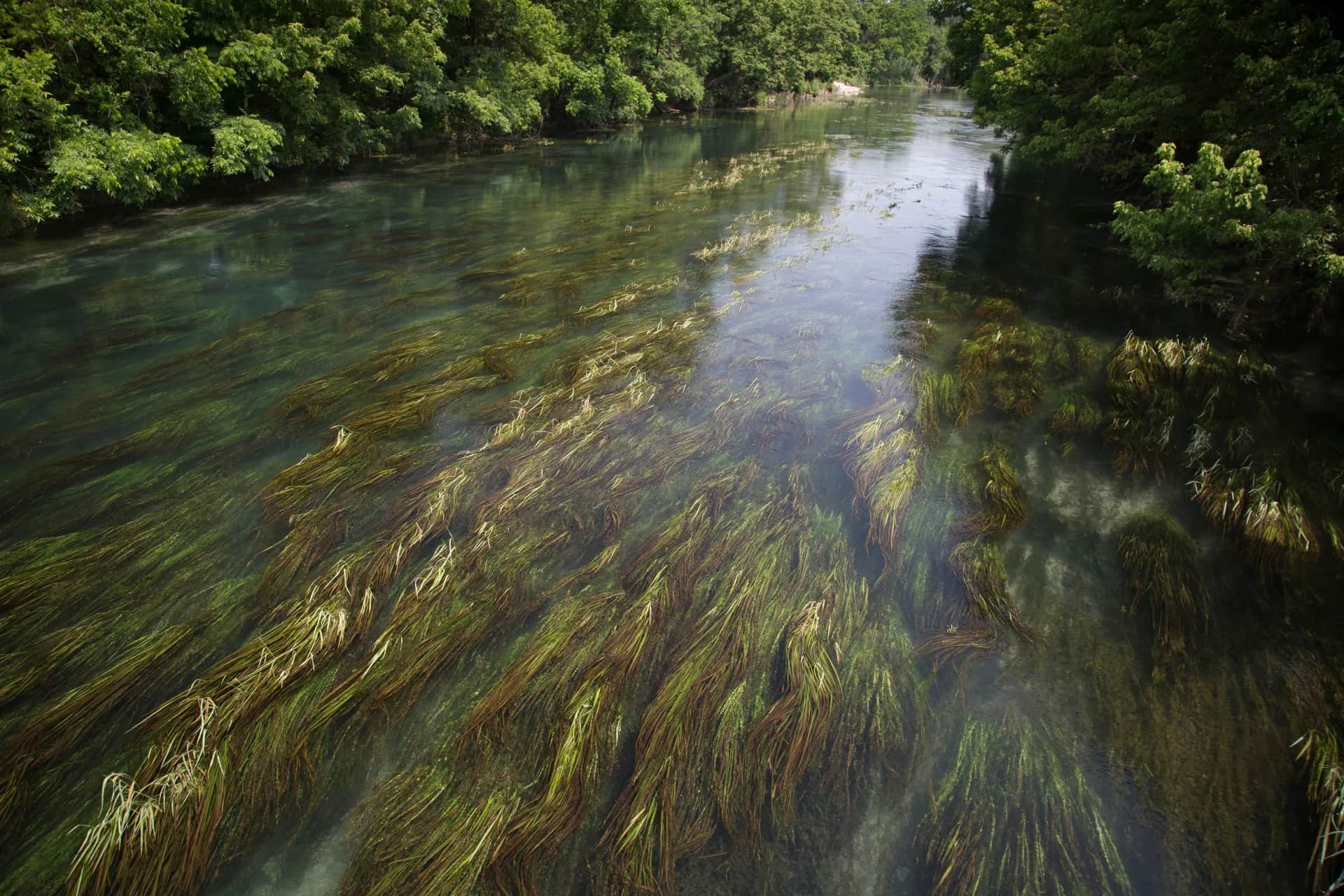
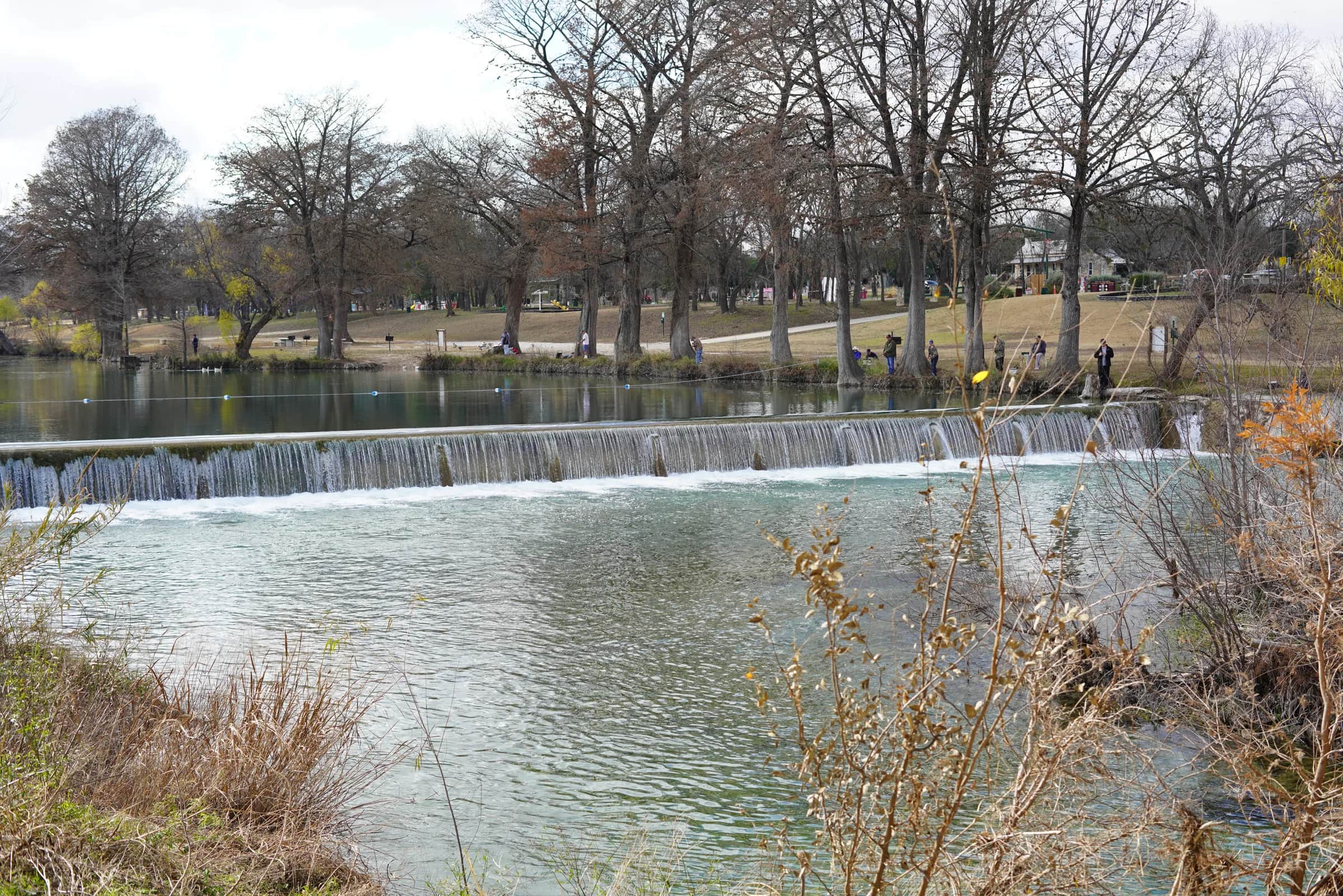
Guadalupe River water or watershed scenery in Texas

Texas / Southwest

Guadalupe River

A Guadalupe River report for the Canyon Dam tailrace and Sattler area, with trout-zone rules, flow checks, fly tactics, and access cautions.

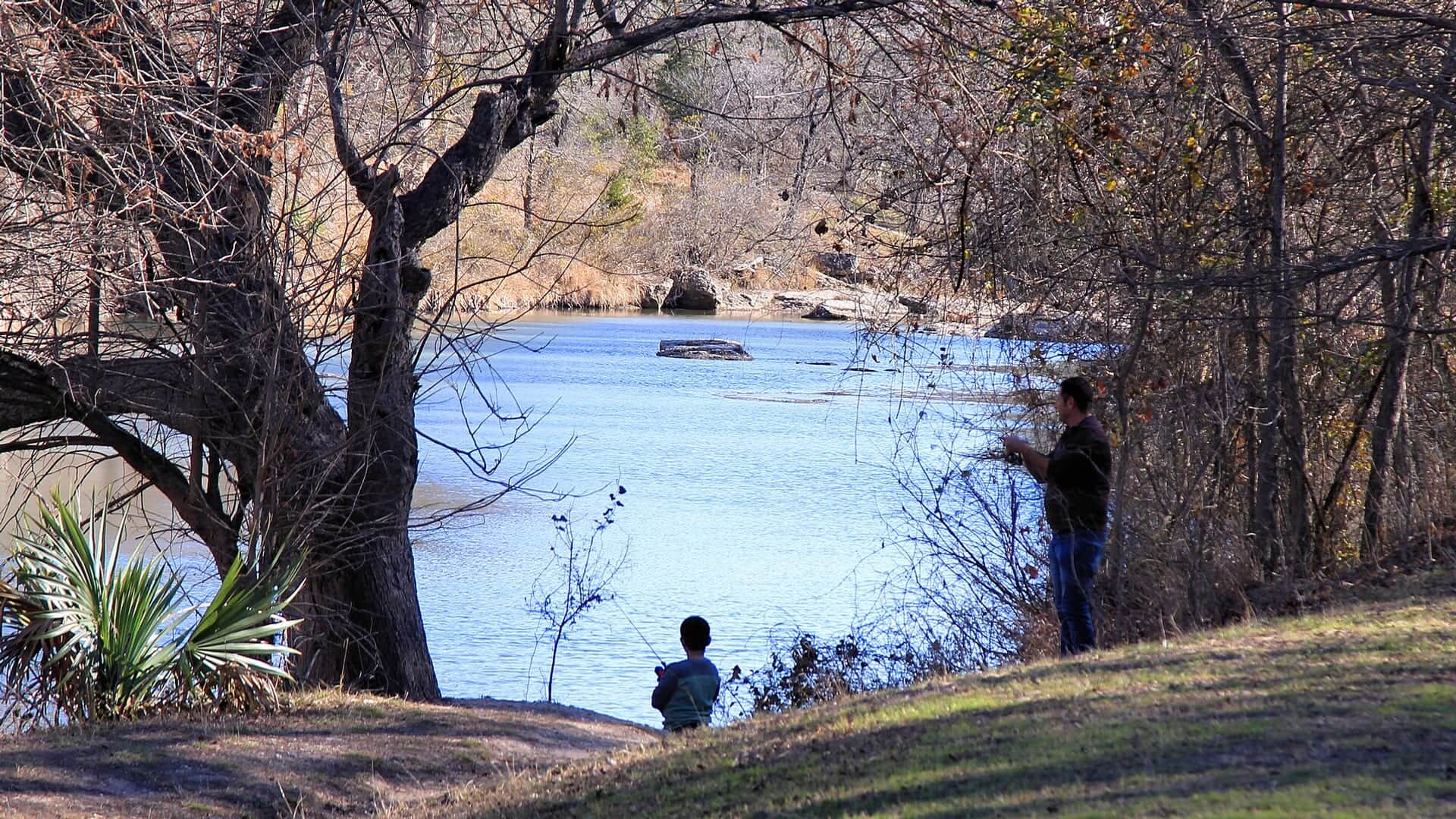
Image: Family Fishing Guadalupe River State Park Texas 2023 / CC BY 4.0 / Larry D. Moore

Fishability now: Guadalupe River fishability today

GreatData confidence: High

96/100

Fishable now because Sattler gauge is falling, weather is usable, and no public alert is active.

Flow observed

5:50 PM UTC

Weather observed

5:00 PM UTC

Score calculated

6:12 PM UTC

Why this rating

Flow

Weather

Public alerts

Next 6-12 hours

Improving / hold

A falling gauge and usable weather should keep the next 6-12 hours in play unless tributaries stain or heat builds.

More planning details: flies, flow bands, and live source checks

Fish it today

Start here

Start with TPWD trout-zone rules and stocking context, then check Sattler flow, weather, and the exact access you plan to use. Carry small tailwater flies, a thermometer, and a warmwater backup rig.

Best flow clue

Use USGS 08167800 at Sattler as the primary live flow signal. Stable, fishable releases support nymphing and light streamer work; very low, warm, or crowded conditions should shift expectations toward short sessions or warmwater targets.

Skip trigger

Skip trout-focused fishing when the trout-zone rules are unclear, water temperature is stressful, access is not confirmed, tuber traffic makes handling poor, or flow changes make wading unsafe.

Flow decision bands

Stable tailwater flow

Stable Sattler flow with cool enough water is the best signal for midge, scud, small-nymph, and light-streamer trout work.

Best trout-zone window

Current TPWD trout-zone rules, confirmed access, clear water, and limited recreation pressure make the strongest fishability call.

Pushy, low, or warm

Unsafe flow changes, very low warm water, or stressful trout temperatures should shorten the session or shift the target.

Crowded or access-limited

Tubing traffic, paid or leased access gaps, private banks, and winter stocking pressure can weaken the day even when the gauge looks usable.

USGS flow

81 cfs

Open

Current trend: flow falling, rating likely holding strong unless weather or clarity changes.

Live USGS flow

81 cfs / falling about 14%

Live NWS forecast

83F / Partly Sunny

Water temperature not verified

Heat guidance uses weather and river type unless an official water-temperature value is available.

No NWS alert flag

No active NWS alert was returned for this forecast point.

Primary waterCanyon Dam tailrace, Sattler, FM 306, and River Road trout-zone context
Flow checkUSGS 08167800 Guadalupe River at Sattler
Access styleTailwater trout, warmwater crossover, leased access, parks, and private-bank awareness
ReviewedJune 1, 2026

Check TPWD Zone 1 and Zone 2 rules before fishing the tailrace.

Use USGS Sattler flow as the main live condition check for the report.

Midges, scuds, small nymphs, and streamers matter for trout; poppers and baitfish matter in warmwater windows.

Do not assume every resort, camp, or bank is open to public fishing.

Editorial review

How this report is maintained

This report is maintained from current regulation, access, flow, weather, and public planning sources so anglers can make better trip decisions than a raw gauge or generic overview would allow.

Byline

BlueStreamFly editorial team

Reviewed by

BlueStreamFly source review

Maintained by

Mountain Brook Run LLC

Last material review

2026-06-01

Report confidence

High confidence

91/100

High confidence: TPWD trout stocking and water-specific regulation sources, Canyon Tailrace survey context, USGS Sattler flow, weather coverage, TPWD access context, verified media, and route-specific tailwater guidance support the page. Confidence is moderated by private access, recreation pressure, water-temperature decisions, and mixed trout-versus-warmwater timing.

Regulations

TPWD Guadalupe trout stocking and water-specific regulation pages support the current rule-check path for the tailrace.

Access

TPWD river resources support the public framework, while exact bank, resort, paid, or leased access still needs day-of confirmation.

Flow and weather

USGS 08167800 at Sattler and the National Weather Service point provide strong live planning support for flow, weather, storm, and heat decisions.

Fishing usefulness

The page now separates trout-zone rules, Sattler flow, water-temperature restraint, recreation traffic, access terms, and warmwater backup options.

Fishability dashboard and source review

2026-06-01 / material content or source review

TPWD Guadalupe trout stocking and special regulation pages, Canyon Tailrace survey material, TPWD river access resources, USGS Sattler flow data, National Weather Service data, and the Commons media credit were checked before updating the current-fishability decision layer.

2026-06-01

Updated Guadalupe River to the current fishability-page standard with Sattler flow bands, trout-zone and access cards, backup cues, stable fishability SEO, and confidence signals.

2026-05-29

Added Guadalupe River trip-fit guidance, Sattler gauge framing, TPWD trout-zone reminders, access nuance, temperature and recreation-pressure cautions, backup-water suggestions, editorial review signals, and a page-specific report-confidence meter after source review.

2026-05-24

Initial source-reviewed report published with flows, weather, hatches, flies, tactics, access, regulations, and FAQs.

Angler planning edge

Local details that change the plan

Best for

Texas anglers planning a Canyon Dam tailrace trout day with current TPWD rule and stocking checks, Midge, scud, small-nymph, and light-streamer sessions where Sattler flow and clear water shape the rig, Mixed trout and warmwater trips that need a responsible temperature decision before fishing, Visitors who need to confirm paid, leased, park, or resort access instead of assuming River Road banks are public

Wade or float

Treat the Guadalupe as a wade-first tailwater report in the special trout corridor, with floating and bank options only after access and flow are confirmed. Limestone footing, private banks, and recreation traffic make day-of checks important.

Best flows

Use USGS 08167800 at Sattler as the primary live flow signal. Stable, fishable releases support nymphing and light streamer work; very low, warm, or crowded conditions should shift expectations toward short sessions or warmwater targets.

When to skip

Skip trout-focused fishing when the trout-zone rules are unclear, water temperature is stressful, access is not confirmed, tuber traffic makes handling poor, or flow changes make wading unsafe.

Local plan

Start with TPWD trout-zone rules and stocking context, then check Sattler flow, weather, and the exact access you plan to use. Carry small tailwater flies, a thermometer, and a warmwater backup rig.

Pressure

Pressure concentrates during winter stocking windows, weekends, holidays, and obvious public or paid access. Early starts and a second legal access option matter more than cycling through every small fly.

Access nuance

The river has strong public interest but not simple public shoreline. Confirm the specific access agreement, park, resort, or leased site before promising yourself a wade plan.

Backup water

If the Guadalupe is too warm, crowded, off-color, or access-limited, compare the Colorado River below Austin, San Marcos River, or Medina River for a warmwater fly plan.

About the river

Setting, character, and why it fishes the way it does.

The Guadalupe below Canyon Dam is a hypolimnetic-release tailwater that supports winter trout fishing in Texas. It also remains a Central Texas river with bass, sunfish, tubers, private banks, and heat.

TPWD defines special trout-zone rules in the Canyon Dam tailrace. Those rules are the core reason this page is narrower than a generic all-Guadalupe report.

A good fly plan mixes tailwater trout precision with Texas river reality: confirm access, watch flows, expect people, and keep warmwater alternatives ready.

Target species

Rainbow trout

The main winter stocking and fly fishing target in the tailrace.

Brown trout

Covered by TPWD trout-zone rules; treat larger fish carefully and check harvest limits.

Guadalupe and largemouth bass

Important outside peak trout context and in warmer water.

Sunfish and forage

Bluegill, baitfish, and small aquatic insects shape crossover fly choices.

Reading the water

Low clear flow

Use small nymphs, midges, scuds, and longer leaders in trout water.

Moderate flow

Cover seams and shelves with indicator nymphs or light streamers where legal.

Warm water

Use a thermometer and shift away from catch-and-release trout stress.

Busy recreation days

Fish early, pick quieter access, and expect tubes or boats in season.

Best seasons

Winter

Primary stocked-trout and tailwater nymphing season.

Spring

Trout can still matter, but warming conditions and recreation pressure increase.

Summer

Focus on warmwater species, early starts, and heat-aware fish handling.

Fall

Cooling water makes trout planning relevant again as stocking season approaches.

USGS flow

Guadalupe River at Sattler

This is the fallback for rivers that are not covered by RiverReports. Use the official USGS monitoring page for the live hydrograph, station metadata, and current water trend.

Open USGS gauge

USGS data chart

Guadalupe River at Sattler

Streamflow over the latest USGS reporting window.

Latest

81 cfs

Jun 3, 5 PM UTC

Site

08167800

Low / high

79 / 98 cfs

Source

Open USGS

Weather

River weather report

Weather can change wading safety, road access, water temperature, hatches, and the best time of day to fish.

Live forecast loads as you reach this section

This keeps the report fast while still using the official National Weather Service forecast point.

Hatches and flies

Hatch chart and fly picks

December to February

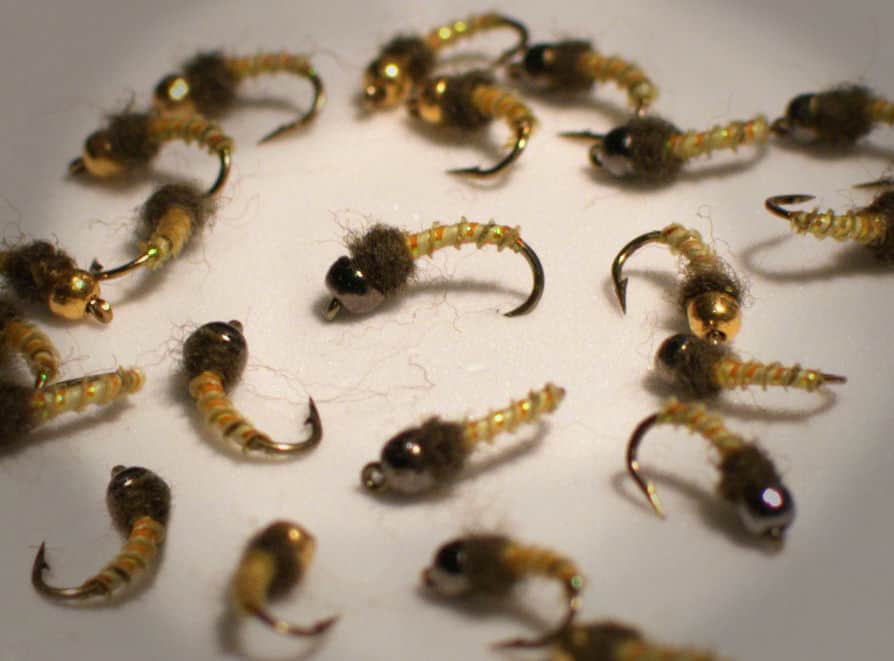
Stocked trout, midges, tiny nymphs, scuds, and clear tailwater drifts

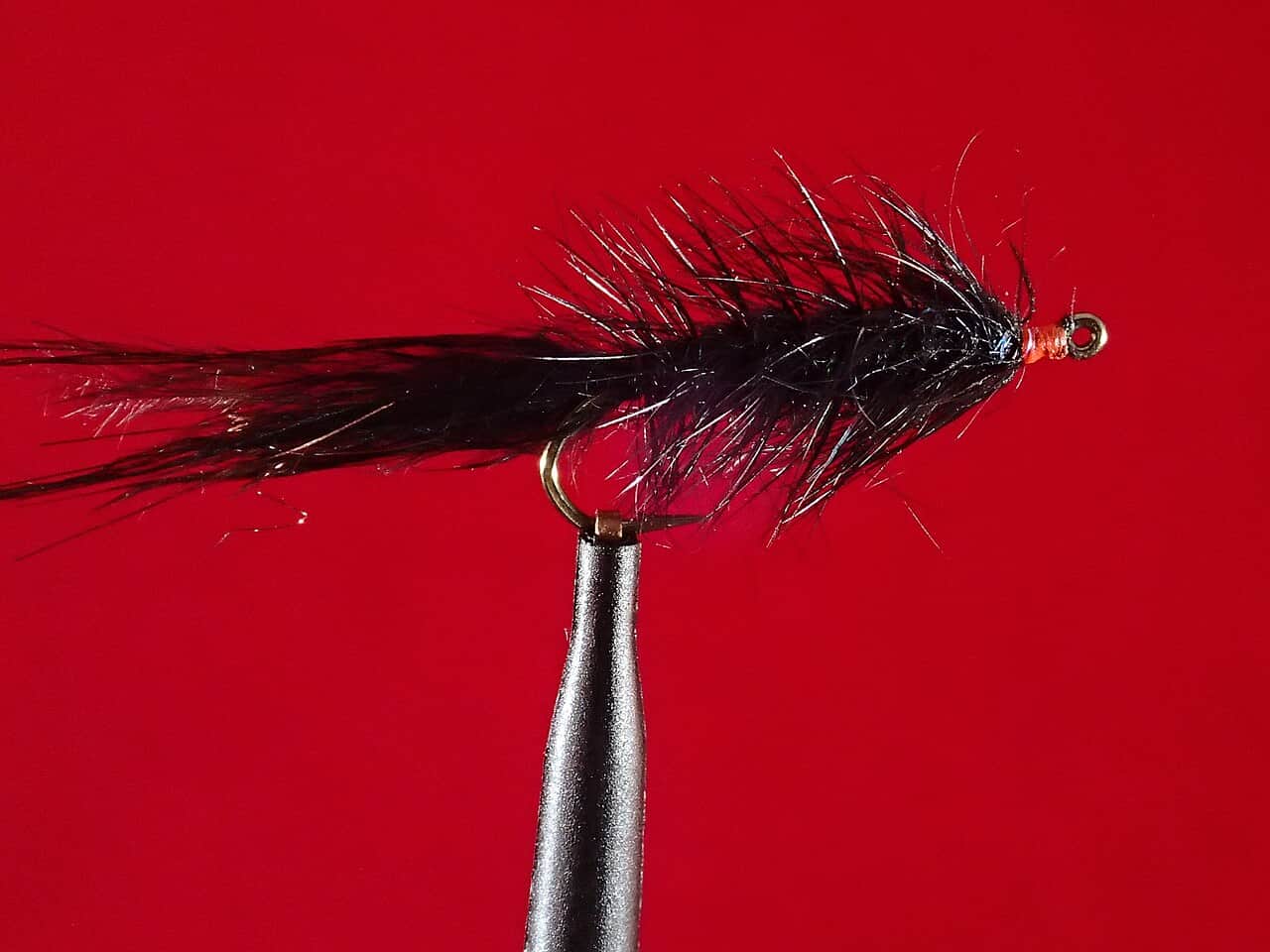
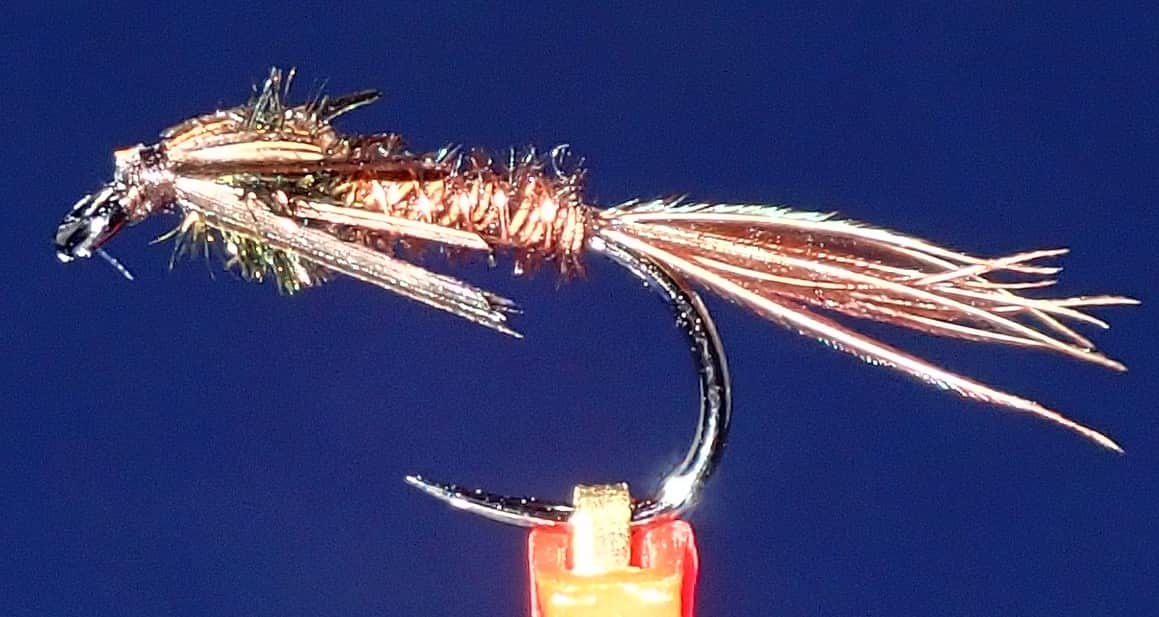
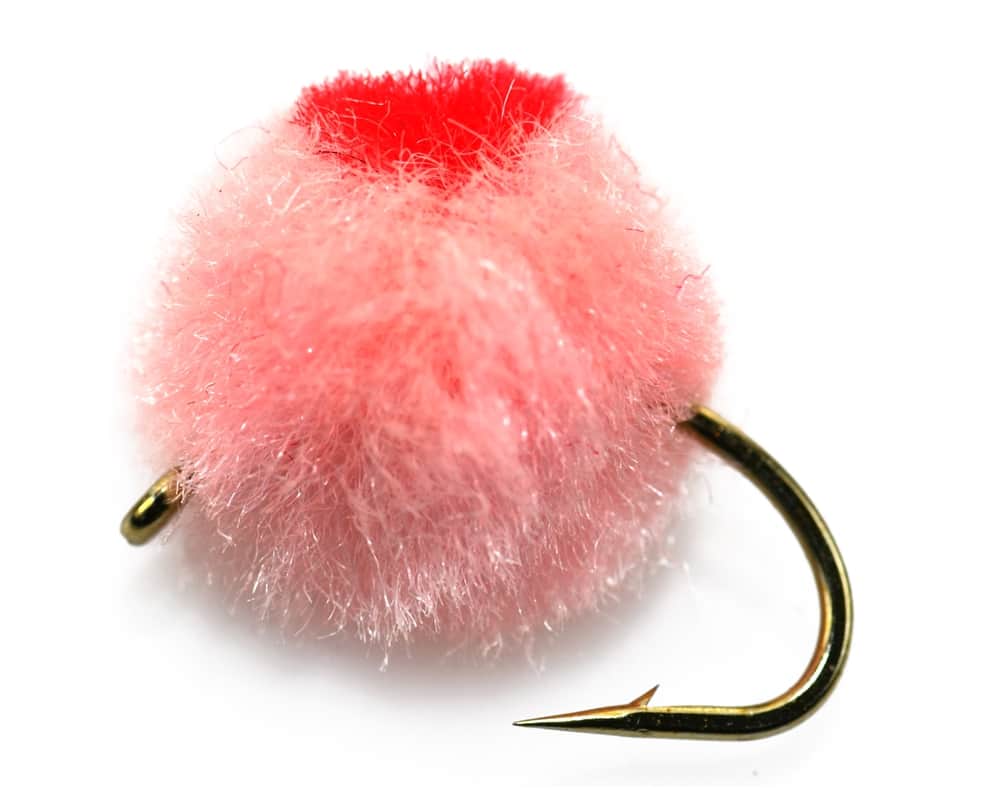
Zebra midge, scud, pheasant tail, small egg, micro bugger

March to May

Midges, caddis, small mayflies, warmwater baitfish, and bass activity

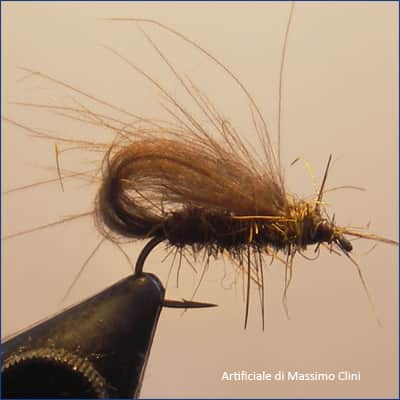
Midge pupa, caddis pupa, BWO emerger, small streamer, crayfish

June to September

Warmwater forage, terrestrials, baitfish, and shaded bass water

Popper, slider, baitfish streamer, crawfish, foam hopper

October to November

Cooling water, early trout planning, baitfish, and low-light streamer windows

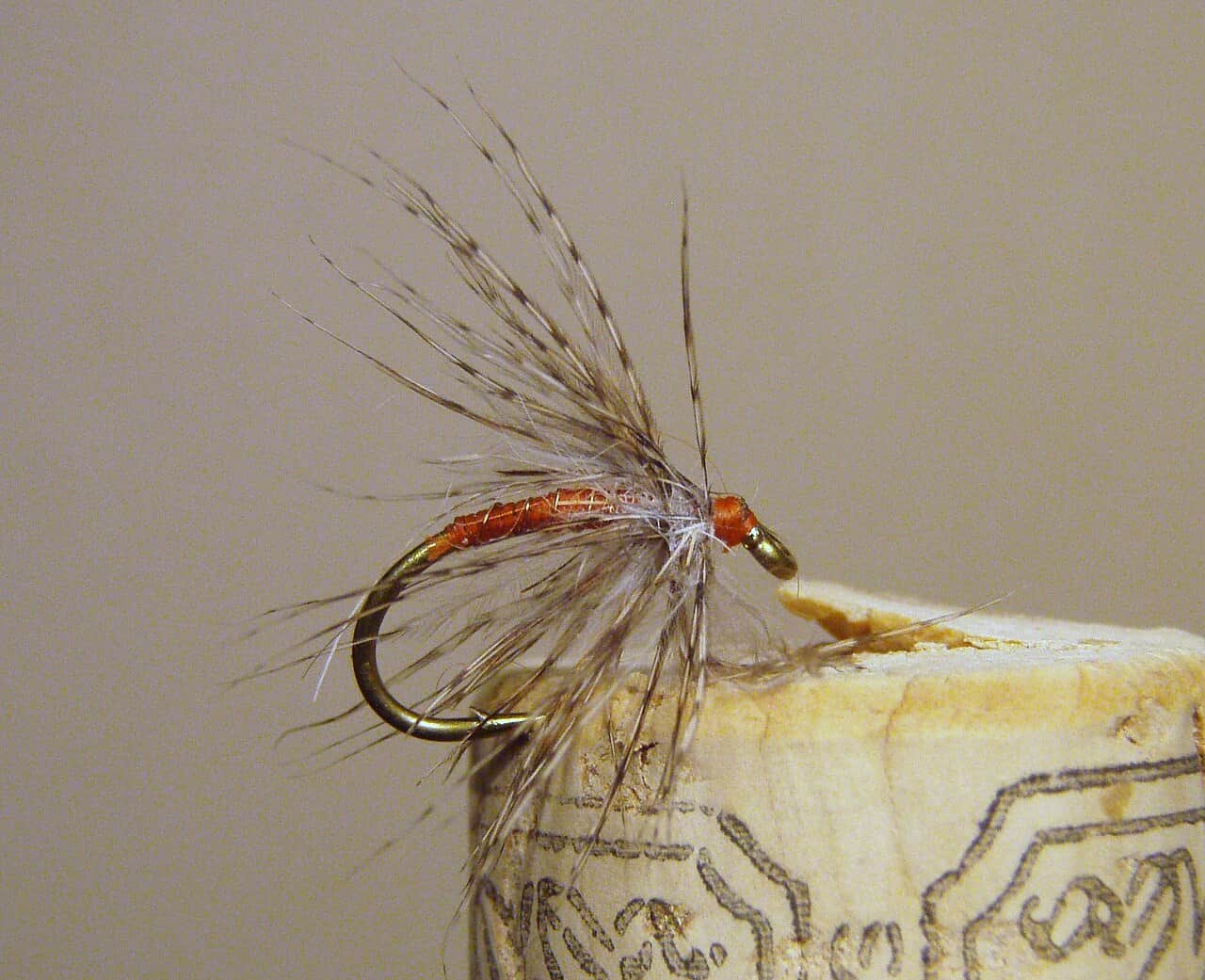
Olive bugger, scud, midge, baitfish streamer, soft hackle

Small nymphs

Zebra midge, scud, sowbug, BWO nymph, pheasant tail, caddis pupa

Use during low, clear tailwater windows when trout feed close to the bottom.

Dries and emergers

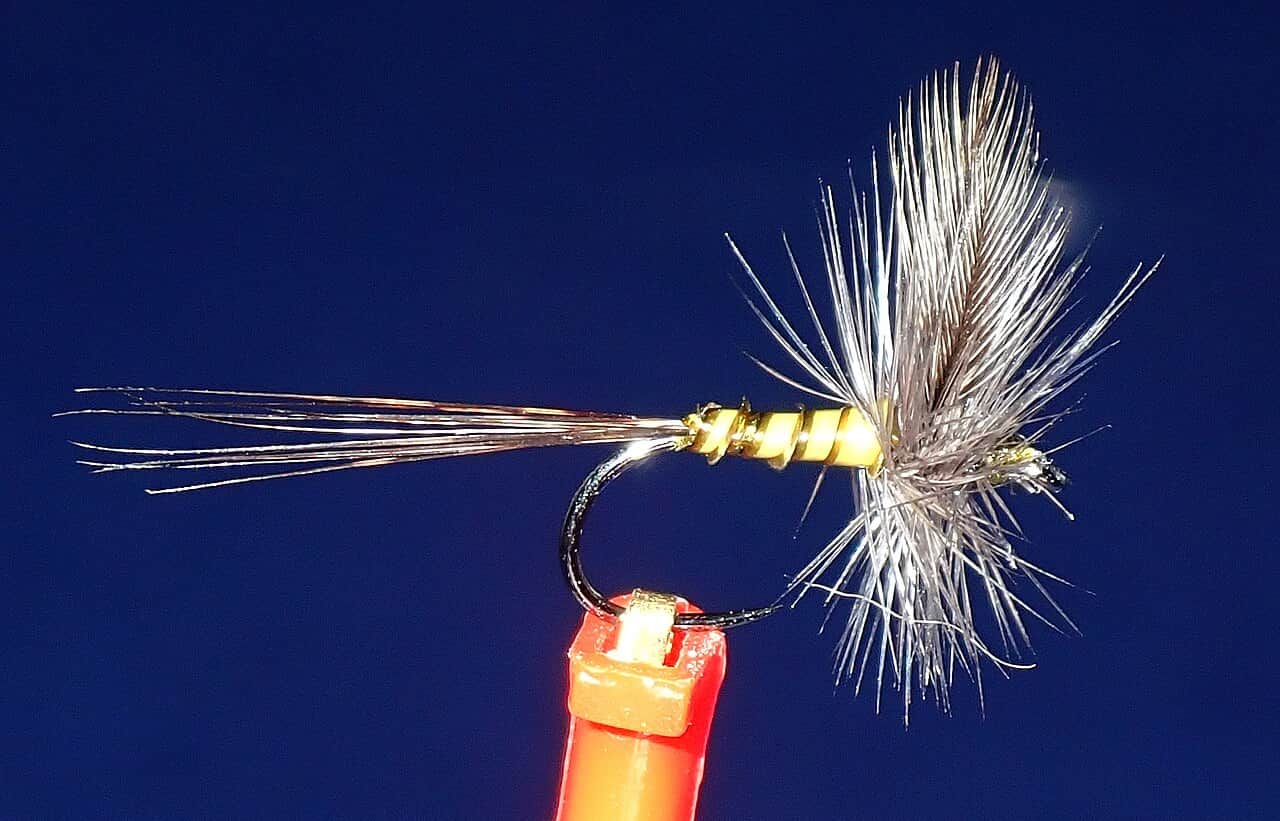
Sulphur emerger, BWO, midge cluster, caddis, soft hackle

Use for hatch windows, flat glides, and sipping fish that will not move far.

Streamers

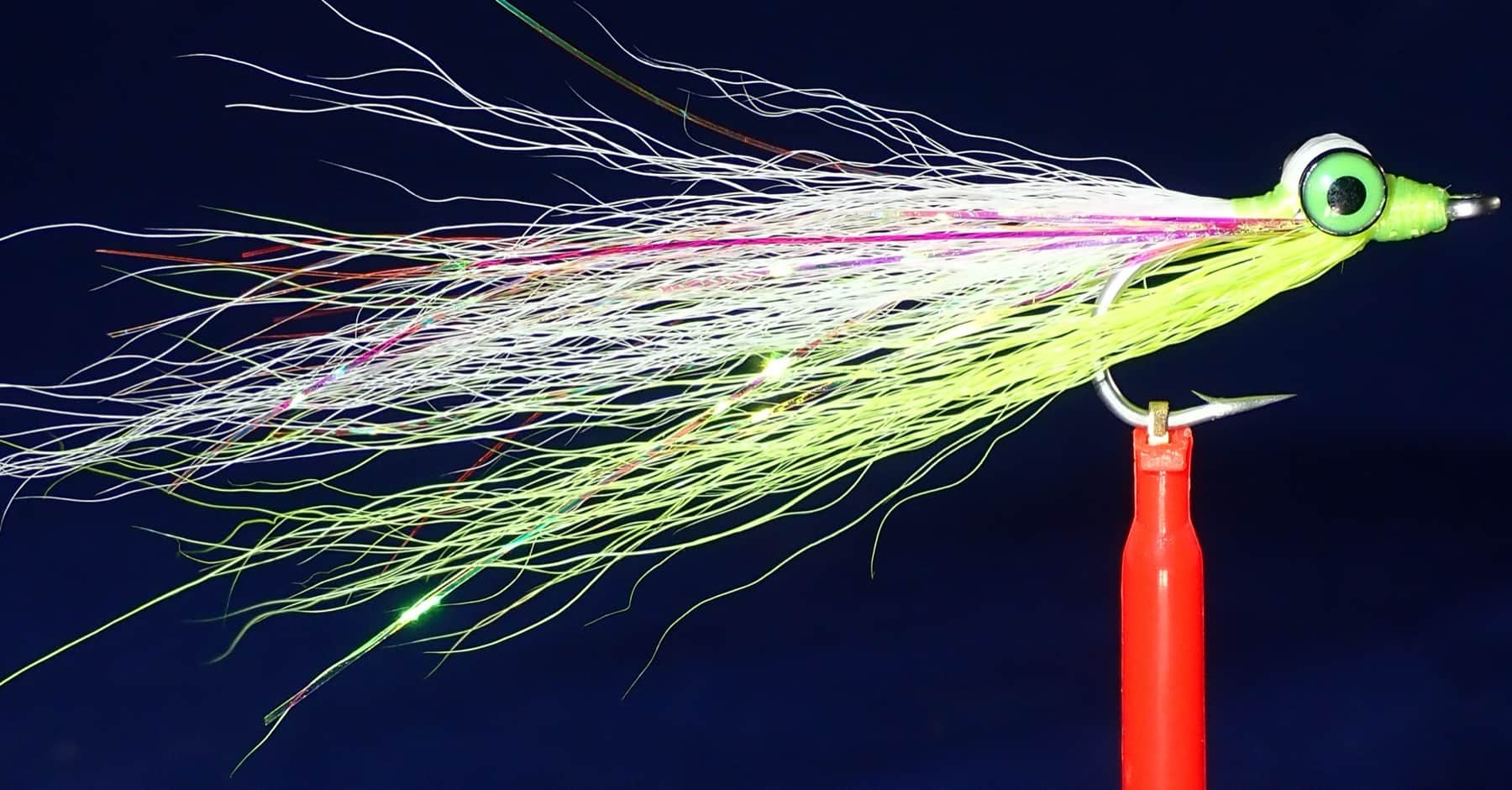
Sculpin, leech, olive bugger, white streamer, small baitfish

Use on generation, stained water, or cloudy days when bigger fish leave cover.

Topwater

Poppers, sliders, foam divers, cicadas, hoppers

Use early, late, and around shade when bass are willing to move up.

Tactics

How to fish it

Fish small nymphs and midges first in clear trout-zone water.

Use small streamers only where legal and where fish can be handled quickly.

For bass, work poppers early and baitfish or crayfish patterns around shade and current edges.

Confirm leased access or park access before promising yourself a wade plan.

Watch water temperature and switch targets if trout handling becomes risky.

Rigging

Rod, leader, and setup notes

A 9-foot 4 or 5-weight covers most trout nymphing.

Carry 5X to 7X for small flies in clear water.

Bring a 6-weight if bass, streamers, or wind are likely.

Use barbless hooks and a landing net to shorten handling time.

Access

Access and planning notes

Sattler gauge

Primary tailwater flow check

Wade / float / trail

USGS gauge / wade / float

When to pick it

Start here when flow stability and safe wading decide the trout-zone plan.

Caution

The gauge does not solve water temperature, recreation traffic, private banks, or exact access terms.

Canyon tailrace trout corridor

Trout-zone planning

Wade / float / trail

Wade / bank / light float

When to pick it

Use it when TPWD rules, trout stocking context, and responsible temperature checks line up.

Caution

Carry a thermometer and avoid stressful trout handling during warm windows.

Paid, leased, park, or resort access

Legal entry decision

Wade / float / trail

Access check / wade

When to pick it

Pick this before assuming River Road banks are open or convenient.

Caution

Access terms, parking, crowds, and river frontage can change the practical plan.

TPWD trout-zone rules are reach-specific; read the current wording before fishing.

Leased access, resort access, and camp access can change by season.

Tubers and warm weather can change both fishing quality and safety.

Regulations

Check before fishing

Check TPWD Guadalupe River special trout zones, statewide freshwater rules, and current stocking information before fishing.

Primary base

Sattler, Canyon Lake, New Braunfels, or San Antonio

Best day style

Tailwater trout, warmwater crossover, leased access, parks, and private-bank awareness

Check first

TPWD trout zones, stocking updates, USGS Sattler flow, access status, weather, and water temperature

Safety

Cold releases, slippery limestone, private access, tubers, heat, and changing flows

Gear

Helpful gear for this water

Four or five-weight rod

Covers most dry-fly, nymph, and dry-dropper work.

Six-weight or streamer rod

Useful for wind, higher water, and larger flies.

Thermometer

Use it before catch-and-release trout fishing in warm weather.

Floating line

Covers most popper, streamer, and crayfish work on Texas rivers.

Wading staff or kayak PFD

Important around changing flows, boats, and slick limestone.

Nearby water

Other water to research

Backup logic

Warm trout water

Stop trout-focused fishing and compare Colorado River below Austin, San Marcos River, or Medina River for warmwater fly options.

Crowded or tubing-heavy

Fish early, use a confirmed secondary access, or choose another river.

High or unsafe flow

Move to banks, wait for stable releases, or pick a safer warmwater plan.

Access uncertainty

Confirm the exact paid, leased, park, or resort access before committing.

Colorado River Below Austin

A warmwater bass plan downstream from Austin.

San Marcos River

A Central Texas clear-water warmwater option.

Medina River

A Hill Country access-and-flow research option.

FAQ

Fast answers

Is Guadalupe River fishable today?

Guadalupe River looks very fishable right now. The live score is 96/100, based on current flow, weather, public alerts, and the report's planning context. Recheck the linked gauge and forecast before leaving because conditions can change quickly after rain, heat, access changes, or flow swings.

What flow is best for Guadalupe River?

Use USGS 08167800 at Sattler as the primary live flow signal. Stable, fishable releases support nymphing and light streamer work; very low, warm, or crowded conditions should shift expectations toward short sessions or warmwater targets.

When should I skip Guadalupe River?

Skip trout-focused fishing when the trout-zone rules are unclear, water temperature is stressful, access is not confirmed, tuber traffic makes handling poor, or flow changes make wading unsafe.

Is Guadalupe River safe to wade right now?

The fishability score is not a wading guarantee. Wade only where your chosen access has safe edges, clear footing, legal entry, and no forced crossings; high, rising, stained, or storm-affected water should be treated conservatively.

What should I check first before fishing Guadalupe River?

Check TPWD trout-zone rules, USGS Sattler flow, stocking updates, access, weather, and water temperature.

Where should a first-time visitor start on Guadalupe River?

Start with the Canyon Dam tailrace and Sattler area, then confirm the access you plan to use.

Can I wade Guadalupe River?

Yes in some places at safe flows, but access and limestone footing are real constraints.

What flies should I bring for Guadalupe River?

Bring the seasonal fly box, then adjust size, weight, and color to the water level, clarity, temperature, and fishing pressure you find.