RiverReports preview · current series loading
Recent flow
RiverReports gauge
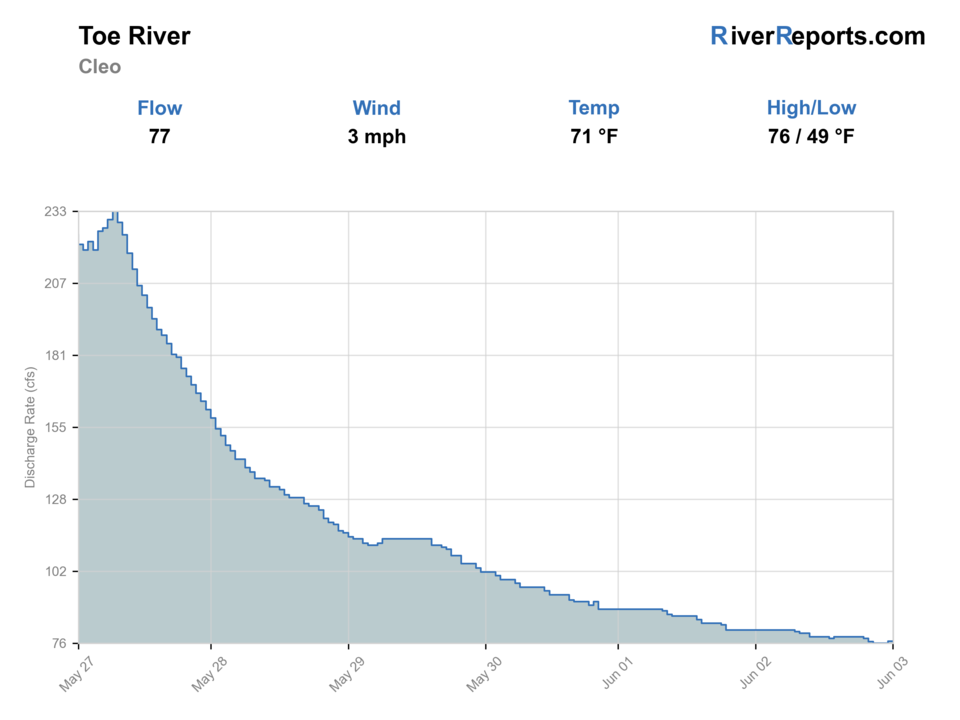
Showing the available RiverReports chart while the current structured flow series loads. Check the chart on RiverReports Opens in a new tab.
Best option: Wading. Wading is in play only where your chosen access has clear footing, legal entry, and no forced crossings.
Rating updatedRiver local time:
USGS shows 89 cfs. The flow has been stable over about 6 hours. USGS marks this reading provisional and may revise it. USGS records for this date (1958-2026, 69 readings) show a typical middle range of 37 cfs to 105 cfs. Flow is within the typical range for this date, so weather, temperature, and access become the next checks.
NWS air forecast near
This is an air forecast, not a river-temperature reading. Check the water with a stream thermometer before fishing in hot weather.
RiverReports gauge
Showing the available RiverReports chart while the current structured flow series loads. Check the chart on RiverReports Opens in a new tab.
Clear
The National Weather Service forecast is temporarily unavailable.
RiverReports gauge: Toe River near Celo
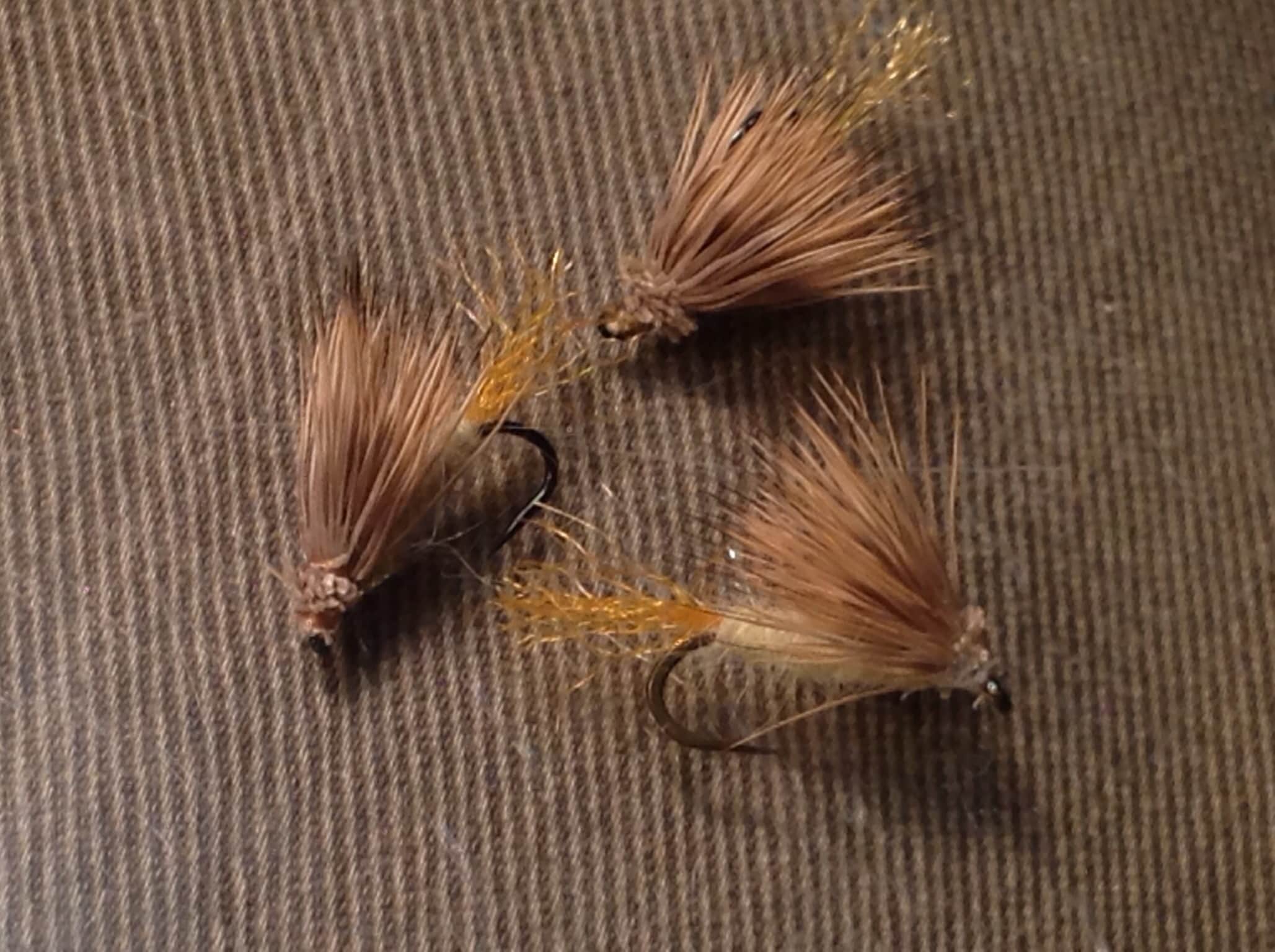
Seasonal starting points, not a live hatch report. Match what you see on the water.
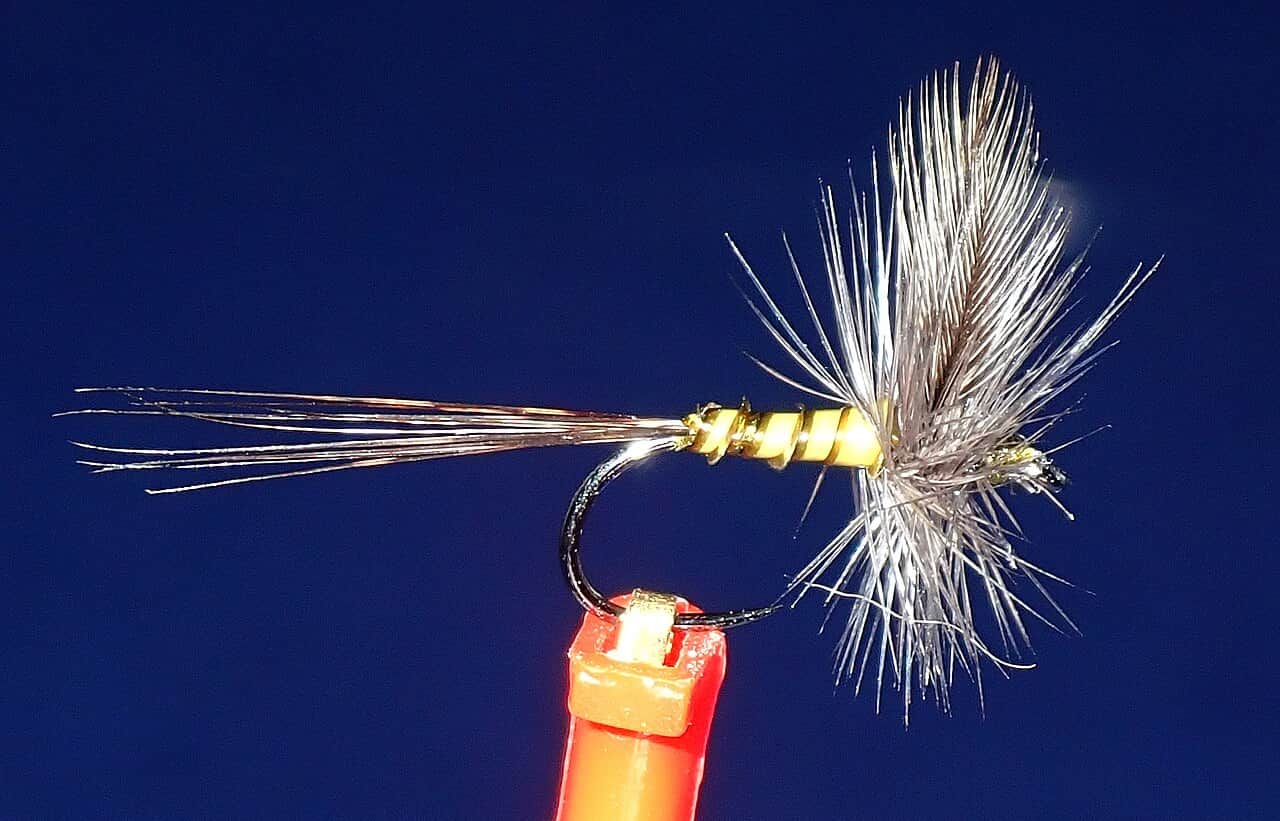
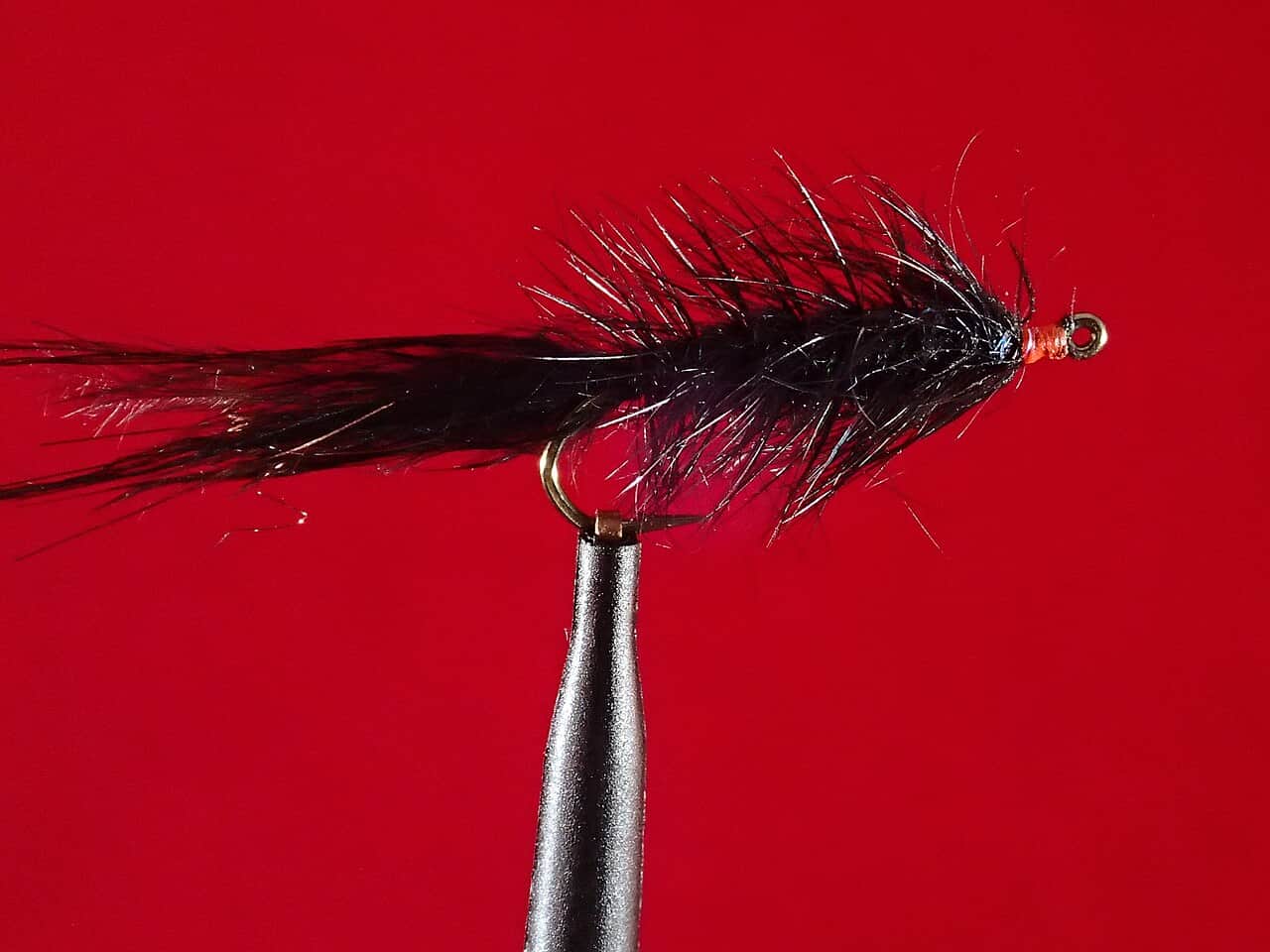
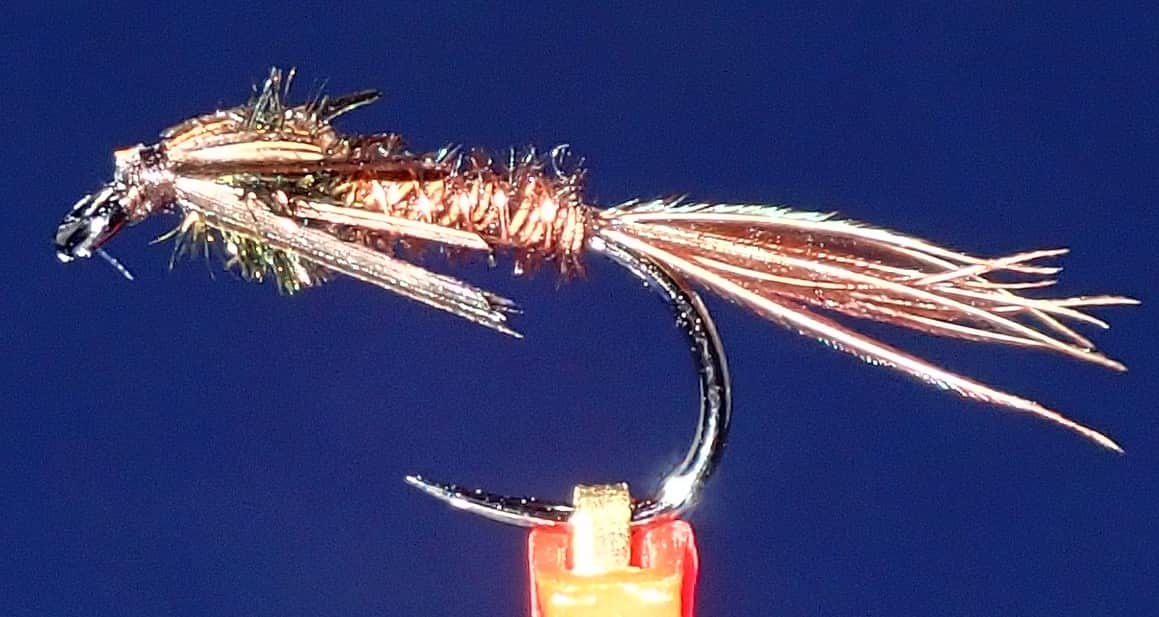
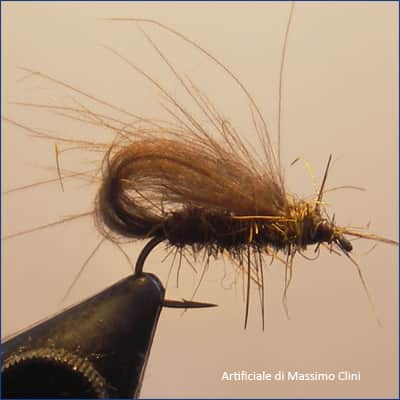
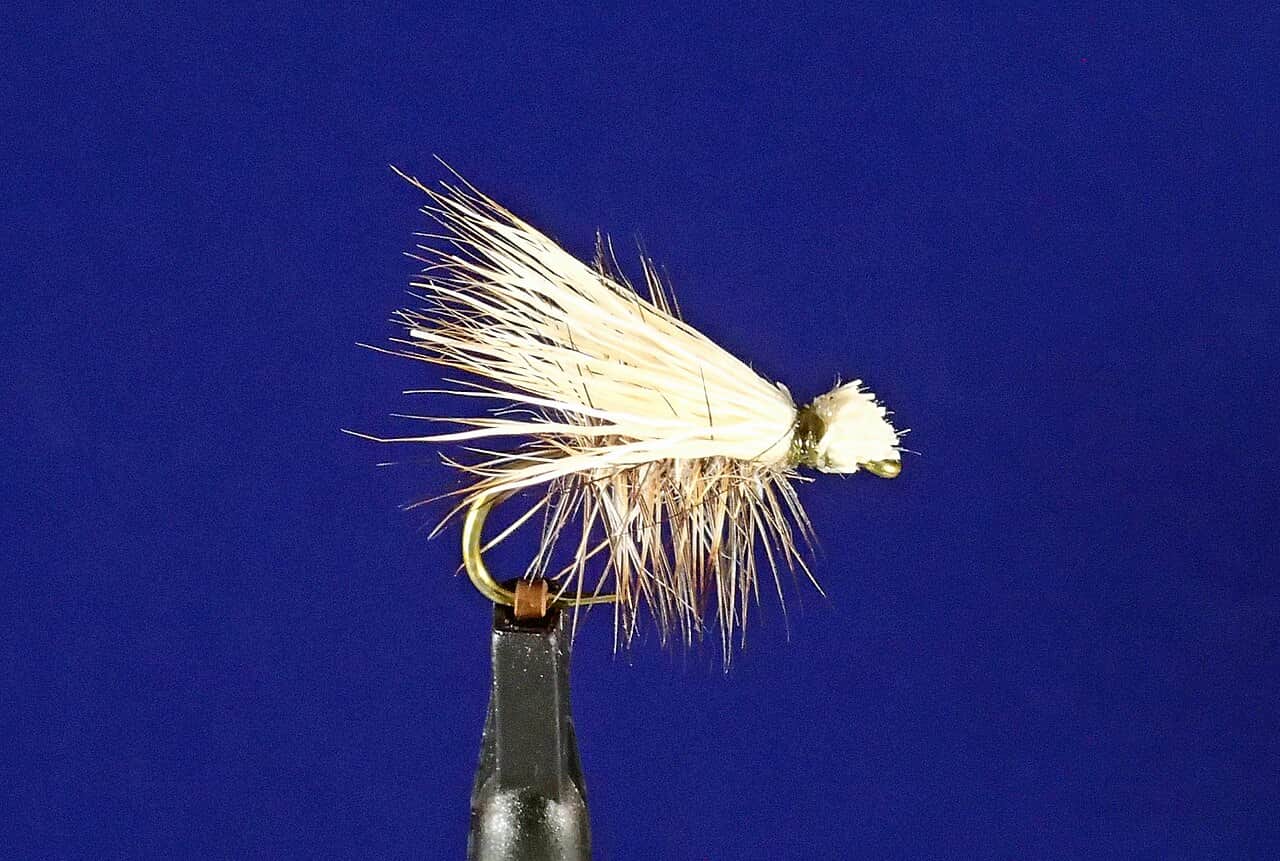
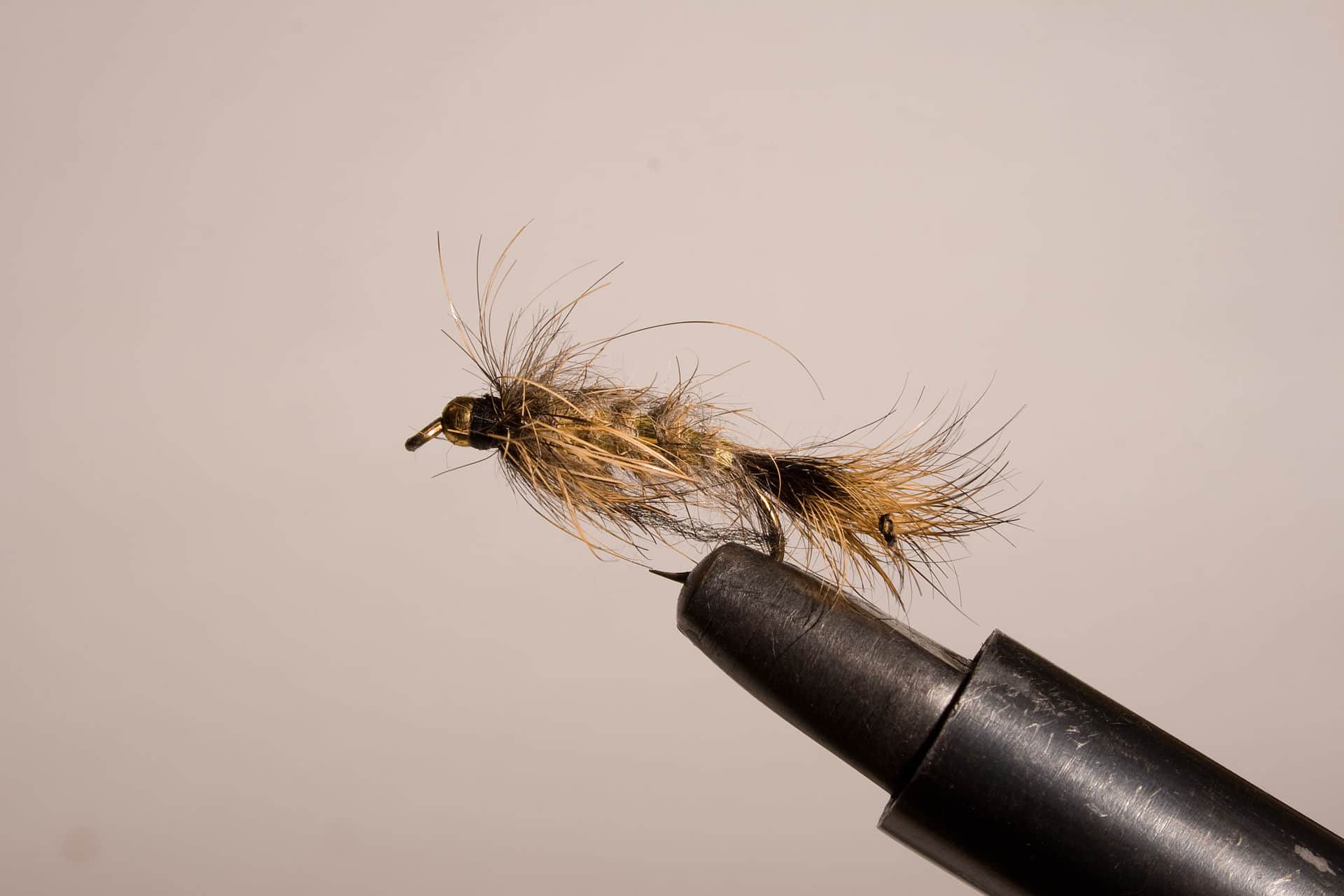
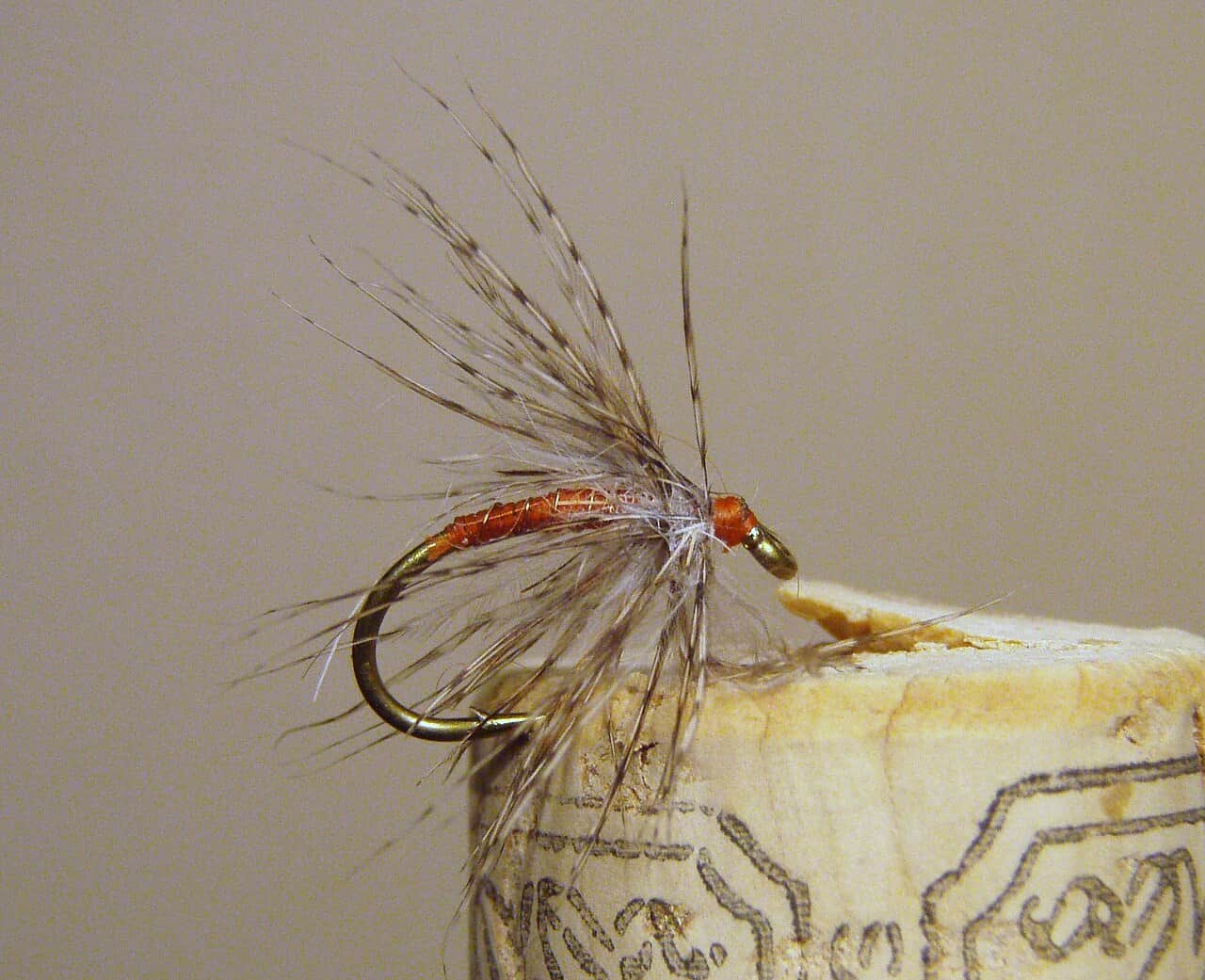
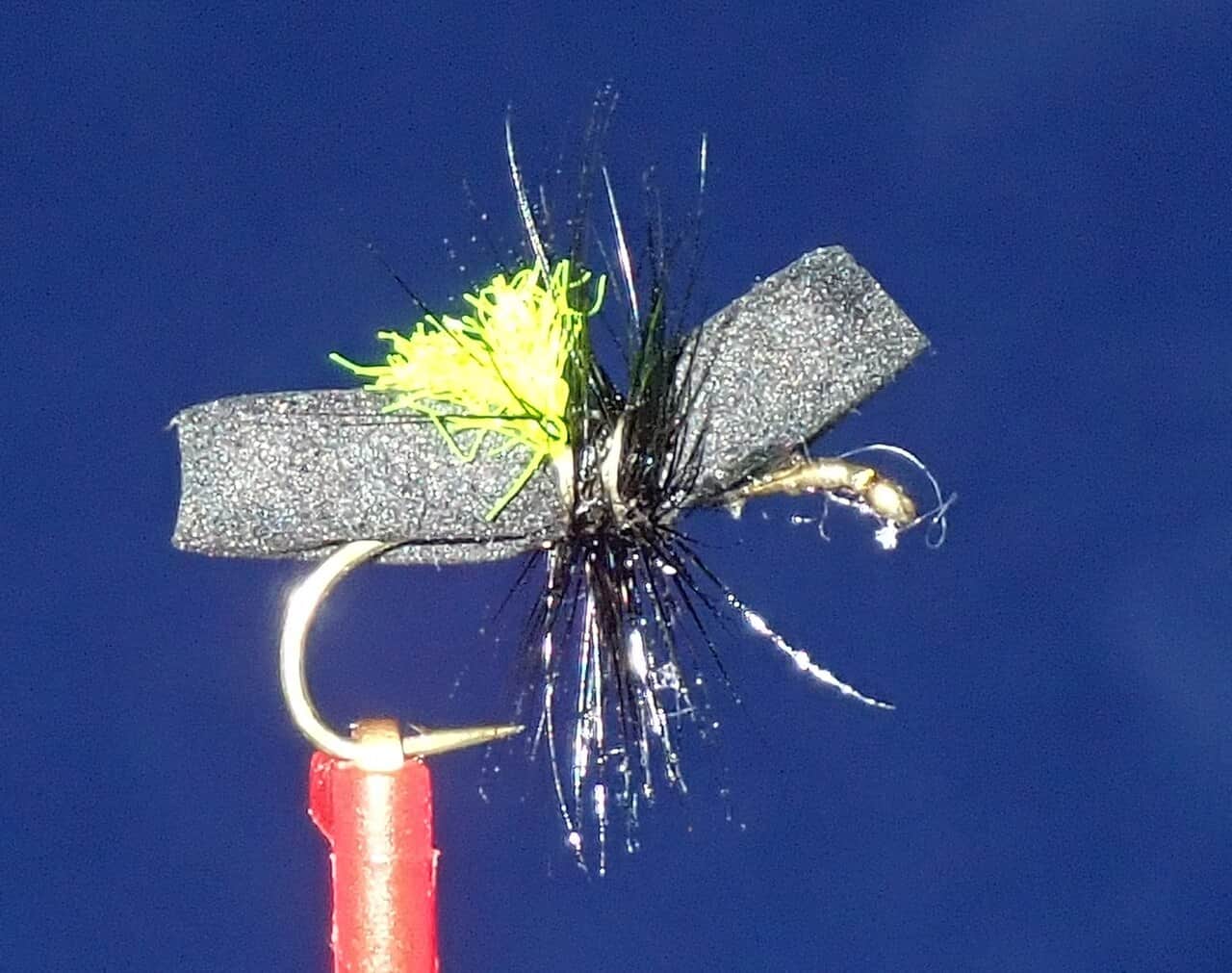
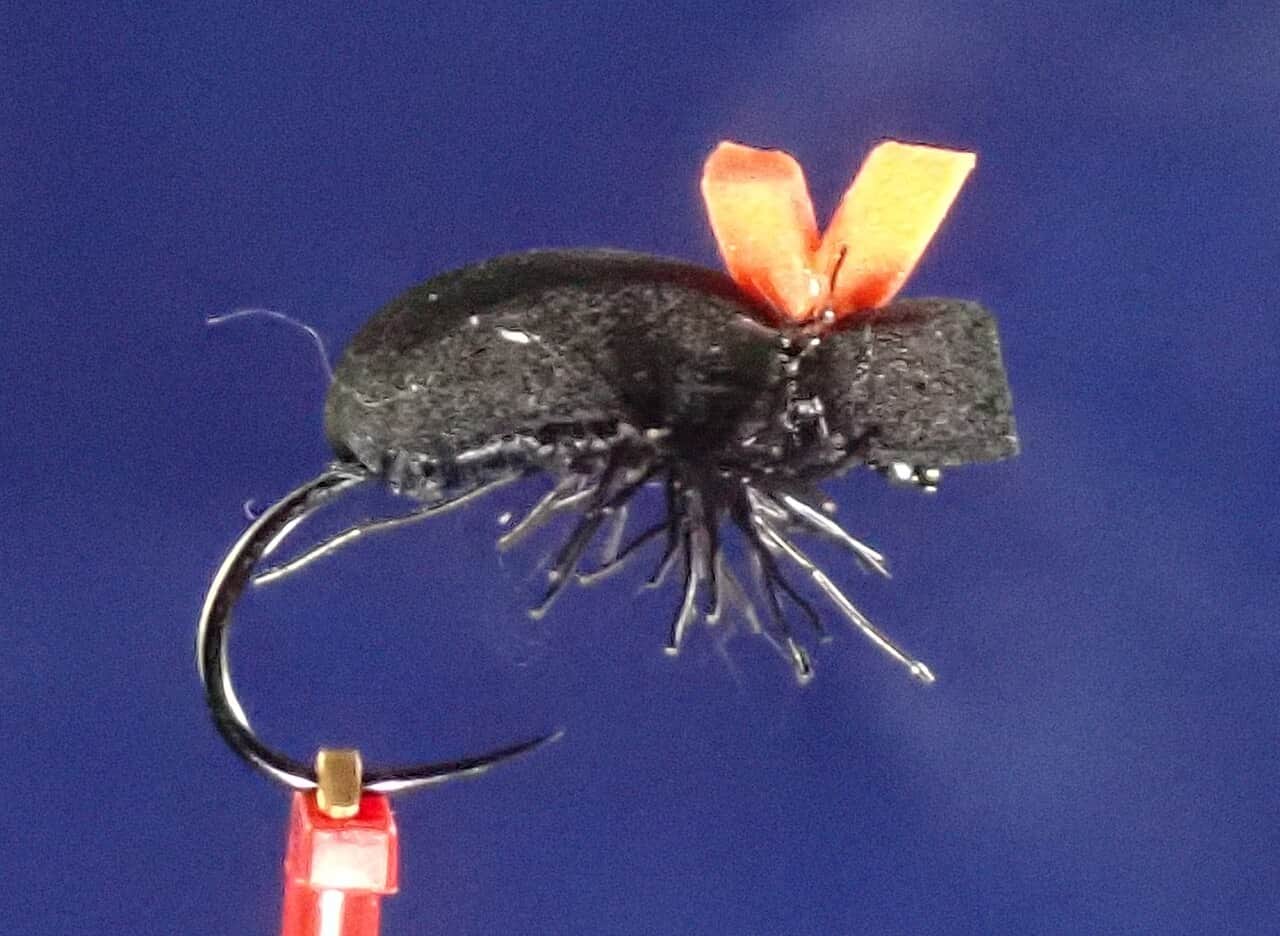
Also try foam dry-dropper
Each fly name opens its matching Fly Box guide.
Best windows are stable flows, cool mornings, and a clear plan for whether you want easier town access or quieter forest water. Skip the trip when storms are building, the gauge is jumping, or a closure notice changes your intended South Toe access.
Best for dry-dropper fishing, short nymph drifts, and careful seam-by-seam coverage.
Leave the river. Blue Ridge freestones can change fast.
Use longer leaders, lighter tippet, and shaded-bank approaches.
Small streamers or slightly larger nymphs can work well in protected current edges.
These scores compare the risks of wading, bank fishing, and floating.
Wading is in play only where your chosen access has clear footing, legal entry, and no forced crossings.
This report does not recommend bank fishing on this reach.
This report does not recommend floating this reach.
Is Toe River worth the trip today? Check flow, weather, hatches, access, and rules for North Carolina before you go.
The best Toe River days start with two questions: which branch or area are you actually fishing, and which rule set applies there right now? Use the live chart first, then decide whether the North Toe around Spruce Pine or the South Toe forest area offers the better mix of flow, access, and trout-management fit.
USGS shows 89 cfs. The flow has been stable over about 6 hours. USGS marks this reading provisional and may revise it. USGS records for this date (1958-2026, 69 readings) show a typical middle range of 37 cfs to 105 cfs. Flow is within the typical range for this date, so weather, temperature, and access become the next checks.
Fall: Often the easiest mix of cooler water, better wading, and clear basin choices.
The current NWS air forecast is about 41F, and the next 24-hour high reaches about 66F. Clear.
No active NWS alert was returned for this forecast point.
Skip when storms are building, flows are rising, South Toe access is uncertain, or you cannot verify the rule set for your target reach.
Stable or gently falling clear flows that leave fishable pocket-water seams and safe wading along banks or bars.
Skip when storms are building, flows are rising, South Toe access is uncertain, or you cannot verify the rule set for your target reach.
Base from Spruce Pine or Burnsville, check the gauge, then choose between managed North Toe water and the quieter South Toe public area.
Watauga River, Linville River, and Oconaluftee River are safer pivots than forcing the wrong Toe branch on the wrong day.
Use these places as starting points. Open the access link below and check posted signs before you park or enter.
Confirm current NCWRC trout rules, including Mountain Heritage Trout Water or delayed-harvest details where applicable to your chosen Toe reach.
Use the town-water map and current seasonal rules before assuming keep-or-kill details.
A practical public access start for the South Toe area when forest access is open.
Useful South Toe access when weather, storm recovery, and campground status all cooperate.
Official agencies and primary river operators come first. Secondary tools are labeled so you know what carries the most weight.
Check what is allowed, where the rule applies, and whether the river is open.
Check the latest river reading and forecast before you leave.
Check public entry points, land rules, and seasonal access changes.
Use these links for stocking, safety, and other local details.
Check what is allowed, where the rule applies, and whether the river is open.
Open the current rules and check the river section, season, and special limits.
Open the current rules and check the river section, season, and special limits.
Check the latest river reading and forecast before you leave.
Open this page and check the latest safety advice before your trip.
Open this river reading to check the latest level, flow, and update time.
Open this river reading to check the latest level, flow, and update time.
Check public entry points, land rules, and seasonal access changes.
Open the land or access page, then check signs before you park or enter.
Open the land or access page, then check signs before you park or enter.
Use these links for stocking, safety, and other local details.
Open this page and check the latest safety advice before your trip.
What was checked: This report starts with official regulation, access, flow, weather, and public-land sources, then adds practical planning guidance for fly anglers.
Live measurements and forecasts keep their provider timestamps. Rules, access, and trip guidance use the source-review date shown here. BlueStreamFly planning advice is editorial interpretation, not an agency notice.
First-hand experience: BlueStreamFly does not claim a first-hand visit or local field test for this report unless a real contributor is explicitly named and linked.
Use RiverReports for the quick chart and USGS 03463300 South Toe River near Celo for the official gauge reference.
Yes. Most fly anglers plan short wading sessions from town pull-ins or forest-road access points rather than a float trip.
Mixing up the branch, the access area, or the seasonal trout rules. Confirm all three before you fish.