Generated Smoky Mountains river valley scene representing the Oconaluftee River, not an exact location photo

North Carolina / Southeast

Oconaluftee River

An Oconaluftee report for anglers checking live flows, Great Smoky Mountains National Park rules, Cherokee Enterprise Waters permits, hatches, and access.

Image: Generated regional planning image for Oconaluftee River / BlueStreamFly generated; not exact location / BlueStreamFly

Fishability now: Oconaluftee River fishability today

GreatData confidence: High

96/100

Fishable now because Birdtown gauge is falling, weather is usable, and no public alert is active.

Flow observed

5:00 PM UTC

Weather observed

5:00 PM UTC

Score calculated

5:24 PM UTC

Why this rating

Flow

Water temperature

Public alerts

Next 6-12 hours

Improving / hold

A falling gauge and usable weather should keep the next 6-12 hours in play unless tributaries stain or heat builds.

More planning details: flies, flow bands, and live source checks

Fish it today

Start here

Base in Cherokee or near the Oconaluftee entrance; check gauge, jurisdiction, and weather before picking a reach.

Best flow clue

Stable clear flows that keep pocket water connected without creating unsafe crossings or blown-out banks.

Skip trigger

Skip during storm rises, unclear permit status, crowded roadside conditions, or warm trout-stress windows.

Flow decision bands

Stable Birdtown flow

Stable or slowly falling Birdtown flow with clear water is the best signal for park, Cherokee, or lower-river trout plans.

Best jurisdiction-clear window

Mild weather, confirmed permit or rule set, safe pocket water, and manageable roadside pressure make the river most useful.

Storm rise or fast clear water

Thunderstorm bumps, pushy current, or unsafe crossings should move the plan bank-first or to another river.

Permit, crowd, or warm-water issue

Unclear jurisdiction, missing Cherokee permit, visitor traffic, or hot trout-handling conditions can override a fishable flow.

USGS flow

347 cfs

Open

Current trend: flow falling, rating likely holding strong unless weather or clarity changes.

Live USGS flow

347 cfs / falling about 19%

Live NWS forecast

75F / Sunny

Live water temperature

62F from USGS

No NWS alert flag

No active NWS alert was returned for this forecast point.

Primary waterOconaluftee River near Birdtown, Cherokee, and Great Smoky Mountains National Park boundary context
GaugeRiverReports with USGS 03512000 at Birdtown
Access styleRoadside, park, and Cherokee Enterprise Waters planning with jurisdiction-specific rules
ReviewedJune 2, 2026

RiverReports is the quick chart, backed by USGS 03512000 Oconaluftee River at Birdtown, North Carolina.

Great Smoky Mountains National Park has its own fishing rules and bait restrictions for park waters.

Cherokee Enterprise Waters require the proper tribal permit and have their own regulations.

Storms can raise the river fast, and clear water demands careful wading and clean presentations.

Editorial review

How this report is maintained

This report starts with official regulation, access, flow, weather, and public-land sources, then adds practical planning guidance for fly anglers.

Byline

BlueStreamFly editorial desk

Reviewed by

BlueStreamFly source review

Maintained by

BlueStreamFly

Last material review

2026-06-02

Report confidence

High confidence

90/100

High confidence: RiverReports, USGS Birdtown flow, NCWRC regulation resources, Great Smoky Mountains National Park fishing and Oconaluftee sources, Fish Cherokee rules, weather coverage, image disclosure, and route-specific jurisdiction guidance support the page. Confidence is moderated by permit status, close jurisdiction changes, roadside pressure, storm response, and warm-season trout handling.

Regulations

NCWRC, Great Smoky Mountains National Park, and Fish Cherokee sources support the rule-check path across the route's jurisdictions.

Access

Great Smoky Mountains National Park Oconaluftee information, Fish Cherokee context, and NCWRC resources support the public and permit-based access framework.

Flow and weather

RiverReports coverage is backed by USGS 03512000 at Birdtown, and the National Weather Service point supports storm and heat decisions.

Fishing usefulness

The page now separates Birdtown flow, park rules, Cherokee permits, roadside pressure, storm rises, warm-water restraint, and backup-water choices.

Fishability dashboard and source review

2026-06-02 / material content or source review

RiverReports, USGS 03512000 at Birdtown, NCWRC fishing regulations and trout resources, Great Smoky Mountains National Park fishing and Oconaluftee area sources, Fish Cherokee rules and regulations, National Weather Service point data, and image-disclosure sources were checked before updating the current-fishability decision layer.

2026-06-02

Updated Oconaluftee River to the current fishability-page standard with Birdtown trend bands, park and Cherokee jurisdiction cards, permit and storm backup cues, stable fishability SEO, and confidence signals.

2026-05-26

Published a new Oconaluftee River report with jurisdiction-specific rule reminders, Smokies access planning, hatches, tactics, and safety guidance.

Angler planning edge

Local details that change the plan

Best for

Smokies trout planning, Cherokee permit checks, Clear-water dry-dropper days

Wade or float

Wade planning is typical, but only in stable water and only after confirming the correct rule set for the reach.

Best flows

Stable clear flows that keep pocket water connected without creating unsafe crossings or blown-out banks.

When to skip

Skip during storm rises, unclear permit status, crowded roadside conditions, or warm trout-stress windows.

Local plan

Base in Cherokee or near the Oconaluftee entrance; check gauge, jurisdiction, and weather before picking a reach.

Pressure

Roadside and visitor-center areas can be busy. Fish early, move carefully, and respect wildlife-viewing traffic.

Access nuance

Park water, Cherokee Enterprise Waters, and state-managed water can sit close together. Rules change with the reach.

Backup water

Nantahala, Davidson, and French Broad pages give alternate trout or warmwater plans when the Oconaluftee is not right.

About the river

Setting, character, and why it fishes the way it does.

The Oconaluftee rises in the Great Smoky Mountains and flows through one of the most culturally important river valleys in North Carolina before joining the Tuckasegee system.

For anglers, that means the river is not just a flow line on a map. Park rules, Cherokee Enterprise Waters permits, visitor traffic, elk viewing areas, and road access can all shape the day.

When the water is right, the river offers freestone runs, pocket water, clear glides, and stocked or wild trout context depending on reach and management area.

Target species

Rainbow trout

Common in park and Cherokee-area trout planning; check the applicable rules before harvest assumptions.

Brown trout

A practical target in larger pools, low light, and streamer water.

Brook trout

Native-trout context is important in the Smokies; handle fish carefully and respect park conservation rules.

Reading the water

Stable clear flow

Best for dry-dropper fishing, small nymphs, and careful pocket-water presentations.

Rising storm water

Leave the river. Smoky Mountains streams can rise quickly.

Low and bright

Use longer leaders, lighter tippet, and shade-first approaches.

Light stain

Small streamers or larger nymphs can work along protected banks.

Best seasons

Spring

Good hatches and active trout when storms do not push flows too high.

Summer

Fish early and check temperature, crowds, and storm timing.

Fall

Often a strong mix of cooler water, lower flows, and scenic pressure.

Winter

Technical but fishable when weather, access, and rules line up.

Preferred flow source

Oconaluftee River at Birdtown

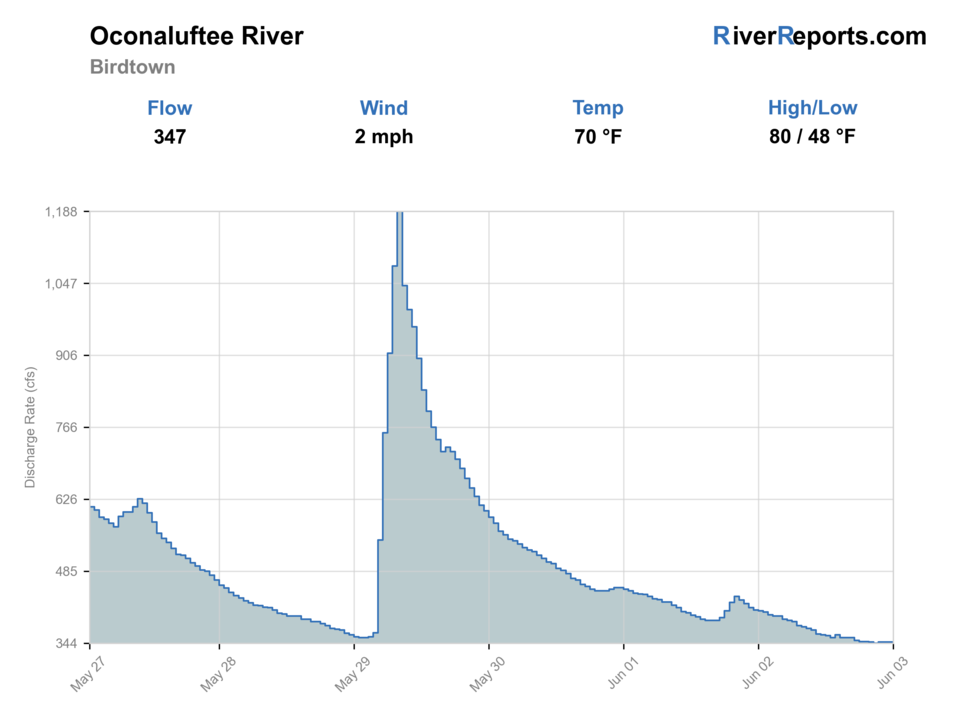
RiverReports is the preferred chart source when coverage exists. When a matching USGS gauge exists, keep it open as the official backstop for station data and current hydrograph context.

Oconaluftee River at Birdtown RiverReports flow chart

USGS data chart

Official USGS trend

Streamflow over the latest USGS reporting window.

Latest

347 cfs

Jun 3, 5 PM UTC

Site

03512000

Low / high

342 / 1,280 cfs

Source

Open USGS

Weather

River weather report

Weather can change wading safety, road access, water temperature, hatches, and the best time of day to fish.

Live forecast loads as you reach this section

This keeps the report fast while still using the official National Weather Service forecast point.

Hatches and flies

Hatch chart and fly picks

March-April

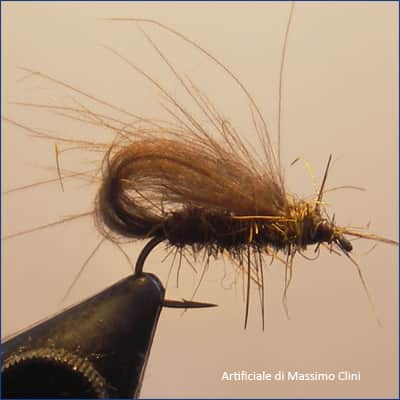
Quill-style mayflies, midges, early caddis

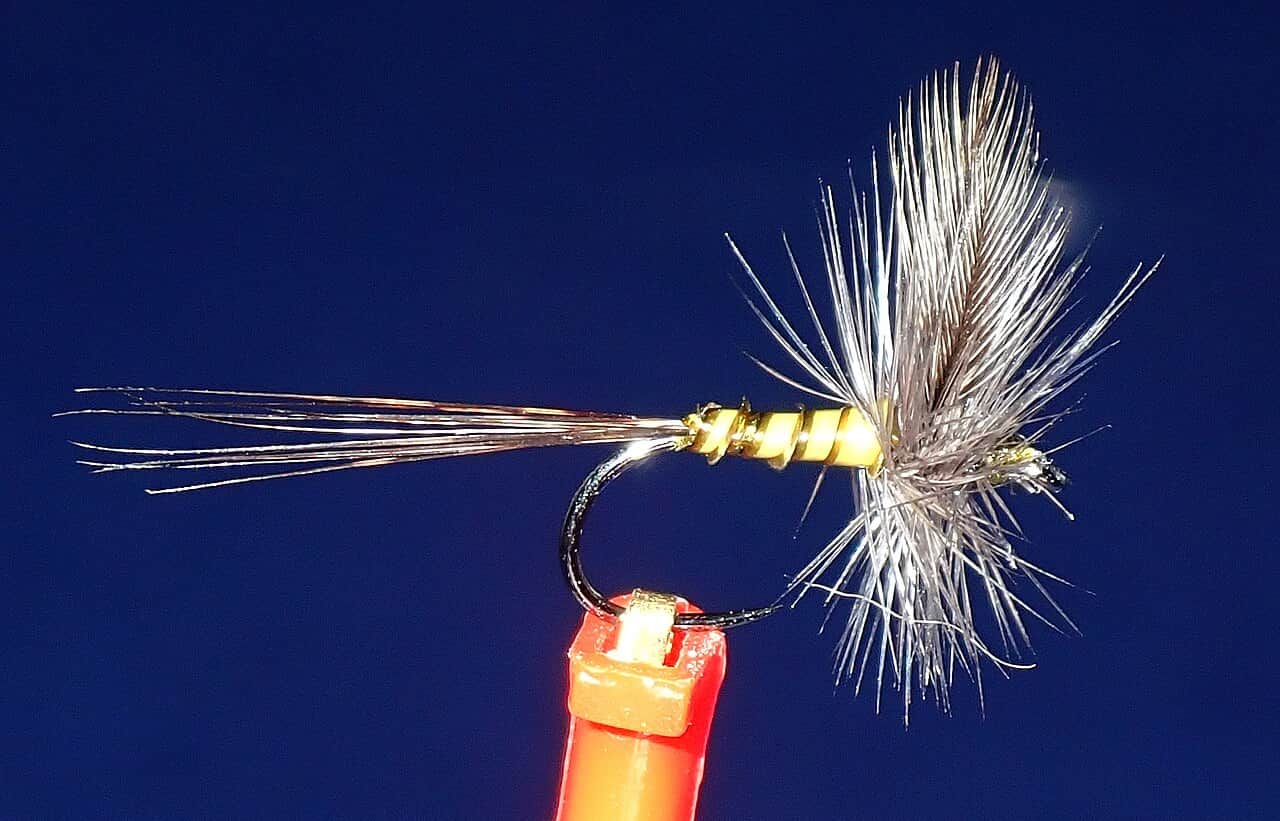
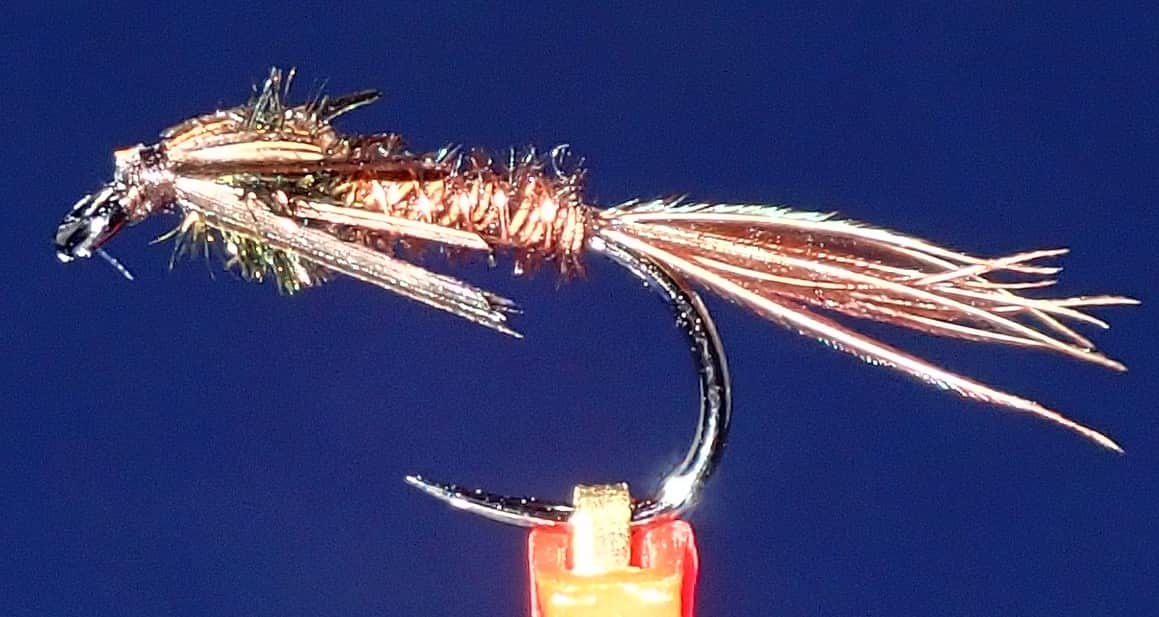
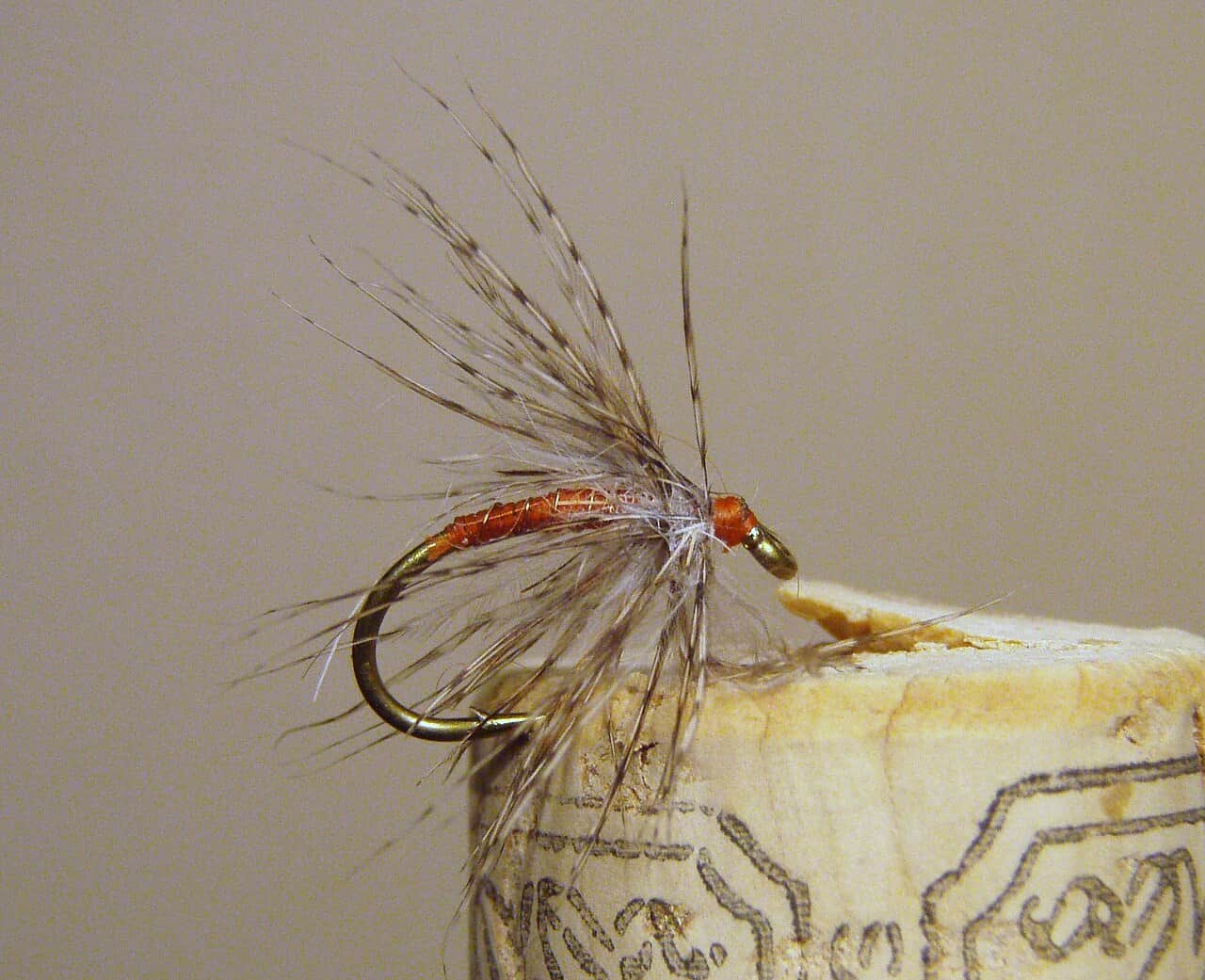
Parachute Adams, pheasant tail, zebra midge, caddis pupa

April-June

Caddis, yellow sallies, sulphur-style mayflies

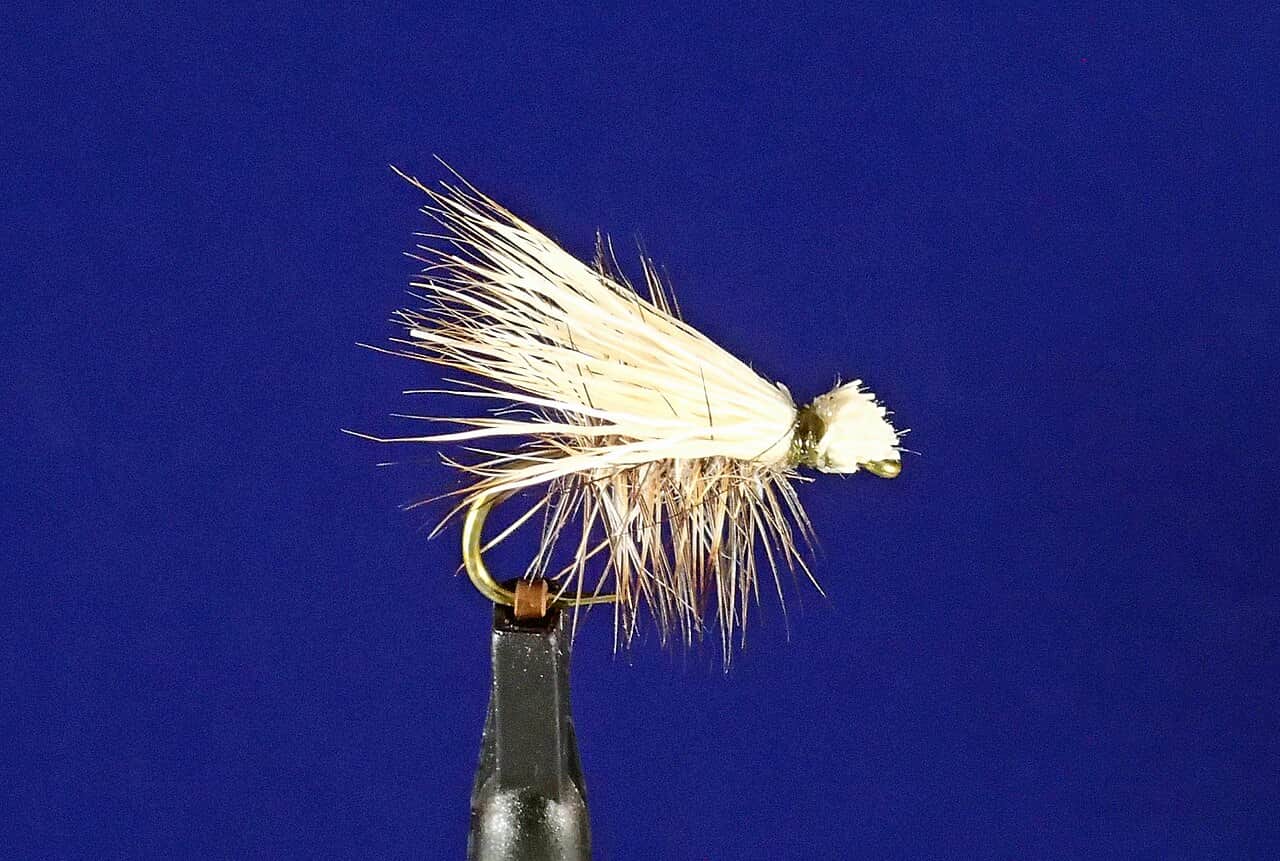
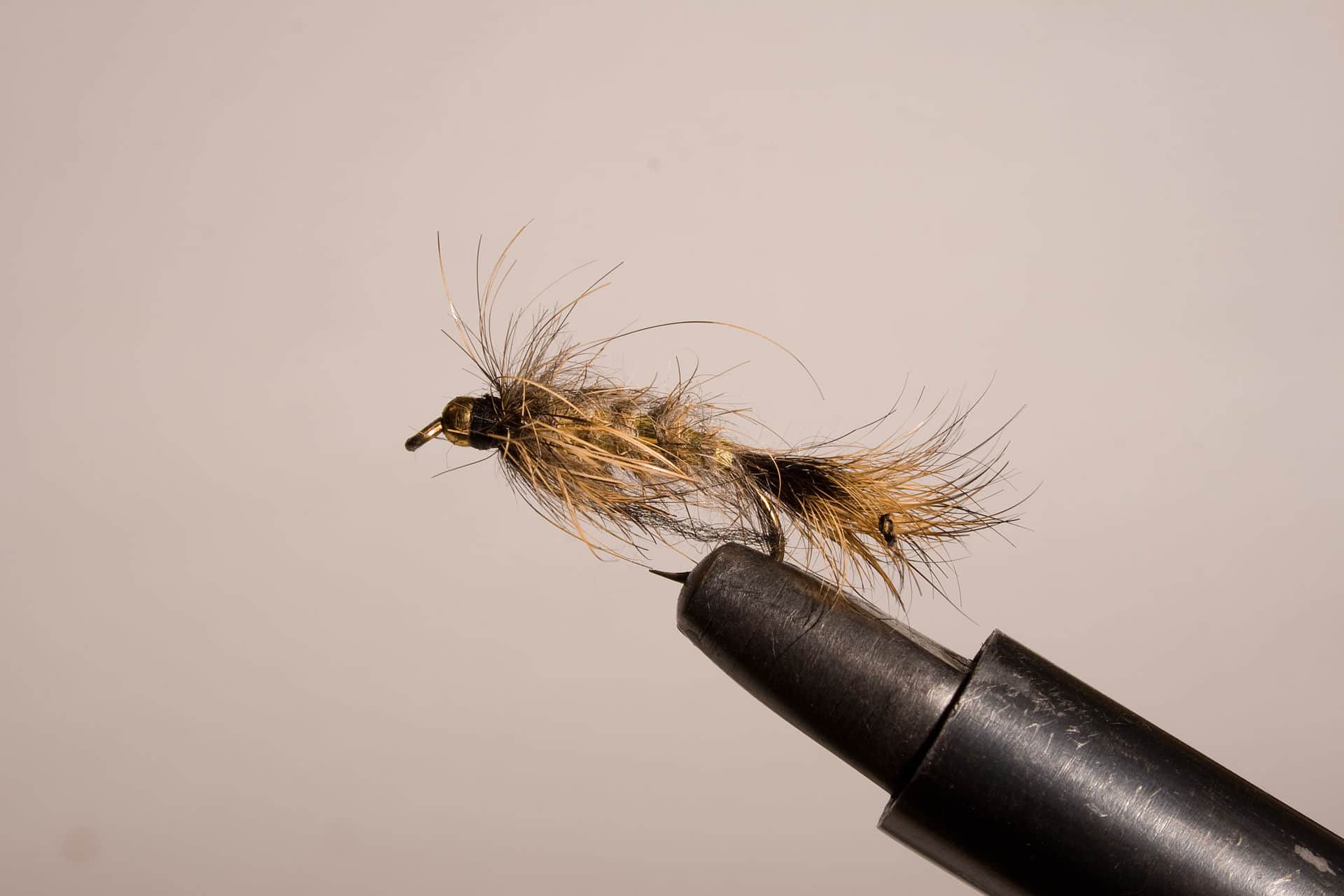
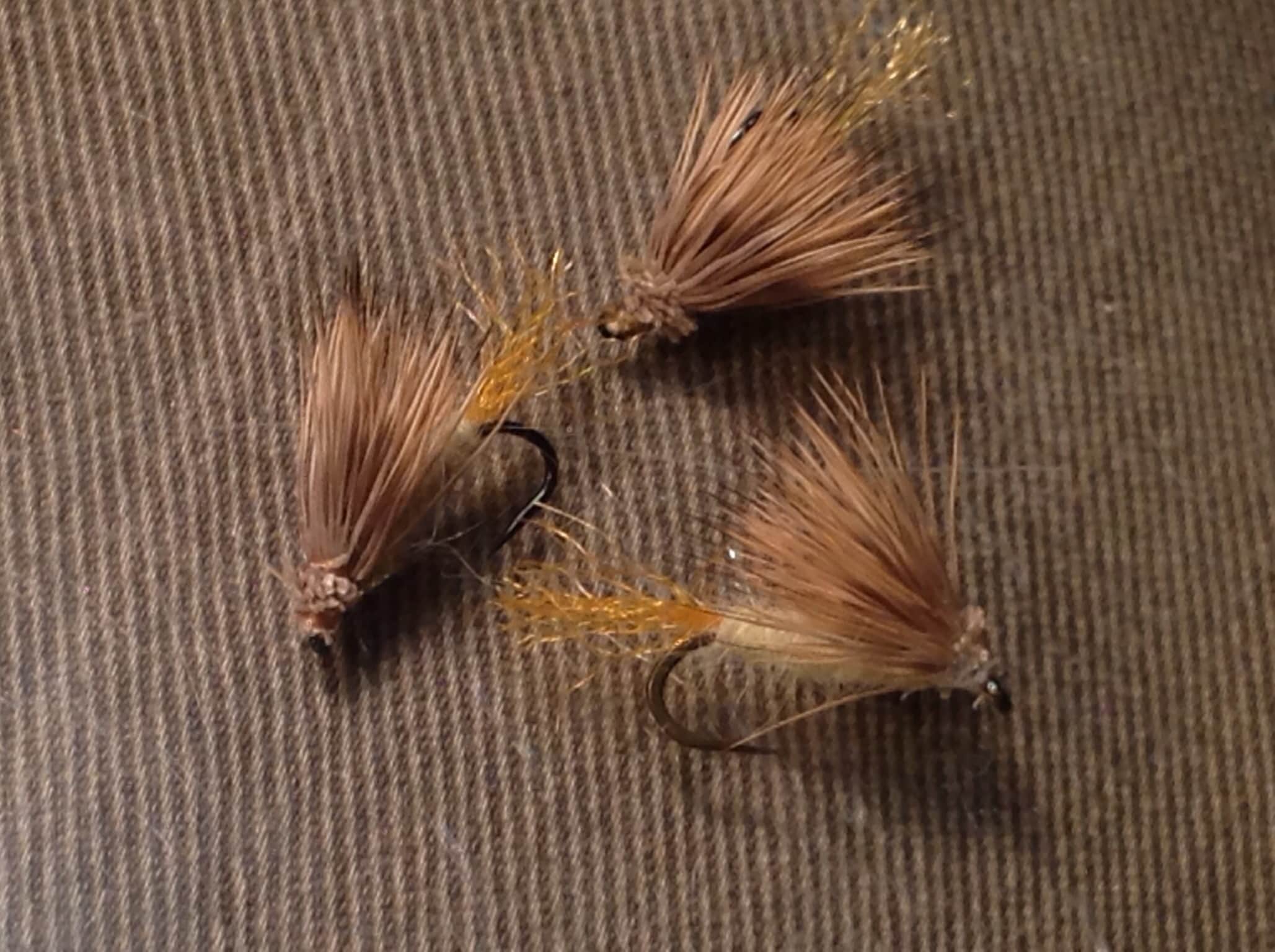
Elk hair caddis, yellow stimulator, hare's ear, soft hackle

June-August

Terrestrials, caddis, small mayflies

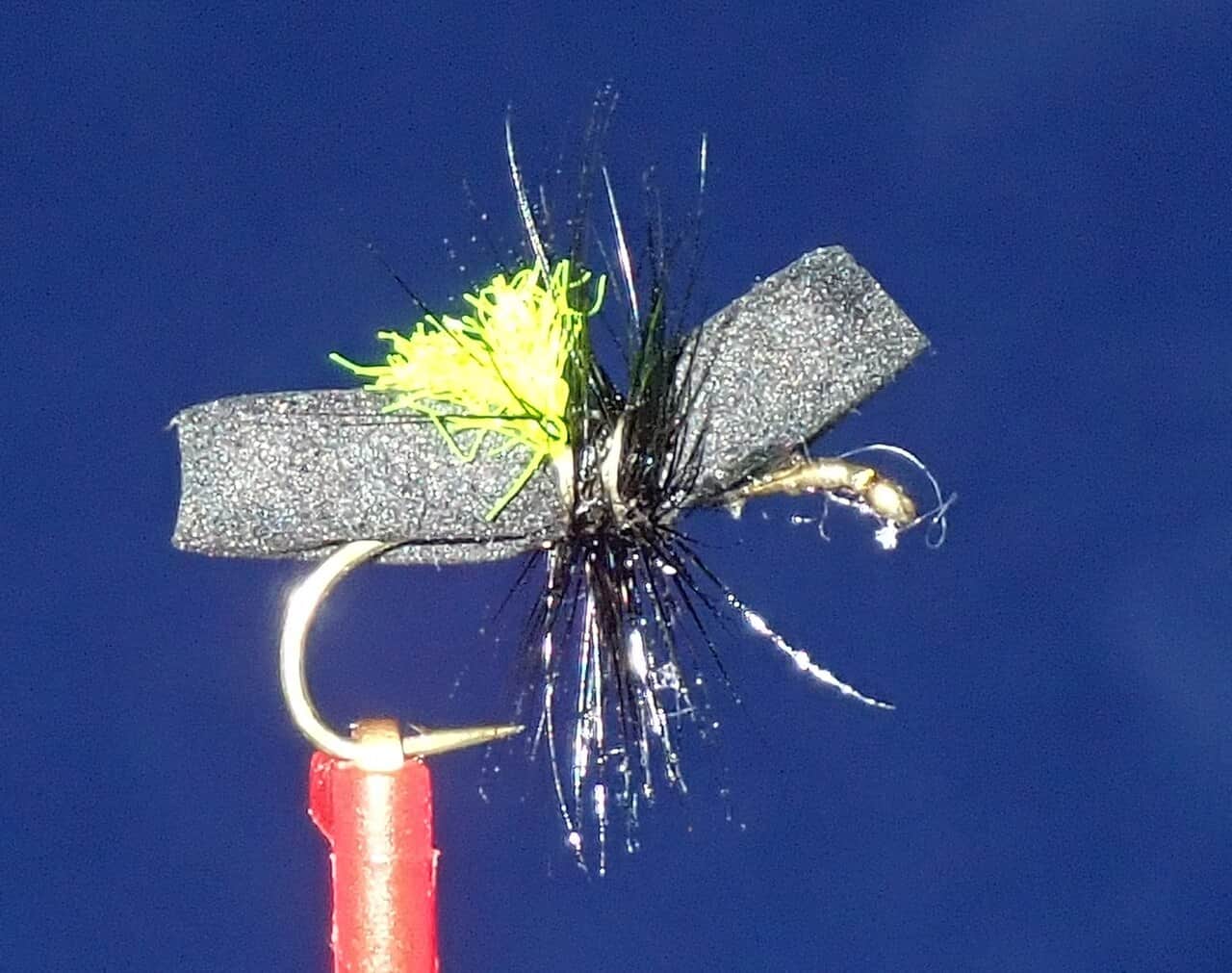
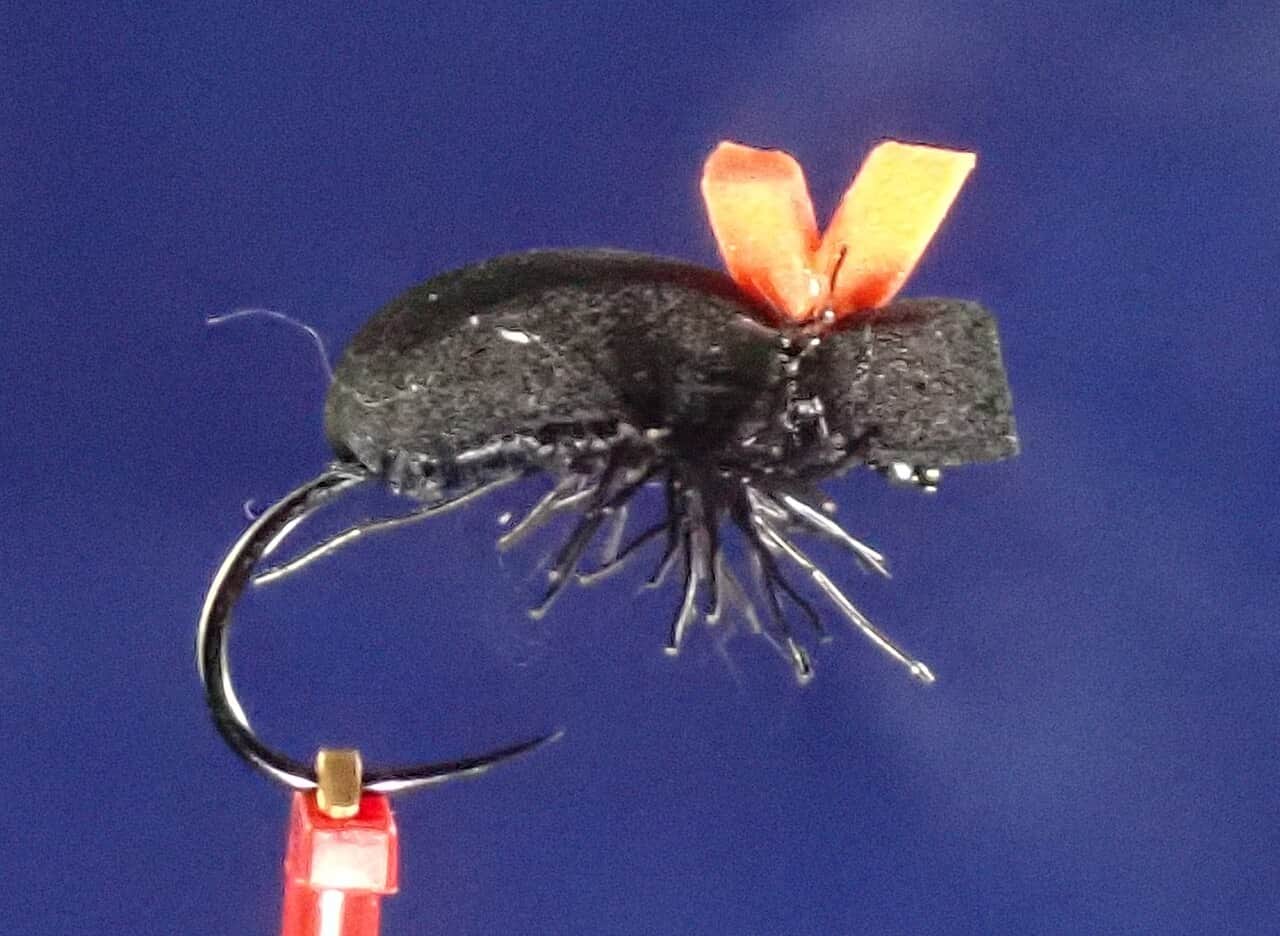
Ant, beetle, foam dry-dropper, X-caddis

September-November

BWOs, midges, caddis

BWO emerger, zebra midge, olive bugger

Smokies dries

Parachute Adams, elk hair caddis, yellow stimulator, ant

Broken water and shade let fish look up.

Nymphs

Pheasant tail, hare's ear, caddis pupa, perdigon

Pocket water is clear but trout are not rising.

Small streamers

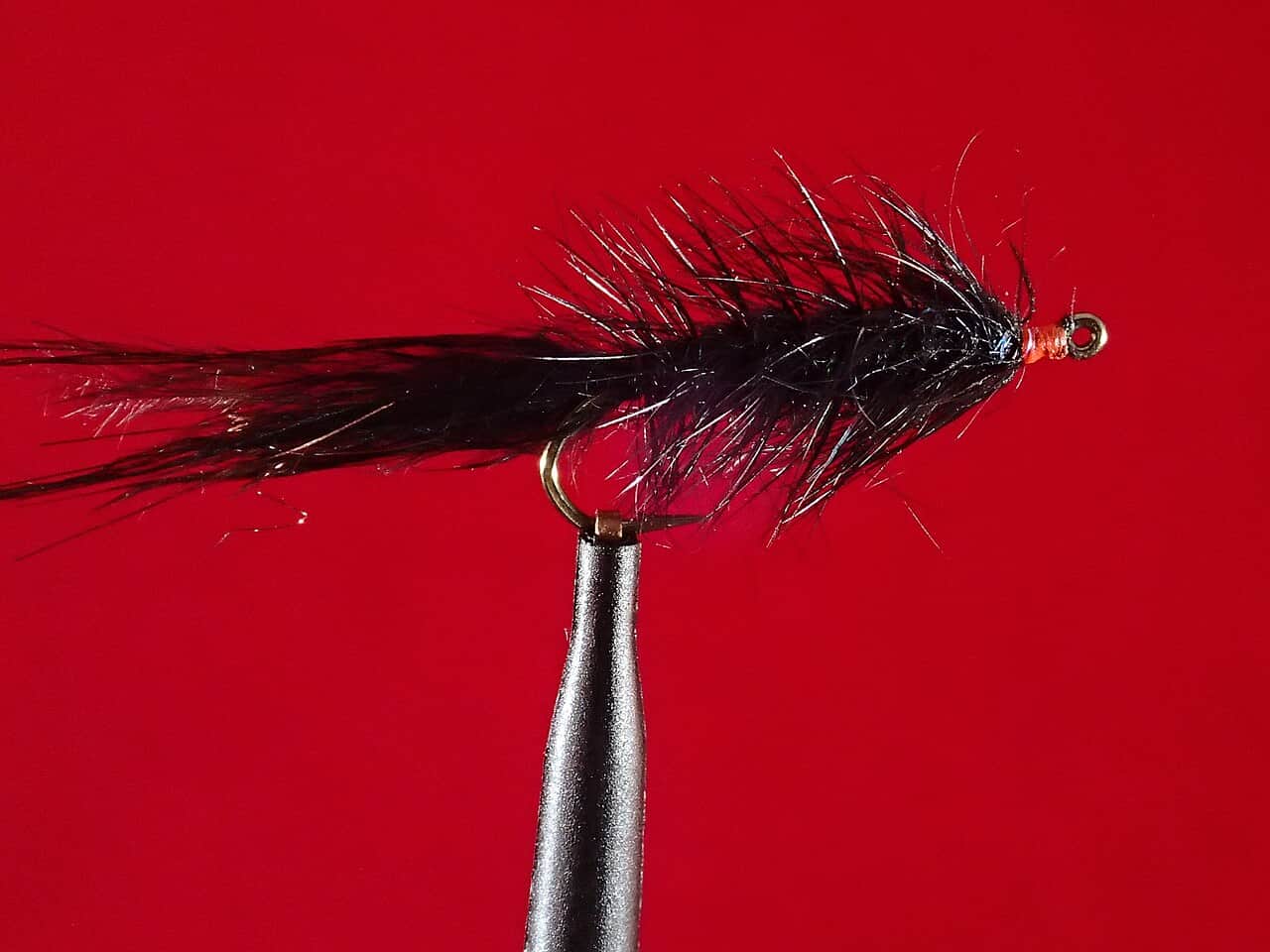
Olive bugger, black bugger, small sculpin

Low light, light stain, or deeper banks give trout cover.

Tactics

How to fish it

Confirm the rule set first: park water, Cherokee Enterprise Waters, or state-managed water.

Fish short drifts through pocket water before stepping into the run.

Use lighter tippet and clean casting in clear low water.

Give wildlife, visitors, and roadside pullouts space; this is a busy public corridor.

Rigging

Rod, leader, and setup notes

A 4- or 5-weight rod covers most Oconaluftee trout fishing.

Carry 4X through 6X for dries and nymphs, and stronger tippet for streamers or stocked-water conditions.

Dry-dropper rigs are efficient in pocket water; small indicators help in deeper runs.

Use a thermometer, wading staff, and rain shell for changing mountain conditions.

Access

Access and planning notes

Oconaluftee at Birdtown gauge

Primary flow trend

Wade / float / trail

RiverReports / USGS gauge / trout

When to pick it

Start here when flow, clarity, and crossing safety decide whether to fish.

Caution

The gauge does not tell you which rule set applies to the bank in front of you.

Great Smoky Mountains National Park water

Park-rule trout plan

Wade / float / trail

National Park Service / roadside / wade

When to pick it

Use it when your reach is inside park water and current park fishing rules match the plan.

Caution

Park rules, wildlife traffic, road access, and bait restrictions need current confirmation.

Cherokee Enterprise Waters

Permit-based trout plan

Wade / float / trail

Tribal permit / roadside / wade

When to pick it

Pick this only after confirming Fish Cherokee rules, permits, and reach status.

Caution

Cherokee rules are not the same as park or state rules; do not blend jurisdictions.

The same river crosses different management areas. Do not fish until you know which rules apply.

Cherokee Enterprise Waters require the proper permit and compliance with tribal regulations.

Park waters have bait, hook, and possession rules that differ from general assumptions.

Regulations

Check before fishing

Confirm NPS fishing rules, Cherokee Enterprise Waters permit rules, and NCWRC regulations as applicable to the reach you plan to fish.

Primary base

Cherokee, Oconaluftee, Bryson City, or Great Smoky Mountains National Park

Best day style

Roadside, park, and Cherokee Enterprise Waters planning with jurisdiction-specific rules

Check first

RiverReports, USGS 03512000, NPS fishing rules, Fish Cherokee rules, NCWRC regulations, and NWS weather

Safety

Fast storm rises, slick cobble, roadside traffic, wildlife viewing crowds, jurisdiction-specific rules, and cold mountain water

Gear

Helpful gear for this water

4- or 5-weight rod

A good fit for Smokies dries, nymphs, and small streamers.

Long leaders

Helpful in clear low water and pressured roadside pools.

Wading staff

Useful on rounded cobble and fast pocket water.

Permit check

Make the correct license or tribal permit part of the gear list before leaving.

Nearby water

Other water to research

Backup logic

Storm rise

Compare Nantahala, Davidson, or French Broad depending on whether trout water or a warmwater plan is safer.

Permit or jurisdiction uncertainty

Confirm the exact rule set before fishing or pick a simpler NCWRC-backed route.

Crowded roadside water

Start earlier, choose a different legal reach, or move to another Smokies-area plan.

Warm trout window

Fish cooler hours only and handle trout quickly, or stop trout fishing.

Nantahala River

A colder mountain river with separate flow and access planning.

Davidson River

A highly pressured but productive Pisgah trout option.

French Broad River

A larger Asheville-area warmwater option when mountain trout water is high or crowded.

FAQ

Fast answers

Is Oconaluftee River fishable today?

Oconaluftee River looks very fishable right now. The live score is 96/100, based on current flow, weather, public alerts, and the report's planning context. Recheck the linked gauge and forecast before leaving because conditions can change quickly after rain, heat, access changes, or flow swings.

What flow is best for Oconaluftee River?

Stable clear flows that keep pocket water connected without creating unsafe crossings or blown-out banks.

When should I skip Oconaluftee River?

Skip during storm rises, unclear permit status, crowded roadside conditions, or warm trout-stress windows.

Is Oconaluftee River safe to wade right now?

The fishability score is not a wading guarantee. Wade only where your chosen access has safe edges, clear footing, legal entry, and no forced crossings; high, rising, stained, or storm-affected water should be treated conservatively.

What gauge should I use for the Oconaluftee River?

Use RiverReports for the quick chart and USGS 03512000 at Birdtown for the official gauge reference.

Do I need a Cherokee fishing permit?

If you fish Cherokee Enterprise Waters, yes. Confirm the exact reach and buy the correct tribal permit before fishing.

Are park rules different?

Yes. Great Smoky Mountains National Park has its own fishing rules, including bait and tackle restrictions. Check NPS rules before fishing park water.