New York / Northeast
Saranac River
A Plattsburgh Saranac River report for Lake Champlain salmon, flow checks, urban access, seasonal rules, flies, and safety.
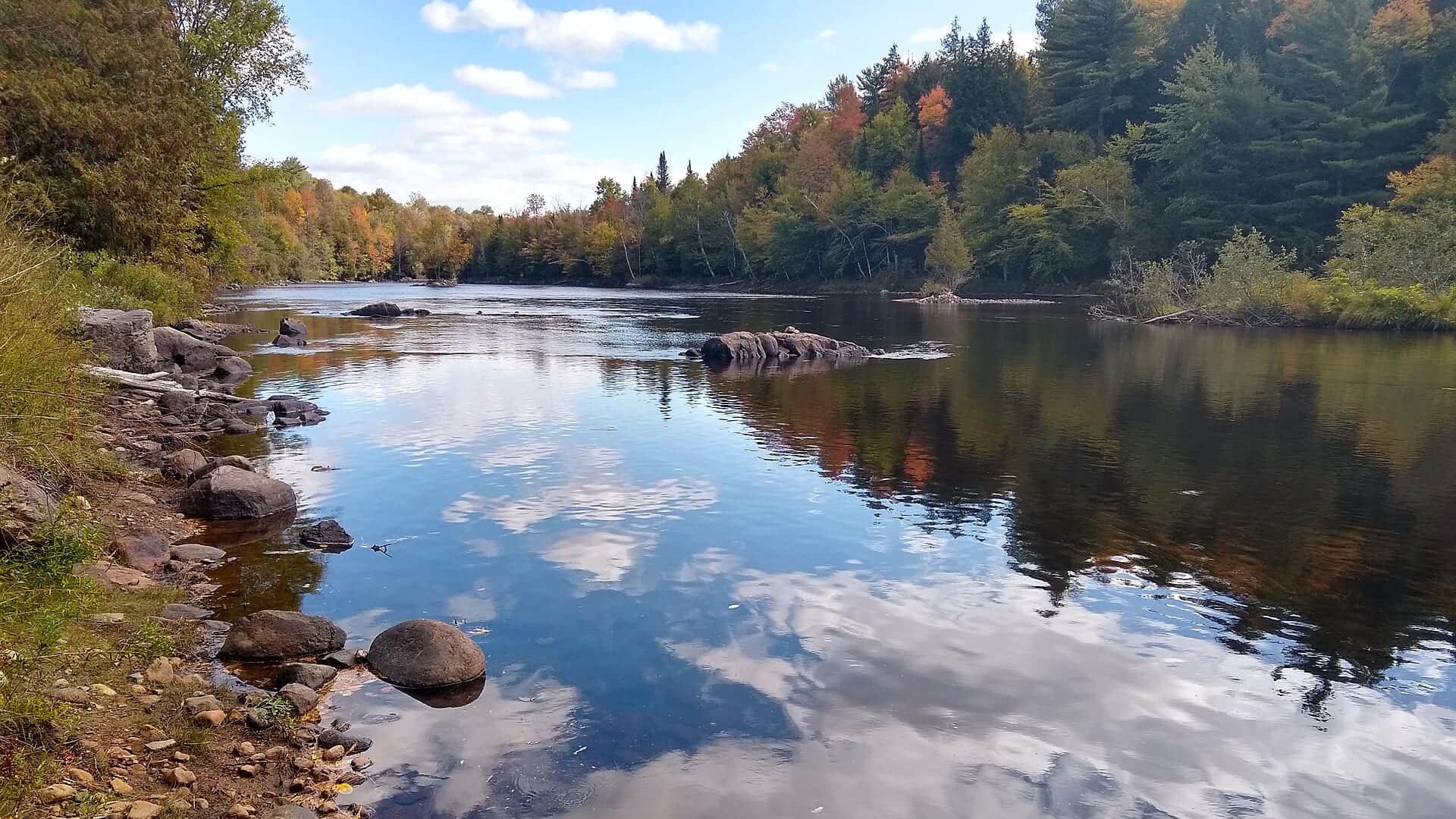
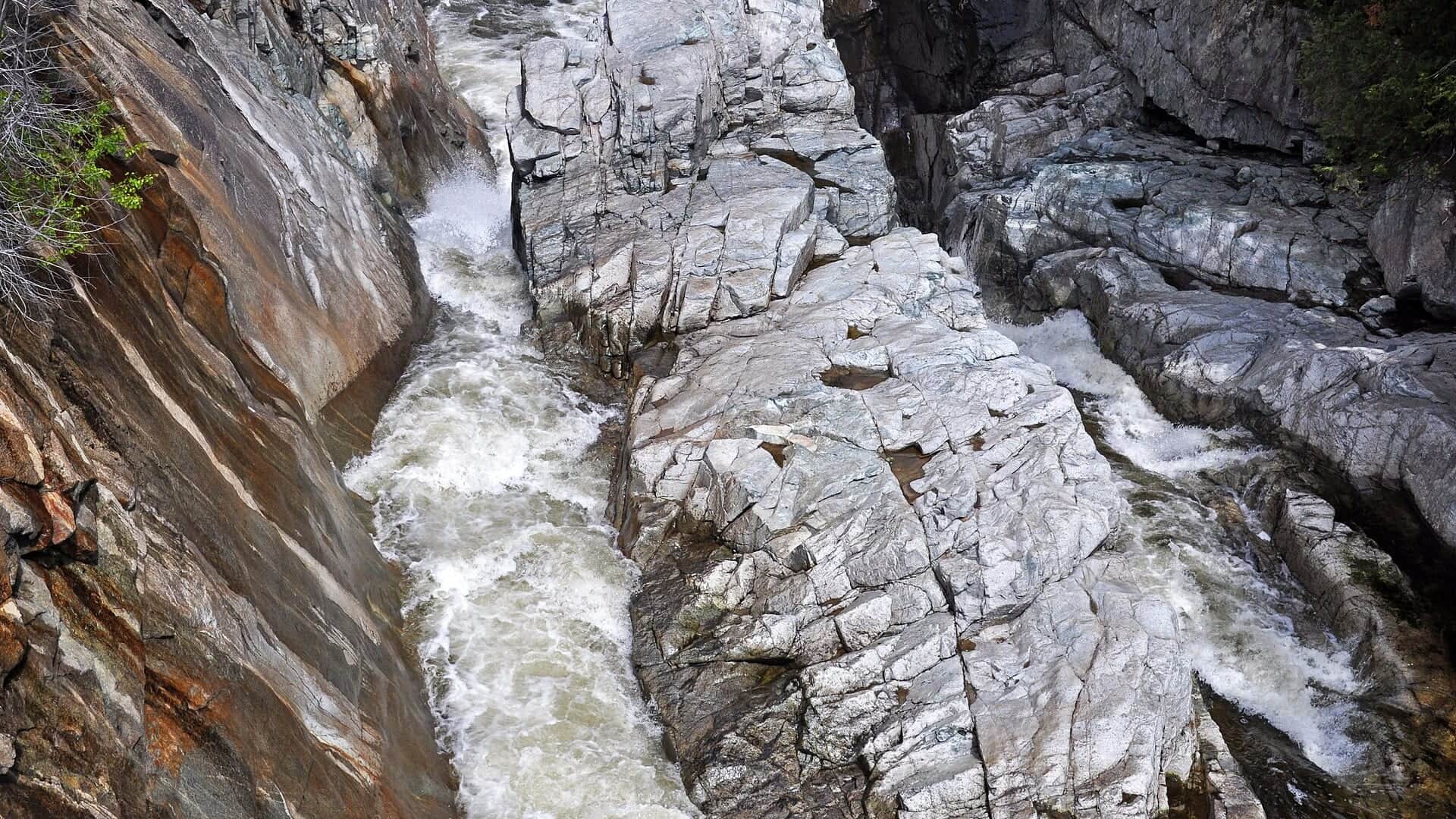
Image: Saranac River near Redford / CC BY-SA 4.0 / MJPlante1Fishability now: Saranac River fishability today
GoodData confidence: High82/100
Fishable now because Plattsburgh gauge is falling, weather is usable, and no public alert is active.
Flow observed
4:30 PM UTC
Weather observed
5:00 PM UTC
Score calculated
5:25 PM UTC
Why this rating
Flow
Weather
Public alerts
Next 6-12 hours
Improving / hold
A falling gauge and usable weather should keep the next 6-12 hours in play unless tributaries stain or heat builds.
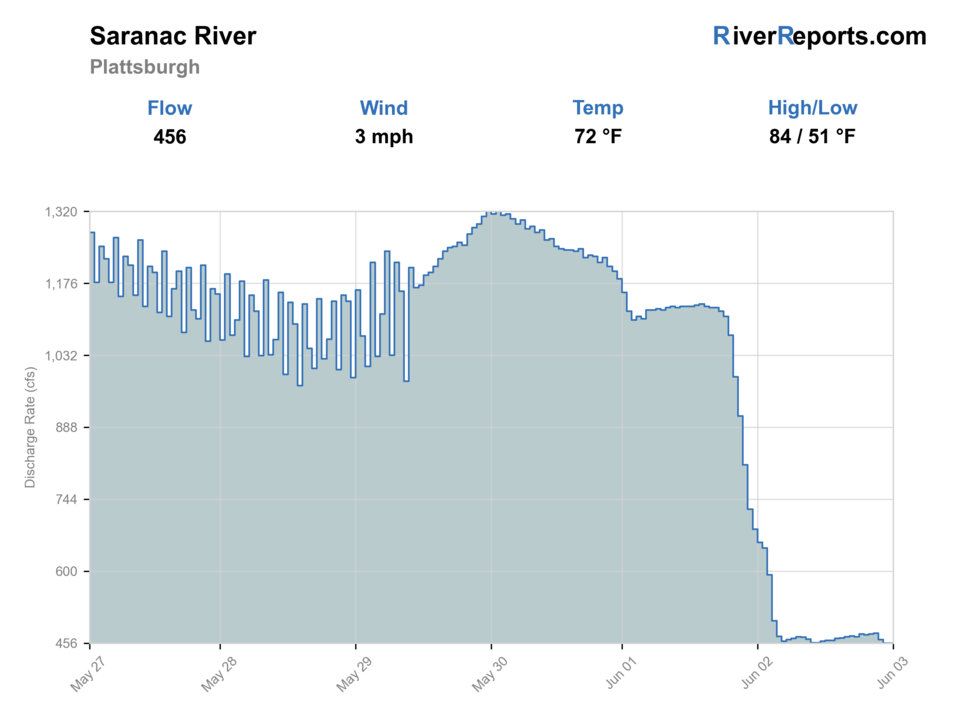
USGS flow
456 cfs
Current trend: flow falling, rating likely holding strong unless weather or clarity changes.
More planning details: flies, flow bands, and live source checks
Fish it today
Start here
Start with Plattsburgh flow, current Lake Champlain tributary guidance, and one lower-river access plan. Decide whether the day is a salmon-movement, trout, or streamer prospecting window before moving between bridge and city reaches.
Best flow clue
Use RiverReports and USGS 04273500 at Plattsburgh together. Stable flows with safe edges are best; sharp rises, cold high water, or crowded fall access should narrow the plan to safer bank or edge water.
Skip trigger
Skip or pivot when flows are rising hard, wading is unsafe near urban current and dams, salmon-season rules are not confirmed, water is too warm for trout handling, or legal access is unclear.
Flow decision bands
Low and technical
Lower clear Saranac water can still fish, but careful swings, nymph drifts, and exact run selection matter more than covering every urban edge.
Best stable Plattsburgh trend
Stable Plattsburgh flow with safe edge water is the cleanest signal for landlocked salmon, trout, streamers, and small wet-fly plans.
High, pushy, or dam-affected
Hard rises, urban push, or any current that makes bridge and dam areas unsafe should move the day off the lower river instead of forcing crossings.
Crowd or salmon-rule pressure
A fishable graph still becomes a poor trip when seasonal tributary rules are unclear or the obvious lower-river access is already crowded.
USGS flow
456 cfs
Current trend: flow falling, rating likely holding strong unless weather or clarity changes.
Live USGS flow
456 cfs / falling about 59%
Live NWS forecast
75F / Sunny
Water temperature not verified
Heat guidance uses weather and river type unless an official water-temperature value is available.
No NWS alert flag
No active NWS alert was returned for this forecast point.
Use the Plattsburgh gauge before wading lower-river runs.
Review Lake Champlain tributary rules, especially fall method restrictions.
Spring and fall salmon timing can matter more than daily hatch activity.
Much of the lower bank is public, but some sections are private.
Editorial review
How this report is maintained
This Saranac River report is maintained from RiverReports and USGS Plattsburgh flow data, New York Lake Champlain tributary salmon information, border-water and freshwater regulations, weather, media-credit, and lower Saranac access and run-fish planning sources.
Byline
BlueStreamFly editorial team
Reviewed by
BlueStreamFly source review
Maintained by
Mountain Brook Run LLC
Last material review
2026-05-31
Report confidence
Good confidence
89/100
Good confidence: RiverReports, USGS Plattsburgh flow, DEC Saranac salmon guidance, Lake Champlain tributary regulations, and weather support the page. Confidence is moderated by urban access details, dam-influenced safety, seasonal crowding, and reach-specific public entry.
Regulations
Lake Champlain tributary salmon guidance, border-water regulations, and freshwater regulations support the legal-check path.
Access
DEC Saranac River information supports the planning framework, while exact city access, bridge areas, and legal entry remain reach-specific.
Flow and weather
RiverReports Saranac River at Plattsburgh, USGS 04273500, and the National Weather Service point provide a strong live planning set.
Fishing usefulness
The page now separates run timing, urban safety, tributary-rule checks, access choice, and backup-water decisions.
Fishability dashboard and source review
2026-05-31 / material content or source review
RiverReports Saranac River at Plattsburgh, USGS 04273500, DEC Saranac River landlocked salmon information, Lake Champlain tributary salmon guidance, border-water and freshwater regulations, and the National Weather Service point were checked before updating the current-fishability decision layer.
2026-05-31
Updated Saranac River to the current fishability-page standard with tributary-salmon flow bands, access cards, backup cues, stable fishability SEO, and confidence signals.
2026-05-28
Added Lake Champlain tributary trip fit, Plattsburgh flow planning, urban and lower-river access nuance, salmon-season rule checks, backup-water suggestions, editorial review signals, and a page-specific report-confidence meter after source review.
2026-05-25
Initial source-reviewed report published with flows, weather, salmon and trout timing, flies, tactics, access, regulations, and FAQs.
Angler planning edge
Local details that change the plan
Best for
Lake Champlain tributary anglers planning landlocked salmon, trout, and seasonal run-fish windows around Plattsburgh flow and lower-river access, Trips where Lake Champlain tributary rules, border-water context, city access, dams, crowds, and safe footing all matter, Swing, nymph, streamer, egg-pattern, and small wet-fly plans matched to fall movement, spring flow, or resident trout windows, Anglers comparing the Saranac with the Salmon River, Schroon River, or West Branch Ausable before choosing a northern New York plan
Wade or float
Treat the lower Saranac as urban and lower-tributary wade water with reach-specific access. Flow, dam barriers, posted banks, slick rock, and Lake Champlain tributary rules should decide where you fish.
Best flows
Use RiverReports and USGS 04273500 at Plattsburgh together. Stable flows with safe edges are best; sharp rises, cold high water, or crowded fall access should narrow the plan to safer bank or edge water.
When to skip
Skip or pivot when flows are rising hard, wading is unsafe near urban current and dams, salmon-season rules are not confirmed, water is too warm for trout handling, or legal access is unclear.
Local plan
Start with Plattsburgh flow, current Lake Champlain tributary guidance, and one lower-river access plan. Decide whether the day is a salmon-movement, trout, or streamer prospecting window before moving between bridge and city reaches.
Pressure
Pressure follows fall salmon windows and easy lower-river access. Give visible fish space, avoid crowd stacking, and move to less obvious water when the best-known spots fill.
Access nuance
DEC Saranac River and Lake Champlain tributary sources support the public framework, but city access, private banks, dam areas, and exact reach rules still need current confirmation.
Backup water
If the Saranac is high, crowded, rule-limited, or hard to access, compare the Schroon River for an Adirondack trout and salmon-stocked option, the Salmon River for a Lake Ontario run-fish plan, or the West Branch Ausable for pocket-water trout.
About the river
Setting, character, and why it fishes the way it does.
The Saranac River drains Adirondack water east toward Lake Champlain and reaches the lake in Plattsburgh. The fishing page is best scoped to the lower river because DEC identifies this section as the Lake Champlain tributary salmon opportunity.
DEC notes landlocked Atlantic salmon can move into the lower Saranac, with spring fish near the mouth and fall fish spread farther upstream to the first major barrier.
Because this is an urban river and a migratory fishery, useful planning means checking flow, legal method restrictions, public-bank access, and current fish movement instead of assuming wilderness trout rules.
Target species
Landlocked Atlantic salmon
Key Lake Champlain tributary target in spring and fall.
Brown trout
Present in the system and possible around colder flow and structure.
Smallmouth bass
Warmwater option around lower-river and lake-influenced water.
Northern pike and panfish
Lake-connected species may be present near the mouth; check rules.
Reading the water
Low clear water
Use stealth, small streamers, and longer leaders around visible fish.
Stable moderate flow
Best window for swinging soft hackles and small streamers through runs.
High water
Stay near banks, avoid slick ledges, and wait if visibility is poor.
Fall run
Check Lake Champlain tributary method rules before choosing weight or fly setup.
Best seasons
Spring
Salmon can be near the mouth, with trout and small streamers in play.
Summer
Warmwater and early/late windows are often more realistic than trout-first planning.
Fall
The main salmon window; method restrictions and fish handling matter.
Winter
Cold-water fishing is possible but ice, flows, and safety should control the decision.
Preferred flow source
Saranac River at Plattsburgh
RiverReports is the preferred chart source when coverage exists. When a matching USGS gauge exists, keep it open as the official backstop for station data and current hydrograph context.

USGS data chart
Official USGS trend
Streamflow over the latest USGS reporting window.
Latest
456 cfs
Jun 3, 4 PM UTC
Weather
River weather report
Weather can change wading safety, road access, water temperature, hatches, and the best time of day to fish.
Live forecast loads as you reach this section
This keeps the report fast while still using the official National Weather Service forecast point.
Hatches and flies
Hatch chart and fly picks
April to May
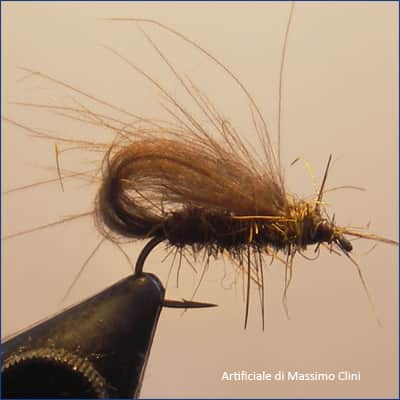
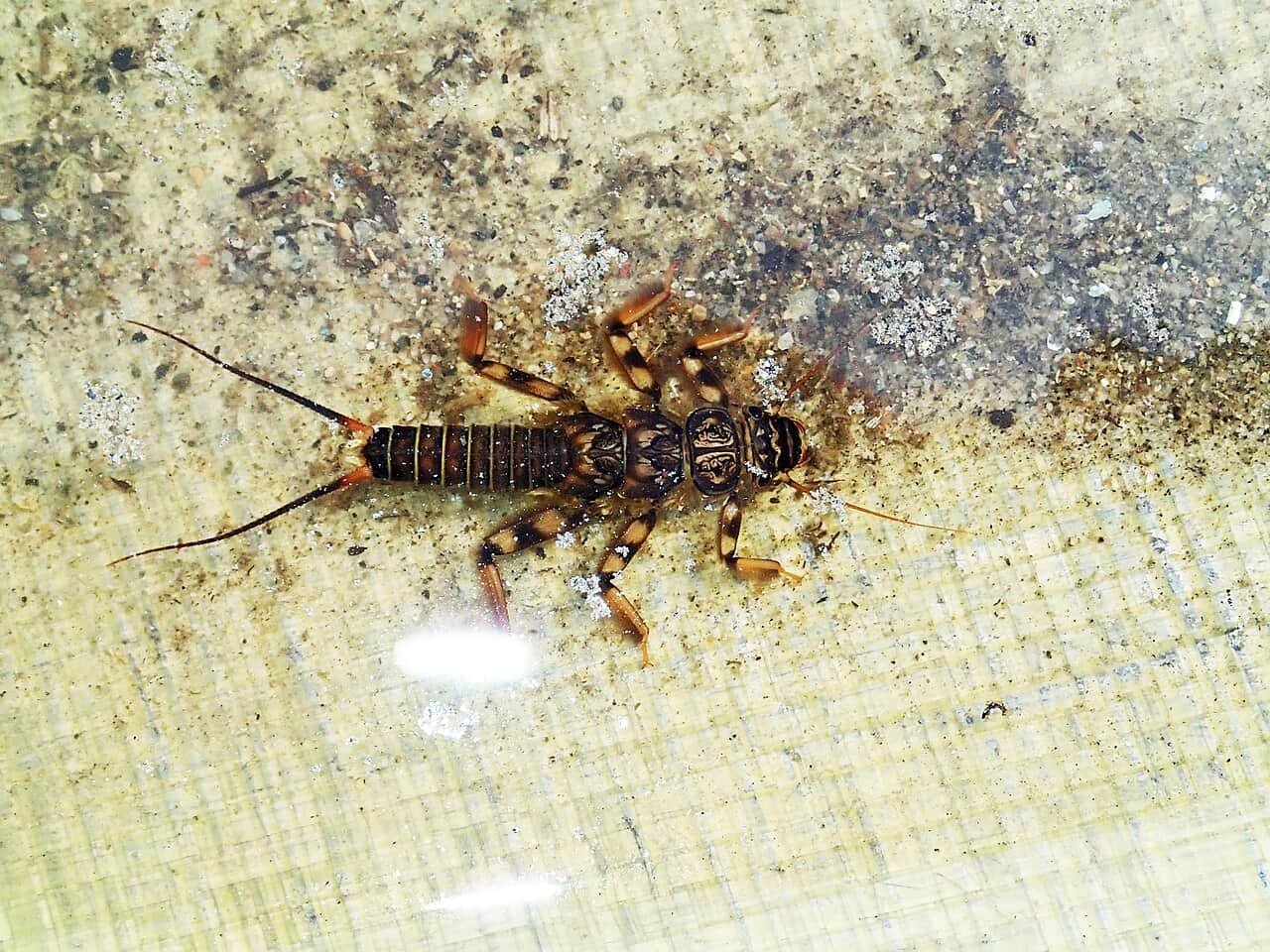
Midges, early black stones, BWOs, Hendricksons, and caddis
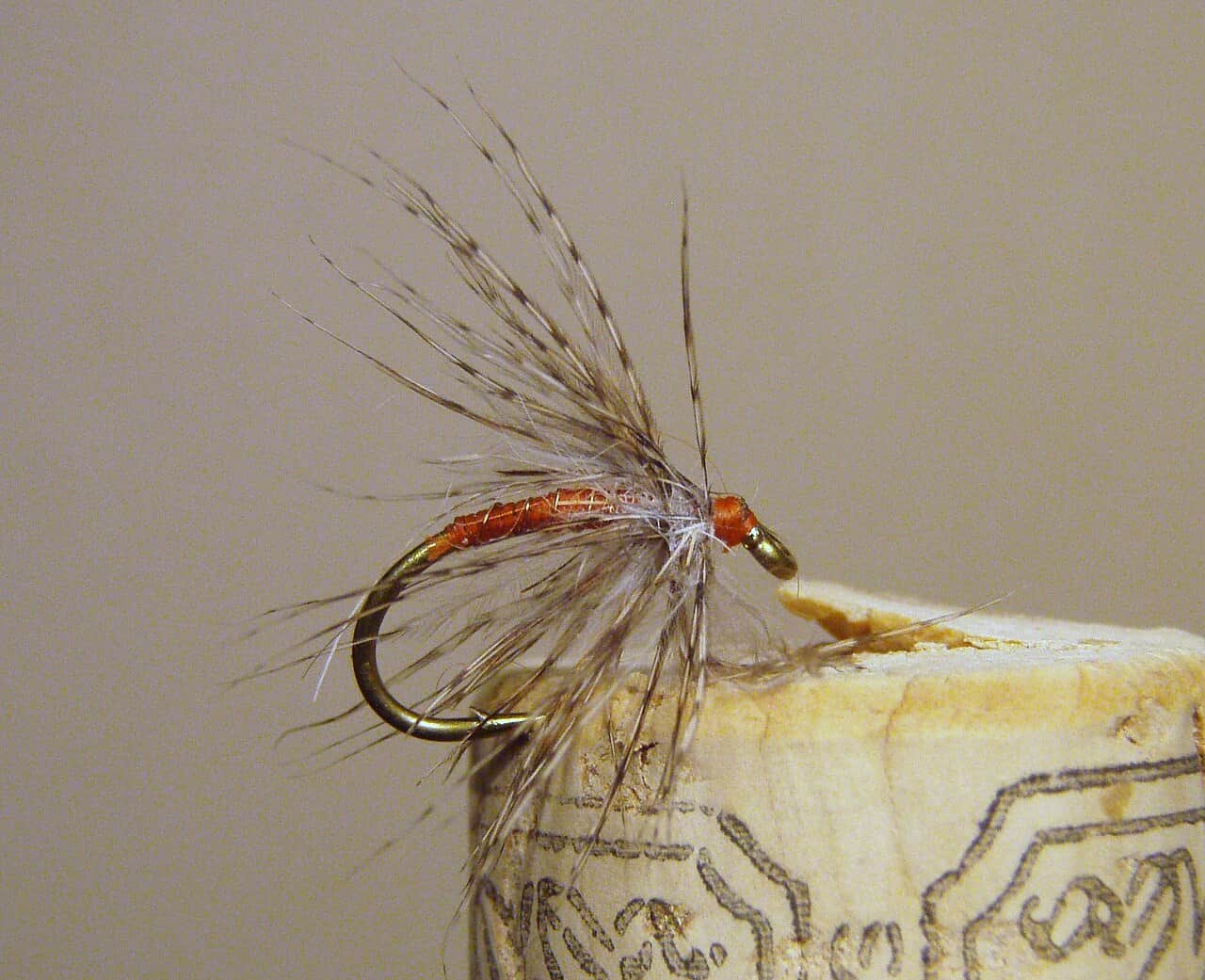
Zebra midge, black stonefly nymph, BWO emerger, Hendrickson, caddis pupa
June
March Browns, sulphurs, cahills, caddis, and golden stones
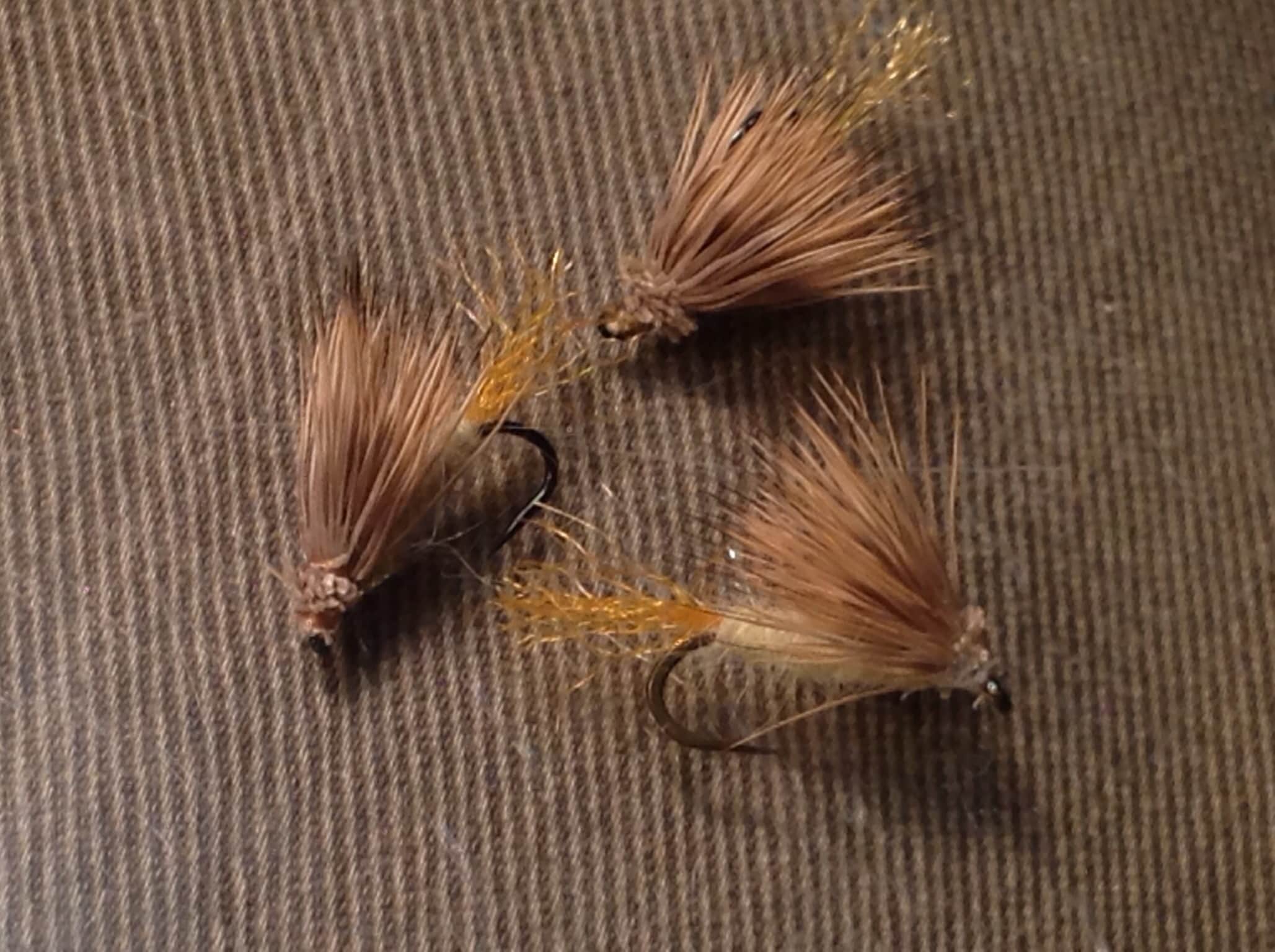
March Brown, sulphur emerger, light cahill, X-caddis, golden stone
July to August
Caddis, isonychia, ants, beetles, hoppers, and pocket-water attractors
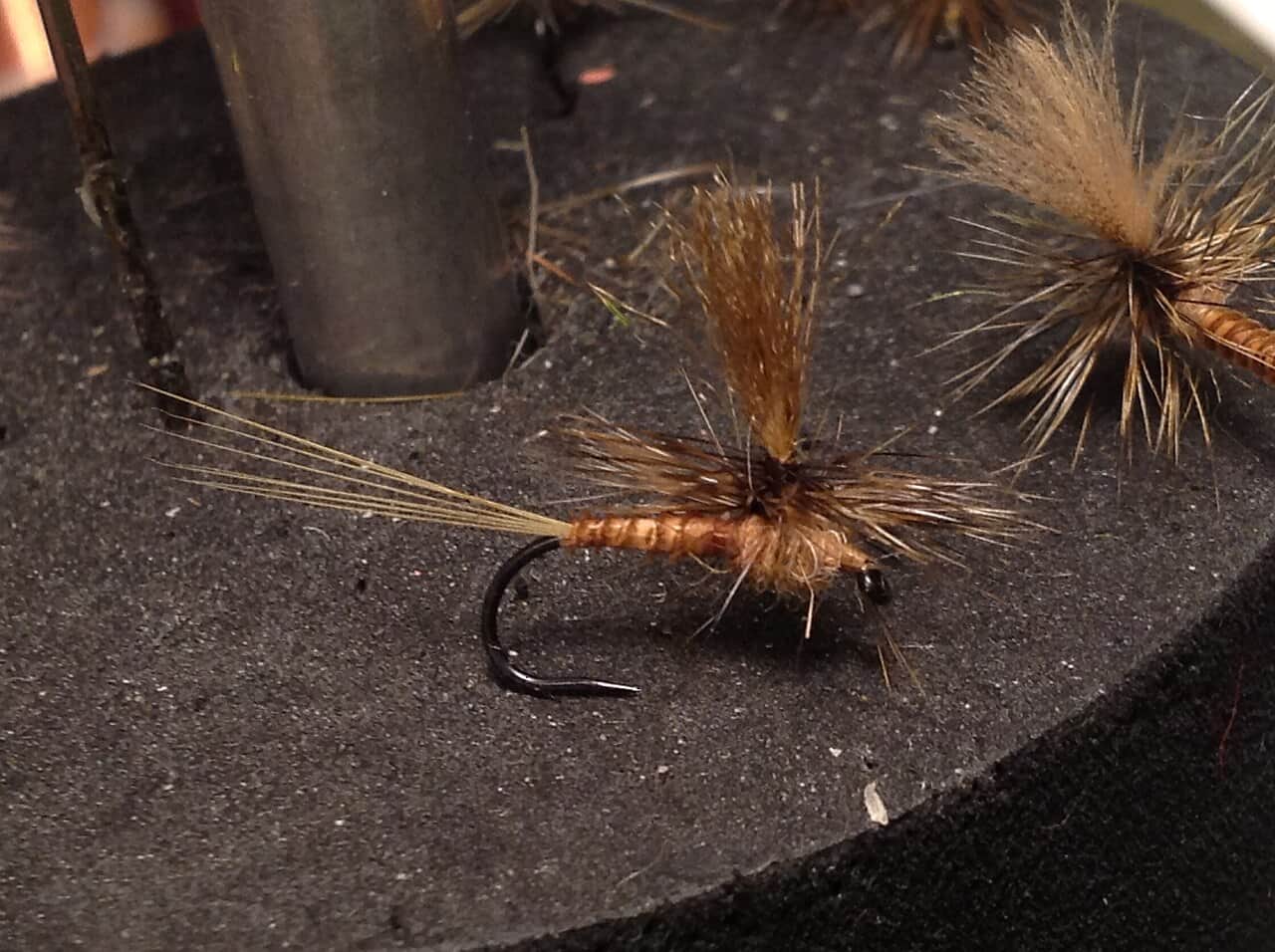
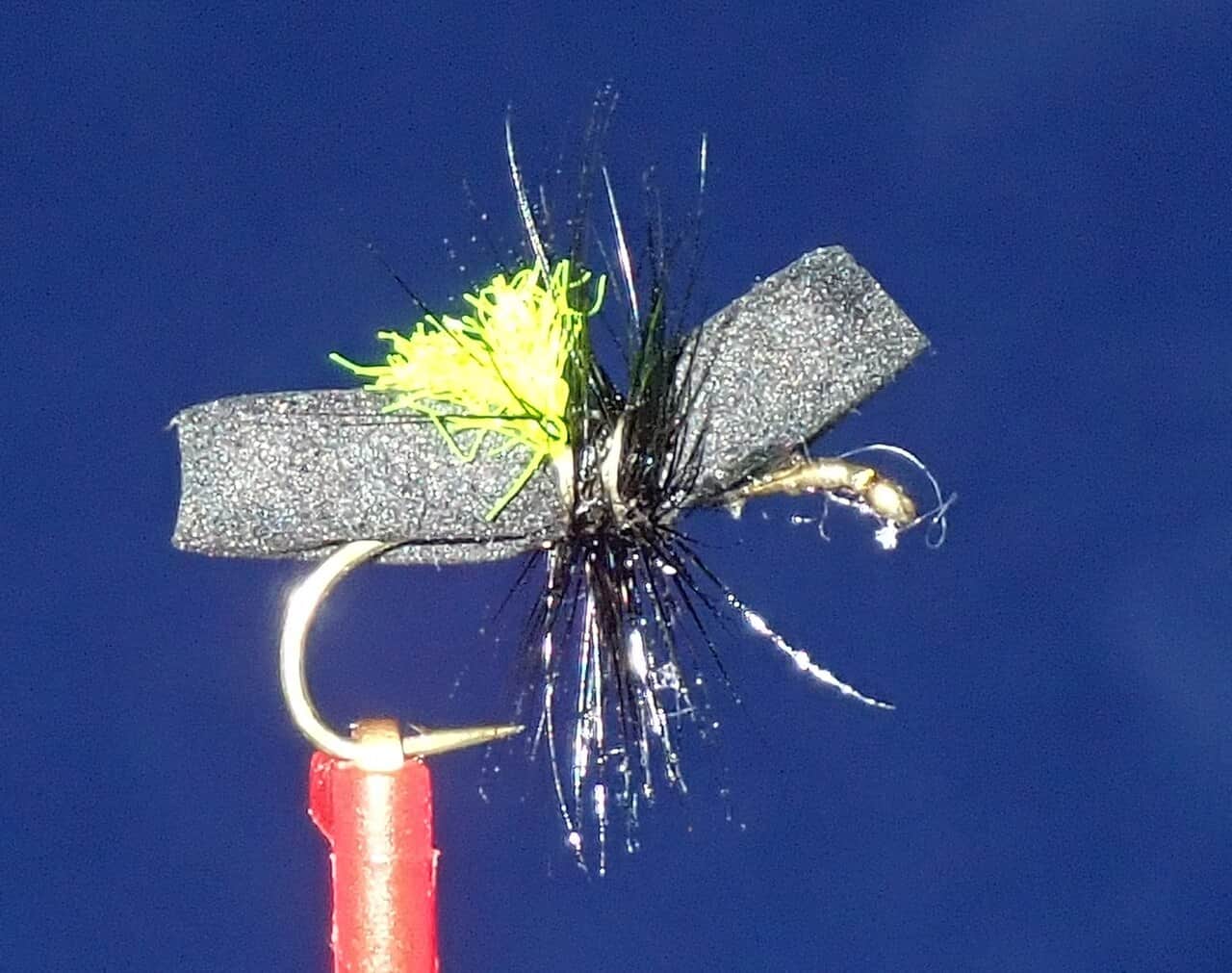
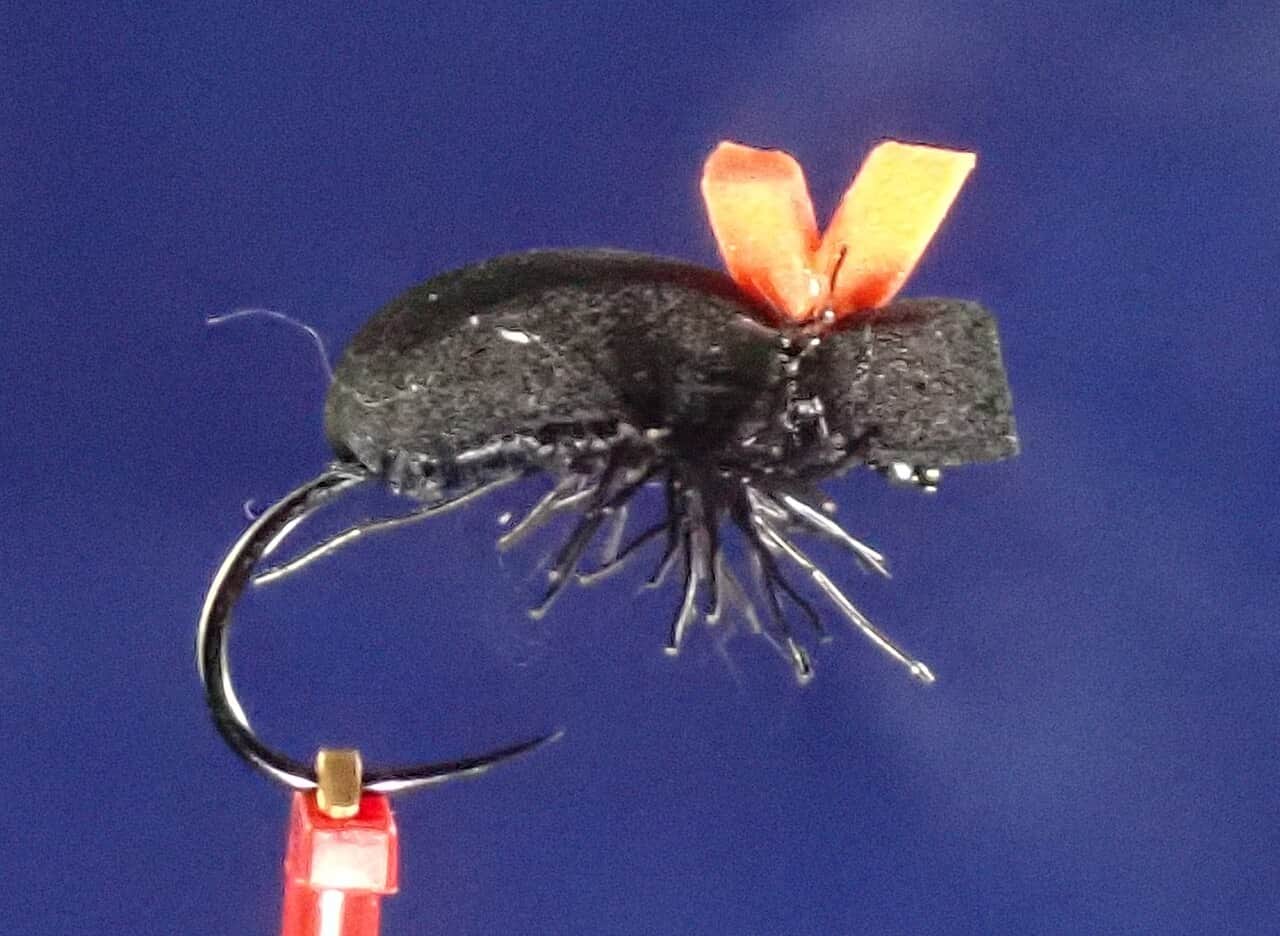
Stimulator, parachute Adams, isonychia, foam ant, beetle, small hopper
September to October
BWOs, October caddis, midges, and streamer opportunities
BWO, October caddis, zebra midge, soft hackle, mini sculpin
Eggs and nymphs
Sucker spawn, single eggs, stoneflies, pheasant tails, caddis pupa
Use when steelhead are holding in pools or feeding behind spawning fish.
Streamers
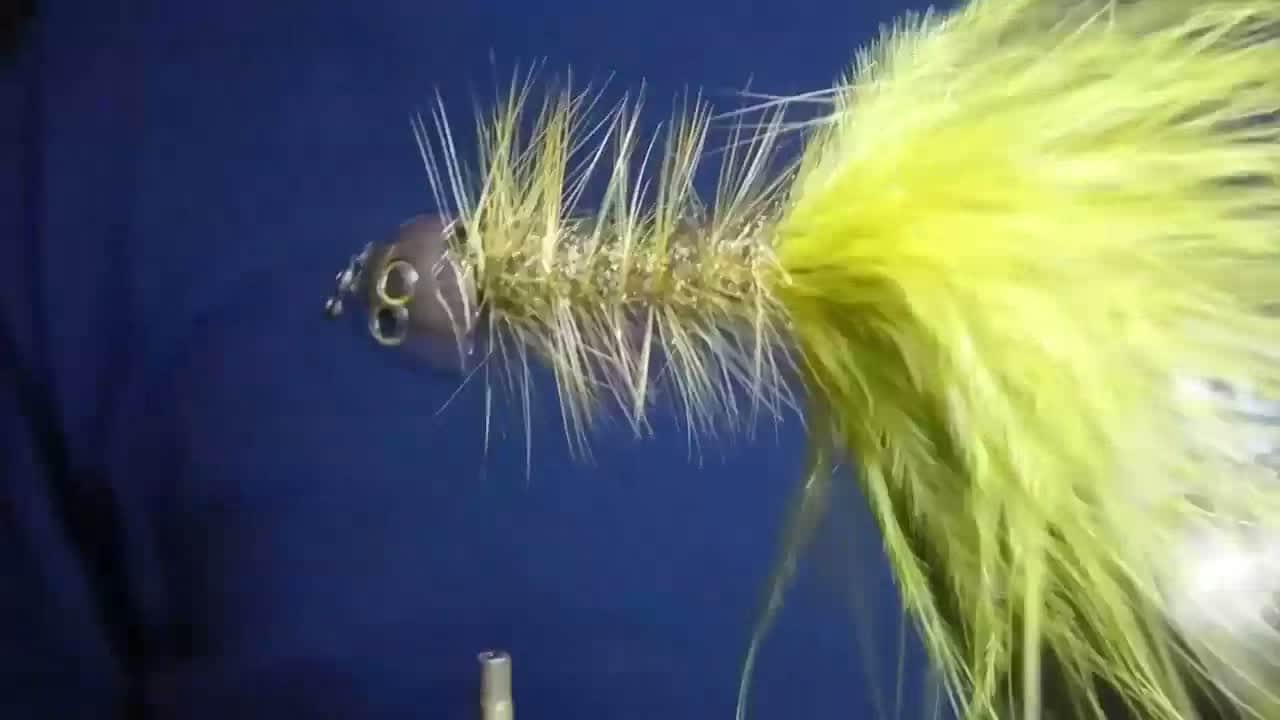
Woolly bugger, zonker, leech, Clouser, small intruder
Use when the river is dropping, lightly stained, or fish are moving.
Smallmouth flies
Crayfish, baitfish, popper, slider
Use after steelhead season when warmwater fish become the better plan.
Low-clear water
Small eggs, black stoneflies, micro buggers, midge nymphs
Use long leaders, lighter tippet, and careful presentations in clear water.
Tactics
How to fish it
Treat the lower river as a migratory fish plan, not a small brook-trout outing.
Swing small streamers and soft hackles through travel lanes when fish are moving.
Dead drift nymphs and eggs only where legal and appropriate for the season.
Fish low clear water from farther back and avoid standing on obvious lies.
Check current rules before adding weight in the fall Lake Champlain tributary window.
Rigging
Rod, leader, and setup notes
A 6-weight or 7-weight is useful for salmon and heavier streamers.
Use a floating line with sink-tip options for deeper runs.
Carry small streamers, soft hackles, and nymph rigs rather than one oversized salmon setup.
Use appropriate tippet for salmon, clarity, and current speed.
Bring traction for slick urban ledges and cold-water edges.
Access
Access and planning notes
Plattsburgh gauge and lower-river check
Primary tributary decisionWade / float / trail
Gauge / scout
When to pick it
Start here when flow, safety, and salmon-season context decide whether the lower Saranac should stay on the table at all.
Caution
A useful gauge does not remove urban current, dam hazards, or posted-bank details near the lower river.
City and bridge-access corridor
Reach-specific public sessionWade / float / trail
Walk-and-wade / scout
When to pick it
Use it when you want a shorter legal session matched to current flow and tributary rules.
Caution
Do not treat every urban access point as equally safe or legal just because the water is visible from town.
Lower-tributary backup reach
Secondary run-fish optionWade / float / trail
Scout / walk-and-wade
When to pick it
Pick it when you need a quieter or simpler public access choice after checking lower-river pressure.
Caution
Bridge areas, dams, and seasonal fish movement can make one promising-looking reach a poor practical choice.
DEC notes much lower-river bank is city-owned and accessible, but some bank is private.
The lower river is short enough that crowds can concentrate during fall salmon windows.
Urban access does not remove wading risk; flow and ledge footing still matter.
Regulations
Check before fishing
Lake Champlain and tributary regulations apply. DEC reminds anglers that fall rules restrict weighted baits, lures, and flies in this system.
Primary base
Plattsburgh, Lake Placid, or Saranac Lake
Best day style
City-owned banks, lower river access, public ramp context, and private-bank awareness
Check first
Plattsburgh flow, Lake Champlain tributary rules, fall weighted-fly restrictions, and access
Safety
Urban currents, dam barriers, slick rock, fall crowds, and private sections
Gear
Helpful gear for this water
7-weight or 8-weight rod
Enough backbone for salmon, steelhead, larger trout, and wind.
Large rubber net
Protects fish and speeds landing in cold water.
Studded boots
Slick shale, cobble, shelf ice, and fast edges make traction important.
Warm backup layers
Great Lakes and winter tributary weather changes quickly.
Nearby water
Other water to research
Backup logic
High water or unsafe footing
Move to the Schroon or West Branch Ausable instead of forcing pushy lower-river current.
Warm water
Stop coldwater handling when summer warmth removes the trout and salmon margin.
Crowding
Use another legal access or another river before turning one city reach into the whole day.
Rule or access issue
Treat unclear tributary salmon rules, bridge access, or dam-area safety as a stop signal before fishing.
Ausable River, West Branch
A classic Adirondack trout alternative.
Schroon River
Another Adirondack trout and salmon-stocked river option.
Salmon River
A Lake Ontario run fishery with a very different flow and crowd pattern.
FAQ
Fast answers
Is Saranac River fishable today?
Saranac River looks fishable right now. The live score is 82/100, based on current flow, weather, public alerts, and the report's planning context. Recheck the linked gauge and forecast before leaving because conditions can change quickly after rain, heat, access changes, or flow swings.
What flow is best for Saranac River?
Use RiverReports and USGS 04273500 at Plattsburgh together. Stable flows with safe edges are best; sharp rises, cold high water, or crowded fall access should narrow the plan to safer bank or edge water.
When should I skip Saranac River?
Skip or pivot when flows are rising hard, wading is unsafe near urban current and dams, salmon-season rules are not confirmed, water is too warm for trout handling, or legal access is unclear.
Is Saranac River safe to wade right now?
The fishability score is not a wading guarantee. Wade only where your chosen access has safe edges, clear footing, legal entry, and no forced crossings; high, rising, stained, or storm-affected water should be treated conservatively.
What should I check before fishing the Saranac River?
Check Plattsburgh flow, Lake Champlain tributary regulations, access, weather, and seasonal salmon movement.
Are there special regulations on the Saranac River?
Yes. Lake Champlain tributary rules apply in the lower Saranac, including seasonal method restrictions.
Can I wade the Saranac River?
Yes in places, but flow, ledges, and urban access constraints can make wading hazardous.
What flies should I bring for the Saranac River?
Bring the seasonal hatch box, a nymph box, a few streamers, and a backup plan for clear, high, warm, or crowded water.
Sources
Source set for this report
Reviewed 2026-05-31