New Jersey / Northeast
Ramapo River
A Ramapo River report for upper Bergen trout access, live USGS flow, stocked-water rules, hatches, tactics, and safe planning.
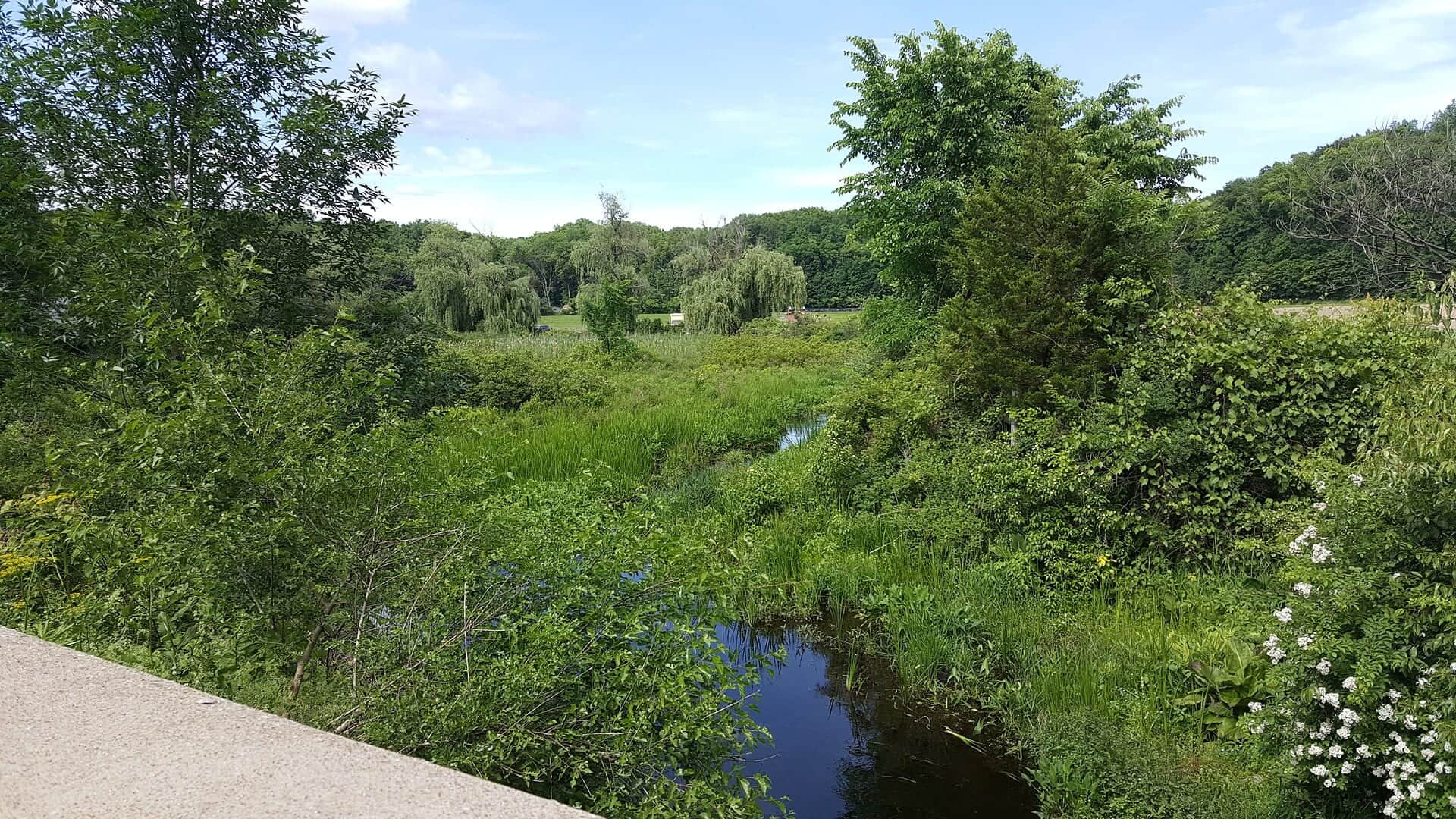
Image: Generated regional planning image for Ramapo River / BlueStreamFly generated; not exact location / BlueStreamFlyFishability now: Ramapo River fishability today
GreatData confidence: High96/100
Fishable now because the live gauge is falling, weather is usable, and no public alert is active.
Flow observed
5:45 PM UTC
Weather observed
6:00 PM UTC
Score calculated
6:12 PM UTC
Why this rating
Flow
Weather
Public alerts
Next 6-12 hours
Improving / hold
A falling gauge and usable weather should keep the next 6-12 hours in play unless tributaries stain or heat builds.
USGS flow
60 cfs
Current trend: flow falling, rating likely holding strong unless weather or clarity changes.
More planning details: flies, flow bands, and live source checks
Fish it today
Start here
Keep the day focused on upper-river public access: Ramapo Valley Reservation and Mahwah when the gauge and temperature cooperate, then move quickly rather than trying to force the lower corridor into the same trout plan.
Best flow clue
Use USGS 01387500 near Mahwah as the live trend. Stable moderate flow is the best fit; sudden storm spikes, lingering urban stain, or warm low water should push you to a different river or to warmwater fishing instead.
Skip trigger
Skip the Ramapo when county access rules or reach boundaries are unclear, when runoff has the river dirty and pushy, when summer temperatures put trout at risk, or when the plan depends on lower-river water that no longer fishes like an upper trout corridor.
Flow decision bands
Low and clear
Low clear upper-river water can still fish, but stealth, shorter sessions, and cool-hour trout handling matter more than grinding the whole corridor.
Best Mahwah trend
Stable moderate flow with decent visibility is the cleanest signal for nymphs, caddis, small streamers, and an upper-river trout plan.
Dirty or pushy
Urban runoff, hard rain, or any flow that removes safe edge water should move the day to another river.
Warm or urban-stressed
A fishable graph still becomes a poor trout call when lower-river warmth, stained runoff, or crowding overwhelms the upper-river plan.
USGS flow
60 cfs
Current trend: flow falling, rating likely holding strong unless weather or clarity changes.
Live USGS flow
61 cfs / falling about 14%
Live NWS forecast
81F / Sunny
Water temperature not verified
Heat guidance uses weather and river type unless an official water-temperature value is available.
No NWS alert flag
No active NWS alert was returned for this forecast point.
Use the Mahwah gauge for upper-river flow context.
Check NJ trout regulations and county rules before fishing Ramapo Valley Reservation.
Fish small nymphs, caddis, and streamers in cooler water.
Move to warmwater tactics or skip trout when summer temperatures climb.
Editorial review
How this report is maintained
This report is maintained from current regulation, access, flow, weather, and public planning sources so anglers can make better trip decisions than a raw gauge or generic overview would allow.
Byline
BlueStreamFly editorial team
Reviewed by
BlueStreamFly source review
Maintained by
Mountain Brook Run LLC
Last material review
2026-05-31
Report confidence
Good confidence
86/100
Good confidence: USGS flow, New Jersey regulation and access pages, Bergen County access information, and weather support the page. Confidence is moderated by urban runoff swings and by the need to keep the upper trout water separate from the warmer lower river.
Regulations
New Jersey trout regulations and trout information provide a solid legal framework for upper-river trout planning.
Access
NJ trout-water access and Ramapo Valley Reservation sources support the main public corridor, with county rules and private edges still requiring care.
Flow and weather
USGS 01387500 and the National Weather Service point provide a clear live baseline, but storm-driven runoff can change conditions quickly.
Fishing usefulness
The page now separates upper-versus-lower scope, runoff caution, county-access planning, and backup-water decisions.
Fishability dashboard and source review
2026-05-31 / material content or source review
USGS Ramapo River near Mahwah, New Jersey trout regulations and access pages, Bergen County Ramapo Valley County Reservation information, and the National Weather Service point were checked before updating the current-fishability decision layer.
2026-05-31
Updated Ramapo River to the current fishability-page standard with upper-river flow bands, access cards, backup cues, stable fishability SEO, and confidence signals.
2026-05-28
Added Ramapo trip-fit guidance, Ramapo Valley Reservation and Mahwah access nuance, runoff and warm-water skip cues, pressure timing, backup-water suggestions, editorial review signals, and a page-specific report-confidence meter after source review.
2026-05-25
Initial source-reviewed report published with flows, weather, hatches, flies, tactics, access, regulations, and FAQs.
Angler planning edge
Local details that change the plan
Best for
North Jersey anglers who want an upper Bergen trout plan and will keep that separate from the warmer lower river, Short mobile sessions built around the Mahwah gauge, county access rules, and storm-timing decisions, Cool-water nymph, caddis, and small-streamer fishing when the river has settled and trout temperatures remain safe, Travelers who need a nearby trout option but are willing to pivot quickly when urban runoff or summer heat weakens the river
Wade or float
Treat the Ramapo as a wade-first urban-corridor trout report. The core choice is whether the upper public water around Mahwah and Ramapo Valley Reservation still offers safe trout conditions, not whether to float the broader river system.
Best flows
Use USGS 01387500 near Mahwah as the live trend. Stable moderate flow is the best fit; sudden storm spikes, lingering urban stain, or warm low water should push you to a different river or to warmwater fishing instead.
When to skip
Skip the Ramapo when county access rules or reach boundaries are unclear, when runoff has the river dirty and pushy, when summer temperatures put trout at risk, or when the plan depends on lower-river water that no longer fishes like an upper trout corridor.
Local plan
Keep the day focused on upper-river public access: Ramapo Valley Reservation and Mahwah when the gauge and temperature cooperate, then move quickly rather than trying to force the lower corridor into the same trout plan.
Pressure
Pressure tends to gather where parking is easy and the river feels closest to town. The best sessions are often short, early, and mobile instead of trying to own one obvious park run all morning.
Access nuance
County access is a strength, but county rules, town settings, and stormwater reality matter. This river can look reachable everywhere on a map while only a few public pull-offs actually make sense for a trout day.
Backup water
If the Ramapo is too warm, too dirty, or too crowded, compare Flat Brook for a cooler remote option or the Musconetcong and Pequest for stronger trout-specific structure.
About the river
Setting, character, and why it fishes the way it does.
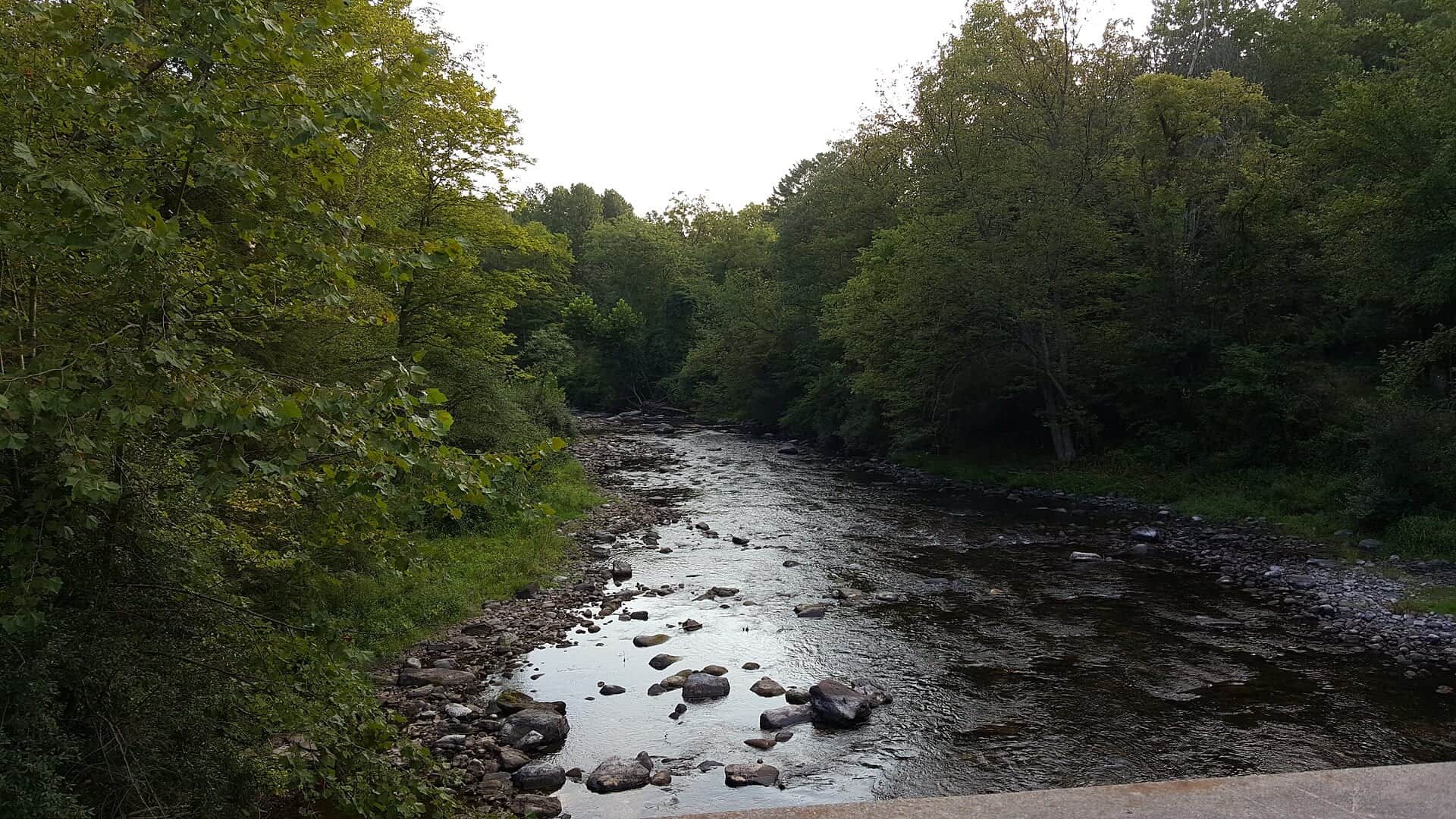
The Ramapo flows through a busy northern New Jersey corridor, but it still offers real fly-fishing opportunities when water and access line up. The upper Bergen reach is the main trout focus for this report.
Because the river moves through towns, parks, reservoirs, and lower warmwater sections, anglers need to be precise. A county reservation rule, stocked-water closure, or lower-river reach can change the legal and practical plan.
Use the gauge, the access list, and a thermometer. Then fish the best short pieces of water instead of treating the whole river as one uniform trout stream.
Target species
Rainbow trout
Important stocked trout target in upper Bergen managed water.
Brown trout
Possible in deeper pools, shaded banks, and cooler flows.
Brook trout
Regulation-sensitive where brook trout conservation rules apply.
Smallmouth bass
More relevant in warmer lower sections and summer mixed-water fishing.
Panfish and pickerel
Possible around slower connected water and lower river habitat.
Reading the water
Cool and stable
Fish nymphs, caddis, soft hackles, and small streamers.
Low clear water
Downsize flies, lengthen leaders, and approach quietly.
After storms
Wait for the river to clear and drop; runoff can be sharp.
Warm water
Do not stress trout. Shift to warmwater species or another river.
Best seasons
Spring
Stocked trout, closure checks, BWOs, stones, and caddis.
Early summer
Caddis, sulphurs, and careful morning trout fishing.
Summer
Temperature-limited trout windows and warmwater backup options.
Fall and winter
Cooler flows, BWOs, midges, and small streamers where legal.
USGS flow
Ramapo River near Mahwah
This is the fallback for rivers that are not covered by RiverReports. Use the official USGS monitoring page for the live hydrograph, station metadata, and current water trend.
Open USGS gaugeUSGS data chart
Ramapo River near Mahwah
Streamflow over the latest USGS reporting window.
Latest
60 cfs
Jun 3, 5 PM UTC
Weather
River weather report
Weather can change wading safety, road access, water temperature, hatches, and the best time of day to fish.
Live forecast loads as you reach this section
This keeps the report fast while still using the official National Weather Service forecast point.
Hatches and flies
Hatch chart and fly picks
March to April
Midges, early stones, BWOs, stocked-trout nymphing
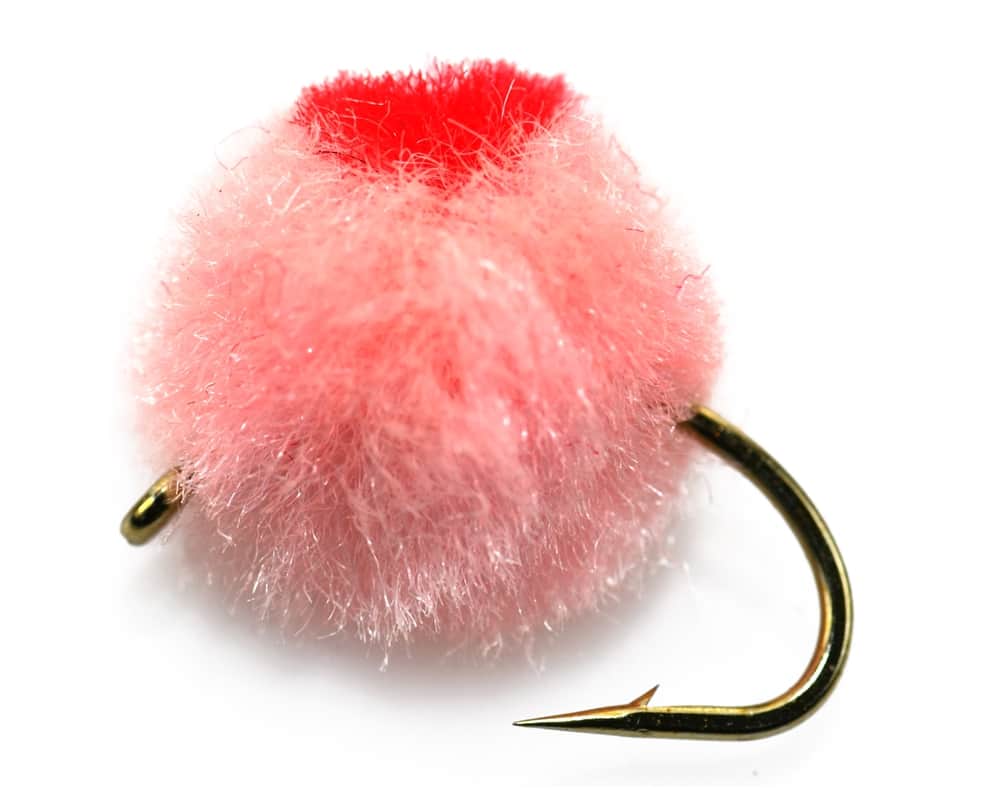
Zebra midge, black stonefly, BWO emerger, pheasant tail, egg only where legal
May to June
Caddis, sulphurs, March Browns, crane flies, light mayflies
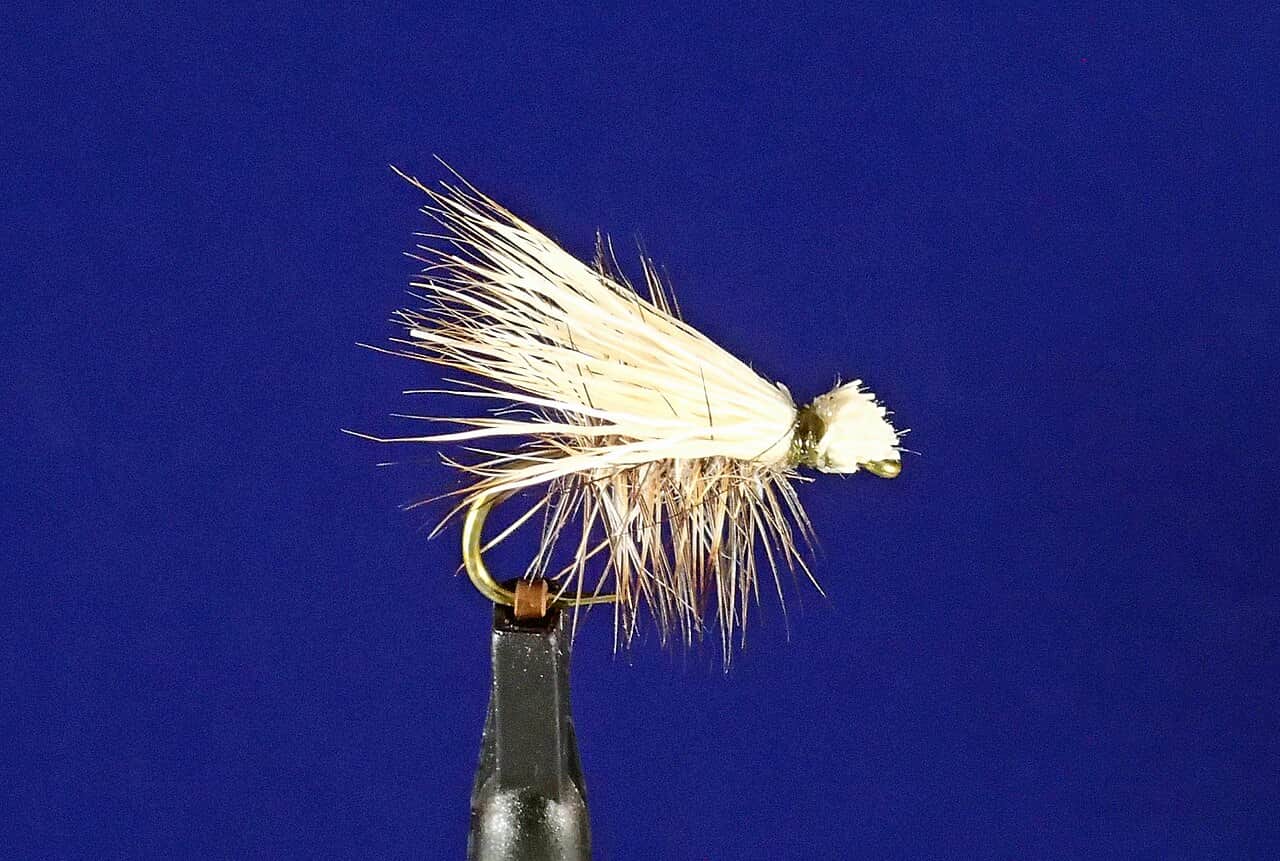
Elk hair caddis, caddis pupa, sulphur, March Brown, hare's ear
July to September
Terrestrials, tricos in slower water, ants, beetles, summer caddis
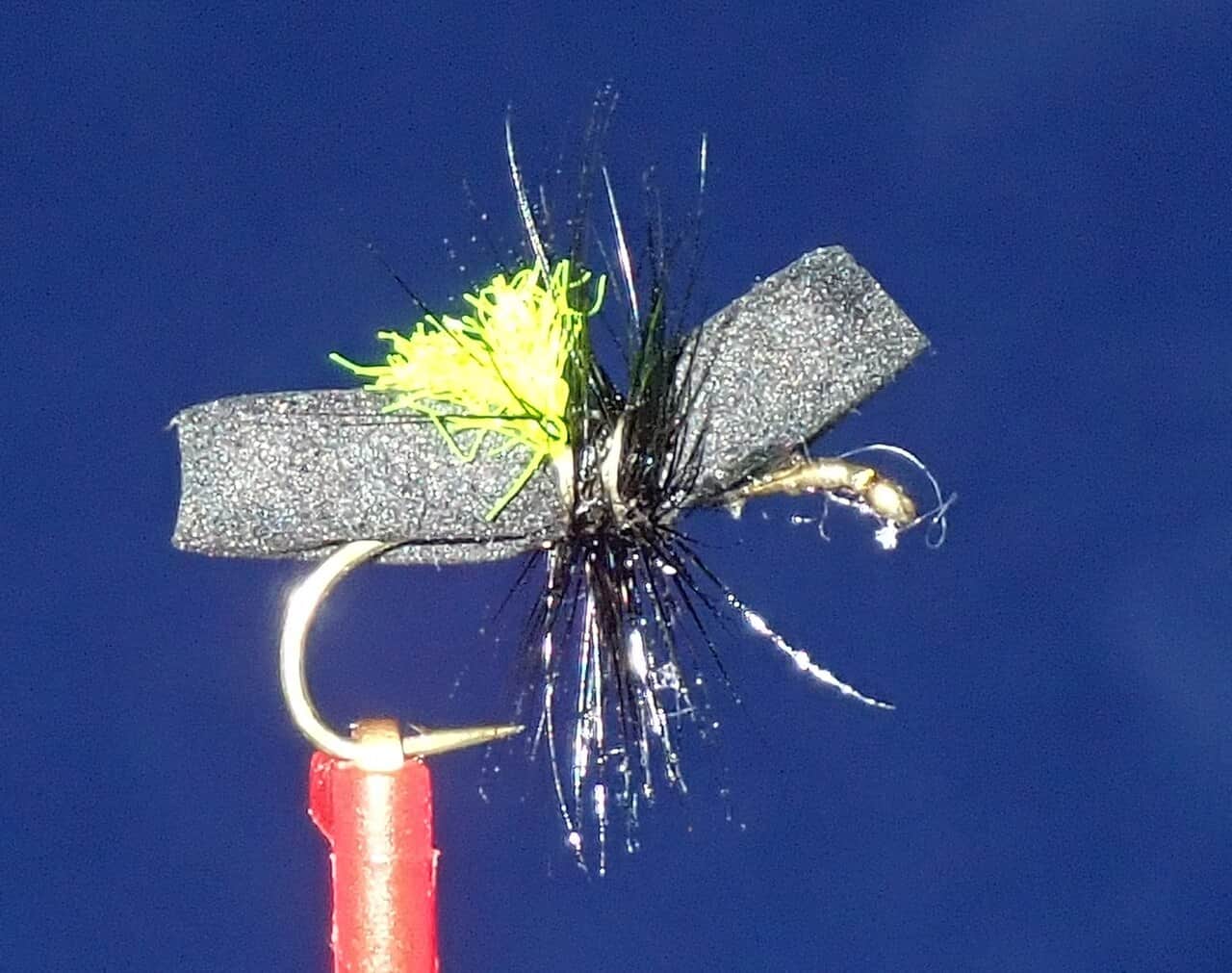
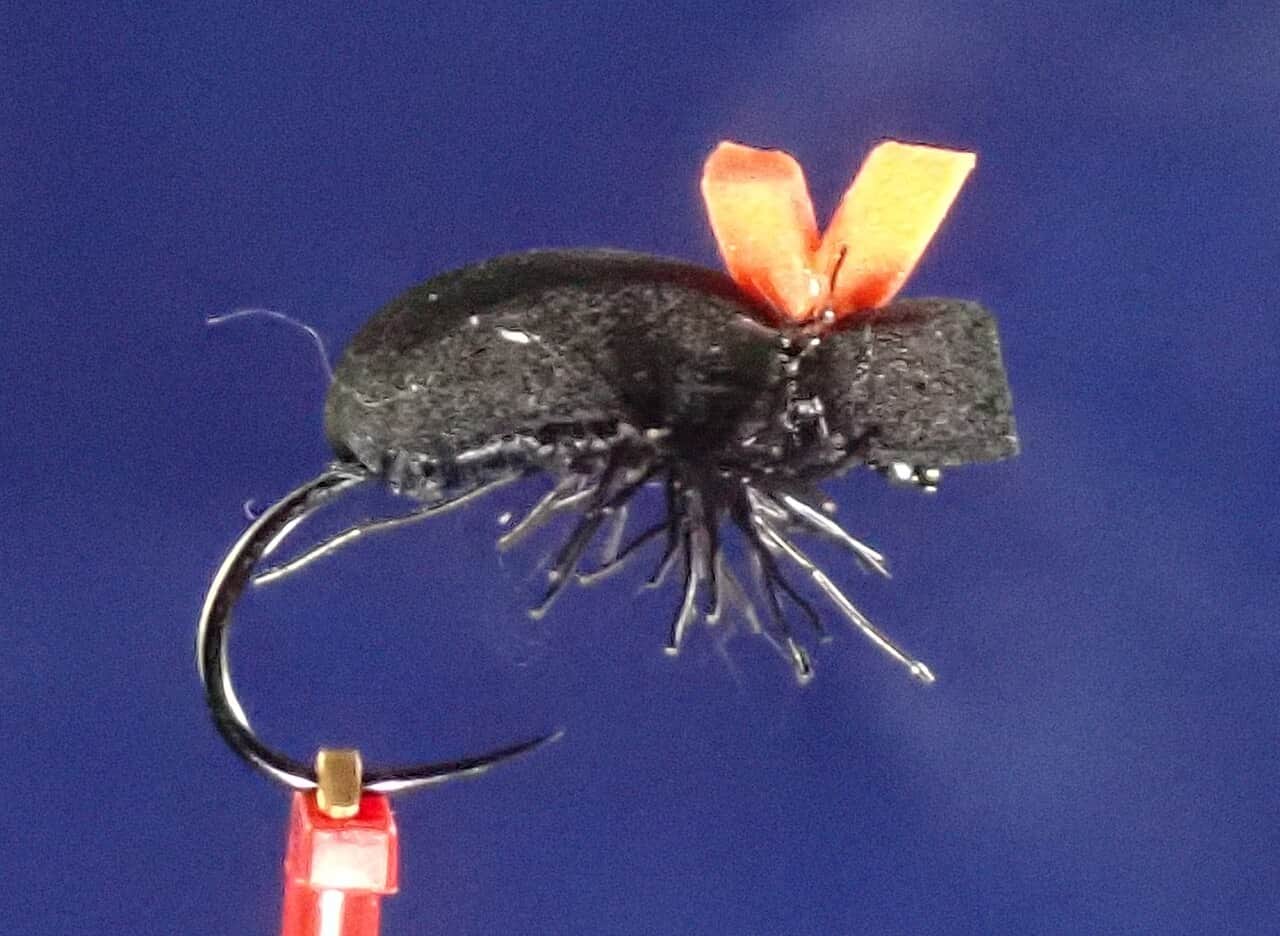
Foam ant, beetle, small hopper, trico spinner, dry-dropper
Fall and winter
BWOs, midges, scuds, small streamers during legal trout windows
BWO, zebra midge, scud, soft hackle, mini leech
Nymphs
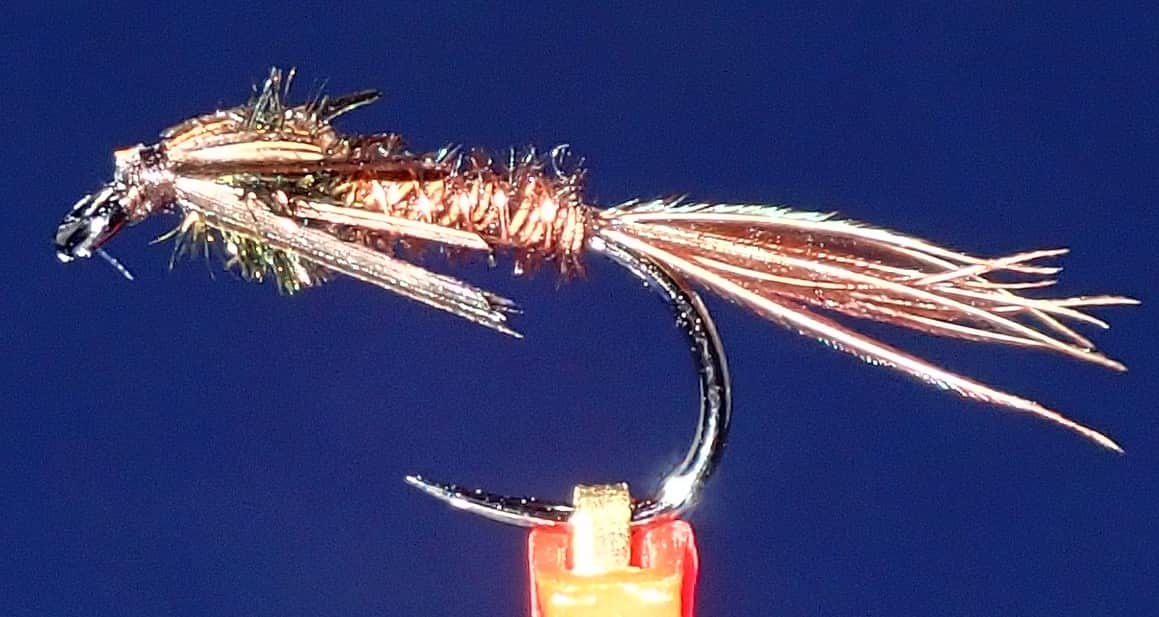
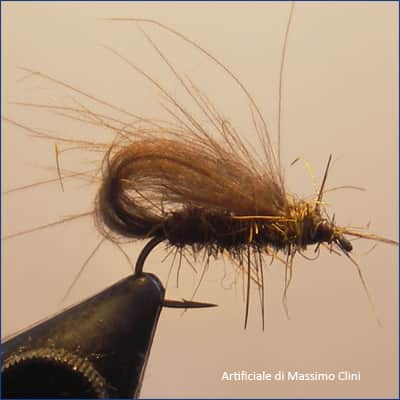
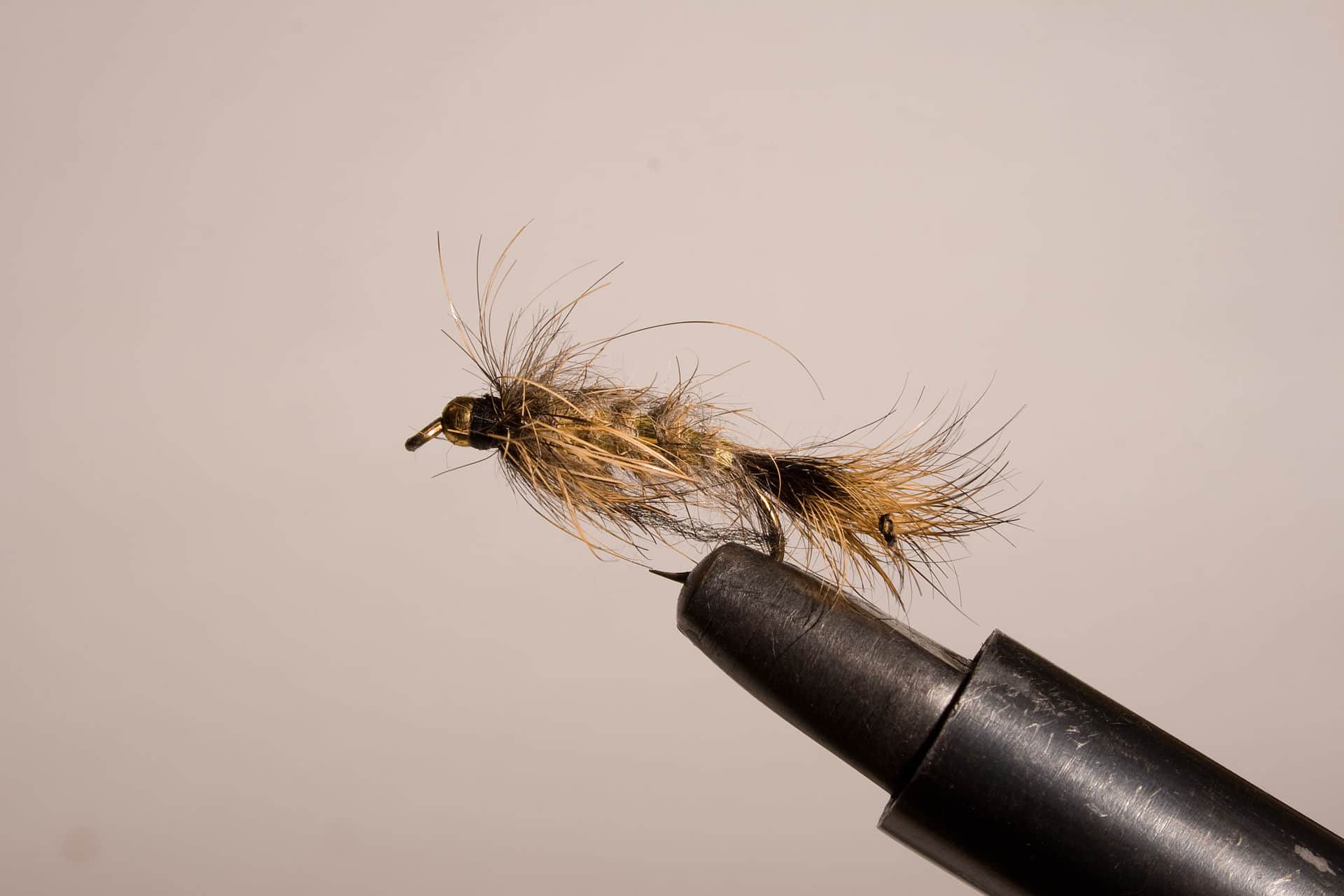
Pheasant tail, hare's ear, caddis pupa, zebra midge, small stonefly
Use when fish are not rising, water is cold, or broken current hides the feeding lane.
Dry flies
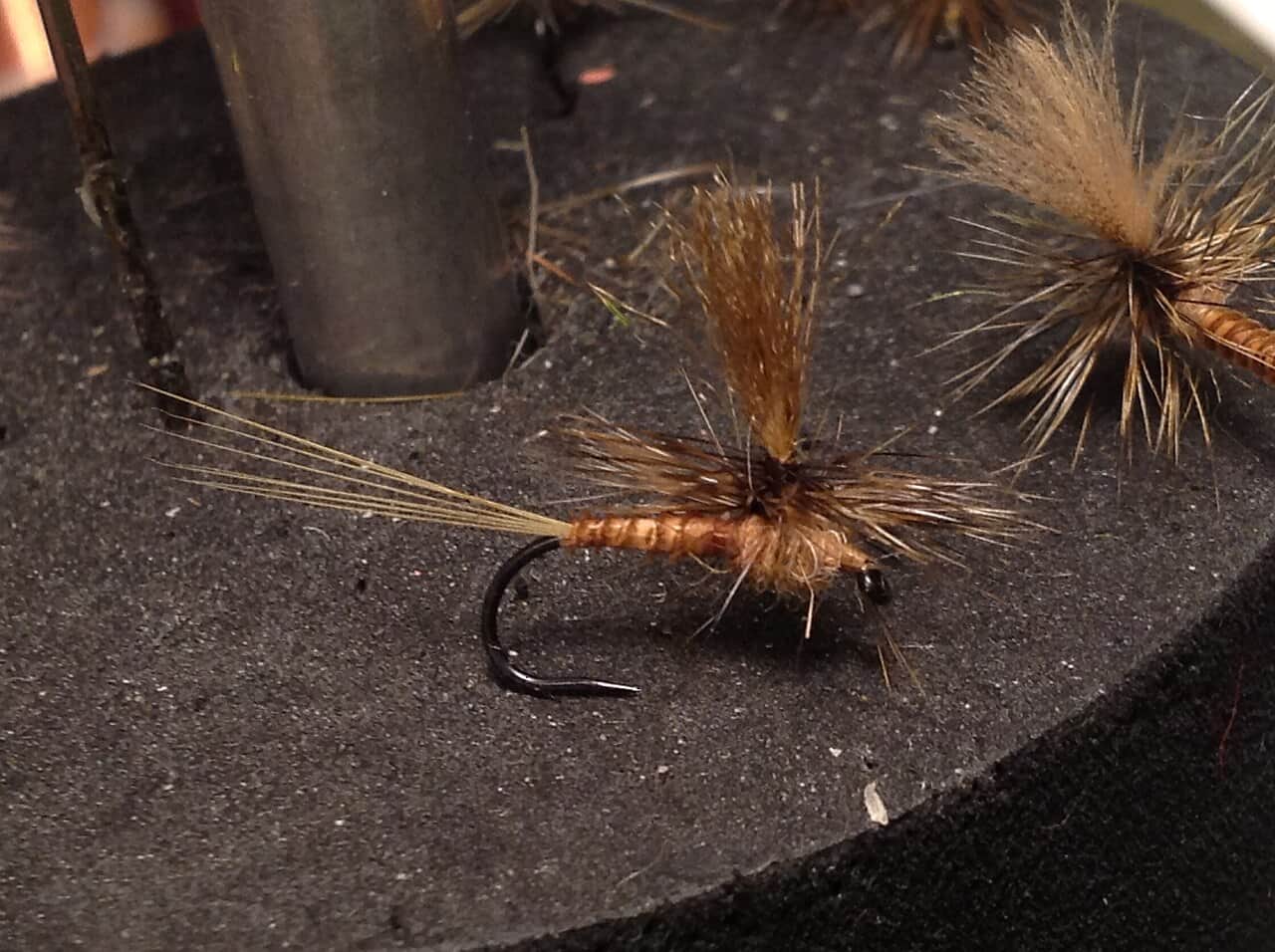
BWO, Hendrickson, sulphur, caddis, parachute Adams, terrestrial
Use during visible hatches, spinner falls, or quiet bank feeders.
Streamers
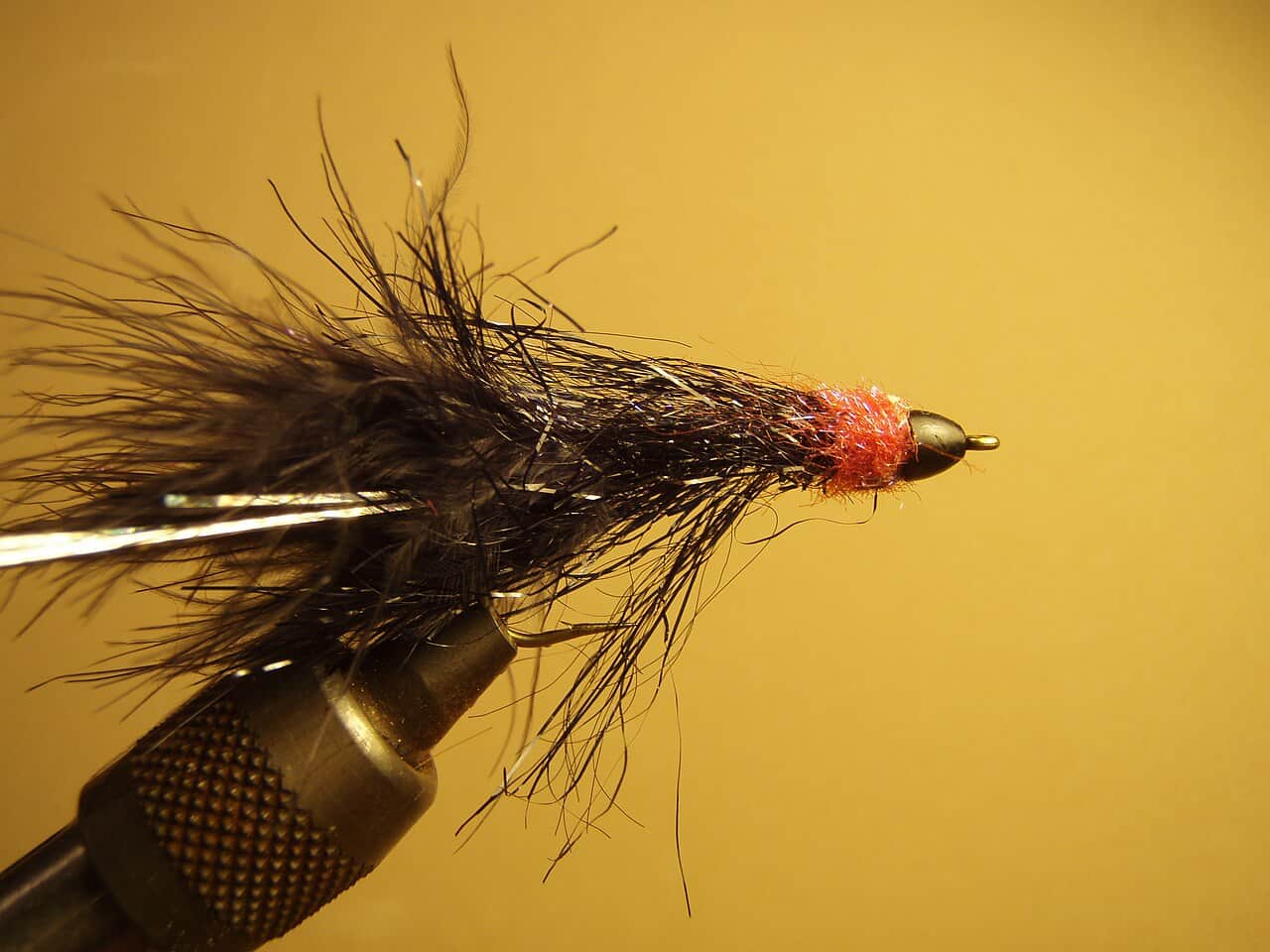
Sculpin, leech, woolly bugger, small baitfish
Use in stained water, higher flows, low light, or deeper cover.
Soft hackles
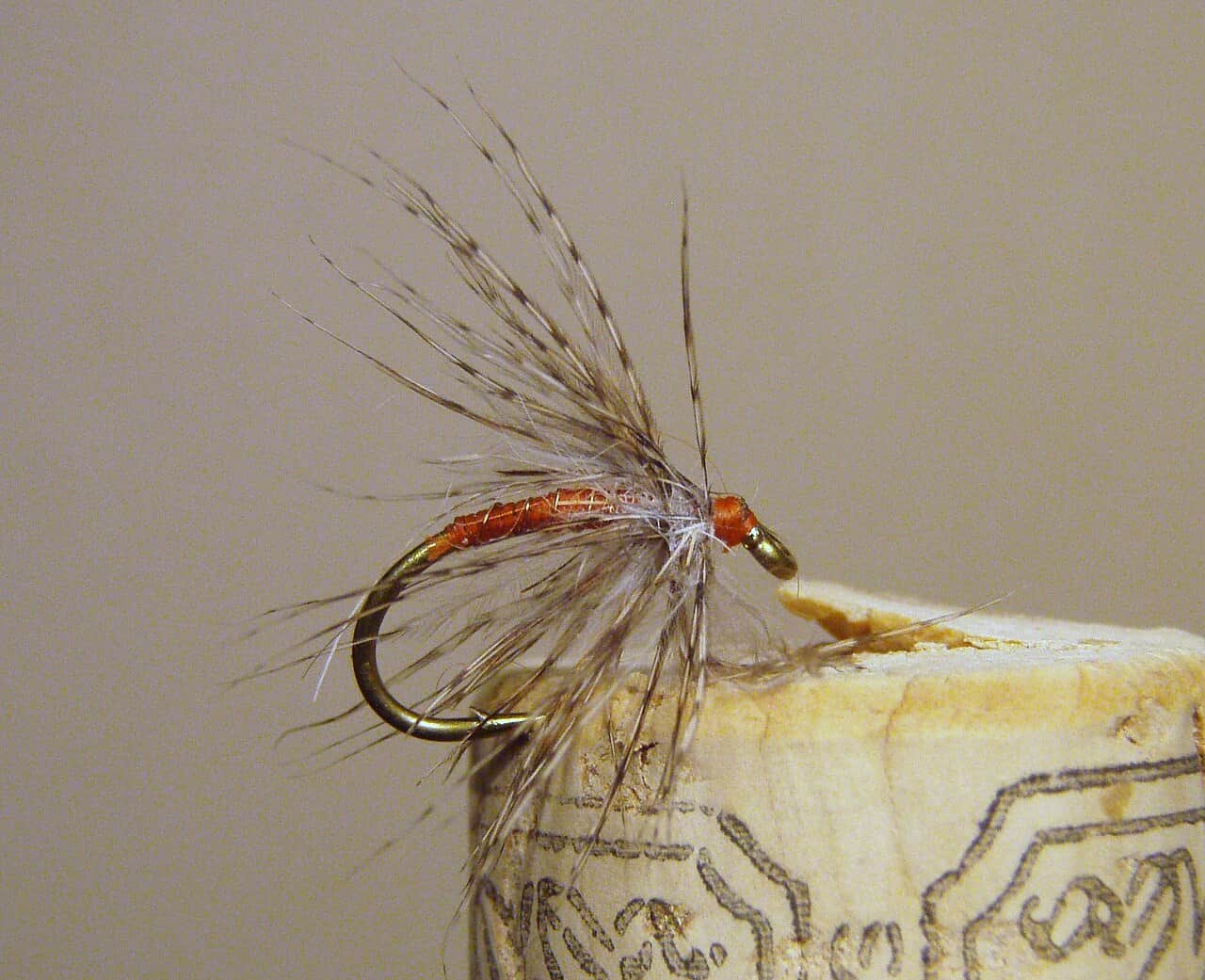
Partridge and orange, pheasant tail soft hackle, caddis soft hackle
Swing through riffles and tailouts when insects are moving but rises are hard to read.
Tactics
How to fish it
Start with the Mahwah gauge and decide whether the upper river is safe and fishable.
Use small nymphs in deeper runs before trying dries in riffles and soft edges.
Check county catch-and-release rules where they apply before keeping any fish.
Fish small streamers along banks after light stain, but skip muddy water.
Avoid crowding popular park water; short mobile sessions are often better.
Rigging
Rod, leader, and setup notes
A 4-weight or 5-weight rod covers most trout fishing.
Use 5X or 6X for clear water and 4X for streamers.
Carry pheasant tails, zebra midges, caddis, BWOs, ants, beetles, and small buggers.
Bring a thermometer in late spring and summer.
Use barbless hooks for quicker releases around crowded trout water.
Access
Access and planning notes
Ramapo Valley Reservation
Upper-river public-access planWade / float / trail
Walk-and-wade
When to pick it
Pick this when the upper public corridor still has cool water, manageable current, and county access rules are clear.
Caution
County access rules and posted areas still matter even when the river looks easy to reach.
Mahwah gauge corridor
Fast flow and clarity readWade / float / trail
Gauge / bridge scout
When to pick it
Use it when one look at current speed, color, and temperature will decide whether the trout plan should happen.
Caution
The gauge reflects upper-river trend, but lower urban sections can fish much differently.
Upper public bridge access
Short mobile sessionWade / float / trail
Walk-and-wade / scout
When to pick it
Choose it when you only need one legal upper-river stop and want to move quickly if conditions are weak.
Caution
Do not assume every roadside opening is legal or worth fishing in an urban corridor.
County park rules can be stricter than statewide fishing expectations.
Upper and lower Ramapo rules are not interchangeable. Confirm the exact reach.
Urban storm runoff and high water can make wading unsafe quickly.
Regulations
Check before fishing
New Jersey trout regulations and local county rules both matter on the Ramapo. Check current rules and access requirements before fishing.
Primary base
Mahwah, Oakland, Ramsey, or Pompton Lakes
Best day style
County reservation, road crossings, stocked reaches, town access, and upper/lower rule distinctions
Check first
Mahwah flow, NJ trout rules, county access rules, stocking/access notes, and temperature
Safety
Urban/suburban access, slippery rocks, spring closures, warm water, and storm-driven rises
Gear
Helpful gear for this water
4-weight or 5-weight rod
Covers most dry-fly, nymph, and light streamer work.
Long leaders
Clear water rewards 9 to 12 foot leaders and careful casts.
Wading staff
Freestone ledges, algae, and spring flows can be slick.
Thermometer
Use it before trout fishing during warm spells.
Compact fly box
Carry caddis, mayflies, midges, terrestrials, and small streamers.
Nearby water
Other water to research
Backup logic
Dirty runoff
Let the Ramapo settle and compare Flat Brook, the Musconetcong, or the Pequest instead of forcing stained urban water.
Warm water
Treat rising summer temperatures as a stop signal for trout and pivot to another colder river or another species.
Crowding
Use another legal upper-river access point or move off the Ramapo before the short public corridor feels overworked.
Access issue
Treat county-rule or parking confusion as a full fishability limit and simplify the day elsewhere.
Flat Brook
A more remote trout option when the Ramapo is crowded or warm.
Musconetcong River
A larger stocked trout river with TCA planning.
Pequest River
A hatchery-area trout river with clear Seasonal TCA context.
FAQ
Fast answers
Is Ramapo River fishable today?
Ramapo River looks very fishable right now. The live score is 96/100, based on current flow, weather, public alerts, and the report's planning context. Recheck the linked gauge and forecast before leaving because conditions can change quickly after rain, heat, access changes, or flow swings.
What flow is best for Ramapo River?
Use USGS 01387500 near Mahwah as the live trend. Stable moderate flow is the best fit; sudden storm spikes, lingering urban stain, or warm low water should push you to a different river or to warmwater fishing instead.
When should I skip Ramapo River?
Skip the Ramapo when county access rules or reach boundaries are unclear, when runoff has the river dirty and pushy, when summer temperatures put trout at risk, or when the plan depends on lower-river water that no longer fishes like an upper trout corridor.
Is Ramapo River safe to wade right now?
The fishability score is not a wading guarantee. Wade only where your chosen access has safe edges, clear footing, legal entry, and no forced crossings; high, rising, stained, or storm-affected water should be treated conservatively.
What should I check first before fishing the Ramapo River?
Check the USGS Mahwah gauge, NJ trout rules, county park rules, access list, weather, and water temperature.
Are there special regulations on the Ramapo River?
Yes. Upper and lower reach rules differ, and county catch-and-release rules may apply in park water.
What flies should I bring for the Ramapo River?
Bring the hatch-chart flies, a few confidence nymphs, and a streamer or warmwater box that matches the river's species. Then adjust for water temperature, clarity, and the insects or baitfish you actually see.
Can I wade the Ramapo River?
Yes at normal flows in some reaches, but storm rises, slick rock, and park boundaries require care.
When should I skip the Ramapo River?
Skip it when flows are unsafe, water is too warm for trout, emergency closures are active, or legal access for the reach is not clear.
Sources
Source set for this report
Reviewed 2026-05-31