New Hampshire / Northeast
Merrimack River
A Merrimack River report for Franklin Junction and central New Hampshire planning, with flow, mixed-species tactics, access, and regulations.
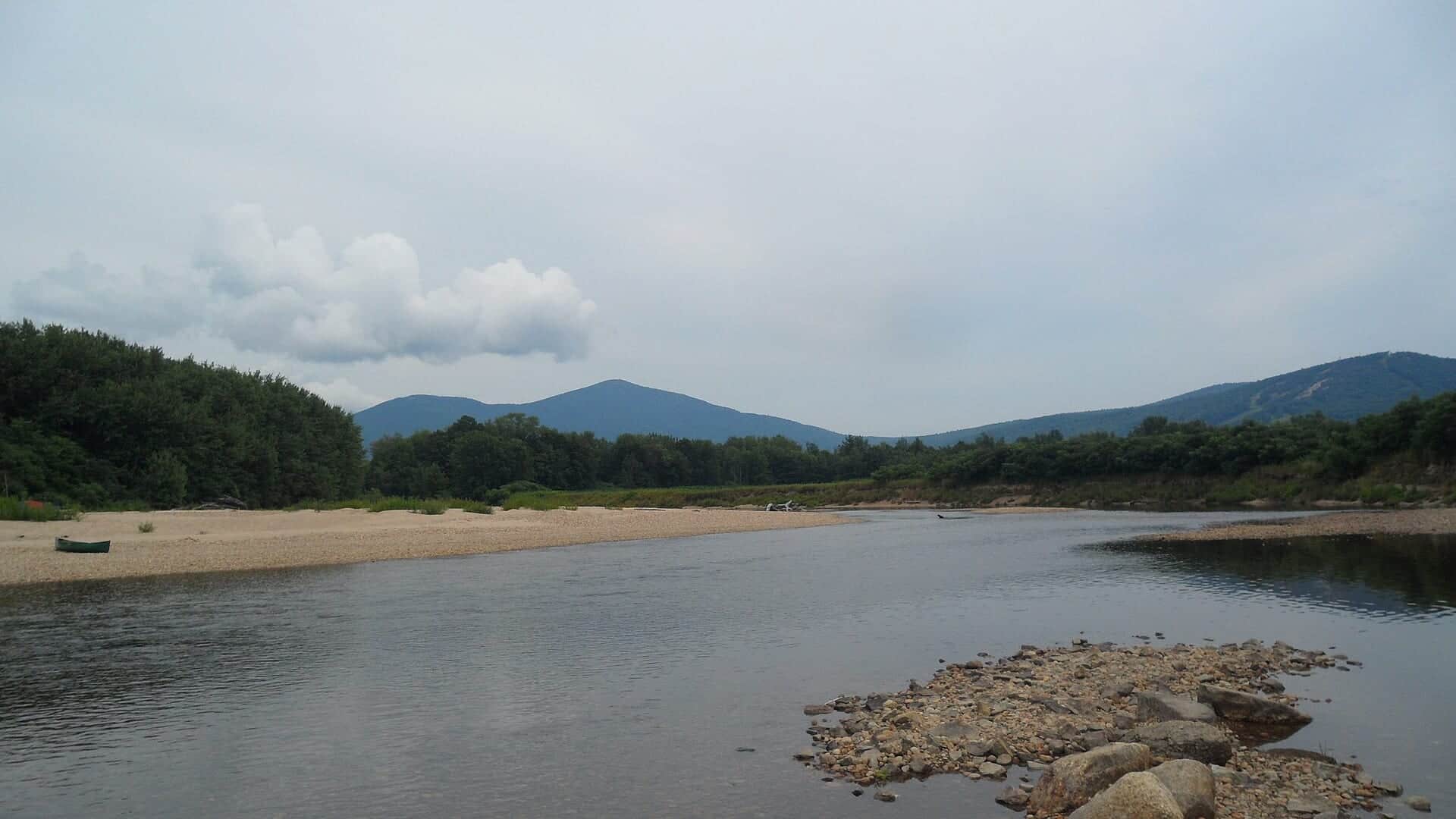
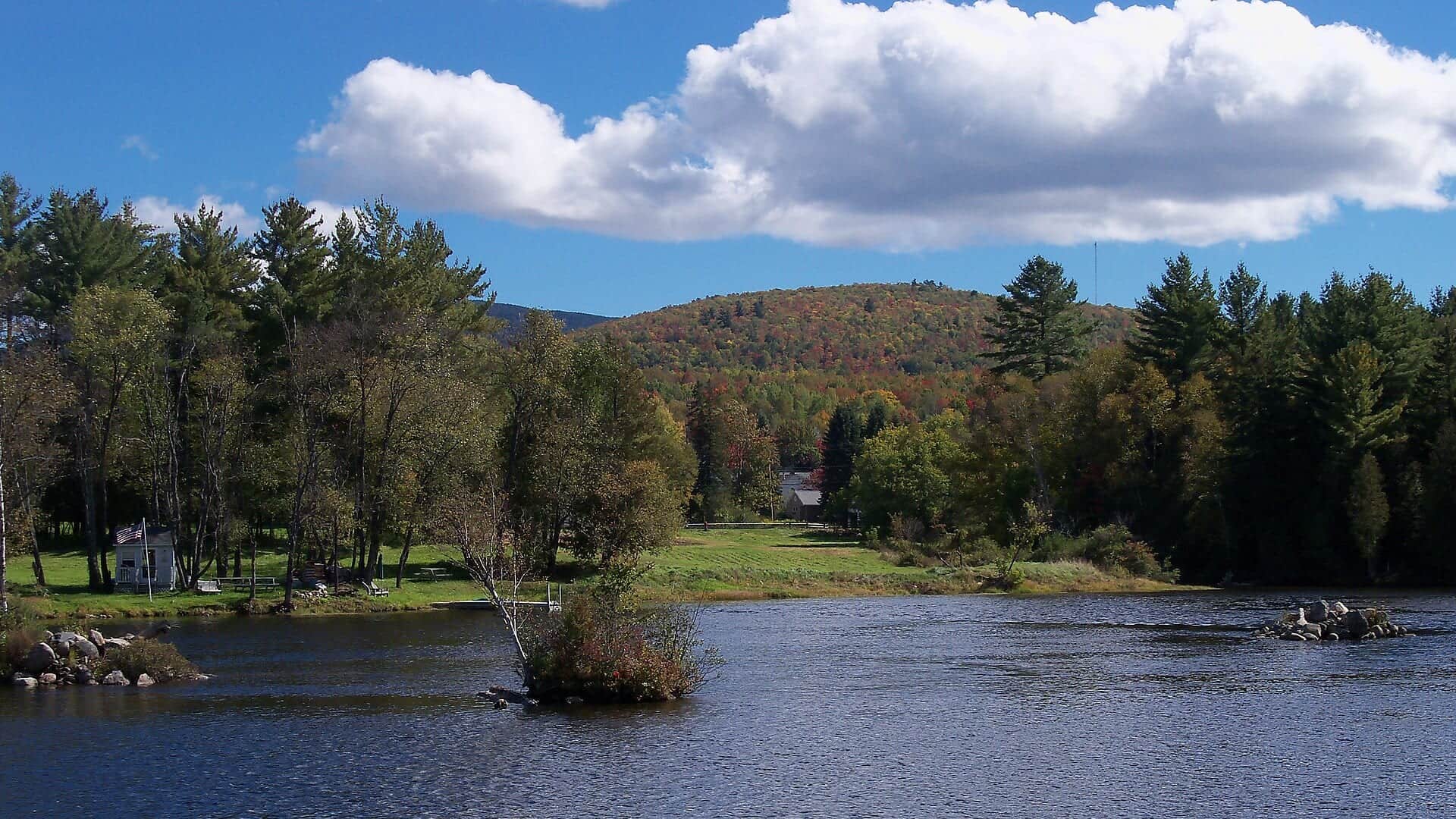
Image: Thorntons Ferry landing site, Merrimack river, New Hampshire 01 / CC BY-SA 4.0 / Jane023Fishability now: Merrimack River fishability today
GreatData confidence: High96/100
Fishable now because Franklin Junction gauge is falling, weather is usable, and no public alert is active.
Flow observed
4:30 PM UTC
Weather observed
5:00 PM UTC
Score calculated
5:26 PM UTC
Why this rating
Flow
Weather
Public alerts
Next 6-12 hours
Improving / hold
A falling gauge and usable weather should keep the next 6-12 hours in play unless tributaries stain or heat builds.
USGS flow
5,710 cfs
Current trend: flow falling, rating likely holding strong unless weather or clarity changes.
More planning details: flies, flow bands, and live source checks
Fish it today
Start here
Start at the Franklin flow, check NH rules and weather, then decide whether to fish trout seams, smallmouth ledges, bank structure, or a boat-access reach.
Best flow clue
Use RiverReports and USGS 01081500 at Franklin Junction for the upper-river trend, then match that reading to the exact reach, dam influence, boat traffic, and wind.
Skip trigger
Skip wading when the river is high, rising, cold and pushy, dam-influenced, or warm enough that trout handling is poor. Switch targets or choose smaller water.
Flow decision bands
Low and species-shifted
Lower steady summer flow can still fish, but much of the practical value shifts toward smallmouth, bank structure, and early or late cool-hour windows.
Best Franklin trend
Stable or slowly dropping Franklin Junction flow with manageable wind is the cleanest signal for trout seams up high or mixed-species structure farther down.
Pushy, cold, or unsafe
High or rising water, dam influence, or current that erases safe edges should move the day to smaller water or a pure shore plan.
Warm or windy caution
A broad river can still be a poor call when warm water ends the trout window or wind makes shore and boat control sloppy.
USGS flow
5,710 cfs
Current trend: flow falling, rating likely holding strong unless weather or clarity changes.
Live USGS flow
5,840 cfs / falling about 44%
Live NWS forecast
79F / Sunny
Water temperature not verified
Heat guidance uses weather and river type unless an official water-temperature value is available.
No NWS alert flag
No active NWS alert was returned for this forecast point.
Use the Franklin Junction flow before planning a wade or float.
Bring trout flies for cool water and bass streamers or poppers for warmer reaches.
Look for soft seams, ledges, islands, and bank structure instead of featureless current.
Use NH rules and local access information for the exact reach you fish.
Editorial review
How this report is maintained
This report is maintained from current regulation, access, flow, weather, and public planning sources so anglers can make better trip decisions than a raw gauge or generic overview would allow.
Byline
BlueStreamFly editorial team
Reviewed by
BlueStreamFly source review
Maintained by
Mountain Brook Run LLC
Last material review
2026-05-31
Report confidence
Good confidence
87/100
Good confidence: RiverReports, USGS Franklin Junction flow, New Hampshire rule and stocking sources, and weather support the page. Confidence is moderated because the Merrimack changes by reach, dam influence, access, and species target.
Regulations
New Hampshire freshwater, season, trout, and stocking sources support the rule-check path.
Access
The report identifies public-launch and park-style planning, but anglers still need reach-specific access and safety checks.
Flow and weather
RiverReports Merrimack at Franklin Junction is backed by USGS 01081500 and gives a strong big-river trend, while dam influence and wind still change the final call.
Fishing usefulness
The page now separates trout versus warmwater timing, ledge and launch safety, wind, access choice, and backup-water decisions.
Fishability dashboard and source review
2026-05-31 / material content or source review
RiverReports Merrimack River at Franklin Junction, USGS 01081500, New Hampshire freshwater, season, trout, and stocking sources, and the National Weather Service point were checked before updating the current-fishability decision layer.
2026-05-31
Updated Merrimack River to the current fishability-page standard with big-river flow bands, access cards, backup cues, stable fishability SEO, and confidence signals.
2026-05-29
Added Merrimack River trip-fit guidance, Franklin Junction RiverReports and USGS source framing, mixed trout and warmwater planning, ledge and dam-safety nuance, access and boat/wade decisions, backup-water suggestions, editorial review signals, and a page-specific report-confidence meter after source review.
2026-05-24
Initial source-reviewed report published with flows, weather, hatches, flies, tactics, access, regulations, and FAQs.
Angler planning edge
Local details that change the plan
Best for
New Hampshire anglers deciding whether the Merrimack day is a trout-window, smallmouth, shore, wade, or boat plan, Mixed-species fly fishing around ledges, islands, seams, bridge shade, rocky banks, and summer warmwater structure, Franklin and central-river trips where flow trend, water temperature, and access decide what is realistic, Anglers who will stop forcing trout tactics when broad-river summer water points toward bass and other warmwater species
Wade or float
Treat the Merrimack as big water. Some upper margins can be waded at moderate flows, but many reaches are safer from shore, a boat, or a carefully chosen launch.
Best flows
Use RiverReports and USGS 01081500 at Franklin Junction for the upper-river trend, then match that reading to the exact reach, dam influence, boat traffic, and wind.
When to skip
Skip wading when the river is high, rising, cold and pushy, dam-influenced, or warm enough that trout handling is poor. Switch targets or choose smaller water.
Local plan
Start at the Franklin flow, check NH rules and weather, then decide whether to fish trout seams, smallmouth ledges, bank structure, or a boat-access reach.
Pressure
Pressure follows parks, launches, bridge pools, and reliable smallmouth structure. Larger water spreads anglers out, but safe productive edges are still finite.
Access nuance
Public launches and parks help, but urban banks, dams, ledges, and private edges require reach-specific judgment. Do not wade below structures without a safety check.
Backup water
If the Merrimack is too high, warm, windy, or access-complicated, compare Mascoma, Saco, or Androscoggin depending on whether trout or warmwater fishing is the goal.
About the river
Setting, character, and why it fishes the way it does.
The Merrimack begins from the Pemigewasset and Winnipesaukee rivers and becomes one of New Hampshire's major river corridors. It has trout context in the upper system, but it also supports broad warmwater fly-fishing opportunities.
For a fly angler, the value is in reading the reach. Franklin-area flow helps with northern planning, while central and lower sections require more boat, ledge, and smallmouth thinking.
This page keeps the report useful by calling out that the Merrimack is mixed water. It is not accurate to fish the whole river as a small trout creek or as one uniform warmwater channel.
Target species
Brown trout
Possible in cooler upper-river and managed reaches.
Rainbow trout
Most relevant around cooler stocked or upstream-influenced water.
Smallmouth bass
A major fly target in warmer rocky sections.
Fallfish and panfish
Common warmwater river species and good light-tackle action.
Northern pike or pickerel
Possible in slower connected habitat; bring bite-aware streamers when appropriate.
Reading the water
Moderate flow
Fish seams, ledges, island tails, and bank soft water.
High flow
Do not force wading; fish protected edges or use a boat plan only if safe.
Warm water
Target bass and warmwater species instead of trout.
Clear low water
Use longer casts, smaller streamers, and low-profile approaches.
Best seasons
Spring
Cooler water, stocked trout context, streamers, and early hatches.
Early summer
Caddis, smallmouth movement, and better wade/boat windows.
Summer
Smallmouth poppers, sliders, crayfish, and early or late sessions.
Fall
Cooling water, baitfish movement, streamers, and mixed-species days.
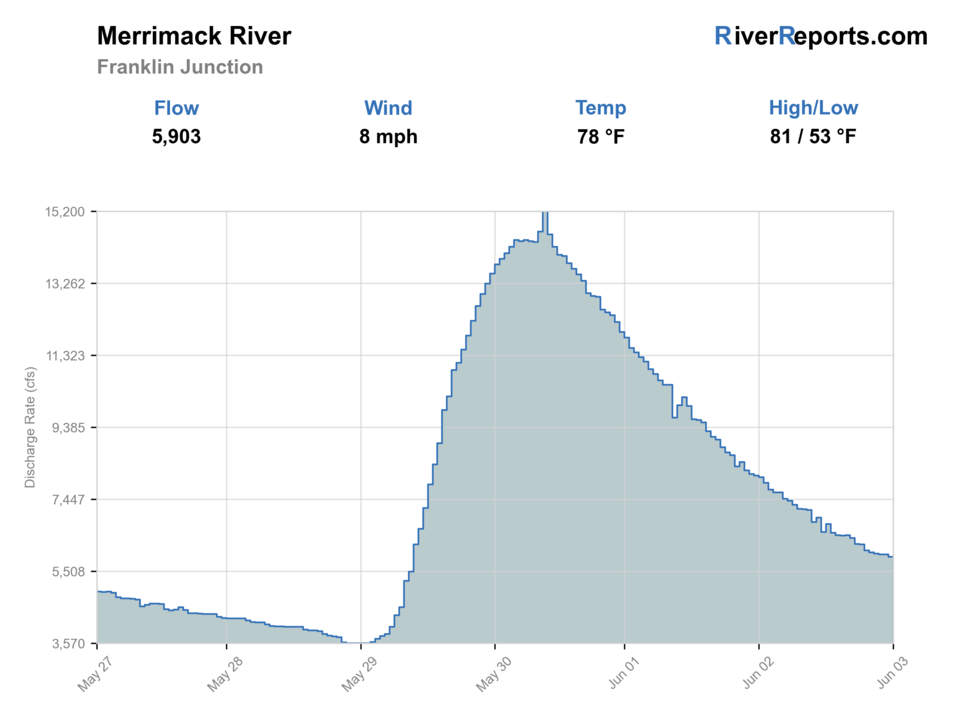
Preferred flow source
Merrimack River at Franklin Junction
RiverReports is the preferred chart source when coverage exists. When a matching USGS gauge exists, keep it open as the official backstop for station data and current hydrograph context.

USGS data chart
Official USGS trend
Streamflow over the latest USGS reporting window.
Latest
5,710 cfs
Jun 3, 5 PM UTC
Weather
River weather report
Weather can change wading safety, road access, water temperature, hatches, and the best time of day to fish.
Live forecast loads as you reach this section
This keeps the report fast while still using the official National Weather Service forecast point.
Hatches and flies
Hatch chart and fly picks
April to May
Early trout hatches, baitfish movement, crayfish, and warming smallmouth flats
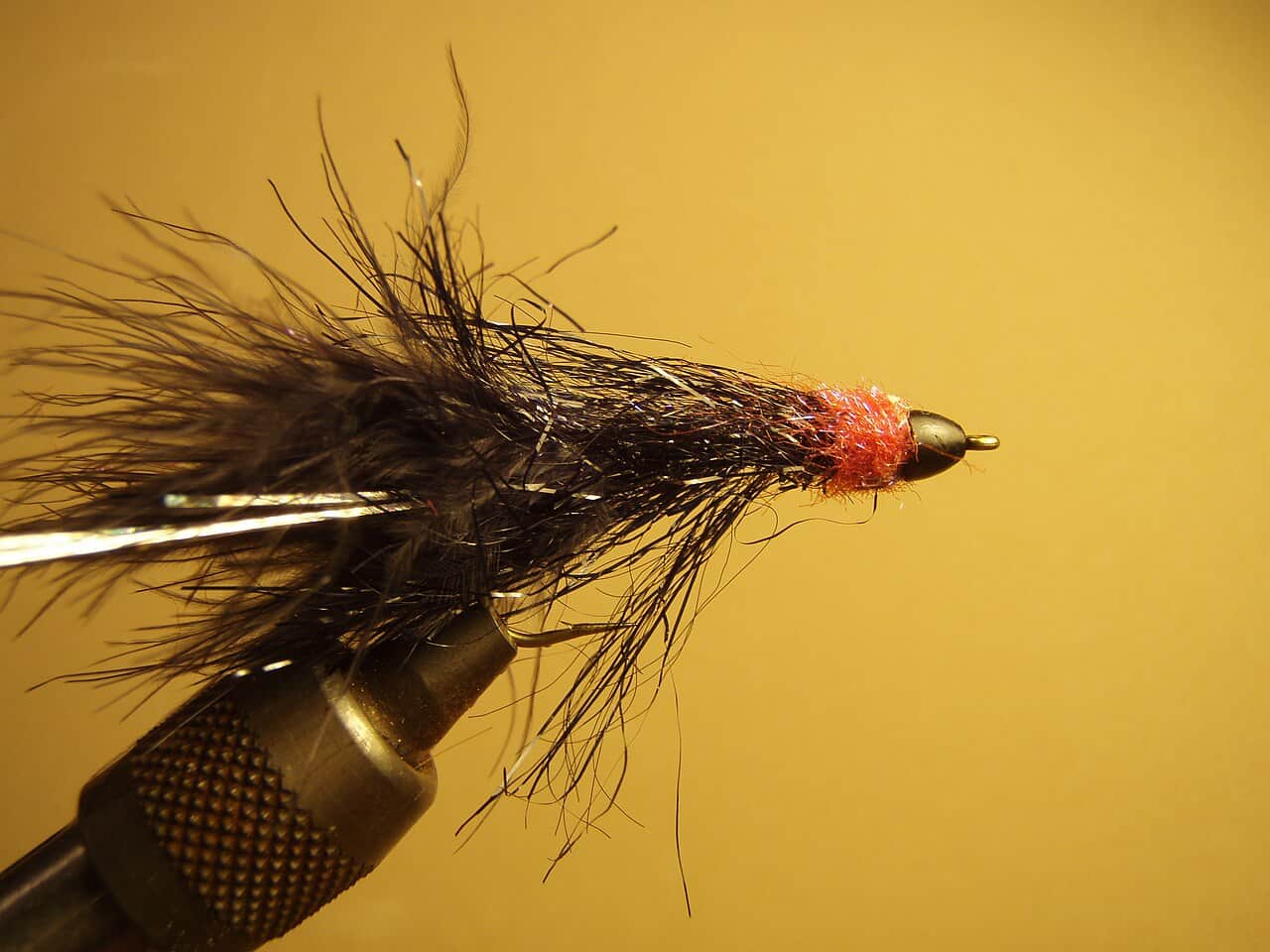
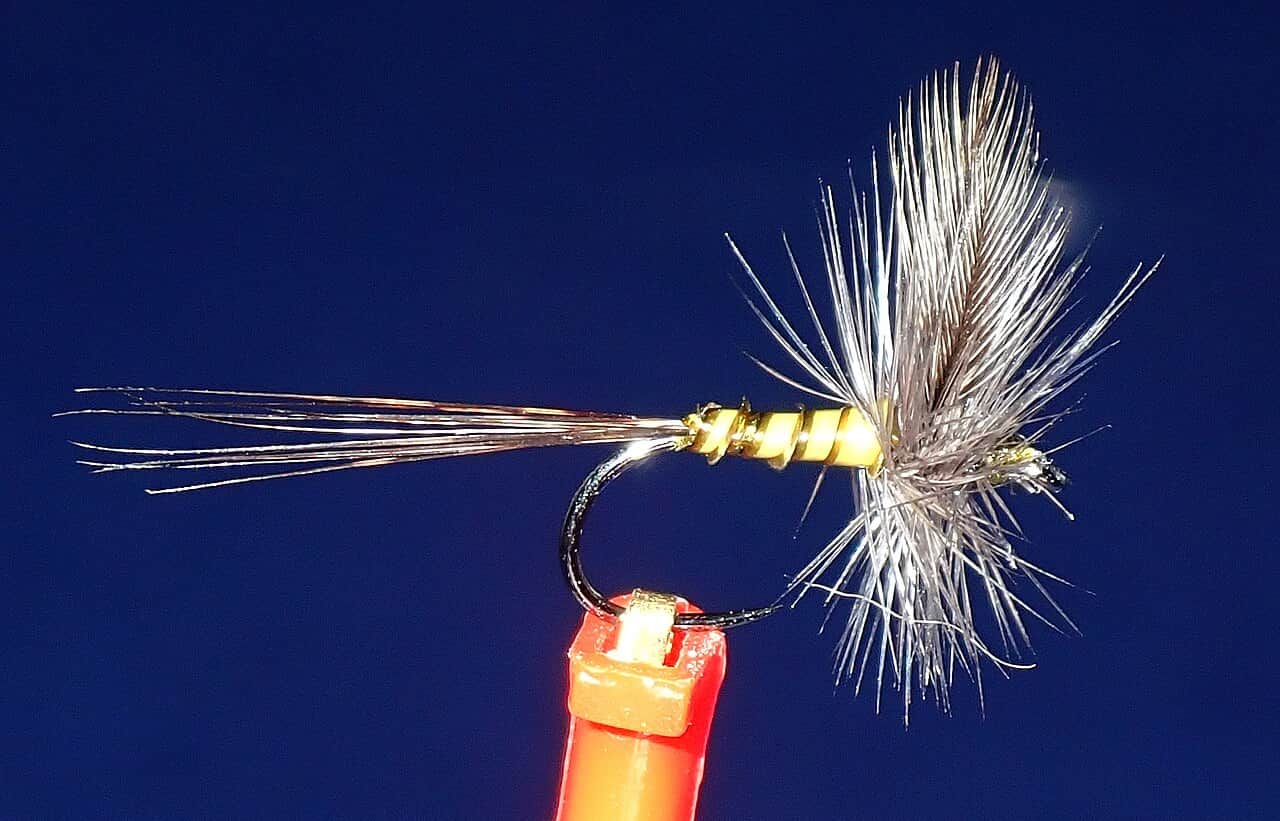
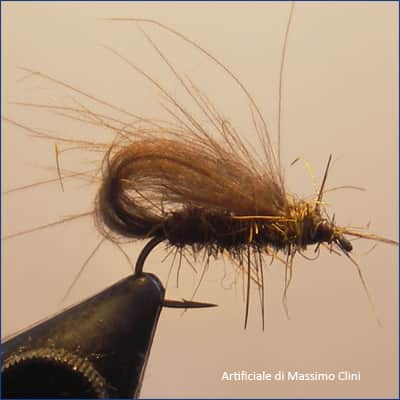
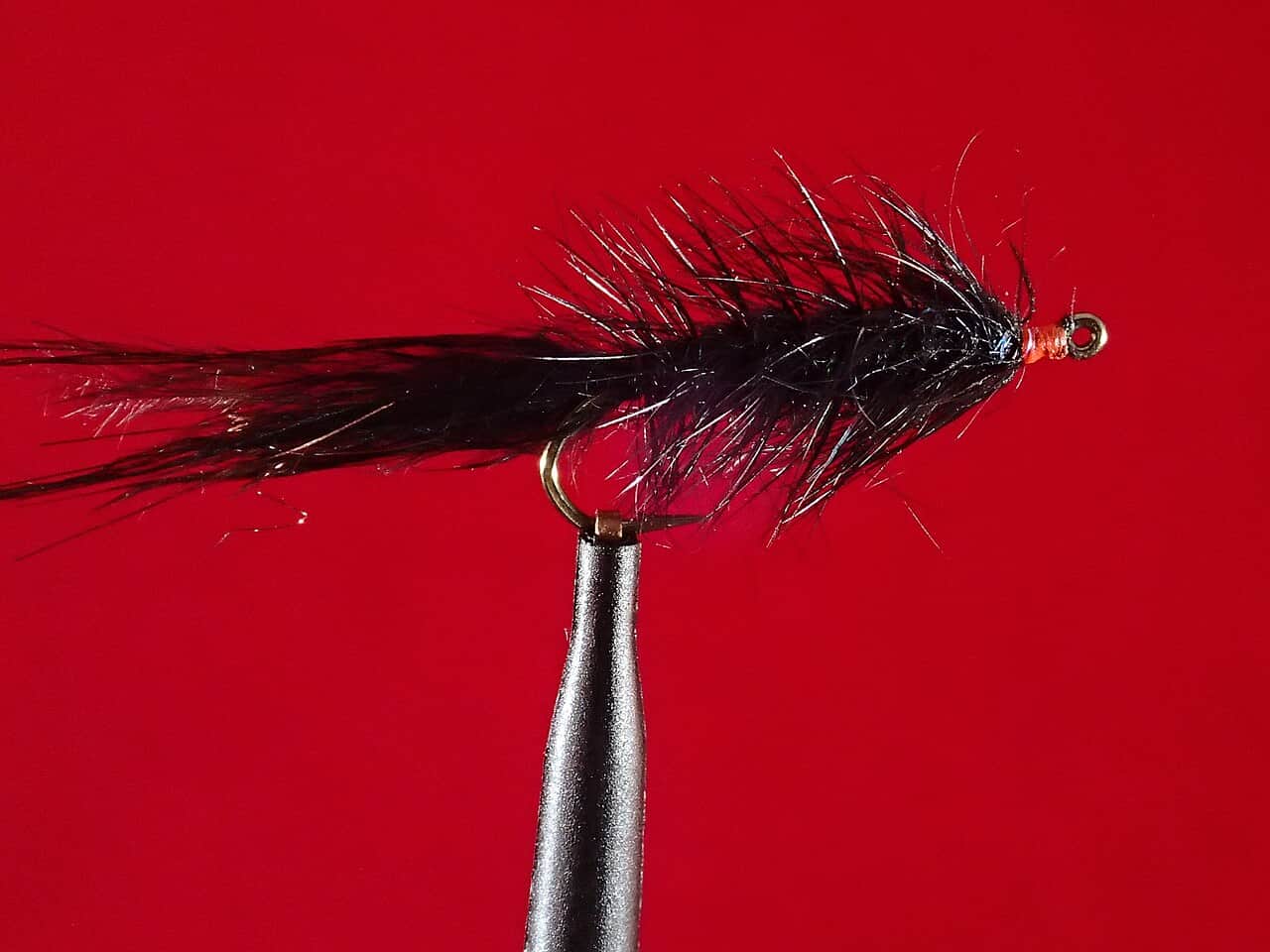
BWO emerger, caddis pupa, small Clouser, crayfish, black bugger
June to August
Caddis, damselflies, dragonflies, hoppers, minnows, crayfish
Poppers, sliders, foam hopper, damselfly nymph, baitfish streamer
September to October
Cooling-water baitfish, late caddis, crayfish, fall streamer windows
Clouser, small game changer, crayfish, soft hackle, small leech
Cold months
Limited surface feeding; slower holes and warm afternoons matter most
Slow leech, jig streamer, small baitfish, nymph under indicator
Topwater
Poppers, sliders, foam bugs, small gurglers
Use on shaded banks, wood, summer mornings, and low-light smallmouth windows.
Baitfish
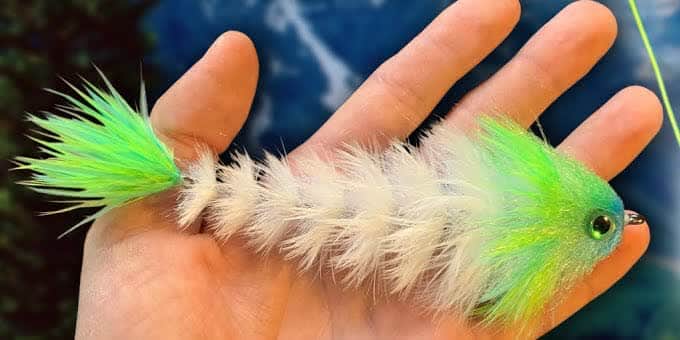
Clouser, deceiver, game changer, woolly bugger
Use in stained water, around current seams, and when bass chase minnows.
Crayfish
Rust, olive, and tan crayfish patterns
Use around rock, bridge riprap, ledges, and deeper outside bends.
Nymphs
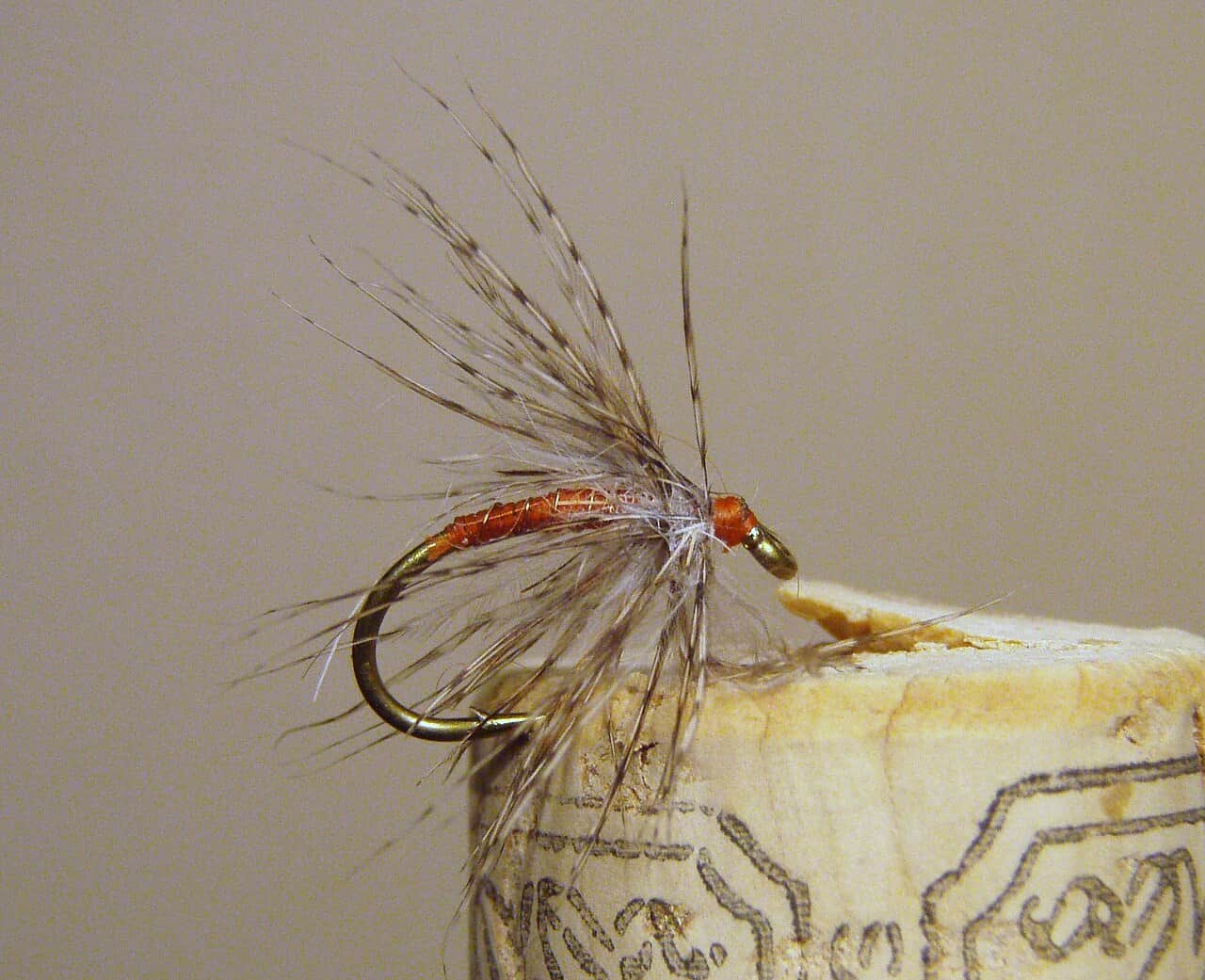
Dragonfly nymph, damselfly nymph, soft hackle, pheasant tail
Use when fish are low, neutral, or feeding below the surface film.
Tactics
How to fish it
Use the Franklin gauge for upper-river planning, then inspect the actual reach before wading.
For trout windows, fish current seams with nymphs, soft hackles, and small streamers.
For smallmouth, work ledges, bridge shade, islands, and rocky banks with crayfish and baitfish flies.
Use poppers and sliders early or late in summer, then switch to subsurface flies in bright sun.
Avoid wading broad pushy current when a bank or boat plan is safer.
Rigging
Rod, leader, and setup notes
A 6-weight is the best all-around Merrimack fly rod.
Carry a 5-weight if you are focusing on trout-sized flies in cooler upper water.
Use 0X to 2X for bass flies and 4X to 5X for trout nymphs and dries.
A floating line covers most work; add a sink tip for ledges and deeper pools.
Bring wet-wading boots or a boat plan depending on flow and reach.
Access
Access and planning notes
Franklin Junction gauge check
Primary big-river decisionWade / float / trail
Gauge / scout
When to pick it
Start here when flow trend, wind, and reach choice decide whether the day should stay trout-focused, mixed-species, or move elsewhere.
Caution
The gauge is useful, but dam influence and reach layout still matter more than one number on a broad river.
Park and launch corridor
Safer public access startWade / float / trail
Park access / launch / bank
When to pick it
Use it when you want a clear legal start for a short shore session or a simple launch-based mixed-water day.
Caution
Do not wade below structures or assume every park edge solves current, depth, or private-bank issues.
Ledge and bridge-shade reach
Structure-focused mixed-water planWade / float / trail
Bank / short wade
When to pick it
Pick this when the river is moderate enough and you want a focused bass or mixed-species plan around current breaks.
Caution
Urban banks, slick ledges, and changing depth make this a judgment call, not a default walk-in trout session.
The Merrimack has public launches and parks, but legal wade access is reach-specific.
Urban and dam-influenced reaches can change quickly. Avoid fishing below structures without checking safety.
Warmwater fly fishing is often a better summer plan than forcing trout tactics.
Regulations
Check before fishing
Check New Hampshire freshwater regulations, seasons, species limits, and any local reach rules before fishing the Merrimack.
Primary base
Franklin, Concord, Manchester, or Hooksett
Best day style
Big-river wading, boat launches, town corridors, ledges, islands, and warmwater structure
Check first
Franklin flow, reach temperature, NH rules, boat/wade access, and weather
Safety
Large river current, dam-influenced changes, ledges, and warm summer trout conditions
Gear
Helpful gear for this water
6-weight or 7-weight rod
Handles bass bugs, streamers, wind, and bigger river casts.
Floating line
Works for poppers, sliders, nymphs, and most shallow streamer work.
Sink tip
Useful for ledges, bridge pools, and deeper outside bends.
Wet-wading or boat plan
Big warmwater rivers often fish best from a craft or shoreline rotation.
Polarized glasses
Help spot ledges, bass beds, drop-offs, and safer footing.
Nearby water
Other water to research
Backup logic
High water
Move to smaller public water when the big-river push removes safe edges or turns the day into a pure scouting trip.
Warm water
Stop forcing trout tactics when summer water warms and either switch species or choose a colder river.
Wind or boat issue
Treat hard wind as a fishability limiter and simplify to shore access or another water instead of pushing a marginal launch plan.
Access problem
Use another verified public park or launch, or move to a smaller river rather than guessing at ledges or private banks.
Mascoma River
A smaller Upper Valley trout option when the Merrimack is too high or warm.
Saco River
A White Mountains freestone trout plan with a verified Conway gauge.
Androscoggin River
Another big northern river with mixed trout and warmwater planning.
FAQ
Fast answers
Is Merrimack River fishable today?
Merrimack River looks very fishable right now. The live score is 96/100, based on current flow, weather, public alerts, and the report's planning context. Recheck the linked gauge and forecast before leaving because conditions can change quickly after rain, heat, access changes, or flow swings.
What flow is best for Merrimack River?
Use RiverReports and USGS 01081500 at Franklin Junction for the upper-river trend, then match that reading to the exact reach, dam influence, boat traffic, and wind.
When should I skip Merrimack River?
Skip wading when the river is high, rising, cold and pushy, dam-influenced, or warm enough that trout handling is poor. Switch targets or choose smaller water.
Is Merrimack River safe to wade right now?
The fishability score is not a wading guarantee. Wade only where your chosen access has safe edges, clear footing, legal entry, and no forced crossings; high, rising, stained, or storm-affected water should be treated conservatively.
What should I check first before fishing the Merrimack River?
Check RiverReports or USGS at Franklin Junction, water temperature, NH rules, weather, and the exact access point.
Are there special regulations on the Merrimack River?
Yes. Rules depend on species and reach, so use the current NH freshwater digest.
What flies should I bring for the Merrimack River?
Bring the hatch-chart flies, a few confidence nymphs, and a streamer or warmwater box that matches the river's species. Then adjust for water temperature, clarity, and the insects or baitfish you actually see.
Can I wade the Merrimack River?
Some sections can be waded at moderate flows, but the Merrimack is big water. Use the gauge and avoid unsafe crossings.
When should I skip the Merrimack River?
Skip it when flows are unsafe, water is too warm for trout, emergency closures are active, or legal access for the reach is not clear.
Sources
Source set for this report
Reviewed 2026-05-31