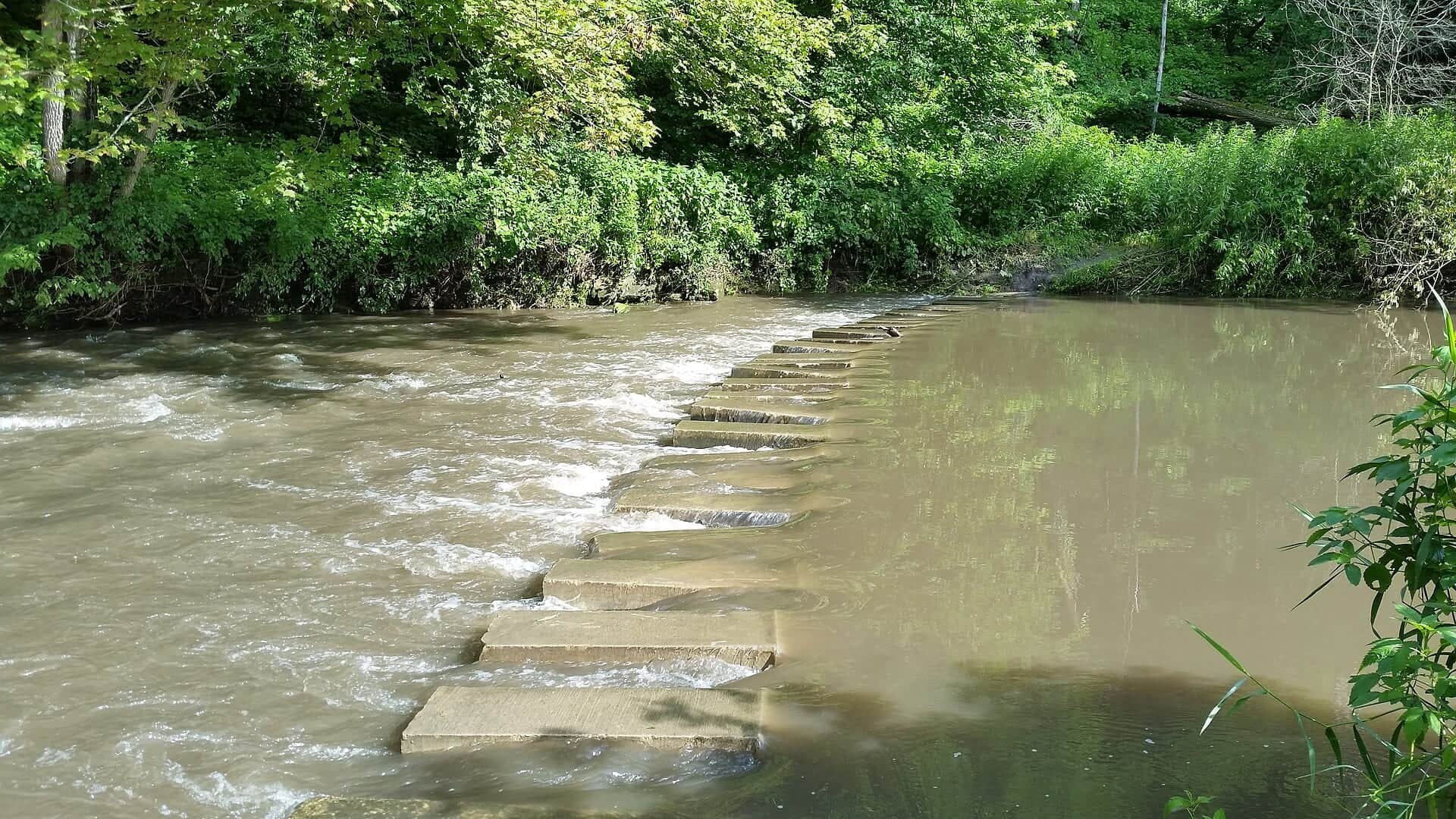
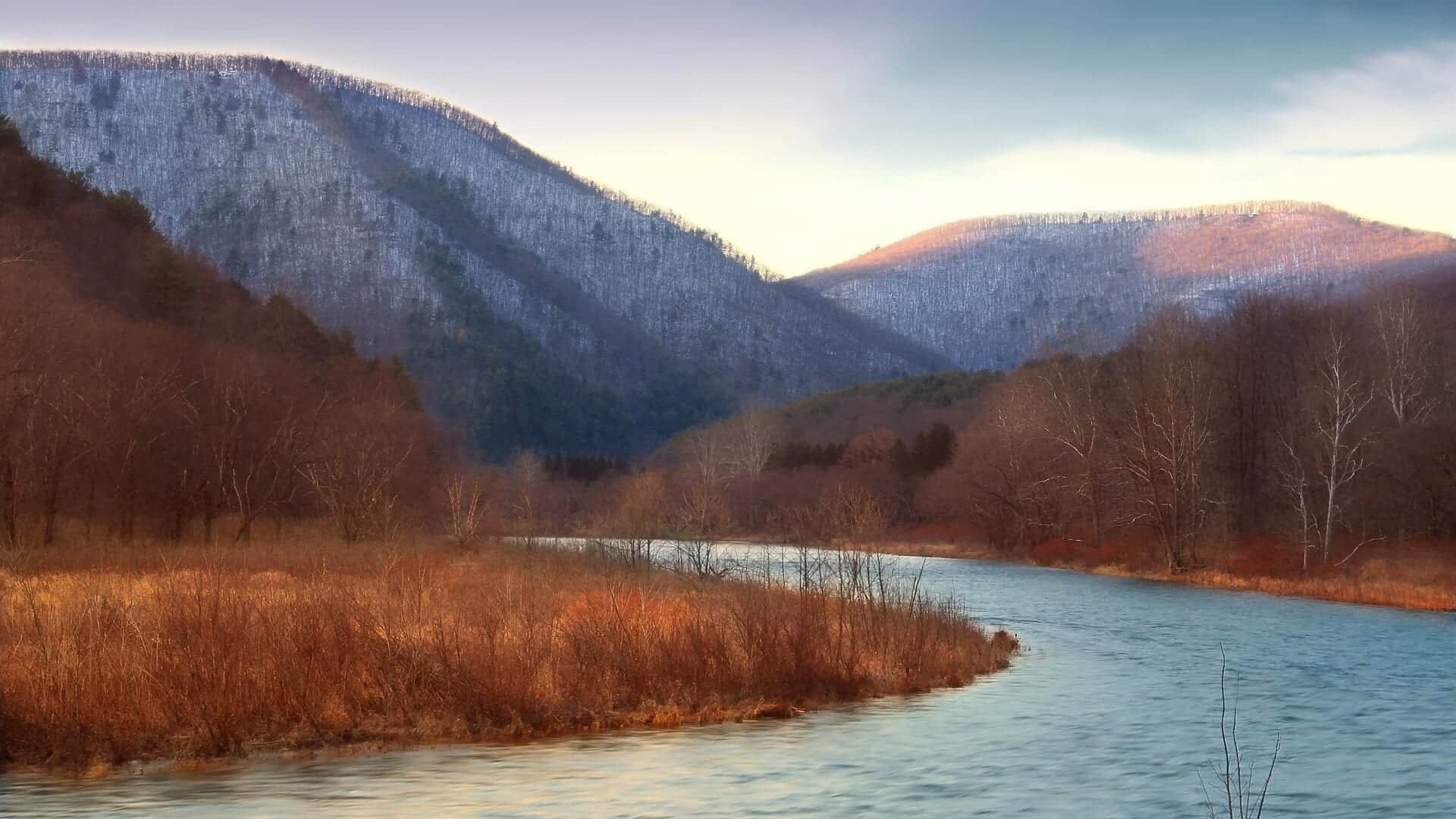
Roaring River State Park water or watershed scenery in Missouri

Missouri / Midwest

Roaring River State Park

A Roaring River State Park report for Missouri trout anglers checking flow, zones, daily tags, catch-and-release seasons, hatches, access, and weather.

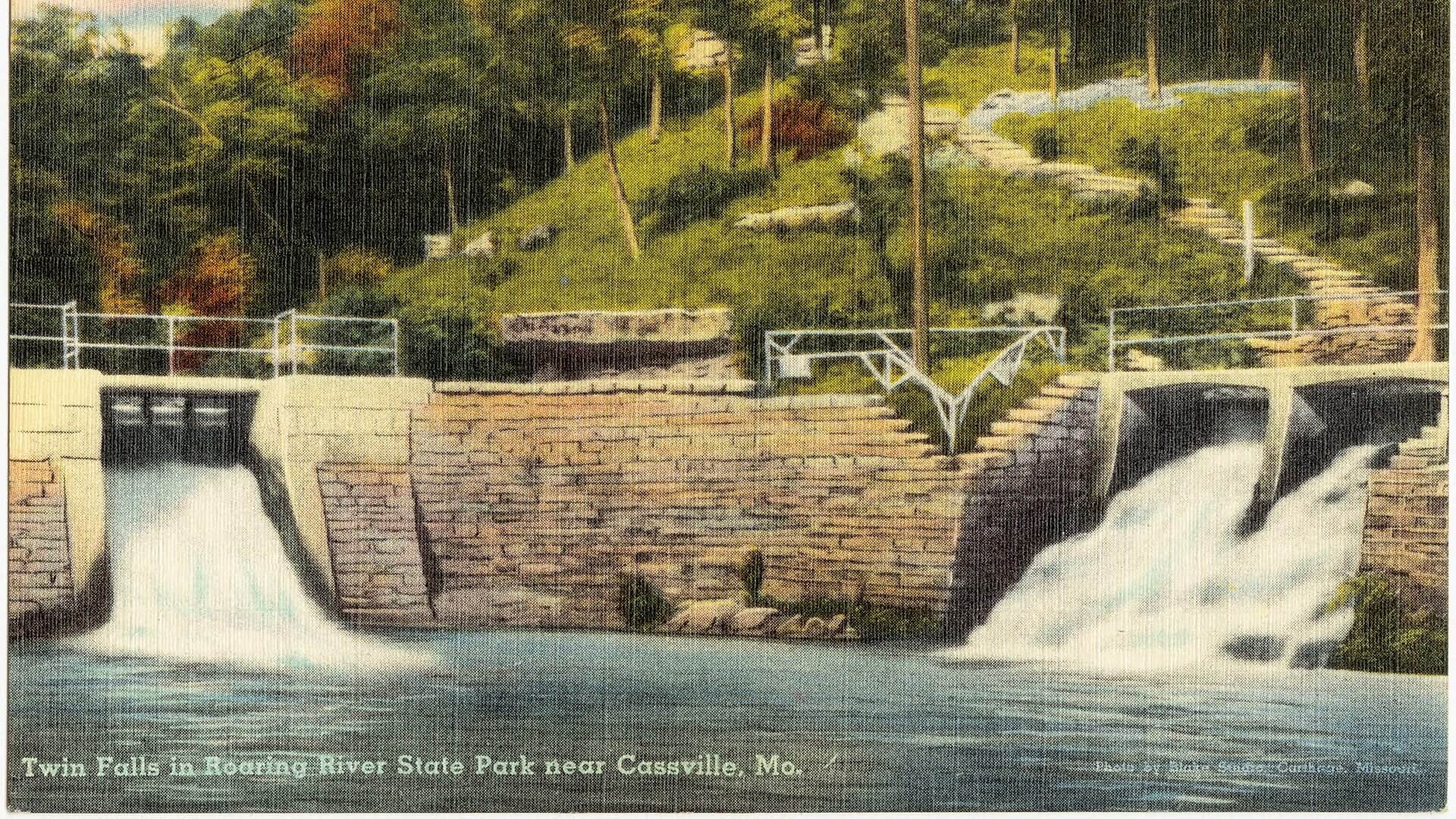
Image: Twin Falls in Roaring River State Park near Cassville, Mo (79231) / Public domain / Ozark Postcard Publishers, Monett, Mo.

Fishability now: Roaring River State Park fishability today

GreatData confidence: High

96/100

Fishable now because Roaring River State Park gauge is falling, weather is usable, and no public alert is active.

Flow observed

5:55 PM UTC

Weather observed

5:00 PM UTC

Score calculated

6:13 PM UTC

Why this rating

Flow

Weather

Public alerts

Next 6-12 hours

Improving / hold

A falling gauge and usable weather should keep the next 6-12 hours in play unless tributaries stain or heat builds.

More planning details: flies, flow bands, and live source checks

Fish it today

Start here

Buy or confirm the required permits and tags, read the zone map before rigging, then choose small nymphs, midges, scuds, soft hackles, or legal streamers for the specific zone.

Best flow clue

Use USGS 07050152 at Roaring River State Park for current water context, then match the plan to the zone map, legal method, crowd level, and spring-branch clarity.

Skip trigger

Skip or simplify the plan when park rules, tags, winter catch-and-release timing, or legal methods are not clear, or when crowds make clean drifts and safe spacing unrealistic.

Flow decision bands

Low and technical

Clear spring-branch water still fishes, but selective trout, short drifts, and visible fish make stealth and clean presentations more important than extra distance.

Best trout-park window

Stable park flow with current zone rules, tags, and manageable crowding is the cleanest signal for midges, scuds, soft hackles, and small legal streamers.

Crowded or hard to fish cleanly

A fishable gauge can still be a poor day when openers, weekends, or tight spacing make safe drifts and courteous room hard to maintain.

Rules or season caution

Zone boundaries, daily tags, legal methods, and winter catch-and-release timing can override a good-looking water level.

USGS flow

64 cfs

Open

Current trend: flow falling, rating likely holding strong unless weather or clarity changes.

Live USGS flow

64 cfs / falling about 15%

Live NWS forecast

75F / Sunny

Water temperature not verified

Heat guidance uses weather and river type unless an official water-temperature value is available.

No NWS alert flag

No active NWS alert was returned for this forecast point.

Primary waterRoaring River trout park zones and downstream White Ribbon context
Flow checkUSGS Roaring River at Roaring River State Park 07050152
Access styleState park trout zones, hatchery water, marked banks, and daily-tag planning
ReviewedMay 31, 2026

Use the USGS Roaring River gauge for current flow through the park.

Zone boundaries control methods, harvest, and catch-and-release expectations.

Daily trout tags and Missouri fishing permits are part of the normal trout-park plan.

Winter catch-and-release has different timing and expectations than the regular season.

Editorial review

How this report is maintained

This report is maintained from current regulation, access, flow, weather, and public planning sources so anglers can make better trip decisions than a raw gauge or generic overview would allow.

Byline

BlueStreamFly editorial team

Reviewed by

BlueStreamFly source review

Maintained by

Mountain Brook Run LLC

Last material review

2026-05-31

Report confidence

High confidence

90/100

High confidence: USGS flow, MDC trout park rules and map, Missouri State Parks access information, downstream regulation context, weather, and public-domain media support the report. Day-of tags, park hours, and zone signs still need a final check.

Regulations

MDC trout park rules, downstream regulations, and the park map support the legal-method and zone guidance.

Access

Missouri State Parks information and MDC mapping support public access and park planning.

Flow and weather

USGS 07050152 and the National Weather Service point resolved for current water and weather checks.

Fishing usefulness

The report now ties tags, zones, legal methods, crowd strategy, clear-water tactics, winter timing, and backup decisions together.

Fishability source review

2026-05-31 / material content or source review

USGS 07050152, Missouri trout park regulations and zone map, Missouri State Parks fishing access, downstream White Ribbon context, and the National Weather Service point were rechecked before adding the Pine Creek-standard trout-park decision layer.

2026-05-31

Upgraded the page to the Pine Creek fishability standard with trout-park decision bands, zone-specific access cards, backup logic, and a reviewed route profile.

2026-05-29

Added Roaring River State Park trip-fit guidance, USGS gauge framing, trout-park zone and daily-tag reminders, crowd and method-planning nuance, winter catch-and-release checks, backup-water suggestions, editorial review signals, and a page-specific report-confidence meter after source review.

2026-05-24

Initial source-reviewed report published with flows, weather, hatches, flies, tactics, access, regulations, and FAQs.

Angler planning edge

Local details that change the plan

Best for

Missouri trout park anglers who need zone, tag, method, and season details before choosing flies, Clear spring-branch sight-fishing, midge, scud, soft-hackle, and small-streamer sessions inside a managed park, Families or newer fly anglers who will fish marked water and follow park timing, permits, and crowd etiquette, Experienced anglers who can adapt to selective trout and legal-method differences between park zones

Wade or float

Treat this as a structured wade-and-bank trout-park report. Zone boundaries, daily tags, legal methods, and angler spacing matter more than covering miles.

Best flows

Use USGS 07050152 at Roaring River State Park for current water context, then match the plan to the zone map, legal method, crowd level, and spring-branch clarity.

When to skip

Skip or simplify the plan when park rules, tags, winter catch-and-release timing, or legal methods are not clear, or when crowds make clean drifts and safe spacing unrealistic.

Local plan

Buy or confirm the required permits and tags, read the zone map before rigging, then choose small nymphs, midges, scuds, soft hackles, or legal streamers for the specific zone.

Pressure

Pressure is part of the fishery. Openers, weekends, easy banks, and visible fish draw anglers, so short accurate drifts and courteous spacing are essential.

Access nuance

The state park gives strong public access, but method boundaries, signs, hatchery areas, and downstream White Ribbon water are not interchangeable. Confirm the exact water before fishing.

Backup water

If the trout park is crowded, rule-limited, or off your preferred style, compare downstream Roaring River context or plan a different Missouri trout water rather than bending the park rules.

About the river

Setting, character, and why it fishes the way it does.

Roaring River State Park is one of Missouri's well-known trout parks. The cold spring-fed stream, hatchery influence, park infrastructure, and clearly marked zones create a very different fishing experience from remote public water.

Fly anglers can have excellent sight-fishing, nymphing, midge, dry-fly, and small-streamer days, but the rules are central. Each zone has its own method expectations, and daily tags or seasonal rules can determine the plan.

The downstream Roaring River White Ribbon water offers a different public-trout context, but this page focuses on the state park report because that is the search intent and the regulation risk.

Target species

Rainbow trout

The primary stocked trout park target and the main reason most anglers visit.

Brown trout

Possible in the broader system; check current rules and limits before harvest.

Smallmouth bass

More relevant downstream or outside the core trout park plan.

Sunfish

A minor warmwater backup in slower downstream habitat, not the park focus.

Reading the water

Normal clear flow

Use small nymphs, midges, soft hackles, and light tippet with clean drifts.

Crowded water

Shorten casts, fish open lanes, and avoid crossing another angler's drift.

Higher or stained

Use small buggers, leeches, or larger nymphs where legal and safe.

Bright low water

Downsize flies, lengthen leaders, and sight fish rather than blind casting.

Best seasons

Regular trout season

Daily tag planning, zones, crowds, and stocked fish are central.

Spring

Midges, BWOs, scuds, caddis, and high angler pressure.

Summer

Early and shaded windows with small flies and careful handling.

Winter catch-and-release

Different timing and methods; verify the exact MDC rules first.

USGS flow

Roaring River at Roaring River State Park

This is the fallback for rivers that are not covered by RiverReports. Use the official USGS monitoring page for the live hydrograph, station metadata, and current water trend.

Open USGS gauge

USGS data chart

Roaring River at Roaring River State Park

Streamflow over the latest USGS reporting window.

Latest

64 cfs

Jun 3, 5 PM UTC

Site

07050152

Low / high

64 / 89 cfs

Source

Open USGS

Weather

River weather report

Weather can change wading safety, road access, water temperature, hatches, and the best time of day to fish.

Live forecast loads as you reach this section

This keeps the report fast while still using the official National Weather Service forecast point.

Hatches and flies

Hatch chart and fly picks

March to April

Freshly stocked trout, midges, BWOs, scuds, and light caddis

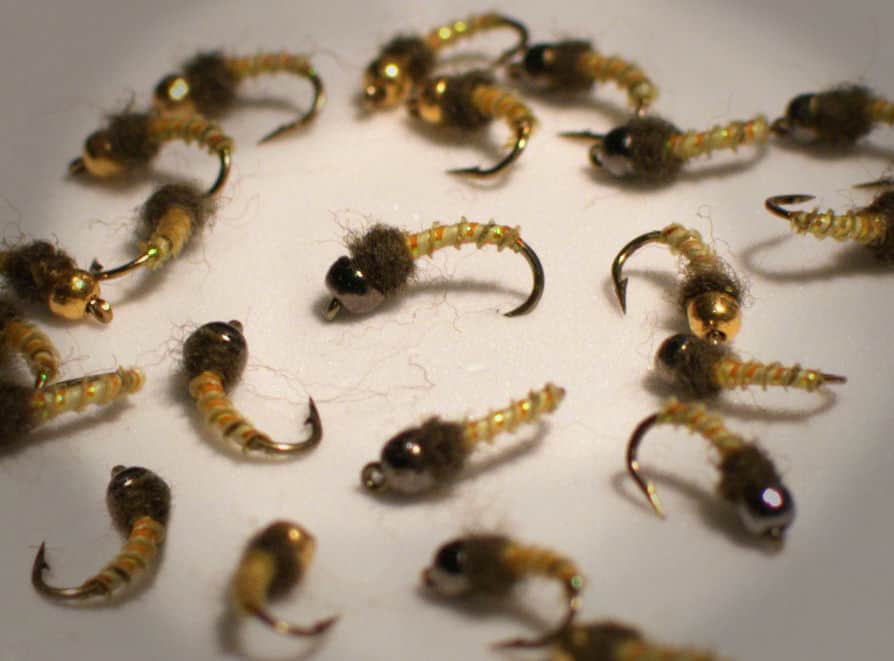
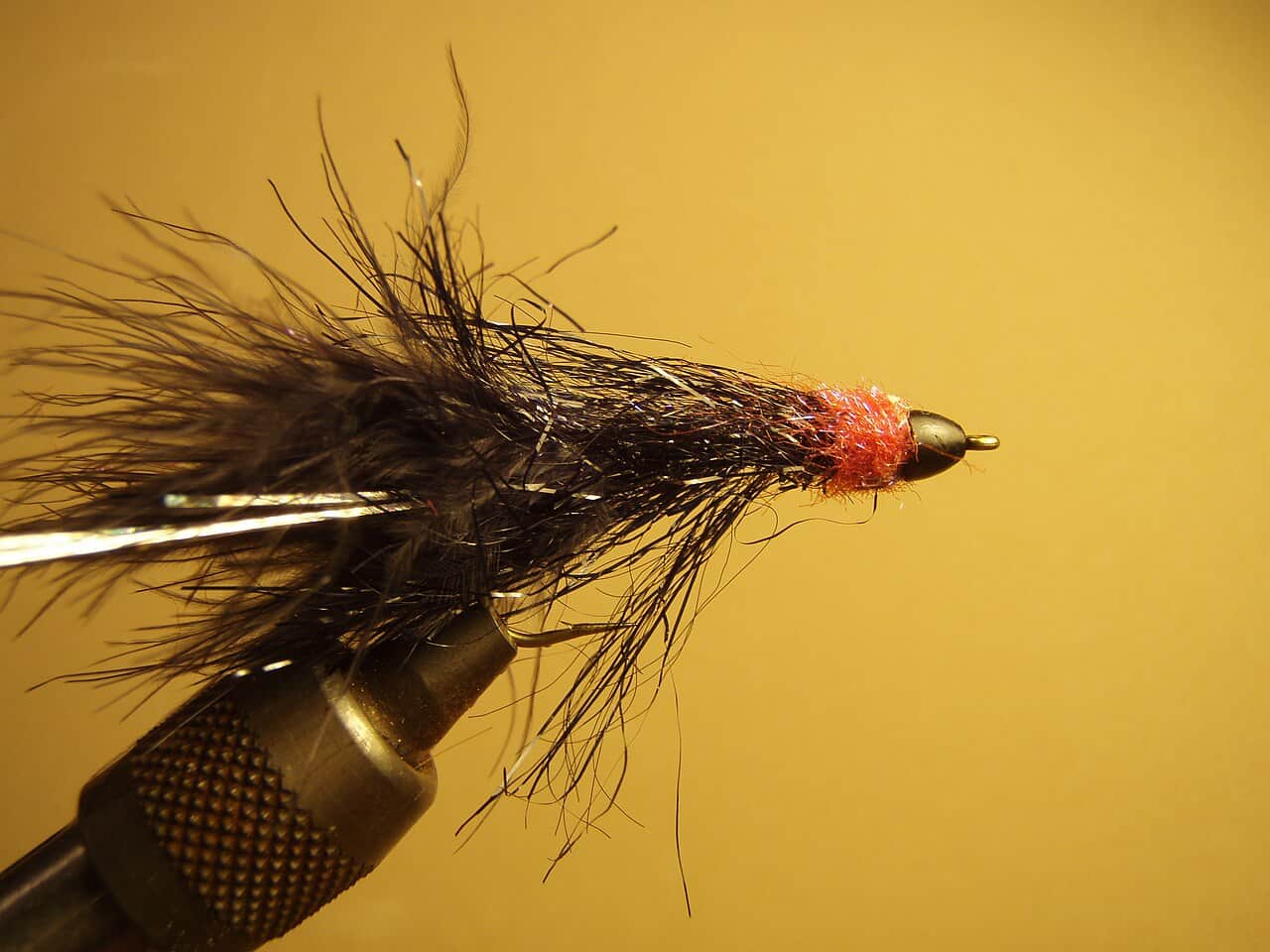
Zebra midge, scud, BWO, small woolly bugger, soft hackle

May to June

Caddis, sulphurs, midges, and sight-fishing windows

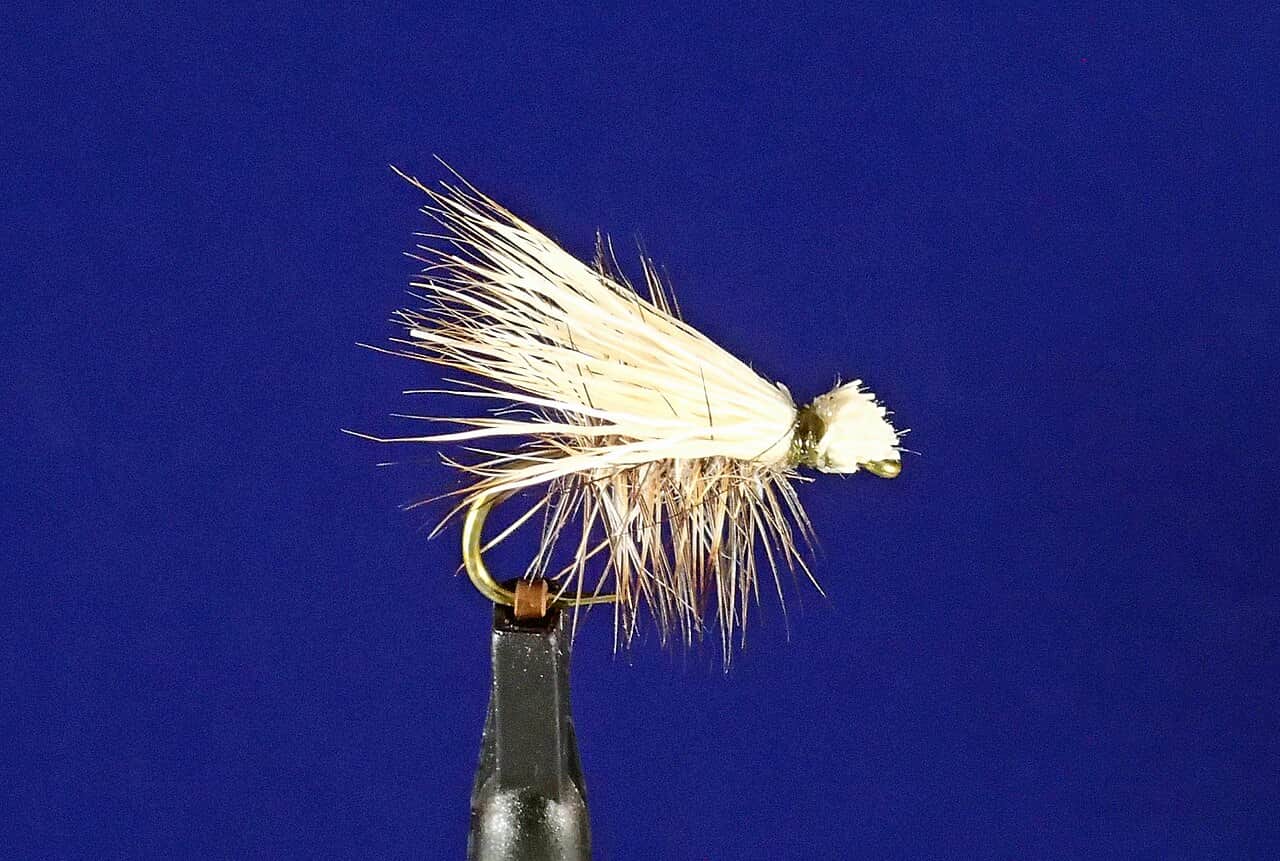
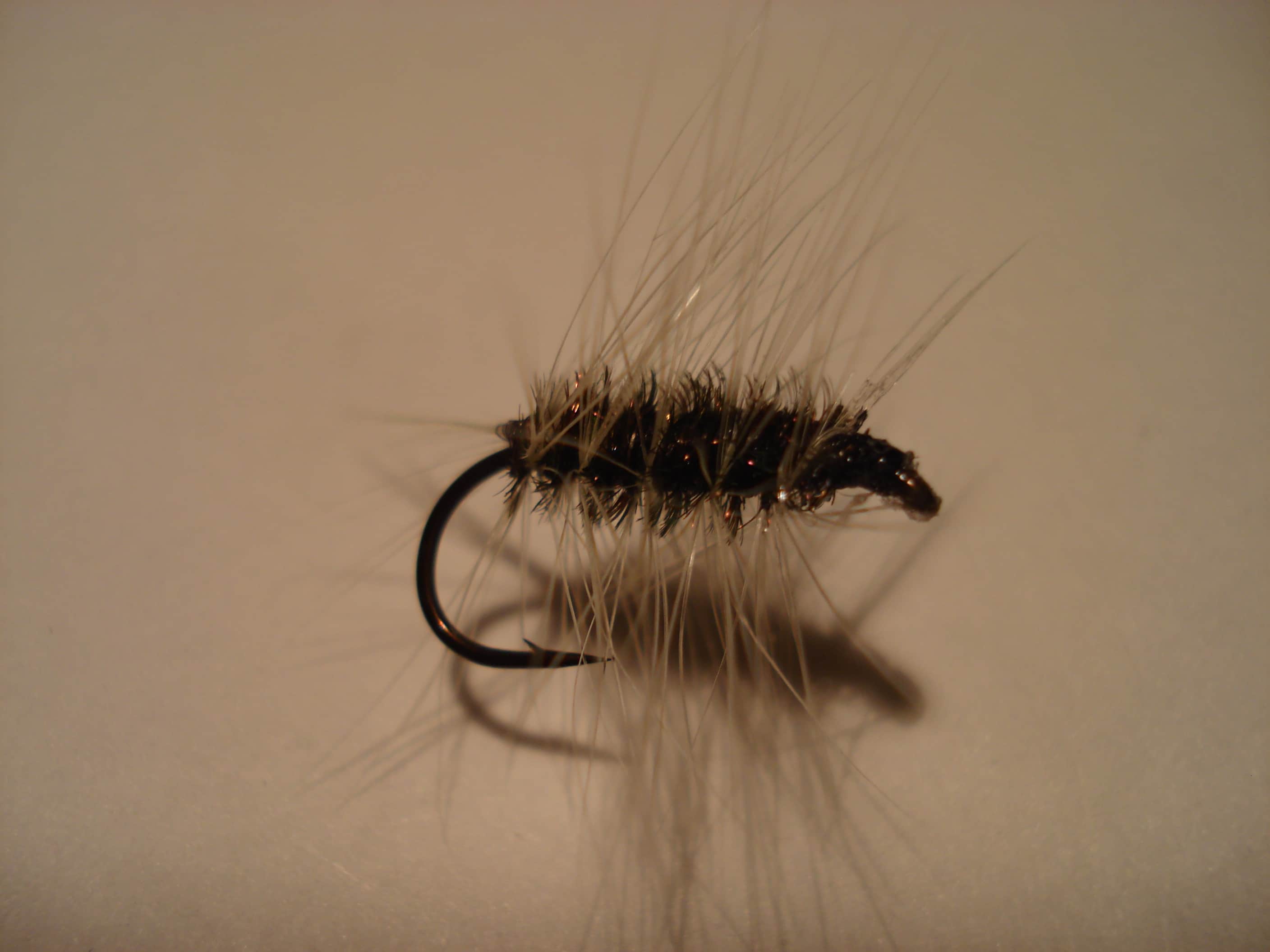
Elk hair caddis, sulphur, Griffith's gnat, pheasant tail, midge pupa

July to September

Midges, terrestrials, ants, beetles, and low-light dries

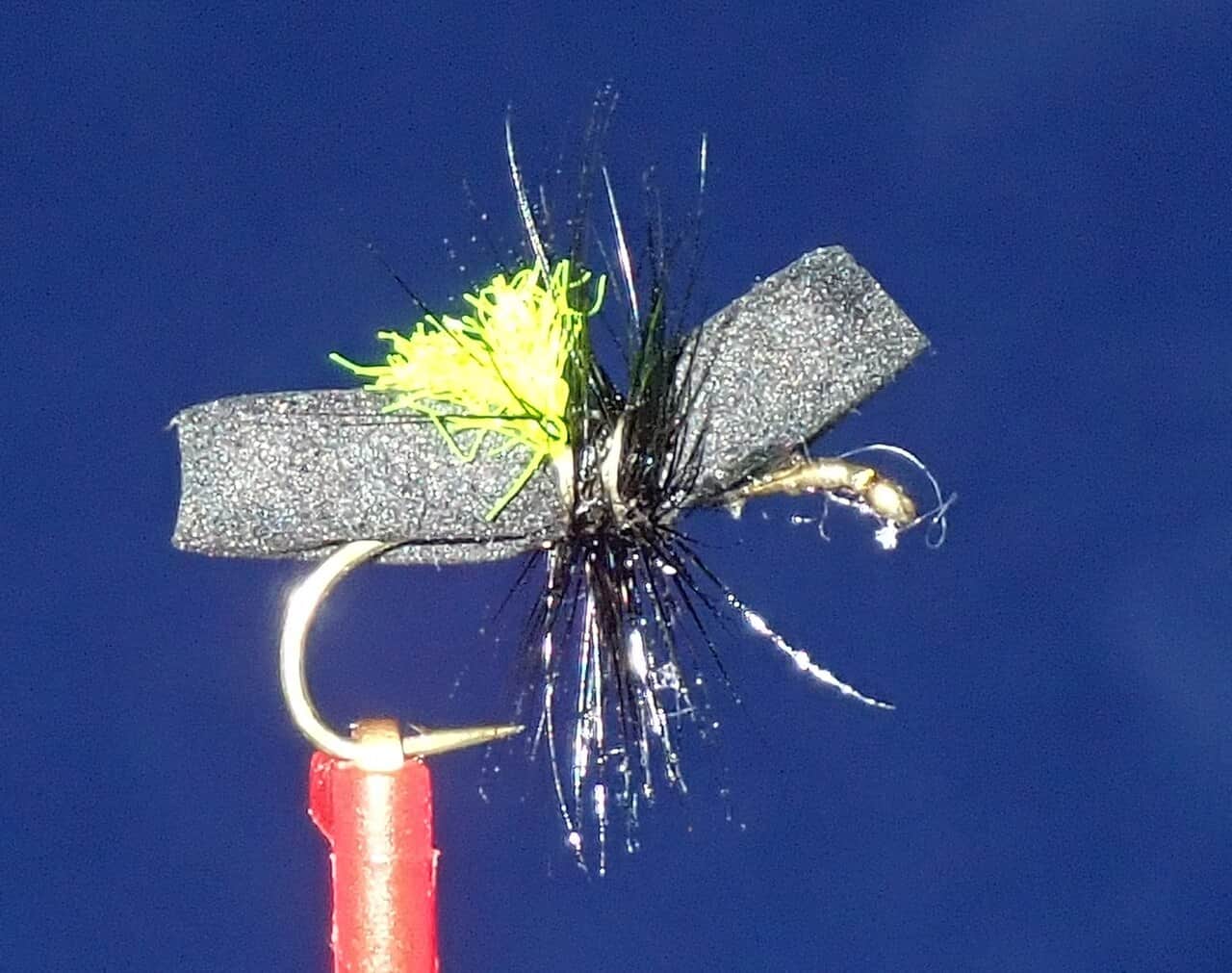
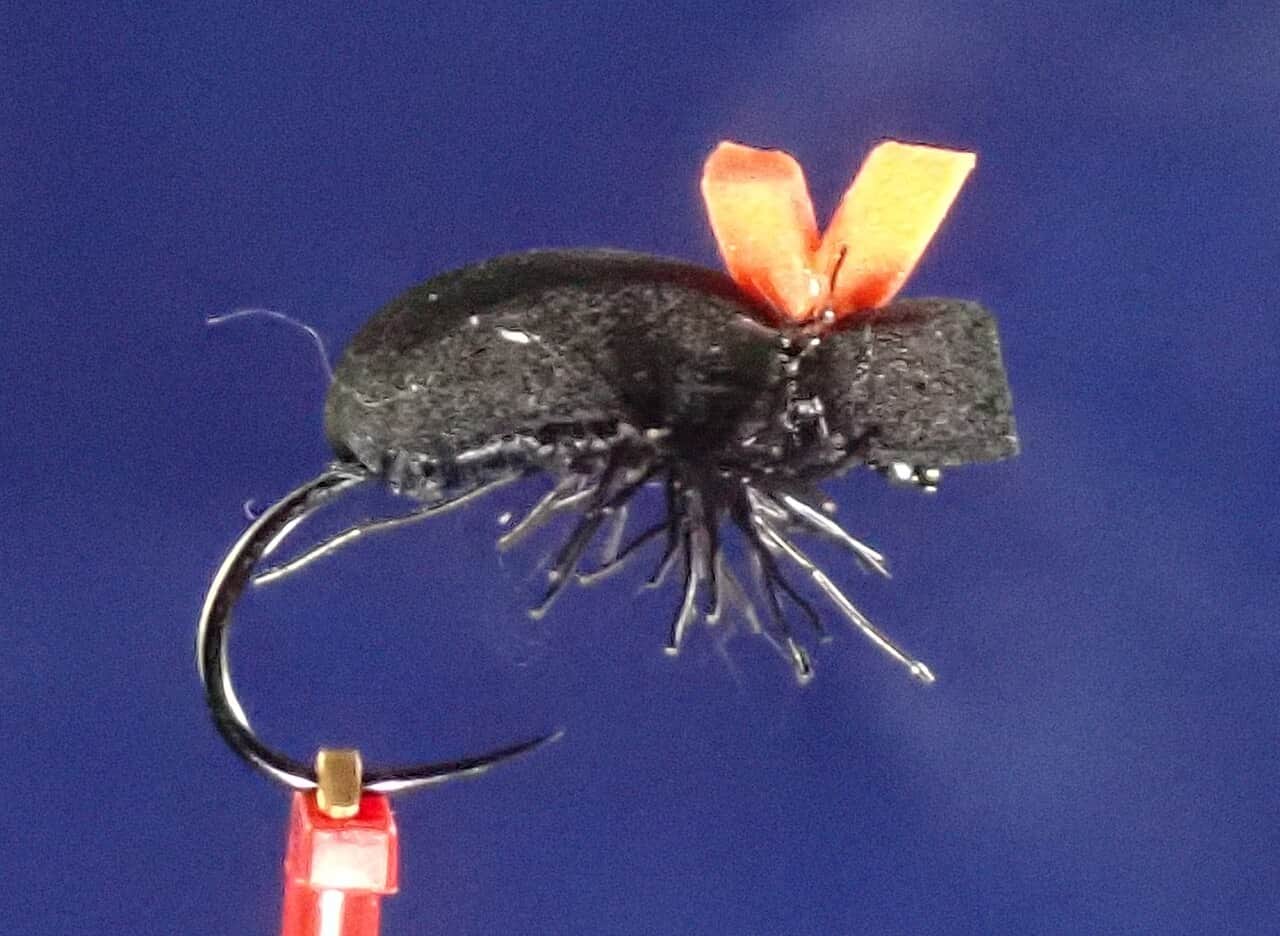
Foam ant, beetle, small hopper, midge emerger, micro streamer

Winter catch-and-release

Midges, scuds, slow nymphing, and small streamers

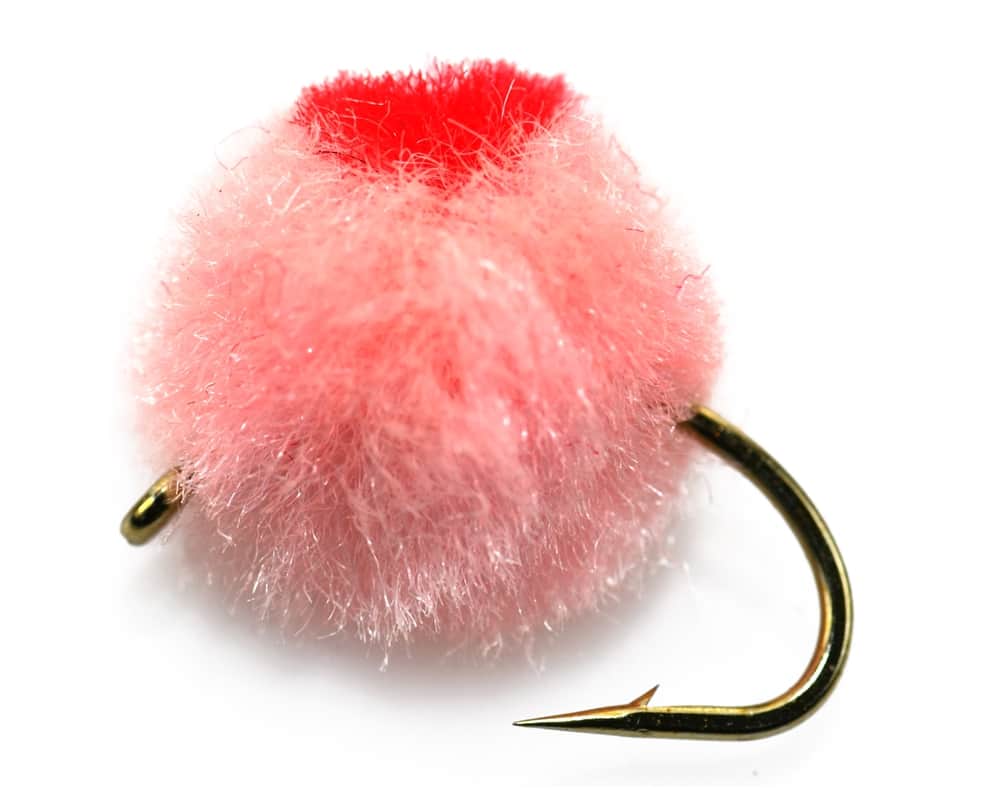
Scud, zebra midge, egg only where legal, small leech, soft hackle

Nymphs

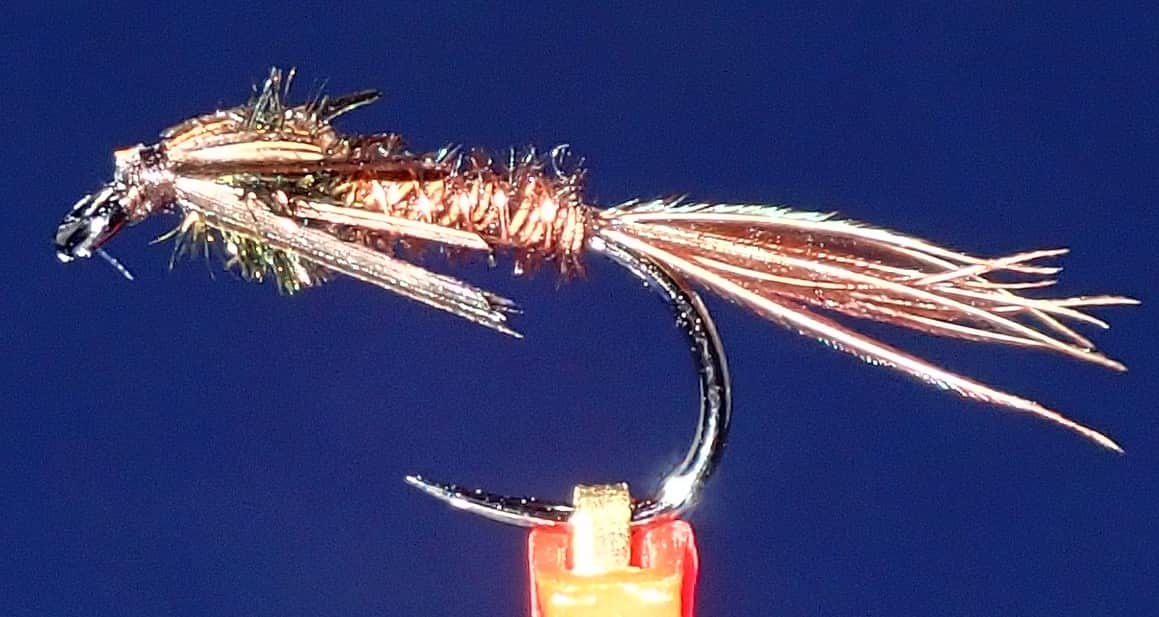
Pheasant tail, hare's ear, caddis pupa, zebra midge, stonefly

Use when trout are not rising or when broken water hides subsurface feeding.

Dry flies

BWO, Hendrickson, sulphur, caddis, parachute Adams, terrestrial

Use during visible hatches, spinner falls, or quiet bank feeders.

Streamers

Sculpin, leech, woolly bugger, small baitfish

Use in stained water, higher flows, low light, or deeper cover.

Soft hackles

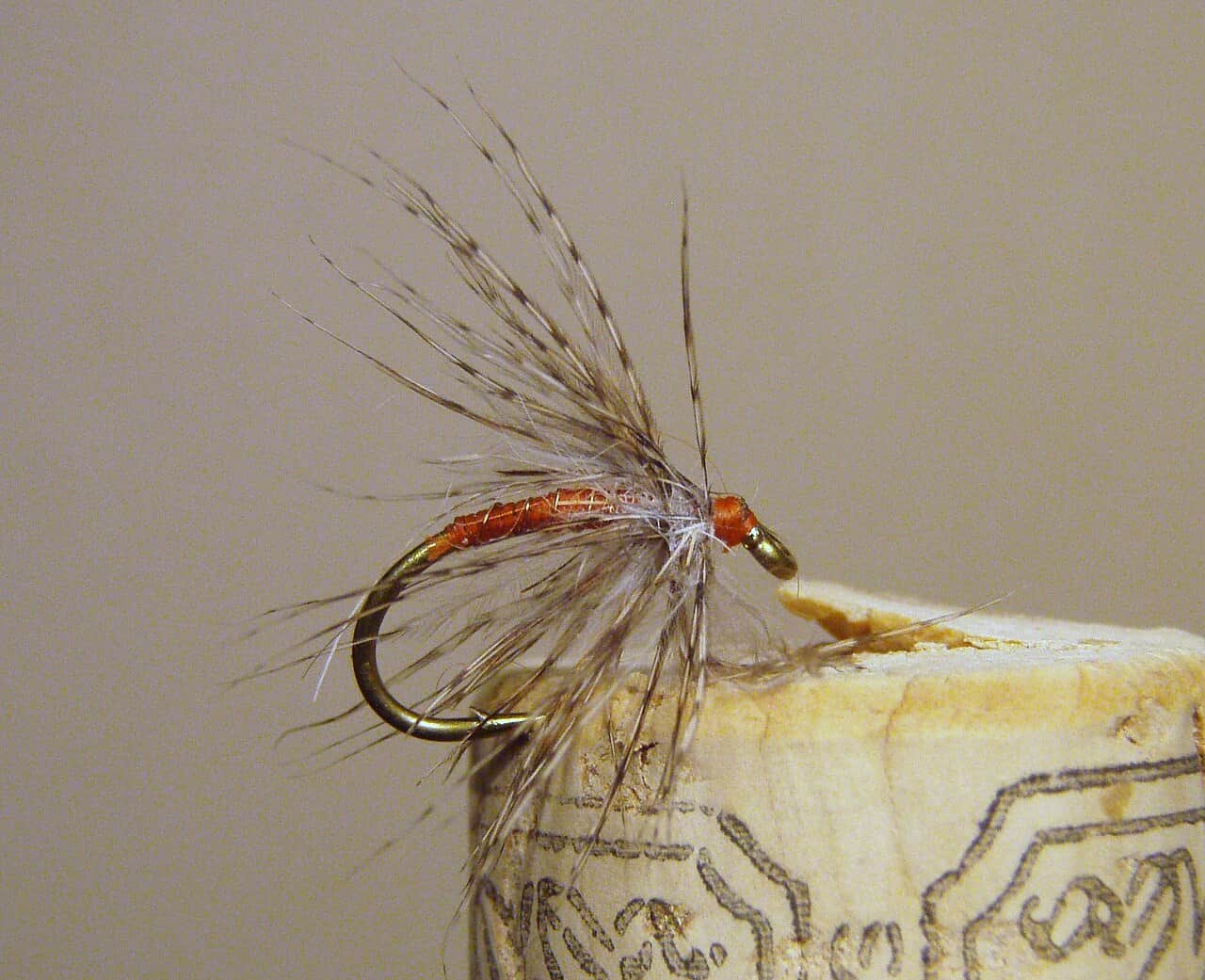
Partridge and orange, pheasant tail soft hackle, caddis soft hackle

Swing through riffles and tailouts when insects are moving but rises are hard to read.

Tactics

How to fish it

Read the zone map before rigging because legal flies and methods differ by zone.

Start with small midges, scuds, and soft hackles if trout are visible but selective.

Use a small streamer only where the method is legal and where you can fish it without crowding others.

Fish shorter, cleaner drifts instead of long casts across multiple lanes.

During catch-and-release season, bring the right gear and confirm the open days and hours.

Rigging

Rod, leader, and setup notes

A 3-weight to 5-weight rod covers most park fly fishing.

Use 5X to 7X tippet for clear water and small flies.

Carry small indicators, split shot, midge boxes, scuds, soft hackles, and small buggers.

A rubber net helps land trout quickly in crowded water.

Wear boots with traction; spring-branch rock and algae can be slick.

Access

Access and planning notes

Trout park zone map

Rules-first plan

Wade / float / trail

Park / wade / bank

When to pick it

Start here when you need to match the day's method, tag, and zone rules before stepping into the water.

Caution

Do not treat hatchery water, zone boundaries, and downstream White Ribbon water as interchangeable.

Main park spring branch

Primary trout-park session

Wade / float / trail

Wade / bank / short drifts

When to pick it

Pick it when the flow is steady and you want the classic managed-park trout plan with visible fish and clear water.

Caution

Crowding, slick footing, and repeated fish exposure can make patience part of the fishability call.

Downstream Roaring River context

Backup style change

Wade / float / trail

Road scout / different regulation water

When to pick it

Use it when the trout park is too crowded or too rule-specific for the kind of day you want.

Caution

Downstream rules and access are separate checks; do not assume the park tag or method setup carries over.

Daily trout tags and Missouri permits are not optional in the trout park during required periods.

Zone signs and maps are part of the fishing plan. Do not assume one zone's method applies everywhere.

Crowds are normal. Give people room and avoid walking through sighted trout or another angler's drift.

Regulations

Check before fishing

MDC trout park zone rules, daily tag requirements, season dates, and downstream White Ribbon rules must be checked before fishing Roaring River.

Primary base

Cassville or Roaring River State Park

Best day style

State park trout zones, hatchery water, marked banks, and daily-tag planning

Check first

MDC zone rules, daily trout tag requirements, park hours, USGS flow, and weather

Safety

Crowds, slick spring-branch rocks, zone boundaries, winter rules, and steep park roads

Gear

Helpful gear for this water

4-weight or 5-weight rod

Best for trout dries, nymphs, and light streamers.

6-weight rod

Useful for streamers, wind, bigger water, and mixed trout or bass reaches.

Thermometer

Check before handling trout in warm, low, or late-summer water.

Studded boots

Helpful on slick cobble, limestone, tailwater ledges, and shaded rocks.

Nearby water

Other water to research

Backup logic

Crowding

Shift to another legal zone, fish an off-peak window, or compare downstream Roaring River context instead of forcing crowded banks.

Rule or tag confusion

Stop and confirm the current zone, method, permit, and seasonal rules before fishing rather than guessing from another angler's setup.

Storms or dirty water

Use the USGS park reading and local weather to wait out lightning, debris, or unusual color before committing to a park session.

Access issue

Use signed park access only and avoid crossing into hatchery, private, or differently regulated water without a fresh legal check.

Whitewater River

A different spring-influenced trout stream comparison outside Missouri.

Bighorn River

A famous tailwater comparison with very different scale and access.

Pine Creek

A large Eastern freestone trout report with broader public access planning.

FAQ

Fast answers

Is Roaring River State Park fishable today?

Roaring River State Park looks very fishable right now. The live score is 96/100, based on current flow, weather, public alerts, and the report's planning context. Recheck the linked gauge and forecast before leaving because conditions can change quickly after rain, heat, access changes, or flow swings.

What flow is best for Roaring River State Park?

Use USGS 07050152 at Roaring River State Park for current water context, then match the plan to the zone map, legal method, crowd level, and spring-branch clarity.

When should I skip Roaring River State Park?

Skip or simplify the plan when park rules, tags, winter catch-and-release timing, or legal methods are not clear, or when crowds make clean drifts and safe spacing unrealistic.

Is Roaring River State Park safe to wade right now?

The fishability score is not a wading guarantee. Wade only where your chosen access has safe edges, clear footing, legal entry, and no forced crossings; high, rising, stained, or storm-affected water should be treated conservatively.

What should I check first before fishing Roaring River State Park?

Check MDC zone rules, daily tag requirements, USGS flow, park hours, and weather before fishing.

Are there special regulations on Roaring River State Park?

Yes. Trout park zones, daily tags, season dates, and winter catch-and-release rules are central.

Is Roaring River State Park a good fly-fishing river?

Yes, if you match the reach, season, target species, water temperature, and current access rules. This report is built to help you choose that plan.

What flies should I bring for Roaring River State Park?

Bring the hatch-chart flies, confidence nymphs, and a backup streamer or warmwater box so you can adjust to flow, clarity, and temperature.

How should I plan access for Roaring River State Park?

Access is through the state park and marked trout zones. Use MDC maps and park signs before fishing.