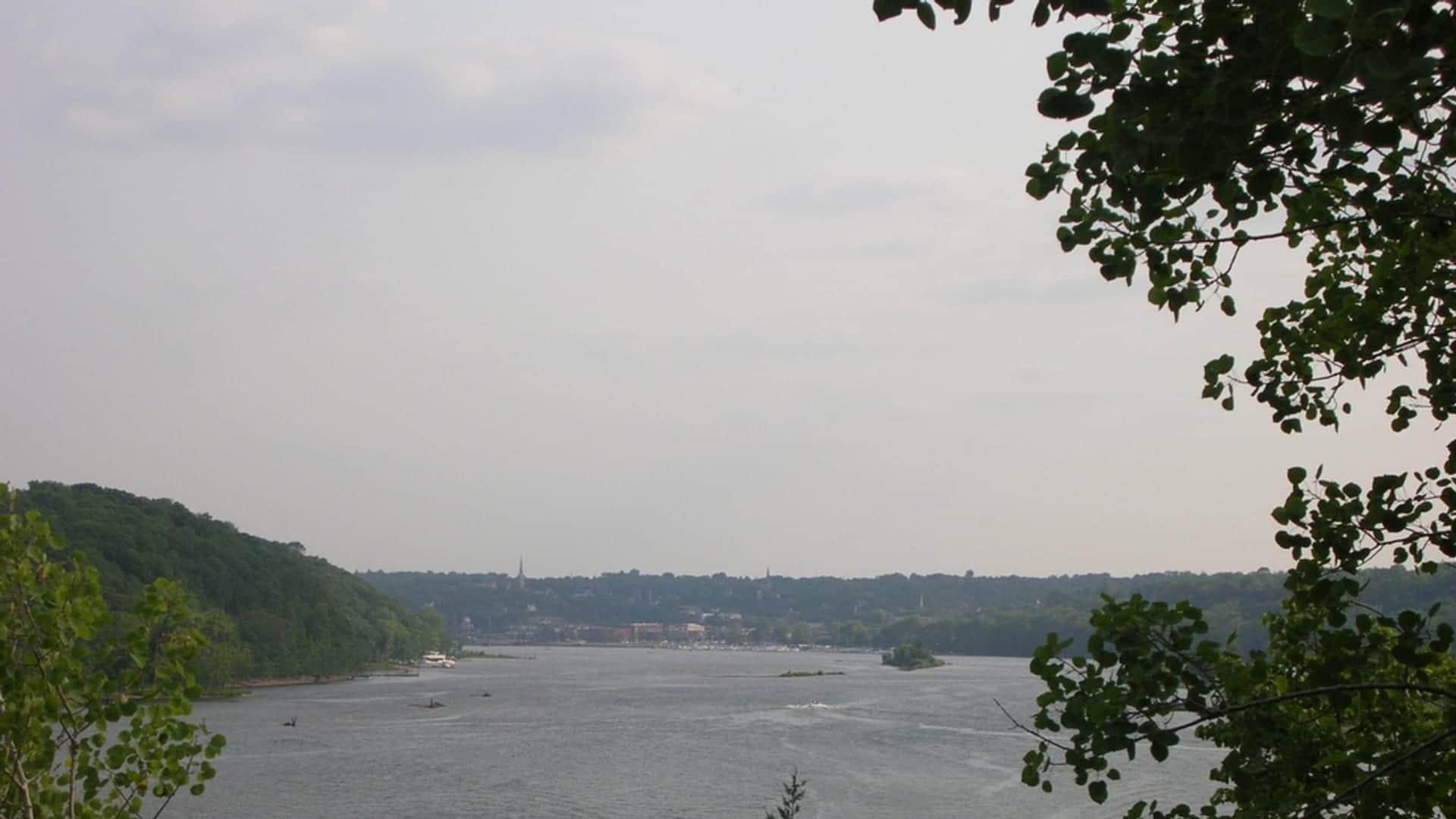
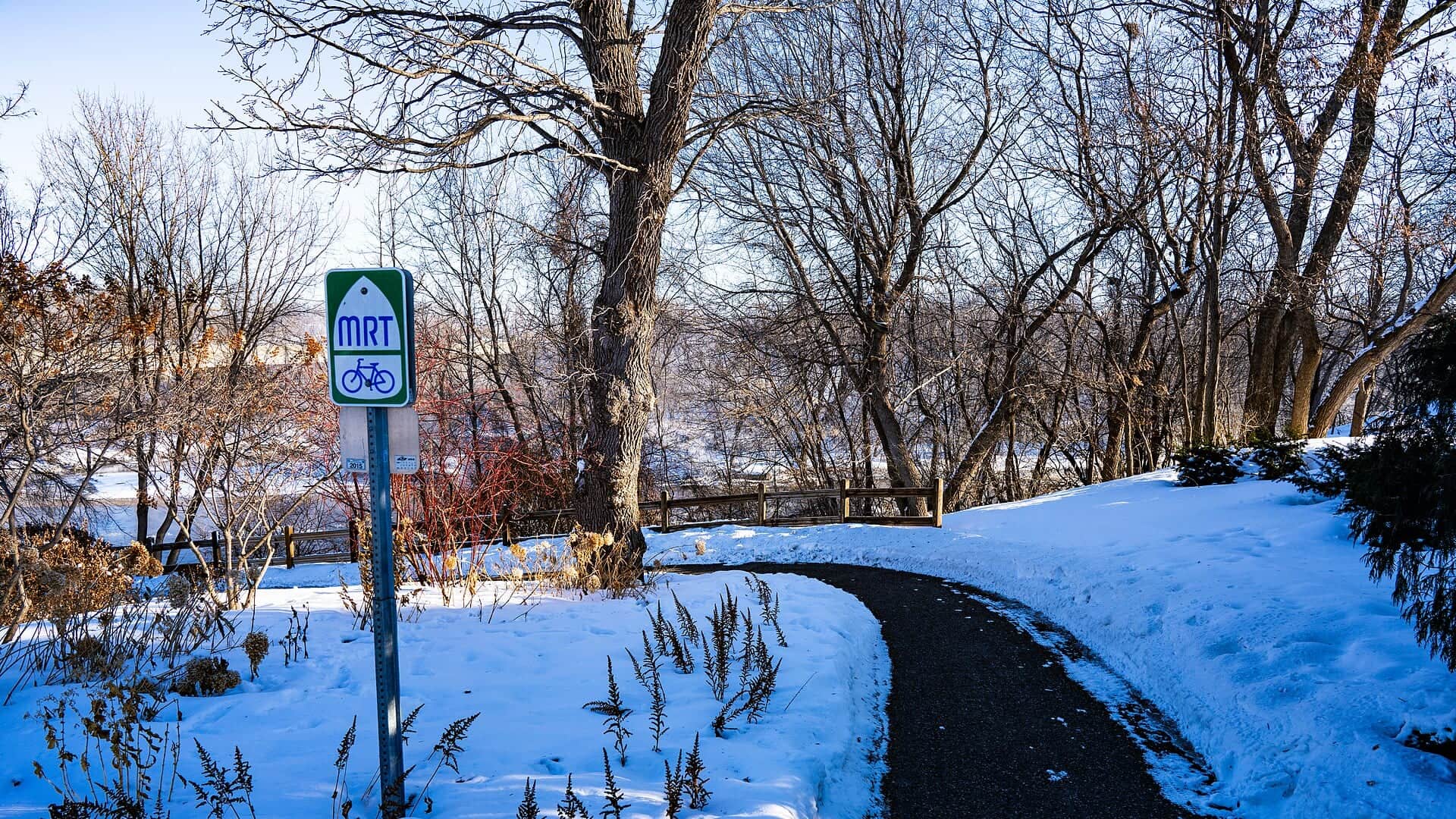
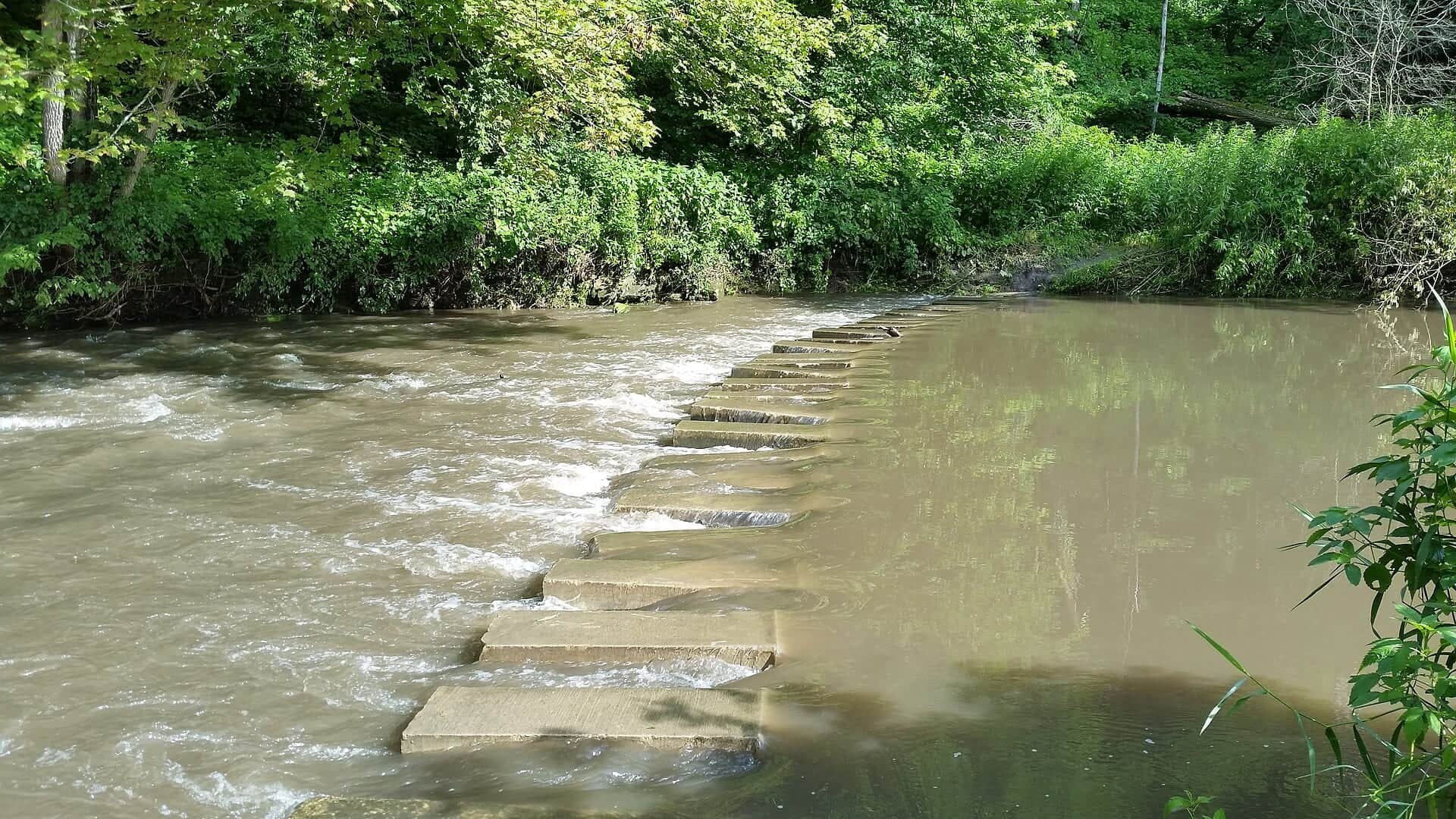
St. Croix River water or watershed scenery in Minnesota

Minnesota / Midwest

St. Croix River

A St. Croix River report for smallmouth, pike, muskie, and warmwater fly planning with flow, NPS riverway access, rules, and weather.

Image: St. Croix River above Stillwater Minnesota / CC BY-SA 2.5 / The original uploader was The.dharma.bum at English Wikipedia .

Fishability now: St. Croix River fishability today

GreatData confidence: High

96/100

Fishable now because St. Croix Falls gauge is stable, weather is usable, and no public alert is active.

Flow observed

5:00 PM UTC

Weather observed

5:00 PM UTC

Score calculated

5:24 PM UTC

Why this rating

Flow

Water temperature

Public alerts

Next 6-12 hours

Hold

Stable live data supports staying with the plan, but recheck the gauge and forecast before leaving.

More planning details: flies, flow bands, and live source checks

Fish it today

Start here

Choose a reach first: St. Croix Falls and Taylors Falls for upper-river structure, NPS riverway landings for floats, or lower river access only after checking boat traffic and wind.

Best flow clue

Use USGS 05340500 at St. Croix Falls as the primary trend for this report, then check the specific landing, riverway map, and weather for the reach you plan to fish.

Skip trigger

Skip or shorten the trip when flows are high, wind makes open water unsafe, rapids exceed the craft plan, cold water raises swim risk, or boundary-water rules are unclear.

Flow decision bands

Low but fishable

Lower stable water can open islands, banks, and smallmouth structure, but reach choice and boat safety still decide the day.

Best smallmouth and predator window

Stable or slowly falling St. Croix Falls flow with mild wind and clear landings gives the best smallmouth, pike, muskie, carp, and streamer signal.

Pushy or unsafe

High water, cold water, rapids, wind, or boat traffic should stop wade, paddle, or open-water plans.

Boundary-water caution

Minnesota and NPS rules, islands, campsites, rapids, and lower-pool access vary by reach.

USGS flow

2,440 cfs

Open

Current trend: flow stable, so weather, temperature, and access checks drive the next change.

Live USGS flow

2,440 cfs / stable

Live NWS forecast

80F / Sunny

Live water temperature

74F from USGS

No NWS alert flag

No active NWS alert was returned for this forecast point.

Primary waterUpper St. Croix and St. Croix Falls warmwater corridor
Flow checkUSGS St. Croix River at St. Croix Falls 05340500
Access styleNational Scenic Riverway landings, parks, boat ramps, islands, and boundary-water planning
ReviewedMay 31, 2026

Use the St. Croix Falls USGS gauge as the primary flow reference for this page.

Upper river reaches can fish like clear smallmouth water; lower sections become bigger and boatier.

Boundary-water rules and NPS riverway access require more planning than a normal roadside stream.

Wind, rapids, cold water, and boats can make a good fishing day unsafe fast.

Editorial review

How this report is maintained

This report is maintained from current regulation, access, flow, weather, and public planning sources so anglers can make better trip decisions than a raw gauge or generic overview would allow.

Byline

BlueStreamFly editorial team

Reviewed by

BlueStreamFly source review

Maintained by

Mountain Brook Run LLC

Last material review

2026-05-31

Report confidence

Good confidence

88/100

Good confidence: USGS 05340500, Minnesota regulations, DNR water-trail information, NPS fishing and map sources, weather, and media support the report. Confidence is moderated by boundary-water complexity and reach-by-reach safety variation.

Regulations

Minnesota regulations and NPS fishing guidance support the rule-check path for boundary-water planning.

Access

Minnesota DNR water-trail and NPS map sources support public landings and riverway access planning.

Flow and weather

USGS 05340500 and the National Weather Service point are attached to the route.

Fishing usefulness

The page now connects St. Croix Falls flow, reach choice, smallmouth tactics, rapids, wind, boundary rules, access, and Mississippi or Driftless backups.

Fishability dashboard and source review

2026-05-31 / material content or source review

USGS St. Croix River at St. Croix Falls, Minnesota fishing regulations, DNR St. Croix water-trail information, NPS fishing guidance, NPS riverway maps, and the National Weather Service point were checked before updating the current fishability guidance.

2026-05-31

Updated St. Croix River with St. Croix Falls trend guidance, riverway access cards, boundary-water and rapid safety cautions, backup cues, stable fishability SEO, and confidence signals.

2026-05-29

Added St. Croix trip-fit guidance, St. Croix Falls gauge framing, boundary-water and riverway rule reminders, smallmouth and predator-fish planning, rapids and wind safety nuance, backup-water suggestions, editorial review signals, and a page-specific report-confidence meter after source review.

2026-05-24

Initial source-reviewed report published with flows, weather, hatches, flies, tactics, access, regulations, and FAQs.

Angler planning edge

Local details that change the plan

Best for

Warmwater fly anglers planning smallmouth, pike, muskie, carp, or panfish around St. Croix River reach choice, Float, boat, or bank trips where National Scenic Riverway maps, launch choice, and boundary-water rules matter, Summer and fall sessions built around clear stable flow, rock, current seams, islands, and shaded banks, Anglers who will treat rapids, wind, cold water, and boat traffic as part of the fishing decision

Wade or float

The St. Croix can support bank, wade, paddle, and boat plans, but each reach is different. Upper rapids, island water, and lower pools require different safety and access choices.

Best flows

Use USGS 05340500 at St. Croix Falls as the primary trend for this report, then check the specific landing, riverway map, and weather for the reach you plan to fish.

When to skip

Skip or shorten the trip when flows are high, wind makes open water unsafe, rapids exceed the craft plan, cold water raises swim risk, or boundary-water rules are unclear.

Local plan

Choose a reach first: St. Croix Falls and Taylors Falls for upper-river structure, NPS riverway landings for floats, or lower river access only after checking boat traffic and wind.

Pressure

Pressure follows summer landings, easy islands, scenic floats, and smallmouth weather. A second landing or shorter float plan helps avoid crowded water.

Access nuance

NPS maps and official landings are the safest access anchors. Islands, banks, campsites, and boundary-water details can have specific rules, so plan from current maps.

Backup water

If the St. Croix is high, windy, crowded, or rule-complicated, compare the Mississippi for larger warmwater options or Whitewater and Root system streams for trout water.

About the river

Setting, character, and why it fishes the way it does.

The St. Croix River forms part of the Minnesota-Wisconsin border and is protected through the St. Croix National Scenic Riverway. Its character shifts from rocky smallmouth water to wider lower-river pools and boat traffic.

Fly anglers come for smallmouth bass, pike, muskie opportunities, carp, and seasonal warmwater action. The best plan depends on reach: upper rapids and islands are different from Stillwater-style big water.

Because this is a boundary and riverway system, this report emphasizes source links, maps, flow, and legal access instead of naming every gravel bar as if it were simple public water.

Target species

Smallmouth bass

The main fly target around rock, current seams, islands, shade, and clear-water structure.

Northern pike

A streamer target near weed edges, slack water, tributary mouths, and backwaters.

Muskie

Possible in the system; use appropriate tackle, handling tools, and current rules.

Carp and panfish

Good summer sight-fishing or backup options in warm, shallow, protected water.

Reading the water

Stable and clear

Fish topwater early, then crayfish and baitfish along rock and current breaks.

High water

Avoid pushy wading; fish protected banks, backwaters, or postpone the float.

Low summer flow

Look for depth, shade, spring influence, and less-disturbed fish.

Windy big water

Use sheltered reaches or smaller craft plans; do not cross wide water casually.

Best seasons

Spring

Cold water and high flows can slow fishing; check rules and riverway access.

Summer

Prime smallmouth topwater, crayfish, and streamer season.

Fall

Cooling water and baitfish movement can make streamers and bigger flies productive.

Winter

Limited fly opportunity; ice, cold water, and access closures matter.

USGS flow

St. Croix River at St. Croix Falls

This is the fallback for rivers that are not covered by RiverReports. Use the official USGS monitoring page for the live hydrograph, station metadata, and current water trend.

Open USGS gauge

USGS data chart

St. Croix River at St. Croix Falls

Streamflow over the latest USGS reporting window.

Latest

2,440 cfs

Jun 3, 5 PM UTC

Site

05340500

Low / high

2,350 / 3,360 cfs

Source

Open USGS

Weather

River weather report

Weather can change wading safety, road access, water temperature, hatches, and the best time of day to fish.

Live forecast loads as you reach this section

This keeps the report fast while still using the official National Weather Service forecast point.

Hatches and flies

Hatch chart and fly picks

April to May

Warming shallows, early caddis, minnows, crayfish, and pike movement

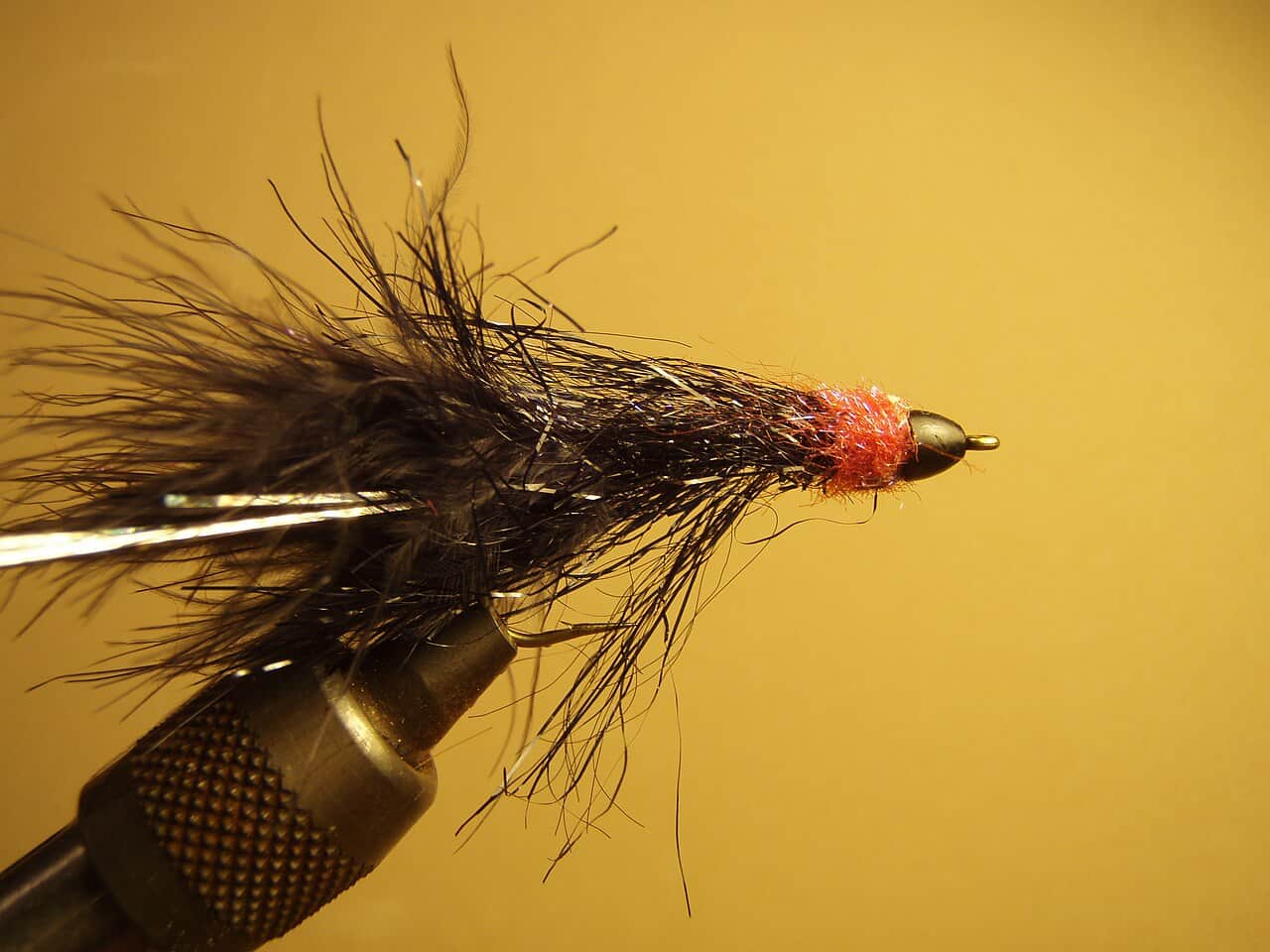
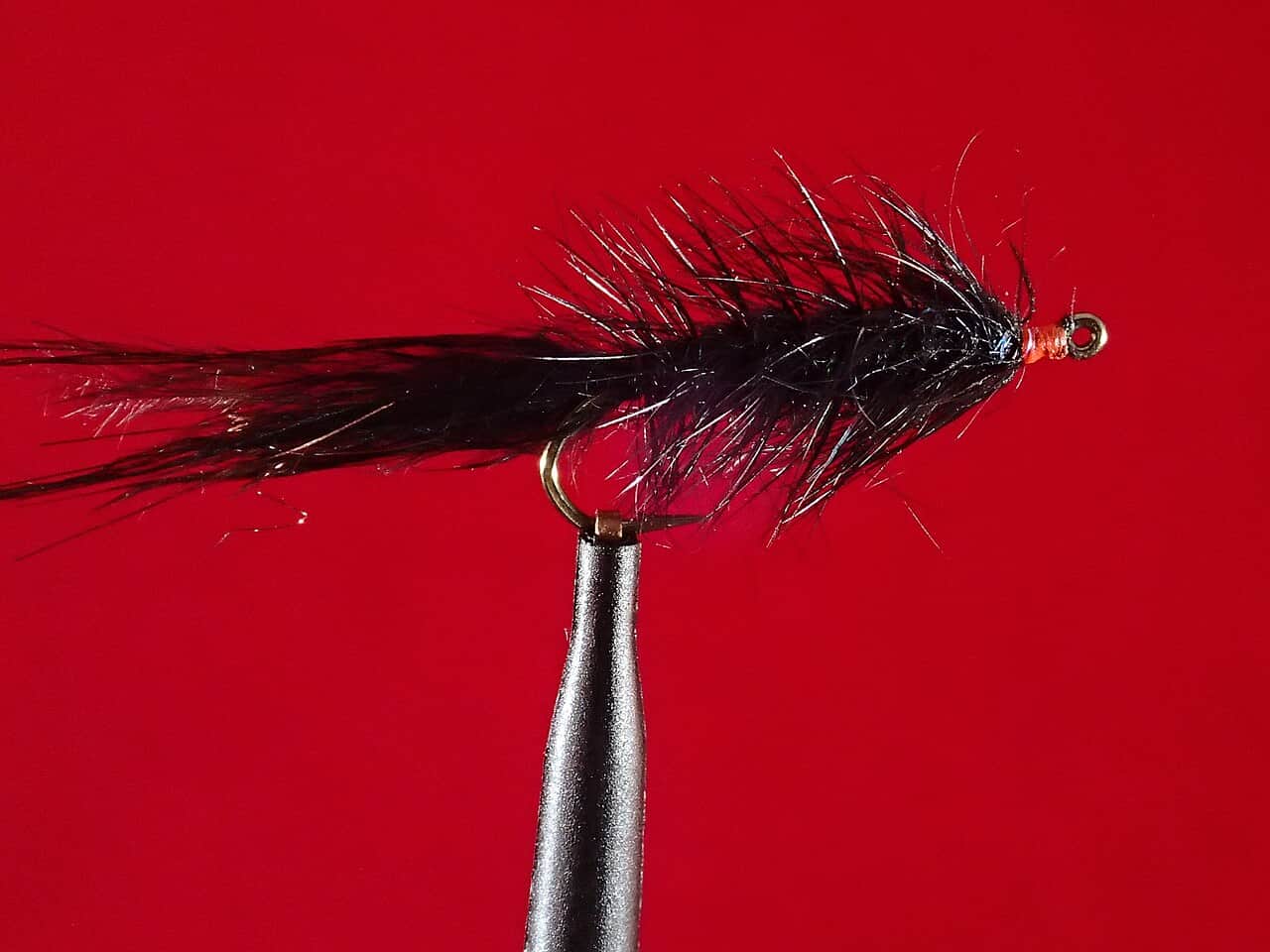
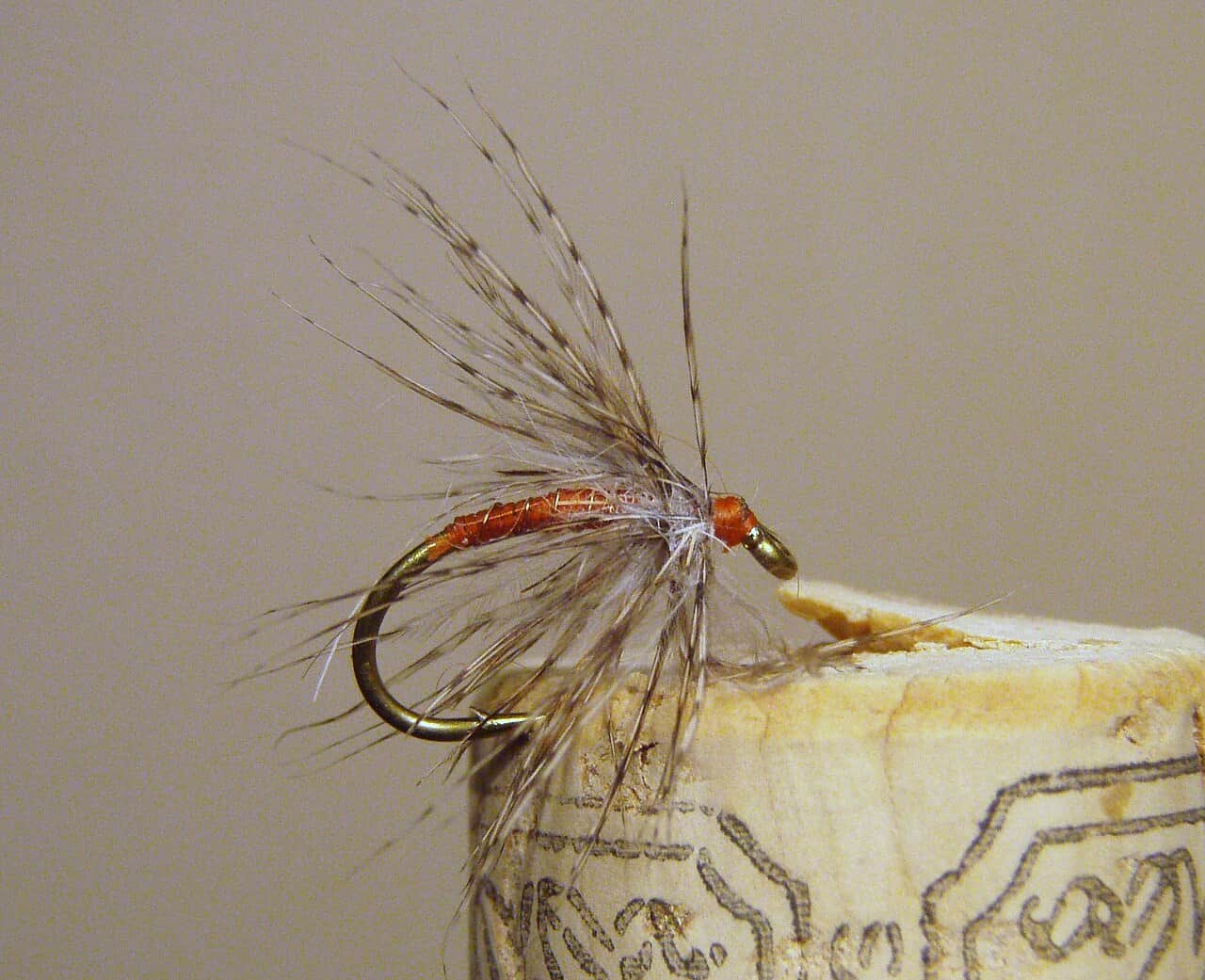
Small Clouser, crayfish, black bugger, soft hackle, small deceiver

June to August

Damselflies, dragonflies, hoppers, cicadas, frogs, and baitfish

Poppers, sliders, foam hopper, damselfly nymph, baitfish streamer

September to October

Cooling-water baitfish, crayfish, late terrestrials, and streamer windows

Game changer, Clouser, crayfish, small leech, popper on warm afternoons

Cold months

Limited surface feeding; slower holes and warm afternoons matter most

Slow leech, jig streamer, small baitfish, nymph under indicator

Topwater

Poppers, sliders, frogs, foam bugs

Use on shaded banks, wood, weed edges, and summer low-light smallmouth or pike windows.

Baitfish

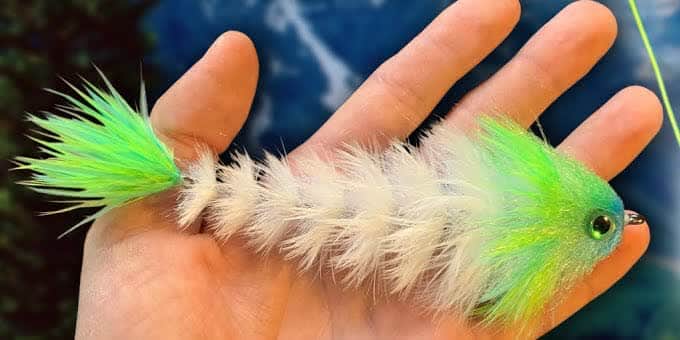
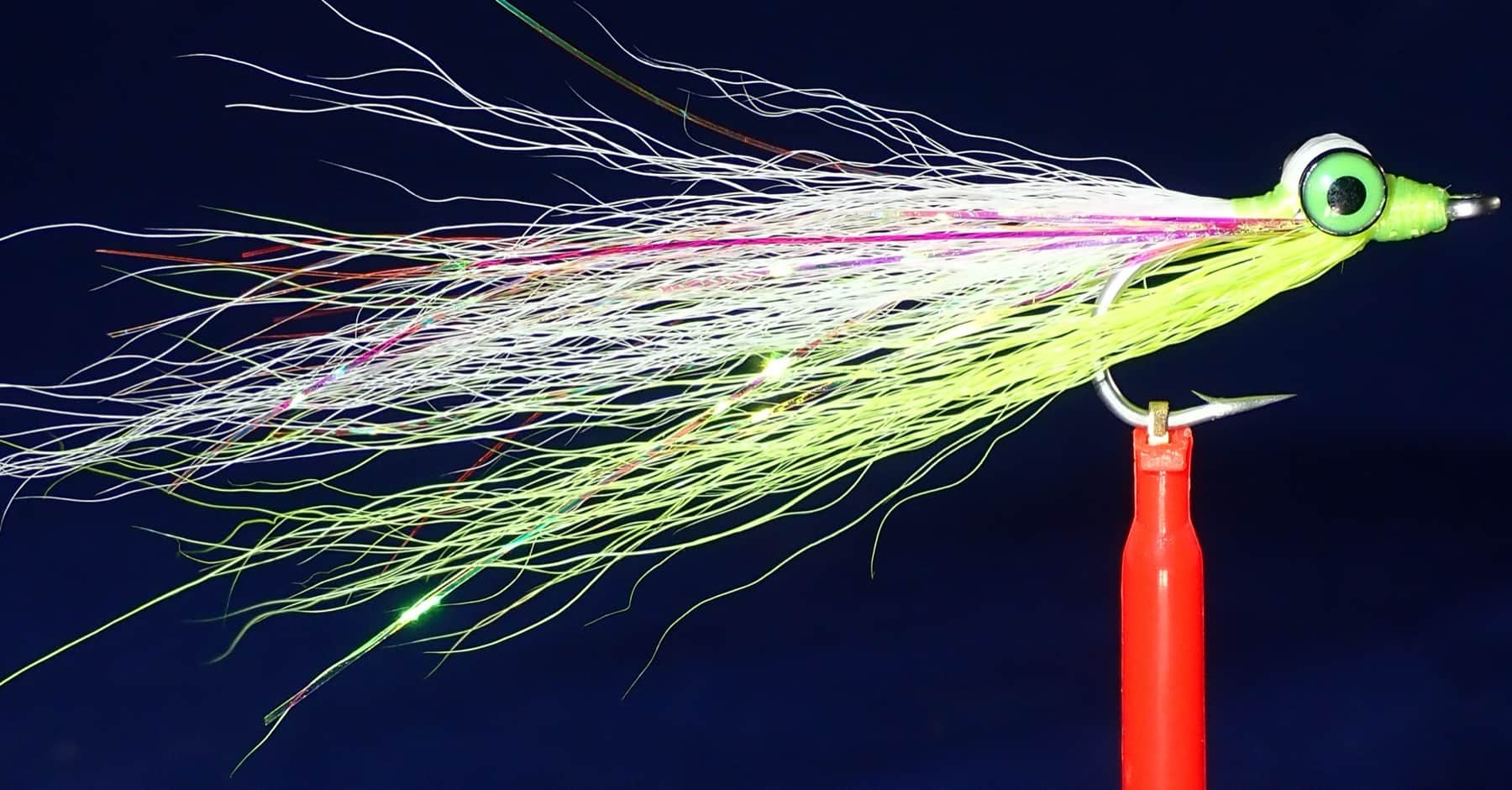
Clouser, deceiver, game changer, woolly bugger

Use in stained water, around current seams, and when bass or white bass chase minnows.

Crayfish

Rust, olive, and tan crayfish patterns

Use around rock, bridge riprap, logjams, and deeper outside bends.

Nymphs

Hex nymph, dragonfly nymph, damselfly nymph, soft hackle

Use when fish are low, neutral, or feeding below the surface film.

Tactics

How to fish it

Fish current seams, boulder edges, island heads, and shaded banks before covering open water.

Use poppers when fish are willing to rise, then switch to crayfish and baitfish when sun gets high.

For pike or muskie, use wire, strong hooks, and release tools before making the first cast.

On floats, choose realistic miles and scout take-outs because wind and current can slow travel.

Respect NPS and state rules, especially around landings, campsites, and boundary-water details.

Rigging

Rod, leader, and setup notes

A 6-weight handles smallmouth; a 7-weight or 8-weight is better for pike, wind, and larger water.

Use floating line for topwater and an intermediate tip for deeper rock and pool edges.

Carry 0X to 2X leaders, wire for pike, and durable flies for rocky water.

Wear a PFD when fishing from a boat or near cold, deep, or fast water.

Bring polarized glasses for reading rock, depth, and cruising fish.

Access

Access and planning notes

St. Croix Falls flow check

Primary river trend

Wade / float / trail

Gauge / bank / paddle / boat

When to pick it

Start here when current, water level, and upper-river safety decide the plan.

Caution

The gauge cannot settle every lower-pool or island access detail.

NPS riverway maps

Riverway reach planning

Wade / float / trail

Map / landing / campsite / float

When to pick it

Use it when landings, islands, or riverway rules shape the day.

Caution

Boundary-water and site-specific rules need current confirmation.

Minnesota DNR water trail

Landing and float logistics

Wade / float / trail

Water trail / launch / paddle

When to pick it

Pick it when a short float or landing-based plan fits flow and weather.

Caution

Rapids, wind, boat traffic, and cold-water exposure can raise the risk quickly.

Use official landings, parks, and NPS river maps. Islands, banks, and campsites can have specific rules.

This is boundary water. Check the rules for the license, side, and reach you plan to fish.

Rapids and wind change the float plan. Do not assume a short map distance means an easy day.

Regulations

Check before fishing

Minnesota and Wisconsin boundary-water rules, plus NPS riverway guidance, can affect legal fishing and access. Check the current regulation PDF and riverway information before fishing.

Primary base

Taylors Falls, St. Croix Falls, Stillwater, or Marine on St. Croix

Best day style

National Scenic Riverway landings, parks, boat ramps, islands, and boundary-water planning

Check first

St. Croix Falls flow, NPS river maps, Minnesota/Wisconsin rules, and weather

Safety

Rapids, big pools, boats, cold water, wind, and boundary-water complexity

Gear

Helpful gear for this water

6-weight or 7-weight rod

Good for smallmouth, poppers, streamers, pike flies, and wind.

Floating line

The best default for poppers, sliders, crayfish, and bank work.

Intermediate line

Useful for deeper holes, stained water, and slow baitfish retrieves.

Wet-wading plan

Check storms, dams, bacteria alerts, and fish-consumption guidance before committing.

Nearby water

Other water to research

Backup logic

High water

Avoid rapids and open-water risk; compare Mississippi warmwater options or smaller Driftless trout streams.

Heat

Fish early or late and keep warmwater fish handling quick during hot, low-flow windows.

Storms or wind

Shorten or cancel paddle and boat plans when wind, lightning, or wakes make exits unsafe.

Access issue

Use official NPS or DNR landings only; pivot if maps, campsites, islands, or boundary-water rules are unclear.

Mississippi River

A bigger warmwater river option with pool and metro planning.

Whitewater River

A trout-stream alternative when you want smaller water.

Root River, South Fork

A Driftless trout option with easement and rain planning.

FAQ

Fast answers

Is St. Croix River fishable today?

St. Croix River looks very fishable right now. The live score is 96/100, based on current flow, weather, public alerts, and the report's planning context. Recheck the linked gauge and forecast before leaving because conditions can change quickly after rain, heat, access changes, or flow swings.

What flow is best for St. Croix River?

Use USGS 05340500 at St. Croix Falls as the primary trend for this report, then check the specific landing, riverway map, and weather for the reach you plan to fish.

When should I skip St. Croix River?

Skip or shorten the trip when flows are high, wind makes open water unsafe, rapids exceed the craft plan, cold water raises swim risk, or boundary-water rules are unclear.

Is St. Croix River safe to wade right now?

The fishability score is not a wading guarantee. Wade only where your chosen access has safe edges, clear footing, legal entry, and no forced crossings; high, rising, stained, or storm-affected water should be treated conservatively.

What should I check first before fishing the St. Croix River?

Check St. Croix Falls flow, NPS riverway maps, Minnesota/Wisconsin boundary rules, weather, and launch conditions.

Are there special regulations on the St. Croix River?

Yes. Boundary-water and riverway rules can matter, and seasons or harvest can vary by species.

Is the St. Croix River a good fly-fishing river?

Yes, if you match the reach, season, target species, water temperature, and current access rules. This report is built to help you choose that plan.

What flies should I bring for the St. Croix River?

Bring the hatch-chart flies, confidence nymphs, and a backup streamer or warmwater box so you can adjust to flow, clarity, and temperature.

How should I plan access for the St. Croix River?

Use official NPS, state, and local landings. Plan floats conservatively around rapids, wind, and boat traffic.