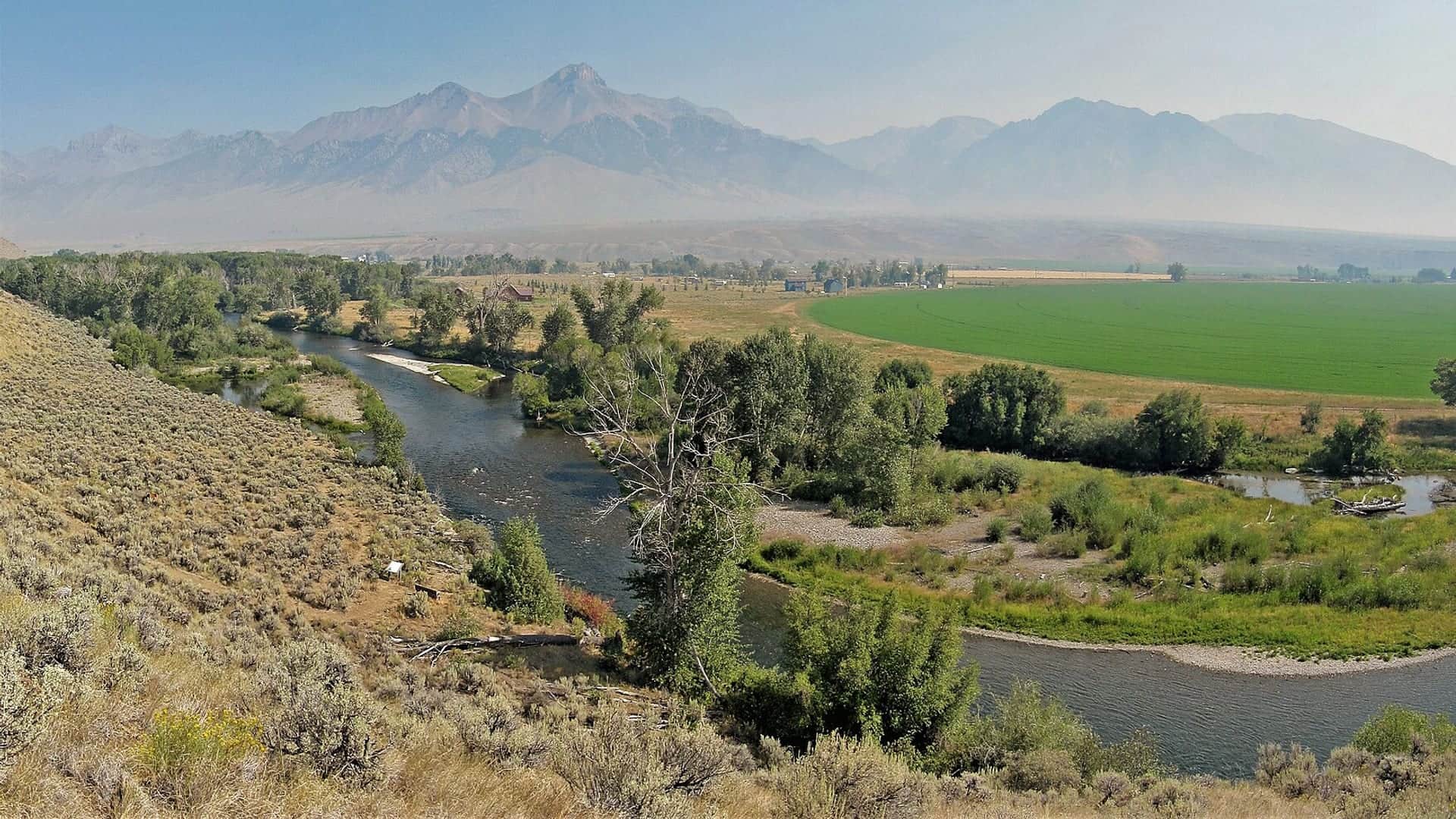
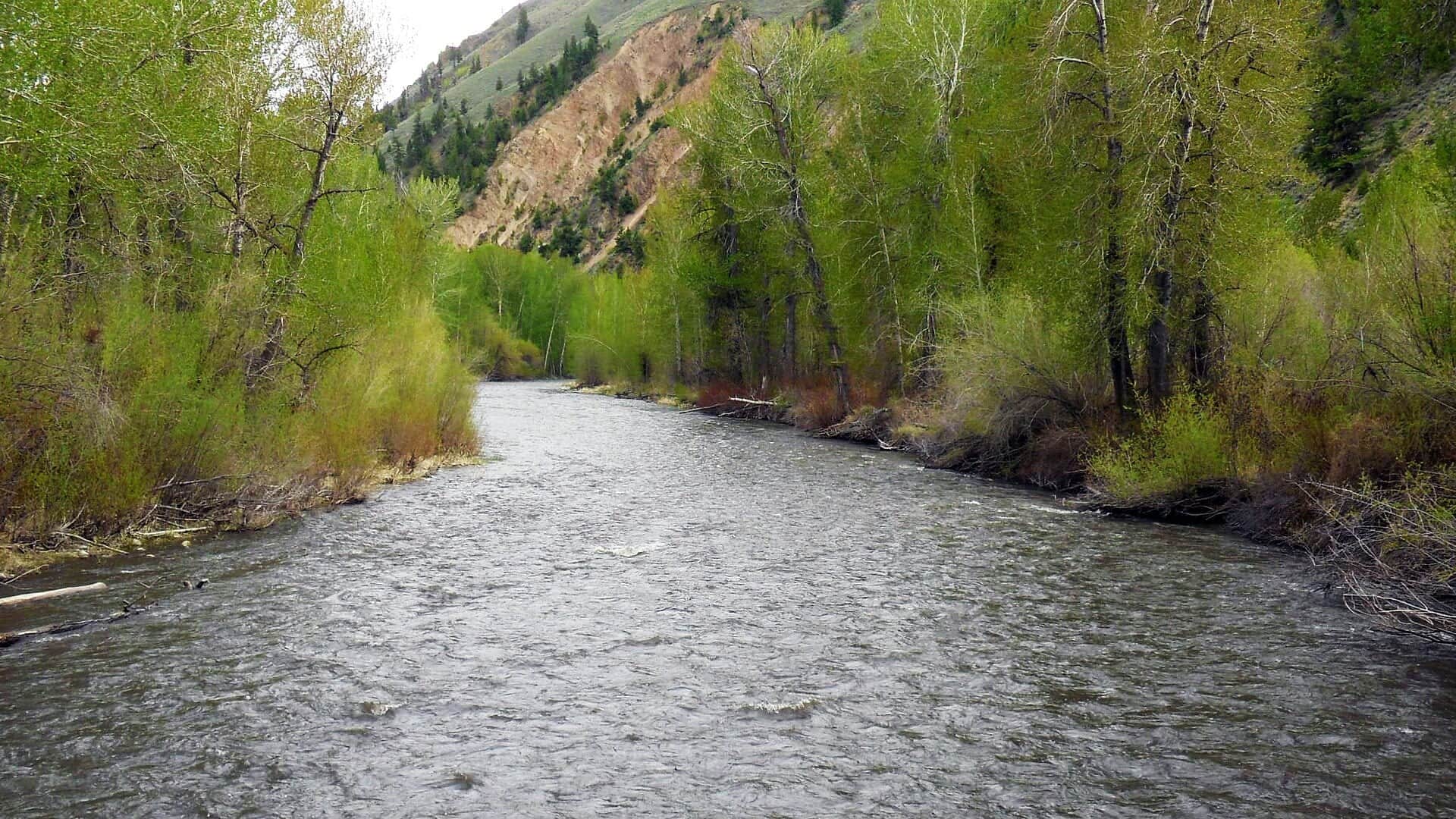
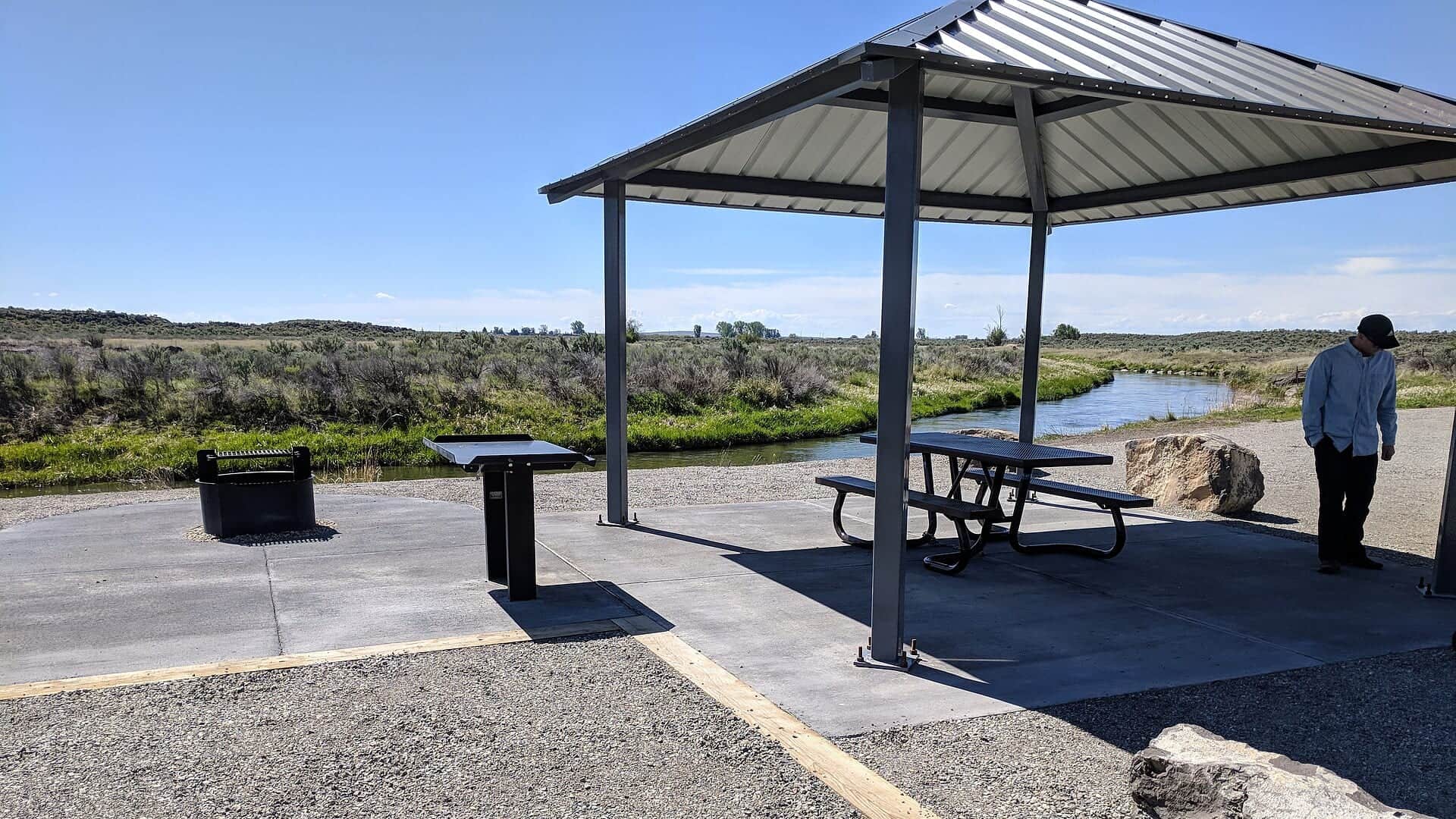
Generated regional Idaho river scene for Upper Lost River Drainage planning; not an exact location photo

Idaho / West

Upper Lost River Drainage

An Upper Lost River Drainage report for Copper Basin, Howell Ranch, East Fork and North Fork context, with USGS flows, IDFG rules, remote access, hatches, flies, and safety.

Image: Generated regional planning image for Upper Lost River Drainage / BlueStreamFly generated; not exact location / BlueStreamFly

Fishability now: Upper Lost River Drainage fishability today

GreatData confidence: High

96/100

Fishable now because Howell Ranch near Chilly gauge is stable, weather is mild, and no public alert is active.

Flow observed

5:00 PM UTC

Weather observed

5:00 PM UTC

Score calculated

6:12 PM UTC

Why this rating

Flow

Weather

Public alerts

Next 6-12 hours

Hold

Stable live data supports staying with the plan, but recheck the gauge and forecast before leaving.

More planning details: flies, flow bands, and live source checks

Fish it today

Start here

Pick one realistic target before leaving: Howell Ranch and Big Lost context for the best flow signal, East Fork or North Fork only after checking IDFG reach pages, or Star Hope and high-country access only when road and weather conditions support the extra travel.

Best flow clue

Use USGS 13120500 at Howell Ranch as the main live flow anchor. It helps with the upper drainage trend, but it does not settle every tributary, meadow, or headwater condition, so pair it with recent weather, snowmelt stage, and clear public access.

Skip trigger

Skip or shorten the plan when roads are questionable, thunderstorms are likely, flows are too low or warm, dewatering makes fish handling risky, IDFG reach language is unclear, or legal access depends on crossing private land.

Flow decision bands

Low but fishable

Low clear headwater flow can fish with dry-droppers, but dewatering, warm afternoons, and small-water handling can make the day poor.

Best high-country window

Stable or slowly falling Howell Ranch flow with cool weather, clear water, and confirmed public access is the best small-stream trout signal.

Runoff or road unsafe

Snowmelt, storm spikes, muddy roads, or remote lightning risk should stop high-country wandering.

Drainage-specific caution

Howell Ranch helps with trend, but East Fork, North Fork, Star Hope, meadow, and ranch-boundary conditions still need exact checks.

USGS flow

847 cfs

Open

Current trend: flow stable, so weather, temperature, and access checks drive the next change.

Live USGS flow

847 cfs / stable

Live NWS forecast

61F / Partly Sunny

Water temperature not verified

Heat guidance uses weather and river type unless an official water-temperature value is available.

No NWS alert flag

No active NWS alert was returned for this forecast point.

Primary waterBig Lost upper drainage, Copper Basin, East Fork, North Fork, and Star Hope context
GaugeUSGS 13120500 Big Lost River at Howell Ranch near Chilly
Access styleRemote high-country roads, public/private boundaries, trail access, and limited services
ReviewedMay 31, 2026

Use the Howell Ranch USGS gauge for upper drainage flow context.

Do not use the below-Mackay tailwater gauge as the only upper-drainage decision point.

Check IDFG rules for Big Lost River, East Fork, North Fork, tributaries, and whitefish language.

Plan for rough roads, private land, and very limited services past Mackay.

Editorial review

How this report is maintained

This Upper Lost River Drainage report is maintained from USGS flow data, Idaho Fish and Game Big Lost, East Fork, and North Fork rule information, BLM access references, weather checks, and high-country Lost River planning guidance.

Byline

BlueStreamFly editorial team

Reviewed by

BlueStreamFly source review

Maintained by

Mountain Brook Run LLC

Last material review

2026-05-31

Report confidence

Good confidence

86/100

Good confidence: USGS 13120500, Idaho Fish and Game Big Lost, East Fork, and North Fork sources, BLM access context, and weather data support the page. Confidence is moderated by one gauge covering a broad drainage, dewatering risk, private ranch boundaries, remote roads, and tributary-by-tributary rules.

Regulations

Idaho Fish and Game Big Lost, East Fork, and North Fork pages support current reach-specific rule checks.

Access

BLM access information supports public planning, while private ranch boundaries, remote road conditions, and posted signs still need current confirmation.

Flow and weather

USGS 13120500 and the National Weather Service point are attached, but the Howell Ranch gauge cannot describe every tributary or headwater reach.

Fishing usefulness

The page now separates Howell Ranch flow, Copper Basin, East Fork, North Fork, dewatering, roads, private boundaries, and Big Wood or Silver Creek backups.

Fishability dashboard and source review

2026-05-31 / material content or source review

USGS Howell Ranch flow, Idaho Fish and Game Big Lost, East Fork, and North Fork fishing-planner pages, BLM Big Lost River Access Trail information, and the National Weather Service point were checked before updating the current fishability guidance.

2026-05-31

Updated Upper Lost River Drainage with Howell Ranch trend guidance, Copper Basin access cards, dewatering and remote-road cautions, backup cues, stable fishability SEO, and confidence signals.

2026-05-28

Added Copper Basin, Howell Ranch, East Fork, North Fork, and Star Hope trip-fit guidance, remote wade-first framing, dewatering and road-condition skip cues, public/private access nuance, pressure timing, backup-water suggestions, editorial review signals, and a page-specific report-confidence meter after source checks.

2026-05-24

Initial source-reviewed report published with flows, weather, hatches, flies, tactics, access, regulations, and FAQs.

Angler planning edge

Local details that change the plan

Best for

Anglers planning a remote Copper Basin or upper Lost River drainage day with IDFG reach rules checked first, Small-stream dry-dropper, attractor dry, caddis, mayfly, terrestrial, and high-country nymph windows when water is cold and clear, Trips where road conditions, dewatering risk, private ranch boundaries, limited services, and exact tributary rules need to be settled before driving, Anglers comparing a remote headwater plan with the Big Lost tailwater, Big Wood River, or Silver Creek

Wade or float

Treat the Upper Lost River Drainage as a remote walk-and-wade report. The drainage is a reach-choice plan, not one uniform river, so start with the Howell Ranch gauge, the exact tributary rule, road access, and private-boundary awareness.

Best flows

Use USGS 13120500 at Howell Ranch as the main live flow anchor. It helps with the upper drainage trend, but it does not settle every tributary, meadow, or headwater condition, so pair it with recent weather, snowmelt stage, and clear public access.

When to skip

Skip or shorten the plan when roads are questionable, thunderstorms are likely, flows are too low or warm, dewatering makes fish handling risky, IDFG reach language is unclear, or legal access depends on crossing private land.

Local plan

Pick one realistic target before leaving: Howell Ranch and Big Lost context for the best flow signal, East Fork or North Fork only after checking IDFG reach pages, or Star Hope and high-country access only when road and weather conditions support the extra travel.

Pressure

Pressure is usually lower than famous tailwaters, but good public access and fishable flows can still make small water feel tight. A quiet approach and conservative fish handling matter more than covering miles.

Access nuance

The BLM trail source and IDFG reach pages support the public framework, but the drainage has private ranch land, remote roads, limited services, and tributary-by-tributary rule differences. Confirm signs and legal entry before fishing.

Backup water

If the Upper Lost is dewatered, stormy, access-limited, or too remote for the day, compare the Big Lost River below Mackay, Big Wood River, or Silver Creek after checking current rules and flows.

About the river

Setting, character, and why it fishes the way it does.

The Upper Lost River Drainage sits in central Idaho high country above the better-known Mackay tailwater.

It includes Big Lost headwater and tributary contexts rather than one single uniform river channel.

The country is scenic and remote, but access, private land, road condition, and sparse services are central to the fishing plan.

Because dewatering and irrigation affect lower parts of the basin, this page keeps upper-drainage planning separate from below-dam Mackay tailwater advice.

Target species

Rainbow and cutthroat trout

Core upper-drainage trout targets where habitat and rules support them.

Brook trout

Present in colder tributary and high-country water.

Mountain whitefish

IDFG special language can apply; check current rules before harvest assumptions.

Arctic grayling context

Reported in some East Fork drainage survey context; do not target or handle casually without current rule checks.

Reading the water

Cold stable high-country flow

Good for attractor dries, small nymphs, and short accurate casts.

Runoff

Avoid risky crossings and expect clarity and road access to be poor.

Low clear late summer

Use stealth, smaller flies, and stop if trout are stressed in shallow warm water.

Stale gauge data

Use extra caution and confirm conditions locally before driving deep into the drainage.

Best seasons

Late spring

Mostly a road and runoff question; many days are too high or inaccessible.

Summer

Prime high-country dry-dropper season when flows settle and temperatures stay trout-safe.

Fall

Cooler weather, lower crowds, and BWOs can make strong windows before snow.

Winter

Remote access, ice, and snow usually make this impractical.

USGS flow

Big Lost River at Howell Ranch near Chilly

This is the fallback for rivers that are not covered by RiverReports. Use the official USGS monitoring page for the live hydrograph, station metadata, and current water trend.

Open USGS gauge

USGS data chart

Big Lost River at Howell Ranch near Chilly

Streamflow over the latest USGS reporting window.

Latest

847 cfs

Jun 3, 5 PM UTC

Site

13120500

Low / high

792 / 1,270 cfs

Source

Open USGS

Weather

River weather report

Weather can change wading safety, road access, water temperature, hatches, and the best time of day to fish.

Live forecast loads as you reach this section

This keeps the report fast while still using the official National Weather Service forecast point.

Hatches and flies

Hatch chart and fly picks

Spring

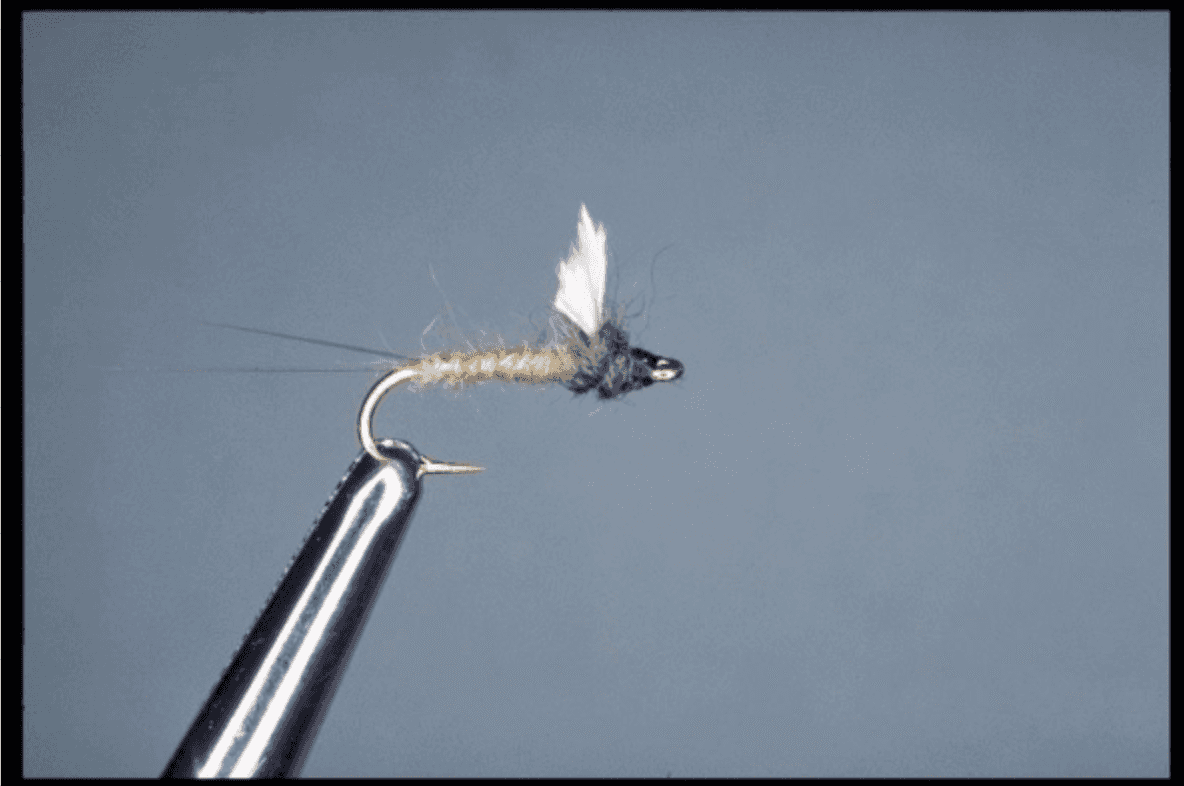
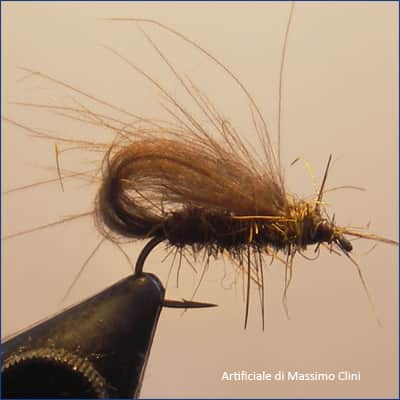
Midges, BWOs, early caddis

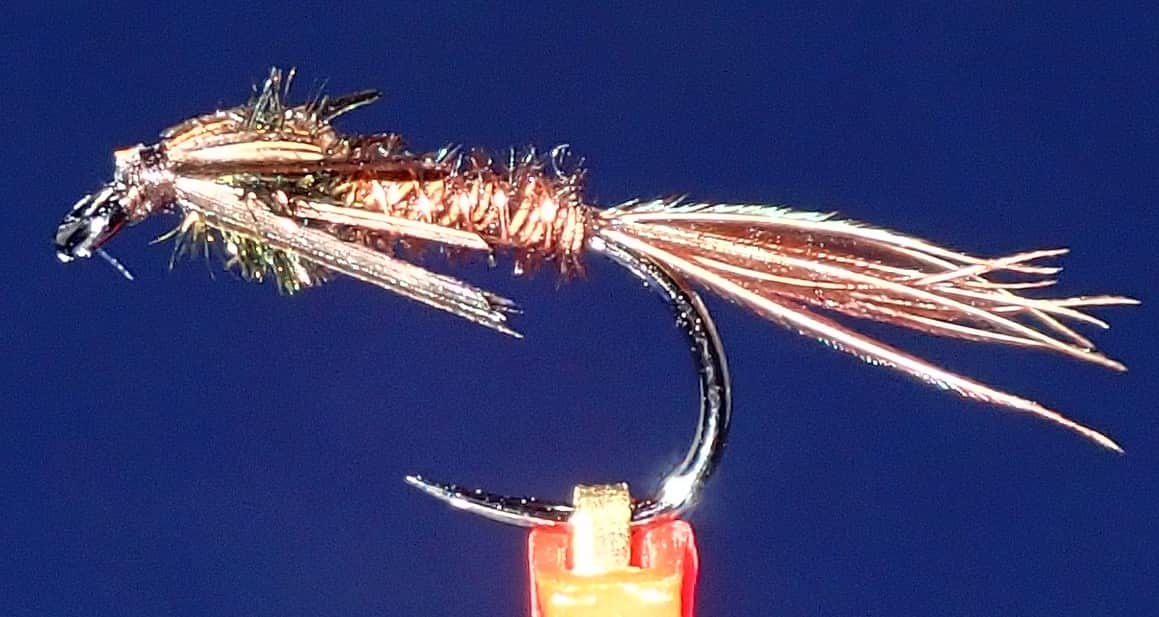
Zebra midge, BWO emerger, caddis pupa, pheasant tail

Early summer

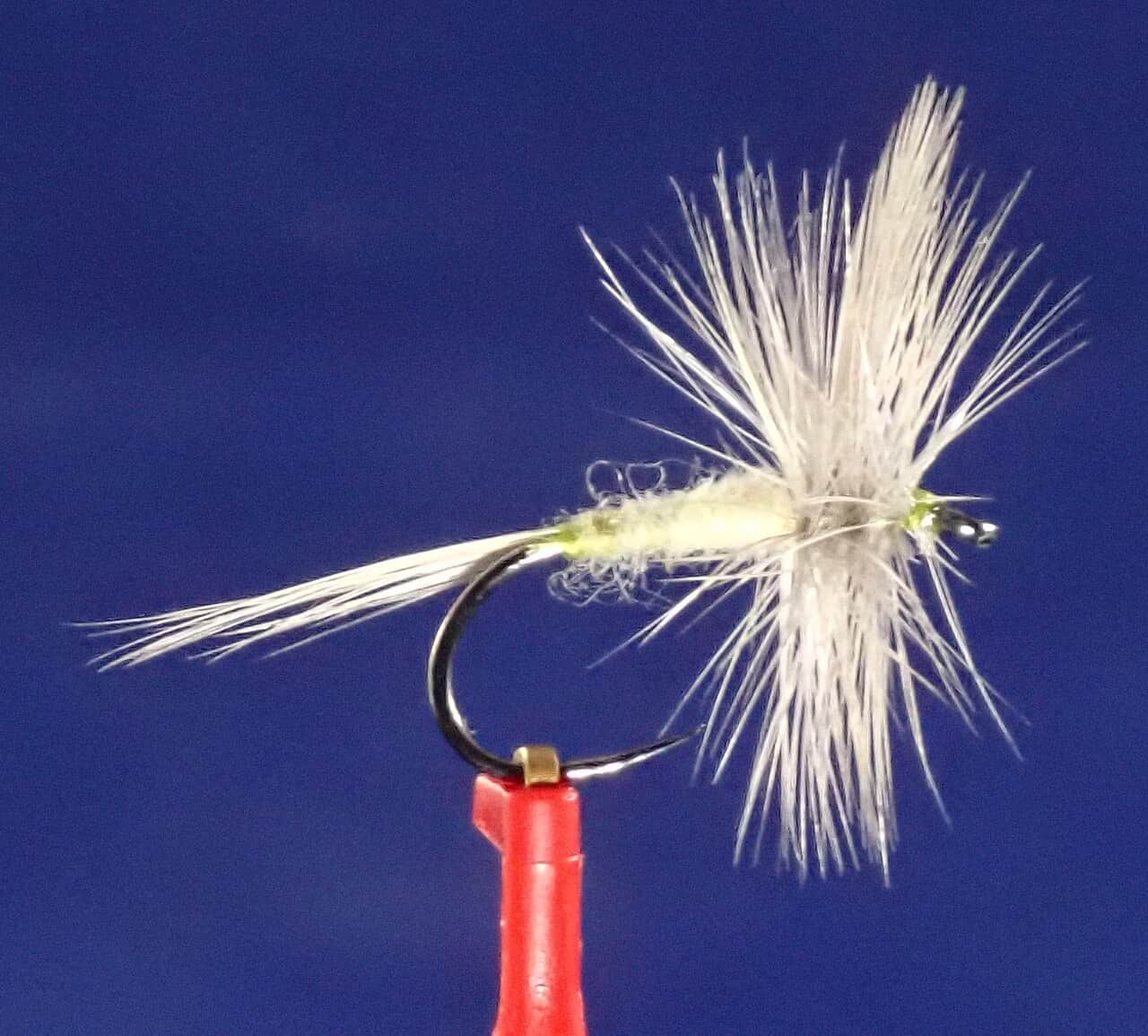
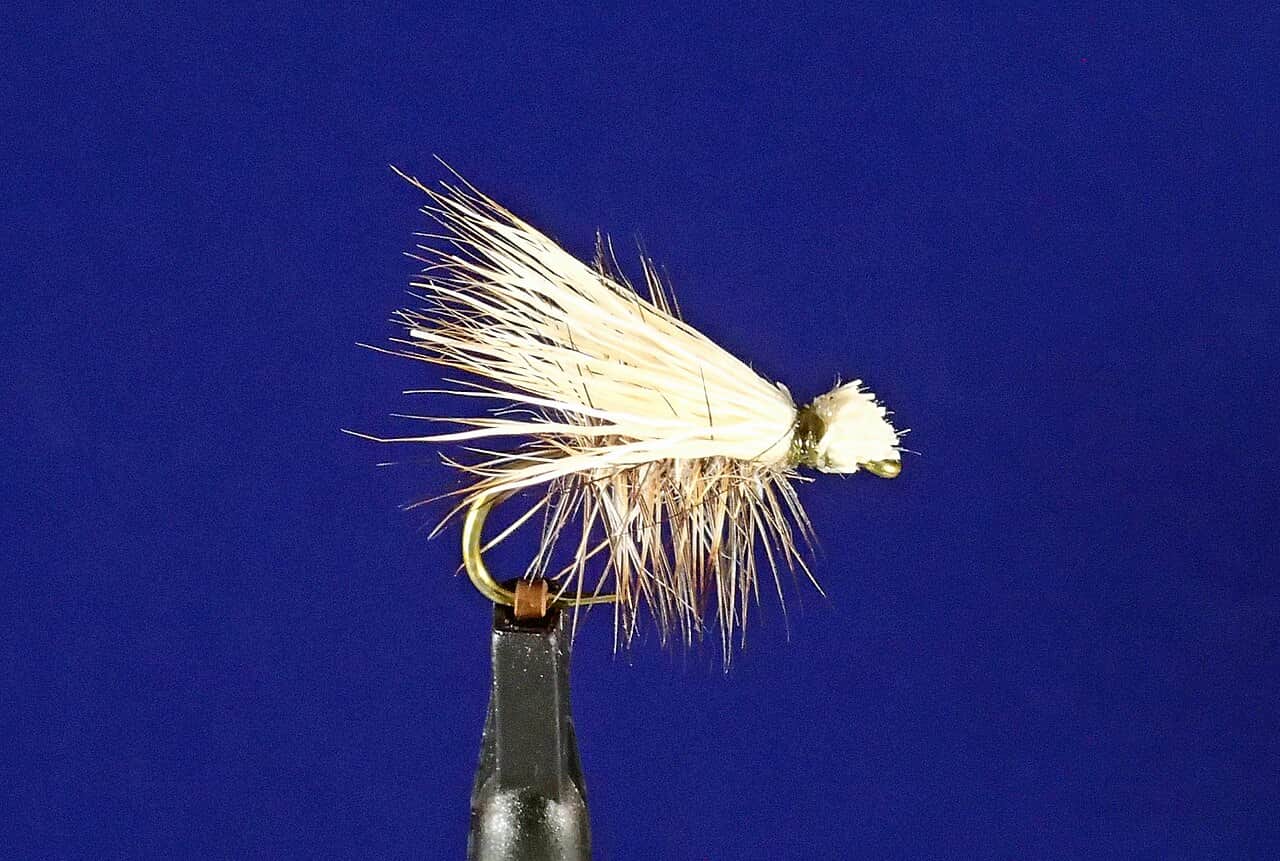
PMDs, caddis, small stones

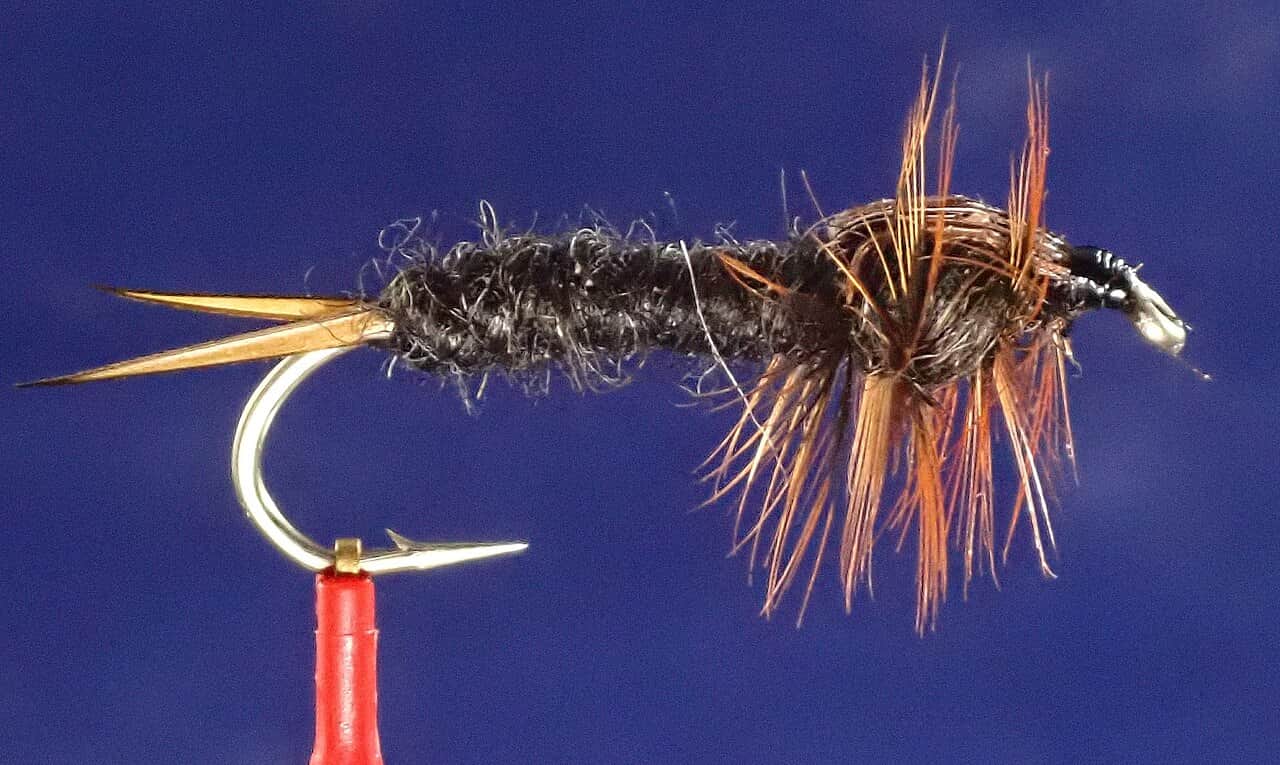
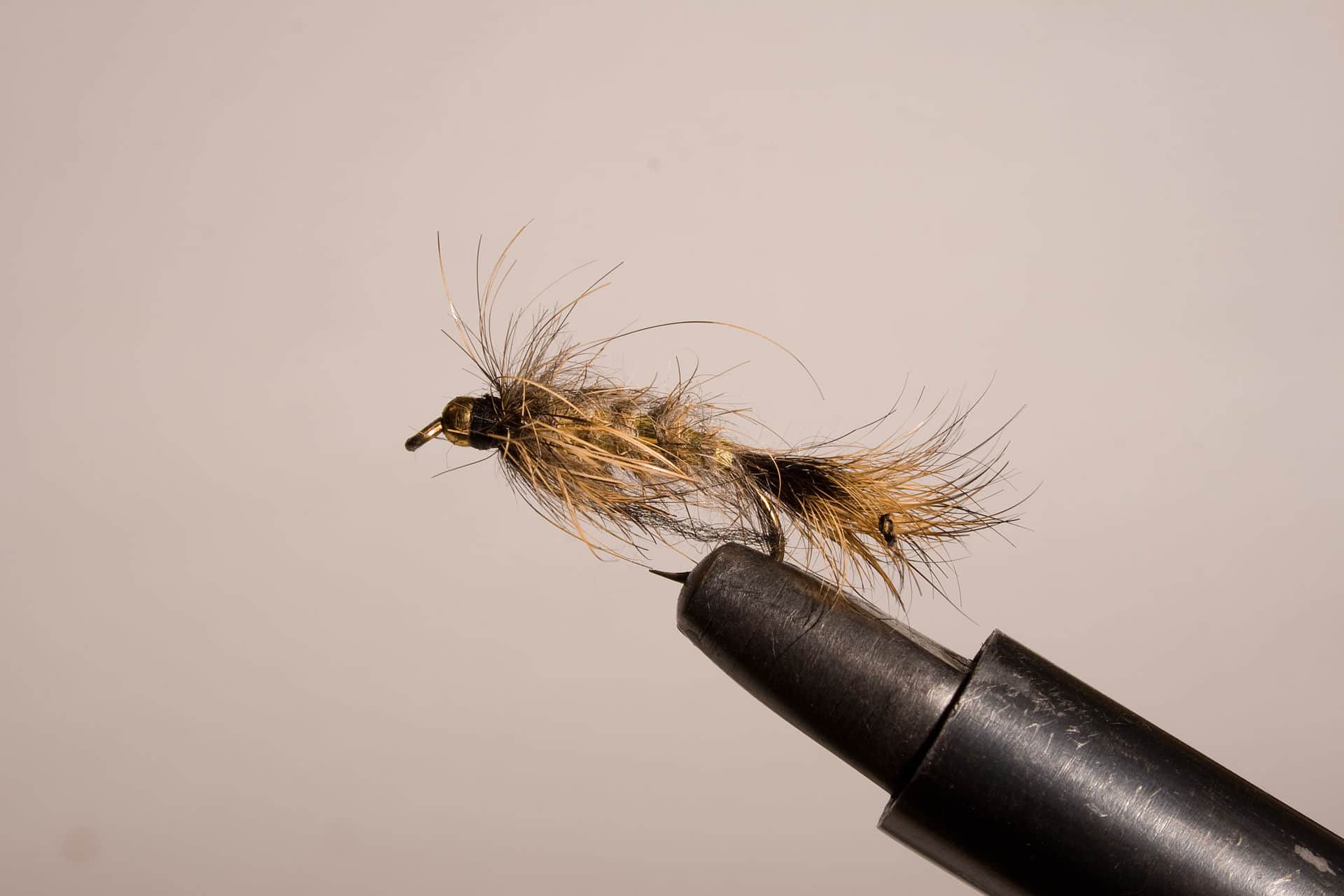
PMD dry, elk hair caddis, stonefly nymph, hare's ear

Late summer

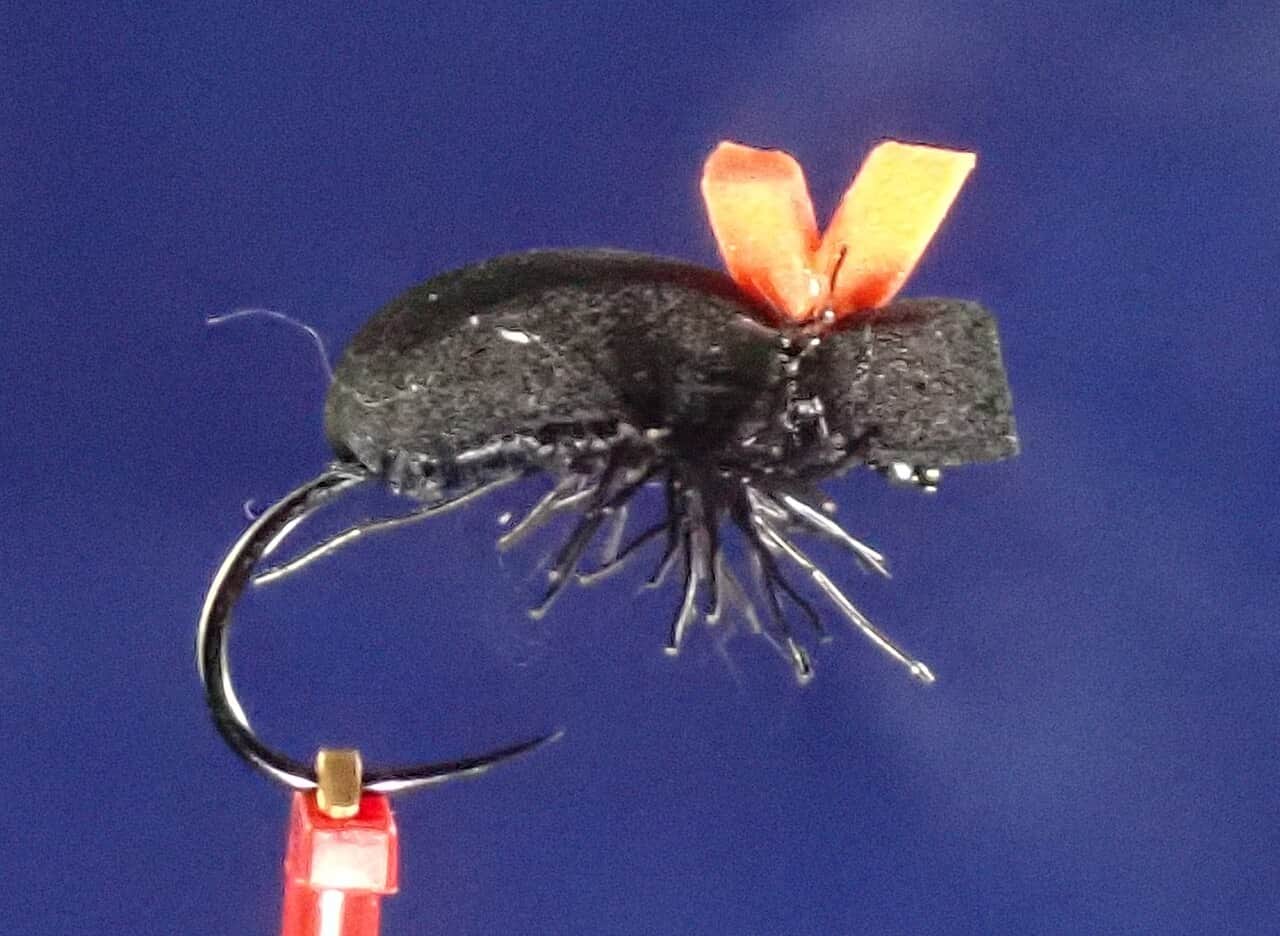
Hoppers, ants, beetles, caddis

Hopper, ant, beetle, caddis, perdigon

Fall

BWOs, midges

BWO dry, RS2, zebra midge, small streamer

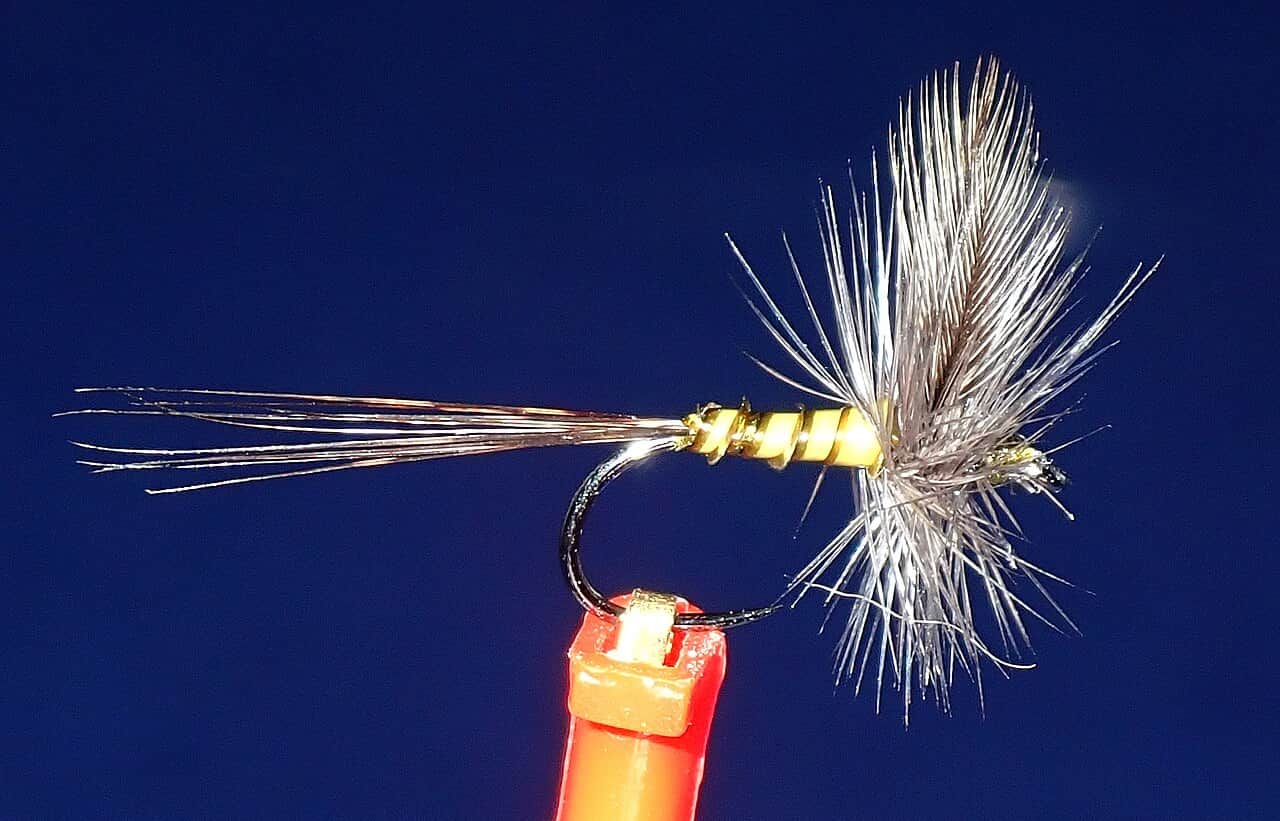
Small-water dries

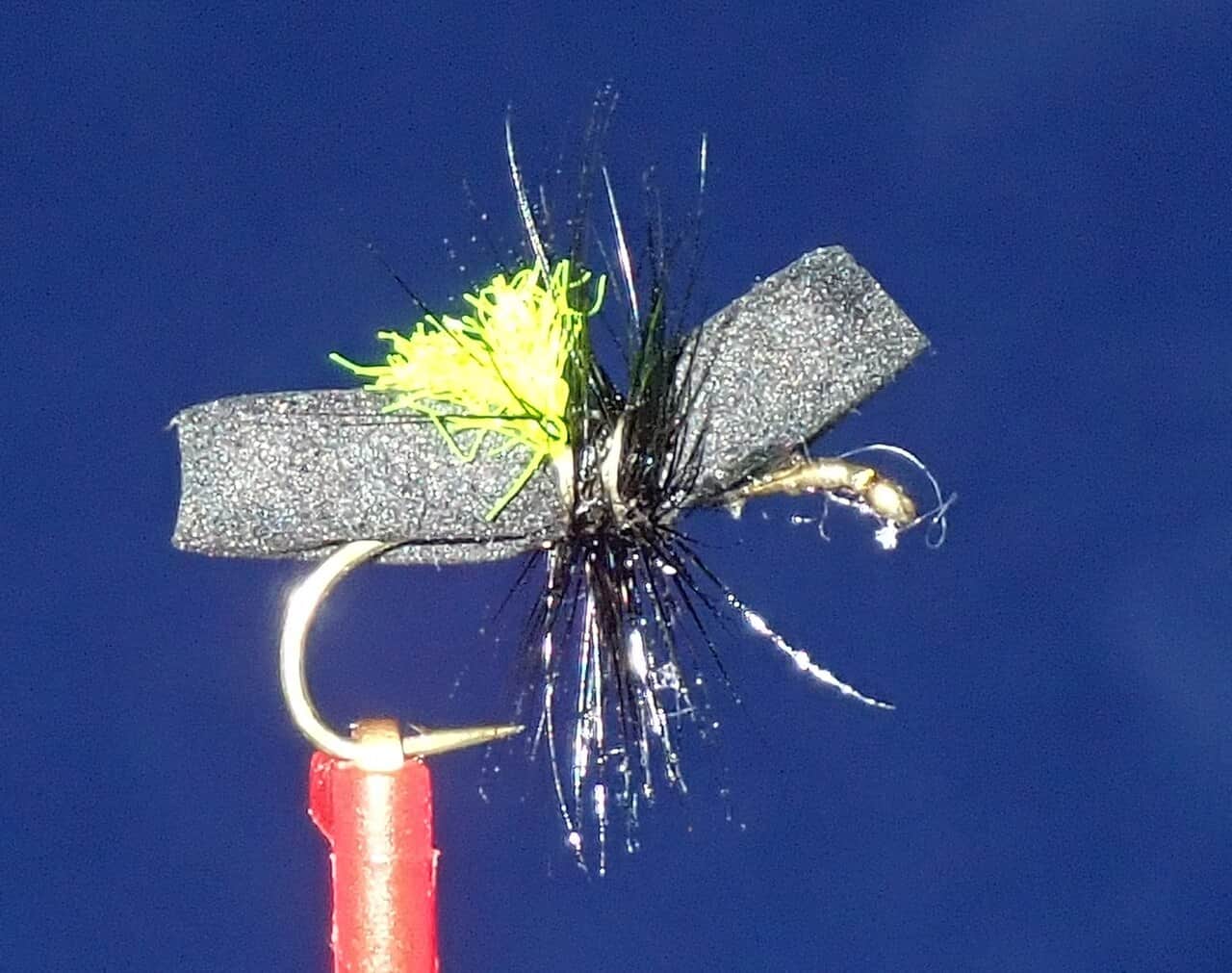
Stimulator, caddis, PMD, BWO, ant, beetle, hopper

Use on riffles, pockets, and undercut banks when fish look up.

Dry-droppers

Chubby, hopper, tungsten pheasant tail, perdigon

Use to cover high-country pocket water efficiently.

Nymphs

Hare's ear, pheasant tail, caddis pupa, zebra midge, stonefly

Use in cold water, deeper buckets, and shaded runs.

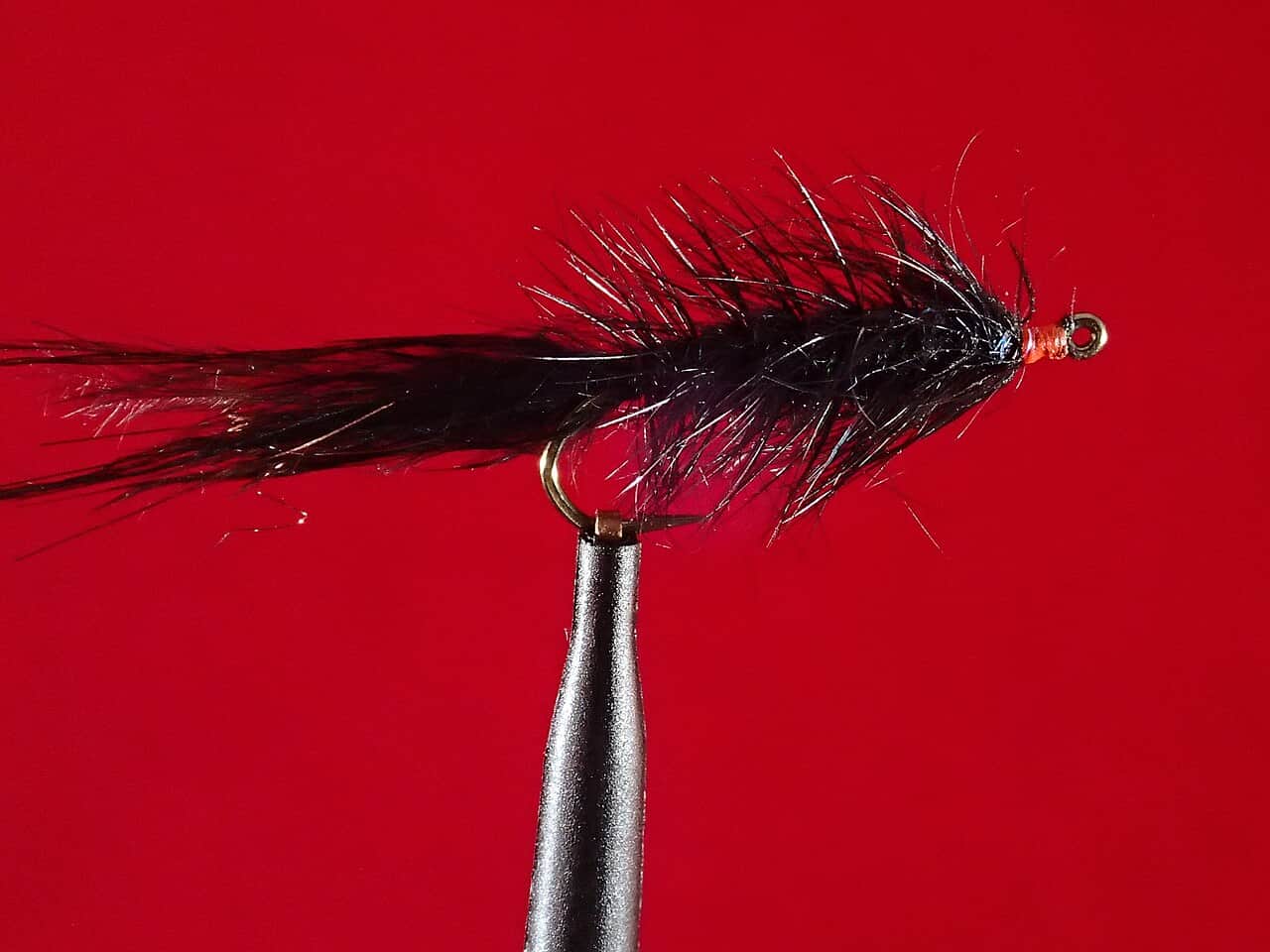
Small streamers

Bugger, leech, small sculpin

Use in deeper pools or cloudy high-country weather.

Tactics

How to fish it

Separate upper drainage planning from the Mackay tailwater.

Use maps to avoid crossing private land on the way to public water.

Fish small attractor dries and droppers through pocket water in summer.

Check roads and weather before committing to Copper Basin or side drainage travel.

Move on if low flows or warm water make trout handling poor.

Rigging

Rod, leader, and setup notes

A 8.5- to 9-foot 4-weight or 5-weight works well.

Use 4X to 6X depending on clarity and fish size.

Carry shorter leaders for brushy tributaries and longer leaders for open valley water.

Bring a compact rain layer and insulation even in summer.

Offline maps are important where cell service is weak.

Access

Access and planning notes

Howell Ranch gauge

Primary drainage trend

Wade / float / trail

Gauge / wade decision

When to pick it

Start here when the whole upper-drainage plan depends on runoff, low water, or recent storms.

Caution

The gauge does not describe every tributary or meadow reach.

East Fork and North Fork checks

Reach-specific rules

Wade / float / trail

Regulation / tributary / wade

When to pick it

Use these before choosing a tributary or headwater target.

Caution

Tributary rules and access are not interchangeable.

Big Lost River Access Trail

Documented public access

Wade / float / trail

BLM trail / walk-and-wade

When to pick it

Pick it when confirmed public access is more important than chasing remote visible water.

Caution

Private ranch boundaries, limited services, and road conditions still need current confirmation.

This is not one single managed river section.

Private land and public access can sit close together.

Roads can be rough, snowy, muddy, or far from help.

Use the below-Mackay page for the tailwater, not this upper-drainage report.

Regulations

Check before fishing

IDFG lists Big Lost River and tributary rules, including seasonal catch-and-release language and whitefish rules. Check the exact water before fishing.

Primary base

Mackay, Challis, or Ketchum approach routes

Best day style

Remote high-country roads, public/private boundaries, trail access, and limited services

Check first

Upper gauge freshness, IDFG tributary rules, road conditions, weather, and private land

Safety

Remote roads, limited services, cold runoff, high elevation weather, and sparse cell service

Gear

Helpful gear for this water

High-country dry-dropper box

Attractor dries, terrestrials, and tungsten droppers are the core set.

Offline maps

Important for public/private boundaries and weak cell coverage.

Weather layers

High-elevation storms and temperature swings can happen fast.

Thermometer

Useful when low late-summer water stresses trout.

Nearby water

Other water to research

Backup logic

High water

Wait for runoff to settle or compare the Big Lost below Mackay, Big Wood, or Silver Creek.

Heat

Fish early, avoid stressed low-water trout, and stop handling fish when shallow meadow water warms.

Storms or road issues

Do not push remote roads or open basins when lightning, mud, or service gaps make the exit uncertain.

Access issue

Use BLM or IDFG-confirmed access only; pivot if ranch boundaries, signs, or tributary rules are unclear.

Big Lost River

The below-Mackay tailwater and valley report for a different Lost River plan.

Big Wood River

A more accessible Sun Valley freestone option.

Silver Creek

A technical spring creek alternative when high-country weather is poor.

FAQ

Fast answers

Is Upper Lost River Drainage fishable today?

Upper Lost River Drainage looks very fishable right now. The live score is 96/100, based on current flow, weather, public alerts, and the report's planning context. Recheck the linked gauge and forecast before leaving because conditions can change quickly after rain, heat, access changes, or flow swings.

What flow is best for Upper Lost River Drainage?

Use USGS 13120500 at Howell Ranch as the main live flow anchor. It helps with the upper drainage trend, but it does not settle every tributary, meadow, or headwater condition, so pair it with recent weather, snowmelt stage, and clear public access.

When should I skip Upper Lost River Drainage?

Skip or shorten the plan when roads are questionable, thunderstorms are likely, flows are too low or warm, dewatering makes fish handling risky, IDFG reach language is unclear, or legal access depends on crossing private land.

Is Upper Lost River Drainage safe to wade right now?

The fishability score is not a wading guarantee. Wade only where your chosen access has safe edges, clear footing, legal entry, and no forced crossings; high, rising, stained, or storm-affected water should be treated conservatively.

Is Upper Lost River Drainage one river?

No. It is a drainage-style report for upper Big Lost, East Fork, North Fork, and Copper Basin planning.

Which gauge should I use?

Use USGS 13120500 at Howell Ranch for upper drainage context, not the below-Mackay tailwater gauge.

Is access easy?

No. Roads, private land, weather, and limited services all matter.

What flies should I start with?

Use small attractor dries, caddis, PMDs, terrestrials, and tungsten droppers in stable summer flow.