RiverReports preview · current series loading
Recent flow
RiverReports gauge
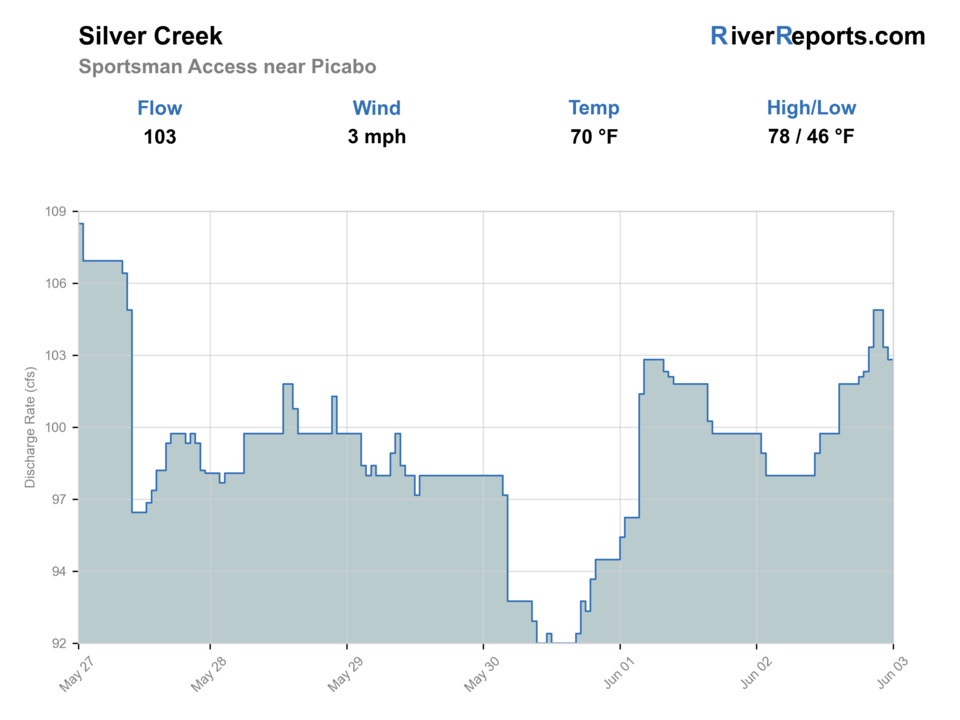
Showing the available RiverReports chart while the current structured flow series loads. Check the chart on RiverReports Opens in a new tab.
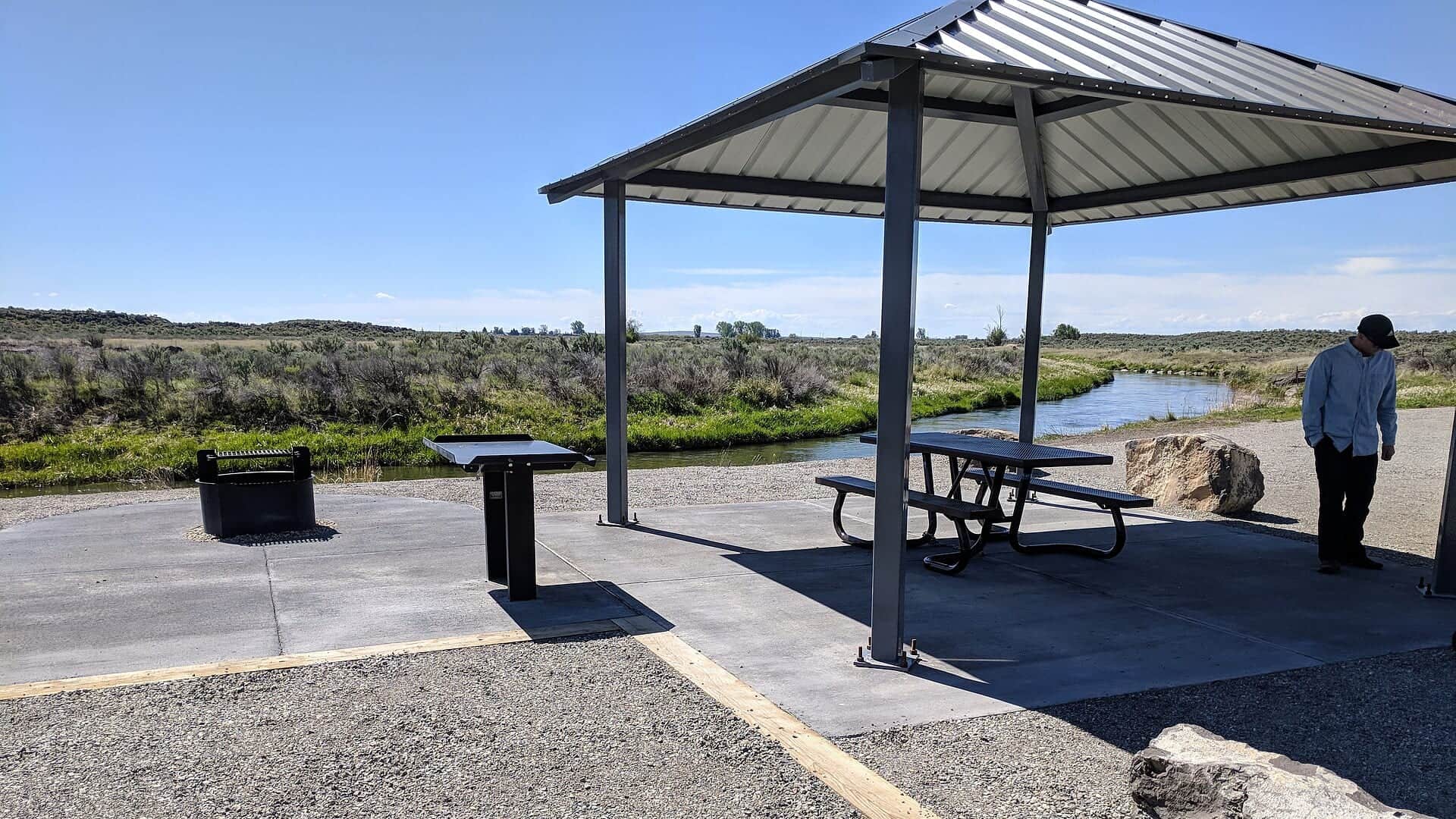
Photo: BLMIdaho Opens in a new tab. · Public domain
No access method is recommended today. Review the live conditions below before choosing another river or day.
Rating updatedRiver local time:
An active alert is in effect: Flash Flood Watch issued October 22 at 1:51AM MDT until October 23 at 6:00PM MDT by NWS Pocatello ID. Check public safety sources before going.
Flash Flood Watch issued October 22 at 1:51AM MDT until October 23 at 6:00PM MDT by NWS Pocatello ID
NWS air forecast near
RiverReports gauge
Showing the available RiverReports chart while the current structured flow series loads. Check the chart on RiverReports Opens in a new tab.
Showers And Thunderstorms
The National Weather Service forecast is temporarily unavailable.
RiverReports gauge: Silver Creek at Sportsman Access near Picabo
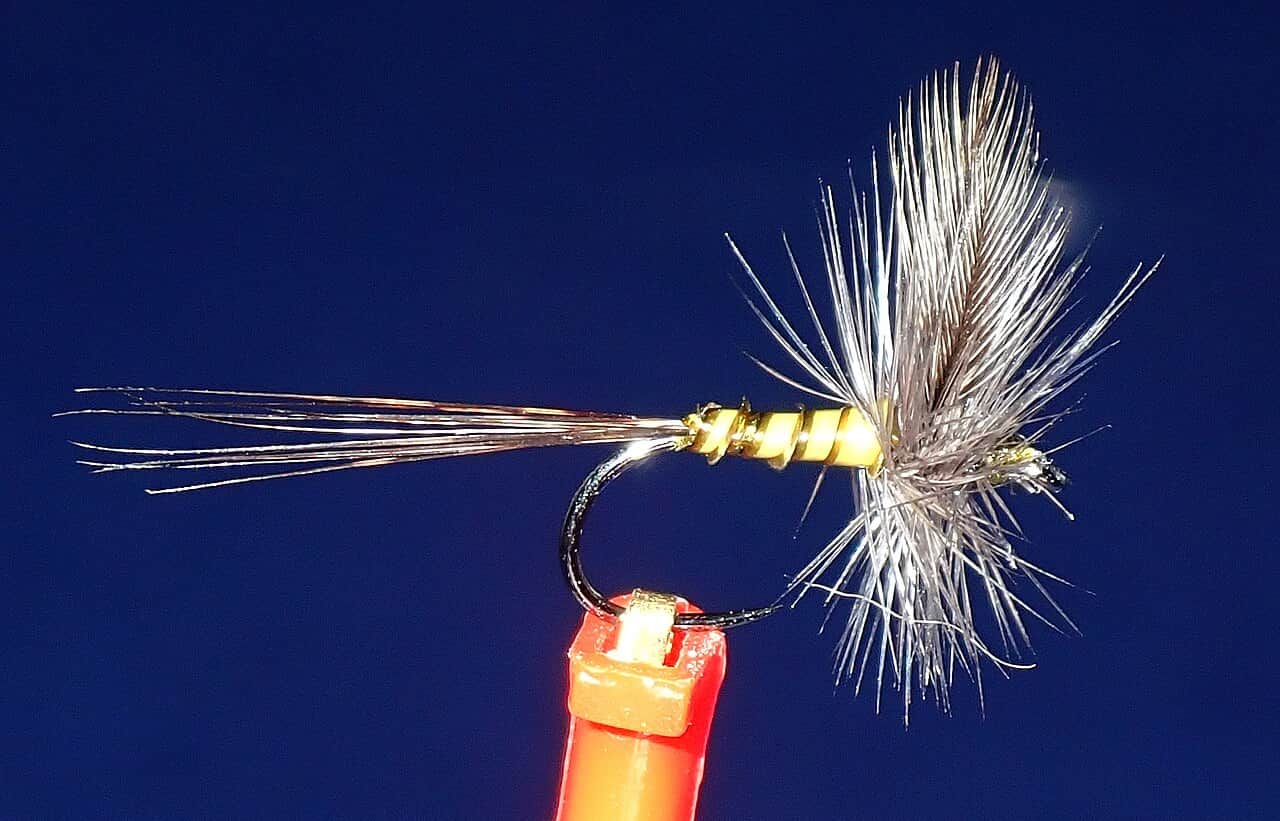
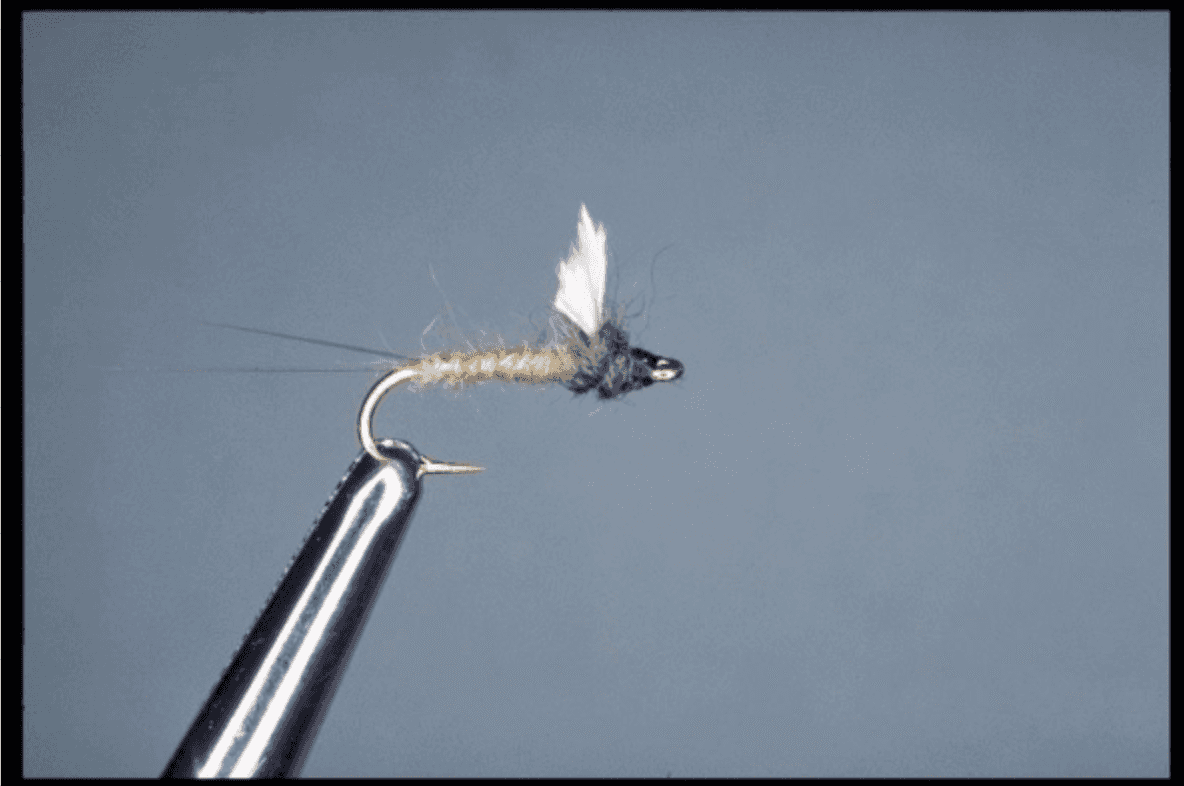
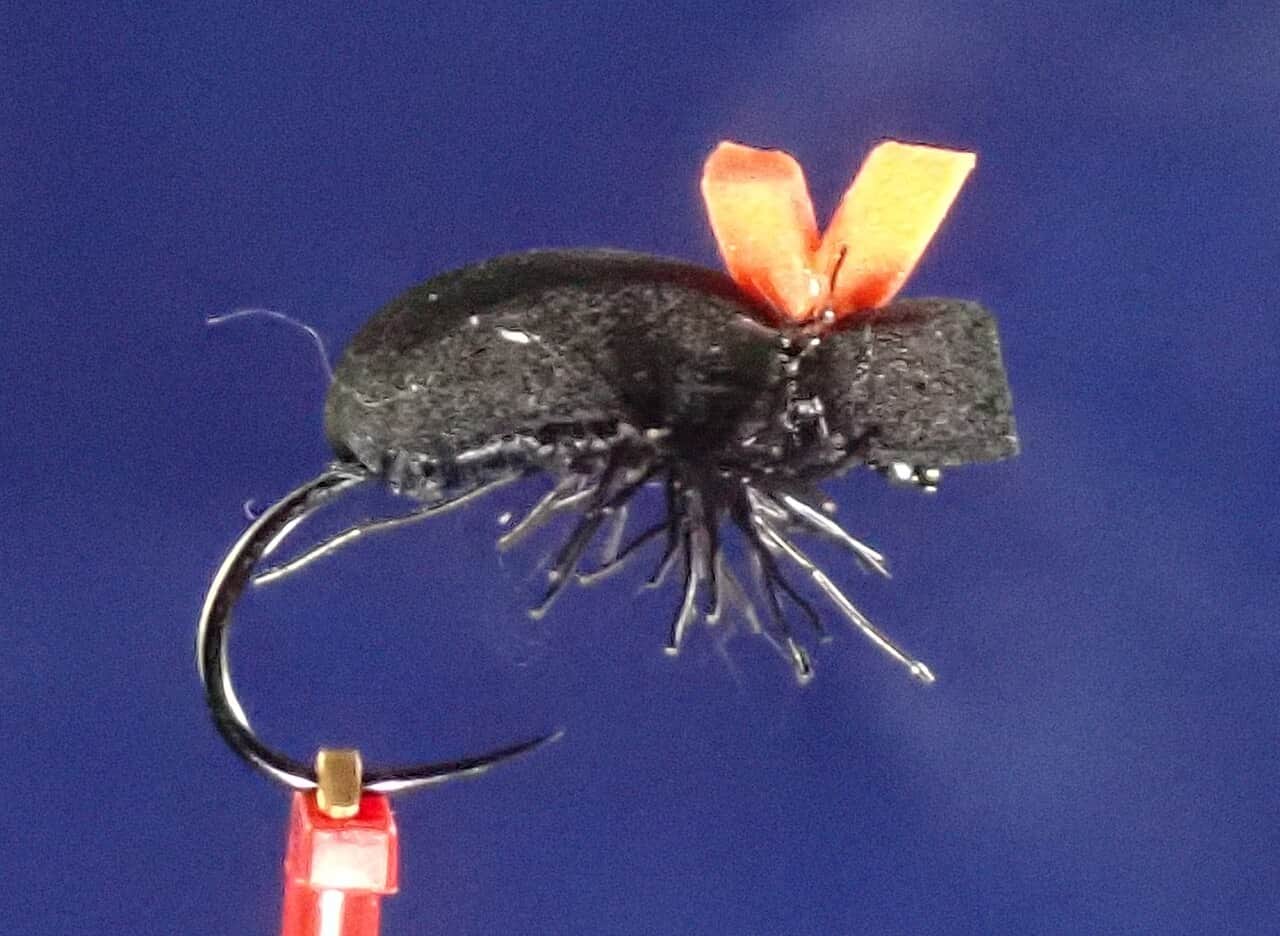
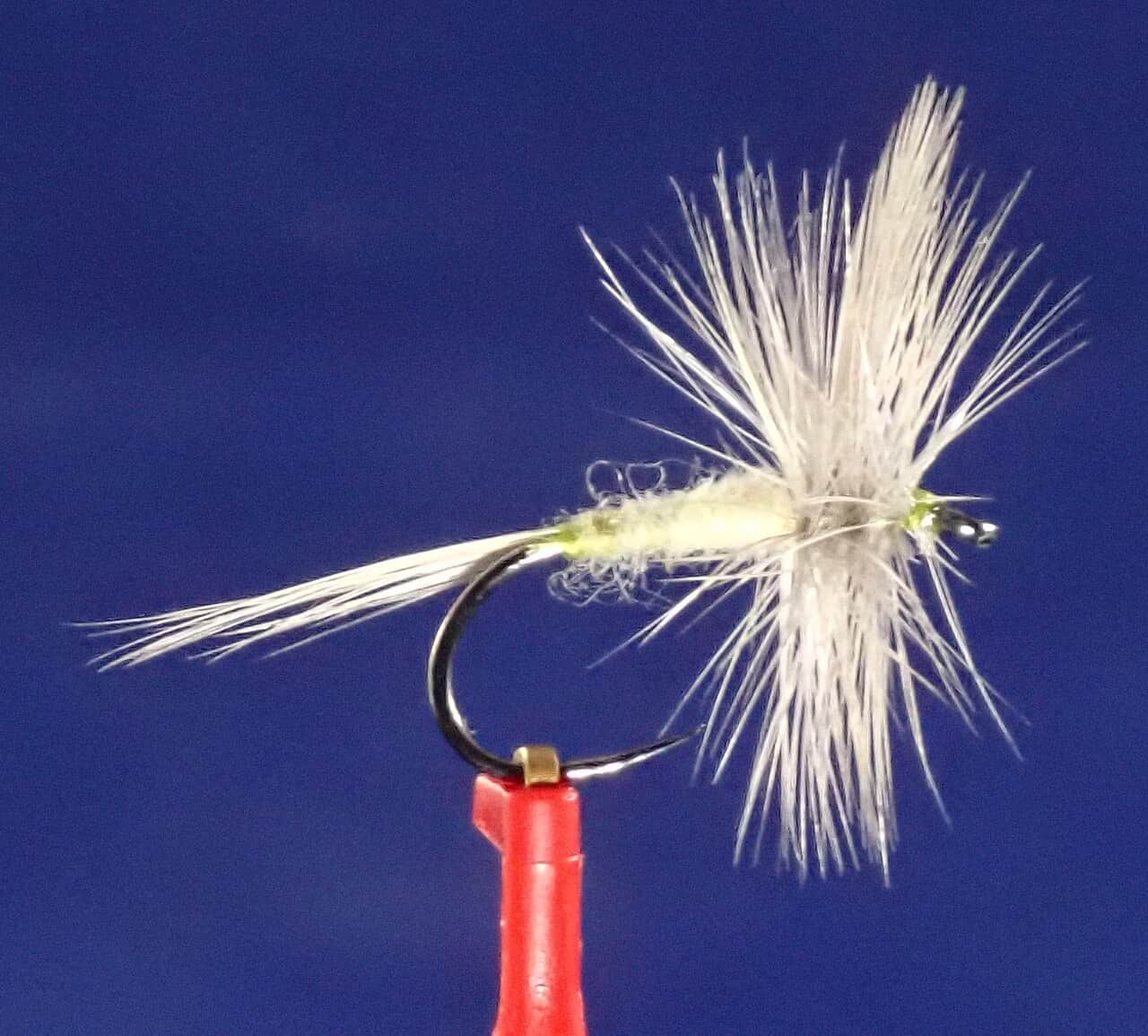
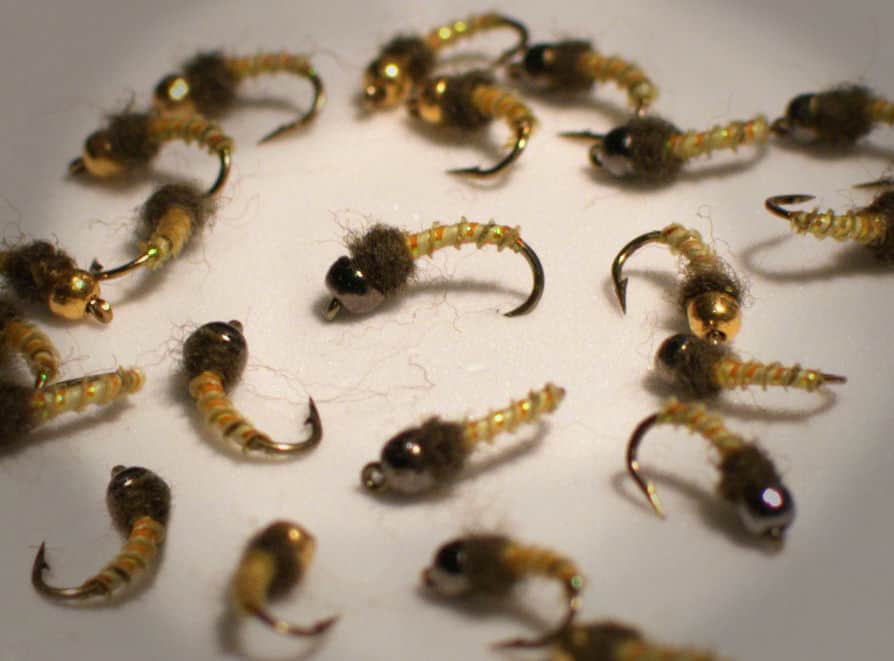
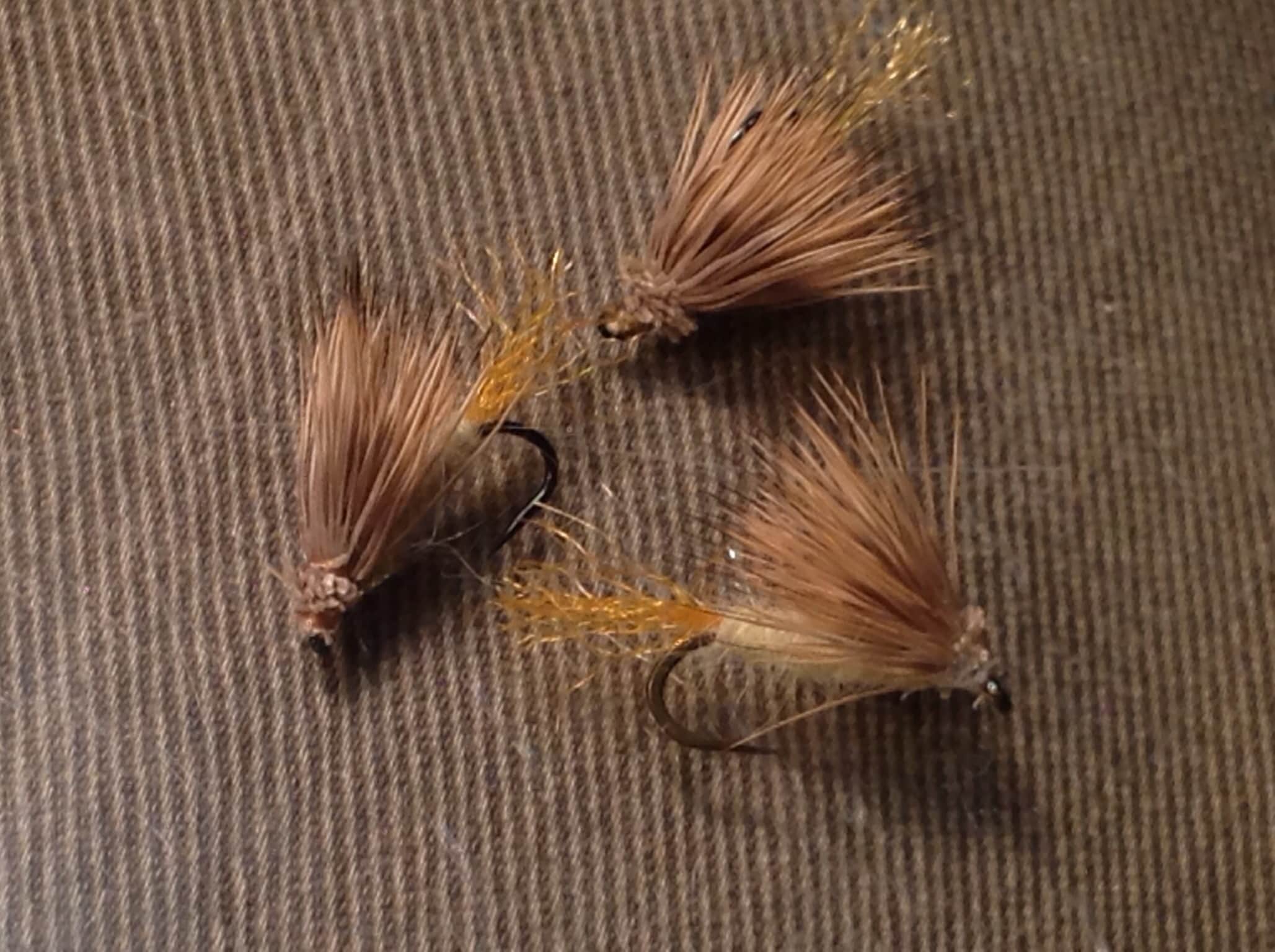
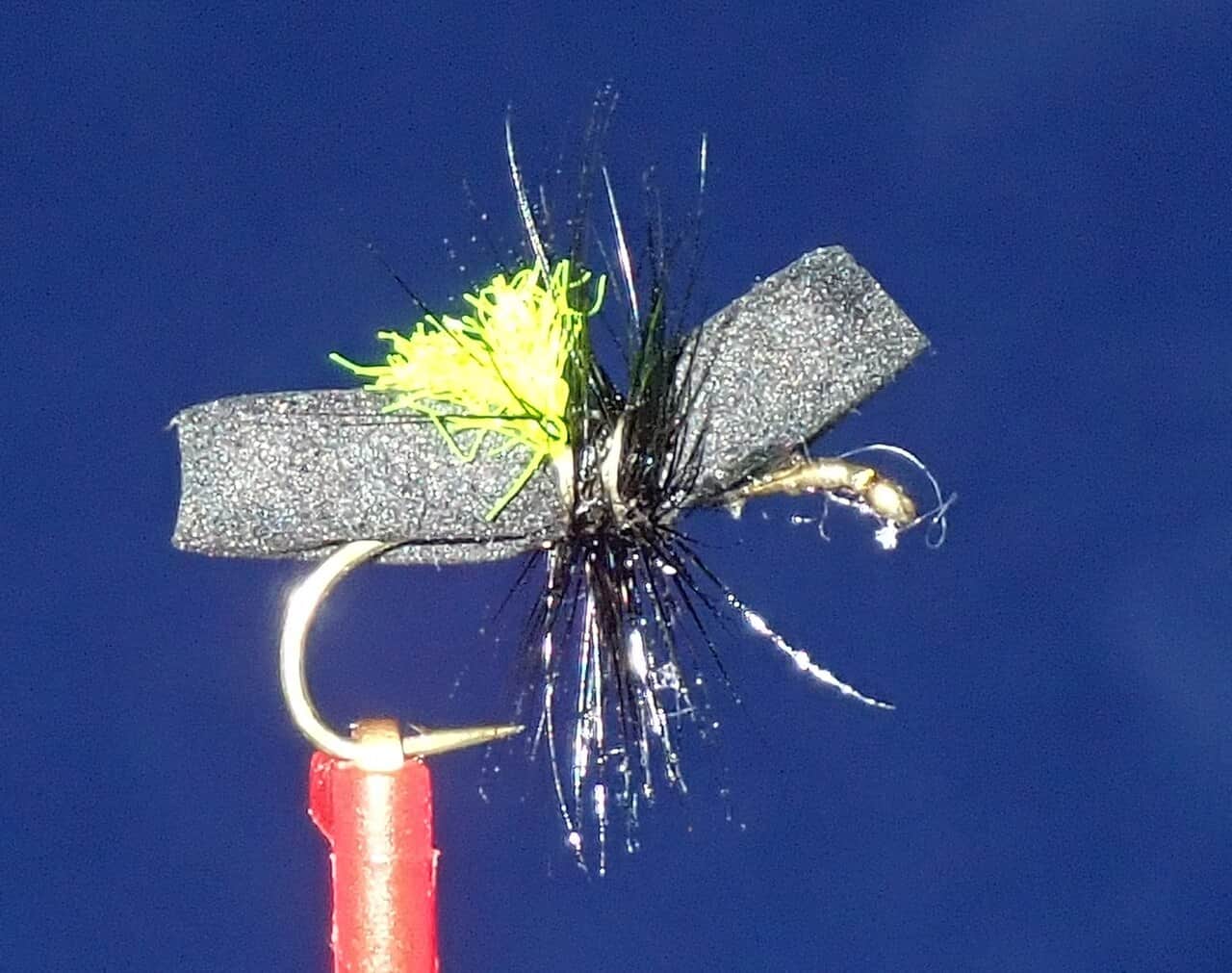
Seasonal starting points, not a live hatch report. Match what you see on the water.
Also try callibaetis spinner, damsel nymph
Also try Trico spinner, callibaetis emerger
Each fly name opens its matching Fly Box guide.
Silver Creek is best when wind, temperature, hatch timing, and access rules all cooperate. If fish are not feeding, wait, observe, and change angle before changing flies repeatedly.
Use long leaders, fine tippet, slack-line casts, and careful angles.
Fish lanes and edges rather than dragging flies through heavy weeds.
Use slightly heavier dries, protected banks, or nymphs where legal and appropriate.
Fish early, watch temperature, and stop when trout recovery is poor.
No access method is recommended in today's conditions. Review the live river and weather checks before making another plan.
Not recommended today. Recheck the river, weather, and access before planning another trip.
Not recommended today. Recheck the river, weather, and access before planning another trip.
Not recommended today. Recheck the river, weather, and access before planning another trip.
Is Silver Creek worth the trip today? Check flow, weather, hatches, access, and rules for Idaho before you go.
Silver Creek rewards careful observation more than fast searching. Check the Picabo/Sportsman Access gauge, verify preserve rules, then match the actual hatch, spinner fall, or terrestrial window in front of you.
An active alert is in effect: Flash Flood Watch issued October 22 at 1:51AM MDT until October 23 at 6:00PM MDT by NWS Pocatello ID. Check public safety sources before going.
USGS shows 90 cfs. The flow has been stable over about 6 hours. USGS marks this reading provisional and may revise it. USGS records for this date (1975-2026, 52 readings) show a median near 124 cfs and the lower quartile near 101 cfs; today's flow is below normal for the date. This is below normal, so edge depth, temperature, and pressure matter.
The forecast has storm or heavy-precipitation risk, so timing and access matter more than the score alone.
Fall: Baetis, midges, terrestrials, and lower pressure can produce excellent windows.
USGS water temperature is about 54.1F, and the rolling 24-hour high did not trigger a heat caution. USGS marks the temperature data provisional and may revise it.
Use the RiverReports Sportsman Access chart and USGS 13150430 together. Stable spring-creek flow is helpful, but wind, weed growth, clarity, water temperature, and surface activity often decide the day as much as discharge.
Skip or change reaches when preserve rules are unclear, when wind makes accurate presentations unrealistic, when low warm water would stress trout, when access signs do not support your plan, or when crowding would force poor etiquette.
Start with the Picabo and preserve framework, then decide whether the day fits sight fishing, a hatch-specific window, or a lower BLM access plan. Bring a patient, low-profile approach rather than a cover-water mindset.
If Silver Creek is windy, crowded, too warm, or rule-sensitive, compare the Big Wood River, Henry's Fork of the Snake River, or South Fork of the Boise River after checking current flows and rules.
Use these places as starting points. Open the access link below and check posted signs before you park or enter.
IDFG and The Nature Conservancy list seasonal, method, boat, access, dog, and designated-entry rules for Silver Creek. Check current rules before fishing.
TNC-managed access with electronic sign-in, designated areas, and site-specific rules.
The flow-reference area and a practical planning landmark.
Downstream public-land access with a different feel from preserve water.
Do not assume access. Respect posted land and current rules.
Official agencies and primary river operators come first. Secondary tools are labeled so you know what carries the most weight.
Check what is allowed, where the rule applies, and whether the river is open.
Check the latest river reading and forecast before you leave.
Check public entry points, land rules, and seasonal access changes.
Check what is allowed, where the rule applies, and whether the river is open.
Open the current rules and check the river section, season, and special limits.
Check the latest river reading and forecast before you leave.
Open this page and check the latest safety advice before your trip.
Open this river reading to check the latest level, flow, and update time.
Open this river reading to check the latest level, flow, and update time.
Check public entry points, land rules, and seasonal access changes.
Open the land or access page, then check signs before you park or enter.
Open the land or access page, then check signs before you park or enter.
What was checked: This Silver Creek report is maintained from RiverReports and USGS flow data, Idaho Fish and Game rule information, The Nature Conservancy preserve guidance, BLM access references, weather checks, and spring-creek trip-planning guidance.
Live measurements and forecasts keep their provider timestamps. Rules, access, and trip guidance use the source-review date shown here. BlueStreamFly planning advice is editorial interpretation, not an agency notice.
First-hand experience: BlueStreamFly does not claim a first-hand visit or local field test for this report unless a real contributor is explicitly named and linked.
It can be humbling. Beginners should go slowly, watch rises, and focus on one small lane rather than covering water fast.
Use USGS 13150430 at Sportsman Access near Picabo, shown with RiverReports and official USGS context.
No. The Nature Conservancy's preserve rules prohibit dogs.
PMDs, tricos, callibaetis, baetis, damsels, and terrestrials are the core spring-creek set.