Generated mountain-river scene representing the Payette River near Garden Valley in Idaho, not an exact location photo

Idaho / West

Payette River

A practical Payette River planning page for the Garden Valley and Banks corridor, built around accessible public pull-ins, mixed float-and-wade decisions, and honest expectations about where trout water begins to feel warm, busy, or boat-heavy.

Image: Generated regional planning image for Payette River / BlueStreamFly generated; not exact location / BlueStreamFly

Fishability now: Payette River fishability today

GreatData confidence: High

96/100

Fishable now because the live gauge is stable, weather is mild, and no public alert is active.

Flow observed

4:15 PM UTC

Weather observed

5:00 PM UTC

Score calculated

5:25 PM UTC

Why this rating

Flow

Weather

Public alerts

Next 6-12 hours

Hold

Stable live data supports staying with the plan, but recheck the gauge and forecast before leaving.

More planning details: flies, flow bands, and live source checks

Fish it today

Start here

Check the Crouch gauge early, fish one access cluster well, and change sections only when a clear temperature or traffic reason tells you to.

Best flow clue

Steady moderate flows that still leave defined inside seams and bank edges instead of turning the river into one broad push.

Skip trigger

Skip when midday heat warms the lower corridor, when runoff buries the edges, or when summer float traffic turns every access point into a shared-use bottleneck.

Flow decision bands

Steady corridor flow

Stable or slowly falling Crouch flow is the best sign that Garden Valley seams, banks, and short floats can be read honestly.

Low and clear

Low clear water can make inside edges easier to read, but lower sections may warm quickly and shift away from trout value.

Pushy or broad water

Runoff or heavy push should move the plan toward boats, banks, or a fork with safer wading edges.

Heat or recreation pressure

Summer float traffic and hot lower-corridor water can turn a fishable graph into a poor trout day.

USGS flow

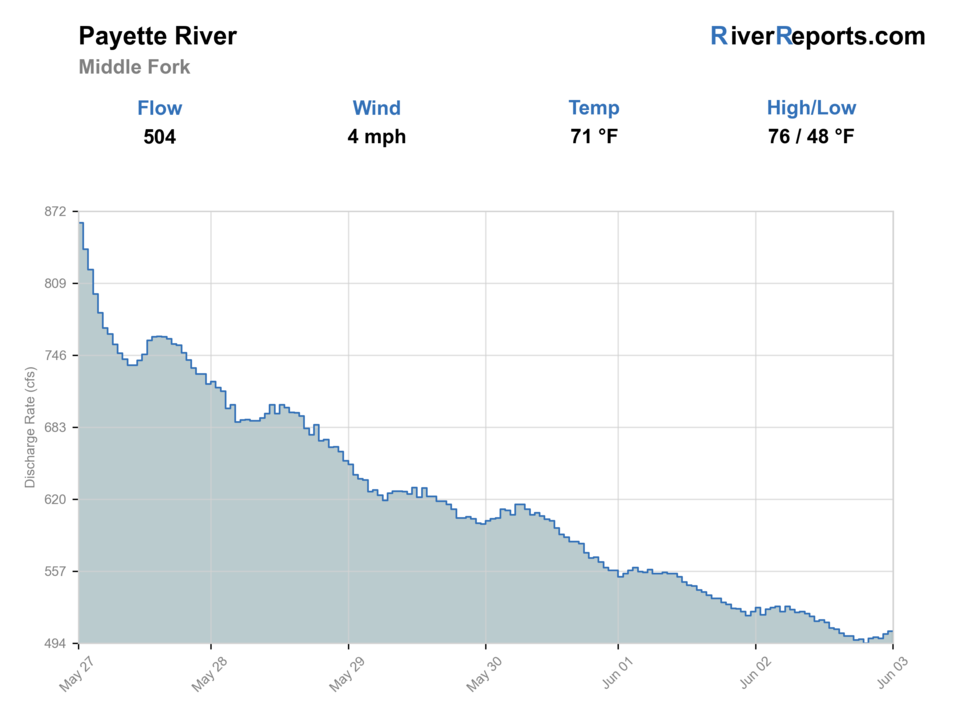
504 cfs

Open

Current trend: flow stable, so weather, temperature, and access checks drive the next change.

Live USGS flow

504 cfs / stable

Live NWS forecast

72F / Partly Sunny

Water temperature not verified

Heat guidance uses weather and river type unless an official water-temperature value is available.

No NWS alert flag

No active NWS alert was returned for this forecast point.

Primary waterPayette River around Crouch, Garden Valley, Banks, and the Highway 55 corridor
GaugeRiverReports and USGS 13237920 near Crouch with main-corridor access checks
Access styleBLM river sites, roadside pull-ins, short wades, and selective small-craft or raft-friendly stretches
ReviewedJune 2, 2026

Use RiverReports first, then confirm the trend with USGS 13237920 near Crouch before you decide how much of the day should be wading versus floating.

IDFG lists the Payette as a recommended fishing water with boat ramps, campgrounds, ADA access, and a mixed fishery that includes rainbow trout, redband, whitefish, and warmwater species.

BLM's Payette River and corridor pages are the cleanest official access anchors for the Banks-to-Beehive and broader Garden Valley corridor.

If the river is busy with summer float traffic, scale down to dawn and evening seams or move to a fork where the day fits fly fishing better.

Editorial review

How this report is maintained

This report uses official regulation, flow, weather, and public-access sources first, then adds practical planning guidance for fly anglers.

Byline

BlueStreamFly editorial desk

Reviewed by

BlueStreamFly source review

Maintained by

BlueStreamFly

Last material review

2026-06-02

Report confidence

Good confidence

87/100

Good confidence: RiverReports, USGS 13237920 Crouch flow, Idaho Fish and Game Payette planner details, BLM Payette River access sources, weather coverage, generated media disclosure, and route-specific corridor guidance support the page. Confidence is moderated by broad route scope, mixed warmwater influence, float traffic, heat, and section-by-section access decisions.

Regulations

Idaho Fish and Game Payette planner details support current rule and fishery checks.

Access

BLM Payette River overview, corridor, and Chief Parrish sources support public access planning, while section-specific banks and float details still need checks.

Flow and weather

RiverReports, USGS 13237920 near Crouch, and the National Weather Service point support live flow and weather decisions.

Fishing usefulness

The page now separates Crouch flow, Garden Valley section choice, float-versus-wade planning, heat restraint, recreation pressure, and fork-based backups.

Fishability dashboard and source review

2026-06-02 / material content or source review

RiverReports and USGS 13237920 Crouch flow, Idaho Fish and Game Payette rules, BLM Payette River corridor access pages, National Weather Service data, and route-specific Garden Valley heat and float-use guidance were checked before updating the current-fishability decision layer.

2026-06-02

Updated the Payette River to the current fishability standard with Crouch trend bands, corridor access cards, backup cues, stable fishability SEO, and confidence signals.

2026-05-26

Published a new Payette River corridor report with Garden Valley access planning, float-versus-wade decision framing, and section-first trout guidance.

Angler planning edge

Local details that change the plan

Best for

Flexible Garden Valley day trips, Mixed trout and whitefish fishing, Anglers willing to switch sections when heat or traffic builds

Wade or float

Either can work, but this corridor rewards anglers who decide section by section rather than pre-committing to a long float or a full day of blind wading.

Best flows

Steady moderate flows that still leave defined inside seams and bank edges instead of turning the river into one broad push.

When to skip

Skip when midday heat warms the lower corridor, when runoff buries the edges, or when summer float traffic turns every access point into a shared-use bottleneck.

Local plan

Check the Crouch gauge early, fish one access cluster well, and change sections only when a clear temperature or traffic reason tells you to.

Pressure

Pressure comes less from technical trout anglers and more from summer corridor recreation, especially around the best-known BLM sites.

Access nuance

The Payette gives plenty of public entry, but not every legal stop is a good fly-fishing stop. The river gets better when you treat access as a filter instead of a green light.

Backup water

If the main Payette runs too warm or too busy, move to the South Fork Payette for colder gradient or to Mores Creek for a smaller roadside fallback.

About the river

Setting, character, and why it fishes the way it does.

The Payette system pulls together the Middle Fork, South Fork, and North Fork country into a broad central-Idaho corridor that changes character quickly as it moves through Garden Valley and down toward Banks and Horseshoe Bend.

That variety is why this report stays practical. Some sections reward bank fishing, some reward a short float, and some are simply better known for whitewater than for consistent trout work.

For anglers, the main value of the corridor is choice. When one reach feels too warm, too busy, or too pushy, nearby fork water often gives you a cleaner backup plan without leaving the region.

Target species

Rainbow trout

A core target in cooler moving sections with enough current definition to hold fish tight to seams and structure.

Redband trout

Part of the wild-trout character that makes release discipline and water-temperature judgment worthwhile.

Mountain whitefish

A dependable payoff in deeper current and a useful sign that you picked the right speed and depth.

Smallmouth bass

More relevant in warmer lower stretches when trout expectations should already be tempered.

Reading the water

Steady moderate flow

Best for mixed bank access, short drifts, and reading which seams are truly fishable.

Low clear flow

Good for spotting softer holding water, but trout become more selective and lower stretches warm quickly.

Pushy runoff or heavy release water

Treat it as a float-scout or move to a fork with better edges instead of forcing dangerous bank entries.

Hot summer afternoons

Use a thermometer and shorten the trout part of the day when slower water starts to feel stressed.

Best seasons

Late spring

Only after runoff settles enough to create real bankside fishing lanes.

Summer

A practical season if you fish early, stay section-specific, and respect how quickly rafting and heat change the day.

Early fall

Often the cleanest combination of stable flow, cooler nights, and less crowd pressure.

Winter

Possible in selected milder stretches, but this is not the default season for broad Payette coverage.

Preferred flow source

Middle Fork Payette River near Crouch

RiverReports is the preferred chart source when coverage exists. When a matching USGS gauge exists, keep it open as the official backstop for station data and current hydrograph context.

Middle Fork Payette River near Crouch RiverReports flow chart

USGS data chart

Official USGS trend

Streamflow over the latest USGS reporting window.

Latest

504 cfs

Jun 3, 4 PM UTC

Site

13237920

Low / high

486 / 883 cfs

Source

Open USGS

Weather

River weather report

Weather can change wading safety, road access, water temperature, hatches, and the best time of day to fish.

Live forecast loads as you reach this section

This keeps the report fast while still using the official National Weather Service forecast point.

Hatches and flies

Hatch chart and fly picks

Spring

Midges, BWOs, caddis, and early stones

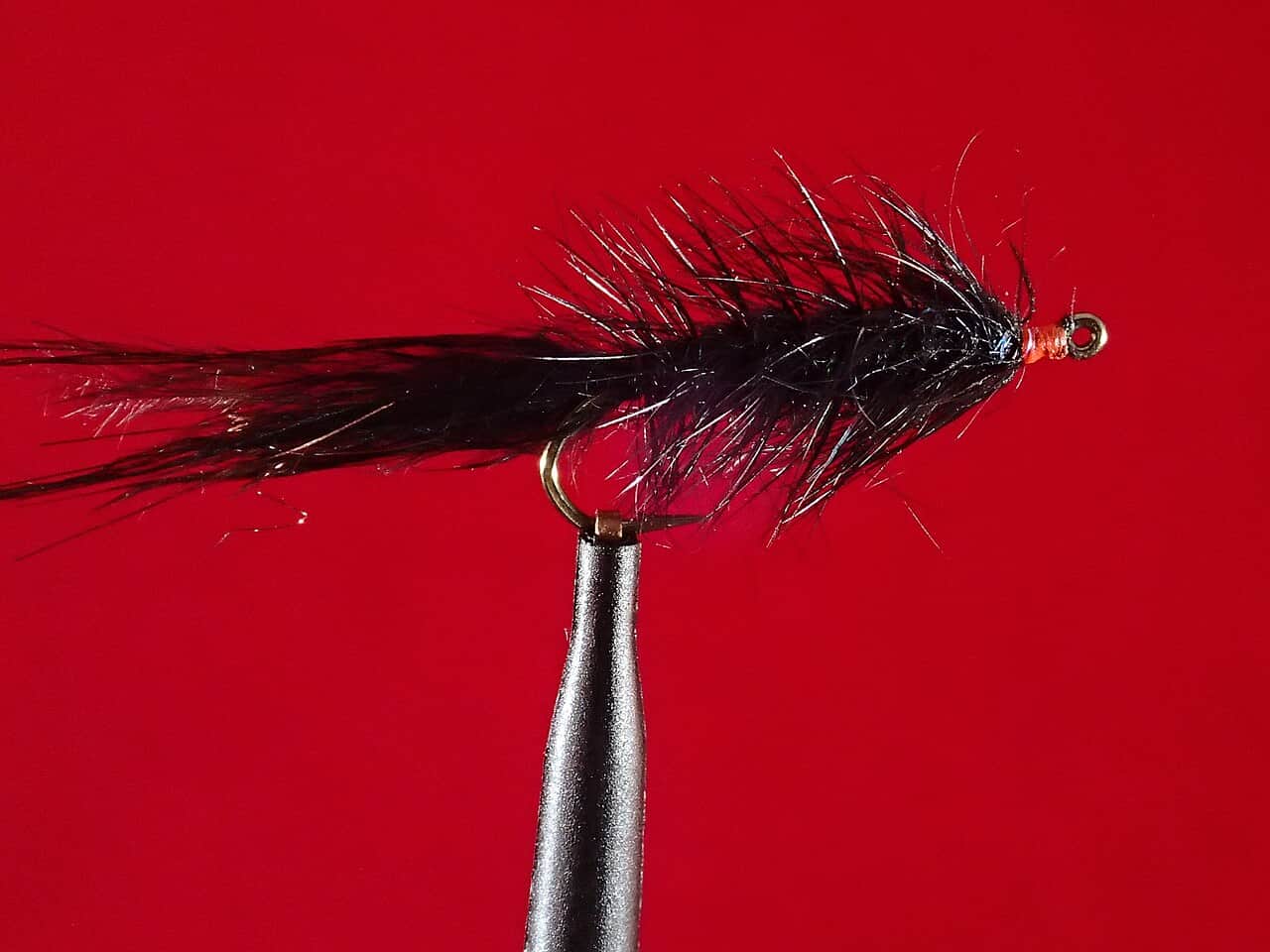
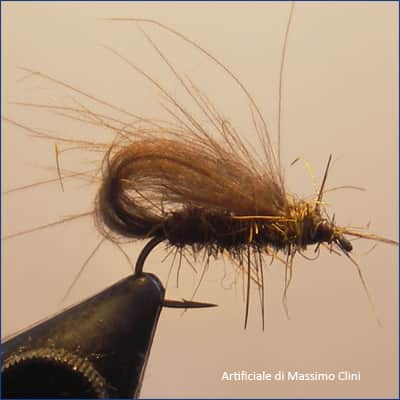
Zebra midge, BWO emerger, caddis pupa, prince nymph

Summer

Caddis, PMDs, attractors, and terrestrials

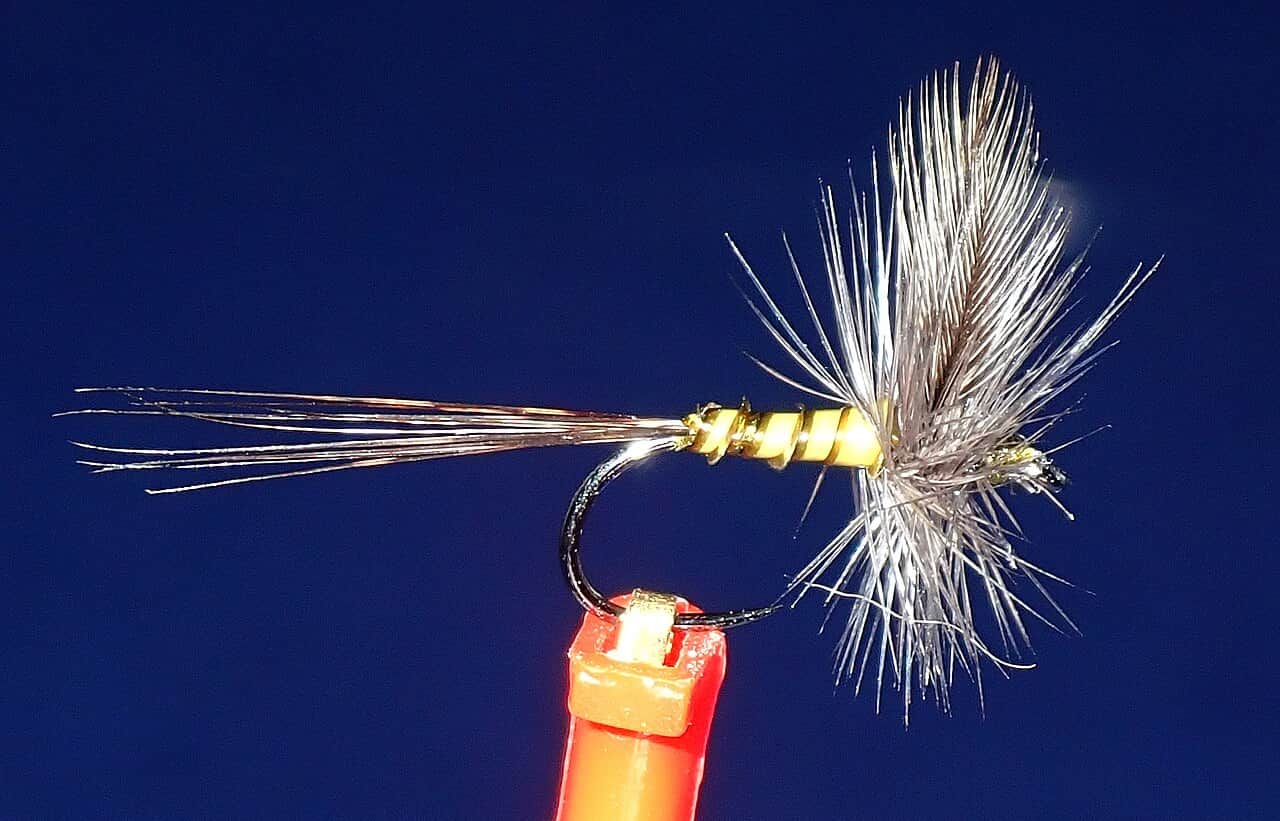
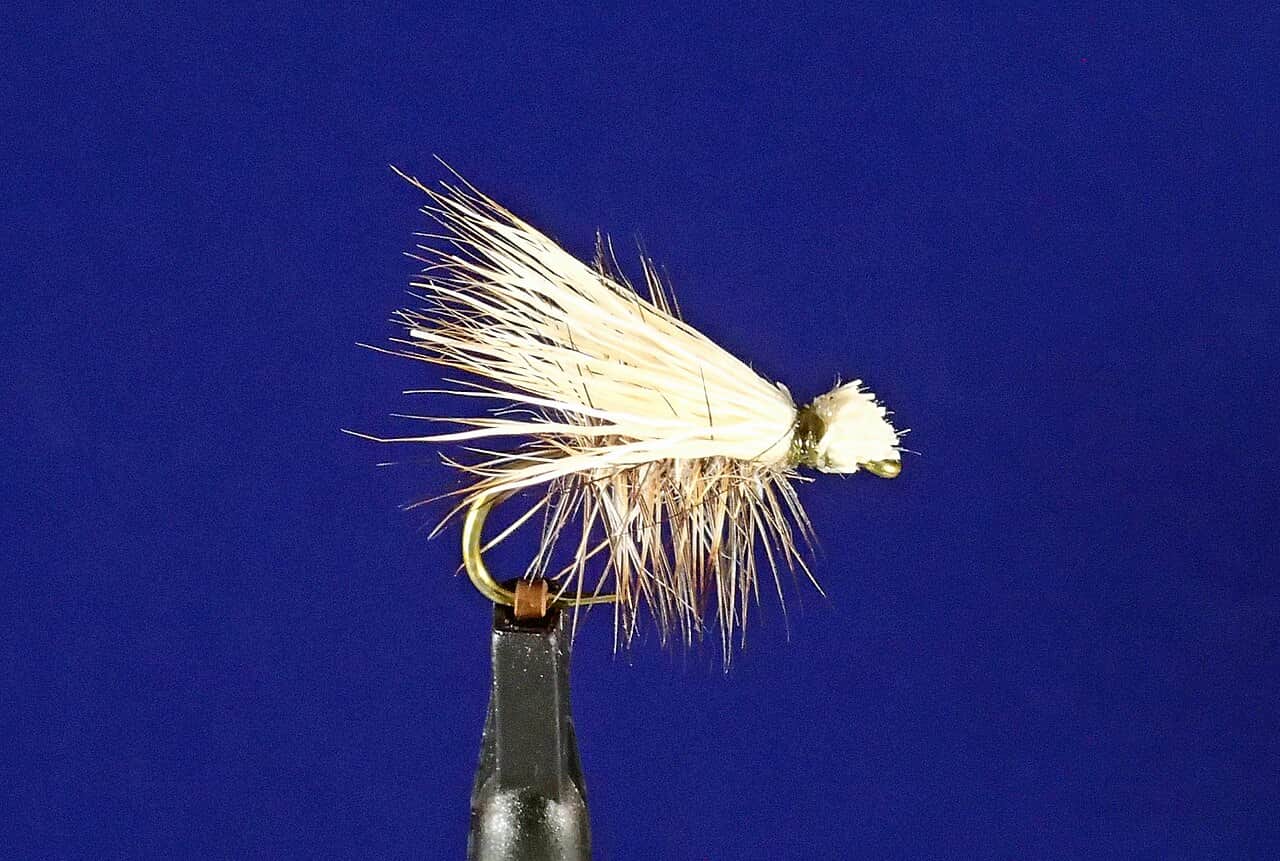
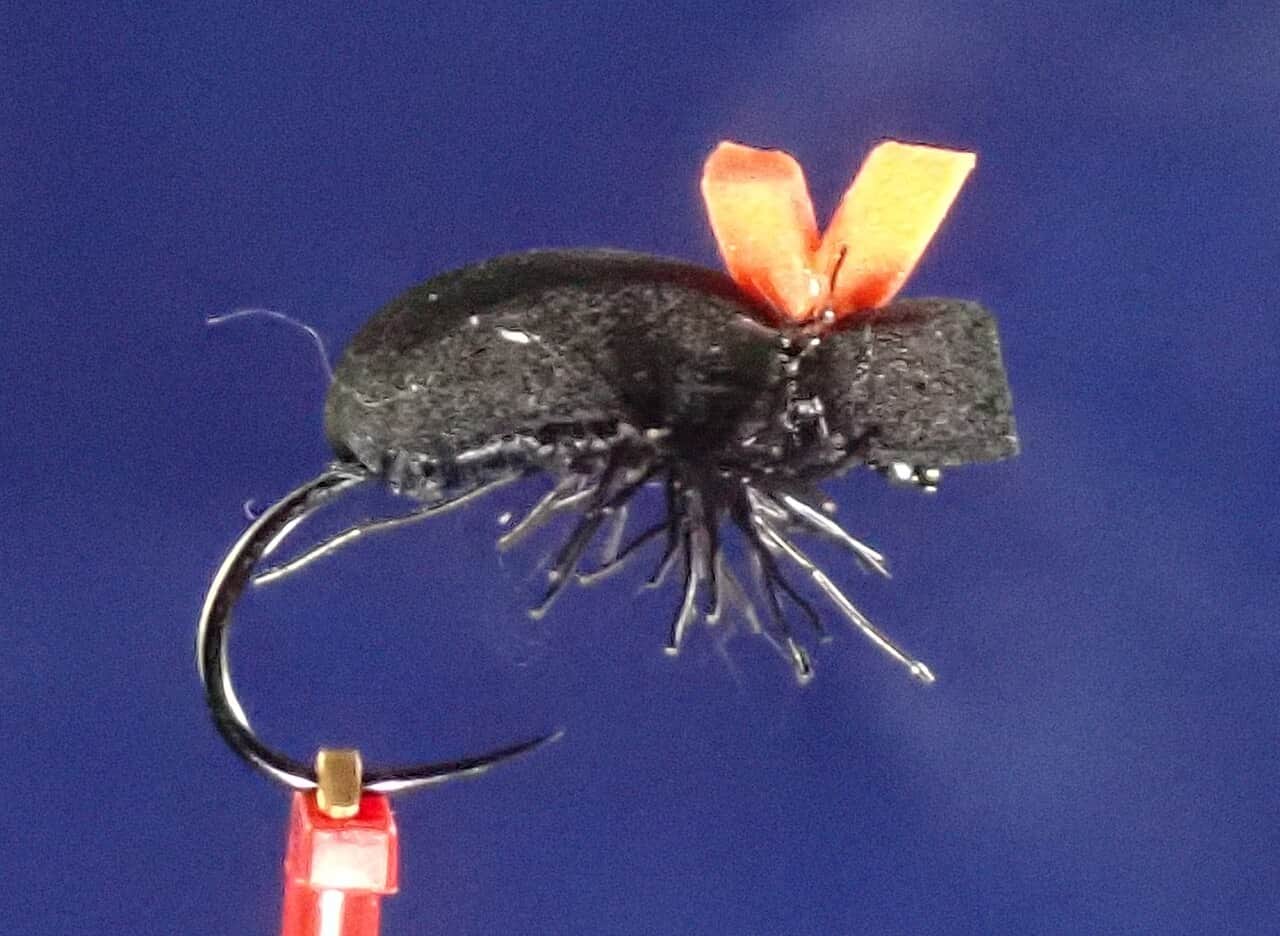
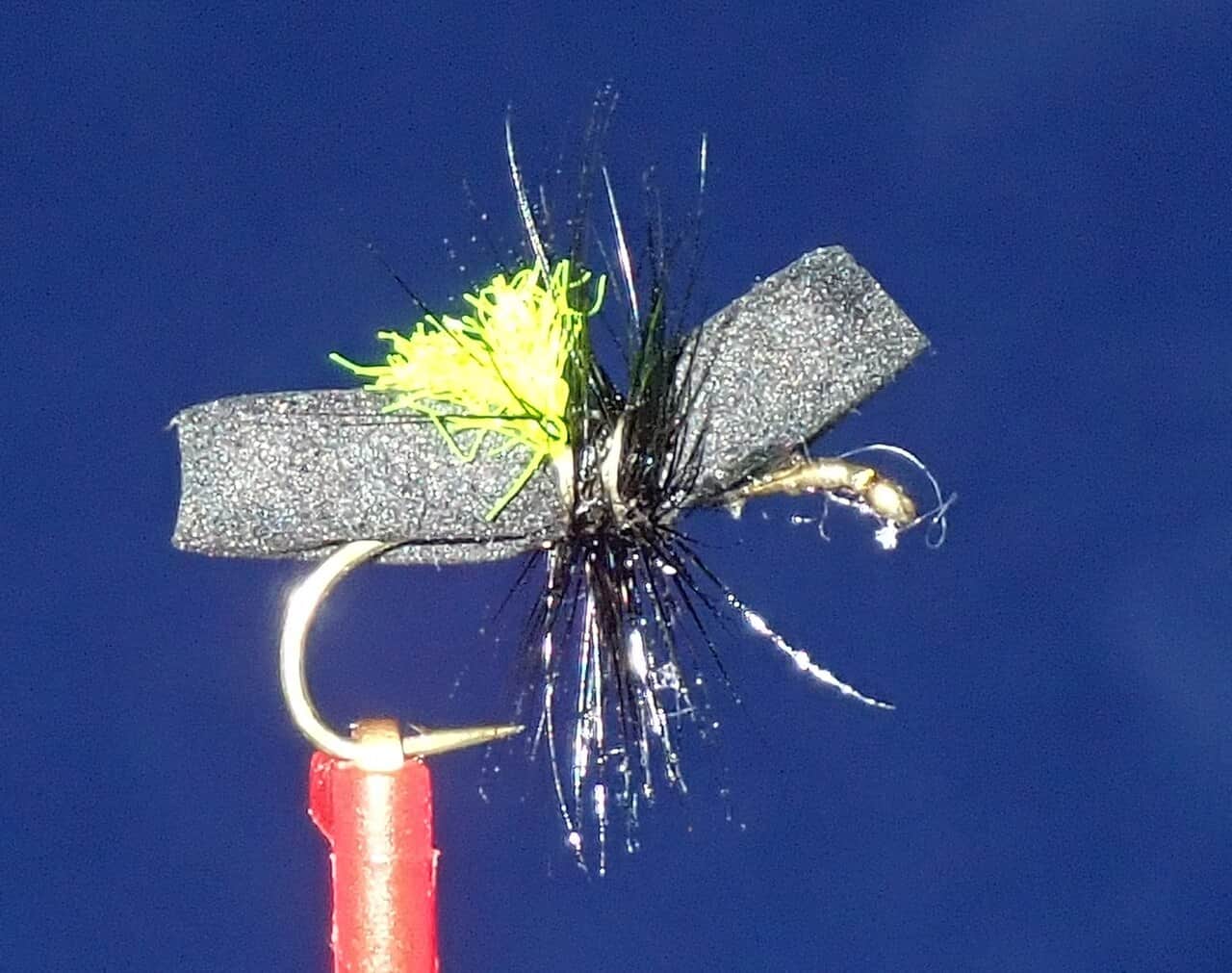
Elk hair caddis, PMD dry, hopper-dropper, beetle

Late summer

Terrestrials and evening caddis

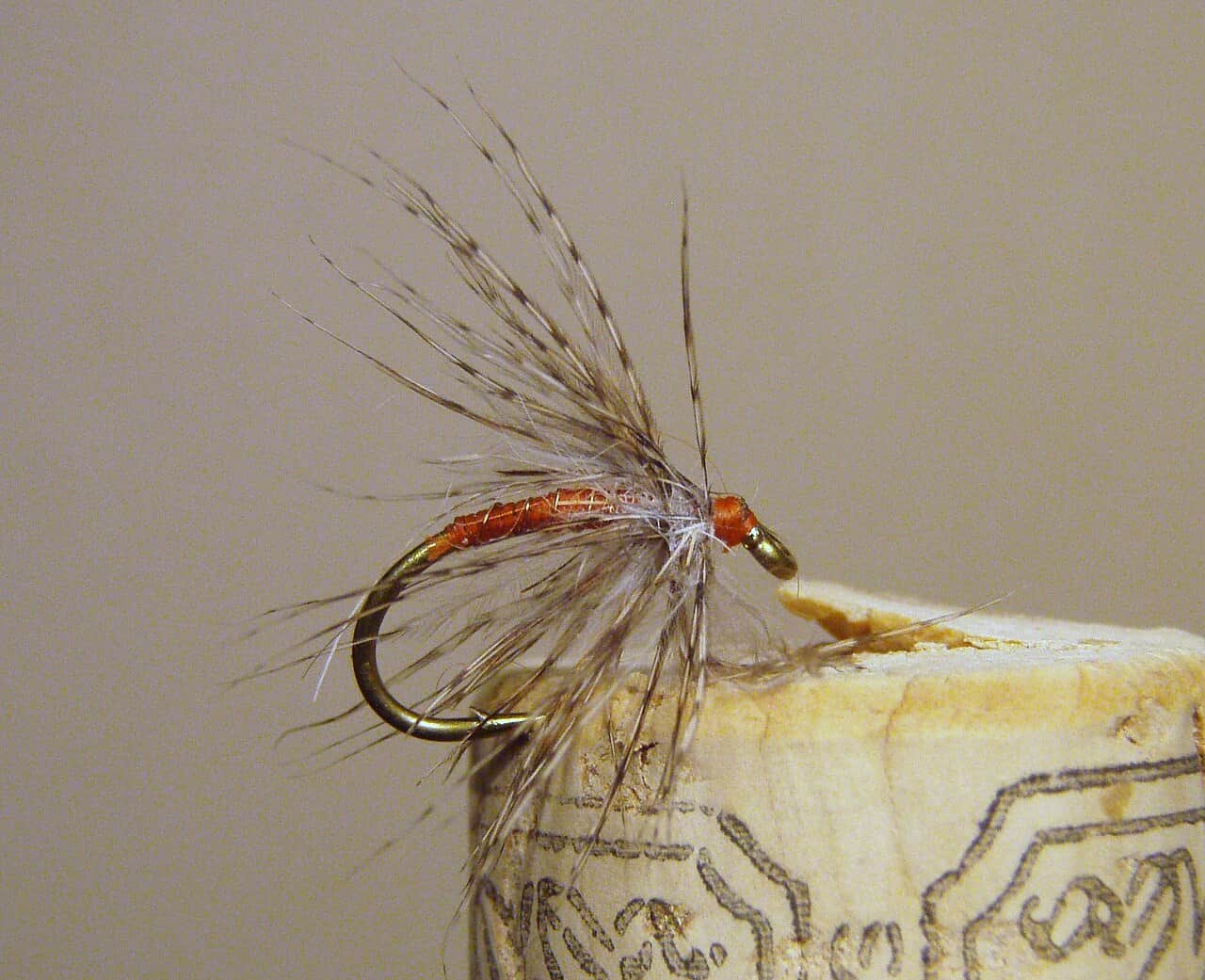
Foam ant, hopper, caddis emerger, soft hackle

Fall

BWOs, midges, and small streamers

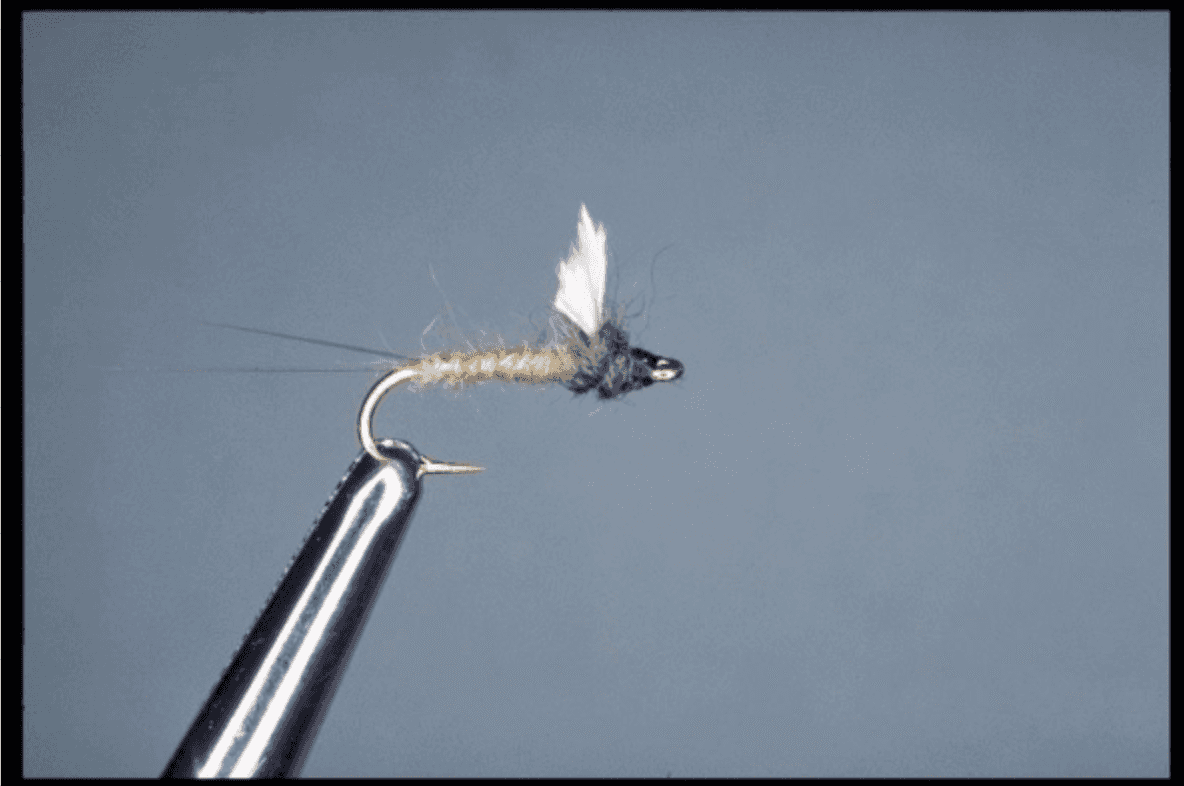
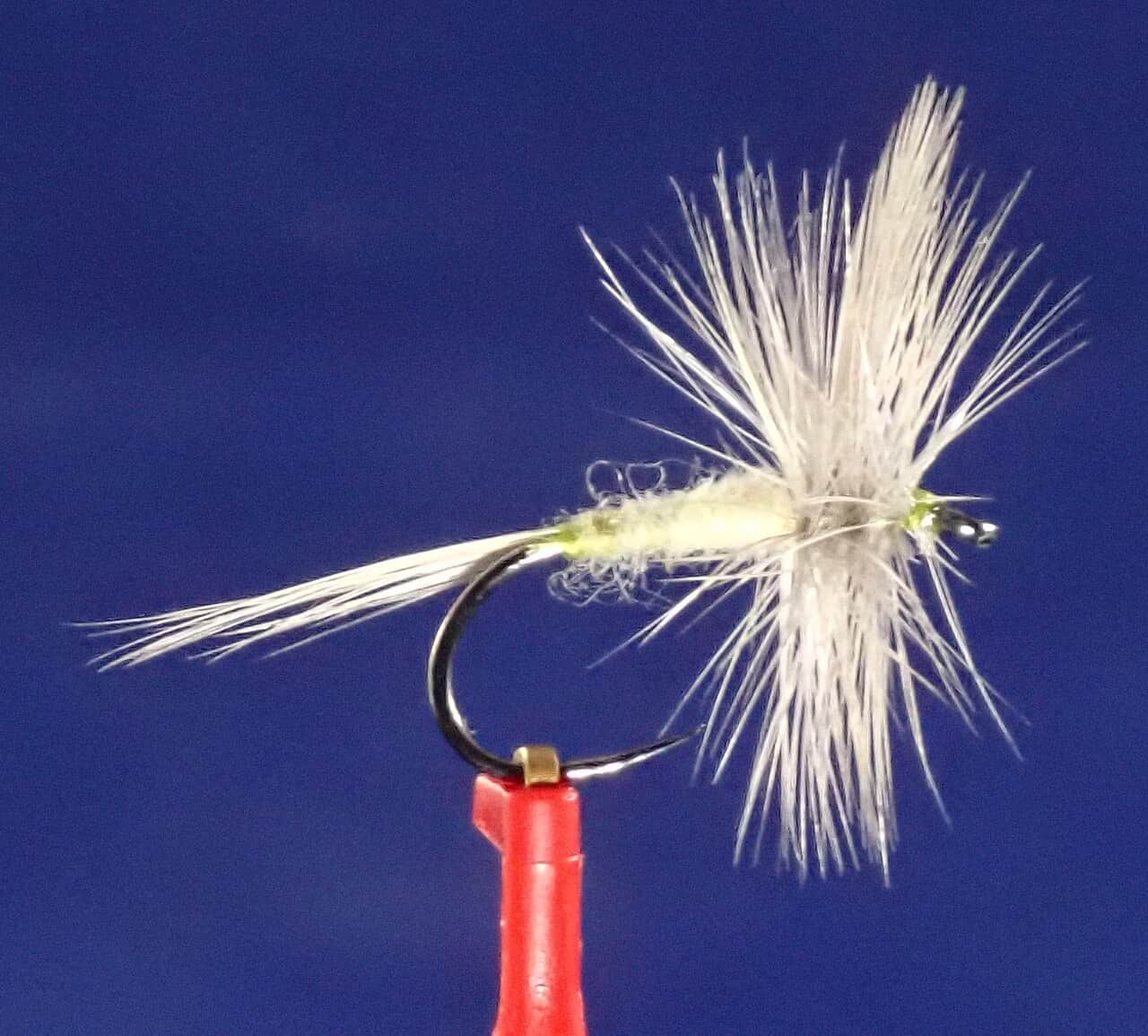
Parachute BWO, RS2, zebra midge, olive bugger

Nymphs

Prince, pheasant tail, hare's ear, perdigon, zebra midge

The default toolset for main-corridor seams and deeper slots.

Dry-dropper

Stimulator, hopper, beetle, and a compact beadhead

Useful when you want to cover water without overcommitting to a single speed or depth.

Dry flies

Elk hair caddis, PMD, parachute Adams, ant

Best during calmer low-light windows or on cleaner edges with visible rise form.

Streamers

Bugger, leech, slim sculpin

A good backup when higher water or lower light pushes fish off the surface.

Tactics

How to fish it

Start with one public access site and fish the water around it thoroughly before driving to the next bend.

Use current breaks, inside turns, and structure near the bank instead of trying to force long casts into broad fast main flow.

Treat lower warmer stretches as mixed-species water and adjust your fly box and trout expectations accordingly.

If boat traffic stacks up, either fish the quiet bookends of the day or move to a fork that fits wading better.

Rigging

Rod, leader, and setup notes

A 9-foot 5-weight handles most trout-focused Payette fishing.

Carry 4X and 5X tippet, plus one slightly heavier spool if you may swing streamers or bump into bass water.

A wading staff helps more than extra fly changes when the bank drops off fast.

If you float, keep the plan short and access-driven rather than treating the river like an endless blind-drift conveyor.

Access

Access and planning notes

Chief Parrish

BLM corridor anchor

Wade / float / trail

Bank / short wade / float context

When to pick it

Start here when flow, weather, and recreation pressure make a public-corridor day realistic.

Caution

Legal access does not mean every nearby edge is safe or cold enough for trout.

Beehive Bend corridor

Short float comparison

Wade / float / trail

BLM corridor / float / bank

When to pick it

Use it when the day leans toward controlled section-hopping rather than one long blind float.

Caution

Boat traffic and warm lower water need current checks.

Garden Valley and Crouch water

Primary gauge match

Wade / float / trail

Roadside scout / wade edge

When to pick it

Pick it when the Crouch trend and first access check agree that the water still has trout shape.

Caution

Mixed warmwater influence and private frontage can narrow the trout plan.

BLM and Boise National Forest jointly manage much of the visible corridor access, so official river sites are the safest planning anchors.

Roadside visibility does not mean every bank is worth stepping into; the good Payette day comes from choosing the sections where current, temperature, and access line up.

This is a section-picking river more than a mileage river for most fly anglers.

Regulations

Check before fishing

IDFG's current Payette River planner shows no special rules for this main corridor page, so Southwest Region rules apply unless you move into a fork or subsection with separate language. Check the current planner before you commit to a specific reach.

Primary base

Crouch, Garden Valley, Banks, or a Boise day trip

Best day style

BLM river sites, roadside pull-ins, short wades, and selective small-craft or raft-friendly stretches

Check first

RiverReports, USGS 13237920, IDFG Payette rules, BLM access sites, and afternoon heat

Safety

Fast main current, boat traffic, warm lower-water risk, steep cut banks, and shared use at popular summer sites

Gear

Helpful gear for this water

All-around 5-weight setup

The broadest fit for dry-dropper, nymph, and light streamer work on the corridor.

Thermometer

Important because lower Payette sections can stop being good trout water before they stop being easy to fish.

Wading staff and traction

Helpful whenever the bank shelf is less stable than it looked from the road.

Sun and dust layers

Open access sites and summer road corridors stay hotter than the higher forks.

Nearby water

Other water to research

Backup logic

High water

Compare the South Fork Payette or North Fork Payette only if their edges are safer, or move to a smaller Boise-area stream.

Heat

Fish early, use a thermometer, and switch away from trout handling when the lower corridor warms.

Crowds or float traffic

Shorten to dawn or evening seams, move to a fork, or choose Mores Creek for a smaller public-access day.

Access uncertainty

Stay with BLM sites and signed public corridors instead of assuming every visible bank is public.

Payette River North Fork

A better choice when you want colder canyon water and are willing to fish selected edges.

Payette River South Fork

The better backup when you want colder gradient, more obvious current lanes, and less warmwater crossover.

Mores Creek

A smaller Boise-area option when the main Payette feels too busy or too broad for the day you want.

FAQ

Fast answers

Is Payette River fishable today?

Payette River looks very fishable right now. The live score is 96/100, based on current flow, weather, public alerts, and the report's planning context. Recheck the linked gauge and forecast before leaving because conditions can change quickly after rain, heat, access changes, or flow swings.

What flow is best for Payette River?

Steady moderate flows that still leave defined inside seams and bank edges instead of turning the river into one broad push.

When should I skip Payette River?

Skip when midday heat warms the lower corridor, when runoff buries the edges, or when summer float traffic turns every access point into a shared-use bottleneck.

Is Payette River safe to wade right now?

The fishability score is not a wading guarantee. Wade only where your chosen access has safe edges, clear footing, legal entry, and no forced crossings; high, rising, stained, or storm-affected water should be treated conservatively.

Is the Payette River mostly a float river or a wade river?

It can be either, but most fly anglers do best by picking short official access stretches and deciding on the water whether the day truly favors wading or a controlled float.

What gauge should I start with for this page?

Start with RiverReports and USGS 13237920 near Crouch, then compare what the gauge suggests with the section you actually plan to fish around Garden Valley or Banks.

When should I skip the trout plan?

Skip when flows are too pushy for safe edges, when summer heat warms the slower stretches, or when heavy float traffic wipes out the kind of controlled seam fishing this river needs.