RiverReports chart
Recent flow
RiverReports gauge
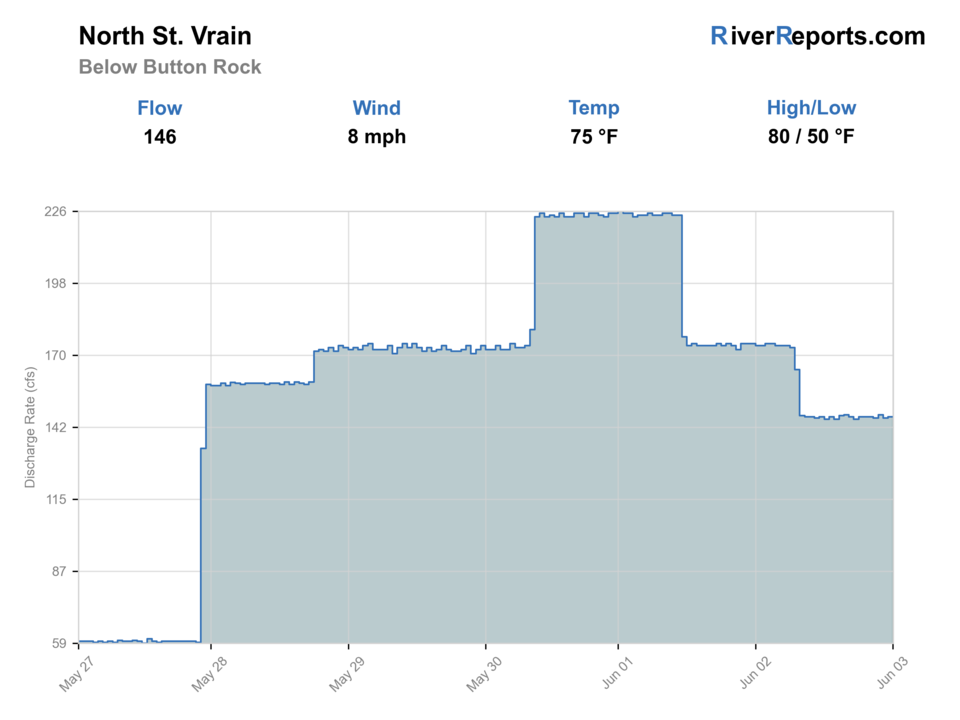
BlueStreamFly cannot read the latest value from this image. Check the chart on RiverReports Opens in a new tab.
If you go: Floating. A float is in play where this report supports boat access and wind, releases, and shuttle logistics are manageable.
Check first: No structured live flow
Rating updatedRiver local time:
Float: A float is in play where this report supports boat access and wind, releases, and shuttle logistics are manageable.
NWS air forecast near
This is an air forecast, not a river-temperature reading. Check the water with a stream thermometer before fishing in hot weather.
RiverReports gauge
BlueStreamFly cannot read the latest value from this image. Check the chart on RiverReports Opens in a new tab.
Mostly Cloudy
The National Weather Service forecast is temporarily unavailable.
RiverReports gauge: North St. Vrain below Button Rock Reservoir
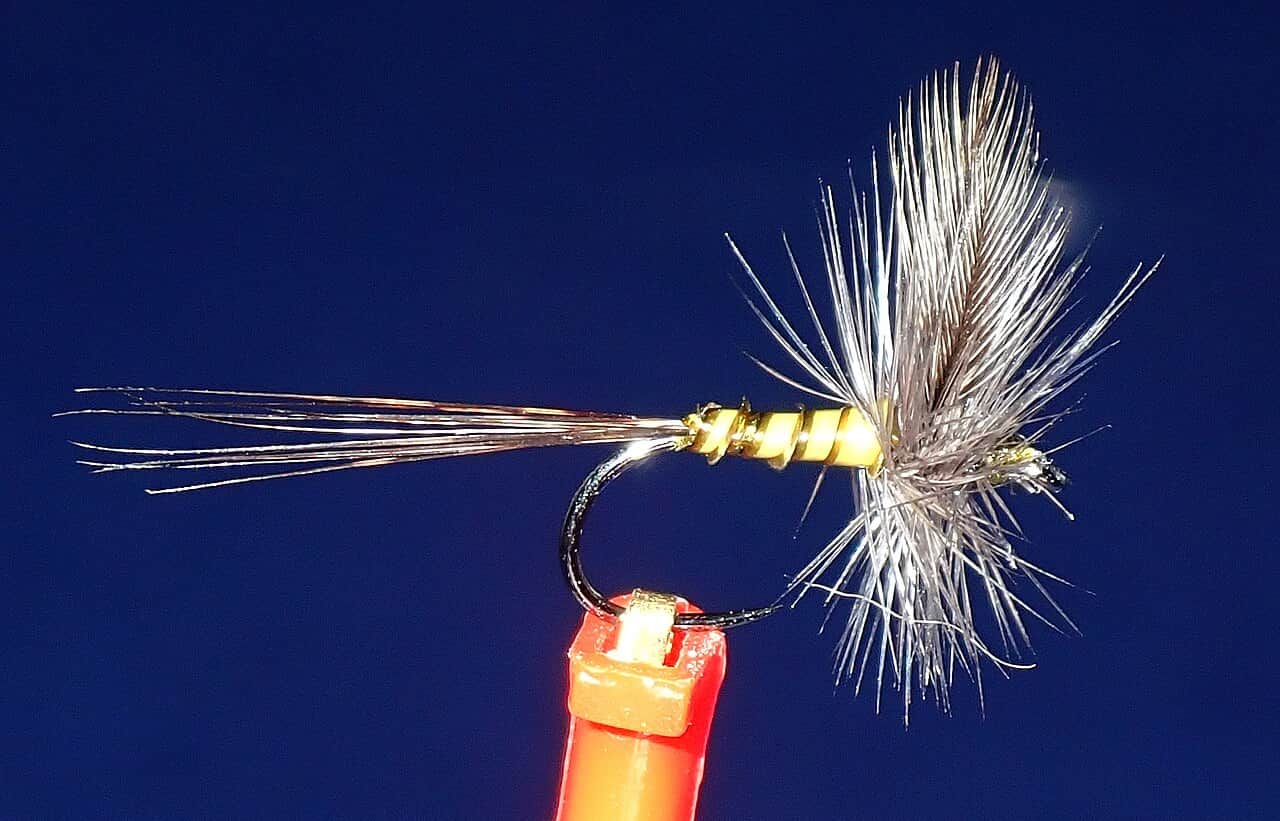
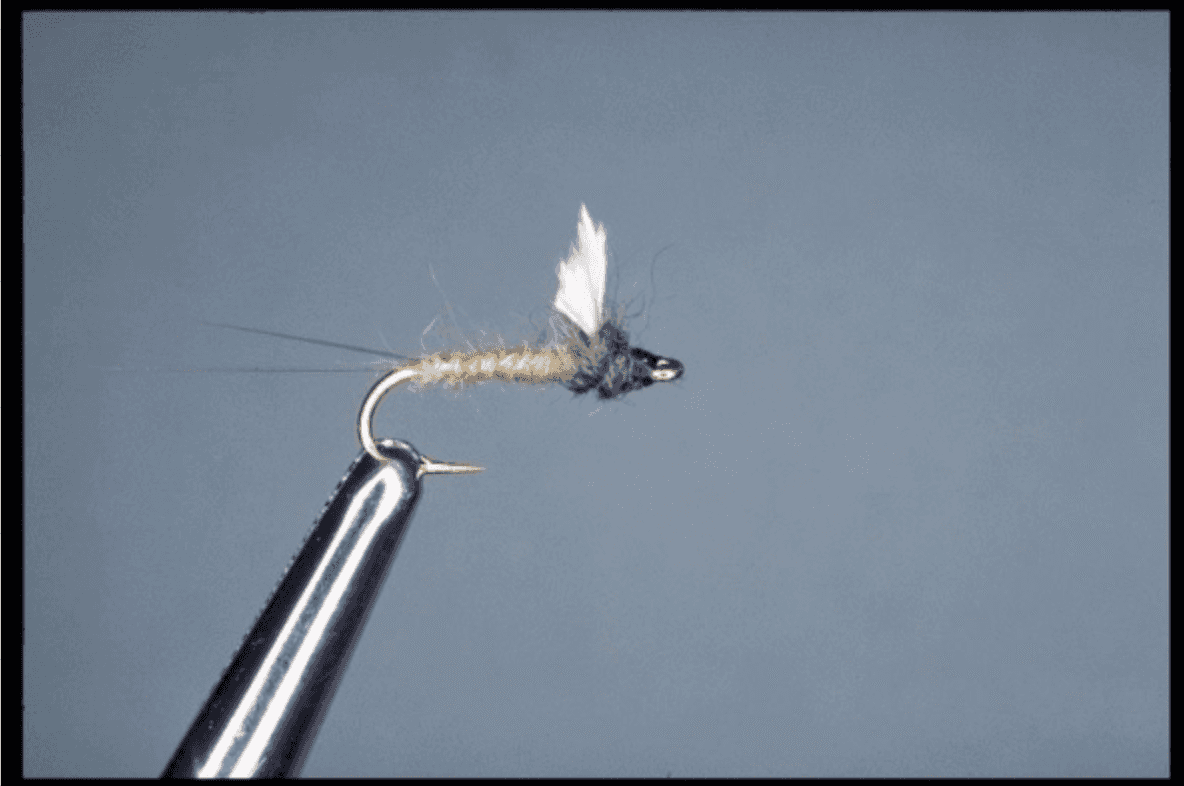
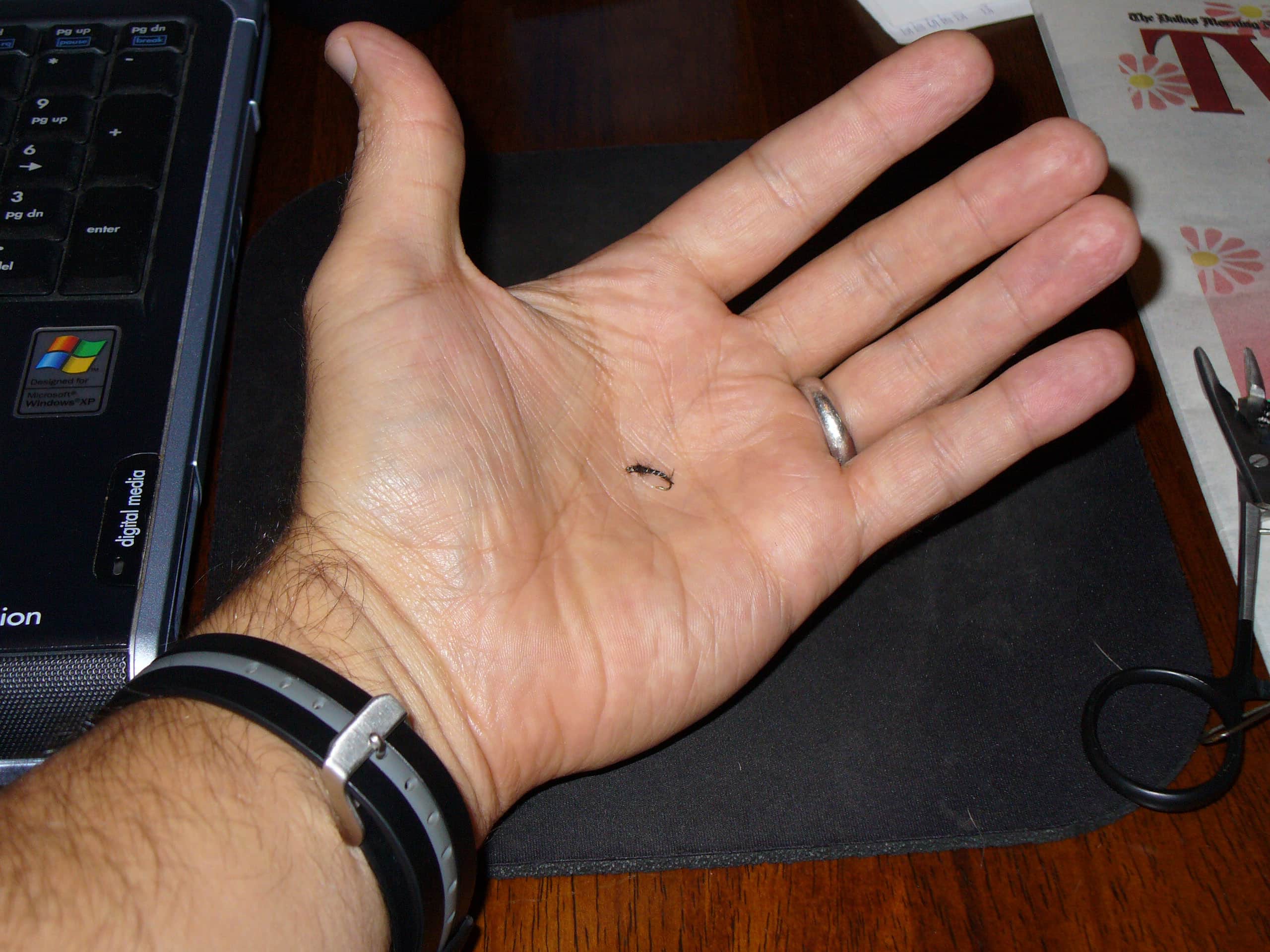
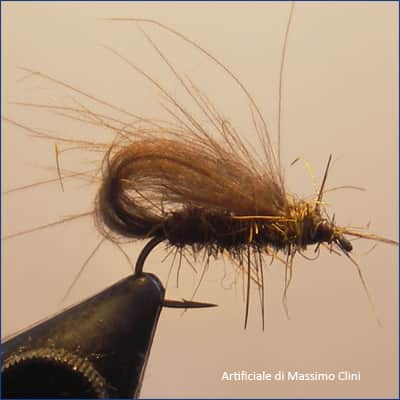
Seasonal starting points, not a live hatch report. Match what you see on the water.
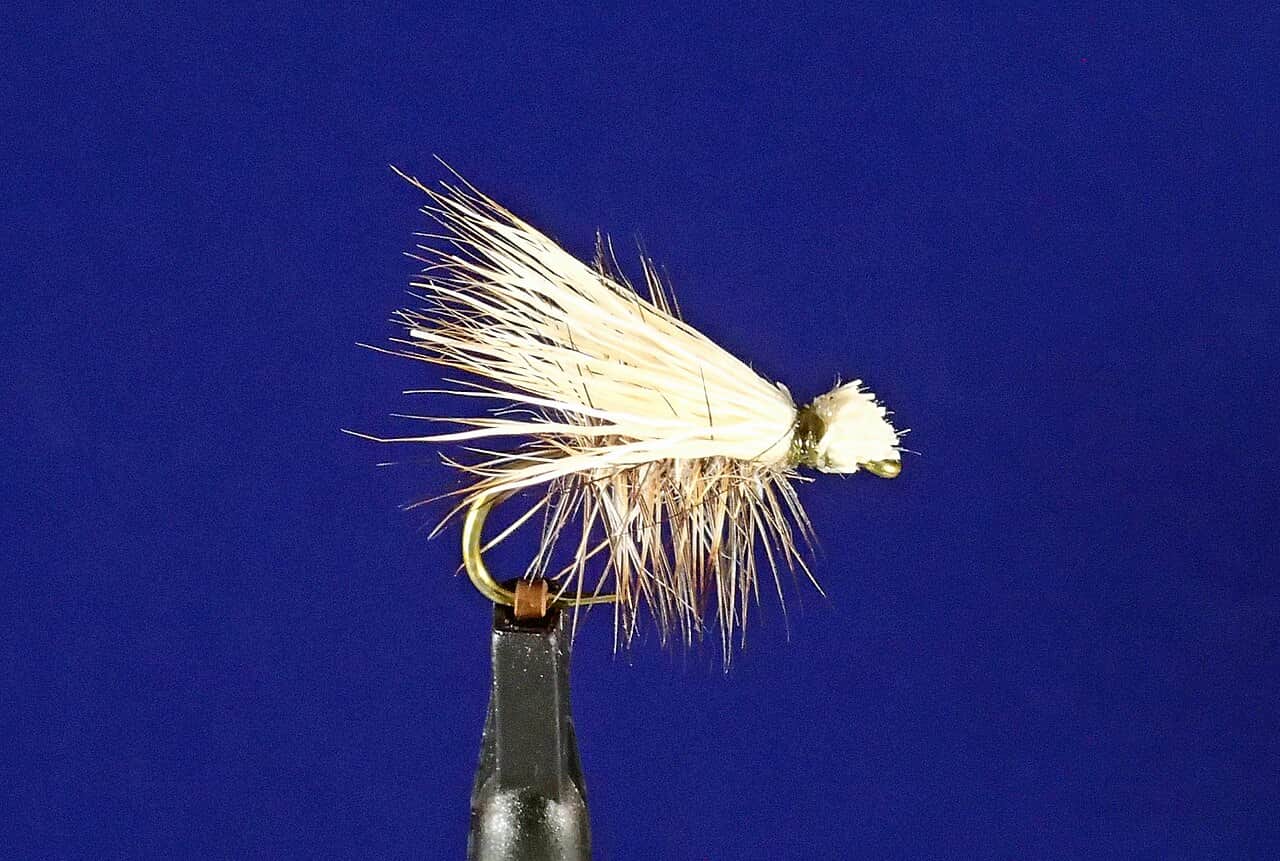
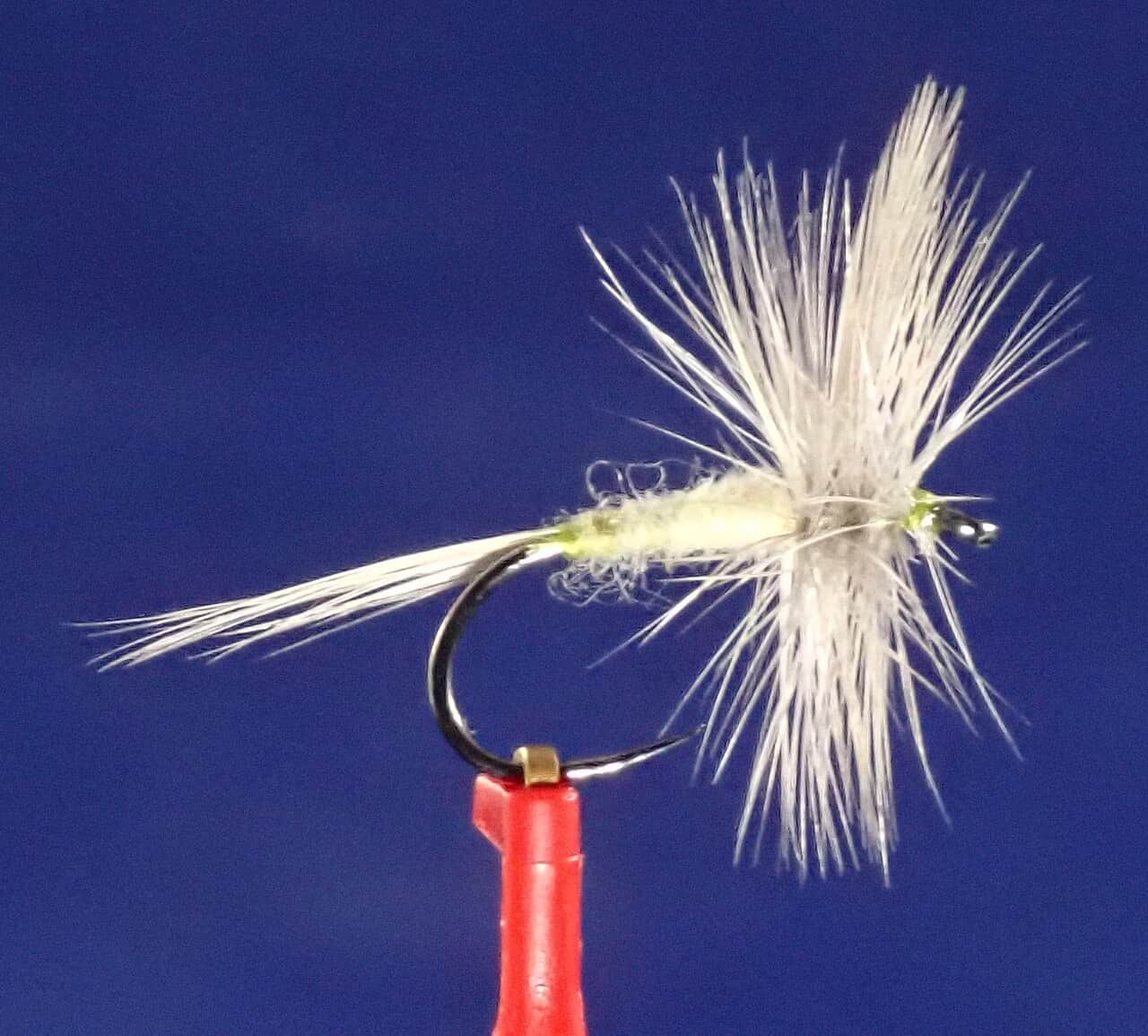
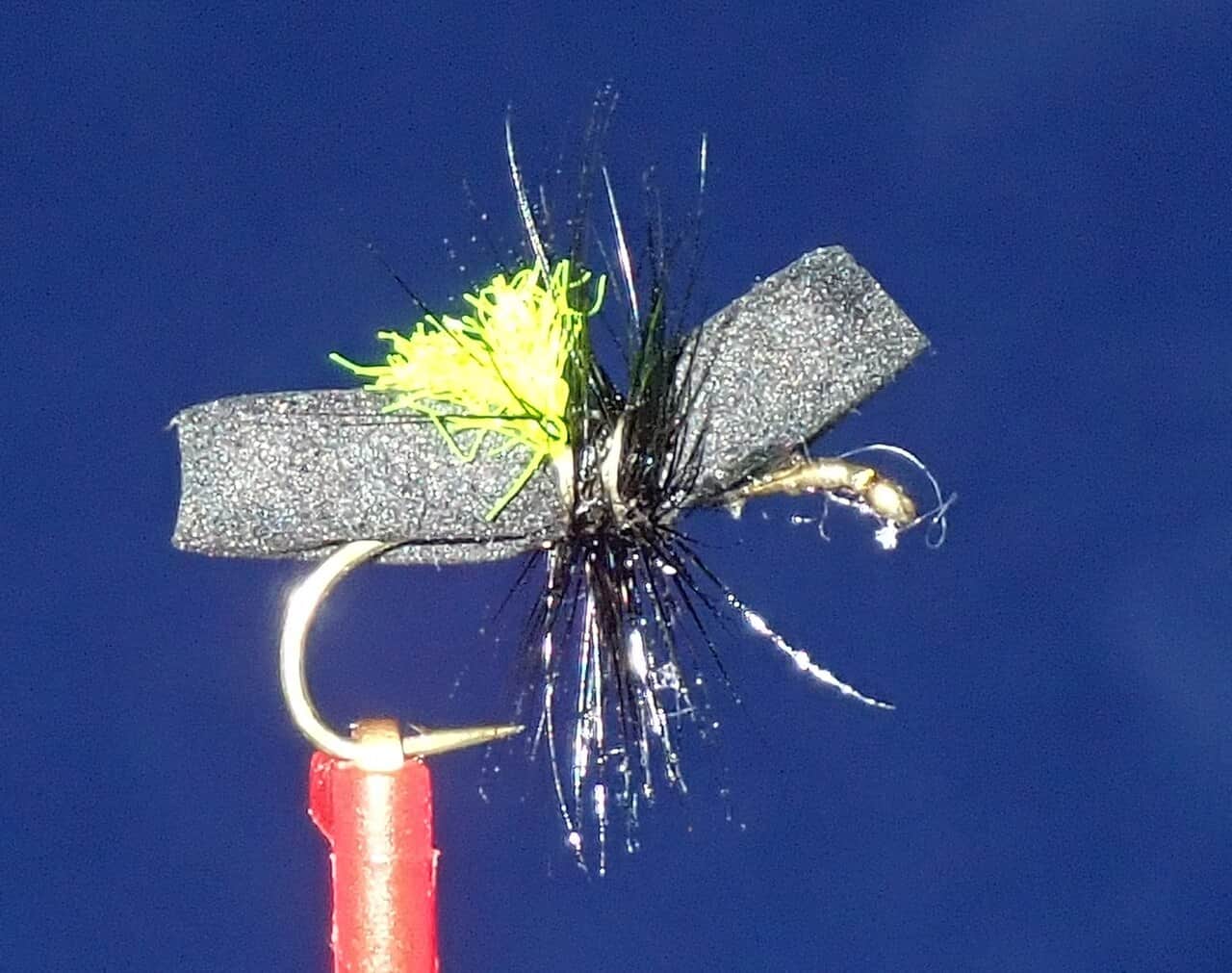
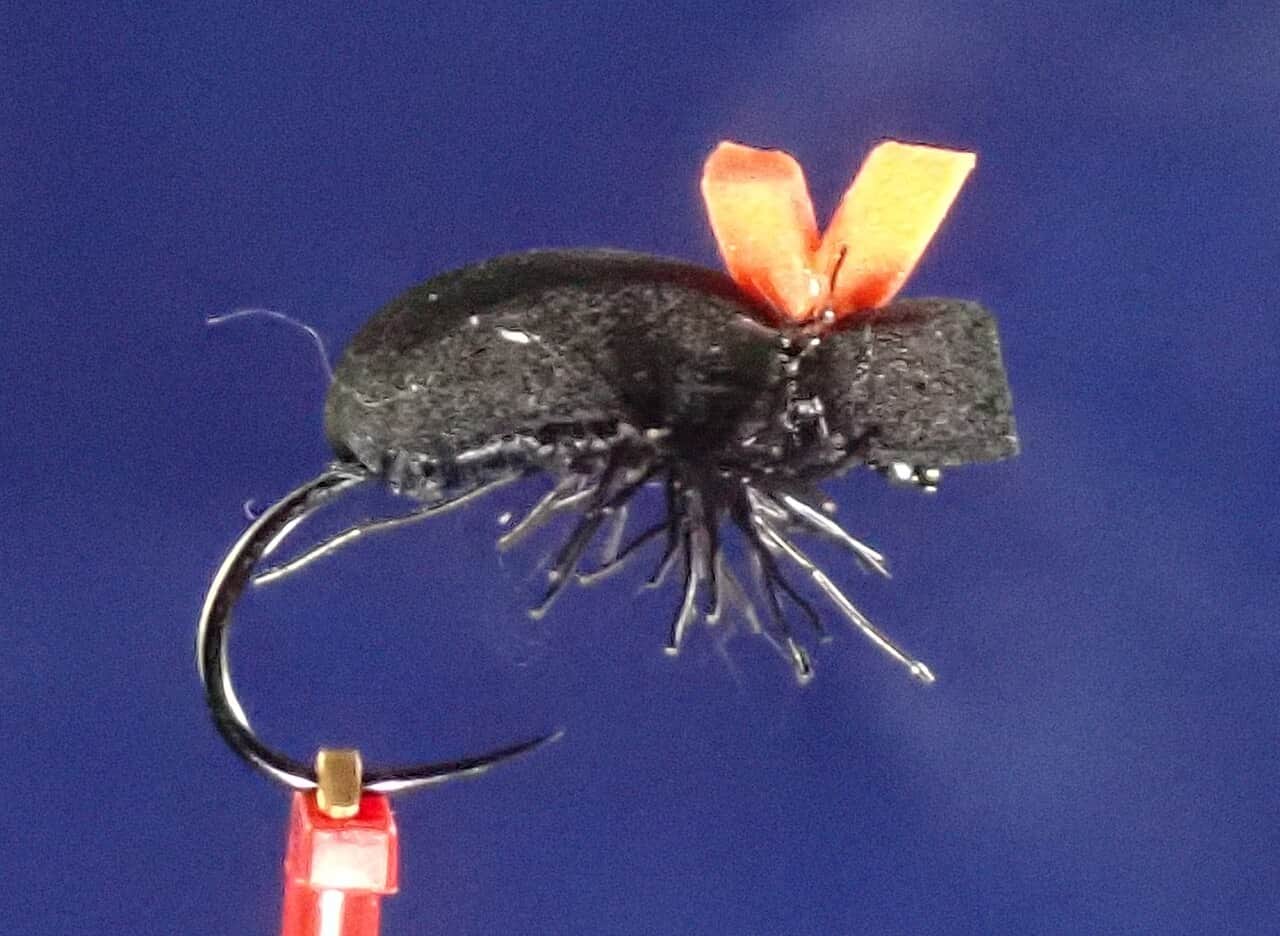
Each fly name opens its matching Fly Box guide.
Late spring after runoff begins settling, summer mornings, and early fall are usually the best planning windows. Preserve crowding and exposed sunny afternoons can narrow the useful fishing window faster than the map suggests.
Use fine tippet, stay low, and fish smaller dries or light droppers along seams and banks.
Best all-around condition for dry-dropper fishing and short nymph drifts.
Treat the creek as a bank-first scouting day or move to a safer backup if footing disappears.
Fish early, monitor temperature, and shorten handling on pressured Front Range trout water.
These scores compare the risks of wading, bank fishing, and floating.
Wading is in play only where your chosen access has clear footing, legal entry, and no forced crossings.
This report does not recommend bank fishing on this reach.
A float is in play where this report supports boat access and wind, releases, and shuttle logistics are manageable.
Is North St. Vrain worth the trip today? Check flow, weather, hatches, access, and rules for Colorado before you go.
The North St. Vrain below Button Rock is most useful when you treat it as a walk-in creek with clear access boundaries, pressure-aware presentations, and a backup option if the preserve is busy or the water is running too hard.
Float: A float is in play where this report supports boat access and wind, releases, and shuttle logistics are manageable.
RiverReports is linked for the flow chart, but this page does not have a structured live flow value the score can read automatically. Treat the rating as conservative and open the chart before committing.
This month is not listed as a top seasonal window in this page's reviewed season notes. Use current regulations, flow, temperature, and access checks before treating the score as a slam dunk.
The current NWS air forecast is about 58F, and the next 24-hour high reaches about 66F. Mostly Cloudy.
No active NWS alert was returned for this forecast point.
Stable clear flows that leave seams and bank pockets readable without forcing aggressive crossings.
Skip when the preserve lot is full, summer heat is building, or the creek is too pushy to fish from safe edge positions.
Get there early, fish creek water near the entrance first, decide whether the walk farther in is earning value, and keep Big Thompson or Boulder Creek ready as backups.
Big Thompson, Cache La Poudre, or Boulder Creek are better pivots when Button Rock access, heat, or crowds narrow the day.
Use these places as starting points. Open the access link below and check posted signs before you park or enter.
A Colorado fishing license is required, and the City of Longmont notes that Ralph Price Reservoir also requires a separate special permit with its own season and tackle rules. Review both the Colorado brochure and the preserve rules before you fish.
Best official starting point for creek access and preserve orientation.
Useful for nearby walk-in water and mixed preserve scouting close to the entrance.
A two-mile hike and a separate permit context if you choose the reservoir instead of the creek.
Official agencies and primary river operators come first. Secondary tools are labeled so you know what carries the most weight.
Check what is allowed, where the rule applies, and whether the river is open.
Check the latest river reading and forecast before you leave.
Check public entry points, land rules, and seasonal access changes.
Check what is allowed, where the rule applies, and whether the river is open.
Open the current rules and check the river section, season, and special limits.
Open the current rules and check the river section, season, and special limits.
Open the current rules and check the river section, season, and special limits.
Check the latest river reading and forecast before you leave.
Open this page and check the latest safety advice before your trip.
Open this river reading to check the latest level, flow, and update time.
Check public entry points, land rules, and seasonal access changes.
Open the land or access page, then check signs before you park or enter.
Open the land or access page, then check signs before you park or enter.
What was checked: This report uses official regulation, flow, weather, access, and public-land sources first, then adds practical planning guidance for fly anglers.
Live measurements and forecasts keep their provider timestamps. Rules, access, and trip guidance use the source-review date shown here. BlueStreamFly planning advice is editorial interpretation, not an agency notice.
First-hand experience: BlueStreamFly does not claim a first-hand visit or local field test for this report unless a real contributor is explicitly named and linked.
For the creek, start with a valid Colorado fishing license. The separate special permit applies to Ralph Price Reservoir inside Button Rock Preserve.
Not always. Water close to the entrance can fish well, especially when you can work it quietly before foot traffic builds.
Mixing up preserve access rules, reservoir permit rules, and creek strategy. Sort those out before you choose flies.