Colorado / West
Lower Gunnison River
A lower Gunnison report for the Gunnison Forks, Delta, and Dominguez-Escalante corridor, with flow checks, float planning, access, hatches, and safety notes.
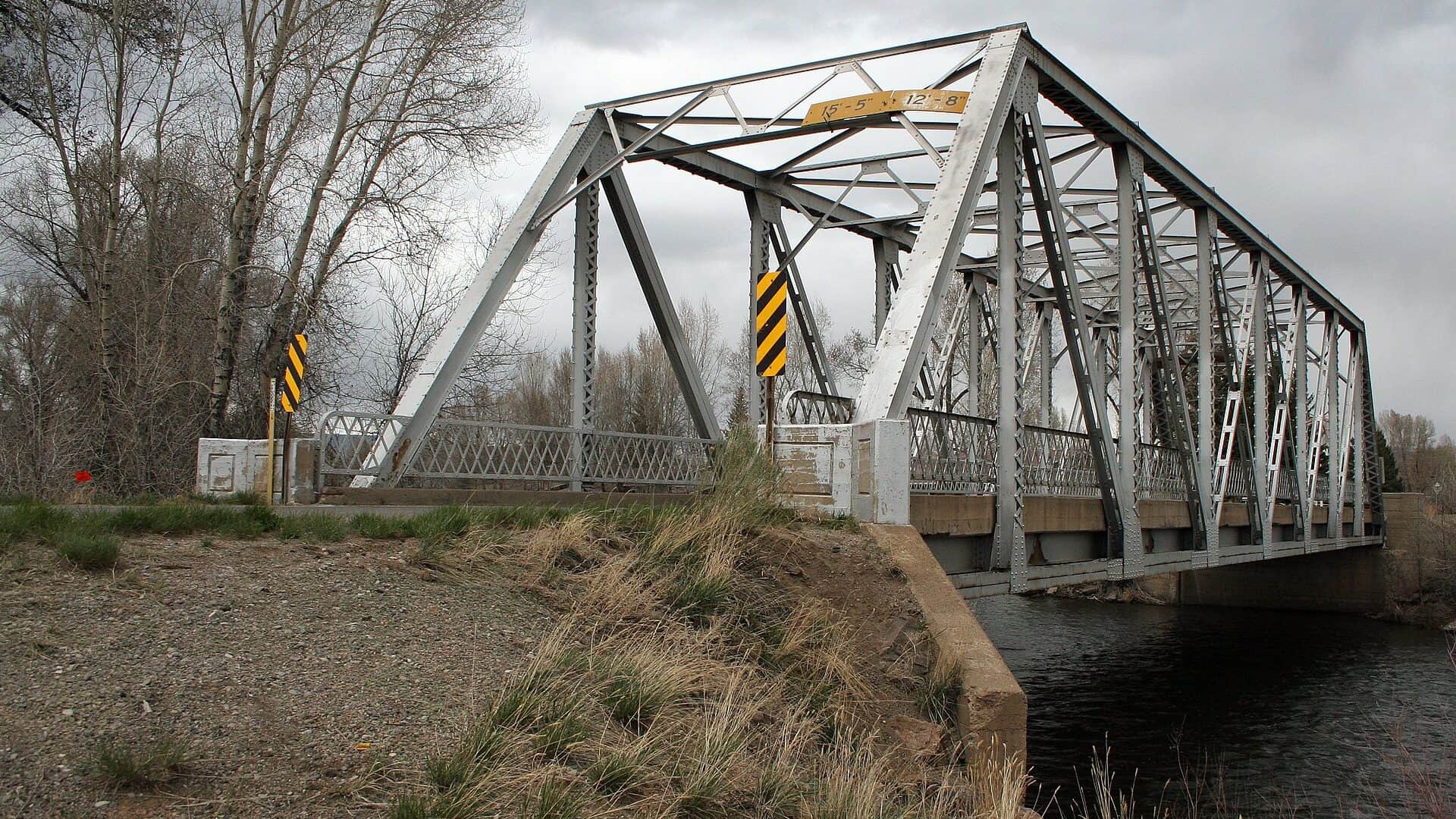
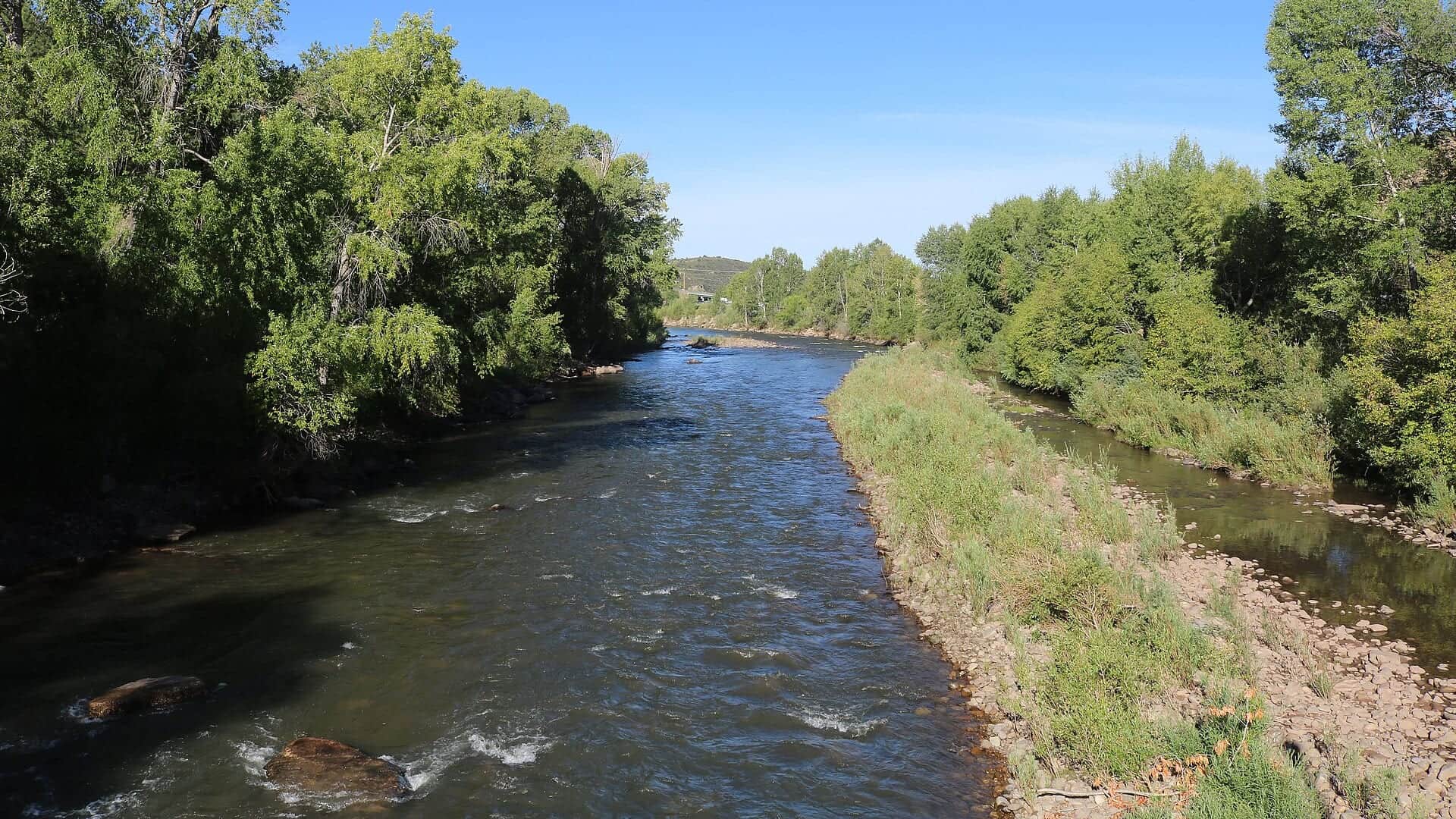
Image: Gunnison River Bridge II / CC BY-SA 3.0 / Jeffrey BeallFishability now: Lower Gunnison River fishability today
GreatData confidence: High93/100
Fishable now because Delta gauge is falling, weather is usable, and no public alert is active.
Flow observed
5:15 PM UTC
Weather observed
5:00 PM UTC
Score calculated
6:14 PM UTC
Why this rating
Flow
Water temperature
Public alerts
Next 6-12 hours
Improving / hold
A falling gauge and usable weather should keep the next 6-12 hours in play unless tributaries stain or heat builds.
USGS flow
541 cfs
Current trend: flow falling, rating likely holding strong unless weather or clarity changes.
More planning details: flies, flow bands, and live source checks
Fish it today
Start here
Start with the Delta gauge, then decide between Gunnison Forks, a Dominguez-Escalante float/wade plan, or a shorter public-bank scout before choosing flies.
Best flow clue
Use the Delta gauge as the lower-river anchor. Stable or slowly falling clear water is the best general signal; high, muddy, rapidly changing, or hot lower-valley conditions should push the plan toward safer banks, a different reach, or another water.
Skip trigger
Skip or scale back when the Delta gauge is rising hard, the river is muddy, heat creates trout-handling risk, wind makes a float unsafe, private-bank logistics are unclear, or you do not have a clean shuttle and takeout plan.
Flow decision bands
Low and clear
Wade selectively around softer riffle edges, use longer leaders, and avoid over-handling trout in warm lower-valley water.
Best float/wade window
Stable or slowly falling Delta flow with good visibility gives the best mix of nymphs, dry-droppers, streamers, and safe access planning.
High or muddy
Remote floats and bank exits get harder fast; fish soft edges only if safe or wait for clarity and flow to settle.
Heat, wind, or access limit
Hot afternoons, strong wind, unclear private banks, or weak shuttle logistics can make a technically fishable flow a poor plan.
USGS flow
541 cfs
Current trend: flow falling, rating likely holding strong unless weather or clarity changes.
Live USGS flow
541 cfs / falling about 14%
Live NWS forecast
83F / Sunny
Live water temperature
64F from USGS
No NWS alert flag
No active NWS alert was returned for this forecast point.
Use USGS 09144250 at Delta for the official flow reference.
Gunnison Forks is a key BLM day-use and launch area at the north end of Gunnison Gorge NCA.
Dominguez-Escalante NCA includes nearly 30 miles of Gunnison River recreation downstream.
Heat, wind, and long float logistics can matter as much as fly choice.
Editorial review
How this report is maintained
This report starts with official regulation, access, flow, weather, and public-river sources, then adds practical planning guidance for anglers.
Byline
BlueStreamFly editorial desk
Reviewed by
BlueStreamFly source review
Maintained by
BlueStreamFly
Last material review
2026-05-31
Report confidence
High confidence
84/100
Strong USGS flow, BLM access, Colorado regulation, and weather source coverage supports Lower Gunnison fishability guidance. Confidence is capped by float logistics, private-bank boundaries, lower-valley heat, and visibility changes that still need a same-day check.
Regulations
Colorado special-regulation sources provide the current rule-check path.
Flow support
USGS 09144250 at Delta is the official lower-river flow reference.
Access support
BLM Gunnison Forks and Dominguez-Escalante sources support launch, day-use, and corridor planning.
Weather and safety
NWS support is paired with heat, wind, remote-float, private-bank, and limited-exit cautions.
Angler usefulness
The page separates float/wade choice, Delta gauge interpretation, public access, heat, and backup-water decisions.
Editorial review
A public correction path, source standards page, latest verified note, and change log are included.
Fishability source review
2026-05-31 / material content or source review
USGS Delta flow support, BLM Gunnison Forks and Dominguez-Escalante access sources, Colorado special-regulation material, and the National Weather Service lower Gunnison forecast point were rechecked before adding the current fishability decision layer.
2026-05-31
Upgraded the page to the Pine Creek fishability standard with a reviewed route profile, lower-river flow decision bands, BLM access cards, backup logic, source-confidence meter, and a top-page current-fishability answer.
2026-05-24
Initial source-reviewed report published with flows, weather, hatches, flies, tactics, access, regulations, and FAQs.
Angler planning edge
Local details that change the plan
Best for
Western Colorado anglers deciding between a wade scout, launch plan, or lower-valley backup, Float and bank trips built around stable Delta flows, clear enough water, and manageable wind, Trout-focused sessions when temperature and visibility still support careful handling, Anglers who can pivot to warmwater expectations or another route when heat, mud, or access logistics weaken the trout plan
Wade or float
Treat the Lower Gunnison as both a float and selective wade page, but choose one before you rig. Gunnison Forks and BLM water support access planning, while private banks and long shuttles make casual wandering a poor strategy.
Best flows
Use the Delta gauge as the lower-river anchor. Stable or slowly falling clear water is the best general signal; high, muddy, rapidly changing, or hot lower-valley conditions should push the plan toward safer banks, a different reach, or another water.
When to skip
Skip or scale back when the Delta gauge is rising hard, the river is muddy, heat creates trout-handling risk, wind makes a float unsafe, private-bank logistics are unclear, or you do not have a clean shuttle and takeout plan.
Local plan
Start with the Delta gauge, then decide between Gunnison Forks, a Dominguez-Escalante float/wade plan, or a shorter public-bank scout before choosing flies.
Pressure
Lower-river pressure is often less about anglers stacked in one run and more about boat timing, public launches, heat, and limited legal exit options. A clear shuttle and early start beat improvising late.
Access nuance
BLM access helps, but public water is not continuous bank permission. Match the day to verified launches, day-use sites, posted public land, and legal takeouts.
Backup water
If the Lower Gunnison is high, muddy, hot, windy, or logistically messy, compare Gunnison Gorge, the Dolores, or the lower Colorado only after checking each route's current flow and access.
About the river
Setting, character, and why it fishes the way it does.
The Lower Gunnison River leaves the steep canyon country and moves toward Delta, Dominguez-Escalante National Conservation Area, and the Grand Valley.
The Gunnison Forks area is an important transition point because it provides walk-in and boat-ramp access near the north end of Gunnison Gorge NCA.
Downstream, BLM describes the Dominguez-Escalante corridor as a broad recreation landscape with nearly 30 miles of Gunnison River flowing through the NCA.
This page is scoped to the lower valley and BLM river corridor. Use the separate Gunnison Gorge page for steep inner-canyon planning.
Target species
Brown trout
A primary trout target in cooler productive runs, banks, and structure, especially when temperatures are suitable.
Rainbow trout
Present in the system, but handling care and current regulations should guide the plan.
Smallmouth bass and warmwater species
Lower and warmer reaches can become less trout-focused, especially during summer.
Native fish context
The lower Gunnison connects to important western Colorado aquatic habitat, so clean gear and careful handling matter.
Reading the water
Low clear flow
Use longer leaders, smaller nymphs, and careful wading around softer banks and riffle edges.
Stable float flow
Cover banks, shelves, and inside seams with nymphs, dry-droppers, and streamers.
High or muddy
Focus on soft edges only if safe. Consider postponing remote float plans when visibility or exits are poor.
Hot weather
Check water temperature, start early, and avoid trout handling when lower-valley water is warm.
Best seasons
Spring
Can fish well around stable flows, but runoff and release changes can make the river big and off-color.
Summer
Early starts and temperature checks are important; lower sections may shift away from trout-first fishing.
Fall
Cooler weather, clearer water, BWOs, and streamer windows can improve trout fishing.
Winter
Condition-dependent nymphing is possible, but weather and access can limit the day.
USGS flow
Gunnison River at Delta
This is the fallback for rivers that are not covered by RiverReports. Use the official USGS monitoring page for the live hydrograph, station metadata, and current water trend.
Open USGS gaugeUSGS data chart
Gunnison River at Delta
Streamflow over the latest USGS reporting window.
Latest
541 cfs
Jun 3, 5 PM UTC
Weather
River weather report
Weather can change wading safety, road access, water temperature, hatches, and the best time of day to fish.
Live forecast loads as you reach this section
This keeps the report fast while still using the official National Weather Service forecast point.
Hatches and flies
Hatch chart and fly picks
Winter
Midges and small olives
Zebra midge, black beauty, RS2, pheasant tail
Spring
BWOs, caddis, stoneflies
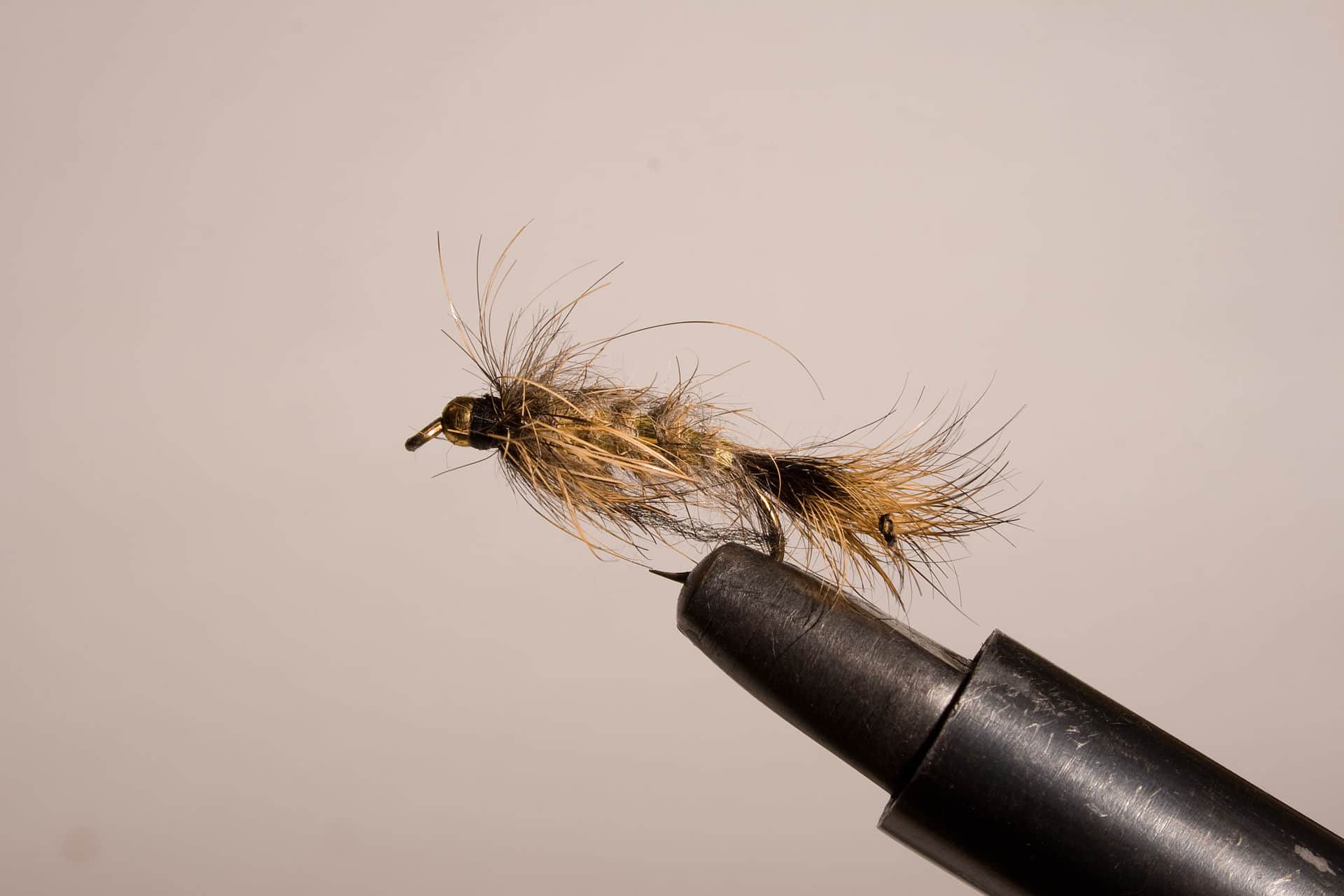
BWO emerger, caddis pupa, Pat's rubber legs, hare's ear
Summer
Caddis, PMDs, terrestrials, warmwater forage
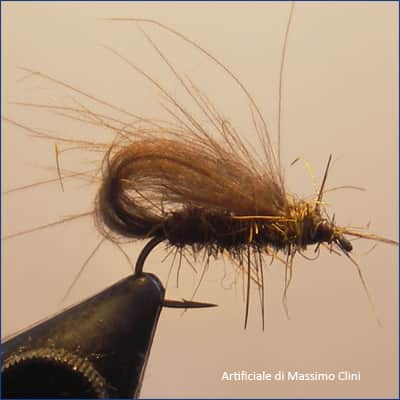
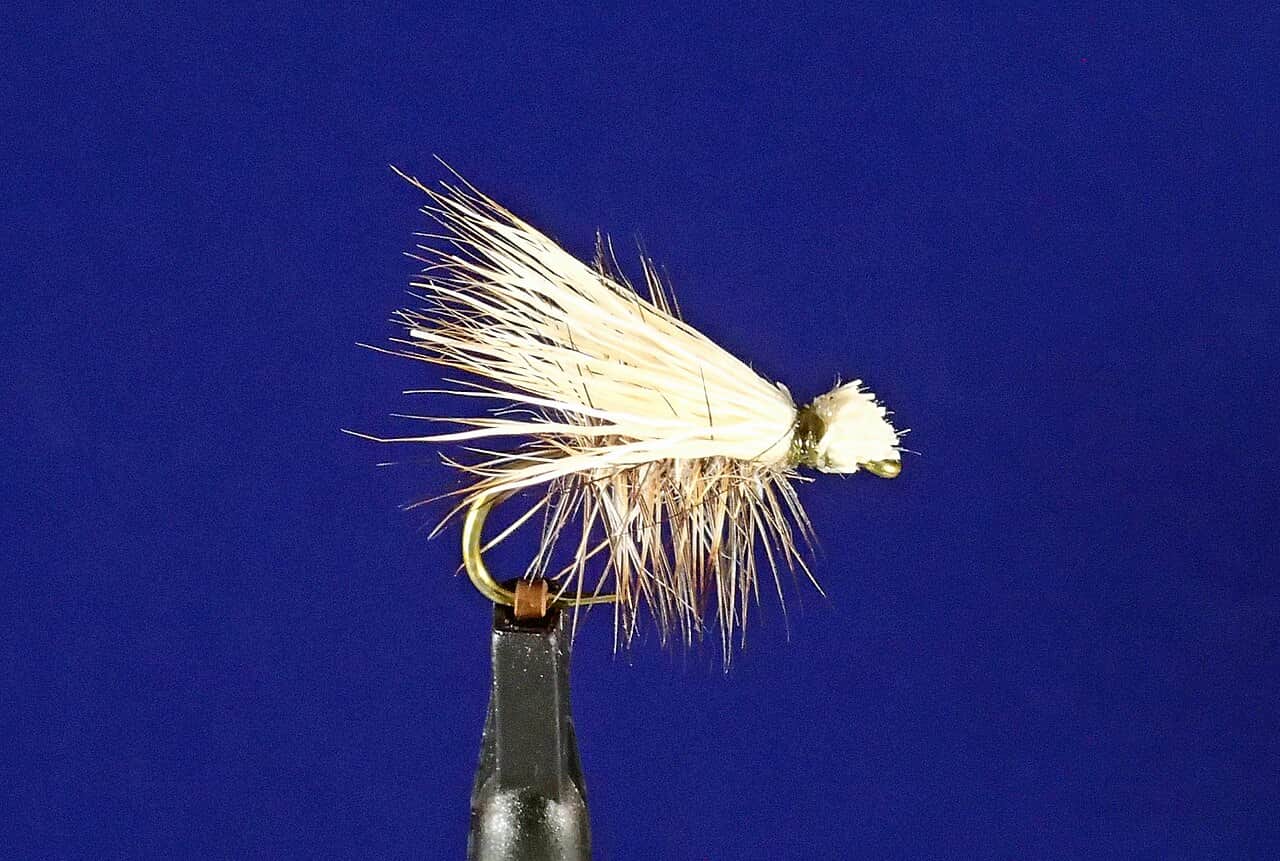
Elk hair caddis, PMD, hopper, ant, small streamer
Fall
BWOs, midges, baitfish and sculpin activity
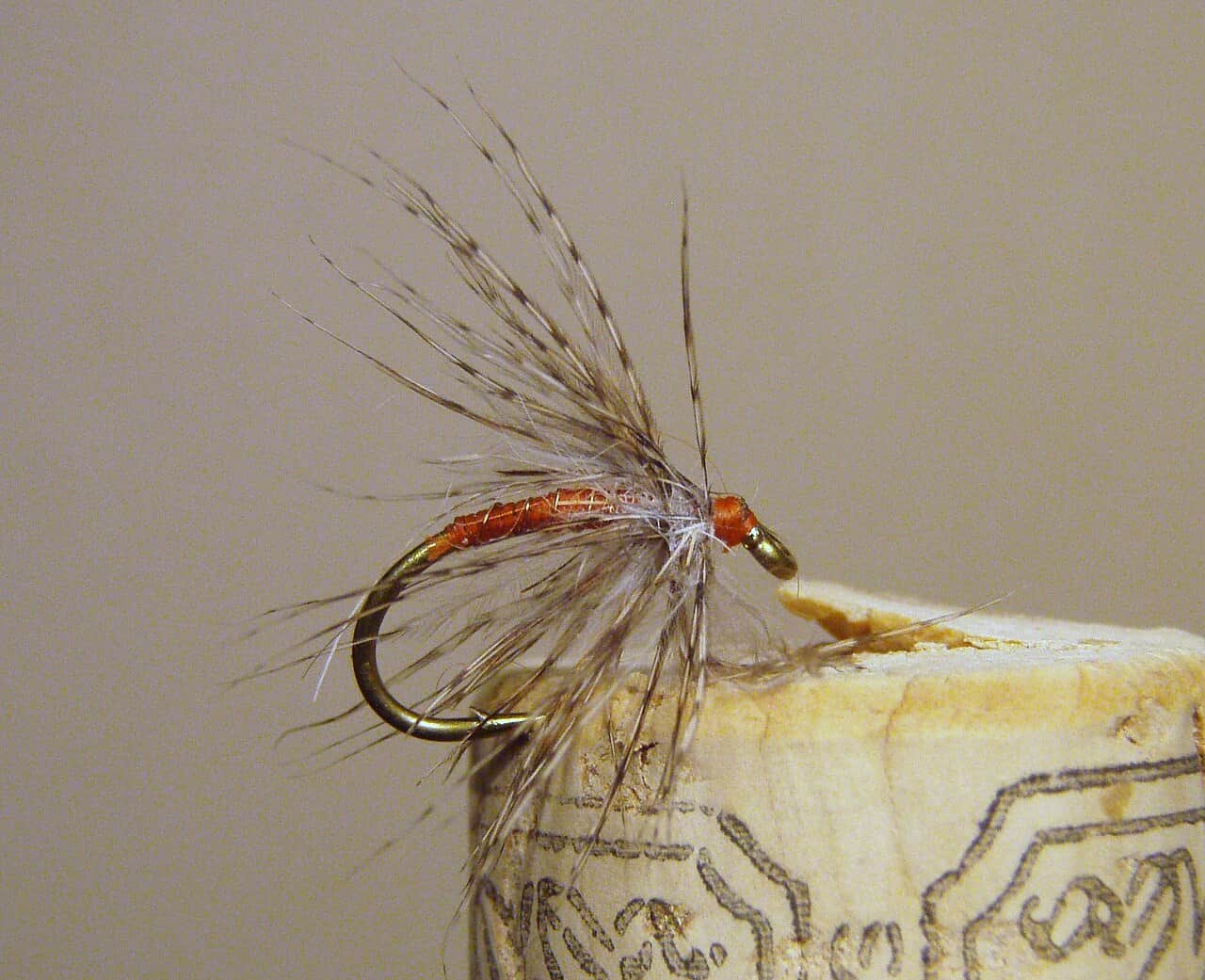
BWO dry, zebra midge, leech, sculpin, soft hackle
Nymphs
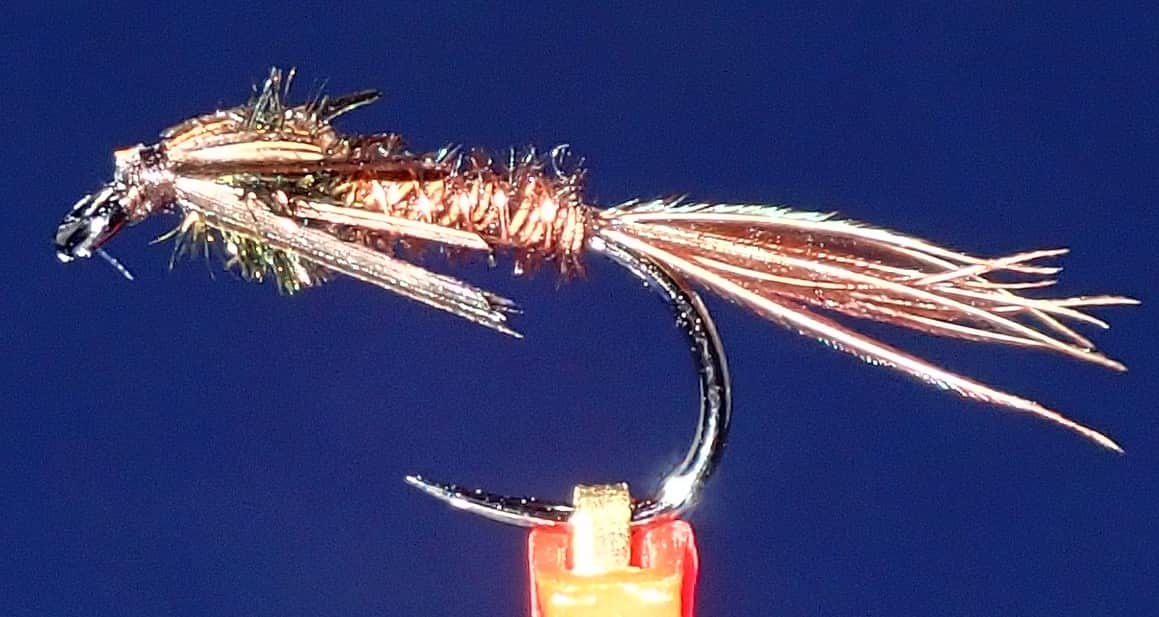
Pheasant tail, hare's ear, perdigon, caddis pupa, stonefly nymph
Use through riffles, buckets, and float-bank seams when fish are not rising.
Dry flies
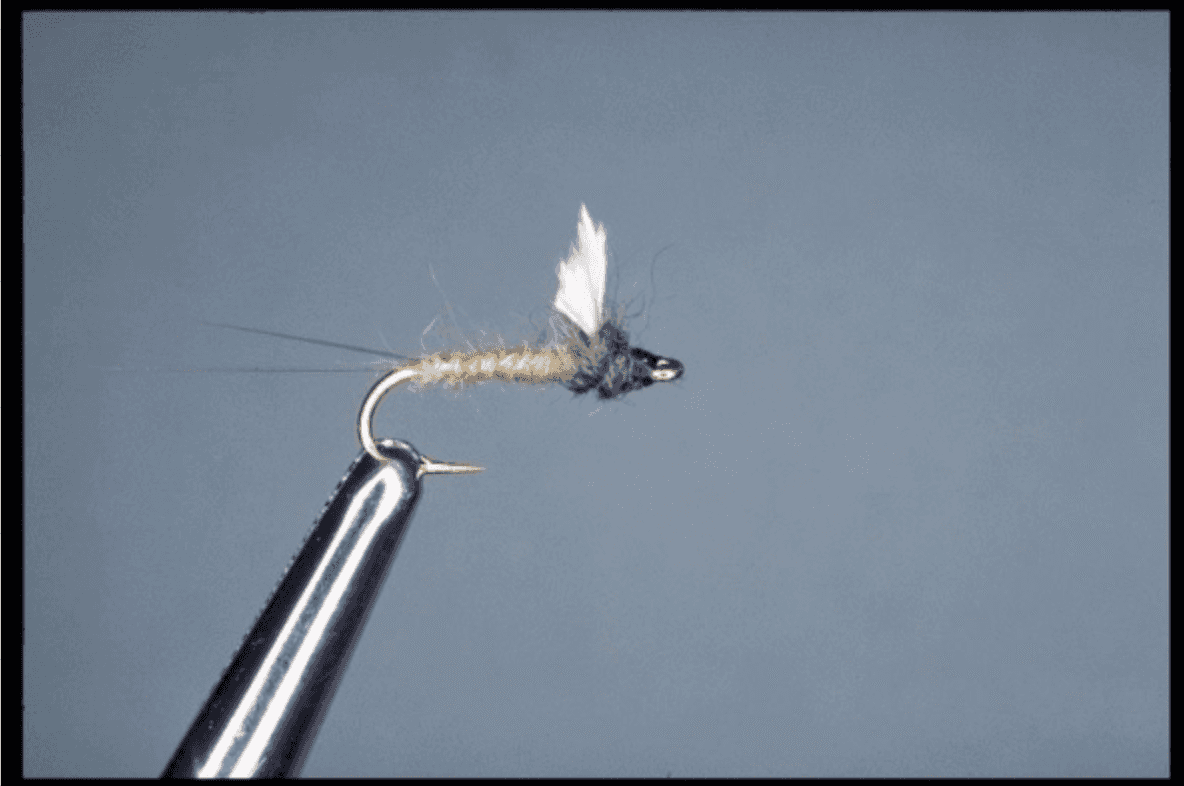
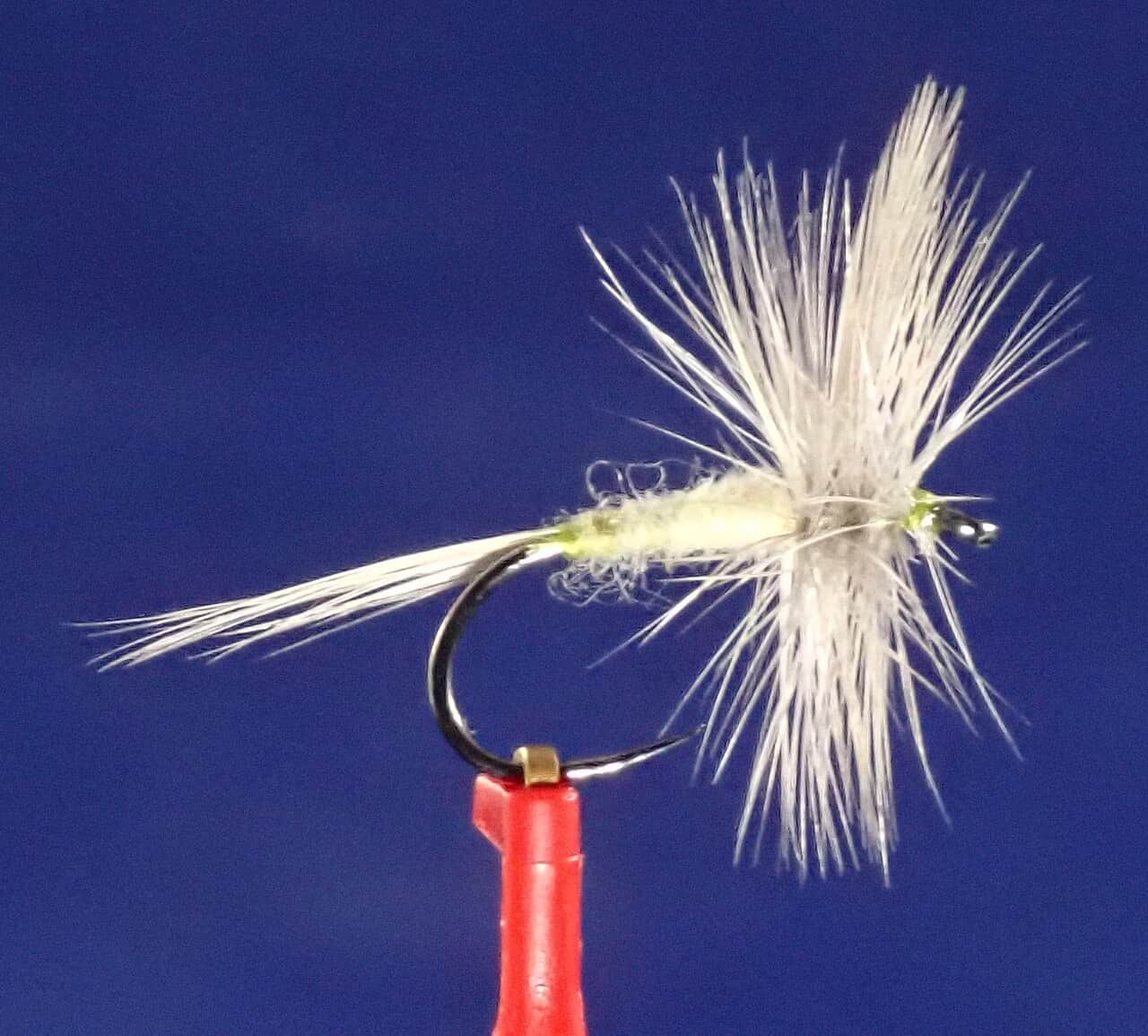
BWO, caddis, PMD, parachute Adams, hopper
Use during hatch windows, summer banks, and soft tailouts.
Dry-droppers
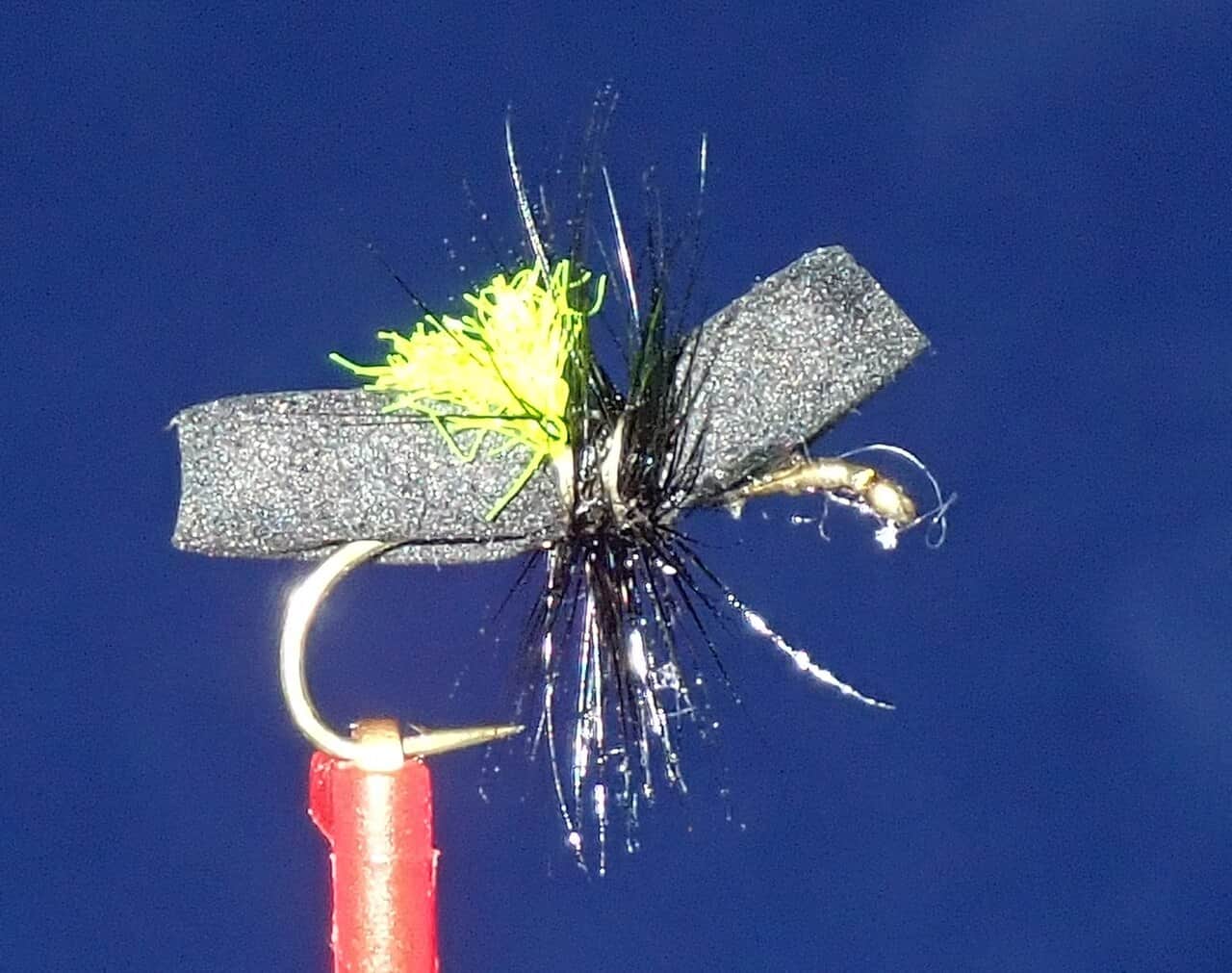
Chubby, stimulator, hopper, tungsten dropper
Use from a boat or on foot when covering banks and broken riffles.
Streamers
Sculpin, leech, bugger, sparkle minnow
Use in stained water, low light, and along deeper banks or shelves.
Tactics
How to fish it
Choose a walk-wade or float plan before packing rods.
Use the Delta gauge as the lower-river reference, not the East Portal gauge alone.
Avoid stopping on private banks unless a public access point or easement clearly allows it.
Fish early during hot weather and carry a thermometer.
Bring shuttle, wind, and takeout backup plans for longer floats.
Rigging
Rod, leader, and setup notes
A 9-foot 5-weight works for nymphs and dries.
A 6-weight is useful for streamers, wind, and boat fishing.
Use 4X to 6X for trout nymphs and dries, heavier tippet for streamers.
Carry indicators, split shot, and dry-dropper materials for changing depth.
Bring sun protection, water, and a wading staff for exposed lower-valley trips.
Access
Access and planning notes
Gunnison Forks
Primary lower-river accessWade / float / trail
Day-use / launch / wade scout
When to pick it
Start here when the Delta gauge is stable and you want a clear BLM-supported access base.
Caution
Confirm current site rules, flow, and downstream takeout plans before committing.
Delta gauge area
Lower-river flow anchorWade / float / trail
Gauge check / valley read
When to pick it
Use it to decide whether lower-river clarity, heat, and water volume match the day you want.
Caution
The gauge supports the corridor but does not guarantee every bank or float section is safe.
Dominguez-Escalante corridor
Longer float or public-land planWade / float / trail
BLM corridor / float logistics
When to pick it
Pick it when you have enough time for shuttle, wind, heat, and takeout planning.
Caution
Exits, private land, and heat exposure make this a planned day, not an after-work guess.
Private-bank boundaries
Access sanity checkWade / float / trail
Map and sign verification
When to pick it
Use this step before stopping, anchoring, or walking a bank away from signed public access.
Caution
Do not treat visible water as legal bank access.
BLM says Gunnison Forks has walk-in river access and a natural-surface boat ramp.
Dominguez-Escalante NCA includes marked campsites along the Gunnison River.
Private land and commercial shuttle logistics are important lower-river planning factors.
Hot exposed weather can make long floats more demanding than the map suggests.
Regulations
Check before fishing
Verify current Colorado fishing regulations, land-manager rules, and posted access signs before fishing. Lower-river rules, canyon rules, and private-property boundaries are not interchangeable.
Primary base
Delta, Hotchkiss, or Montrose, Colorado
Best day style
Boat ramps, day-use sites, BLM public land, and private boundaries
Check first
Delta flow, BLM access, weather, shuttle logistics, and rules
Safety
Remote float sections, heat, wind, private land, and limited exits
Gear
Helpful gear for this water
Thermometer
Important for lower-valley trout handling decisions in warm weather.
Boat or wade map
Use it to identify legal access, takeouts, and private boundaries.
Streamer and dry-dropper kit
Useful for covering larger river banks and seams.
Sun and wind gear
The lower river is more exposed than the canyon tailwater.
Nearby water
Other water to research
Backup logic
High or muddy water
Postpone remote floats, scout only safe public edges, or wait for the Delta gauge and visibility to settle.
Heat
Fish early, carry a thermometer, and shift away from trout handling if lower-valley water warms.
Wind or float logistics
Use a shorter public-bank plan or another route if shuttle, takeout, or wind exposure is not clean.
Access uncertainty
Stay with BLM-supported sites and posted public land rather than guessing along private banks.
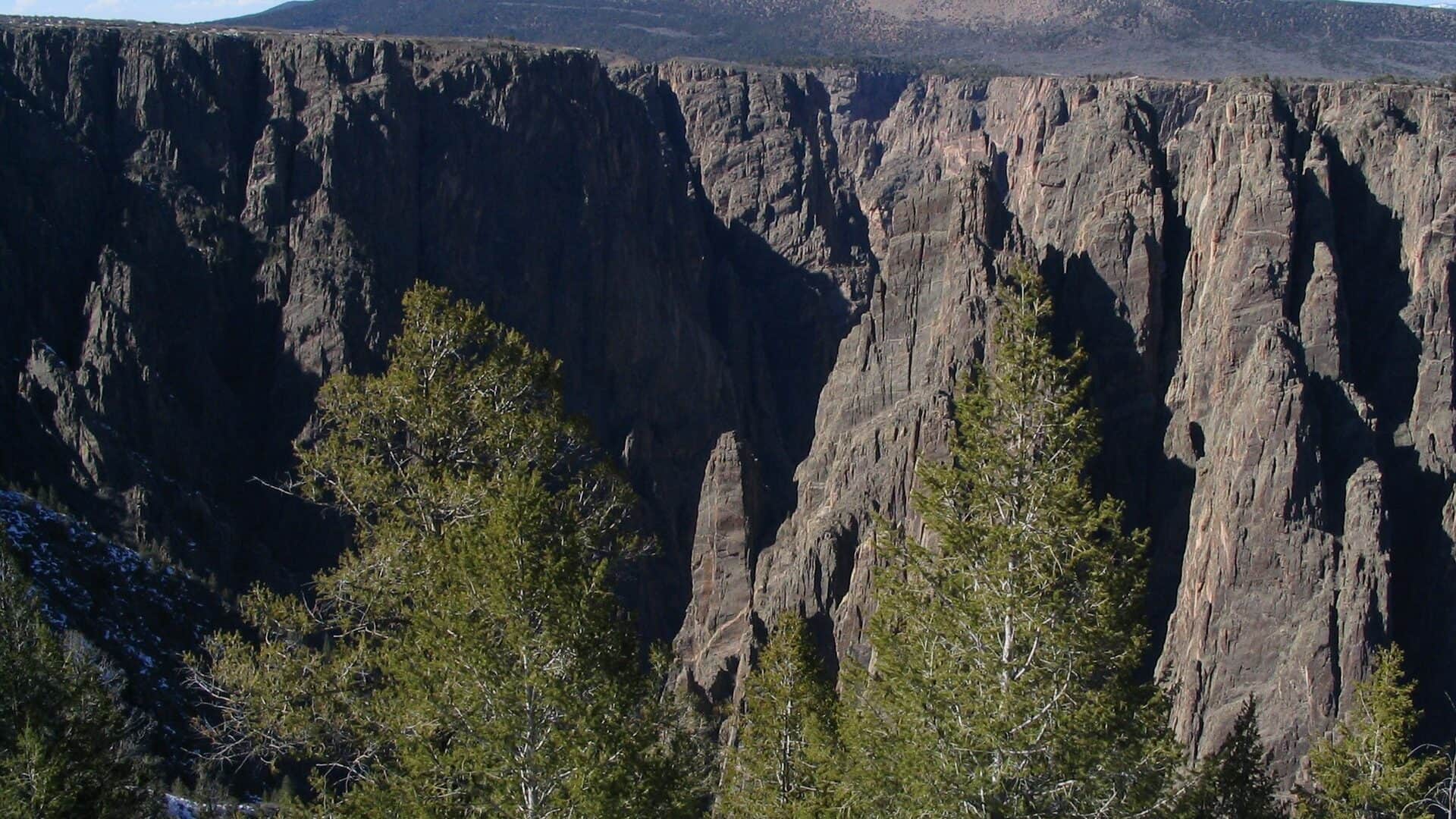
Gunnison Gorge of the Black Canyon
The more remote upstream canyon plan with steeper access and Gold Medal context.
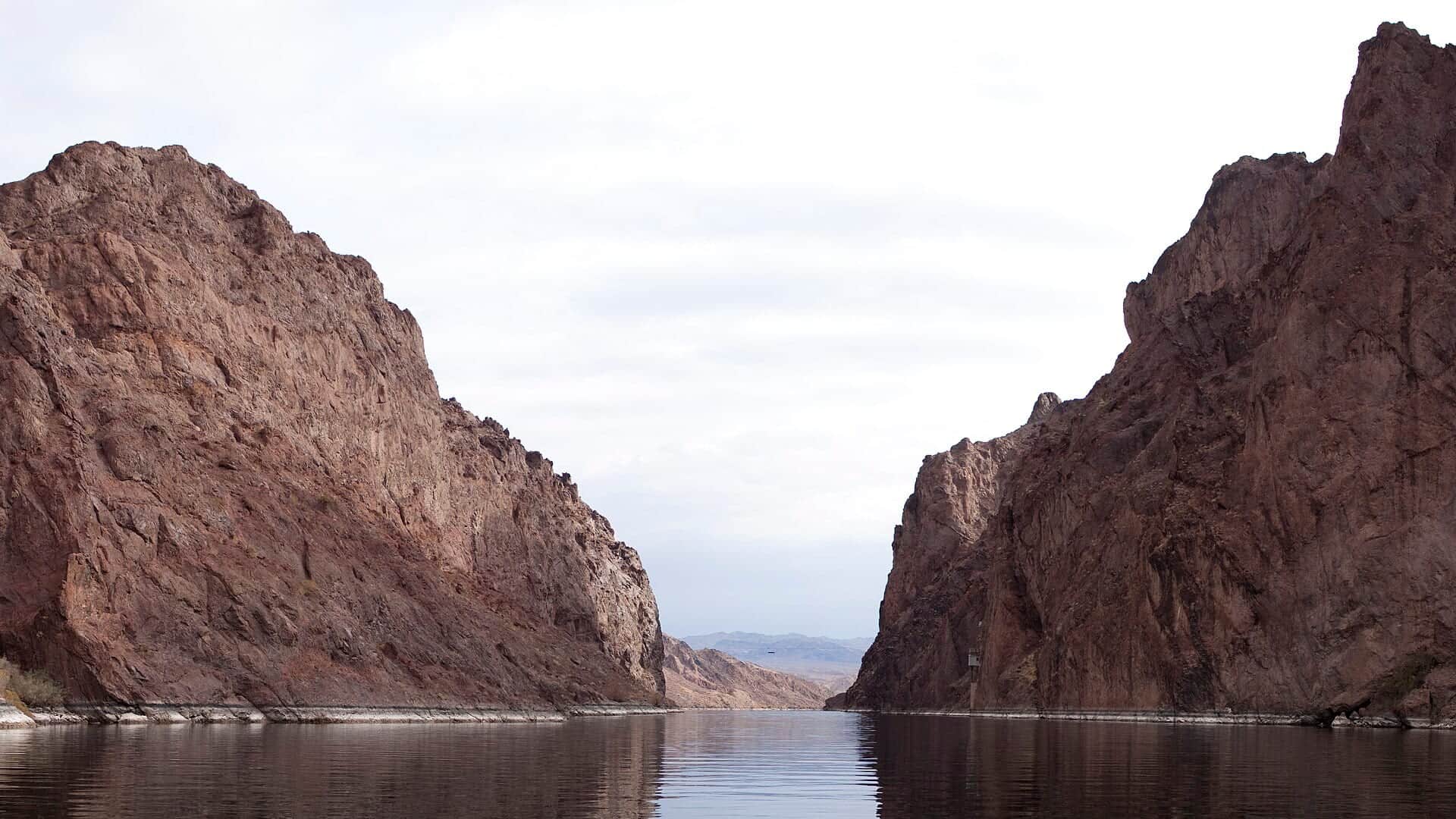
Dolores River
A southwest Colorado release-dependent tailwater and canyon option.
Colorado River Lower Colorado
A larger western Colorado option around Glenwood Springs.
FAQ
Fast answers
Is Lower Gunnison River fishable today?
Lower Gunnison River looks very fishable right now. The live score is 93/100, based on current flow, weather, public alerts, and the report's planning context. Recheck the linked gauge and forecast before leaving because conditions can change quickly after rain, heat, access changes, or flow swings.
What flow is best for Lower Gunnison River?
Use the Delta gauge as the lower-river anchor. Stable or slowly falling clear water is the best general signal; high, muddy, rapidly changing, or hot lower-valley conditions should push the plan toward safer banks, a different reach, or another water.
When should I skip Lower Gunnison River?
Skip or scale back when the Delta gauge is rising hard, the river is muddy, heat creates trout-handling risk, wind makes a float unsafe, private-bank logistics are unclear, or you do not have a clean shuttle and takeout plan.
Is Lower Gunnison River safe to wade right now?
The fishability score is not a wading guarantee. Wade only where your chosen access has safe edges, clear footing, legal entry, and no forced crossings; high, rising, stained, or storm-affected water should be treated conservatively.
What reach does this Lower Gunnison report cover?
It focuses on the Gunnison Forks, Delta, and Dominguez-Escalante lower-river corridor.
Why not use the Gunnison Tunnel gauge here?
The tunnel gauge is useful for the Gorge, while the Delta gauge better matches this lower-river page.
Is the Lower Gunnison a trout river all summer?
Some water can remain trout-relevant, but lower and warmer reaches require temperature checks and may shift toward warmwater expectations.
Can I float fish it?
Yes, but use official access, shuttle, weather, and flow checks before committing to a float.
Sources
Source set for this report
Reviewed 2026-05-31