Colorado / West
Crystal River
A practical Crystal River plan built around the Redstone and Marble corridor, freestone runoff timing, White River National Forest access, and clear seasonal trout tactics.
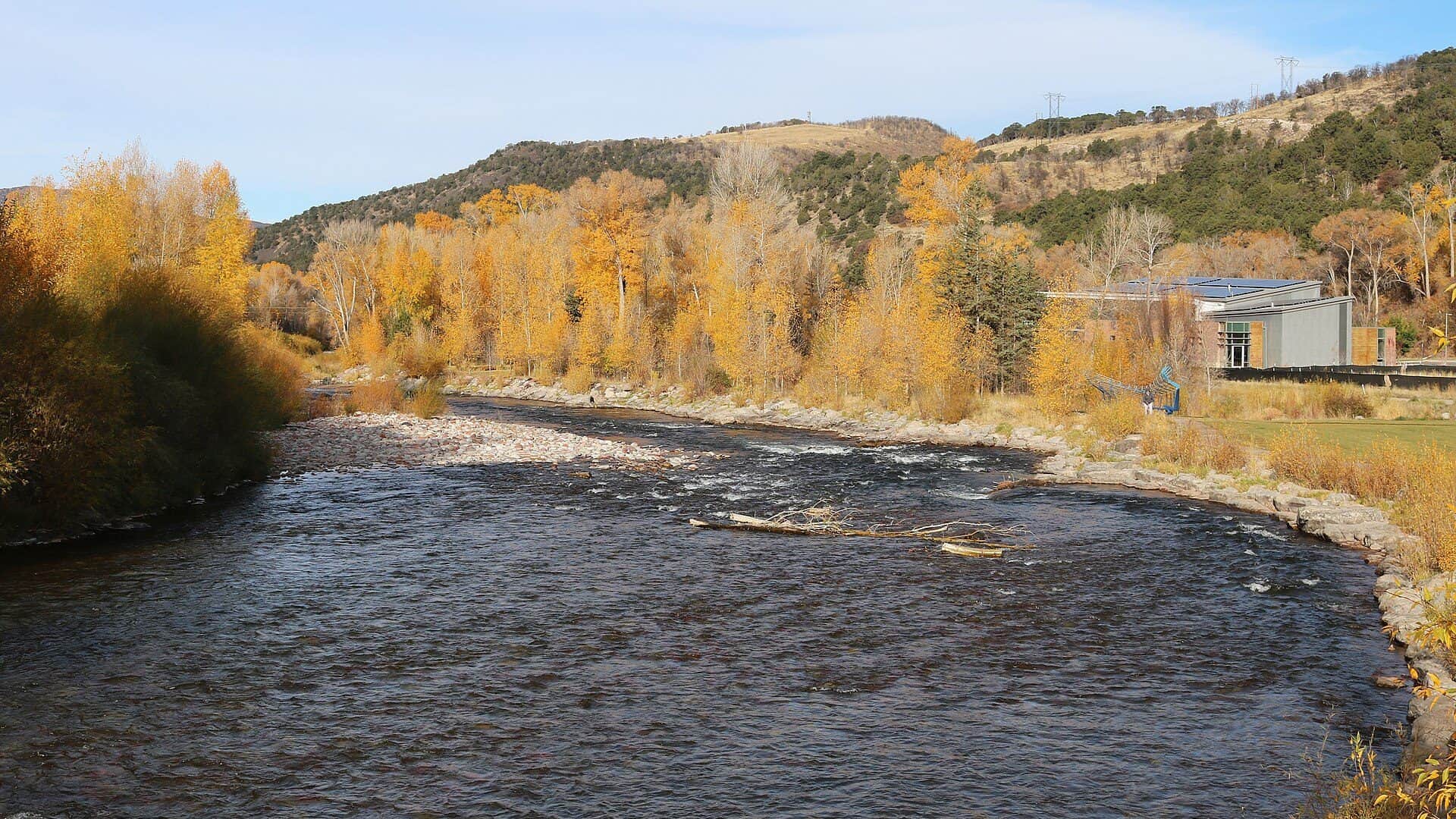
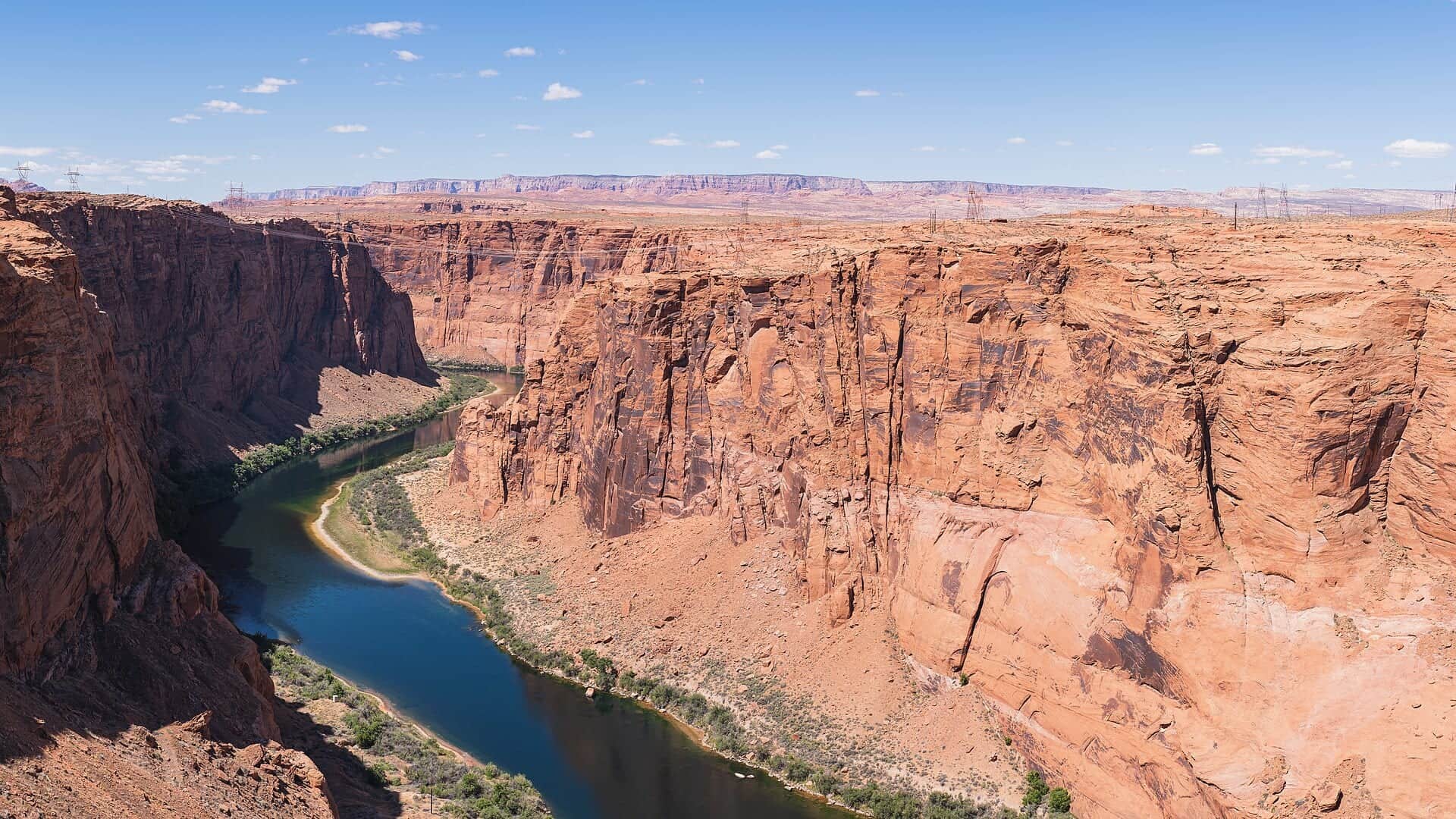
Image: Generated regional planning image for Crystal River / BlueStreamFly generated; not exact location / BlueStreamFlyFishability now: Crystal River fishability today
GoodData confidence: High78/100
Fishable now because the live gauge is rising, weather is usable, and no public alert is active.
Flow observed
6:00 PM UTC
Weather observed
6:00 PM UTC
Score calculated
6:12 PM UTC
Why this rating
Flow
Weather
Public alerts
Next 6-12 hours
Watch
Recheck within the next few hours; rising water or active weather can change clarity and wading quickly.
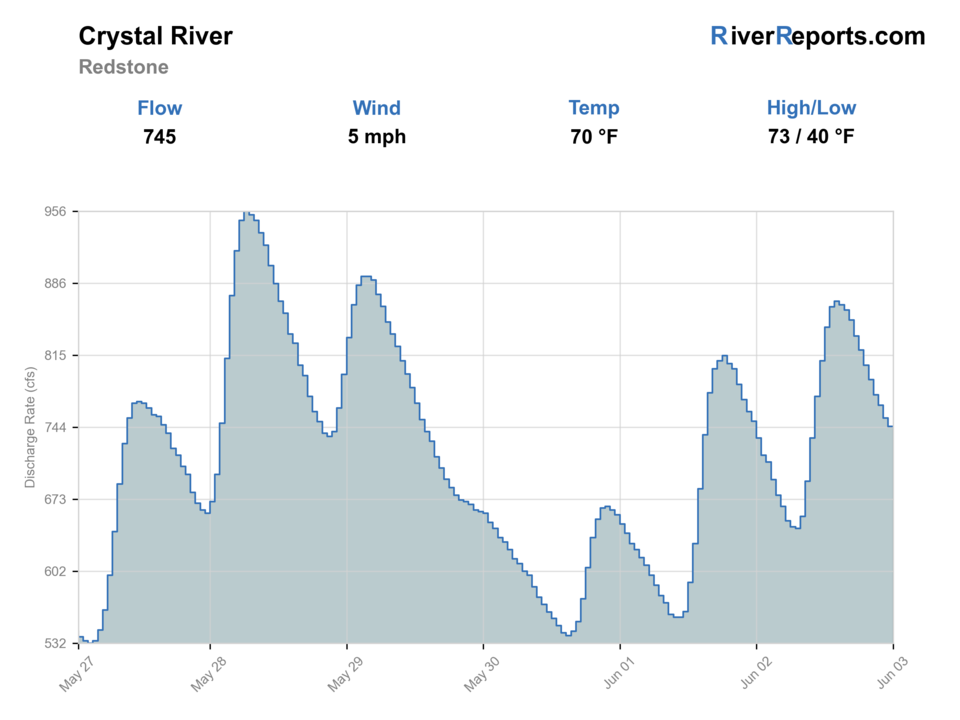
USGS flow
745 cfs
Current trend: flow rising, rating can drop quickly if clarity or wading safety deteriorates.
More planning details: flies, flow bands, and live source checks
Fish it today
Start here
Base in Carbondale or Redstone, check the gauge first, start near a developed access corridor, then move upstream or downstream depending on water color and wading comfort.
Best flow clue
Post-runoff summer or early fall flows with enough clarity to fish pockets, banks, and riffle tails confidently.
Skip trigger
Skip during hard runoff, thunderstorm spikes, or when slick canyon current turns every crossing into a gamble.
Flow decision bands
Low but fishable
Low clear water can fish in pocket water, riffle tails, and shaded banks when temperatures stay safe.
Best post-runoff window
Stable or falling Redstone-area flow with good clarity opens the best dry-dropper, nymph, and bank work.
Runoff or canyon unsafe
Hard runoff, slick pushy canyon current, or storm spikes should end crossings and long wades.
Warm low-water caution
Late-summer heat and low water can make trout handling the limiting factor even with good clarity.
USGS flow
745 cfs
Current trend: flow rising, rating can drop quickly if clarity or wading safety deteriorates.
Live USGS flow
718 cfs / rising about 24%
Live NWS forecast
77F / Mostly Sunny
Water temperature not verified
Heat guidance uses weather and river type unless an official water-temperature value is available.
No NWS alert flag
No active NWS alert was returned for this forecast point.
Use RiverReports for a quick trend read and USGS 09081600 above Avalanche Creek for the official flow check before you drive south of Carbondale.
Access is straightforward around developed Forest Service corridors near Redstone and Bogan Flats, so match your reach to the amount of wading and walking you actually want.
Expect classic attractor-nymph, caddis, and terrestrial fishing once summer levels settle, with better technical drifts in fall.
Skip the river during peak runoff, active storm spikes, or if cold canyon water and slick boulders force rushed crossings.
Editorial review
How this report is maintained
This report uses official regulation, flow, weather, access, and public-land sources first, then adds practical planning guidance for fly anglers.
Byline
BlueStreamFly editorial desk
Reviewed by
BlueStreamFly source review
Maintained by
BlueStreamFly
Last material review
2026-05-31
Report confidence
Good confidence
87/100
Good confidence: RiverReports Crystal River chart, USGS 09081600 flow, White River National Forest Redstone and Bogan Flats sources, Colorado regulation sources, statewide fishing context, and weather data support the page. Confidence is moderated by private-bank variation, runoff, canyon footing, storm color, and warm low-water periods.
Regulations
Colorado regulation sources support the legal-check path for Crystal River trout water.
Access
White River National Forest Redstone and Bogan Flats sources support public access planning, with exact banks and lower-corridor permissions still needing current checks.
Flow and weather
RiverReports, USGS 09081600, and the National Weather Service point are attached to the route.
Fishing usefulness
The page now separates lower corridor, Redstone, and upper-valley plans, runoff, storm stain, warm water, and backup choices.
Fishability dashboard and source review
2026-05-31 / material content or source review
RiverReports Crystal River chart, USGS 09081600 flow data, White River National Forest Redstone and Bogan Flats access sources, Colorado regulation sources, Colorado statewide fishing context, and the National Weather Service point were checked before updating the current fishability guidance.
2026-05-31
Updated Crystal River with Redstone trend guidance, Carbondale, Redstone, and Bogan Flats access cards, freestone runoff and storm cautions, backup cues, stable fishability SEO, and confidence signals.
2026-05-29
Added a page-specific report-confidence meter for Crystal River flow, Redstone and Bogan Flats access, Colorado regulation checks, runoff and warm-water planning, and generated regional imagery context.
2026-05-25
Published a new Crystal River report with official flow backing, Redstone access guidance, and runoff-to-fall trout planning.
Angler planning edge
Local details that change the plan
Best for
Summer freestone trout trips, Dry-dropper anglers, Scenic Carbondale to Marble day plans
Wade or float
Wade first. Most anglers do best by matching a few short stops to current flow rather than trying to cover the entire corridor.
Best flows
Post-runoff summer or early fall flows with enough clarity to fish pockets, banks, and riffle tails confidently.
When to skip
Skip during hard runoff, thunderstorm spikes, or when slick canyon current turns every crossing into a gamble.
Local plan
Base in Carbondale or Redstone, check the gauge first, start near a developed access corridor, then move upstream or downstream depending on water color and wading comfort.
Pressure
Pressure usually centers on easy roadside access near Redstone and popular scenic stops. A short walk from the obvious pull-in often improves the day.
Access nuance
Developed access helps, but the real decision is picking a section with pocket shape you can fish without pushing into fast mid-channel current.
Backup water
Roaring Fork or Fryingpan are the best nearby backups if the Crystal is still too high, too cold, or too stained.
About the river
Setting, character, and why it fishes the way it does.
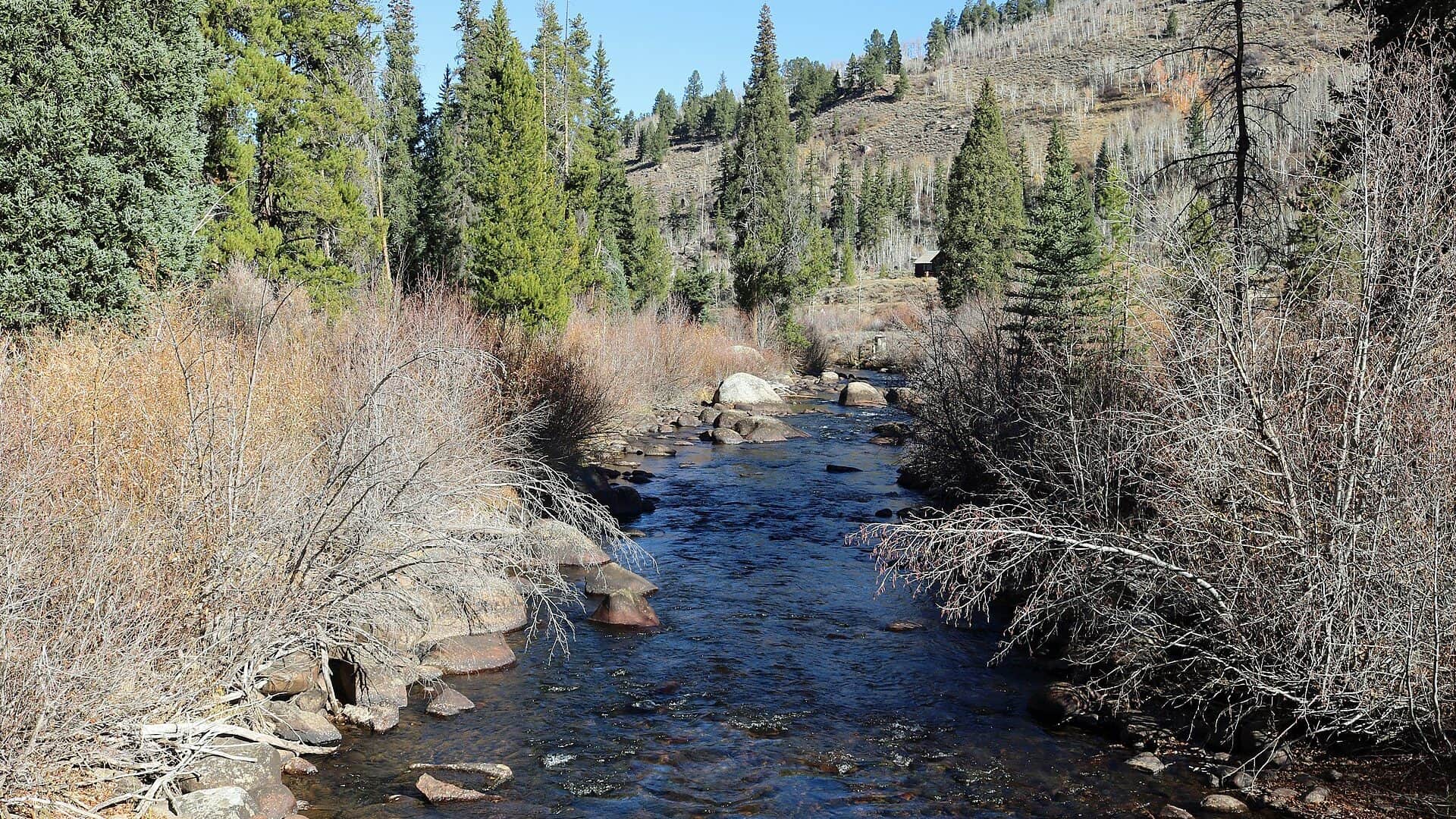
The Crystal drops through a scenic corridor from the upper valley near Marble down toward Redstone and the Roaring Fork confluence zone. It is a true freestone in the sense that flows, color, and fishable structure can all change quickly with snowmelt and storms.
Unlike a large tailwater, this river rewards anglers who enjoy moving, reading pockets fast, and matching fly size to visibility instead of forcing one heavy rig through every run.
Developed access around Redstone and Bogan Flats makes it easier to fish than some high-country freestones, but the river still demands respect for slick rock, fast slots, and cold early-season water.
Target species
Brown trout
A strong target through the lower and middle corridor once flows settle.
Rainbow trout
Present in faster runs, riffles, and more accessible roadside reaches.
Brook trout
More likely in colder upper water and tributary-influenced pockets.
Cutthroat trout
Possible in upper sections and worth handling gently.
Reading the water
Runoff push
Wait for shape and visibility instead of forcing chest-deep freestone wading.
Moderate summer flow
Prime dry-dropper and attractor-nymph condition.
Low clear fall water
Use finer tippet and smaller nymphs or dries around obvious pressure points.
Storm-color pulses
Fish only if you can find softer edges with enough visibility to hold trout.
Best seasons
Post-runoff summer
Main attractor and caddis season once the river regains structure.
Late summer
A strong dry-dropper and terrestrial window, especially in the mornings and evenings.
Early fall
Often the best mix of clarity, manageable flow, and trout movement.
Spring shoulder
Can be good just before hard runoff or as flows first begin to settle.
Preferred flow source
Crystal River
RiverReports is the preferred chart source when coverage exists. When a matching USGS gauge exists, keep it open as the official backstop for station data and current hydrograph context.

USGS data chart
Official USGS trend
Streamflow over the latest USGS reporting window.
Latest
745 cfs
Jun 3, 5 PM UTC
Weather
River weather report
Weather can change wading safety, road access, water temperature, hatches, and the best time of day to fish.
Live forecast loads as you reach this section
This keeps the report fast while still using the official National Weather Service forecast point.
Hatches and flies
Hatch chart and fly picks
Early summer
Caddis, stones, and PMDs after runoff starts easing
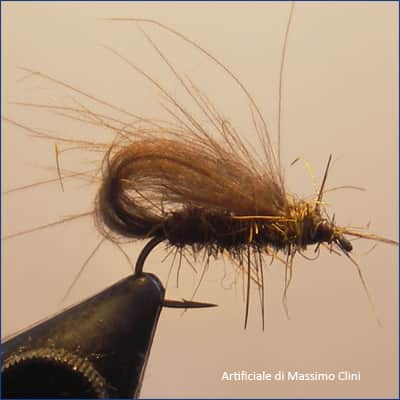
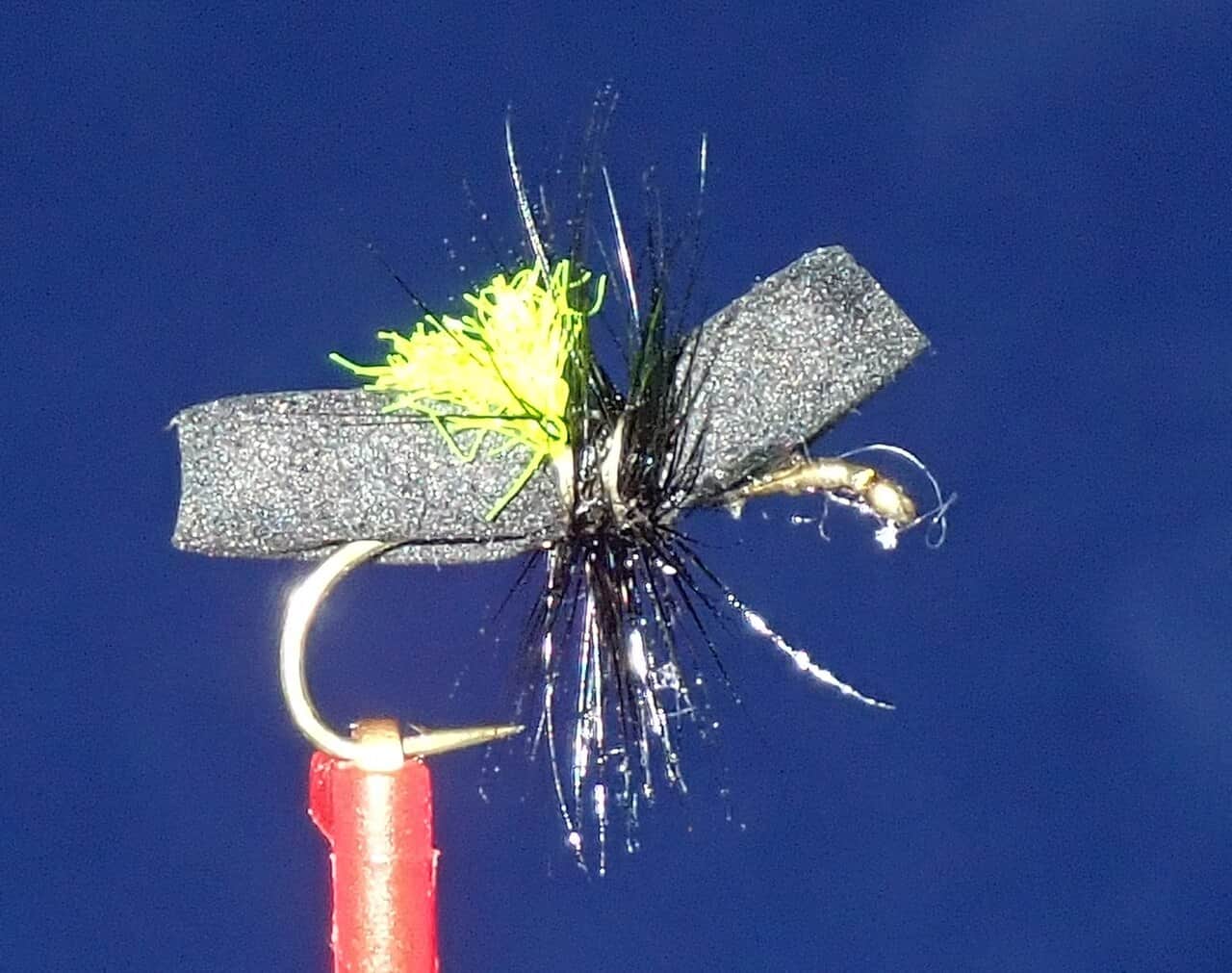
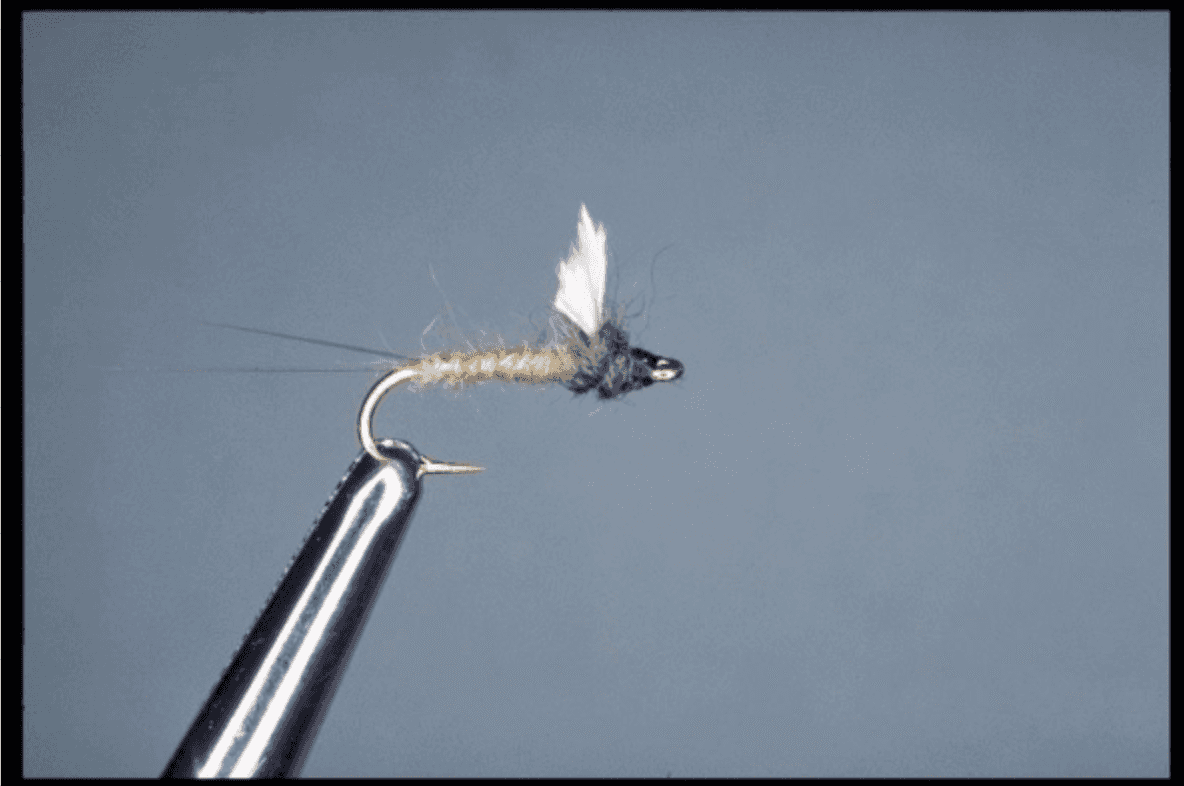
Yellow stimulator, caddis pupa, prince nymph, pats rubber legs
Summer
Caddis, sallies, terrestrials
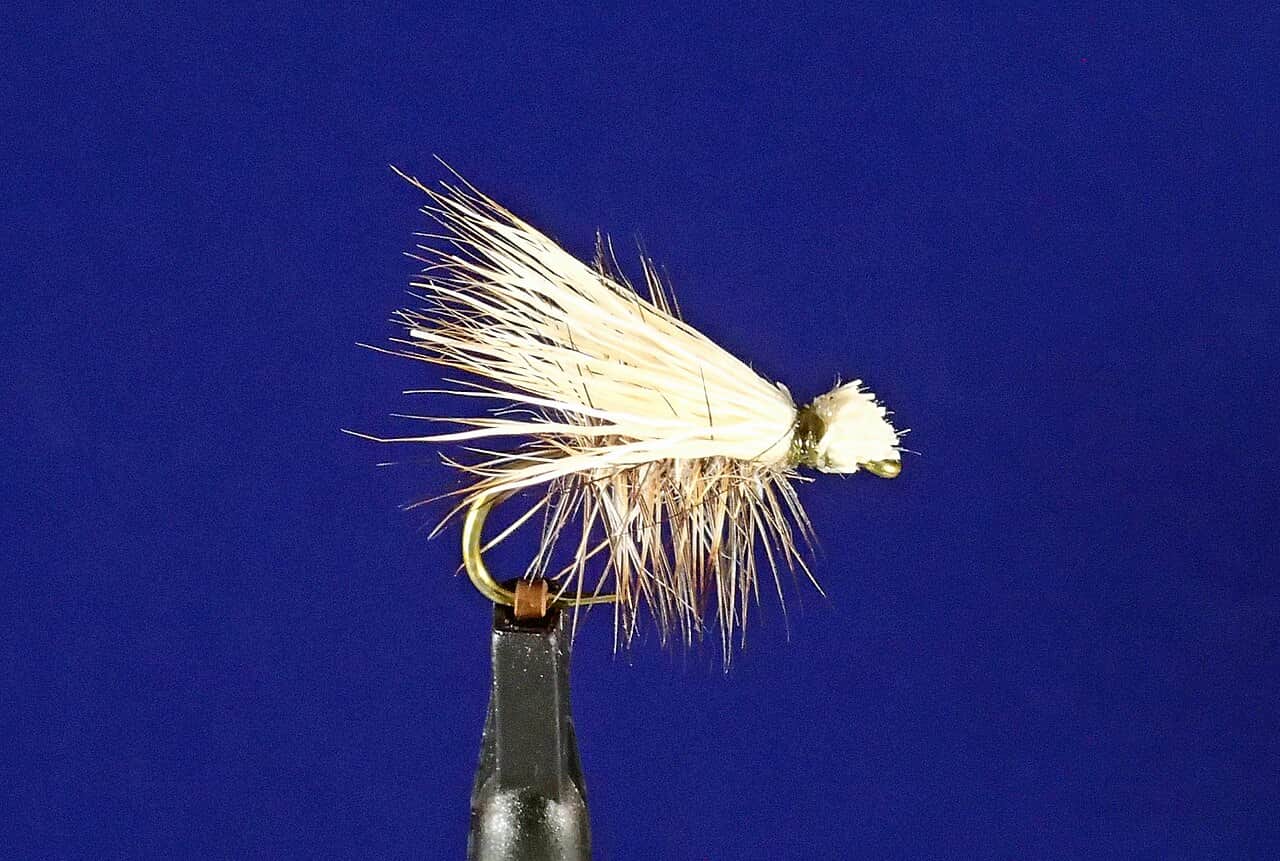
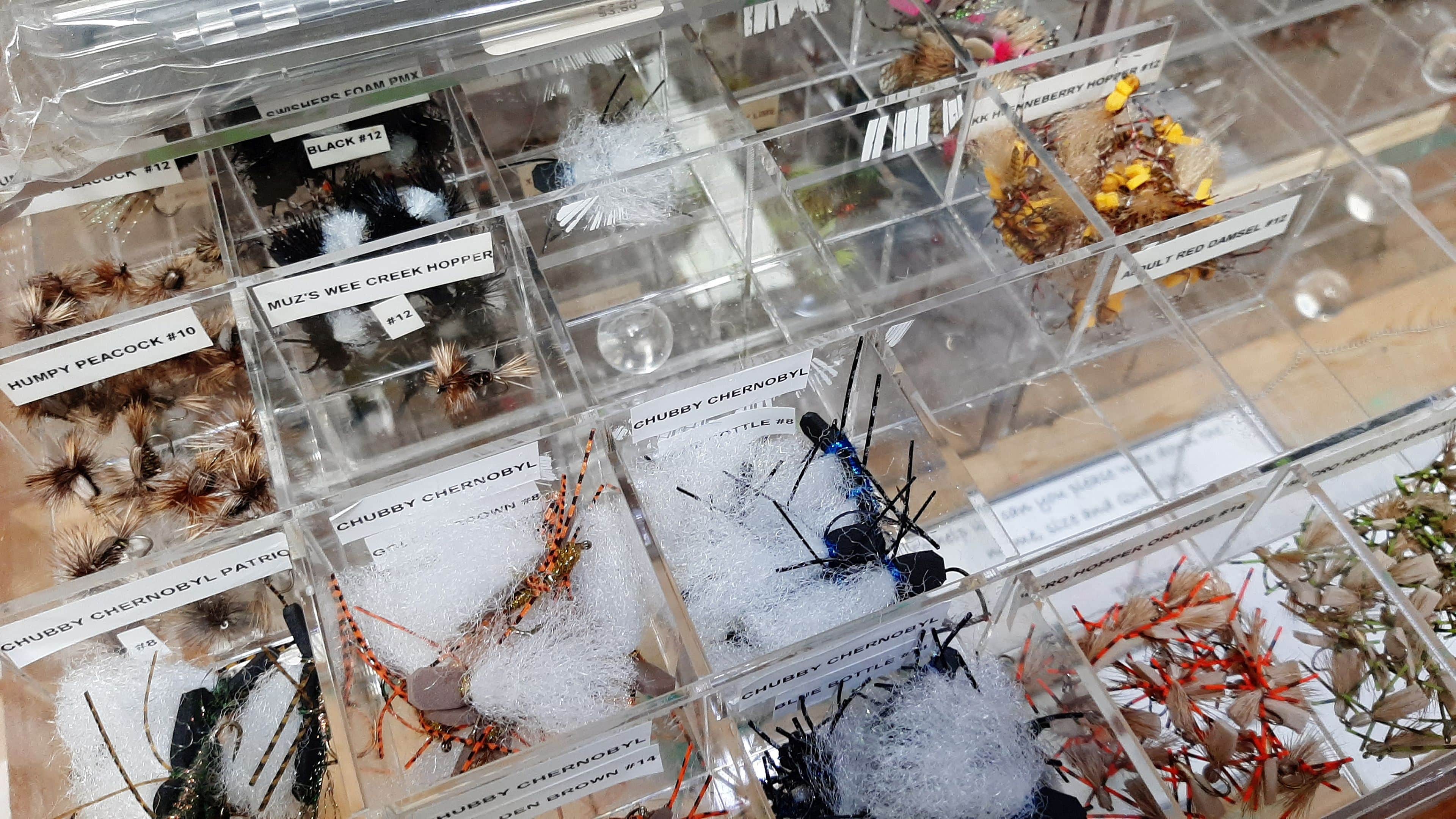
Elk hair caddis, chubby, hopper, beadhead attractor
Late summer
Terrestrials and evening mayflies
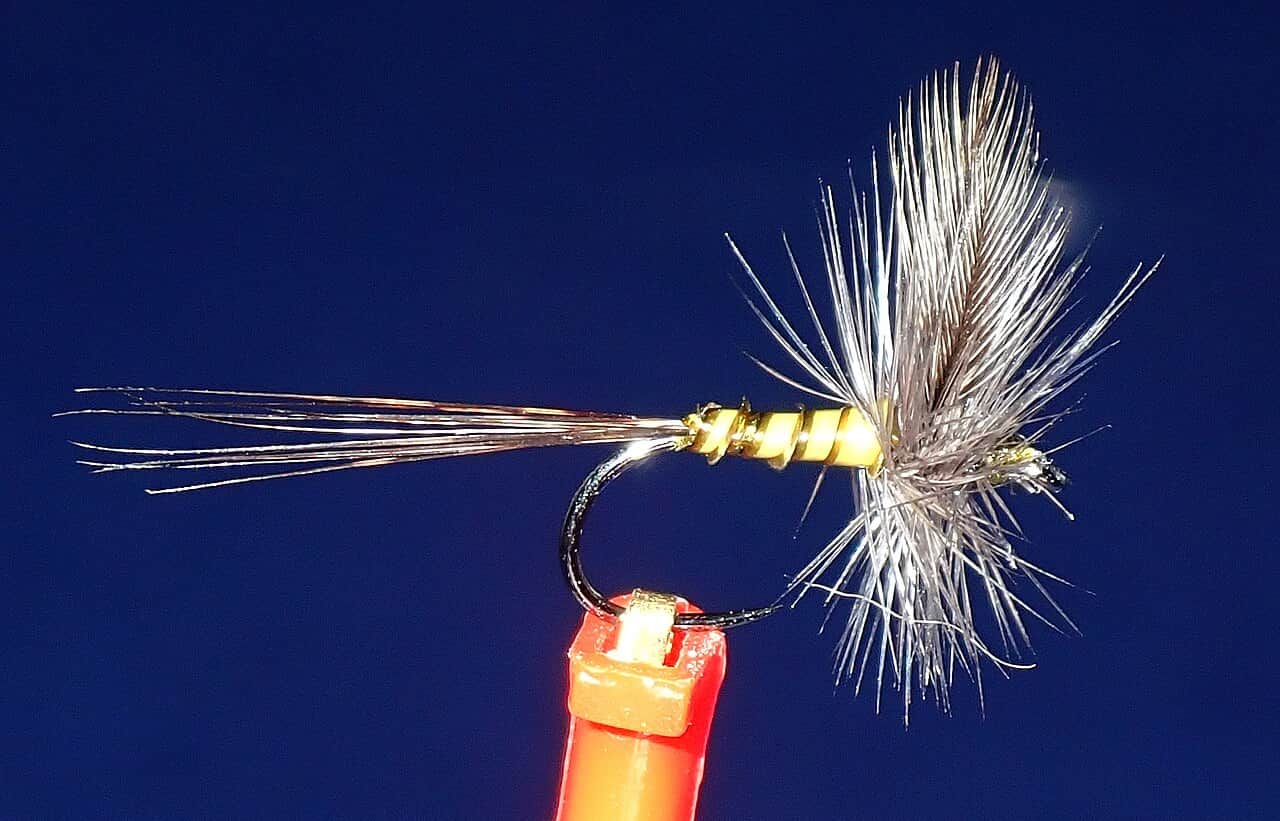
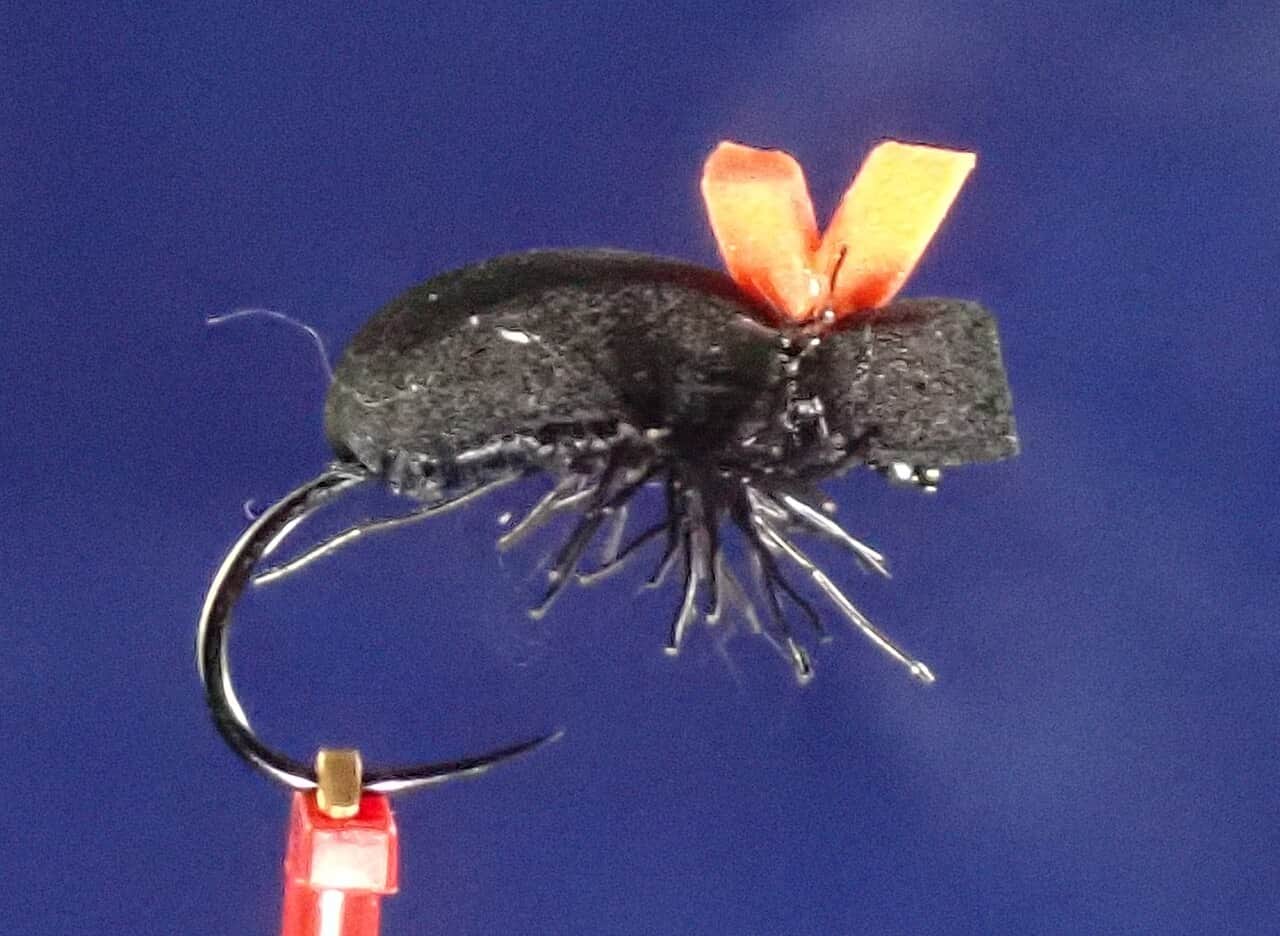
Foam hopper, ant, beetle, parachute Adams
Fall
BWOs, midges, and streamer windows
RS2, zebra midge, olive bugger, BWO emerger
Freestone attractors
Chubby, yellow stimulator, prince nymph, pats rubber legs
Best for summer pockets and broken current.
Clear-water refinements
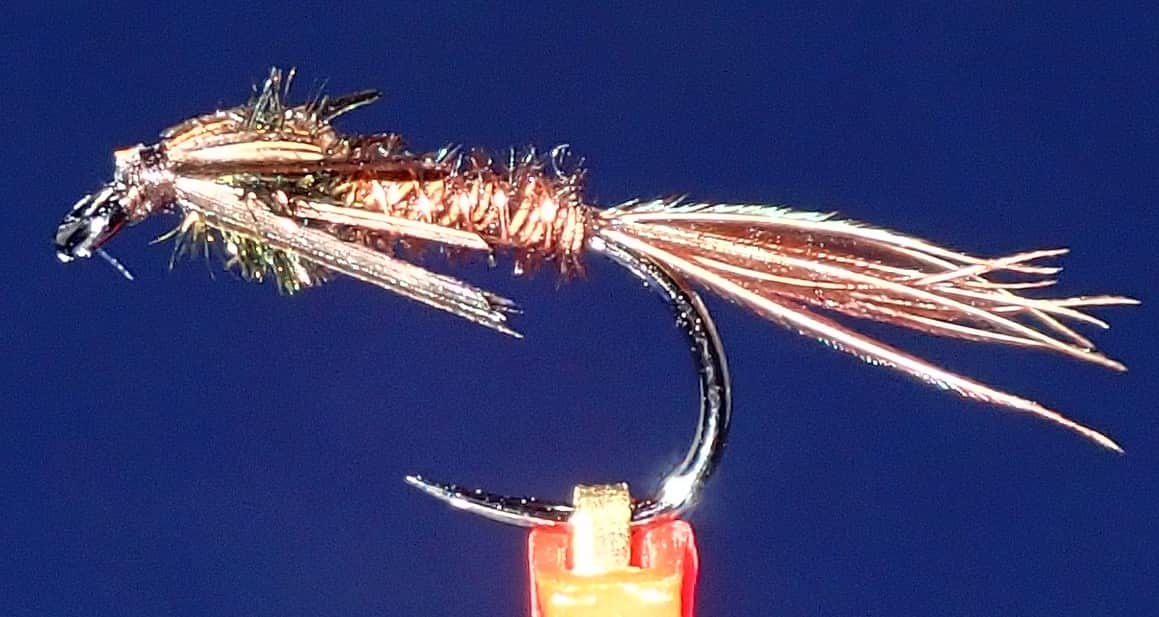
RS2, zebra midge, pheasant tail, small caddis pupa
Important when fall flows get lower and fish see more pressure.
Search streamers
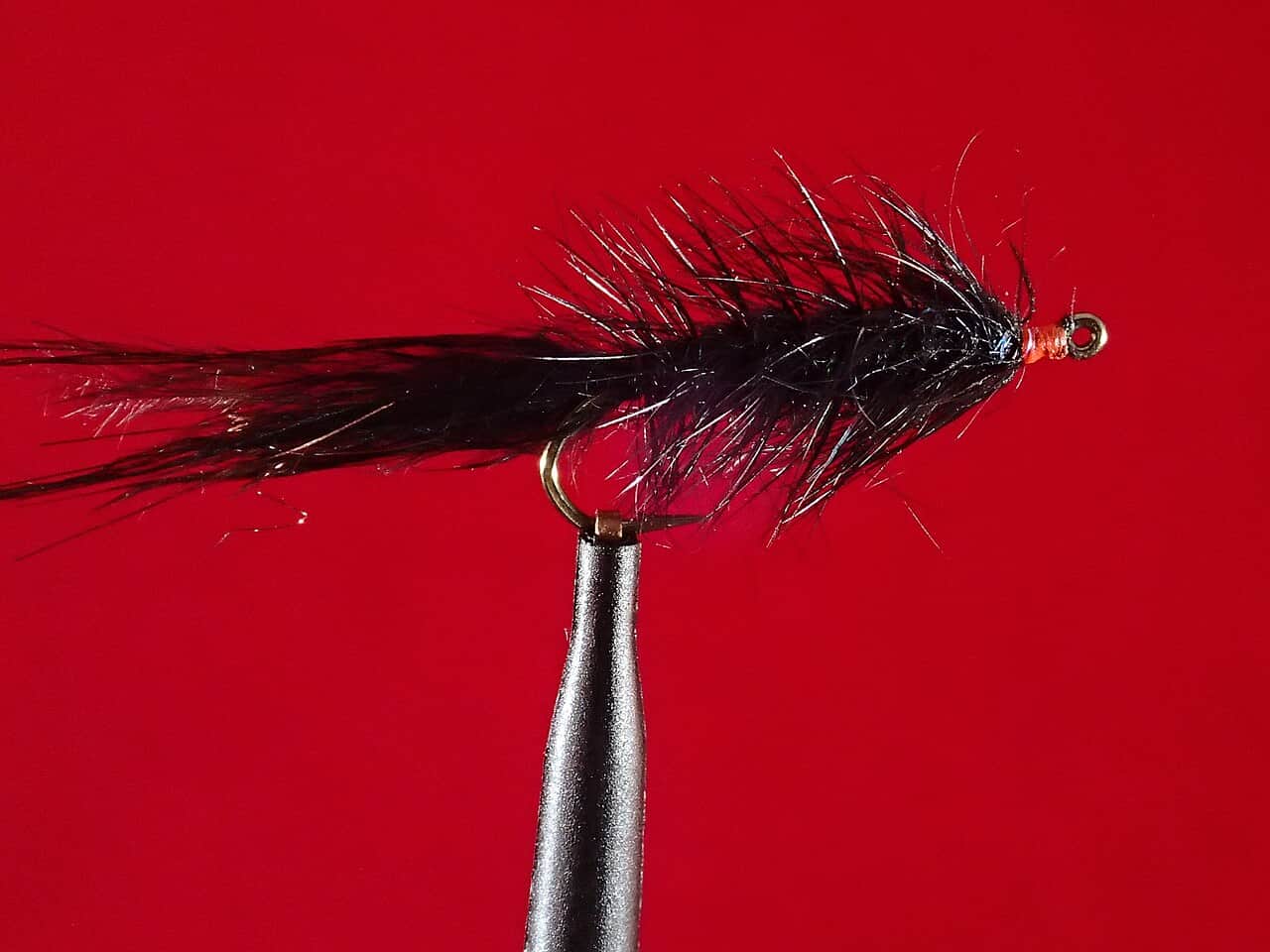
Olive bugger, black woolly bugger, small sculpin
Useful in cloudy water, undercut banks, or low-light windows.
Tactics
How to fish it
Fish one current seam at a time because the Crystal gives you many short targets instead of a few giant ones.
After runoff, focus on soft cushions beside boulders, pocket tails, and bank relief rather than the heaviest green slot.
When the river gets lower and clearer, shorten the casts, downsize the flies, and work from downstream up.
A half-day here often beats an overlong forced session because the best water can be concentrated into a few productive stops.
Rigging
Rod, leader, and setup notes
A 4- or 5-weight with floating line is the standard setup for most Crystal River trout days.
Carry split shot and indicator options for colder or deeper post-runoff water, but switch back to compact rigs once the river shrinks.
Dry-dropper rigs cover the broadest set of summer conditions on this page.
A wading staff is worth packing when the river is still slick from melt or afternoon rain.
Access
Access and planning notes
Carbondale / lower corridor
Quick condition and backup checkWade / float / trail
Town / bank / road scout
When to pick it
Use it when you need a fast read before moving up or pivoting to the Roaring Fork.
Caution
Private banks and warm lower water can limit useful trout access.
Redstone corridor
Primary freestone wade planWade / float / trail
Roadside / wade / bank
When to pick it
Pick it when flow is falling and visibility supports pocket-water fishing.
Caution
Canyon footing and pullouts require care in high or wet conditions.
Bogan Flats / upper valley
Higher-water scoutWade / float / trail
Forest access / campground / wade
When to pick it
Use it when upper-water clarity and road access look better than the lower corridor.
Caution
Storms and runoff can change small access windows quickly.
Redstone and Bogan Flats are the clearest official access anchors on this page and help keep the day straightforward.
Do not confuse easy roadside visibility with easy wading; the Crystal can still be pushy and slick even when it looks compact from the shoulder.
The best access choice often depends on how much runoff remains in the upper canyon versus the lower river.
Regulations
Check before fishing
Check current Colorado fishing regulations before you fish, and review any reach-specific rules or public-land restrictions that apply to the Crystal corridor you choose.
Primary base
Carbondale, Redstone, or Marble
Best day style
Half-day freestone session with multiple short stops
Check first
RiverReports, USGS 09081600, local weather, and current road access
Safety
Runoff push, slick boulders, cold water, and afternoon storms
Gear
Helpful gear for this water
4- or 5-weight rod
A balanced choice for pockets, dry-dropper rigs, and lighter nymphing.
Wading staff
Useful in fast summer current and slick rock pockets.
Rain shell
The canyon can change quickly when monsoon cells build.
Small fly box with attractors and caddis
Covers the broadest set of Crystal River conditions.
Nearby water
Other water to research
Backup logic
High water
Compare the Roaring Fork or Fryingpan instead of forcing Crystal River canyon crossings.
Heat
Fish early, move higher, or switch to colder tailwater options when trout temperatures rise.
Storms or stain
Wait for thunderstorm color and debris to clear before fishing pocket water.
Access issue
Use Forest Service or clearly legal public access only; pivot to Roaring Fork Valley alternatives if banks are uncertain.
Roaring Fork River
A strong backup when the Crystal is still too pushy or off-color.
Fryingpan River
A steadier option when you want a more technical tailwater-style day.
Colorado River
Useful when you want a broader river with more forgiving access choices.
FAQ
Fast answers
Is Crystal River fishable today?
Crystal River looks fishable right now. The live score is 78/100, based on current flow, weather, public alerts, and the report's planning context. Recheck the linked gauge and forecast before leaving because conditions can change quickly after rain, heat, access changes, or flow swings.
What flow is best for Crystal River?
Post-runoff summer or early fall flows with enough clarity to fish pockets, banks, and riffle tails confidently.
When should I skip Crystal River?
Skip during hard runoff, thunderstorm spikes, or when slick canyon current turns every crossing into a gamble.
Is Crystal River safe to wade right now?
The fishability score is not a wading guarantee. Wade only where your chosen access has safe edges, clear footing, legal entry, and no forced crossings; high, rising, stained, or storm-affected water should be treated conservatively.
When does the Crystal River usually fish best?
Usually after runoff settles and before fall cold snaps, when the river has enough shape for pocket fishing but is no longer too pushy to wade safely.
What flow source should I trust first?
Use RiverReports for the quick picture and USGS 09081600 above Avalanche Creek for the official flow context before choosing a reach.
Is this a wade or float recommendation?
This page is a wade-first plan built around Forest Service access and short reach changes, not a float recommendation.
Sources
Source set for this report
Reviewed 2026-05-31