Colorado / West
Colorado River Lower Colorado
A lower Colorado River report for Glenwood Canyon and Glenwood Springs planning, RiverReports/USGS flows, float access, hatches, and temperature checks.
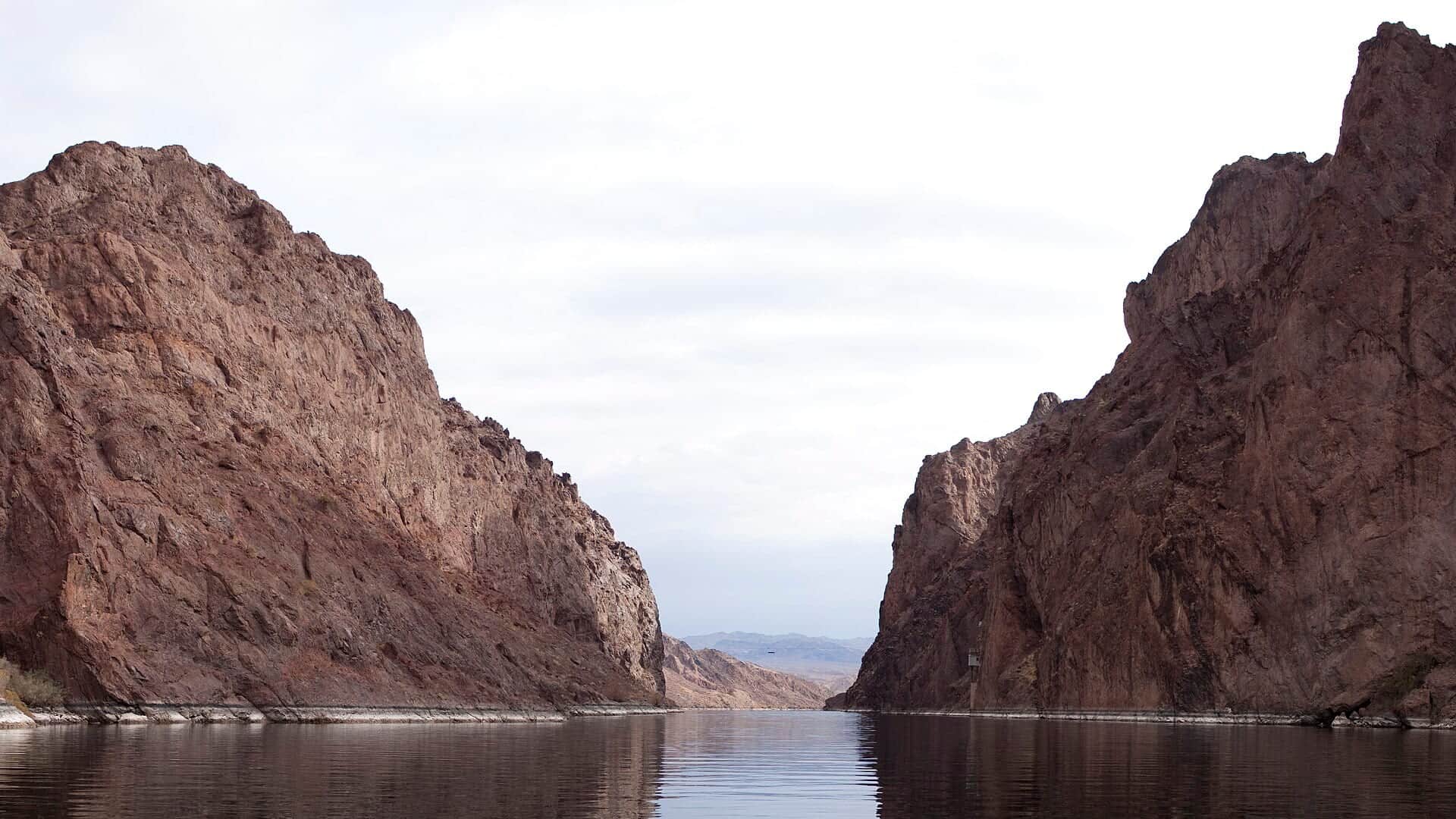
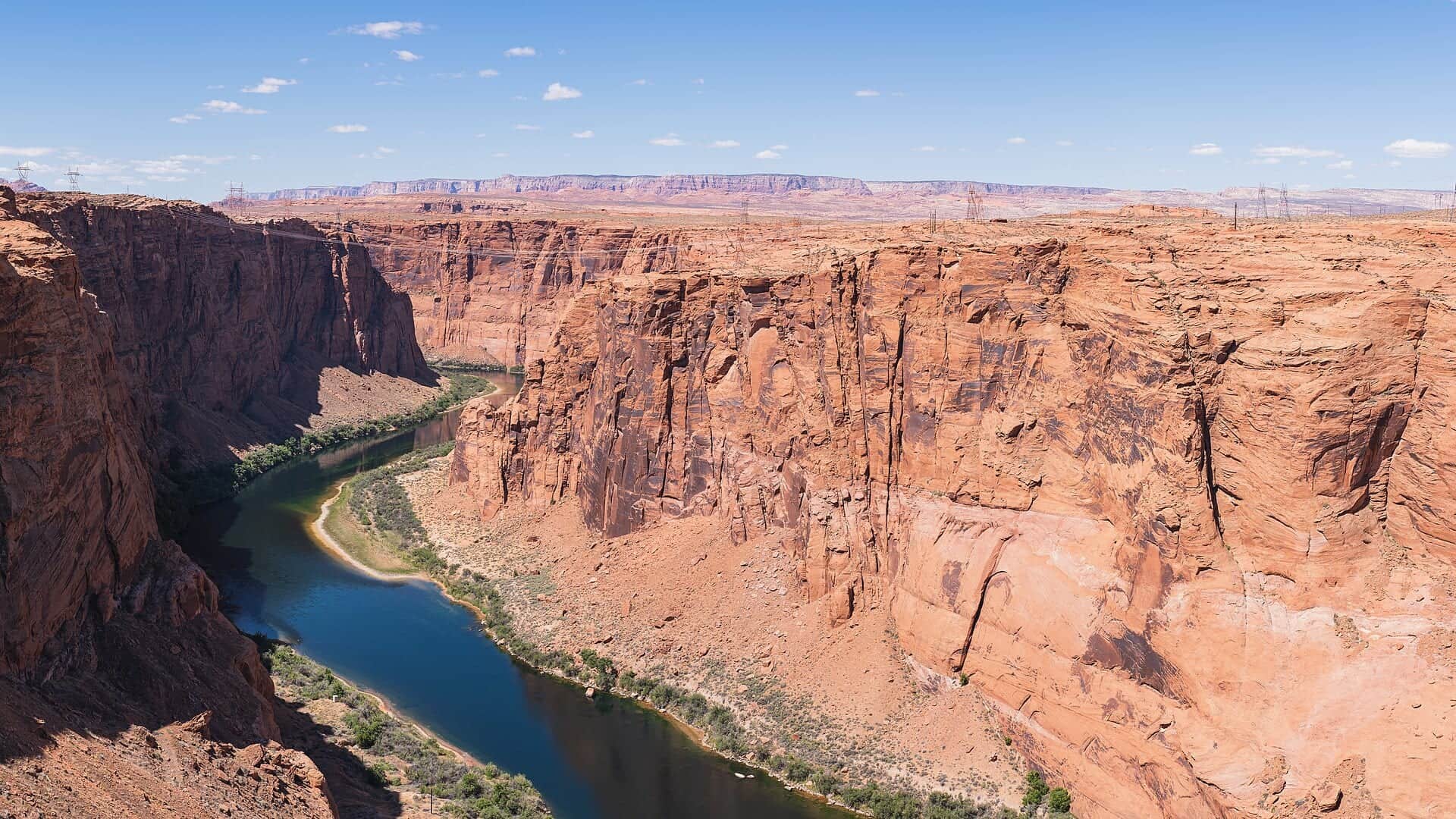
Image: Lower Colorado River (4247008970) / CC BY-SA 2.0 / Alan Stark from Goodyear, AZ, United StatesFishability now: Colorado River Lower Colorado fishability today
GreatData confidence: High96/100
Fishable now because the live gauge is rising, weather is usable, and no public alert is active.
Flow observed
4:15 PM UTC
Weather observed
5:00 PM UTC
Score calculated
5:26 PM UTC
Why this rating
Flow
Weather
Public alerts
Next 6-12 hours
Watch
Recheck within the next few hours; rising water or active weather can change clarity and wading quickly.
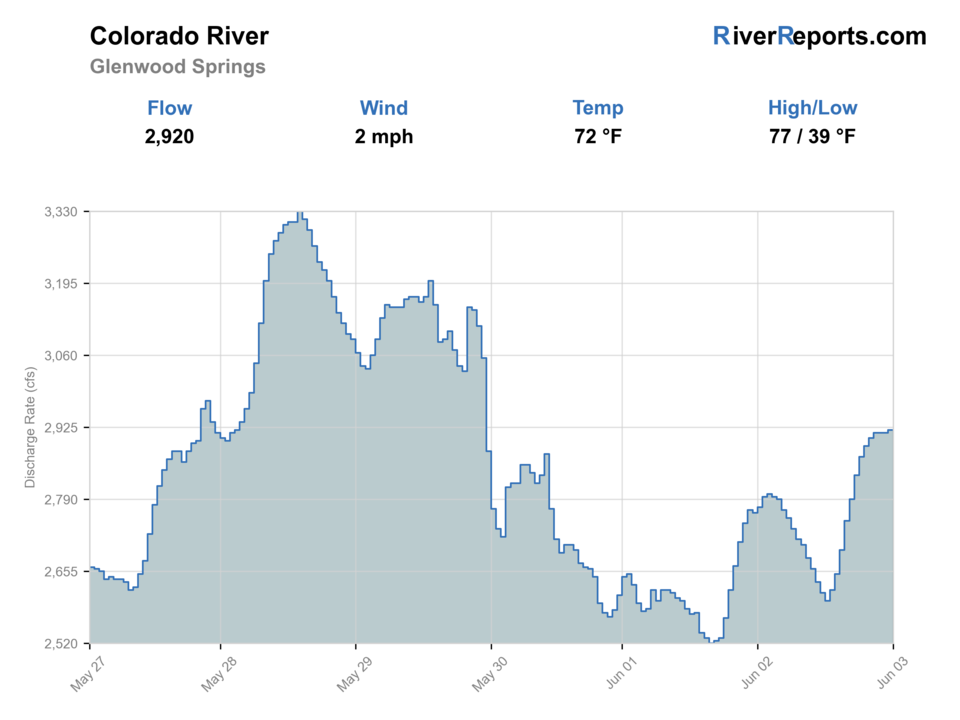
USGS flow
2,920 cfs
Current trend: flow rising, rating can drop quickly if clarity or wading safety deteriorates.
More planning details: flies, flow bands, and live source checks
Fish it today
Start here
Start with Glenwood Springs and South Canyon access context, then decide whether the day is a short bank session, a float, or a pivot to nearby colder water. Do not use this page for Parshall, Kremmling, State Bridge, or Catamount planning.
Best flow clue
Use the RiverReports Glenwood chart and USGS 09085100 together. Stable medium flows create the widest tactic window; runoff or storm-driven color should move you to safer edges, a float-only plan, or another watershed.
Skip trigger
Skip the lower Colorado when water is too warm for ethical trout handling, when runoff or mud makes visibility and footing poor, when canyon travel conditions are questionable, or when ramp logistics are not settled.
Flow decision bands
Low but fishable
Low stable lower Colorado water can fish from edges or short bank sessions when trout temperatures and legal access are confirmed.
Best Glenwood window
Stable or slowly falling Glenwood flow with clear water and mild weather gives the broadest float, streamer, nymph, and edge-wade options.
Runoff or storm pushy
High runoff, muddy tributary color, or canyon storm pulses should move the plan to safer banks, a qualified boat plan, or another watershed.
Warm lower-river caution
Hot weather and warm lower-elevation water can make trout handling a poor choice even when the hydrograph looks fishable.
USGS flow
2,920 cfs
Current trend: flow rising, rating can drop quickly if clarity or wading safety deteriorates.
Live USGS flow
2,920 cfs / rising about 11%
Live NWS forecast
83F / Sunny
Water temperature not verified
Heat guidance uses weather and river type unless an official water-temperature value is available.
No NWS alert flag
No active NWS alert was returned for this forecast point.
Use the RiverReports and USGS Glenwood Springs flow references.
Think in terms of float logistics, canyon access, and big-river safety.
Carry a thermometer during warm seasons and stop targeting trout when handling risk rises.
Use upper or middle Colorado pages for Kremmling, Pumphouse, State Bridge, or Catamount.
Editorial review
How this report is maintained
This lower Colorado River report is maintained from Glenwood-area flow, weather, access, and regulation sources, with trip-planning guidance focused on big-water safety and temperature-aware trout fishing.
Byline
BlueStreamFly editorial team
Reviewed by
BlueStreamFly source review
Maintained by
Mountain Brook Run LLC
Last material review
2026-05-31
Report confidence
Good confidence
88/100
Good confidence: RiverReports Glenwood chart, USGS 09085100 flow, CPW Colorado River context, BLM South Canyon access, Colorado special-regulation sources, and weather data support the page. Confidence is moderated by broad lower-river scope, warm water, float logistics, muddy tributaries, and private-bank gaps.
Regulations
Colorado special-regulation sources and CPW Colorado River context support the legal-check path.
Access
BLM South Canyon gives a strong public-access anchor, while Glenwood-area banks, ramps, and private edges still need current confirmation.
Flow and weather
RiverReports, USGS 09085100, and the National Weather Service point are attached to the route.
Fishing usefulness
The page now separates lower Colorado temperature restraint, Glenwood flow trend, South Canyon access, float logistics, storm stain, and backup choices.
Fishability dashboard and source review
2026-05-31 / material content or source review
RiverReports Colorado River below Glenwood Springs chart, USGS 09085100 flow data, Colorado Parks and Wildlife Colorado River context, BLM South Canyon River Access information, Colorado special-regulation sources, and the National Weather Service point were checked before updating the current fishability guidance.
2026-05-31
Updated Colorado River Lower Colorado with Glenwood trend guidance, lower-river access cards, float and temperature cautions, backup cues, stable fishability SEO, and confidence signals.
2026-05-28
Added lower-river trip-fit guidance, float-first framing, temperature and canyon-safety skip cues, access nuance, nearby backup-water planning, editorial review signals, and a page-specific report-confidence meter after source review.
2026-05-24
Initial source-reviewed report published with flows, weather, hatches, flies, tactics, access, regulations, and FAQs.
Angler planning edge
Local details that change the plan
Best for
Anglers planning the Glenwood Canyon and Glenwood Springs section instead of the upper Parshall water, Float-first trout days where ramp access, runoff, water temperature, and canyon conditions drive the plan, Streamer, nymph, caddis, and terrestrial windows when the river is clear enough and cool enough, Trips that need a quick comparison between the lower Colorado, Roaring Fork, and Fryingpan options
Wade or float
Treat the Glenwood-area Colorado as a float-strong, big-water page. Bank and short wade options exist, but they should be chosen carefully around access, current speed, boat traffic, and canyon conditions.
Best flows
Use the RiverReports Glenwood chart and USGS 09085100 together. Stable medium flows create the widest tactic window; runoff or storm-driven color should move you to safer edges, a float-only plan, or another watershed.
When to skip
Skip the lower Colorado when water is too warm for ethical trout handling, when runoff or mud makes visibility and footing poor, when canyon travel conditions are questionable, or when ramp logistics are not settled.
Local plan
Start with Glenwood Springs and South Canyon access context, then decide whether the day is a short bank session, a float, or a pivot to nearby colder water. Do not use this page for Parshall, Kremmling, State Bridge, or Catamount planning.
Pressure
Boat traffic, town access, hot-weather recreation, and famous canyon water can all stack up. Early starts and a backup reach matter most during summer, weekends, and clear low-flow periods.
Access nuance
The lower Colorado is large enough that legal access and safe fishing are separate questions. Confirm ramps, parking, canyon conditions, and private-bank boundaries before treating a visible run as part of the plan.
Backup water
If the lower Colorado is warm, muddy, high, or crowded, compare the Roaring Fork River for another valley option or the Fryingpan River when you want a more technical tailwater-style day after checking current rules.
About the river
Setting, character, and why it fishes the way it does.
By Glenwood Springs, the Colorado River is a large western river with canyon sections, town access, boat traffic, and changing trout conditions.
This report is scoped to the Glenwood Canyon and Glenwood Springs corridor, not the upper Colorado near Parshall or the middle float water around State Bridge.
The river can offer excellent trout opportunity, but it requires big-water judgment, temperature awareness, and access planning.
Target species
Brown trout
A major trout target in banks, shelves, and streamer water when temperatures are safe.
Rainbow trout
Important in riffles and runs where cooler water and habitat support trout.
Mountain whitefish
Common coldwater companion species in Colorado River nymphing.
Warmwater species context
Lower-elevation river sections can shift toward warmer-water species, especially downstream and in hot periods.
Reading the water
Low clear water
Use longer leaders, lighter nymphs, and careful bank approaches.
Stable medium flow
The most flexible window for nymphs, dry-dropper banks, streamers, and float fishing.
High runoff
Treat wading as limited or unsafe; focus on professional float logistics or wait.
Warm water
Check temperature and avoid trout stress during hot low-flow periods.
Best seasons
Winter
Slow nymph and midge fishing can work during stable mild periods.
Spring
Pre-runoff baetis and caddis can be good; runoff then changes the river scale.
Summer
Early and late windows, caddis, PMDs, stones, and terrestrials matter if temperatures stay safe.
Fall
Cooler water, BWOs, streamers, and lower traffic can make the corridor more comfortable.
Preferred flow source
Colorado River below Glenwood Springs
RiverReports is the preferred chart source when coverage exists. When a matching USGS gauge exists, keep it open as the official backstop for station data and current hydrograph context.

USGS data chart
Official USGS trend
Streamflow over the latest USGS reporting window.
Latest
2,920 cfs
Jun 3, 4 PM UTC
Weather
River weather report
Weather can change wading safety, road access, water temperature, hatches, and the best time of day to fish.
Live forecast loads as you reach this section
This keeps the report fast while still using the official National Weather Service forecast point.
Hatches and flies
Hatch chart and fly picks
Winter
Midges, small baetis
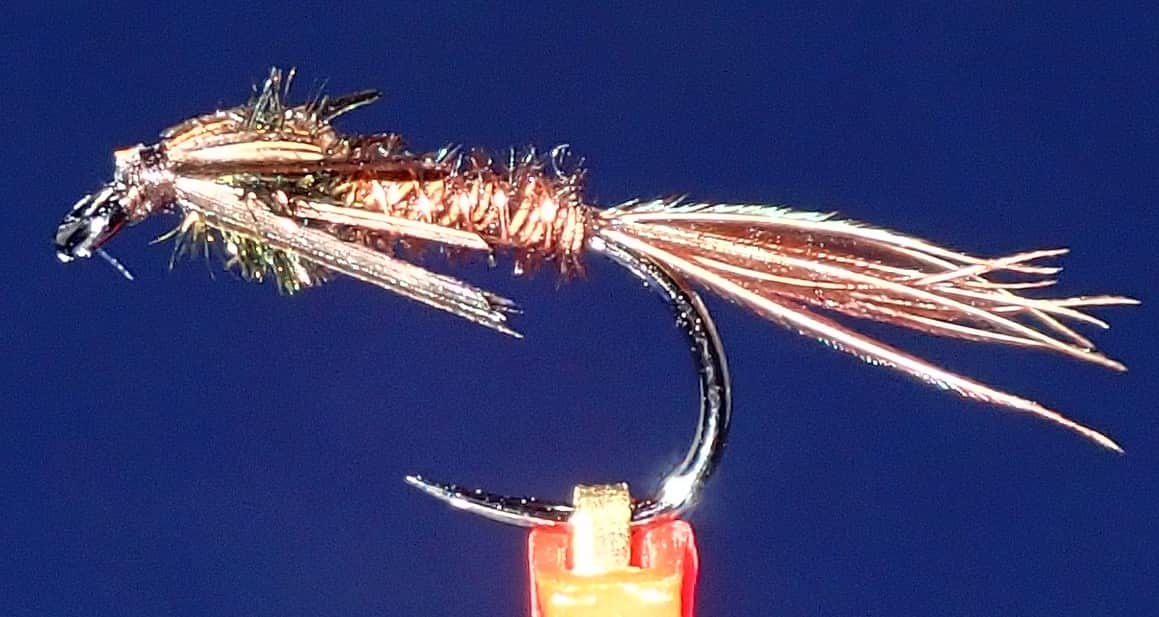
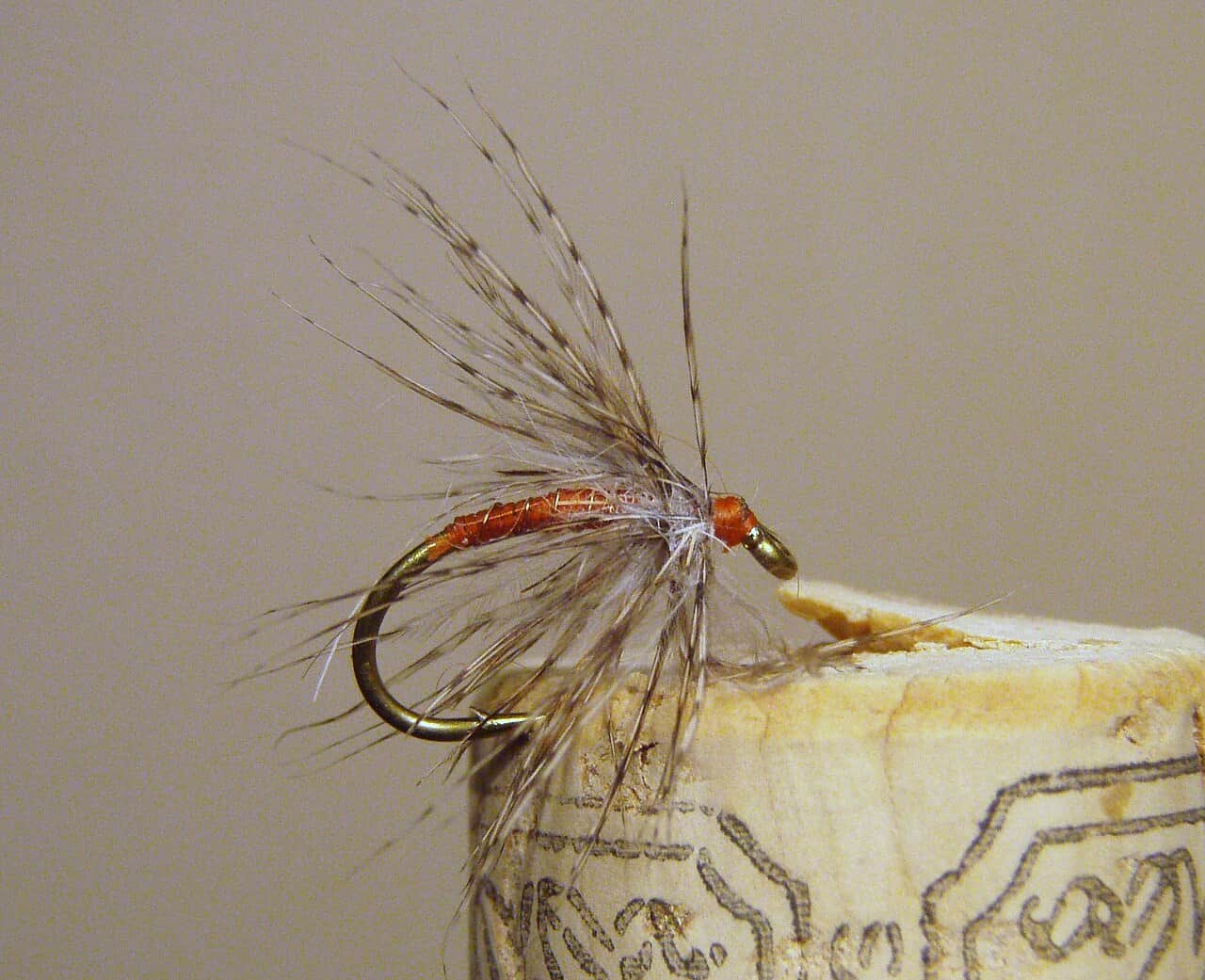
Zebra midge, RS2, small pheasant tail
Spring
BWOs, caddis, stones
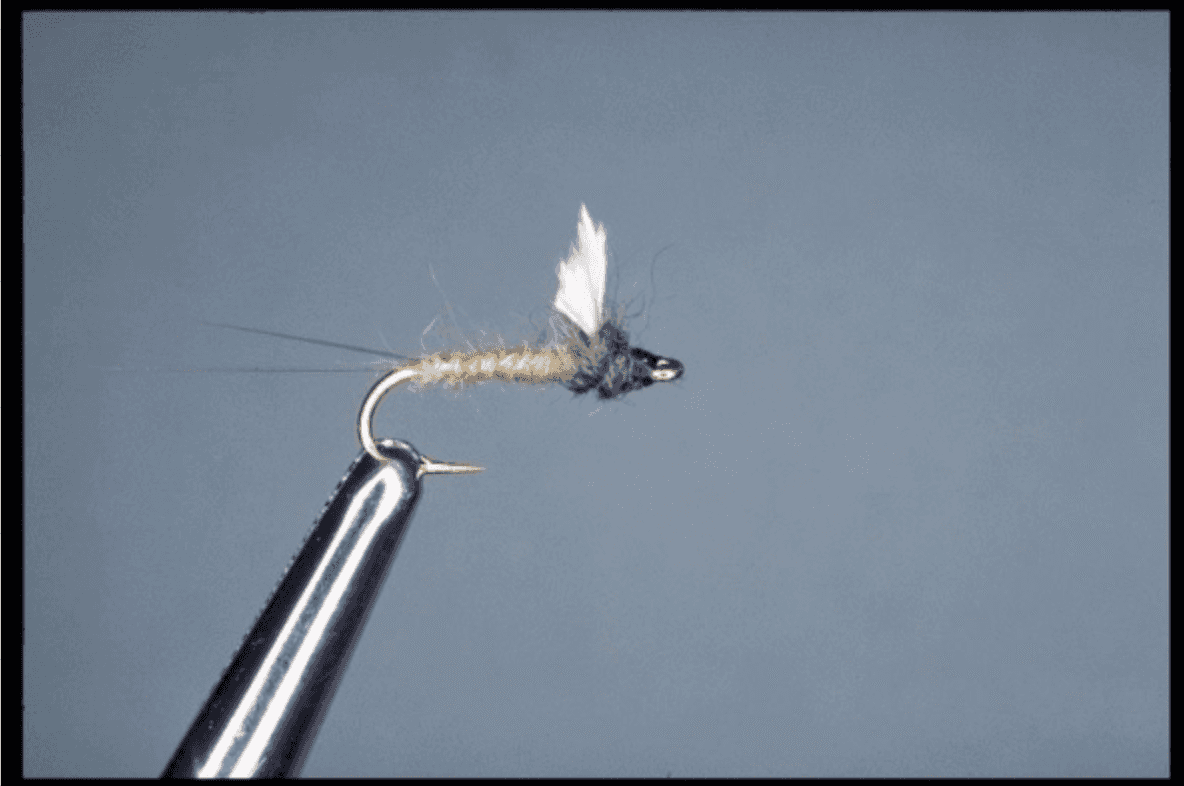
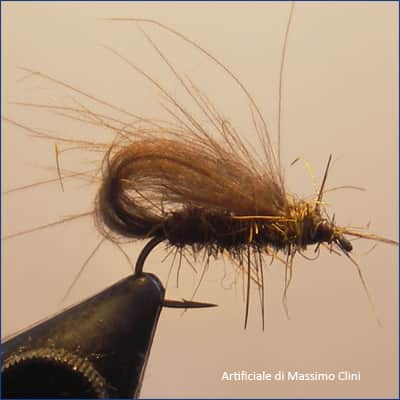
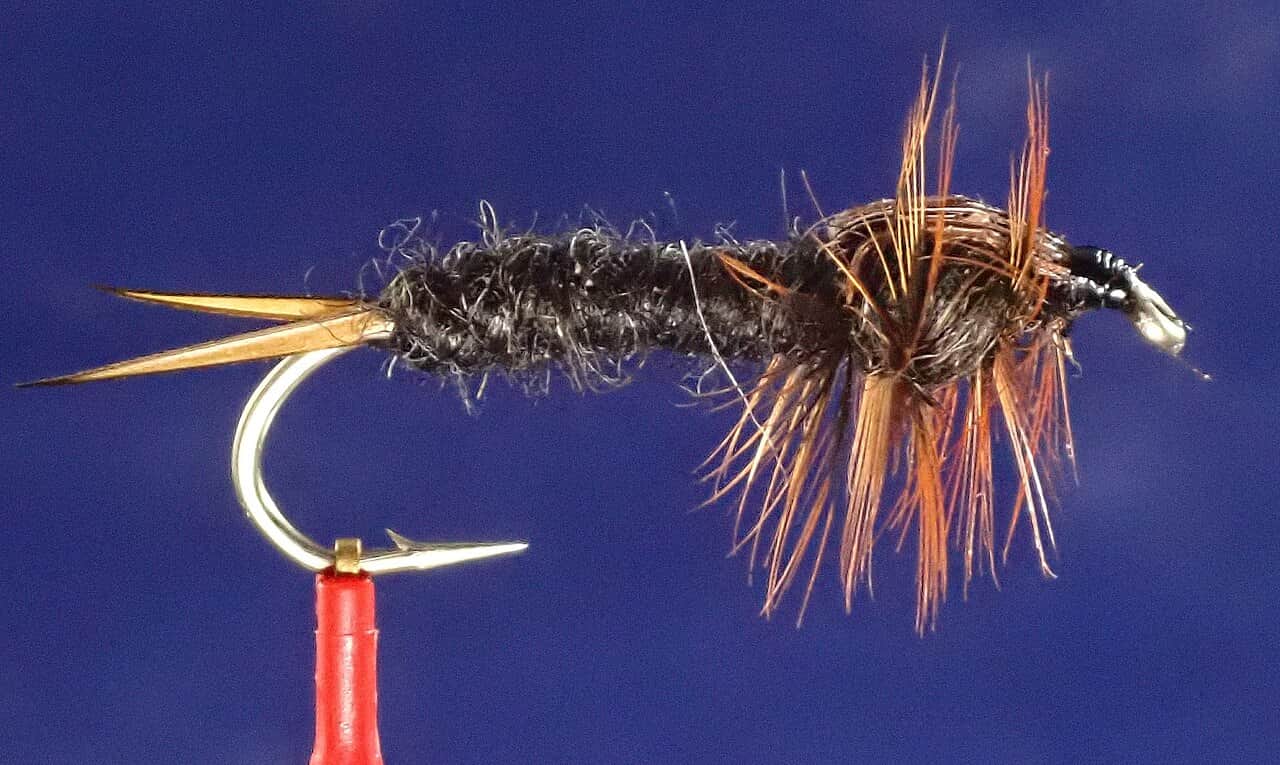
BWO emerger, caddis pupa, stonefly nymph, soft hackle
Summer
Caddis, PMDs, golden stones, terrestrials
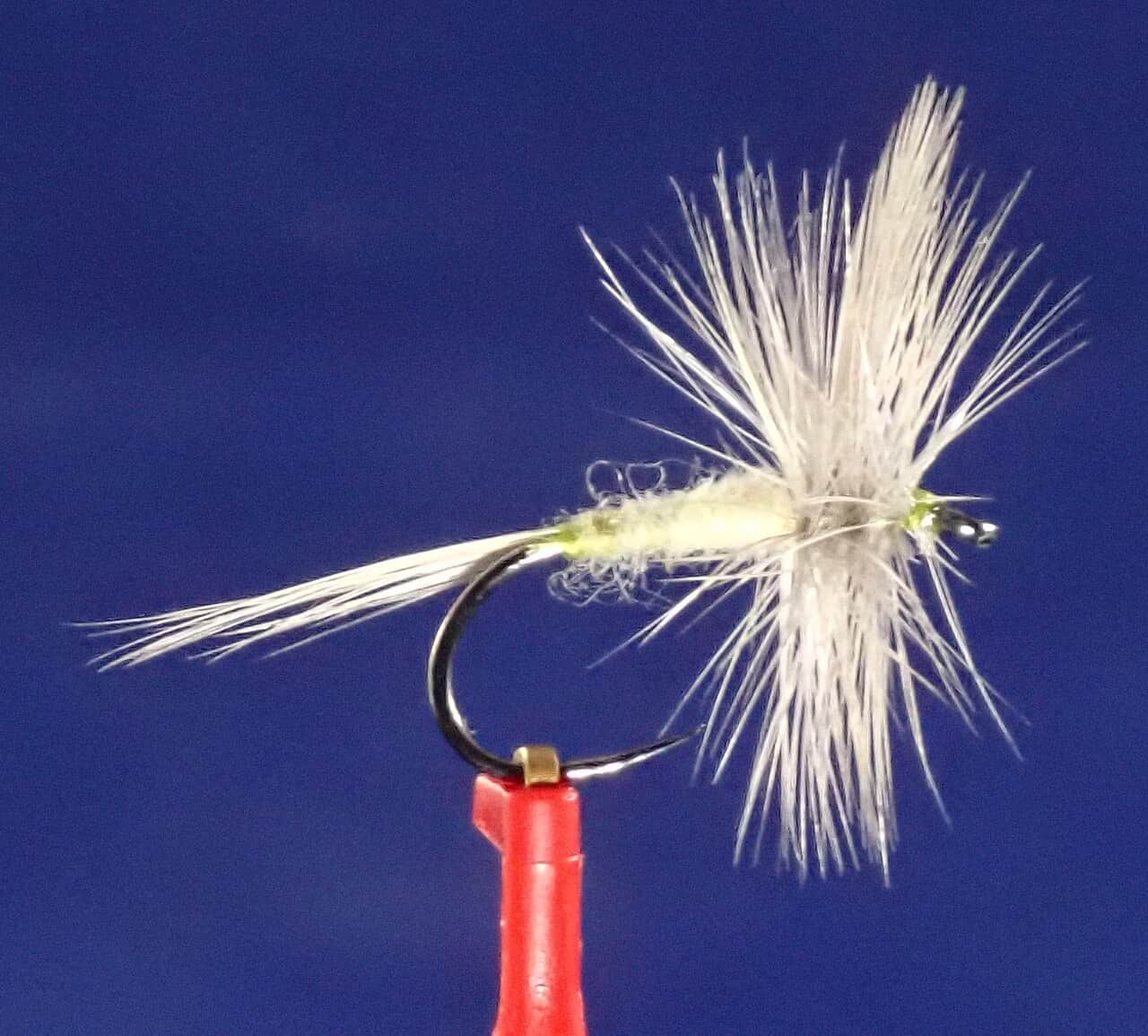
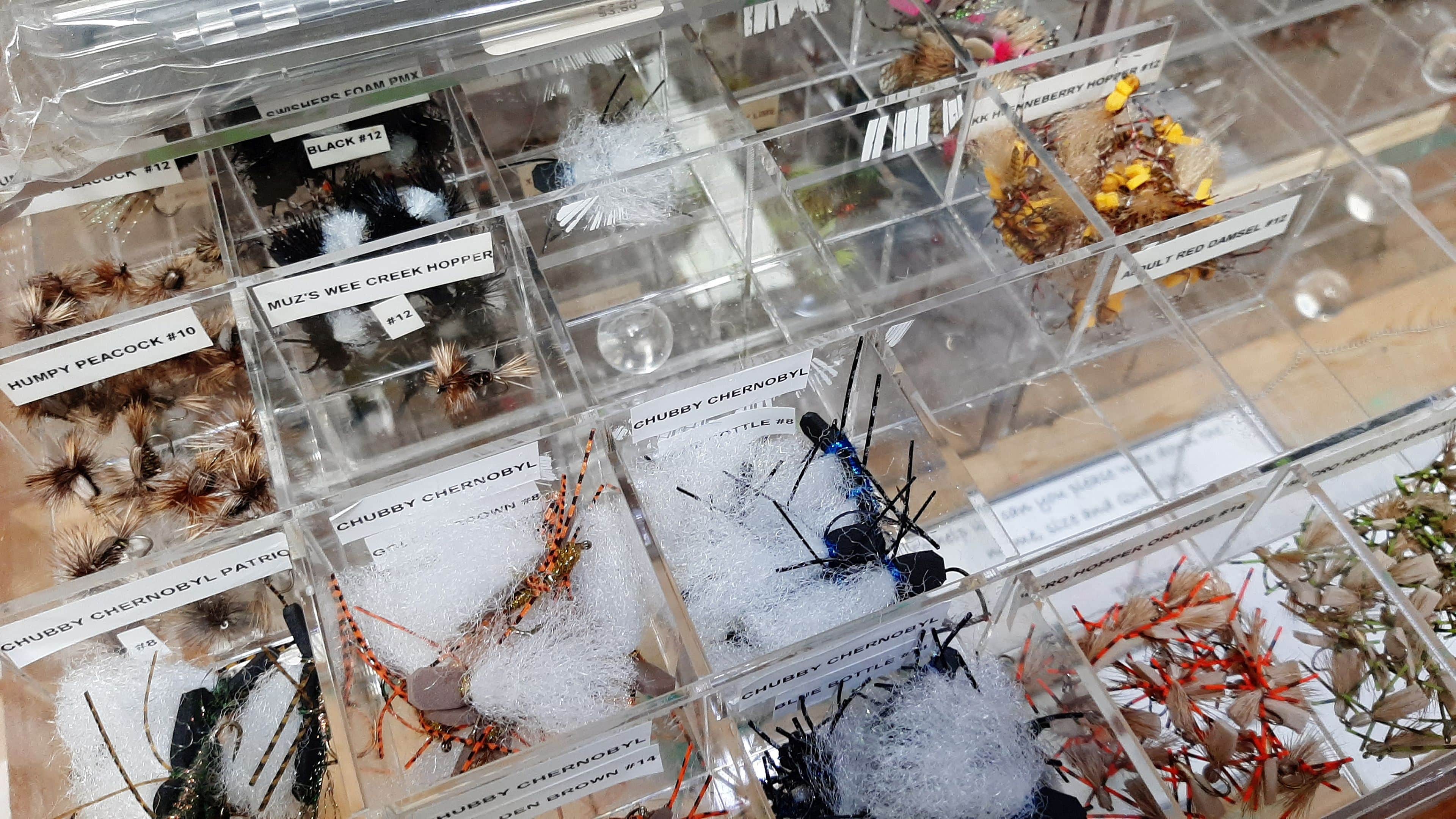
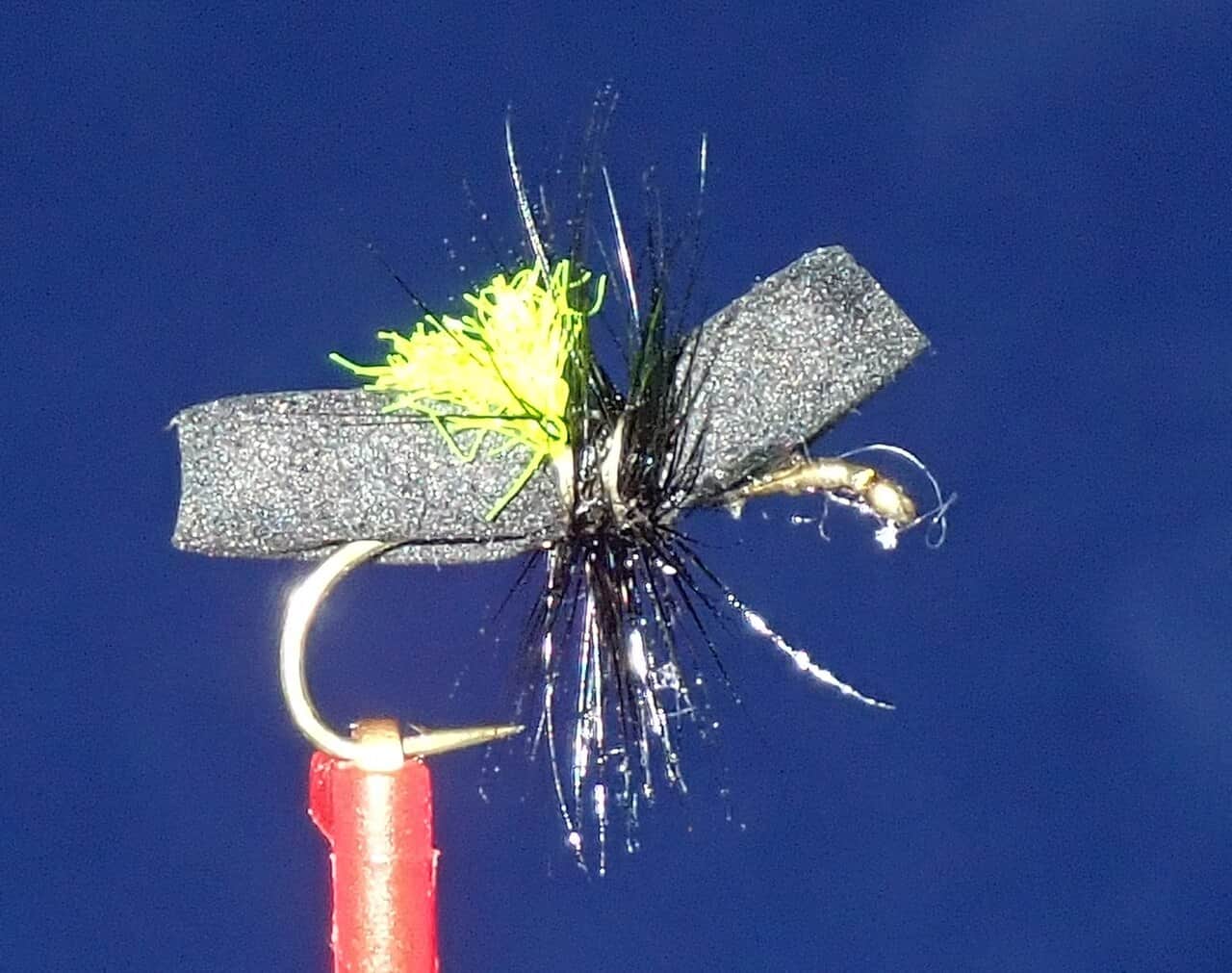
Caddis, PMD, stimulator, chubby, hopper, ant
Fall
BWOs, midges, October caddis
BWO dry, RS2, October caddis, streamer
Big-river nymphs
Stonefly, caddis pupa, pheasant tail, perdigon, worm
Use through riffles, banks, and deeper runs.
Dry flies
Caddis, PMD, BWO, chubby, hopper
Use during hatch or terrestrial windows along banks and softer seams.
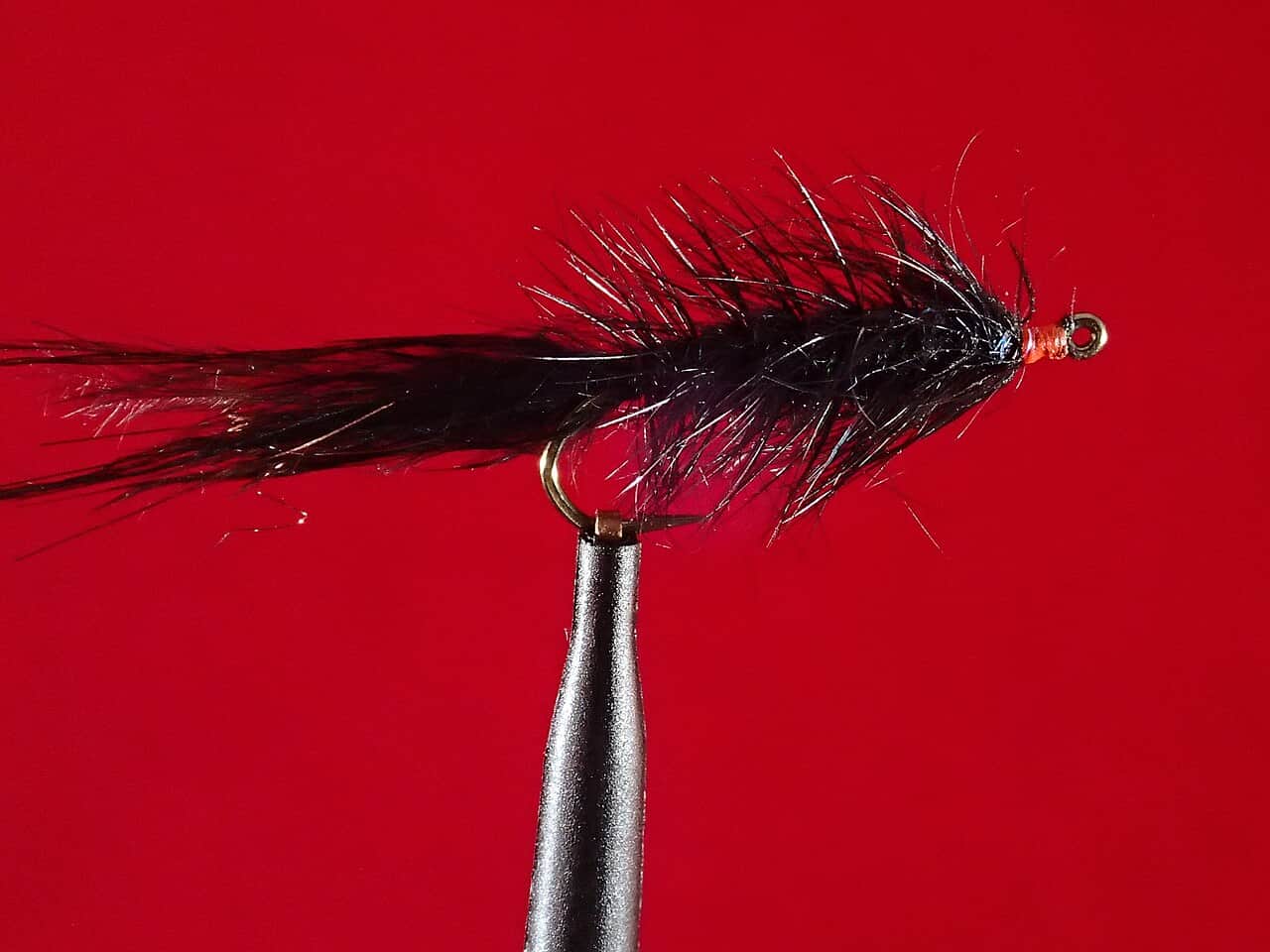
Streamers
Sculpin, leech, bugger, baitfish
Use along structure, shelves, and stained banks.
Float rigs
Chubby-dropper, double nymph, streamer, soft hackle
Use from a boat or along accessible banks when flows are safe.
Tactics
How to fish it
Use the lower Colorado page only for Glenwood-area planning.
Fish banks and shelves before wading too far.
Carry a thermometer in summer and respect voluntary or emergency closures.
Watch canyon weather and road conditions before committing to Glenwood Canyon.
Use boat ramps and public access, not private banks.
Rigging
Rod, leader, and setup notes
A 9-foot 5-weight works for wade nymphing and dries.
Use a 6-weight for streamers, wind, or float fishing.
Carry 3X to 6X depending on fly size and clarity.
Bring heavy nymphing weight for large runs.
Use a wading staff and personal flotation judgment around big water.
Access
Access and planning notes
Glenwood Springs condition check
Gauge-area scoutWade / float / trail
Gauge / bank / town access
When to pick it
Start here when you need a quick read on clarity, temperature, and lower-river pressure.
Caution
Town access, boat traffic, and warm water can limit trout value.
South Canyon River Access
Public access anchorWade / float / trail
BLM / ramp / bank
When to pick it
Use it when the BLM access, flow, and weather match a lower-river session.
Caution
Ramp logistics, float traffic, and canyon weather still need current checks.
Glenwood Canyon corridor
Float-first planningWade / float / trail
Boat / bank scout
When to pick it
Pick it when you have a complete shuttle or guide-supported plan.
Caution
Canyon travel, high water, muddy side inflows, and private banks can override fishability.
This page is not the Parshall/Kremmling upper Colorado page.
Canyon weather, mudslides, and I-70 conditions can affect access.
Large flows make wading limited and dangerous.
Summer temperatures can make trout handling unethical even when fish are present.
Regulations
Check before fishing
CPW lists Colorado River special regulations and seasonal closures by reach. Verify the Glenwood-area section, dates, and current emergency or voluntary closures before fishing.
Primary base
Glenwood Springs
Best day style
Float access, canyon trail, town parks, and boat ramps
Check first
Flow, water temperature, I-70 canyon conditions, ramps, and CPW rules
Safety
Large water, runoff, mudslides, boat traffic, heat, and storms
Gear
Helpful gear for this water
Thermometer
Essential during warm seasons on lower-elevation water.
Streamer rod
A 6-weight helps with big banks and windy float days.
Wading staff
Large cobble and strong current make stability important.
Sun protection
Open canyon and town water can be bright and hot.
Nearby water
Other water to research
Backup logic
High water
Compare the Roaring Fork or wait for Glenwood flow and clarity to settle before forcing a big-river day.
Heat
Fish early, check water temperature, or pivot to colder Fryingpan-style tailwater options.
Storms or stain
Let muddy tributary pulses clear before committing to a float or deep wade.
Access issue
Use BLM or clearly signed public access only; move to another valley route if ramp or bank legality is unclear.
Colorado River Middle Colorado
Use this for State Bridge, Catamount, Pumphouse, and Dotsero planning.
Colorado River
The upper Colorado page for Parshall, Williams Fork, and Kremmling.
Blue River
A cold tailwater tributary option when lower river temperatures are too warm.
FAQ
Fast answers
Is Colorado River Lower Colorado fishable today?
Colorado River Lower Colorado looks very fishable right now. The live score is 96/100, based on current flow, weather, public alerts, and the report's planning context. Recheck the linked gauge and forecast before leaving because conditions can change quickly after rain, heat, access changes, or flow swings.
What flow is best for Colorado River Lower Colorado?
Use the RiverReports Glenwood chart and USGS 09085100 together. Stable medium flows create the widest tactic window; runoff or storm-driven color should move you to safer edges, a float-only plan, or another watershed.
When should I skip Colorado River Lower Colorado?
Skip the lower Colorado when water is too warm for ethical trout handling, when runoff or mud makes visibility and footing poor, when canyon travel conditions are questionable, or when ramp logistics are not settled.
Is Colorado River Lower Colorado safe to wade right now?
The fishability score is not a wading guarantee. Wade only where your chosen access has safe edges, clear footing, legal entry, and no forced crossings; high, rising, stained, or storm-affected water should be treated conservatively.
What reach is Lower Colorado here?
It is scoped to the Glenwood Canyon and Glenwood Springs corridor, using the Glenwood flow reference.
Is this mostly a float fishery?
It can be. There are wade opportunities, but big-water safety and boat access are central to the plan.
What should I watch in summer?
Watch water temperature, voluntary or emergency closures, and storm-driven clarity changes.
Should I use this page for Kremmling?
No. Use the upper Colorado River page for Parshall and Kremmling.
Sources
Source set for this report
Reviewed 2026-05-31