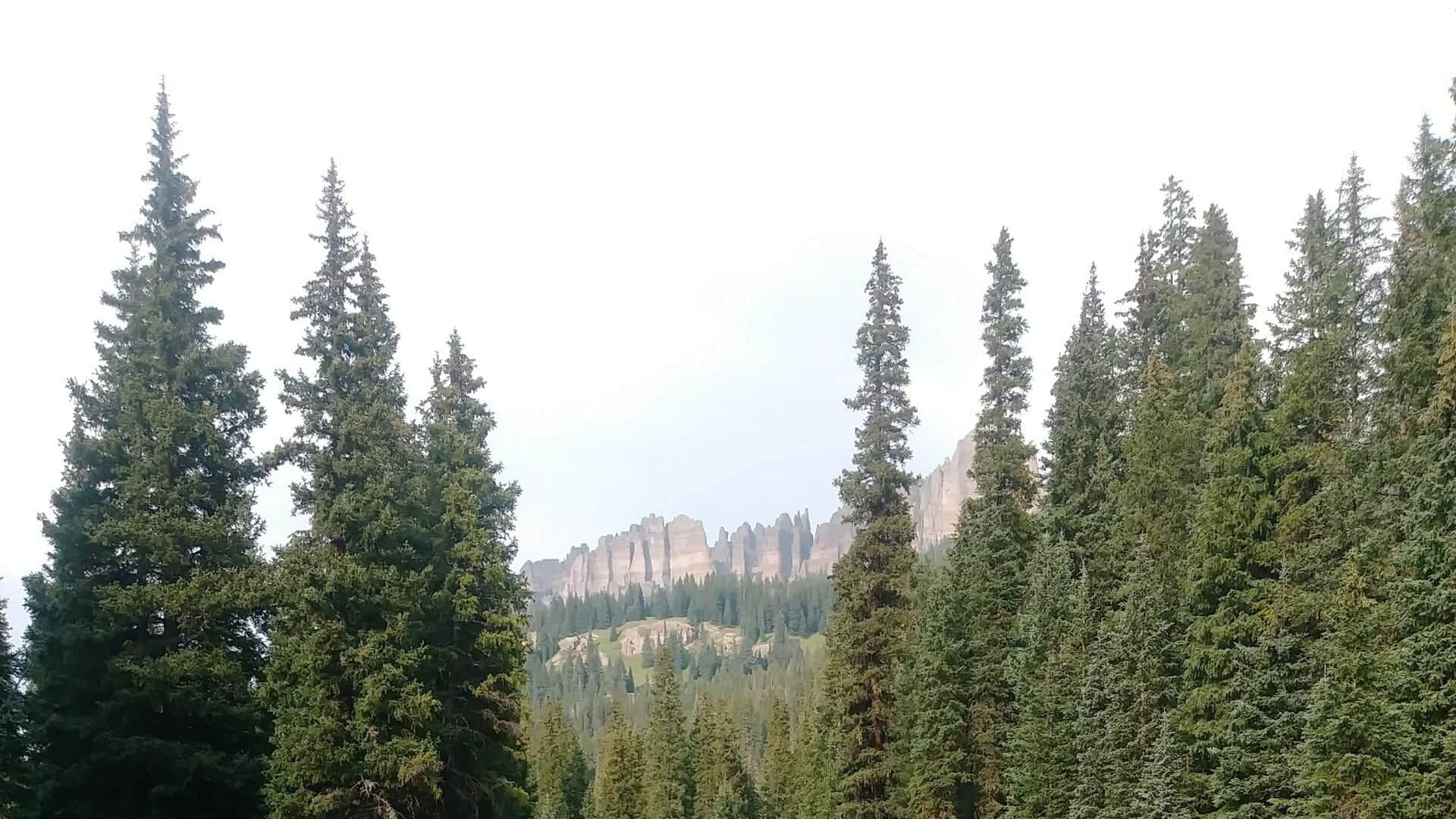
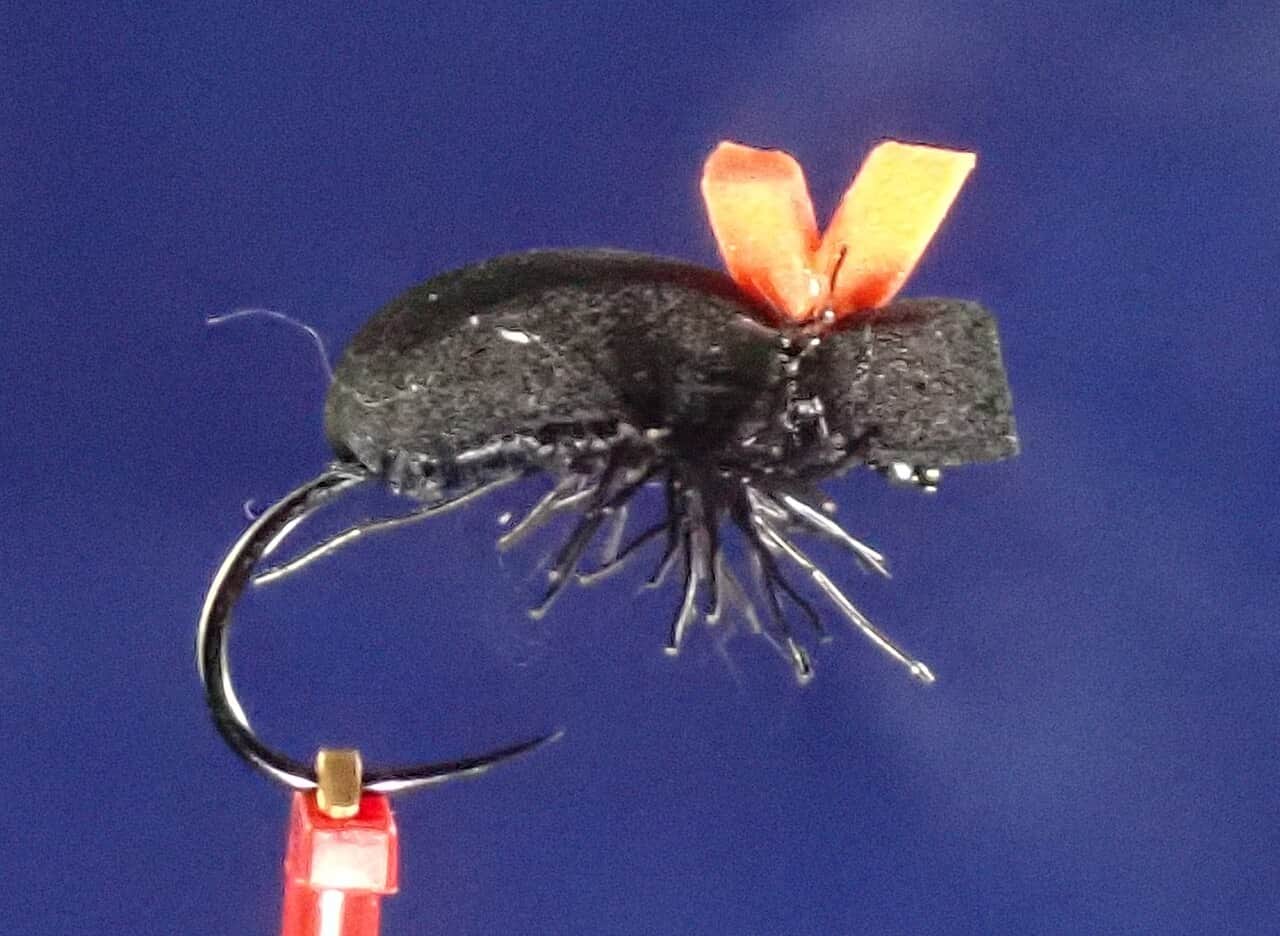
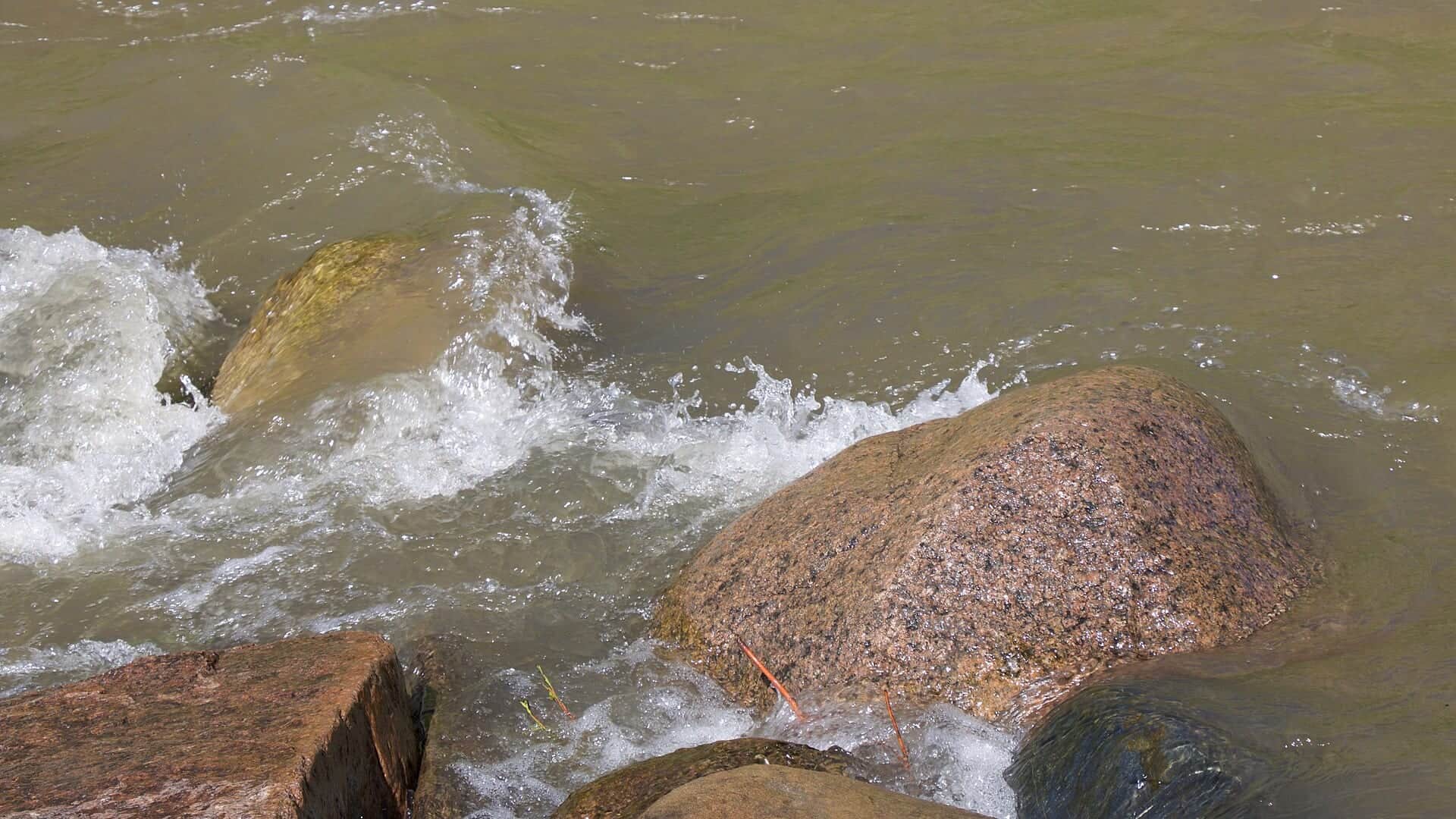
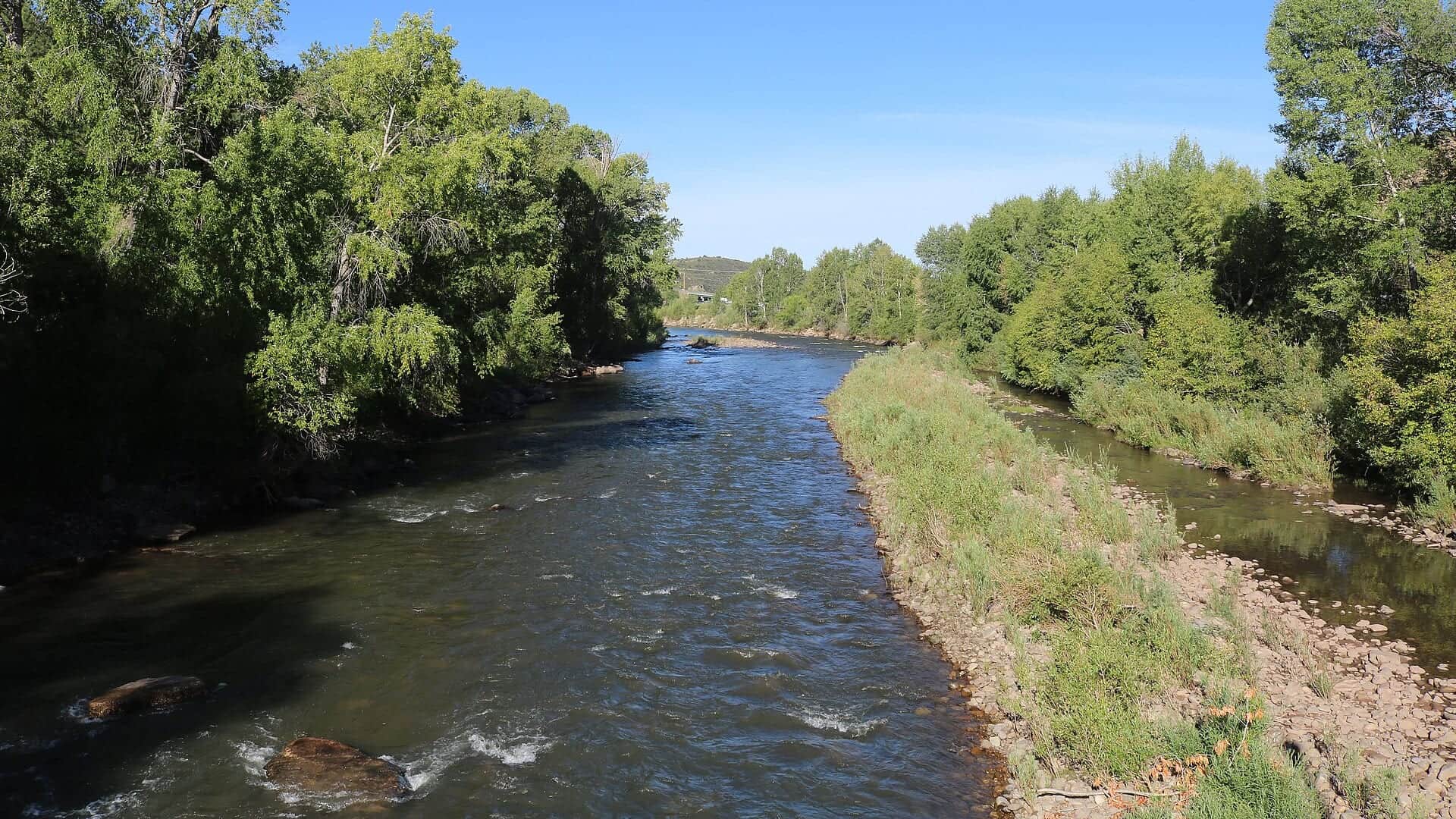
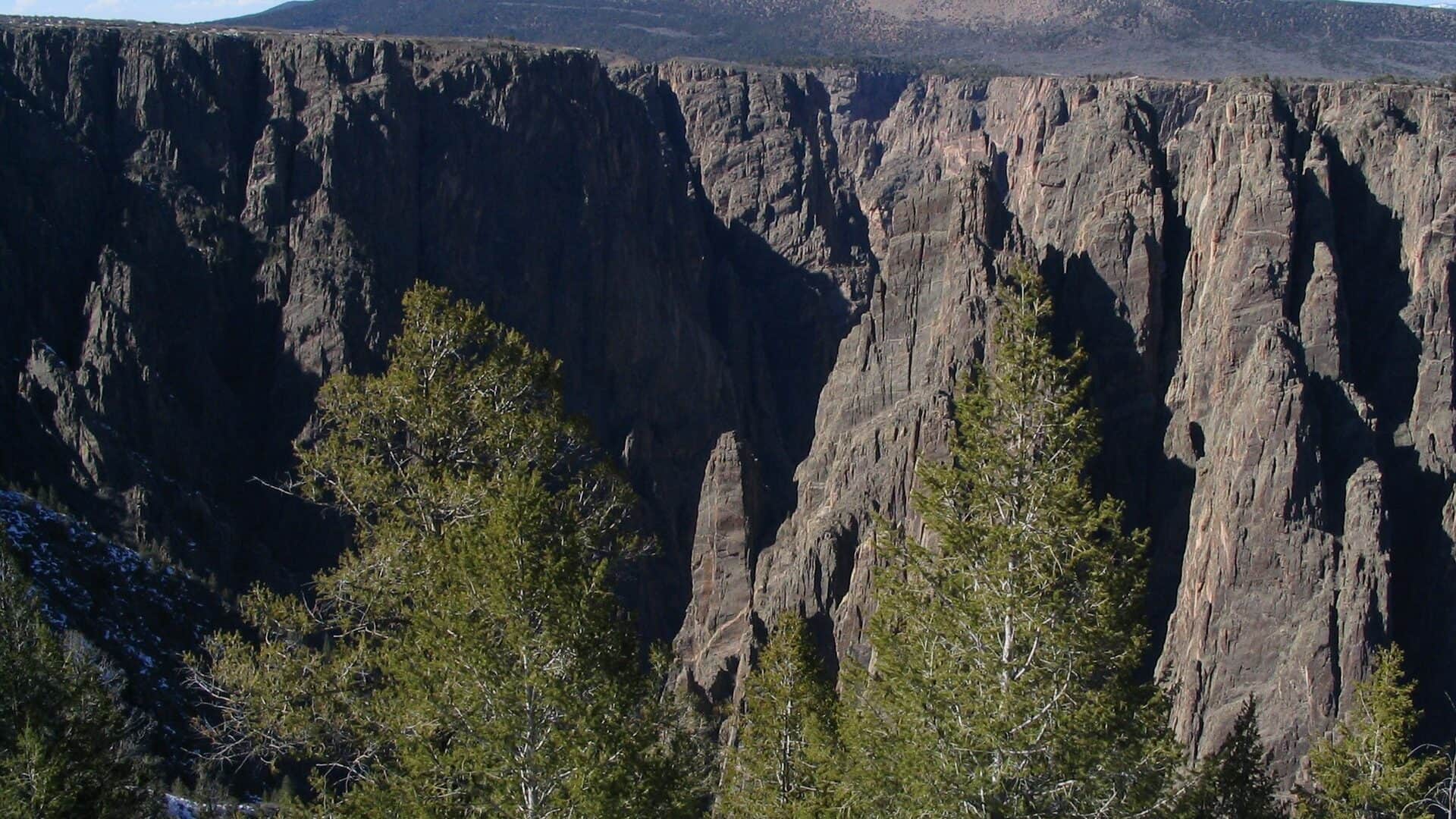
Cimarron River water or watershed scenery in Colorado

Colorado / West

Cimarron River

A Colorado Cimarron report focused on Silver Jack and Big Cimarron Road access, USGS/RiverReports flows, small-stream tactics, and source checks.

Image: West Fork Cimarron River looking North (Colorado) / CC BY-SA 4.0 / TankredGottfried

Fishability now: Cimarron River fishability today

GreatData confidence: High

96/100

Fishable now because the live gauge is falling, weather is mild, and no public alert is active.

Flow observed

5:15 PM UTC

Weather observed

6:00 PM UTC

Score calculated

6:18 PM UTC

Why this rating

Flow

Weather

Public alerts

Next 6-12 hours

Improving / hold

A falling gauge and usable weather should keep the next 6-12 hours in play unless tributaries stain or heat builds.

More planning details: flies, flow bands, and live source checks

Fish it today

Start here

Choose the public anchor first: Cimarron SWA for a clearer access framework, Silver Jack shoreline and nearby road water for a mixed scouting day, or a different drainage if the river still looks too pushy. Build the fly box around that choice instead of around the name alone.

Best flow clue

Use the near-Cimarron trend as a planning anchor. Stable clear summer flow is the best fit for pocket-water and meadow presentations, while runoff surges or storm color should move you toward softer edges or another river entirely.

Skip trigger

Skip the trip when you cannot confirm you are using Colorado-side access and rules, when road or weather conditions make the Silver Jack corridor reactive, or when high dirty water erases safe crossings and clear trout water.

Flow decision bands

Low but fishable

Low clear water can fish in meadow and pocket sections when temperatures, road access, and public boundaries all line up.

Best remote trout window

Stable or falling near-Cimarron flow with open roads and mild weather is the strongest dry-dropper signal.

Runoff or storm unsafe

High dirty water, lightning, or difficult road conditions should stop remote wading plans.

Reach-identity caution

Confirm you are planning the Colorado Cimarron, not the better-known New Mexico tailwater.

USGS flow

92 cfs

Open

Current trend: flow falling, rating likely holding strong unless weather or clarity changes.

Live USGS flow

92 cfs / falling about 18%

Live NWS forecast

66F / Mostly Sunny

Water temperature not verified

Heat guidance uses weather and river type unless an official water-temperature value is available.

No NWS alert flag

No active NWS alert was returned for this forecast point.

Primary waterBig Cimarron and Silver Jack area
GaugeRiverReports and USGS 09126000 near Cimarron
Access styleRemote forest road, reservoir, trail, and SWA access
ReviewedMay 31, 2026

Use the Cimarron near Cimarron gauge before planning wades or crossing small channels.

Bring small dries, nymphs, and dry-dropper rigs for pocket and meadow water.

Check USFS, NPS, and CPW sources for access context and current restrictions.

Avoid copying New Mexico Cimarron reports into this Colorado plan.

Editorial review

How this report is maintained

This Cimarron River report is maintained from current Colorado regulation, public-access, flow, park, forest, and weather checks so anglers can plan the Silver Jack corridor without borrowing assumptions from the separate New Mexico fishery.

Byline

BlueStreamFly editorial team

Reviewed by

BlueStreamFly source review

Maintained by

Mountain Brook Run LLC

Last material review

2026-05-31

Report confidence

Good confidence

86/100

Good confidence: RiverReports, USGS near-Cimarron flow, GMUG Silver Jack access, CPW Cimarron SWA, Curecanti context, Colorado special-regulation sources, and weather data support the page. Confidence is moderated by remote road status, broad access context, storm risk, and possible confusion with the New Mexico Cimarron.

Regulations

Colorado special-regulation sources support the legal-check path for the Colorado Cimarron.

Access

CPW Cimarron SWA and GMUG Silver Jack sources support public-access planning, with roads and posted boundaries still needing current checks.

Flow and weather

RiverReports, USGS 09126000, and the National Weather Service point are attached to the route.

Fishing usefulness

The page now separates Colorado-side reach identity, remote access, road and storm risk, flow trend, temperature restraint, and backup choices.

Fishability dashboard and source review

2026-05-31 / material content or source review

RiverReports, USGS Cimarron River near Cimarron flow data, GMUG National Forest Silver Jack access information, Colorado Parks and Wildlife Cimarron SWA information, Curecanti Cimarron area context, Colorado special-regulation sources, and the National Weather Service point were checked before updating the current fishability guidance.

2026-05-31

Updated Cimarron River with near-Cimarron trend guidance, Silver Jack and SWA access cards, remote-road cautions, backup cues, stable fishability SEO, and confidence signals.

2026-05-28

Added Silver Jack trip-fit guidance, wade-first framing, name-confusion safeguards, access nuance, pressure timing, backup-water suggestions, and a page-specific report-confidence meter after source review.

2026-05-24

Initial source-reviewed report published with flows, weather, hatches, flies, tactics, access, regulations, and FAQs.

Angler planning edge

Local details that change the plan

Best for

Anglers who want a remote southwest Colorado trout plan centered on Silver Jack rather than the better-known New Mexico tailwater, Walk-and-wade trips that benefit from a clear split between reservoir-adjacent water, meadow pockets, and public-land access points, Dry-dropper, attractor-dry, and light nymph days when road access and flows are stable, Travel plans that need a backup if snowmelt, storms, or fire restrictions make the high-country drive a poor fit

Wade or float

Treat the Colorado Cimarron as a wade-first report. The useful public plan is to fish on foot from SWA, trail, and roadside access rather than assuming a broad float option exists across the whole corridor.

Best flows

Use the near-Cimarron trend as a planning anchor. Stable clear summer flow is the best fit for pocket-water and meadow presentations, while runoff surges or storm color should move you toward softer edges or another river entirely.

When to skip

Skip the trip when you cannot confirm you are using Colorado-side access and rules, when road or weather conditions make the Silver Jack corridor reactive, or when high dirty water erases safe crossings and clear trout water.

Local plan

Choose the public anchor first: Cimarron SWA for a clearer access framework, Silver Jack shoreline and nearby road water for a mixed scouting day, or a different drainage if the river still looks too pushy. Build the fly box around that choice instead of around the name alone.

Pressure

Pressure is lighter than on famous tailwaters, but public-water bottlenecks still form around easy trailheads, reservoir-adjacent pullouts, and the most visible roadside bends. Midweek windows and a willingness to walk usually improve the day.

Access nuance

This page is intentionally scoped to Colorado. The separate New Mexico Cimarron is a different river report problem, so make sure the access, rules, and gauge you use all match the Silver Jack corridor.

Backup water

If the Cimarron is too high, too remote, or weather-blocked, pivot to the Taylor River for a more controlled tailwater plan or to the Uncompahgre when you want another western Colorado trout option with clearer reach definition.

About the river

Setting, character, and why it fishes the way it does.

The Colorado Cimarron is a Gunnison-area tributary system tied to the Silver Jack and Big Cimarron country.

It is a high-country stream and reservoir-influenced planning area, so access and weather are central to a useful report.

The name creates search confusion because the better-known Cimarron tailwater in New Mexico is a different fishery with different rules and flows.

Target species

Trout

The main fishing target group in the high-country stream and nearby reservoir context.

Brook trout context

Useful in small cold tributary-style water where habitat supports them.

Rainbow trout context

A practical stocked or connected-water consideration, depending on exact reach.

Cutthroat trout context

Keep native-trout guidance conservative unless tied to current CPW reach data.

Reading the water

Low clear water

Use long approaches, small dries, and light droppers.

Good summer flow

Dry-droppers, attractor dries, and nymphs can cover pockets and meadow bends.

Runoff or release pulse

Avoid crossings and fish only protected edges if clarity and safety allow.

Storm or fire weather

Remote roads and access restrictions may be the deciding issue.

Best seasons

Winter

Access is often the limiting factor because of snow and cold.

Spring

Runoff and road openings decide when the stream becomes practical.

Summer

The main dry-fly and camping window when water remains cool.

Fall

A quieter period with cool water, lower flows, and shorter weather windows.

Preferred flow source

Cimarron River near Cimarron

RiverReports is the preferred chart source when coverage exists. When a matching USGS gauge exists, keep it open as the official backstop for station data and current hydrograph context.

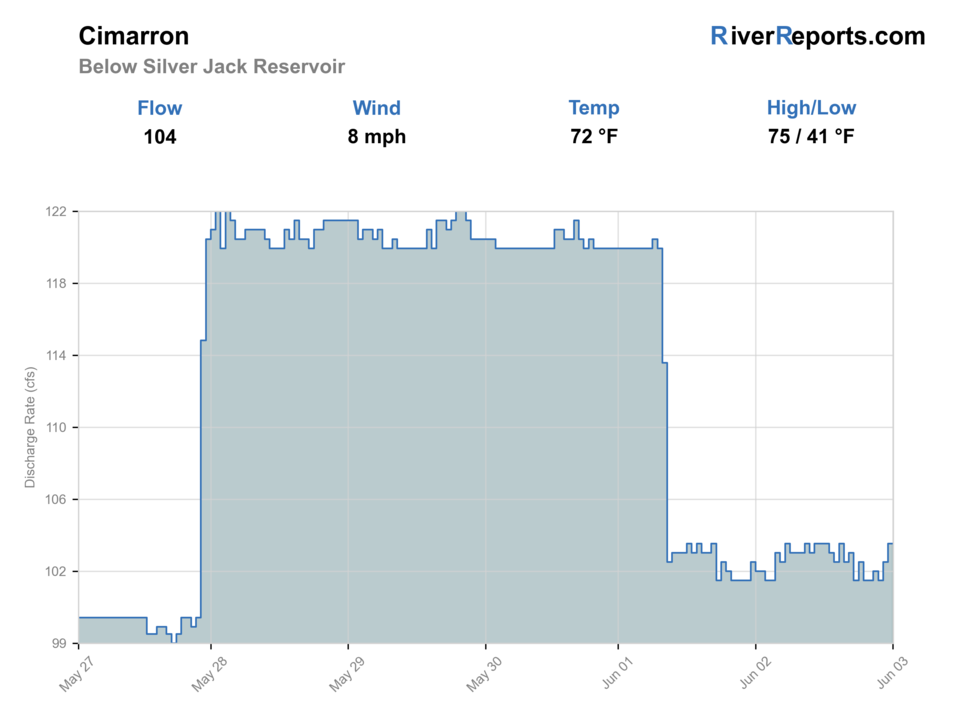
Cimarron River near Cimarron RiverReports flow chart

USGS data chart

Official USGS trend

Streamflow over the latest USGS reporting window.

Latest

92 cfs

Jun 3, 5 PM UTC

Site

09126000

Low / high

92 / 122 cfs

Source

Open USGS

Weather

River weather report

Weather can change wading safety, road access, water temperature, hatches, and the best time of day to fish.

Live forecast loads as you reach this section

This keeps the report fast while still using the official National Weather Service forecast point.

Hatches and flies

Hatch chart and fly picks

Early season

Midges, BWOs, small stones

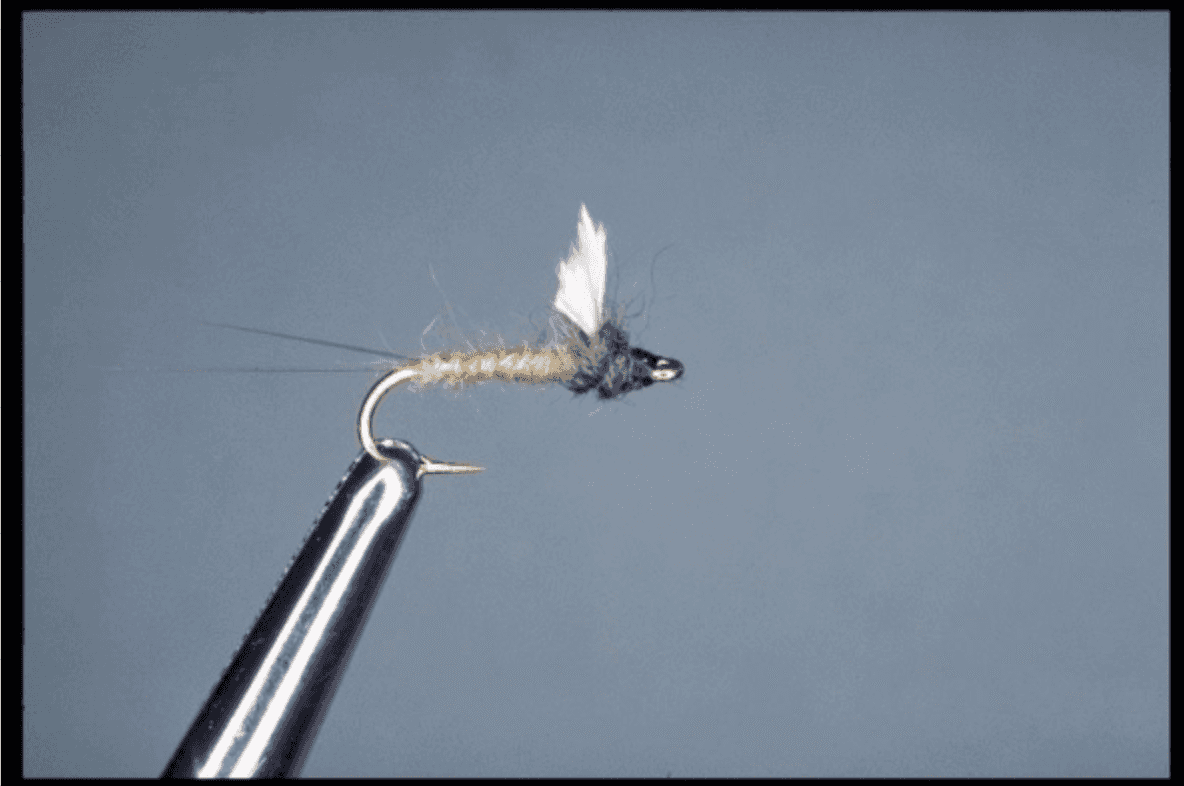
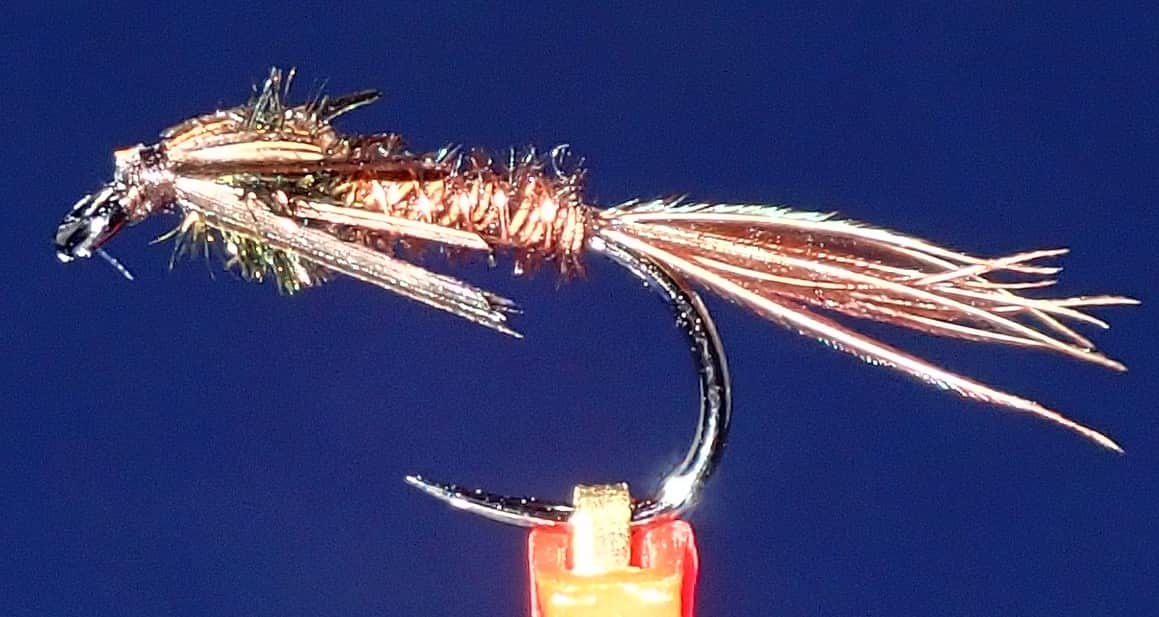
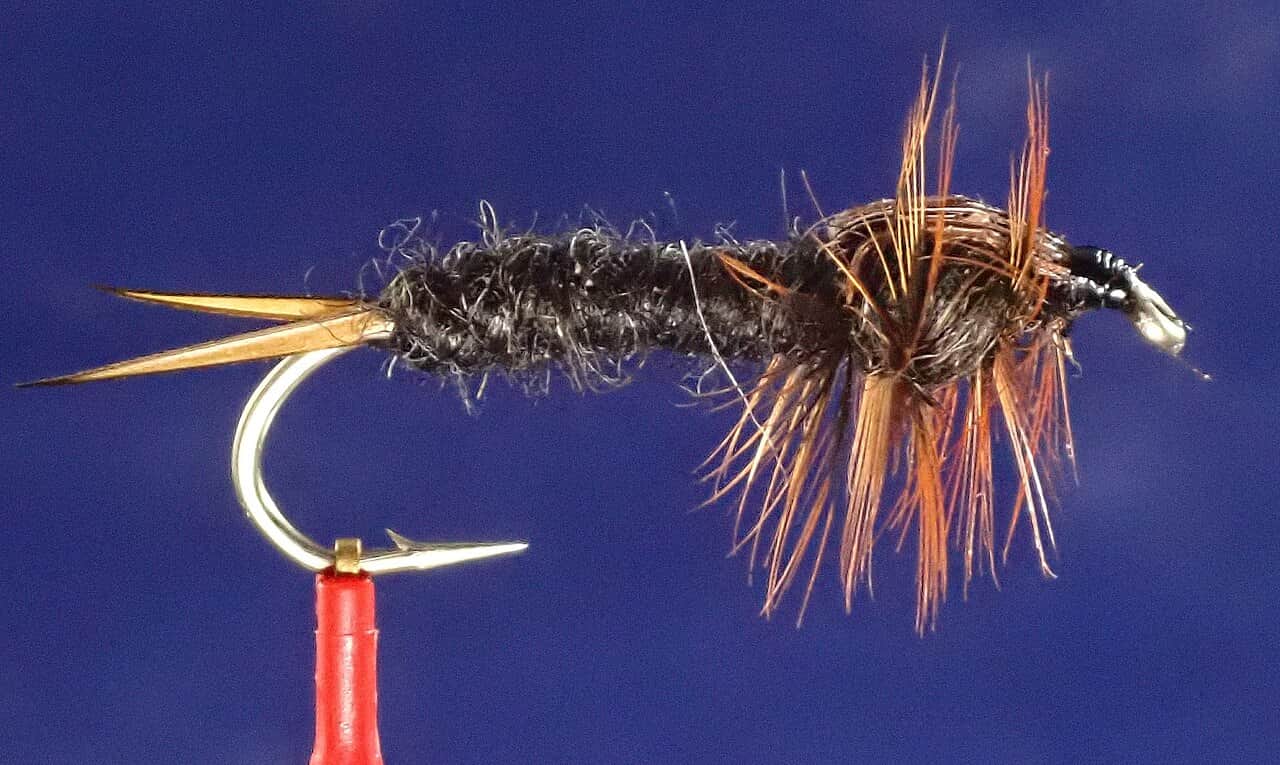
Zebra midge, BWO emerger, pheasant tail, stonefly nymph

Summer

Caddis, PMDs, yellow sallies

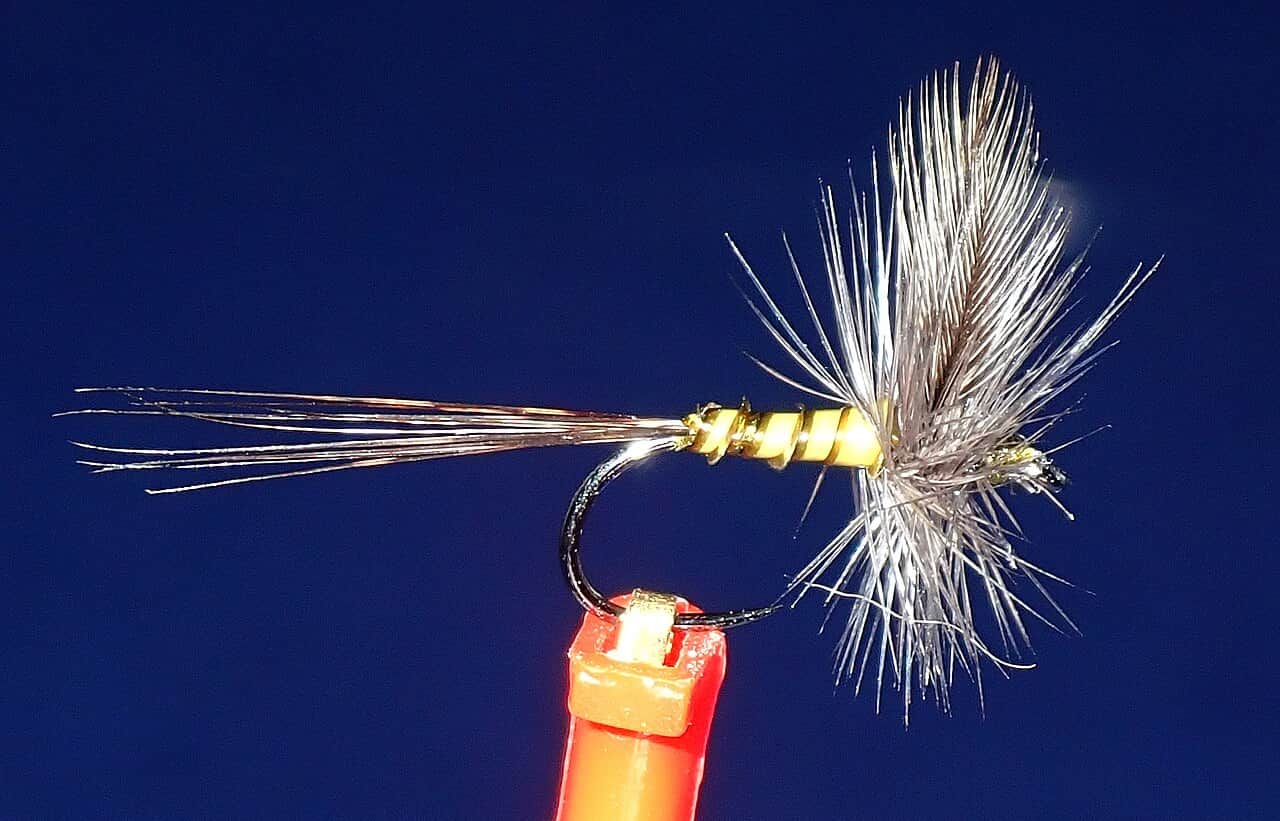
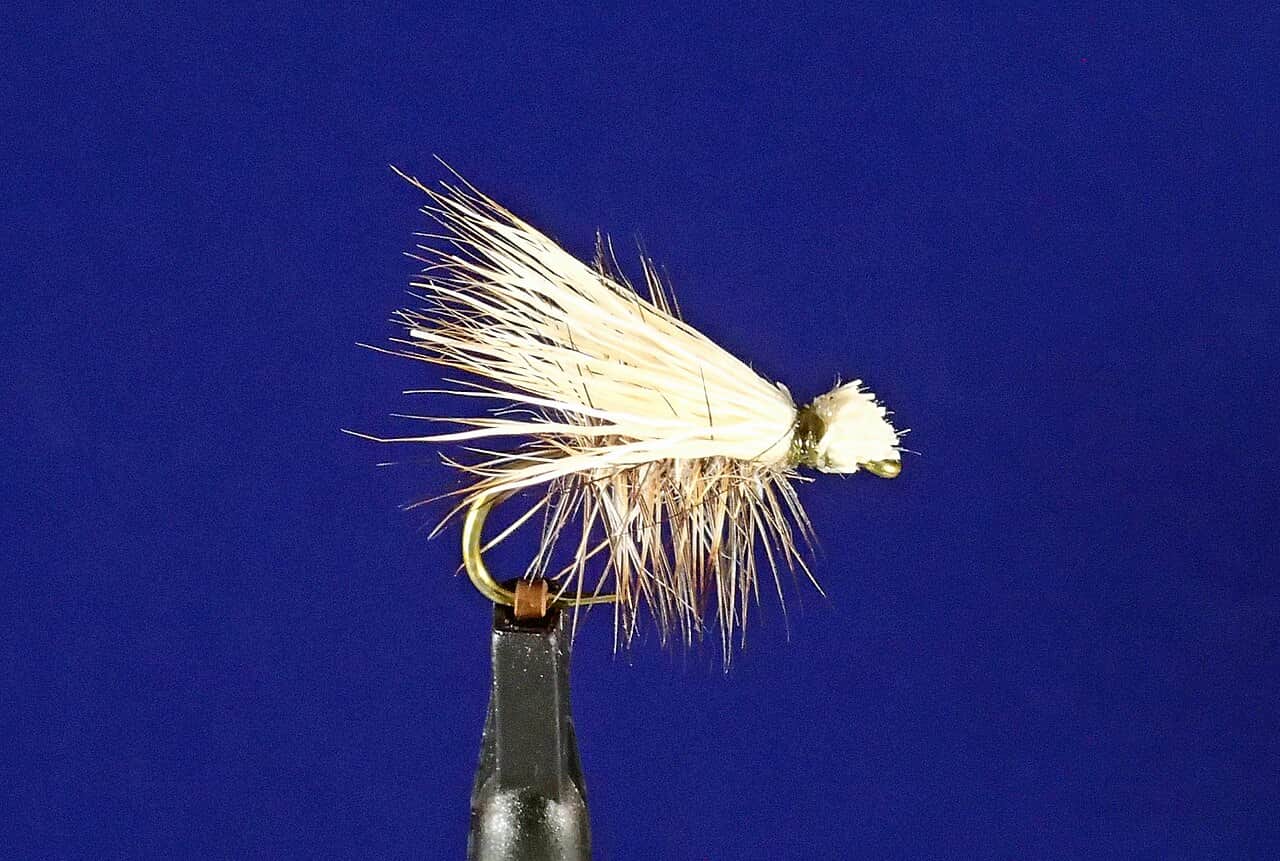
Elk hair caddis, PMD, yellow sally, hare's ear

Late summer

Ants, beetles, hoppers, caddis

Ant, beetle, small hopper, caddis dry

Fall

BWOs, midges

BWO dry, RS2, zebra midge, small bugger

Dry flies

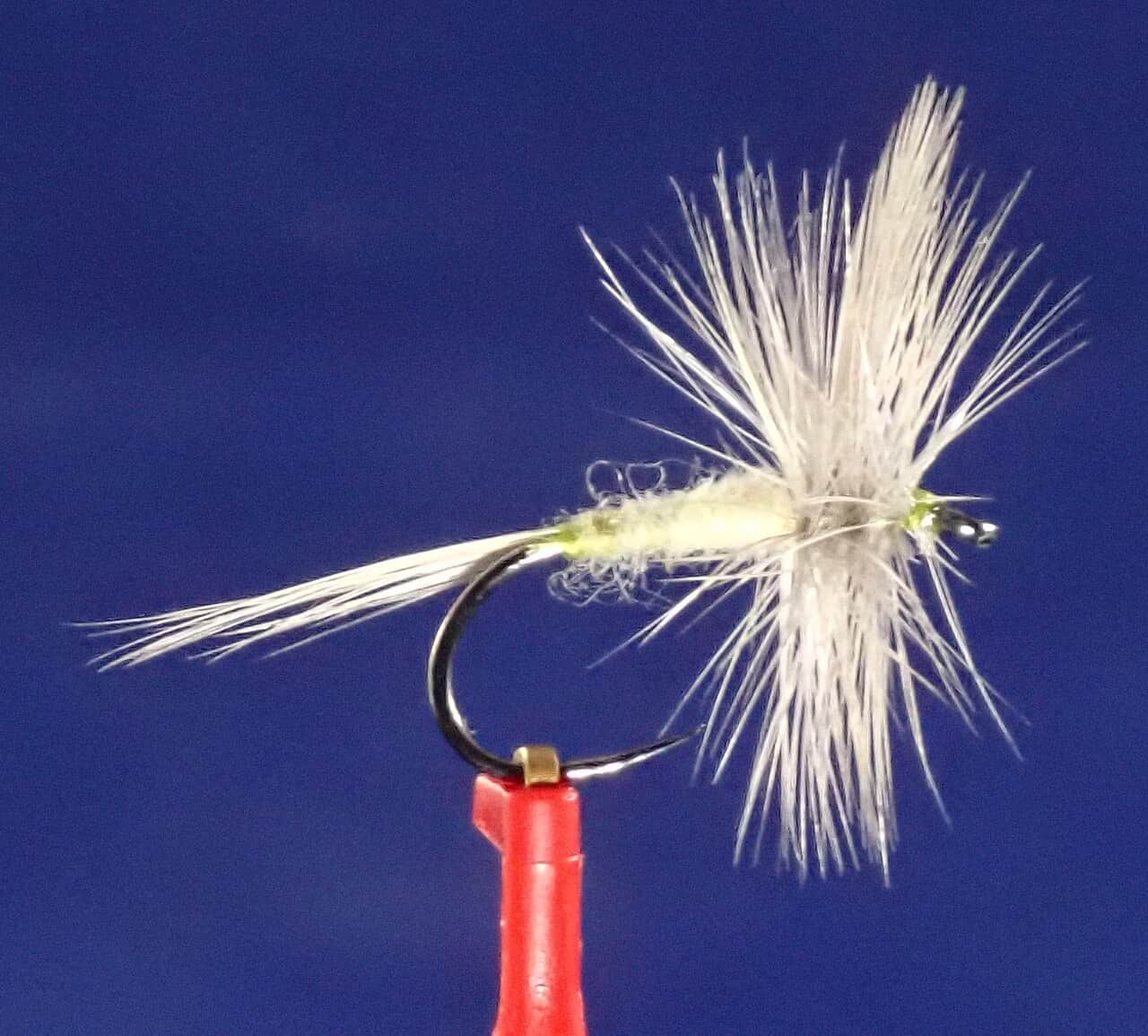
Parachute Adams, caddis, stimulator, ant, beetle

Use in pocket water and meadow bends when fish are looking up.

Nymphs

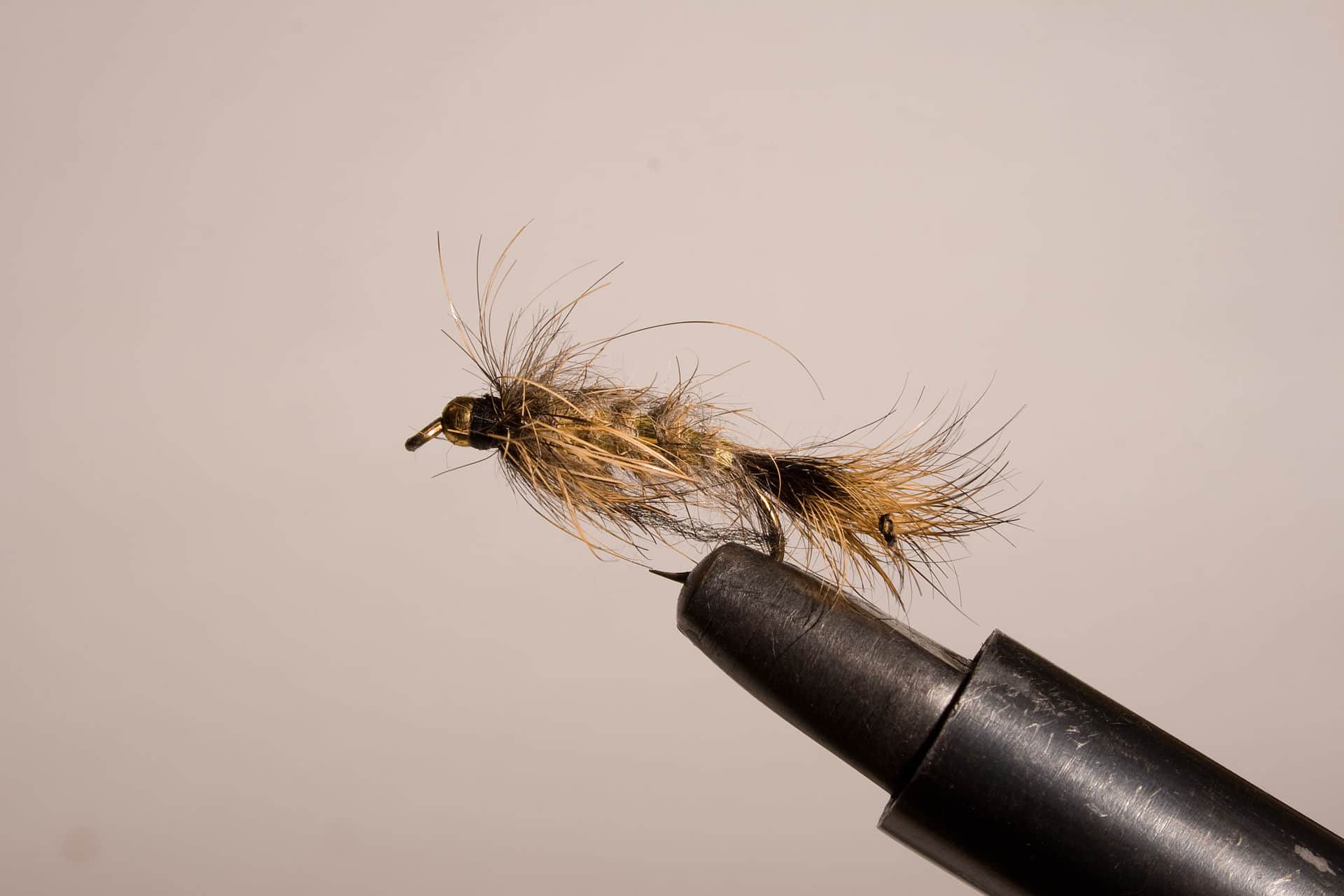
Pheasant tail, hare's ear, perdigon, zebra midge

Use below a dry or small indicator through deeper pockets.

Attractors

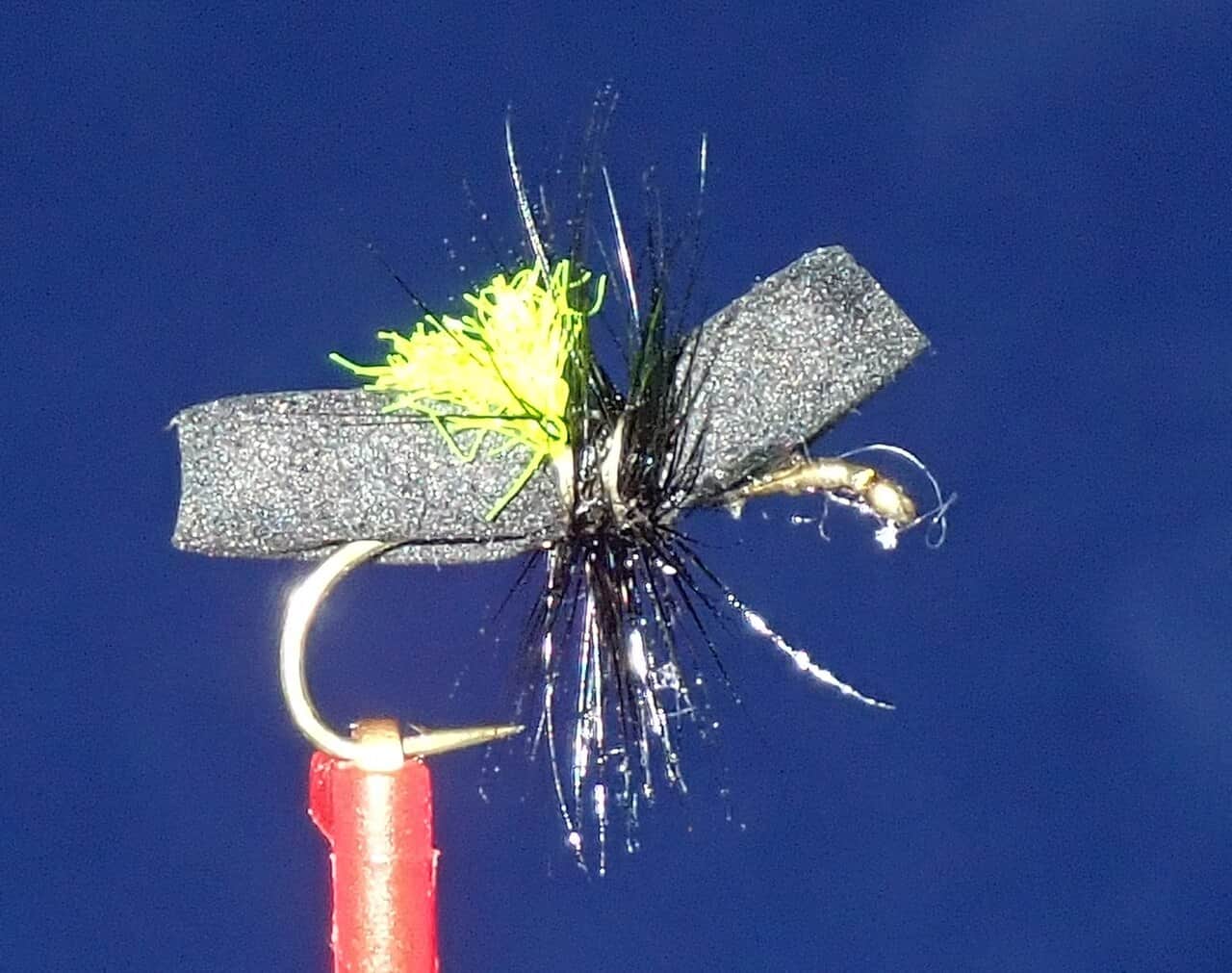
Royal Wulff, hippie stomper, small chubby

Use for searching broken water when no hatch is obvious.

Small streamers

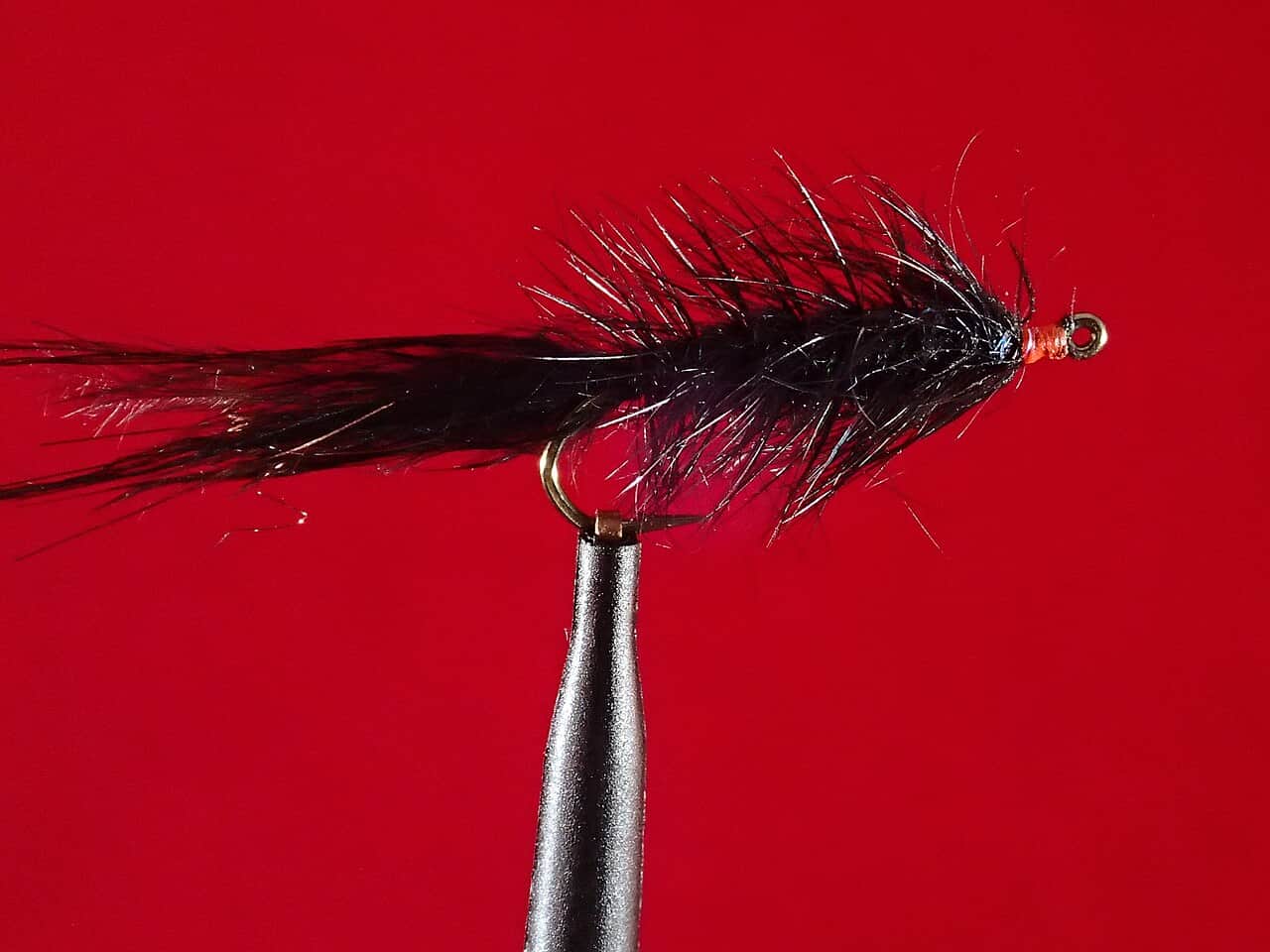
Mini bugger, leech, small sculpin

Use in deeper bends or when light stain gives fish cover.

Tactics

How to fish it

Confirm you are using Colorado Cimarron sources, not New Mexico reports.

Fish slowly through the first good pool before moving upstream.

Use dry-droppers to explore mixed pocket depths.

Protect soft banks and meadow edges.

Build an exit plan for storms, mud, or fire restrictions.

Rigging

Rod, leader, and setup notes

A 3-weight or 4-weight is enough for most small-stream work.

Use 5X to 6X for clear water and small dries.

Carry a compact streamer leader for deeper pools.

Bring traction and a staff if flows are pushy.

Pack extra water, layers, and an offline map.

Access

Access and planning notes

Cimarron SWA

Clearest public access anchor

Wade / float / trail

SWA / walk-and-wade

When to pick it

Use it when CPW access, flow, and weather all support a trout session.

Caution

Confirm current SWA rules and posted boundaries.

Silver Jack shoreline and road water

Reservoir-adjacent scout

Wade / float / trail

Trail / road / bank

When to pick it

Pick it when roads are open and the day can handle remote logistics.

Caution

Road status and storms can turn a good plan quickly.

Curecanti Cimarron context

Area orientation

Wade / float / trail

Map / access research

When to pick it

Use it when comparing nearby public-water options.

Caution

Background context is not a substitute for exact fishing access permission.

Do not use New Mexico Cimarron flow or regulation pages for this route.

Remote roads can be affected by snow, mud, wildfire work, and storms.

Cell service may be unreliable.

Verify public/private boundaries and posted campground rules.

Regulations

Check before fishing

Verify current CPW rules for the exact Colorado Cimarron reach you plan to fish, and do not confuse this page with the New Mexico Cimarron River.

Primary base

Montrose, Ridgway, or Silver Jack Reservoir

Best day style

Remote forest road, reservoir, trail, and SWA access

Check first

Road status, snow, reservoir and stream flows, and exact Cimarron identity

Safety

Remote roads, storms, cold water, fire restrictions, and limited service

Gear

Helpful gear for this water

Offline map

Useful for forest roads and limited-service areas.

Dry-dropper box

Small dries and tungsten droppers cover most high-country pockets.

Rain and sun layers

High-country weather can swing quickly.

Water and repair kit

Remote travel rewards simple backups.

Nearby water

Other water to research

Backup logic

High water

Compare the Taylor River or Uncompahgre instead of forcing remote high-country crossings.

Heat

Fish early and use cold tributary or higher-elevation options when trout handling becomes questionable.

Storms or road issues

Delay remote travel until lightning, mud, and road access are stable.

Access issue

Use Cimarron SWA or signed public access only; choose another western Colorado river if boundaries are unclear.

Animas River

A southwest Colorado town-river option with a verified Durango gauge.

Dolores River

A release-dependent southwest Colorado tailwater and canyon fishery.

Gunnison Gorge of the Black Canyon

A major western Colorado river option for a separate canyon-focused trip plan.

FAQ

Fast answers

Is Cimarron River fishable today?

Cimarron River looks very fishable right now. The live score is 96/100, based on current flow, weather, public alerts, and the report's planning context. Recheck the linked gauge and forecast before leaving because conditions can change quickly after rain, heat, access changes, or flow swings.

What flow is best for Cimarron River?

Use the near-Cimarron trend as a planning anchor. Stable clear summer flow is the best fit for pocket-water and meadow presentations, while runoff surges or storm color should move you toward softer edges or another river entirely.

When should I skip Cimarron River?

Skip the trip when you cannot confirm you are using Colorado-side access and rules, when road or weather conditions make the Silver Jack corridor reactive, or when high dirty water erases safe crossings and clear trout water.

Is Cimarron River safe to wade right now?

The fishability score is not a wading guarantee. Wade only where your chosen access has safe edges, clear footing, legal entry, and no forced crossings; high, rising, stained, or storm-affected water should be treated conservatively.

Is this the New Mexico Cimarron River?

No. This is the Colorado Cimarron near Silver Jack and Big Cimarron country.

Does it have a live flow source?

Yes. This page uses RiverReports and USGS 09126000 near Cimarron for current flow context.

What flies should I carry?

Small dries, dry-droppers, caddis, PMDs, BWOs, midges, and a few small streamers cover most useful windows.

What is the main risk?

Access uncertainty. Remote roads, snow, storms, and fire restrictions can matter more than hatch timing.