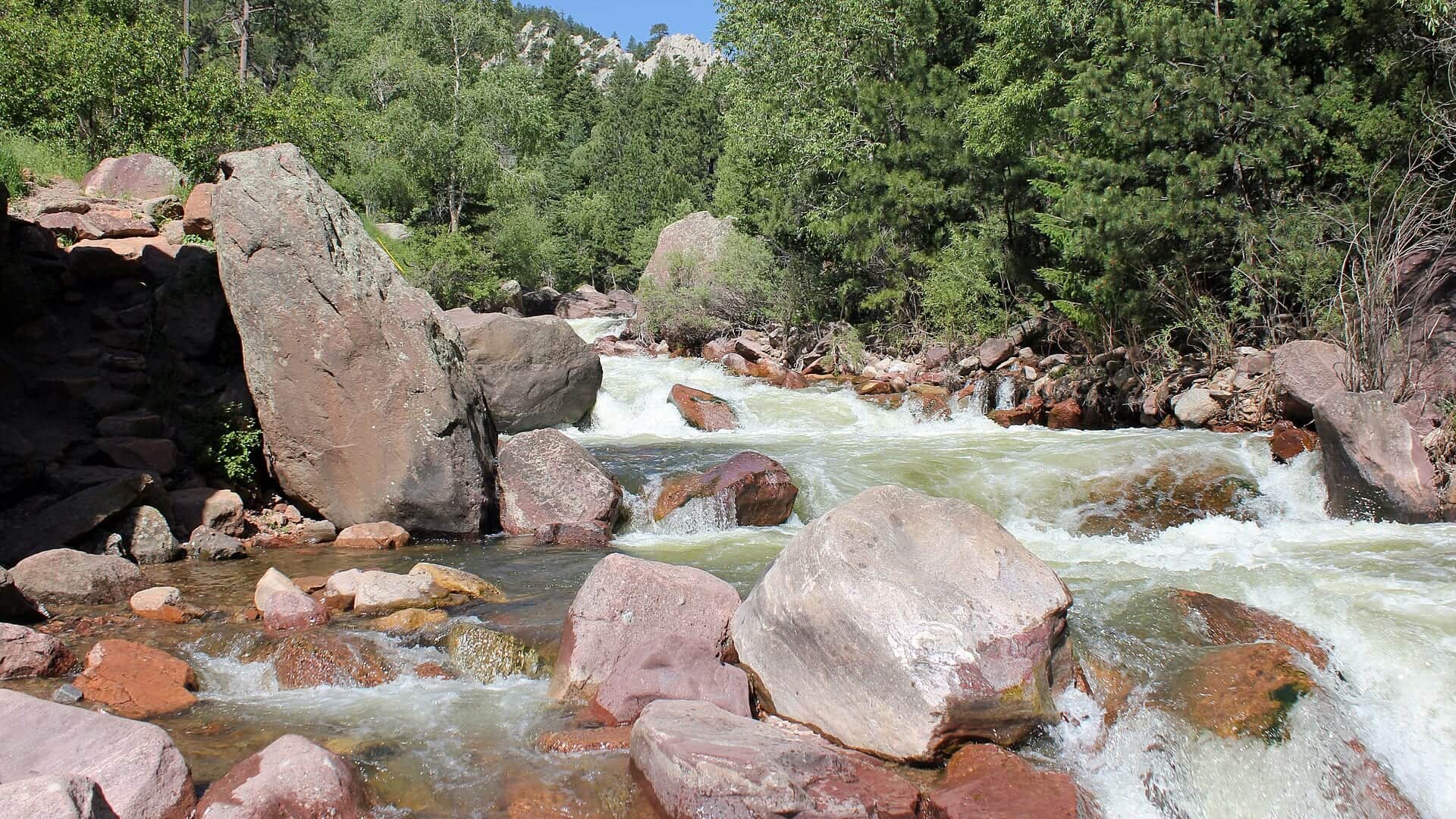
We could not confirm a live gauge for this river. Check the weather, recent rain, local reports, and the water before you fish.
Check first: Live information is incomplete. Treat this score as a planning estimate.
Fishing rating44/100
Rating updatedRiver local time:
Why this recommendation?
No verified live public gauge is attached, so the page cannot make a strong real-time call.
Available live dataMediumHow much of the live flow, weather, and alert data came back.
Confidence in this recommendationLowCurrent conditions are incomplete enough that the score is only a planning fallback.
Sources checked often
If you go
Check first
Use the linked USGS monitoring page for Colorado-side flow context, but do not treat this report as having a verified live public gauge embed.
Try
Define your route before you lose service.
Leave when
Skip the trip when road conditions are muddy, lightning is building over the area, the Hohnholz access rules are unclear, or low warm water would turn a remote trout day into unnecessary fish-handling risk.
Flow and weather
Showing server-checked river conditions while current readings refresh.
Flow
—
Live flow is not available here.
Air forecast
60°F
Next 24h high
60.0°F
NWS air forecast near
Rain chance
30%
This is an air forecast, not a river-temperature reading. Check the water with a stream thermometer before fishing in hot weather.
Live flow is not available
No verified public live gauge was confirmed for this scoped headwaters page. USGS maintains station 06657500 near Glendevey, but the legacy public graph image did not render reliably during verification, so use the linked monitoring page in the source list before making a fishing or wading decision.
Latest stored weather check
Chance Rain Showers
Wind
8 mph
Weather checked
More forecast and source details +
Chance Rain Showers
National Weather Service
Big Laramie River Hohnholz forecast point
The National Weather Service forecast is temporarily unavailable.
Live data
Where these readings come from
Report reach: Laramie River near Glendevey, Colorado
No verified public live gauge was confirmed for this scoped headwaters page. USGS maintains station 06657500 near Glendevey, but the legacy public graph image did not render reliably during verification, so use the linked monitoring page in the source list before making a fishing or wading decision.
The best Big Laramie days have clear water, open roads, and enough flow to keep trout comfortable. If storms, mud, or low warm water are in the forecast, choose a backup water closer to services.
Low meadow flow
Use stealth, small dries, and avoid walking through undercut banks or shallow holding water.
Good summer base flow
Dry-droppers, small nymphs, and attractor dries can cover bends, pockets, and meadow slots.
High snowmelt
Avoid unsafe crossings and look for calmer side water only if visibility is reasonable.
Storm or mud
Remote roads and lightning risk may be a bigger issue than fishing quality.
Wading, bank fishing or floating?
Check before you goVerify locally
We could not confirm all current conditions. Check locally before choosing how to fish.
WadingCheck
Current conditions at the exact access are not verified. No access method is recommended until they are checked.
Bank fishingCheck
Current conditions at the exact access are not verified. No access method is recommended until they are checked.
FloatingCheck
Current conditions at the exact access are not verified. No access method is recommended until they are checked.
Full river report
Is Big Laramie River worth the trip today? Check flow, weather, hatches, access, and rules for Colorado before you go.
The Big Laramie is a high-country plan, not a quick roadside city creek. Use the Glendevey gauge, Hohnholz SWA rules, and weather before committing because roads, storms, and access can matter as much as fly choice.
Fishing words used on this page
U.S. Geological Survey (USGS) gauge
A USGS gauge is an official river station that measures flow or water height.
Nymph
A nymph is a young water insect. Anglers also use the word for a fly that copies it.
Attractor fly
An attractor fly is bright or bold. It draws a strike without copying one exact insect.
Blue-winged olive (BWO)
Blue-winged olives, or BWOs, are small mayflies that often hatch in cool or cloudy weather.
Caddis
Caddis are small water insects. The adults look a little like tiny moths.
Emerger
An emerger copies an insect as it rises from below the water toward the surface.
Midge
Midges are tiny flies and a common trout food, especially in cold water.
Pale morning dun (PMD)
Pale morning duns, or PMDs, are light-colored mayflies that often hatch in warmer months.
Pocket water
Pocket water is a small calm spot among rocks or fast current.
Streamer
A streamer is a fly that looks like a small fish, leech, or other swimming food.
Why this call
Why this score
FlowCheck
No verified live public gauge is attached, so the page cannot make a strong real-time call.
SeasonHelps
Fall: Cooler weather, fewer people, and low clear water can make careful dry-fly fishing productive.
WeatherHelps
The current NWS air forecast is about 60F. Chance Rain Showers.
Public alertsHelps
No active NWS alert was returned for this forecast point.
Fishing usefulnessHelps
Skip the trip when road conditions are muddy, lightning is building over the corridor, the Hohnholz access rules are unclear, or low warm water would turn a remote trout day into unnecessary fish-handling risk.
Trip notes
Check these before you choose a reach.
Best flows
Use the Glendevey trend as a warning tool more than a magic number. Stable clear summer flow is the best fit for pocket water and meadow edges, while runoff spikes or thin late-season water should push you toward a backup river.
When to leave
Skip the trip when road conditions are muddy, lightning is building over the area, the Hohnholz access rules are unclear, or low warm water would turn a remote trout day into unnecessary fish-handling risk.
Local plan
Pick one access objective before losing service: Hohnholz SWA if you want the clearest public framework, or the forest-road area if you are comfortable scouting meadow water carefully. Fish one stretch thoroughly instead of driving every visible bend.
Backup water
If the Big Laramie looks too muddy, low, or stormy, pivot to the Blue River for a colder tailwater backup or to Boulder Creek when a shorter Front Range small-stream plan makes more sense.
Big Laramie River access and rules.
Use these places as starting points. Open the access link below and check posted signs before you park or enter.
Before you go
CPW lists special rules for the Laramie River within Hohnholz SWA. Verify current artificial-only, bag-limit, access, and camping rules before fishing.
Where to access the river
Hohnholz Lakes SWA
CPW-managed access with license or SWA pass requirements and specific camping rules.
Laramie River Road
Forest-road planning area where weather and road condition can decide the trip.
Glendevey gauge area
Useful flow reference for Colorado-side headwater planning.
Colorado and Wyoming sections have different access and rule context.
Expect limited cell service and few nearby services.
Check SWA pass or license requirements before entering Hohnholz SWA.
Do not cross private ranch land unless you have clear permission.
Nearby river reports
If this water does not fit the day, check another report before you start the drive.
What was checked: This Big Laramie River report is maintained from current Colorado regulation, public-access, flow, forest-road, and weather checks so anglers can plan the Hohnholz headwaters without mixing them into downstream Wyoming assumptions.
Live measurements and forecasts keep their provider timestamps. Rules, access, and trip guidance use the source-review date shown here. BlueStreamFly planning advice is editorial interpretation, not an agency notice.
First-hand experience: BlueStreamFly does not claim a first-hand visit or local field test for this report unless a real contributor is explicitly named and linked.
Quick questions
Is this page about the Colorado or Wyoming Laramie River?+
It focuses on the Colorado headwaters and Hohnholz area. Wyoming sections need separate rules and access planning.
Does the Big Laramie have a live gauge?+
Yes. USGS 06657500 near Glendevey is the best Colorado-side flow reference used here.
Do I need a pass for Hohnholz SWA?+
CPW requires a valid hunting or fishing license or SWA pass for many visitors age 16 and older. Check current CPW rules before going.
When should I avoid the trip?+
Avoid it when road conditions, lightning, runoff, or low warm water make the remote plan risky.