RiverReports preview · current series loading
Recent flow
RiverReports gauge
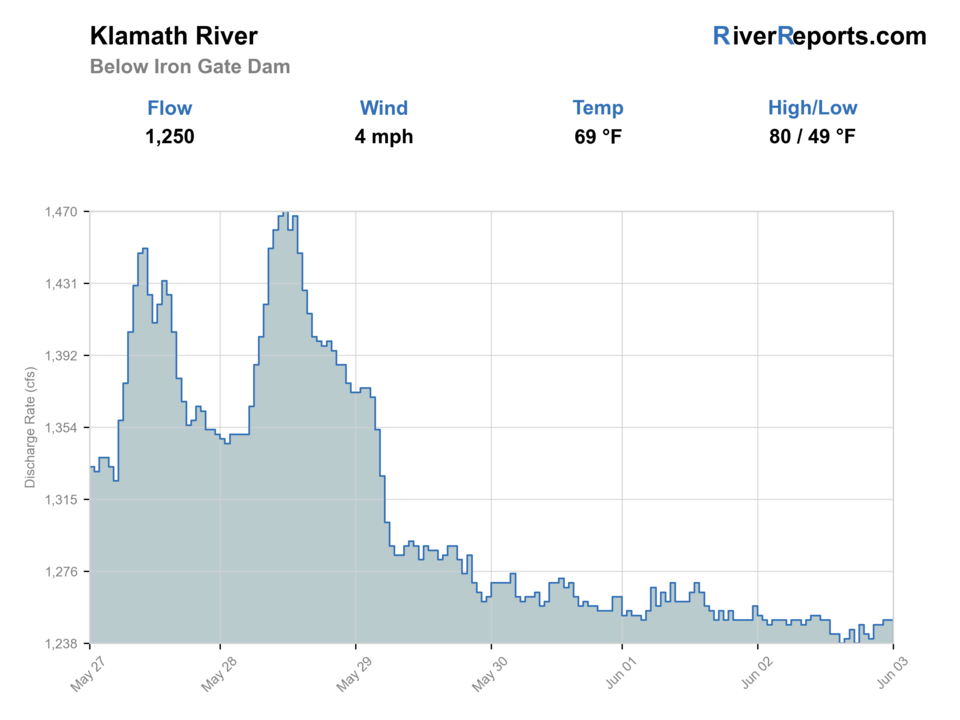
Showing the available RiverReports chart while the current structured flow series loads. Check the chart on RiverReports Opens in a new tab.
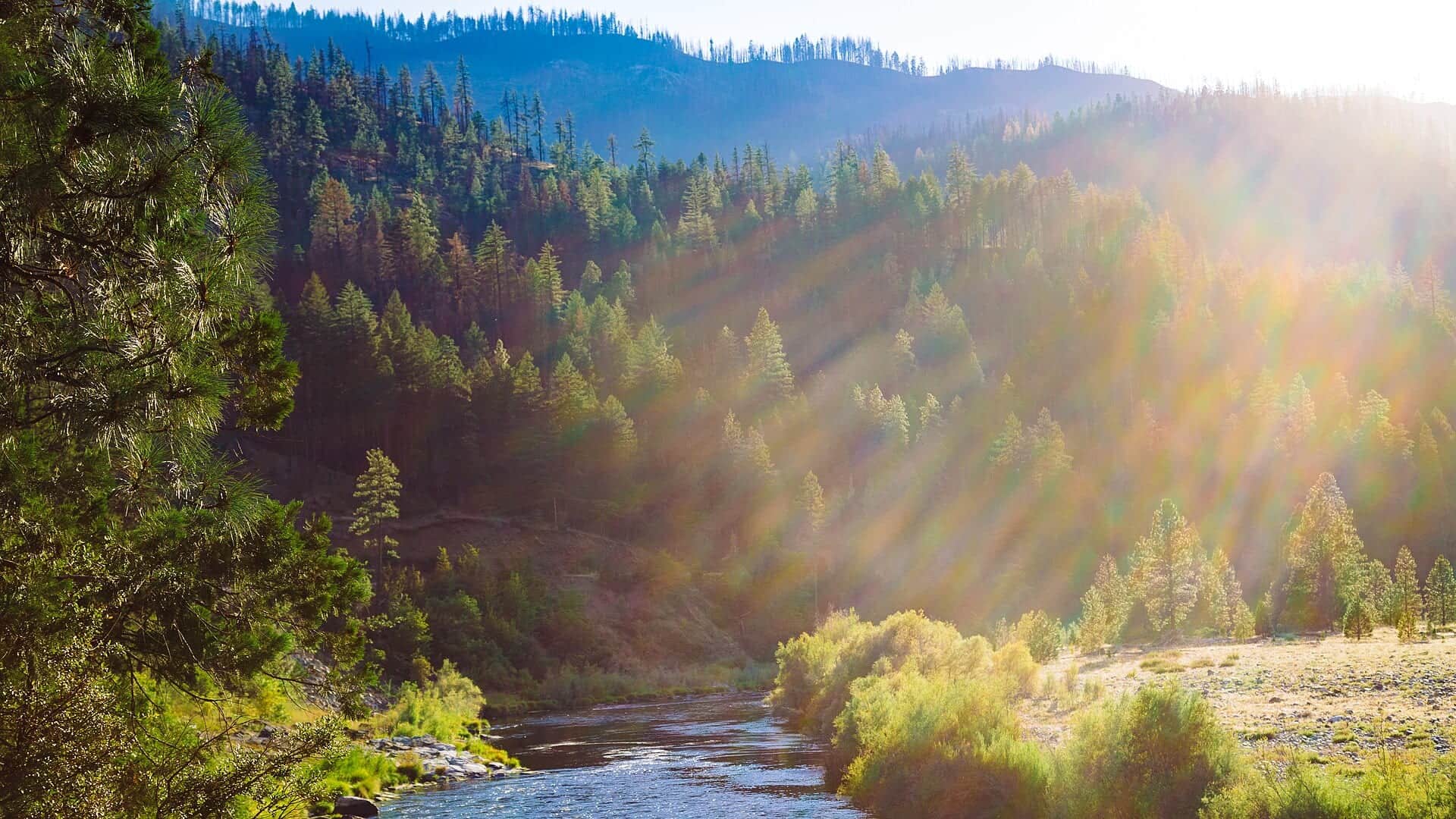
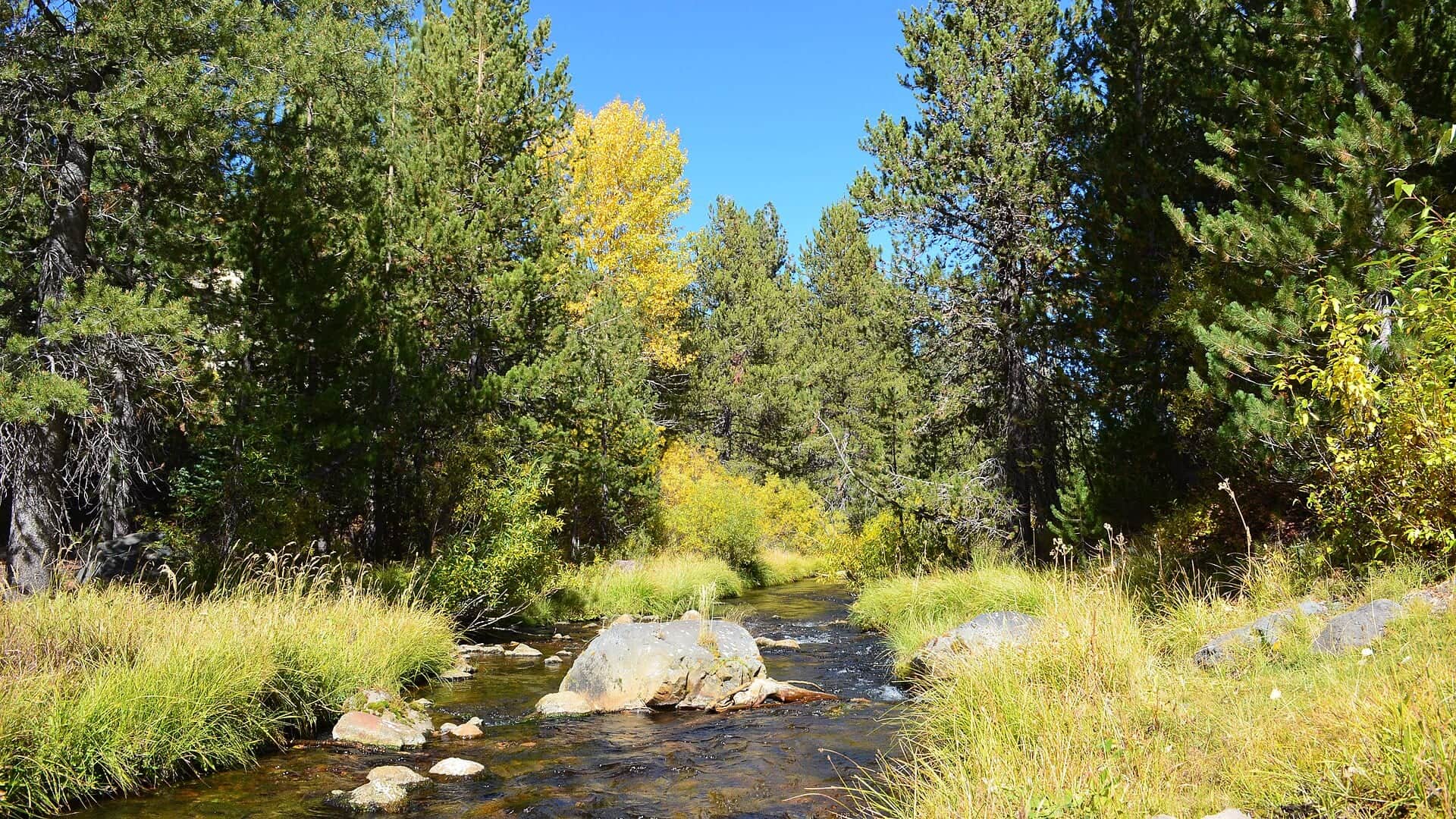
Photo: Tony Webster from Minneapolis, Minnesota, United States Opens in a new tab. · CC BY 2.0
No single best way to fish. Wading and Floating have the same top score. Use current access, footing, weather, and local rules to choose.
Rating updatedRiver local time:
USGS shows 1,050 cfs. The flow has been stable over about 6 hours. USGS marks this reading provisional and may revise it. USGS records for this date (1961-2026, 66 readings) show a typical middle range of 1,020 cfs to 1,570 cfs. Flow is within the typical range for this date, so weather, temperature, and access become the next checks.
NWS air forecast near
This is an air forecast, not a river-temperature reading. Check the water with a stream thermometer before fishing in hot weather.
RiverReports gauge
Showing the available RiverReports chart while the current structured flow series loads. Check the chart on RiverReports Opens in a new tab.
Mostly Cloudy
The National Weather Service forecast is temporarily unavailable.
RiverReports gauge: Klamath River below Iron Gate Dam
Seasonal starting points, not a live hatch report. Match what you see on the water.
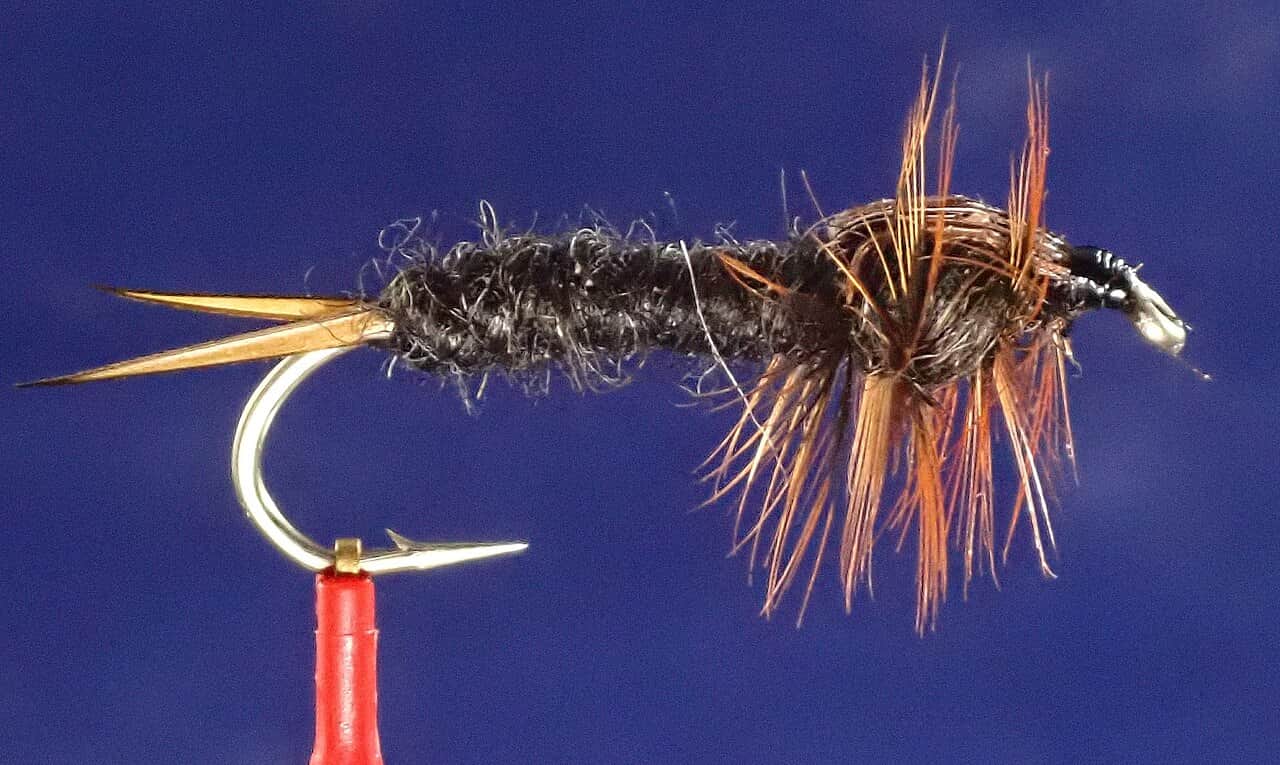
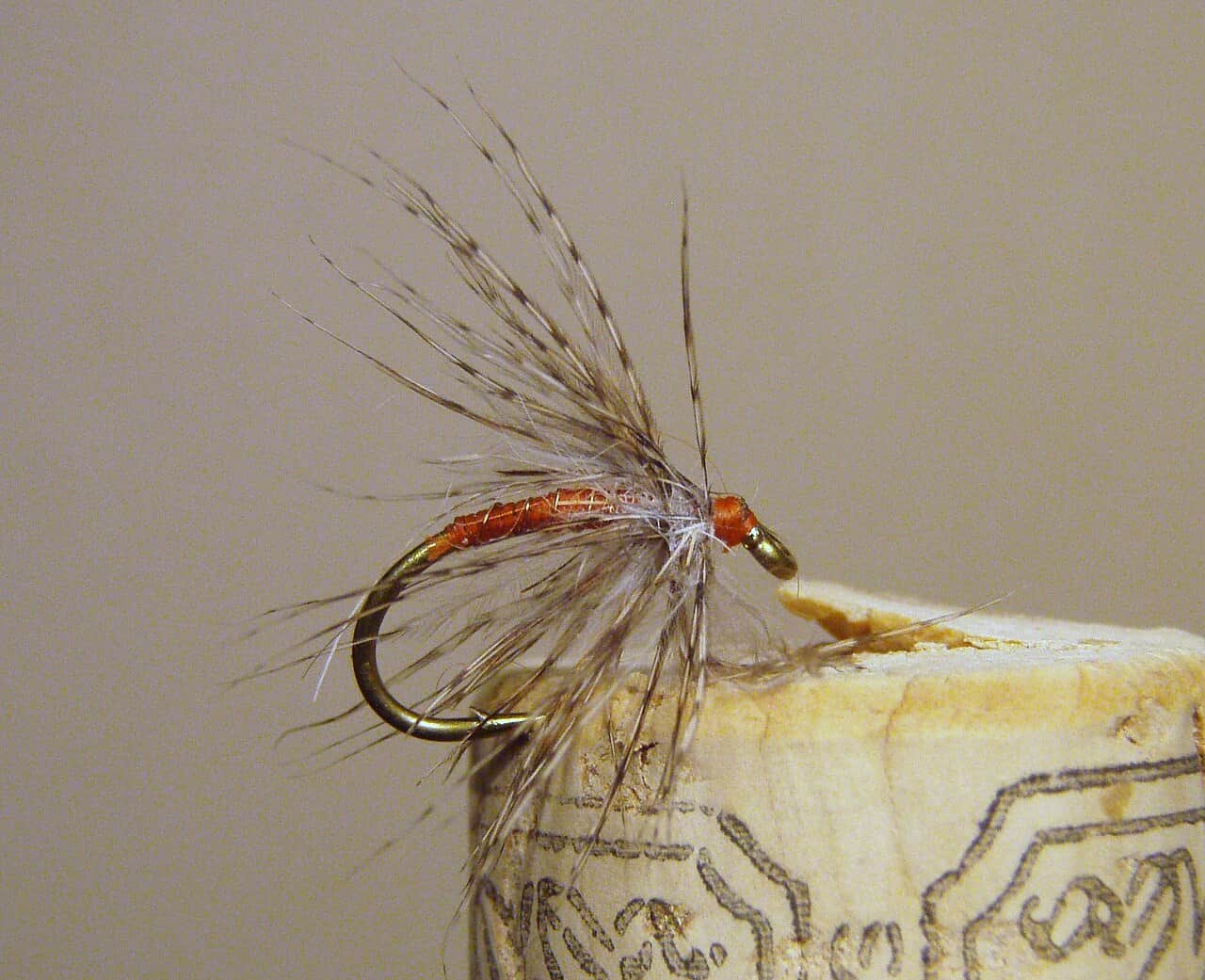
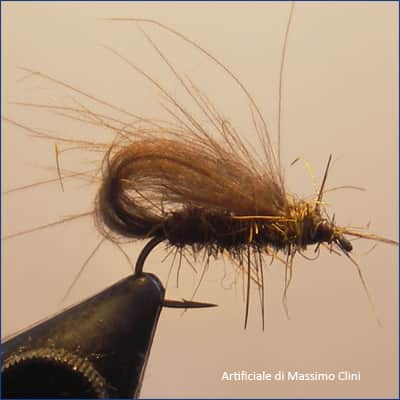
Each fly name opens its matching Fly Box guide.
The Klamath needs cautious, source-led reporting. It can offer salmon and steelhead opportunities, but the current rule set, quota status, water temperature, and access are more important than a generic fly list.
Swing flies through tailouts, riffle buckets, and travel lanes with careful fish handling.
Avoid stressing salmonids. Fish early, check temperatures, or choose another plan.
Focus on safe banks and softer edges. Avoid dangerous crossings on a large river.
Check CDFW status before fishing for salmon because closures can happen when quotas are reached.
Wading and Floating have the same top score. Use current access, footing, weather, and local rules to choose.
Wading is in play only where your chosen access has clear footing, legal entry, and no forced crossings.
This report does not recommend bank fishing on this reach.
A float is in play where this report supports boat access and wind, releases, and shuttle logistics are manageable.
Is Klamath River worth the trip today? Check flow, weather, hatches, access, and rules for California before you go.
The Klamath is changing after dam removal and after years of salmon closures. A useful fishing plan starts with current CDFW Klamath-Trinity rules, quotas, and flow before tactics.
USGS shows 1,050 cfs. The flow has been stable over about 6 hours. USGS marks this reading provisional and may revise it. USGS records for this date (1961-2026, 66 readings) show a typical middle range of 1,020 cfs to 1,570 cfs. Flow is within the typical range for this date, so weather, temperature, and access become the next checks.
Late summer to fall: Fall-run Chinook and early steelhead context can matter, with quota and temperature checks.
The current NWS air forecast is about 55F, and the next 24-hour high reaches about 59F. Mostly Cloudy.
No active NWS alert was returned for this forecast point.
Skip the Klamath when salmon or steelhead rules are unclear, when in-season quota changes could turn a long drive into guesswork, when warm water makes salmonid handling questionable, or when restoration and access conditions make the reach you wanted more complicated than productive.
Use the Iron Gate trend as upper-river context rather than as permission by itself. Stable or slowly dropping flows are the better fit for swinging or nymphing broad travel lanes, while rising color, hot water, or rapid quota pressure should move the plan toward another river or another species.
Skip the Klamath when salmon or steelhead rules are unclear, when in-season quota changes could turn a long drive into guesswork, when warm water makes salmonid handling questionable, or when restoration and access conditions make the reach you wanted more complicated than productive.
Choose the objective first: an upper-river swing or nymph day near the Iron Gate and Seiad area, or a separate lower-river trip covered by the lower Klamath page. Once that is clear, match the flies and travel plan to one area instead of assuming the whole basin is fishing the same way.
If the Klamath is too warm, too crowded, or too rule-sensitive for a confident day, pivot to the Trinity for a separate steelhead-style plan or to the McCloud if you need a trout-focused northern California backup.
Use these places as starting points. Open the access link below and check posted signs before you park or enter.
Verify current CDFW Klamath River Basin salmon, steelhead, report-card, quota, and emergency-closure rules before fishing. CDFW announced 2026 Chinook opportunities with specific dates and quotas, but in-season changes can close or alter fishing.
A key flow and restoration reference. Use current access and closure information because the river is changing.
Important for reach planning, temperature checks, and travel distance.
Different flow, temperature, and salmon/steelhead timing than the upper California reach.
Highly rule- and quota-sensitive. Check CDFW and local access before fishing.
Official agencies and primary river operators come first. Secondary tools are labeled so you know what carries the most weight.
Check what is allowed, where the rule applies, and whether the river is open.
Check the latest river reading and forecast before you leave.
Check public entry points, land rules, and seasonal access changes.
Use these links for stocking, safety, and other local details.
Check what is allowed, where the rule applies, and whether the river is open.
Open the current rules and check the river section, season, and special limits.
Open the current rules and check the river section, season, and special limits.
Open the current rules and check the river section, season, and special limits.
Check the latest river reading and forecast before you leave.
Open this page and check the latest safety advice before your trip.
Open this river reading to check the latest level, flow, and update time.
Open this river reading to check the latest level, flow, and update time.
Check public entry points, land rules, and seasonal access changes.
Open the land or access page, then check signs before you park or enter.
Use these links for stocking, safety, and other local details.
Open this page for more river information and check when it was last updated.
What was checked: This Klamath River report is maintained from current rule, flow, weather, and restoration sources so anglers can plan the upper California Klamath with post-dam-removal context instead of leaning on stale salmon or steelhead assumptions.
Live measurements and forecasts keep their provider timestamps. Rules, access, and trip guidance use the source-review date shown here. BlueStreamFly planning advice is editorial interpretation, not an agency notice.
First-hand experience: BlueStreamFly does not claim a first-hand visit or local field test for this report unless a real contributor is explicitly named and linked.
CDFW announced 2026 Klamath Basin Chinook opportunities after a three-year closure, but anglers must check current season dates, quotas, and closures before fishing.
Use RiverReports and USGS 11516530 below the former Iron Gate Dam area for upper California flow context, then match the exact reach.
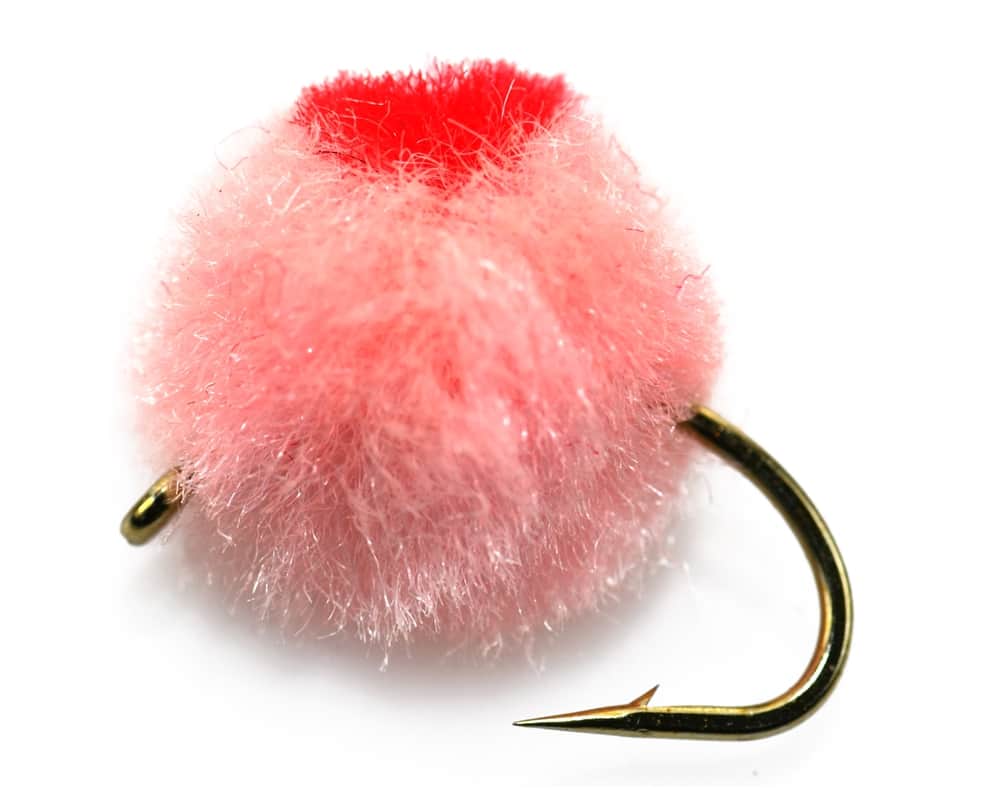
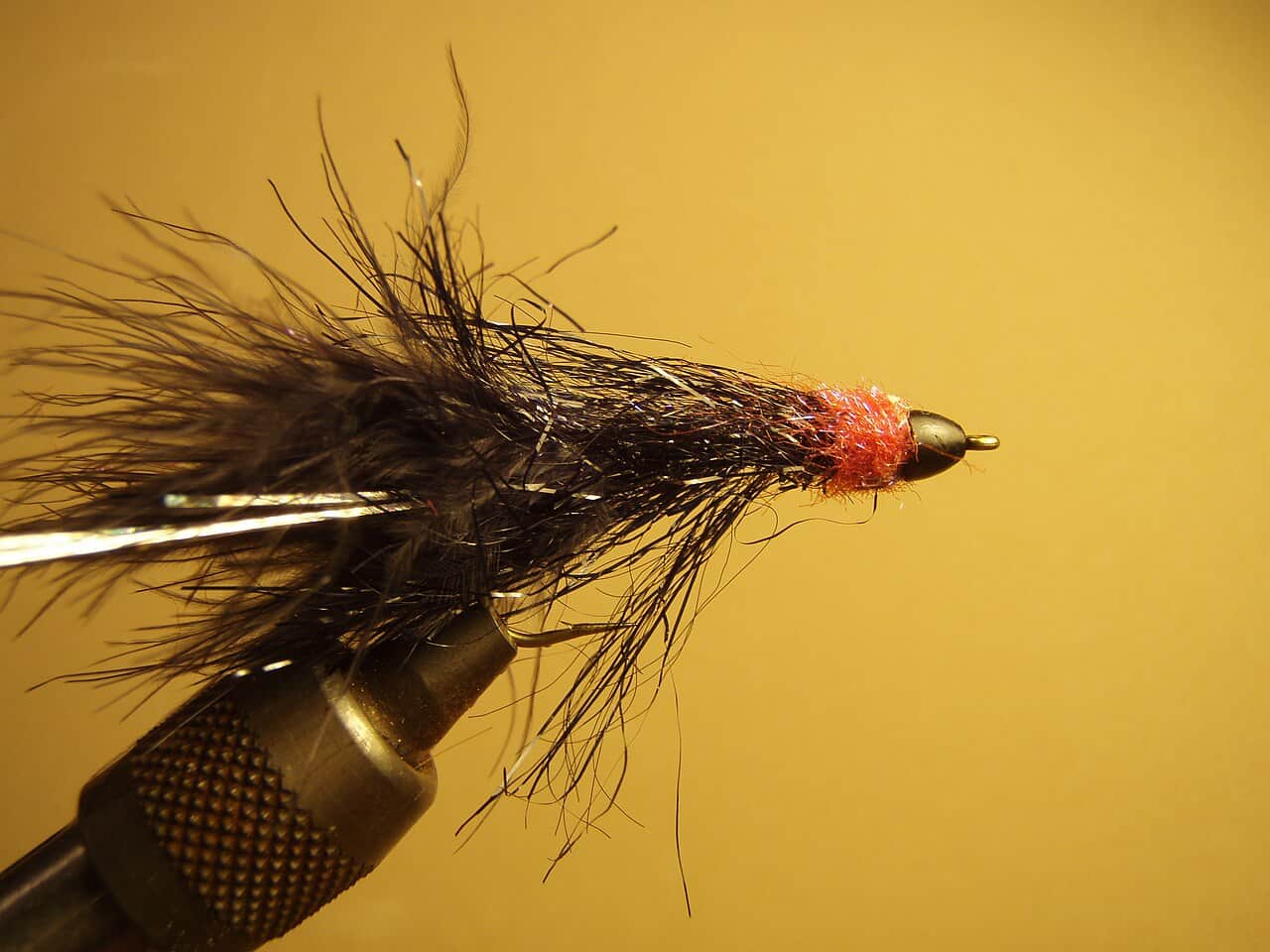
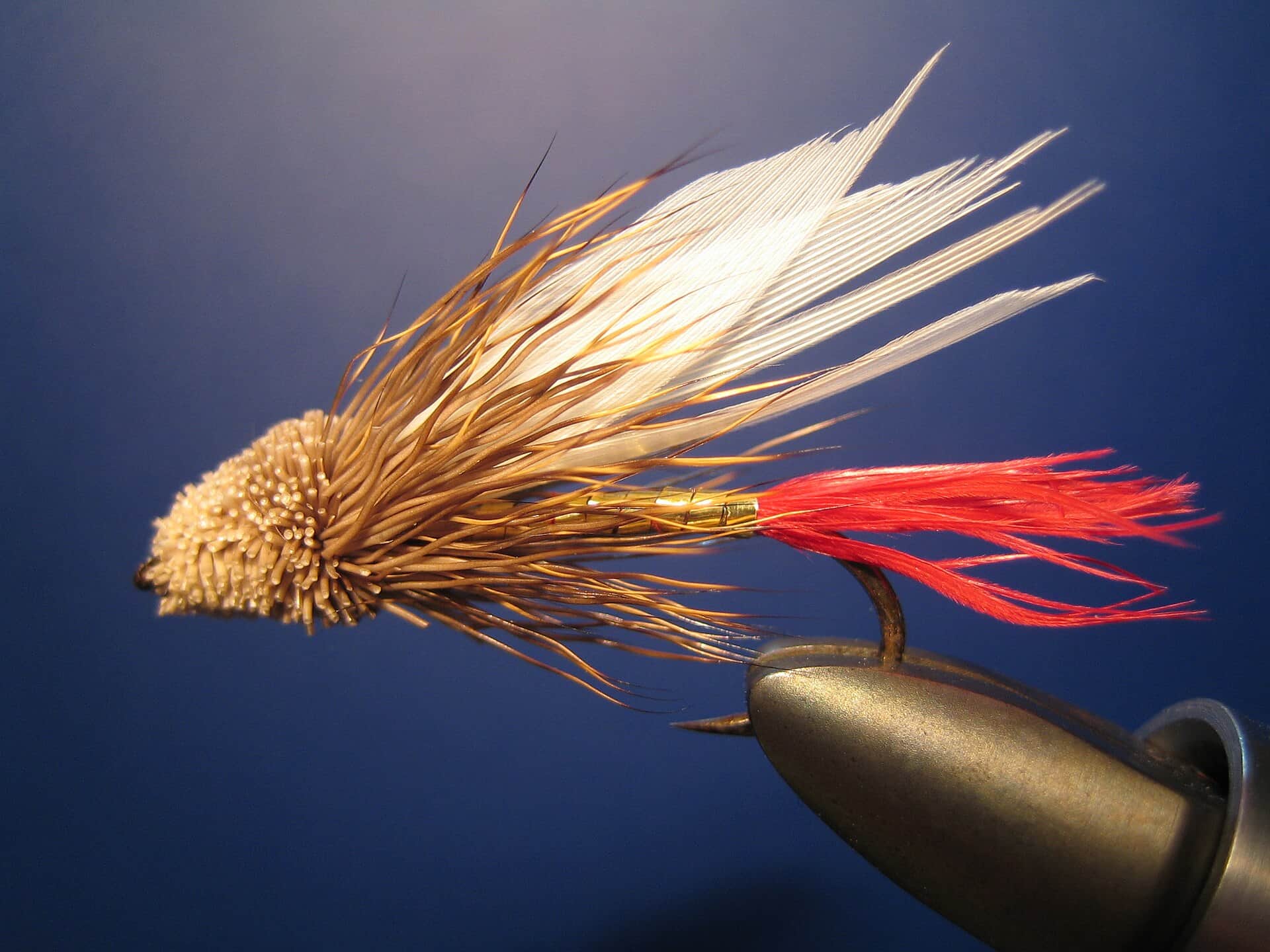
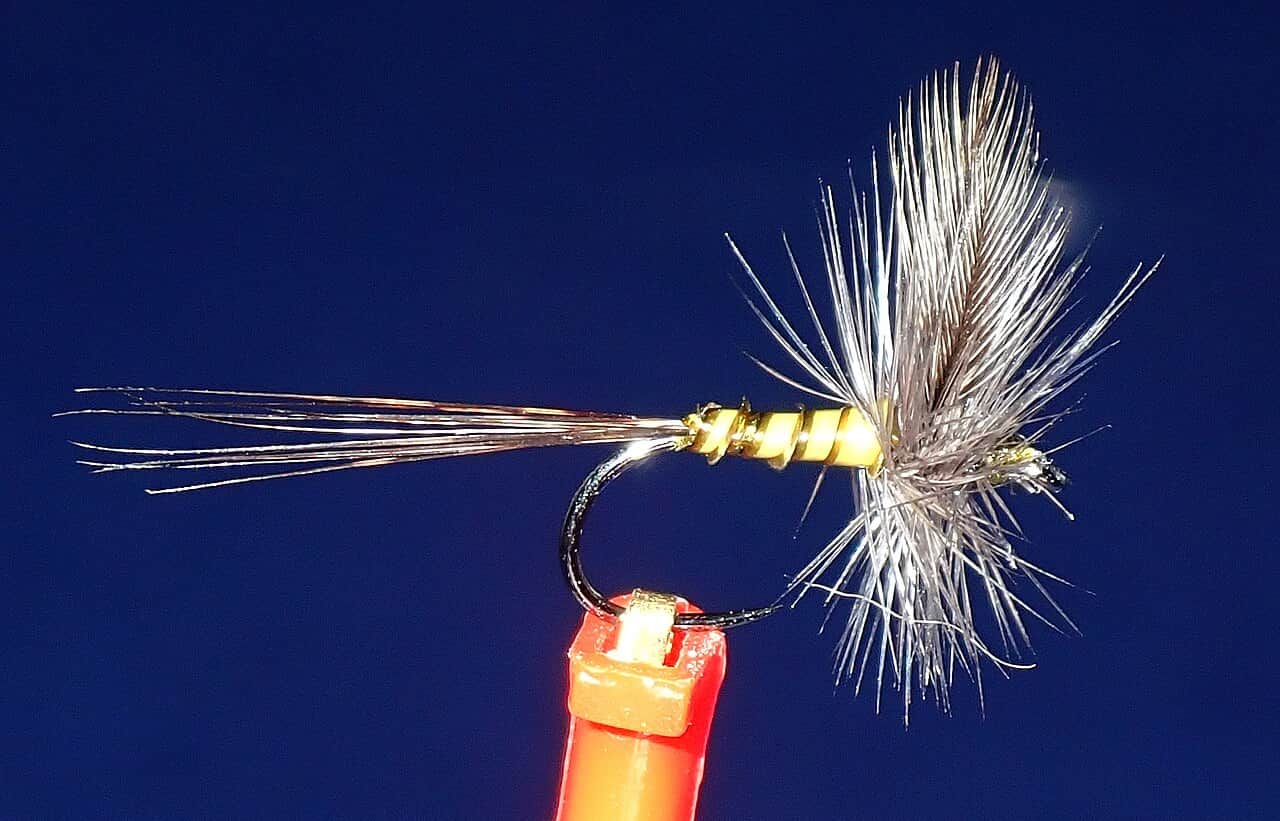
Bring steelhead swing flies, intruders, leeches, stonefly nymphs, caddis, eggs, muddlers, and sink-tip options.
Yes. Dam removal reopened habitat and changed access and restoration context. Use current official sources before assuming old conditions still apply.