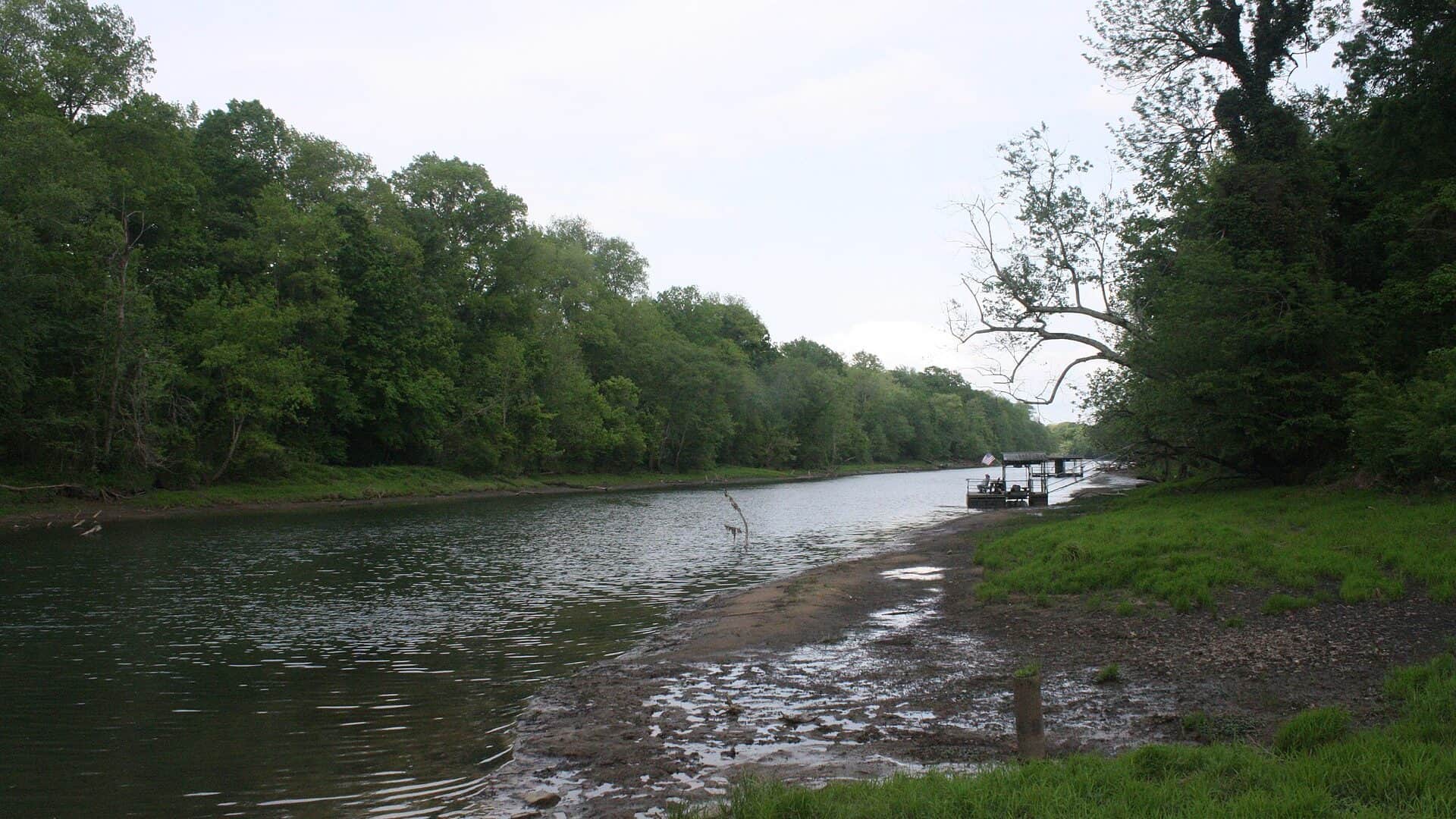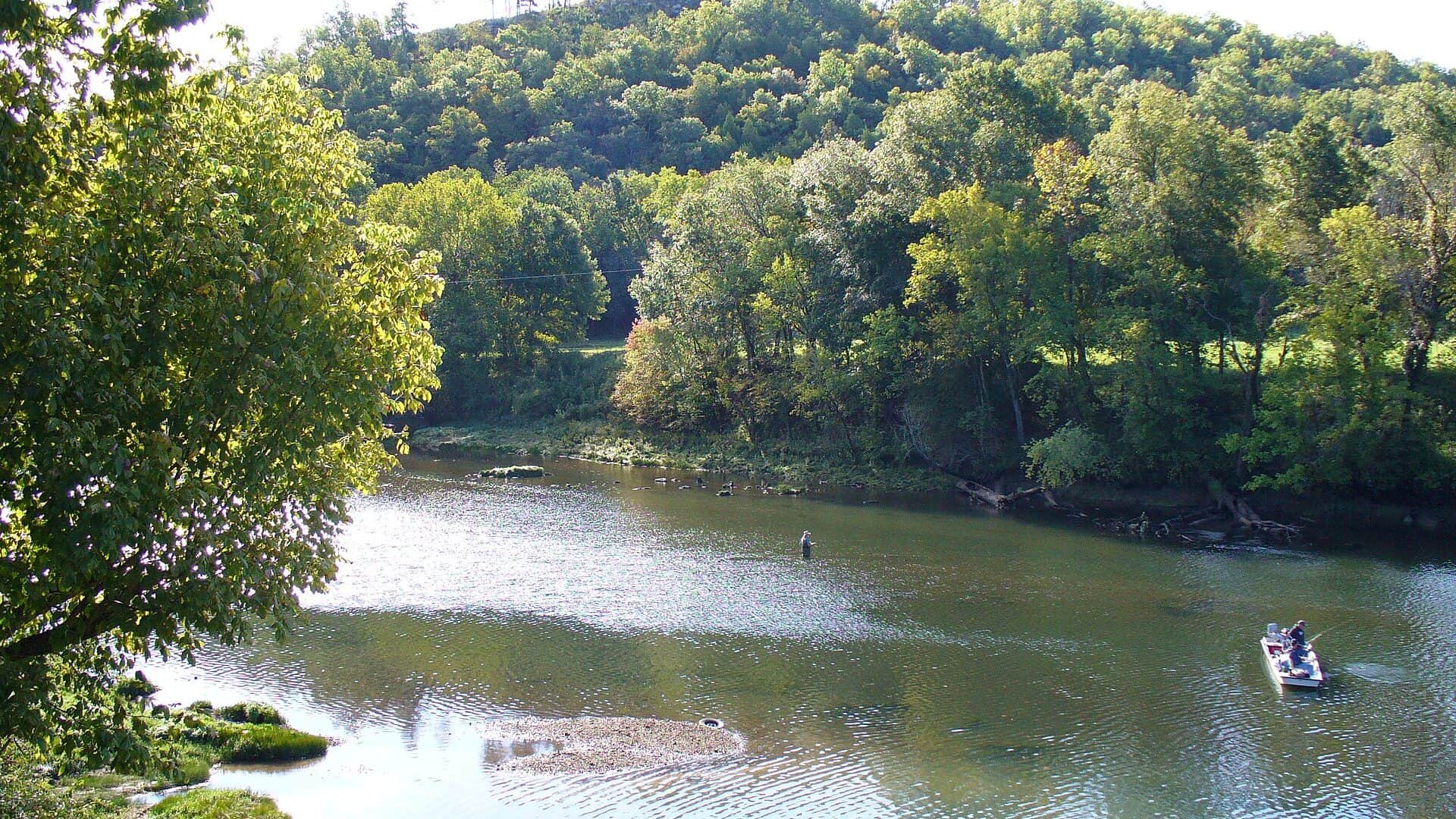
Wading is in play only where your chosen access has clear footing, legal entry, and no forced crossings.

Menu
Fly fishing report · Southeast
Norfork Tailwater
A North Fork of the White River tailwater report for generation timing, compact wade access, technical nymphing, and current rule checks.
Check flow & weatherVerify conditions before committing.
No live gauge is verified here. Use weather, recent rain, local reports, and conservative judgment before committing.
Mode guidance is provisional because current water conditions are not fully verified.
This report does not describe this as a primary mode. Verify legal access, depth, launches, and retreat options before planning around it.
A float is in play where this report supports boat access and wind, releases, and shuttle logistics are manageable.
Confirm before you leave
Flow and weather right now.
Use the flow trend to confirm the score before you leave. Weather can change the safest and most productive fishing window.
River strategy
Use Norfork Dam releases to decide the style of day.
The Norfork Tailwater is short, technical, and heavily shaped by dam release. The right plan can change from careful wade nymphing to boat-focused fishing with one generation change.
- Check USACE Norfork release data and RiverGages stage before stepping into a shoal.
- AGFC 2026 rules reduced harvest opportunity, so verify the current limit before keeping trout.
- Low water favors small nymphs, midges, scuds, and careful sight fishing.
- Higher water favors boats, protected edges, and streamer or heavier nymph presentations.
No verified live public gauge is attached, so the page cannot make a strong real-time call.
The NWS forecast is near 91F. Fish early and verify water temperature where trout stress is possible.
Summer: Cold water keeps the trout fishery active, but recreation pressure and generation timing matter.
No active NWS alert was returned for this forecast point.
Skip or reset the Norfork plan when release information is unclear, water is rising, the short reach is already crowded, current AGFC rules are not confirmed, or the intended access requires crossing unsafe shoals.
Read the water
What changes the plan.
The Norfork is best treated as a compact technical tailwater. It rewards anglers who time low water, fish small flies cleanly, and exit early when release changes are possible.
Low generation
Fish small nymphs, midges, and scuds with careful drifts through shoals, troughs, and tailouts.
Rising water
Leave wading positions quickly. The short tailwater gives fewer escape options than a broad freestone river.
High generation
Use boat or bank plans only where safe. Streamers and heavier rigs can replace low-water midge tactics.
Clear pressured water
Downsize tippet, use natural profiles, and avoid lining fish in slow slicks.
Field plan
Fish it with intention.
Use RiverGages NFDA4 and current Norfork release information before stepping into the river. The page does not rely on a precise embedded USGS live graph, so signs, sirens, local release data, and rising water are the final safety checks.
Skip or reset the Norfork plan when release information is unclear, water is rising, the short reach is already crowded, current AGFC rules are not confirmed, or the intended access requires crossing unsafe shoals.
Start with the Norfork Dam tailwater and Norfork Access framework, then decide if the day fits wading, bank fishing, or a boat. Treat the fish hatchery as context, not open fishing access.
If Norfork is high, crowded, or rule-confusing, compare the White River or Little Red River for a different Arkansas tailwater release window.
Hatches & flies
Bring a flexible box.
Reviewed pattern · report says “Zebra midge”Zebra MidgeLook for a very slim tapered thread body, evenly spaced contrasting wire rib, a small bead, and no tail or wing. The reviewed classic is black with silver wire and a silver bead. Red, olive, brown, glass-bead, jig-hook, resin-coated, or tailed forms must remain labeled variations rather than replacing the classic identity.See photos & how to fish it ↗
Reviewed family · report says “ruby midge”Midge Patterns by StageMidge wording can mean a threadlike larva, wing-padded pupa, film emerger, tiny adult, or visible cluster. Those profiles fish at different depths.See family guide ↗+ 3 more reviewed guides in the Fly Box
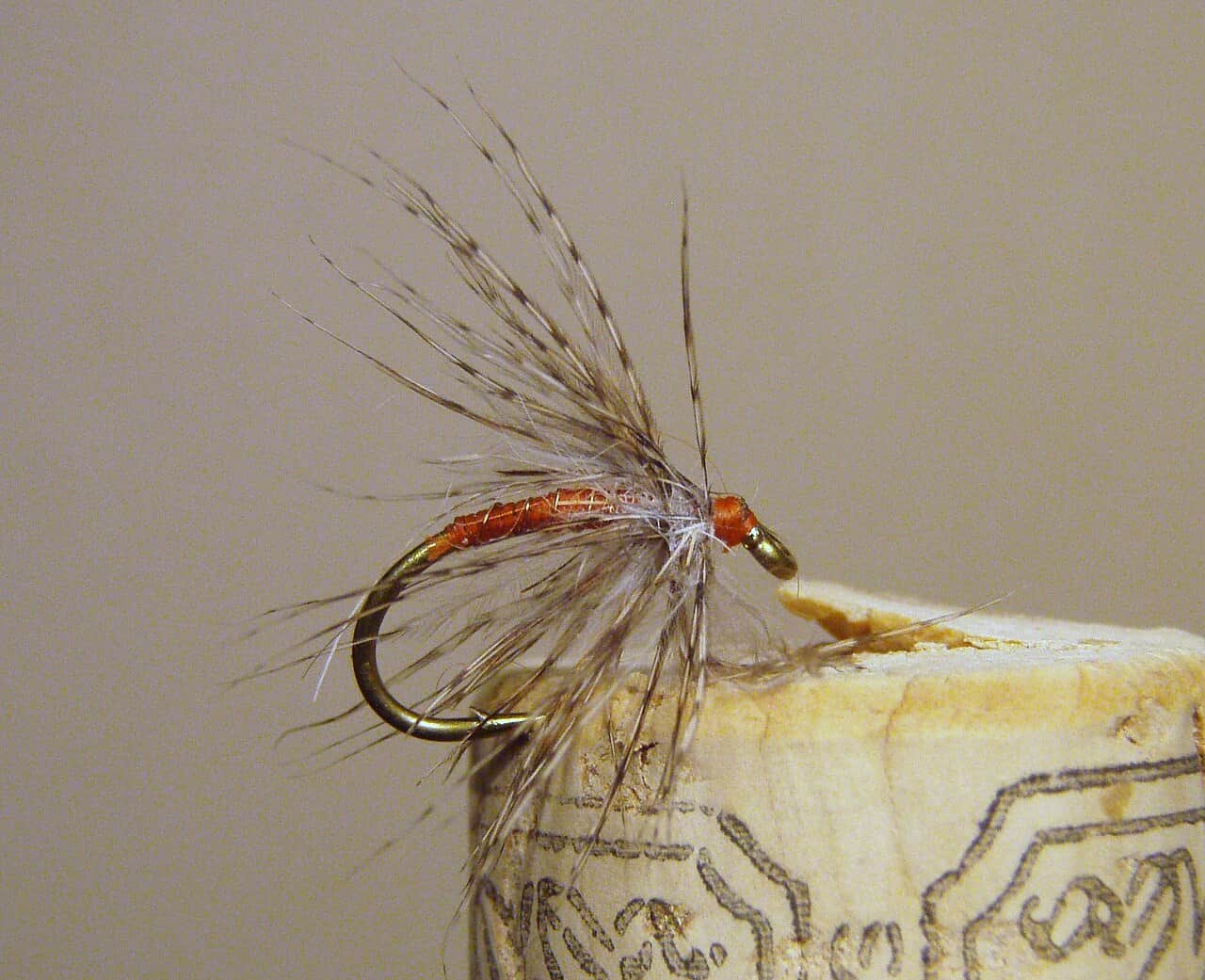
Reviewed family · report says “Soft hackle”Soft-Hackle Wet FliesA slim body and sparse webby feather collar define the family. Body material, tail, bead, and insect-specific color create different named patterns.See family guide ↗
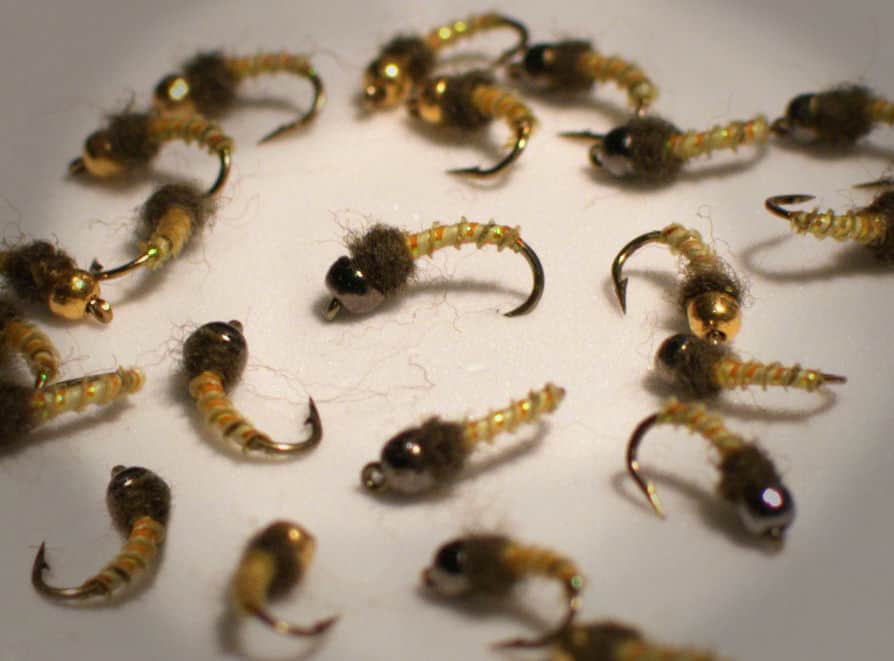
Reviewed family · report says “caddis pupa”Caddis Pupa PatternsCaddis pupa is a life-stage family. Curved bodies, wing pads, legs, beads, and soft-hackle collars differ among exact patterns and must be labeled.See family guide ↗+ 2 more reviewed guides in the Fly Box
Reviewed family · report says “Midge emerger”Midge Patterns by StageMidge wording can mean a threadlike larva, wing-padded pupa, film emerger, tiny adult, or visible cluster. Those profiles fish at different depths.See family guide ↗
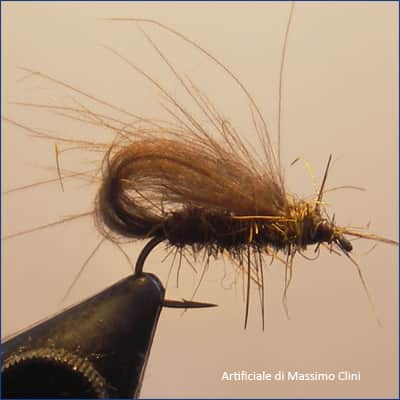
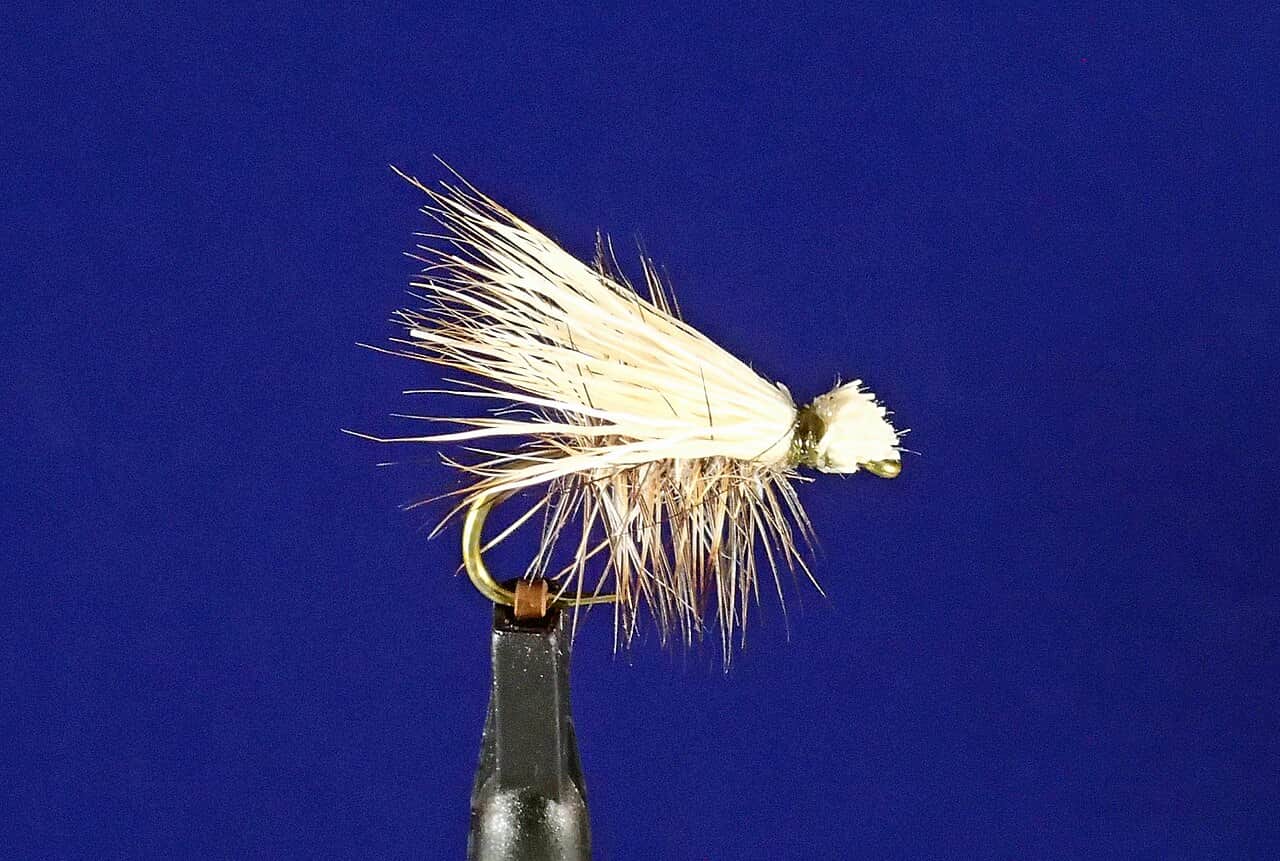
Reviewed pattern · report says “elk hair caddis”Elk Hair CaddisLook for a tented elk- or deer-hair wing, clipped hair head, dubbed body, rib, and hackle palmered along the body. The body color should be labeled because tiers often match different natural caddis colors.See photos & how to fish it ↗+ 3 more reviewed guides in the Fly Box
Reviewed pattern · report says “Zebra midge”Zebra MidgeLook for a very slim tapered thread body, evenly spaced contrasting wire rib, a small bead, and no tail or wing. The reviewed classic is black with silver wire and a silver bead. Red, olive, brown, glass-bead, jig-hook, resin-coated, or tailed forms must remain labeled variations rather than replacing the classic identity.See photos & how to fish it ↗
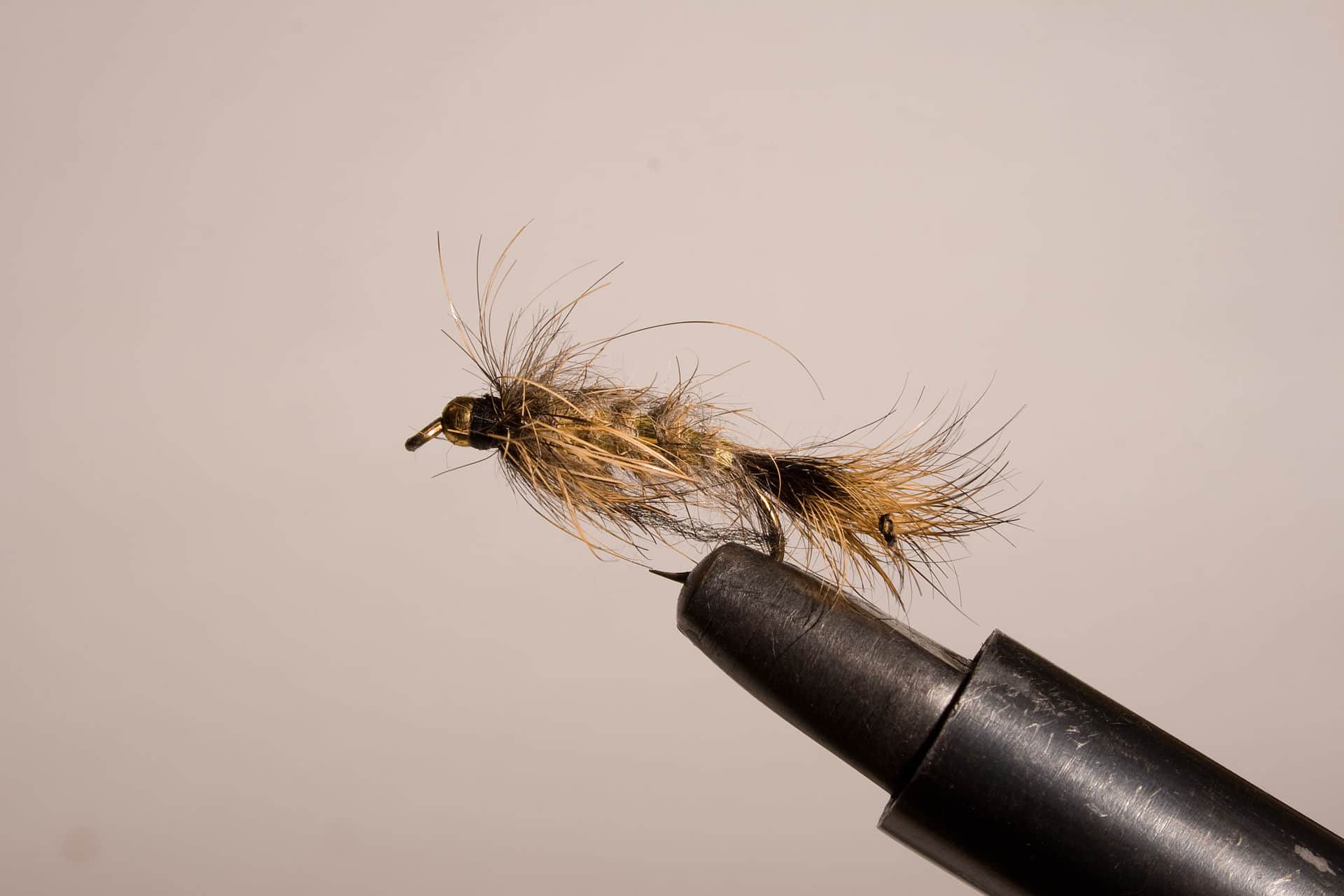
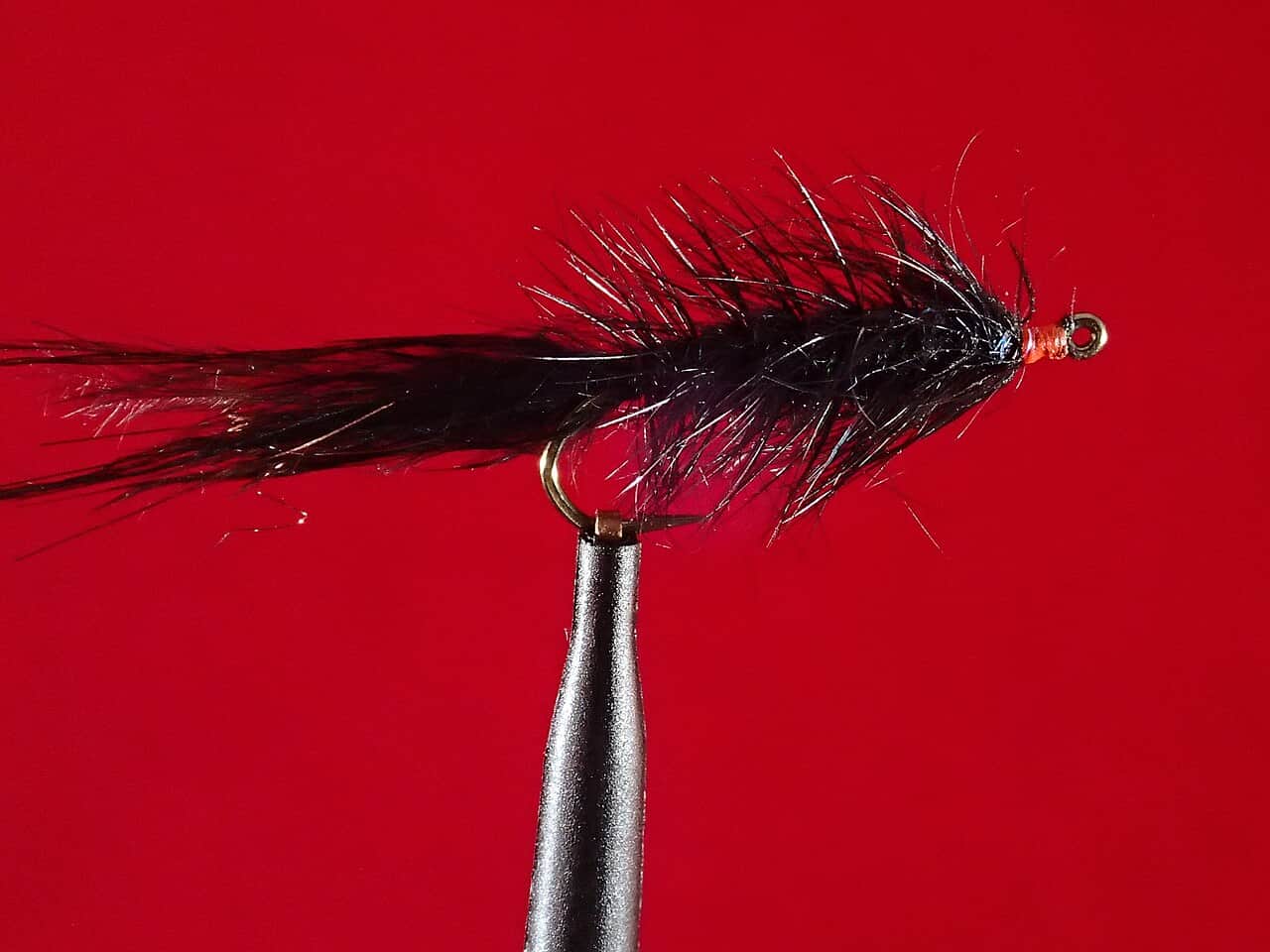
Reviewed family · report says “leech”Leech PatternsLeech patterns share an elongated moving silhouette, but material, weighting, hook orientation, and retrieve vary. Pine-squirrel, rabbit-strip, balanced, and Woolly Bugger forms remain separately labeled rather than being presented as one recipe.See family guide ↗+ 3 more reviewed guides in the Fly Box Confirm release and stage before wading; recheck if you hear sirens or see water color and speed change.
On low water, fish upstream or across-and-up with small rigs and clean mends.
Use long drifts through troughs, but shorten the cast when line control starts hurting the presentation.
When generation rises, switch to bank edges, boat plans, or leave the river.
Avoid redds and visibly paired trout during spawning windows.
Access & responsibility
Know the entry. Know the exit.
Check current AGFC trout regulations before fishing. AGFC's 2026 update says trout anglers on the North Fork River from Norfork Dam to Norfork Access may keep two rainbow trout under 14 inches, and all other trout species must be released immediately. Verify current rules and any special zones before keeping fish.
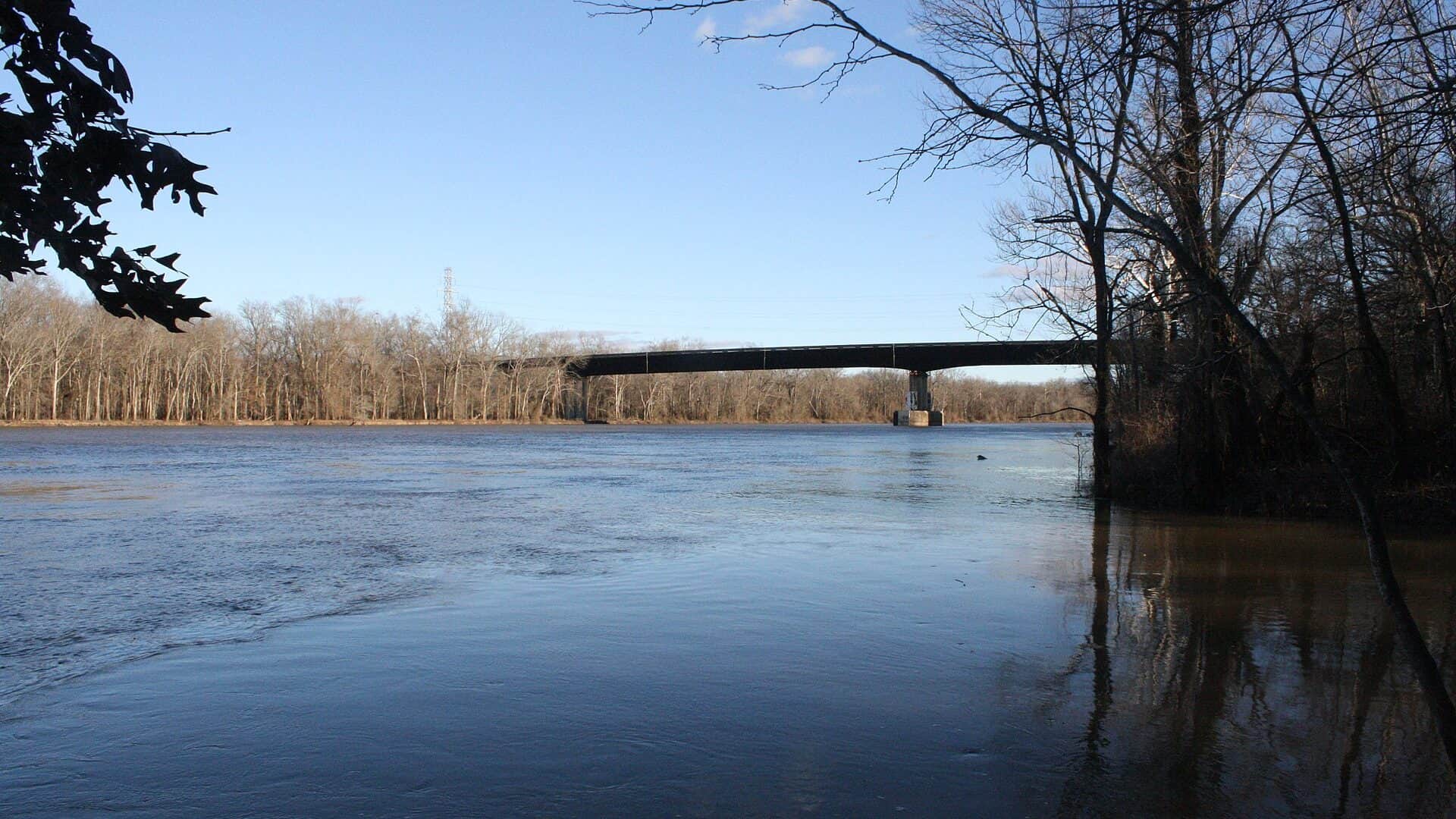
Norfork Dam tailwater
The upper tailwater is the main release-sensitive zone. Check USACE data before wading.
Norfork Access and confluence area
This lower-end access helps frame the reach where the Norfork meets the White River.
Norfork National Fish Hatchery area
Useful for understanding trout stocking and local context, but follow posted access rules.
Boat and guide access
Practical during generation, but launch and takeout planning should be confirmed locally.
Transparent sources
Check the facts behind the plan.
Last material review: 2026-07-06
Common questions
Before you leave.
Is the Norfork Tailwater the same as the White River?+
No. It is the lower North Fork of the White River below Norfork Dam before it joins the White River.
Can you wade the Norfork Tailwater?+
Often yes during low generation, but dam releases can make wading unsafe quickly. Check USACE and RiverGages first.
What flies should I bring?+
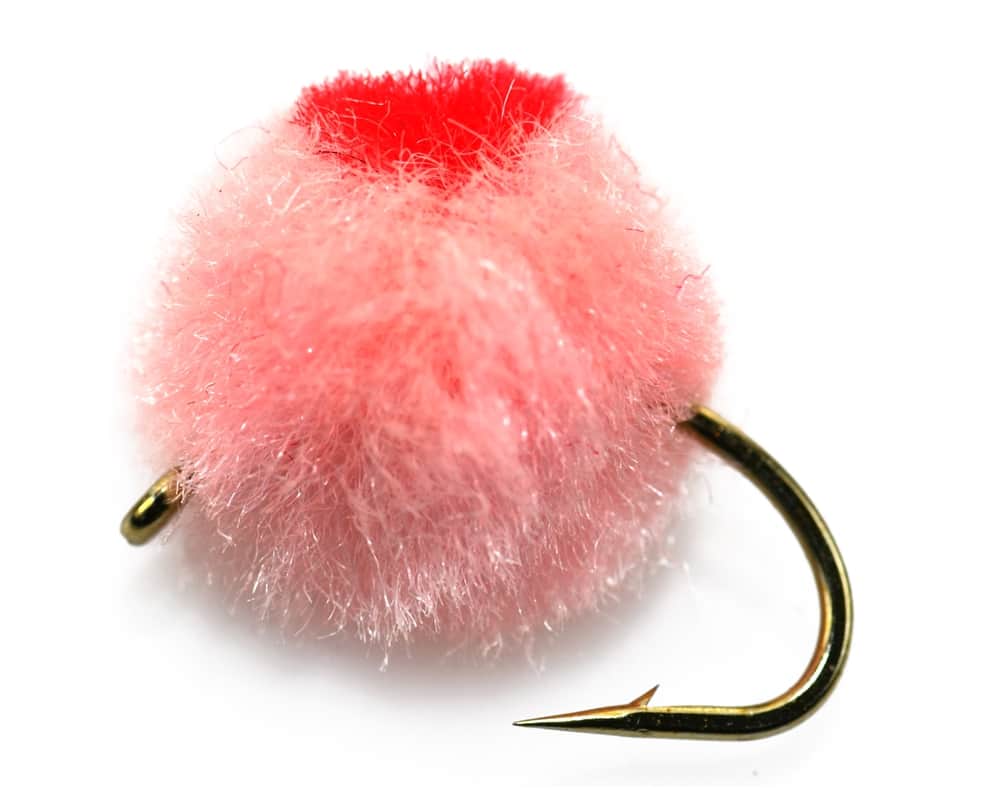
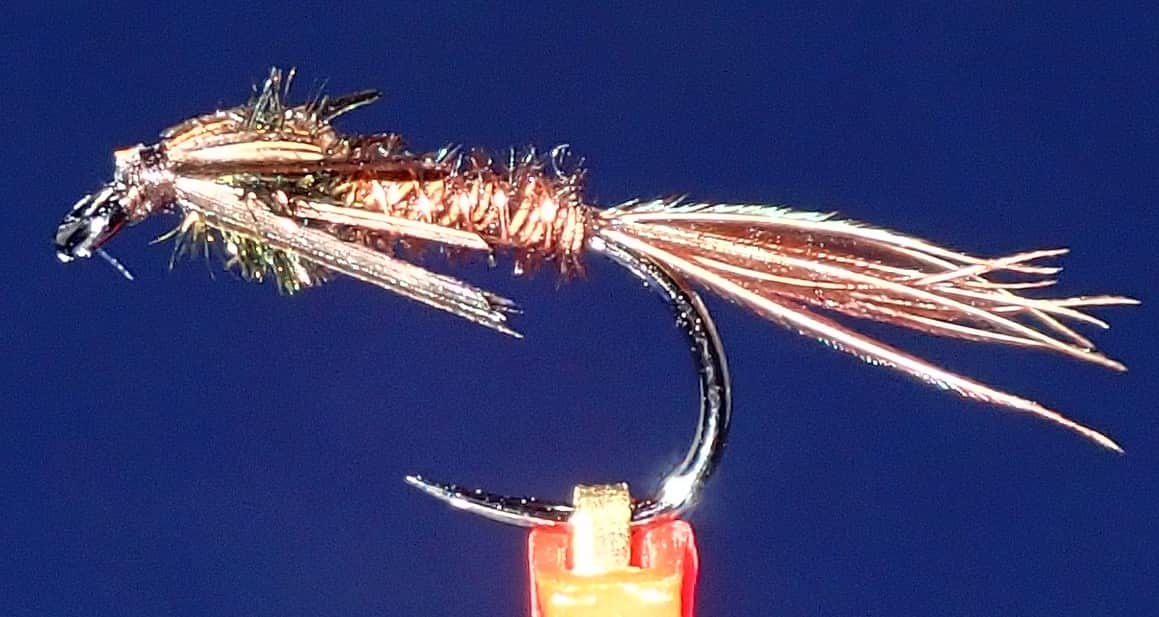
Bring zebra midges, scuds, sowbugs, pheasant tails, soft hackles, eggs, small dries, and a few streamers.
Are current trout limits different?+
Yes. AGFC announced 2026 tailwater limits connected to hatchery shortages. Always verify the current AGFC rules.