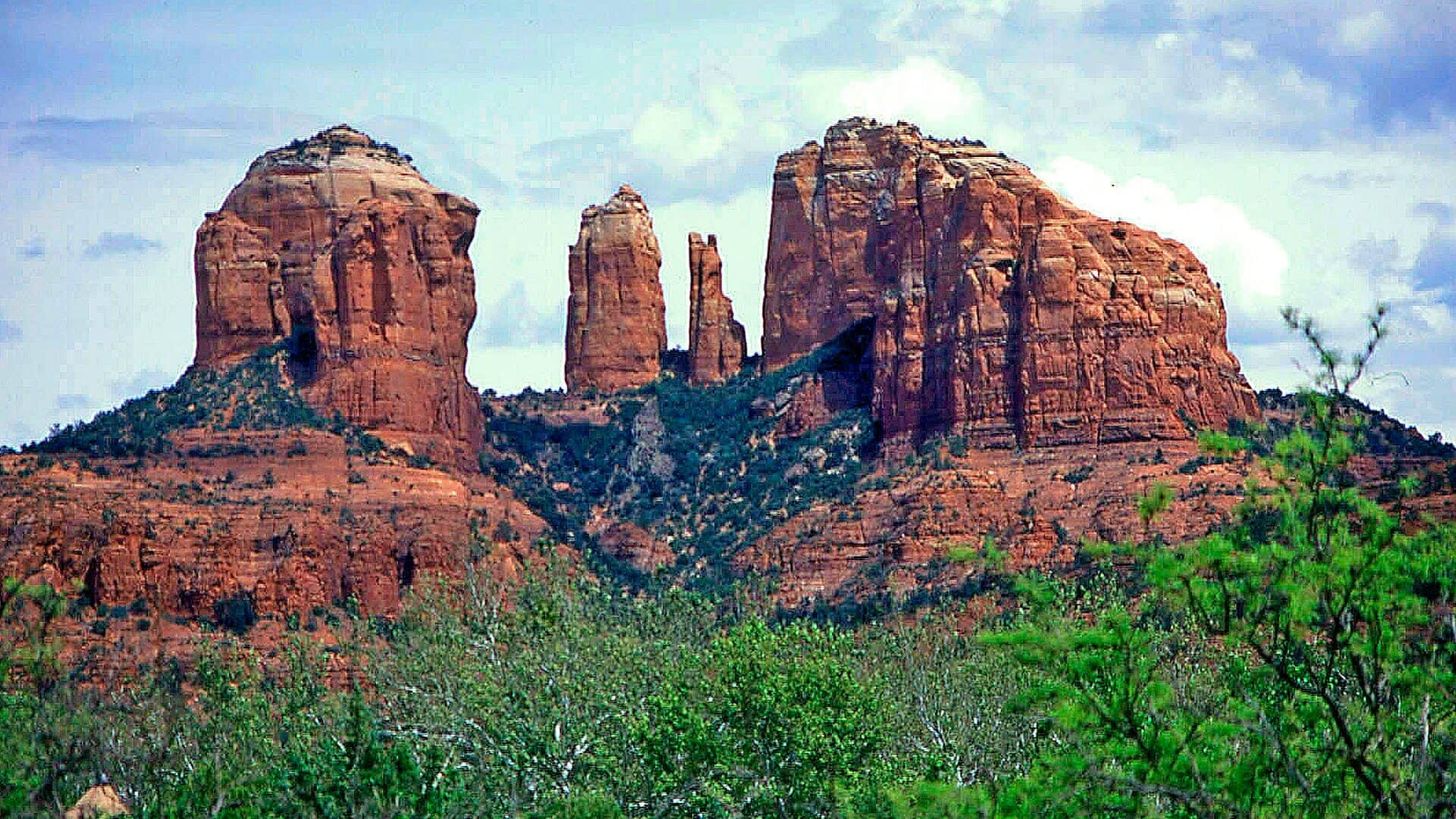
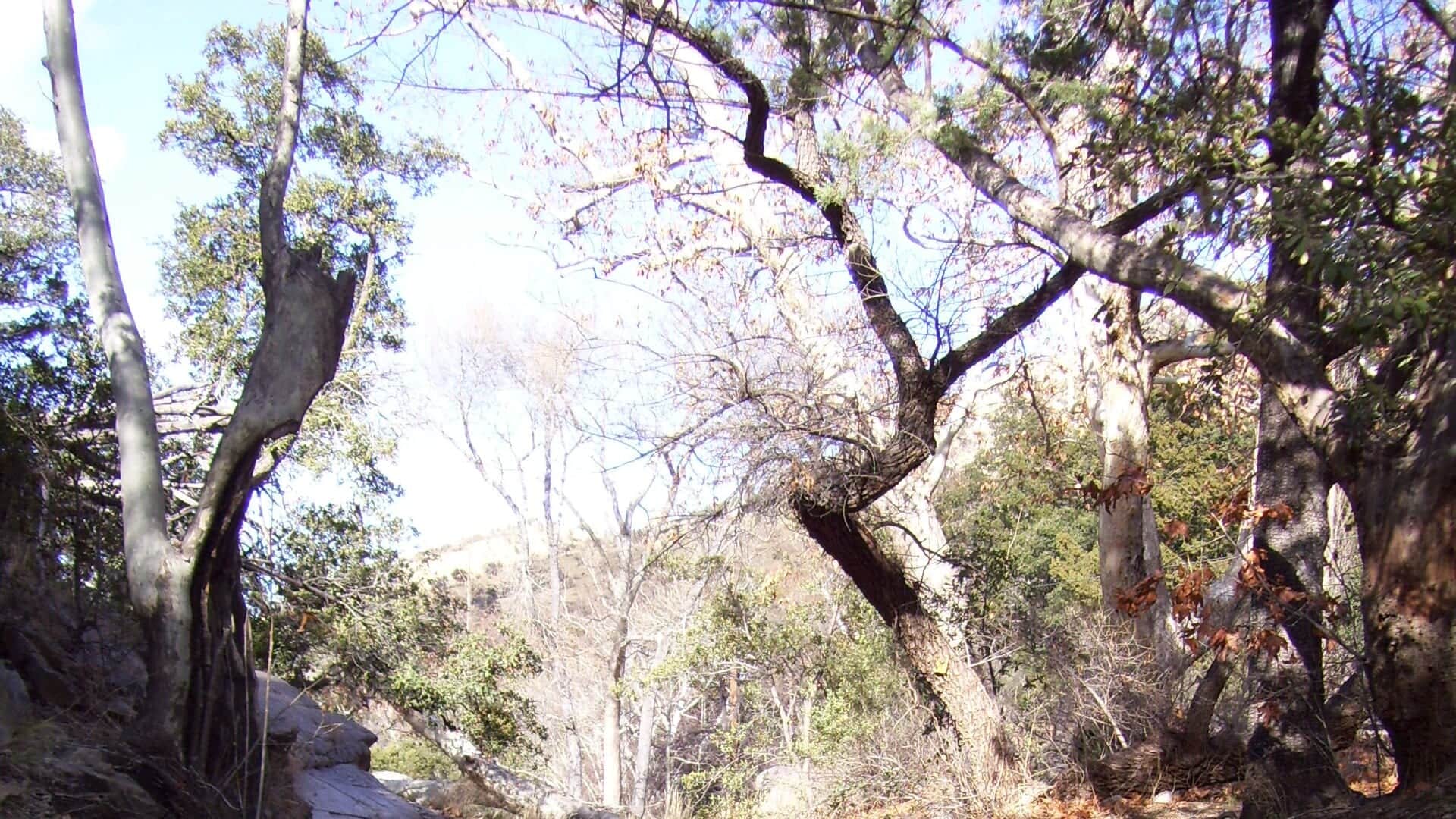
Tonto Creek flowing below Horton Creek in Arizona

Arizona / Southwest

Tonto Creek

A closure-aware Mogollon Rim report for trout tactics, flow checks, hatch timing, forest access, and safe trip planning near Payson.

Image: Tonto Creek in Arizona just after Horton Creek joins with Tonto Creek / CC BY-SA 4.0 / Richard N Horne

Fishability now: Tonto Creek fishability today

GoodData confidence: High

77/100

Fishable now because the live gauge is falling, weather is usable, and no public alert is active.

Flow observed

4:15 PM UTC

Weather observed

4:00 PM UTC

Score calculated

5:08 PM UTC

Why this rating

Flow

Weather

Public alerts

Next 6-12 hours

Improving / hold

A falling gauge and usable weather should keep the next 6-12 hours in play unless tributaries stain or heat builds.

More planning details: flies, flow bands, and live source checks

Fish it today

Start here

Start with the closure and fire-restriction check, then compare Horton, Upper Tonto, Lower Tonto, and accessible pocket water only after flow, weather, and road conditions still support the trip.

Best flow clue

Use RiverReports and USGS 09499000 as a trend and safety reference, then verify upper-creek clarity and access. Stable or slowly falling clear water is best; rising, stained, or storm-fed water should move the day to scouting or another route.

Skip trigger

Skip it when Forest Service closures affect the access you planned, monsoon storms or runoff stain the creek, road conditions are unsafe, water is too warm for trout, or the downstream gauge is rising enough to make crossings questionable.

Flow decision bands

Low but possible

Fish only cold, connected pockets with light dries or droppers, and avoid walking through shallow holding water.

Best Rim window

Stable or slowly falling clear water, open access, and mild weather are the best signals for pocket-water dries, nymphs, and small streamers.

Storm or runoff risk

Monsoon rain, runoff, or a rising downstream gauge should make crossings and canyon edges a hard no.

Closure override

Forest Service closures, fire restrictions, bridge work, or road conditions override otherwise good-looking water.

USGS flow

0 cfs

Open

Current trend: flow falling, rating likely holding strong unless weather or clarity changes.

Live USGS flow

0 cfs / falling about 100%

Live NWS forecast

83F / Sunny

Water temperature not verified

Heat guidance uses weather and river type unless an official water-temperature value is available.

No NWS alert flag

No active NWS alert was returned for this forecast point.

Primary waterHigh-country Rim trout creek
GaugeRiverReports with USGS 09499000 fallback
Access styleForest-road access with active closure checks
ReviewedMay 31, 2026

Check the active Tonto National Forest bridge-construction closure before choosing Horton, Upper Tonto, or Lower Tonto access.

Use RiverReports first for a quick water read, then open USGS 09499000 because the gauge is downstream of the upper creek.

Expect better fly-fishing windows when the creek is stable, clear, and not hammered by runoff or monsoon storms.

Clean, drain, and dry gear because AZGFD has reported New Zealand mudsnails in the Tonto Creek system.

Editorial review

How this report is maintained

This report starts with official regulation, access, flow, weather, and public-river sources, then adds practical planning guidance for anglers.

Byline

BlueStreamFly editorial desk

Reviewed by

BlueStreamFly source review

Maintained by

BlueStreamFly

Last material review

2026-05-31

Report confidence

High confidence

83/100

Strong flow, Forest Service access and closure, Arizona regulation, hatchery, fire-restriction, and weather sources support Tonto Creek fishability guidance. Confidence is capped by the downstream gauge's imperfect read on upper pockets, bridge-work access changes, and monsoon storm risk.

Regulations

Arizona regulation and hatchery sources support the rule and trout-management context.

Flow support

RiverReports coverage is backed by USGS 09499000 above Gun Creek near Roosevelt.

Access support

Tonto National Forest Horton access and temporary closure sources support the route's access decisions.

Weather and safety

NWS support is paired with monsoon, road, fire-restriction, crossing, and warm-water cautions.

Angler usefulness

The page separates closure checks, upper versus lower creek use, flow trend, road timing, and backup-water decisions.

Editorial review

A public correction path, source standards page, latest verified note, and change log are included.

Fishability source review

2026-05-31 / material content or source review

RiverReports and USGS Tonto Creek flow support, Tonto National Forest Horton access and bridge-construction closure sources, Arizona regulation and hatchery references, Forest Service fire-restriction sources, and the National Weather Service forecast point were rechecked before adding the current fishability decision layer.

2026-05-31

Upgraded the page to the Pine Creek fishability standard with a reviewed route profile, closure-aware flow decision bands, access cards, backup logic, source-confidence meter, and a top-page current-fishability answer.

2026-05-24

Initial source-reviewed report published with flows, weather, hatches, flies, tactics, access, regulations, and FAQs.

Angler planning edge

Local details that change the plan

Best for

Mogollon Rim trout anglers who need closure, road, flow, and weather checks before driving from Payson, Small-stream dry-dropper, light nymph, and pocket-water sessions when Tonto Creek is stable and clear, Trips where Horton, Upper Tonto, Lower Tonto, and bridge-work access decisions matter before fly choice, Anglers who can pivot to nearby Rim water when the creek is storm-stained, closed, warm, or too low

Wade or float

Treat Tonto Creek as a walk-and-wade small stream. The useful water is short, careful, and access-dependent, not a float or big-river coverage plan.

Best flows

Use RiverReports and USGS 09499000 as a trend and safety reference, then verify upper-creek clarity and access. Stable or slowly falling clear water is best; rising, stained, or storm-fed water should move the day to scouting or another route.

When to skip

Skip it when Forest Service closures affect the access you planned, monsoon storms or runoff stain the creek, road conditions are unsafe, water is too warm for trout, or the downstream gauge is rising enough to make crossings questionable.

Local plan

Start with the closure and fire-restriction check, then compare Horton, Upper Tonto, Lower Tonto, and accessible pocket water only after flow, weather, and road conditions still support the trip.

Pressure

Obvious campground and trailhead water gets the most pressure when access is open. Quiet approaches, short sessions, and moving past the first pool usually matter more than changing attractor dries.

Access nuance

Tonto Creek access changes with bridge work, fire restrictions, winter road conditions, and posted forest orders. A familiar trailhead or campground should still be checked before the drive.

Backup water

If Tonto Creek is closed, storm-stained, warm, or too low, compare Canyon Creek, Oak Creek, Silver Creek, or a legal Rim lake after checking current rules and access.

About the river

Setting, character, and why it fishes the way it does.

Tonto Creek begins high on the Mogollon Rim and drops through forest, canyon, and private-land sections before eventually reaching Roosevelt Lake.

For fly anglers, the practical trout plan is usually the upper creek and nearby tributary access around the Rim country, not the entire long drainage.

The Tonto Creek Hatchery near the headwaters has been part of Arizona trout management since the 1930s, but the hatchery property and the fishable creek should not be treated as the same access point.

Because the public road, campground, and trailhead network changes with construction, winter weather, and fire orders, this page gives access guardrails rather than promising one always-open pullout.

Target species

Rainbow trout

The common stocked-trout target in accessible Rim-country water. Check current stocking and regulations before counting on fresh fish.

Brown trout

Possible in parts of the drainage, but this page avoids promising them in every reach.

Brook and cutthroat trout

AZGFD hatchery production includes these trout, but current stream presence should be verified locally before planning around them.

Native warmwater fish

Lower and warmer reaches can shift away from trout-first planning and should be approached with a different expectation.

Reading the water

Low and clear

Stay back from pools, use one light nymph or a small dry-dropper, and avoid repeated casts through the same pocket.

Stable medium flow

Cover pocket water, plunge pools, and undercut edges with short drifts and frequent fly changes.

Rising or stained

Skip crossings and fish only soft edges if the water is safely approachable. Flash flooding can make the creek dangerous quickly.

Winter or post-storm

Road snow, ice, and bridge work can matter more than the fly box. Confirm access before leaving Payson.

Best seasons

Spring

Good small-stream potential when access is open and runoff is not high enough to make pocket water unsafe.

Early summer

Morning shade, caddis, attractor dries, and dry-dropper rigs can be useful before water warms or crowds build.

Monsoon season

Fish only with a conservative weather plan. Storms upstream can move water and debris fast.

Fall

Cooler weather and lighter pressure can make short technical sessions more useful if flows are stable.

Preferred flow source

Tonto Creek above Gun Creek near Roosevelt

RiverReports is the preferred chart source when coverage exists. When a matching USGS gauge exists, keep it open as the official backstop for station data and current hydrograph context.

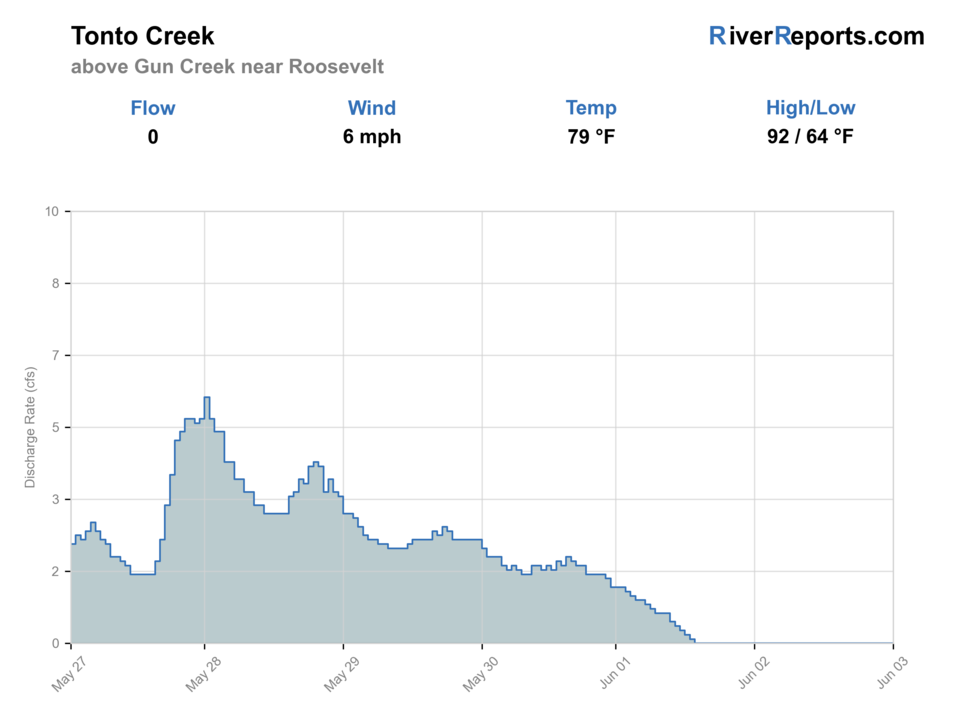
Tonto Creek above Gun Creek near Roosevelt RiverReports flow chart

USGS data chart

Official USGS trend

Streamflow over the latest USGS reporting window.

Latest

0 cfs

Jun 3, 5 PM UTC

Site

09499000

Low / high

0 / 6 cfs

Source

Open USGS

Weather

River weather report

Weather can change wading safety, road access, water temperature, hatches, and the best time of day to fish.

Live forecast loads as you reach this section

This keeps the report fast while still using the official National Weather Service forecast point.

Hatches and flies

Hatch chart and fly picks

Late winter to early spring

Midges and small olives

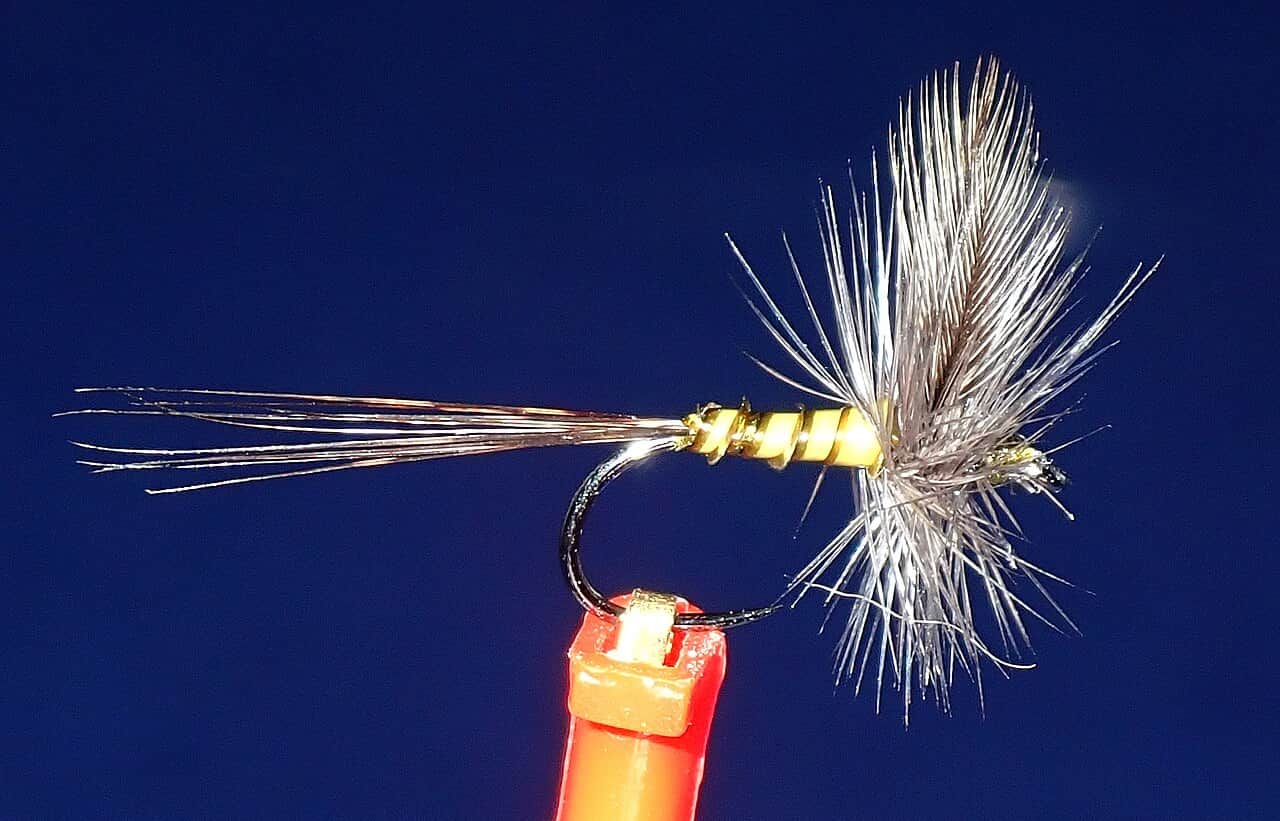
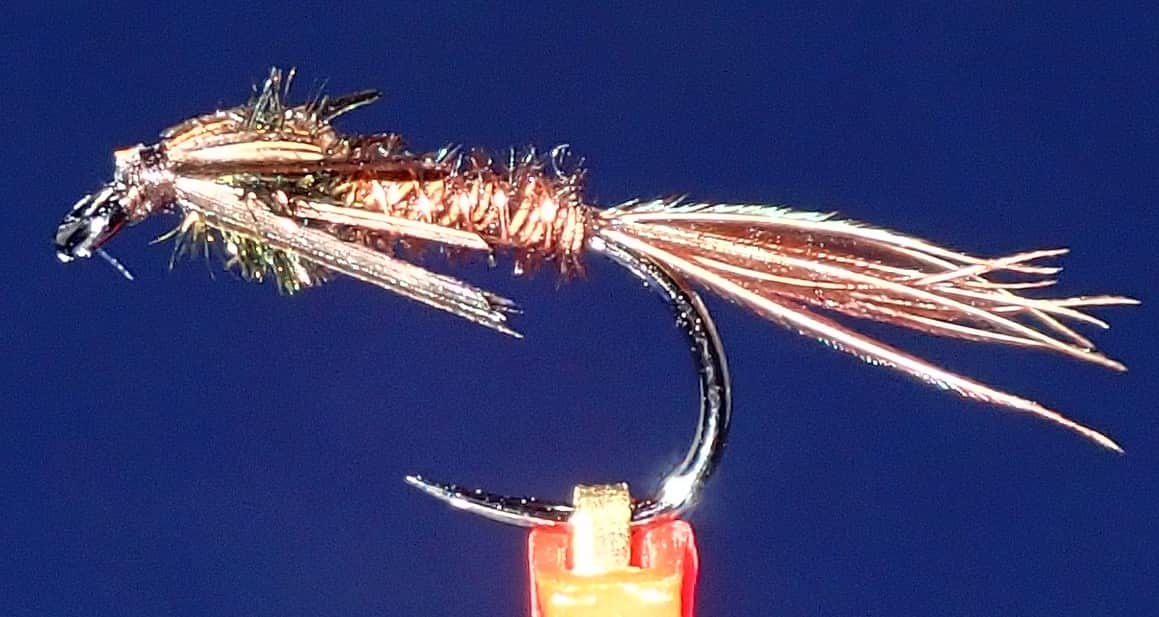
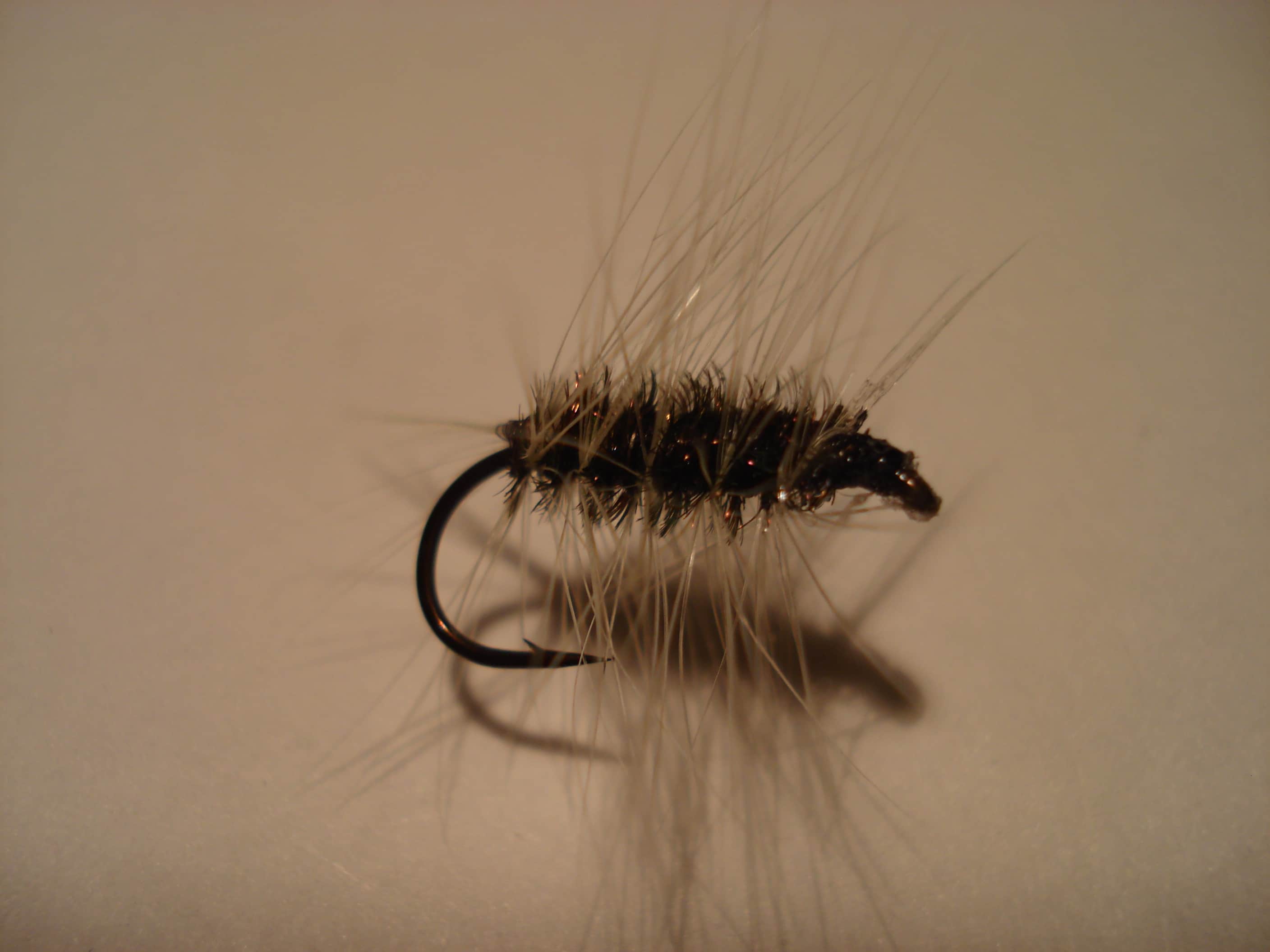
Zebra midge, Griffith's gnat, small pheasant tail, parachute Adams

Spring

Caddis, mayflies, small stoneflies

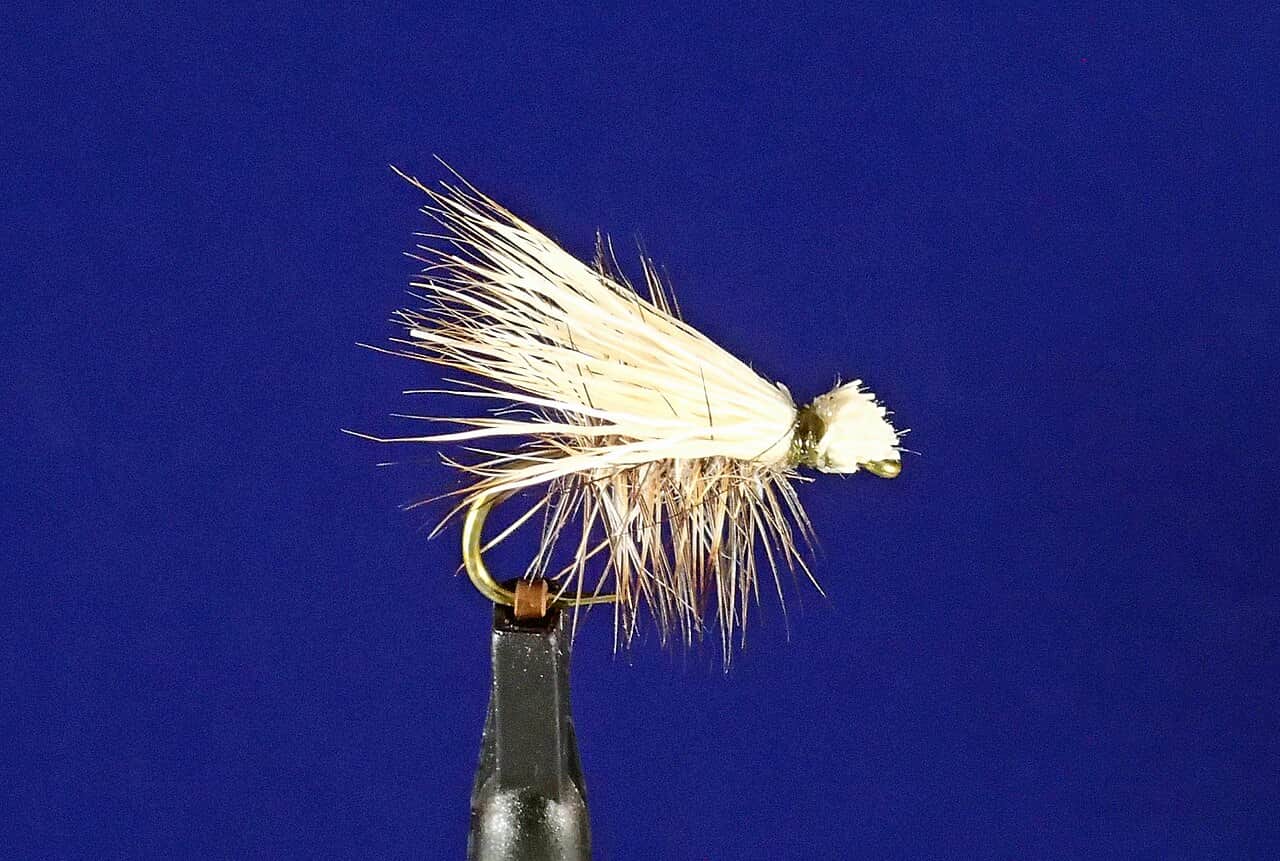
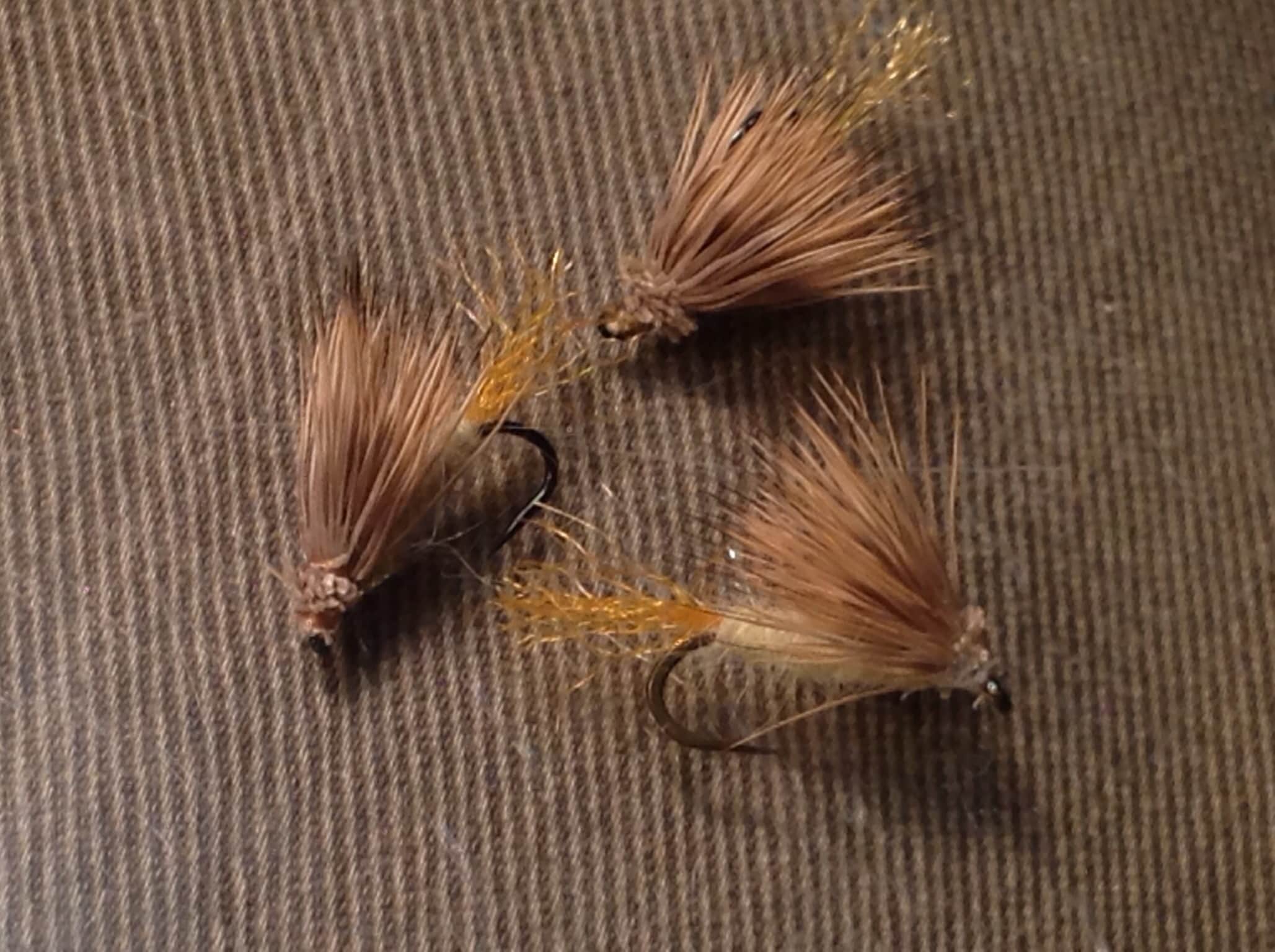
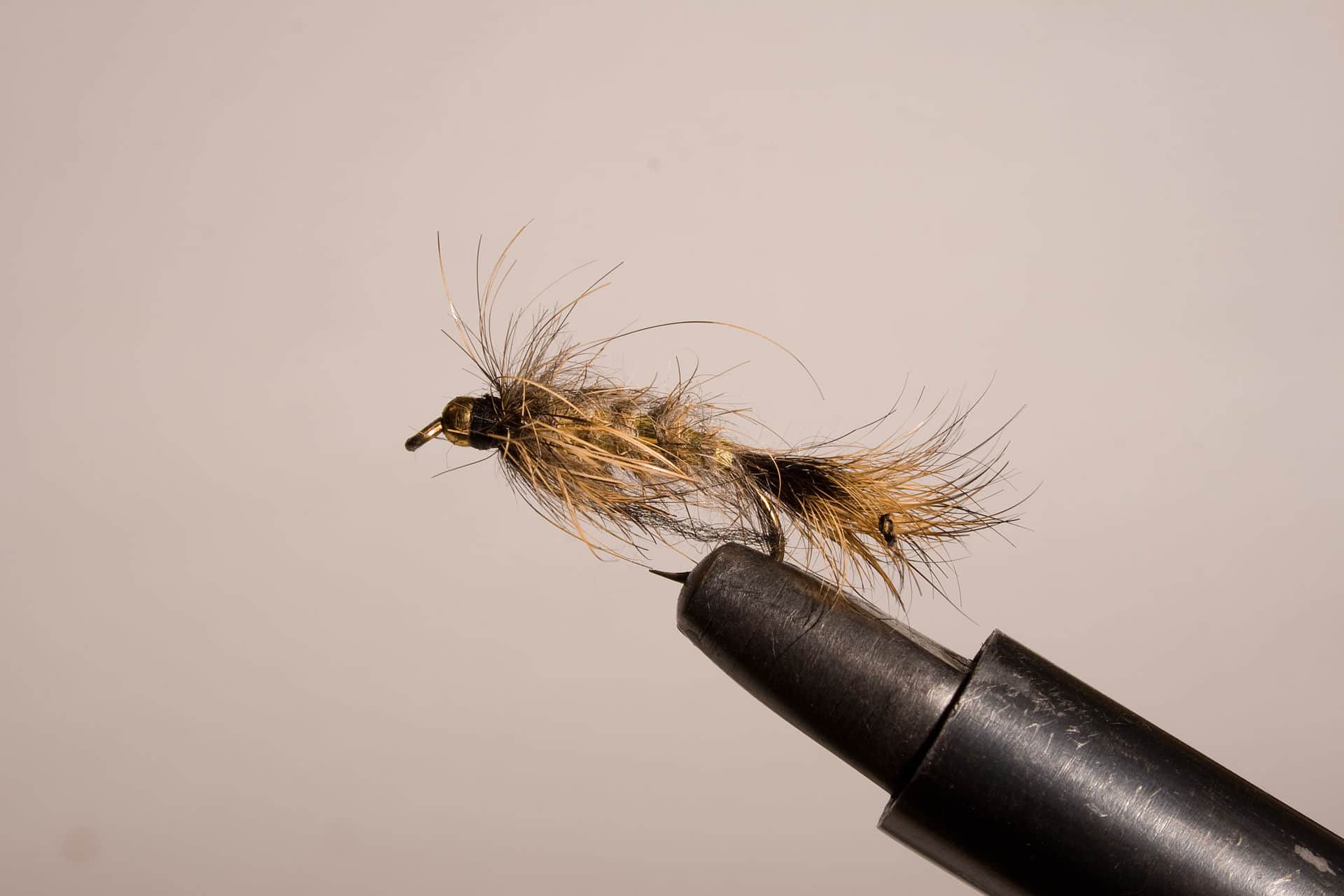
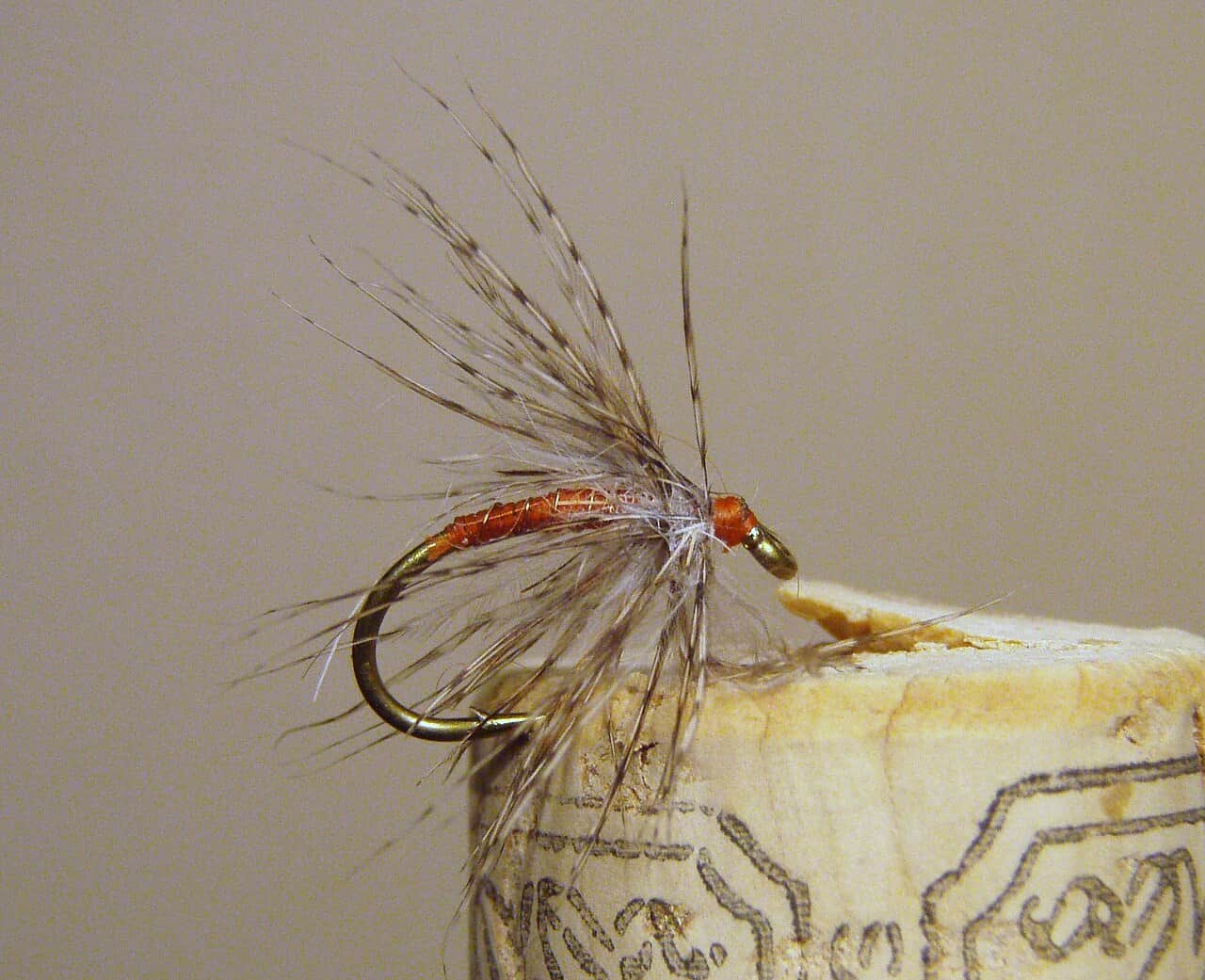
Elk hair caddis, X-caddis, hare's ear, copper john, soft hackle

Summer

Terrestrials and sparse caddis

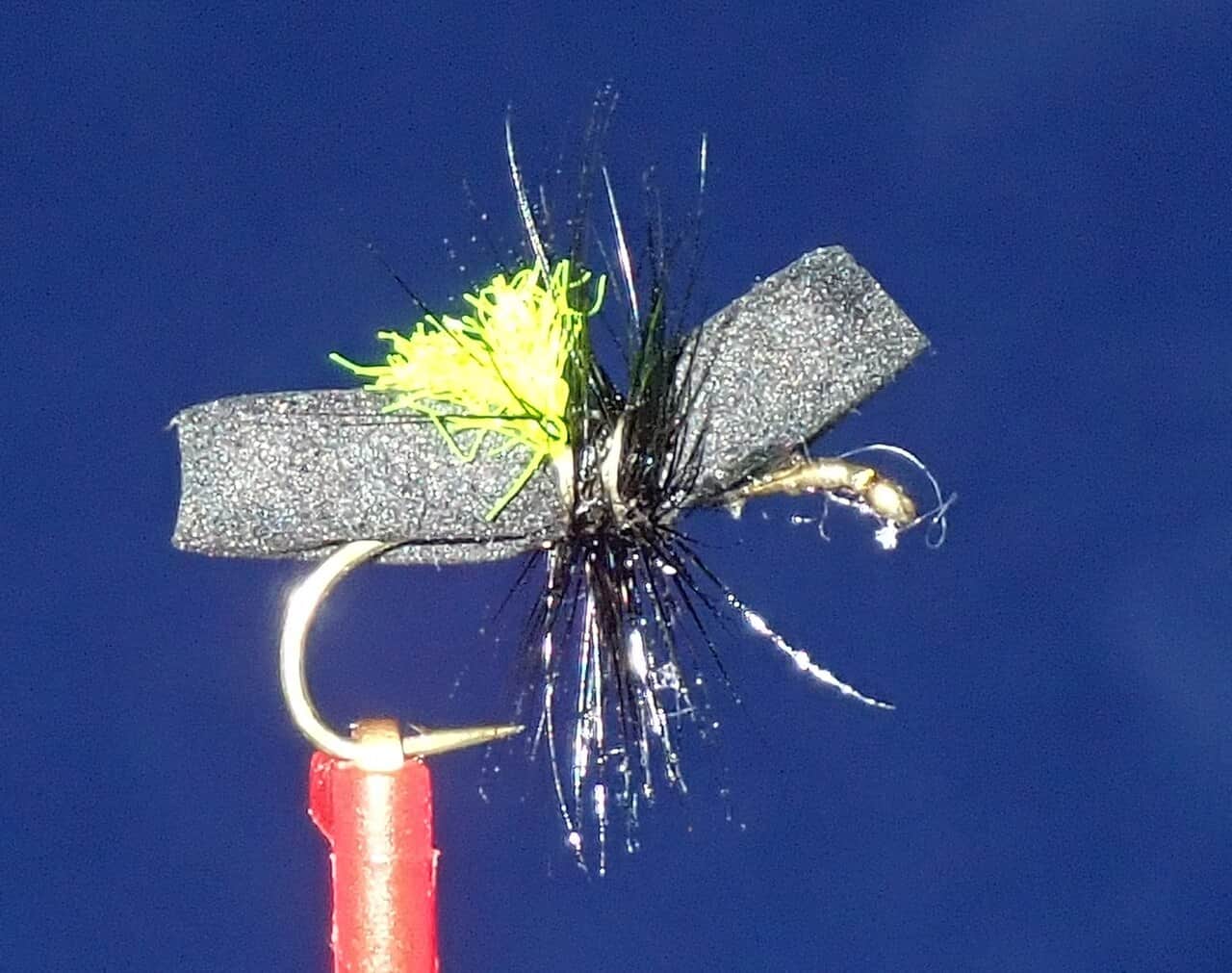
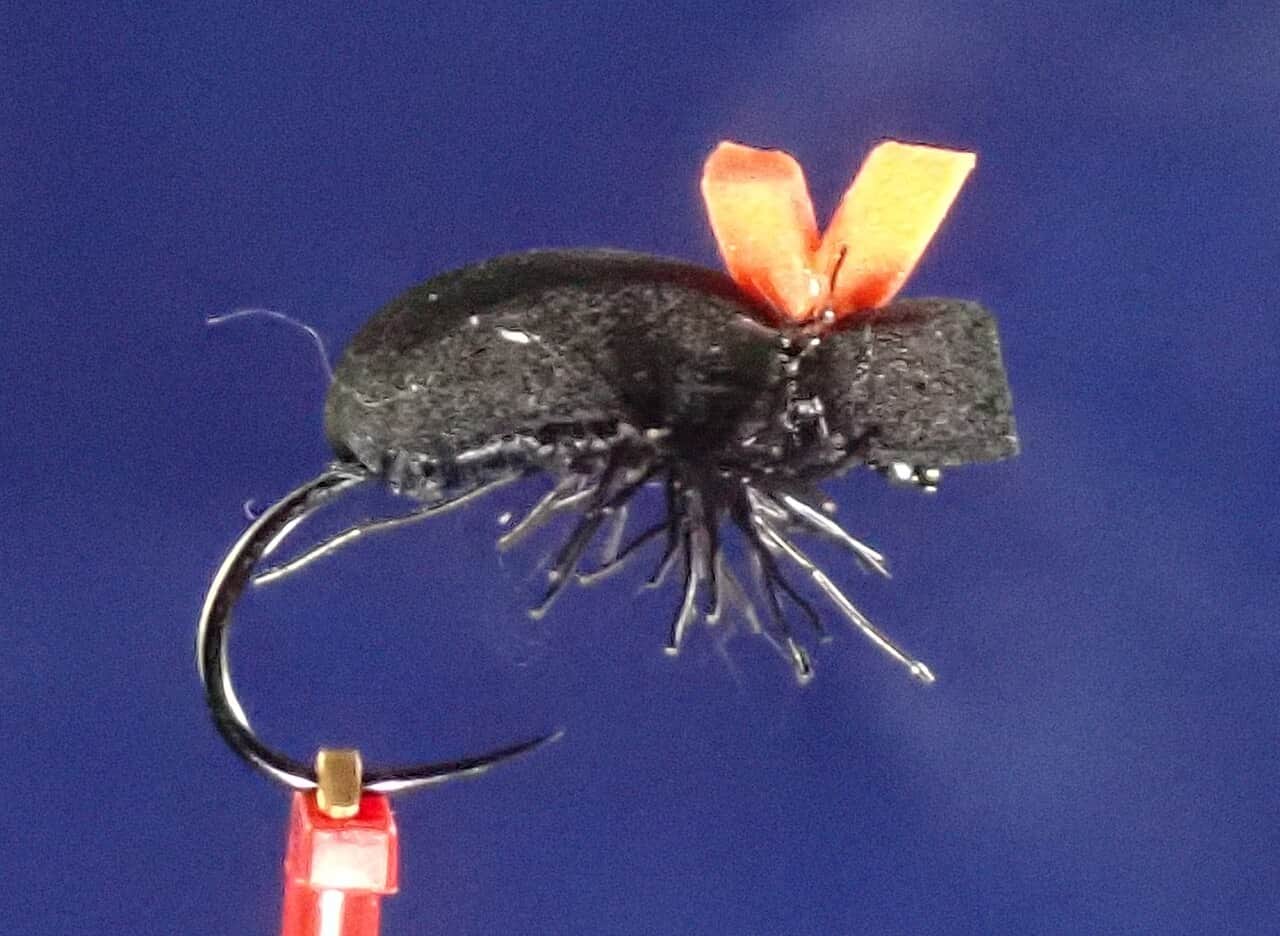
Foam ant, beetle, small hopper, stimulator, dry-dropper nymph

Fall

Small mayflies, midges, attractor windows

BWO, perdigon, zebra midge, small parachute dry, woolly bugger

Small dries

Parachute Adams, elk hair caddis, Griffith's gnat, foam ant

Use in pocket water and pool tails when the creek is clear and trout are looking up.

Nymphs

Pheasant tail, hare's ear, zebra midge, perdigon, copper john

Use under a small indicator, dry-dropper, or tight-line presentation in deeper slots.

Attractors

Stimulator, royal Wulff, chubby Chernobyl, small hopper

Use as a searching fly when no specific hatch is visible and the water has enough depth.

Small streamers

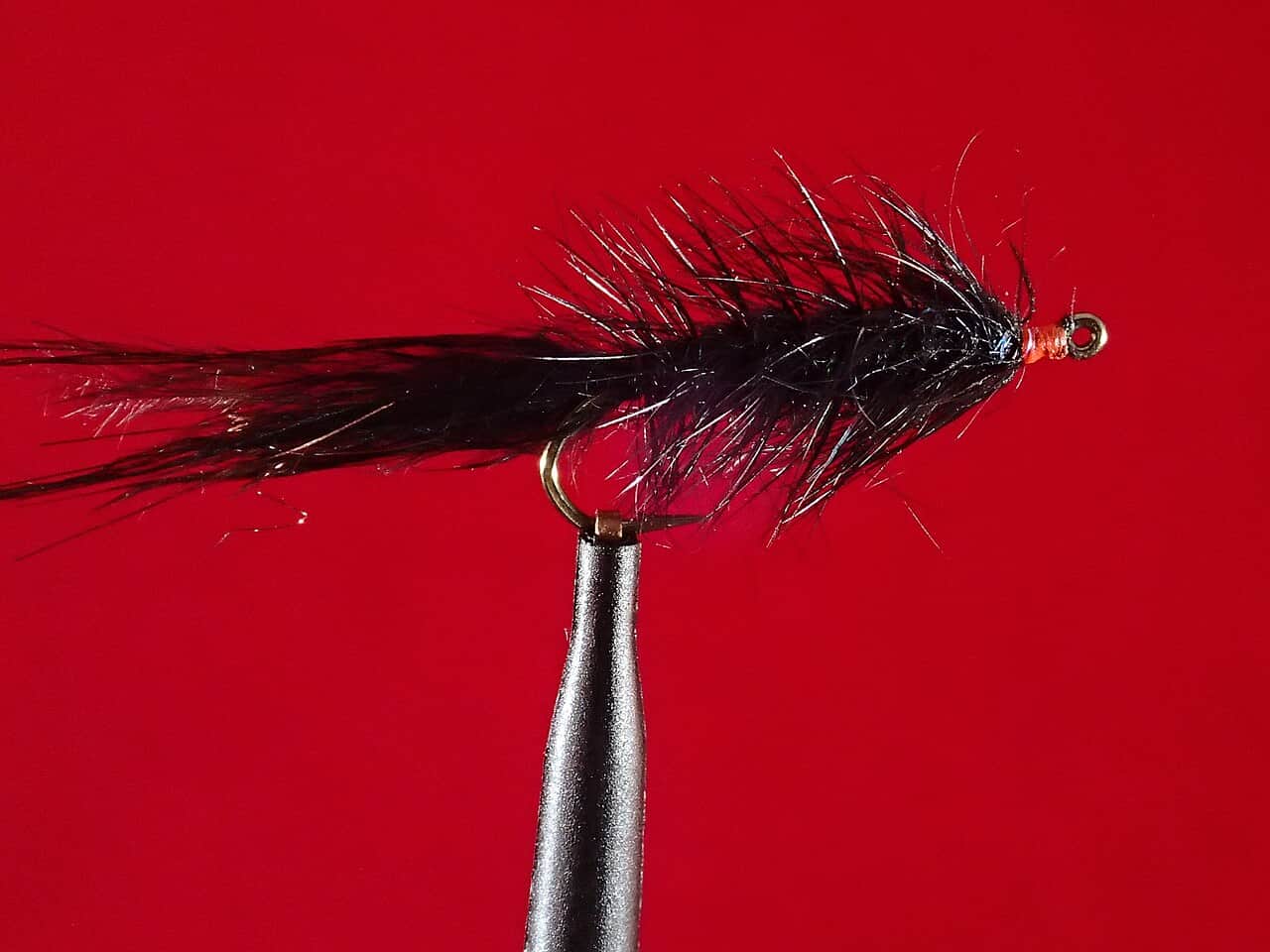
Woolly bugger, leech, mini sculpin, black micro bugger

Use sparingly after a bump in flow or in deeper cover where a larger trout may hold.

Tactics

How to fish it

Move slowly and fish upstream when possible so the first cast lands before your shadow does.

Start with a single dry or dry-dropper rather than a heavy two-nymph rig in skinny water.

Use the downstream gauge as a trend tool, not as a perfect read on every upper-creek pocket.

Fish shaded banks, plunge pools, and root edges before walking into the middle of the run.

Give bait anglers, families, and hatchery visitors space near the most obvious access points.

Decontaminate boots and waders between Tonto Creek and other Rim waters.

Rigging

Rod, leader, and setup notes

A 7.5- to 9-foot 3-weight or 4-weight is enough for most upper-creek fly fishing.

Use 7.5- to 9-foot leaders with 5X or 6X tippet in clear water.

Carry small indicators, yarn, and dry-dropper materials instead of bulky lake-style rigs.

Pack traction for slick rocks and avoid high-gradient crossings after rain.

Bring a thermometer in warm weather and stop targeting trout if water is too warm.

Access

Access and planning notes

Horton area

Closure-aware starting check

Wade / float / trail

Trailhead / walk-and-wade

When to pick it

Use it only after confirming the current Forest Service closure and parking status.

Caution

Bridge work and temporary closures can remove the access plan even when flow looks good.

Upper Tonto Creek

Small-stream trout plan

Wade / float / trail

Forest-road access / pocket water

When to pick it

Pick it when roads are open, water is clear, and temperatures support careful trout handling.

Caution

Upper water is small and sensitive; avoid warm afternoons and repeated casts at visible trout.

Lower Tonto Creek

Condition scout

Wade / float / trail

Access verification / trend check

When to pick it

Use it when the downstream gauge and actual clarity help explain whether the upper plan is improving or failing.

Caution

Lower water may not match upper-pocket conditions and can warm or stain differently.

Payson / Kohl's Ranch base

Road and weather staging

Wade / float / trail

Drive decision / backup planning

When to pick it

Use town as the last check for storm cells, forest orders, and whether another Rim water is smarter.

Caution

Cell service and road conditions can change quickly away from town.

Tonto National Forest published a temporary closure affecting Upper and Lower Tonto Creek campgrounds and Horton Creek trailhead parking from March 9 through Dec. 31, 2026.

Forest Road 289 may remain passable during work, but delays or changing site access can still affect the day.

The hatchery road is paved to the facility, but AZGFD warns winter weather can still close or complicate public visitation.

Lower drainage access can involve private property, reservoir conditions, and seasonal bald-eagle closures near Roosevelt Lake.

Use official signs, current fire restrictions, and Forest Service alerts if they differ from older fishing reports.

Regulations

Check before fishing

Verify the current Arizona fishing regulations, special-regulation tables, license requirements, Forest Service closures, and posted signs before fishing. Do not assume campground, trailhead, or hatchery-adjacent access is open just because older reports describe it.

Primary base

Payson or Kohl's Ranch, Arizona

Best day style

Forest-road access with active closure checks

Check first

Tonto National Forest alerts, Arizona regulations, flow, and weather

Safety

Bridge work closures, fire restrictions, monsoon runoff, winter road conditions

Gear

Helpful gear for this water

Light small-stream rod

A 3-weight or 4-weight handles short casts under trees and around pocket water.

Wading shoes that clean easily

Mudsnail precautions make cleanable soles and a decontamination plan important.

Thermometer

Useful during summer low water and warm afternoons.

Offline map

Cell coverage and forest-road navigation can be unreliable away from Payson.

Nearby water

Other water to research

Backup logic

Access closure

Treat the Forest Service order as the hard stop and choose another legal water instead of improvising around closed parking or trailheads.

Monsoon storm

Avoid crossings, wait for clarity to return, and use the drive time to compare safer nearby waters.

Warm or low water

Fish early only if water is cold and connected, then stop trout fishing and move to a better-supported option.

Road or fire issue

Stay on maintained, open roads and use official restrictions to decide whether to skip the creek entirely.

Oak Creek

A more famous Arizona canyon trout option with its own access, crowd, and regulation checks.

Canyon Creek

Another Mogollon Rim trout creek when you need a different small-stream plan.

Silver Creek

A White Mountains hatchery-property fishery with very different seasonal rules.

FAQ

Fast answers

Is Tonto Creek fishable today?

Tonto Creek looks fishable right now. The live score is 77/100, based on current flow, weather, public alerts, and the report's planning context. Recheck the linked gauge and forecast before leaving because conditions can change quickly after rain, heat, access changes, or flow swings.

What flow is best for Tonto Creek?

Use RiverReports and USGS 09499000 as a trend and safety reference, then verify upper-creek clarity and access. Stable or slowly falling clear water is best; rising, stained, or storm-fed water should move the day to scouting or another route.

When should I skip Tonto Creek?

Skip it when Forest Service closures affect the access you planned, monsoon storms or runoff stain the creek, road conditions are unsafe, water is too warm for trout, or the downstream gauge is rising enough to make crossings questionable.

Is Tonto Creek safe to wade right now?

The fishability score is not a wading guarantee. Wade only where your chosen access has safe edges, clear footing, legal entry, and no forced crossings; high, rising, stained, or storm-affected water should be treated conservatively.

Is Tonto Creek good for fly fishing?

It can be, especially as a small-stream Rim-country trout plan, but current access and water conditions decide whether it is worth the drive.

What flow should I check for Tonto Creek?

Use RiverReports and USGS 09499000 for trend context, but remember the gauge is downstream and may not perfectly describe upper creek pockets.

Are there closures on Tonto Creek?

Yes, current Forest Service notices affect key campground and trailhead areas in 2026. Check official alerts before leaving.

What flies should I bring?

Bring small caddis dries, parachute Adams, ants, beetles, pheasant tails, hare's ears, zebra midges, perdigons, and a few small buggers.