RiverReports preview · current series loading
Recent flow
RiverReports gauge
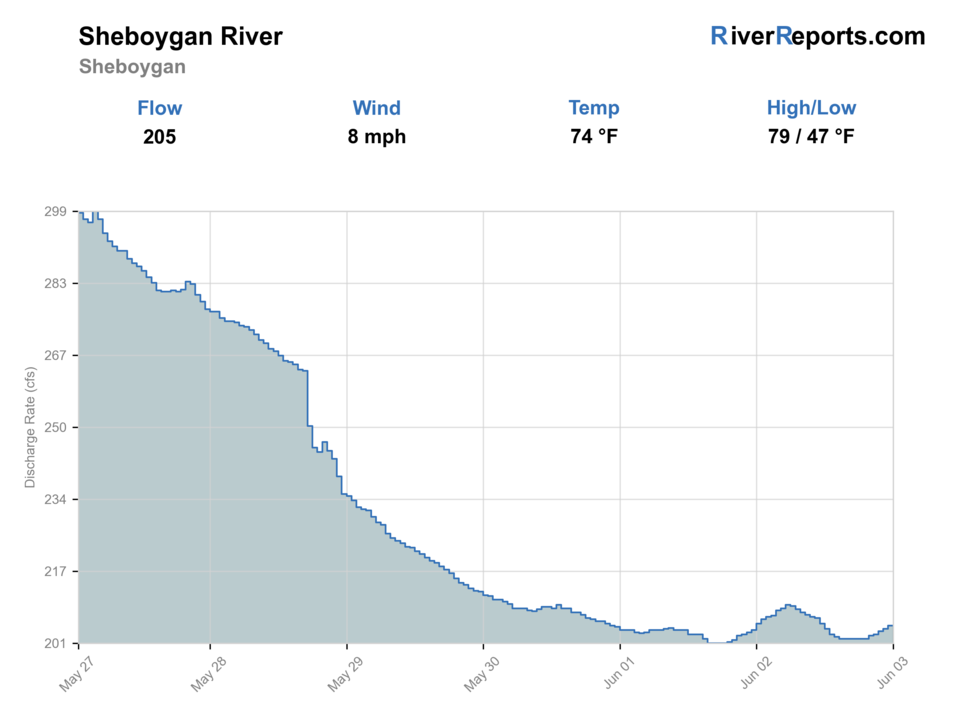
Showing the available RiverReports chart while the current structured flow series loads. Check the chart on RiverReports Opens in a new tab.
Flow is high for this time of year.
Best option: Floating. A float can fit better than wading only if launches, shuttle, boat skill, wind, and local rules all check out.
Rating updatedRiver local time:
USGS shows 277 cfs. The flow has been stable over about 6 hours. USGS marks this reading provisional and may revise it. USGS records for this date (1917-2025, 83 readings) show a median near 91 cfs and the upper quartile near 195 cfs; today's flow is high for the date. Fishable water may exist, but do not rate it highly without a safe access, clarity, and wading or boat plan.
NWS air forecast near
This is an air forecast, not a river-temperature reading. Check the water with a stream thermometer before fishing in hot weather.
RiverReports gauge
Showing the available RiverReports chart while the current structured flow series loads. Check the chart on RiverReports Opens in a new tab.
Mostly Clear
The National Weather Service forecast is temporarily unavailable.
RiverReports gauge: SHEBOYGAN RIVER AT SHEBOYGAN, WI
Seasonal starting points, not a live hatch report. Match what you see on the water.
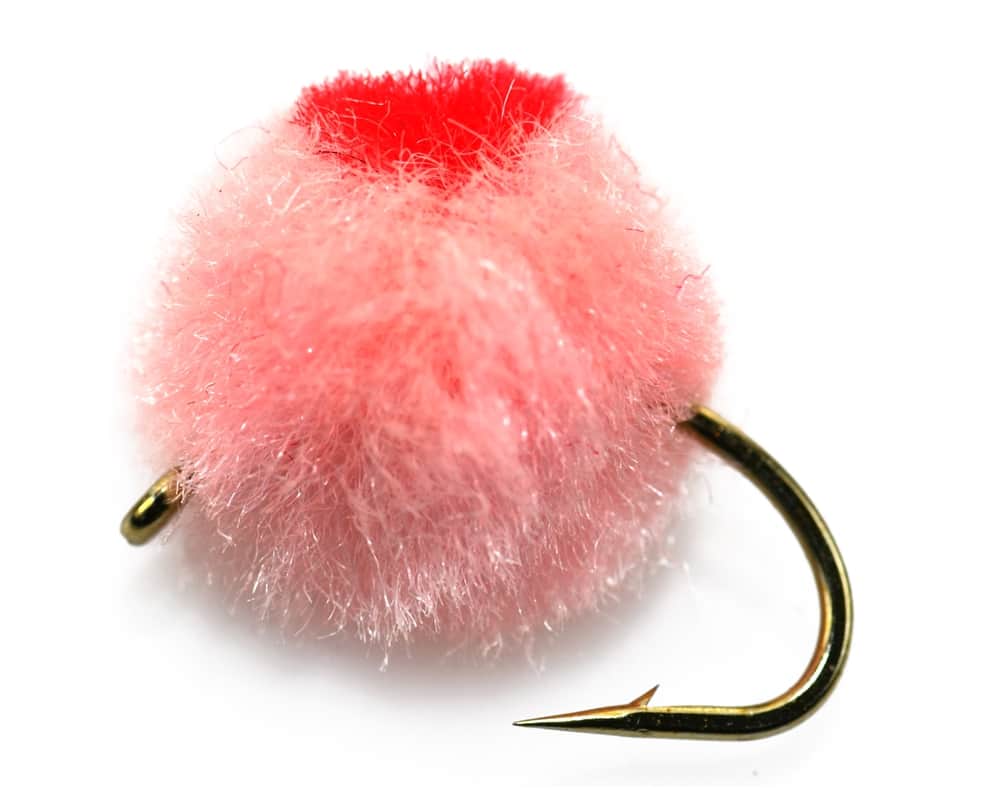
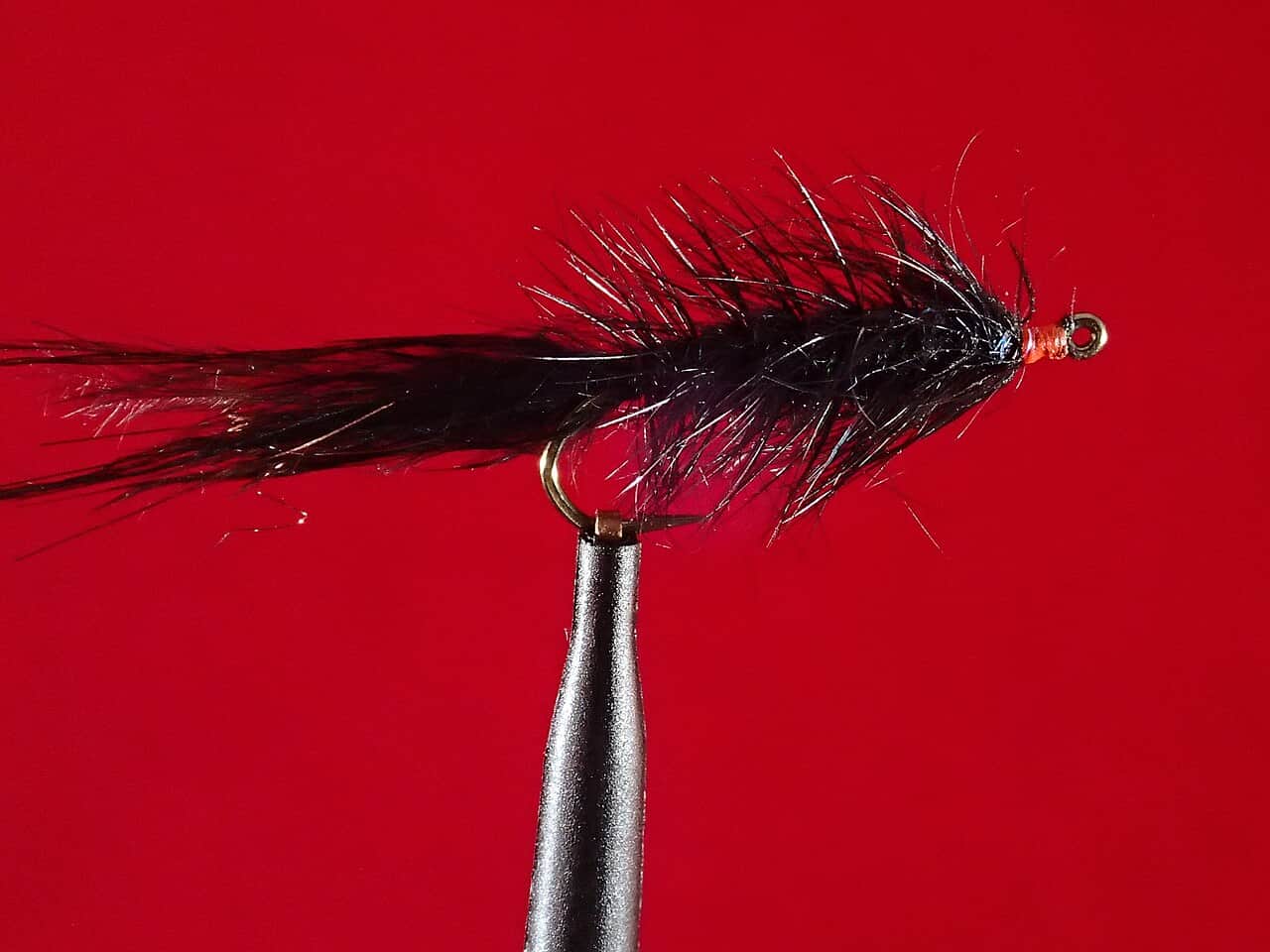
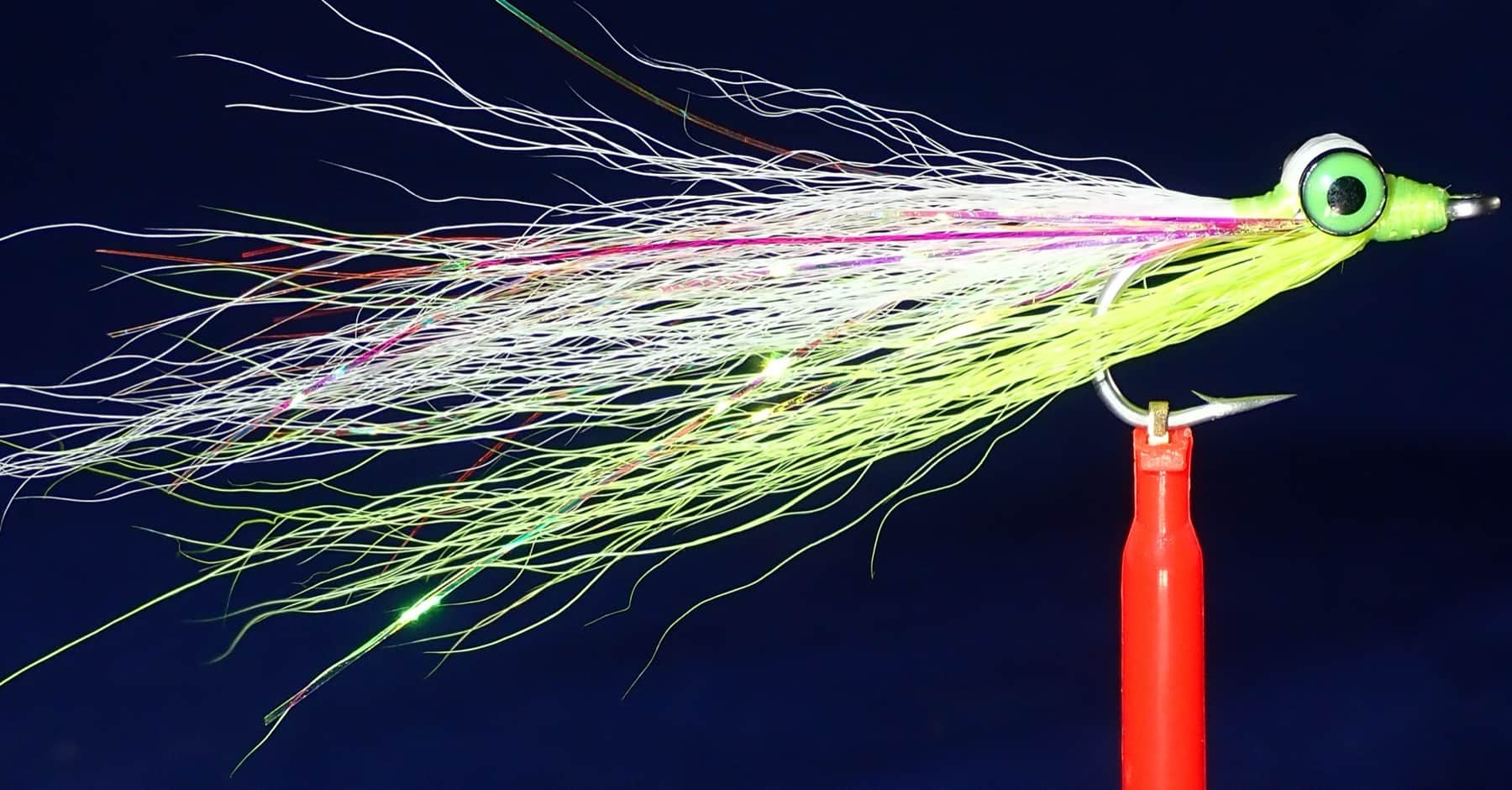
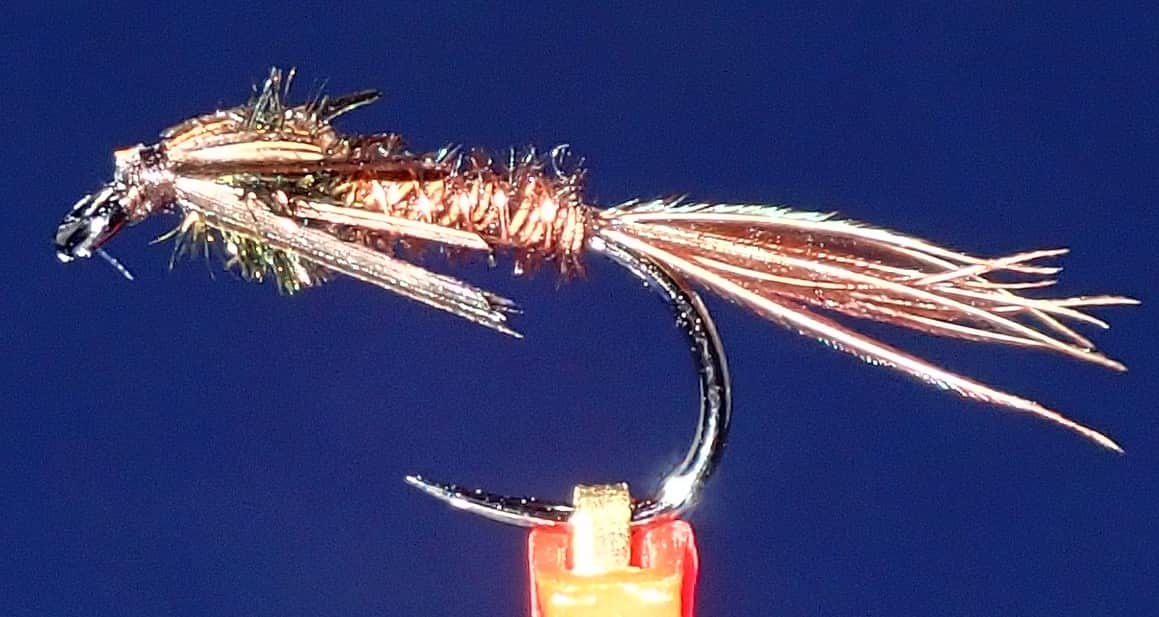
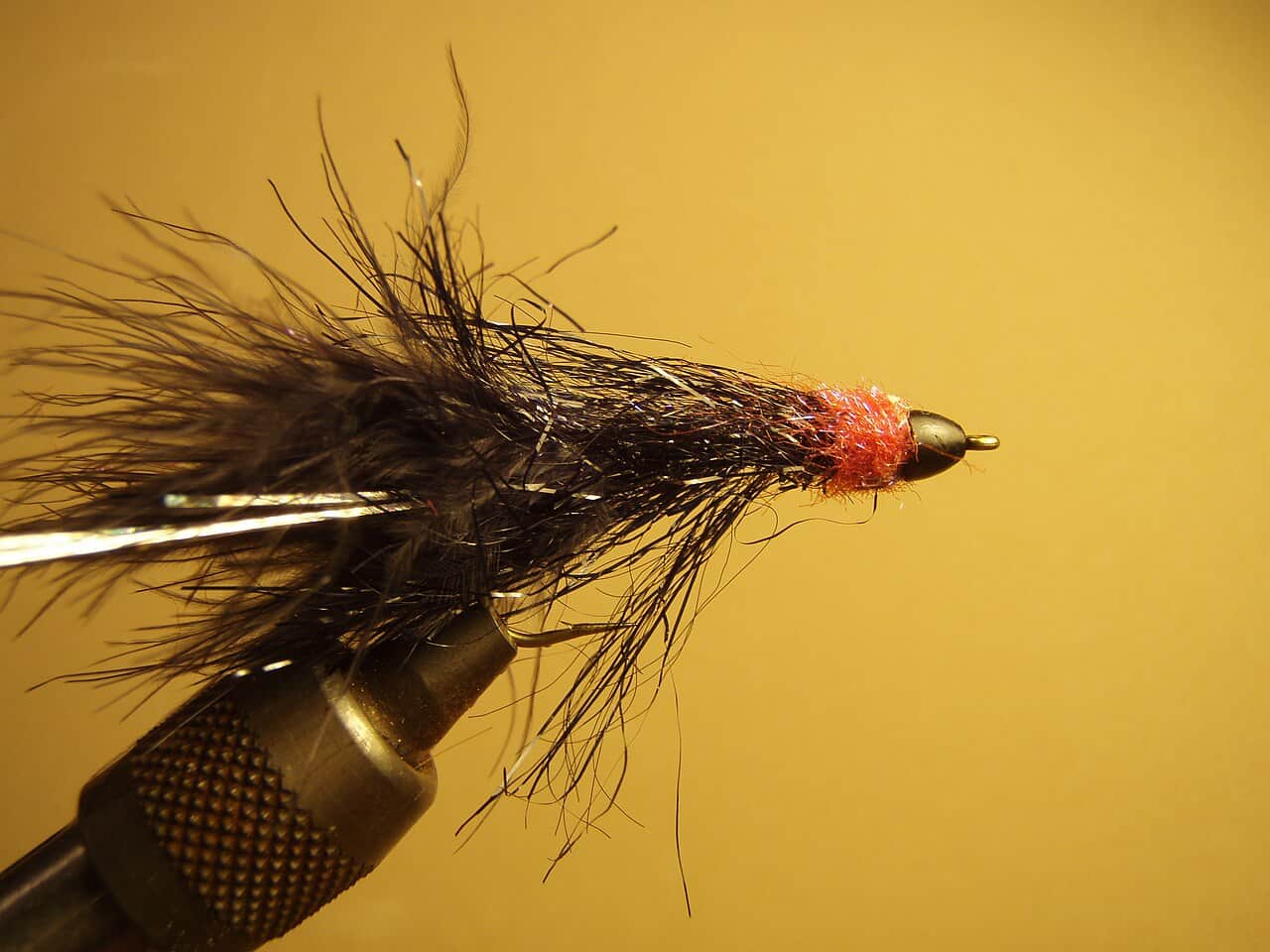
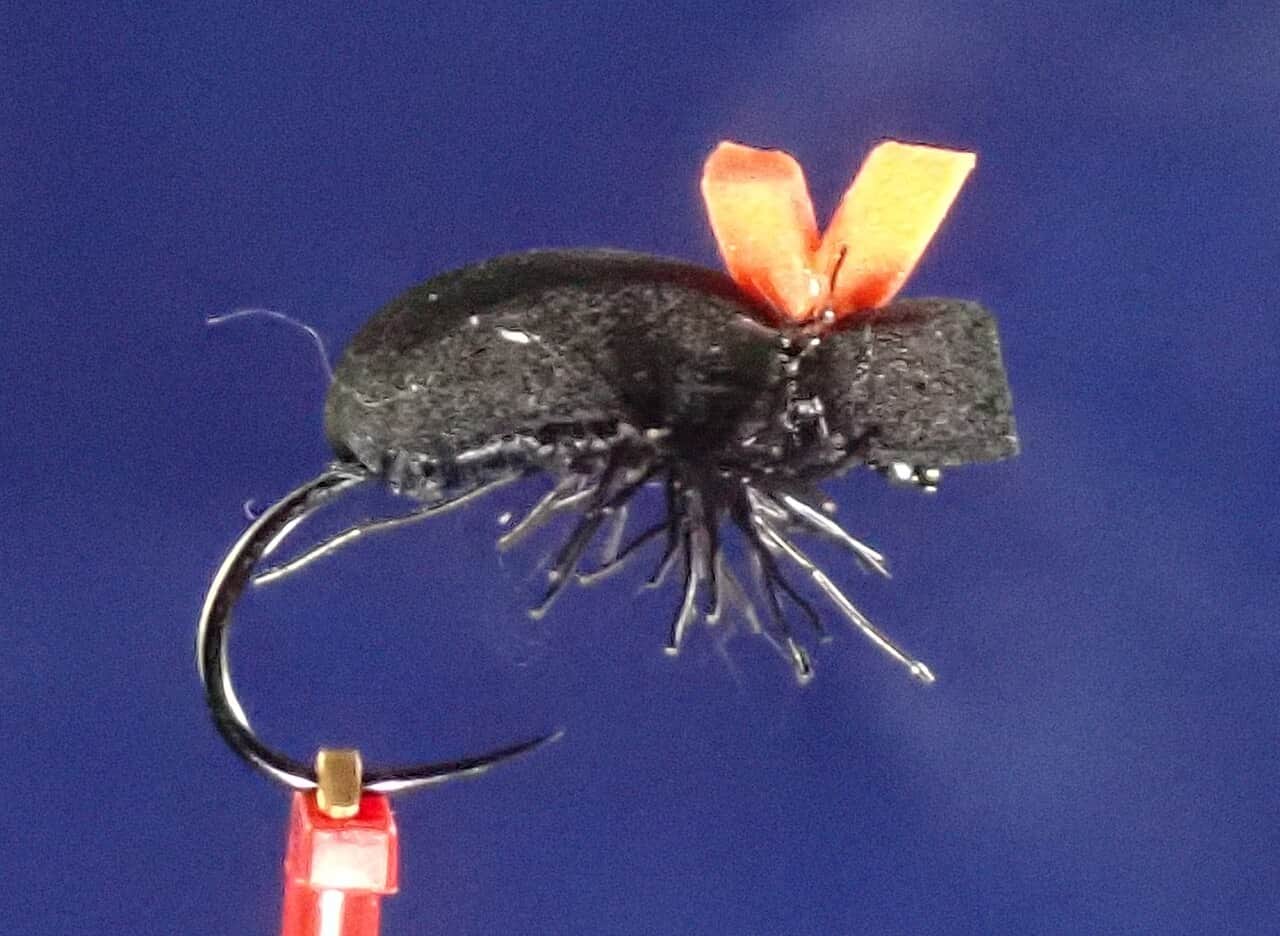
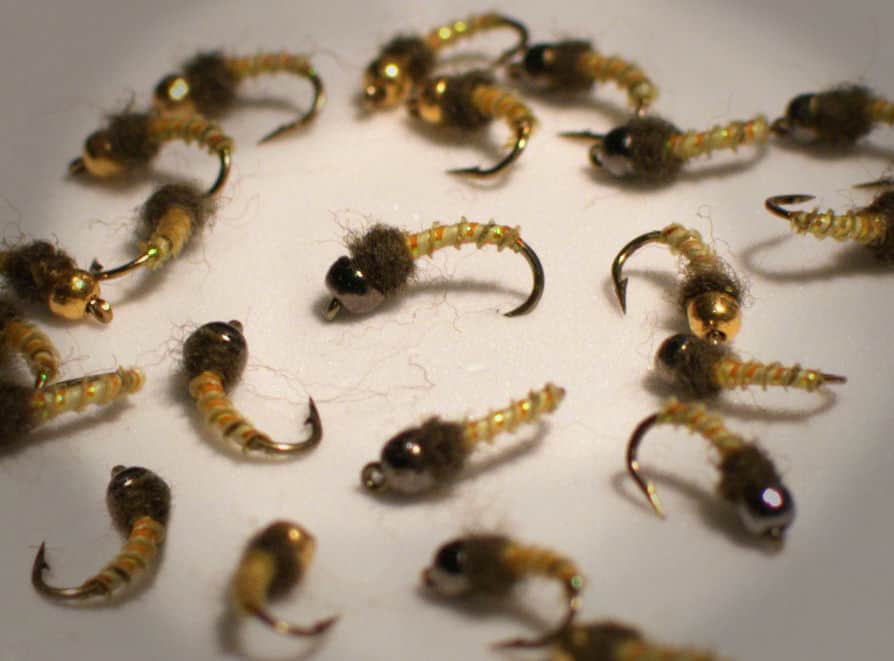
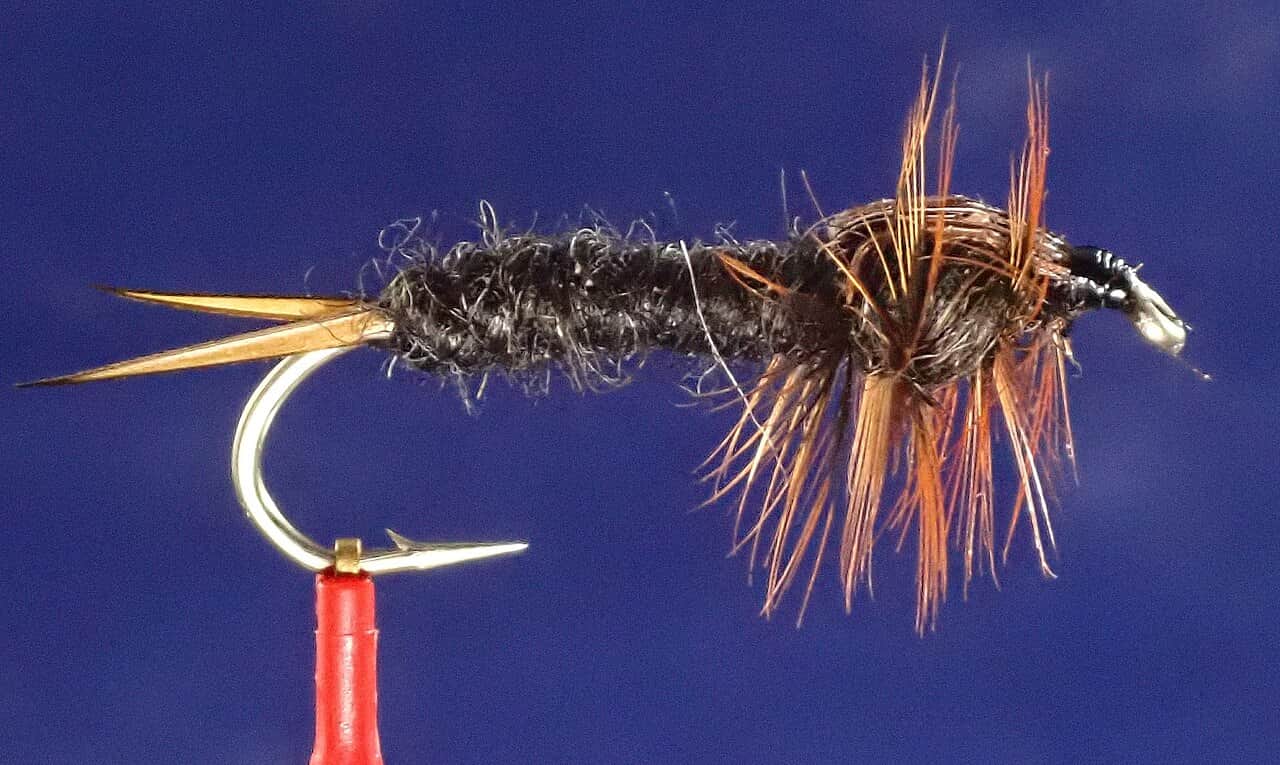
Each fly name opens its matching Fly Box guide.
Sheboygan is most useful on cool stable run-season flows when you can work one public park section carefully without guessing about access. It loses value fast when high color, unsafe footing, or lower-river harvest concerns become the entire story.
Best for covering the lower urban-access area with eggs, leeches, and short swings.
Sometimes productive if visibility and footing remain manageable from the park accesses.
Not the main reason to fish Sheboygan on fly gear unless you have a very specific lower-river backup plan.
A clear skip signal even if the easy public access makes the river tempting.
These scores compare the risks of wading, bank fishing, and floating.
Wading is the most sensitive plan today. Use protected edges only, avoid crossings, and downgrade quickly if clarity or current feels wrong.
Bank and edge fishing is the safer default when water is high, pushy, or not fully verified.
A float can fit better than wading only if launches, shuttle, boat skill, wind, and local rules all check out.
Is Sheboygan River worth the trip today? Check flow, weather, hatches, access, and rules for Wisconsin before you go.
The Sheboygan gives anglers one of the more repeatable public-access setups on this part of Wisconsin's Lake Michigan shore. The same official source stack that makes it convenient also forces some honesty: the lower river is still the Area of Concern area, and the fish-consumption warnings are not optional background reading. Fish it for the run-season opportunity and access ease, but keep harvest expectations conservative.
USGS shows 277 cfs. The flow has been stable over about 6 hours. USGS marks this reading provisional and may revise it. USGS records for this date (1917-2025, 83 readings) show a median near 91 cfs and the upper quartile near 195 cfs; today's flow is high for the date. Fishable water may exist, but do not rate it highly without a safe access, clarity, and wading or boat plan.
Float: A float can fit better than wading only if launches, shuttle, boat skill, wind, and local rules all check out.
Fall: A good window for brown-trout and salmon-related tributary movement.
The current NWS air forecast is about 48F, and the next 24-hour high reaches about 61F. Mostly Clear.
No active NWS alert was returned for this forecast point.
Best when the lower river is cool, steady, and clear enough to read holding lanes without turning every step into a footing fight.
Skip dirty surges, ice-slick banks, and any day when contamination and harvest questions dominate the value of the trip.
Pick one public park access, fish it hard, and move only if another named site gives you a real current or crowding advantage.
Move to Manitowoc or Kewaunee when the Sheboygan lower area is too crowded, too dirty, or too advisory-heavy for the kind of day you want.
Use these places as starting points. Open the access link below and check posted signs before you park or enter.
Check current Wisconsin fishing rules and smaller stream-season rules before fishing the Sheboygan River. The lower river and harbor also carry fish-consumption advisories, so review Wisconsin's advisory guidance before keeping any fish.
A DNR-listed lower-river public access point for steelhead and brown-trout planning.
A DNR-listed Indiana Avenue access point with the same lower-river run-season focus.
A DNR-listed lower-river public access point that helps break up crowding.
A smaller stream-map checkpoint near the lower river when you need another public entry.
Official agencies and primary river operators come first. Secondary tools are labeled so you know what carries the most weight.
Check what is allowed, where the rule applies, and whether the river is open.
Check the latest river reading and forecast before you leave.
Check public entry points, land rules, and seasonal access changes.
Use these links for stocking, safety, and other local details.
Check what is allowed, where the rule applies, and whether the river is open.
Open the current rules and check the river section, season, and special limits.
Open the current fish eating advice and check which fish and waters it covers.
Check the latest river reading and forecast before you leave.
Open this page and check the latest safety advice before your trip.
Open this river reading to check the latest level, flow, and update time.
Open this river reading to check the latest level, flow, and update time.
Check public entry points, land rules, and seasonal access changes.
Open the land or access page, then check signs before you park or enter.
Open the land or access page, then check signs before you park or enter.
Open the land or access page, then check signs before you park or enter.
Use these links for stocking, safety, and other local details.
Open this page and check the latest safety advice before your trip.
Open this page for more river information and check when it was last updated.
What was checked: This report starts with official regulation, access, flow, weather, and public-water sources, then adds practical planning guidance for fly anglers.
Live measurements and forecasts keep their provider timestamps. Rules, access, and trip guidance use the source-review date shown here. BlueStreamFly planning advice is editorial interpretation, not an agency notice.
First-hand experience: BlueStreamFly does not claim a first-hand visit or local field test for this report unless a real contributor is explicitly named and linked.
Kiwanis Park, Roy Sebald Natural Area, and Esslingen Park are the cleanest official starts because Wisconsin DNR lists all three as lower-river public access points.
Be very careful. Wisconsin DNR says the lower 14 miles of the river and harbor carry fish-consumption advisories tied to contamination, so review the current advisory before keeping anything.
The best windows are steelhead and shoulder-season trout windows, but the river also supports other lower-river fish and should not be treated like a pure trout stream.
Skip unsafe high color, icy banks, or any day when public access is easy but the actual fishing window is not worth the cold-water and advisory tradeoffs.