RiverReports preview · current series loading
Recent flow
RiverReports gauge
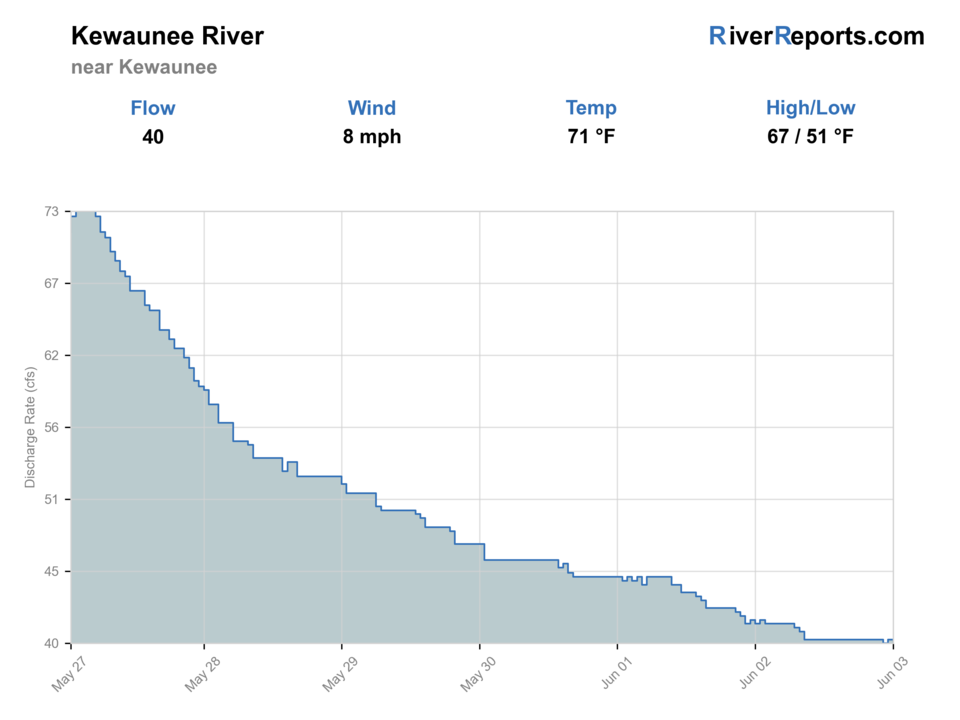
Showing the available RiverReports chart while the current structured flow series loads. Check the chart on RiverReports Opens in a new tab.
No single best way to fish. Wading and Bank fishing have the same top score. Use current access, footing, weather, and local rules to choose.
Rating updatedRiver local time:
An active public alert is in effect near this forecast point, so the score is capped at caution until conditions are checked. NWS alert: Dense Fog Advisory issued October 22 at 8:11PM CDT until October 23 at 9:00AM CDT by NWS Green Bay WI.
NWS air forecast near
RiverReports gauge
Showing the available RiverReports chart while the current structured flow series loads. Check the chart on RiverReports Opens in a new tab.
Patchy Fog
The National Weather Service forecast is temporarily unavailable.
RiverReports gauge: KEWAUNEE RIVER NEAR KEWAUNEE, WI
Seasonal starting points, not a live hatch report. Match what you see on the water.
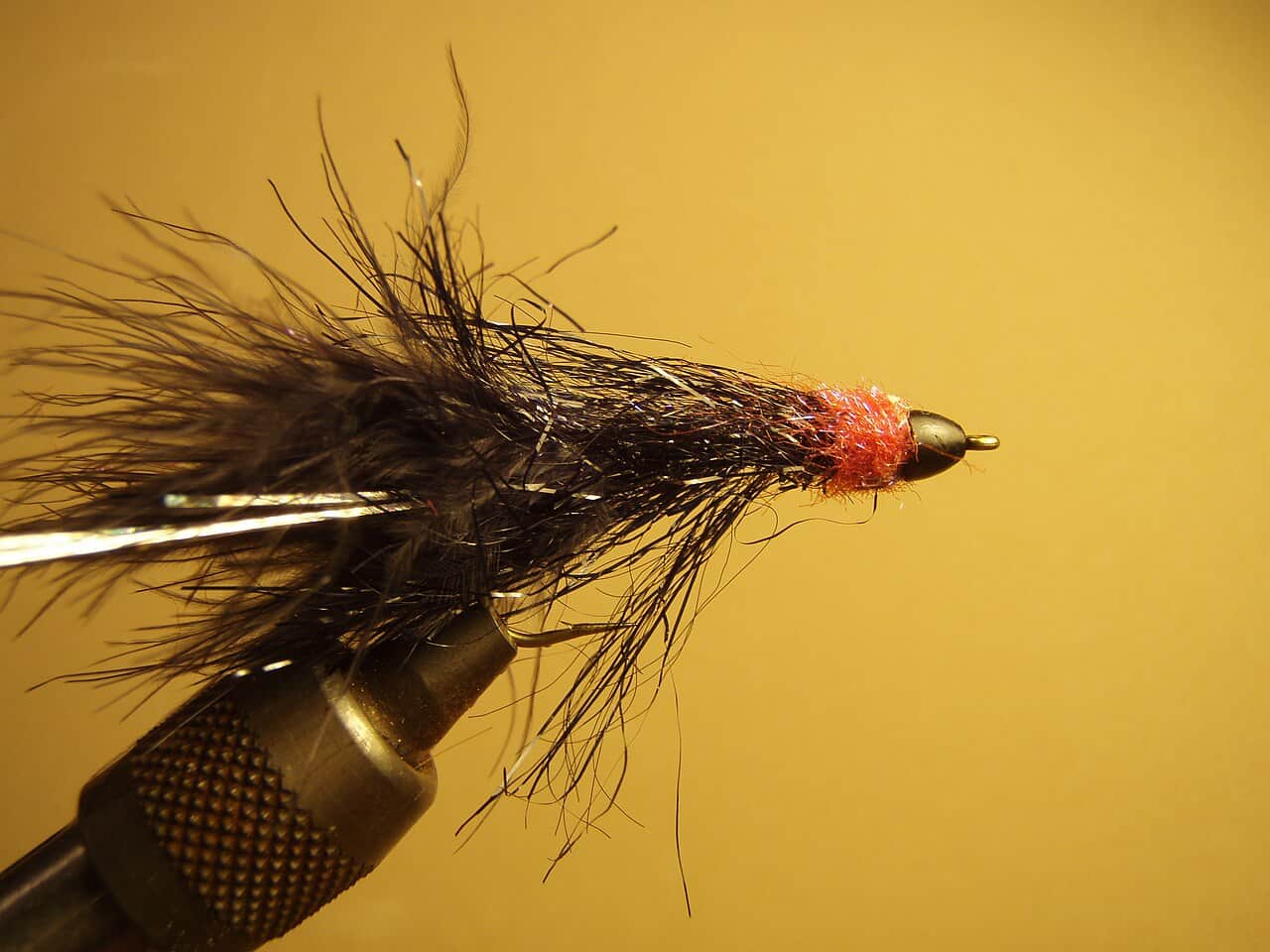
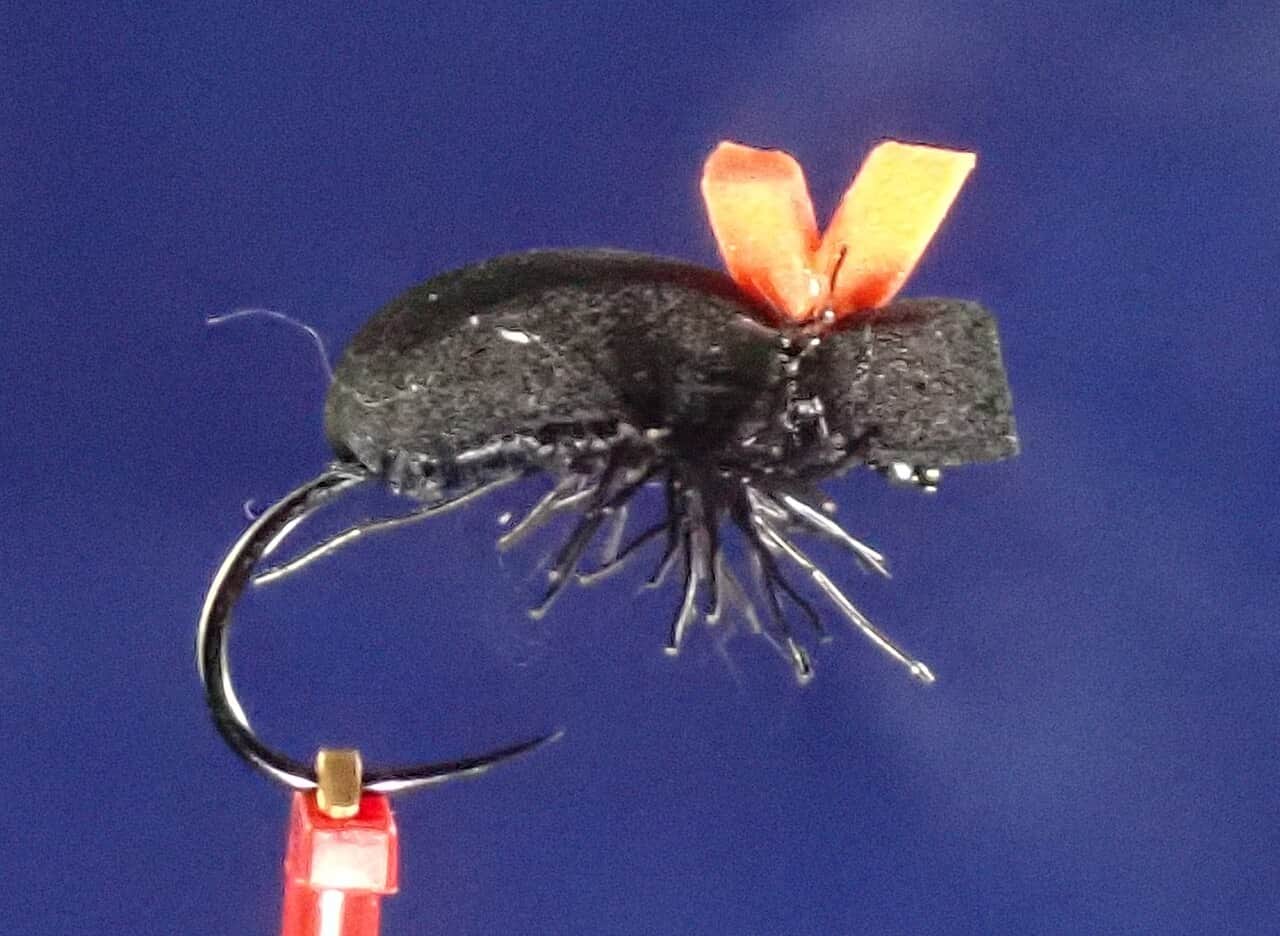
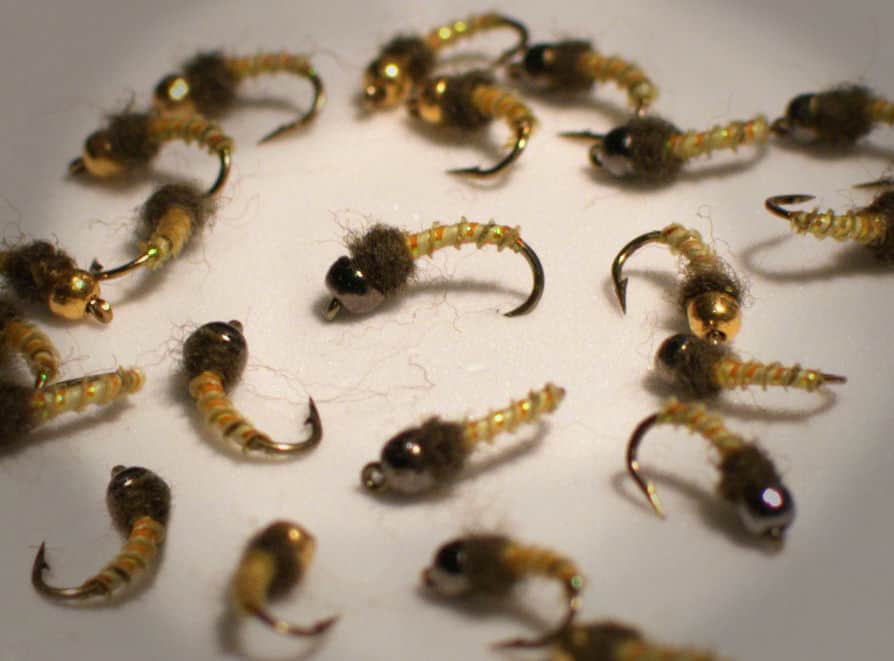
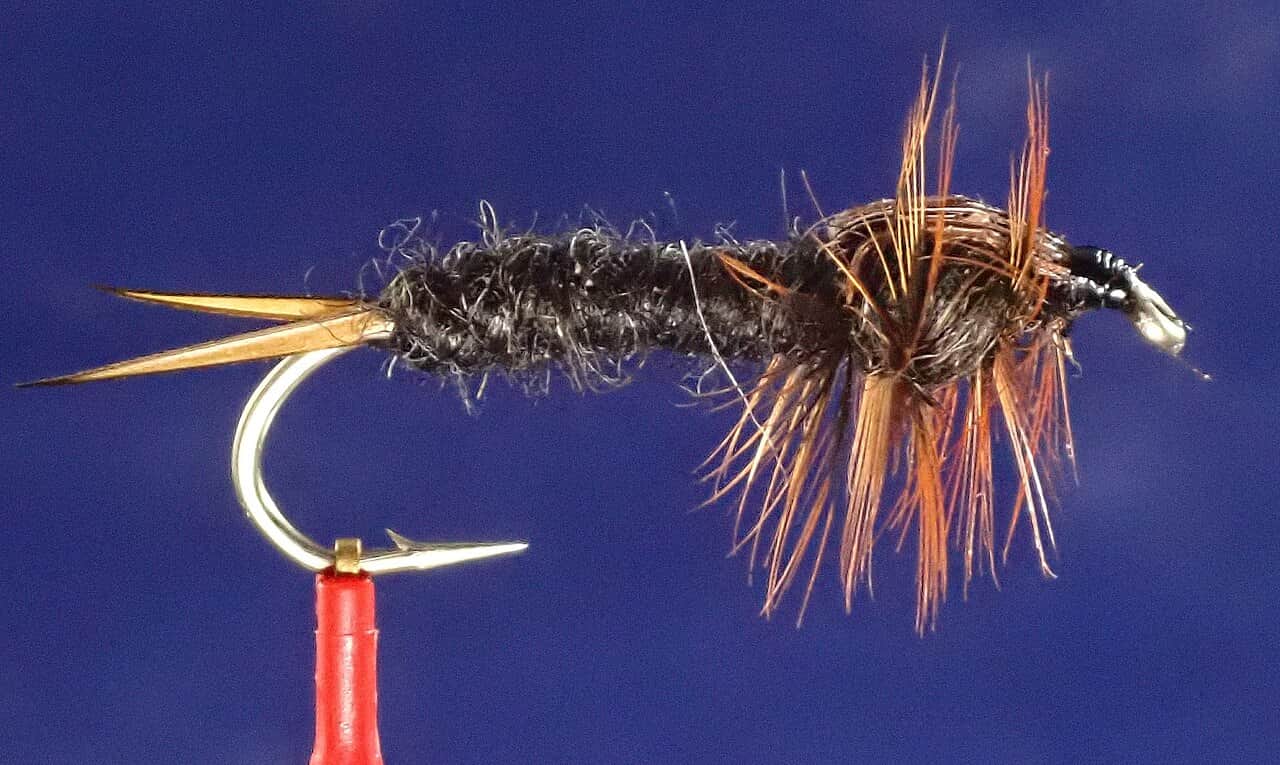
Each fly name opens its matching Fly Box guide.
Kewaunee is best when the river is stable enough to fish one access zone thoroughly and when you are honest about whether the day is about migratory trout-salmon fish or lower-river smallmouth water. Rising dirty water and blind trespass gambles are the two fastest ways to ruin the plan.
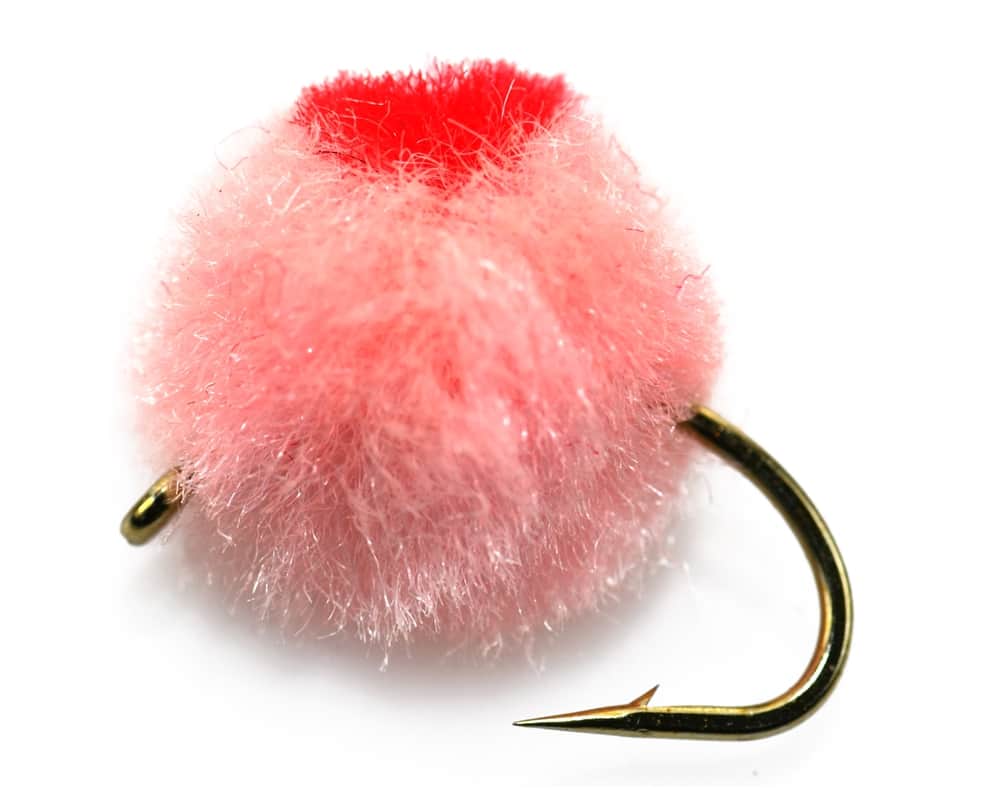
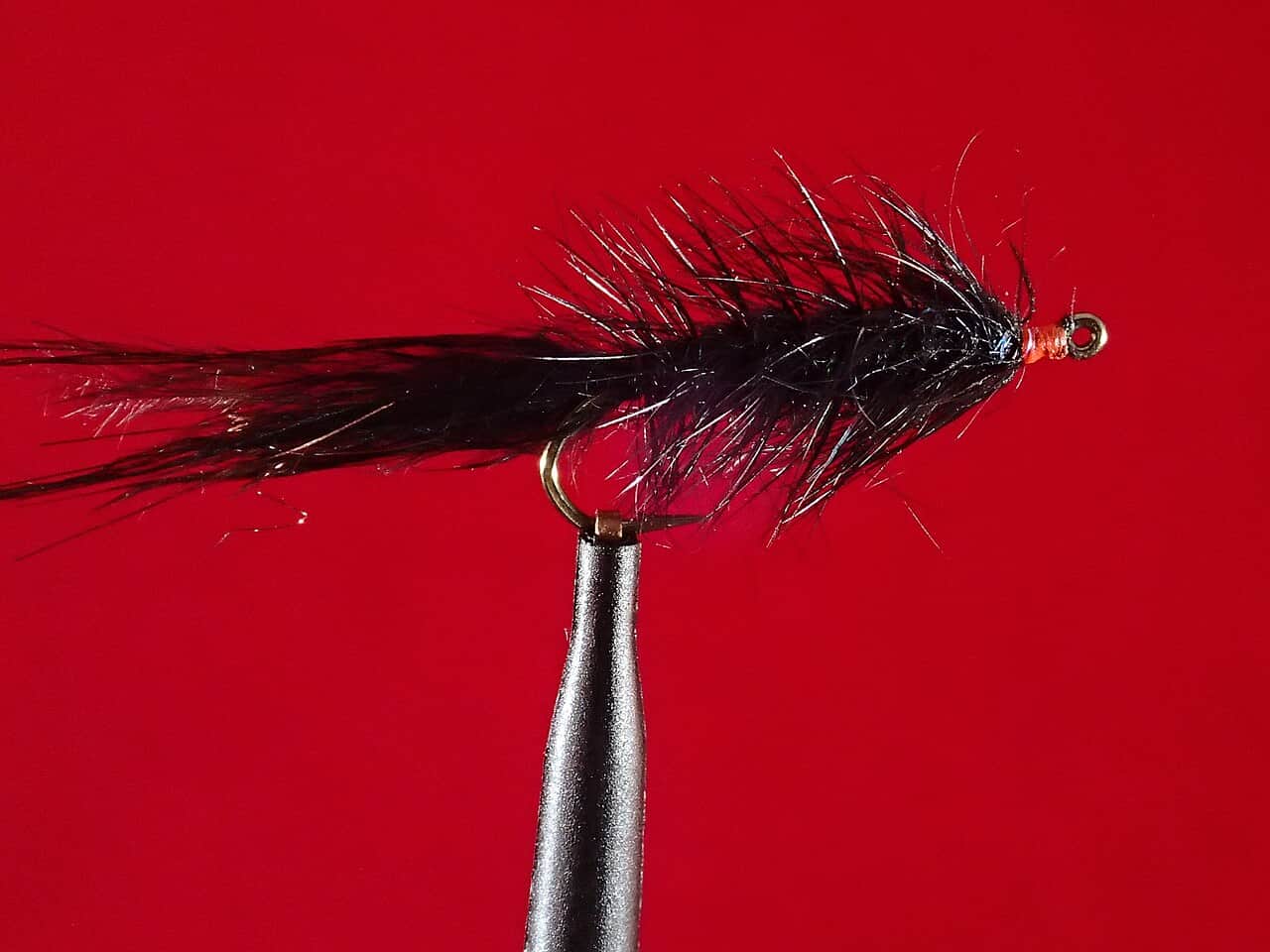
Best for steelhead coverage with eggs, leeches, or swing flies through lower-river slots and current breaks.
The classic salmon-and-browns window once the river clears enough to fish cleanly from the mapped accesses.
Think warmwater smallmouth and pike, not a fake trout season that the official fishery framing does not support.
A skip signal unless you are simply scouting the mapped access points for a later return.
Wading and Bank fishing have the same top score. Use current access, footing, weather, and local rules to choose.
Wading is in play only where your chosen access has clear footing, legal entry, and no forced crossings.
Bank and edge fishing remains a practical low-commitment option if access is legal and footing is safe.
This report does not recommend floating this reach.
Is Kewaunee River worth the trip today? Check flow, weather, hatches, access, and rules for Wisconsin before you go.
Wisconsin DNR's source stack is unusually clear here. The Kewaunee has mapped smaller stream access, a dedicated fish-and-wildlife area, and a hatchery area that explains exactly why spring steelhead and fall salmon-brown-trout windows matter. Outside those run periods, the lower river still has honest smallmouth and pike value, but you should not talk yourself into a trout page in midsummer just because the graph looks good.
An active public alert is in effect near this forecast point, so the score is capped at caution until conditions are checked. NWS alert: Dense Fog Advisory issued October 22 at 8:11PM CDT until October 23 at 9:00AM CDT by NWS Green Bay WI.
Wade: Wading is in play only where your chosen access has clear footing, legal entry, and no forced crossings.
USGS shows 23 cfs. The flow has been stable over about 6 hours. USGS marks this reading provisional and may revise it. USGS records for this date (1965-2026, 60 readings) show a typical middle range of 16 cfs to 38 cfs. Flow is within the typical range for this date, so weather, temperature, and access become the next checks.
Early fall through late fall: Best for Chinook, coho, and brown-trout migration windows.
USGS water temperature is about 52.5F, and the rolling 24-hour high did not trigger a heat caution. USGS marks the temperature data provisional and may revise it.
Best when the lower river has enough water for migratory fish to move but not so much color and push that every mapped access turns into a mud-and-crowd problem.
Skip dirty blowouts, forced trespass situations away from mapped access, and summer trout fantasies that ignore the river's warmwater identity.
Pick one mapped access zone and fish it with a season-specific plan instead of trying to roam the whole river in one day.
Move to Manitowoc or Sheboygan if crowding or water color makes the Kewaunee lower area feel too compressed.
Use these places as starting points. Open the access link below and check posted signs before you park or enter.
Check current Wisconsin fishing rules and smaller stream season rules before fishing the Kewaunee River. Also review Wisconsin's Great Lakes fish-consumption advisories if you plan to harvest fish from the river or its Lake Michigan-connected reaches.
DNR close-to-home guide access at the breakwall, shoreline, and boat-launch zone.
The DNR close-to-home and wildlife area for lower-river smallmouth and run-season checks.
Mapped DNR smaller stream access anchors that make the lower river fishable without guessing.
Another mapped access checkpoint on the DNR smaller stream PDF when you need to narrow the day.
Official agencies and primary river operators come first. Secondary tools are labeled so you know what carries the most weight.
Check what is allowed, where the rule applies, and whether the river is open.
Check the latest river reading and forecast before you leave.
Check public entry points, land rules, and seasonal access changes.
Use these links for stocking, safety, and other local details.
Check what is allowed, where the rule applies, and whether the river is open.
Open the current rules and check the river section, season, and special limits.
Open the current fish eating advice and check which fish and waters it covers.
Check the latest river reading and forecast before you leave.
Open this page and check the latest safety advice before your trip.
Open this river reading to check the latest level, flow, and update time.
Open this river reading to check the latest level, flow, and update time.
Check public entry points, land rules, and seasonal access changes.
Open the land or access page, then check signs before you park or enter.
Open the land or access page, then check signs before you park or enter.
Open the land or access page, then check signs before you park or enter.
Use these links for stocking, safety, and other local details.
Open this page for more river information and check when it was last updated.
Open this page for more river information and check when it was last updated.
What was checked: This report starts with official regulation, access, flow, weather, and public-water sources, then adds practical planning guidance for fly anglers.
Live measurements and forecasts keep their provider timestamps. Rules, access, and trip guidance use the source-review date shown here. BlueStreamFly planning advice is editorial interpretation, not an agency notice.
First-hand experience: BlueStreamFly does not claim a first-hand visit or local field test for this report unless a real contributor is explicitly named and linked.
No. Wisconsin DNR frames it as a warmwater river with seasonal trout and salmon migration from Lake Michigan, so your plan should shift with the season.
Start with the mapped DNR access at the mouth, the Besadny area off County C, or one of the Highway C and E launch areas before trying any other bank.
Watch seasonal fish timing, private-land boundaries away from the mapped access points, and the Great Lakes consumption-advisory rules if you plan to keep fish.
Skip it when the river is a muddy blowout, when the lower public accesses are crowded enough to force bad positioning, or when you are trying to make a run-season trip happen out of season.