RiverReports preview · current series loading
Recent flow
RiverReports gauge
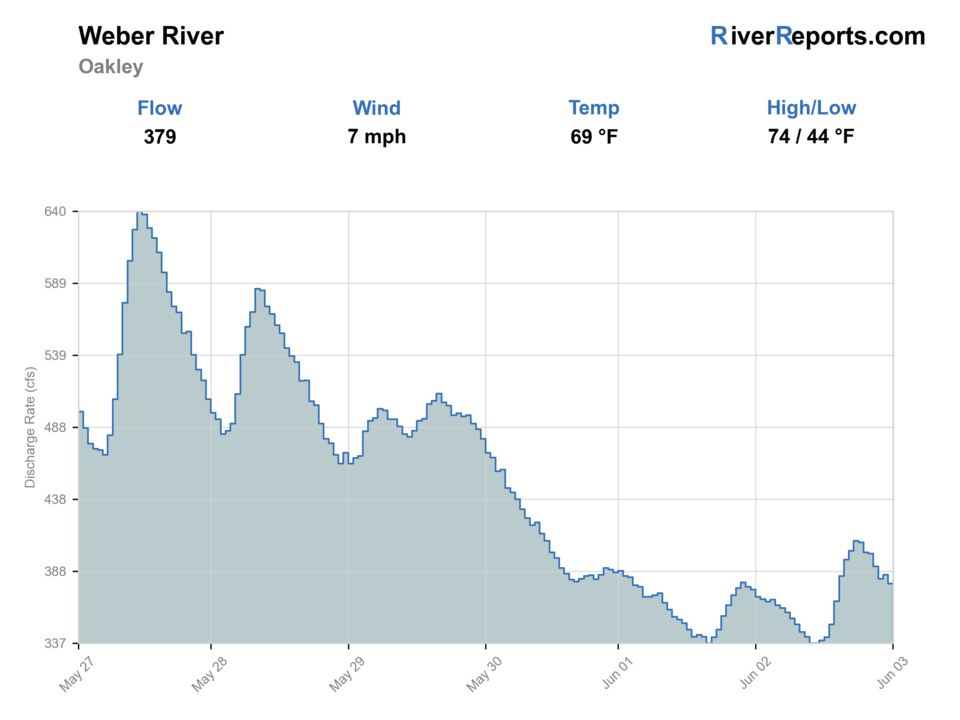
Showing the available RiverReports chart while the current structured flow series loads. Check the chart on RiverReports Opens in a new tab.
If you go: Wading. Wading is the most sensitive plan today. Use protected edges only, avoid crossings, and downgrade quickly if clarity or current feels wrong.
Rating updatedRiver local time:
USGS shows 125 cfs. The flow has been stable over about 6 hours. USGS marks this reading provisional and may revise it. USGS records for this date (1905-2026, 122 readings) show a median near 73 cfs and a high-water marker near 112 cfs; today's flow is above that high-water marker. Treat this as high-water fishing: wading, clarity, crossings, and boat control need a conservative check.
NWS air forecast near
This is an air forecast, not a river-temperature reading. Check the water with a stream thermometer before fishing in hot weather.
RiverReports gauge
Showing the available RiverReports chart while the current structured flow series loads. Check the chart on RiverReports Opens in a new tab.
Mostly Sunny
The National Weather Service forecast is temporarily unavailable.
RiverReports gauge: Weber River near Oakley
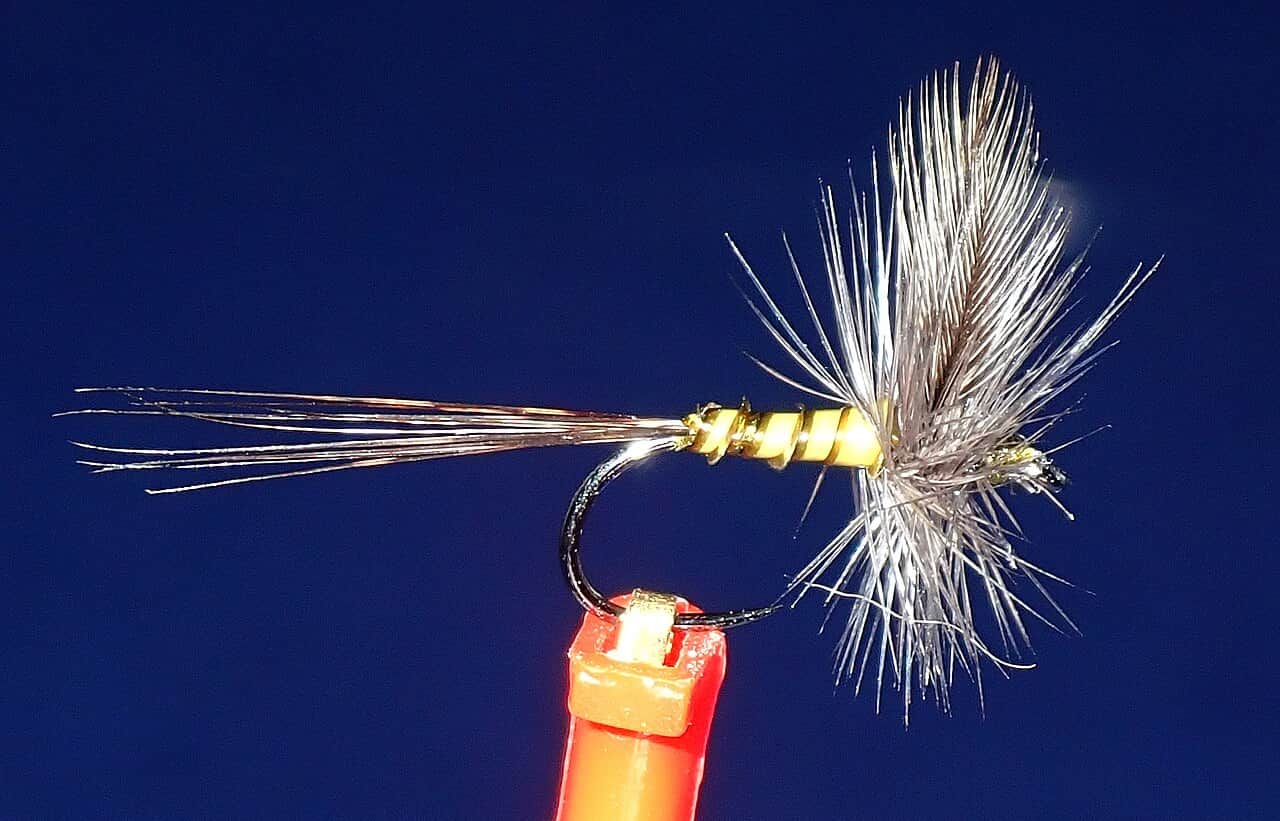
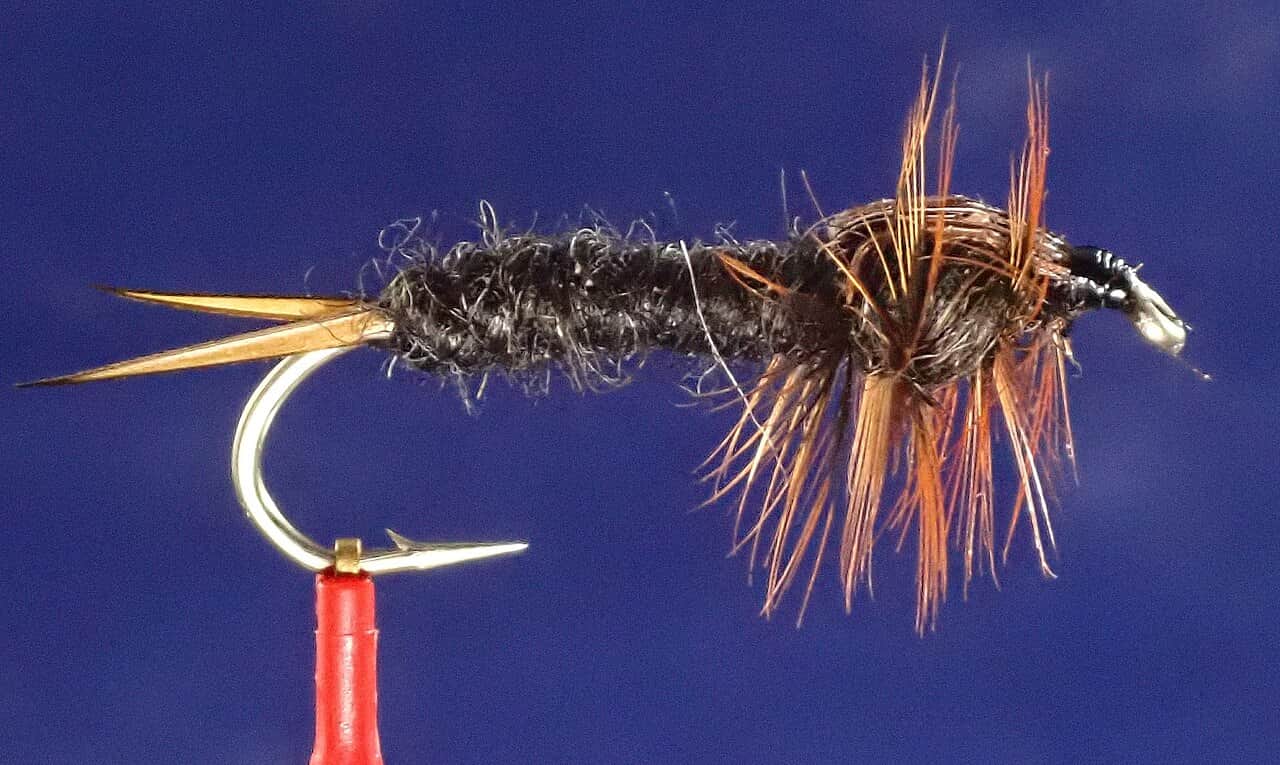
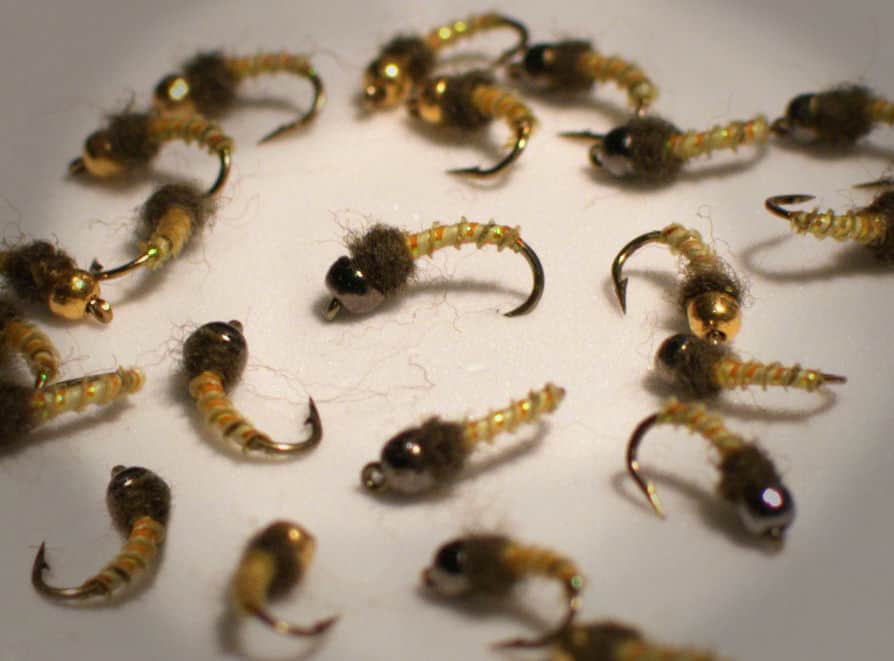
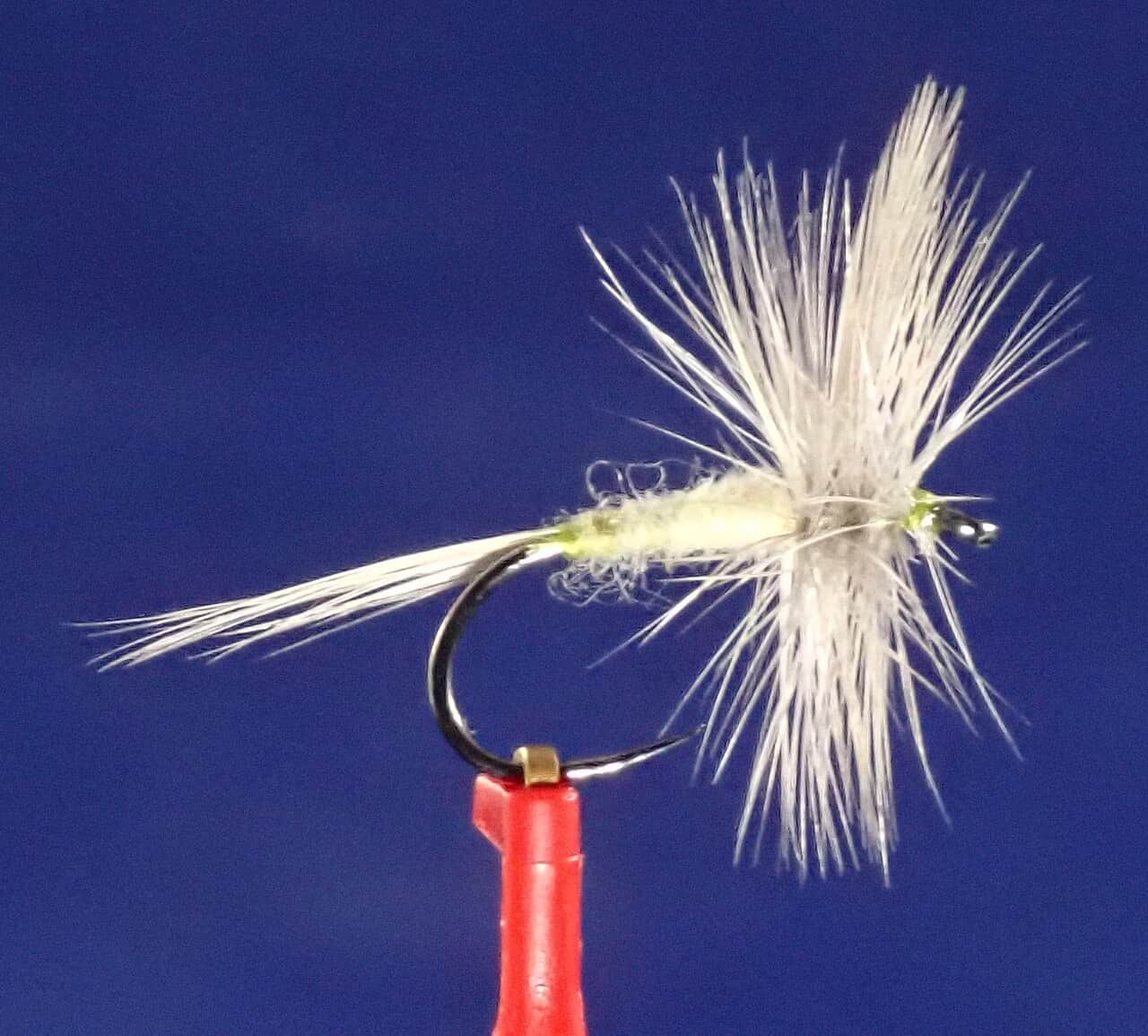
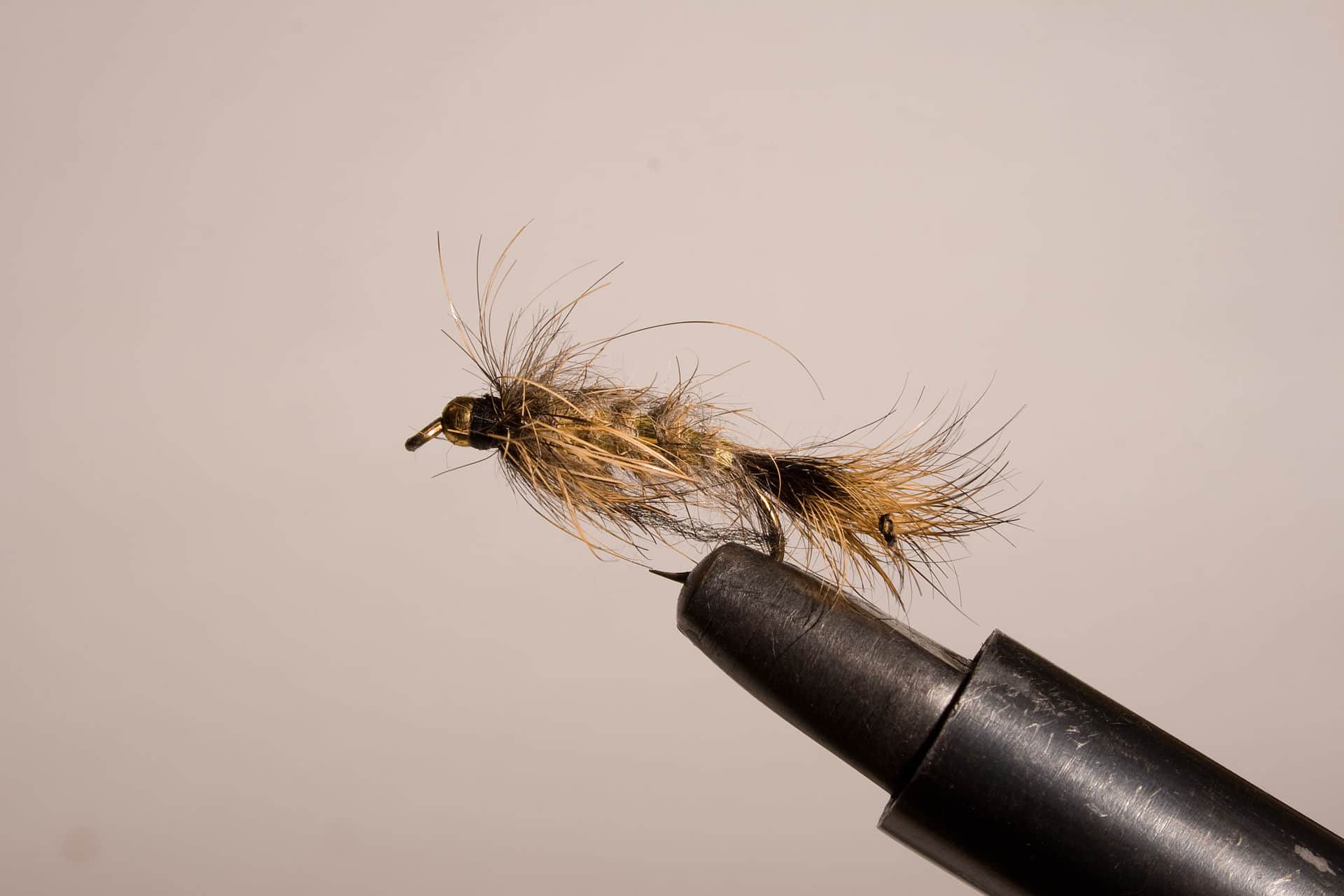
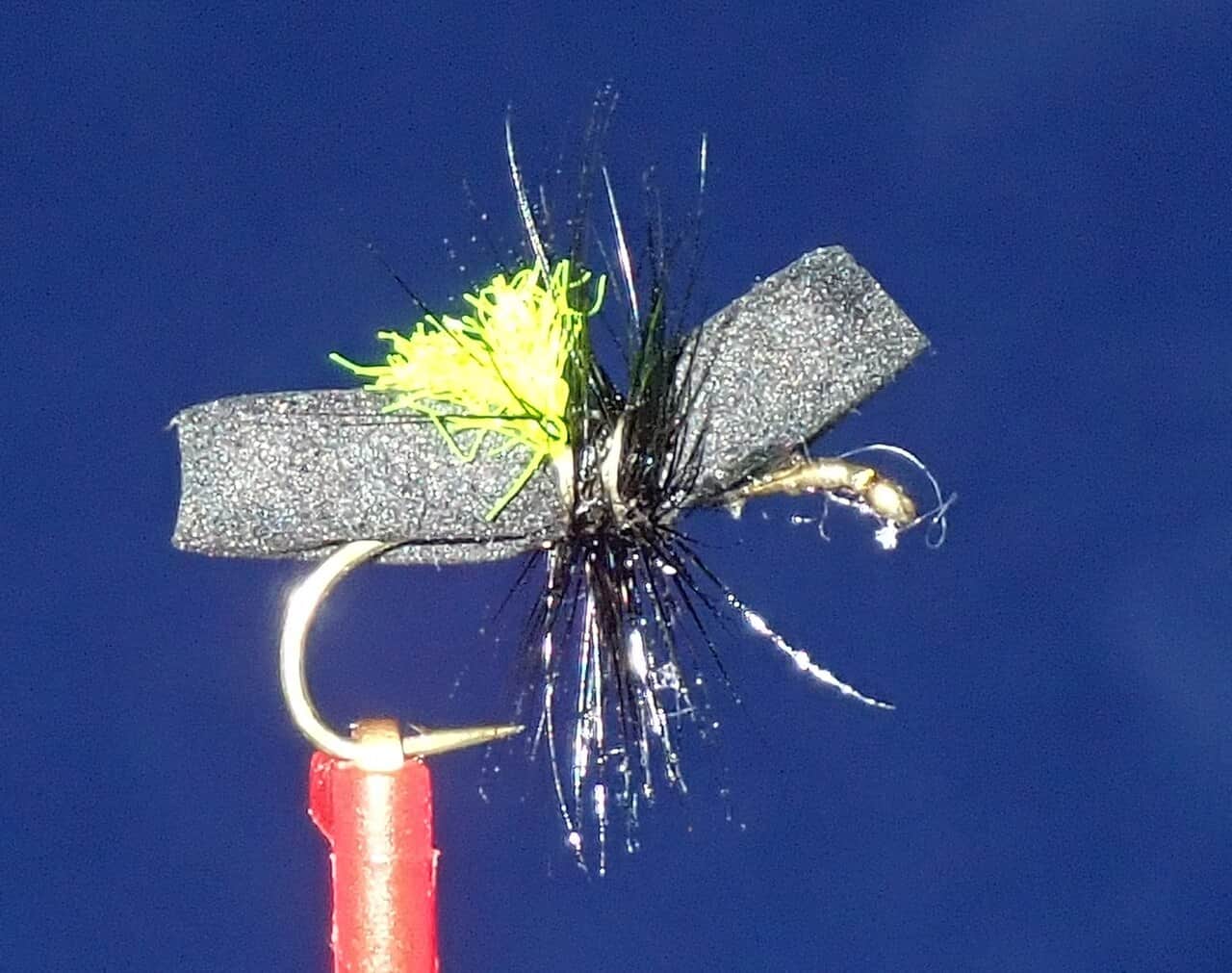
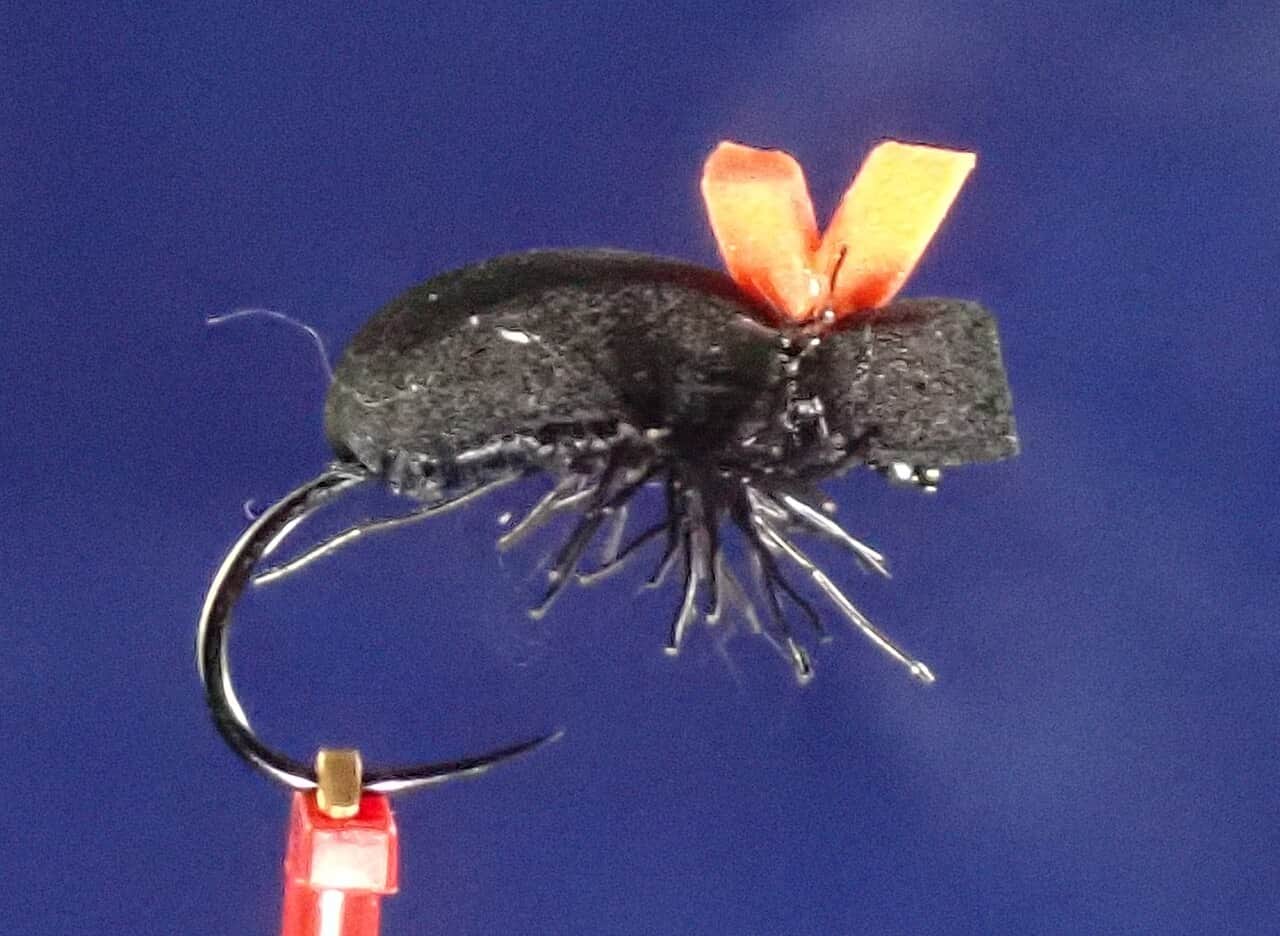
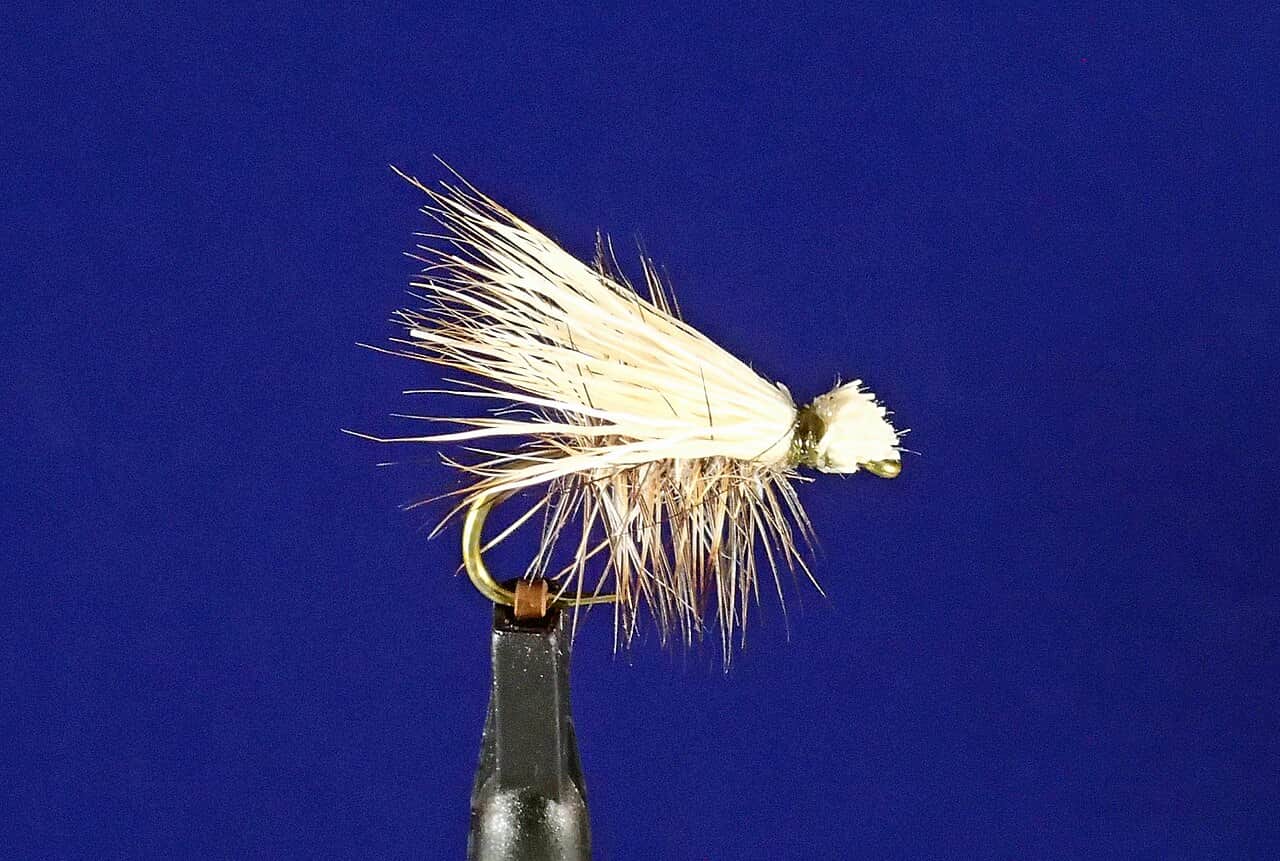
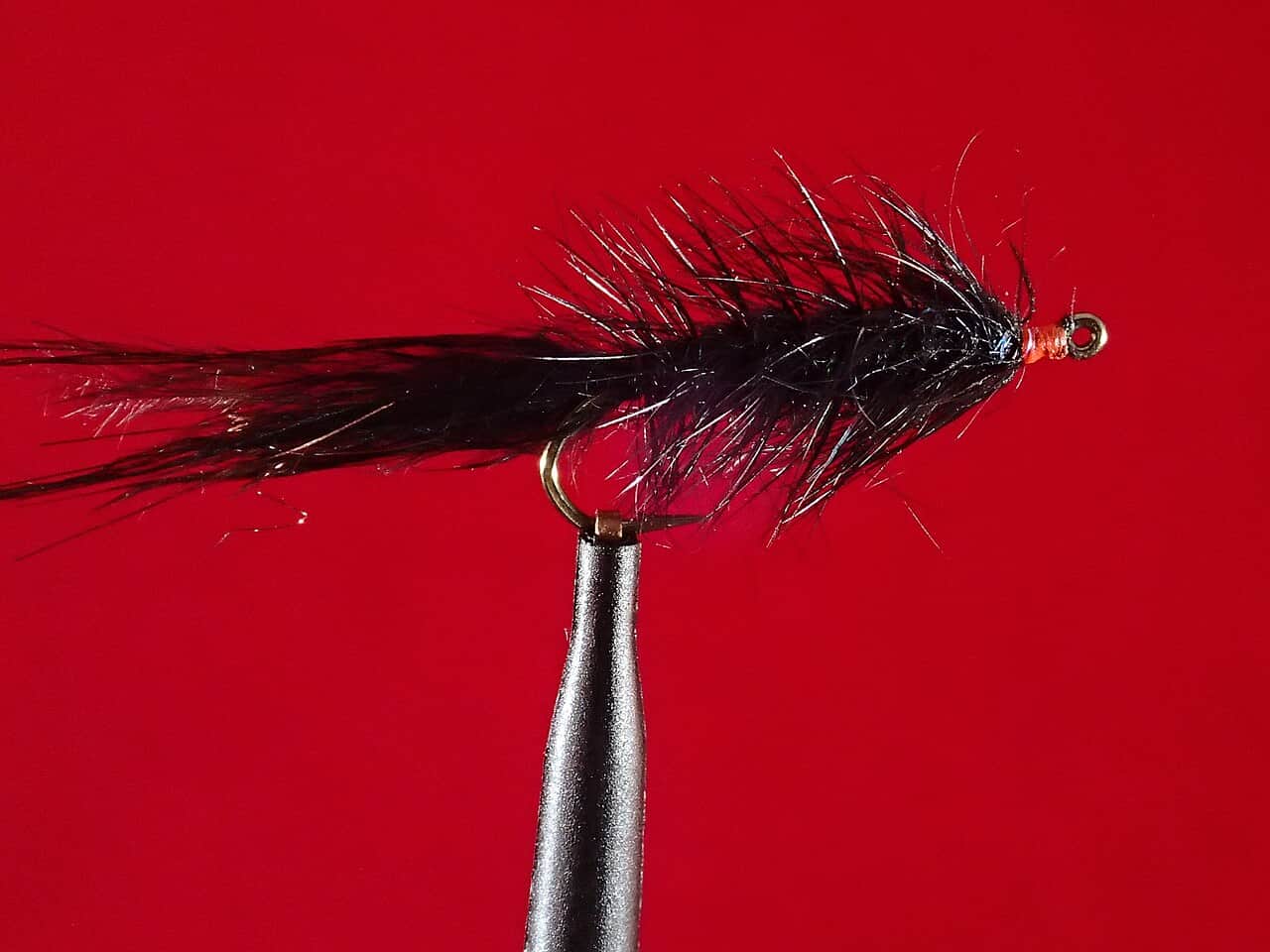
Seasonal starting points, not a live hatch report. Match what you see on the water.
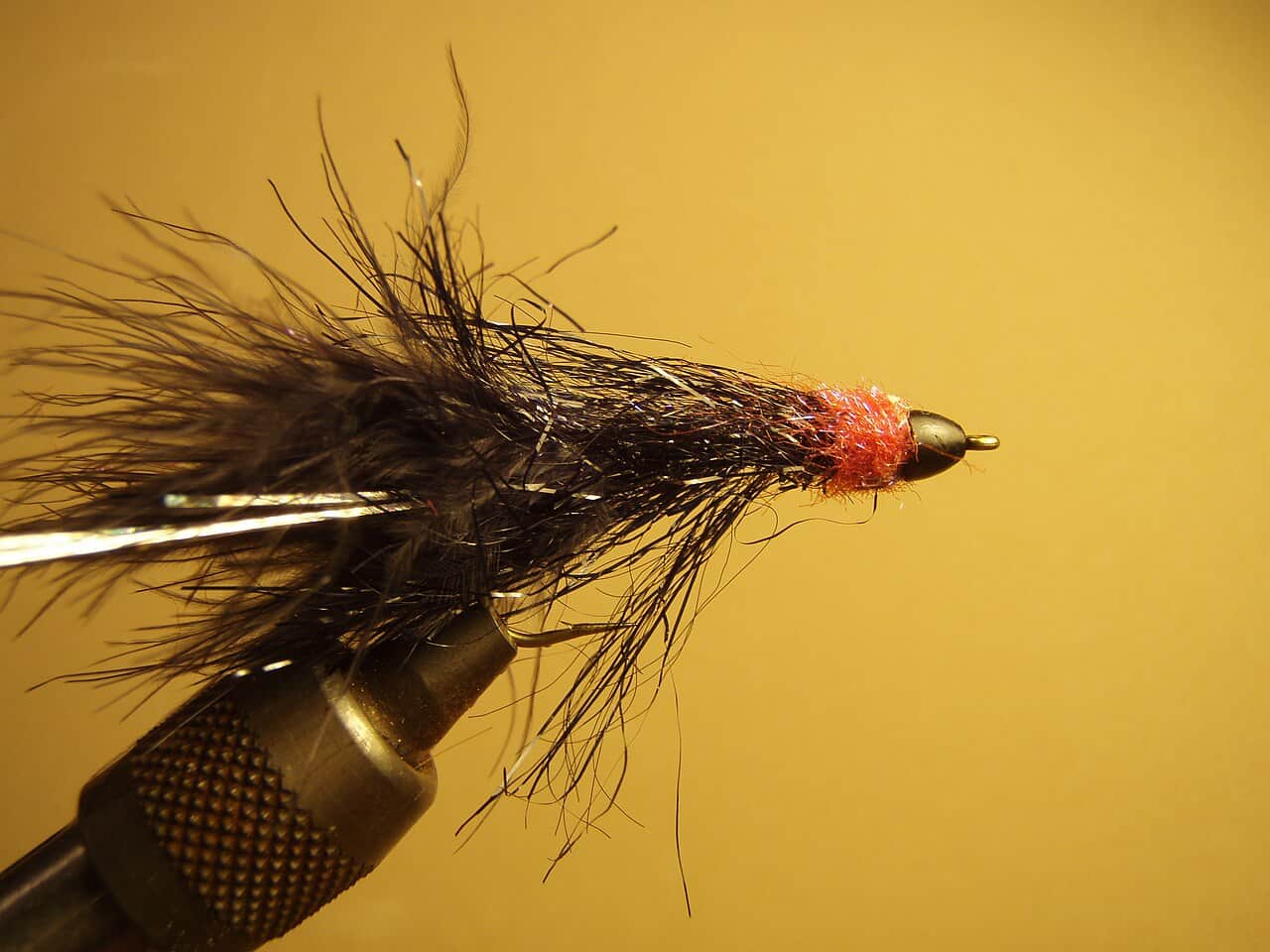
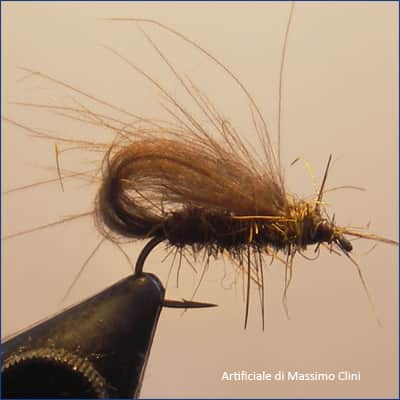
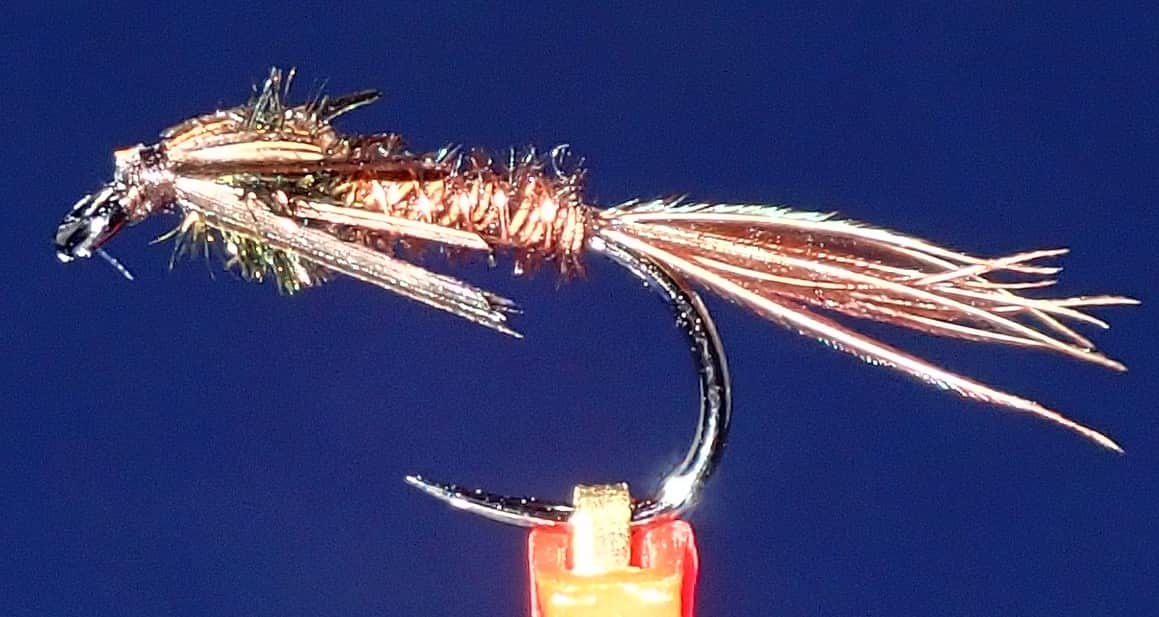
Each fly name opens its matching Fly Box guide.
The Weber is best when flow is stable, water is cool, and legal access is obvious. Fish it carefully, keep rigs simple, and spend extra time on access research.
Avoid crossings and focus on safer public edges or another water.
Fish dry-droppers, stonefly nymphs, caddis, and PMDs through pocket water.
Use smaller flies, longer leaders, and avoid repeated wading through holding water.
Pick mild stable days and watch icy banks.
These scores compare the risks of wading, bank fishing, and floating.
Wading is the most sensitive plan today. Use protected edges only, avoid crossings, and downgrade quickly if clarity or current feels wrong.
This report does not recommend bank fishing on this reach.
This report does not recommend floating this reach.
Is Weber River worth the trip today? Check flow, weather, hatches, access, and rules for Utah before you go.
The Weber can be a strong trout river, but public access rules are unusually important. Use the Oakley gauge for upper-river trend and confirm where you can legally fish before stepping in.
USGS shows 125 cfs. The flow has been stable over about 6 hours. USGS marks this reading provisional and may revise it. USGS records for this date (1905-2026, 122 readings) show a median near 73 cfs and a high-water marker near 112 cfs; today's flow is above that high-water marker. Treat this as high-water fishing: wading, clarity, crossings, and boat control need a conservative check.
Wade: Wading is the most sensitive plan today. Use protected edges only, avoid crossings, and downgrade quickly if clarity or current feels wrong.
Fall: Lower crowds, clear water, BWOs, and streamer windows improve.
The current NWS air forecast is about 52F, and the next 24-hour high reaches about 62F. Mostly Sunny.
No active NWS alert was returned for this forecast point.
Use RiverReports and USGS 10128500 near Oakley as the upper-river trend. Stable post-runoff flows are the best fit, while storm spikes, irrigation swings, reservoir influence, or very low warm water should narrow the plan quickly.
Skip the Weber when legal access is uncertain, when high water would force risky crossings, when ice or warm-water stress controls the day, or when you need a simpler public-access river.
Start with the access area. Oakley gives the clearest flow match for this page, Holiday Park to Echo demands careful stream-access checks, and downstream water should be treated as a separate planning problem.
If the Weber access or flow plan is not clean, compare the Provo for a technical Wasatch day, the Green for a clearer tailwater objective, or the Duchesne for a freestone alternative.
Use these places as starting points. Open the access link below and check posted signs before you park or enter.
Check the Utah DWR guidebook, Fish Utah, stream access guidance, and current emergency changes before fishing the Weber.
Primary upper Weber flow reference for this page.
Review Utah DWR stream access guidance before fishing this area.
Favor clearly public access instead of uncertain private-bank shortcuts.
Official agencies and primary river operators come first. Secondary tools are labeled so you know what carries the most weight.
Check what is allowed, where the rule applies, and whether the river is open.
Check the latest river reading and forecast before you leave.
Check public entry points, land rules, and seasonal access changes.
Check what is allowed, where the rule applies, and whether the river is open.
Open the current rules and check the river section, season, and special limits.
Open the current rules and check the river section, season, and special limits.
Check the latest river reading and forecast before you leave.
Open this page and check the latest safety advice before your trip.
Open this river reading to check the latest level, flow, and update time.
Open this river reading to check the latest level, flow, and update time.
Check public entry points, land rules, and seasonal access changes.
Open the land or access page, then check signs before you park or enter.
Open the land or access page, then check signs before you park or enter.
What was checked: This report is maintained from current regulation, access, flow, weather, and public planning sources so anglers can make better trip decisions than a raw gauge or generic overview would allow.
Live measurements and forecasts keep their provider timestamps. Rules, access, and trip guidance use the source-review date shown here. BlueStreamFly planning advice is editorial interpretation, not an agency notice.
First-hand experience: BlueStreamFly does not claim a first-hand visit or local field test for this report unless a real contributor is explicitly named and linked.
Check Utah stream access guidance, DWR rules, RiverReports or USGS 10128500, weather, and temperature.
Start with clearly public access near the upper Weber or agency-managed corridors after checking Fish Utah and signs.
Yes in some public reaches at safe flows, but legal access and private property are the main constraints.
Bring the seasonal fly box, then adjust size, weight, and color to the water level, clarity, temperature, and fishing pressure you find.