RiverReports preview · current series loading
Recent flow
RiverReports gauge
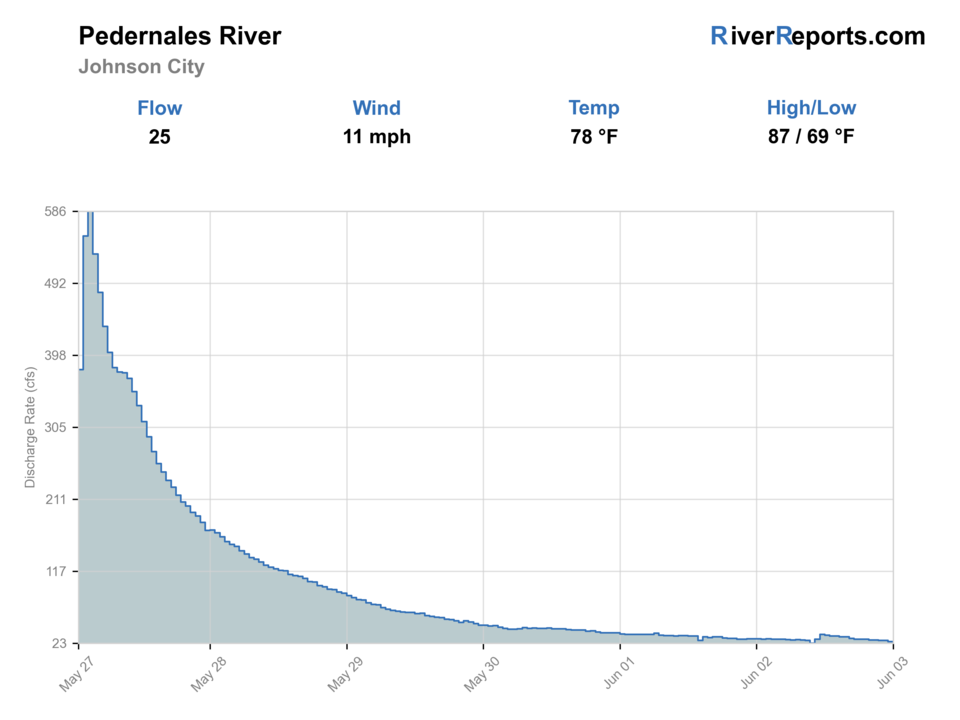
Showing the available RiverReports chart while the current structured flow series loads. Check the chart on RiverReports Opens in a new tab.
No single best way to fish. Wading and Bank fishing have the same top score. Use current access, footing, weather, and local rules to choose.
Rating updatedRiver local time:
USGS shows 7 cfs. The flow has been stable over about 6 hours. USGS marks this reading provisional and may revise it. USGS records for this date (1940-2026, 87 readings) show a median near 34 cfs and the lower quartile near 11 cfs; today's flow is below normal for the date. This is below normal, so edge depth, temperature, and pressure matter.
NWS air forecast near
This is an air forecast, not a river-temperature reading.
RiverReports gauge
Showing the available RiverReports chart while the current structured flow series loads. Check the chart on RiverReports Opens in a new tab.
Sunny
The National Weather Service forecast is temporarily unavailable.
RiverReports gauge: Pedernales River
Seasonal starting points, not a live hatch report. Match what you see on the water.
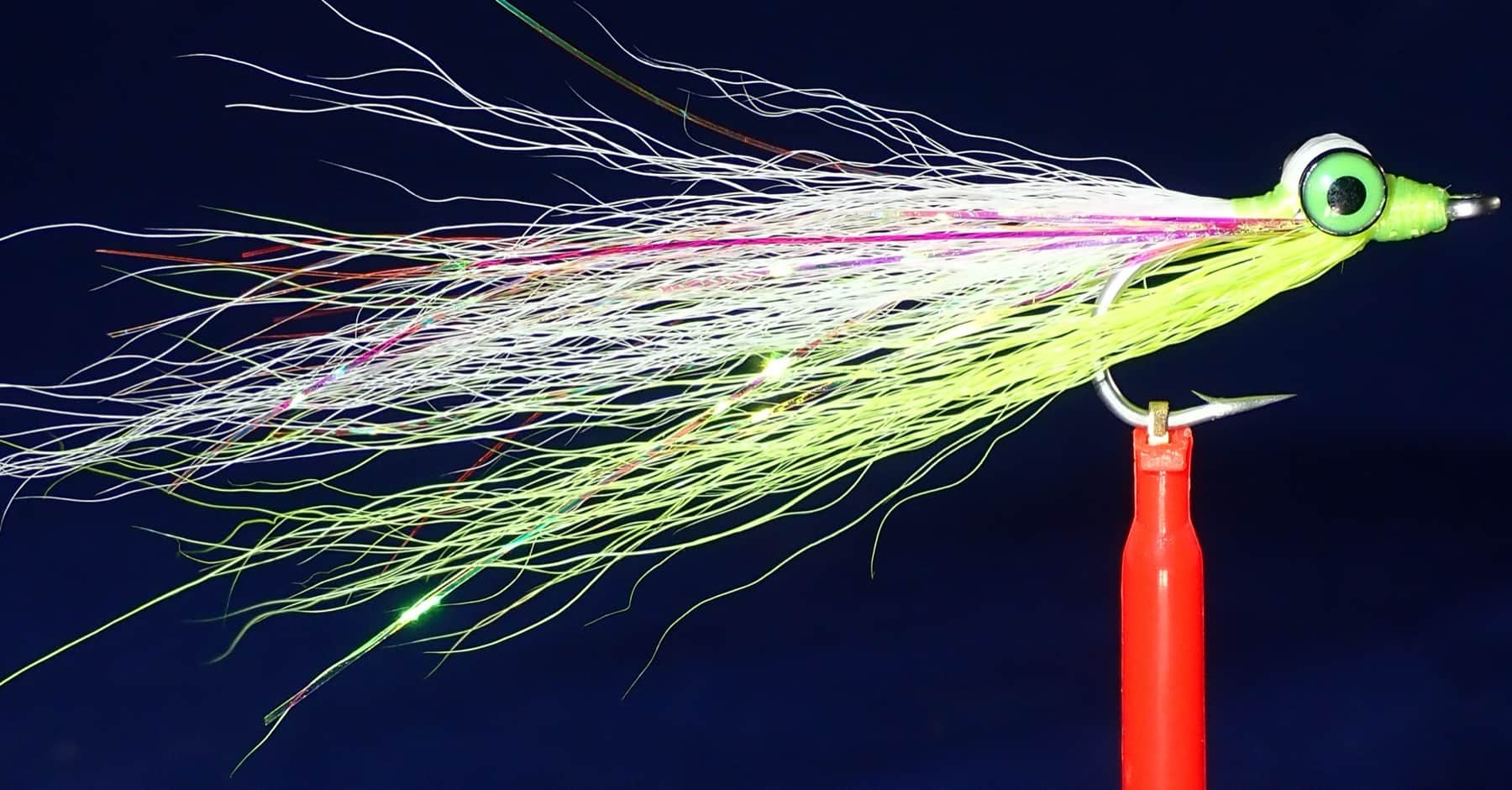
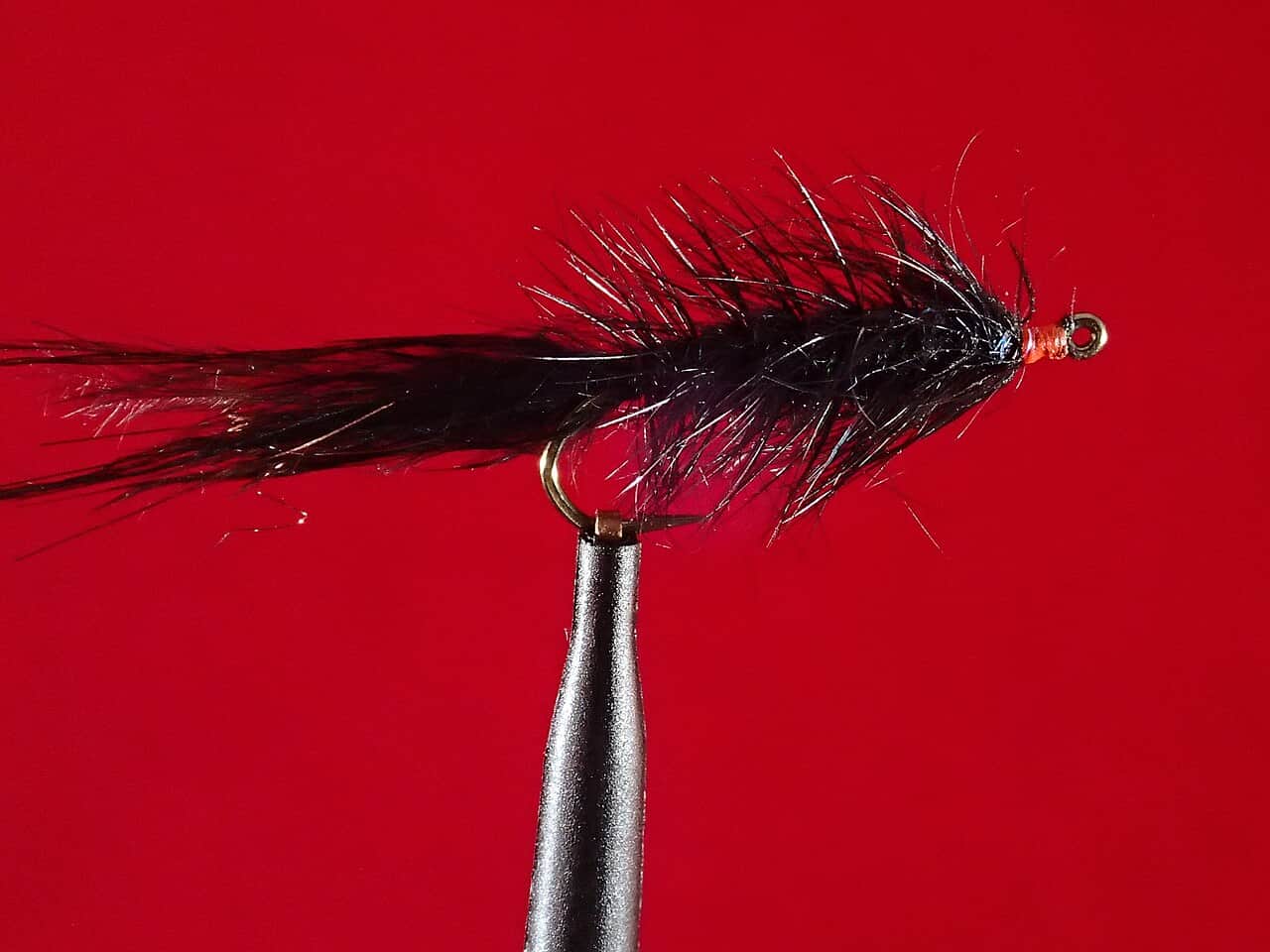
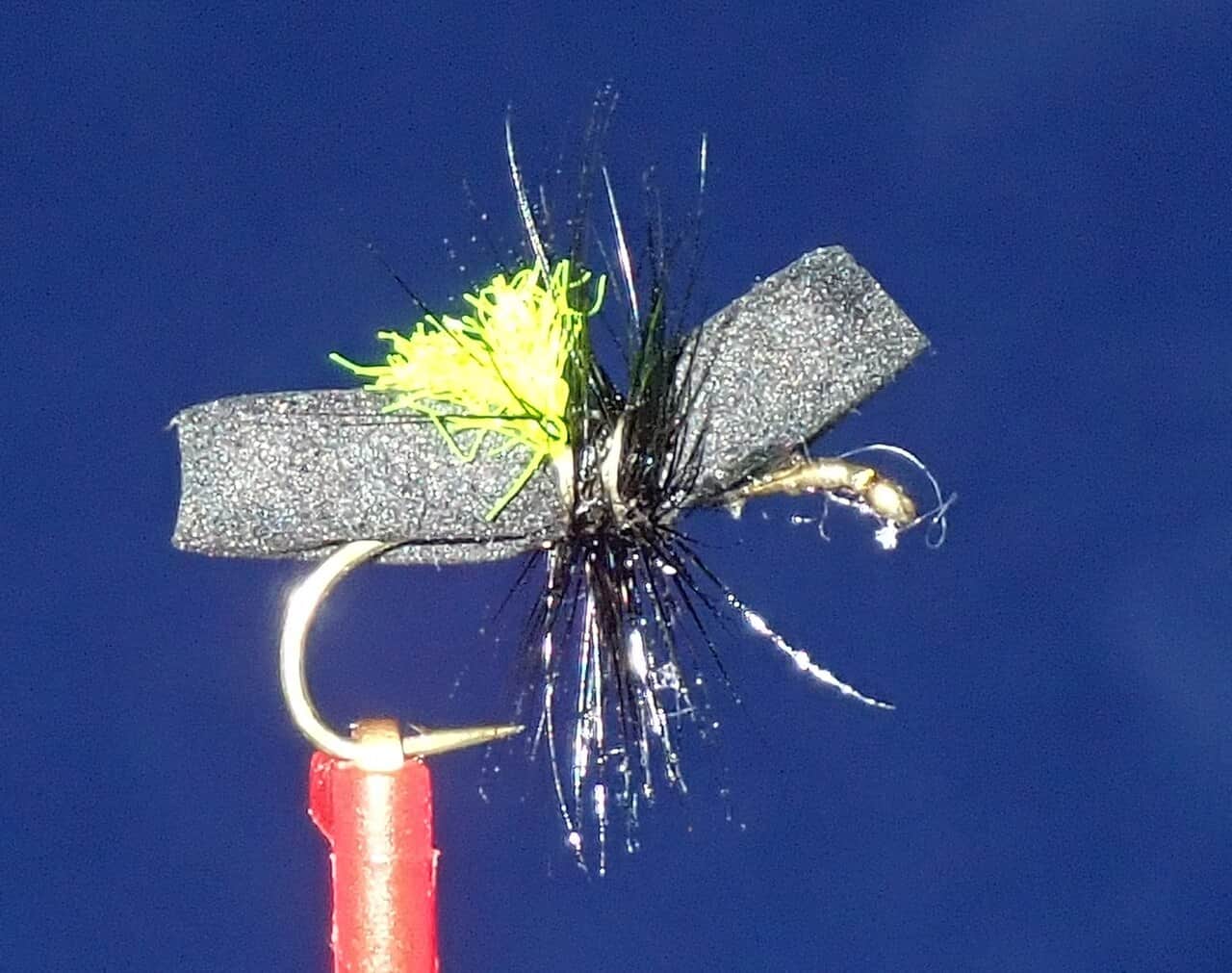
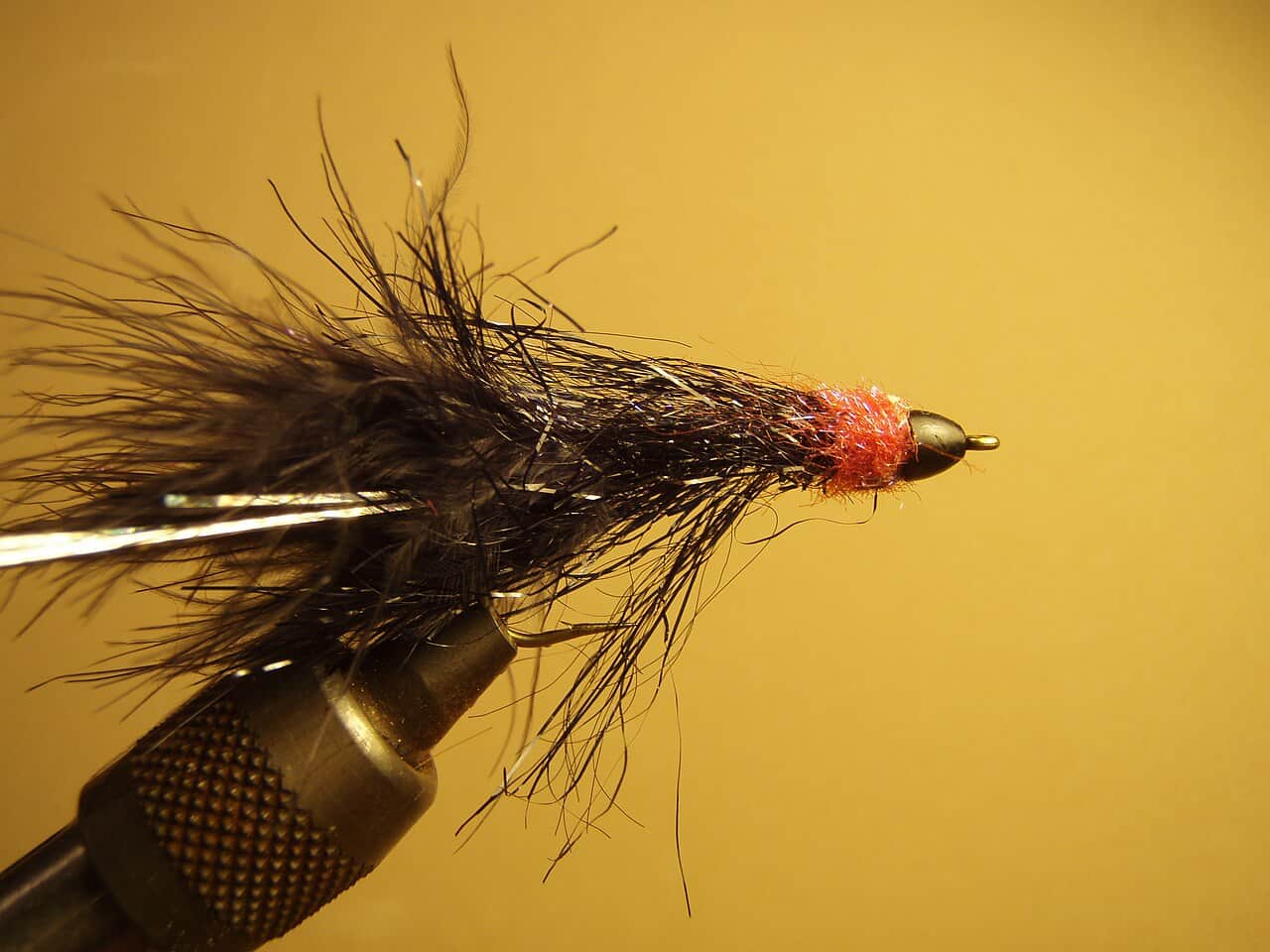
Also try small craw pattern, rubber-leg bug
Also try crayfish fly
Each fly name opens its matching Fly Box guide.
The best Pedernales sessions come when the river has enough push to define seams across the limestone without turning the crossings into a flash-flood problem. If the gauge is spiking, the water is muddy, or park traffic is high, shorten the session and move to a simpler Texas backup.
The best fit for wading selected runs, fishing seams off the limestone shelves, and covering enough water without forcing long hikes.
Often better than dead-low water because more channels connect and the current becomes easier to read, but only when the river still looks safe and clear.
Shorten the day, target the strongest shade and slots, and accept that some broad famous-looking runs are just too thin to fish well.
A strong skip signal because the park itself warns that the river can rise quickly and become dangerous within minutes.
Wading and Bank fishing have the same top score. Use current access, footing, weather, and local rules to choose.
Wading is in play only where your chosen access has clear footing, legal entry, and no forced crossings.
Bank and edge fishing remains a practical low-commitment option if access is legal and footing is safe.
This report does not recommend floating this reach.
Is Pedernales River worth the trip today? Check flow, weather, hatches, access, and rules for Texas before you go.
The Pedernales is strongest when RiverReports and USGS 08153500 show stable or gently rising water, the state-park area is open, and you are willing to keep the day centered on a few defensible public entries. Use this page for short wades and selective walk-in fishing first, respect the hazards around the falls and slick slabs, and skip the day when flash-flood risk or very thin water removes the river's main advantage.
USGS shows 7 cfs. The flow has been stable over about 6 hours. USGS marks this reading provisional and may revise it. USGS records for this date (1940-2026, 87 readings) show a median near 34 cfs and the lower quartile near 11 cfs; today's flow is below normal for the date. This is below normal, so edge depth, temperature, and pressure matter.
Fall: Often the cleanest combination of stable weather, lower crowd pressure, and readable water.
The current NWS air forecast is about 80F, and the next 24-hour high reaches about 83F. Sunny.
No active NWS alert was returned for this forecast point.
Skip when the river is rising, muddy from storms, too low and hot, the falls area is closed or unsafe, or public access cannot be confirmed.
Use the Johnson City trend with clarity. Stable or slowly falling clear water is the best signal.
Skip when the river is rising, muddy from storms, too low and hot, the falls area is closed or unsafe, or public access cannot be confirmed.
Start with the Johnson City gauge, then choose Pedernales Falls State Park or a verified crossing before picking flies.
Compare Llano River, Guadalupe River, or Bull Creek when Pedernales is muddy, too low, crowded, or access-limited.
Use these places as starting points. Open the access link below and check posted signs before you park or enter.
Check TPWD freshwater rules and any park-specific access or safety notices before fishing because this page relies on statewide warmwater rules plus state-park access conditions.
The main public-access anchor on this page, with fishing, paddling, and park-managed entry into the river area away from the closed falls zone.
TPWD lists limited shoreline on the highway right-of-way, making it a quick public look rather than an all-day wandering entry.
A downstream public crossing worth keeping as a backup, but TPWD says access here is poor and should be treated conservatively.
Official agencies and primary river operators come first. Secondary tools are labeled so you know what carries the most weight.
Check what is allowed, where the rule applies, and whether the river is open.
Check the latest river reading and forecast before you leave.
Check public entry points, land rules, and seasonal access changes.
Use these links for stocking, safety, and other local details.
Check what is allowed, where the rule applies, and whether the river is open.
Open the current rules and check the river section, season, and special limits.
Check the latest river reading and forecast before you leave.
Open this page and check the latest safety advice before your trip.
Open this river reading to check the latest level, flow, and update time.
Open this river reading to check the latest level, flow, and update time.
Check public entry points, land rules, and seasonal access changes.
Open the land or access page, then check signs before you park or enter.
Open the land or access page, then check signs before you park or enter.
Open the land or access page, then check signs before you park or enter.
Use these links for stocking, safety, and other local details.
Open this page for more river information and check when it was last updated.
What was checked: This report starts with official regulation, access, flow, weather, and public-water sources, then adds practical planning guidance for fly anglers.
Live measurements and forecasts keep their provider timestamps. Rules, access, and trip guidance use the source-review date shown here. BlueStreamFly planning advice is editorial interpretation, not an agency notice.
First-hand experience: BlueStreamFly does not claim a first-hand visit or local field test for this report unless a real contributor is explicitly named and linked.
Use the RiverReports chart for a quick read and keep USGS 08153500 open as the official backstop before committing to the state-park area.
Plan around the broader river area inside the park, not the falls zone itself. The park says swimming, wading, and put-ins or take-outs are not allowed in the falls area for safety.
Skip it when storms are nearby, the gauge is jumping, the water is muddy, or the public-access points are too crowded to make the limited legal water worth it.