Wading is the most sensitive plan today. Use protected edges only, avoid crossings, and downgrade quickly if clarity or current feels wrong.

Menu
Fly fishing report · Southwest
Medina River
A Medina River report for anglers planning the Medina-to-Bandera corridor with live flow checks, public park guidance, and practical warmwater fly tactics.
Check flow & weatherBest option: Bank / edge.
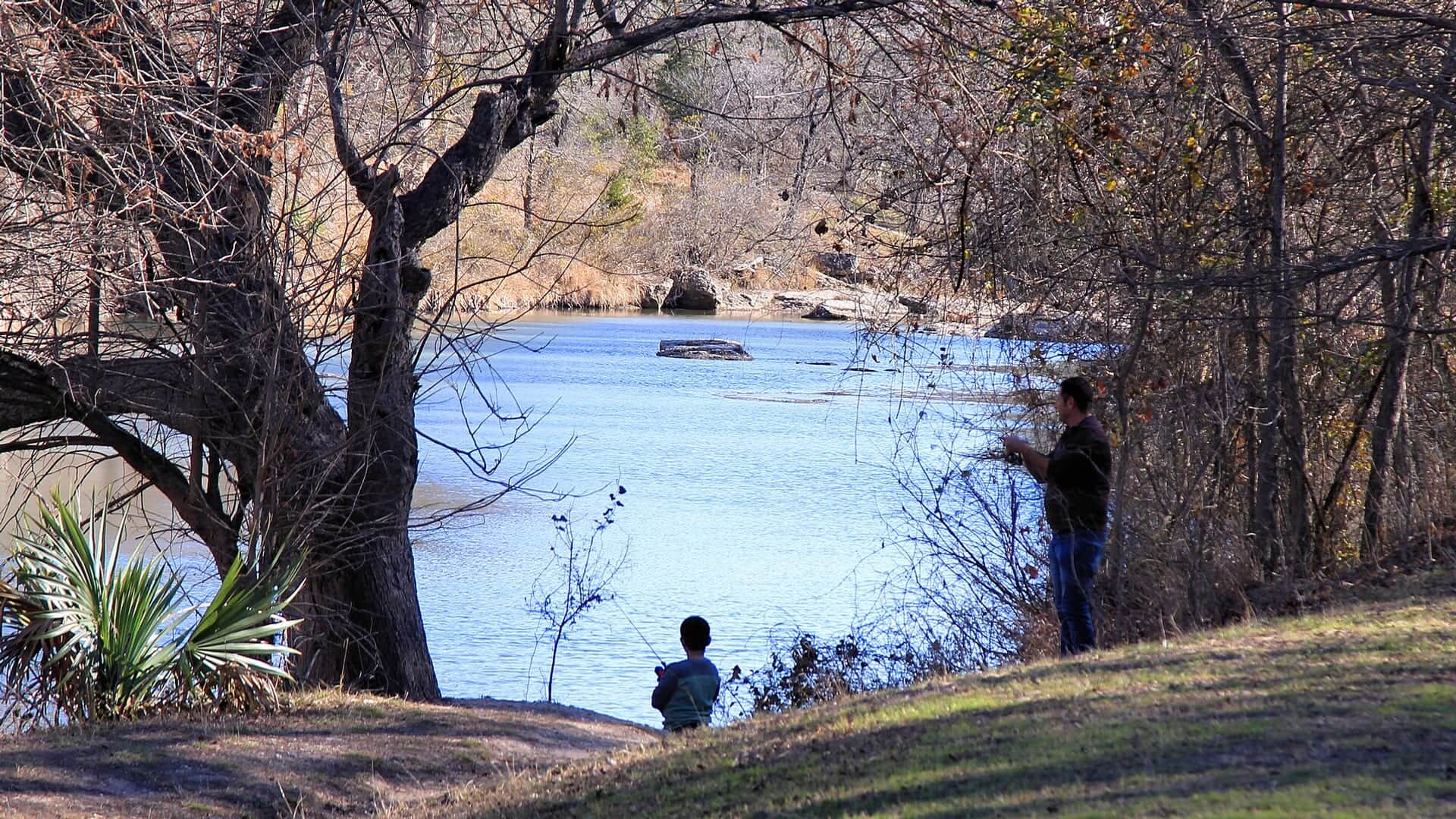
Bank and edge fishing is the safer default when water is high, pushy, or not fully verified.
Mode scores adjust the river-wide score for the risks of wading, bank fishing, or floating.
Bank and edge fishing is the safer default when water is high, pushy, or not fully verified.
This report does not describe this as a primary mode. Verify legal access, depth, launches, and retreat options before planning around it.
Confirm before you leave
Flow and weather right now.
Use the flow trend to confirm the score before you leave. Weather can change the safest and most productive fishing window.
River strategy
Fish the upper Medina as a smaller spring-fed Hill Country river with selective public access, not as a river where every roadside bend becomes fair game.
The Medina above Lake Medina is strongest when RiverReports and USGS 08180700 are stable, the water keeps its clear spring-fed look, and your day stays anchored to Moffett Park, Bandera City Park, or clearly public crossings. This is a short, careful warmwater plan that rewards compact gear and disciplined access choices, and it loses value quickly when summer lows or muddy runoff flatten the current.
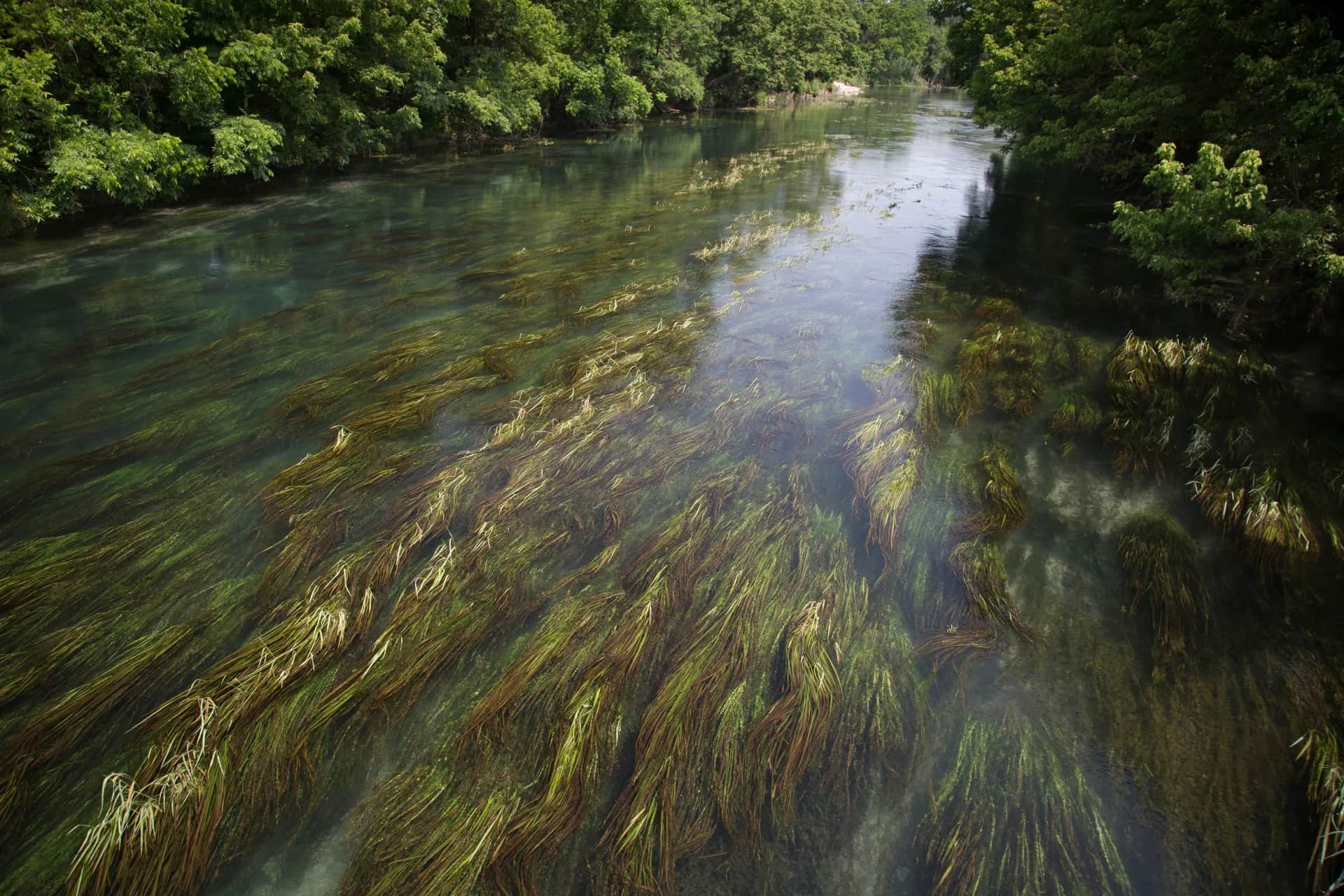
- TPWD describes the Medina as a spring-fed Hill Country river with crystal-clear water, bald cypress banks, limestone structure, and the best recreational conditions above Lake Medina.
- TPWD's Medina-to-Bandera waterways section says the river is readily accessible through road crossings and city parks, but it also notes private camps and shallow summer conditions that force a selective access plan.
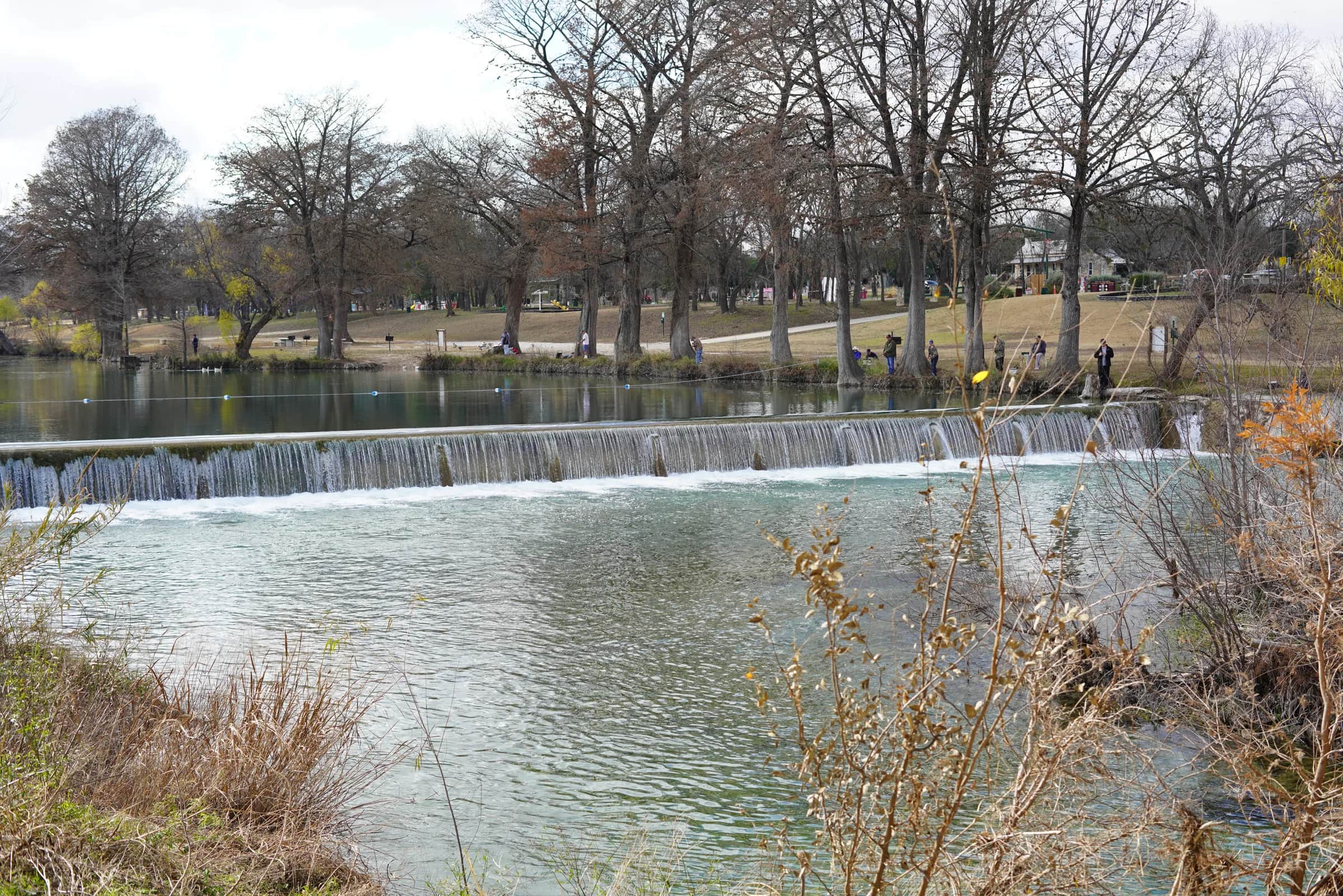
- Bandera City Park officially offers fishing along the Medina and posts current water-level and bacteria-monitoring links through the Bandera County River Authority and Groundwater District.
- TPWD Medina River records include Guadalupe bass, largemouth bass, spotted-bass crosses, Rio Grande cichlid, sunfish, carp, catfish, and even a small rainbow-trout history, which supports a mixed warmwater fly approach rather than a single-species plan.
USGS shows 11 cfs with a falling about 25% over about 6 hours trend. same-date USGS history (1981-2025, 44 readings) puts normal around 51 cfs and the lower quartile near 30 cfs; today's flow is below normal for the date. This is below normal, so edge depth, temperature, and pressure matter.
A Flood Watch is active near this forecast point, so the score is capped until runoff, clarity, crossings, and road access are checked. NWS alert: Flood Watch issued July 13 at 10:03AM CDT until July 16 at 7:00PM CDT by NWS Austin/San Antonio TX.
Bank / edge: Bank and edge fishing is the safer default when water is high, pushy, or not fully verified.
Early summer: Good for dawn poppers and compact streamers before heat and very low water start shrinking the fishable lanes.
The NWS forecast is about 91F with Mostly Sunny.
Read the water
What changes the plan.
The best Medina sessions come on clear stable water when the current still pushes through the limestone runs and cypress banks without dropping into a summer trickle. If the gauge is sliding hard, the water turns cloudy, or Bandera access looks crowded, shorten the session and keep a backup river in play.
Clear stable flow
The best Medina window for short precise streamer or popper presentations and for reading the cypress-and-limestone structure cleanly.
Moderate rise with fishable color
Can improve current definition and connect runs, but only if the river still looks clear enough to support sight-feeding bass behavior.
Summer low water
A caution signal because TPWD says the upper Medina can become extremely shallow during dry summer periods.
Dirty storm flow
A skip signal because the small-river advantage disappears fast once clarity and footing margin are gone.
Field plan
Fish it with intention.
Use the Pipe Creek trend with clarity and water-quality context. Stable clear current is the best signal.
Skip when summer water is too low, storm mud is present, water-quality concerns are active, park pressure is heavy, or access is uncertain.
Start with Pipe Creek flow, then pick Bandera City Park or another verified public crossing before choosing flies.
Compare Llano River, Guadalupe River, or Pedernales River when the Medina is too low, muddy, crowded, or access-limited.
Hatches & flies
Bring a flexible box.
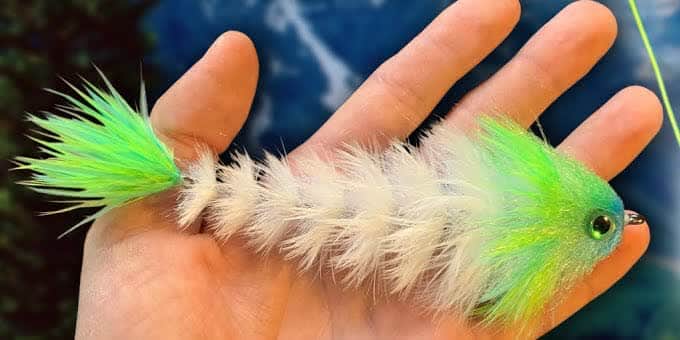
Reviewed family · report says “Olive streamer”Trout Streamer PatternsStreamer is a method-and-silhouette family, not a recipe. Size, color, weight, and presentation phrases stay visible, while baitfish, leech, sculpin, Woolly Bugger, and articulated identities link to their more specific destinations when known.See family guide ↗
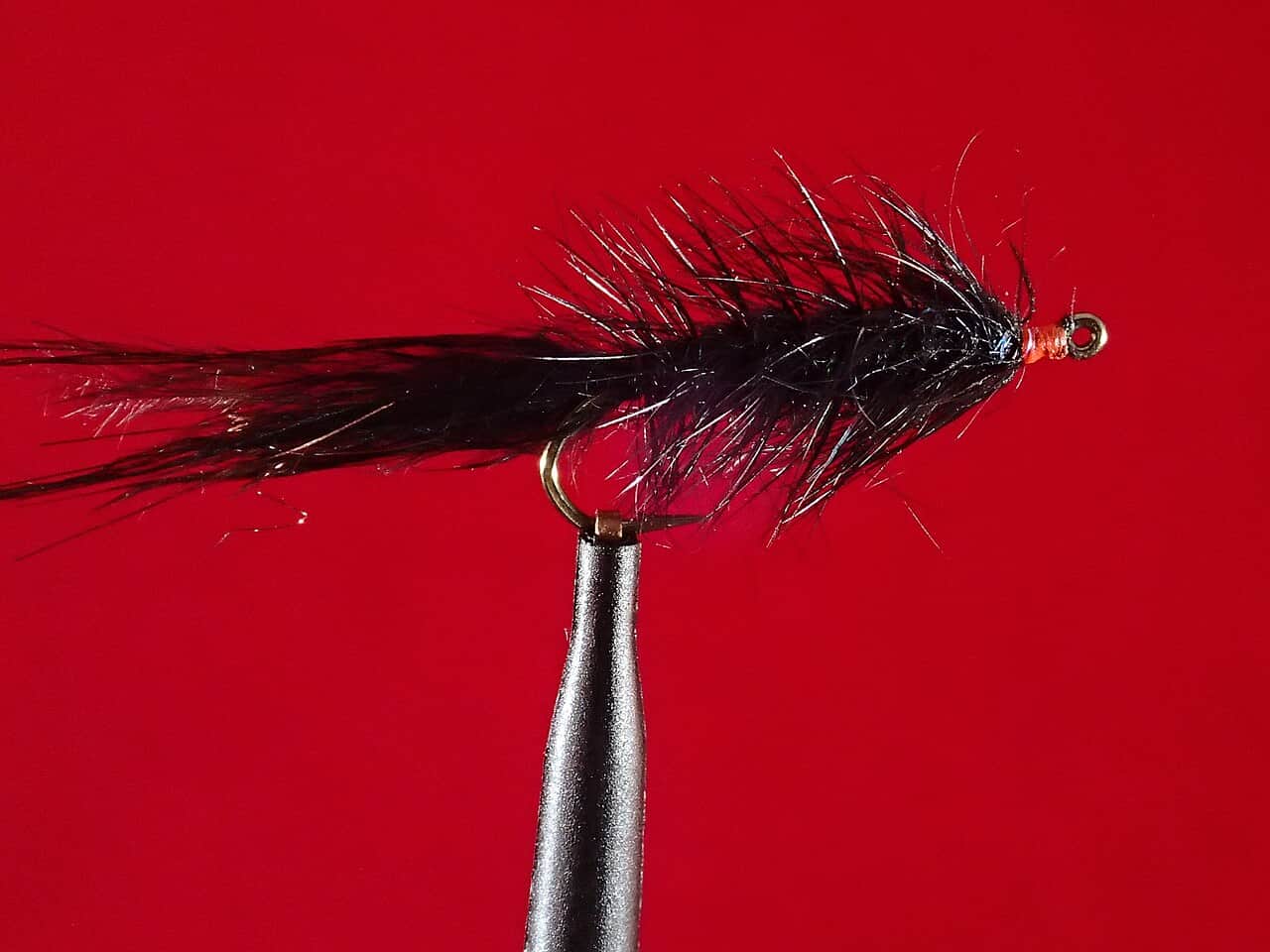
Reviewed pattern · report says “black bugger”Woolly BuggerThe shared pattern language is a marabou tail, chenille or dubbed body, and palmered hackle. Bead heads, dumbbell eyes, flash, rubber tails, colors, and body materials materially change the tied variation and must be labeled.See photos & how to fish it ↗+ 2 more reviewed guides in the Fly Box
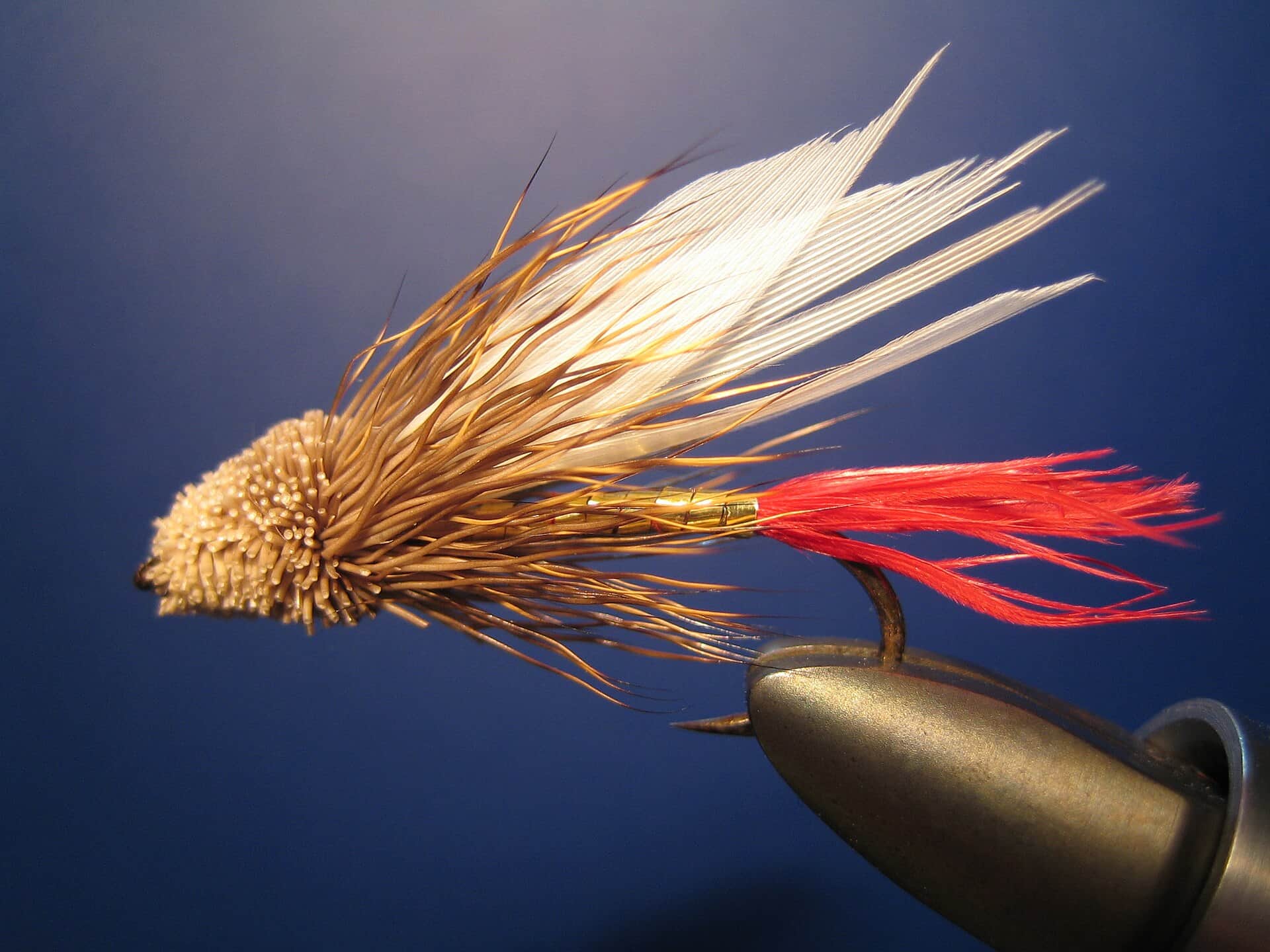
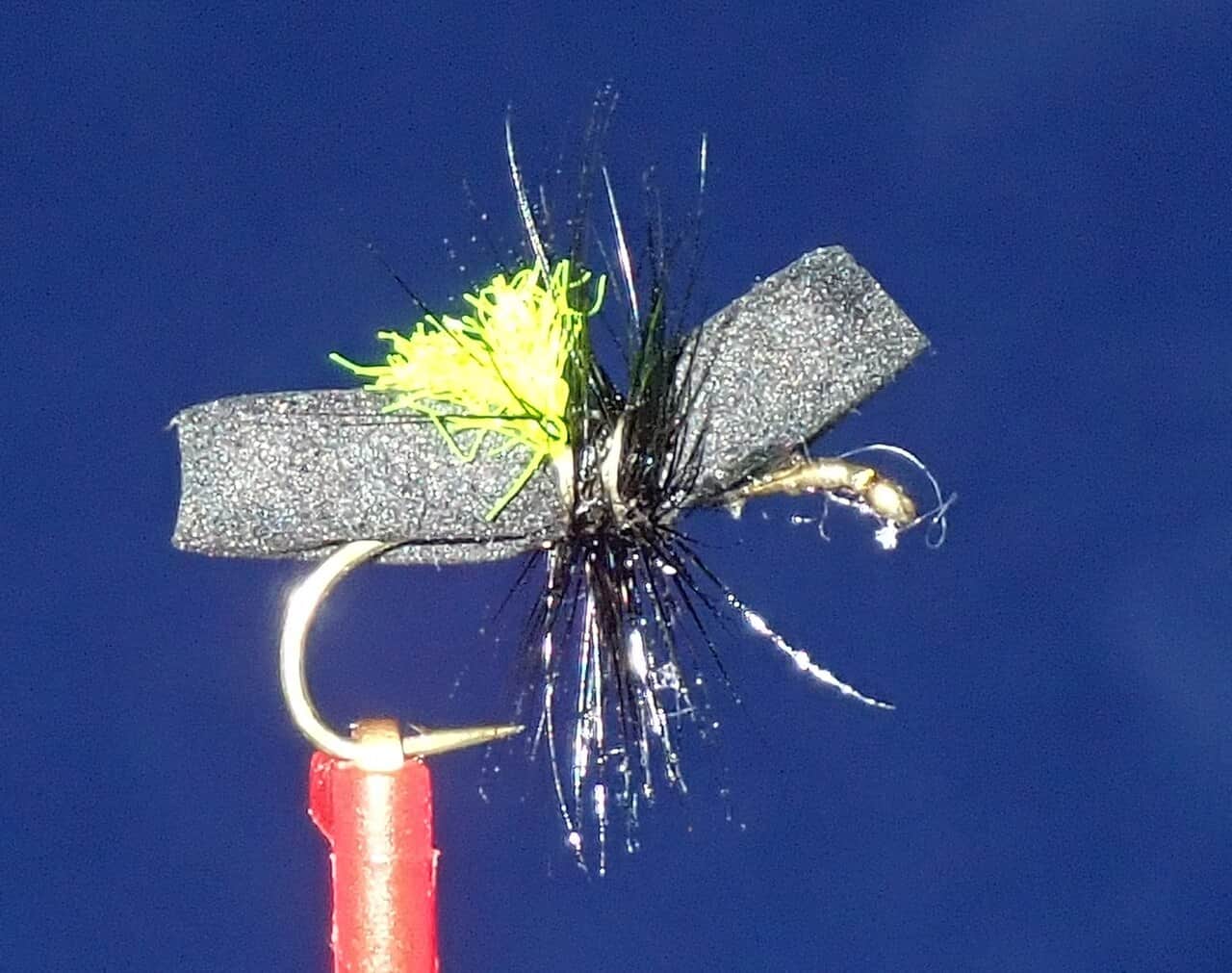
Reviewed family · report says “Small popper”Bass and Panfish Popper PatternsPoppers may use cupped foam, cork, balsa, deer hair, or pencil-shaped heads. Head face, size, buoyancy, tail, legs, and weed guard determine sound and action; a generic popper label does not identify one fly.See family guide ↗
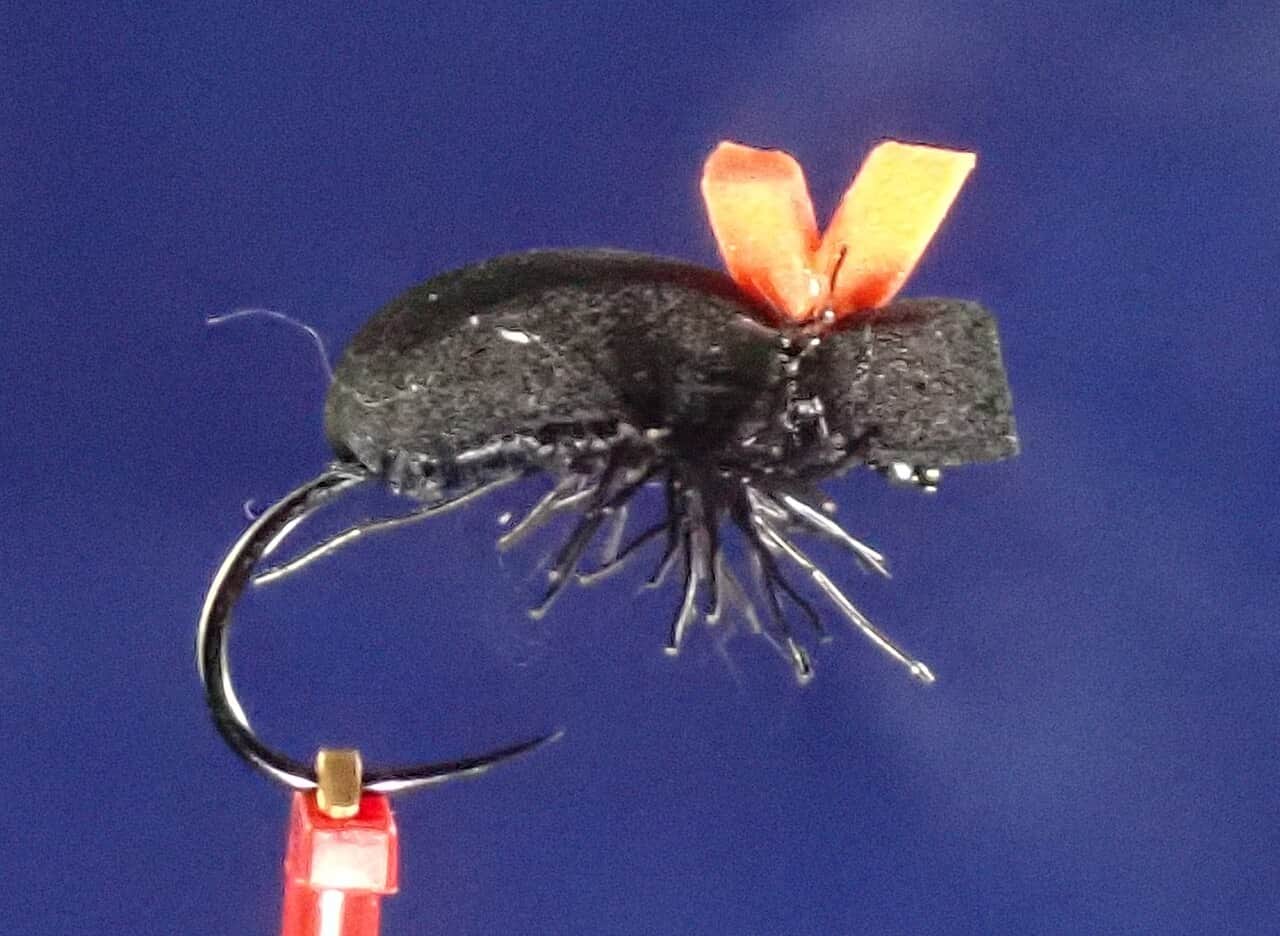
Reviewed family · report says “slider”Warmwater Slider and Diver PatternsA slider has a tapered, flat, or softly shaped head that glides or pushes a small wake with limited noise. A diver has an angled, collared, folded, or otherwise shaped head that pulls below the surface when stripped and rises on the pause. Frog, baitfish, and large-insect profiles can be tied on either idea, so the exact head action, buoyancy, hook orientation, weed guard, and material must stay named.See family guide ↗+ 3 more reviewed guides in the Fly Box
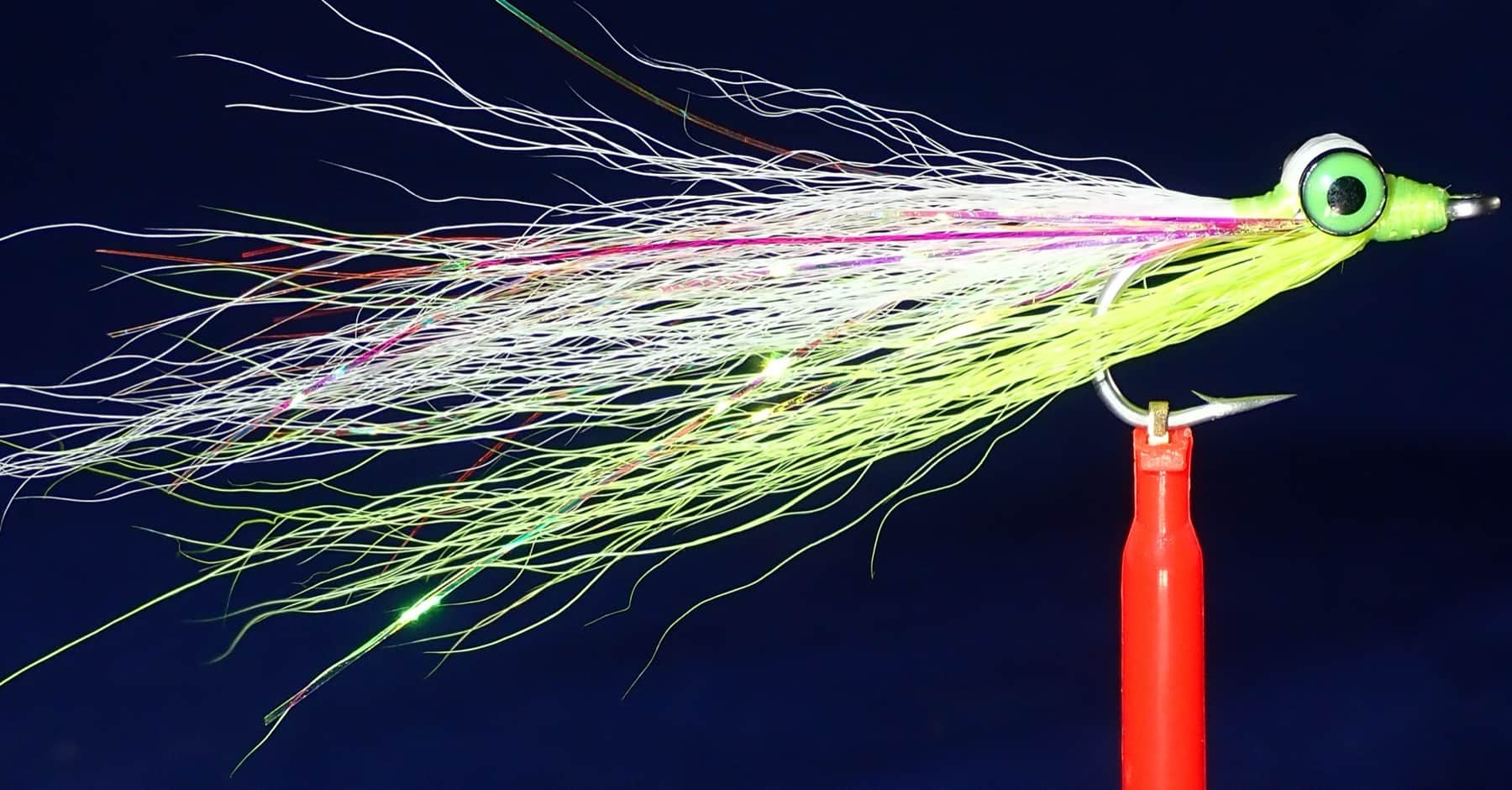
Reviewed pattern · report says “Clouser”Clouser Deep MinnowThe reviewed chartreuse-and-white form uses sparse layered bucktail with flash around lead barbell eyes. The eyes make the fly sink between strips and ride hook point up; color, eye weight, hook, and saltwater materials must remain labeled.See photos & how to fish it ↗
Reviewed pattern · report says “bugger”Woolly BuggerThe shared pattern language is a marabou tail, chenille or dubbed body, and palmered hackle. Bead heads, dumbbell eyes, flash, rubber tails, colors, and body materials materially change the tied variation and must be labeled.See photos & how to fish it ↗+ 2 more reviewed guides in the Fly Box
Reviewed family · report says “Small leech”Leech PatternsLeech patterns share an elongated moving silhouette, but material, weighting, hook orientation, and retrieve vary. Pine-squirrel, rabbit-strip, balanced, and Woolly Bugger forms remain separately labeled rather than being presented as one recipe.See family guide ↗
Reviewed family · report says “jig streamer”Trout Streamer PatternsStreamer is a method-and-silhouette family, not a recipe. Size, color, weight, and presentation phrases stay visible, while baitfish, leech, sculpin, Woolly Bugger, and articulated identities link to their more specific destinations when known.See family guide ↗+ 1 more reviewed guide in the Fly Box Start at one verified public access and fish it thoroughly instead of driving the valley looking for miracle pull-offs.
Give the broken current and cypress banks the first part of the morning before easing into slower park water.
If summer lows flatten the riffles, shorten the day and target the shadiest deeper slots rather than trying to force the whole corridor.
Keep an eye on clarity and the BCRAGD safety notes around Bandera before deciding to stay late.
Access & responsibility
Know the entry. Know the exit.
Check TPWD freshwater regulations before fishing and follow any posted park rules or local safety notices at the access point you use.
Bandera City Park
The clearest official Bandera entry on this page, with posted fishing access, park rules, and direct water-level and bacteria-monitoring links.
Moffett Park in Medina
TPWD's upper-river access list starts here, making it a useful upstream public look when you want the clearest small-river water first.
SH 16 and FM 470 crossings near Bandera
TPWD lists these as public roadside or bridge-access points, best treated as quick checks and short sessions rather than assumed all-day water.
Transparent sources
Check the facts behind the plan.
Last material review: 2026-06-02
Common questions
Before you leave.
What flow should I trust for the Medina River?+
Use the RiverReports chart for quick reads and keep USGS 08180700 open as the official backstop before you commit to the upper Medina corridor.
Where should I start on the Medina River?+
Bandera City Park is the clearest first stop because it openly allows fishing and posts current water-level and bacteria-monitoring links. Moffett Park and public crossings make good backups.
When should I skip the Medina River?+
Skip it when the water turns muddy after storms, when summer lows make the river extremely shallow, or when your access plan depends on guessing where private property starts.