Live flow is not available
No verified live public gauge is displayed for this Hiwassee tailwater report. Use TVA Apalachia LakeInfo for generation context, then confirm ramps, rising water, and wade-versus-float safety before fishing.
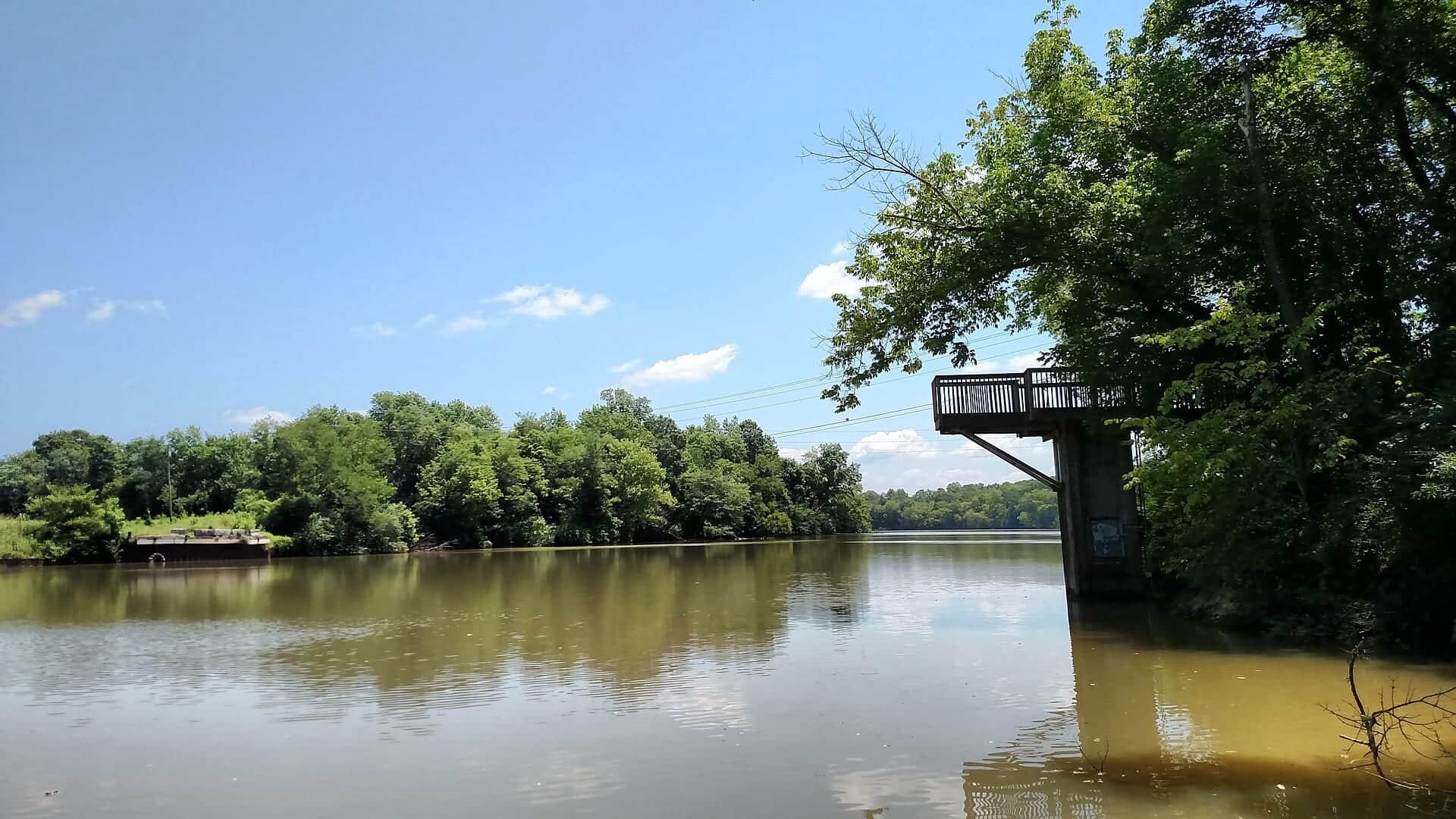
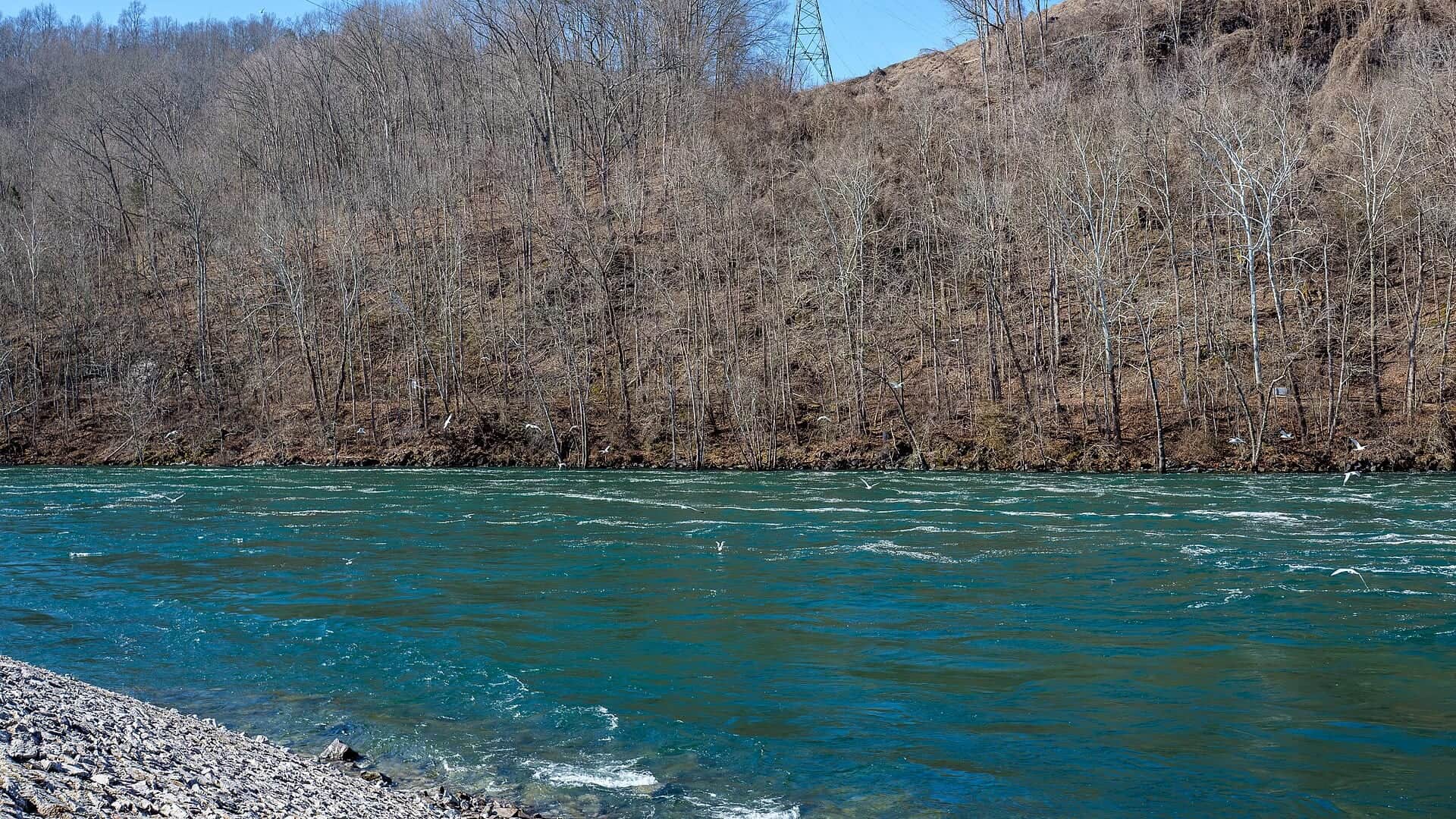
Photo: National Trails Office ( US National Park Service ) Opens in a new tab. · Public domain
We could not confirm a live gauge for this river. Check the weather, recent rain, local reports, and the water before you fish.
Check first: Live information is incomplete. Treat this score as a planning estimate.
Rating updatedRiver local time:
No verified live public gauge is attached, so the page cannot make a strong real-time call.
NWS air forecast near
This is an air forecast, not a river-temperature reading. Check the water with a stream thermometer before fishing in hot weather.
No verified live public gauge is displayed for this Hiwassee tailwater report. Use TVA Apalachia LakeInfo for generation context, then confirm ramps, rising water, and wade-versus-float safety before fishing.
Patchy Fog
The National Weather Service forecast is temporarily unavailable.
Report reach: TVA Apalachia generation check
No verified live public gauge is displayed for this Hiwassee tailwater report. Use TVA Apalachia LakeInfo for generation context, then confirm ramps, rising water, and wade-versus-float safety before fishing.
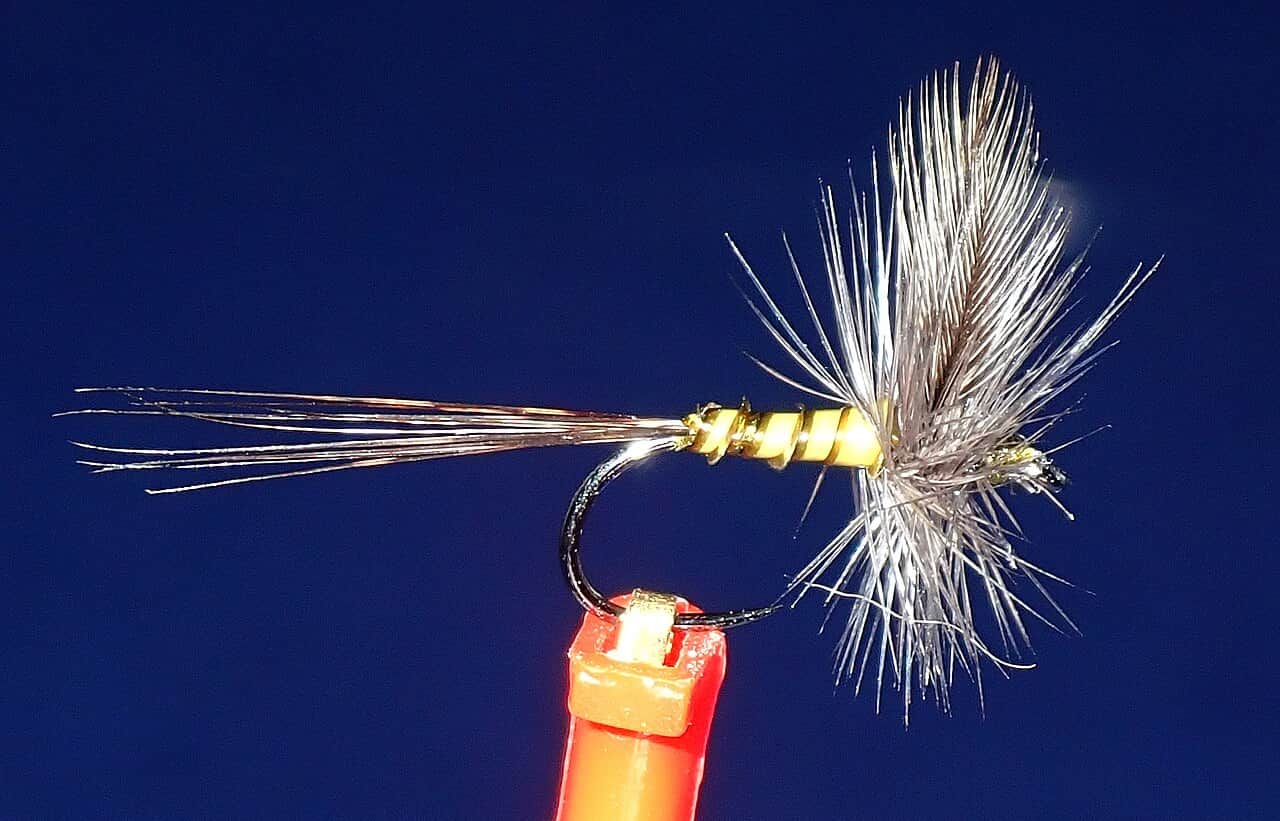
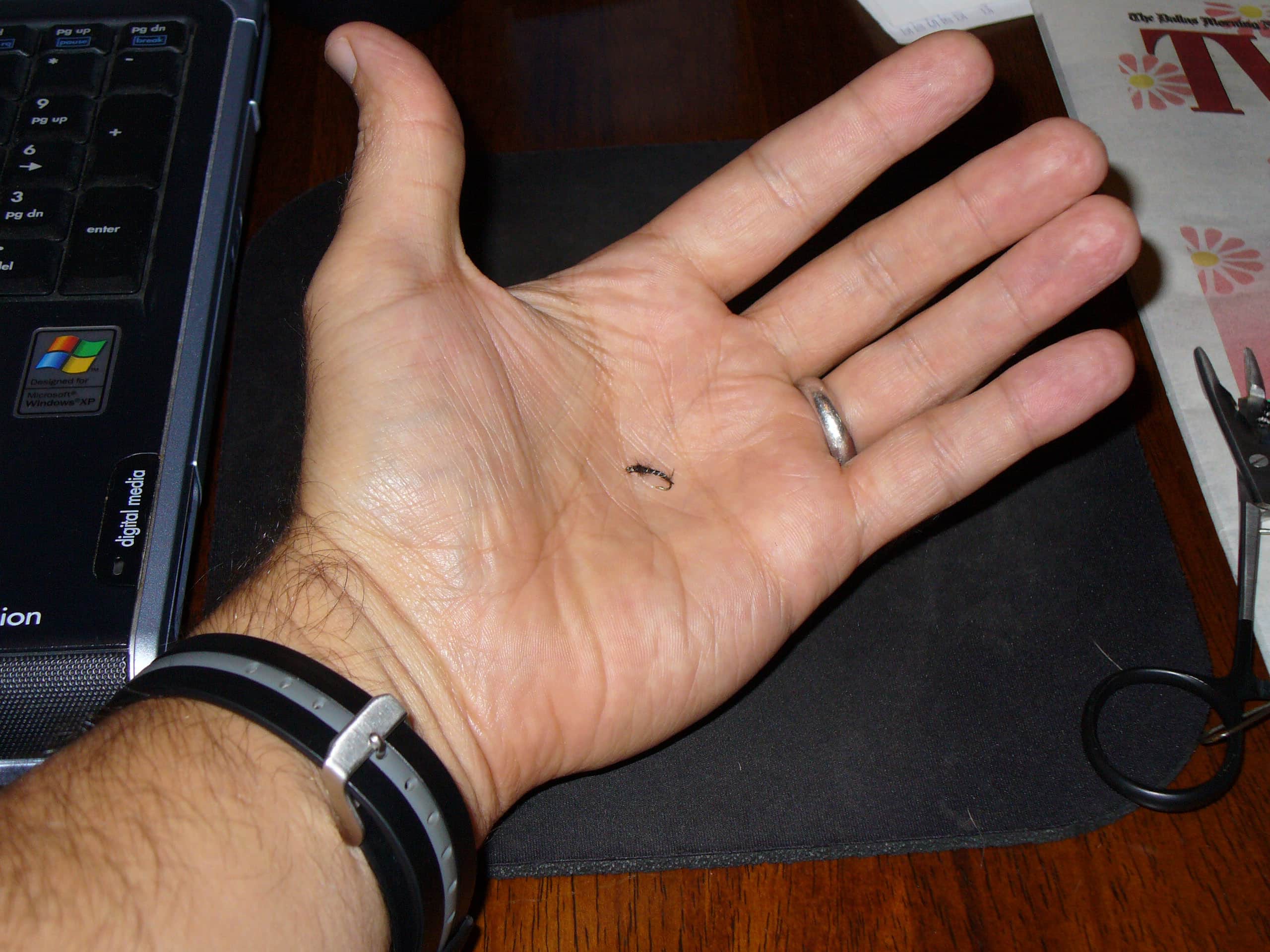
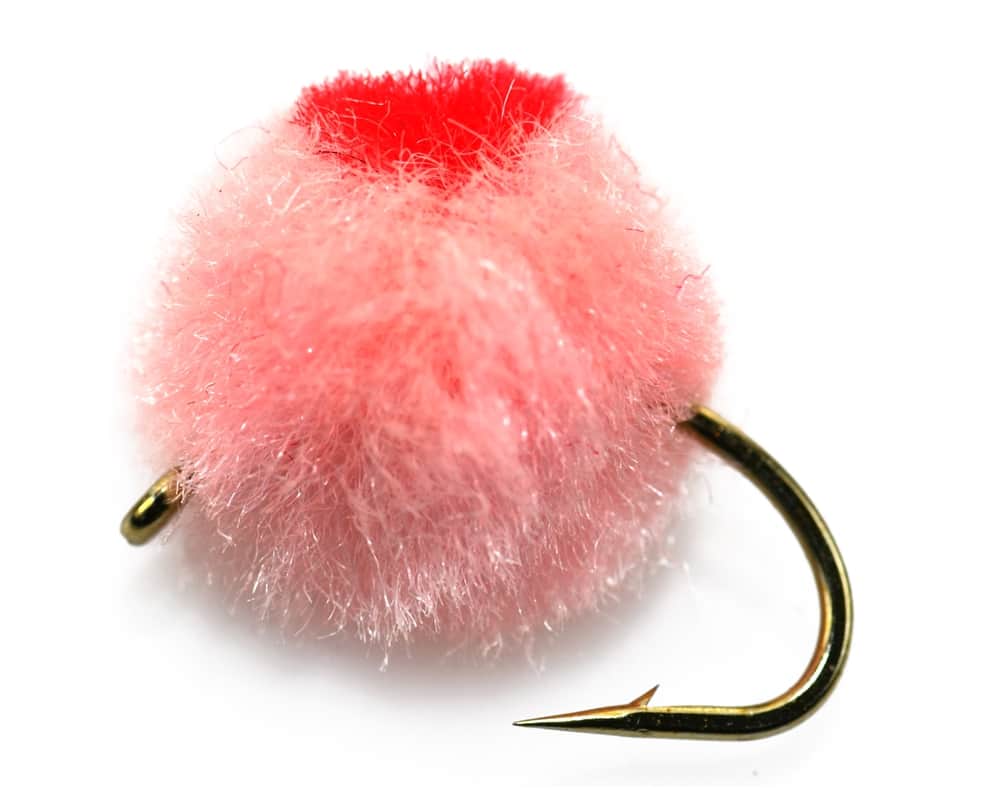
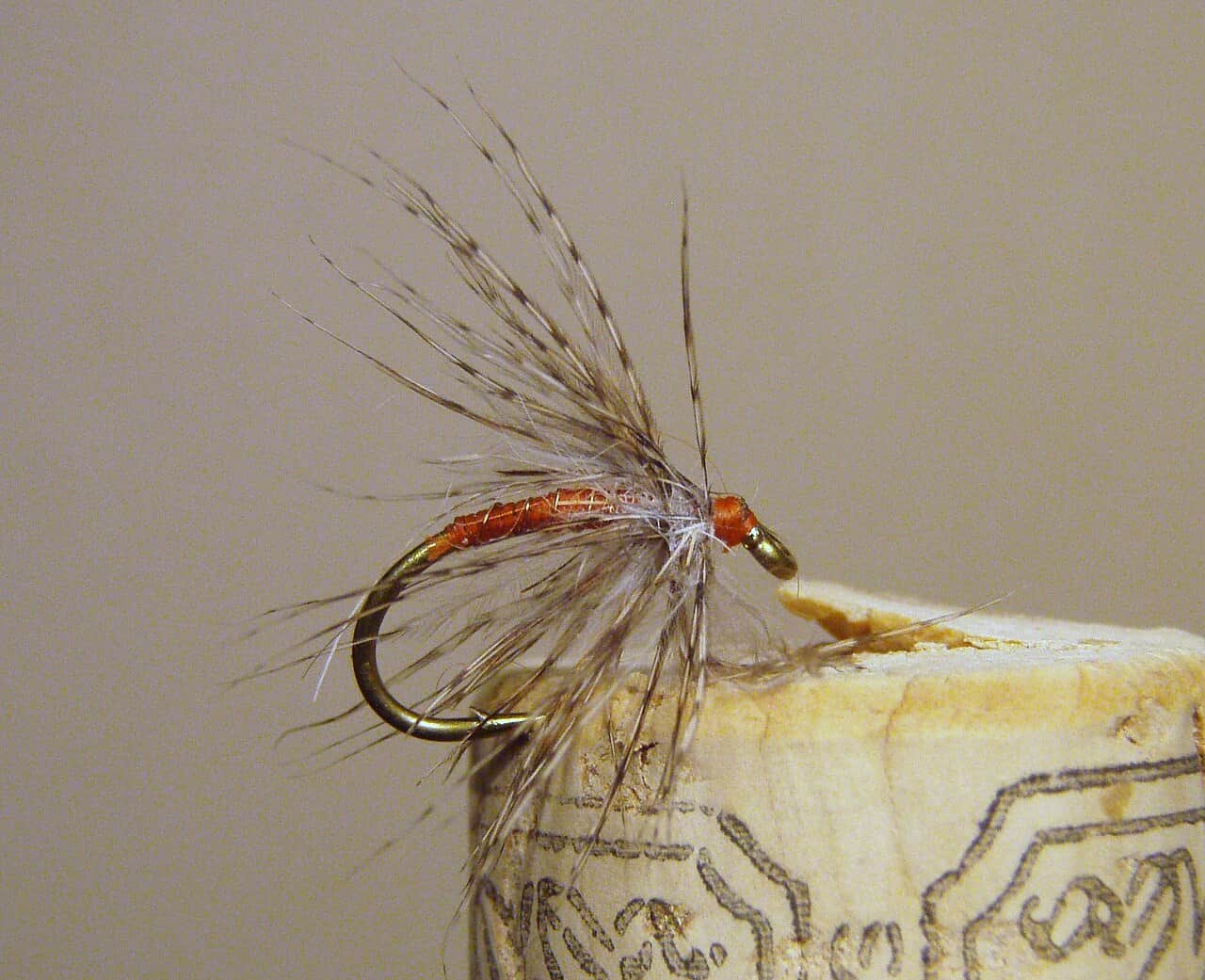
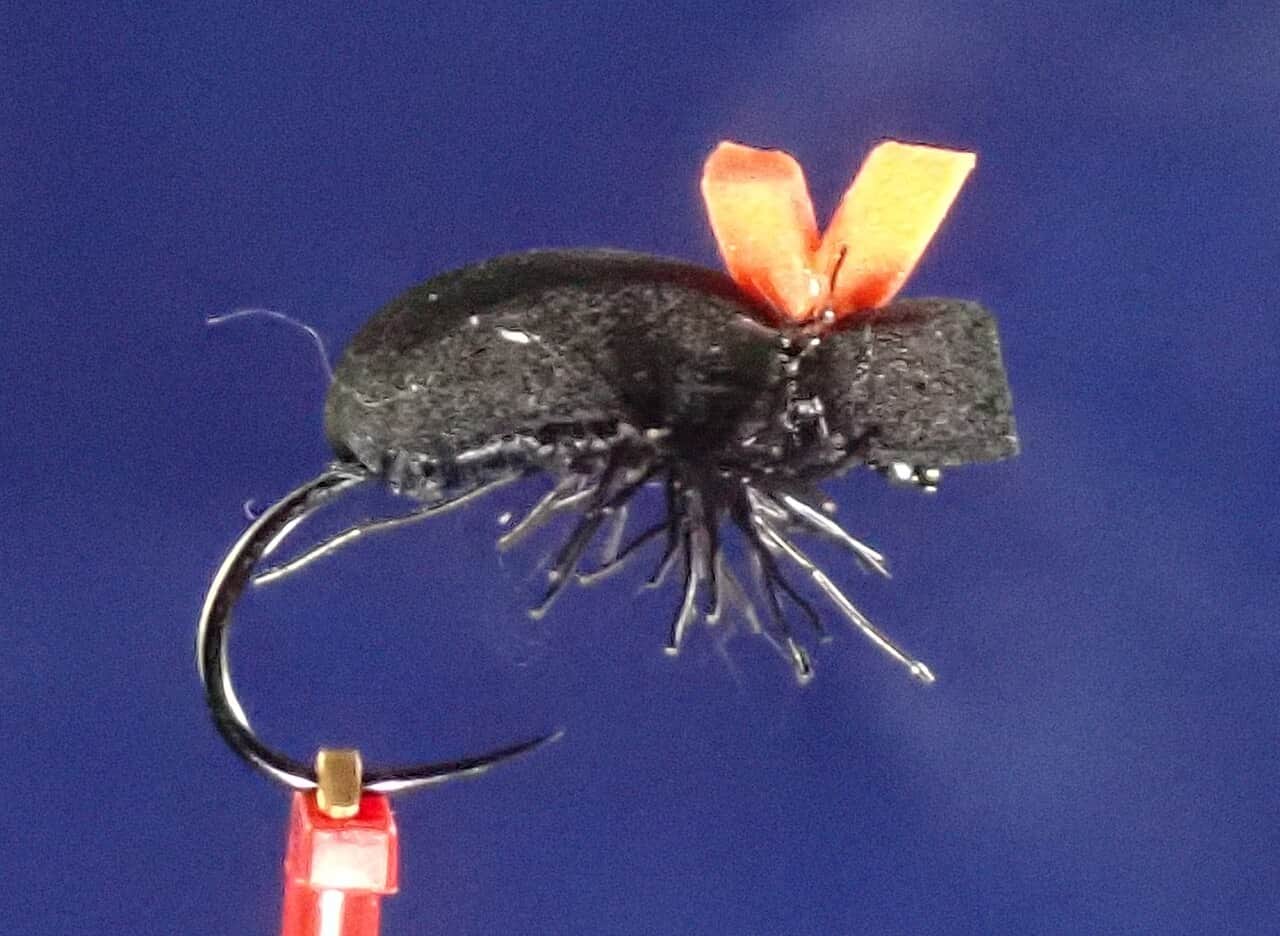
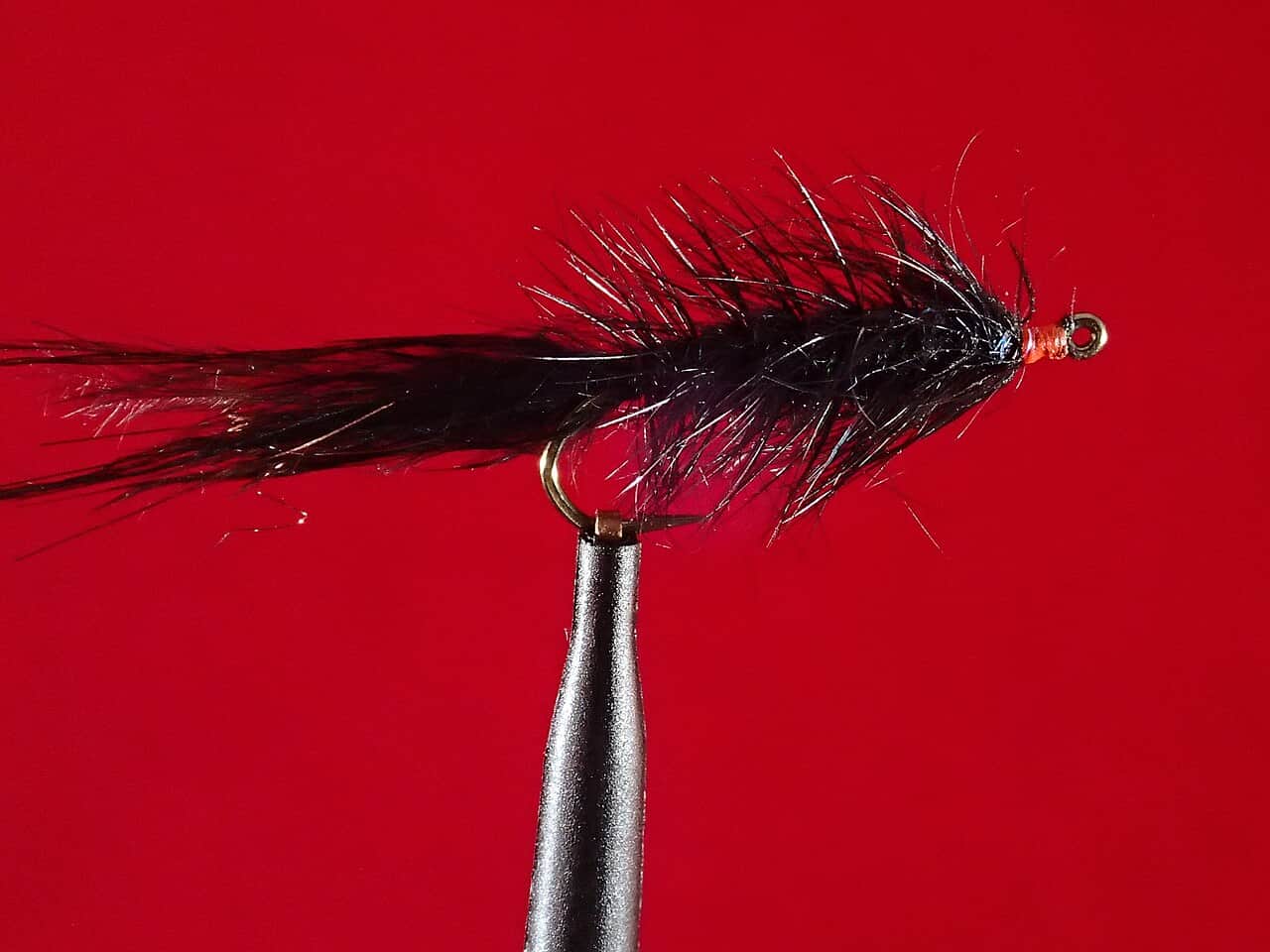
Seasonal starting points, not a live hatch report. Match what you see on the water.
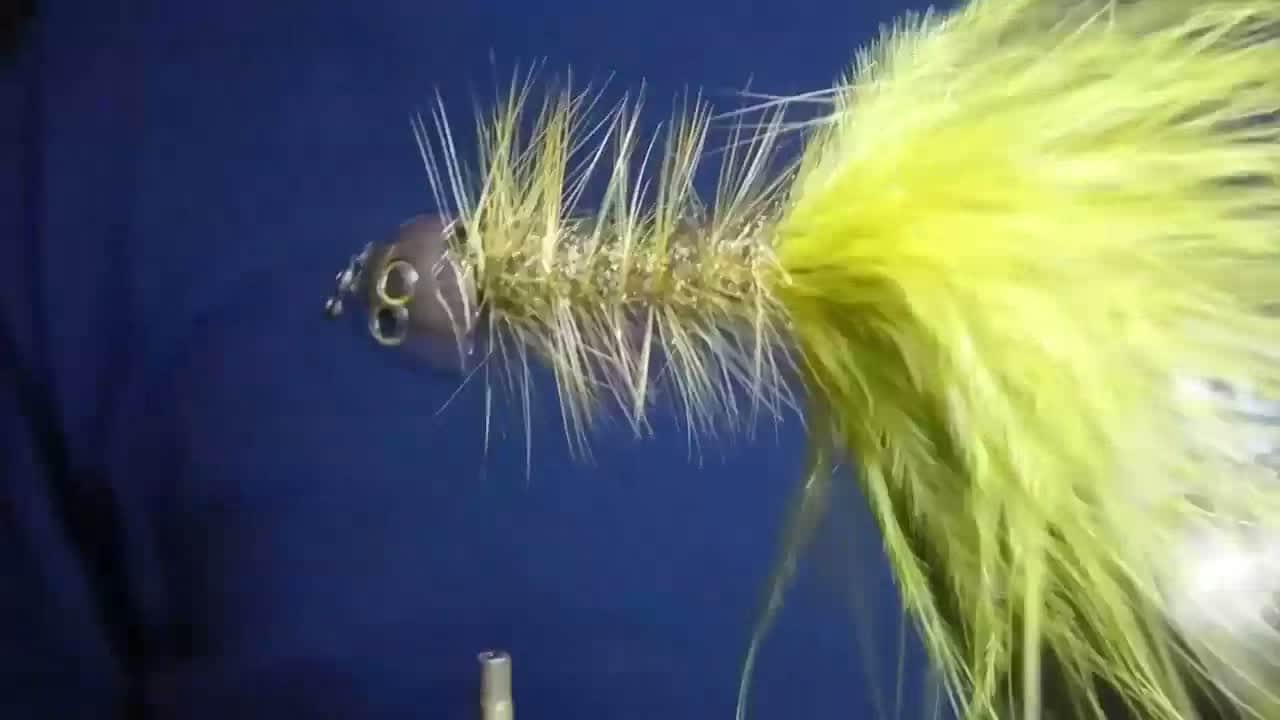
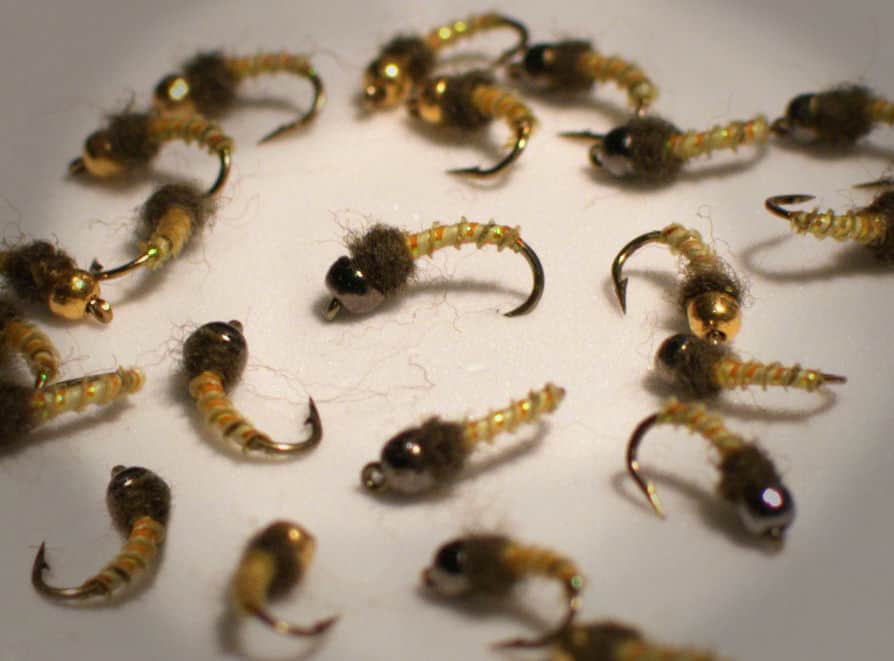
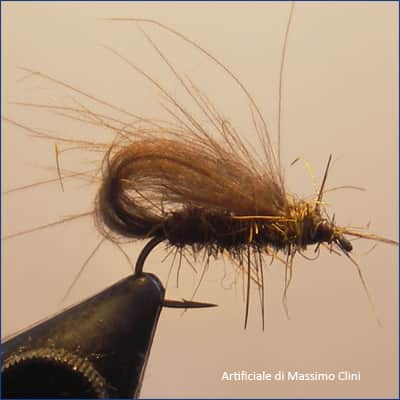
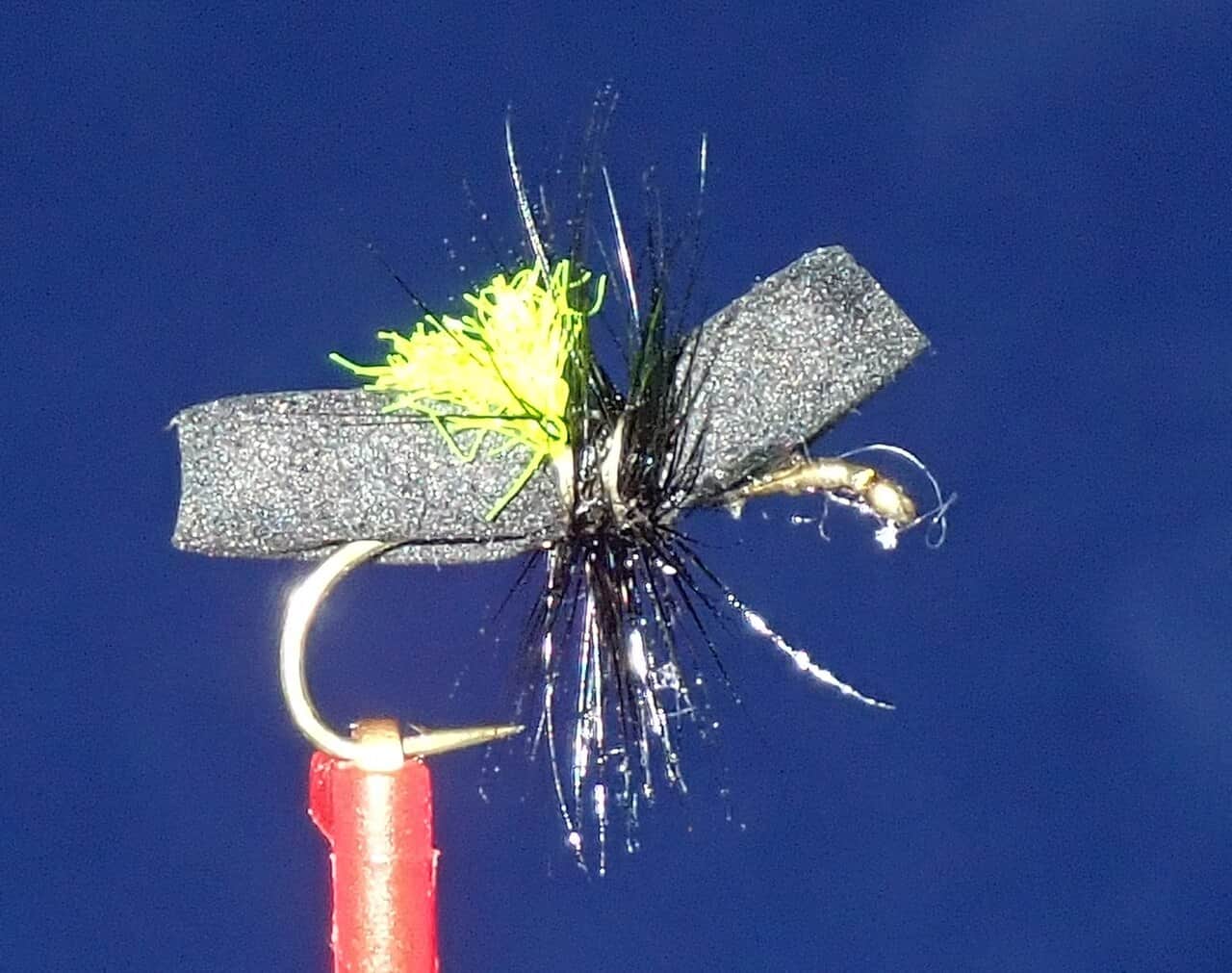
Also try black fly larva, scud, sowbug, split-case nymph
Each fly name opens its matching Fly Box guide.
The Hiwassee is best when the generation schedule matches your access plan. Treat it as a mountain tailwater with real boating and wading hazards, not as a small creek.
Fish seams, riffles, and shoals with small nymphs or dry-droppers.
Move toward the bank early and avoid crossing channels.
Streamers, heavy nymphs, and bank tactics make more sense than wading.
Check temperature and TWRA updates before pressuring trout.
We could not confirm all current conditions. Check locally before choosing how to fish.
Current conditions at the exact access are not verified. No access method is recommended until they are checked.
Current conditions at the exact access are not verified. No access method is recommended until they are checked.
Current conditions at the exact access are not verified. No access method is recommended until they are checked.
Is Hiwassee River worth the trip today? Check flow, weather, hatches, access, and rules for Tennessee before you go.
The Hiwassee report is scoped to the tailwater and Reliance area. A broad downstream gauge can be less helpful than generation timing, so this page keeps flow guidance centered on TVA Apalachia and official access sources.
No verified live public gauge is attached, so the page cannot make a strong real-time call.
Fall: Cooler weather and lower crowds can improve trout and streamer plans.
The current NWS air forecast is about 42F, and the next 24-hour high reaches about 72F. Patchy Fog.
No active NWS alert was returned for this forecast point.
Skip or pivot when generation timing is unclear, rising water cuts off crossings, access or launch status is uncertain, water is warm for trout, or the intended TWRA rule context has not been checked.
Use TVA Apalachia LakeInfo and generation context as the first flow check. No verified live public gauge is displayed here, so confirm water level, ramps, and safe exits before treating low water as a wade window.
Skip or pivot when generation timing is unclear, rising water cuts off crossings, access or launch status is uncertain, water is warm for trout, or the intended TWRA rule context has not been checked.
Start with TVA Apalachia generation context, TWRA rules, USFS Hiwassee information, weather, and one legal access or float plan. Carry low-water nymphs and soft hackles plus a higher-water streamer setup.
If Hiwassee generation, crowding, or access makes the plan weak, compare Clinch River for a technical tailwater, South Holston River for another trout release schedule, or Watauga River for a different wade-float mix.
Use these places as starting points. Open the access link below and check posted signs before you park or enter.
Check TWRA trout and special fishing rules for the Hiwassee tailwater before fishing.
Core generation source and upper tailwater orientation.
Popular trout, float, and access planning area.
Use official sources for closures, parking, and river-use rules.
Official agencies and primary river operators come first. Secondary tools are labeled so you know what carries the most weight.
Check what is allowed, where the rule applies, and whether the river is open.
Check the latest river reading and forecast before you leave.
Check public entry points, land rules, and seasonal access changes.
Check what is allowed, where the rule applies, and whether the river is open.
Open the current rules and check the river section, season, and special limits.
Open the current rules and check the river section, season, and special limits.
Check the latest river reading and forecast before you leave.
Open this page and check the latest safety advice before your trip.
Open this river reading to check the latest level, flow, and update time.
Open this page for more river information and check when it was last updated.
Check public entry points, land rules, and seasonal access changes.
Open the land or access page, then check signs before you park or enter.
What was checked: This Hiwassee River report is maintained from Tennessee Wildlife Resources Agency fishing regulations and trout information, TVA Apalachia LakeInfo generation context, U.S. Forest Service Cherokee National Forest access information, weather, media-credit, and Reliance tailwater planning sources.
Live measurements and forecasts keep their provider timestamps. Rules, access, and trip guidance use the source-review date shown here. BlueStreamFly planning advice is editorial interpretation, not an agency notice.
First-hand experience: BlueStreamFly does not claim a first-hand visit or local field test for this report unless a real contributor is explicitly named and linked.
Check TVA Apalachia generation, TWRA rules, USFS access notes, weather, and water temperature.
Start with the Apalachia Powerhouse and Reliance area, then match the access to generation.
Yes during safe low-generation windows, but rising water and boat traffic can make wading unsafe.
Bring the seasonal fly box, then adjust size, weight, and color to water level, clarity, temperature, and fishing pressure.