Tennessee / Southeast
Duck River
A Duck River report for warmwater fly anglers planning Shelbyville through Columbia floats, smallmouth water, legal access, and Normandy tailwater context.
Image: Generated regional planning image for Duck River / BlueStreamFly generated; not exact location / BlueStreamFlyFishability now: Duck River fishability today
GreatData confidence: High96/100
Fishable now because Shelbyville gauge is falling, weather is usable, and no public alert is active.
Flow observed
5:30 PM UTC
Weather observed
6:00 PM UTC
Score calculated
6:12 PM UTC
Why this rating
Flow
Weather
Public alerts
Next 6-12 hours
Improving / hold
A falling gauge and usable weather should keep the next 6-12 hours in play unless tributaries stain or heat builds.
USGS flow
224 cfs
Current trend: flow falling, rating likely holding strong unless weather or clarity changes.
More planning details: flies, flow bands, and live source checks
Fish it today
Start here
Choose the access style first: TWRA map and public ramps for warmwater, or Normandy tailwater only when stocking and rules fit.
Best flow clue
Use the Shelbyville trend, clarity, and launch plan together. Stable water with readable shoals is the best warmwater signal.
Skip trigger
Skip or switch plans when the river is muddy, rising, too hot, access is unclear, or Normandy trout timing does not match your target.
Flow decision bands
Stable warmwater flow
Stable Shelbyville flow with readable shoals and clear enough water is the best signal for smallmouth, rock bass, poppers, and streamers.
Best float-first window
Mild weather, confirmed public launches, manageable heat, and no muddy storm pulse make the Duck most fishable.
High, stained, or private-bank limited
Rising or muddy water, pushy shoals, or a bank-wading plan outside clear public access should move the day to a shorter float or another river.
Trout-season pivot
Below Normandy Dam, winter through spring trout stocking can change the target; outside that window, treat the route mostly as warmwater.
USGS flow
224 cfs
Current trend: flow falling, rating likely holding strong unless weather or clarity changes.
Live USGS flow
224 cfs / falling about 29%
Live NWS forecast
77F / Sunny
Water temperature not verified
Heat guidance uses weather and river type unless an official water-temperature value is available.
No NWS alert flag
No active NWS alert was returned for this forecast point.
TWRA describes the Duck as Tennessee's longest river located entirely in the state and says it supports outstanding smallmouth, spotted bass, rock bass, catfish, and a seasonal Normandy tailwater trout opportunity.
TWRA also warns that in Tennessee you are trespassing if you are on private land, the bank, or the stream bottom without permission, while floating is the safer legal baseline away from marked public entries.
The Tennessee scenic-river program highlights blueway access points, TWRA boat launches, Henry Horton State Park, Old Stone Fort, and Yanahli WMA as real public-corridor anchors instead of generic roadside assumptions.
TWRA's current trout stocking schedule shows the Normandy Dam tailwater receives rainbow trout from November through April, which matters if you want a winter-to-spring trout option rather than a summer smallmouth plan.
Editorial review
How this report is maintained
This report starts with official regulation, access, flow, weather, and public-water sources, then adds practical planning guidance for fly anglers.
Byline
BlueStreamFly editorial desk
Reviewed by
BlueStreamFly source review
Maintained by
BlueStreamFly
Last material review
2026-06-02
Report confidence
Good confidence
89/100
Good confidence: RiverReports, USGS Shelbyville flow, TWRA Duck River fishery and trout-stocking sources, Tennessee regulations, access-map, scenic-river, WMA, weather, image-disclosure, and route-specific warmwater guidance support the page. Confidence is moderated by private-bank limits, float logistics, muddy storm response, heat, and the route's seasonal trout-versus-warmwater split.
Regulations
Tennessee Fishing Guide, TWRA Duck River information, and TWRA trout-stocking sources support the current rule-check path.
Access
TWRA access-map, scenic-river, WMA, state-park, and public-launch sources support legal planning, with private banks and stream-bottom rules still emphasized.
Flow and weather
RiverReports coverage is backed by USGS 03597860 at Shelbyville, and the National Weather Service point supports storm, heat, and weather decisions.
Fishing usefulness
The page now separates smallmouth flow, Normandy trout timing, float-first access, private-bank caution, heat, stain, and backup-water choices.
Fishability dashboard and source review
2026-06-02 / material content or source review
RiverReports, USGS 03597860 at Shelbyville, TWRA Duck River fishery information, Tennessee regulations, TWRA access-map, Duck Scenic River, Yanahli and Williamsport WMA, TWRA trout-stockings, image-disclosure, and National Weather Service sources were checked before updating the current-fishability decision layer.
2026-06-02
Updated Duck River to the current fishability-page standard with Shelbyville warmwater trend bands, public-access and float cards, Normandy trout backup cues, stable fishability SEO, and confidence signals.
2026-05-27
Published a new Duck River report with Tennessee access-law guidance, smallmouth-first planning, and Normandy tailwater trout context.
Angler planning edge
Local details that change the plan
Best for
Warmwater bass and panfish, float-first scouting, seasonal Normandy trout checks
Wade or float
Usually float, bank, or short public wades. Do not build the day around casual private-bank hopping.
Best flows
Use the Shelbyville trend, clarity, and launch plan together. Stable water with readable shoals is the best warmwater signal.
When to skip
Skip or switch plans when the river is muddy, rising, too hot, access is unclear, or Normandy trout timing does not match your target.
Local plan
Choose the access style first: TWRA map and public ramps for warmwater, or Normandy tailwater only when stocking and rules fit.
Pressure
Launches, parks, and seasonal trout water can bunch anglers up; longer floats spread people out but add shuttle risk.
Access nuance
Use marked public launches, WMAs, and parks. Tennessee private-bank and stream-bottom rules make improvised bank access risky.
Backup water
Compare Caney Fork, Elk River, or another Tennessee tailwater when the Duck is muddy, hot, or access-limited.
About the river
Setting, character, and why it fishes the way it does.
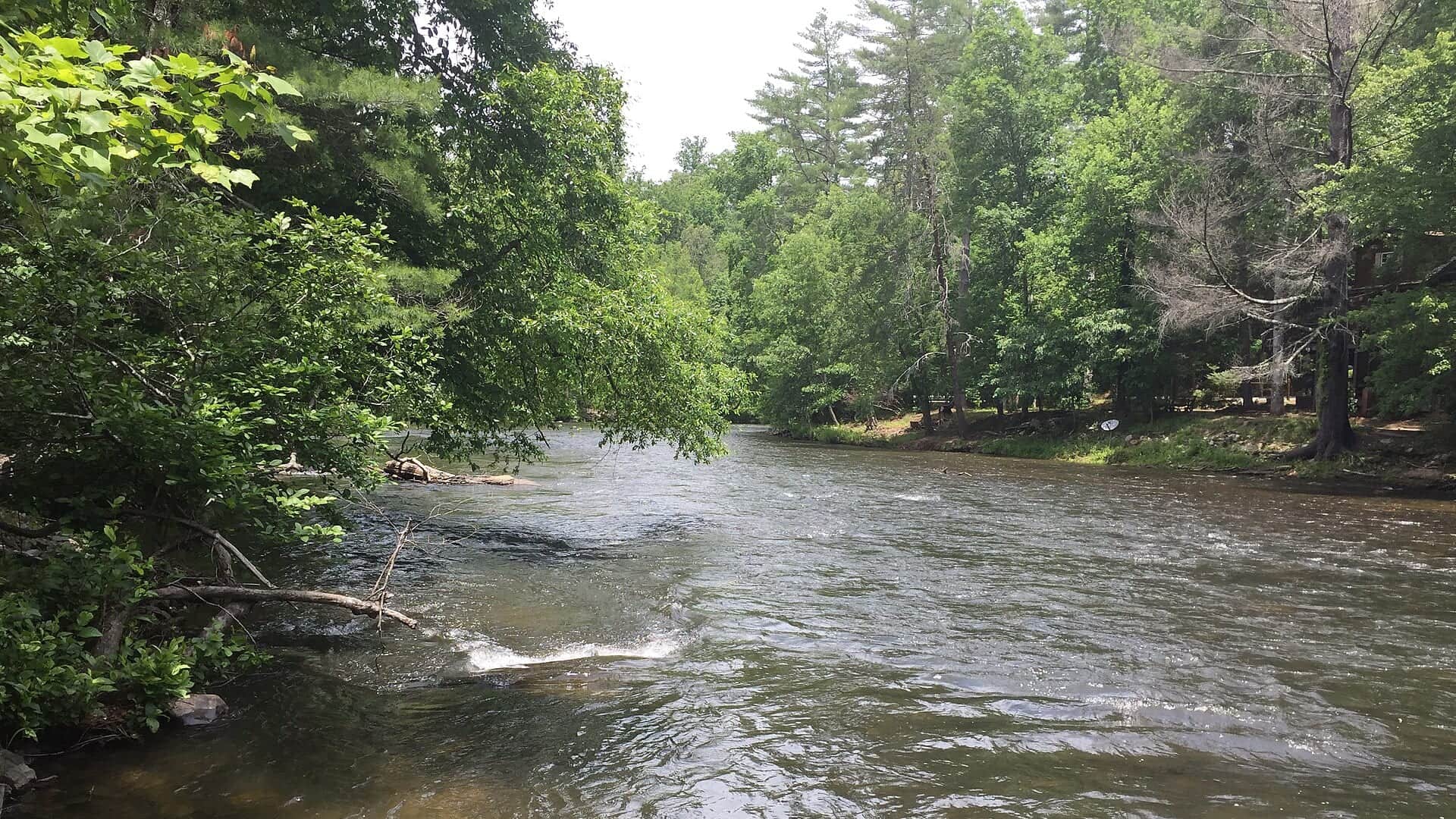
This report uses the generic Duck River route for a narrower and more honest planning zone: the upper-middle river from the Normandy tailwater and Shelbyville corridor toward Columbia. That is the section where the RiverReports site, the Shelbyville USGS gauge, and the strongest public-access guidance overlap.
The Duck is not a single-style fishery. The upper sections around Old Stone Fort and below Normandy can fish like a cooler rocky river, while the Columbia-side water spreads into slower pools, bigger catfish habitat, and a float game that rewards boat logistics more than random bank hopping.
Because Tennessee's bank and stream-bottom access rules are strict on private land, the right Duck plan starts with a public access map and a float or park-based strategy, not with assumptions about every gravel bar or shoal edge.
Target species
Smallmouth bass
The main fly target through the middle Duck, especially around shoals, rock seams, and summer current breaks.
Spotted and rock bass
Common supporting warmwater targets that keep the river interesting when smallmouth are not feeding on top.
Rainbow trout
A seasonal tailwater option below Normandy Dam during the stocked November through April period.
Channel and blue catfish
Better suited to deeper downstream pools and lower-light plans than classic fly-only wade sessions, but part of the river's real species mix.
Reading the water
Stable moderate flow
Best for reading shoals, floating safely, and mixing poppers, bugs, and baitfish flies around ledges and current seams.
Higher stained water
Shift toward bank structure, heavier bugs, and safer float decisions; skip wading when the shoals are pushy or visibility is poor.
Low clear summer flow
Fish early and late, use stealth, and work shade, deeper slots, and undercut banks instead of blasting the bright shallow water.
Cold tailwater season
Below Normandy Dam, winter through spring is the narrow trout window, while the broader middle river still fishes more like a warmwater system.
Best seasons
Winter
Best for the Normandy tailwater trout plan and slower warm spells around stable shoals.
Spring
A strong crossover season for trout below the dam and improving smallmouth fishing downstream when water is not blown out.
Summer
Peak smallmouth and topwater season, especially early and late in the day.
Fall
A strong warmwater window with cooling water, active baitfish, and better all-day conditions.
Preferred flow source
Duck River at Shelbyville
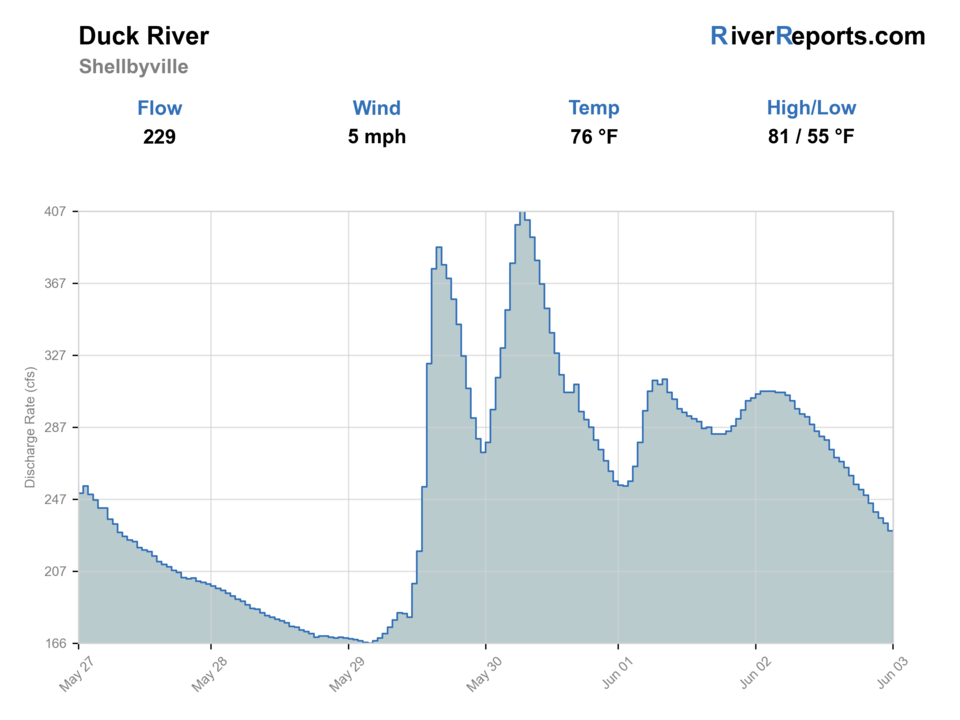
RiverReports is the preferred chart source when coverage exists. When a matching USGS gauge exists, keep it open as the official backstop for station data and current hydrograph context.

USGS data chart
Official USGS trend
Streamflow over the latest USGS reporting window.
Latest
224 cfs
Jun 3, 5 PM UTC
Weather
River weather report
Weather can change wading safety, road access, water temperature, hatches, and the best time of day to fish.
Live forecast loads as you reach this section
This keeps the report fast while still using the official National Weather Service forecast point.
Hatches and flies
Hatch chart and fly picks
Winter-spring tailwater
Midges and stocked-trout food windows
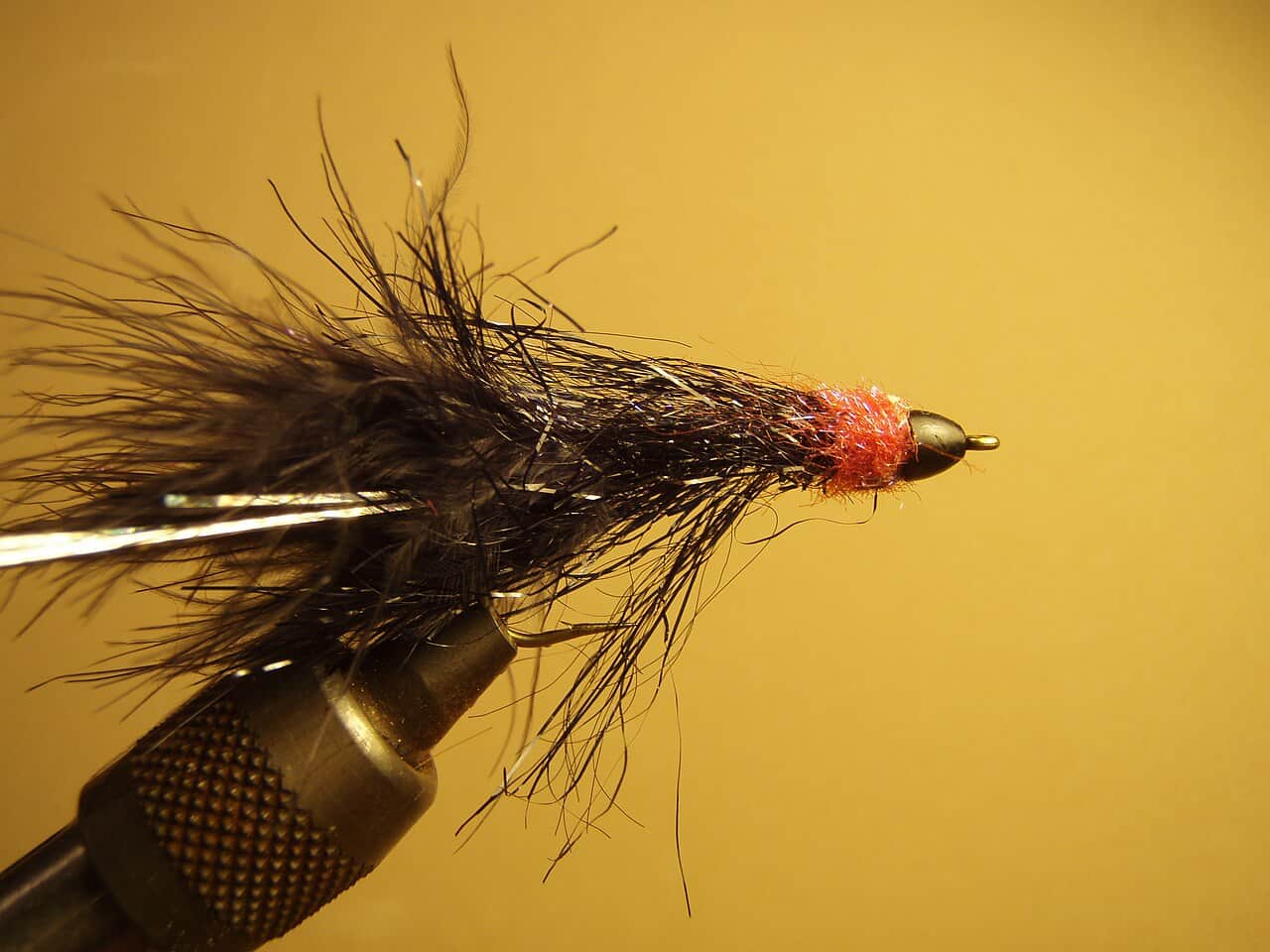
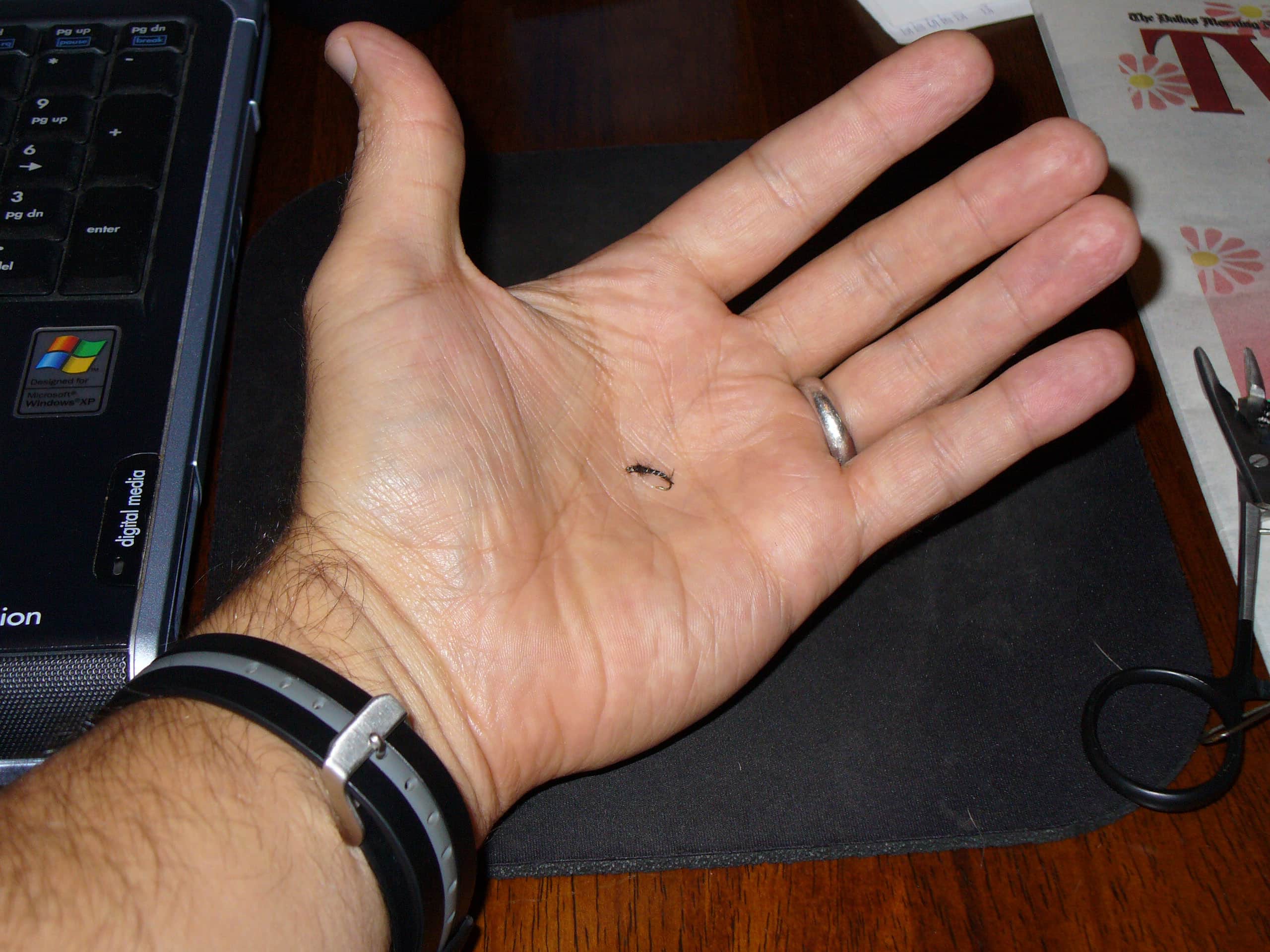
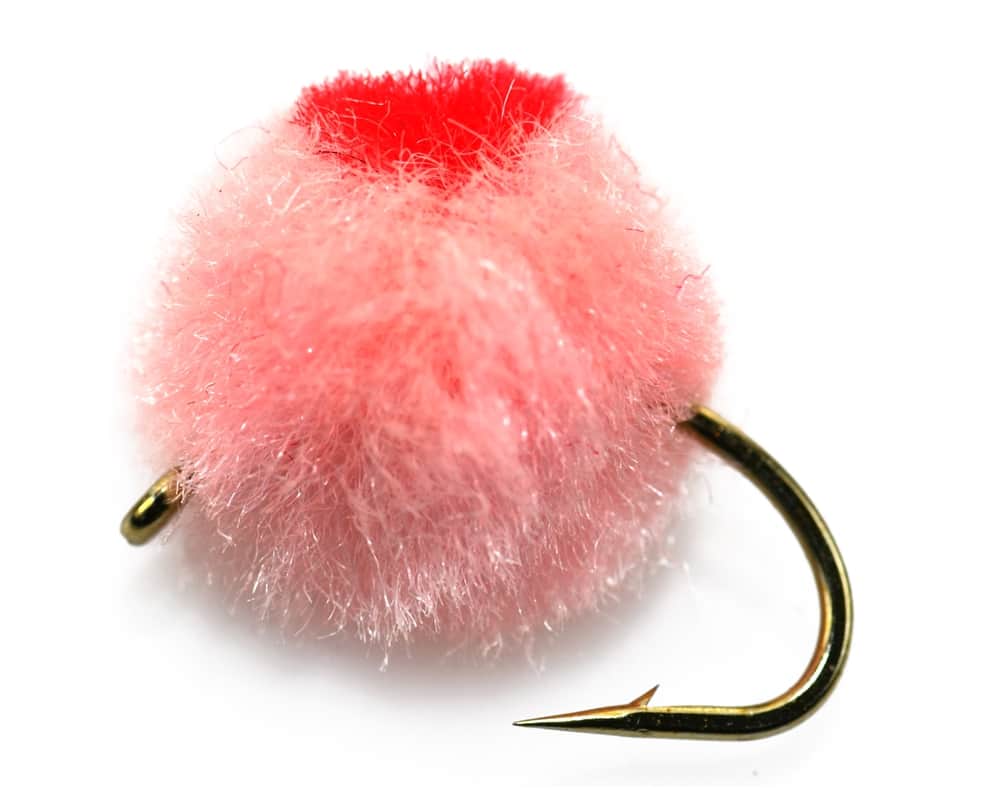
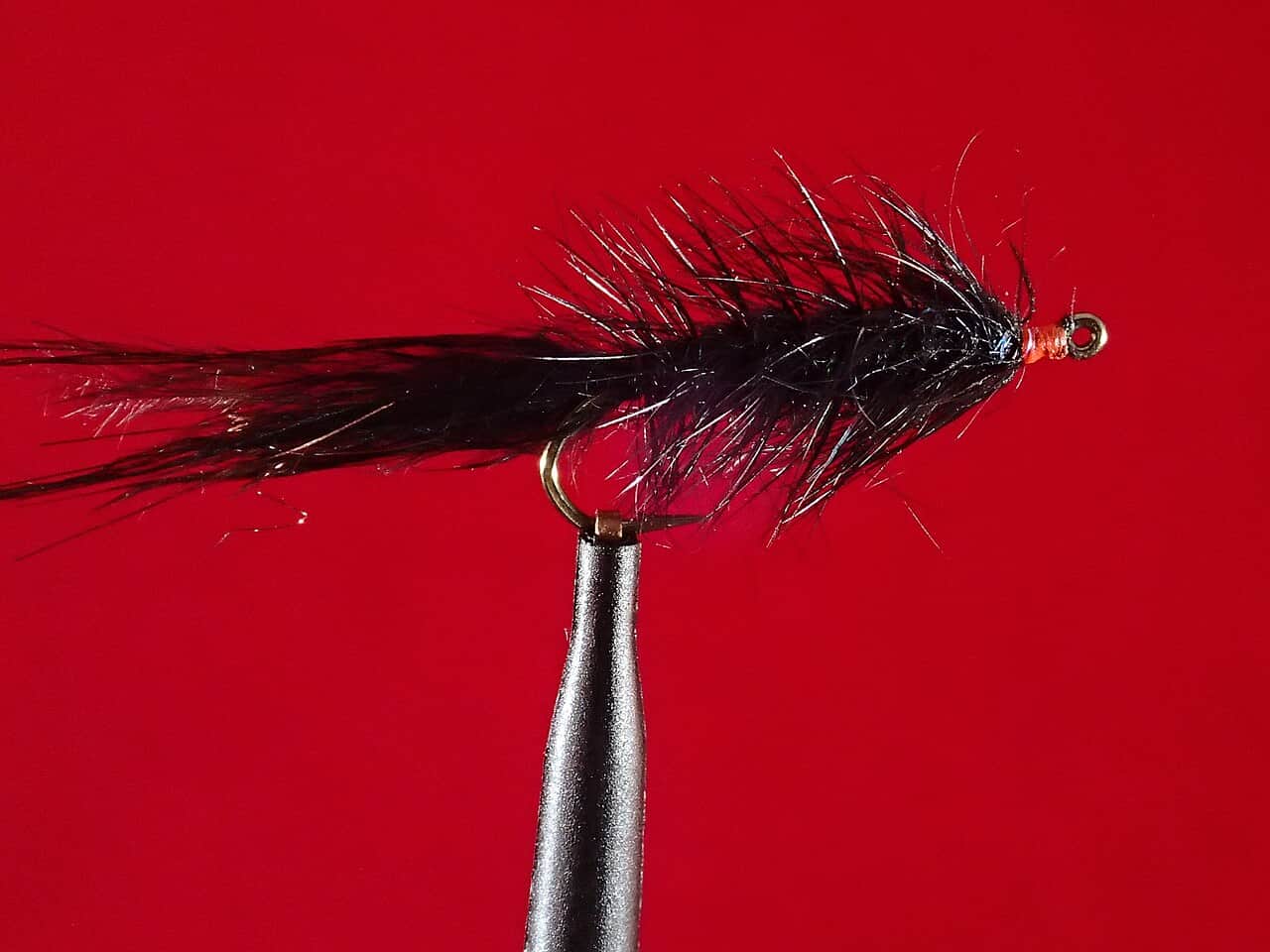
Zebra midge, woolly bugger, egg, small leech
Spring warmwater
Crawfish and baitfish activity more than classic hatch matching
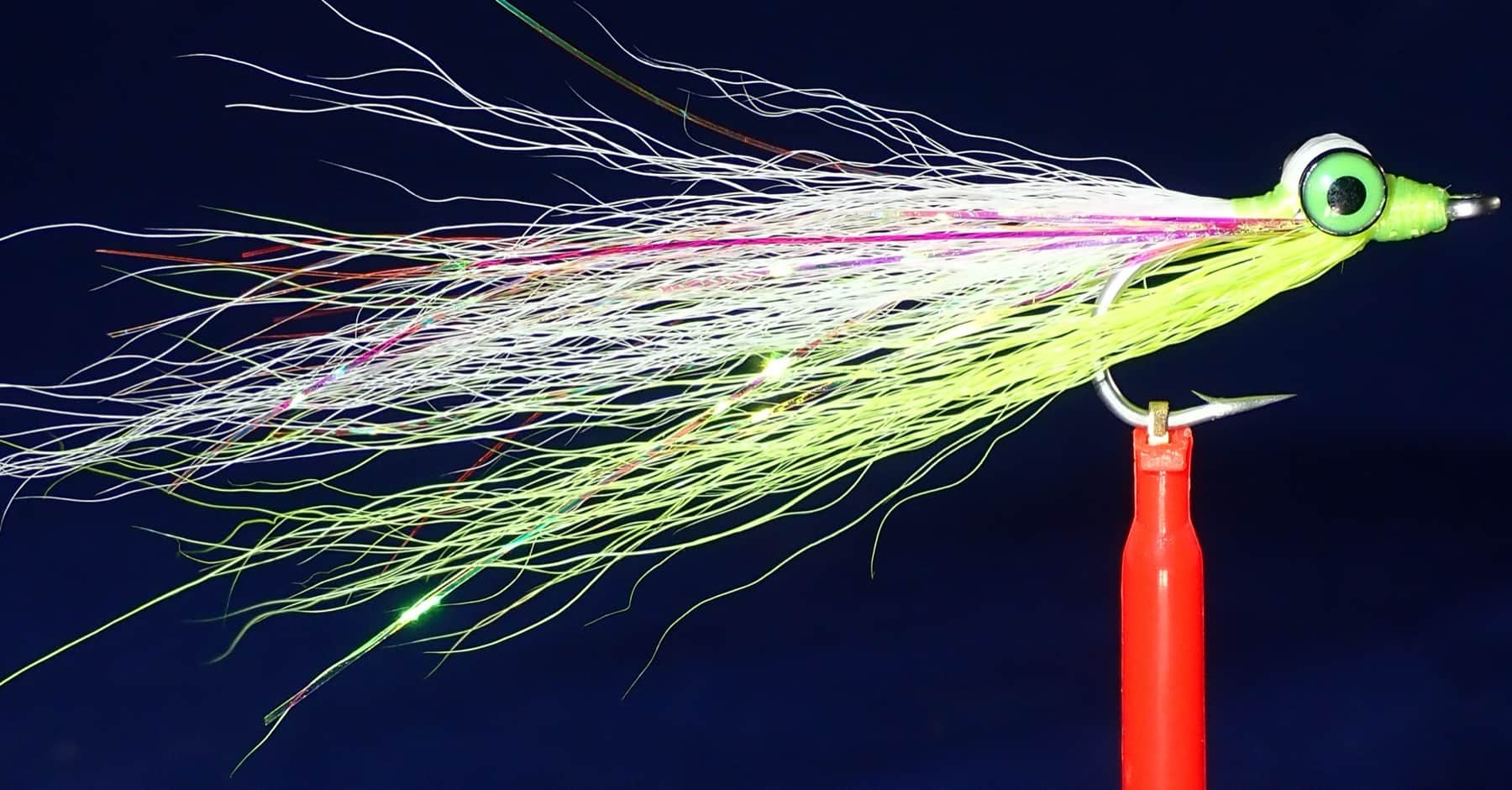
Clouser, crayfish bug, woolly bugger, baitfish streamer
Summer
Terrestrial and baitfish windows with low-light surface feeding
Poppers, foam bugs, sliders, deer-hair divers, Clouser
Fall
Baitfish, crayfish, and mixed subsurface feeding
Olive streamer, crayfish fly, bugger, leech pattern
Topwater warmwater bugs
Poppers, sliders, deer-hair bugs, foam terrestrials
Best on summer mornings, evenings, and shaded banks when smallmouth look up.
Baitfish streamers
Clouser Minnow, Game Changer, woolly bugger, leech
Use around ledges, deeper pools, stained water, and fall feeding windows.
Trout-tailwater flies
Zebra midge, pheasant tail, egg, small bugger
Keep a small box only if you are specifically fishing below Normandy Dam during the stocked season.
Tactics
How to fish it
Choose the day's fishery first: trout below Normandy Dam or warmwater smallmouth water from Shelbyville downstream.
On the middle Duck, fish current edges, rock ledges, and softer shoal exits before probing the dead slow pools.
Float when you can, because Tennessee's bank and stream-bottom trespass rules make random wading far riskier than a planned public launch-to-takeout day.
When summer sun is high, shorten the cast, target shade and undercuts, and move faster until you find active fish.
After rain, the better call is often waiting for the river to settle rather than forcing muddy warmwater sight-unseen.
Rigging
Rod, leader, and setup notes
A 6-weight is the all-around Duck rod for bugs, streamers, and mixed warmwater work.
Carry a floating line first and a short sink-tip only if you expect deeper ledges or stained water.
For the Normandy tailwater trout stretch, a 4- or 5-weight with simple nymph or bugger rigs is enough.
Wear sticky soles or studs around shoals because limestone and algae can turn easy-looking steps slick in a hurry.
Access
Access and planning notes
Shelbyville gauge
Primary middle-river trendWade / float / trail
RiverReports / USGS gauge / float
When to pick it
Start here when flow, color, and shoal safety decide whether the warmwater plan is worth it.
Caution
The gauge does not solve private-bank, stream-bottom, launch, or takeout permission.
TWRA access map and scenic-river corridor
Legal launch and bank planningWade / float / trail
Float / park / public access
When to pick it
Use it before choosing a public boat ramp, state park, WMA, or bank plan.
Caution
Tennessee private-land and stream-bottom rules make casual bank hopping a poor plan.
Normandy tailwater
Seasonal trout optionWade / float / trail
Tailwater / wade / bank
When to pick it
Pick this when TWRA trout-stocking timing, regulations, and flow fit a winter-to-spring trout plan.
Caution
Do not apply tailwater trout expectations to the broader warmwater middle river.
Use TWRA's boating and fishing access map before the trip instead of assuming every bridge or pull-off is fishable.
Floating is the cleanest legal strategy when you are away from clear public entries, because Tennessee's private-bank and stream-bottom rules are stricter than many anglers expect.
Yanahli and Williamsport access can be affected by seasonal wildlife-area rules, so check the current site notes before driving in.
Regulations
Check before fishing
Check the current Tennessee Fishing Guide before fishing because statewide warmwater limits, tailwater trout rules, and any access-area restrictions can change.
Primary base
Shelbyville for the gauge and upper-middle Duck, Columbia for downstream floats, or Manchester if the Normandy tailwater and Old Stone Fort are central to the trip
Best day style
Public boat ramps, state parks, and selective bank access with strong private-property limits outside marked entries
Check first
RiverReports, USGS 03597860, Tennessee regulations, the TWRA access map, and weather-driven color changes
Safety
Private-property boundaries, slick limestone shoals, fast storm pulses, hot summer water, and stronger-than-expected push through the shoal lanes
Gear
Helpful gear for this water
6-weight warmwater rod
Best all-around choice for smallmouth bugs, streamers, and mixed Duck River current.
PFD for floats
Important on a river where the best legal access often comes from launch-to-takeout planning.
Wading boots with traction
Duck shoals can look friendly from shore but still be slick on the riverbed.
Thermometer
Useful in midsummer when fish handling and low-oxygen warmwater stress become part of the plan.
Nearby water
Other water to research
Backup logic
Muddy or rising water
Compare Caney Fork, Elk River, or a different Tennessee tailwater before forcing the Duck.
Heat
Fish early or late, shorten the float, carry water, and shift expectations toward warmwater species.
Access uncertainty
Use only marked public launches or parks; do not build the day around private banks.
Trout target mismatch
If Normandy stocking timing is wrong, commit to smallmouth water or pick a colder trout river.
Caney Fork River
A colder tailwater option when you want a more trout-specific Tennessee day.
Elk River
Another middle Tennessee river with a different mix of coolwater and smallmouth planning.
Toccoa River
A trout-first Appalachian option if you want a tighter hatch-and-dry-fly plan.
FAQ
Fast answers
Is Duck River fishable today?
Duck River looks very fishable right now. The live score is 96/100, based on current flow, weather, public alerts, and the report's planning context. Recheck the linked gauge and forecast before leaving because conditions can change quickly after rain, heat, access changes, or flow swings.
What flow is best for Duck River?
Use the Shelbyville trend, clarity, and launch plan together. Stable water with readable shoals is the best warmwater signal.
When should I skip Duck River?
Skip or switch plans when the river is muddy, rising, too hot, access is unclear, or Normandy trout timing does not match your target.
Is Duck River safe to wade right now?
The fishability score is not a wading guarantee. Wade only where your chosen access has safe edges, clear footing, legal entry, and no forced crossings; high, rising, stained, or storm-affected water should be treated conservatively.
Is the Duck River a trout river?
Mostly no. The main Duck River identity is warmwater smallmouth, spotted bass, rock bass, and catfish, with a separate stocked rainbow trout season below Normandy Dam from November through April.
Which gauge should I check?
Use RiverReports for quick trend checks and keep USGS 03597860 at Shelbyville open as the official flow backstop for this report's main planning zone.
Can I wade wherever I see shallow water?
No. TWRA says anglers need permission to be on private land, the bank, or the stream bottom, so floats and marked public accesses are the safer legal plan.
When is the Duck best for fly anglers?
Summer and fall are strongest for warmwater smallmouth fishing, while winter through spring matters if you are specifically targeting the Normandy tailwater trout window.
Sources
Source set for this report
Reviewed 2026-06-02