McKenzie River recreation water in Oregon

Oregon / West

McKenzie River

A McKenzie River report for Vida flows, Leaburg and McKenzie Bridge planning, trout, salmon, steelhead, hatch timing, access, and rules.

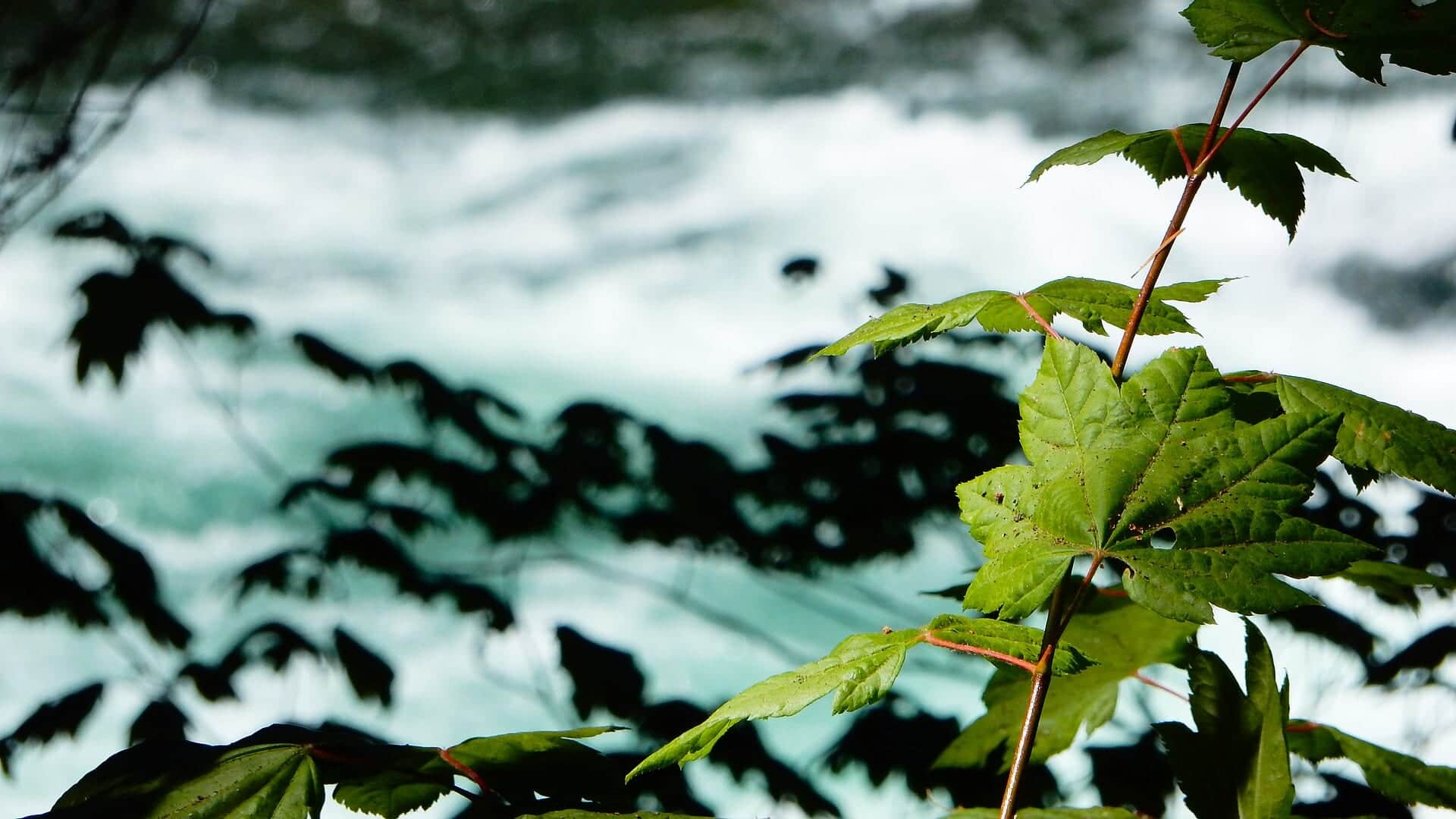
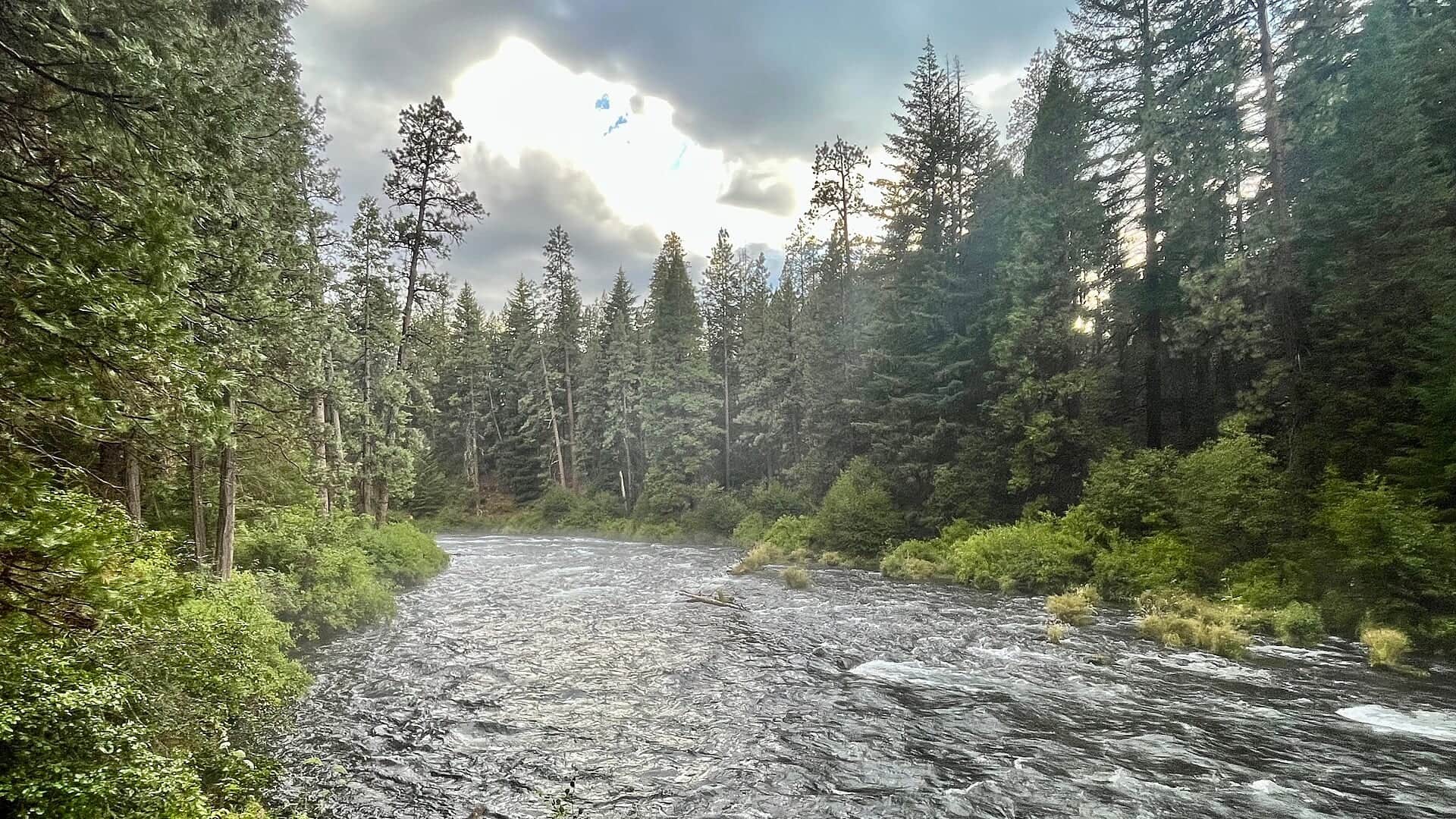
Image: Explore Oregon Recreation- McKenzie River (32012937423) / Public domain / BLM Oregon & Washington

Fishability now: McKenzie River fishability today

GreatData confidence: High

96/100

Fishable now because the live gauge is stable, weather is mild, and no public alert is active.

Flow observed

5:15 PM UTC

Weather observed

5:00 PM UTC

Score calculated

5:23 PM UTC

Why this rating

Flow

Water temperature

Public alerts

Next 6-12 hours

Hold

Stable live data supports staying with the plan, but recheck the gauge and forecast before leaving.

More planning details: flies, flow bands, and live source checks

Fish it today

Start here

Pick the corridor section before you leave home: upper McKenzie Bridge and forest launches, the Leaburg-to-Vida context, or lower-river mixed-species water. Once that choice is made, use the hatchery and Forest Service access information to decide whether the day is a short wade mission or a controlled drift.

Best flow clue

Use the Vida gauge as the broad corridor trend, then match that trend to the exact reach you want to fish. Stable, moderate flows are the cleanest fit for trout and access planning; higher pushes, heavy wood, or warm bright afternoons should move the day toward safer edges, a short scout, or another river.

Skip trigger

Skip the trip when segment rules are unclear, when wildfire or access closures are active, when wood and current make the float plan unsafe, or when lower-river salmon and steelhead context is overshadowing the trout day you actually want.

Flow decision bands

Stable and fishable

Stable moderate McKenzie flow is the cleanest match for a trout day, but the page only works when you also choose the right corridor section before leaving home.

Best Vida corridor trend

A steady Vida trend with manageable weather is the best signal for a clear reach plan, whether that means an upper walk-and-wade stop or a controlled drift day.

High water, wood, or closure risk

If current, wood, or active closures make the chosen section feel more like a logistics problem than a fishing day, the McKenzie stops matching its best use.

Heat or mixed-species confusion

A fishable graph still becomes a weak call when lower-corridor heat builds or when trout, steelhead, and salmon context are getting mixed together instead of keeping the day section-specific.

USGS flow

2,220 cfs

Open

Current trend: flow stable, so weather, temperature, and access checks drive the next change.

Live USGS flow

2,240 cfs / stable

Live NWS forecast

60F / Partly Sunny

Live water temperature

52F from USGS

No NWS alert flag

No active NWS alert was returned for this forecast point.

Primary waterMcKenzie River corridor from McKenzie Bridge and Leaburg toward Vida
Flow checkUSGS 14162500 near Vida
Access styleForest, highway, drift-boat, park, and managed recreation access
ReviewedJune 1, 2026

Use USGS Vida as the main flow reference for this broad report.

ODFW Willamette Zone reports separate above and below Leaburg context.

Wild trout, hatchery trout, steelhead, and Chinook rules are not interchangeable.

Forest Service access and fire status matter in the upper corridor.

Editorial review

How this report is maintained

This report is maintained from current regulation, access, flow, weather, and public planning sources so anglers can make better trip decisions than a raw gauge or generic overview would allow.

Byline

BlueStreamFly editorial team

Reviewed by

BlueStreamFly source review

Maintained by

Mountain Brook Run LLC

Last material review

2026-06-01

Report confidence

Good confidence

88/100

Good confidence: Oregon regulation sources, a live Vida gauge, weather coverage, Forest Service access information, and section-planning guidance support the page. Confidence is moderated by corridor breadth, wood and closure risk, and the need to keep trout, steelhead, and salmon contexts separated by reach.

Regulations

Oregon regulations, updates, and the Willamette Zone report support the current segment-rule check path.

Access

The Willamette National Forest McKenzie River Area page provides a strong public-access framework for the upper corridor and launch planning.

Flow and weather

USGS 14162500 and the National Weather Service point provide a strong live planning set for flow trend, weather, and high-water caution.

Fishing usefulness

The page now separates corridor selection, wade-versus-drift choice, wood and closure risk, and colder-water backup decisions.

Fishability dashboard and source review

2026-06-01 / material content or source review

The Vida USGS gauge, Oregon sport-fishing regulations and updates, the ODFW Willamette Zone report, the Willamette National Forest McKenzie River Area page, the ODFW McKenzie Hatchery page, and the National Weather Service point were checked before updating the current-fishability decision layer.

2026-06-01

Updated McKenzie River to the current fishability-page standard with corridor flow bands, access cards, backup cues, stable fishability SEO, and confidence signals.

2026-05-28

Added segment-selection guidance, drift-versus-wade framing, wood and wildfire skip cues, access nuance for the upper corridor, and a page-specific report-confidence meter after source review.

2026-05-25

Initial source-reviewed report published with flows, weather, hatches, flies, tactics, access, regulations, and FAQs.

Angler planning edge

Local details that change the plan

Best for

Scenic Cascades trout days where clear cold water and reach selection matter more than one famous hatch, Trips that may combine walk-and-wade trout water with drift-boat planning in the same corridor, Anglers willing to separate upper forest water from lower salmon and steelhead context before rigging, Flexible plans that can pivot around wood, wildfire closures, and changing segment rules

Wade or float

Treat the McKenzie as a mixed wade-or-float river. Some reaches reward a targeted walk-and-wade plan, but the river also has real drift-boat culture, swift channels, and wood that make reach choice more important than forcing one style all day.

Best flows

Use the Vida gauge as the broad corridor trend, then match that trend to the exact reach you want to fish. Stable, moderate flows are the cleanest fit for trout and access planning; higher pushes, heavy wood, or warm bright afternoons should move the day toward safer edges, a short scout, or another river.

When to skip

Skip the trip when segment rules are unclear, when wildfire or access closures are active, when wood and current make the float plan unsafe, or when lower-river salmon and steelhead context is overshadowing the trout day you actually want.

Local plan

Pick the corridor section before you leave home: upper McKenzie Bridge and forest launches, the Leaburg-to-Vida context, or lower-river mixed-species water. Once that choice is made, use the hatchery and Forest Service access information to decide whether the day is a short wade mission or a controlled drift.

Pressure

The scenic reputation and easier launches mean the obvious upper-corridor stops get busy first. Early starts, weekday fishing, and committing to one section usually fish better than hopping between every visible turnout.

Access nuance

Forest Service launches and recreation pages give a strong public framework, but they do not erase wood hazards, boat-traffic realities, or the way trout, steelhead, and salmon rules can shift by segment. The legal and practical river changes faster than the highway map suggests.

Backup water

If McKenzie access, flow, or closures do not line up, pivot to the Middle Deschutes for a drier canyon trout plan or to the Metolius if you want colder technical trout water with less broad-corridor complexity.

About the river

Setting, character, and why it fishes the way it does.

The McKenzie River drains the west side of Oregon's Cascades and runs toward the Willamette Valley. It is clear, cold, scenic, and heavily tied to both trout fishing and drift-boat culture.

The river is not one simple regulation unit. Upper forest water, Leaburg-area water, stocked sections, wild trout, steelhead, and spring Chinook opportunities all need separate checks.

This report is scoped as a broad McKenzie fly-fishing planner anchored by the Vida gauge. It helps anglers pick a safe, legal, useful plan instead of pretending one hatch chart covers every mile.

Target species

Rainbow and cutthroat trout

Core trout targets with wild and hatchery distinctions by reach.

Summer steelhead

Seasonal opportunity in legal reaches; verify current rules.

Spring Chinook

Important in lower and middle river context, but salmon rules are specific.

Mountain whitefish

Possible in subsurface trout lanes and riffle water.

Reading the water

Stable flow

Best for nymphing, dry-droppers, and boat planning.

High water

Fish softer edges or wait; wood and boat traffic raise risk.

Low and clear

Use smaller flies, longer leaders, and careful approaches.

Warm afternoons

Protect trout and focus on legal early/late windows.

Best seasons

Spring

Stocking, early hatches, and improving flows make trout planning useful.

Early summer

Caddis, PMDs, and salmon/steelhead timing can overlap by reach.

Late summer

Early and late trout windows are best; check heat and closures.

Fall

Cooling water improves trout and streamer options.

USGS flow

McKenzie River near Vida

This is the fallback for rivers that are not covered by RiverReports. Use the official USGS monitoring page for the live hydrograph, station metadata, and current water trend.

Open USGS gauge

USGS data chart

McKenzie River near Vida

Streamflow over the latest USGS reporting window.

Latest

2,220 cfs

Jun 3, 6 PM UTC

Site

14162500

Low / high

2,160 / 2,740 cfs

Source

Open USGS

Weather

River weather report

Weather can change wading safety, road access, water temperature, hatches, and the best time of day to fish.

Live forecast loads as you reach this section

This keeps the report fast while still using the official National Weather Service forecast point.

Hatches and flies

Hatch chart and fly picks

Winter to early spring

Midges, BWOs, small black stones, and slow-water nymph windows

Zebra midge, BWO emerger, black stonefly nymph, perdigon, small leech

Late spring

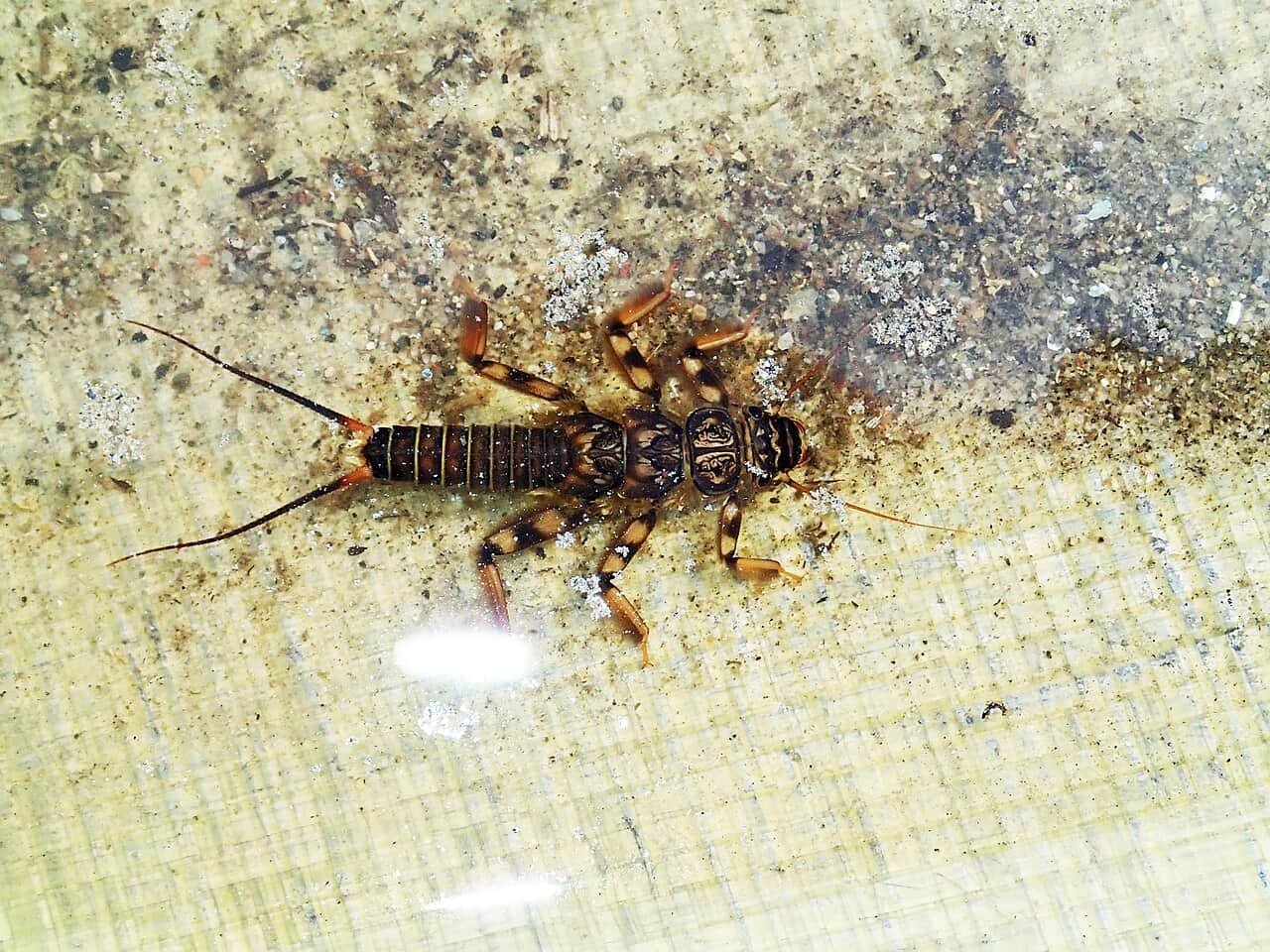
PMDs, caddis, March Browns, Green Drakes where present, and stonefly nymph movement

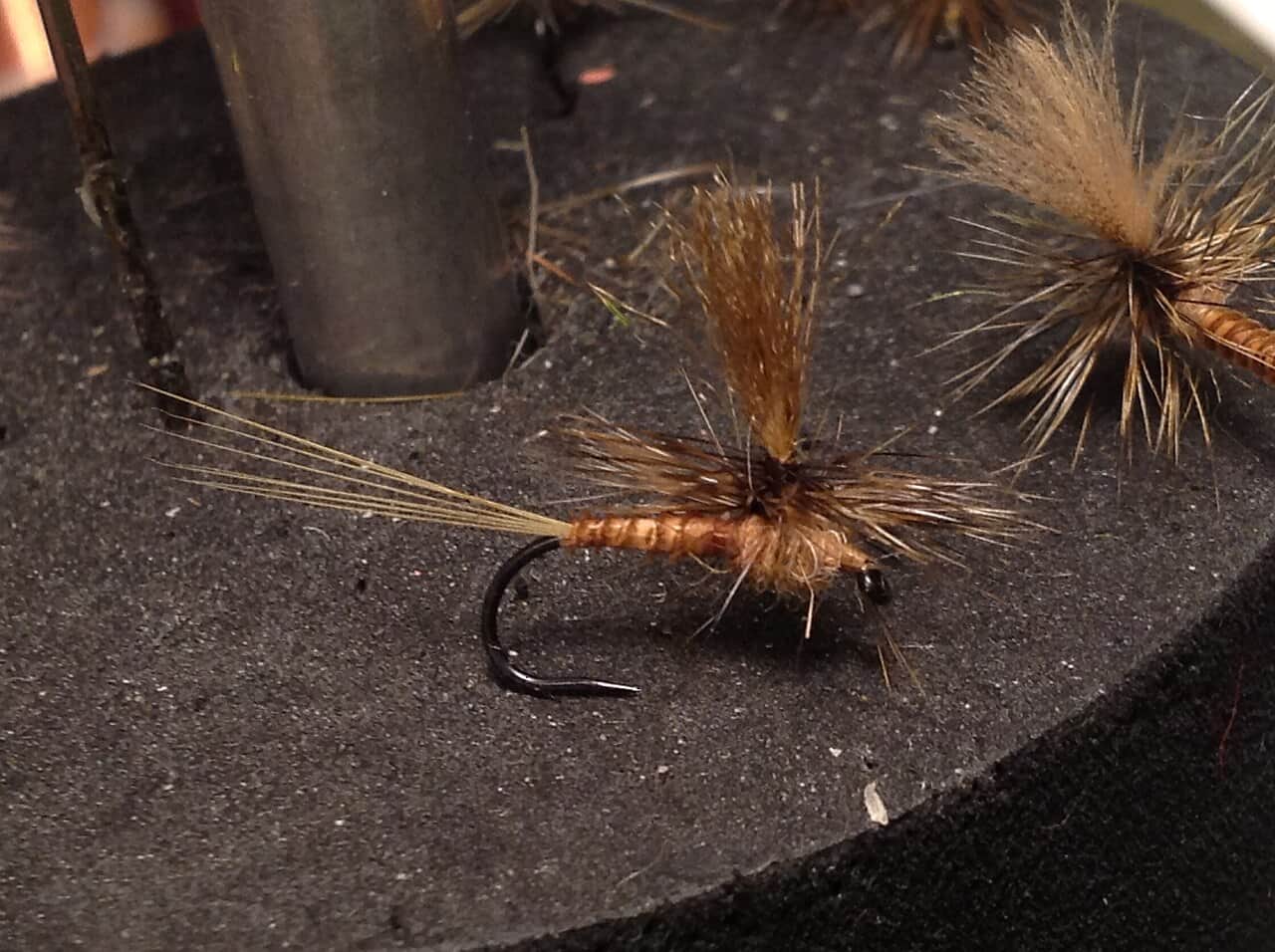
PMD emerger, caddis pupa, March Brown, Green Drake, golden stone nymph

Summer

Caddis, PMDs, terrestrials, craneflies, and early/late dry-fly windows

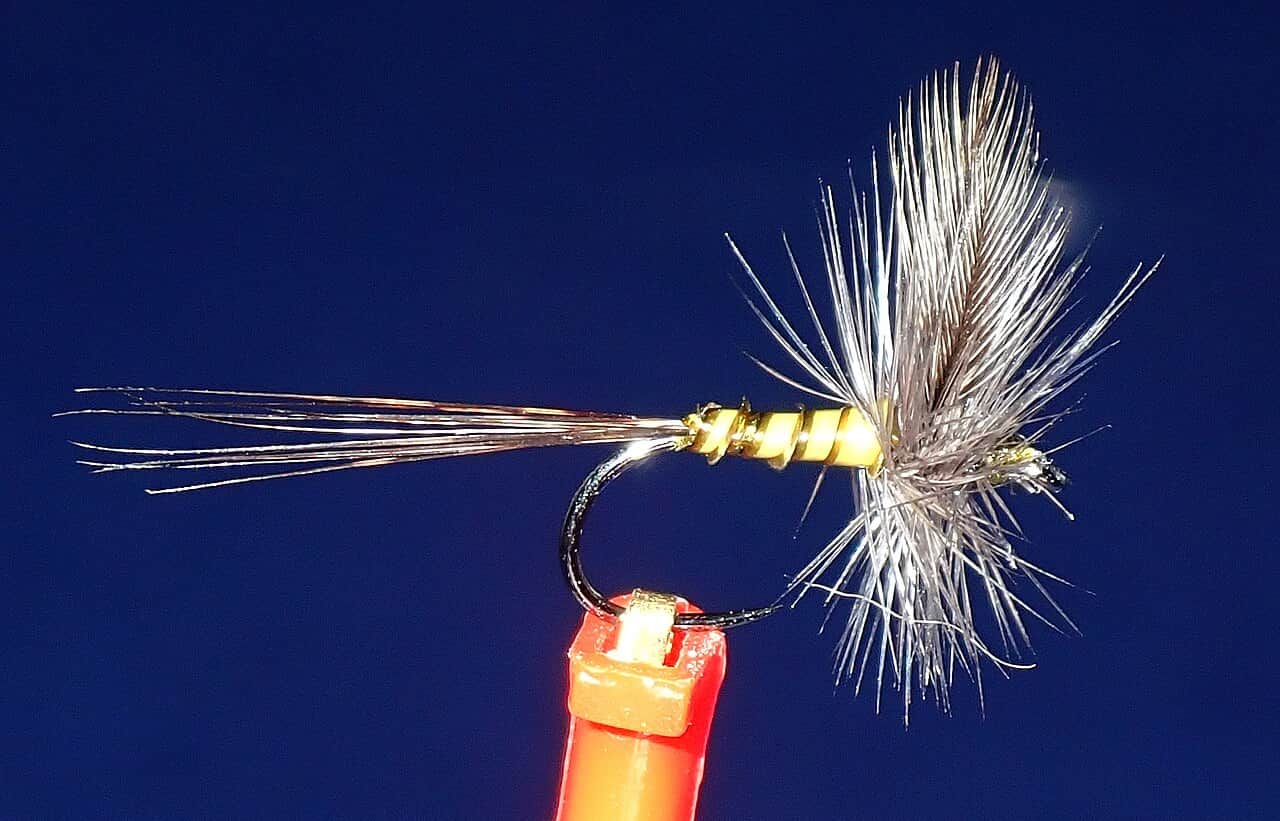
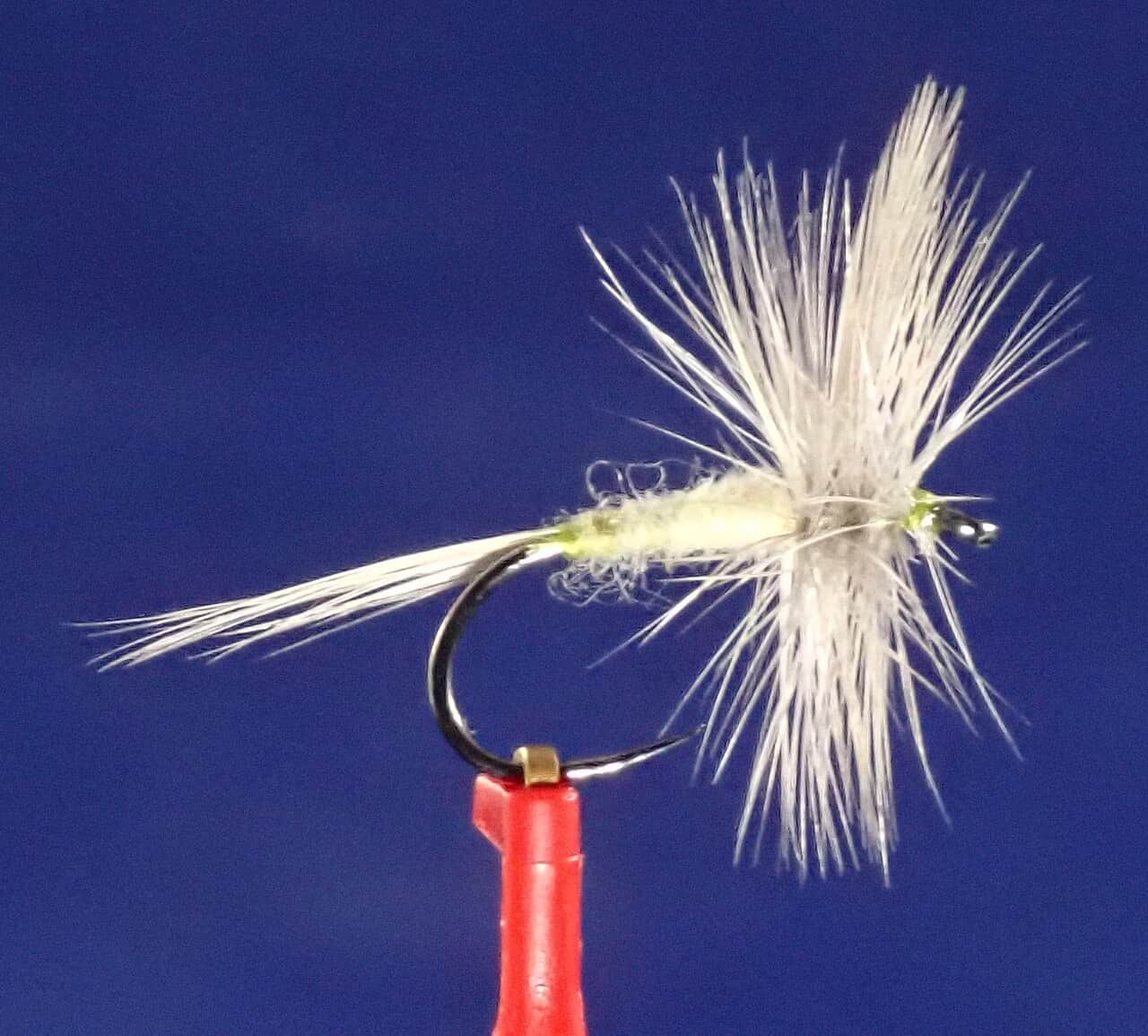
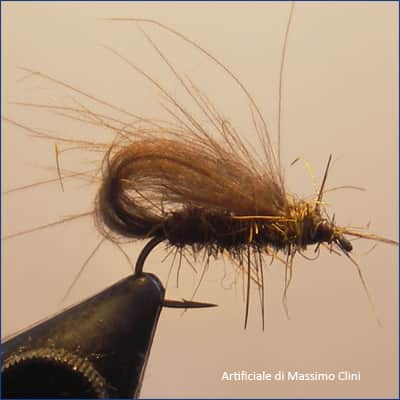
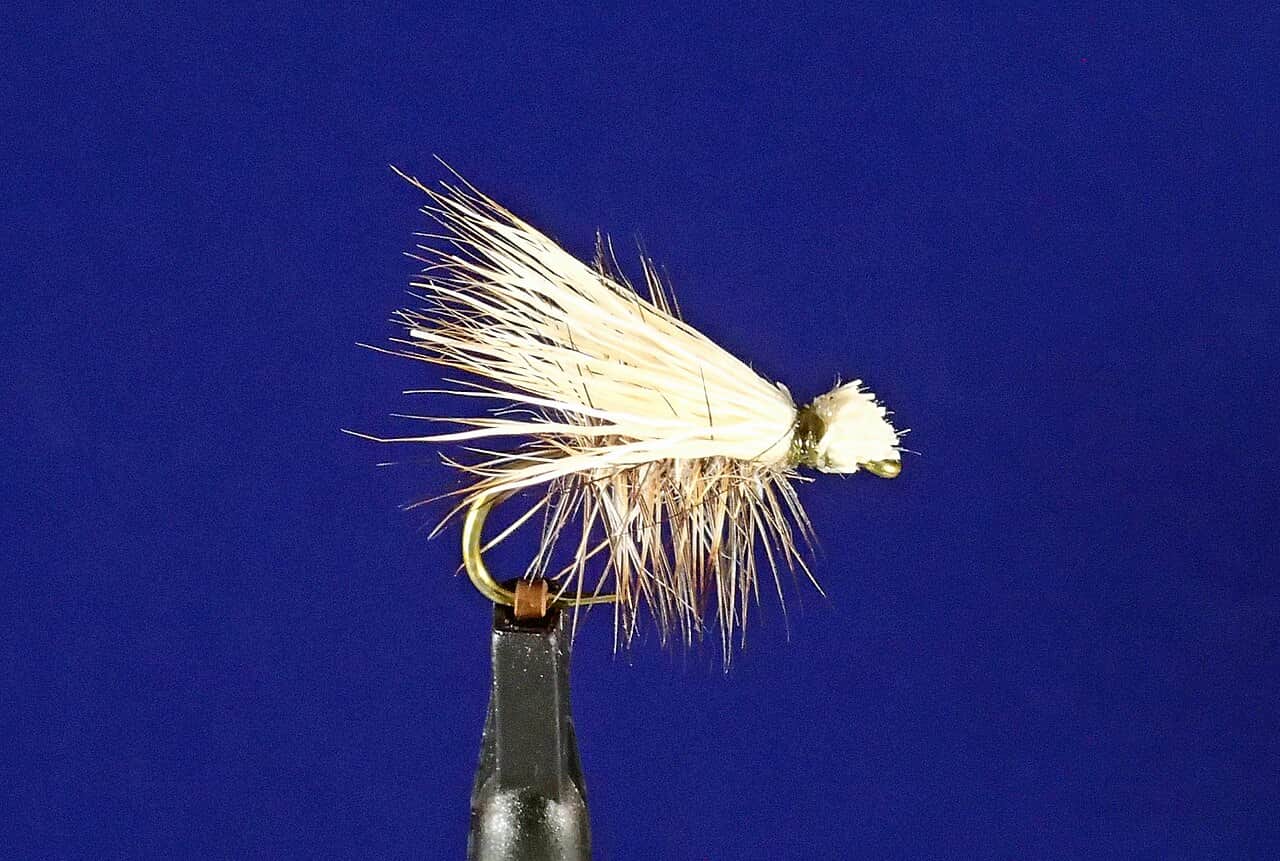
Elk hair caddis, PMD cripple, ant, beetle, small hopper, dry-dropper

Fall

BWOs, October caddis, midges, streamer windows, and cooling-water trout activity

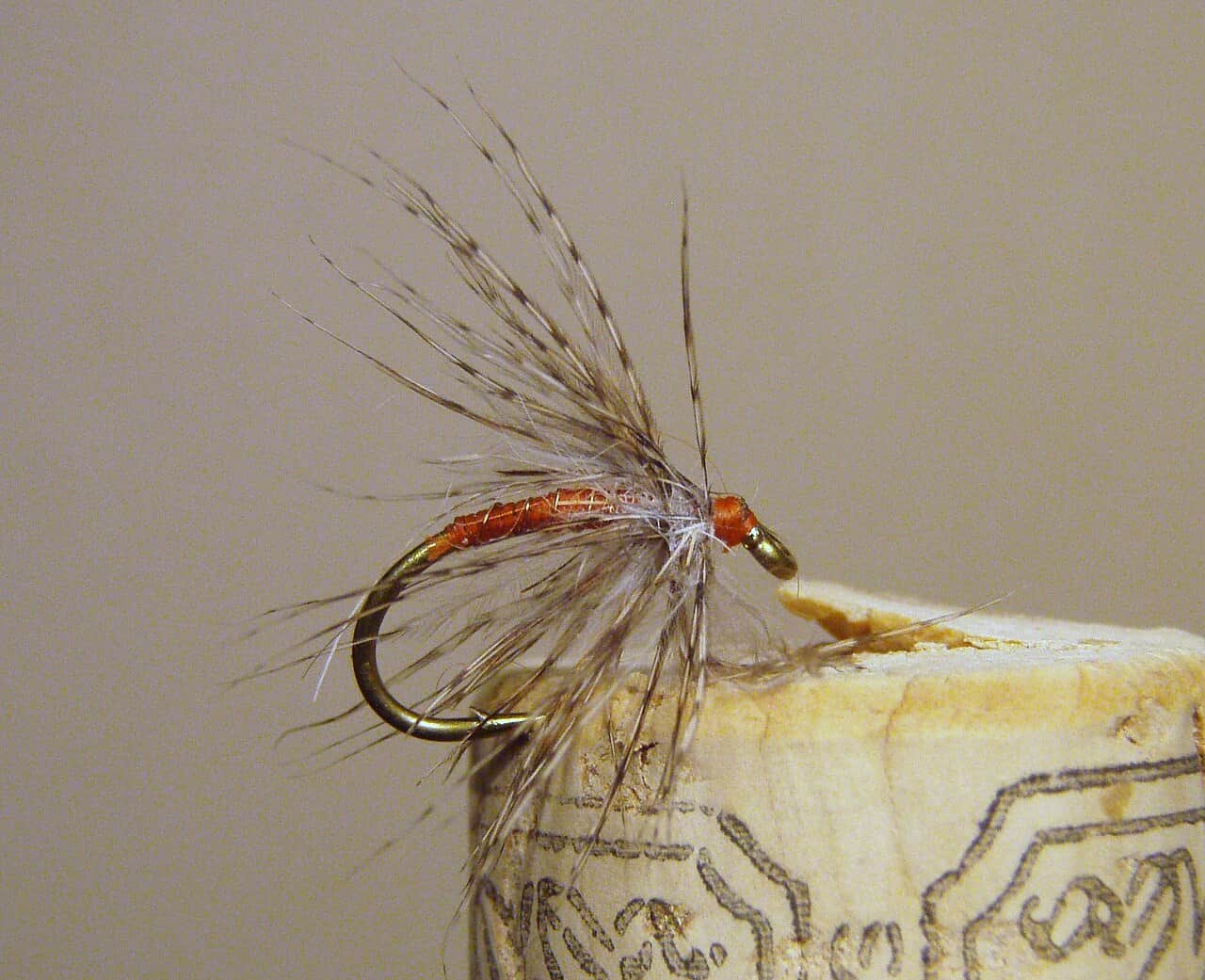
BWO emerger, October caddis, soft hackle, small streamer, sculpin

Nymphs

Perdigon, pheasant tail, hare's ear, zebra midge, stonefly

Use before hatches, in pocket water, or when fish are not showing on top.

Dries

BWO, PMD, caddis, Green Drake, ant, beetle, small hopper

Use during visible hatches, evening rise windows, or clear low water.

Streamers

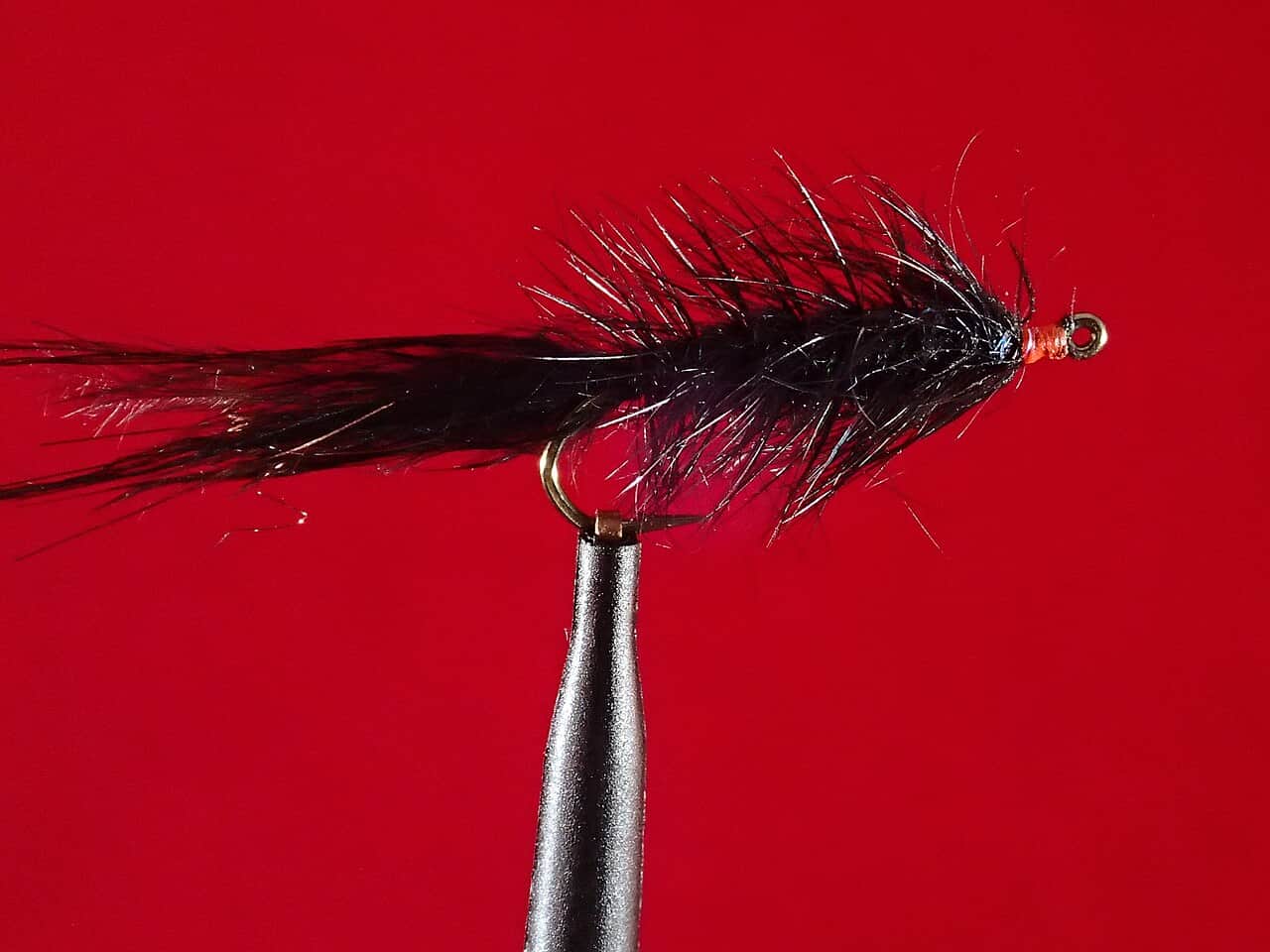
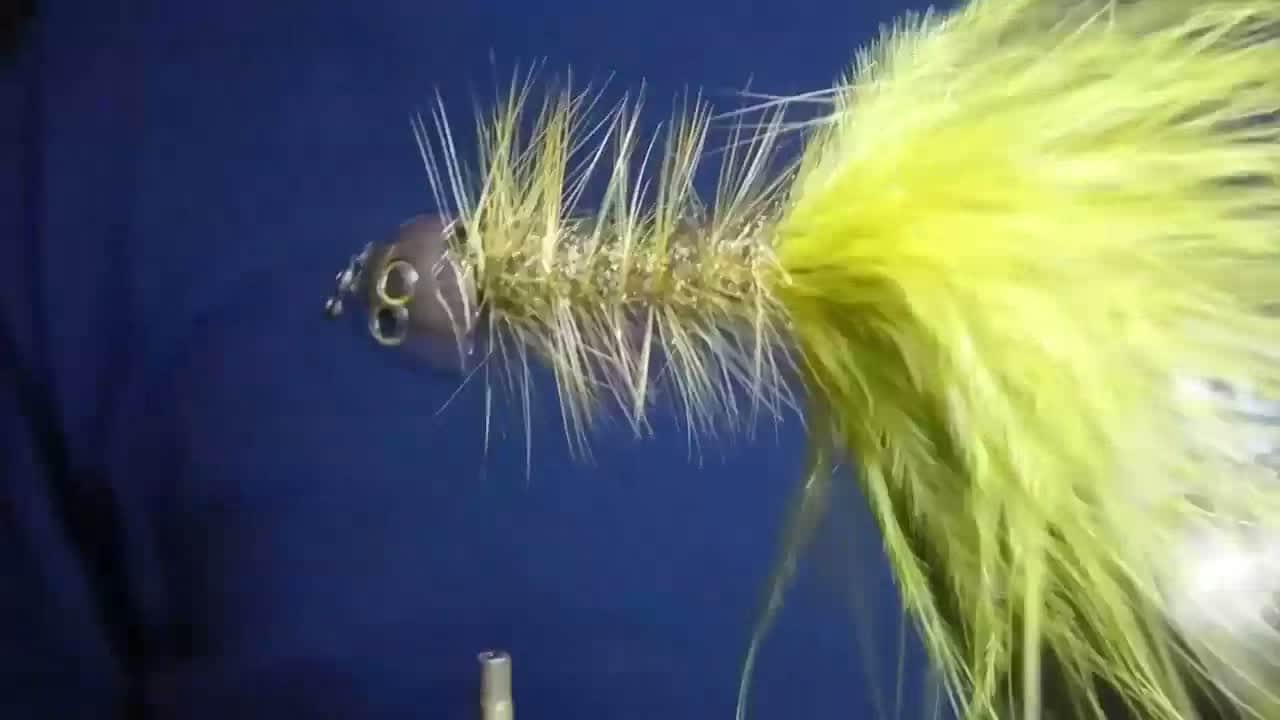
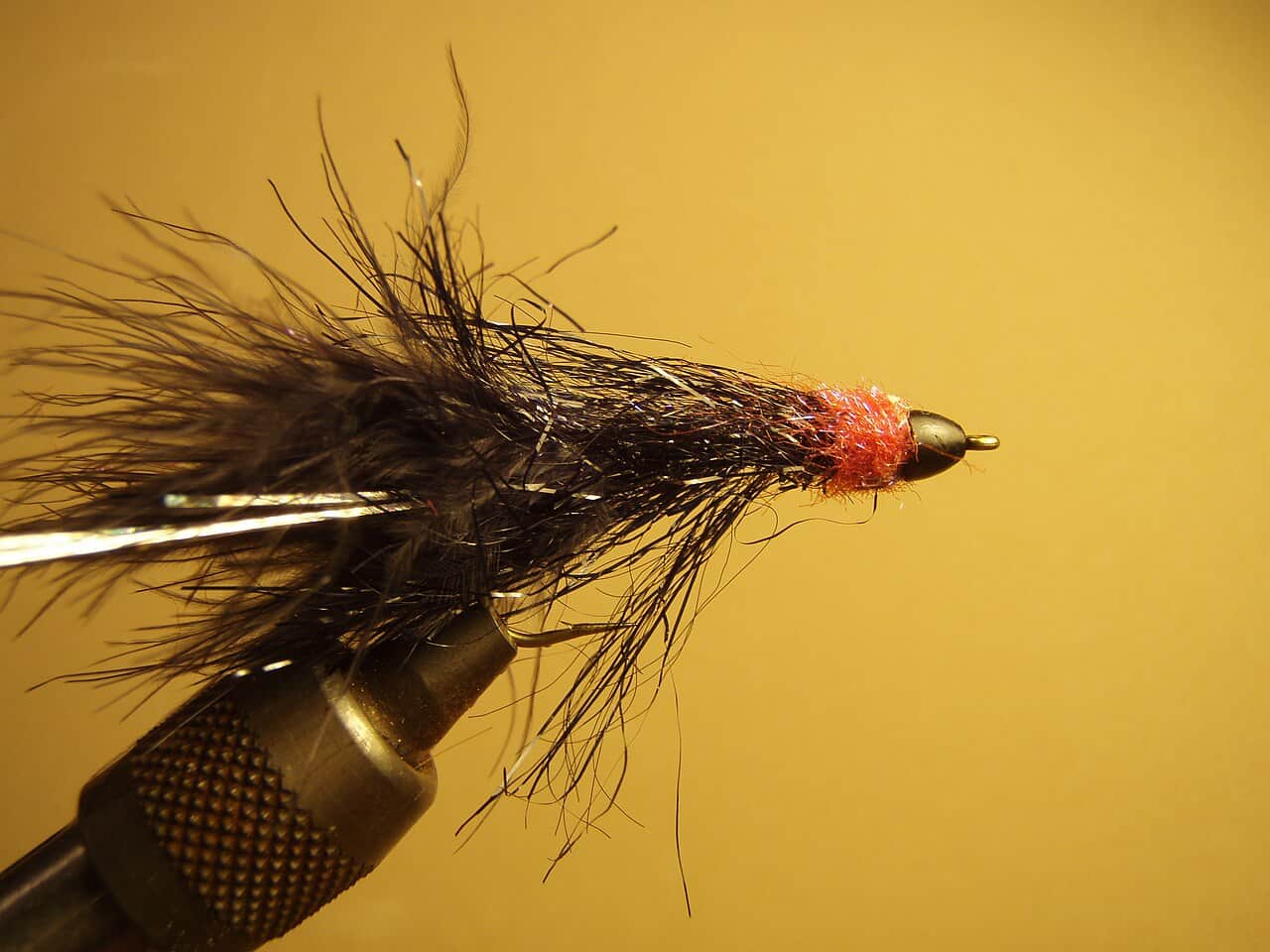
Sculpin, leech, olive bugger, small baitfish, soft hackle streamer

Use on higher flows, cloudy days, and structure-focused trout water.

Tactics

How to fish it

Pick the legal reach first: upper trout water, stocked water, or lower salmon/steelhead context.

Nymph riffles and drop-offs before hatches develop.

Use dry-droppers along softer banks and shallow shelves.

Swing soft hackles or small streamers where trout or steelhead rules allow.

If floating, coordinate with boating access and do not anchor the fishing plan to one ramp.

Rigging

Rod, leader, and setup notes

A 5-weight covers most trout work; a 6-weight helps with streamers and larger water.

Use 4X through 6X for trout and heavier leaders for steelhead where legal.

Carry caddis, PMDs, stoneflies, small nymphs, and a few sculpins.

Bring layers and a dry bag if floating cold water.

Access

Access and planning notes

Vida gauge and section choice

Primary corridor decision

Wade / float / trail

Gauge / section plan

When to pick it

Start here when the real question is which McKenzie corridor section fits the day, not whether one broad river label looks good enough.

Caution

The Vida trend is strong context, but it does not replace section-specific wood, closure, or launch checks.

Upper McKenzie forest launches

Cold-water trout start

Wade / float / trail

Walk-and-wade / launch

When to pick it

Use them when the upper corridor is the cleanest trout match and the forest-access picture is current.

Caution

Named launches help, but they do not erase wood hazards, changing closures, or the need for a realistic exit plan.

Leaburg-to-Vida corridor plan

Mixed-method backup

Wade / float / trail

Road scout / wade / drift

When to pick it

Pick this when the lower corridor fits the day better than the upper river and you want clearer staging for either a short wade or controlled drift.

Caution

Do not let the highway view convince you every visible bank or side channel is the right trout choice for the day.

Willamette National Forest and ODFW updates should be checked before upper-river trips.

Boat ramps, wildfire closures, and seasonal work can change access quickly.

Some reaches allow bait or harvest while others do not; do not generalize.

Regulations

Check before fishing

Use ODFW Willamette Zone regulations and current weekly report before fishing. Rules differ above and below Leaburg and by species.

Primary base

Eugene, Vida, Leaburg, or McKenzie Bridge

Best day style

Forest, highway, drift-boat, park, and managed recreation access

Check first

Vida flow, ODFW Willamette Zone rules, stocking notes, fire/access status, and reach method rules

Safety

Cold water, boat traffic, wood, swift channels, wildfire closures, and segment-specific rules

Gear

Helpful gear for this water

Four or five-weight rod

Covers most trout dry-fly, nymph, and dry-dropper work.

Six-weight or streamer rod

Useful where wind, higher flows, or larger fish are realistic.

Thermometer

Important for tailwaters, summer trout, and catch-and-release decisions.

Wading staff

Useful on boulder, canyon, or slick tailwater sections.

Barbless-hook box

Many managed western waters require or strongly reward quick, low-impact handling.

Nearby water

Other water to research

Backup logic

Closure or access issue

Move to another clearly open corridor section or another river rather than forcing around an active closure.

Heavy wood or unsafe flow

Turn the day into a bank or scout stop, or move on instead of trying to force a drift through wood and pushy current.

Heat

Fish the coolest window only or pivot to colder water such as the Metolius if trout handling looks cleaner there.

Segment-rule mismatch

If the reach-specific trout, steelhead, or salmon context is not fully sorted, simplify the section choice or pick another river.

Deschutes River Middle

A central Oregon canyon trout comparison.

Crooked River

A smaller tailwater with technical trout fishing.

Metolius River

A spring-fed technical trout river east of the Cascades.

FAQ

Fast answers

Is McKenzie River fishable today?

McKenzie River looks very fishable right now. The live score is 96/100, based on current flow, weather, public alerts, and the report's planning context. Recheck the linked gauge and forecast before leaving because conditions can change quickly after rain, heat, access changes, or flow swings.

What flow is best for McKenzie River?

Use the Vida gauge as the broad corridor trend, then match that trend to the exact reach you want to fish. Stable, moderate flows are the cleanest fit for trout and access planning; higher pushes, heavy wood, or warm bright afternoons should move the day toward safer edges, a short scout, or another river.

When should I skip McKenzie River?

Skip the trip when segment rules are unclear, when wildfire or access closures are active, when wood and current make the float plan unsafe, or when lower-river salmon and steelhead context is overshadowing the trout day you actually want.

Is McKenzie River safe to wade right now?

The fishability score is not a wading guarantee. Wade only where your chosen access has safe edges, clear footing, legal entry, and no forced crossings; high, rising, stained, or storm-affected water should be treated conservatively.

What should I check first before fishing the McKenzie River?

Check the Vida flow, ODFW Willamette Zone rules, weekly report, access closures, and weather first.

Where should a first-time visitor start on the McKenzie River?

Vida, Leaburg, and McKenzie Bridge are useful planning anchors, but the right start depends on the legal reach and access status.

Can I wade the McKenzie River?

Yes in selected areas, but cold water, swift channels, and boat traffic mean conservative wading is important.

What flies should I bring for the McKenzie River?

Bring the seasonal fly box, a few backup nymphs or streamers, and enough tippet to change tactics when flow, clarity, temperature, or crowds change.