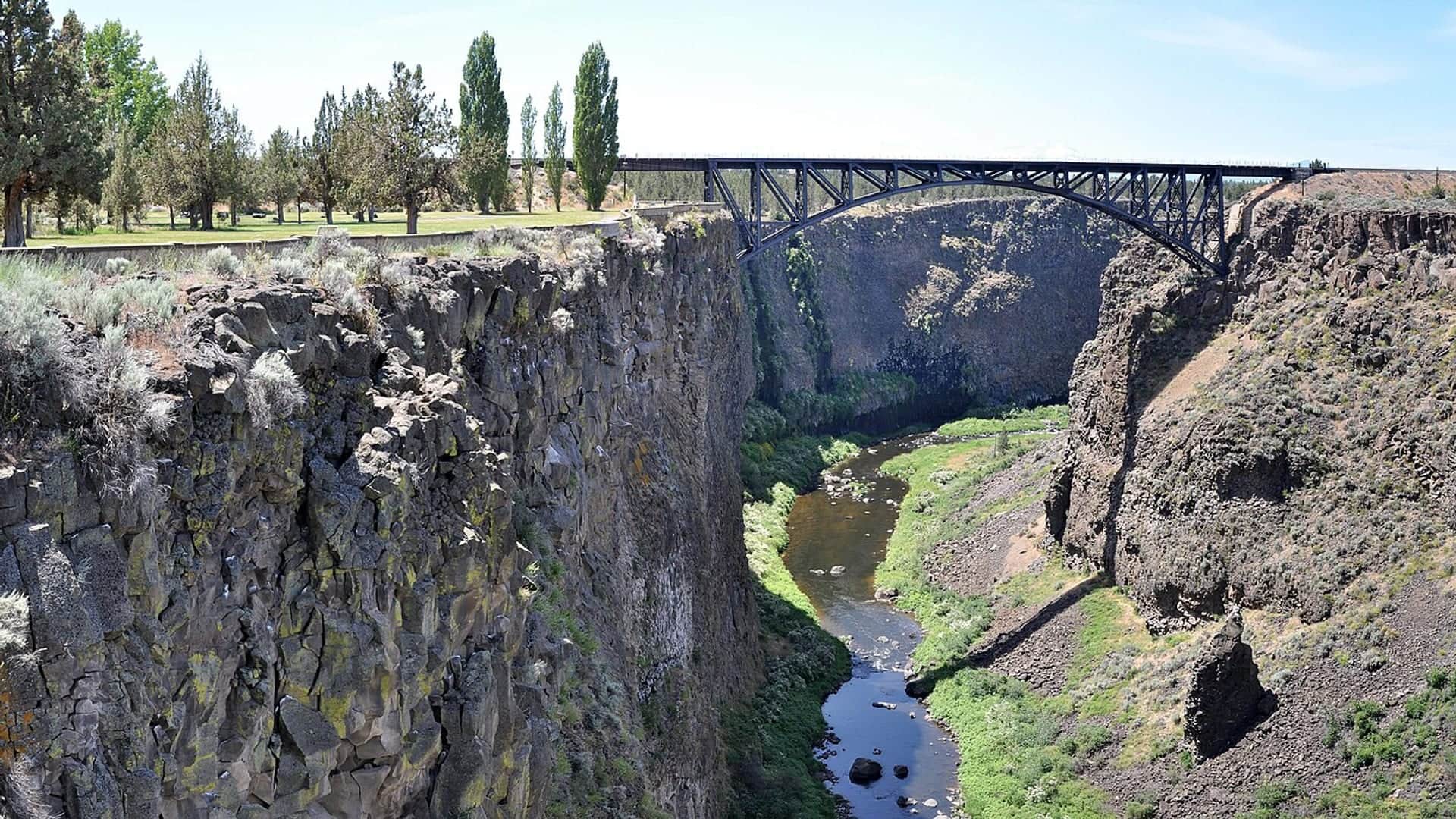
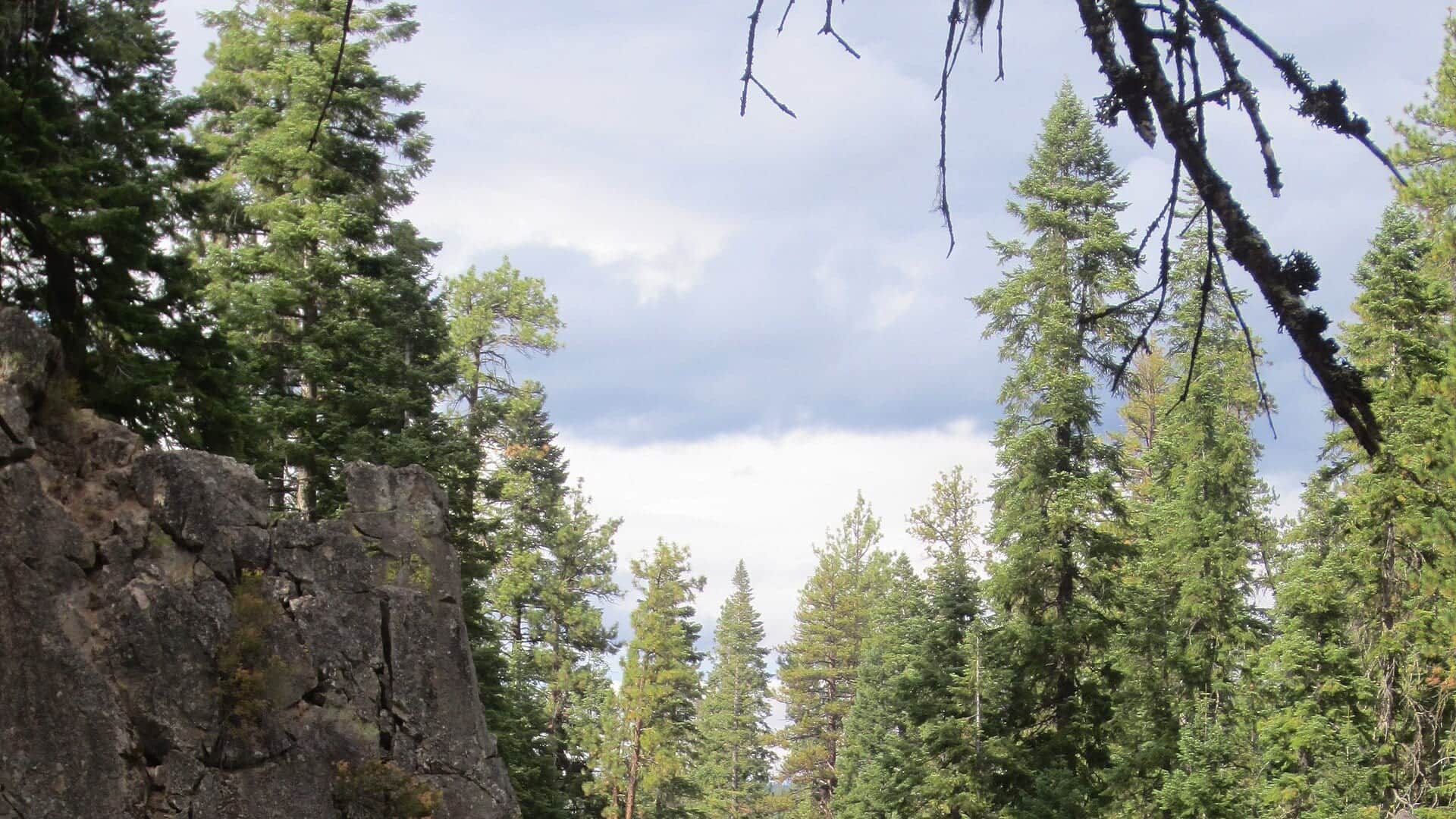
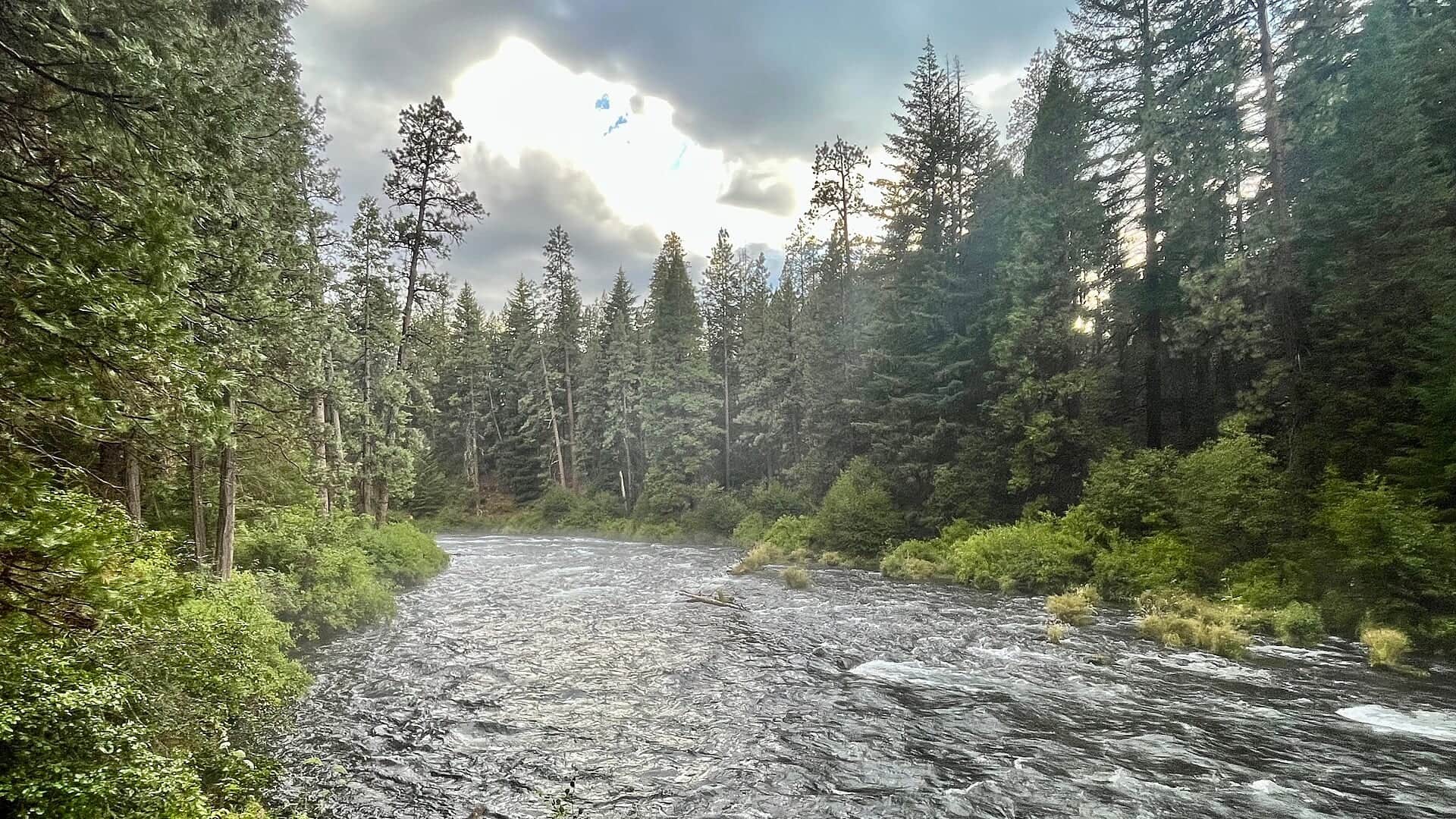
Generated regional Oregon river scene for Deschutes River Middle planning; not an exact location photo

Oregon / West

Deschutes River Middle

A Middle Deschutes report for Bend-to-Culver canyon water, wild trout, public/private access cautions, flow checks, flies, and regulations.

Image: Generated regional planning image for Deschutes River Middle / BlueStreamFly generated; not exact location / BlueStreamFly

Fishability now: Deschutes River Middle fishability today

GreatData confidence: High

96/100

Fishable now because the live gauge is stable, weather is mild, and no public alert is active.

Flow observed

6:00 PM UTC

Weather observed

6:00 PM UTC

Score calculated

6:12 PM UTC

Why this rating

Flow

Water temperature

Public alerts

Next 6-12 hours

Hold

Stable live data supports staying with the plan, but recheck the gauge and forecast before leaving.

More planning details: flies, flow bands, and live source checks

Fish it today

Start here

Start with known public access around Terrebonne, Steelhead Falls, or other BLM-managed middle-river entries, then fish one canyon section thoroughly. This water rewards commitment to a smaller legal corridor more than it rewards trying to sample too many unknown pullouts.

Best flow clue

Use RiverReports near Culver with the Culver and Bend USGS gauges as broad trend context. The best windows are steady flows that let you read pockets and banks safely; abrupt irrigation changes, canyon heat, or uncertain side-channel depth should push the day toward conservative access or another river.

Skip trigger

Skip the trip when you cannot verify the legal public entry, when canyon heat makes the hike out the hardest part of the day, or when the gauge trend is too broad to support a confident first visit.

Flow decision bands

Low but still workable

Steady lower-middle canyon flow can still fish well, but the best day usually comes from committing to one legal pocket-water section instead of chasing every visible bend.

Best steady canyon trend

A stable Culver trend with manageable weather is the cleanest signal for a wade-first Middle Deschutes trout day.

Hot hike-out or unstable water

If the canyon is already hot, the walk out feels like the hardest part of the day, or the broad trend is changing too quickly, shorten the plan or choose a simpler river.

Public-entry uncertainty

A fishable trend still is not enough when the legal access point, private boundary, or safe turnaround plan is not fully clear before you hike in.

USGS flow

548 cfs

Open

Current trend: flow stable, so weather, temperature, and access checks drive the next change.

Live USGS flow

545 cfs / stable

Live NWS forecast

66F / Slight Chance Rain Showers

Live water temperature

57F from USGS

No NWS alert flag

No active NWS alert was returned for this forecast point.

Primary waterMiddle Deschutes canyon between Bend, Terrebonne, and Lake Billy Chinook context
Flow checkRiverReports Culver with USGS 14076500 source
Access styleTrail, canyon, bridge, BLM, and mixed public/private access
ReviewedJune 1, 2026

Use the Culver gauge and RiverReports as a middle-canyon flow reference.

Expect wild rainbow/redband trout, brown trout in some reaches, whitefish, and bull trout context below Steelhead Falls.

Check public/private boundaries before walking down a canyon track.

Fish nymphs, dry-droppers, and streamers around pocket water and structure.

Editorial review

How this report is maintained

This report is maintained from current regulation, access, flow, weather, and public planning sources so anglers can make better trip decisions than a raw gauge or generic overview would allow.

Byline

BlueStreamFly editorial team

Reviewed by

BlueStreamFly source review

Maintained by

Mountain Brook Run LLC

Last material review

2026-06-01

Report confidence

Good confidence

86/100

Good confidence: Oregon regulation sources, BLM access guidance, RiverReports and USGS trend support, and weather coverage support the page. Confidence is moderated by mixed public and private land, steep access, and the limits of one broad gauge trend for the whole canyon.

Regulations

Oregon regulations, updates, and Central Zone context support the current middle-river rule-check path.

Access

The BLM middle-river page supports the public framework, but private-land boundaries and canyon exits still require exact trip-day judgment.

Flow and weather

RiverReports near Culver, the Culver and Bend USGS gauges, and the National Weather Service point provide a strong live planning set for trend and canyon-weather decisions.

Fishing usefulness

The page now separates legal-entry checks, wade-first canyon planning, hot hike-out caution, and simpler backup-water choices.

Fishability dashboard and source review

2026-06-01 / material content or source review

Middle Deschutes rules and updates, the Central Zone report, the BLM middle-river access page, RiverReports near Culver, the Culver and Bend USGS gauges, and the National Weather Service point were checked before updating the current-fishability decision layer.

2026-06-01

Updated Deschutes River Middle to the current fishability-page standard with canyon flow bands, access cards, backup cues, stable fishability SEO, and confidence signals.

2026-05-28

Added canyon access triage, private-land skip cues, wade-first planning guidance, imperfect-gauge context, and a page-specific report-confidence meter after source review.

2026-05-25

Initial source-reviewed report published with flows, weather, hatches, flies, tactics, access, regulations, and FAQs.

Angler planning edge

Local details that change the plan

Best for

Canyon trout anglers willing to solve access first and fish second, Trips built around pocket water, dry-droppers, and compact nymph rigs instead of a large float-water day, People comparing a more technical public and private boundary puzzle against easier tailwater options nearby, Cooler-season scouting days when stable flows make steep access and longer walks worthwhile

Wade or float

Treat the middle river as a wade-first page. The value here is in picking the right pocket-water corridor and accessing it legally, not in assuming you can float or cover the whole canyon casually.

Best flows

Use RiverReports near Culver with the Culver and Bend USGS gauges as broad trend context. The best windows are steady flows that let you read pockets and banks safely; abrupt irrigation changes, canyon heat, or uncertain side-channel depth should push the day toward conservative access or another river.

When to skip

Skip the trip when you cannot verify the legal public entry, when canyon heat makes the hike out the hardest part of the day, or when the gauge trend is too broad to support a confident first visit.

Local plan

Start with known public access around Terrebonne, Steelhead Falls, or other BLM-managed middle-river entries, then fish one canyon section thoroughly. This water rewards commitment to a smaller legal corridor more than it rewards trying to sample too many unknown pullouts.

Pressure

Easier public entries and well-known views gather the most foot traffic. Walking farther from the first access, especially on weekdays, usually matters more here than changing flies every twenty minutes.

Access nuance

Public and private land intermix enough on the middle river that the best-looking water is not always the best legal option. The BLM framework is helpful, but exact boundaries, steep exits, and realistic turnaround points still matter more than a broad map pin.

Backup water

If middle-river access feels too uncertain, pivot to the Crooked for a simpler tailwater wade day or to the Metolius for a clearer public trout plan with less private-land ambiguity.

About the river

Setting, character, and why it fishes the way it does.

The Middle Deschutes links Bend-area water to the canyon country above Lake Billy Chinook. It has a different feel than the lower river: more access puzzles, pocket water, and wild trout decisions.

Irrigation-season changes, springs, canyon shade, and private land all affect the fishing plan. A single gauge cannot explain every pocket, so use flow as a broad trend and then verify conditions on foot.

This report is scoped to the middle canyon around Bend, Terrebonne, and Culver. It keeps the lower redside and steelhead fishery on the separate Deschutes River report.

Target species

Redband rainbow trout

Primary wild trout target in riffles, pockets, and seams.

Brown trout

Structure-oriented fish in some middle-river reaches.

Mountain whitefish

Common in subsurface lanes and useful for reading nymph depth.

Bull trout

Present in parts of the system; know identification and handling rules.

Reading the water

Stable flow

Best window for exploring pocket water and dry-dropper seams.

Irrigation shifts

Expect changing depths and side-channel behavior; verify on site.

Low and clear

Use stealth, smaller dries, and careful canyon approaches.

Hot weather

Fish early and stop if trout are stressed.

Best seasons

Spring

Opening windows, BWOs, caddis, and nymphing improve with stable flows.

Summer

Early and late sessions with dry-droppers and terrestrials can work if water is safe.

Fall

Cooling water, BWOs, and streamer edges improve.

Winter

Nymphing can work where access and rules allow.

Preferred flow source

Deschutes River near Culver

RiverReports is the preferred chart source when coverage exists. When a matching USGS gauge exists, keep it open as the official backstop for station data and current hydrograph context.

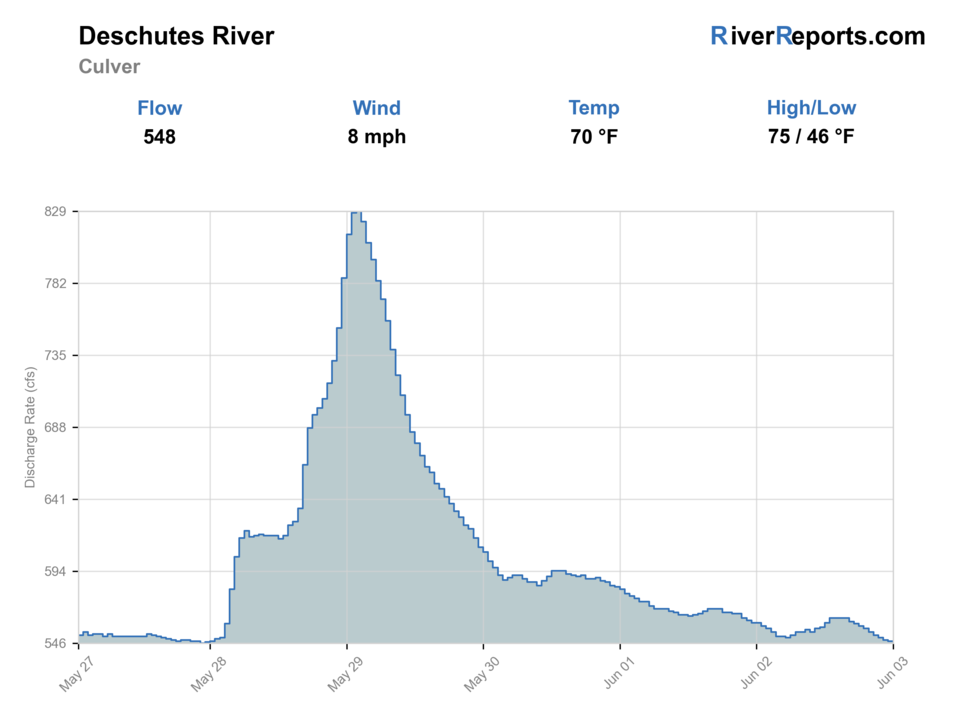
Deschutes River near Culver RiverReports flow chart

USGS data chart

Official USGS trend

Streamflow over the latest USGS reporting window.

Latest

548 cfs

Jun 3, 5 PM UTC

Site

14076500

Low / high

545 / 830 cfs

Source

Open USGS

Weather

River weather report

Weather can change wading safety, road access, water temperature, hatches, and the best time of day to fish.

Live forecast loads as you reach this section

This keeps the report fast while still using the official National Weather Service forecast point.

Hatches and flies

Hatch chart and fly picks

Winter to early spring

Midges, BWOs, small black stones, and slow-water nymph windows

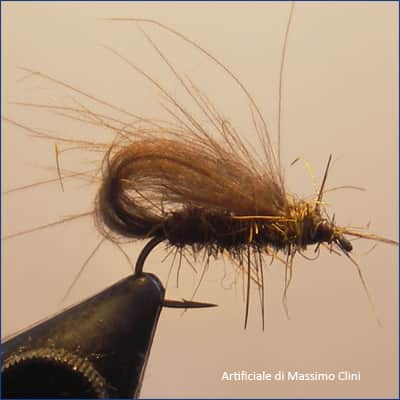
Zebra midge, BWO emerger, black stonefly nymph, perdigon, small leech

Late spring

PMDs, caddis, March Browns, Green Drakes where present, and stonefly nymph movement

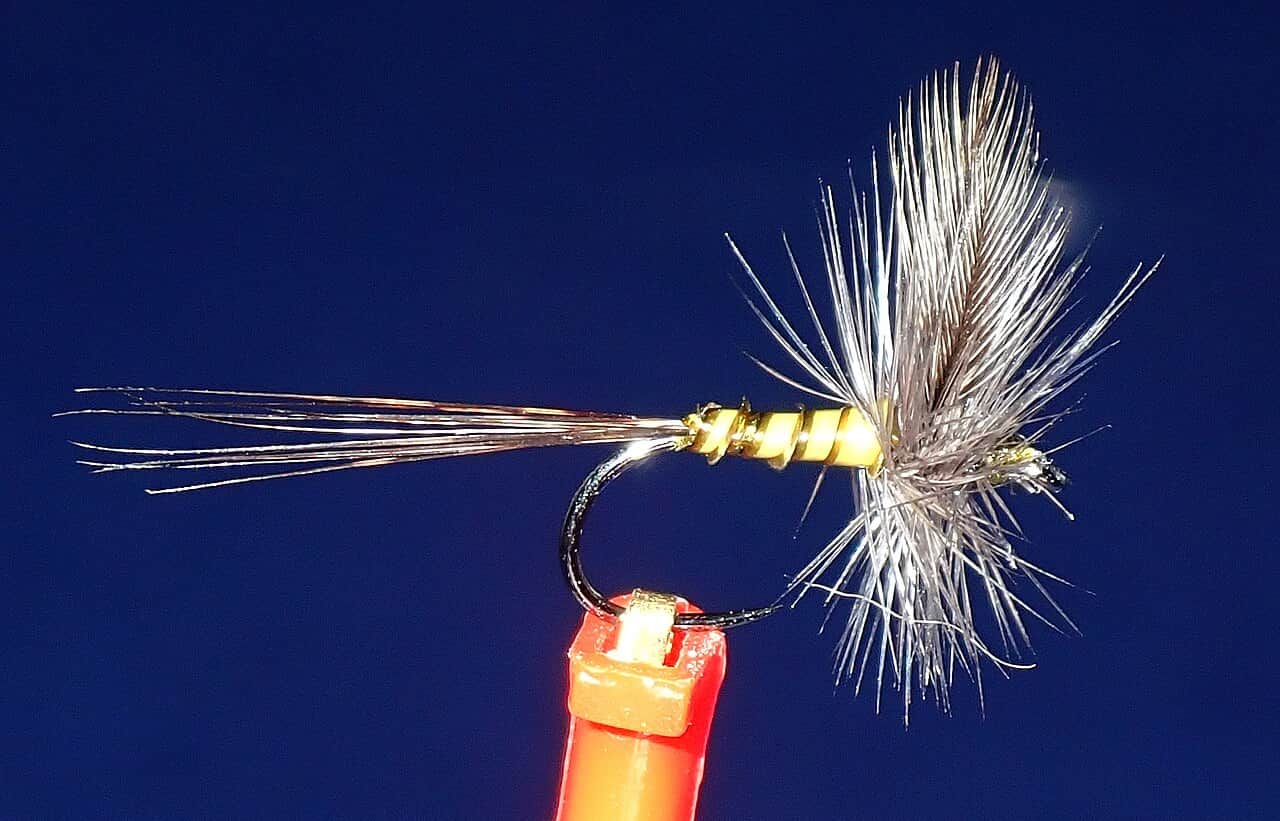
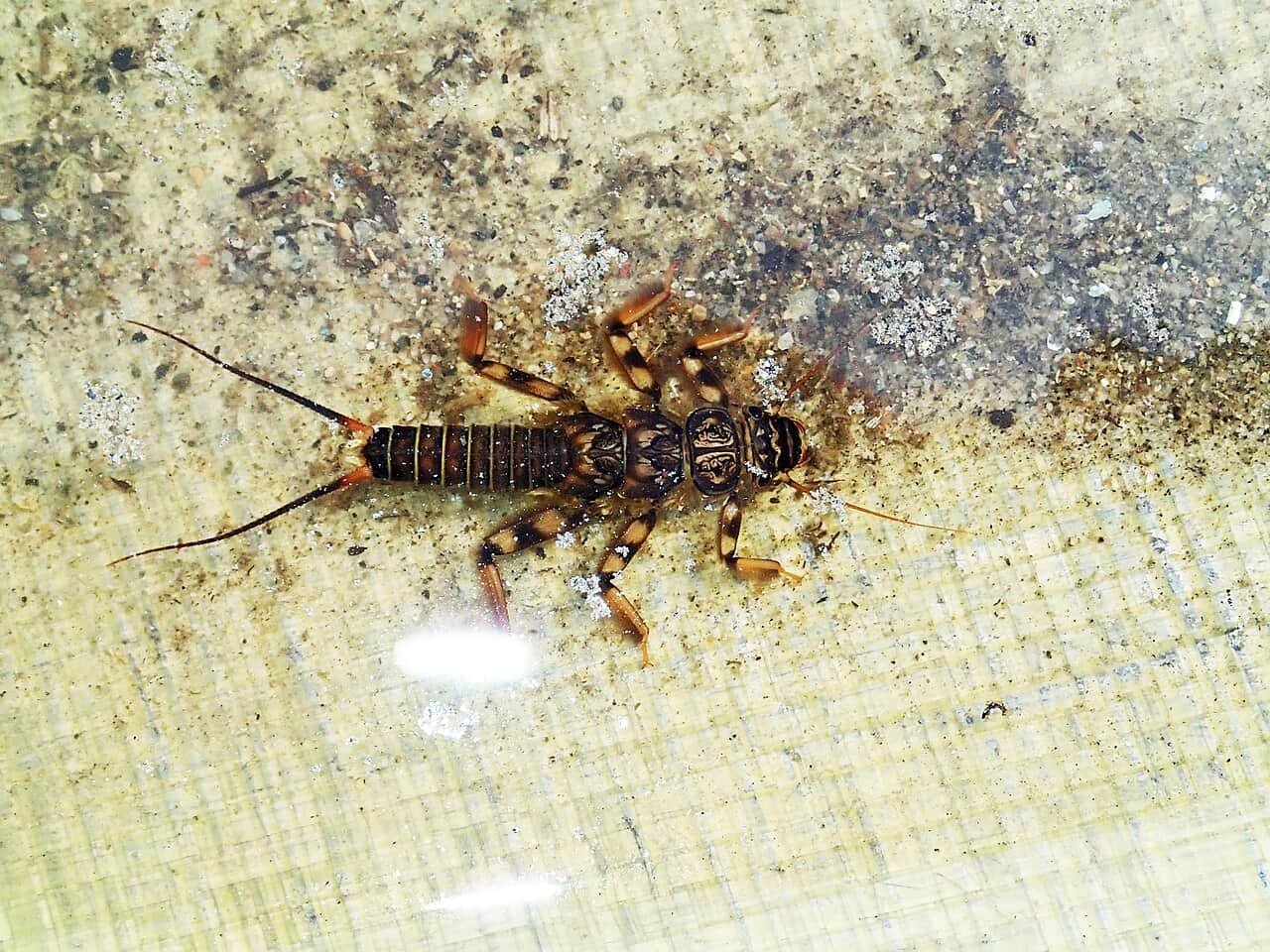
PMD emerger, caddis pupa, March Brown, Green Drake, golden stone nymph

Summer

Caddis, PMDs, terrestrials, craneflies, and early/late dry-fly windows

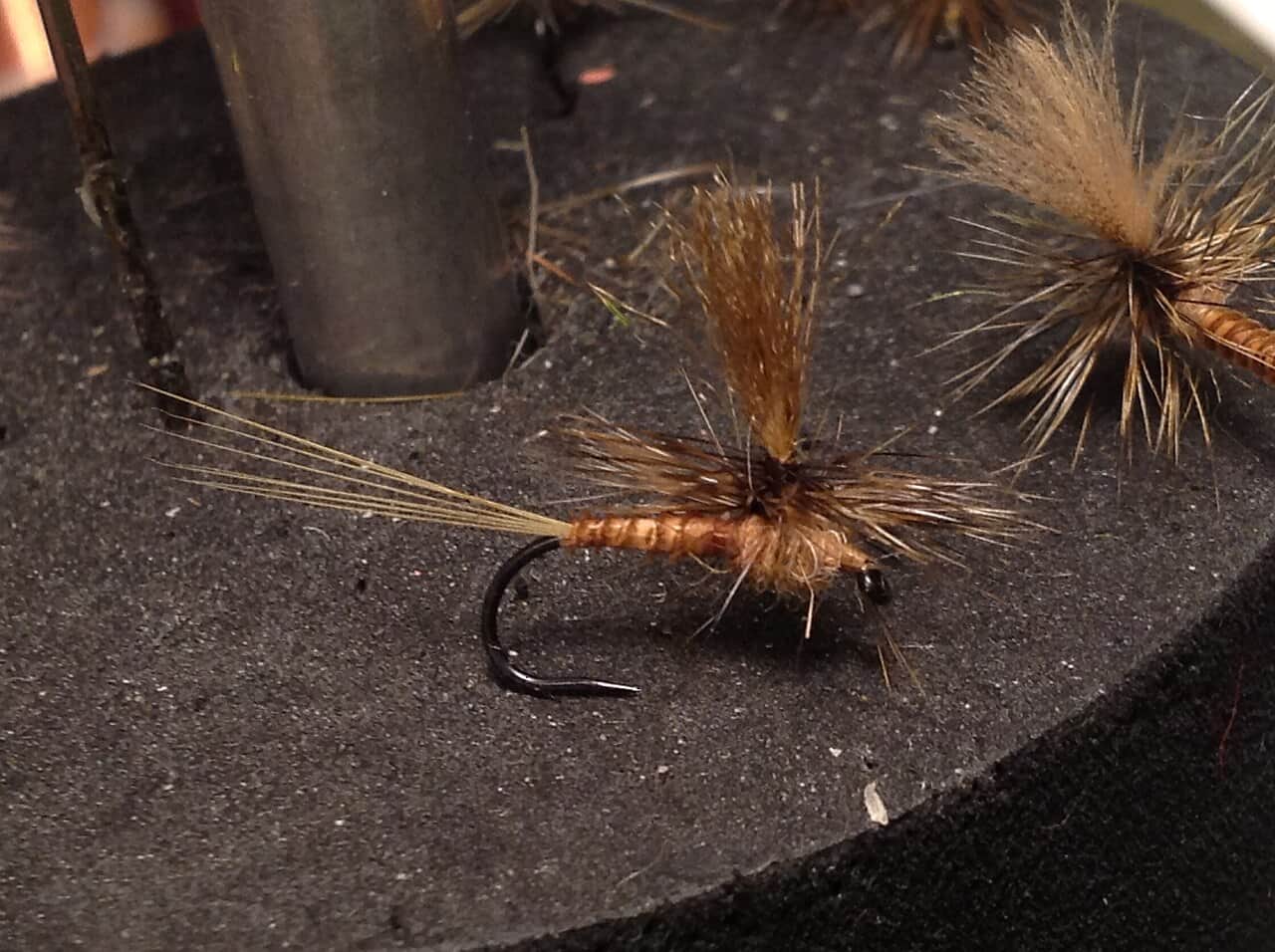
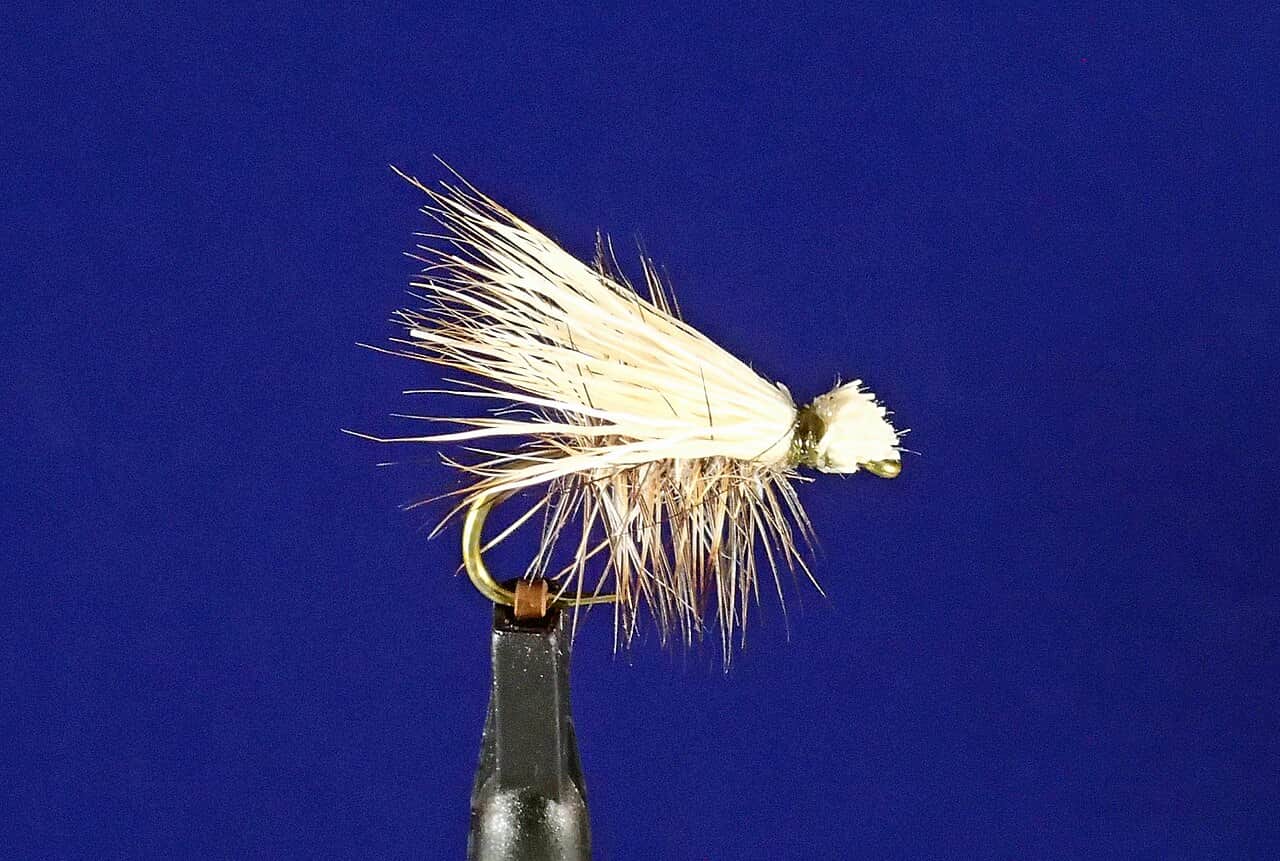
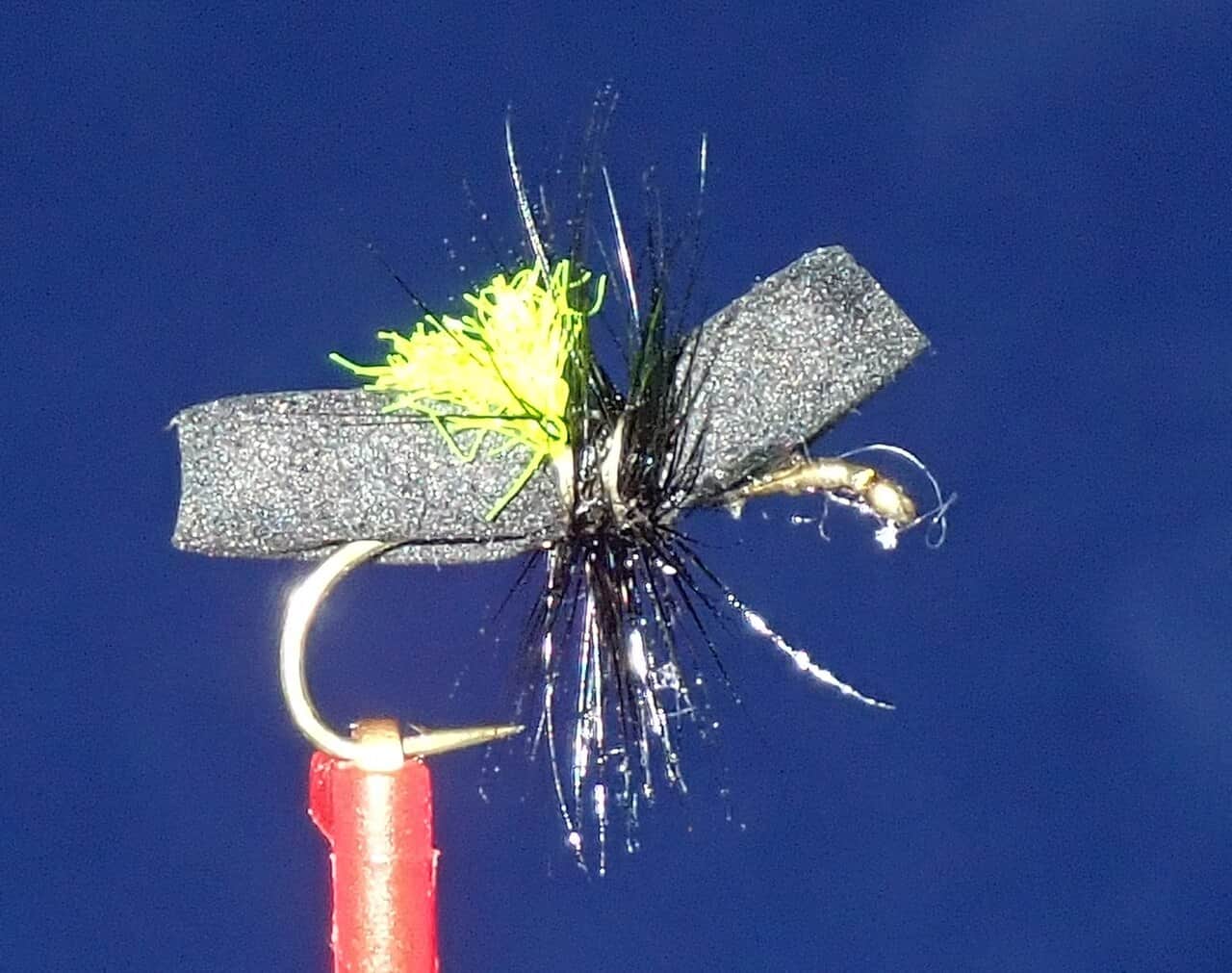
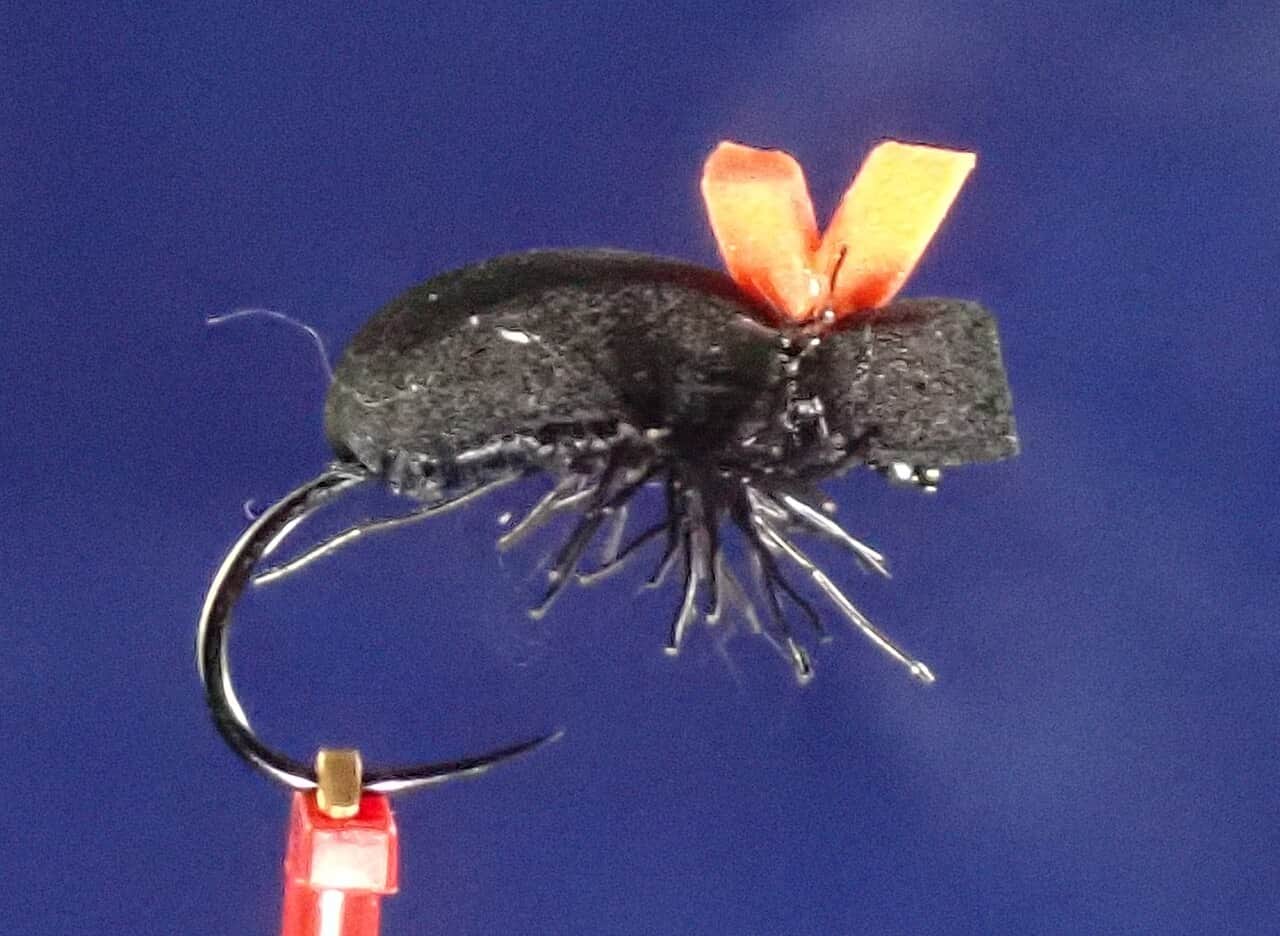
Elk hair caddis, PMD cripple, ant, beetle, small hopper, dry-dropper

Fall

BWOs, October caddis, midges, streamer windows, and cooling-water trout activity

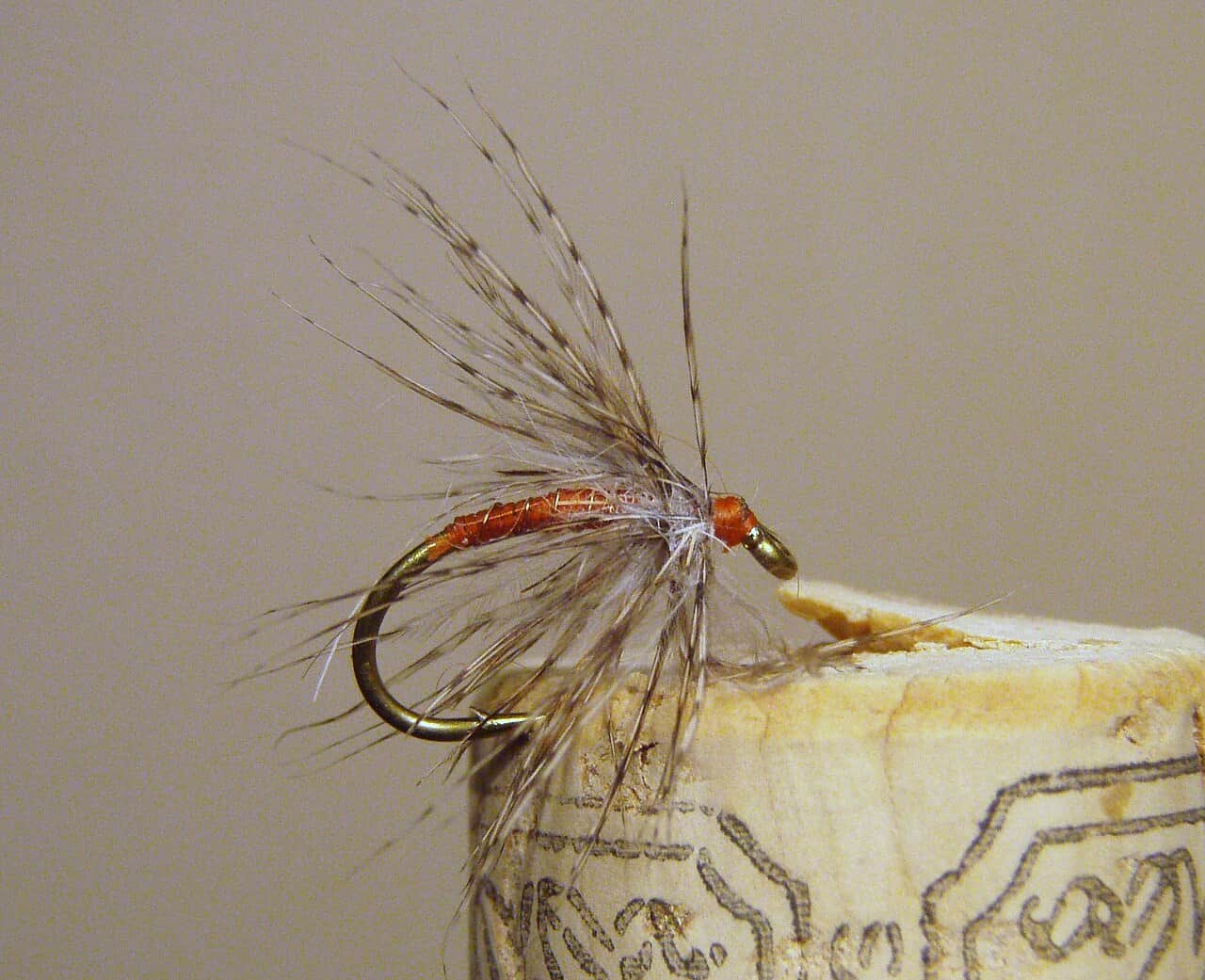
BWO emerger, October caddis, soft hackle, small streamer, sculpin

Nymphs

Perdigon, pheasant tail, hare's ear, zebra midge, stonefly

Use before hatches, in pocket water, or when fish are not showing on top.

Dries

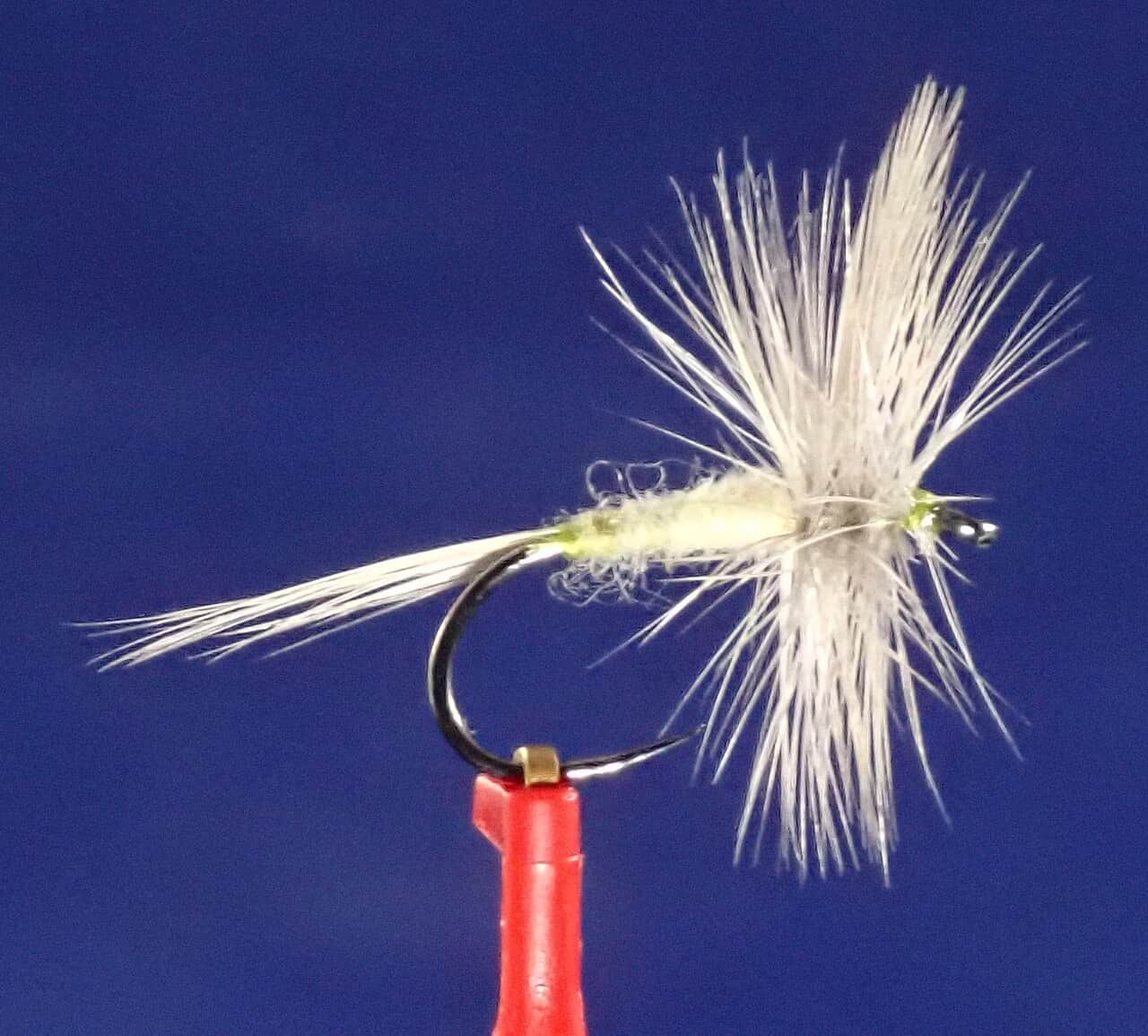
BWO, PMD, caddis, Green Drake, ant, beetle, small hopper

Use during visible hatches, evening rise windows, or clear low water.

Streamers

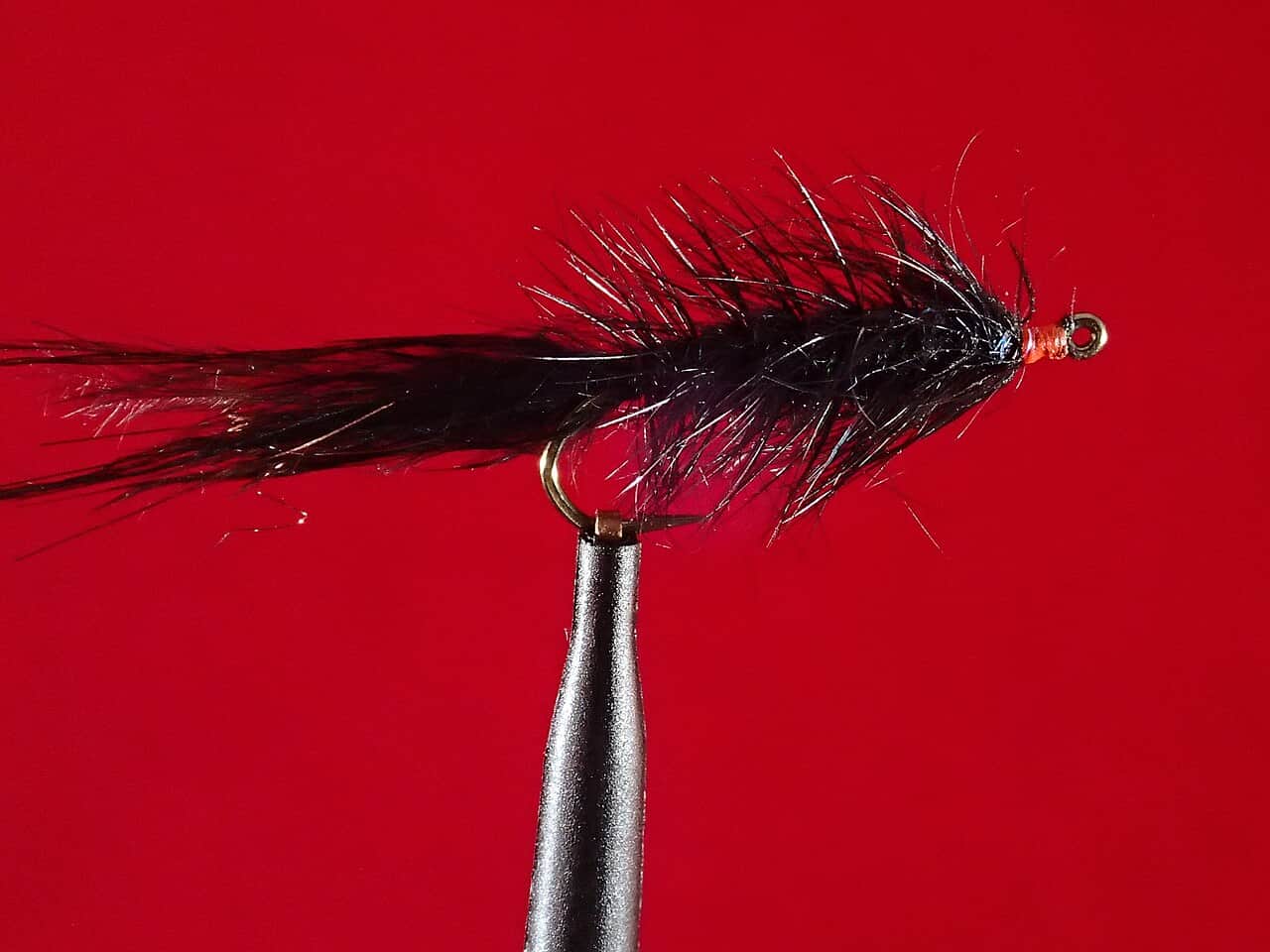
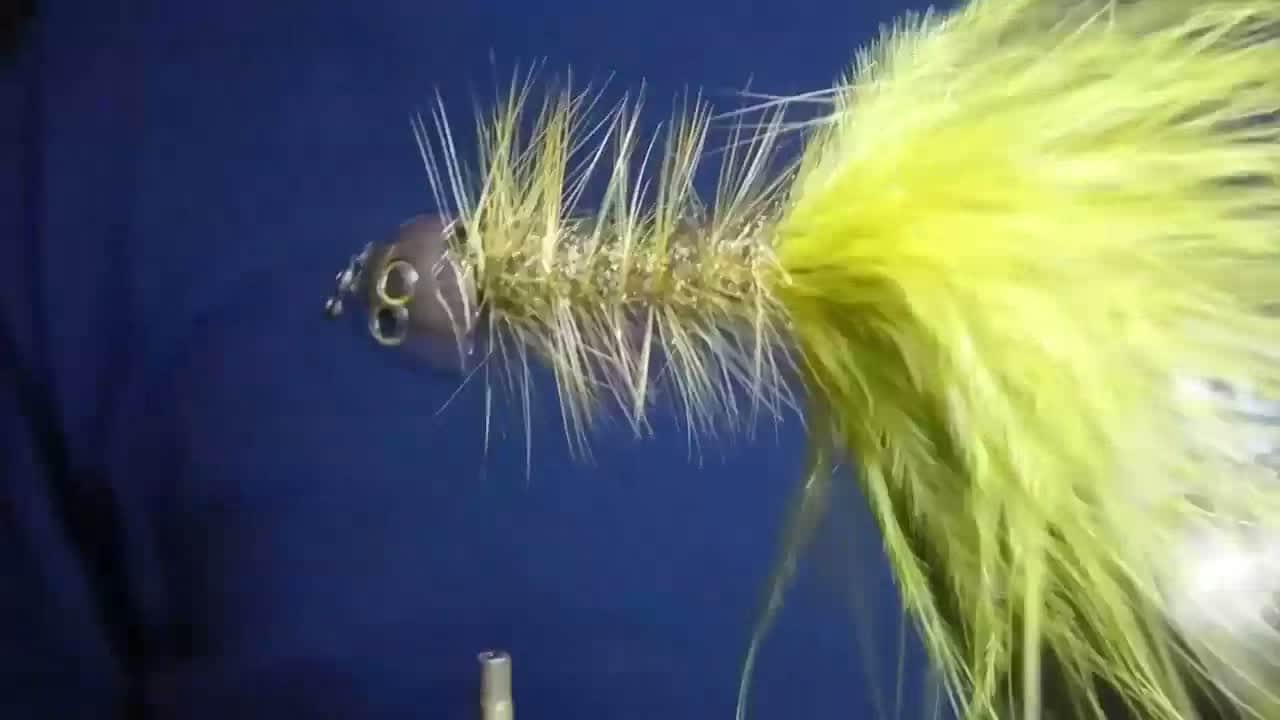
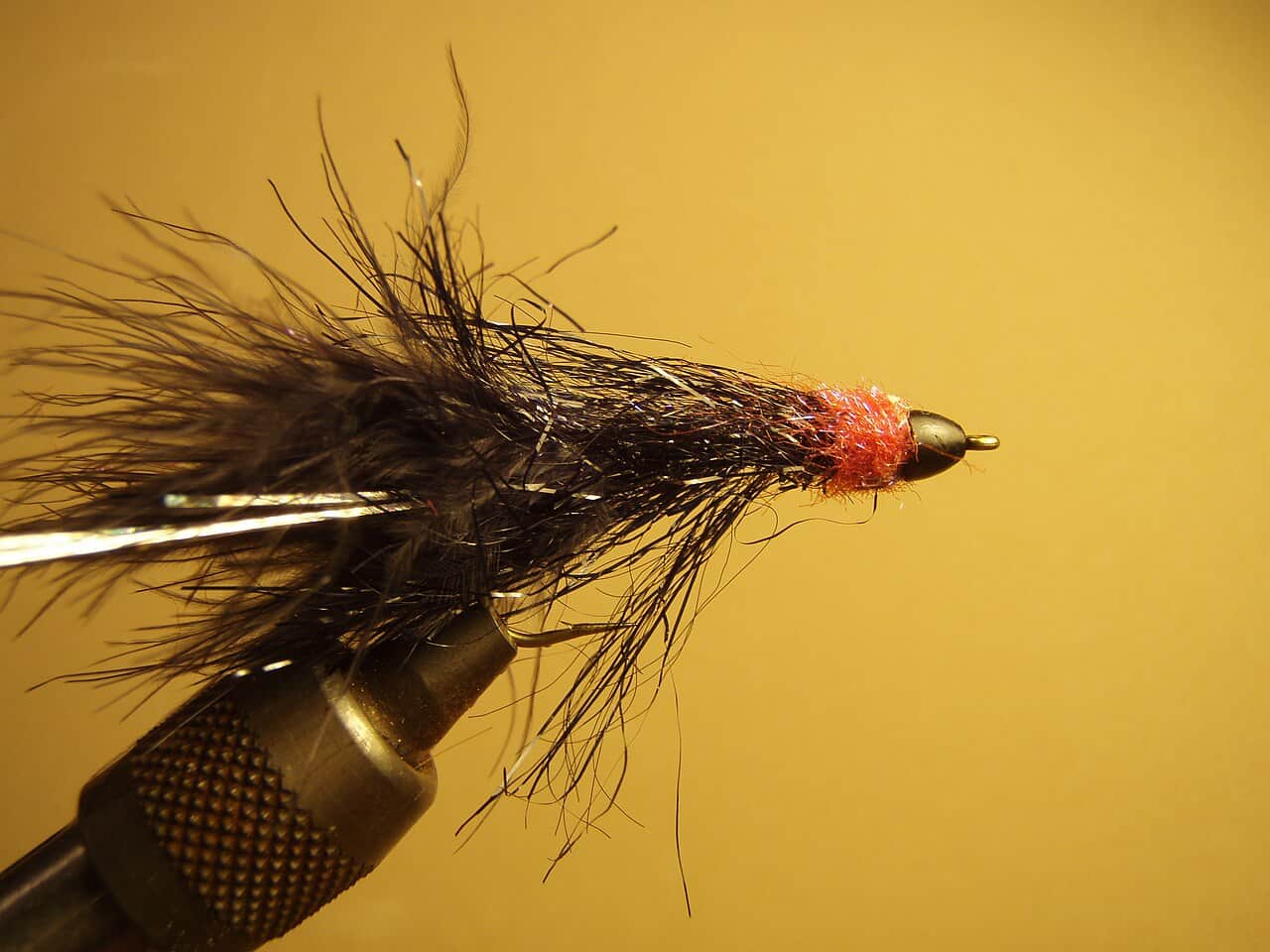
Sculpin, leech, olive bugger, small baitfish, soft hackle streamer

Use on higher flows, cloudy days, and structure-focused trout water.

Tactics

How to fish it

Plan the access first; do not cross private land to reach a promising bend.

Nymph pocket water and ledge edges with compact rigs.

Use dry-droppers along banks and softer seams in low light.

Swing or strip small streamers around brown-trout structure when flows are safe.

Carry enough water and sun protection for canyon exits.

Rigging

Rod, leader, and setup notes

A 4 or 5-weight is enough for most middle-river trout days.

Use short dry-dropper rigs in pocket water and longer leaders in clear flats.

Carry 4X through 6X, small tungsten nymphs, and a few streamers.

Good boots and a wading staff matter more than a giant fly box.

Access

Access and planning notes

Culver and Bend trend check

Primary canyon decision

Wade / float / trail

RiverReports / USGS stack

When to pick it

Start here when you need the broadest read on whether the middle canyon should stay a technical trout plan at all.

Caution

The gauge stack is useful, but one trend still cannot describe every side channel or pocket in the canyon.

BLM middle-river public entries

Named legal access start

Wade / float / trail

Walk-and-wade / trail access

When to pick it

Use this when you want a clearly supported public entry such as the Terrebonne or Steelhead Falls corridor instead of guessing through mixed land ownership.

Caution

Public framework helps, but steep exits and private-boundary mistakes still turn a fishable day into a bad one quickly.

One-canyon-section commitment

Practical trout plan

Wade / float / trail

Short hike / deliberate wade

When to pick it

Pick one legal corridor and fish it thoroughly when the middle river is fishable but access and hiking effort matter more than covering miles.

Caution

Do not build the day around sampling too many unknown pullouts when the best fishability answer is already a smaller legal section.

BLM middle-river information warns that public and private lands are intermingled.

Some canyon routes are steep and hot; carry water and do not rely on cell service.

ODFW rules differ by Deschutes reach, so read the exact reach before fishing.

Regulations

Check before fishing

Confirm ODFW Central Zone rules for the exact middle-river reach. Do not apply lower-Deschutes steelhead rules to this page.

Primary base

Bend, Redmond, Terrebonne, or Culver

Best day style

Trail, canyon, bridge, BLM, and mixed public/private access

Check first

Culver flow, ODFW reach rules, private-property boundaries, fire restrictions, and weather

Safety

Canyon access, private land, rattlesnakes, heat, steep banks, and imperfect gauge coverage

Gear

Helpful gear for this water

Four or five-weight rod

Covers most trout dry-fly, nymph, and dry-dropper work.

Six-weight or streamer rod

Useful where wind, higher flows, or larger fish are realistic.

Thermometer

Important for tailwaters, summer trout, and catch-and-release decisions.

Wading staff

Useful on boulder, canyon, or slick tailwater sections.

Barbless-hook box

Many managed western waters require or strongly reward quick, low-impact handling.

Nearby water

Other water to research

Backup logic

Access uncertainty

Switch to the Crooked or Metolius instead of forcing the middle canyon without a clean public-entry plan.

Heat

Fish only the cooler part of the day and stop stretching the hike once summer heat becomes the real limit.

Broad trend change

Treat abrupt irrigation or weather-driven changes as a reason to stay conservative or pick a simpler flow read.

Crowding or steep exit risk

Use another public entry or another river rather than piling into the first easy overlook or forcing a bad climb out.

Crooked River

A more access-friendly tailwater trout option.

Deschutes River

The larger lower-river redband and steelhead report.

Metolius River

A spring-fed technical trout alternative.

FAQ

Fast answers

Is Deschutes River Middle fishable today?

Deschutes River Middle looks very fishable right now. The live score is 96/100, based on current flow, weather, public alerts, and the report's planning context. Recheck the linked gauge and forecast before leaving because conditions can change quickly after rain, heat, access changes, or flow swings.

What flow is best for Deschutes River Middle?

Use RiverReports near Culver with the Culver and Bend USGS gauges as broad trend context. The best windows are steady flows that let you read pockets and banks safely; abrupt irrigation changes, canyon heat, or uncertain side-channel depth should push the day toward conservative access or another river.

When should I skip Deschutes River Middle?

Skip the trip when you cannot verify the legal public entry, when canyon heat makes the hike out the hardest part of the day, or when the gauge trend is too broad to support a confident first visit.

Is Deschutes River Middle safe to wade right now?

The fishability score is not a wading guarantee. Wade only where your chosen access has safe edges, clear footing, legal entry, and no forced crossings; high, rising, stained, or storm-affected water should be treated conservatively.

What should I check first before fishing the Middle Deschutes?

Check the Culver flow, ODFW reach rules, private-property boundaries, heat, and BLM fire or access notices first.

Where should a first-time visitor start on the Middle Deschutes?

Start with known public access around Terrebonne, Steelhead Falls, or BLM-managed areas before exploring farther.

Can I wade the Middle Deschutes?

Yes in selected pockets at moderate flows, but steep access, private land, and heat can make a wade plan unsafe.

What flies should I bring for the Middle Deschutes?

Bring the seasonal fly box, a few backup nymphs or streamers, and enough tippet to change tactics when flow, clarity, temperature, or crowds change.