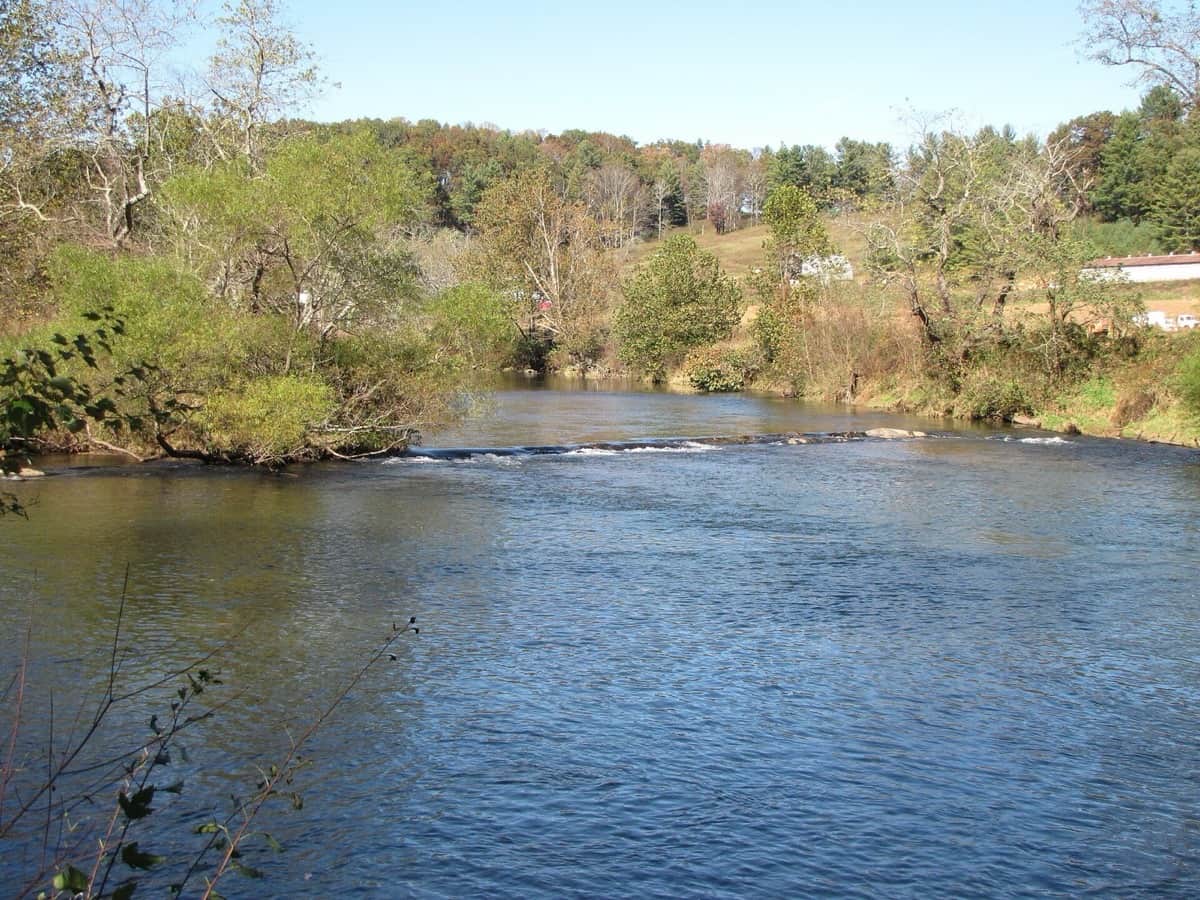
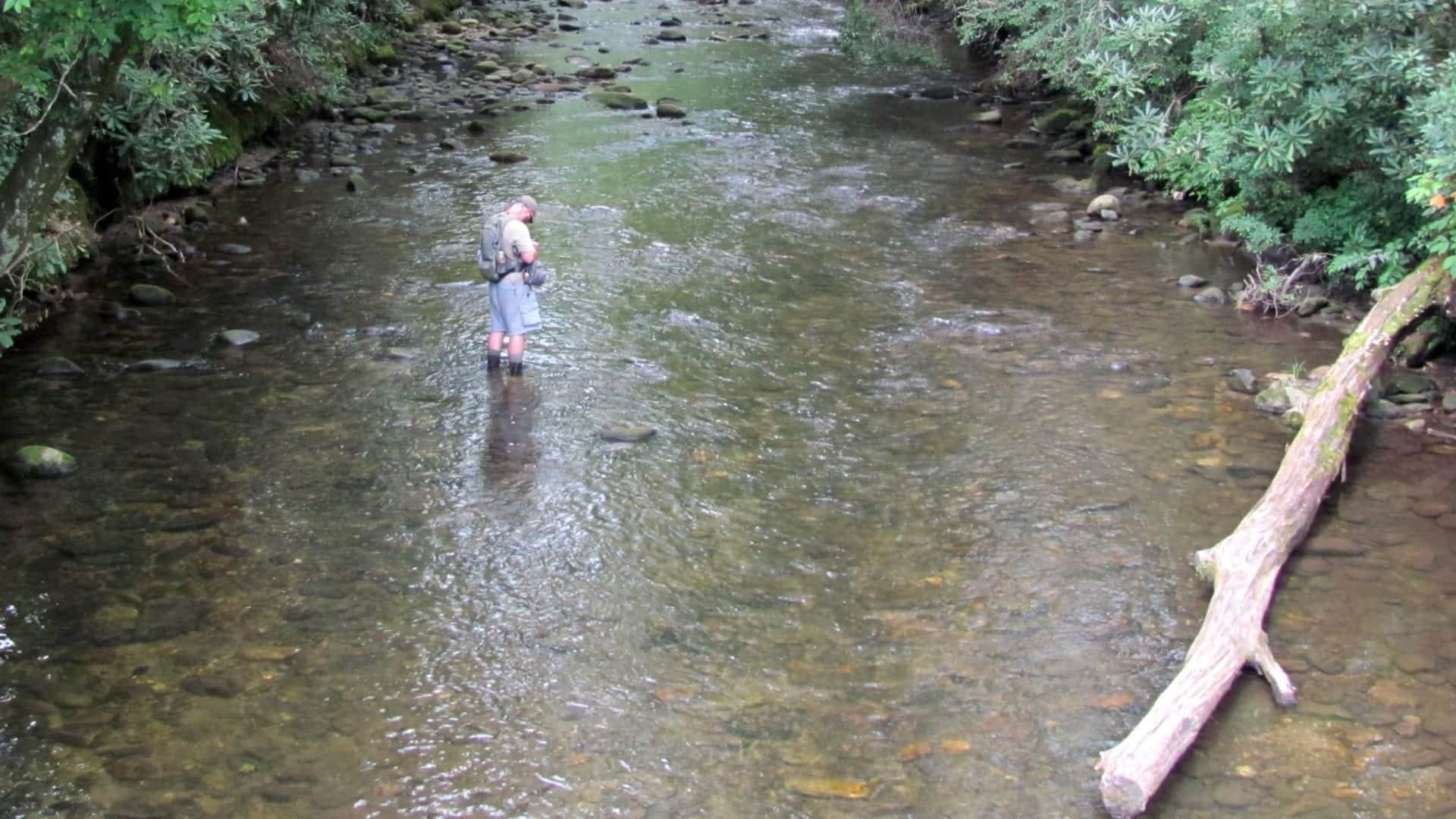
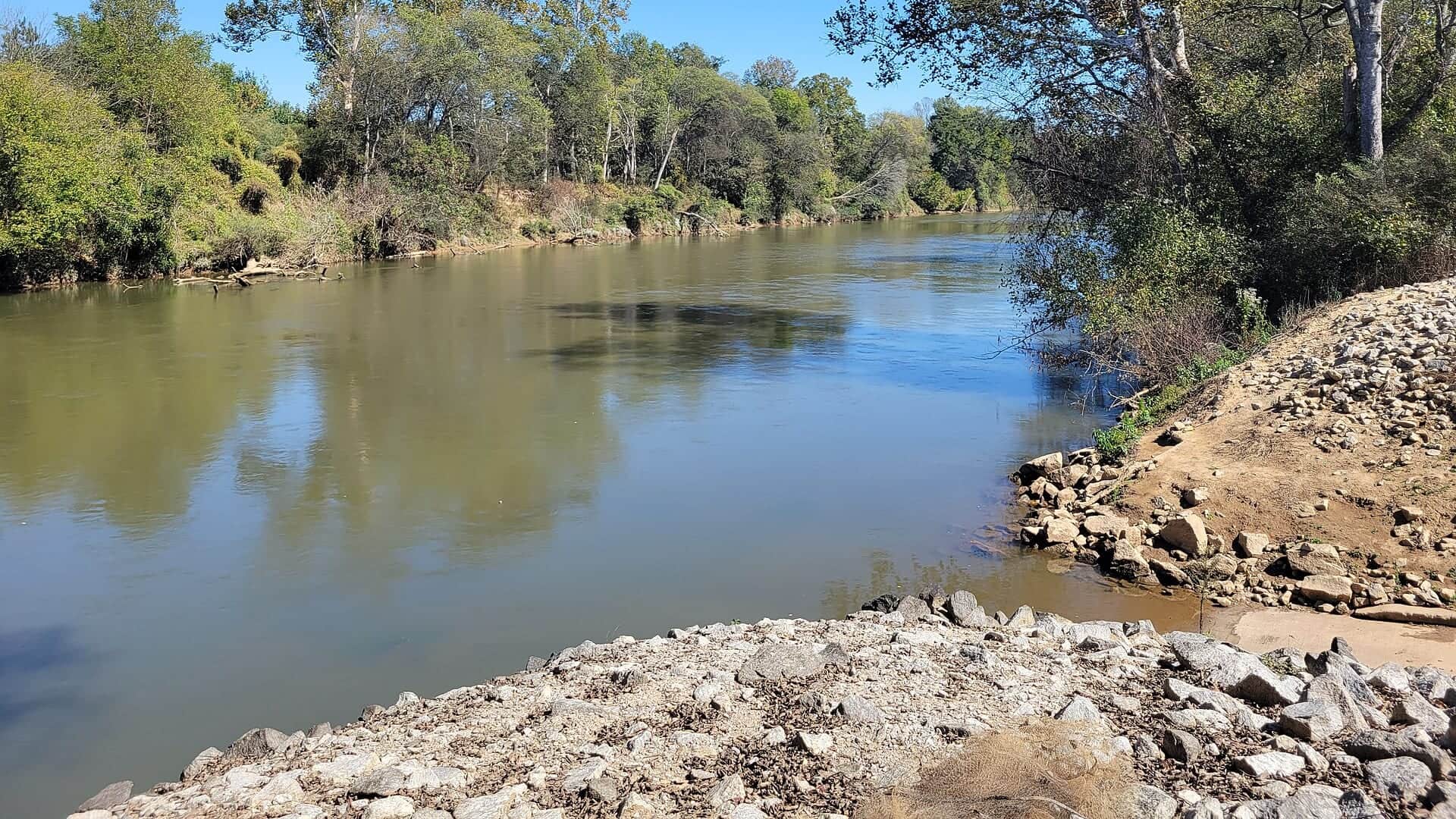
New River at New River State Park in North Carolina

North Carolina / Southeast

New River

A North Carolina New River report focused on mountain smallmouth water, South Fork flows, state park access, warmwater tactics, and trout-reach cautions.

Image: Newriverstatepark.JPG / CC BY-SA 3.0 / Zanter

Fishability now: New River fishability today

GreatData confidence: High

96/100

Fishable now because the live gauge is stable, weather is mild, and no public alert is active.

Flow observed

4:30 PM UTC

Weather observed

5:00 PM UTC

Score calculated

5:25 PM UTC

Why this rating

Flow

Weather

Public alerts

Next 6-12 hours

Hold

Stable live data supports staying with the plan, but recheck the gauge and forecast before leaving.

More planning details: flies, flow bands, and live source checks

Fish it today

Start here

Start with the South Fork gauge and New River State Park access. Pick a short wade or real float plan, then rig poppers, crayfish, and baitfish patterns around shade and ledges.

Best flow clue

Use USGS 03161000 on the South Fork near Jefferson as the main mountain New River trend, then match it to your access, ledge depth, float distance, and storm forecast.

Skip trigger

Skip wading or floating when storms are building, the South Fork is high or muddy, ledges are slick and pushy, or your takeout and public-bank plan are not confirmed.

Flow decision bands

Low but still fishable

Lower clear South Fork flow can still fish well for smallmouth, but ledge depth, shade, and a shorter wade or float plan matter more than covering miles.

Best stable Jefferson trend

Stable or slowly falling South Fork flow with manageable weather is the cleanest signal for poppers, crayfish, baitfish flies, and a practical mountain smallmouth day.

High, muddy, or stormy

Storm pulses, dirty current, or pushy ledges should move the day off the New River instead of forcing a slick-bank or blind float plan.

Heat or shuttle caution

A fishable graph still becomes a poor call when summer heat, paddling traffic, or an unclear takeout turns the day into more logistics than fishing.

USGS flow

205 cfs

Open

Current trend: flow stable, so weather, temperature, and access checks drive the next change.

Live USGS flow

202 cfs / stable

Live NWS forecast

66F / Sunny

Water temperature not verified

Heat guidance uses weather and river type unless an official water-temperature value is available.

No NWS alert flag

No active NWS alert was returned for this forecast point.

Primary waterNorth Carolina New River near Jefferson and New River State Park
Flow checkUSGS 03161000 South Fork New River near Jefferson
Access styleState park access, float planning, wading ledges, private-bank care, and fork-specific trout context
ReviewedJune 1, 2026

Use the South Fork Jefferson gauge for mountain New River planning.

New River State Park provides public access and float context.

Smallmouth, rock bass, ledges, and warmwater flies are the core plan.

Trout rules are fork-specific; check NC Wildlife before targeting trout water.

Editorial review

How this report is maintained

This report is maintained from current regulation, access, flow, weather, and public planning sources so anglers can make better trip decisions than a raw gauge or generic overview would allow.

Byline

BlueStreamFly editorial team

Reviewed by

BlueStreamFly source review

Maintained by

Mountain Brook Run LLC

Last material review

2026-06-01

Report confidence

Good confidence

86/100

Good confidence: USGS flow, New River State Park access, Rivers.gov background, NC Wildlife species and trout-rule sources, and weather support the page. Confidence is moderated because reach-specific access, shuttle logistics, and seasonal species choice still need day-of checks.

Regulations

NC Wildlife smallmouth and trout-water sources support the legal-check path, while trout opportunities remain reach-specific rather than a whole-river default.

Access

New River State Park provides the strongest public-access anchor for the mountain New River corridor, though exact banks and takeouts still require care.

Flow and weather

USGS 03161000 and the National Weather Service point provide a strong live planning set for South Fork trend, storms, and river safety decisions.

Fishing usefulness

The page now separates mountain smallmouth flow windows, float versus wade choice, private-bank caution, summer heat, and backup-water decisions.

Fishability dashboard and source review

2026-06-01 / material content or source review

USGS 03161000 South Fork New River near Jefferson, New River State Park access information, Rivers.gov New River background, NC Wildlife smallmouth information, NC Wildlife trout resources, the public mountain trout water search, and the National Weather Service point were checked before updating the current-fishability decision layer.

2026-06-01

Updated New River to the current fishability-page standard with warmwater-first flow bands, access cards, backup cues, stable fishability SEO, and confidence signals.

2026-05-29

Added North Carolina New River trip-fit guidance, South Fork gauge framing, mountain smallmouth planning, state-park access nuance, fork-specific trout-rule reminders, float and ledge safety, backup-water suggestions, editorial review signals, a corrected exact New River State Park image credit, and a page-specific report-confidence meter after source review.

2026-05-24

Initial source-reviewed report published with flows, weather, hatches, flies, tactics, access, regulations, and FAQs.

Angler planning edge

Local details that change the plan

Best for

Mountain smallmouth anglers planning a New River day around ledges, stable flow, state-park access, and warmwater fly tactics, Float or wade trips that need a gauge, shuttle, storm, and private-bank plan before choosing poppers or streamers, Anglers who want a clear distinction between main-river smallmouth fishing and fork-specific trout water, Summer and fall trips where water temperature, shade, and safe ledge footing matter as much as fly choice

Wade or float

Treat the North Carolina New River as a wade-or-float smallmouth fishery depending on flow, shuttle logistics, and access. Do not treat it as one simple trout stream.

Best flows

Use USGS 03161000 on the South Fork near Jefferson as the main mountain New River trend, then match it to your access, ledge depth, float distance, and storm forecast.

When to skip

Skip wading or floating when storms are building, the South Fork is high or muddy, ledges are slick and pushy, or your takeout and public-bank plan are not confirmed.

Local plan

Start with the South Fork gauge and New River State Park access. Pick a short wade or real float plan, then rig poppers, crayfish, and baitfish patterns around shade and ledges.

Pressure

Pressure is more about access, paddling traffic, and summer weekends than classic trout crowding. A second access or shorter float often beats fighting the obvious launch.

Access nuance

State park areas are the safest public anchors. Many attractive banks outside public areas are private, so plan from official access points and do not rely on informal pullouts.

Backup water

If the New River is too high, stormy, or crowded, compare Davidson or Nantahala for trout plans, or larger southern tailwaters when you want more flow control.

About the river

Setting, character, and why it fishes the way it does.

The New River begins in the Blue Ridge of North Carolina and flows north, making it one of the region's most distinctive warmwater mountain rivers.

For fly fishing, the useful plan is smallmouth-first: ledges, shoals, pools, and float sections. Trout opportunities exist in managed fork-specific water, but they should not be mixed into one vague trout expectation.

State park access, shallow ledges, private banks, and summer storms all matter. A good day here is often built around flow, float distance, shade, and warmwater fly choices.

Target species

Smallmouth bass

Primary fly target in the main mountain river.

Rock bass

Common warmwater companion around ledges and structure.

Muskellunge

A possible specialty target in the broader New system; not a casual trout setup.

Trout

Managed opportunities are fork-specific, especially South Fork context; check NC Wildlife.

Reading the water

Low summer flow

Wade carefully, fish shade and depth, and use stealth near clear ledges.

Stable medium flow

Best mix of streamer, popper, and float-fishing options.

High or muddy

Avoid wading ledges and wait for visibility or fish bank seams from safe access.

Hot weather

Fish early or late and handle bass quickly in warm water.

Best seasons

Spring

Warming water and prespawn smallmouth create streamer and crayfish windows.

Summer

Poppers, sliders, terrestrials, and wet-wading trips define the main season.

Fall

Cooling water improves streamer and baitfish patterns.

Winter

Slow deep presentations are possible, but most fly anglers wait for warmer periods.

USGS flow

South Fork New River near Jefferson

This is the fallback for rivers that are not covered by RiverReports. Use the official USGS monitoring page for the live hydrograph, station metadata, and current water trend.

Open USGS gauge

USGS data chart

South Fork New River near Jefferson

Streamflow over the latest USGS reporting window.

Latest

205 cfs

Jun 3, 5 PM UTC

Site

03161000

Low / high

198 / 663 cfs

Source

Open USGS

Weather

River weather report

Weather can change wading safety, road access, water temperature, hatches, and the best time of day to fish.

Live forecast loads as you reach this section

This keeps the report fast while still using the official National Weather Service forecast point.

Hatches and flies

Hatch chart and fly picks

March to April

Cold-water minnows, crayfish, and early aquatic insects

Small Clouser, woolly bugger, crayfish, balanced leech

May to June

Minnows, crayfish, damsels, dragonflies, and caddis

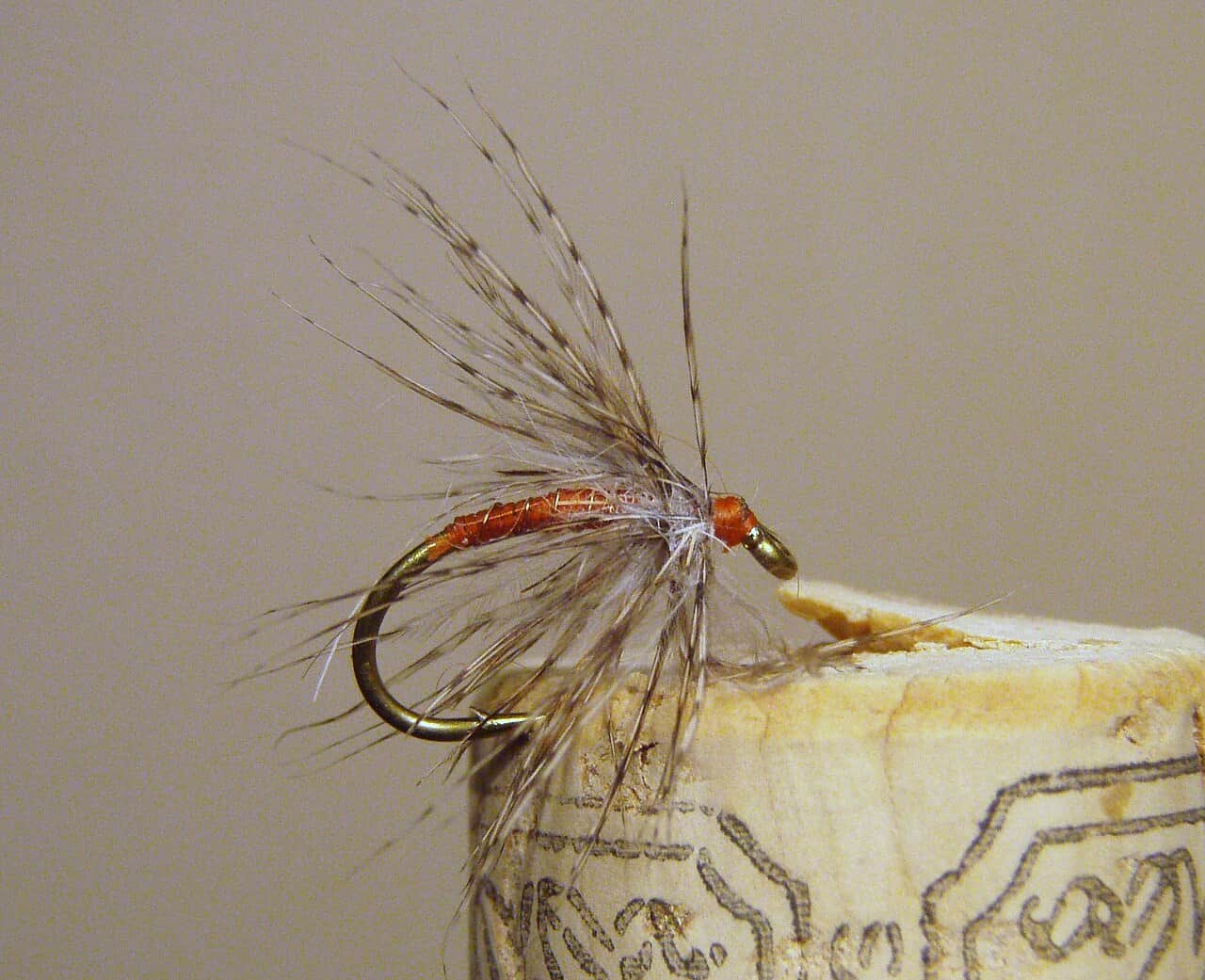
Clouser, crayfish, hellgrammite, slider, soft hackle

July to September

Terrestrials, cicadas where present, popper water, and baitfish

Poppers, sliders, foam hopper, baitfish streamer, diving bug

October to November

Cooling-water baitfish, crayfish, and deeper-run forage

Sculpin, Clouser, crayfish, leech, weighted bugger

Streamers

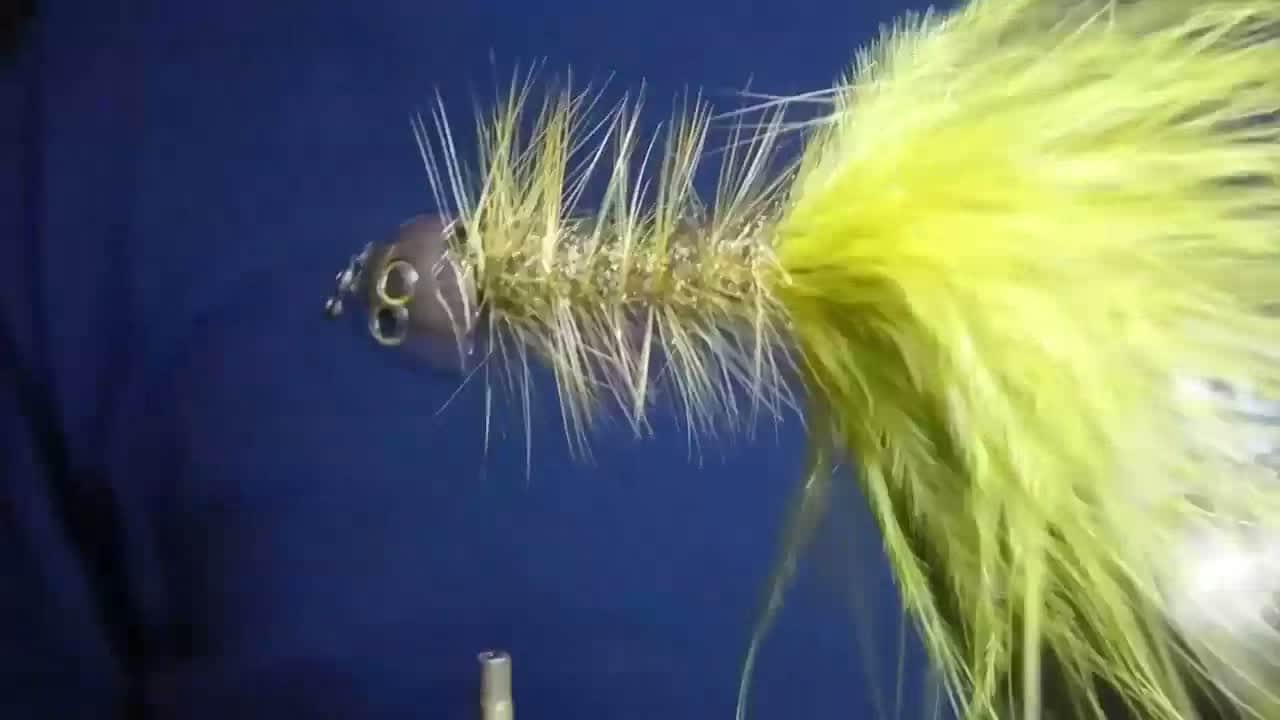
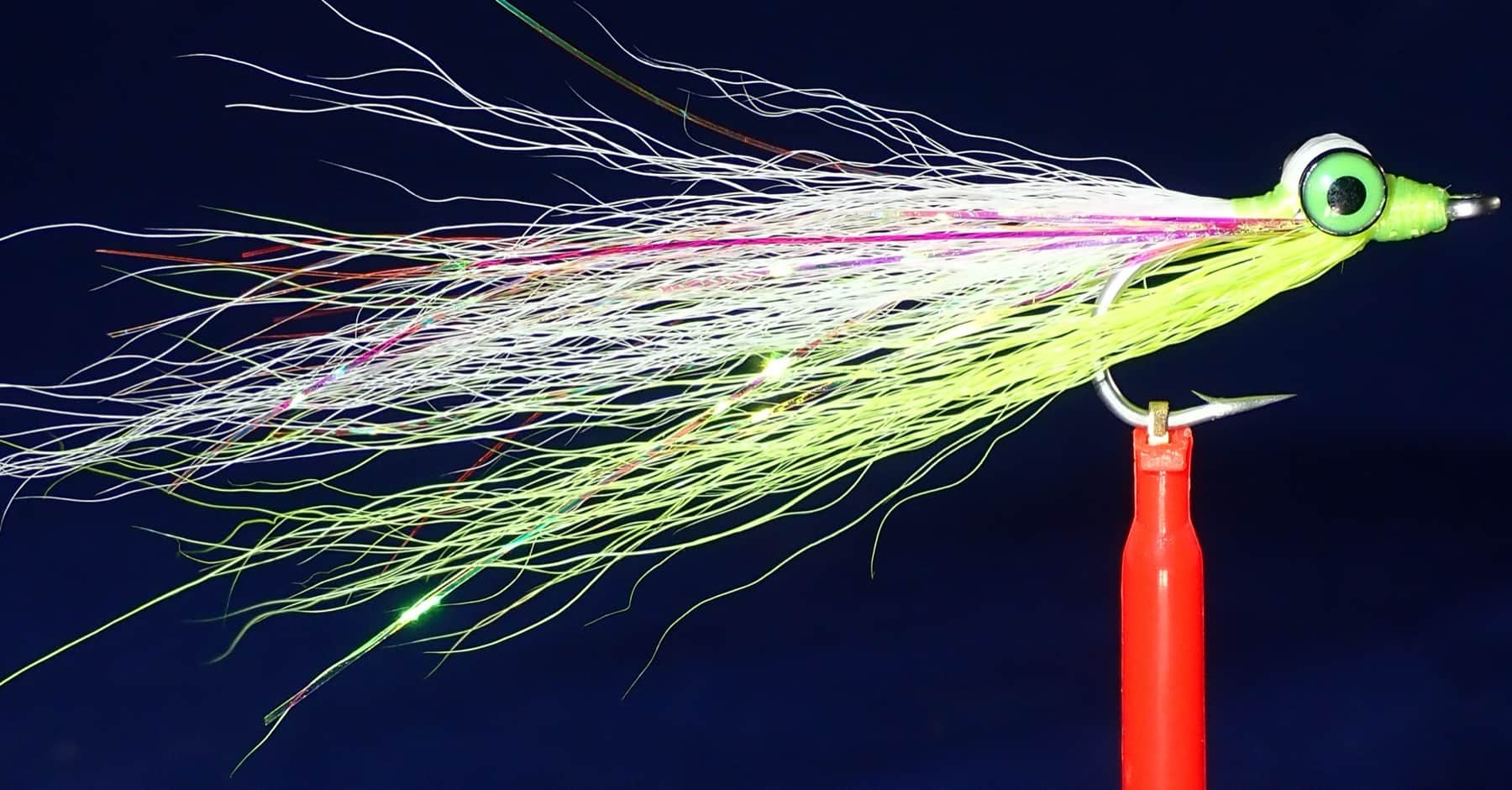
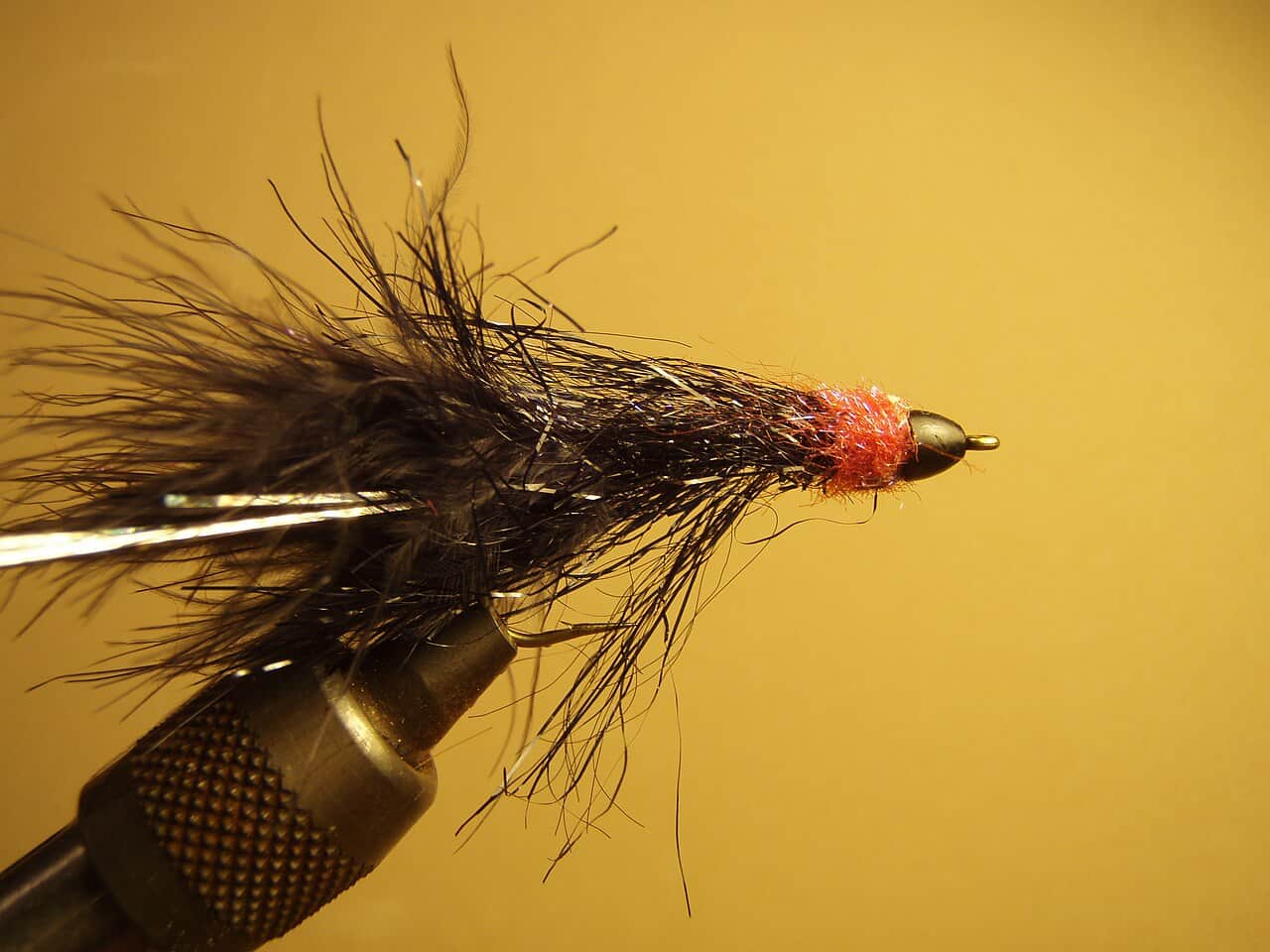
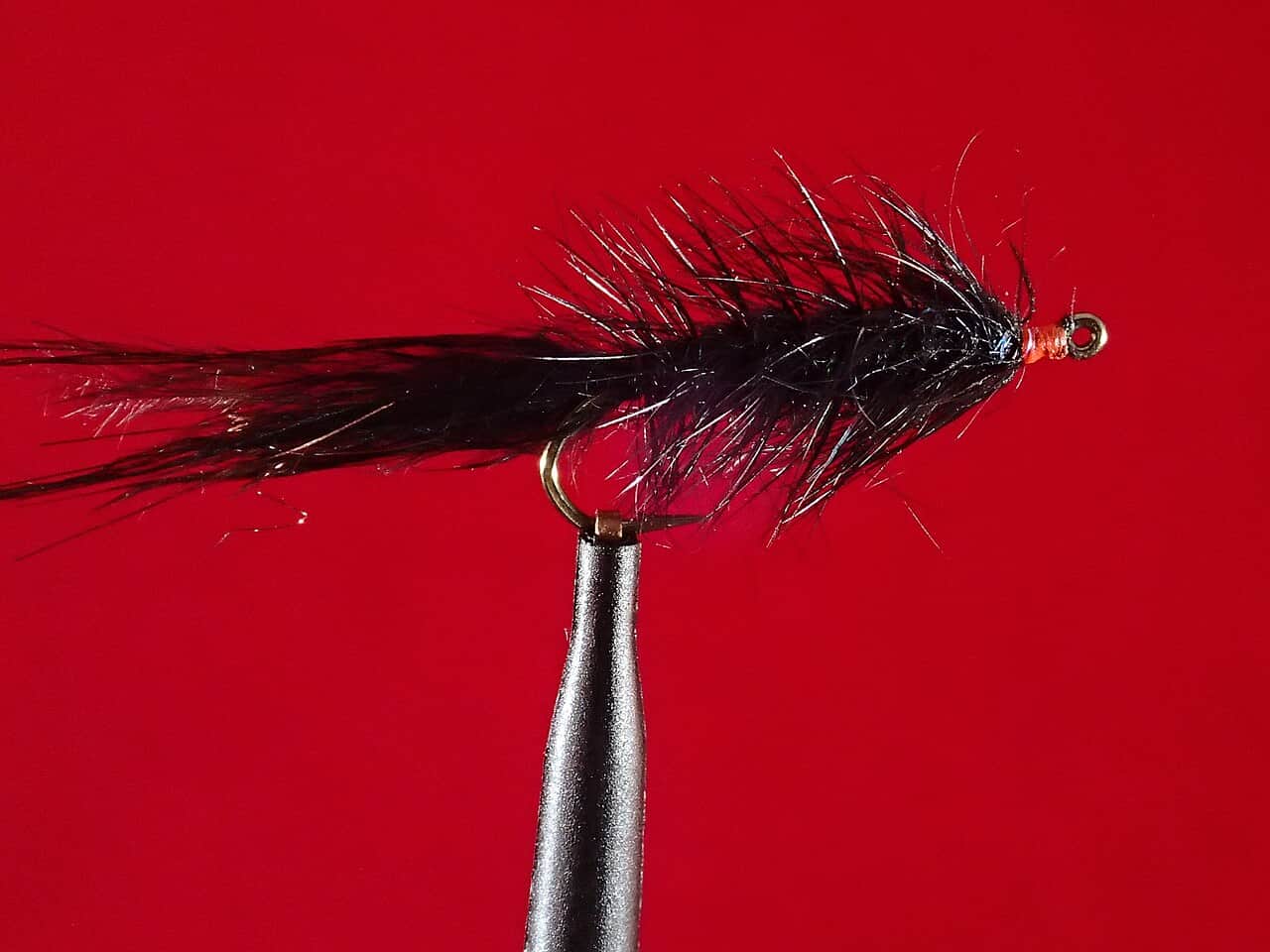
Clouser, sculpin, woolly bugger, baitfish, leech

Cover current seams, ledges, and bank shade when fish are chasing.

Crayfish

Weighted crayfish, hellgrammite, jig bugger

Drag or hop near bottom around ledges, boulders, and slower buckets.

Topwater

Poppers, sliders, foam bugs, small divers

Use in warm stable water, low light, and quiet banks.

Trout sidebar

Dry-dropper, pheasant tail, caddis, BWO

Use only on legal managed trout reaches and with temperature care.

Tactics

How to fish it

Fish ledge drops, boulder shade, and the soft side of current tongues.

Use crayfish patterns near bottom when fish are not chasing.

Throw poppers early, late, and around shaded banks in warm stable water.

Float only with a real shuttle and takeout plan.

Treat trout reaches as separate legal water and verify the rules before fishing them.

Rigging

Rod, leader, and setup notes

A 6-weight or 7-weight handles poppers and streamers well.

Use a floating bass taper for poppers and a sink tip for deeper runs.

Carry 0X to 2X for streamers and bass bugs.

Use durable flies because ledges and smallmouth are hard on materials.

Bring sun protection, water, and a wading staff for slick shoals.

Access

Access and planning notes

Jefferson gauge and river check

Primary trip decision

Wade / float / trail

Gauge / bridge scout

When to pick it

Start here when flow trend, storm risk, and ledge depth decide whether the New River should stay the main smallmouth plan at all.

Caution

The gauge is useful, but it does not settle every private bank, shoal, or float-length decision farther downstream.

New River State Park corridor

Named public access start

Wade / float / trail

Walk-and-wade / launch

When to pick it

Use it when you want the cleanest public-access anchor for a short wade, a shuttle-supported float, or a quick river-color check.

Caution

State-park access helps, but it does not turn every nearby roadside pullout into legal or practical fishing access.

Short float and takeout pair

Warmwater coverage plan

Wade / float / trail

Float / shuttle

When to pick it

Pick this when the South Fork trend is stable and you have already matched launch, takeout, and weather to a realistic distance.

Caution

Do not commit to a float when storms, paddling traffic, or an uncertain takeout would trap the day in logistics.

State park access is useful, but many banks outside public areas are private.

The river can look shallow while still hiding slick ledges and drop-offs.

Do not confuse this page with the coastal North Carolina New River or Virginia RiverReports coverage.

Regulations

Check before fishing

General North Carolina inland fishing rules apply to the smallmouth plan, while trout rules are fork-specific. Check NC Wildlife resources for any trout reach.

Primary base

Jefferson, West Jefferson, Boone, or Sparta

Best day style

State park access, float planning, wading ledges, private-bank care, and fork-specific trout context

Check first

South Fork flow, weather, state park access, smallmouth conditions, and any fork-specific trout rules

Safety

Ledges, shallow shelves, thunderstorms, private banks, float logistics, and summer heat

Gear

Helpful gear for this water

6-weight or 7-weight rod

Turns over streamers, poppers, and bass bugs.

Wet-wading or boat plan

Summer trips often mix wading, floating, and bank fishing.

Polarized glasses

Help spot ledges, drop-offs, and cruising fish.

Sun and storm kit

Warmwater rivers fish best in weather, but storms can raise water quickly.

Nearby water

Other water to research

Backup logic

High or muddy water

Let the New River settle and compare Davidson, Nantahala, or another clearer trout option instead of forcing slick warmwater current.

Heat

Fish only cooler windows, lean on shade and faster water, and stop stretching the session once summer heat flattens the smallmouth window.

Storm or shuttle risk

Turn the day into a short public-access scout or move to a simpler tailwater instead of forcing a full float plan.

Access issue

Use another named state-park access or another river rather than guessing at private banks or informal pullouts.

Davidson River

A technical trout option near Brevard.

Nantahala River

A western North Carolina trout and gorge plan.

Chattahoochee River

A larger southern river report with tailwater planning.

FAQ

Fast answers

Is New River fishable today?

New River looks very fishable right now. The live score is 96/100, based on current flow, weather, public alerts, and the report's planning context. Recheck the linked gauge and forecast before leaving because conditions can change quickly after rain, heat, access changes, or flow swings.

What flow is best for New River?

Use USGS 03161000 on the South Fork near Jefferson as the main mountain New River trend, then match it to your access, ledge depth, float distance, and storm forecast.

When should I skip New River?

Skip wading or floating when storms are building, the South Fork is high or muddy, ledges are slick and pushy, or your takeout and public-bank plan are not confirmed.

Is New River safe to wade right now?

The fishability score is not a wading guarantee. Wade only where your chosen access has safe edges, clear footing, legal entry, and no forced crossings; high, rising, stained, or storm-affected water should be treated conservatively.

What should I check before fishing the New River in North Carolina?

Check South Fork flow, state park access, weather, float logistics, and NC Wildlife rules for any trout-specific reach.

Are there special regulations on the New River in North Carolina?

Smallmouth rules and general inland rules apply to the main warmwater plan; trout rules are fork-specific.

Can I wade the New River in North Carolina?

Yes at suitable flows, but shallow ledges, storms, and private banks require caution.

What flies should I bring for the New River in North Carolina?

Bring the seasonal hatch box, a nymph box, a few streamers, and a backup plan for clear, high, warm, or crowded water.